

Digital biomarkers for Alzheimer’s disease: the mobile/wearable devices opportunity
Open accessThe DOI matches its Crossref record; 101 of the 101 references it cites were found in a registry or an index.
Abstract
Alzheimer’s Disease (AD) represents a major and rapidly growing burden to the healthcare ecosystem. A growing body of evidence indicates that cognitive, behavioral, sensory, and motor changes may precede clinical manifestations of AD by several years. Existing tests designed to diagnose neurodegenerative diseases, while well-validated, are often less effective in detecting deviations from normal cognitive decline trajectory in the earliest stages of the disease. In the quest for gold standards for AD assessment, there is a growing interest in the identification of readily accessible digital biomarkers, which harness advances in consumer grade mobile and wearable technologies. Topics examined include a review of existing early clinical manifestations of AD and a path to the respective sensor and mobile/wearable device usage to acquire domain-centric data towards objective, high frequency and passive digital phenotyping.
Overview
The claims and statistics of this paper haven’t been checked yet.
Free: it reads the open-access text and checks the first 5 claims that cite a source we can check. Create a free account to check every claim.
Integrity signals
Registry
Cites
Statistics
Figures
Verification
Claims the paper makes
The claims and statistics of this paper haven’t been checked yet.
Free: it reads the open-access text and checks the first 5 claims that cite a source we can check. Create a free account to check every claim.
Claims other papers make about this one
Each is checked against this paper’s own text: does it say what the citing paper says it does?
The source backs part of the claim, not all of it — or backs it for a different population, condition or comparison.
In the citing paper
“Complementary digital biomarkers derived from handwriting, speech, and environmental sensors further enable longitudinal tracking of cognitive decline (Kourtis et al., 2019).”
From Multimodal neuroimaging and AI integration in cognitive disorders: advances, challenges, and future directions for precision medicine (2026) · cites this paper as Kourtis et al., 2019
Experimental — accuracy not yet measuredThe source backs part of the claim, not all of it — or backs it for a different population, condition or comparison.
In the citing paper
“early detection of neurodegenerative disorders such as Alzheimer’s disease (AD), in which key indices of preclinical stages are cognitive, motor and sensory changes that occur 10 or 15 years prior to its effective diagnosis43,44.”
From Sex and gender differences and biases in artificial intelligence for biomedicine and healthcare (2020) · cites this paper as [44]
Experimental — accuracy not yet measuredThe source backs part of the claim, not all of it — or backs it for a different population, condition or comparison.
In the citing paper
“Monitoring these biomarkers’ fluctuations is essential in the early detection and treatment of mental health disorders [3,32].”
From Predicting Depression From Smartphone Behavioral Markers Using Machine Learning Methods, Hyperparameter Optimization, and Feature Importance Analysis: Exploratory Study (2021) · cites this paper as [32]
Experimental — accuracy not yet measuredThe check wasn’t confident either way, so it gives no verdict — never disputed.
In the citing paper
“While classification tasks are common in automated speech analysis in neurodegenerative research, several studies have employed regression models to predict continuous cognitive outcomes (e.g., MMSE)97,98 or to explore relationships with imaging and biomarker measures.99–101”
From Review of Artificial Intelligence for Clinical Use in Alzheimer's Disease and Related Dementias (2026) · cites this paper as [98]
Experimental — accuracy not yet measured
Self-check
Percentages, sums and reported differences re-computed from the paper’s own numbers.
The self-check needs the paper’s full text.
Citations
Cites
A compendium of neuropsychological tests: administration, norms, and commentary
(1991) · Choice Reviews Online · doi:10.5860/choice.29-2400 · Cited by 6,120
Thayer, J. F., Åhs, F., Fredrikson, M., Sollers, J. J., & Wager, T. D. (2012) · Neuroscience & Biobehavioral Reviews · doi:10.1016/j.neubiorev.2011.11.009 · Cited by 3,224
Executive functions and self-regulation
Hofmann, W., Schmeichel, B. J., & Baddeley, A. D. (2012) · Trends in Cognitive Sciences · doi:10.1016/j.tics.2012.01.006 · Cited by 1,965
Thayer, J. F., Hansen, A. L., Saus-Rose, E., & Johnsen, B. H. (2009) · Annals of Behavioral Medicine · doi:10.1007/s12160-009-9101-z · Cited by 1,872
Inferring friendship network structure by using mobile phone data
Eagle, N., Pentland, A. (., & Lazer, D. (2009) · Proceedings of the National Academy of Sciences · doi:10.1073/pnas.0900282106 · Cited by 1,856
Elhai, J. D., Dvorak, R. D., Levine, J. C., & Hall, B. J. (2017) · Journal of Affective Disorders · doi:10.1016/j.jad.2016.08.030 · Cited by 1,689
The Rise of Consumer Health Wearables: Promises and Barriers
Piwek, L., Ellis, D. A., Andrews, S., & Joinson, A. (2016) · PLOS Medicine · doi:10.1371/journal.pmed.1001953 · Cited by 1,235
Attention and executive deficits in Alzheimer's disease: A critical review
Perry, R. J. (1999) · Brain · doi:10.1093/brain/122.3.383 · Cited by 1,180
Muro-de-la-Herran, A., Garcia-Zapirain, B., & Mendez-Zorrilla, A. (2014) · Sensors · doi:10.3390/s140203362 · Cited by 1,172
The spectrum of behavioral changes in Alzheimer's disease
Mega, M. S., Cummings, J. L., Fiorello, T., & Gornbein, J. (1996) · Neurology · doi:10.1212/wnl.46.1.130 · Cited by 1,115
Research works printed but not linked: 1
- Vitiello, M. V. & Borson, S. Sleep disturbances in patients with Alzheimer’s disease. Mol. Diag Ther. 15, 777–796 (2001).
Cited by
Items 101–200 of 475
Mattke, S., Gustavsson, A., Jacobs, L., Kern, S., Palmqvist, S., Eriksdotter, M., Skoog, I. G., Winblad, B. G., Wimo, A. B., & Jönsson, L. (2023) · The Journal of Prevention of Alzheimer s Disease · doi:10.14283/jpad.2023.94 · Cited by 33
“Digital cognitive tests (36, 37) could streamline neurocognitive evaluations and facilitate task-shifting to lesser-trained clinicians.”
Rosenberg, A., Untersteiner, H., Guazzarini, A. G., Bödenler, M., Bruinsma, J., Buchgraber-Schnalzer, B., Colombo, M., Crutzen, R., Diaz, A., Fotiadis, D. I., et al. (2024) · Alzheimer s Research & Therapy · doi:10.1186/s13195-024-01615-4 · Cited by 36
Applications of deep learning methods in digital biomarker research using noninvasive sensing data
Jeong, H., Jeong, Y. W., Park, Y., Kim, K., Park, J. H., & Kang, D. R. (2022) · Digital Health · doi:10.1177/20552076221136642 · Cited by 36
“3 The heart rate variability (HRV) as a digital biomarker for continuous telemedicine in daily life through wearable devices has been investigated.”
BackgroundGhosal, R., Varma, V. R., Volfson, D., Urbanek, J. K., Hausdorff, J. M., Watts, A. S., & Zipunnikov, V. (2022) · Scientific Reports · doi:10.1038/s41598-022-15528-5 · Cited by 38
The Early Diagnosis of Alzheimer’s Disease: A Patient-Centred Conversation with the Care Team
Nasreddine, Z. S., Garibotto, V., Kyaga, S., & Padovani, A. (2022) · Neurology and Therapy · doi:10.1007/s40120-022-00428-7 · Cited by 34
Long-Term EEG Monitoring in Patients with Alzheimer’s Disease Using Ear-EEG: A Feasibility Study
Musaeus, C. S., Waldemar, G., Andersen, B. B., Høgh, P., Kidmose, P., Hemmsen, M. C., Rank, M. L., Kjær, T. W., & Frederiksen, K. S. (2022) · Journal of Alzheimer s Disease · doi:10.3233/jad-220491 · Cited by 28
“Inrecentyears,methodsforout-patientassess-mentofavarietyofbiometricdatainADhave beeninvestigated[11].”
Benge, J. F., Aguirre, A., Scullin, M. K., Kiselica, A. M., Hilsabeck, R. C., Paydarfar, D., Thomaz, E., & Douglas, M. (2023) · Experimental Aging Research · doi:10.1080/0361073x.2023.2172950 · Cited by 28
“…the digital revolution has largely been met with a focus on developing computerized cognitive assessments (Bauer et al., 2012; Sternin, Burns, & Owen, 2019; Wild, Howieson, Webbe, Seelye, & Kaye, 2008) and capturing digital biomarkers of cognitive decline (Kourtis, Regele, Wright, & Jones, 2019).”
BackgroundHackett, K., & Giovannetti, T. (2022) · JMIR Aging · doi:10.2196/38130 · Cited by 29
Hackett, K., Xu, S., McKniff, M., Paglia, L., Barnett, I., & Giovannetti, T. (2024) · JMIR Human Factors · doi:10.2196/59974 · Cited by 34
Cognitive Digital Biomarkers from Automated Transcription of Spoken Language
Tavabi, N., Stück, D., Signorini, A., Karjadi, C., Alhanai, T., Sandoval, M., Lemke, C., Glass, J. R., Hardy, S., Lavallee, M., et al. (2022) · The Journal of Prevention of Alzheimer s Disease · doi:10.14283/jpad.2022.66 · Cited by 28
Mattke, S., Filho, O. C. D. S., Hanson, M., Mateus, E. F., Neto, J. P. R., de Souza, L. C., Schultz, R. R., & Pinto, R. P. (2022) · Alzheimer s & Dementia · doi:10.1002/alz.12778 · Cited by 28
Anti-amyloid: An antibody to cure Alzheimer’s or an attitude
Osborne, O., Naranjo, O., Heckmann, B. L., Dykxhoorn, D. M., & Toborek, M. J. (2023) · iScience · doi:10.1016/j.isci.2023.107461 · Cited by 26
“A significant number of resources and studies are now being directed at developing new testing methodologies and novel biomarkers to determine AD in its earliest stages.(51,52) These advances will afford for the ability to initiate therapy at the appropriate time and likely prior to cognitive decline.”
BackgroundShifting From Active to Passive Monitoring of Alzheimer Disease: The State of the Research
Popp, Z., Low, S., Igwe, A., Rahman, S., Kim, M., Khan, R., Oh, E., Kumar, A., Anda‐Duran, I. D., Ding, H., et al. (2024) · Journal of the American Heart Association · doi:10.1161/jaha.123.031247 · Cited by 36
Sahu, A., Qazi, S., Raza, K., Singh, A., & Verma, S. M. (2022) · Studies in computational intelligence · doi:10.1007/978-981-16-9221-5_17 · Cited by 29
Karthikeyan, S., Hajamohideen, F., Viswan, V., Shaffi, N., & Mahmud, M. (2024) · Artificial Intelligence and Applications · doi:10.47852/bonview42022497 · Cited by 32
Aungst, T. D., Franzese, C., & Kim, Y. A. (2020) · JACCP JOURNAL OF THE AMERICAN COLLEGE OF CLINICAL PHARMACY · doi:10.1002/jac5.1382 · Cited by 34
Jonell, P., Moëll, B., Håkansson, K., Henter, G. E., Kucherenko, T., Mikheeva, O., Hagman, G., Holleman, J., Kivipelto, M., Kjellström, H., et al. (2021) · Frontiers in Computer Science · doi:10.3389/fcomp.2021.642633 · Cited by 33
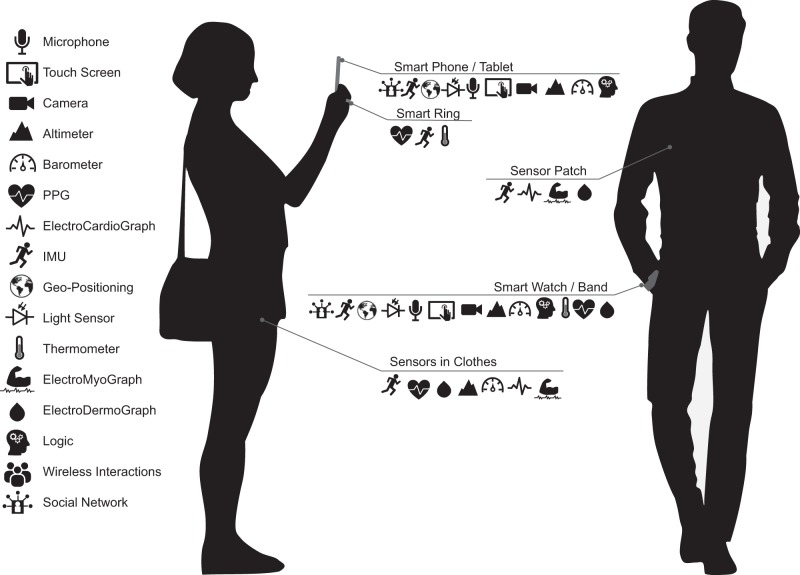
“This includes camera, microphone, accelerometer/gyryscope, touch, geoposition, ECG and IR cameras (Kourtis et al., 2019).”
Alzheimer's Disease Diagnosis in the Preclinical Stage: Normal Aging or Dementia
Marvi, F., Chen, Y.-H., & Sawan, M. (2024) · IEEE Reviews in Biomedical Engineering · doi:10.1109/rbme.2024.3376835 · Cited by 30
“For the second category, recent contributions have reported advances in harnessing various indicators, such as abnormal changes in physical, physiological, and ocular behaviors of Alzheimer’s patients, to aid its early-stage detection [18], [19].”
State-of-the-art therapy for down syndrome
Lorenzon, N., Musoles‐Lleó, J., Turrisi, F., Gomis‐González, M., De La Torre, R., & Dierssen, M. (2023) · Developmental Medicine & Child Neurology · doi:10.1111/dmcn.15517 · Cited by 22
Elhage, A., Cohen, S., Cummings, J. L., van der Flier, W. M., Aisen, P. S. S., Cho, M., Bell, J., & Hampel, H. J. (2024) · Alzheimer s & Dementia · doi:10.1002/alz.14425 · Cited by 23
“88,89 Nonetheless, it is essential to comprehensively validate emerging digital biomarkers prior to use in clinical trials or clinical practice.”
An AI-enabled self-sustaining sensing lower-limb motion detection system for HMI in the metaverse
Chen, H., He, D., Xiong, K., Zhao, X., Fang, Z., Zou, R., Zhi, J., & Zhang, Z. (2025) · Nano Energy · doi:10.1016/j.nanoen.2025.110724 · Cited by 23
Tacchino, A., Podda, J., Bergamaschi, V., Pedullà, L., & Brichetto, G. (2023) · Frontiers in Human Neuroscience · doi:10.3389/fnhum.2023.1130231 · Cited by 24
“Computer-based tests may provide a viable alternative to the conventional neuropsychological assessment (Kourtis et al., 2019).”
BackgroundAssessing Cognition Outside of the Clinic
Hays, R., Henson, P., Wisniewski, H., Hendel, V., Vaidyam, A. N., & Torous, J. B. (2019) · Psychiatric Clinics of North America · doi:10.1016/j.psc.2019.08.003 · Cited by 25
Automated detection of progressive speech changes in early Alzheimer's disease
Robin, J., Xu, M., Balagopalan, A., Novikova, J., Kahn, L., Oday, A., Hejrati, M., Hashemifar, S., Negahdar, M., Simpson, W., et al. (2023) · Alzheimer's & Dementia: Diagnosis, Assessment & Disease Monitoring · doi:10.1002/dad2.12445 · Cited by 21
“21 All participants were 50-80 years old, met the National Institute on Aging/Alzheimer’s Association core clinical criteria for probable AD dementia (mild AD) or mild cognitive impairment due to AD (prodromal AD), demonstrated evidence of cerebral AD pathology confirmed by amyloid-beta (Aβ) positron emission tomograp…”
Conrado, D. J., Duvvuri, S., Geerts, H., Burton, J., Biesdorf, C., Ahamadi, M., Macha, S., Hather, G., Francisco Morales, J., Podichetty, J., et al. (2020) · Clinical Pharmacology & Therapeutics · doi:10.1002/cpt.1782 · Cited by 21
“74 The data could be fit to a model, and parameters to describe disease progression could be estimated for both types of measurements.”
MethodLentzen, M., Vairavan, S., Muurling, M., Alepopoulos, V., Atreya, A., Boada, M., de Boer, C., Conde, P., Curcic, J., Frisoni, G. B., et al. (2025) · Alzheimer s Research & Therapy · doi:10.1186/s13195-025-01675-0 · Cited by 24
Beukenhorst, A. L., Burke, K. M., Scheier, Z. A., Miller, T. M., Paganoni, S., Keegan, M., Collins, E., Connaghan, K. P., Tay, A., Chan, J. G. M., et al. (2022) · JMIR mhealth and uhealth · doi:10.2196/31877 · Cited by 21
“These data include active data, which requires data entry by the participant (eg, surveys), and passive data (eg, sensor and log data) that do not require activity by the participant beyond installing a research app [5].”
BackgroundRavalli, S., Roggio, F., Lauretta, G., Rosa, M. D., D’Amico, A. G., D’Agata, V., Maugeri, G., & Musumeci, G. (2022) · Heliyon · doi:10.1016/j.heliyon.2022.e08991 · Cited by 24
“Although this method of investigation is still in its infancy, it can spread over different medical areas such as neurodegenerative, psychiatric, or metabolic disorders [42, 43].”
MethodShaikh, T. A., & Ali, R. (2021) · International Journal of Information Technology · doi:10.1007/s41870-020-00606-6 · Cited by 25
RetractedMattke, S., Tang, Y., & Hanson, M. (2023) · Journal of Health Services Research & Policy · doi:10.1177/13558196231211141 · Cited by 21
“28 However, such powerful diagnostic tools for primary care settings reinforce the need to raise awareness among and provide additional medical education and training for the detection of cognitive decline for primary care clinicians.”
BackgroundStrengthening primary health care in Europe with digital solutions
Piera-Jiménez, J., Dedeu, T., Pagliari, C., & Trupec, T. P. (2024) · Atención Primaria · doi:10.1016/j.aprim.2024.102904 · Cited by 31
“…wearable devices for 28 A number of digital interventions have been From a policy perspective, the use of smartphones and tablet devices creates opportunities for health authorities to release clinical burdens by enabling and motivating preventive self-care and self-management of minor conditions.”
BackgroundDigital phenotyping and the (data) shadow of Alzheimer's disease
Milne, R., Costa, A., & Brenman, N. F. (2022) · Big Data & Society · doi:10.1177/20539517211070748 · Cited by 23
“As with the wider fi eld of psychiatry, neurodegenerative disorders and dementias including Parkinson ’ s (Trister et al., 2016) and Alzheimer ’ s disease (Kourtis et al., 2019) are important sites of hope and promissory investment.”
BackgroundDigital Biomarkers for Neurodegenerative Disease
Erickson, C. M., Wexler, A., & Largent, E. A. (2025) · JAMA Neurology · doi:10.1001/jamaneurol.2024.3533 · Cited by 19
Technology that CARES: Enhancing dementia care through everyday technologies
Kiselica, A. M., Hermann, G., Scullin, M. K., & Benge, J. F. (2024) · Alzheimer s & Dementia · doi:10.1002/alz.14192 · Cited by 21
Azami, H., Chang, Z., Arnold, S. E., Sapiro, G., & Gupta, A. S. (2022) · IEEE Access · doi:10.1109/access.2022.3156964 · Cited by 19
“Eye tracking using consumer-grade electronic devices provides an opportunity to increase accessibility and reduce burden of quantitative oculomotor assessments for both screening and severity monitoring purposes, and may allow for monitoring in the home setting [27], [28].”
BackgroundÖhman, F., Berron, D., Papp, K. V., Kern, S., Skoog, J., Bodin, T. H., Zettergren, A., Skoog, I. G., & Schöll, M. (2022) · Frontiers in Digital Health · doi:10.3389/fdgth.2022.933265 · Cited by 22
Caporusso, E., Melillo, A., Perrottelli, A., Giuliani, L., Marzocchi, F. F., Pezzella, P., & Giordano, G. M. (2025) · Frontiers in Behavioral Neuroscience · doi:10.3389/fnbeh.2025.1543005 · Cited by 21
Habbal, S., Mian, M., Imam, M., Tahiri, J., Amor, A., & Reddy, P. H. (2025) · Brain Organoid and Systems Neuroscience Journal · doi:10.1016/j.bosn.2025.05.001 · Cited by 19
Digital biomarkers: Redefining clinical outcomes and the concept of meaningful change
Iulita, M. F., Streel, E., & Harrison, J. (2025) · Alzheimer s & Dementia Translational Research & Clinical Interventions · doi:10.1002/trc2.70114 · Cited by 25
Taylor, B., Barboi, C., & Boustani, M. A. (2023) · Journal of the American Geriatrics Society · doi:10.1111/jgs.18426 · Cited by 18
“However, utilizing the already existing EHR data is limited by the quality of the data and by the computational complexity and feasibility of converting such passive data into actionable insights.(15) Due to the potential impact of PDMs in improving the timely detection of ADRD, we conducted a systematic evidence revi…”
MethodOlson, N. L., & Albensi, B. C. (2020) · Journal of Alzheimer s Disease Reports · doi:10.3233/adr-200214 · Cited by 21
Ubiquitous healthcare on smart environments: A systematic mapping study
Tavares, J. E. D. R., & Barbosa, J. L. V. (2020) · Journal of Ambient Intelligence and Smart Environments · doi:10.3233/ais-200581 · Cited by 18
Isernia, S., Cabinio, M., Tella, S. D., Pazzi, S., Vannetti, F., Gerli, F., Mosca, I. E., Lombardi, G., Macchi, C., Sorbi, S., et al. (2021) · Journal of Alzheimer s Disease · doi:10.3233/jad-210347 · Cited by 21
“…resemblingeverydayactivitiesinarealisticfashion andbycollectingpotentiallyhugeamountofdatain eachusage,whoseanalysiscanoffermoresensitive clinicalprofiles[24]allowingpersonalizedinterven-tioninordertodecreasetheprobabilitiestodevelop dementia [25, 26].”
A Systematic Survey on Android API Usage for Data-driven Analytics with Smartphones
Lee, H., Park, J., & Lee, U. (2022) · ACM Computing Surveys · doi:10.1145/3530814 · Cited by 33
“[86] 62 Utilized data, sense domain, metrics Camera, microphone, acceleration/gyro, barometer, touchscreen, geoposition, device use, ECG, PPG, IR thermometer, ballistocardiography, galvanic skin response, ambient light sensor, UV sensor, electromyogram (EMG) This research investigated 62 papers using mobile/wearable s…”
BackgroundDual-task turn velocity – a novel digital biomarker for mild cognitive impairment and dementia
Wang, J., Zhou, Z., Cheng, S., Zhou, L. Q., Sun, X., Song, Z., Wu, Z., Lu, J., Qin, Y., & Wang, Y. (2024) · Frontiers in Aging Neuroscience · doi:10.3389/fnagi.2024.1304265 · Cited by 20
“Nowadays, the development of convenient and efficient digital wearable device technology is continuously progressing, playing an increasingly important role in the early screening of neurodegenerative diseases (Kourtis et al., 2019).”
BackgroundAn AI‐first framework for multimodal data in Alzheimer's disease and related dementias
Jasodanand, V. H., Bellitti, M., & Kolachalama, V. B. (2025) · Alzheimer s & Dementia · doi:10.1002/alz.70719 · Cited by 22
We need to think about data governance for dementia research in a digital era
Milne, R., & Brayne, C. (2020) · Alzheimer s Research & Therapy · doi:10.1186/s13195-020-0584-y · Cited by 20
Tzovaras, B. G., Hidalgo, E. S., Alexiou, K., Baldy, L., Morane, B., Bussod, I., Fribourg, M., Wac, K., Wolf, G., & Ball, M. P. (2021) · Journal of Medical Internet Research · doi:10.2196/28116 · Cited by 21
“…science, wearables have long been seen as promising tools for facilitating health-related monitoring and enabling personalized medicine [14,15] and have been proposed or used to monitor conditions as diverse as cardiovascular disease [16,17], Alzheimer [18], and graft-versus-host disease [19].”
Guo, G., Zhang, H., Yao, L., Li, H., Xu, C., Li, Z., & Xu, W. (2021) · Proceedings of the ACM on Interactive Mobile Wearable and Ubiquitous Technologies · doi:10.1145/3494970 · Cited by 21
“Digital phenotyping has been used in various contexts, from mental health [29, 35, 36] to Alzheimer’s Disease [37].”
MethodBringas, S., Salomón, S., Duque, R., Montaña, J. L., & Lage, C. (2019) · International Conference on Ubiquitous Computing and Ambient Intelligence (UCAmI) · doi:10.3390/proceedings2019031072 · Cited by 16
“Therefore, it is worth considering the exploitation of these smartphone sensors to assess the mobility problems associated with Alzheimer’s disease [4].”
BackgroundThe mild cognitive impairment window for optimal Alzheimer's disease intervention
Mekulu, K., Aqlan, F., & Yang, H. Y. (2025) · Journal of Alzheimer s Disease Reports · doi:10.1177/25424823251370768 · Cited by 22
Wearable motion sensors and digital biomarkers in stroke rehabilitation
Derungs, A., Schuster-Amft, C., & Amft, O. (2020) · Current Directions in Biomedical Engineering · doi:10.1515/cdbme-2020-3058 · Cited by 15
“In particular, disease specific metrics and sensors are highlighted, including IMUs for gross motor function analysis, touch screens for fine motor movement evaluation, microphones for speech pattern and language analysis, and other sensor modalities [6].”
Distinct eye movement patterns to complex scenes in Alzheimer’s disease and Lewy body disease
Yamada, Y., Shinkawa, K., Kobayashi, M., Nemoto, M., Ota, M., Nemoto, K., & Arai, T. (2024) · Frontiers in Neuroscience · doi:10.3389/fnins.2024.1333894 · Cited by 19
Artificial Intelligence in Eye Movements Analysis for Alzheimer’s Disease Early Diagnosis
Maleki, S. F., Yousefi, M., Sobhi, N., Jafarizadeh, A., Alizadehsani, R., & Górriz, J. M. (2024) · Current Alzheimer Research · doi:10.2174/0115672050322607240529075641 · Cited by 19
Halabi, R., Selvarajan, R., Lin, Z., Herd, C., Li, S. X., Kabrit, J., Tummalacherla, M., Neto, E. C., & Pratap, A. (2024) · Sensors · doi:10.3390/s24196246 · Cited by 19
“Researchers are also exploring using smartphones to track the heart rate (H.R.) [12], pulse rate (PR) [13], facial expressions [14], skin health [15], and daily mood [16], and predict neurodegenerative diseases early by developing digital markers [17].”
BackgroundDeep Learning Based Gait Analysis for Contactless Dementia Detection System from Video Camera
Zhang, Z., Jiang, Y., Cao, X., Yang, X., Zhu, C., Li, Y., & Liu, Y. (2021) · IEEE International Symposium on Circuits and Systems proceedings · doi:10.1109/iscas51556.2021.9401596 · Cited by 16
Yamada, Y., Shinkawa, K., Kobayashi, M., Badal, V. D., Glorioso, D., Lee, E., Daly, R., Nebeker, C., Twamley, E. W., Depp, C. A., et al. (2022) · JMIR Formative Research · doi:10.2196/37014 · Cited by 17
“Furthermore, the approach using behavioral data is expected to support future efforts toward the development of continuous, passive monitoring tools for early detection of dementia from data that can be collected in everyday life [43,45].”
MethodUtilizing Machine Learning for Context-Aware Digital Biomarker of Stress in Older Adults
Onim, M. S. H., Thapliyal, H., & Rhodus, E. K. (2024) · Information · doi:10.3390/info15050274 · Cited by 18
“During the pandemic alone, approximately 40% of adults in the United States have reported experiencing symptoms of stress, anxiety, or depressive disorder, and older adults are more susceptible to the impacts of stress compared to other age groups [3].”
Gabb, V. G., Blackman, J., Morrison, H. D., Li, H., Kendrick, A. H., Turner, N. L., Greenwood, R., Biswas, B., Heslegrave, A., & Coulthard, E. J. (2025) · JMIR Aging · doi:10.2196/72824 · Cited by 22
“Detailed and accurate sleep analysis can now be achieved through wireless technology, including electroencephalography (EEG) headbands and overnight pulse oximetry [21,22].”
Golini, E., Rigamonti, M., Raspa, M., Scavizzi, F., Falcone, G., Gourdon, G., & Mandillo, S. (2023) · Frontiers in Behavioral Neuroscience · doi:10.3389/fnbeh.2023.1130055 · Cited by 15
“Similar technologies are also recently adopted in patients as well as in the general population and easily accessible with common smart phones, smart watches and different wearables or “nearables” (Haghi et al., 2017; Kourtis et al., 2019; Hanein and Mirelman, 2021).”
BackgroundMartínez‐Nicolás, I., Martínez‐Sánchez, F., Ivanova, O., & Meilán, J. J. G. (2023) · Scientific Reports · doi:10.1038/s41598-023-36804-y · Cited by 18
“Other practical advantages of this technique, like the objectivity of the evaluation process, the possibility to reach a wide population sector due to the widespread use of technologies (i.e., smartphones), and the consequent low burden for the healthcare system, can be highlighted 68 .”
MethodMatching science to reality: how to deploy a participant-driven digital brain health platform
Anda‐Duran, I. D., Hwang, P. H., Popp, Z., Low, S., Ding, H., Rahman, S., Igwe, A., Kolachalama, V. B., Lin, H., & Au, R. (2023) · Frontiers in Dementia · doi:10.3389/frdem.2023.1135451 · Cited by 14
“The insidious nature of AD onset and progression is a natural setting in which to leverage digital health technologies that are sensitive enough to accurately detect the emergence of subtle clinical indicators (Kourtis et al., 2019; Sabbagh et al., 2020a).”
BackgroundAutonomic nervous system flexibility for understanding brain aging
Lin, F. V., & Heffner, K. L. (2023) · Ageing Research Reviews · doi:10.1016/j.arr.2023.102016 · Cited by 18
“Among them, the gold standard physiological measures are those underpinned solely (or predominantly) by PNS or SNS activity (see reviews by (Groat et al., 2019; Kourtis et al., 2019)).”
BackgroundOiza-Zapata, I., & Gallardo-Antolín, A. (2025) · Electronics · doi:10.3390/electronics14112248 · Cited by 18
Rai, L. A., Boyle, R. T., Brosnan, L., Rice, H., Farina, F. R., Tarnanas, I., & Whelan, R. (2020) · Advances in experimental medicine and biology · doi:10.1007/978-3-030-32622-7_14 · Cited by 16
Yamasaki, T., & Kumagai, S. (2021) · Journal of Personalized Medicine · doi:10.3390/jpm12010011 · Cited by 18
“, wearable and nonwearable sensors) are used to monitor human behavior [13,14,25].”
BackgroundPatient-Related Barriers to Digital Technology Adoption in Alzheimer Disease: Systematic Review
Panzavolta, A., Arighi, A., Guido, E., Lavorgna, L., Lorenzo, F. D., Dodich, A., & Cerami, C. (2025) · JMIR Aging · doi:10.2196/64324 · Cited by 19
“Accordingly, many initiatives have tested digital technology solutions and telemedicine services in dementia settings [4,5], particularly in Alzheimer disease (AD), which represents one of the highest-risk and fastest-growing burdens on the health care system [6,7].”
Yamada, Y., Shinkawa, K., Nemoto, M., & Arai, T. (2021) · Frontiers in Psychiatry · doi:10.3389/fpsyt.2021.712251 · Cited by 15
“There is growing interest in using speech data for healthcare applications (24, 25), due to the improvement in audio quality recorded by portable devices and the popularity of voice-based interaction systems such as voice assistants in smart speakers and smartphones.”
BackgroundBruinsma, J., Visser, L. N. C., Abaci, A., Rosenberg, A., Diaz, A., Hanke, S., Crutzen, R., Mangialasche, F., Kivipelto, M., & Thunborg, C. (2024) · Frontiers in Psychiatry · doi:10.3389/fpsyt.2024.1386688 · Cited by 14
“These include the time spent outdoors, number of social contacts, calendar entries, social network size, social media usage, and exchanged text messages (46).”
BackgroundZhuparris, A., de Goede, A. A., Yocarini, I. E., Kraaij, W., Groeneveld, G. J., & Doll, R. J. (2023) · Sensors · doi:10.3390/s23115243 · Cited by 18
“Previous clinical studies have demonstrated the benefits of smartphone and wearable sensors to monitor and estimate symptom severity associated with a wide range of diseases and disorders, including cardiovascular diseases [3], mood disorders [4], and neurodegenerative disorders [5,6].”
Pedroso, A. F., Schwamm, L. H., & Khera, R. (2025) · Stroke · doi:10.1161/strokeaha.125.050447 · Cited by 18
Secondary Prevention of Dementia: Combining Risk Factors and Scalable Screening Technology
Ojakäär, T., & Koychev, I. G. (2021) · Frontiers in Neurology · doi:10.3389/fneur.2021.772836 · Cited by 14
Li, K., Ma, X., Chen, T., Xin, J., Wang, C., Wu, B., Ogihara, A., Zhou, S., Liu, J., Huang, S., et al. (2023) · Digital Health · doi:10.1177/20552076231194938 · Cited by 13
“Several studies have demonstrated the feasibility and effectiveness of handwriting tasks for cognitive detection based on human–computer interaction (HCI) early warning technology and digital devices.(26,27,33,34) Physiologically and 2 DIGITAL HEALTH”
BackgroundNarasimhan, R., Gopalan, M., Sikkandar, M. Y., Alassaf, A., AlMohimeed, I., Alhussaini, K., Aleid, A., & Sheik, S. B. (2023) · Sensors · doi:10.3390/s23218867 · Cited by 12
“A growing body of the literature also indicates that behavioral, functional, and cognitive changes continue to occur before any symptoms of AD are detected clinically [4–6].”
BackgroundWhy digital innovation may not reduce healthcare’s environmental footprint
Samuel, G. N., Anderson, G. M., Lucivero, F., & Lucassen, A. (2024) · BMJ · doi:10.1136/bmj-2023-078303 · Cited by 13
“34 35 Google has reported that AI represents 10-15% of its power use.”
BackgroundSmartphone-Based Hand Function Assessment: Systematic Review
Fu, Y. H., Zhang, Y., Ye, B., Babineau, J., Zhao, Y., Gao, Z., & Mihailidis, A. (2024) · Journal of Medical Internet Research · doi:10.2196/51564 · Cited by 12
“Future work could use smartphones for biomarker acquisition to monitor disease-relevant physiological and behavioral symptoms and provide personalized rehabilitation guidance [87-89].”
A computational framework for discovering digital biomarkers of glycemic control
Bartolome, A., & Prioleau, T. (2022) · npj Digital Medicine · doi:10.1038/s41746-022-00656-z · Cited by 21
“The importance of digital biomarkers in the health domain is irrefutable 21 – 28 .”
BackgroundAutomated Analysis of Drawing Process for Detecting Prodromal and Clinical Dementia
Yamada, Y., Kobayashi, M., Shinkawa, K., Nemoto, M., Ota, M., Nemoto, K., & Arai, T. (2022) · IEEE International Conference on Digital Health (ICDH) · doi:10.1109/icdh55609.2022.00008 · Cited by 13
Su, T., Ding, Z., Cui, L., & Bu, L. (2023) · International Journal of Human-Computer Interaction · doi:10.1080/10447318.2023.2228529 · Cited by 16
“Leveraging the above HCI characteristics, virtual reality (VR) technology is combined with behavioral therapy to support cognitive training for patients and aid doctors in symptom diagnosis by collecting physiological indicators in real-time (Kourtis et al., 2019; Lesk et al., 2014).”
BackgroundMild cognitive impairment identification based on motor and cognitive dual-task pooled indices
Mancioppi, G., Rovini, E., Fiorini, L., Zeghari, R., Gros, A., Manera, V., Robert, P. H., & Cavallo, F. (2023) · PLoS ONE · doi:10.1371/journal.pone.0287380 · Cited by 13
Gupta, N. K., Kasula, V., Sanmugananthan, P., Panico, N., Dubin, A. H., Sykes, D. A. W., & D’Amico, R. S. (2023) · World Neurosurgery X · doi:10.1016/j.wnsx.2023.100247 · Cited by 11
“85,86 With established baseline efficacy of certain quantitative measurements (ex.”
BackgroundGe, Y., Yao, D., Ung, C. O. L., Xue, Y., Li, M., Lin, J., Hu, H., & Lai, Y. (2023) · Journal of Medical Internet Research · doi:10.2196/43812 · Cited by 14
Tutorial on Matching-based Causal Analysis of Human Behaviors Using Smartphone Sensor Data
Jung, G., Park, S., Ma, E.-Y., Kim, H., & Lee, U. (2024) · ACM Computing Surveys · doi:10.1145/3648356 · Cited by 11
Artificial intelligence in drug development for delirium and Alzheimer’s disease
Ai, R., Xiao, X., Deng, S., Yang, N., Xing, X., Watne, L. O., Selbæk, G., Wedatilake, Y., Xie, C., Rubinsztein, D. C., et al. (2025) · Acta Pharmaceutica Sinica B · doi:10.1016/j.apsb.2025.04.026 · Cited by 13
“Digital tools, including wearable devices, mobile apps, and sensors, provide continuous, real-world monitoring, capturing biomarkers related to movement, sleep, heart rate variability, and cognitive function 260,268 .”
Gramkow, M. H., Brink-Kjær, A., Clemmensen, F. K., Sjælland, N. S., Waldemar, G., Jennum, P., Hasselbalch, S. G., & Frederiksen, K. S. (2025) · Alzheimer s Research & Therapy · doi:10.1186/s13195-025-01751-5 · Cited by 15
“Wearable digital health technologies represent a promising approach for assisting in the diagnosis of Alzheimer’s disease (AD) [1].”
Forecasting Healthcare 5.0 Driven IoMT for a Seamless Continuum of Care
Gezimati, M., & Singh, G. K. (2025) · IEEE Access · doi:10.1109/access.2025.3583884 · Cited by 16
“6, the definition of which has been adapted from the Modelling and simulating IoT (MoSIoT) model for Alzheimer’s disease care plan [52], [53].”
Yin, C., Tang, X., Zeng, J., Wang, Z., Mi, J., Liang, Y. J., Qin, D., Feng, Q., & Wu, A. (2025) · Ageing Research Reviews · doi:10.1016/j.arr.2025.102954 · Cited by 15
Rafiei, R., Williams, C., Jiang, J., Aungst, T. D., Durrer, M., Tran, D., & Howald, R. (2021) · JMIR mhealth and uhealth · doi:10.2196/25406 · Cited by 15
“Our data reinforce this point as all companies regardless of their maturity category have applied digital health to their clinical research and drug discovery [37].”
BackgroundDeep learning in spine surgery
Ghaednia, H., Lans, A., Sauder, N., Shin, D. D., Grant, W. G., Chopra, R. R., Oosterhoff, J. H. F., Fourman, M. S., Schwab, J. H., & Tobert, D. G. (2021) · Seminars in Spine Surgery · doi:10.1016/j.semss.2021.100876 · Cited by 11
Edge-Cloud-Based Wearable Computing for Automation Empowered Virtual Rehabilitation
Lv, Z., & Singh, A. K. (2023) · IEEE Transactions on Automation Science and Engineering · doi:10.1109/tase.2023.3289908 · Cited by 11
“There has been an uptick in both domestic and international mobile device sales, and with that comes a rise in both the functional and technical demands placed on these devices [5].”
BackgroundEmrani, S., Lamar, M., Price, C. C., Baliga, S., Wasserman, V., Matusz, E. F., Saunders, J., Gietka, V., Strate, J., Swenson, R., et al. (2021) · Journal of Alzheimer s Disease · doi:10.3233/jad-201125 · Cited by 13
Li, V. O. K., Lam, J. C. K., Han, Y., Cheung, L. Y. L., Downey, J. S., Kaistha, T., & Gozes, I. (2021) · Journal of Molecular Neuroscience · doi:10.1007/s12031-021-01865-z · Cited by 15
Using AI-Based Technologies to Help Nurses Detect Behavioral Disorders: Narrative Literature Review
Fernandes, S., von Gunten, A., & Verloo, H. (2024) · JMIR Nursing · doi:10.2196/54496 · Cited by 12
Xu, Q., Kim, Y., Chung, K., Schulz, P. E., & Gottlieb, A. (2024) · JMIR Formative Research · doi:10.2196/55575 · Cited by 13
“A review discussing the potential of digital markers for early detection of AD indicated that accurate algorithms require longitudinal observational studies with confirmed MCI and healthy controls [3].”
BackgroundMarquardt, J., Mohan, P., Spiliopoulou, M., Glanz, W., Butryn, M., Kuehn, E., Schreiber, S., Maaß, A., & Diersch, N. (2024) · PLOS Digital Health · doi:10.1371/journal.pdig.0000613 · Cited by 12
Democratizing Global Health Care Through Scalable Emergent (Beyond the Mobile) Wireless Technologies
Jones, G. B., Bryant, A., & Wright, J. (2022) · JMIR Biomedical Engineering · doi:10.2196/31079 · Cited by 12
“longitudinally is key, and low friction/passive monitoring approaches are beneficial [12].”
BackgroundSelf-citationHazan, J., Liu, K. Y., Fox, N. C., & Howard, R. J. (2023) · Brain Communications · doi:10.1093/braincomms/fcad322 · Cited by 10
“16,17 Although still in the developmental stage and less extensively studied compared with blood or CSF biomarkers, these digital biomarkers are now more in demand.”
BackgroundWang, H., Ullah, Z., Gazit, E., Brozgol, M., Tan, T., Hausdorff, J. M., Shull, P. B., & Ponger, P. (2024) · IEEE Journal of Biomedical and Health Informatics · doi:10.1109/jbhi.2024.3470310 · Cited by 11
“G AIT analysis is essential for assessing health status and monitoring disease progression in clinical settings and daily life [1], [2].”
BackgroundMontoya, M. F., Muñoz, J. E., & Henao, O. A. (2021) · Virtual Reality · doi:10.1007/s10055-021-00561-y · Cited by 11
Yamada, Y., Shinkawa, K., Kobayashi, M., Takagi, H., Nemoto, M., Nemoto, K., & Arai, T. (2021) · Journal of Medical Internet Research · doi:10.2196/27667 · Cited by 12
“…previous studies [19-25 , At the same time, there is growing interest in using speech data that can be collected in everyday situations for applications in health care owing to the popularity of voice-based interaction systems such as voice assistants in smart speakers and smartphones [32-34].”
Metadata
- Authors
- Kourtis, L. C., Regele, O. B., Wright, J. M., & Jones, G. B.
- Affiliations
- Tufts University (US)
- Eli Lilly (United States) (US)
- Corresponding author
- Kourtis, Lampros C.
- Jones, Graham B.
- Venue
- npj Digital Medicine
- Published
- 2019-02-21
- Volume
- 2
- Issue
- 1
- ISSN
- 2398-6352 (ISSN-L)
- PMC
- PMC6526279
- OpenAlex
- W2917347002
- Cited by
- 476
- References
- 99
- Citations by year
- 2026: 75 · 2025: 105 · 2024: 71 · 2023: 60 · 2022: 60 · 2021: 57 · 2020: 35 · 2019: 12
- FWCI
- 32.59
- Type
- journal article
- Language
- en
- Open access
- gold
- doi.org
- Licence
- cc-by
- creativecommons.org/licenses/by/4.0 (tdm)
- creativecommons.org/licenses/by/4.0 (vor)
- Locations
- npj Digital Medicine (publishedVersion, cc-by)
- PubMed Central (publishedVersion, cc-by)
- PubMed (publishedVersion)
- DOAJ (DOAJ: Directory of Open Access Journals) (submittedVersion)
- Funders
- National Institutes of Health (UL1TR002544)
- National Center for Advancing Translational Sciences (NIH UL1)
- Topics
- Health Sciences › Medicine › Psychiatry and Mental health › Dementia and Cognitive Impairment Research
- Physical Sciences › Computer Science › Computer Vision and Pattern Recognition › Context-Aware Activity Recognition Systems
- Health Sciences › Health Professions › General Health Professions › Mobile Health and mHealth Applications
- Keywords
- Alzheimer's disease, digital biomarkers, mobile devices, wearable sensors, digital phenotyping, early detection, cognitive decline, neurodegenerative diseases, passive sensing
About these checks
Registry, retraction, Cites and statistics results are computed, not judged, with one exception: a printed reference that no index lists is read once by a model before it counts as a citation error. Claims are extracted by a model and kept only when their quote appears verbatim in the text; each cited source is then checked, with a model’s help, for whether it says what the claim relies on. Those verdicts can be wrong — read the claim’s quote and the cited source before relying on one.
Statistics and arithmetic are recomputed, not judged.
Confidence bands are shown only for fields calibrated on our annotated test set. None is calibrated yet, so no band is shown.
What counts as a claim ›How we measure confidence ›How we check this ›
Are you an author, or do you see a problem with this page? Request a review
Data sources
Bibliographic data: Semantic Scholar, OpenAlex, Crossref.
Contains information from the Semantic Scholar Academic Graph Datasets, made available under the ODC Attribution License (ODC-BY 1.0).
Semantic Scholar’s data is described in: Kinney, R., et al. (2023). The Semantic Scholar Open Data Platform. arXiv:2301.10140.
