

Microglial metabolism is a pivotal factor in sexual dimorphism in Alzheimer's disease
Open accessThe DOI matches its Crossref record; 37 of the 37 references it cites were found in a registry or an index.
Abstract
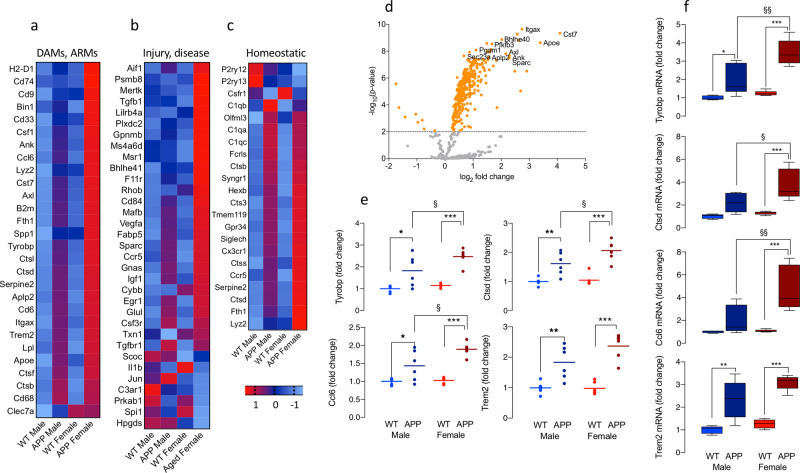
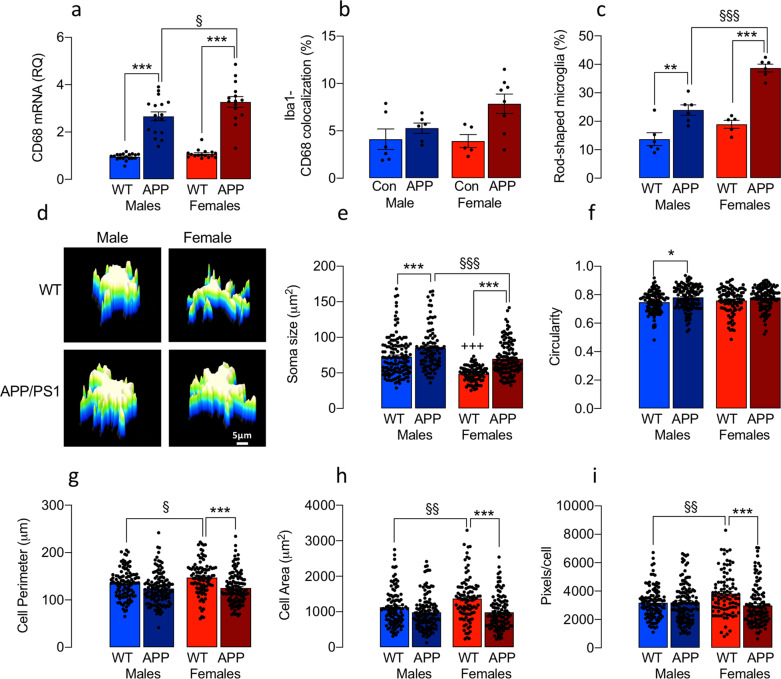
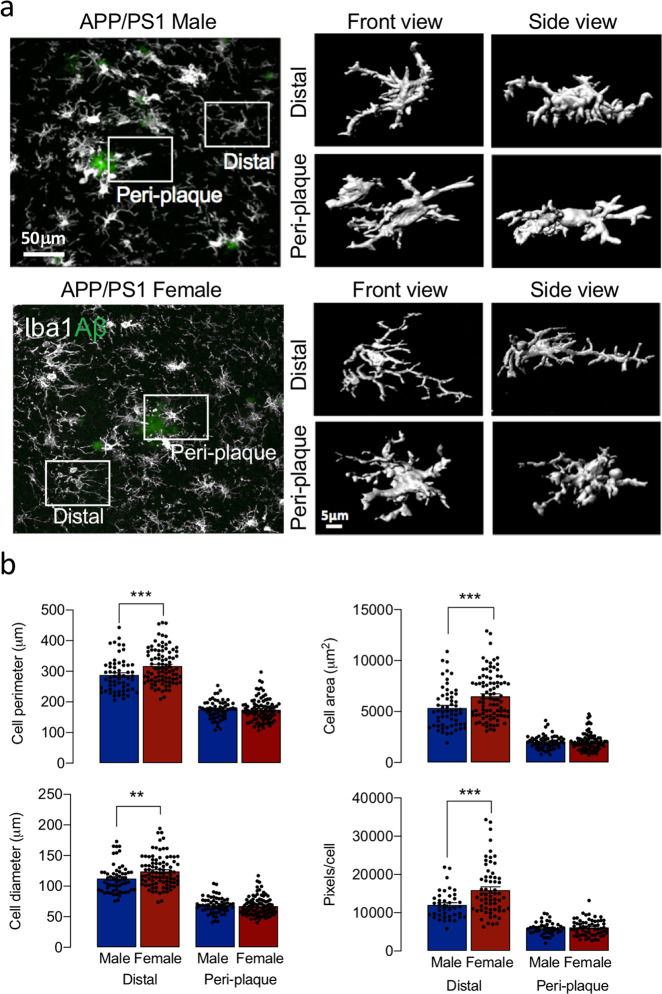
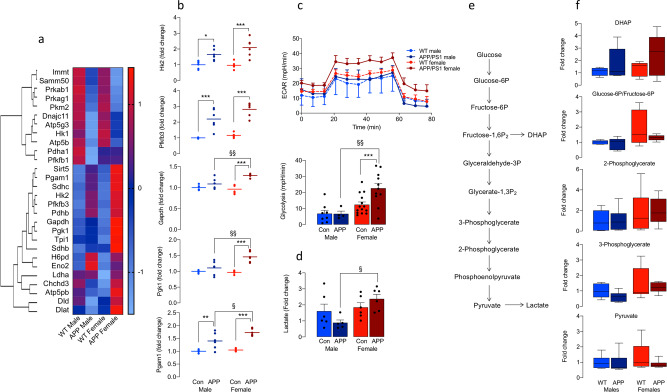
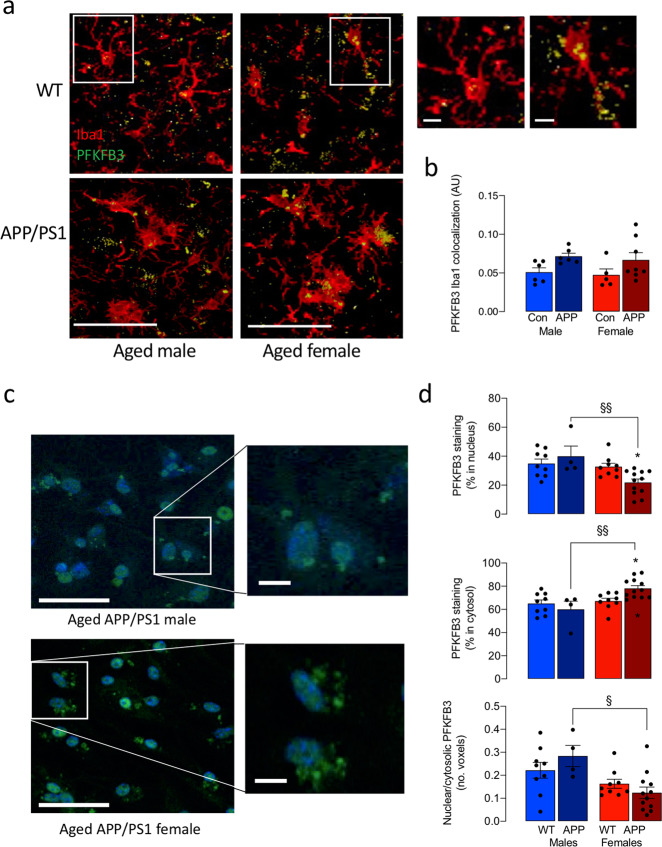
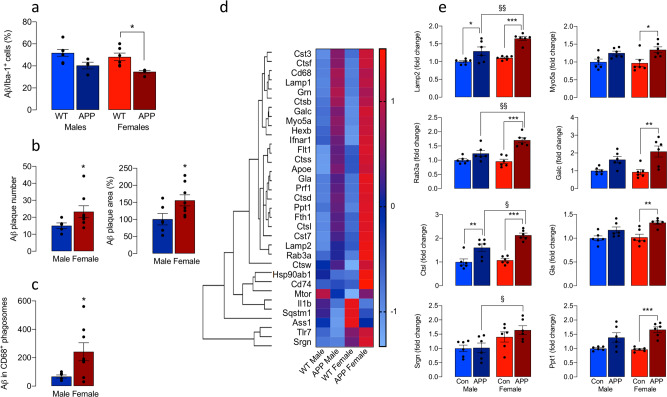
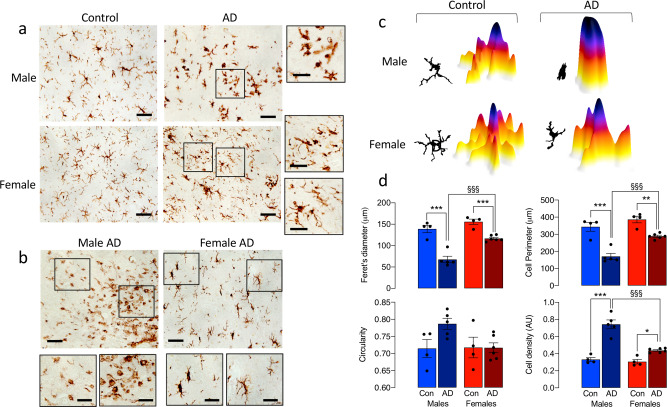
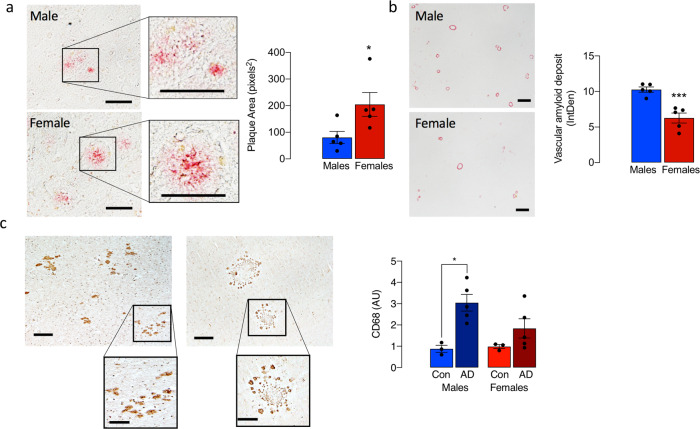
Age and sex are major risk factors in Alzheimer’s disease (AD) with a higher incidence of the disease in females. Neuroinflammation, which is a hallmark of AD, contributes to disease pathogenesis and is inexorably linked with inappropriate microglial activation and neurodegeneration. We investigated sex-related differences in microglia in APP/PS1 mice and in post-mortem tissue from AD patients. Changes in genes that are indicative of microglial activation were preferentially increased in cells from female APP/PS1 mice and cells from males and females were morphological, metabolically and functionally distinct. Microglia from female APP/PS1 mice were glycolytic and less phagocytic and associated with increased amyloidosis whereas microglia from males were amoeboid and this was also the case in post-mortem tissue from male AD patients, where plaque load was reduced. We propose that the sex-related differences in microglia are likely to explain, at least in part, the sexual dimorphism in AD.
Overview
The claims and statistics of this paper haven’t been checked yet.
Free: it reads the open-access text and checks the first 5 claims that cite a source we can check. Create a free account to check every claim.
Integrity signals
Registry
Cites
Statistics
Figures
Verification
Claims the paper makes
The claims and statistics of this paper haven’t been checked yet.
Free: it reads the open-access text and checks the first 5 claims that cite a source we can check. Create a free account to check every claim.
Claims other papers make about this one
Each is checked against this paper’s own text: does it say what the citing paper says it does?
The source backs part of the claim, not all of it — or backs it for a different population, condition or comparison.
In the citing paper
“Several studies point to more potent and plentiful complement factors, and higher rates of microglial phagocytosis in males [77–80]”
From Age, sex and Alzheimer’s disease: a longitudinal study of 3xTg-AD mice reveals sex-specific disease trajectories and inflammatory responses mirrored in postmortem brains from Alzheimer’s patients (2024) · cites this paper as [79]
Experimental — accuracy not yet measuredThe cited source says what the claim attributes to it.
In the citing paper
“In mouse models of Alzheimer disease (AD), the switch to a disease-associated gene signature in microglia occurs earlier in females49 and is more pronounced.50”
From Characterization of the ocular inflammatory response to AAV reveals divergence by sex and age (2025) · cites this paper as [50]
Self-check
Percentages, sums and reported differences re-computed from the paper’s own numbers.
The self-check needs the paper’s full text.
Citations
Cites
A Unique Microglia Type Associated with Restricting Development of Alzheimer’s Disease
Keren-Shaul, H., Spinrad, A., Weiner, A., Matcovitch-Natan, O., Dvir-Szternfeld, R., Ulland, T. K., David, E., Baruch, K., Lara-Astaiso, D., Toth, B., et al. (2017) · Cell · doi:10.1016/j.cell.2017.05.018 · Cited by 5,493
Krasemann, S., Madore, C., Cialic, R., Baufeld, C., Calcagno, N., El Fatimy, R., Beckers, L., O’Loughlin, E., Xu, Y., Fanek, Z., et al. (2017) · Immunity · doi:10.1016/j.immuni.2017.08.008 · Cited by 2,979
Mills, E. L., Kelly, B., Logan, A., Costa, A. S. H., Varma, M., Bryant, C. E., Tourlomousis, P., Däbritz, J. H. M., Gottlieb, E., Latorre, I., et al. (2016) · Cell · doi:10.1016/j.cell.2016.08.064 · Cited by 2,291
Self-citationJansen, I. E., Savage, J. E., Watanabe, K., Bryois, J., Williams, D. M., Steinberg, S., Sealock, J., Karlsson, I. K., Hägg, S., Athanasiu, L., et al. (2019) · Nature Genetics · doi:10.1038/s41588-018-0311-9 · Cited by 2,277
Hammond, T. R., Dufort, C., Dissing-Olesen, L., Giera, S., Young, A., Wysoker, A., Walker, A. J., Segel, M., Nemesh, J., Saunders, A., et al. (2018) · doi:10.1101/406140 · Cited by 2,225
Rodríguez-Prados, J.-C., Través, P. G., Cuenca, J., Rico, D., Aragonés, J., Martín-Sanz, P., Cascante, M., & Boscá, L. (2010) · The Journal of Immunology · doi:10.4049/jimmunol.0901698 · Cited by 1,022
Sala Frigerio, C., Wolfs, L., Fattorelli, N., Thrupp, N., Voytyuk, I., Schmidt, I., Mancuso, R., Chen, W.-T., Woodbury, M. E., Srivastava, G., et al. (2019) · Cell Reports · doi:10.1016/j.celrep.2019.03.099 · Cited by 926
Review: Activation patterns of microglia and their identification in the human brain
Boche, D., Perry, V. H., & Nicoll, J. A. R. (2013) · Neuropathology and Applied Neurobiology · doi:10.1111/nan.12011 · Cited by 912
Succinate: a metabolic signal in inflammation
Mills, E., & O’Neill, L. A. J. (2014) · Trends in Cell Biology · doi:10.1016/j.tcb.2013.11.008 · Cited by 741
Self-citationPhagocytosis of Microglia in the Central Nervous System Diseases
Fu, R., Shen, Q., Xu, P., Luo, J. J., & Tang, Y. (2014) · Molecular Neurobiology · doi:10.1007/s12035-013-8620-6 · Cited by 652
Research works printed but not linked: 1
- 32. Mela, V. et al. Exercise-induced re-programming of age-related metabolic changes in microglia is accompanied by a reduction in senescent cells. Brain Behav. Immun.87, 413–428 (2020). · DOI · Paper page
Cited by
Neuroinflammation in Alzheimer disease
Heneka, M. T., van der Flier, W. M., Jessen, F., Hoozemanns, J., Thal, D. R., Boche, D., Brosseron, F., Teunissen, C., Zetterberg, H., Jacobs, A. H., et al. (2025) · Nature Reviews Immunology · doi:10.1038/s41577-024-01104-7 · Cited by 638
“This was recently shown to be sex-dependent as microglia from aged female APP/PS1 mice are more glycolytic and inflammatory than those from their male counterparts, with a corresponding reduction in phagocytic ability 269 .”
Mechanisms of sex differences in Alzheimer’s disease
Lopez-Lee, C., Torres, E. R. S., Carling, G., & Gan, L. (2024) · Neuron · doi:10.1016/j.neuron.2024.01.024 · Cited by 376
“103 Interestingly, the R47H mutation of the prominent innate immune risk gene TREM2 only exacerbated tauopathy-induced spatial memory deficits associated with pro-inflammatory transcriptomic changes in female mice, not in male mice.”
InfluentialSex and gender differences in cognitive resilience to aging and Alzheimer's disease
Arenaza‐Urquijo, E. M., Boyle, R., Casaletto, K., Anstey, K. J., Vila‐Castelar, C., Colverson, A., Palpatzis, E., Eissman, J. M., Kheng Siang Ng, T., Raghavan, S., et al. (2024) · Alzheimer's & Dementia · doi:10.1002/alz.13844 · Cited by 223
Innate metabolic responses against viral infections
Palmer, C. S. (2022) · Nature Metabolism · doi:10.1038/s42255-022-00652-3 · Cited by 160
Exploring Sex-Related Differences in Microglia May Be a Game-Changer in Precision Medicine
Lynch, M. A. (2022) · Frontiers in Aging Neuroscience · doi:10.3389/fnagi.2022.868448 · Cited by 146
Self-citationDecoding microglial immunometabolism: a new frontier in Alzheimer's disease research
Jung, E. S., Choi, H., & Mook-Jung, I. (2025) · Molecular Neurodegeneration · doi:10.1186/s13024-025-00825-0 · Cited by 124
Redox regulation of macrophages
Tran, N., & Mills, E. L. (2024) · Redox Biology · doi:10.1016/j.redox.2024.103123 · Cited by 109
“These include obesity and type 2 diabetes (adipose) [23], neurodegeneration (brain) [24], non-alcoholic steatohepatitis (liver) [25], alveolar proteinosis (lung) [21], and sepsis (spleen, and other) [26].”
BackgroundSelf-citationMicroglia heterogeneity, modeling and cell-state annotation in development and neurodegeneration
Fumagalli, L., Nazlie Mohebiany, A., Premereur, J., Polanco Miquel, P., Bijnens, B., Van de Walle, P., Fattorelli, N., & Mancuso, R. (2025) · Nature Neuroscience · doi:10.1038/s41593-025-01931-4 · Cited by 90
“They show differences in density, morphology, gene expression and function in different male and female CNS regions during development and disease 43–47 .”
Metabolic regulation of microglial phagocytosis: Implications for Alzheimer's disease therapeutics
Lepiarz-Raba, I., Gbadamosi, I., Florea, R., Paolicelli, R. C., & Jawaid, A. (2023) · Translational Neurodegeneration · doi:10.1186/s40035-023-00382-w · Cited by 90
“Increased glycolysis was reported in two studies involving the double transgenic APP/PS1 AD mice along with an increase in the expression of glycolytic enzymes [89, 90].”
BackgroundSex-specific effects of microglial activation on Alzheimer’s disease proteinopathy in older adults
Casaletto, K. B., Nichols, E., Aslanyan, V., Simone, S. M., Rabin, J. S., La Joie, R., Brickman, A. M., Dams-O’Connor, K., Palta, P., Kumar, R. G., et al. (2022) · Brain · doi:10.1093/brain/awac257 · Cited by 86
Sex and Gender Differences in Neurodegenerative Diseases: Challenges for Therapeutic Opportunities
Bianco, A., Antonacci, Y., & Liguori, M. (2023) · International Journal of Molecular Sciences · doi:10.3390/ijms24076354 · Cited by 98
Naia, L., Shimozawa, M., Bereczki, E., Li, X., Liu, J., Jiang, R., Giraud, R., Leal, N. S., Pinho, C. M., Berger, E., et al. (2023) · Molecular Psychiatry · doi:10.1038/s41380-023-02289-4 · Cited by 79
“Importantly, females appear to be more vulnerable to the decay in metabolism due to drastic drop in sex hormones at menopause and dysmorphic microglia activation [67, 68].”
BackgroundSt-Pierre, M.-K., Carrier, M., González Ibáñez, F., Šimončičová, E., Wallman, M.-J., Vallières, L., Parent, M., & Tremblay, M.-È. (2022) · Journal of Neuroinflammation · doi:10.1186/s12974-022-02595-8 · Cited by 75
Neuroimmune contributions to Alzheimer’s disease: a focus on human data
Haage, V., & De Jager, P. L. (2022) · Molecular Psychiatry · doi:10.1038/s41380-022-01637-0 · Cited by 74
“Recently, differences in microglial morphology in post-mortem parietal cortical tissue from AD patients have been described in relation to sex with microglia from male AD brains showing process retraction and ameboid morphology while female microglia were more complex, heterogenous with a morphology dominated by rod-s…”
BackgroundMicroglia undergo sex-dimorphic transcriptional and metabolic rewiring during aging
Kang, S., Ko, E. Y., Andrews, A. E., Shin, J. E., Nance, K. J., Barman, P. K., Heeger, P. S., Freeman, W. M., Benayoun, B. A., & Goodridge, H. S. (2024) · Journal of Neuroinflammation · doi:10.1186/s12974-024-03130-7 · Cited by 86
“Consistent with the sex dimorphism we observed in healthy aging, bulk analysis of microglia from APP/PS1 mice (an early onset AD mouse model) revealed a stronger metabolic shift towards glycolysis in females than males [42], which may also reflect a greater abundance of DAM.”
ResultPotential biological contributers to the sex difference in multiple sclerosis progression
Álvarez‐Sánchez, N., & Dunn, S. E. (2023) · Frontiers in Immunology · doi:10.3389/fimmu.2023.1175874 · Cited by 83
Sex and Gender Differences in Alzheimer’s Disease: Genetic, Hormonal, and Inflammation Impacts
Kolahchi, Z., Henkel, N., Eladawi, M. A., Villarreal, E. C., Kandimalla, P., Lundh, A., McCullumsmith, R. E., & Cuevas, E. (2024) · International Journal of Molecular Sciences · doi:10.3390/ijms25158485 · Cited by 71
“Male brains’ microglia in post-mortem tissue from AD patients had a uniformly ramified appearance, while the microglia in female brains showed a greatly varied morphology [190].”
BackgroundParkinson’s Disease: Bridging Gaps, Building Biomarkers, and Reimagining Clinical Translation
Tanaka, M. (2025) · Cells · doi:10.3390/cells14151161 · Cited by 56
Parkinson’s Disease: Bridging Gaps, Building Biomarkers, and Reimagining Clinical Translation
Tanaka, M. (2025) · doi:10.20944/preprints202506.2099.v2 · Cited by 57
Sex Differences in Poststroke Inflammation: a Focus on Microglia Across the Lifespan
Ugidos, I. F., Pistono, C., Korhonen, P., Gómez‐Budia, M., Sitnikova, V., Klecki, P., Stanová, I., Jolkkonen, J., & Malm, T. (2022) · Stroke · doi:10.1161/strokeaha.122.039138 · Cited by 59
Codocedo, J. F., Mera-Reina, C., Bor-Chian Lin, P., Fallen, P. B., Puntambekar, S. S., Casali, B. T., Jury-Garfe, N., Martinez, P., Lasagna-Reeves, C. A., & Landreth, G. E. (2024) · Cell Reports · doi:10.1016/j.celrep.2024.114488 · Cited by 52
“The sex difference observed in HK2 upregulation is consistent with the hypothesis that microglial metabolism plays a central role in the sexual dimorphism of AD 29,30 and highlights the need to include both sexes in the assessment of potential disease-modifying agents.”
Jiang, Y., Zhou, X., Wong, H. Y., Ouyang, L., Ip, F. C. F., Chau, V. M. N., Lau, S.-F., Wu, W., Wong, D. Y. K., Seo, H., et al. (2022) · Nature Aging · doi:10.1038/s43587-022-00241-9 · Cited by 51
Depression in Women: Potential Biological and Sociocultural Factors Driving the Sex Effect
Benedetto, M. G. D., Landi, P., Mencacci, C., & Cattaneo, A. (2024) · Neuropsychobiology · doi:10.1159/000531588 · Cited by 70
Alzheimer’s disease-related transcriptional sex differences in myeloid cells
Coales, I., Tsartsalis, S., Fancy, N., Weinert, M., Clode, D., Owen, D., & Matthews, P. M. (2022) · Journal of Neuroinflammation · doi:10.1186/s12974-022-02604-w · Cited by 49
Fundamental Neurochemistry Review: Microglial immunometabolism in traumatic brain injury
Strogulski, N. R., Portela, L. V., Polster, B. M., & Loane, D. J. (2023) · Journal of Neurochemistry · doi:10.1111/jnc.15959 · Cited by 51
Barber, A. J., del Genio, C. L., Swain, A. B., Pizzi, E. M., Watson, S. C., Tapiavala, V. N., Zanazzi, G. J., & Gaur, A. B. (2024) · Alzheimer's Research & Therapy · doi:10.1186/s13195-024-01492-x · Cited by 41
Bobotis, B. C., Braniff, O., Gargus, M., Akinluyi, E. T., Awogbindin, I. O., & Tremblay, M.-È. (2023) · Brain Research Bulletin · doi:10.1016/j.brainresbull.2023.110752 · Cited by 40
“Additionally, cellular and molecular functions, alongside with cell morphology, can vary between male and female rodents and humans during normal physiology (Dorf-man et al., 2017; Guillot-Sestier et al., 2021; Hui et al., 2020).”
BackgroundMcKee, C., Hoffos, M., Vecchiarelli, H. A., & Tremblay, M. (2023) · Frontiers in Pharmacology · doi:10.3389/fphar.2023.1125982 · Cited by 40
“, 2019) and APP/PS1 mice (McIntosh et al., 2019; Guillot-Sestier et al., 2021), have shown that microglia surrounding Aβ plaques shift from oxidative phosphorylation (OXPHOS) to the less efficient glycolytic metabolism.”
BackgroundNeural Metabolic Networks: Key Elements of Healthy Brain Function
Madrer, N., Perera, N. D., Uccelli, N. A., Abbondanza, A., Andersen, J. V., Carsana, E. V., Demmings, M. D., Fernandez, R. F., de Fragas, M. G., Gbadamosi, I., et al. (2025) · Journal of Neurochemistry · doi:10.1111/jnc.70084 · Cited by 37
Sex differences in microglia function in aged rats underlie vulnerability to cognitive decline
Ince, L. M., Darling, J. S., Sanchez, K. G., Bell, K. S., Melbourne, J. K., Davis, L. K., Nixon, K., Gaudet, A. D., & Fonken, L. K. (2023) · Brain Behavior and Immunity · doi:10.1016/j.bbi.2023.09.009 · Cited by 36
Kršek, A., Ostojić, L., Zivalj, D., & Batičić, L. (2024) · International Journal of Molecular Sciences · doi:10.3390/ijms25179695 · Cited by 41
A small-molecule TLR4 antagonist reduced neuroinflammation in female E4FAD mice
Balu, D., Valencia-Olvera, A. C., Nguyen, A., Patnam, M., York, J., Peri, F., Neumann, F., LaDu, M. J., & Tai, L. M. (2023) · Alzheimer's Research & Therapy · doi:10.1186/s13195-023-01330-6 · Cited by 27
Wang, Q., Chen, K., Su, Y., Reiman, E. M., Dudley, J. T., & Readhead, B. (2022) · Brain Communications · doi:10.1093/braincomms/fcab293 · Cited by 31
“These observations highlight important cell type specific contributions to AD progression in different sexes, which has drawn considerable research efforts in recent years.(46,47) Lastly, sex has also been considered as a covariate in the linear regression of SI against all the neuropathological and clinical biomarker…”
BackgroundCui, S., Jiang, Q., & Chen, S. (2023) · Ageing Research Reviews · doi:10.1016/j.arr.2023.101918 · Cited by 31
Liang, N., Nho, K. T., Newman, J. W. I., Arnold, M., Huynh, K., Meikle, P. J., Borkowski, K., Kaddurah‐Daouk, R., Kueider‐Paisley, A., Doraiswamy, P. M., et al. (2024) · Scientific Reports · doi:10.1038/s41598-024-67177-5 · Cited by 43
Daniels, M. J. D., Lefèvre, L., Szymkowiak, S., Drake, A., McCulloch, L. J., Tzioras, M., Barrington, J., Dando, O., He, X., Mohammad, M., et al. (2023) · eLife · doi:10.7554/elife.85279 · Cited by 32
Neuroimmune and neuroinflammation response for traumatic brain injury
Wu, J., Ren, R., Chen, T., Su, L., & Tang, T. (2024) · Brain Research Bulletin · doi:10.1016/j.brainresbull.2024.111066 · Cited by 35
Microglial immunometabolism endophenotypes contribute to sex difference in Alzheimer's disease
Hou, Y., Caldwell, J., Lathia, J. D., Leverenz, J. B., Pieper, A. A., Cummings, J. L., & Cheng, F. (2023) · Alzheimer s & Dementia · doi:10.1002/alz.13546 · Cited by 31
“…specific peptidase 11 in women, 10 (b) aberrant S-nitrosylation, 11 (c) sex hormones 12 like follicle-stimulating hormone, 13 (d) variations in brain structure, 14 (e) psychosocial stress responses, 15 (f) cellular metabolism, 16 (g) mitophagy, 17,18 and (h) local and systemic inflammation.”
BackgroundPait, M. C., Kaye, S. D., Su, Y., Kumar, A., Singh, S., Gironda, S. C., Vincent, S., Anwar, M., Carroll, C. M., Snipes, J. A., et al. (2024) · Journal of Extracellular Vesicles · doi:10.1002/jev2.12398 · Cited by 34
Sex/gender effects of glial reactivity on preclinical Alzheimer’s disease pathology
Vila‐Castelar, C., Akinci, M., Palpatzis, E., Dominguez, P. A., Operto, G., Kollmorgen, G., Quijano‐Rubio, C., Blennow, K., Zetterberg, H., Falcón, C., et al. (2024) · Molecular Psychiatry · doi:10.1038/s41380-024-02753-9 · Cited by 33
Exploring the Role of Microglial Cells in the Gut–Brain Axis Communication: A Systematic Review
Ortiz‐Samur, N. S., Vijaya, A. K., Burokas, A., & Mela, V. (2025) · Journal of Neurochemistry · doi:10.1111/jnc.70154 · Cited by 32
“Sexually dimorphic responses in microglia are well documented, with evidence showing that males and females exhibit distinct microglial developmental trajectories, immune responses, and susceptibilities to neuroinflammation (O'Neill et al. 2022; Guillot-Sestier et al. 2021; Mela et al. 2022, 2023).”
Self-citationMetabolic regulation of immune memory and function of microglia
Nirakis, N., Dimothyra, S., Karadima, E., & Alexaki, V. I. (2025) · eLife · doi:10.7554/elife.107552 · Cited by 29
Altered Metabolism and DAM-signatures in Female Brains and Microglia with Aging
Cleland, N. R. W., Potter, G. J., Buck, C., Quang, D., Oldham, D., Neal, M., Saviola, A., Niemeyer, C. S., Dobrinskikh, E., & Bruce, K. D. (2024) · Brain Research · doi:10.1016/j.brainres.2024.148772 · Cited by 26
Wang, L., Ouyang, D., Li, L., Cao, Y., Wang, Y., Gu, N., Zhang, Z., Zhao, L., Tang, S., Tang, H. D., et al. (2025) · Journal of Neuroinflammation · doi:10.1186/s12974-025-03337-2 · Cited by 37
“The amount of substrate utilized and the type of metabolic pathway activated depend on the phenotype of microglia [16].”
Adipokines as Immune Cell Modulators in Multiple Sclerosis
Rijnsburger, M., Djuric, N., Mulder, I. A., & de Vries, H. E. (2021) · International Journal of Molecular Sciences · doi:10.3390/ijms221910845 · Cited by 29
Mhatre‐Winters, I., Eid, A., Han, Y., Tieu, K., & Richardson, J. R. (2022) · International Journal of Molecular Sciences · doi:10.3390/ijms23179829 · Cited by 26
“Assessment of microglial metabolism across AD patients and mouse models has revealed that female microglia are more activated than those of males and present increased inflammatory gene expression [48].”
BackgroundWu, D., Bi, X., & Chow, H. (2024) · Journal of Neuroinflammation · doi:10.1186/s12974-023-02987-4 · Cited by 32
“Previous studies performed in laboratory mouse models showed that altered microglial physiology contributes to the sex-dimorphic effects observed in LOAD [17, 36–38].”
BackgroundComplexity of Sex Differences and Their Impact on Alzheimer’s Disease
Kadlecová, M., Freude, K., & Haukedal, H. (2023) · Biomedicines · doi:10.3390/biomedicines11051261 · Cited by 29
Revisiting the critical roles of reactive microglia in traumatic brain injury
Zhao, J., Zhou, Y., Zhou, C.-W., Zhan, K., Yang, M., Wen, M., & Zhu, L. (2025) · International Journal of Surgery · doi:10.1097/js9.0000000000002420 · Cited by 39
“The utilization rates of substrates and catabolic pathways involved are linked to the phenotypic states of microglia [ 367 , 368 ] .”
Metabolic Sex Dimorphism of the Brain at the Gene, Cell, and Tissue Level
Lee, J. W., Profant, M. R., & Wang, C. (2022) · The Journal of Immunology · doi:10.4049/jimmunol.2100853 · Cited by 26
“In Alzheimer’s disease and its animal model, that is, APP/PS1 mice, female microglia are more activated, less phagocytic, and are associated with increased amyloidosis (48).”
BackgroundInfluentialThe emerging role of the microbiome in Alzheimer's disease
Wasén, C., Simonsen, E., Ekwudo, M. N., Profant, M. R., & Cox, L. M. (2022) · International review of neurobiology · doi:10.1016/bs.irn.2022.09.001 · Cited by 25
Exercise‐induced modulation of neuroinflammation in ageing
Barad, Z., Augusto, J., & Kelly, Á. M. (2022) · The Journal of Physiology · doi:10.1113/jp282894 · Cited by 29
Makarava, N., Mychko, O., Molesworth, K., Chang, J. C., Henry, R. J., Tsymbalyuk, N., Gerzanich, V., Simard, J. M., Loane, D. J., & Baskakov, I. V. (2023) · Cells · doi:10.3390/cells12172172 · Cited by 22
Cuní‐López, C., Stewart, R., Quek, H., & White, A. R. (2022) · Cells · doi:10.3390/cells11101662 · Cited by 21
“In contrast, microglia from male AD patients were predominantly amoeboid and showed increased CD68 immunoreactivity, suggesting a greater phagocytic function than female microglia [78].”
BackgroundInfluentialCharacterization of the ocular inflammatory response to AAV reveals divergence by sex and age
Clare, A. J., Langer, P. M., Ward, A., Chan, Y. K., Dick, A. D., & Copland, D. A. (2025) · Molecular Therapy · doi:10.1016/j.ymthe.2025.01.028 · Cited by 19
The biological roots of the sex-frailty paradox
Arosio, B., & Picca, A. (2024) · Experimental Gerontology · doi:10.1016/j.exger.2024.112619 · Cited by 22
Mela, V., Heras, V., Iešmantaitė, M., García‐Martín, M. L., Bernal, M., Posligua-García, J. D., Subiri-Verdugo, A., Martínez‐Montoro, J. I., Gómez‐Pérez, A. M., Bandera, B., et al. (2025) · Gut · doi:10.1136/gutjnl-2025-335353 · Cited by 27
Self-citationÁlvarez‐Sánchez, N., & Dunn, S. E. (2022) · Current topics in behavioral neurosciences · doi:10.1007/7854_2022_324 · Cited by 24
APOE genotype and sex modulate Alzheimer’s disease pathology in aged EFAD transgenic mice
Balu, D., Valencia‐Olvera, A. C., Islam, Z., Mielczarek, C., Hansen, A. L., Ramos, T. M. P., York, J. M., LaDu, M. J., & Tai, L. M. (2023) · Frontiers in Aging Neuroscience · doi:10.3389/fnagi.2023.1279343 · Cited by 23
Bobotis, B. C., Halvorson, T., Carrier, M., & Tremblay, M. (2024) · Frontiers in Cellular Neuroscience · doi:10.3389/fncel.2024.1317125 · Cited by 22
Cranial irradiation disrupts homeostatic microglial dynamic behavior
Strohm, A. O., Johnston, C. J., Hernady, E., Marples, B., O’Banion, M. K., & Majewska, A. K. (2024) · Journal of Neuroinflammation · doi:10.1186/s12974-024-03073-z · Cited by 20
“Increases in microglia soma size and retraction of microglial processes could indicate several metabolic changes associated with classical microglia activation, oxidative stress, or increased lysosomal activity [60, 61].”
BackgroundMilner, M. T., Lawrence, G. M. E. P., Holley, C. L., Bodea, L., Götz, J., Burgener, S. S., & Schroder, K. (2022) · STAR Protocols · doi:10.1016/j.xpro.2022.101295 · Cited by 20
Le, L., Feidler, A. M., Rodríguez, L., Cealie, M. Y., Plunk, E. C., Li, H., Kara-Pabani, K., Lamantia, C. E., O’Banion, M. K., & Majewska, A. K. (2023) · Brain Behavior and Immunity · doi:10.1016/j.bbi.2025.04.022 · Cited by 24
Zhu, Y., Kohli, N., Young, A. J., Sheldon, M., Coni, J., Rajasekaran, M., Robinson, L., Chroneos, R., Riley, S., Guarnieri, J. W., et al. (2024) · Antioxidants · doi:10.3390/antiox13101226 · Cited by 20
O′Neill, E., Mela, V., Gaban, A. S., Béchet, S., McGrath, A., Walsh, A., McIntosh, A. L., & Lynch, M. A. (2022) · Frontiers in Cellular Neuroscience · doi:10.3389/fncel.2022.939830 · Cited by 19
Self-citationDo microglia metabolize fructose in Alzheimer’s disease?
Sturno, A. M., Hassell, J. E., Lanaspa, M. A., & Bruce, K. D. (2025) · Journal of Neuroinflammation · doi:10.1186/s12974-025-03401-x · Cited by 21
“Transcriptomic and metabolic assays have shown that while young female microglia are less glycolytic than their male counter-parts, glycolysis is markedly upregulated in female microglia with aging and AD [65, 66].”
Slayo, M., Rummel, C. D., Singhaarachchi, P. H., Feldotto, M., & Spencer, S. J. (2025) · Molecular Neurodegeneration · doi:10.1186/s13024-025-00824-1 · Cited by 21
“Nonetheless, when the same researchers assessed post-mortem AD brains from human women, the microglia were more complex yet associated with increased plaque area while microglia from men with AD were more amoeboid and showed reduced plaque load [162].”
Pan, A. L., Audrain, M., Sakakibara, E., Joshi, R., Zhu, X., Wang, Q., Wang, M., Beckmann, N. D., Schadt, E. E., Gandy, S., et al. (2022) · Cells · doi:10.3390/cells11233880 · Cited by 17
The Role of Immunity in Alzheimer's Disease
McManus, R. M. (2022) · Advanced Biology · doi:10.1002/adbi.202101166 · Cited by 18
The connection between autophagy and Alzheimer’s disease
Nechushtai, L., Chen, D., Dan, F., & Pinkas‐Kramarski, R. (2025) · Inflammation Research · doi:10.1007/s00011-025-02118-0 · Cited by 22
Saha, P., & Sisodia, S. S. (2024) · Neurotherapeutics · doi:10.1016/j.neurot.2024.e00426 · Cited by 18
Pramanik, S., Harini Devi, M., Chakrabarty, S., Paylar, B., Pradhan, A., Thaker, M., Ayyadhury, S., Manavalan, A., Olsson, P., Pramanik, G., et al. (2024) · Neuroscience & Biobehavioral Reviews · doi:10.1016/j.neubiorev.2024.105834 · Cited by 20
The Modulatory Effects of DMF on Microglia in Aged Mice Are Sex-Specific
Mela, V., Gaban, A. S., O′Neill, E., Béchet, S., Walsh, A., & Lynch, M. A. (2022) · Cells · doi:10.3390/cells11040729 · Cited by 19
“Furthermore, in microglia from APP/PS1 mice, microglial activation was more marked, and the switch to glycolysis was observed only in cells from female mice [11].”
BackgroundSelf-citationde Sousa, D. M. B., Benedetti, A., Altendorfer, B., Mrowetz, H., Unger, M. S., Schallmoser, K., Aigner, L., & Kniewallner, K. M. (2023) · Aging · doi:10.18632/aging.204502 · Cited by 13
Pilat, D. J., Le, H., Prokopenko, D., Lin, C.-C. J., Eimer, W. A., Quinti, L., Gavrilles, E. P., Garcia, S. N., Heitman, S. N., McGinty, D., et al. (2026) · Neuron · doi:10.1016/j.neuron.2025.09.032 · Cited by 14
A case for seeking sex-specific treatments in Alzheimer’s disease
Lynch, M. A. (2024) · Frontiers in Aging Neuroscience · doi:10.3389/fnagi.2024.1346621 · Cited by 21
“Similar sex-specific differences have been reported in animal models of AD (Guillot-Sestier et al., 2021; Strefeler et al., 2023).”
BackgroundSelf-citationGhosh, M., Lee, J., Burke, A., Strong, T. A., Sagen, J., & Pearse, D. D. (2024) · Cells · doi:10.3390/cells13070645 · Cited by 15
“In addition to the effect of sex on microglial cell behavior in SCI [7,8], many recent reports have highlighted the critical role it plays in microglia function during normal CNS development [9–13] and amid a myriad of neurological conditions [14–21].”
BackgroundHsieh, C., Hou, C., Zhu, Y., Lee, J. Y., Kohli, N., Gallagher, E. P., Xu, K., Lee, H. S., Li, S., McManus, M. J., et al. (2022) · EJNMMI Research · doi:10.1186/s13550-022-00914-x · Cited by 16
“Microglia in the female AD brain are predominately pro-inflammatory and less phagocytic than that of males, leading to increased amyloid burden and oxidative stress [40].”
BackgroundNeuroimmunology of healthy brain aging
Fonken, L. K., & Gaudet, A. D. (2022) · Current Opinion in Neurobiology · doi:10.1016/j.conb.2022.102649 · Cited by 18
Samuels, J. D., Lukens, J. R., & Price, R. J. (2023) · Journal of Neurochemistry · doi:10.1111/jnc.15981 · Cited by 23
“…genes linked to micro-glial ITAM and ITIM signaling, microglial metabolism, and microglial inflammatory responses are elevated in female microglia (Guillot-Sestier et al., 2021 ) and influenced by the composition of the gut microbiota (Colombo et al., 2021; Mezö et al., 2020 ), suggesting that…”
Female sex is linked to a stronger association between sTREM2 and CSF p-tau in Alzheimer’s disease
Biel, D., Suárez‐Calvet, M., Dewenter, A., Steward, A., Roemer, S. N., Dehsarvi, A., Zhu, Z., Pescoller, J., Frontzkowski, L. K., Kreuzer, A., et al. (2025) · EMBO Molecular Medicine · doi:10.1038/s44321-024-00190-3 · Cited by 16
Cerebellar microglia: On the edge between neuroinflammation and neuroregulation
Dukhinova, M., Guo, J., Shen, E.-W., Liu, W., Huang, W., Shen, Y., & Wang, L. (2024) · Neural Regeneration Research · doi:10.4103/nrr.nrr-d-24-00550 · Cited by 16
Therapeutic targeting of neuroimmune mechanisms in neurodegeneration
Monroe, K. M., Hong, S. Y., Lewcock, J. W., & Yang, A. C. (2026) · Nature Reviews Drug Discovery · doi:10.1038/s41573-025-01370-7 · Cited by 16
Le, L., Eliseeva, S. I., Plunk, E. C., Kara-Pabani, K., Li, H., Yarovinsky, F., & Majewska, A. K. (2025) · Cell Reports · doi:10.1016/j.celrep.2024.115176 · Cited by 17
Rahmani, R., Rambarack, N., Singh, J., Constanti, A., & Ali, A. B. (2023) · International Journal of Molecular Sciences · doi:10.3390/ijms241914917 · Cited by 12
“The sex-related changes in microglial morphology and increased A β plaque density were consistent in post-mortem cortical tissue from individuals with AD and age-matched controls [52].”
Sanfilippo, C., Castrogiovanni, P., Imbesi, R., Musumeci, G., Vecchio, M. M., Volti, G. L., Tibullo, D., Broggi, G., Caltabiano, R., Ulivieri, M., et al. (2022) · Journal of Neuroimmunology · doi:10.1016/j.jneuroim.2022.577977 · Cited by 11
Sex-specific associations of kynurenic acid with neopterin in Alzheimer’s disease
Knapskog, A., Edwin, T. H., Ueland, P. M., Ulvik, A., Fang, E. F., Eldholm, R. S., Halaas, N. B., Giil, L. M., Saltvedt, I. T., Watne, L. O., et al. (2024) · Alzheimer s Research & Therapy · doi:10.1186/s13195-024-01531-7 · Cited by 11
“Concurrently, emerging data suggest that the well-established sex differences in systemic immune responses also extend to the central nervous system (CNS) [23, 24].”
BackgroundCasali, B. T., Lin, L. W., Benedict, O., Zuppe, H. T., Marsico, E., & Reed-Geaghan, E. G. (2025) · Journal of Neuroinflammation · doi:10.1186/s12974-025-03404-8 · Cited by 15
Potential Alzheimer’s disease drug targets identified through microglial biology research
Lepiarz‐Raba, I., Hidayat, T., Hannan, A. J., & Jawaid, A. (2024) · Expert Opinion on Drug Discovery · doi:10.1080/17460441.2024.2335210 · Cited by 10
“Microglia isolated from female AD mice show exaggerated glycolysis and cytokine production and reduced phagocytosis compared to those isolated from age-matched males [20].”
BackgroundFrequent Alzheimer’s disease neuropathological change in patients with glioblastoma
Greutter, L., Miller-Michlits, Y., Klotz, S., Reimann, R., Nenning, K., Platzek, S., Krause, E., Kiesel, B., Widhalm, G., Langs, G., et al. (2024) · Neuro-Oncology Advances · doi:10.1093/noajnl/vdae118 · Cited by 14
“51,52 Hence, in future studies, it will be important to explore the transcriptomic and functional status of microglia in sex-specific contexts to elucidate their biological role in multimorbid brains.”
BackgroundDavis, L. K., Anders, M. M., Guerin, S. P., Khoury, S. E., Thompson, L. M., Darling, J. S., Gore, A. C., & Fonken, L. K. (2025) · Brain Behavior and Immunity · doi:10.1016/j.bbi.2025.106187 · Cited by 14
Hosseinzadeh, S., Afshari, S., Molaei, S., Rezaei, N., & Dadkhah, M. (2023) · Journal of Neuroimmunology · doi:10.1016/j.jneuroim.2023.578206 · Cited by 10
Volk, K. M., Rodriguez, A. S., Cartailler, J., Shrestha, S., Schleh, M. W., Schroeder, K. R., Valenti, A. M., Kramer, A. T., Harrison, F. E., & Hasty, A. H. (2024) · Journal of Neuroinflammation · doi:10.1186/s12974-024-03238-w · Cited by 11
“Additionally, research has illuminated significant sex differences in microglial morphology, inflammatory markers, and activity in age and disease, which may also contribute to sex differences in AD development [131, 132].”
BackgroundFlores-Torres, R. P., Salas-Venegas, V., Santín-Márquez, R., la Vega-Tinajar, M. D., Carreto, R. J. R., Librado‐Osorio, R., Luna‐López, A., Alarcón‐Aguilar, A., López‐Díazguerrero, N. E., Morán‐Ramos, S., et al. (2025) · Experimental Neurology · doi:10.1016/j.expneurol.2025.115331 · Cited by 9
“…in neuroinflammation levels could be partially modulated by the differential proportion of specific subpopulations of microglia and astrocytes that regulate the immune response, which appears prevalently in the female brain after middle age (Murtaj et al., 2019; Guillot-Sestier et al., 2021).”
Targeting Microglial Activation to Modulate Neuroinflammation in Alzheimer’s Disease
Patil, V., Sharma, A., Parekh, B. K., Farah, H., Jyothi, S. R., Mishra, S. S., Nanda, A., Al-Hasnaawei, S., & Mishra, M. K. (2025) · NeuroMolecular Medicine · doi:10.1007/s12017-025-08898-2 · Cited by 9
“Male microglia tend to show a higher frequency of amoeboid forms during early development, with enhanced migration and immune activation (Guillot-Sestier et al., 2021).”
Neonatal infection with Bordetella pertussis promotes autism-like phenotypes in mice
O′Neill, E., Curham, L. M., Chasaide, C. N., O’Brien, S., McManus, G., Moran, B., Rubin, K., Glazer, S., Lynch, M. A., & Mills, K. H. G. (2024) · iScience · doi:10.1016/j.isci.2024.111548 · Cited by 10
“38 Therefore, we assessed microglial activation in response to neonatal infection with B. pertussis .”
Self-citationSexual dimorphisms in innate immune activation markers in predementia Alzheimer’s disease
Knudtzon, S. L., Nordengen, K., Pålhaugen, L., Gísladóttir, B., Jarholm, J. A., Bråthen, G., Skogseth, R. E., Waterloo, K. K., Selnes, P., Fladby, T., et al. (2025) · Brain Communications · doi:10.1093/braincomms/fcaf161 · Cited by 8
“76,77 Female mouse brains exhibit larger changes in gene expression 73 (and the majority were downregulated) at younger ages compared to male mice, resulting in an earlier hypome-tabolic state.”
Sex Differences in Metabolite–Immune Circuits of Neuroinflammation
Saminathan, P., Corey, M., Gibbons, A., Rayadurgam, M., Reddy, N., Ramesh, P., & Sharma, S. (2026) · Immunological Reviews · doi:10.1111/imr.70114 · Cited by 9
Levit, A., Gibson, A., Hough, O., Jung, Y., Ağca, Y., Agca, C., Hachinski, V., Allman, B. L., & Whitehead, S. N. (2021) · Molecular Neurobiology · doi:10.1007/s12035-021-02476-w · Cited by 7
“As there is evidence that sex differences in AD emerge in early pathogenesis [56], including the role of microglial metabolism [57], another crucial limitation of our study is the exclusion of female rats.”
BackgroundCastro, J. G., Rubio‐Guerra, S., Casaletto, K. B., Selma‐González, J., Memel, M., Vaqué‐Alcázar, L., Morcillo-Nieto, A. O., Arriola‐Infante, J. E., Dols‐Icardo, O., Bejanin, A., et al. (2025) · Alzheimer s & Dementia · doi:10.1002/alz.70070 · Cited by 7
“67 Although this topic has been considerably less studied than in AD, immune responses have emerged as a potential pivotal mechanism in FTD. 68,69 Post-menopausal females also may present with a reduced glymphatic clearance as measured by functional MRI, thus having a predisposition to pathological…”
Metadata
- Authors
- Guillot-Sestier, M.-V., Araiz, A. R., Mela, V., Gaban, A. S., O’Neill, E., Joshi, L., Chouchani, E. T., Mills, E. L., & Lynch, M. A.
- Affiliations
- Trinity College Dublin (IE)
- Medical University of Graz (AT)
- Harvard University (US)
- Corresponding author
- Lynch, Marina A.
- ORCID
- Venue
- Communications Biology
- Published
- 2021-06-10
- Volume
- 4
- Issue
- 1
- Pages
- 711-711
- ISSN
- 2399-3642 (ISSN-L)
- PMC
- PMC8192523
- OpenAlex
- W3171235218
- Cited by
- 182
- References
- 37
- Citations by year
- 2026: 41 · 2025: 37 · 2024: 47 · 2023: 25 · 2022: 28 · 2021: 3
- FWCI
- 11.17
- Type
- journal article
- Language
- en
- Open access
- gold
- doi.org
- Licence
- cc-by
- creativecommons.org/licenses/by/4.0 (tdm)
- creativecommons.org/licenses/by/4.0 (vor)
- Locations
- Communications Biology (publishedVersion, cc-by)
- PubMed Central (publishedVersion, cc-by)
- PubMed (publishedVersion)
- RISalud Institutional Health Repository of Andalucía (submittedVersion, cc-by)
- DOAJ (DOAJ: Directory of Open Access Journals) (submittedVersion, cc-by-sa)
- Lenus, The Irish Health Repository (Dr Steevens Hospital Library) (submittedVersion)
- Funders
- Science Foundation Ireland (15/IA/3052, 11/PI/1014)
- University College Dublin
- National Institute of Diabetes and Digestive and Kidney Diseases (R01DK123095)
- Topics
- Life Sciences › Neuroscience › Neurology › Neuroinflammation and Neurodegeneration Mechanisms
- Life Sciences › Neuroscience › Cellular and Molecular Neuroscience › Alzheimer's disease research and treatments
- Life Sciences › Neuroscience › Neurology › Neurological Disease Mechanisms and Treatments
- Keywords
- Alzheimer's disease, sexual dimorphism, microglial metabolism, microglial activation, neuroinflammation, APP/PS1 mice, amyloid plaques, amyloidosis, glycolysis, phagocytosis, amoeboid microglia, sex differences in disease risk
- MeSH terms
- Aged, Aged, 80 and over, Alzheimer Disease, Animals, Female, Gene Expression Regulation, Glycolysis, Humans, Male, Mice, Transgenic, Sex Factors, Microglia, Mice
About these checks
Registry, retraction, Cites and statistics results are computed, not judged, with one exception: a printed reference that no index lists is read once by a model before it counts as a citation error. Claims are extracted by a model and kept only when their quote appears verbatim in the text; each cited source is then checked, with a model’s help, for whether it says what the claim relies on. Those verdicts can be wrong — read the claim’s quote and the cited source before relying on one.
Statistics and arithmetic are recomputed, not judged.
Confidence bands are shown only for fields calibrated on our annotated test set. None is calibrated yet, so no band is shown.
What counts as a claim ›How we measure confidence ›How we check this ›
Are you an author, or do you see a problem with this page? Request a review
Data sources
Bibliographic data: Semantic Scholar, OpenAlex, Crossref.
Contains information from the Semantic Scholar Academic Graph Datasets, made available under the ODC Attribution License (ODC-BY 1.0).
Semantic Scholar’s data is described in: Kinney, R., et al. (2023). The Semantic Scholar Open Data Platform. arXiv:2301.10140.
