

Randomized open-label trial of semaglutide and dapagliflozin in patients with type 2 diabetes of different pathophysiology
Open accessThe DOI matches its Crossref record; 37 of the 37 references it cites were found in a registry or an index.
Abstract
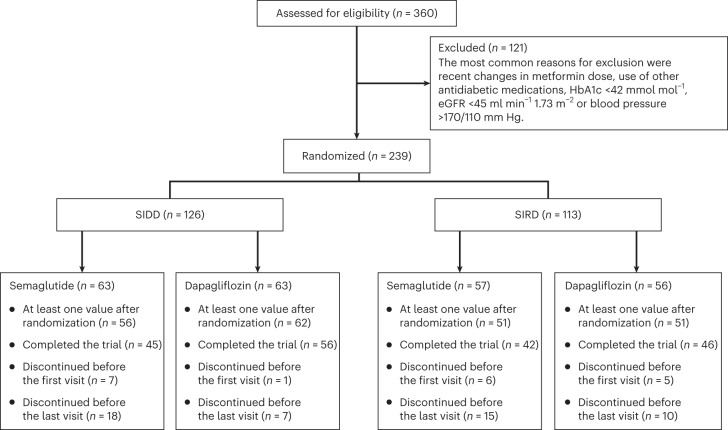
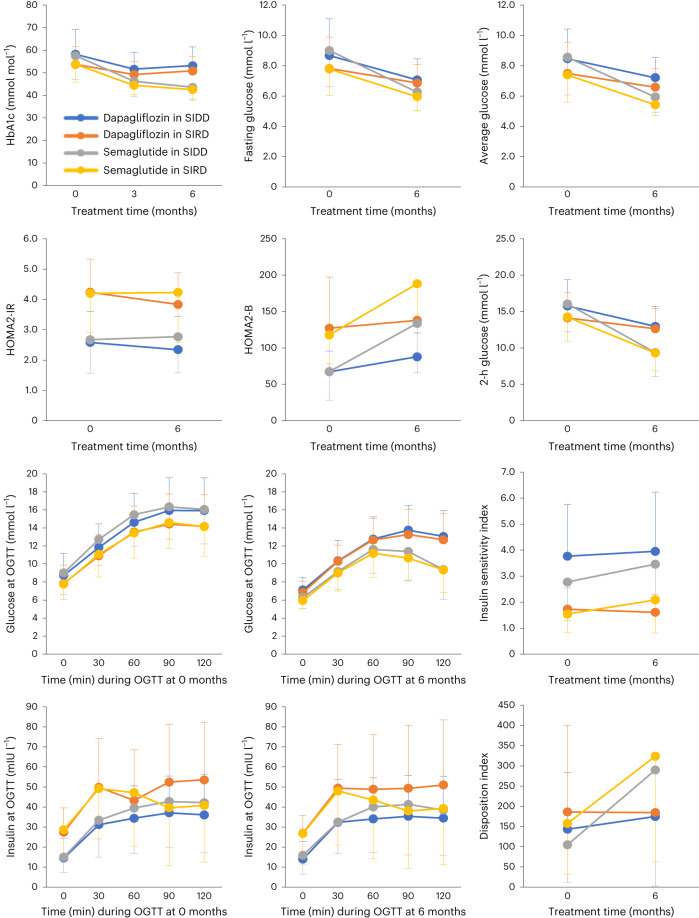
The limited understanding of the heterogeneity in the treatment response to antidiabetic drugs contributes to metabolic deterioration and cardiovascular complications 1,2, stressing the need for more personalized treatment 1. Although recent attempts have been made to classify diabetes into subgroups, the utility of such stratification in predicting treatment response is unknown 3. We enrolled participants with type 2 diabetes (n = 239, 74 women and 165 men) and features of severe insulin-deficient diabetes (SIDD) or severe insulin-resistant diabetes (SIRD). Participants were randomly assigned to treatment with the glucagon-like peptide 1 receptor agonist semaglutide or the sodium–glucose cotransporter 2 inhibitor dapagliflozin for 6 months (open label). The primary endpoint was the change in glycated haemoglobin (HbA1c). Semaglutide induced a larger reduction in HbA1c levels than dapagliflozin (mean difference, 8.2 mmol mol−1; 95% confidence interval, −10.0 to −6.3 mmol mol−1), with a pronounced effect in those with SIDD. No difference in adverse events was observed between participants with SIDD and those with SIRD. Analysis of secondary endpoints showed greater reductions in fasting and postprandial glucose concentrations in response to semaglutide in participants with SIDD than in those with SIRD and a more pronounced effect on postprandial glucose by dapagliflozin in participants with SIDD than in those with SIRD. However, no significant interaction was found between drug assignment and the SIDD or SIRD subgroup. In contrast, continuous measures of body mass index, blood pressure, insulin secretion and insulin resistance were useful in identifying those likely to have the largest improvements in glycaemic control and cardiovascular risk factors by adding semaglutide or dapagliflozin. Thus, systematic evaluation of continuous pathophysiological variables can guide the prediction of the treatment response to these drugs and provide more information than stratified subgroups (NCT04451837).
Overview
The claims and statistics of this paper haven’t been checked yet.
Free: it reads the open-access text and checks the first 5 claims that cite a source we can check. Create a free account to check every claim.
Integrity signals
Registry
Cites
Statistics
Figures
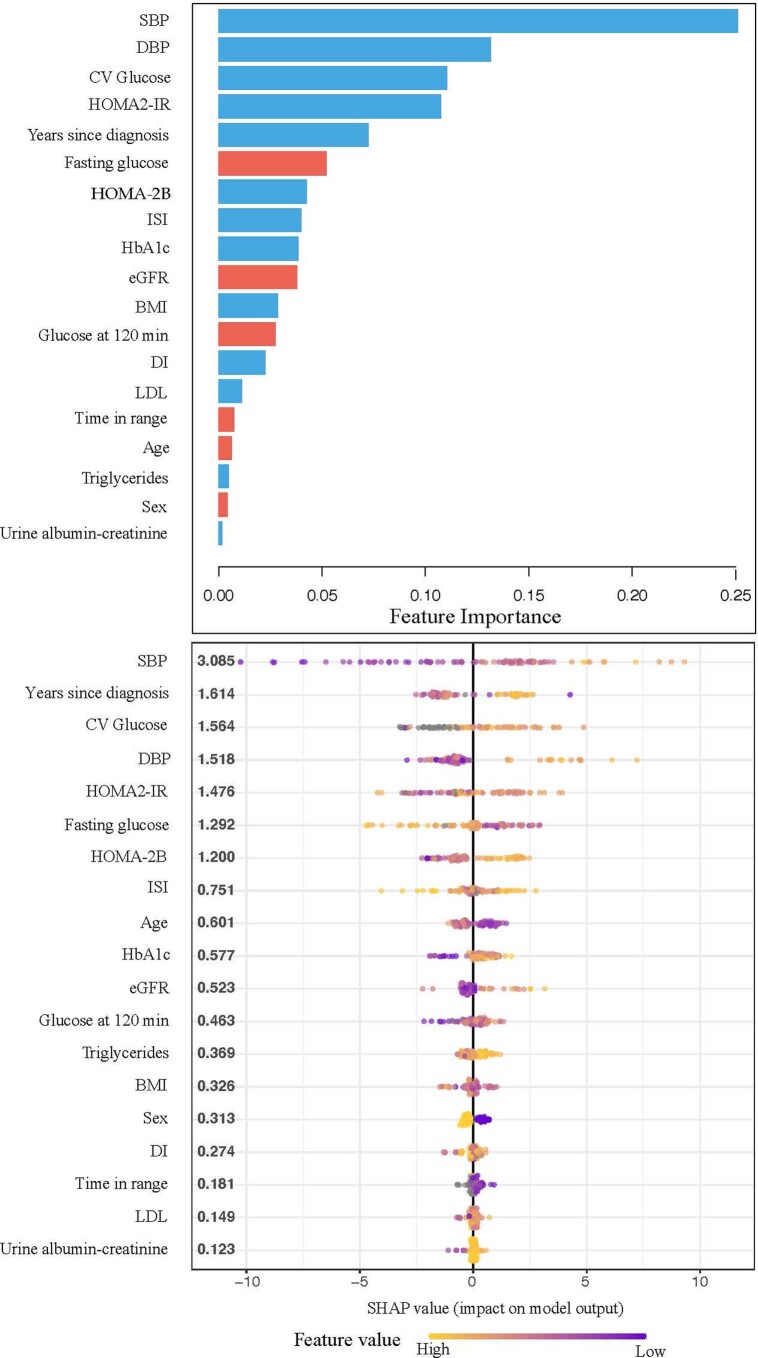
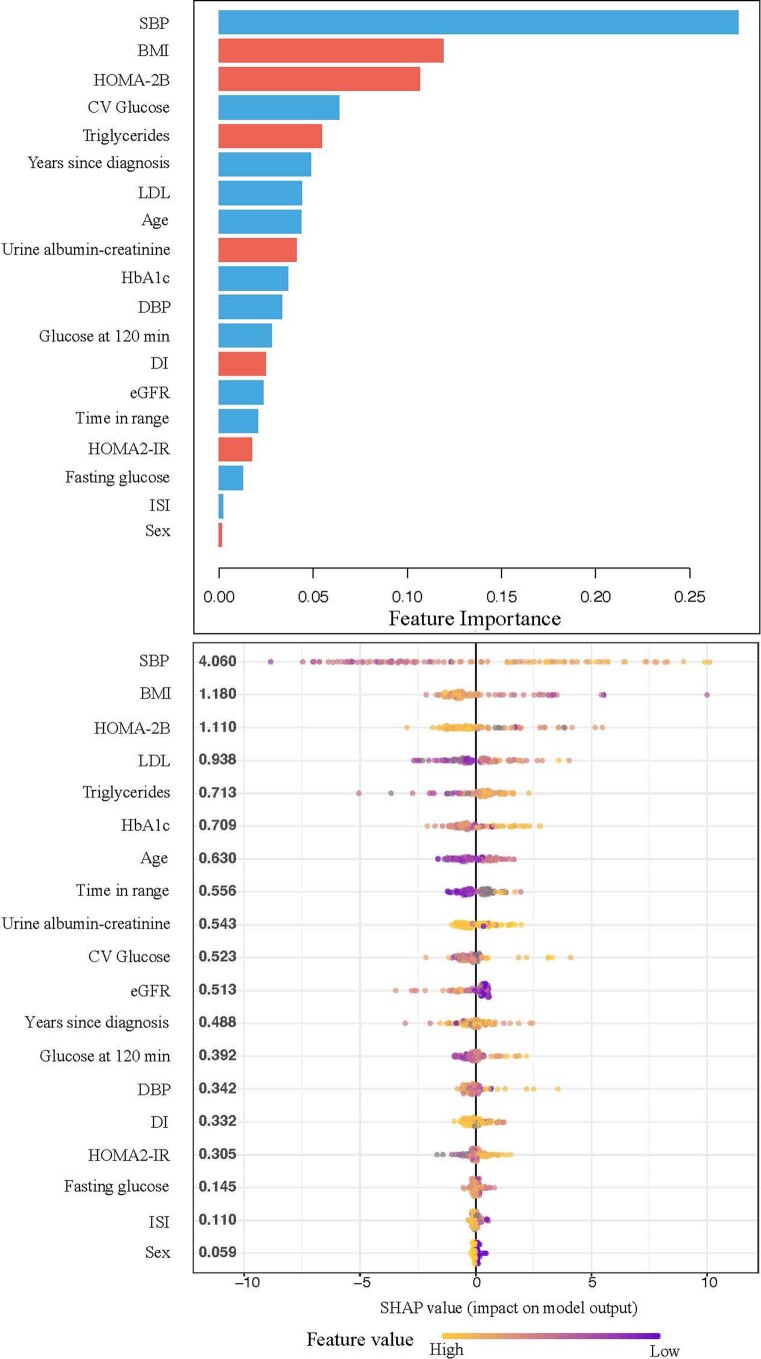
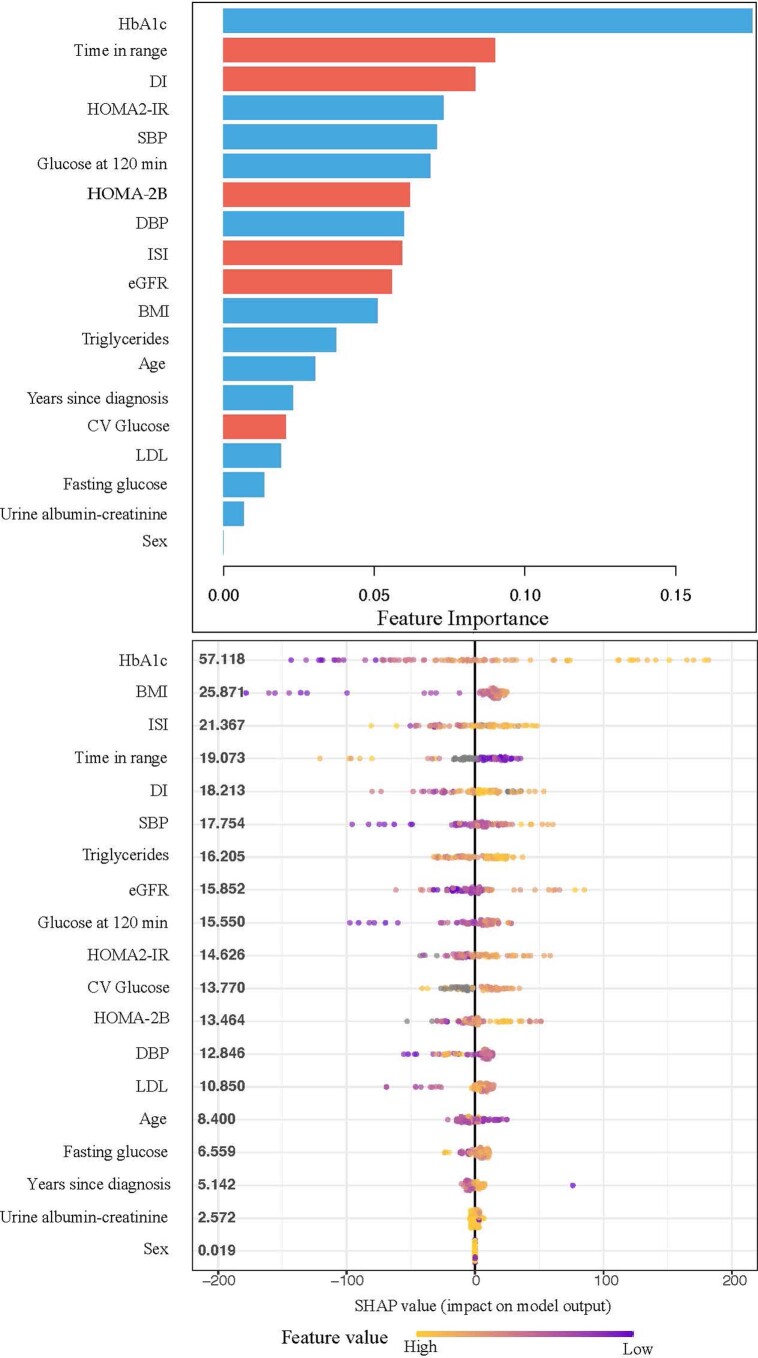
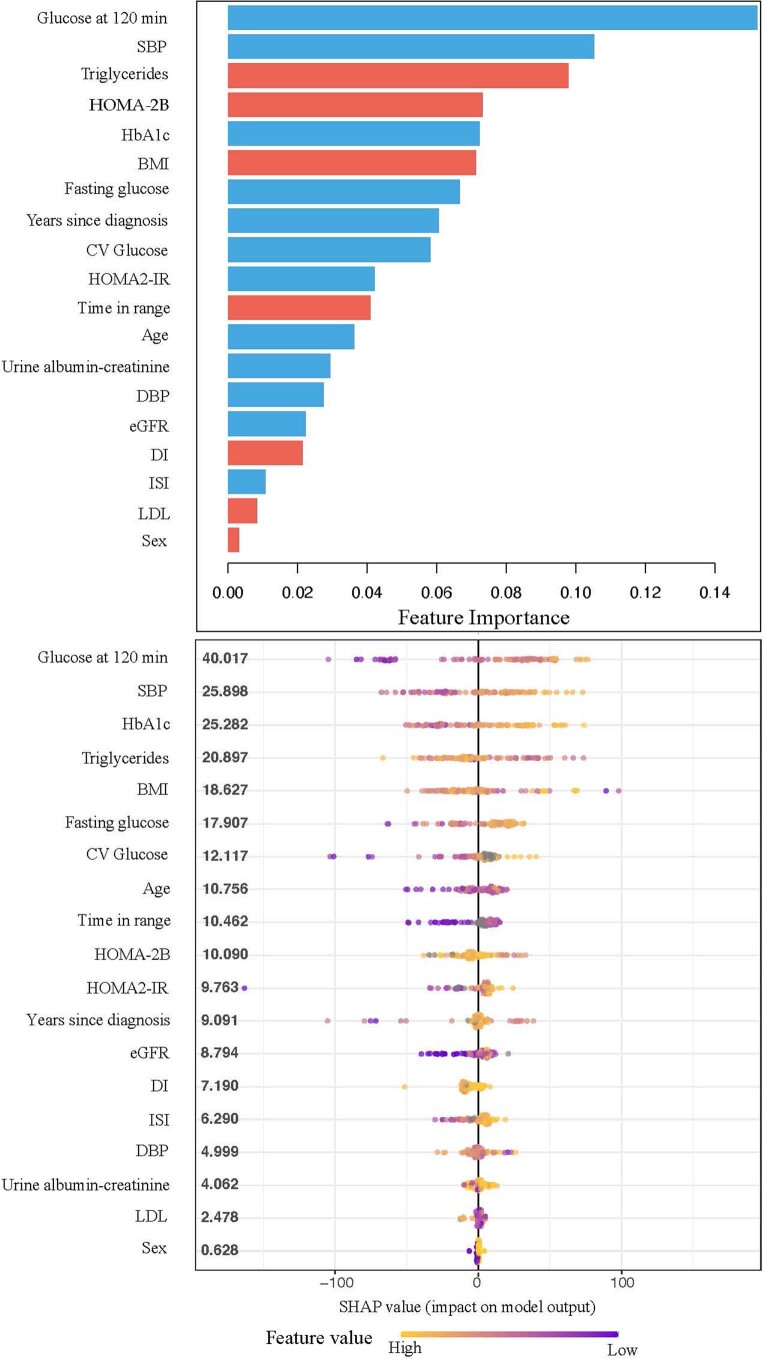
Verification
Claims the paper makes
The claims and statistics of this paper haven’t been checked yet.
Free: it reads the open-access text and checks the first 5 claims that cite a source we can check. Create a free account to check every claim.
Claims other papers make about this one
Each is checked against this paper’s own text: does it say what the citing paper says it does?
The source backs part of the claim, not all of it — or backs it for a different population, condition or comparison.
In the citing paper
“The study results suggest that semaglutide may be a more suitable choice for patients with severe insulin deficiency, while dapagliflozin might be effective for a broader range of patients with metabolic abnormalities.476”
From Glucagon-like peptide-1 receptor: mechanisms and advances in therapy (2024) · cites this paper as [476]
Experimental — accuracy not yet measuredThe cited source says what the claim attributes to it.
In the citing paper
“It was found that semaglutide performed better than dapagliflozin in reducing HbA1c levels.476”
From Glucagon-like peptide-1 receptor: mechanisms and advances in therapy (2024) · cites this paper as [476]
Self-check
Percentages, sums and reported differences re-computed from the paper’s own numbers.
The self-check needs the paper’s full text.
Citations
Cites
Stratton, I. M. (2000) · BMJ · doi:10.1136/bmj.321.7258.405 · Cited by 9,059 · cited 2×
“Extensive evidence has shown that improved control of HbA1c, blood pressure and BMI reduces macrovascular and microvascular events 1,31 .”
Ahlqvist, E., Storm, P., Käräjämäki, A., Martinell, M., Dorkhan, M., Carlsson, A., Vikman, P., Prasad, R. B., Aly, D. M., Almgren, P., et al. (2018) · The Lancet Diabetes & Endocrinology · doi:10.1016/s2213-8587(18)30051-2 · Cited by 2,335 · cited 3×
“Interestingly, a recent analysis of 9,000 patients with diabetes highlighted five clusters, each with different characteristics and risk of complications 3 .”
Self-citationDavies, M. J., Aroda, V. R., Collins, B. S., Gabbay, R. A., Green, J., Maruthur, N. M., Rosas, S. E., Del Prato, S., Mathieu, C., Mingrone, G., et al. (2022) · Diabetes Care · doi:10.2337/dci22-0034 · Cited by 2,104 · cited 9×
“This is relevant because current guidelines emphasize the potential value of intensifying treatment even in patients with lower glycaemic levels 1,17 .”
InfluentialCorrect Homeostasis Model Assessment (HOMA) Evaluation Uses the Computer Program
Levy, J. C., Matthews, D. R., & Hermans, M. P. (1998) · Diabetes Care · doi:10.2337/diacare.21.12.2191 · Cited by 2,013 · cited 1×
“HOMA2-IR and HOMA2-B were calculated based on the C-peptide concentration (which performs better than insulin concentration in individuals with type 2 diabetes) using the HOMA calculator (University of Oxford, Oxford, UK) 32 .”
Pathophysiology and treatment of type 2 diabetes: perspectives on the past, present, and future
Kahn, S. E., Cooper, M. E., & Del Prato, S. (2014) · The Lancet · doi:10.1016/s0140-6736(13)62154-6 · Cited by 1,743 · cited 1×
“Deteriorating beta-cell function is the main determinant of disease progression 1,29,30 , and the present data emphasize the need to identify and treat patients with poor beta-cell function more intensely.”
Prediction of Non-Alcoholic Fatty Liver Disease and Liver Fat Using Metabolic and Genetic Factors
Kotronen, A., Peltonen, M., Hakkarainen, A., Sevastianova, K., Bergholm, R., Johansson, L. M., Lundbom, N., Rissanen, A., Ridderstråle, M., Groop, L., et al. (2009) · Gastroenterology · doi:10.1053/j.gastro.2009.06.005 · Cited by 804 · cited 2×
“https://doi.org/10.1038/s42255-023-00943-3 The NAFLD liver fat score was calculated as previously described, based on the presence of type 2 diabetes and metabolic syndrome, fasting insulin concentration, ASAT level and the ASAT/ALAT ratio 33 .”
InfluentialZaharia, O. P., Strassburger, K., Strom, A., Bönhof, G. J., Karusheva, Y., Antoniou, S., Bódis, K., Markgraf, D. F., Burkart, V., Müssig, K., et al. (2019) · The Lancet Diabetes & Endocrinology · doi:10.1016/s2213-8587(19)30187-1 · Cited by 600 · cited 2×
“Similar clusters have been reproduced in several multiethnic cohorts 4–10 .”
Udler, M. S., Kim, J., von Grotthuss, M., Bonàs-Guarch, S., Cole, J. B., Chiou, J., ISGC, C. D. A. O. B. O. M. A. T., Boehnke, M., Laakso, M., Atzmon, G., et al. (2018) · PLOS Medicine · doi:10.1371/journal.pmed.1002654 · Cited by 542
Management of Hyperglycemia in Type 2 Diabetes
SKOLNIK, N., & OLSON, C. (2012) · Family Practice News · doi:10.1016/s0300-7073(12)70593-5 · Cited by 519
Chilton, R., Tikkanen, I., Cannon, C. P., Crowe, S., Woerle, H. J., Broedl, U. C., & Johansen, O. E. (2015) · Diabetes, Obesity and Metabolism · doi:10.1111/dom.12572 · Cited by 507 · cited 1×
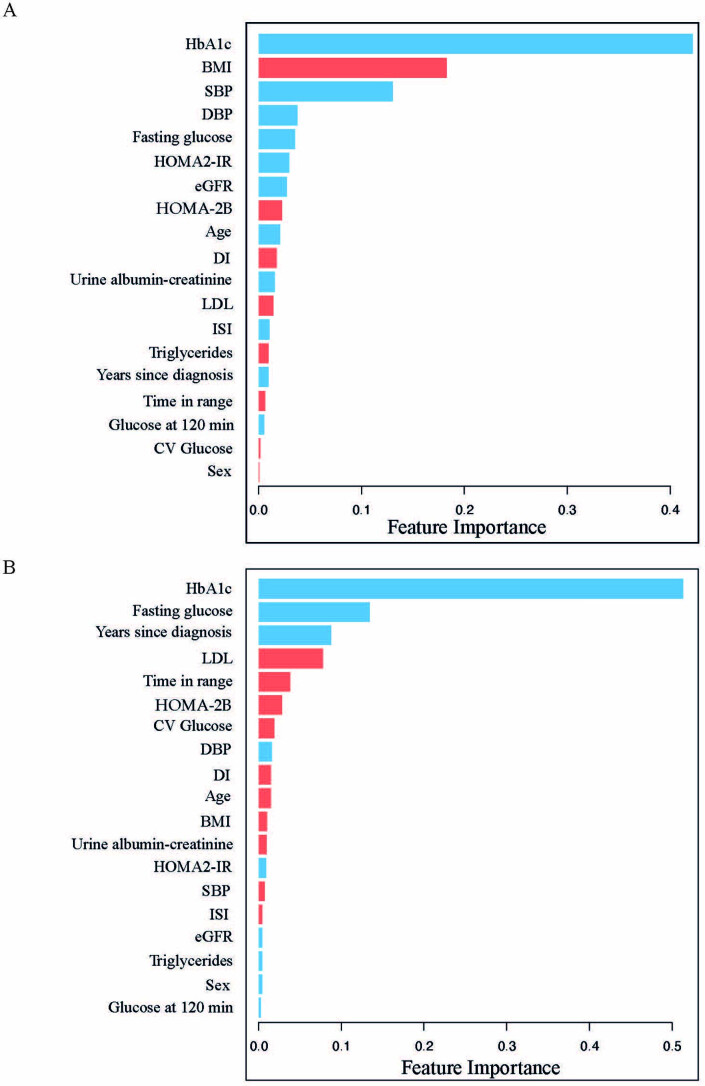
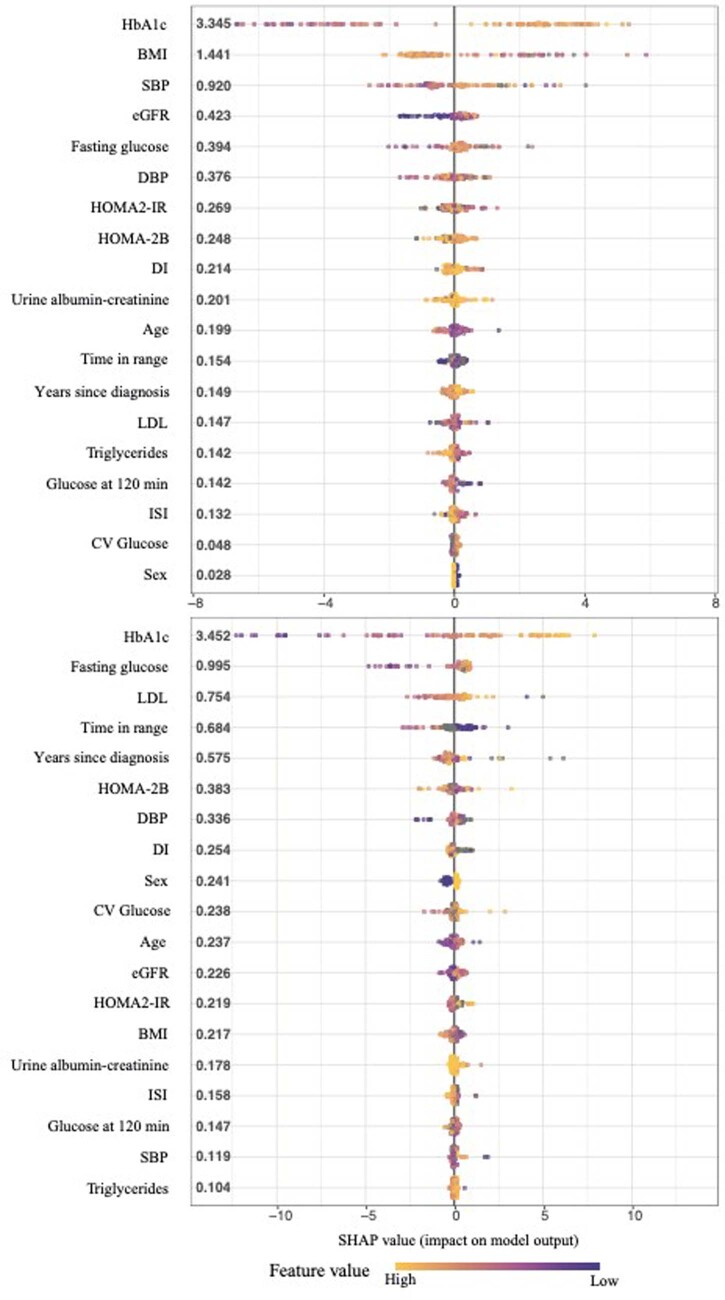
“In contrast, the change in HbA1c in response to dapagliflozin was mainly predicted by HbA1c, BMI and systolic blood pressure (the latter probably due to altered sympathetic activity in response to the SLGT2i 20–22 ).”
Rodbard, H. W., Rosenstock, J., Canani, L. H., Deerochanawong, C., Gumprecht, J., Lindberg, S. Ø., Lingvay, I., Søndergaard, A. L., Treppendahl, M. B., Montanya, E., et al. (2019) · Diabetes Care · doi:10.2337/dc19-0883 · Cited by 463 · cited 1×
“This is relevant because both dapagliflozin and semaglutide may affect appetite 35 .”
Dennis, J. M., Shields, B. M., Henley, W. E., Jones, A. G., & Hattersley, A. T. (2019) · The Lancet Diabetes & Endocrinology · doi:10.1016/s2213-8587(19)30087-7 · Cited by 462 · cited 3×
“An alternative option to stratifying patients into subgroups would be using continuous variables that reflect individual pathophysiology 8,15–19 .”
Novel subgroups of patients with adult-onset diabetes in Chinese and US populations
Zou, X., Zhou, X., Zhu, Z., & Ji, L. (2019) · The Lancet Diabetes & Endocrinology · doi:10.1016/s2213-8587(18)30316-4 · Cited by 266 · cited 1×
“Moreover, after treatment with sema-glutide, participants with SIRD reported less hunger, less difficulty in resisting food cravings and less cravings for starchy foods as compared with participants with SIDD (Supplementary Tables 5 and 6).”
Painting a new picture of personalised medicine for diabetes
McCarthy, M. I. (2017) · Diabetologia · doi:10.1007/s00125-017-4210-x · Cited by 255
Anjana, R. M., Baskar, V., Nair, A. T. N., Jebarani, S., Siddiqui, M. K., Pradeepa, R., Unnikrishnan, R., Palmer, C., Pearson, E., & Mohan, V. (2020) · BMJ Open Diabetes Research & Care · doi:10.1136/bmjdrc-2020-001506 · Cited by 224 · cited 3×
“Moreover, after treatment with sema-glutide, participants with SIRD reported less hunger, less difficulty in resisting food cravings and less cravings for starchy foods as compared with participants with SIDD (Supplementary Tables 5 and 6).”
Role of the sympathetic nervous system in regulation of the sodium glucose cotransporter 2
Matthews, V. B., Elliot, R. H., Rudnicka, C., Hricova, J., Herat, L., & Schlaich, M. P. (2017) · Journal of Hypertension · doi:10.1097/hjh.0000000000001434 · Cited by 222
Mansour Aly, D., Dwivedi, O. P., Prasad, R. B., Käräjämäki, A., Hjort, R., Thangam, M., Åkerlund, M., Mahajan, A., Udler, M. S., Florez, J. C., et al. (2021) · Nature Genetics · doi:10.1038/s41588-021-00948-2 · Cited by 172 · cited 1×
“This is relevant because current guidelines emphasize the potential value of intensifying treatment even in patients with lower glycaemic levels 1,17 .”
β-Cell function in type 2 diabetes
Ferrannini, E., & Mari, A. (2014) · Metabolism · doi:10.1016/j.metabol.2014.05.012 · Cited by 168 · cited 1×
“Deteriorating beta-cell function is the main determinant of disease progression 1,29,30 , and the present data emphasize the need to identify and treat patients with poor beta-cell function more intensely.”
Dalton, M., Finlayson, G., Hill, A. J., & Blundell, J. E. (2015) · European Journal of Clinical Nutrition · doi:10.1038/ejcn.2015.57 · Cited by 127
A Global Overview of Precision Medicine in Type 2 Diabetes
Fitipaldi, H., McCarthy, M. I., Florez, J. C., & Franks, P. W. (2018) · Diabetes · doi:10.2337/dbi17-0045 · Cited by 122
Effect of SGLT2 Inhibitors on the Sympathetic Nervous System and Blood Pressure
Scheen, A. J. (2019) · Current Cardiology Reports · doi:10.1007/s11886-019-1165-1 · Cited by 122 · cited 1×
“In contrast, the change in HbA1c in response to dapagliflozin was mainly predicted by HbA1c, BMI and systolic blood pressure (the latter probably due to altered sympathetic activity in response to the SLGT2i 20–22 ).”
Dennis, J. M. (2020) · Diabetes · doi:10.2337/dbi20-0002 · Cited by 119 · cited 1×
“An alternative option to stratifying patients into subgroups would be using continuous variables that reflect individual pathophysiology 8,15–19 .”
Tanabe, H., Saito, H., Kudo, A., Machii, N., Hirai, H., Maimaituxun, G., Tanaka, K., Masuzaki, H., Watanabe, T., Asahi, K., et al. (2020) · Journal of Clinical Medicine · doi:10.3390/jcm9072083 · Cited by 112 · cited 4×
“Moreover, after treatment with sema-glutide, participants with SIRD reported less hunger, less difficulty in resisting food cravings and less cravings for starchy foods as compared with participants with SIDD (Supplementary Tables 5 and 6).”
InfluentialKahkoska, A. R., Geybels, M. S., Klein, K. R., Kreiner, F. F., Marx, N., Nauck, M. A., Pratley, R. E., Wolthers, B. O., & Buse, J. B. (2020) · Diabetes, Obesity and Metabolism · doi:10.1111/dom.14063 · Cited by 87 · cited 3×
“9 and 10).”
Pigeyre, M., Hess, S., Gomez, M. F., Asplund, O., Groop, L., Paré, G., & Gerstein, H. (2022) · Diabetologia · doi:10.1007/s00125-021-05567-4 · Cited by 79
Scheen, A. J. (2020) · Diabetes & Metabolism · doi:10.1016/j.diabet.2020.01.002 · Cited by 70
Veelen, A., Erazo‐Tapia, E., Oscarsson, J., & Schrauwen, P. (2020) · Molecular Metabolism · doi:10.1016/j.molmet.2020.101158 · Cited by 53
Lugner, M., Gudbjörnsdottir, S., Sattar, N., Svensson, A.-M., Miftaraj, M., Eeg-Olofsson, K., Eliasson, B., & Franzén, S. (2021) · Diabetologia · doi:10.1007/s00125-021-05485-5 · Cited by 52 · cited 1×
“However, the clinical relevance of such stratification for predicting treatment response has also been questioned, as it assumes homogeneity within each cluster 8,11–14 .”
Self-citationYale, J.-F., Bodholdt, U., Catarig, A.-M., Catrina, S., Clark, A., Ekberg, N. R., Erhan, U., Holmes, P., Knudsen, S. T., Liutkus, J., et al. (2022) · BMJ Open Diabetes Research & Care · doi:10.1136/bmjdrc-2021-002619 · Cited by 50 · cited 1×
“Although there has been no precedent to this observation, post hoc analyses of earlier trials with semaglutide have shown a larger glycaemic effect in patients with high baseline HbA1c 24 , whereas the influence of baseline BMI remains unclear 23,27 .”
Lingvay, I., Kirk, A. R., Lophaven, S., Wolden, M. L., & Shubrook, J. H. (2021) · Diabetes Therapy · doi:10.1007/s13300-021-01010-4 · Cited by 41 · cited 1×
“Although there has been no precedent to this observation, post hoc analyses of earlier trials with semaglutide have shown a larger glycaemic effect in patients with high baseline HbA1c 24 , whereas the influence of baseline BMI remains unclear 23,27 .”
Pratley, R. E., Aroda, V. R., Catarig, A., Lingvay, I., Lüdemann, J., Yildirim, E., & Viljoen, A. (2020) · BMJ Open · doi:10.1136/bmjopen-2020-037883 · Cited by 31 · cited 2×
“https://doi.org/10.1038/s42255-023-00943-3 The overall reductions in HbA1c in response to the study compounds are similar to those reported in phase 2 or 3 trials including patients with corresponding baseline HbA1c 23–26 .”
InfluentialA roadmap to achieve pharmacological precision medicine in diabetes
Florez, J. C., & Pearson, E. R. (2022) · Diabetologia · doi:10.1007/s00125-022-05732-3 · Cited by 30 · cited 2×
“…was The choice of antihyperglycaemic treatment is usually based on comorbidities, baseline cardiovascular risk, side effects, cost and clinical assumptions, but rarely on measurements of pathophysiological features driving the deteriorating metabolic state that ultimately leads to complications 2 .”
Jendle, J., Birkenfeld, A. L., Polonsky, W. H., Silver, R., Uusinarkaus, K., Hansen, T., Håkan‐Bloch, J., Tadayon, S., & Davies, M. J. (2019) · Diabetes, Obesity and Metabolism · doi:10.1111/dom.13816 · Cited by 19 · cited 2×
“An alternative option to stratifying patients into subgroups would be using continuous variables that reflect individual pathophysiology 8,15–19 .”
Personalised prevention of type 2 diabetes
Wareham, N. J. (2022) · Diabetologia · doi:10.1007/s00125-022-05774-7 · Cited by 19 · cited 2×
“Therefore, we analysed the association between baseline traits and treatment response using linear regression (Supplementary Table 11).”
Gilbert, R. E., Weir, M. R., Fioretto, P., Law, G., Desai, M. G., Kline, I., Shaw, W. C., & Meininger, G. E. (2016) · Canadian Journal of Diabetes · doi:10.1016/j.jcjd.2015.11.005 · Cited by 17 · cited 1×
“In parallel, post hoc analyses of studies of SGLT2i drugs have reported greater glycaemic efficacy in patients with high baseline HbA1c and eGFR, which is expected from the mechanism of action; however, no consistent influence of sex or age (when adjusting for eGFR) has been shown 28 .”
DeFronzo, R. A., Ferrannini, E., Schernthaner, G., Hantel, S., Elsasser, U., Lee, C. S., Hach, T., & Lund, S. S. (2018) · Endocrinology Diabetes & Metabolism · doi:10.1002/edm2.16 · Cited by 17
Buse, J. B., Wolthers, B. O., Kreiner, F. F., et al. (2020) · Carolina Digital Repository (University of North Carolina at Chapel Hill) · doi:10.17615/z186-pa09 · Cited by 3
Cited by
Glucagon-like peptide-1 receptor: mechanisms and advances in therapy
Zheng, Z., Zong, Y., Ma, Y., Tian, Y., Pang, Y., Zhang, C., & Gao, J. (2024) · Signal Transduction and Targeted Therapy · doi:10.1038/s41392-024-01931-z · Cited by 1,036
Diabetes mellitus—Progress and opportunities in the evolving epidemic
Abel, E. D., Gloyn, A. L., Evans-Molina, C., Joseph, J. J., Misra, S., Pajvani, U. B., Simcox, J., Susztak, K., & Drucker, D. J. (2024) · Cell · doi:10.1016/j.cell.2024.06.029 · Cited by 292
Nourazarain, A., & Vaziri, Y. (2025) · Genes & Nutrition · doi:10.1186/s12263-025-00790-9 · Cited by 92
“…nutritional interventions significantly enhance outcomes: a 2024 randomized open-label trial showed differential responses to semaglutide and dapagliflozin across subtypes, with SIRD patients achieving superior glycemic control with SGLT2 inhibitors combined with low-carbohydrate diets [166].”
Wu, H., Lv, B., Zhi, L., Shao, Y., Liu, X., Mitteregger, M., Chakaroun, R., Tremaroli, V., Hazen, S. L., Wang, R., et al. (2025) · Nature Medicine · doi:10.1038/s41591-025-03642-6 · Cited by 79
“Type 2 diabetes (T2D) is influenced by both genetic and environmental factors 1–3 ; recent research suggested that it may consist of distinct pathophysiological subgroups 4–6 .”
Ocular Adverse Events With Semaglutide: A Systematic Review and Meta-Analysis
Natividade, G. R., Spiazzi, B. F., Baumgarten, M. W., Bassotto, C., Pereira, A. A., Fraga, B. L., Scalco, B. G., Mattes, N. R., Lavinsky, D., Kramer, C. K., et al. (2025) · JAMA Ophthalmology · doi:10.1001/jamaophthalmol.2025.2489 · Cited by 41
Metadata
- Authors
- Dwibedi, C., Ekström, O., Brandt, J., Adiels, M., Franzén, S., Abrahamsson, B., & Rosengren, A. H.
- Affiliations
- University of Gothenburg (SE)
- Lund University (SE)
- Skåne University Hospital (SE)
- AstraZeneca (Sweden) (SE)
- Corresponding author
- Rosengren, Anders H.
- ORCID
- Venue
- Nature Metabolism
- Published
- 2024-01-04
- Volume
- 6
- Issue
- 1
- Pages
- 50-60
- ISSN
- 2522-5812 (ISSN-L)
- PMC
- PMC10822775
- OpenAlex
- W4390581855
- Cited by
- 40
- References
- 36
- Citations by year
- 2026: 11 · 2025: 19 · 2024: 10
- FWCI
- 13.17
- Type
- journal article
- Language
- en
- Open access
- hybrid
- doi.org
- Licence
- cc-by
- creativecommons.org/licenses/by/4.0 (tdm)
- creativecommons.org/licenses/by/4.0 (vor)
- Locations
- Nature Metabolism (publishedVersion, cc-by)
- PubMed Central (publishedVersion, cc-by)
- PubMed (publishedVersion)
- KTH Publication Database DiVA (KTH Royal Institute of Technology) (submittedVersion, other-oa)
- Lund University Publications (Lund University) (submittedVersion)
- Funders
- European Commission (HORIZON2020)
- Lunds Universitet (2018–05973)
- Knut och Alice Wallenbergs Stiftelse (2018-05973)
- Vetenskapsrådet (05973, grant agreement no. 2018-05973, 2022-01301, 2018-, 201805973, No. 2018-05973)
- Göteborgs Universitet
- Uppsala Multidisciplinary Center for Advanced Computational Science
- H2020 European Research Council (866510)
- Topics
- Health Sciences › Medicine › Endocrinology, Diabetes and Metabolism › Diabetes Treatment and Management
- Health Sciences › Medicine › Endocrinology, Diabetes and Metabolism › Diabetes Management and Research
- Health Sciences › Medicine › Endocrinology, Diabetes and Metabolism › Diabetes, Cardiovascular Risks, and Lipoproteins
- Keywords
- type 2 diabetes, semaglutide, dapagliflozin, GLP-1 receptor agonists, SGLT2 inhibitors, severe insulin-deficient diabetes, severe insulin-resistant diabetes, HbA1c, glycemic control, postprandial blood glucose, insulin secretion, insulin resistance, body mass index, blood pressure, cardiovascular risk factors, treatment response prediction, personalized treatment
- MeSH terms
- Semaglutide, Benzhydryl Compounds, Diabetes Mellitus, Type 2, Glucagon-Like Peptides, Female, Glucose, Glucosides, Glycated Hemoglobin, Humans, Insulin, Insulin Resistance, Male, Treatment Outcome
About these checks
Registry, retraction, Cites and statistics results are computed, not judged, with one exception: a printed reference that no index lists is read once by a model before it counts as a citation error. Claims are extracted by a model and kept only when their quote appears verbatim in the text; each cited source is then checked, with a model’s help, for whether it says what the claim relies on. Those verdicts can be wrong — read the claim’s quote and the cited source before relying on one.
Statistics and arithmetic are recomputed, not judged.
Confidence bands are shown only for fields calibrated on our annotated test set. None is calibrated yet, so no band is shown.
What counts as a claim ›How we measure confidence ›How we check this ›
Are you an author, or do you see a problem with this page? Request a review
Data sources
Bibliographic data: Semantic Scholar, OpenAlex, Crossref.
Contains information from the Semantic Scholar Academic Graph Datasets, made available under the ODC Attribution License (ODC-BY 1.0).
Semantic Scholar’s data is described in: Kinney, R., et al. (2023). The Semantic Scholar Open Data Platform. arXiv:2301.10140.
