

An allosteric pan-TEAD inhibitor blocks oncogenic YAP/TAZ signaling and overcomes KRAS G12C inhibitor resistance
Open accessThe DOI matches its Crossref record; 66 of the 66 references it cites were found in a registry or an index.
Abstract
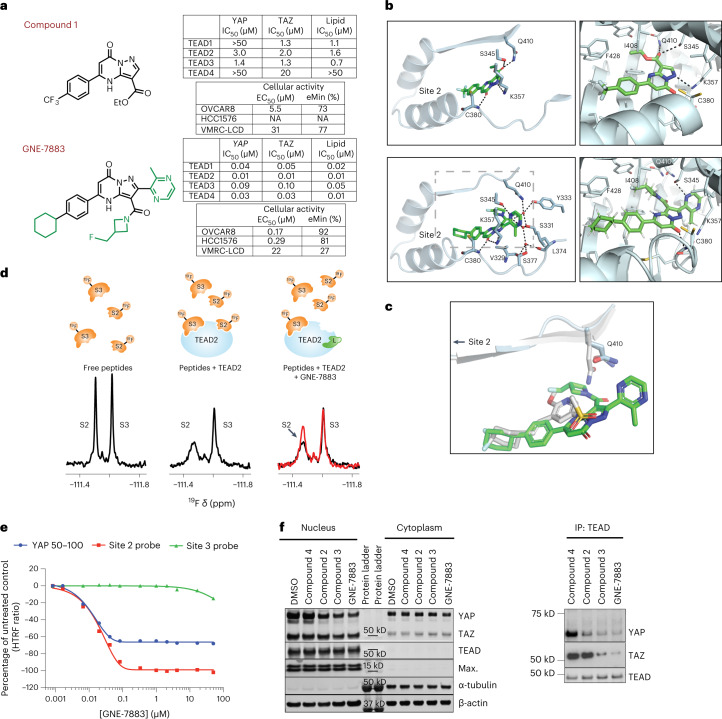
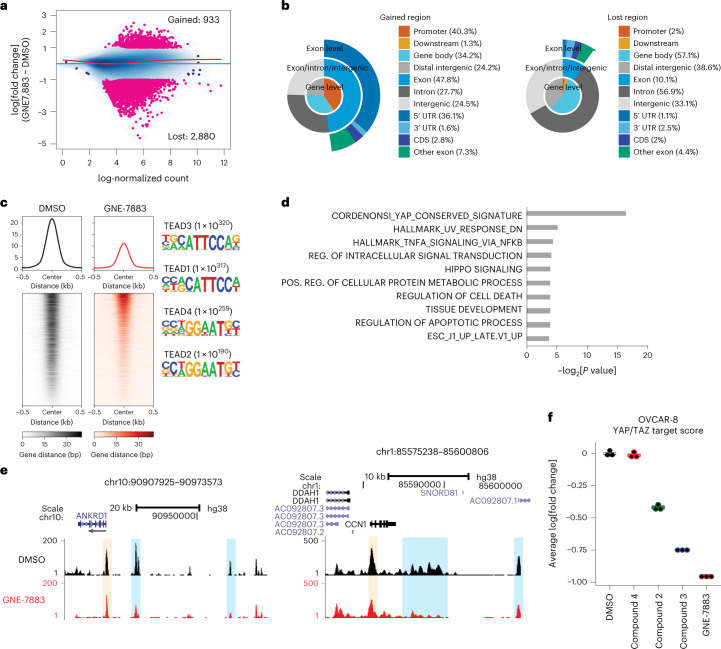
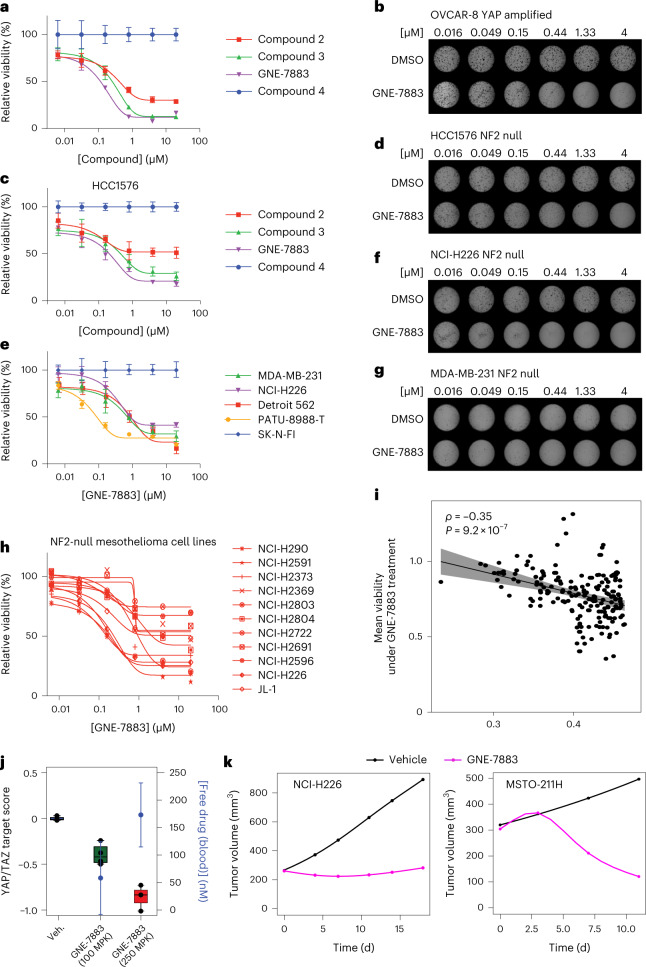
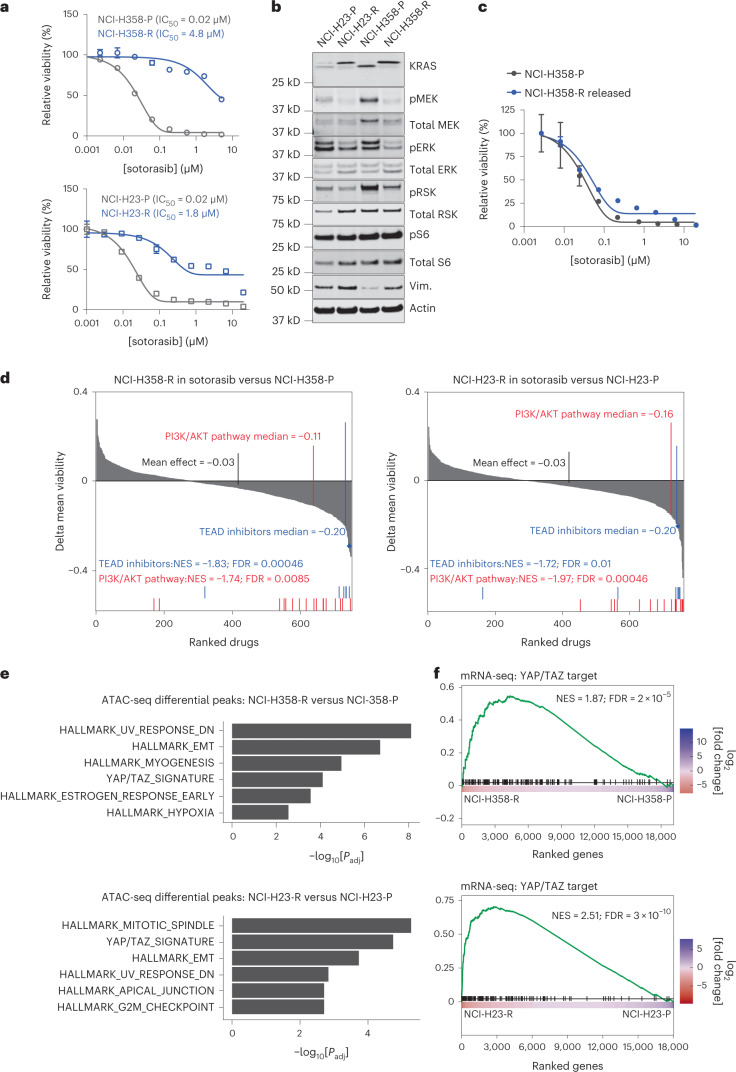
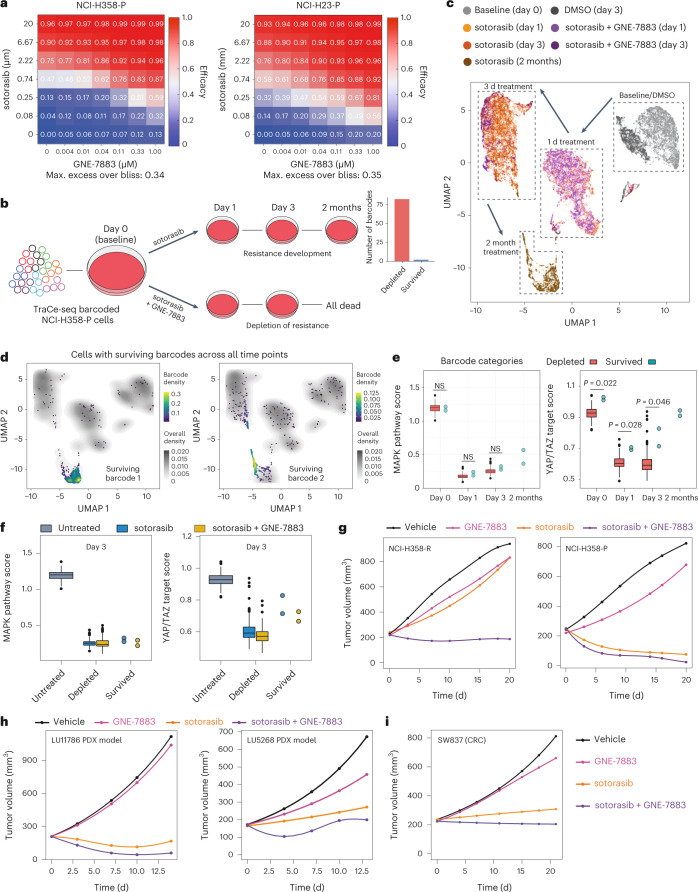
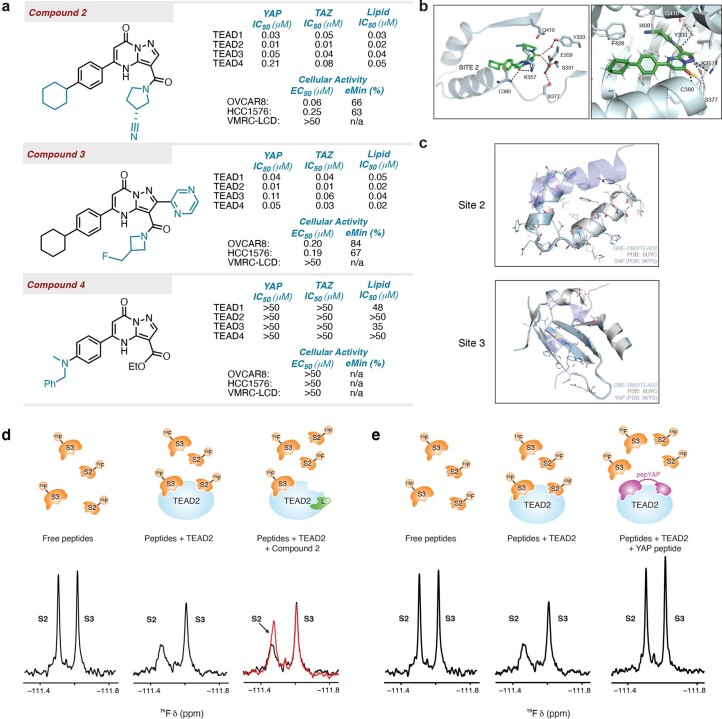
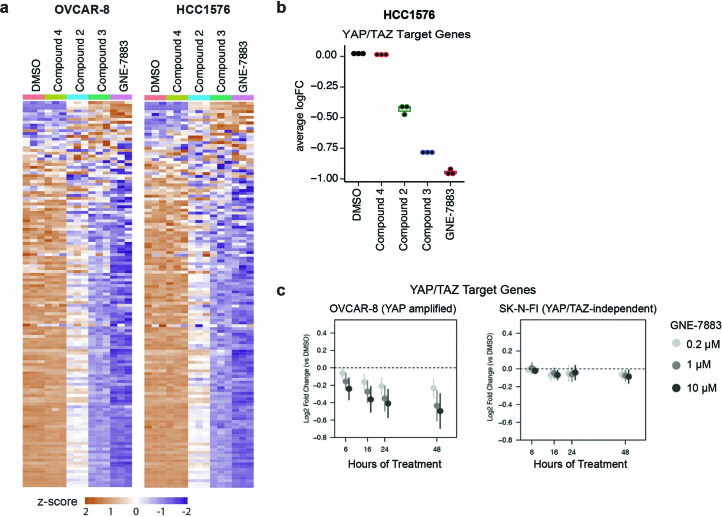
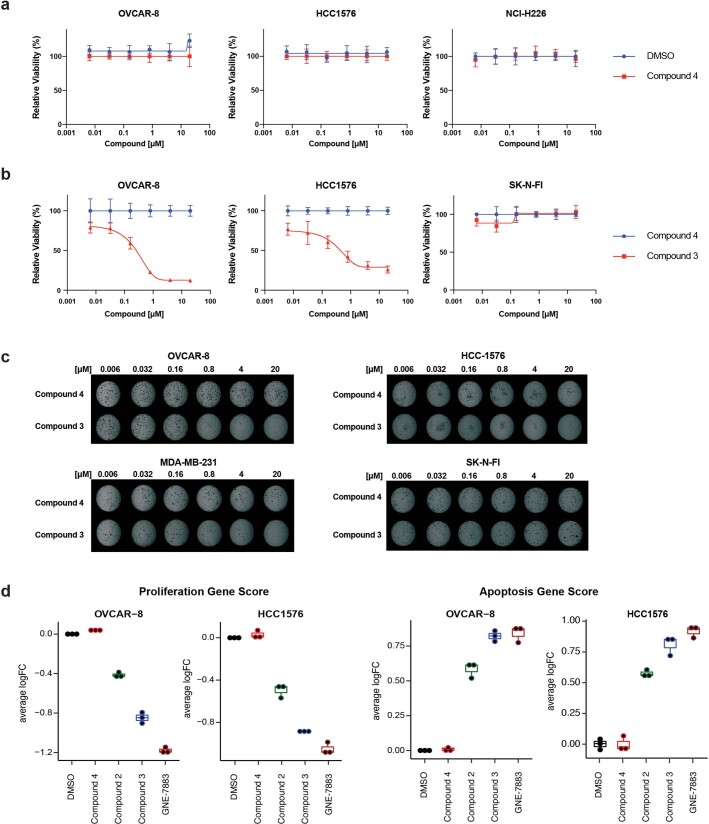
The Hippo pathway is a key growth control pathway that is conserved across species. The downstream effectors of the Hippo pathway, YAP (Yes-associated protein) and TAZ (transcriptional coactivator with PDZ-binding motif), are frequently activated in cancers to drive proliferation and survival. Based on the premise that sustained interactions between YAP/TAZ and TEADs (transcriptional enhanced associate domain) are central to their transcriptional activities, we discovered a potent small-molecule inhibitor (SMI), GNE-7883, that allosterically blocks the interactions between YAP/TAZ and all human TEAD paralogs through binding to the TEAD lipid pocket. GNE-7883 effectively reduces chromatin accessibility specifically at TEAD motifs, suppresses cell proliferation in a variety of cell line models and achieves strong antitumor efficacy in vivo. Furthermore, we uncovered that GNE-7883 effectively overcomes both intrinsic and acquired resistance to KRAS (Kirsten rat sarcoma viral oncogene homolog) G12C inhibitors in diverse preclinical models through the inhibition of YAP/TAZ activation. Taken together, this work demonstrates the activities of TEAD SMIs in YAP/TAZ-dependent cancers and highlights their potential broad applications in precision oncology and therapy resistance.
Overview
The claims and statistics of this paper haven’t been checked yet.
Free: it reads the open-access text and checks the first 5 claims that cite a source we can check. Create a free account to check every claim.
Integrity signals
Registry
Cites
Statistics
Figures
Verification
Claims the paper makes
The claims and statistics of this paper haven’t been checked yet.
Free: it reads the open-access text and checks the first 5 claims that cite a source we can check. Create a free account to check every claim.
Claims other papers make about this one
Each is checked against this paper’s own text: does it say what the citing paper says it does?
The cited source says what the claim attributes to it.
In the citing paper
“Particularly, YAP/TAZ plays a crucial role in the intrinsic and acquired resistance to inhibitors targeting RTK/MAPK pathway (24, 28–32).”
From YAP/TAZ mediates resistance to KRAS inhibitors through inhibiting proapoptosis and activating the SLC7A5/mTOR axis (2024) · cites this paper as [31]
The cited source says what the claim attributes to it.
In the citing paper
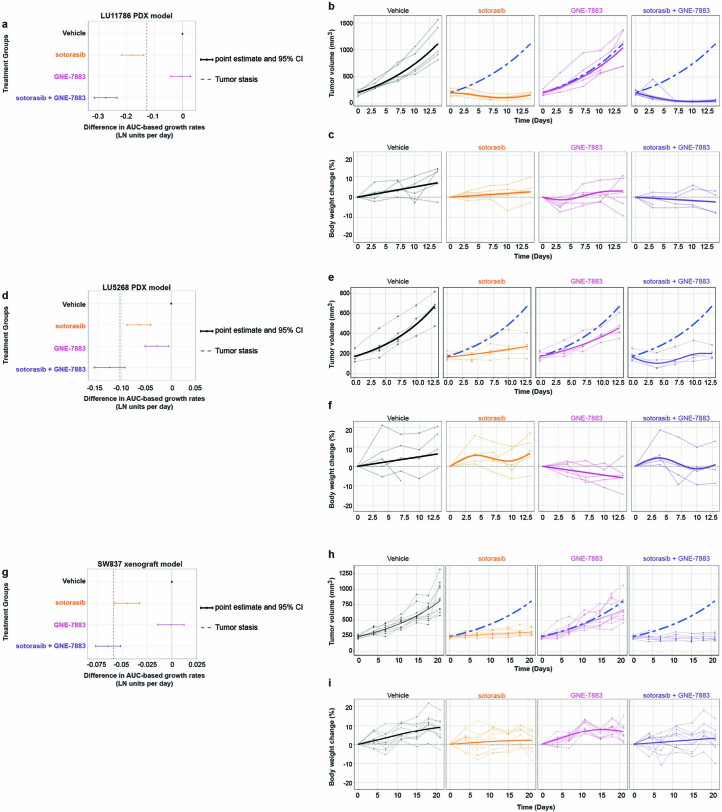
“a recent study has explored the potential of overcoming resistance to sotorasib by an allosteric pan-TEAD inhibitor called GNE-7883 (31).”
From YAP/TAZ mediates resistance to KRAS inhibitors through inhibiting proapoptosis and activating the SLC7A5/mTOR axis (2024) · cites this paper as [31]
The cited source says what the claim attributes to it.
In the citing paper
“Additionally, the upregulation of the YAP/TEAD pathway has been implicated as a mechanism of resistance to KRAS inhibition [125,126].”
From KRAS: Biology, Inhibition, and Mechanisms of Inhibitor Resistance (2024) · cites this paper as [125]
The cited source says what the claim attributes to it.
In the citing paper
“An alternative preclinical strategy being tested is combining inhibitors of TEAD proteins with KRASi, preventing feedback reactivation [125,127].”
From KRAS: Biology, Inhibition, and Mechanisms of Inhibitor Resistance (2024) · cites this paper as [125]
The cited source says what the claim attributes to it.
In the citing paper
“GNE7883, a small-molecule allosteric TEAD inhibitor, has been developed and shown to suppress oncogenic YAP/TAZ signaling and overcome KRAS G12C inhibitor resistance in both in vitro and in vivo models [105].”
From Differential Response and Resistance to KRAS-Targeted Therapy (2025) · cites this paper as [105]
1 more claim about this paper
Create a free account to see every claim other papers make about this one.
Self-check
Percentages, sums and reported differences re-computed from the paper’s own numbers.
The self-check needs the paper’s full text.
Citations
Cites
Subramanian, A., Tamayo, P., Mootha, V. K., Mukherjee, S., Ebert, B. L., Gillette, M. A., Paulovich, A., Pomeroy, S. L., Golub, T. R., Lander, E. S., et al. (2005) · Proceedings of the National Academy of Sciences · doi:10.1073/pnas.0506580102 · Cited by 53,625
Coot : model-building tools for molecular graphics
Emsley, P., & Cowtan, K. (2004) · Acta Crystallographica Section D Biological Crystallography · doi:10.1107/s0907444904019158 · Cited by 30,571
PHENIX : a comprehensive Python-based system for macromolecular structure solution
Adams, P. D., Afonine, P. V., Bunkóczi, G., Chen, V. B., Davis, I. W., Echols, N., Headd, J. J., Hung, L.-W., Kapral, G. J., Grosse-Kunstleve, R. W., et al. (2010) · Acta Crystallographica Section D Biological Crystallography · doi:10.1107/s0907444909052925 · Cited by 23,716
Kabsch, W. (2010) · Acta Crystallographica Section D Biological Crystallography · doi:10.1107/s0907444909047337 · Cited by 16,463
Overview of the CCP 4 suite and current developments
Winn, M. D., Ballard, C. C., Cowtan, K. D., Dodson, E. J., Emsley, P., Evans, P. R., Keegan, R. M., Krissinel, E. B., Leslie, A. G. W., McCoy, A., et al. (2011) · Acta Crystallographica Section D Biological Crystallography · doi:10.1107/s0907444910045749 · Cited by 12,353
Role of YAP/TAZ in mechanotransduction
Dupont, S., Morsut, L., Aragona, M., Enzo, E., Giulitti, S., Cordenonsi, M., Zanconato, F., Le Digabel, J., Forcato, M., Bicciato, S., et al. (2011) · Nature · doi:10.1038/nature10137 · Cited by 5,979
How good are my data and what is the resolution?
Evans, P. R., & Murshudov, G. N. (2013) · Acta Crystallographica Section D Biological Crystallography · doi:10.1107/s0907444913000061 · Cited by 4,697
Scaling and assessment of data quality
Evans, P. (2006) · Acta Crystallographica Section D Biological Crystallography · doi:10.1107/s0907444905036693 · Cited by 4,374
Oncogenic Signaling Pathways in The Cancer Genome Atlas
Sanchez-Vega, F., Mina, M., Armenia, J., Chatila, W. K., Luna, A., La, K. C., Dimitriadoy, S., Liu, D. L., Kantheti, H. S., Saghafinia, S., et al. (2018) · Cell · doi:10.1016/j.cell.2018.03.035 · Cited by 3,201
An improved ATAC-seq protocol reduces background and enables interrogation of frozen tissues
Corces, M. R., Trevino, A. E., Hamilton, E. G., Greenside, P. G., Sinnott-Armstrong, N. A., Vesuna, S., Satpathy, A. T., Rubin, A. J., Montine, K. S., Wu, B., et al. (2017) · Nature Methods · doi:10.1038/nmeth.4396 · Cited by 2,496
Cited by
Current and future immunotherapeutic approaches in pancreatic cancer treatment
Farhangnia, P., Khorramdelazad, H., Nickho, H., & Delbandi, A.-A. (2024) · Journal of Hematology & Oncology · doi:10.1186/s13045-024-01561-6 · Cited by 229
A Small Molecule with Big Impact: MRTX1133 Targets the KRASG12D Mutation in Pancreatic Cancer
Wei, D., Wang, L., Zuo, X., Maitra, A., & Bresalier, R. S. (2023) · Clinical Cancer Research · doi:10.1158/1078-0432.ccr-23-2098 · Cited by 193
Acquired resistance in cancer: towards targeted therapeutic strategies
Soragni, A., Knudsen, E. S., O’Connor, T. N., Tognon, C. E., Tyner, J. W., Gini, B., Kim, D., Bivona, T. G., Zang, X., Witkiewicz, A. K., et al. (2025) · Nature reviews. Cancer · doi:10.1038/s41568-025-00824-9 · Cited by 182
Chapeau, E. A., Sansregret, L., Galli, G. G., Chène, P., Wartmann, M., Mourikis, T. P., Jaaks, P., Baltschukat, S., Barbosa, I. A. M., Bauer, D., et al. (2024) · Nature Cancer · doi:10.1038/s43018-024-00754-9 · Cited by 159
“Recently, allosteric TEAD inhibitors have been used to evaluate the activity of the combination of KRAS G12C inhibitor and TEAD inhibitor 45–47 .”
Epithelial-mesenchymal transition
Zhang, C. X., Huang, R. Y., Sheng, G., & Thiery, J. P. (2025) · Cell · doi:10.1016/j.cell.2025.08.033 · Cited by 134
Cracking the EGFR code: Cancer biology, resistance mechanisms, and future therapeutic frontiers
Du, Y.-F., Karatekin, F., Wang, W. K., Hong, W., & Gandhi, T. K. B. (2025) · Pharmacological Reviews · doi:10.1016/j.pharmr.2025.100076 · Cited by 115
Talukdar, P. D., & Chatterji, U. (2023) · Signal Transduction and Targeted Therapy · doi:10.1038/s41392-023-01651-w · Cited by 111
SHP2: A Pleiotropic Target at the Interface of Cancer and Its Microenvironment
Sodir, N. M., Pathria, G., Adamkewicz, J. I., Kelley, E. H., Sudhamsu, J., Merchant, M. A., Chiarle, R., & Maddalo, D. (2023) · Cancer Discovery · doi:10.1158/2159-8290.cd-23-0383 · Cited by 110
Self-citationMukhopadhyay, S., Huang, H.-Y., Lin, Z., Ranieri, M., Li, S., Sahu, S., Liu, Y., Ban, Y., Guidry, K., Hu, H., et al. (2023) · Cancer Research · doi:10.1158/0008-5472.can-23-2729 · Cited by 105
TEAD Inhibition Overcomes YAP1/TAZ-Driven Primary and Acquired Resistance to KRASG12C Inhibitors
Edwards, A. C., Stalnecker, C. A., Jean Morales, A., Taylor, K. E., Klomp, J. E., Klomp, J. A., Waters, A. M., Sudhakar, N., Hallin, J., Tang, T. T., et al. (2023) · Cancer Research · doi:10.1158/0008-5472.can-23-2994 · Cited by 91
KRAS G12C inhibitor combination therapies: current evidence and challenge
Miyashita, H., Kato, S., & Hong, D. S. (2024) · Frontiers in Oncology · doi:10.3389/fonc.2024.1380584 · Cited by 85
Response and Resistance to RAS Inhibition in Cancer
Ebright, R. Y., Dilly, J., Shaw, A. T., & Aguirre, A. J. (2025) · Cancer Discovery · doi:10.1158/2159-8290.cd-25-0349 · Cited by 83
Targeting KRAS mutations: orchestrating cancer evolution and therapeutic challenges
Choucair, K., Imtiaz, H., Uddin, M. H., Nagasaka, M., Al-Hallak, M. N., Philip, P. A., El-Rayes, B., Pasche, B., & Azmi, A. S. (2025) · Signal Transduction and Targeted Therapy · doi:10.1038/s41392-025-02473-8 · Cited by 83
Targeting the Hippo pathway in cancer
Harvey, K. F., & Tang, T. T.-L. (2025) · Nature Reviews Drug Discovery · doi:10.1038/s41573-025-01234-0 · Cited by 83
Kim, H., & Nam, J. (2025) · Experimental & Molecular Medicine · doi:10.1038/s12276-025-01551-9 · Cited by 70
Mechanosignaling via Integrins: Pivotal Players in Liver Fibrosis Progression and Therapy
Sharip, A., & Kunz, J. (2025) · Cells · doi:10.3390/cells14040266 · Cited by 69
Protein lipidation in cancer: mechanisms, dysregulation and emerging drug targets
Tate, E. W., Soday, L., de la Lastra, A. L., Wang, M., & Lin, H. (2024) · Nature reviews. Cancer · doi:10.1038/s41568-024-00666-x · Cited by 69
KRAS: Biology, Inhibition, and Mechanisms of Inhibitor Resistance
Ash, L. J., Busia-Bourdain, O., Okpattah, D., Kamel, A., Liberchuk, A., & Wolfe, A. L. (2024) · Current Oncology · doi:10.3390/curroncol31040150 · Cited by 68
“Specifically, HDAC5 suppresses SOCS3, boosting CCL2 and CCL7 expression.”
Pancreatic cancer: molecular pathogenesis and emerging therapeutic strategies
Rozengurt, E., & Eibl, G. (2026) · Signal Transduction and Targeted Therapy · doi:10.1038/s41392-025-02499-y · Cited by 66
Kumarasamy, V. M., Frangou, C. G., Wang, J., Wan, Y., Dynka, A., Rosenheck, H. R., Dey, P., Abel, E. V., Knudsen, E. S., & Witkiewicz, A. K. (2024) · Cancer Research · doi:10.1158/0008-5472.can-23-2504 · Cited by 63
The Hippo pathway: Organ size control and beyond
Guo, P., Wan, S., & Guan, K. (2024) · Pharmacological Reviews · doi:10.1016/j.pharmr.2024.100031 · Cited by 61
“Undruggable KRAS”: druggable after all
Cox, A. D., & Der, C. J. (2024) · Genes & Development · doi:10.1101/gad.352081.124 · Cited by 61
Emerging landscape of KRAS inhibitors in cancer treatment
Riedl, J. M., Matsubara, H., McNeil, R., Patel, P. S., de la Cruz, F. F., Gulhan, D., & Corcoran, R. B. (2026) · Cancer Cell · doi:10.1016/j.ccell.2026.01.001 · Cited by 53
Hippo Signaling at the Hallmarks of Cancer and Drug Resistance
Kumar, R., & Hong, W. (2024) · Cells · doi:10.3390/cells13070564 · Cited by 53
Chemoresistance: The hidden barrier in cancer treatment
Dhiman, V. K., Kumari, M., & Singh, D. (2025) · Cancer Pathogenesis and Therapy · doi:10.1016/j.cpt.2025.07.001 · Cited by 52
Role Of YAP Signaling in Regulation of Programmed Cell Death and Drug Resistance in Cancer
Zhou, W., Lim, A., Edderkaoui, M., Osipov, A., Wu, H., Wang, Q., & Pandol, S. J. (2023) · International Journal of Biological Sciences · doi:10.7150/ijbs.83586 · Cited by 52
Genetics and biology of pancreatic ductal adenocarcinoma
Ying, H., Kimmelman, A. C., Bardeesy, N. M., Kalluri, R., Maitra, A., & DePinho, R. A. (2024) · Genes & Development · doi:10.1101/gad.351863.124 · Cited by 48
Gupta, V., Sehrawat, T. S., Pinzani, M., & Strazzabosco, M. (2024) · Gastroenterology · doi:10.1053/j.gastro.2024.07.044 · Cited by 43
A first-in-class EGFR-directed KRAS G12V selective inhibitor
Stanland, L. J., Huggins, H. P., Sahoo, S. S., Porrello, A., Chareddy, Y. S., Azam, S. H., Perry, J. L., Pallan, P. S., Whately, K. M., Edatt, L., et al. (2025) · Cancer Cell · doi:10.1016/j.ccell.2025.05.016 · Cited by 42
Multi-Functional Regulation by YAP/TAZ Signaling Networks in Tumor Progression and Metastasis
Thrash, H. L., & Pendergast, A. M. (2023) · Cancers · doi:10.3390/cancers15194701 · Cited by 42
Exploring Protein S-Palmitoylation: Mechanisms, Detection, and Strategies for Inhibitor Discovery
Pei, S., & Piao, H. (2024) · ACS Chemical Biology · doi:10.1021/acschembio.4c00110 · Cited by 38
Paul, S., Hagenbeek, T. J., Tremblay, J., Kameswaran, V., Ong, C. C., Liu, C., Guarnaccia, A. D., Mondo, J. A., Hsu, P., Kljavin, N. M., et al. (2025) · Nature Communications · doi:10.1038/s41467-025-56634-y · Cited by 37
Self-citationDrug resistance in glioblastoma: Challenges, mechanisms and therapeutic strategies (Review)
Durga, Y., & Pusapati, R. V. (2025) · Molecular and Clinical Oncology · doi:10.3892/mco.2025.2913 · Cited by 36
Targeting ALDH1A1 to enhance the efficacy of KRAS-targeted therapy through ferroptosis
Bian, Y., Shan, G., Bi, G., Liang, J., Hu, Z., Sui, Q., Shi, H., Zheng, Z., Yao, G., Wang, Q., et al. (2024) · Redox Biology · doi:10.1016/j.redox.2024.103361 · Cited by 35
MARK2/MARK3 Kinases Are Catalytic Codependencies of YAP/TAZ in Human Cancer
Klingbeil, O., Skopelitis, D. S., Tonelli, C., Yoshimoto, T., Alpsoy, A., Panepinto, M. C., Minicozzi, F., Merrill, J. R., Cafiero, A. M., Aggarwal, D., et al. (2024) · Cancer Discovery · doi:10.1158/2159-8290.cd-23-1529 · Cited by 35
Targeting the Hippo pathway in cancer: kidney toxicity as a class effect of TEAD inhibitors?
Paul, S., Sims, J., Pham, T., & Dey, A. (2024) · Trends in cancer · doi:10.1016/j.trecan.2024.10.004 · Cited by 35
Self-citationYang, W., Zhang, M., Zhang, T.-X., Liu, J.-H., Hao, M.-W., Yan, X., Gao, H., Lei, Q.-Y., Cui, J., & Zhou, X. (2024) · JCI Insight · doi:10.1172/jci.insight.178535 · Cited by 31
“It is worth mentioning that a recent study has explored the potential of overcoming resistance to sotorasib by an allosteric pan-TEAD inhibitor called GNE-7883 (31).”
Targeting the Hippo/YAP Pathway: A Promising Approach for Cancer Therapy and Beyond
Bala, R., Madaan, R., Bedi, O., Singh, A., Taneja, A., Dwivedi, R., Figueroa‐González, G., Reyes‐Hernández, O. D., Granados, L. I. Q., Cortés, H., et al. (2025) · MedComm · doi:10.1002/mco2.70338 · Cited by 28
Ku70 Binding to YAP Alters PARP1 Ubiquitination to Regulate Genome Stability and Tumorigenesis
Shu, Y., Jin, X., Ji, M., Zhang, Z., Wang, X., Liang, H., Lu, S., Dong, S., Lin, Y., Guo, Y., et al. (2024) · Cancer Research · doi:10.1158/0008-5472.can-23-4034 · Cited by 27
SRC kinase drives multidrug resistance induced by KRAS-G12C inhibition
Song, X., Zhou, Z., Elmezayen, A., Wu, R., Yu, C., Gao, B., Minna, J. D., Westover, K. D., Zeh, H. J., Kroemer, G., et al. (2024) · Science Advances · doi:10.1126/sciadv.adq4274 · Cited by 26
Izumi, M., Costa, D. B., & Kobayashi, S. S. (2024) · Lung Cancer · doi:10.1016/j.lungcan.2024.107885 · Cited by 25
Zhang, F., Huang, B., Xu, Y., Cao, G., Shen, M., Liu, C., & Luo, J. (2025) · Advanced Science · doi:10.1002/advs.202415814 · Cited by 23
Włodarczyk, T., Lun, A. T. L., Wu, D. H., Shi, M., Ye, X., Menon, S., Toneyan, S., Seidel, K., Wang, L., Tan, J., et al. (2025) · Nature Communications · doi:10.1038/s41467-025-62252-5 · Cited by 22
Self-citationBattina, R., Rahhal, R., Wellstein, A., Riegel, A. T., & Sharif, G. M. (2025) · Frontiers in Oncology · doi:10.3389/fonc.2025.1692512 · Cited by 21
Lu, Y., Yan, Z., Sun, J., Wang, C., Xu, L., Lyu, X., Wang, X., Lou, J., Huang, H., Meng, L., et al. (2025) · Journal of Medicinal Chemistry · doi:10.1021/acs.jmedchem.4c02884 · Cited by 21
TEAD-targeting small molecules induce a cofactor switch to regulate the Hippo pathway
Guarnaccia, A. D., Hagenbeek, T. J., Lee, W., Kljavin, N. M., Choi, M., Tombling, B. J., Peukert, C., Ulas, G., Kameswaran, V., Le, D., et al. (2025) · Proceedings of the National Academy of Sciences · doi:10.1073/pnas.2425984122 · Cited by 21
Self-citationMcAndrews, K. M., Paradiso, F., Stalnecker, C. A., Selvanesan, B. C., Thege, F. I., Peng, D. H., Diaz, B. A. M., Sugimoto, H., Patel, S. I., Mahadevan, K. K., et al. (2025) · Science Translational Medicine · doi:10.1126/scitranslmed.adt5511 · Cited by 19
Endogenous YAP/TAZ partitioning in TEAD condensates orchestrates the Hippo response
Zhu, T., Li, H., Mao, S., Zhu, Y., Cao, H., Zhang, Q., Zhen, N., Zhang, H., Tian, Y., Guo, Y., et al. (2025) · Molecular Cell · doi:10.1016/j.molcel.2025.08.014 · Cited by 19
Drozd, M., Bruns, A.-F., Yuldasheva, N. Y., Maqbool, A., Viswambharan, H., Skromna, A., Makava, N., Cheng, C. W., Sukumar, P., Eades, L., et al. (2025) · Cardiovascular Research · doi:10.1093/cvr/cvaf055 · Cited by 18
Graham, K., Lienau, P., Bader, B., Prechtl, S., Naujoks, J., Lesche, R., Weiske, J., Kuehnlenz, J., Brzezinka, K., Potze, L., et al. (2024) · Cell chemical biology · doi:10.1016/j.chembiol.2024.02.013 · Cited by 18
Targeting YAP/TAZ–TEAD and their protein-protein interaction for precision cancer therapy
Chen, F., Su, J., Liu, Y., Zhang, Z., Li, S., Yuan, Y., & Lai, J. (2025) · European Journal of Medicinal Chemistry · doi:10.1016/j.ejmech.2025.118330 · Cited by 18
Colorectal cancer pathogenesis, oncogenic signaling networks and targeted therapeutic advances
Chen, Y., Zhang, J., Ding, Y., Zhu, F., & Chen, Y. (2026) · Molecular Biomedicine · doi:10.1186/s43556-026-00433-4 · Cited by 17
Self-citationRAS and SHOC2 Roles in RAF Activation and Therapeutic Considerations
Bonsor, D. A., & Simanshu, D. K. (2023) · Annual Review of Cancer Biology · doi:10.1146/annurev-cancerbio-062822-030450 · Cited by 17
Identification of a Gene Signature That Predicts Dependence upon YAP/TAZ-TEAD
Kanai, R., Norton, E., Stern, P., Hynes, R. O., & Lamar, J. M. (2024) · Cancers · doi:10.3390/cancers16050852 · Cited by 17
Fnaiche, A., Chan, H., Paquin, A., Suárez, N. G., Vu, V., Li, F., Allali‐Hassani, A., Cao, M. A., Szewczyk, M. M., Bolotokova, A., et al. (2023) · ACS Medicinal Chemistry Letters · doi:10.1021/acsmedchemlett.3c00386 · Cited by 17
Gemma, C., Lai, C., Singh, A. K., Belfiore, A., Portman, N., Milioli, H. H., Periyasamy, M., Raafat, S., Nicholls, A. J., Davies, C. M., et al. (2024) · Cancer Research · doi:10.1158/0008-5472.can-24-0013 · Cited by 17
Direct Inhibition of the YAP : TEAD Interaction: An Unprecedented Drug Discovery Challenge
Chêne, P. (2024) · ChemMedChem · doi:10.1002/cmdc.202400361 · Cited by 17
Wu, Z., Sun, J. F., Liao, Z., Sun, T., Huang, L., Qiao, J., Ling, C., Chen, C., Zhang, B., & Wang, H. (2024) · Experimental Neurology · doi:10.1016/j.expneurol.2024.115053 · Cited by 17
Research progress on S-palmitoylation modification mediated by the ZDHHC family in glioblastoma
Tang, B., Kang, W. C. M., Dong, Q., Qin, Z., Duan, L., Zhao, X., Yuan, G., & Pan, Y. (2024) · Frontiers in Cell and Developmental Biology · doi:10.3389/fcell.2024.1413708 · Cited by 16
Yi, Y., Yan, Y., Zhan, G., Deng, W., Wei, Y., Zhang, Y., Gao, J., & Gong, Q. (2024) · Journal of Agricultural and Food Chemistry · doi:10.1021/acs.jafc.4c04131 · Cited by 15
Pan-Transcriptional Enhanced Associated Domain Palmitoylation Pocket Covalent Inhibitor
Kim, J. S., Kim, H., Kim, J., Cho, S. Y., Moon, S., Yoo, Y., Kim, H., Kim, J., Jeon, H., Namkung, W., et al. (2024) · Journal of Medicinal Chemistry · doi:10.1021/acs.jmedchem.4c01393 · Cited by 15
Concurrent genetic and non-genetic resistance mechanisms to KRAS inhibition in colorectal cancer
Alonso, S., Chu, K., Granowsky, E., Saraiba-Rabanales, V., Parsons, M. J., Gunasinghe, H. I., Shia, J., Yaeger, R., & Dow, L. E. (2026) · Cancer Cell · doi:10.1016/j.ccell.2026.04.009 · Cited by 14
Complex interplay between RAS GTPases and RASSF effectors regulates subcellular localization of YAP
Singh, S., Astrain, G. B., Hincapie, A. M., Goudreault, M., & Smith, M. J. (2024) · EMBO Reports · doi:10.1038/s44319-024-00203-9 · Cited by 14
The recent advances and implications in cancer therapy for the hippo pathway
Chan, S. W., Ong, C., & Hong, W. (2025) · Current Opinion in Cell Biology · doi:10.1016/j.ceb.2025.102476 · Cited by 14
Roy, M.-È., Elimam, R., Zgheib, A., & Annabi, B. (2024) · Journal of Cellular and Molecular Medicine · doi:10.1111/jcmm.70304 · Cited by 14
Cunningham, R., Jia, S., Purohit, K. P., Nosková, M., Maniak, M. K., Lin, Y., Hui, N. S., Graham, R. E., Rossi, A. G., Cholewa-Waclaw, J., et al. (2025) · Life Science Alliance · doi:10.26508/lsa.202503241 · Cited by 13
Inverted chimeric RNAi molecules synergistically cotarget MYC and KRAS in KRAS-driven cancers
Chareddy, Y. S., Huggins, H. P., Sahoo, S. S., Stanland, L. J., Gutierrez-Ford, C., Whately, K. M., Edatt, L., Azam, S. H., Fleming, M. C., Im, J., et al. (2025) · Journal of Clinical Investigation · doi:10.1172/jci187204 · Cited by 13
Saito, Y., Xiao, Y. Q., Yao, J., Li, Y., Liu, W., Yuzhalin, A. E., Shyu, Y.-M., Li, H., Yuan, X., Li, P., et al. (2024) · Cell Discovery · doi:10.1038/s41421-024-00720-w · Cited by 13
Fnaiche, A., Mélin, L., Suárez, N. G., Paquin, A., Vu, V., Li, F., Allali‐Hassani, A., Bolotokova, A., Allemand, F., Gelin, M., et al. (2023) · Bioorganic & Medicinal Chemistry Letters · doi:10.1016/j.bmcl.2023.129488 · Cited by 13
Lin, Q., Morales-Giron, A. A., Sander, C., Curtis, J. M., Barnes, H., Patel, P. S., de la Cruz, F. F., Riedl, J. M., Matsubara, H., Nakamura, H., et al. (2026) · Clinical Cancer Research · doi:10.1158/1078-0432.ccr-25-1788 · Cited by 12
Wang, S., Diao, S., Kim, H., Zou, J. Y., Li, K., & Koromilas, A. E. (2025) · Communications Biology · doi:10.1038/s42003-025-08740-2 · Cited by 12
Evsen, L., Morris, P. J., Thomas, C. J., & Ceribelli, M. (2023) · Pharmaceuticals · doi:10.3390/ph16121635 · Cited by 12
Strategies that regulate Hippo signaling pathway for novel anticancer therapeutics
Li, N., Liu, Y., Wu, J. Y., Liu, Q.-G., Niu, J.-B., Zhang, Y., Fu, X.-J., Song, J. H., & Zhang, S. (2024) · European Journal of Medicinal Chemistry · doi:10.1016/j.ejmech.2024.116694 · Cited by 12
Heinrich, T., Schwarz, D. F., Petersson, C., Gunera, J., Garg, S., Schneider, R., Keil, M., Grimmeisen, L., Lopez, A. U., Albers, L., et al. (2024) · Journal of Medicinal Chemistry · doi:10.1021/acs.jmedchem.4c01949 · Cited by 12
YAP Regulates HER3 Signaling–Driven Adaptive Resistance to RET Inhibitors in RET-Aberrant Cancers
Katayama, Y., Yamada, T., Tanimura, K., Kawachi, H., Ishida, M., Matsui, Y., Hirai, S., Nakamura, R., Morimoto, K., Furuya, N., et al. (2024) · Clinical Cancer Research · doi:10.1158/1078-0432.ccr-24-1762 · Cited by 11
Noncanonical role of Golgi-associated macrophage TAZ in chronic inflammation and tumorigenesis
Park, S. Y., Ju, S., Lee, J. H., Kim, H.-R., Sub, Y., Park, D. J., Park, S., Kwon, D., Kang, H.-G., Shin, J. E., et al. (2025) · Science Advances · doi:10.1126/sciadv.adq2395 · Cited by 11
Self-citationA Double-Negative Prostate Cancer Subtype Is Vulnerable to SWI/SNF-Targeting Degrader Molecules
Thienger, P., Paassen, I., Yao, X., Rubin, P. D., Lehner, M., Lillis, N., Benjak, A., Shah, S. R., Leung, A. K.-Y., de Brot, S., et al. (2026) · Cancer Research · doi:10.1158/0008-5472.can-25-2928 · Cited by 11
Self-citationYAP and TAZ orchestrate adaptive resistance to KRAS inhibitors
Mira, A., & Ambrogio, C. (2023) · Nature Cancer · doi:10.1038/s43018-023-00580-5 · Cited by 10
PKN2 Is a Dependency of the Mesenchymal-like Cancer Cell State
Killarney, S. T., Mesa, G., Washart, R., Mayro, B., Dillon, K. A., Wardell, S. E., Newlin, M., Lu, M., Rmaileh, A. A., Liu, N., et al. (2024) · Cancer Discovery · doi:10.1158/2159-8290.cd-24-0928 · Cited by 10
Voutsadakis, I. A. (2024) · Journal of Clinical Medicine · doi:10.3390/jcm13247635 · Cited by 10
An updated patent review of TEAD modulators (2022–present)
Xu, D., Zhong, J., Zeng, Y., Zhang, X., Wang, C., Luo, C., & Xiong, H. (2025) · Expert Opinion on Therapeutic Patents · doi:10.1080/13543776.2025.2522747 · Cited by 10
Carswell, E. L., Heinrich, T., Petersson, C., Gunera, J., Garg, S., Schwarz, D. F., Schlesiger, S., Fischer, F., Eichhorn, T., Calder, M., et al. (2024) · Bioorganic & Medicinal Chemistry Letters · doi:10.1016/j.bmcl.2024.129981 · Cited by 10
Myogenesis gone awry: the role of developmental pathways in rhabdomyosarcoma
Gustafson, A. L., Durbin, A. D., Artinger, K., & Ford, H. L. (2025) · Frontiers in Cell and Developmental Biology · doi:10.3389/fcell.2024.1521523 · Cited by 9
Wang, S., Zou, F., Xu, M., Wu, Z., Xia, P., & Deng, F. (2025) · Scientific Reports · doi:10.1038/s41598-025-95933-8 · Cited by 9
Bum‐Erdene, K., Ghozayel, M. K., Zhang, M. J., González-Gutiérrez, G., & Meroueh, S. O. (2023) · RSC Medicinal Chemistry · doi:10.1039/d3md00264k · Cited by 9
Epithelioid Hemangioendothelioma: Treatment Landscape and Innovations for an Ultra-Rare Sarcoma
Pimenta, E. M., Goyal, A., Farber, O. N., Lilley, E. J., Shyn, P. B., Wang, J., & Wagner, M. J. (2025) · Current Treatment Options in Oncology · doi:10.1007/s11864-025-01328-2 · Cited by 9
Bonsor, D. A., Finci, L. I., Potter, J. R., Young, L. C., Wall, V. E., de Salazar, R. G., Geis, K. R., Stephens, T., Finney, J., Nissley, D. V., et al. (2026) · Nature Communications · doi:10.1038/s41467-026-68319-1 · Cited by 8
Alva‐Ruiz, R., Watkins, R. D., Tomlinson, J. L., Yonkus, J. A., Abdelrahman, A. M., Conboy, C. B., Jessen, E., Werneburg, N. W., Kuipers, H., Sample, J. W., et al. (2024) · FEBS Open Bio · doi:10.1002/2211-5463.13901 · Cited by 8
Haines, E., Burke, M., Catterall, R., de Jesus, V., Hidalgo, D., Li, B., Manna, J., Yang, A., Cavanaugh, J., Wessel, S. R., et al. (2026) · Nature Cancer · doi:10.1038/s43018-025-01081-3 · Cited by 8
Exploring the Role of CBX3 as a Potential Therapeutic Target in Lung Cancer
Wahab, M. A., Gaudio, N. D., Gargiulo, B., Quagliariello, V., Maurea, N., Nebbioso, A., Altucci, L., & Conte, M. (2024) · Cancers · doi:10.3390/cancers16173026 · Cited by 8
A high-MAPK, low-WNT cell state drives metastatic dissemination in colorectal cancer
Heinlein, M., Li, G. X., Kljavin, N. M., Moore, A. R., Biehs, B., Tao, L., Boumahdi, S., Mohammadi, F., Shi, M., Liang, Y., et al. (2026) · Nature Cancer · doi:10.1038/s43018-026-01155-w · Cited by 8
Oncogenic YAP sensitizes cells to CHK1 inhibition via CDK4/6 driven G1 acceleration
Gertzmann, D., Presek, C., Mattes, A. L., Sänger, M., Zoller, M., Schülein‐Völk, C., Ade, C. P., Eilers, M., & Gaubatz, S. (2025) · EMBO Reports · doi:10.1038/s44319-025-00514-5 · Cited by 8
Phenotypic Hit Identification and Optimization of Novel Pan-TEAD and Subtype-Selective Inhibitors
Heinrich, T., Gambardella, A., Schwarz, D. F., Petersson, C., Gunera, J., Garg, S., Schneider, R., Keil, M., Grimmeisen, L., Lopez, A. U., et al. (2025) · Journal of Medicinal Chemistry · doi:10.1021/acs.jmedchem.5c02602 · Cited by 8
An, L., Bruyn, T. D., Pang, J., Ubhayakar, S., Salphati, L., Zhang, X., Liu, L., Li, R., Chan, B. K., Dey, A., et al. (2024) · Pharmaceuticals · doi:10.3390/ph17020179 · Cited by 8
Self-citationYAP1-CPNE3 positive feedback pathway promotes gastric cancer cell progression
Li, X., Zhong, H., Shi, Q., Ruan, R., Huang, C., Qin, W., Zeng, S., Xia, Y., Zeng, Q., Xiong, J., et al. (2024) · Cellular and Molecular Life Sciences · doi:10.1007/s00018-024-05178-3 · Cited by 8
Differential Response and Resistance to KRAS-Targeted Therapy
Liu, Z., Lenz, H., Yu, J., & Zhang, L. (2025) · Molecular Carcinogenesis · doi:10.1002/mc.23908 · Cited by 7
“GNE7883, a small ‐ molecule allosteric TEAD inhibitor, has been developed and shown to suppress oncogenic YAP/TAZ signaling and overcome KRAS G12C inhibitor resistance in both in vitro and in vivo models [108].”
PI3K regulates TAZ/YAP and mTORC1 axes that can be synergistically targeted
Garcia, K. C., Khan, A., Ghosh, K., Sinha, S., Scalora, N., DeWane, G., Fullenkamp, C. A., Merritt, N. M., Drebot, Y., Yu, S., et al. (2026) · JCI Insight · doi:10.1172/jci.insight.191600 · Cited by 7
Altered Mechanobiology of PDAC Cells with Acquired Chemoresistance to Gemcitabine and Paclitaxel
Gregori, A., Bergonzini, C., Capula, M., de Mercado, R. R., Danen, E. H. J., Giovannetti, E., & Schmidt, T. (2024) · Cancers · doi:10.3390/cancers16223863 · Cited by 7
The Hippo pathway as an antitumor target: time to focus on
Koroleva, O. A., Kurkin, A. V., & Shtil, A. A. (2024) · Expert Opinion on Investigational Drugs · doi:10.1080/13543784.2024.2432395 · Cited by 7
Recent Advances in Combination Therapy of YAP Inhibitors with Physical Anti-Cancer Strategies
Zhou, J., Yu, C., Yang, W., Jiang, N., Li, S., Liu, Y., & Zhu, X. (2025) · Biomolecules · doi:10.3390/biom15070945 · Cited by 7
Metadata
- Authors
- Hagenbeek, T. J., Zbieg, J. R., Hafner, M., Mroue, R., Lacap, J. A., Sodir, N. M., Noland, C. L., Afghani, S., Kishore, A., Bhat, K. P., Yao, X., Schmidt, S., Clausen, S., Steffek, M., Lee, W., Beroza, P., Martin, S., Lin, E., Fong, R., Di Lello, P., Kubala, M. H., Yang, M. N.-Y., Lau, J. T., Chan, E., Arrazate, A., An, L., Levy, E., Lorenzo, M. N., Lee, H.-J., Pham, T. H., Modrusan, Z., Zang, R., Chen, Y.-C., Kabza, M., Ahmed, M., Li, J., Chang, M. T., Maddalo, D., Evangelista, M., Ye, X., Crawford, J. J., & Dey, A.
- Affiliations
- Genentech (US)
- Roche (Canada) (CA)
- Corresponding author
- Evangelista, Marie
- Ye, Xin
- Crawford, James J.
- Dey, Anwesha
- ORCID
- Hagenbeek, Thijs J.
- Hafner, Marc
- Lacap, Jennifer A.
- Sodir, Nicole M.
- Noland, Cameron L.
- Afghani, Shervin
- Kishore, Ayush
- Bhat, Kamakoti P.
- Yao, Xiaosai
- Steffek, Micah
- Lee, Wendy
- Beroza, Paul
- Martin, Scott
- Lin, Eva
- Fong, Rina
- Lau, Jeffrey T.
- Chan, Emily
- Lee, Ho-June
- Modrusan, Zora
- Zang, Richard
- Chen, Yi-Chen
- Ahmed, Musaddeque
- Li, Jason
- Maddalo, Danilo
- Evangelista, Marie
- Ye, Xin
- Crawford, James J.
- Dey, Anwesha
- Venue
- Nature Cancer
- Published
- 2023-06-05
- Volume
- 4
- Issue
- 6
- Pages
- 812-828
- ISSN
- 2662-1347 (ISSN-L)
- PMC
- PMC10293011
- OpenAlex
- W4379468630
- Cited by
- 215
- References
- 66
- Citations by year
- 2026: 71 · 2025: 68 · 2024: 57 · 2023: 18
- FWCI
- 30.85
- Type
- journal article
- Language
- en
- Open access
- hybrid
- doi.org
- Licence
- cc-by
- creativecommons.org/licenses/by/4.0 (tdm)
- creativecommons.org/licenses/by/4.0 (vor)
- Locations
- Nature Cancer (publishedVersion, cc-by)
- PubMed Central (publishedVersion, cc-by)
- PubMed (publishedVersion)
- Topics
- Life Sciences › Biochemistry, Genetics and Molecular Biology › Cell Biology › Hippo pathway signaling and YAP/TAZ
- Life Sciences › Biochemistry, Genetics and Molecular Biology › Cell Biology › Microtubule and mitosis dynamics
- Life Sciences › Biochemistry, Genetics and Molecular Biology › Molecular Biology › Protein Kinase Regulation and GTPase Signaling
- Keywords
- YAP/TAZ signaling, Hippo signaling pathway, TEAD inhibitors, allosteric inhibition, chromatin accessibility, small molecule inhibitors, cancer therapy resistance, precision oncology
- MeSH terms
- Humans, Neoplasms, Transcription Factors, Signal Transduction, Proto-Oncogene Proteins p21(ras), Precision Medicine
About these checks
Registry, retraction, Cites and statistics results are computed, not judged, with one exception: a printed reference that no index lists is read once by a model before it counts as a citation error. Claims are extracted by a model and kept only when their quote appears verbatim in the text; each cited source is then checked, with a model’s help, for whether it says what the claim relies on. Those verdicts can be wrong — read the claim’s quote and the cited source before relying on one.
Statistics and arithmetic are recomputed, not judged.
Confidence bands are shown only for fields calibrated on our annotated test set. None is calibrated yet, so no band is shown.
What counts as a claim ›How we measure confidence ›How we check this ›
Are you an author, or do you see a problem with this page? Request a review
Data sources
Bibliographic data: Semantic Scholar, OpenAlex, Crossref.
Contains information from the Semantic Scholar Academic Graph Datasets, made available under the ODC Attribution License (ODC-BY 1.0).
Semantic Scholar’s data is described in: Kinney, R., et al. (2023). The Semantic Scholar Open Data Platform. arXiv:2301.10140.
