

Phase I dose escalation and pharmacokinetic study of pluronic polymer-bound doxorubicin (SP1049C) in patients with advanced cancer
Open accessThe DOI matches its Crossref record; 20 of the 20 references it cites were found in a registry or an index.
Abstract
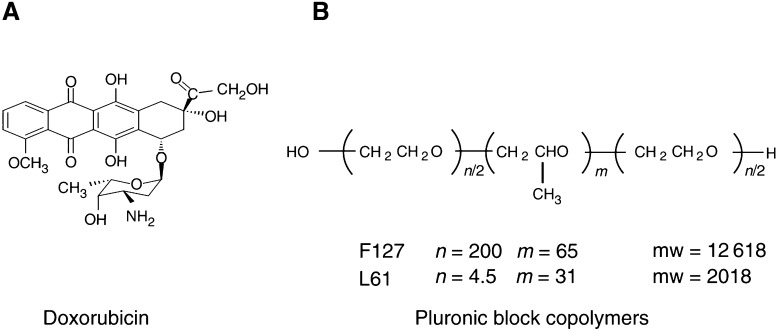
SP1049C is a novel anticancer agent containing doxorubicin and two nonionic pluronic block copolymers. In preclinical studies, SP1049C demonstrated increased efficacy compared to doxorubicin. The objectives of this first phase I study were to determine the toxicity profile, dose-limiting toxicity, maximum tolerated dose and pharmacokinetic profile of SP1049C, and to document any antitumour activity. The starting dose was 5 mg m(-2) (doxorubicin content) as an intravenous infusion once every 3 weeks for up to six cycles. A total of 26 patients received 78 courses at seven dose levels. The dose-limiting toxicity was myelosuppression and DLT was reached at 90 mg m(-2). The maximum tolerated dose was 70 mg m(-2) and is recommended for future trials. The pharmacokinetic profile of SP1049C showed a slower clearance than has been reported for conventional doxorubicin. Evidence of antitumour activity was seen in some patients with advanced resistant solid tumours. Phase II trials with this agent are now warranted to further define its antitumour activity and safety profile.
Overview
The claims and statistics of this paper haven’t been checked yet.
Free: it reads the open-access text and checks the first 5 claims that cite a source we can check. Create a free account to check every claim.
Integrity signals
Registry
Cites
Statistics
Figures
Verification
Claims the paper makes
The claims and statistics of this paper haven’t been checked yet.
Free: it reads the open-access text and checks the first 5 claims that cite a source we can check. Create a free account to check every claim.
Claims other papers make about this one
Each is checked against this paper’s own text: does it say what the citing paper says it does?
The cited source doesn’t support the claim as written.
In the citing paper
“Side effects could be largely mitigated in both preclinical and clinical studies by using polymeric micelle formulations.”
From Polymeric micelles for the delivery of poorly soluble drugs: From nanoformulation to clinical approval. (2020) · cites this paper as [17]
Checked by a reasoning model — may be wrong.
Experimental — accuracy not yet measuredThe source backs part of the claim, not all of it — or backs it for a different population, condition or comparison.
In the citing paper
“In the phase I clinical trial, SP1049C exhibited a similar PK profile of doxorubicin to the conventional doxorubicin formulation and a similar MTD of 70 mg/m2 in the patients with metastatic or recurrent solid tumors [17].”
From Polymeric micelles for the delivery of poorly soluble drugs: From nanoformulation to clinical approval. (2020) · cites this paper as [17]
Experimental — accuracy not yet measuredThe source backs part of the claim, not all of it — or backs it for a different population, condition or comparison.
In the citing paper
“SP1049C is a doxorubicin-loaded Pluronic®-based formulation which was developed by Supratek Pharma Inc. and was the first polymeric micelle drug formulation to enter clinical trials in 1999 [17].”
From Polymeric micelles for the delivery of poorly soluble drugs: From nanoformulation to clinical approval. (2020) · cites this paper as [17]
Experimental — accuracy not yet measured
Self-check
Percentages, sums and reported differences re-computed from the paper’s own numbers.
The self-check needs the paper’s full text.
Citations
Cites
Vasey, P. A., Kaye, S. B., Morrison, R. A., Twelves, C. J., Wilson, P., Duncan, R., Thomson, A. H., Murray, L. S., Hilditch, T. E., Murray, T., et al. (1999) · PubMed · Cited by 870
Handbook of Pharmaceutical Excipients
Kibbe, A. H. (2003) · Medical Entomology and Zoology · Cited by 713
Muggia, F. M., Hainsworth, J. D., Jeffers, S., Miller, P., Groshen, S., Tan, M., Roman, L., Uziely, B., Muderspach, L., Garcia, A., et al. (1997) · Journal of Clinical Oncology · doi:10.1200/jco.1997.15.3.987 · Cited by 647 · cited 1×
“Liposomal drug delivery systems with doxorubicin have been extensively investigated in relapsed ovarian cancer (Muggia et al, 1997), breast cancer (Ranson et al, 1997) and others (Law et al, 1994; Schwartz and Caspar, 1995; Ellerhorst et al, 1999; Harrington et al, 2001; Judson et al, 2001).”
BackgroundPluronic® block copolymers for overcoming drug resistance in cancer
Kabanov, A. V., Batrakova, E. V., & Alakhov, V. Y. (2002) · Advanced Drug Delivery Reviews · doi:10.1016/s0169-409x(02)00047-9 · Cited by 636 · cited 1×
“…including inhibition of drug efflux transporters, abolishment of drug sequestration in acidic compartments, inhibition of the glutathione (GSH)/glutathione (GST) detoxification system and reduction of ATP selectively in MDR cells (Venne et al, 1996; Batrakova et al, 2001; Kabanov et al, 2002).”
BackgroundSelf-citationMedical Applications of Liposomes
(1998) · Elsevier eBooks · doi:10.1016/b978-0-444-82917-7.x5000-5 · Cited by 416
Judson, I., Radford, J. A., Harris, M., Blay, J.-Y., van Hoesel, Q., le Cesne, A., van Oosterom, A. T., Clemons, M. J., Kamby, C., Hermans, C., et al. (2001) · European Journal of Cancer · doi:10.1016/s0959-8049(01)00050-8 · Cited by 392 · cited 1×
“Liposomal drug delivery systems with doxorubicin have been extensively investigated in relapsed ovarian cancer (Muggia et al, 1997), breast cancer (Ranson et al, 1997) and others (Law et al, 1994; Schwartz and Caspar, 1995; Ellerhorst et al, 1999; Harrington et al, 2001; Judson et al, 2001).”
BackgroundRanson, M. R., Carmichael, J., O'Byrne, K., Stewart, S., Smith, D., & Howell, A. (1997) · Journal of Clinical Oncology · doi:10.1200/jco.1997.15.10.3185 · Cited by 293 · cited 3×
“…used to try and improve the therapeutic efficacy and toxicity profile of doxorubicin including the development of anthracycline analogues and the incorporation of anthracyclines into drug delivery vehicles, such as liposomes and polymeric drug conjugates (Ranson et al, 1997; Vasey et al, 1999).”
BackgroundMethodSelf-citationBlock copolymer-based formulation of doxorubicin. From cell screen to clinical trials
Alakhov, V., Klinski, E., Li, S., Pietrzynski, G., Venne, A., Batrakova, E., Bronitch, T., & Kabanov, A. (1999) · Colloids and Surfaces B: Biointerfaces · doi:10.1016/s0927-7765(99)00064-8 · Cited by 266 · cited 4×
“Of particular note is the evidence of antitumour activity of SP1049C in doxorubicin-resistant tumours (Batrakova et al, 1996) and in multiple drug resistance (MDR) cells (Venne et al, 1996; Alakhov et al, 1999).”
BackgroundInfluentialSelf-citationVenne, A., Li, S., Mandeville, R., Kabanov, A. V., & Alakhov, V. Y. (1996) · PubMed · Cited by 264
Self-citationBatrakova, E. V., Li, S., Elmquist, W. F., Miller, D. W., Alakhov, V. Y., & Kabanov, A. V. (2001) · British Journal of Cancer · doi:10.1054/bjoc.2001.2165 · Cited by 229 · cited 1×
“…including inhibition of drug efflux transporters, abolishment of drug sequestration in acidic compartments, inhibition of the glutathione (GSH)/glutathione (GST) detoxification system and reduction of ATP selectively in MDR cells (Venne et al, 1996; Batrakova et al, 2001; Kabanov et al, 2002).”
BackgroundSelf-citation
Research works printed but not linked: 1
- 14. Lohri A, Gelmon KA, Embree L, Mayer L, Cullis P, Saletan S, Goldie J (1991) Phase I/II study of liposome encapsulated doxorubicin (TLC-D-99) in non small cell lung cancer. Proc Am Soc Clin Oncol 10: A292
Cited by
Items 101–200 of 386
Watchorn, J., Clasky, A. J., Prakash, G., Johnston, I. A. E., Chen, P., & Gu, F. (2022) · ACS Biomaterials Science & Engineering · doi:10.1021/acsbiomaterials.2c00047 · Cited by 125
Effects of surfactants on the properties of PLGA nanoparticles
Menon, J. U., Kona, S., Wadajkar, A. S., Desai, F., Vadla, A., & Nguyen, K. T. (2012) · Journal of Biomedical Materials Research Part A · doi:10.1002/jbm.a.34040 · Cited by 125
“given promising results in terms of overcoming MDR in DOX-resistant tumors.(11) Although Pluronics have been used to formulate PLGA NPs,(12,13) there is no study in current literature to compare the effects of these surfactants and frequently used surfactants, like PVA, on the properties of PLGA NPs.”
Agile delivery of protein therapeutics to CNS
Yi, X., Manickam, D. S., Brynskikh, A., & Kabanov, A. V. (2014) · Journal of Controlled Release · doi:10.1016/j.jconrel.2014.06.017 · Cited by 115
Precision spherical nucleic acids for delivery of anticancer drugs
Bousmail, D., Amrein, L., Fakhoury, J. J., Fakih, H. H., Hsu, J. C. C., Panasci, L., & Sleiman, H. F. (2017) · Chemical Science · doi:10.1039/c7sc01619k · Cited by 123
Talelli, M., Rijcken, C. J. F., Oliveira, S., van der Meel, R., Henegouwen, P. M. P. V. B. E., Lammers, T., van Nostrum, C. F., Storm, G., & Hennink, W. E. (2011) · Journal of Controlled Release · doi:10.1016/j.jconrel.2011.01.015 · Cited by 120
Amphiphilic block co-polymers: Preparation and application in nanodrug and gene delivery
Xiong, X.-B., Binkhathlan, Z., Molavi, O., & Lavasanifar, A. (2012) · Acta Biomaterialia · doi:10.1016/j.actbio.2012.03.006 · Cited by 125
An overview of polymeric nanomicelles in clinical trials and on the market
Zheng, X., Xie, J., Zhang, X., Sun, W., Zhao, H., Li, Y., & Wang, C. (2020) · Chinese Chemical Letters · doi:10.1016/j.cclet.2020.11.029 · Cited by 116
Multifunctional nanoparticle developments in cancer diagnosis and treatment
Parvanian, S., Mostafavi, S. M., & Aghashiri, M. (2016) · Sensing and Bio-Sensing Research · doi:10.1016/j.sbsr.2016.08.002 · Cited by 110
Multifunctional nanoparticles for use in theranostic applications
Cole, J. T., & Holland, N. B. (2015) · Drug Delivery and Translational Research · doi:10.1007/s13346-015-0218-2 · Cited by 123
Sosnik, A. (2013) · Advanced Drug Delivery Reviews · doi:10.1016/j.addr.2013.09.002 · Cited by 113
“, Canada), that incorporates a combination of poloxamers as inhibitors of P-gp [69,70].”
BackgroundExploring the Application of Micellar Drug Delivery Systems in Cancer Nanomedicine
Wang, Q., Atluri, K., Tiwari, A. K., & Babu, R. J. (2023) · Pharmaceuticals · doi:10.3390/ph16030433 · Cited by 113
The use of ultrasound to release chemotherapeutic drugs from micelles and liposomes
Ahmed, S. E., Martins, A. M., & Husseini, G. A. (2015) · Journal of Drug Targeting · doi:10.3109/1061186x.2014.954119 · Cited by 99
“of the therapeutic agent [66–71].”
Choudhury, H., Gorain, B., Pandey, M., Khurana, R. K., & Kesharwani, P. (2019) · International Journal of Pharmaceutics · doi:10.1016/j.ijpharm.2019.05.042 · Cited by 109
Polymer genomics: shifting the gene and drug delivery paradigms
Kabanov, A. V., Batrakova, E. V., Sriadibhatla, S., Yang, Z., Kelly, D. L., & Alakov, V. Y. (2004) · Journal of Controlled Release · doi:10.1016/j.jconrel.2004.07.009 · Cited by 104
Amphiphilic Block Copolymers Enhance Cellular Uptake and Nuclear Entry of Polyplex-Delivered DNA
Yang, Z., Sahay, G., Sriadibhatla, S., & Kabanov, A. V. (2008) · Bioconjugate Chemistry · doi:10.1021/bc800144a · Cited by 110
“SP1017, a mixture of 0.25 % Pluronic L61 and 2 % Pluronic F127 was kindly provided by Supratek Pharma Inc. (Montreal, Canada).”
BackgroundMethodInfluentialRecent advances in intravenous delivery of poorly water-soluble compounds
Shi, Y., Porter, W., Merdan, T., & Li, L. C. (2009) · Expert Opinion on Drug Delivery · doi:10.1517/17425240903307423 · Cited by 102
“reported [41] that a doxorubicin formulation known as SP1049C was prepared by using a combination of a hydrophobic Pluronic L61 with a more hydrophilic Pluronic F127 (1:8, w/ w).”
MethodPolymer Micelles as Drug Carriers
Batrakova, E. V., Bronich, T. K., Vetro, J. A., & Kabanov, A. V. (2006) · IMPERIAL COLLEGE PRESS eBooks · doi:10.1142/9781860949074_0005 · Cited by 112
Prevention of MDR development in leukemia cells by micelle-forming polymeric surfactant
Sharma, A. K., Zhang, L., Li, S., Kelly, D. L., Alakhov, V. Y., Batrakova, E. V., & Kabanov, A. V. (2008) · Journal of Controlled Release · doi:10.1016/j.jconrel.2008.07.031 · Cited by 92
Self-citationOvercoming the road blocks: advancement of block copolymer micelles for cancer therapy in the clinic
Houdaihed, L., Evans, J. C., & Allen, C. (2017) · Molecular Pharmaceutics · doi:10.1021/acs.molpharmaceut.7b00188 · Cited by 91
Harris, N. M., Ritzel, R., Mancini, N. S., Jiang, Y., Yi, X., Manickam, D. S., Banks, W. A., Kabanov, A. V., McCullough, L. D., & Verma, R. (2016) · Pharmacology Biochemistry and Behavior · doi:10.1016/j.pbb.2016.09.003 · Cited by 88
“The PEG-PGA block copolymers used in this nanoparticle formulation has been used in preclinical and clinical trials to treat cancer, among other diseases ((Danson et al., 2004; Sahay et al., 2010; Valle et al., 2011).”
Inherent multifunctional inorganic nanomaterials for imaging-guided cancer therapy
Ju, Y., Dong, B., Yu, J. X., & Hou, Y. (2019) · Nano Today · doi:10.1016/j.nantod.2019.03.006 · Cited by 90
Zou, P., Chen, H., Paholak, H. J., & Sun, D. (2013) · Molecular Pharmaceutics · doi:10.1021/mp4002393 · Cited by 88
Alakhova, D. Y., Zhao, Y., Li, S., & Kabanov, A. V. (2013) · PLoS ONE · doi:10.1371/journal.pone.0072238 · Cited by 91
“Moreover, the toxicity profile of SP1049C was similar to that of Dox in the clinical trials [45].”
BackgroundWei, Z., Yuan, S., Hao, J., & Fang, X. (2012) · European Journal of Pharmaceutics and Biopharmaceutics · doi:10.1016/j.ejpb.2012.09.014 · Cited by 88
Ultrasound-mediated micellar drug delivery
Rapoport, N. Y. (2012) · International Journal of Hyperthermia · doi:10.3109/02656736.2012.665567 · Cited by 91
“However, in clinical trials, micellar DOX formulations NK911 [32] and SP 1049C [33] manifested the same spectrum of side effects as free DOX despite somewhat more favourable pharmacokinetic parameters.”
BackgroundRaveendran, R., Bhuvaneshwar, G. S., & Sharma, C. P. (2012) · Journal of Biomaterials Applications · doi:10.1177/0885328211427473 · Cited by 84
Gao, Q., Liang, Q., Yu, F., Xu, J., Zhao, Q., & Sun, B. (2011) · Colloids and Surfaces B Biointerfaces · doi:10.1016/j.colsurfb.2011.08.010 · Cited by 88
Gonçalves, M., Mignani, S., Rodrigues, J., & Tomás, H. (2020) · Journal of Controlled Release · doi:10.1016/j.jconrel.2019.11.016 · Cited by 75
Chemical Approaches to Synthetic Drug Delivery Systems for Systemic Applications
Braatz, D., Cherri, M., Tully, M., Dimde, M., Ma, G., Mohammadifar, E., Reisbeck, F., Ahmadi, V., Schirner, M., & Haag, R. (2022) · Angewandte Chemie International Edition · doi:10.1002/anie.202203942 · Cited by 80
Disposition of Drugs in Block Copolymer Micelle Delivery Systems: From Discovery to Recovery
Aliabadi, H. M., Shahin, M., Brocks, D. R., & Lavasanifar, A. (2008) · Clinical Pharmacokinetics · doi:10.2165/00003088-200847100-00001 · Cited by 86
The use of Nanocarriers for Drug Delivery in Cancer Therapy David R. Khan
Khan, D. R. (2010) · Journal of Cancer Science & Therapy · doi:10.4172/1948-5956.1000024 · Cited by 93
“For example, NK911 and SP1049C are both examples of micellar-based drugs currently in Phase-I and PhaseIII stages of clinical trials respectively (Danson et al., 2004; Kabanov, 2006; Wang et al., 2008; Valle et al., 2010) (Table 1).”
BackgroundNanocarriers in cancer clinical practice: a pharmacokinetic issue
Giodini, L., Re, F. L., Campagnol, D., Marangon, E., Posocco, B., Dreussi, E., & Toffoli, G. (2016) · Nanomedicine Nanotechnology Biology and Medicine · doi:10.1016/j.nano.2016.07.012 · Cited by 82
Thermoresponsive Nanodevices in Biomedical Applications
Bergueiro, J., & Calderón, M. (2014) · Macromolecular Bioscience · doi:10.1002/mabi.201400362 · Cited by 87
Sakai-Kato, K., Nishiyama, N., Kozaki, M., Nakanishi, T., Matsuda, Y., Hirano, M., Hanada, H., Hisada, S., Onodera, H., Harashima, H., et al. (2015) · Journal of Controlled Release · doi:10.1016/j.jconrel.2015.05.259 · Cited by 75
Batrakova, E. V., Kelly, D. L., Li, S., Li, Y., Yang, Z., Xiao, L., Alakhova, D. Y., Sherman, S., Alakhov, V. Y., & Kabanov, A. V. (2006) · Molecular Pharmaceutics · doi:10.1021/mp050050g · Cited by 75
Self-citationJin, X., Mo, R., Ding, Y., Zheng, W., & Zhang, C. (2013) · Molecular Pharmaceutics · doi:10.1021/mp400340k · Cited by 79
Folate-mediated chondroitin sulfate-Pluronic® 127 nanogels as a drug carrier
Huang, S., Sun, S.-L., Feng, T.-H., Sung, K.-H., Lui, W.-L., & Wang, L. (2009) · European Journal of Pharmaceutical Sciences · doi:10.1016/j.ejps.2009.06.002 · Cited by 75
Multifunctional approaches utilizing polymeric micelles to circumvent multidrug resistant tumors
Kesharwani, S. S., Kaur, S., Tummala, H., & Sangamwar, A. T. (2018) · Colloids and Surfaces B Biointerfaces · doi:10.1016/j.colsurfb.2018.10.022 · Cited by 78
Sheu, M., Jhan, H.-J., Su, C.-Y., Chen, L.-C., Chang, C.-E., Liu, D.-Z., & Ho, H. (2016) · Colloids and Surfaces B Biointerfaces · doi:10.1016/j.colsurfb.2016.03.054 · Cited by 73
Sheihet, L., Piotrowska, K., Dubin, R. A., Kohn, J., & Devore, D. I. (2007) · Biomacromolecules · doi:10.1021/bm060860t · Cited by 74
Liu, J., He, Y., Zhang, J., Li, J., Yu, X., Cao, Z., Meng, F., Zhao, Y., Wu, X., Shen, T., et al. (2015) · Biomaterials · doi:10.1016/j.biomaterials.2015.09.041 · Cited by 68
Chen, S., Zhang, Q., Hou, Y., Zhang, J., & Liang, X. (2013) · European Journal of Nanomedicine · doi:10.1515/ejnm-2013-0003 · Cited by 70
Chen, Y., Zhang, W., Gu, J., Ren, Q., Fan, Z., Zhong, W., Fang, X., & Sha, X. (2013) · International Journal of Pharmaceutics · doi:10.1016/j.ijpharm.2013.05.015 · Cited by 68
Li, X., Li, P., Zhang, Y., Zhou, Y., Chen, X., Huang, Y., & Liu, Y. (2010) · Pharmaceutical Research · doi:10.1007/s11095-010-0147-1 · Cited by 69
Pegylated Phospholipids-Based Self-Assembly with Water-Soluble Drugs
Wang, Y., Wang, R. L., Lu, X., Lü, W.-L., Zhang, C., & Liang, W. P. (2009) · Pharmaceutical Research · doi:10.1007/s11095-009-0029-6 · Cited by 69
Cytotoxicity and internalization of Pluronic micelles stabilized by core cross-linking
Arranja, A., Schröder, A., Schmutz, M., Waton, G., Schosseler, F., & Mendes, E. (2014) · Journal of Controlled Release · doi:10.1016/j.jconrel.2014.10.001 · Cited by 70
Yang, Z., Zhu, J., Sriadibhatla, S., Gebhart, C., Alakhov, V. Y., & Kabanov, A. V. (2005) · Journal of Controlled Release · doi:10.1016/j.jconrel.2005.08.015 · Cited by 71
Self-citationAkiyama, M., Ikeda, A., Shintani, T., Doi, Y., Kikuchi, J., Ogawa, T., Yogo, K., Takeya, T., & Yamamoto, N. (2008) · Organic & Biomolecular Chemistry · doi:10.1039/b719671g · Cited by 63
MDR in cancer: Addressing the underlying cellular alterations with the use of nanocarriers
Singh, M. S., Tammam, S. N., Boushehri, M. A. S., & Lamprecht, A. (2017) · Pharmacological Research · doi:10.1016/j.phrs.2017.07.023 · Cited by 68
Nanostructure-based drug delivery systems for brain targeting
Haque, S., Md, S., Alam, M. I., Sahni, J. K., Ali, J., & Baboota, S. (2011) · Drug Development and Industrial Pharmacy · doi:10.3109/03639045.2011.608191 · Cited by 67
Oh, K. T., Lee, E. S., Kim, D., & Bae, Y. H. (2008) · International Journal of Pharmaceutics · doi:10.1016/j.ijpharm.2008.03.003 · Cited by 66
“In addition, the changes in PK profile of the drug associated with a carrier can increase the MTD as shown by PEO-b-poly( -benzyl-l-aspartate) (PBLA) micelle (2.3-fold) (Kwon et al., 1997; Kataoka et al., 2000) and SP1049 (1.4-fold) (Danson et al., 2004).”
BackgroundInfluentialOverview of the role of nanotechnological innovations in the detection and treatment of solid tumors
Pillay, V., Frank, D., Tyagi, C., Tomar, L. K., Choonara, Y. E., du Toit, L. C., Kumar, P., & Penny, C. B. (2014) · International Journal of Nanomedicine · doi:10.2147/ijn.s50941 · Cited by 68
Scheeren, L. E., Nogueira-Librelotto, D. R., Macedo, L. B., Vinardell, M. P., Mitjans, M., Infante, M. R., & Rolim, C. M. B. (2015) · Colloids and Surfaces B Biointerfaces · doi:10.1016/j.colsurfb.2015.11.049 · Cited by 68
Targeting anticancer drugs with pluronic aggregates: Recent updates
Tiwari, S., Kansara, V., & Bahadur, P. (2020) · International Journal of Pharmaceutics · doi:10.1016/j.ijpharm.2020.119544 · Cited by 63
Lipid-Based Nanocarriers for CNS-Targeted Drug Delivery
Micheli, M.-R., Bova, R., Magini, A., Polidoro, M., & Emiliani, C. (2011) · Recent Patents on CNS Drug Discovery · doi:10.2174/157488912798842241 · Cited by 67
“, nanoscale drugs), such as liposomal Doxorubicin [19] or albumin-bound Paclitaxel [20], have already been used in clinic, while others, such as Doxorubicin incorporated in polymeric micelles, are in clinical trials [21-23].”
BackgroundMaranhão, R. C., Vital, C. G., Tavoni, T. M., & Graziani, S. R. (2017) · Expert Opinion on Drug Delivery · doi:10.1080/17425247.2017.1276560 · Cited by 61
“[78] reported a Phase I trial enrolling 26 patients with advanced cancers treated with nonionic pluronic polymer-bound doxorubicin (SP1049 C).”
BackgroundFang, X., Chen, Sha, X., Zhang, Zhong, Fan, Ren, & Chen (2013) · International Journal of Nanomedicine · doi:10.2147/ijn.s42368 · Cited by 58
“16 As 17–20 Recently, it has been reported that selecting proper polymer materials can implement more than one inert carrier function by being biological response modifiers.”
Microwave Assisted Reactions in Organic Chemistry: A Review of Recent Advances
Jacob, J. (2012) · International Journal of Chemistry · doi:10.5539/ijc.v4n6p29 · Cited by 59
“Technology transfer for biomaterial synthesis has been challenging due to inability to reproduce conditions during scale up (Armstrong et al., 2006; Danson et al., 2004) but with the advent of Microwave assisted technology synthesis or organic biopolymers has been accomplished which is reviewed in this section by focu…”
BackgroundA bifunctional nanocarrier based on amphiphilic hyperbranched polyglycerol derivatives
Kurniasih, I., Liang, H., Kumar, S., Mohr, A., Sharma, S. K., Rabe, J. P., & Haag, R. (2013) · Journal of Materials Chemistry B · doi:10.1039/c3tb20366b · Cited by 59
Block copolymer micelles as ocular drug delivery systems
Assiri, A. A., Glover, K., Mishra, D., Waite, D. T., Vora, L. K., & Thakur, R. R. S. (2024) · Drug Discovery Today · doi:10.1016/j.drudis.2024.104098 · Cited by 62
Synthesis of Amphiphilic Star Block Copolymers and Their Evaluation as Transdermal Carriers
Poree, D. E., Giles, M. D., Lawson, L. B., He, J., & Grayson, S. M. (2011) · Biomacromolecules · doi:10.1021/bm101185t · Cited by 62
Alakhov, V., Pietrzynski, G., Patel, K., Kabanov, A., Bromberg, L., & Hatton, T. A. (2004) · Journal of Pharmacy and Pharmacology · doi:10.1211/0022357044427 · Cited by 57
“The composition comprising a mixture of Pluronic F127 and L61 was found to be optimal in terms of its solubility, toxicity pattern and P-gp modulation activity, and is presently being evaluated in several oncology clinical trials (Danson et al 2004).”
Self-citationClinical Applications of Targeted Nanomaterials
Kumar, A., Shahvej, S., Yadav, P. K., Modi, U., Yadav, A. K., Solanki, R., & Bhatia, D. D. (2025) · Pharmaceutics · doi:10.3390/pharmaceutics17030379 · Cited by 60
“SP1049C is an innovative doxorubicin formulation of two nonanoic pluronic block copolymers (pluronic L61 and pluronic F127) and doxorubicin, which has demonstrated greater efficacy than doxorubicin in preclinical studies [38].”
Polymeric nano-micelles: Versatile Platform for Targeted Delivery in Cancer
Mohamed, S. E.-S. H., Parayath, N. N., Taurin, S., & Greish, K. F. (2014) · Therapeutic Delivery · doi:10.4155/tde.14.69 · Cited by 61
Saravanakumar, K., Hu, X., MubarakAli, D., & Wang, M. (2019) · Current Pharmaceutical Design · doi:10.2174/1381612825666190709221141 · Cited by 55
Nanoparticle Delivery Strategies to Target Doxorubicin to Tumor Cells and Reduce Side Effects
Wang, Y., Wei, X., Zhang, C., Zhang, F., & Liang, W. P. (2010) · Therapeutic Delivery · doi:10.4155/tde.10.24 · Cited by 59
Dubey, R. D., Klippstein, R., Wang, J. T.-W., Hodgins, N. O., Mei, K., Sosabowski, J. K., Hider, R. C., Abbate, V., Gupta, P. N., & Al‐Jamal, K. T. (2016) · Nanotheranostics · doi:10.7150/ntno.17896 · Cited by 53
“There are several polymer-anticancer drug conjugates that have reached clinical development [4-10] paclitaxel-polyglutamic acid conjugate (XYOTAXTM), for example, showed promising results in phase III clinical trials in women with non-small-cell lung cancer [11].”
BackgroundBlock copolymer prodrugs: Synthesis, self‐assembly, and applications for cancer therapy
Dutta, D., Ke, W., Xi, L., Yin, W., Zhou, M., & Ge, Z. (2019) · Wiley Interdisciplinary Reviews Nanomedicine and Nanobiotechnology · doi:10.1002/wnan.1585 · Cited by 57
Hoang, B., Ekdawi, S. N., Reilly, R. M., & Allen, C. J. (2013) · Molecular Pharmaceutics · doi:10.1021/mp400315p · Cited by 54
Ayen, W. Y., & Kumar, N. (2012) · Pharmaceutical Research · doi:10.1007/s11095-012-0783-8 · Cited by 53
The potential of polymeric micelles in the context of glioblastoma therapy
Morshed, R. A., Cheng, Y., Auffinger, B., Wegscheid, M. L., & Lesniak, M. S. (2013) · Frontiers in Pharmacology · doi:10.3389/fphar.2013.00157 · Cited by 57
“In a phase I clinical trial, SP1049C was used in the treatment of several solid tumors including colorectal, esophageal, lung, ovarian, kidney, and hepatic cancers in addition to soft-tissue sarcoma, mesothelioma, neuroblastoma, cholangiocarcinoma, and Ewing’s sarcoma (Danson et al., 2004).”
MethodLipid composition determines interaction of liposome membranes with Pluronic L61
Zhirnov, A. E., Demina, T. V., Krylova, O. O., Grozdova, I. D., & Melik‐Nubarov, N. S. (2005) · Biochimica et Biophysica Acta (BBA) - Biomembranes · doi:10.1016/j.bbamem.2005.11.010 · Cited by 55
“trials and was found to be efficient in patients with advanced resistant solid tumors [25].”
BackgroundInhibition of P-Glycoprotein Pumps by PEO–PPO Amphiphiles: Branched Versus Linear Derivatives
Alvarez-Lorenzo, C., Rey-Rico, A., Brea, J., Loza, M. I., Concheiro, A., & Sosnik, A. (2010) · Nanomedicine · doi:10.2217/nnm.10.53 · Cited by 50
Polymeric micelle nanoparticles for photodynamic treatment of head and neck cancer cells
Cohen, E. M., Ding, H., Kessinger, C. W., Khemtong, C., Gao, J., & Sumer, B. D. (2010) · Otolaryngology · doi:10.1016/j.otohns.2010.03.032 · Cited by 54
Tsai, H., Chiu, C., Lin, P., Chen, S., Huang, S., & Wang, L. (2011) · Macromolecular Bioscience · doi:10.1002/mabi.201000456 · Cited by 49
Self-assembling polymer systems for advanced treatment of cancer and inflammation
Palao‐Suay, R., Gómez‐Mascaraque, L. G., Aguilar, M. R., Vázquez‐Lasa, B., & Román, J. S. (2015) · Progress in Polymer Science · doi:10.1016/j.progpolymsci.2015.07.005 · Cited by 54
Lübtow, M. M., Oerter, S., Quader, S., Jeanclos, E. M., Cubukova, A., Krafft, M., Haider, M. S., Schulte, C., Meier, L., Rist, M., et al. (2020) · Molecular Pharmaceutics · doi:10.1021/acs.molpharmaceut.9b01117 · Cited by 53
Gaymalov, Z. Z., Yang, Z., Писарев, В. М., Alakhov, V. Y., & Kabanov, A. V. (2008) · Biomaterials · doi:10.1016/j.biomaterials.2008.10.064 · Cited by 54
“The latter, SP1017, was shown to be safe in two clinical trials following i.v. injections (in combination with Doxorubicin) [23,37].”
Self-citationRapoport, N. Y., Gupta, R., Kim, Y.-S., & O’Neill, B. E. (2015) · Journal of Controlled Release · doi:10.1016/j.jconrel.2015.03.010 · Cited by 47
Câmara, A. L. D. S., Nagel, G., Tschiche, H. R., Cardador, C. M., Muehlmann, L. A., de Oliveira, D. M., Alvim, P. Q., Azevedo, R. B., Calderón, M., & Longo, J. P. F. (2017) · Nanomedicine · doi:10.2217/nnm-2017-0091 · Cited by 50
Michels, L. R., Fachel, F. N. S., Schuh, R. S., Azambuja, J. H., de Souza, P. O., Gelsleichter, N. E., Lenz, G. S., Visioli, F., Braganhol, E., & Teixeira, H. F. (2023) · Journal of Controlled Release · doi:10.1016/j.jconrel.2023.01.070 · Cited by 48
Nanomicellar Carriers for Targeted Delivery of Anticancer Agents
Zhang, X., Huang, Y., & Li, S. (2013) · Therapeutic Delivery · doi:10.4155/tde.13.135 · Cited by 47
Redhead, M. A., Mantovani, G., Nawaz, S., Carbone, P., Górecki, D. C., Alexander, C., & Bosquillon, C. (2012) · Pharmaceutical Research · doi:10.1007/s11095-012-0716-6 · Cited by 44
Dodging Drug-Resistant Cancer with Diamonds
Merkel, T. J., & DeSimone, J. M. (2011) · Science Translational Medicine · doi:10.1126/scitranslmed.3002137 · Cited by 44
“A polymersome that consists of two Pluronic block copolymers— ones based on ethylene oxide and propylene oxide—and Dox, named SP1049C, has demonstrated antitumor activity for some chemoresistant tumors, as well as activity in a mouse model of ABCB1-resistant leukemia (19).”
BackgroundZheng, N., Dai, W., Du, W., Zhang, H., Lei, L., Zhang, H., Wang, X., Wang, J., Zhang, X., Gao, J., et al. (2012) · Molecular Pharmaceutics · doi:10.1021/mp200464x · Cited by 44
Synthesis and Self-Assembly of RGD-Functionalized PEO-PB Amphiphiles
Zupancich, J. A., Bates, F. S., & Hillmyer, M. A. (2009) · Biomacromolecules · doi:10.1021/bm900149b · Cited by 41
Mohanty, A. K., Dilnawaz, F., Mohanty, C., & Sahoo, S. K. (2010) · Drug Delivery · doi:10.3109/10717541003720688 · Cited by 43
“This is demonstrated in an early phase of clinical trials in Japan, Korea, and the US (Danson et al., 2004; Matsumura et al., 2004).”
BackgroundPetrov, P. D., Yoncheva, K., Gancheva, V. B., Konstantinov, S., & Trzebicka, B. (2016) · European Polymer Journal · doi:10.1016/j.eurpolymj.2016.05.010 · Cited by 42
Development of Electrochromic Devices
Pawlicka, A. (2009) · Recent Patents on Nanotechnology · doi:10.2174/187221009789177821 · Cited by 44
Fonge, H., Huang, H., Scollard, D. A., Reilly, R. M., & Allen, C. J. (2011) · Journal of Controlled Release · doi:10.1016/j.jconrel.2011.09.088 · Cited by 41
Cao, Y., Liu, M., Zhang, K., Zu, G., Kuang, Y., Tong, X., Xiong, D., & Pei, R. (2016) · Biomacromolecules · doi:10.1021/acs.biomac.6b01437 · Cited by 41
Self-Assembling Peptides: Potential Role in Tumor Targeting
Sadatmousavi, P., Soltani, M., Nazarian, R., Jafari, M., & Chen, P. (2011) · Current Pharmaceutical Biotechnology · doi:10.2174/138920111796117409 · Cited by 39
Zahoranová, A., Mrlík, M., Tomanová, K., Kronek, J., & Luxenhofer, R. (2017) · Macromolecular Chemistry and Physics · doi:10.1002/macp.201700031 · Cited by 39
Khoo, B. L., Grenci, G., Lim, J. S. Y., Lim, Y. P., Fong, J., Yeap, W. H., Lim, S. B., Chua, S. L., Wong, S. C., Yap, Y. S., et al. (2019) · British Journal of Cancer · doi:10.1038/s41416-018-0301-9 · Cited by 40
Singla, P., Garg, S., Bhatti, R., Peeters, M., Singh, O., & Mahajan, R. K. (2020) · Journal of Molecular Liquids · doi:10.1016/j.molliq.2020.113816 · Cited by 38
Zhang, J., Li, S., & Li, X. (2009) · Recent Patents on Nanotechnology · doi:10.2174/187221009789177803 · Cited by 42
Self-assembling Pluronic®-modified polycations in gene delivery
Bromberg, L. E., Alakhov, V. Y., & Hatton, T. A. (2006) · Current Opinion in Colloid & Interface Science · doi:10.1016/j.cocis.2006.07.001 · Cited by 41
Self-citationTPGS2000-DOX Prodrug Micelles for Improving Breast Cancer Therapy
Tang, L., Jiang, W., Wu, L., Yu, X., He, Z., Shan, W., Fu, L., Zhang, Z., & Zhao, Y. (2021) · International Journal of Nanomedicine · doi:10.2147/ijn.s335405 · Cited by 37
Design, development and clinical translation of CriPec®-based core-crosslinked polymeric micelles
Rijcken, C. J. F., Lorenzi, F. D., Biancacci, I., Hanssen, R., Thewissen, M. M., Hu, Q., Atrafi, F., Liskamp, R. M. J., Mathijssen, R. H. J., Miedema, I. H. C., et al. (2022) · Advanced Drug Delivery Reviews · doi:10.1016/j.addr.2022.114613 · Cited by 40
Polymeric Micelles for the Delivery of Poorly Soluble Drugs
Biswas, S., Vaze, O. S., Movassaghian, S., & Torchilin, V. P. (2013) · Wiley eBooks · doi:10.1002/9781118444726.ch14 · Cited by 41
“It was reported that Pluronic polymers (ABA type) could specifically inhibit the ATP production in mitochondria, resulting in the inhibition of the action of P-glycoprotein [73–75, 83, 318–320].”
Background
Metadata
- Authors
- Danson, S., Ferry, D., Alakhov, V, Margison, J., Kerr, D., Jowle, D., Brampton, M., Halbert, G., & Ranson, M.
- Affiliations
- The Christie Hospital (GB)
- Queen Elizabeth Hospital Birmingham (GB)
- Supratek Pharma (Canada) (CA)
- Cancer Research UK (GB)
- University of Strathclyde (GB)
- Corresponding author
- Ranson, M
- Venue
- British Journal of Cancer
- Published
- 2004-05-04
- Volume
- 90
- Issue
- 11
- Pages
- 2085-2091
- ISSN
- 0007-0920 (ISSN-L)
- 1532-1827
- PMC
- PMC2409484
- OpenAlex
- W2159334966
- Cited by
- 382
- References
- 20
- Citations by year
- 2026: 6 · 2025: 7 · 2024: 8 · 2023: 8 · 2022: 17 · 2021: 7 · 2020: 18 · 2019: 13 · 2018: 11 · 2017: 22 · 2016: 26 · 2015: 26 · 2014: 26 · 2013: 32 · 2012: 26
- FWCI
- 5.82
- Type
- journal article
- Language
- en
- Open access
- hybrid
- doi.org
- Licence
- cc-by-nc-sa
- www.springer.com/tdm (unspecified)
- Locations
- British Journal of Cancer (publishedVersion, cc-by-nc-sa)
- PubMed Central (publishedVersion, cc-by)
- PubMed (publishedVersion)
- White Rose Research Online (University of Leeds, The University of Sheffield, University of York) (acceptedVersion)
- Topics
- Physical Sciences › Materials Science › Biomaterials › Nanoparticle-Based Drug Delivery
- Life Sciences › Biochemistry, Genetics and Molecular Biology › Molecular Biology › Cancer therapeutics and mechanisms
- Health Sciences › Medicine › Cardiology and Cardiovascular Medicine › Chemotherapy-induced cardiotoxicity and mitigation
- Keywords
- doxorubicin, Pluronic block copolymers, advanced cancer, dose-limiting toxicity, myelosuppression, maximum tolerated dose, pharmacokinetics, antitumour activity, drug resistance, solid tumors
- MeSH terms
- Adult, Aged, Antibiotics, Antineoplastic, Doxorubicin, Female, Humans, Infusions, Intravenous, Male, Middle Aged, Neoplasms, Polymers, Poloxamer, Maximum Tolerated Dose
About these checks
Registry, retraction, Cites and statistics results are computed, not judged, with one exception: a printed reference that no index lists is read once by a model before it counts as a citation error. Claims are extracted by a model and kept only when their quote appears verbatim in the text; each cited source is then checked, with a model’s help, for whether it says what the claim relies on. Those verdicts can be wrong — read the claim’s quote and the cited source before relying on one.
Statistics and arithmetic are recomputed, not judged.
Confidence bands are shown only for fields calibrated on our annotated test set. None is calibrated yet, so no band is shown.
What counts as a claim ›How we measure confidence ›How we check this ›
Are you an author, or do you see a problem with this page? Request a review
Data sources
Bibliographic data: Semantic Scholar, OpenAlex, Crossref.
Contains information from the Semantic Scholar Academic Graph Datasets, made available under the ODC Attribution License (ODC-BY 1.0).
Semantic Scholar’s data is described in: Kinney, R., et al. (2023). The Semantic Scholar Open Data Platform. arXiv:2301.10140.
