

Phase I dose escalation and pharmacokinetic study of pluronic polymer-bound doxorubicin (SP1049C) in patients with advanced cancer
Open accessThe DOI matches its Crossref record; 20 of the 20 references it cites were found in a registry or an index.
Abstract
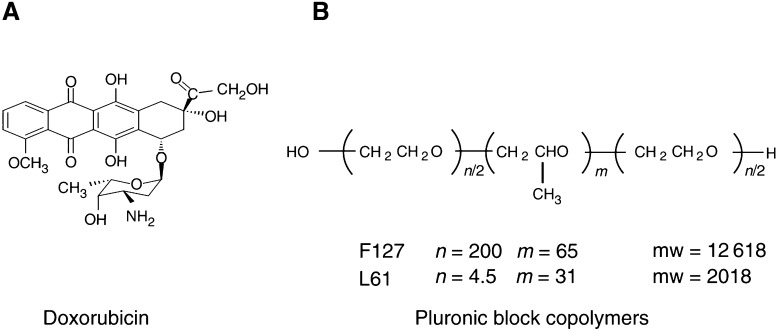
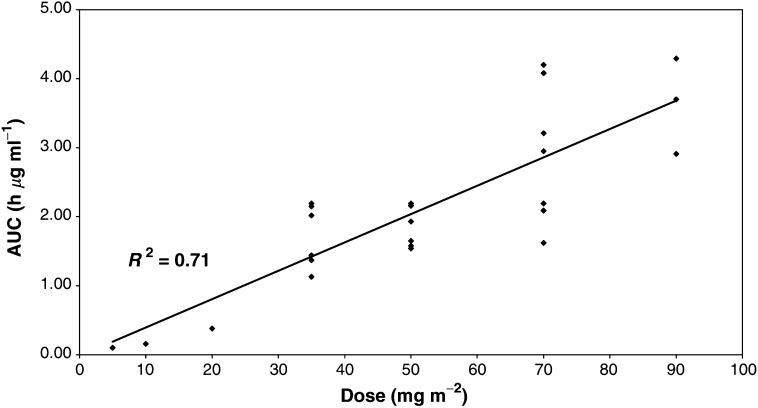
SP1049C is a novel anticancer agent containing doxorubicin and two nonionic pluronic block copolymers. In preclinical studies, SP1049C demonstrated increased efficacy compared to doxorubicin. The objectives of this first phase I study were to determine the toxicity profile, dose-limiting toxicity, maximum tolerated dose and pharmacokinetic profile of SP1049C, and to document any antitumour activity. The starting dose was 5 mg m(-2) (doxorubicin content) as an intravenous infusion once every 3 weeks for up to six cycles. A total of 26 patients received 78 courses at seven dose levels. The dose-limiting toxicity was myelosuppression and DLT was reached at 90 mg m(-2). The maximum tolerated dose was 70 mg m(-2) and is recommended for future trials. The pharmacokinetic profile of SP1049C showed a slower clearance than has been reported for conventional doxorubicin. Evidence of antitumour activity was seen in some patients with advanced resistant solid tumours. Phase II trials with this agent are now warranted to further define its antitumour activity and safety profile.
Overview
The claims and statistics of this paper haven’t been checked yet.
Free: it reads the open-access text and checks the first 5 claims that cite a source we can check. Create a free account to check every claim.
Integrity signals
Registry
Cites
Statistics
Figures
Verification
Claims the paper makes
The claims and statistics of this paper haven’t been checked yet.
Free: it reads the open-access text and checks the first 5 claims that cite a source we can check. Create a free account to check every claim.
Claims other papers make about this one
Each is checked against this paper’s own text: does it say what the citing paper says it does?
The cited source doesn’t support the claim as written.
In the citing paper
“Side effects could be largely mitigated in both preclinical and clinical studies by using polymeric micelle formulations.”
From Polymeric micelles for the delivery of poorly soluble drugs: From nanoformulation to clinical approval. (2020) · cites this paper as [17]
Checked by a reasoning model — may be wrong.
Experimental — accuracy not yet measuredThe source backs part of the claim, not all of it — or backs it for a different population, condition or comparison.
In the citing paper
“In the phase I clinical trial, SP1049C exhibited a similar PK profile of doxorubicin to the conventional doxorubicin formulation and a similar MTD of 70 mg/m2 in the patients with metastatic or recurrent solid tumors [17].”
From Polymeric micelles for the delivery of poorly soluble drugs: From nanoformulation to clinical approval. (2020) · cites this paper as [17]
Experimental — accuracy not yet measuredThe source backs part of the claim, not all of it — or backs it for a different population, condition or comparison.
In the citing paper
“SP1049C is a doxorubicin-loaded Pluronic®-based formulation which was developed by Supratek Pharma Inc. and was the first polymeric micelle drug formulation to enter clinical trials in 1999 [17].”
From Polymeric micelles for the delivery of poorly soluble drugs: From nanoformulation to clinical approval. (2020) · cites this paper as [17]
Experimental — accuracy not yet measured
Self-check
Percentages, sums and reported differences re-computed from the paper’s own numbers.
The self-check needs the paper’s full text.
Citations
Cites
Vasey, P. A., Kaye, S. B., Morrison, R. A., Twelves, C. J., Wilson, P., Duncan, R., Thomson, A. H., Murray, L. S., Hilditch, T. E., Murray, T., et al. (1999) · PubMed · Cited by 870
Handbook of Pharmaceutical Excipients
Kibbe, A. H. (2003) · Medical Entomology and Zoology · Cited by 713
Muggia, F. M., Hainsworth, J. D., Jeffers, S., Miller, P., Groshen, S., Tan, M., Roman, L., Uziely, B., Muderspach, L., Garcia, A., et al. (1997) · Journal of Clinical Oncology · doi:10.1200/jco.1997.15.3.987 · Cited by 647 · cited 1×
“Liposomal drug delivery systems with doxorubicin have been extensively investigated in relapsed ovarian cancer (Muggia et al, 1997), breast cancer (Ranson et al, 1997) and others (Law et al, 1994; Schwartz and Caspar, 1995; Ellerhorst et al, 1999; Harrington et al, 2001; Judson et al, 2001).”
BackgroundPluronic® block copolymers for overcoming drug resistance in cancer
Kabanov, A. V., Batrakova, E. V., & Alakhov, V. Y. (2002) · Advanced Drug Delivery Reviews · doi:10.1016/s0169-409x(02)00047-9 · Cited by 636 · cited 1×
“…including inhibition of drug efflux transporters, abolishment of drug sequestration in acidic compartments, inhibition of the glutathione (GSH)/glutathione (GST) detoxification system and reduction of ATP selectively in MDR cells (Venne et al, 1996; Batrakova et al, 2001; Kabanov et al, 2002).”
BackgroundSelf-citationMedical Applications of Liposomes
(1998) · Elsevier eBooks · doi:10.1016/b978-0-444-82917-7.x5000-5 · Cited by 416
Judson, I., Radford, J. A., Harris, M., Blay, J.-Y., van Hoesel, Q., le Cesne, A., van Oosterom, A. T., Clemons, M. J., Kamby, C., Hermans, C., et al. (2001) · European Journal of Cancer · doi:10.1016/s0959-8049(01)00050-8 · Cited by 392 · cited 1×
“Liposomal drug delivery systems with doxorubicin have been extensively investigated in relapsed ovarian cancer (Muggia et al, 1997), breast cancer (Ranson et al, 1997) and others (Law et al, 1994; Schwartz and Caspar, 1995; Ellerhorst et al, 1999; Harrington et al, 2001; Judson et al, 2001).”
BackgroundRanson, M. R., Carmichael, J., O'Byrne, K., Stewart, S., Smith, D., & Howell, A. (1997) · Journal of Clinical Oncology · doi:10.1200/jco.1997.15.10.3185 · Cited by 293 · cited 3×
“…used to try and improve the therapeutic efficacy and toxicity profile of doxorubicin including the development of anthracycline analogues and the incorporation of anthracyclines into drug delivery vehicles, such as liposomes and polymeric drug conjugates (Ranson et al, 1997; Vasey et al, 1999).”
BackgroundMethodSelf-citationBlock copolymer-based formulation of doxorubicin. From cell screen to clinical trials
Alakhov, V., Klinski, E., Li, S., Pietrzynski, G., Venne, A., Batrakova, E., Bronitch, T., & Kabanov, A. (1999) · Colloids and Surfaces B: Biointerfaces · doi:10.1016/s0927-7765(99)00064-8 · Cited by 266 · cited 4×
“Of particular note is the evidence of antitumour activity of SP1049C in doxorubicin-resistant tumours (Batrakova et al, 1996) and in multiple drug resistance (MDR) cells (Venne et al, 1996; Alakhov et al, 1999).”
BackgroundInfluentialSelf-citationVenne, A., Li, S., Mandeville, R., Kabanov, A. V., & Alakhov, V. Y. (1996) · PubMed · Cited by 264
Self-citationBatrakova, E. V., Li, S., Elmquist, W. F., Miller, D. W., Alakhov, V. Y., & Kabanov, A. V. (2001) · British Journal of Cancer · doi:10.1054/bjoc.2001.2165 · Cited by 229 · cited 1×
“…including inhibition of drug efflux transporters, abolishment of drug sequestration in acidic compartments, inhibition of the glutathione (GSH)/glutathione (GST) detoxification system and reduction of ATP selectively in MDR cells (Venne et al, 1996; Batrakova et al, 2001; Kabanov et al, 2002).”
BackgroundSelf-citation
Research works printed but not linked: 1
- 14. Lohri A, Gelmon KA, Embree L, Mayer L, Cullis P, Saletan S, Goldie J (1991) Phase I/II study of liposome encapsulated doxorubicin (TLC-D-99) in non small cell lung cancer. Proc Am Soc Clin Oncol 10: A292
Cited by
Items 201–300 of 386
Li, P., Zhou, X., Qu, D., Guo, M., Fan, C., Zhou, T., & Ling, Y. (2017) · Drug Delivery · doi:10.1080/10717544.2017.1326540 · Cited by 37
“…glycol (PEG)poly(aspartic acid) and PEG-poly(D,L-lactide), has been marketed (Kim et al., 2001; Negishi et al., 2006; Matsumura, 2008), and a doxorubicin-loaded, Pluronic L61/F127-mixed micelle preparation (SP1049C) has entered the clinical trial stage (Danson et al., 2004; Valle et al., 2011).”
BackgroundNovel polymeric micelles for drug delivery: Material characterization and formulation screening
Janas, C., Mostaphaoui, Z., Schmiederer, L., Bauer, J., & Wacker, M. G. (2016) · International Journal of Pharmaceutics · doi:10.1016/j.ijpharm.2016.05.029 · Cited by 36
Drug Delivery Using Nanocarriers: Indian Perspective
Gupta, S., & Kumar, P. (2012) · Proceedings of the National Academy of Sciences India Section B Biological Sciences · doi:10.1007/s40011-012-0080-7 · Cited by 39
“Several clinical trials are completed or underway to evaluate PMs for delivery of anti-cancer drugs [120].”
Patel, D., Patel, D. D., Ray, D., Kuperkar, K. C., Aswal, V. K., & Bahadur, P. (2021) · Journal of Molecular Liquids · doi:10.1016/j.molliq.2021.117625 · Cited by 38
Sotoudegan, F., Amini, M., Faizi, M., & Aboofazeli, R. (2016) · PubMed Central · Cited by 57
Wang, T., Yang, S., Mei, L. A., Parmar, C. K., Gillespie, J. W., Praveen, K. P., Petrenko, V. A., & Torchilin, V. P. (2014) · Molecular Cancer Therapeutics · doi:10.1158/1535-7163.mct-14-0052 · Cited by 35
Nanocarrier based approaches for targeting breast cancer stem cells
Pindiprolu, S. K. S. S., Krishnamurthy, P. T., Chintamaneni, P. K., & Karri, V. V. S. R. (2017) · Artificial Cells Nanomedicine and Biotechnology · doi:10.1080/21691401.2017.1366337 · Cited by 38
Serras, A. S., Faustino, C. M. C., & Pinheiro, L. M. V. (2024) · Pharmaceutics · doi:10.3390/pharmaceutics16081047 · Cited by 35
In vivo evaluation of novel chitosan graft polymeric micelles for delivery of paclitaxel
Liu, J., Li, H., Chen, D., Jin, X., Zhao, X., Zhang, C., & Ping, Q. (2010) · Drug Delivery · doi:10.3109/10717544.2010.520355 · Cited by 34
“Furthermore, they had been evaluated in several clinical trials as carriers for anti-cancer drugs (Mizumura et al., 2002; Danson et al., 2004; Matsumura et al., 2004).”
BackgroundLi, M., Liu, Y., Feng, L., Liu, F., Zhang, L., & Zhang, N. (2015) · Colloids and Surfaces B Biointerfaces · doi:10.1016/j.colsurfb.2015.04.057 · Cited by 34
Nastruzzi, C., Capretto, Mazzitelli, Brognara, Lampronti, Carugo, Hill, M., Zhang, X., & Gambari, R. (2012) · International Journal of Nanomedicine · doi:10.2147/ijn.s25657 · Cited by 40
Targeted drug delivery strategies to treat lung metastasis
Bar, J., Herbst, R. S., & Onn, A. (2009) · Expert Opinion on Drug Delivery · doi:10.1517/17425240903167926 · Cited by 34
“Although no sustained responses were noted, one patient with Ewing’s sarcoma and lung metastasis had a non-sustained response, suggesting the feasibility of this copolymer for the treatment of lung metastasis [55].”
BackgroundA simple method to improve the stability of docetaxel micelles
Zhang, L., Tan, L., Chen, L., Chen, X., Long, C., Peng, J., & Qian, Z. (2016) · Scientific Reports · doi:10.1038/srep36957 · Cited by 35
Lee, C.-F., Tseng, H.-W., Bahadur, P., & Chen, L. (2018) · Polymers · doi:10.3390/polym10010105 · Cited by 33
“As a promising nanomedicine carrier for anti-cancer drugs, polymer micelles have been evaluated in several clinical trials [2,3].”
BackgroundMethodFonge, H., Lee, H., Reilly, R. M., & Allen, C. J. (2009) · Molecular Pharmaceutics · doi:10.1021/mp900201v · Cited by 34
Wakaskar, R. R., Bathena, S. P., Tallapaka, S. B., Ambardekar, V. V., Gautam, N., Thakare, R. N., Simet, S. M., Curran, S. M., Singh, R. K., Dong, Y., et al. (2014) · Pharmaceutical Research · doi:10.1007/s11095-014-1515-z · Cited by 37
“Differences between pharmacokinetic profiles from clinical trials with doxorubicin physically loaded into mixed core-shell PM of Pluronic F127/L61 (20) or PEGylated liposomes (21), however, suggest that drugs physically loaded into core-shell PM have the potential to be prematurely released after IV administration (22…”
BackgroundLymphoma Immunochemotherapy: Targeted Delivery of Doxorubicin via a Dual Functional Nanocarrier
Zhai, Q., Chen, Y., Xu, J., Huang, Y., Sun, J., Liu, Y., Zhang, X., Li, S., & Tang, S.-Q. (2017) · Molecular Pharmaceutics · doi:10.1021/acs.molpharmaceut.7b00606 · Cited by 32
Talelli, M., Rijcken, C. J. F., Oliveira, S., van der Meel, R., Henegouwen, P. M. P. V. B. E., Lammers, T., van Nostrum, C. F., Storm, G., & Hennink, W. E. (2011) · Journal of Controlled Release · doi:10.1016/j.jconrel.2011.06.003 · Cited by 34
Block Copolymer Nanostructures and Their Applications: A Review
Singh, A. N., Thakre, R. D., More, J. C., Sharma, P. K., & Agrawal, Y. K. (2015) · Polymer-Plastics Technology and Engineering · doi:10.1080/03602559.2014.986811 · Cited by 34
Selective Targeting of Cancer Signaling Pathways with Nanomedicines: Challenges and Progress
Barkat, H. A., Das, S. S., Barkat, M. A., Beg, S., & Hadi, H. A. (2020) · Future Oncology · doi:10.2217/fon-2020-0198 · Cited by 30
Pharmacologic therapies of ARDS: From natural herb to nanomedicine
Meng, L., Liao, X., Wang, Y., Chen, L., Gao, W., Wang, M., Dai, H., Yan, N., Gao, Y., Wu, X., et al. (2022) · Frontiers in Pharmacology · doi:10.3389/fphar.2022.930593 · Cited by 29
Krupka, T. M., & Exner, A. A. (2011) · International Journal of Hyperthermia · doi:10.3109/02656736.2011.599828 · Cited by 28
“Because of this fact, and its readily available pharmacokinetic information and its active role in an ongoing clinical trial for chemosensitisation, L61,which was among the most effective copolymers from our in vitro studies, was selected for testing its efficacy in enhancing RF ablation [13, 34].”
BackgroundSynthesis and characterization of modified starch hydrogels for photodynamic treatment of cancer
Saboktakin, M. R., Tabatabaie, R. M., Ostovarazar, P., Maharramov, A. M., & Рамазанов, М. А. (2012) · International Journal of Biological Macromolecules · doi:10.1016/j.ijbiomac.2012.06.024 · Cited by 29
Nano-Aggregates: Emerging Delivery Tools for Tumor Therapy
Sharma, V. K., Jain, A., & Soni, V. (2013) · Critical Reviews in Therapeutic Drug Carrier Systems · doi:10.1615/critrevtherdrugcarriersyst.2013007706 · Cited by 27
Polymeric Micelles for Drug Delivery
Wu, W., & Jiang, X. (2016) · Wiley eBooks · doi:10.1002/9783527694396.ch3 · Cited by 28
Loading of Hydrophobic Drug Silymarin in Pluronic and Reverse Pluronic Mixed Micelles
Garg, S., Peeters, M., Mahajan, R. K., & Singla, P. (2022) · Journal of Drug Delivery Science and Technology · doi:10.1016/j.jddst.2022.103699 · Cited by 27
Polymeric Micelles for Formulation of Anti-Cancer Drugs
Lee, H., Soo, P. L., Liu, J., Butler, M., & Allen, C. J. (2006) · CRC Press eBooks · doi:10.1201/9781420006636-17 · Cited by 35
Ford, C. A., Spoonmore, T. J., Gupta, M. K., Duvall, C. L., Guelcher, S. A., & Cassat, J. E. (2020) · Journal of Orthopaedic Research® · doi:10.1002/jor.24948 · Cited by 30
“aqueous solubility, which can lead to unfavorable pharmacokinetic profiles and poor biodistribution when delivered parenterally.(36,37) Local delivery systems have been designed to overcome solubility limitations; however, foreign devices are known to be a nidus for bacterial colonization and biofilm formation.”
BackgroundRasolonjatovo, B., Gomez, J., Même, W., Gonçalves, C., Huin, C., Bennevault, V., Gall, T. L., Montier, T., Lehn, P., Cheradame, H., et al. (2014) · Biomacromolecules · doi:10.1021/bm5016656 · Cited by 26
Advances in Predictive, Preventive and Personalised Medicine
Karabulut, S. (2012) · Cited by 27
Lee, J. S., Hwang, Y.-M., Oh, H., Sung, D., Tae, G., & Choi, W. (2021) · Nanomedicine Nanotechnology Biology and Medicine · doi:10.1016/j.nano.2021.102486 · Cited by 26
Newell, D. R., Silvester, J., McDowell, C., & Burtles, S. S. (2004) · European Journal of Cancer · doi:10.1016/j.ejca.2003.12.020 · Cited by 25
Wu, J., Feng, S., Liu, W., Gao, F., & Chen, Y. (2017) · International Journal of Pharmaceutics · doi:10.1016/j.ijpharm.2017.06.021 · Cited by 23
Polymer Micelles for Drug Delivery
Kim, S., & Park, K. (2010) · CRC Press eBooks · doi:10.1201/9781420087734-c19 · Cited by 27
“5 min, once every 3 weeks, six cycles [14]”
BackgroundYin, J., Li, Z., Yang, T., Wang, J., Zhang, X., & Zhang, Q. (2010) · Journal of drug targeting · doi:10.3109/10611861003663531 · Cited by 23
“So far, six polymeric micellar formulations are currently in different stages of clinical trials in various countries (Danson et al., 2004; Kim et al., 2004; Matsumura et al., 2004; Hamaguchi et al., 2005; Uchino et al., 2005).”
BackgroundCyclic RGD-conjugated Pluronic® blending system for active, targeted drug delivery
Lim, C., Moon, J., Sim, T., Hoang, N. H., Won, W. R., Lee, E. S., Youn, Y. S., Choi, H., Oh, K., & Oh, K. T. (2018) · International Journal of Nanomedicine · doi:10.2147/ijn.s171794 · Cited by 22
“8,9 These copolymers have amphiphilic properties characterized by their hydrophilic–lipophilic balance (HLB) values, which mainly depend on the length of EO and PO in the triblock copolymer and can be self-assembled into core–shell micelles, with a PO core capable of loading insoluble drugs and a…”
Phillips, M. C., & Mousa, S. A. (2022) · Nanomedicine · doi:10.2217/nnm-2021-0361 · Cited by 24
Jung, H., & Mok, H. (2016) · Macromolecular Bioscience · doi:10.1002/mabi.201500381 · Cited by 21
Polymer Nanomaterials for Drug Delivery Across the Blood Brain Barrier
Kabanov, A. V., & Batrakova, E. V. (2016) · Springer eBooks · doi:10.1007/978-3-319-44022-4_50 · Cited by 27
Lucas, A. T., Herity, L. B., Kornblum, Z. A., Madden, A. J., Gabizón, A., Kabanov, A. V., Ajamie, R. T., Bender, D. M., Kulanthaivel, P., Sánchez-Félix, M., et al. (2017) · International Journal of Pharmaceutics · doi:10.1016/j.ijpharm.2017.04.079 · Cited by 22
Stimuli-responsive polyprodrug for cancer therapy
Lin, C., Liang, Y., Guo, M., Saw, P. E., & Xu, X. (2022) · Materials Today Advances · doi:10.1016/j.mtadv.2022.100266 · Cited by 25
Novel self-assembled lithocholic acid nanoparticles for drug delivery in cancer
Patil, S., Patil, S., Gawali, S., Shende, S., Jadhav, S. V., & Basu, S. (2013) · RSC Advances · doi:10.1039/c3ra42994f · Cited by 24
Multidrug Resistance in Cancer Circumvented Using a Cytosolic Drug Reservoir
Fan, L., Zhang, S., Zhang, C., Yin, C., Chu, Z., Song, C., Lin, G., & Li, Q. (2017) · Advanced Science · doi:10.1002/advs.201700289 · Cited by 20
Wang, Y., Chen, L., Ding, Y., & Yan, W. (2011) · International Journal of Pharmaceutics · doi:10.1016/j.ijpharm.2011.10.029 · Cited by 23
In vitroandin vivoevaluation of paclitaxel–lapatinib-loaded F127 pluronic micelles
Dehghankelishadi, P., Saadat, E., Ravar, F., Safavi, M., Pordeli, M., Gholami, M., & Dorkoosh, F. A. (2016) · Drug Development and Industrial Pharmacy · doi:10.1080/03639045.2016.1254238 · Cited by 19
Shen, H., Liu, S., Ding, P., Wang, L., Ju, J., & Liang, G. (2018) · Journal of Pharmacy and Pharmacology · doi:10.1111/jphp.12887 · Cited by 19
“Among polymer micelles that have entered clinical trials, SP1049C, a novel P-glycoprotein (P-gp) that targets the micelles formulation of doxorubicin, consists of doxorubicin and two non-ionic block copolymers,([24,25]) which are known as F127 and L61.”
BackgroundTian, S., Liu, G., Wang, X., Zhang, G., & Hu, J. (2016) · Polymers · doi:10.3390/polym8060226 · Cited by 20
“On the other hand, it is generally accepted that supramolecular assemblies are subjected to high dilution and vigorous shearing force after intravenous administration, likely deforming or even disintegrating the supramolecular assemblies [21–23], which may lead to premature drug release and thus systemic toxicity [24–…”
BackgroundNanomedicine Strategies for Hematological Malignancies: What Is Next?
Visani, G., Loscocco, F., & Isidori, A. (2014) · Nanomedicine · doi:10.2217/nnm.14.128 · Cited by 19
Polymeric capsules and micelles as promising carriers of anticancer drugs
Kubiak, T. (2022) · Polymers in Medicine · doi:10.17219/pim/145513 · Cited by 17
Solubility enhancement and drug release mechanism of polymeric micelles
Kenguva, G., Rout, S. R., Fatima, M., Dubey, S. K., Alexander, A., Abourehab, M. A. S., Kesharwani, P., & Dandela, R. (2022) · Elsevier eBooks · doi:10.1016/b978-0-323-89868-3.00006-9 · Cited by 18
Nanoparticles as drug carriers
Patravale, V. B., Dandekar, P. P., & Jain, R. D. (2012) · Elsevier eBooks · doi:10.1533/9781908818195.29 · Cited by 17
Soo, P. L., Dunne, M., Liu, J., & Allen, C. J. (2008) · Springer eBooks · doi:10.1007/978-0-387-77668-2_12 · Cited by 17
Savić, R., Azzam, T., Eisenberg, A., Nedev, H. N., Rosenberg, L. C., & Maysinger, D. (2009) · Biomaterials · doi:10.1016/j.biomaterials.2009.03.028 · Cited by 18
Managa, M., Ngoy, B. P., & Nyokong, T. (2017) · Journal of Photochemistry and Photobiology A Chemistry · doi:10.1016/j.jphotochem.2017.02.018 · Cited by 17
Novel air leak test using surfactant for lung surgery
Yang, H. C., & Chang, H. Y. (2018) · Journal of Thoracic Disease · doi:10.21037/jtd.2018.11.34 · Cited by 15
Block copolymer micelles as long-circulating drug vehicles
Patha, A. S., Patil, T., Pandey, P. K., Kuche, K., Ghadi, R., & Jain, S. (2022) · Elsevier eBooks · doi:10.1016/b978-0-323-91248-8.00008-8 · Cited by 19
Pluronic based nano-delivery systems; Prospective warrior in war against cancer
Dehghankelishadi, P., & Dorkoosh, F. A. (2016) · DOAJ (DOAJ: Directory of Open Access Journals) · doi:10.7508/nmrj.2016.01.001 · Cited by 15
Gonçalves, C., Gomez, J., Même, W., Rasolonjatovo, B., Gosset, D., Nédellec, S., Hulin, P., Huin, C., Gall, T. L., Montier, T., et al. (2017) · European Journal of Pharmaceutics and Biopharmaceutics · doi:10.1016/j.ejpb.2017.04.015 · Cited by 14
“demonstrated an increased efficacy compared to free doxorubicin [7].”
BackgroundDevelopment of stimuli-responsive intelligent polymer micelles for the delivery of doxorubicin
Yang, F., Xu, J., Fu, M., Ji, J., Chi, L., & Zhai, G. (2020) · Journal of drug targeting · doi:10.1080/1061186x.2020.1766474 · Cited by 15
Brustolin, L., Pettenuzzo, N., Nardon, C., Quarta, S., Montagner, I. M., Pontisso, P., Rosato, A., Conte, P., Merigliano, S., & Fregona, D. (2020) · Journal of Inorganic Biochemistry · doi:10.1016/j.jinorgbio.2020.111259 · Cited by 14
Click Chemistry in Polymersome Technology
Saraiva, N. M., Alves, A. C., Costa, P. C., & Correia‐da‐Silva, M. (2024) · Pharmaceuticals · doi:10.3390/ph17060747 · Cited by 14
Bondar, O. V., Сагитова, А. В., Badeev, Y. V., Shtyrlin, Y. G., & Abdullin, T. I. (2013) · Colloids and Surfaces B Biointerfaces · doi:10.1016/j.colsurfb.2013.03.051 · Cited by 14
Petrenko, V. A. (2011) · Journal of Nanomedicine & Nanotechnology · doi:10.4172/2157-7439.s4-008 · Cited by 16
“The hydrophobic core of a micelle has been used to encapsulate a variety of sparingly-soluble therapeutic and diagnostic agents [5-9].”
Critical Analysis of Cancer Therapy using Nanomaterials
Juillerat‐Jeanneret, L. (2003) · Wiley eBooks · doi:10.1002/9783527610419.ntls0066 · Cited by 14
A functional drug delivery platform for targeting and imaging cancer cells based on Pluronic F127
Zhang, D., Tao, L., Zhao, H., Yuan, H., & Lan, M. (2015) · Journal of Biomaterials Science Polymer Edition · doi:10.1080/09205063.2015.1030136 · Cited by 13
“Several formulations based on Pluronic micells have been developed for clinical uses, such as SP1049C (Canada),[27,28] SP1017 (Canada),[29,30] Fluosol-DA (Japan) [31] and RheothRx (Canada).”
MethodBalaure, P. C., & Grumezescu, A. M. (2014) · Current Medicinal Chemistry · doi:10.2174/0929867321666140304103437 · Cited by 13
Grancharov, G., Atanasova, M., Aluani, D., Yoncheva, K., Tzankova, V., Trusheva, B., Foryś, A., Trzebicka, B., & Petrov, P. D. (2019) · Polymer Journal · doi:10.1038/s41428-019-0297-x · Cited by 13
Motloung, B. M., Babu, B., Prinsloo, E., & Nyokong, T. (2020) · Polyhedron · doi:10.1016/j.poly.2020.114683 · Cited by 15
Mittal, A., & Chitkara, D. (2016) · Therapeutic Delivery · doi:10.4155/tde.15.90 · Cited by 14
Lü, S., Gao, N., Cao, Z., Gao, C., Xu, X., Bai, X. F., Feng, C., & Liu, M. (2016) · RSC Advances · doi:10.1039/c6ra03989h · Cited by 13
Drug Carriers: Not an Innocent Delivery Man
Yeo, Y., & Kim, B.-K. (2015) · The AAPS Journal · doi:10.1208/s12248-015-9789-6 · Cited by 13
Polymeric Drug Delivery Systems in Biomedicine
Gulyaev, I. A., Sokol, M. B., Mollaeva, M. R., Klimenko, M. A., Yabbarov, N. G., Chirkina, M., & Nikolskaya, E. D. (2025) · Biochemistry (Moscow) · doi:10.1134/s0006297924603976 · Cited by 13
Mahajan, V., Gaymalov, Z. Z., Alakhova, D. Y., Gupta, R., Zucker, I. H., & Kabanov, A. V. (2015) · Biomaterials · doi:10.1016/j.biomaterials.2015.10.002 · Cited by 13
Conventional Nanosized Drug Delivery Systems for Cancer Applications
Vergallo, C., Hafeez, M. N., Iannotta, D., Santos, H. A., d’Avanzo, N., Dini, L., Cilurzo, F., Fresta, M., Marzio, L. D., & Christian, C. (2021) · Advances in experimental medicine and biology · doi:10.1007/978-3-030-58174-9_1 · Cited by 15
Chandrasiri, I., Yaddehige, M. L., Li, B., Sun, Y., Meador, W. E., Dorris, A. L., Zia, M. F., Hammer, N. I., Flynt, A. S., Delcamp, J. H., et al. (2022) · ACS Applied Polymer Materials · doi:10.1021/acsapm.1c01131 · Cited by 12
Advances in Polymer Micelles for Cancer Therapy: From Conventional to Smart Delivery Systems
Bryaskova, R. G., Staykov, K., & Ganchev, D. (2026) · Pharmaceutics · doi:10.3390/pharmaceutics18020177 · Cited by 11
Layered Communication Protocol for Macro to Nano-Scale Communication Systems
Sharp, A., Raja, S. M., Wysocki, B. J., & Wysocki, T. A. (2010) · International Conference on Communications · doi:10.1109/icc.2010.5501831 · Cited by 11
Ophthalmic Applications of Nanotechnology
Raghava, S., Goel, G., & Kompella, U. B. (2008) · Humana Press eBooks · doi:10.1007/978-1-59745-375-2_22 · Cited by 11
Megha, K. B., Swathi, S., Joseph, X., Vandana, U., & Mohanan, P. V. (2022) · Environmental Science and Pollution Research · doi:10.1007/s11356-022-20925-4 · Cited by 11
Toncheva-Moncheva, N., Dimitrov, E., Grancharov, G., Momekova, D. B., Petrov, P. D., & Rangelov, S. (2023) · Pharmaceutics · doi:10.3390/pharmaceutics15082128 · Cited by 10
Predicting the Loading Capability of mPEG‐PDLLA to Hydrophobic Drugs Using Solubility Parameters†
Sun, J., Wei, Q., Shen, N., Tang, Z., & Chen, X. (2020) · Chinese Journal of Chemistry · doi:10.1002/cjoc.202000078 · Cited by 11
Design, Synthesis, and Functionalization of Nanomaterials for Therapeutic Drug Delivery
Grandhi, T. S. P., & Rege, K. (2014) · Advances in experimental medicine and biology · doi:10.1007/978-94-017-8739-0_9 · Cited by 10
Jun, J. K., Millican, R. C., Sherwood, J. A., Tucker, B. S., Vijayan, V. M., Alexander, G. C., Thomas, V., Brott, B. C., & Hwang, P. T. J. (2020) · ACS Applied Bio Materials · doi:10.1021/acsabm.0c00160 · Cited by 12
Nanomaterials: Versatile Drug Carriers for Nanomedicine
Shinde, A. S., Shinde, P., & Santra, T. S. (2021) · Springer series in biomaterials science and engineering · doi:10.1007/978-981-33-6252-9_10 · Cited by 13
Pavlov, D. N., Dorodnykh, T. Y., Zaborova, O. V., & Melik‐Nubarov, N. S. (2009) · Polymer Science Series A · doi:10.1134/s0965545x09030080 · Cited by 10
Preparation and characterization of the ion-fixed mixed micelles with superior stability
Yang, L., Fu, Y., Guo, H., Zhang, L., Huang, L., & Yang, L. (2015) · International Journal of Pharmaceutics · doi:10.1016/j.ijpharm.2015.05.011 · Cited by 9
Hasannia, M., Abounoori, M., Mahmoudian, F., Rahdar, A., Fathi-Karkan, S., Shirzad, M., & Pandey, S. (2026) · Journal of Drug Delivery Science and Technology · doi:10.1016/j.jddst.2026.108220 · Cited by 12
Liposomal Contrast Agents in Brain Tumor Imaging
Ghaghada, K. B., Colen, R. R., Hawley, C. R., Patel, N., & Mukundan, S. (2010) · Neuroimaging Clinics of North America · doi:10.1016/j.nic.2010.05.001 · Cited by 8
Theranostic Polymeric Nanoparticles for Cancer
Fernandes, D. A. (2023) · BioNanoScience · doi:10.1007/s12668-023-01151-9 · Cited by 9
“SP1049C is a micellar solution containing a mixture of non-ionic Pluronic block copolymers, Pluronic L61 and F127, with drug doxorubicin encapsulated in the hydrophobic core through noncovalent bonds [233].”
BackgroundSynthesis of Novel bis‐Triazolinedione Crosslinked Amphiphilic Polypept(o)ide Nanostructures
Brannigan, R. P., Kimmins, S. D., Bobbi, E., Caulfield, S., & Heise, A. (2019) · Macromolecular Chemistry and Physics · doi:10.1002/macp.201900067 · Cited by 8
Hafezi, M., & Sharif, F. (2015) · Journal of Molecular Graphics and Modelling · doi:10.1016/j.jmgm.2015.09.005 · Cited by 9
Ritchie, J. W. A., & Williams, R. J. (2015) · Drug Discovery Today · doi:10.1016/j.drudis.2015.03.006 · Cited by 7
Dirany, Z., Smith, G. N., Aydillo, C., Nguewa, P., & González‐Gaitano, G. (2024) · Journal of Molecular Liquids · doi:10.1016/j.molliq.2024.124455 · Cited by 7
Anticancer Activity of Released Doxorubicin from a Folate-Mediated Polyelectrolyte Complex
Chiu, C., Lin, Y. T., Sun, S., Sung, K.-H., & Wang, L. (2011) · Journal of Biomaterials Science Polymer Edition · doi:10.1163/092050610x512414 · Cited by 7
Nanotechnology in Cancer Therapy: Overview and Applications
Choi, E. J. (2011) · Journal of Pharmaceutical Investigation · doi:10.4333/kps.2011.41.2.059 · Cited by 7
“…alone has a t1/2 of less than an hour (Gabizon et al., 1994), the micellar formulations extended the plasma half-life by approximately three-fold (Danson et al., 2004; Schmidt et al., 2009), while the liposomal formulations extended it further by more than an additional ten-fold (Gabizon et al.,…”
BackgroundStealth Engineering for In Vivo Drug Delivery Systems
Mohapatra, A., Morshed, B. I., Haggard, W. O., & Smith, R. A. (2015) · Critical Reviews in Biomedical Engineering · doi:10.1615/critrevbiomedeng.2016016141 · Cited by 8
Polymeric Micelles: A Nanoscience Technology
Rajeshwar, B. R. (2011) · Indo American Journal of Pharmaceutical Research · doi:10.5281/zenodo.2242616 · Cited by 8
Polymeric micelles as a versatile tool in oral chemotherapy
Ribeiro, A. M., Amaral, C., Veiga, F., & Figueiras, A. (2018) · Elsevier eBooks · doi:10.1016/b978-0-12-813627-0.00008-9 · Cited by 11
Theranostic Polymeric Micelles for Cancer Imaging and Therapy
Huang, G., Khemtong, C., Bey, E. A., Boothman, D. A., Sumer, B. D., & Gao, J. (2012) · Nanostructure science and technology · doi:10.1007/978-1-4614-2305-8_12 · Cited by 7
Molecular Imaging of Brain Tumors Using Liposomal Contrast Agents and Nanoparticles
Mehta, A., Ghaghada, K. B., & Mukundan, S. (2016) · Magnetic Resonance Imaging Clinics of North America · doi:10.1016/j.mric.2016.06.004 · Cited by 7
Metadata
- Authors
- Danson, S., Ferry, D., Alakhov, V, Margison, J., Kerr, D., Jowle, D., Brampton, M., Halbert, G., & Ranson, M.
- Affiliations
- The Christie Hospital (GB)
- Queen Elizabeth Hospital Birmingham (GB)
- Supratek Pharma (Canada) (CA)
- Cancer Research UK (GB)
- University of Strathclyde (GB)
- Corresponding author
- Ranson, M
- Venue
- British Journal of Cancer
- Published
- 2004-05-04
- Volume
- 90
- Issue
- 11
- Pages
- 2085-2091
- ISSN
- 0007-0920 (ISSN-L)
- 1532-1827
- PMC
- PMC2409484
- OpenAlex
- W2159334966
- Cited by
- 382
- References
- 20
- Citations by year
- 2026: 6 · 2025: 7 · 2024: 8 · 2023: 8 · 2022: 17 · 2021: 7 · 2020: 18 · 2019: 13 · 2018: 11 · 2017: 22 · 2016: 26 · 2015: 26 · 2014: 26 · 2013: 32 · 2012: 26
- FWCI
- 5.82
- Type
- journal article
- Language
- en
- Open access
- hybrid
- doi.org
- Licence
- cc-by-nc-sa
- www.springer.com/tdm (unspecified)
- Locations
- British Journal of Cancer (publishedVersion, cc-by-nc-sa)
- PubMed Central (publishedVersion, cc-by)
- PubMed (publishedVersion)
- White Rose Research Online (University of Leeds, The University of Sheffield, University of York) (acceptedVersion)
- Topics
- Physical Sciences › Materials Science › Biomaterials › Nanoparticle-Based Drug Delivery
- Life Sciences › Biochemistry, Genetics and Molecular Biology › Molecular Biology › Cancer therapeutics and mechanisms
- Health Sciences › Medicine › Cardiology and Cardiovascular Medicine › Chemotherapy-induced cardiotoxicity and mitigation
- Keywords
- doxorubicin, Pluronic block copolymers, advanced cancer, dose-limiting toxicity, myelosuppression, maximum tolerated dose, pharmacokinetics, antitumour activity, drug resistance, solid tumors
- MeSH terms
- Adult, Aged, Antibiotics, Antineoplastic, Doxorubicin, Female, Humans, Infusions, Intravenous, Male, Middle Aged, Neoplasms, Polymers, Poloxamer, Maximum Tolerated Dose
About these checks
Registry, retraction, Cites and statistics results are computed, not judged, with one exception: a printed reference that no index lists is read once by a model before it counts as a citation error. Claims are extracted by a model and kept only when their quote appears verbatim in the text; each cited source is then checked, with a model’s help, for whether it says what the claim relies on. Those verdicts can be wrong — read the claim’s quote and the cited source before relying on one.
Statistics and arithmetic are recomputed, not judged.
Confidence bands are shown only for fields calibrated on our annotated test set. None is calibrated yet, so no band is shown.
What counts as a claim ›How we measure confidence ›How we check this ›
Are you an author, or do you see a problem with this page? Request a review
Data sources
Bibliographic data: Semantic Scholar, OpenAlex, Crossref.
Contains information from the Semantic Scholar Academic Graph Datasets, made available under the ODC Attribution License (ODC-BY 1.0).
Semantic Scholar’s data is described in: Kinney, R., et al. (2023). The Semantic Scholar Open Data Platform. arXiv:2301.10140.
