

Phase I dose escalation and pharmacokinetic study of pluronic polymer-bound doxorubicin (SP1049C) in patients with advanced cancer
Open accessThe DOI matches its Crossref record; 20 of the 20 references it cites were found in a registry or an index.
Abstract
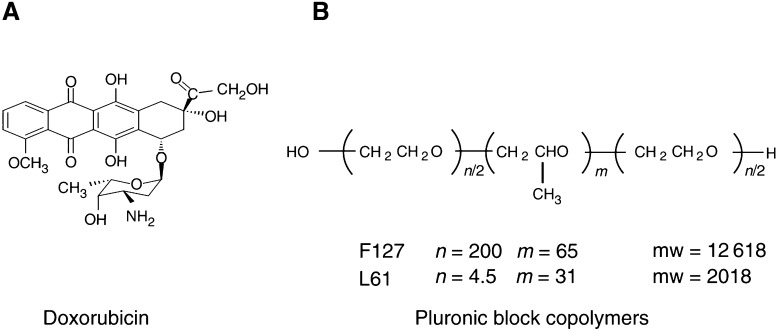
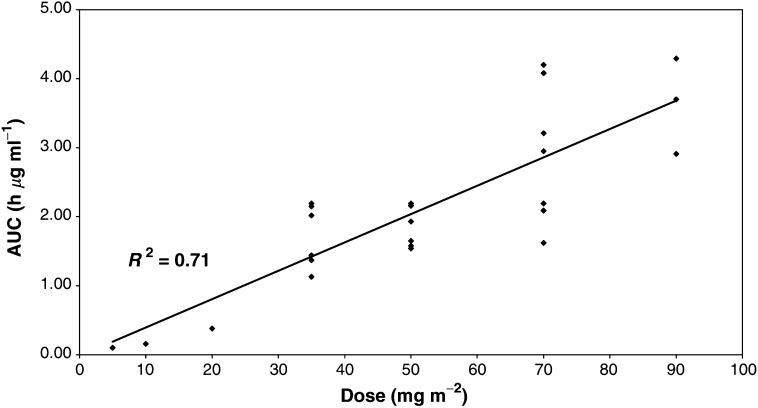
SP1049C is a novel anticancer agent containing doxorubicin and two nonionic pluronic block copolymers. In preclinical studies, SP1049C demonstrated increased efficacy compared to doxorubicin. The objectives of this first phase I study were to determine the toxicity profile, dose-limiting toxicity, maximum tolerated dose and pharmacokinetic profile of SP1049C, and to document any antitumour activity. The starting dose was 5 mg m(-2) (doxorubicin content) as an intravenous infusion once every 3 weeks for up to six cycles. A total of 26 patients received 78 courses at seven dose levels. The dose-limiting toxicity was myelosuppression and DLT was reached at 90 mg m(-2). The maximum tolerated dose was 70 mg m(-2) and is recommended for future trials. The pharmacokinetic profile of SP1049C showed a slower clearance than has been reported for conventional doxorubicin. Evidence of antitumour activity was seen in some patients with advanced resistant solid tumours. Phase II trials with this agent are now warranted to further define its antitumour activity and safety profile.
Overview
The claims and statistics of this paper haven’t been checked yet.
Free: it reads the open-access text and checks the first 5 claims that cite a source we can check. Create a free account to check every claim.
Integrity signals
Registry
Cites
Statistics
Figures
Verification
Claims the paper makes
The claims and statistics of this paper haven’t been checked yet.
Free: it reads the open-access text and checks the first 5 claims that cite a source we can check. Create a free account to check every claim.
Claims other papers make about this one
Each is checked against this paper’s own text: does it say what the citing paper says it does?
The cited source doesn’t support the claim as written.
In the citing paper
“Side effects could be largely mitigated in both preclinical and clinical studies by using polymeric micelle formulations.”
From Polymeric micelles for the delivery of poorly soluble drugs: From nanoformulation to clinical approval. (2020) · cites this paper as [17]
Checked by a reasoning model — may be wrong.
Experimental — accuracy not yet measuredThe source backs part of the claim, not all of it — or backs it for a different population, condition or comparison.
In the citing paper
“In the phase I clinical trial, SP1049C exhibited a similar PK profile of doxorubicin to the conventional doxorubicin formulation and a similar MTD of 70 mg/m2 in the patients with metastatic or recurrent solid tumors [17].”
From Polymeric micelles for the delivery of poorly soluble drugs: From nanoformulation to clinical approval. (2020) · cites this paper as [17]
Experimental — accuracy not yet measuredThe source backs part of the claim, not all of it — or backs it for a different population, condition or comparison.
In the citing paper
“SP1049C is a doxorubicin-loaded Pluronic®-based formulation which was developed by Supratek Pharma Inc. and was the first polymeric micelle drug formulation to enter clinical trials in 1999 [17].”
From Polymeric micelles for the delivery of poorly soluble drugs: From nanoformulation to clinical approval. (2020) · cites this paper as [17]
Experimental — accuracy not yet measured
Self-check
Percentages, sums and reported differences re-computed from the paper’s own numbers.
The self-check needs the paper’s full text.
Citations
Cites
Vasey, P. A., Kaye, S. B., Morrison, R. A., Twelves, C. J., Wilson, P., Duncan, R., Thomson, A. H., Murray, L. S., Hilditch, T. E., Murray, T., et al. (1999) · PubMed · Cited by 870
Handbook of Pharmaceutical Excipients
Kibbe, A. H. (2003) · Medical Entomology and Zoology · Cited by 713
Muggia, F. M., Hainsworth, J. D., Jeffers, S., Miller, P., Groshen, S., Tan, M., Roman, L., Uziely, B., Muderspach, L., Garcia, A., et al. (1997) · Journal of Clinical Oncology · doi:10.1200/jco.1997.15.3.987 · Cited by 647 · cited 1×
“Liposomal drug delivery systems with doxorubicin have been extensively investigated in relapsed ovarian cancer (Muggia et al, 1997), breast cancer (Ranson et al, 1997) and others (Law et al, 1994; Schwartz and Caspar, 1995; Ellerhorst et al, 1999; Harrington et al, 2001; Judson et al, 2001).”
BackgroundPluronic® block copolymers for overcoming drug resistance in cancer
Kabanov, A. V., Batrakova, E. V., & Alakhov, V. Y. (2002) · Advanced Drug Delivery Reviews · doi:10.1016/s0169-409x(02)00047-9 · Cited by 636 · cited 1×
“…including inhibition of drug efflux transporters, abolishment of drug sequestration in acidic compartments, inhibition of the glutathione (GSH)/glutathione (GST) detoxification system and reduction of ATP selectively in MDR cells (Venne et al, 1996; Batrakova et al, 2001; Kabanov et al, 2002).”
BackgroundSelf-citationMedical Applications of Liposomes
(1998) · Elsevier eBooks · doi:10.1016/b978-0-444-82917-7.x5000-5 · Cited by 416
Judson, I., Radford, J. A., Harris, M., Blay, J.-Y., van Hoesel, Q., le Cesne, A., van Oosterom, A. T., Clemons, M. J., Kamby, C., Hermans, C., et al. (2001) · European Journal of Cancer · doi:10.1016/s0959-8049(01)00050-8 · Cited by 392 · cited 1×
“Liposomal drug delivery systems with doxorubicin have been extensively investigated in relapsed ovarian cancer (Muggia et al, 1997), breast cancer (Ranson et al, 1997) and others (Law et al, 1994; Schwartz and Caspar, 1995; Ellerhorst et al, 1999; Harrington et al, 2001; Judson et al, 2001).”
BackgroundRanson, M. R., Carmichael, J., O'Byrne, K., Stewart, S., Smith, D., & Howell, A. (1997) · Journal of Clinical Oncology · doi:10.1200/jco.1997.15.10.3185 · Cited by 293 · cited 3×
“…used to try and improve the therapeutic efficacy and toxicity profile of doxorubicin including the development of anthracycline analogues and the incorporation of anthracyclines into drug delivery vehicles, such as liposomes and polymeric drug conjugates (Ranson et al, 1997; Vasey et al, 1999).”
BackgroundMethodSelf-citationBlock copolymer-based formulation of doxorubicin. From cell screen to clinical trials
Alakhov, V., Klinski, E., Li, S., Pietrzynski, G., Venne, A., Batrakova, E., Bronitch, T., & Kabanov, A. (1999) · Colloids and Surfaces B: Biointerfaces · doi:10.1016/s0927-7765(99)00064-8 · Cited by 266 · cited 4×
“Of particular note is the evidence of antitumour activity of SP1049C in doxorubicin-resistant tumours (Batrakova et al, 1996) and in multiple drug resistance (MDR) cells (Venne et al, 1996; Alakhov et al, 1999).”
BackgroundInfluentialSelf-citationVenne, A., Li, S., Mandeville, R., Kabanov, A. V., & Alakhov, V. Y. (1996) · PubMed · Cited by 264
Self-citationBatrakova, E. V., Li, S., Elmquist, W. F., Miller, D. W., Alakhov, V. Y., & Kabanov, A. V. (2001) · British Journal of Cancer · doi:10.1054/bjoc.2001.2165 · Cited by 229 · cited 1×
“…including inhibition of drug efflux transporters, abolishment of drug sequestration in acidic compartments, inhibition of the glutathione (GSH)/glutathione (GST) detoxification system and reduction of ATP selectively in MDR cells (Venne et al, 1996; Batrakova et al, 2001; Kabanov et al, 2002).”
BackgroundSelf-citation
Research works printed but not linked: 1
- 14. Lohri A, Gelmon KA, Embree L, Mayer L, Cullis P, Saletan S, Goldie J (1991) Phase I/II study of liposome encapsulated doxorubicin (TLC-D-99) in non small cell lung cancer. Proc Am Soc Clin Oncol 10: A292
Cited by
Nanocarriers as an emerging platform for cancer therapy
Peer, D., Karp, J. M., Hong, S., Farokhzad, O. C., Margalit, R., & Langer, R. (2007) · Nature Nanotechnology · doi:10.1038/nnano.2007.387 · Cited by 8,710
Nanoparticle therapeutics: an emerging treatment modality for cancer
Davis, M. E., Chen, Z., & Shin, D. M. (2008) · Nature Reviews Drug Discovery · doi:10.1038/nrd2614 · Cited by 4,233
Factors affecting the clearance and biodistribution of polymeric nanoparticles
Alexis, F., Pridgen, E., Molnar, L. K., & Farokhzad, O. C. (2008) · Molecular Pharmaceutics · doi:10.1021/mp800051m · Cited by 3,699
Strategies in the design of nanoparticles for therapeutic applications
Petros, R. A., & DeSimone, J. M. (2010) · Nature Reviews Drug Discovery · doi:10.1038/nrd2591 · Cited by 3,651
Kamaly, N., Yameen, B., Wu, J., & Farokhzad, O. C. (2016) · Chemical Reviews · doi:10.1021/acs.chemrev.5b00346 · Cited by 3,070
Tumor delivery of macromolecular drugs based on the EPR effect
Torchilin, V. (2011) · Advanced Drug Delivery Reviews · doi:10.1016/j.addr.2010.03.011 · Cited by 2,032
Polymer conjugates as anticancer nanomedicines
Duncan, R. (2006) · Nature Reviews Cancer · doi:10.1038/nrc1958 · Cited by 1,962
Targeted polymeric therapeutic nanoparticles: design, development and clinical translation
Kamaly, N., Xiao, Z., Valencia, P. M., Radovic-Moreno, A. F., & Farokhzad, O. C. (2012) · Chemical Society Reviews · doi:10.1039/c2cs15344k · Cited by 1,730
Strategies to Address Low Drug Solubility in Discovery and Development
Williams, H. D., Trevaskis, N. L., Charman, S. A., Shanker, R. M., Charman, W. N., Pouton, C. W., & Porter, C. J. H. (2013) · Pharmacological Reviews · doi:10.1124/pr.112.005660 · Cited by 1,570
“…been widely reported (Treiner, 1994; Bhat et al., 2008), and the combination of hydrophilic and hydrophobic Pluronic surfactants has been explored to obtain micelles of improved size, stability, and solubilization capacity (Danson et al., 2004; Oh et al., 2004; Wei et al., 2009; Yang et al., 2009).”
BackgroundA Review of Poloxamer 407 Pharmaceutical and Pharmacological Characteristics
Dumortier, G., Grossiord, J. L., Agnely, F., & Chaumeil, J. C. (2006) · Pharmaceutical Research · doi:10.1007/s11095-006-9104-4 · Cited by 1,261
Multifunctional polymeric micelles as cancer-targeted, MRI-ultrasensitive drug delivery systems
Nasongkla, N., Bey, E., Ren, J., Ai, H., Khemtong, C., Guthi, J. S., Chin, S.-F., Sherry, A. D., Boothman, D. A., & Gao, J. (2006) · Nano Letters · doi:10.1021/nl061412u · Cited by 1,238
Polymeric Nanoparticles for Drug Delivery
Beach, M. A., Nayanathara, U., Gao, Y., Zhang, C., Xiong, Y., Wang, Y., & Such, G. K. (2024) · Chemical Reviews · doi:10.1021/acs.chemrev.3c00705 · Cited by 1,155
Physical stimuli-responsive polymeric micelles for anti-cancer drug delivery
Rapoport, N. (2007) · Progress in Polymer Science · doi:10.1016/j.progpolymsci.2007.05.009 · Cited by 1,002
Polymeric Micelles in Anticancer Therapy: Targeting, Imaging and Triggered Release
Oerlemans, C., Bult, W., Bos, M., Storm, G., Nijsen, J. F. W., & Hennink, W. E. (2010) · Pharmaceutical Research · doi:10.1007/s11095-010-0233-4 · Cited by 947
“Despite the occurrence of neutropenia as DLT (42), a phase II study concluded that SP1049C was effective as monotherapy in patients suffering from adenocarcinoma of the”
BackgroundInfluentialOwen, S. C., Chan, D. P. Y., & Shoichet, M. S. (2012) · Nano Today · doi:10.1016/j.nantod.2012.01.002 · Cited by 911
Clinical Translation of Nanomedicine
Min, Y., Caster, J. M., Eblan, M. J., & Wang, A. Z. (2015) · Chemical Reviews · doi:10.1021/acs.chemrev.5b00116 · Cited by 772
Role of nanotechnology in targeted drug delivery and imaging: a concise review
Koo, O. M., Rubinstein, I., & Onyuksel, H. (2005) · Nanomedicine: Nanotechnology, Biology and Medicine · doi:10.1016/j.nano.2005.06.004 · Cited by 718
“Among the Pluronic micellar formulations, the formulation of doxorubicin and a mixture of L61 (PEO80-PPO27PEO80], and F127 Pluronic (PEO101-PPO56-PEO101) (SP1049C) is most advanced and is now tested in Phase I clinical trial [120].”
BackgroundOvercoming the Blood–Brain Barrier: The Role of Nanomaterials in Treating Neurological Diseases
Furtado, D., Björnmalm, M., Ayton, S., Bush, A. I., Kempe, K., & Caruso, F. (2018) · Advanced Materials · doi:10.1002/adma.201801362 · Cited by 708
Hwang, D., Ramsey, J. D., & Kabanov, A. V. (2020) · Advanced drug delivery reviews · doi:10.1016/j.addr.2020.09.009 · Cited by 699
“In the phase I clinical trial, SP1049C exhibited a similar PK profile of doxorubicin to the conventional doxorubicin formulation and a similar MTD of 70 mg/m(2) in the patients with metastatic or recurrent solid tumors [17].”
BackgroundInfluentialP-glycoprotein Inhibition for Optimal Drug Delivery
Amin, M. L. (2013) · Drug Target Insights · doi:10.4137/dti.s12519 · Cited by 624
Passive and Active Drug Targeting: Drug Delivery to Tumors as an Example
Torchilin, V. P. (2010) · Handbook of Experimental Pharmacology · doi:10.1007/978-3-642-00477-3_1 · Cited by 573
Polymeric micelles and alternative nanonized delivery vehicles for poorly soluble drugs
Lu, Y., & Park, K. (2013) · International Journal of Pharmaceutics · doi:10.1016/j.ijpharm.2012.08.042 · Cited by 572
“This formulation is prepared by reconstituting doxorubicin with a 0.9% sodium chloride solution containing 0.25% (w/v) Pluronic® L61 and 2% (w/v) of F127 to a final concentration of 2 mg/ml (Danson et al., 2004).”
InfluentialPolymeric micelles drug delivery system in oncology
Gong, J., Chen, M., Zheng, Y., Wang, S., & Wang, Y. (2012) · Journal of Controlled Release · doi:10.1016/j.jconrel.2011.12.012 · Cited by 570
“0 mg/mL [25].”
BackgroundFunctionalized micellar systems for cancer targeted drug delivery
Sutton, D., Nasongkla, N., Blanco, E., & Gao, J. (2007) · Pharmaceutical Research · doi:10.1007/s11095-006-9223-y · Cited by 557
pH-Responsive Copolymer Assemblies for Controlled Release of Doxorubicin
Gillies, E. R., & Fréchet, J. M. J. (2005) · Bioconjugate Chemistry · doi:10.1021/bc049851c · Cited by 550
Kim, S., Shi, Y., Kim, J. Y., Park, K., & Cheng, J.-X. (2010) · Expert Opinion on Drug Delivery · doi:10.1517/17425240903380446 · Cited by 549
“In spite of seductive advantages, only four micelle systems have been clinically examined [10-16].”
BackgroundYuan, Y., Mao, C., Du, X., Du, J., Wang, F., & Wang, J. (2012) · Advanced Materials · doi:10.1002/adma.201202296 · Cited by 529
Talelli, M., Barz, M., Rijcken, C. J. F., Kiessling, F., Hennink, W. E., & Lammers, T. (2015) · Nano Today · doi:10.1016/j.nantod.2015.01.005 · Cited by 506
Cancer Nanomedicine: From Drug Delivery to Imaging
Chow, E. K.-H., & Ho, D. (2013) · Science Translational Medicine · doi:10.1126/scitranslmed.3005872 · Cited by 491
“Doxorubicin Pluronic block copolymers Phase 2 clinical trials P-glycoprotein–targeted chemotherapeutic delivery used against human gastroesophageal adenocarcinoma (48, 49)”
BackgroundPolymeric nanoparticles: the future of nanomedicine
Banik, B. L., Fattahi, P., & Brown, J. L. (2016) · WIREs Nanomedicine and Nanobiotechnology · doi:10.1002/wnan.1364 · Cited by 485
Multifunctional polymeric micelles for delivery of drugs and siRNA
Jhaveri, A. M., & Torchilin, V. P. (2014) · Frontiers in Pharmacology · doi:10.3389/fphar.2014.00077 · Cited by 466
Stimuli‐Responsive Polymersomes as Nanocarriers for Drug and Gene Delivery
Onaca, O., Enea, R., Hughes, D. W., & Meier, W. (2009) · Macromolecular Bioscience · doi:10.1002/mabi.200800248 · Cited by 465
Gene therapy and DNA delivery systems
Ibraheem, D., Elaissari, A., & Fessi, H. (2014) · International Journal of Pharmaceutics · doi:10.1016/j.ijpharm.2013.11.041 · Cited by 454
Polymeric micelles for drug delivery
Aliabadi, H. M., & Lavasanifar, A. (2006) · Expert Opinion on Drug Delivery · doi:10.1517/17425247.3.1.139 · Cited by 446
Wei, Z., Hao, J., Yuan, S., Li, Y., Juan, W., Sha, X., & Fang, X. (2009) · International Journal of Pharmaceutics · doi:10.1016/j.ijpharm.2009.04.030 · Cited by 427
Receptor-targeted nanocarriers for therapeutic delivery to cancer
Yu, B., Tai, H. C., Xue, W., Lee, L. J., & Lee, R. J. (2010) · Molecular Membrane Biology · doi:10.3109/09687688.2010.521200 · Cited by 423
“SP1049C, a micelle formulation of doxorubicin comprising pluronics, and NK911, another micelle formulation of doxorubicin comprising polyethylene glycol-poly (aspartic acid) block copolymer have been studied in clinical trials (Danson et al. 2004, Matsumura et al. 2004).”
Stimuli-responsive polymeric micelles for drug delivery and cancer therapy
Zhou, Q., Zhang, L., Yang, T., & Wu, H. (2018) · International Journal of Nanomedicine · doi:10.2147/ijn.s158696 · Cited by 408
Inhibit or Evade Multidrug Resistance P-Glycoprotein in Cancer Treatment: Miniperspective
Waghray, D., & Zhang, Q. (2018) · Journal of Medicinal Chemistry · doi:10.1021/acs.jmedchem.7b01457 · Cited by 400
“For example, SP1049C is a P-gp targeting non-ionic blockcopolymer formulation containing doxorubicin as the cytotoxic payload.(104) SP1049C has”
Recent progress in biomedical applications of pluronic (PF127): Pharmaceutical perspectives
Akash, M. S. H., & Rehman, K. (2015) · Journal of Controlled Release · doi:10.1016/j.jconrel.2015.04.032 · Cited by 394
Polymeric micelles for oral drug delivery
Gaucher, G., Satturwar, P., Jones, M.-C., Furtos, A., & Leroux, J.-C. (2010) · European Journal of Pharmaceutics and Biopharmaceutics · doi:10.1016/j.ejpb.2010.06.007 · Cited by 389
“These studies led to the development of a doxorubicin–poloxamer formulation targeted toward multidrug-resistant tumors [79].”
BackgroundThermo-responsive polymers: Applications of smart materials in drug delivery and tissue engineering
Sponchioni, M., Capasso Palmiero, U., & Moscatelli, D. (2019) · Materials Science and Engineering: C · doi:10.1016/j.msec.2019.04.069 · Cited by 369
Zhang, W., Shi, Y., Chen, Y., Ye, J., Sha, X., & Fang, X. (2011) · Biomaterials · doi:10.1016/j.biomaterials.2010.12.039 · Cited by 368
Polymeric micelles: nanocarriers for cancer-targeted drug delivery
Zhang, Y., Huang, Y., & Li, S. (2014) · AAPS PharmSciTech · doi:10.1208/s12249-014-0113-z · Cited by 367
“NK105 (16), pluronic polymer-bound doxorubicin (SP1049C) (17) and NK911, a micelle-encapsulated doxorubicin (18).”
Doxorubicin: nanotechnological overviews from bench to bedside
Cagel, M., Grotz, E., Bernabeu, E., Moretton, M. A., & Chiappetta, D. A. (2017) · Drug Discovery Today · doi:10.1016/j.drudis.2016.11.005 · Cited by 362
Mikhail, A. S., & Allen, C. (2009) · Journal of Controlled Release · doi:10.1016/j.jconrel.2009.04.010 · Cited by 328
Shafei, A., El-Bakly, W., Sobhy, A., Wagdy, O., Reda, A., Aboelenin, O., Marzouk, A., El Habak, K., Mostafa, R., Ali, M. A., et al. (2017) · Biomedicine & Pharmacotherapy · doi:10.1016/j.biopha.2017.09.059 · Cited by 318
Mixed micelles self-assembled from block copolymers for drug delivery
Ebrahim Attia, A. B., Ong, Z. Y., Hedrick, J. L., Lee, P. P., Ee, P. L. R., Hammond, P. T., & Yang, Y.-Y. (2011) · Current Opinion in Colloid & Interface Science · doi:10.1016/j.cocis.2010.10.003 · Cited by 315
Valle, J. W., Armstrong, A., Newman, C., Alakhov, V., Pietrzynski, G., Brewer, J., Campbell, S., Corrie, P., Rowinsky, E. K., & Ranson, M. (2011) · Investigational New Drugs · doi:10.1007/s10637-010-9399-1 · Cited by 303
Self-citationMultifunctional nanoparticles for imaging, delivery and targeting in cancer therapy
Gindy, M. E., & Prud'homme, R. K. (2009) · Expert Opinion on Drug Delivery · doi:10.1517/17425240902932908 · Cited by 298
“Several polymer nanoparticles are now in various states of preclinical and clinical development as carriers of chemotherapeutics [24-26].”
BackgroundPolymeric Nanocarriers of Drug Delivery Systems in Cancer Therapy
Avramović, N., Mandić, B., Savić-Radojević, A., & Simić, T. (2020) · Pharmaceutics · doi:10.3390/pharmaceutics12040298 · Cited by 296
Micelles structure development as a strategy to improve smart cancer therapy
Hanafy, N., El-Kemary, M., & Leporatti, S. (2018) · Cancers · doi:10.3390/cancers10070238 · Cited by 287
“Similarly, paclitaxel, pluronic polymer-bound doxorubicin (SP1049C) [89], and NK911, a micelle-encapsulated doxorubicin [90], were used extensively for cancer treatment.”
BackgroundNanomedicine in the diagnosis and therapy of neurodegenerative disorders
Kabanov, A. V., & Gendelman, H. E. (2007) · Progress in Polymer Science · doi:10.1016/j.progpolymsci.2007.05.014 · Cited by 277
“Several clinical trials are completed or underway to evaluate polymeric micelles for delivery of anti-cancer drugs [145–149].”
BackgroundInfluentialPolymeric micelles in oral chemotherapy
Bromberg, L. (2008) · Journal of Controlled Release · doi:10.1016/j.jconrel.2008.01.018 · Cited by 264
Encapsulation of Curcumin in Pluronic Block Copolymer Micelles for Drug Delivery Applications
Sahu, A., Kasoju, N., Goswami, P., & Bora, U. (2011) · Journal of Biomaterials Applications · doi:10.1177/0885328209357110 · Cited by 256
Polymer micelles with cross-linked polyanion core for delivery of a cationic drug doxorubicin
Kim, J. O., Kabanov, A. V., & Bronich, T. K. (2009) · Journal of Controlled Release · doi:10.1016/j.jconrel.2009.04.019 · Cited by 255
“The observed differences in the release characteristics between SP1049 and Doxil formulations are consistent with the clinical pharmacokinetic data [28,29].”
PEGylated polymers for medicine: from conjugation to self-assembled systems
Joralemon, M. J., McRae, S., & Emrick, T. (2010) · Chemical Communications · doi:10.1039/b920570p · Cited by 251
Nanotechnology in Cancer Drug Delivery and Selective Targeting
Sutradhar, K. B., & Amin, M. L. (2014) · ISRN Nanotechnology · doi:10.1155/2014/939378 · Cited by 241
“developed SP1049C, a nonionic block copolymer composed of a hydrophobic core and hydrophilic tail that contains doxorubicin, which was able to circumvent P-glycoprotein mediated drug resistance in a mouse model of leukaemia and is now under clinical evaluation [91, 92].”
BackgroundAdvances of Cancer Therapy by Nanotechnology
Wang, X., Wang, Y., Chen, Z. G., & Shin, D. M. (2009) · Cancer Research and Treatment · doi:10.4143/crt.2009.41.1.1 · Cited by 230
Yokoyama, M. (2010) · Expert Opinion on Drug Delivery · doi:10.1517/17425240903436479 · Cited by 224
“designed and formulated SP-1049C for MDR circumvention on the basis of this research team’s basic studies ([8,9,19,69-71]; see Section 3.”
BackgroundMethodInfluentialMohammad, I. S., He, W., & Yin, L. (2018) · Biomedicine & Pharmacotherapy · doi:10.1016/j.biopha.2018.02.038 · Cited by 218
Pluronics and MDR reversal: an update
Alakhova, D. Y., & Kabanov, A. V. (2014) · Molecular Pharmaceutics · doi:10.1021/mp500298q · Cited by 224
Novel Nanomaterials for Clinical Neuroscience
Gilmore, J. L., Yi, X., Quan, L., & Kabanov, A. V. (2008) · Journal of Neuroimmune Pharmacology · doi:10.1007/s11481-007-9099-6 · Cited by 224
Block copolymer micelles as delivery vehicles of hydrophobic drugs: Micelle–cell interactions
Savić, R., Eisenberg, A., & Maysinger, D. (2006) · Journal of Drug Targeting · doi:10.1080/10611860600874538 · Cited by 218
“%) it did not persist—the response was not observed 4 months after the last treatment (once every three weeks, for up to 6 cycles, MTD 70 mg m22) (Danson et al. 2004).”
BackgroundInfluentialZhao, L., Du, J., Duan, Y., Zang, Y., Zhang, H., Yang, C., Cao, F., & Zhai, G. (2012) · Colloids and Surfaces B: Biointerfaces · doi:10.1016/j.colsurfb.2012.04.017 · Cited by 216
Polymer genomics: An insight into pharmacology and toxicology of nanomedicines☆
KABANOV, A. (2006) · Advanced Drug Delivery Reviews · doi:10.1016/j.addr.2006.09.019 · Cited by 204
“A phase II, window study of SP1049C as first-line therapy in inoperable metastatic adenocarcinoma of the oesophagus.”
BackgroundInfluentialPolymeric micelles for drug targeting
Mahmud, A., Xiong, X.-B., Aliabadi, H. M., & Lavasanifar, A. (2007) · Journal of Drug Targeting · doi:10.1080/10611860701538586 · Cited by 202
“From this pool, six polymeric micellar formulations have found their way to clinical development and are currently in different stages of clinical trials in various countries (Danson et al. 2004; Kim et al. 2004;Matsumura et al. 2004; Hamaguchi et al. 2005; Uchino et al. 2005).”
BackgroundWakaskar, R. R. (2018) · Journal of Drug Targeting · doi:10.1080/1061186x.2017.1367006 · Cited by 201
Zhang, W., Shi, Y., Chen, Y., Yu, S., Hao, J., Luo, J., Sha, X., & Fang, X. (2010) · European Journal of Pharmaceutics and Biopharmaceutics · doi:10.1016/j.ejpb.2010.04.017 · Cited by 180
Zhang, W., Gilstrap, K., Wu, L., K. C., R. B., Moss, M. A., Wang, Q., Lu, X., & He, X. (2010) · ACS Nano · doi:10.1021/nn101617n · Cited by 179
Loading of polymer nanocarriers: Factors, mechanisms and applications
Kowalczuk, A., Trzcinska, R., Trzebicka, B., Müller, A. H. E., Dworak, A., & Tsvetanov, C. B. (2014) · Progress in Polymer Science · doi:10.1016/j.progpolymsci.2013.10.004 · Cited by 176
Sahay, G., Kim, J. O., Kabanov, A. V., & Bronich, T. K. (2010) · Biomaterials · doi:10.1016/j.biomaterials.2009.09.101 · Cited by 170
“Several such polymeric micelle formulations for cancer chemotherapy are in Phase I and Phase II clinical trials and one of them, SP1049C, already reached the Phase III stage [29,30].”
Nanocarriers for intravenous injection—The long hard road to the market
Wacker, M. (2013) · International Journal of Pharmaceutics · doi:10.1016/j.ijpharm.2013.08.079 · Cited by 170
“Until now this success could not be translated into a similar product in the US or the EU, but there are several polymeric micelle formulations in phase I or II trials 455 (Danson et al., 2004; Valle et al., 2010).”
BackgroundClinical Developments in Nanotechnology for Cancer Therapy
Heidel, J. D., & Davis, M. E. (2011) · Pharmaceutical Research · doi:10.1007/s11095-010-0178-7 · Cited by 170
“half-life (t1/2), while free doxorubicin alone has a t1/2 of less than an hour (36), the micellar formulations extended the plasma half-life by approximately three-fold (37,38), while the liposomal formulations extended it further by more than an additional ten-fold (36,39,40) (see Table I).”
Leveraging Physiology for Precision Drug Delivery
Sun, W., Hu, Q., Ji, W., Wright, G., & Gu, Z. (2017) · Physiological Reviews · doi:10.1152/physrev.00015.2016 · Cited by 169
Clinical application of polymeric micelles for the treatment of cancer
Varela-Moreira, A., Shi, Y., Fens, M. H. A. M., Lammers, T., Hennink, W. E., & Schiffelers, R. M. (2017) · Materials Chemistry Frontiers · doi:10.1039/c6qm00289g · Cited by 168
Sustained Drug Release from Smart Nanoparticles in Cancer Therapy: A Comprehensive Review
Bai, X., Smith, Z., Wang, Y., Butterworth, S., & Tirella, A. (2022) · Micromachines · doi:10.3390/mi13101623 · Cited by 200
Sun, Y., Yan, X., Yuan, T., Liang, J., Fan, Y., Gu, Z., & Zhang, X. (2010) · Biomaterials · doi:10.1016/j.biomaterials.2010.06.011 · Cited by 166
The Rise and Rise of Stealth Nanocarriers for Cancer Therapy: Passive Versus Active Targeting
Huynh, N. T., Roger, E., Lautram, N., Benoît, J.-P., & Passirani, C. (2010) · Nanomedicine · doi:10.2217/nnm.10.113 · Cited by 164
Bansal, T., Akhtar, N., Jaggi, M., Khar, R. K., & Talegaonkar, S. (2009) · Drug Discovery Today · doi:10.1016/j.drudis.2009.07.010 · Cited by 161
Demina, T., Grozdova, I., Krylova, O., Zhirnov, A., Istratov, V., Frey, H., Kautz, H., & Melik-Nubarov, N. (2005) · Biochemistry · doi:10.1021/bi048373q · Cited by 158
Nanoparticles containing insoluble drug for cancer therapy
Guo, S., & Huang, L. (2014) · Biotechnology Advances · doi:10.1016/j.biotechadv.2013.10.002 · Cited by 159
“, 2011) is particularly active in treating multidrug resistant (MDR) and metastatic cancers (Danson et al., 2004; Dumortier et al., 2006); the poloxamer disrupts mitochondrial functionality in chemo-resistant cells by depleting ATP and releasing reactive oxygen species (ROS) and cytochrome C.”
BackgroundTargeted Cancer Therapy With Novel High Drug-Loading Nanocrystals
Liu, F., Park, J.-Y., Zhang, Y., Conwell, C., Liu, Y., Bathula, S. R., & Huang, L. (2010) · Journal of Pharmaceutical Sciences · doi:10.1002/jps.22112 · Cited by 159
Effect of Pluronic P85 on ATPase Activity of Drug Efflux Transporters
Batrakova, E. V., Li, S., Li, Y., Alakhov, V. Y., & Kabanov, A. V. (2004) · Pharmaceutical Research · doi:10.1007/s11095-004-7675-5 · Cited by 158
“One Pluronic-based formulation of doxorubicin is currently evaluated in clinical trials for treatment of MDR tumors (11).”
BackgroundSelf-citationMinko, T., Batrakova, E. V., Li, S., Li, Y., Pakunlu, R. I., Alakhov, V. Y., & Kabanov, A. V. (2005) · Journal of Controlled Release · doi:10.1016/j.jconrel.2005.03.019 · Cited by 158
“Open labeled two-site Phase I clinical trial of SP1049C has been completed [5].”
BackgroundSelf-citationCancer Cell Invasion: Treatment and Monitoring Opportunities in Nanomedicine
Veiseh, O., Kievit, F. M., Ellenbogen, R. G., & Zhang, M. (2011) · Advanced Drug Delivery Reviews · doi:10.1016/j.addr.2011.01.010 · Cited by 159
Hoosain, F. G., Choonara, Y. E., Tomar, L. K., Kumar, P., Tyagi, C., du Toit, L. C., & Pillay, V. (2015) · BioMed Research International · doi:10.1155/2015/484963 · Cited by 143
Nanomedicine-Based Delivery Strategies for Breast Cancer Treatment and Management
Tagde, P., Najda, A., Nagpal, K., Kulkarni, G. T., Shah, M., Ullah, O., Balant, S., & Rahman, M. H. (2022) · International Journal of Molecular Sciences · doi:10.3390/ijms23052856 · Cited by 160
“DOX is mechanically encapsulated in the hydrophobic center of the micelles by noncovalent bonds [95].”
BackgroundRecent Advances in Doxorubicin Formulation to Enhance Pharmacokinetics and Tumor Targeting
Lee, J., Choi, M., & Song, I. (2023) · Pharmaceuticals · doi:10.3390/ph16060802 · Cited by 160
Alakhova, D. Y., Rapoport, N. Y., Batrakova, E. V., Timoshin, A. A., Li, S., Nicholls, D. G., Alakhov, V. Y., & Kabanov, A. V. (2009) · Journal of Controlled Release · doi:10.1016/j.jconrel.2009.09.026 · Cited by 154
Self-citationSosnik, A., Gotelli, G., & Abraham, G. A. (2011) · Progress in Polymer Science · doi:10.1016/j.progpolymsci.2010.12.001 · Cited by 142
“, Montreal, Canada), is currently in Phase III clinical evaluation [26,27].”
BackgroundAlvarez‐Lorenzo, C., Sosnik, A., & Concheiro, Á. (2011) · Current Drug Targets · doi:10.2174/138945011795906615 · Cited by 155
“The objectives pursued by these formulations refer to tumor targeting (NK-911, NK-105, NK-012, NC-6004), solubilization of a water-insoluble anticancer agent (Genexol-PM), and circumvention of MDR (SP-1049C) [197-200].”
BackgroundPluronic Block Copolymers for Gene Delivery
Kabanov, A. V., Zhu, J., & Alakhov, V. Y. (2005) · Advances in genetics · doi:10.1016/s0065-2660(05)53009-8 · Cited by 159
Self-citationProgress in Polymeric Nano-Medicines for Theranostic Cancer Treatment
Ali, I., Alsehli, M., Scotti, L., Tullius Scotti, M., Tsai, S.-T., Yu, R.-S., Hsieh, M. F., & Chen, J.-C. (2020) · Polymers · doi:10.3390/polym12030598 · Cited by 134
Yokoyama, M. (2011) · Journal of Experimental & Clinical Medicine · doi:10.1016/j.jecm.2011.06.002 · Cited by 152
Can nanomedicines kill cancer stem cells?
Zhao, Y., Alakhova, D. Y., & Kabanov, A. V. (2013) · Advanced Drug Delivery Reviews · doi:10.1016/j.addr.2013.09.016 · Cited by 125
Zhao, Y., Alakhova, D. Y., Kim, J. O., Bronich, T. K., & Kabanov, A. V. (2013) · Journal of Controlled Release · doi:10.1016/j.jconrel.2013.02.026 · Cited by 125
“This drug has shown considerable activity and favorable safety profile in clinical trials [39, 40].”
BackgroundThe Chemistry of Bioconjugation in Nanoparticles-Based Drug Delivery System
Werengowska-Ciećwierz, K., Wiśniewski, M., Terzyk, A. P., & Furmaniak, S. (2015) · Advances in Condensed Matter Physics · doi:10.1155/2015/198175 · Cited by 131
“There are much more important materials that can be used as drug carriers: quantum dots [57, 58], Pluronic [59, 60], mesoporous silica [61, 62], nanoemulsions [63, 64], drug nanocrystals [65, 66], ceramic-based nanoparticles [67], albumin nanoparticles [68, 69], nanogels [70, 71], magnetic nanoparticles [72, 73], and…”
BackgroundDistribution kinetics of a micelle-forming block copolymer Pluronic P85
Batrakova, E. V., Li, S., Li, Y., Alakhov, V. Y., Elmquist, W. F., & Kabanov, A. V. (2004) · Journal of Controlled Release · doi:10.1016/j.jconrel.2004.09.002 · Cited by 121
Self-citationThermosensitive Polymeric Micelles for Targeted Drug Delivery
Talelli, M., & Hennink, W. E. (2011) · Nanomedicine · doi:10.2217/nnm.11.91 · Cited by 130
Bioreducible Carboxymethyl Dextran Nanoparticles for Tumor‐Targeted Drug Delivery
Thambi, T., You, D. G., Han, H. S., Deepagan, V. G., Jeon, S. M., Suh, Y. D., Choi, K. Y., Kim, K., Kwon, I. C., Yi, G., et al. (2014) · Advanced Healthcare Materials · doi:10.1002/adhm.201300691 · Cited by 120
Metadata
- Authors
- Danson, S., Ferry, D., Alakhov, V, Margison, J., Kerr, D., Jowle, D., Brampton, M., Halbert, G., & Ranson, M.
- Affiliations
- The Christie Hospital (GB)
- Queen Elizabeth Hospital Birmingham (GB)
- Supratek Pharma (Canada) (CA)
- Cancer Research UK (GB)
- University of Strathclyde (GB)
- Corresponding author
- Ranson, M
- Venue
- British Journal of Cancer
- Published
- 2004-05-04
- Volume
- 90
- Issue
- 11
- Pages
- 2085-2091
- ISSN
- 0007-0920 (ISSN-L)
- 1532-1827
- PMC
- PMC2409484
- OpenAlex
- W2159334966
- Cited by
- 382
- References
- 20
- Citations by year
- 2026: 6 · 2025: 7 · 2024: 8 · 2023: 8 · 2022: 17 · 2021: 7 · 2020: 18 · 2019: 13 · 2018: 11 · 2017: 22 · 2016: 26 · 2015: 26 · 2014: 26 · 2013: 32 · 2012: 26
- FWCI
- 5.82
- Type
- journal article
- Language
- en
- Open access
- hybrid
- doi.org
- Licence
- cc-by-nc-sa
- www.springer.com/tdm (unspecified)
- Locations
- British Journal of Cancer (publishedVersion, cc-by-nc-sa)
- PubMed Central (publishedVersion, cc-by)
- PubMed (publishedVersion)
- White Rose Research Online (University of Leeds, The University of Sheffield, University of York) (acceptedVersion)
- Topics
- Physical Sciences › Materials Science › Biomaterials › Nanoparticle-Based Drug Delivery
- Life Sciences › Biochemistry, Genetics and Molecular Biology › Molecular Biology › Cancer therapeutics and mechanisms
- Health Sciences › Medicine › Cardiology and Cardiovascular Medicine › Chemotherapy-induced cardiotoxicity and mitigation
- Keywords
- doxorubicin, Pluronic block copolymers, advanced cancer, dose-limiting toxicity, myelosuppression, maximum tolerated dose, pharmacokinetics, antitumour activity, drug resistance, solid tumors
- MeSH terms
- Adult, Aged, Antibiotics, Antineoplastic, Doxorubicin, Female, Humans, Infusions, Intravenous, Male, Middle Aged, Neoplasms, Polymers, Poloxamer, Maximum Tolerated Dose
About these checks
Registry, retraction, Cites and statistics results are computed, not judged, with one exception: a printed reference that no index lists is read once by a model before it counts as a citation error. Claims are extracted by a model and kept only when their quote appears verbatim in the text; each cited source is then checked, with a model’s help, for whether it says what the claim relies on. Those verdicts can be wrong — read the claim’s quote and the cited source before relying on one.
Statistics and arithmetic are recomputed, not judged.
Confidence bands are shown only for fields calibrated on our annotated test set. None is calibrated yet, so no band is shown.
What counts as a claim ›How we measure confidence ›How we check this ›
Are you an author, or do you see a problem with this page? Request a review
Data sources
Bibliographic data: Semantic Scholar, OpenAlex, Crossref.
Contains information from the Semantic Scholar Academic Graph Datasets, made available under the ODC Attribution License (ODC-BY 1.0).
Semantic Scholar’s data is described in: Kinney, R., et al. (2023). The Semantic Scholar Open Data Platform. arXiv:2301.10140.
