

Cryptococcus neoformans Intracellular Proliferation and Capsule Size Determines Early Macrophage Control of Infection
Open accessThe DOI matches its Crossref record; 59 of the 59 references it cites were found in a registry or an index.
Abstract
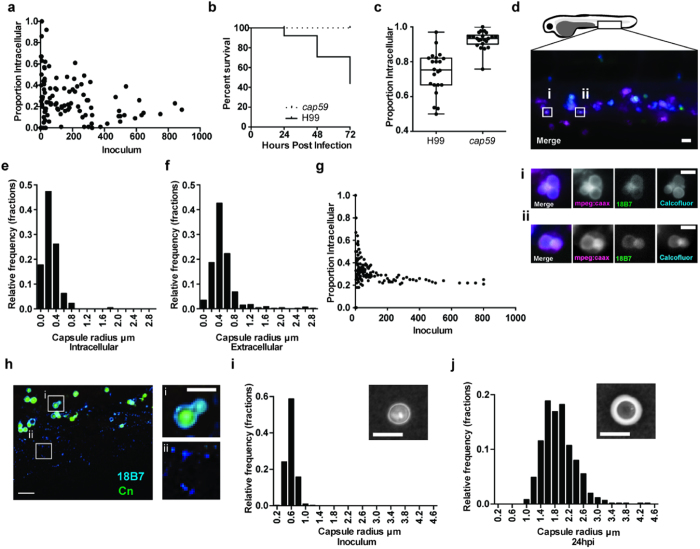
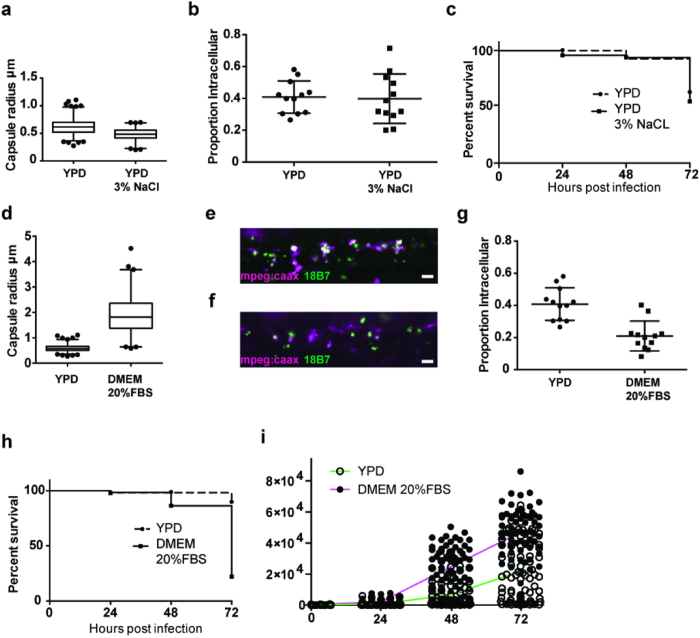
Cryptococcus neoformans is a significant fungal pathogen of immunocompromised patients. Many questions remain regarding the function of macrophages in normal clearance of cryptococcal infection and the defects present in uncontrolled cryptococcosis. Two current limitations are: 1) The difficulties in interpreting studies using isolated macrophages in the context of the progression of infection, and 2) The use of high resolution imaging in understanding immune cell behavior during animal infection. Here we describe a high-content imaging method in a zebrafish model of cryptococcosis that permits the detailed analysis of macrophage interactions with C. neoformans during infection. Using this approach we demonstrate that, while macrophages are critical for control of C. neoformans,a failure of macrophage response is not the limiting defect in fatal infections. We find phagocytosis is restrained very early in infection and that increases in cryptococcal number are driven by intracellular proliferation. We show that macrophages preferentially phagocytose cryptococci with smaller polysaccharide capsules and that capsule size is greatly increased over twenty-four hours of infection, a change that is sufficient to severely limit further phagocytosis. Thus, high-content imaging of cryptococcal infection in vivo demonstrates how very early interactions between macrophages and cryptococci are critical in the outcome of cryptococcosis.
Overview
The claims and statistics of this paper haven’t been checked yet.
Free: it reads the open-access text and checks the first 5 claims that cite a source we can check. Create a free account to check every claim.
Integrity signals
Registry
Cites
Statistics
Figures
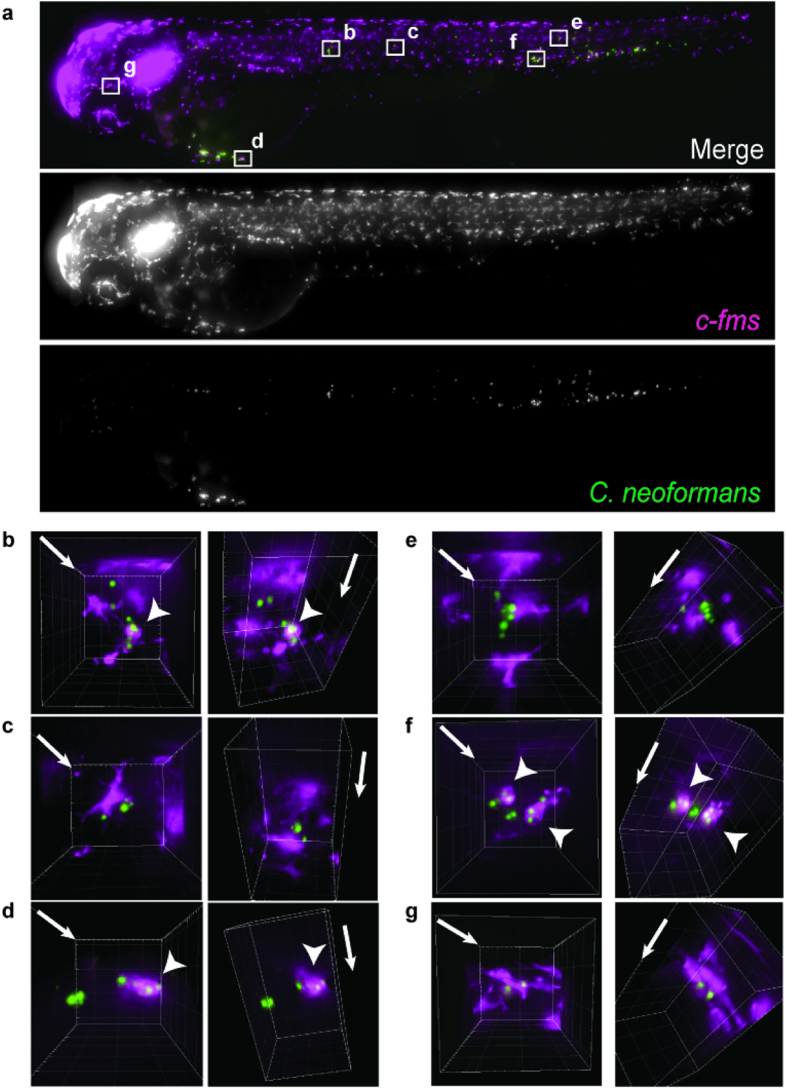
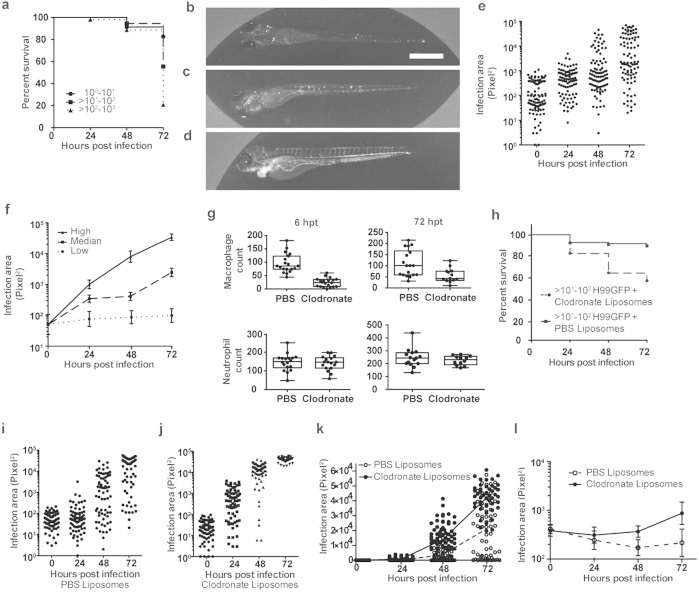
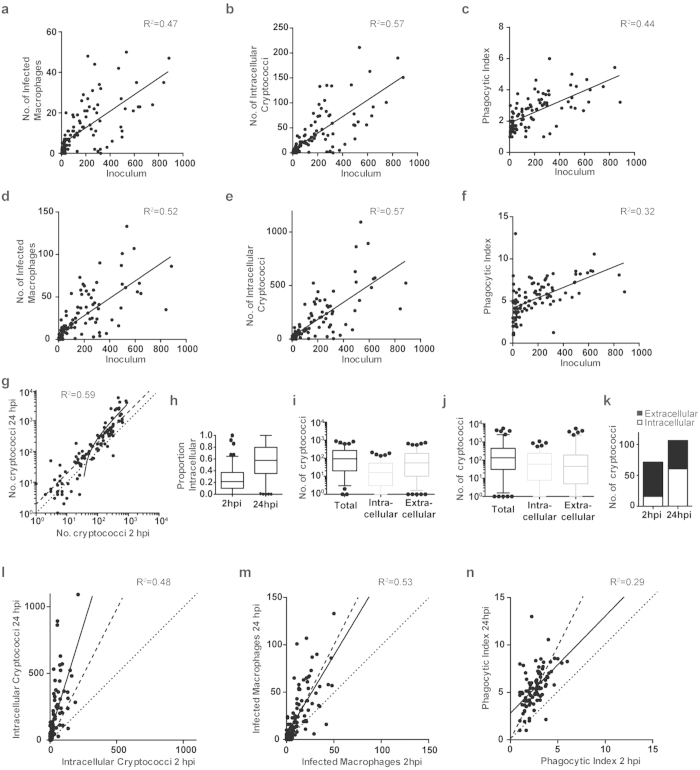
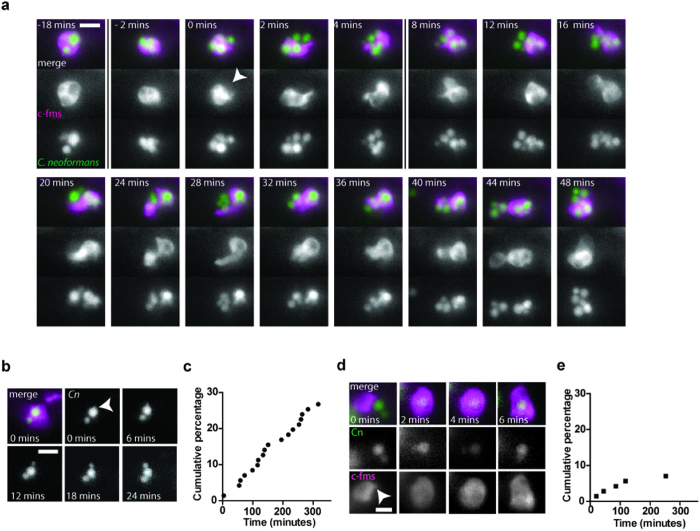
Verification
Claims the paper makes
The claims and statistics of this paper haven’t been checked yet.
Free: it reads the open-access text and checks the first 5 claims that cite a source we can check. Create a free account to check every claim.
Claims other papers make about this one
Each is checked against this paper’s own text: does it say what the citing paper says it does?
The source backs part of the claim, not all of it — or backs it for a different population, condition or comparison.
In the citing paper
“In this regard, intravital microscopy has been recently used to study fungal dissemination through the imaging of dynamic interactions between fungal cells and endothelial cells as well as phagocytes [17, 91–93, 116, 129, 229].”
From Mechanisms of fungal dissemination (2021) · cites this paper as [17]
Experimental — accuracy not yet measured
Self-check
Percentages, sums and reported differences re-computed from the paper’s own numbers.
The self-check needs the paper’s full text.
Citations
Cites
Optical Sectioning Deep Inside Live Embryos by Selective Plane Illumination Microscopy
Huisken, J., Swoger, J., Del Bene, F., Wittbrodt, J., & Stelzer, E. H. K. (2004) · Science · doi:10.1126/science.1100035 · Cited by 2,355
Park, B. J., Wannemuehler, K. A., Marston, B. J., Govender, N., Pappas, P. G., & Chiller, T. M. (2009) · AIDS · doi:10.1097/qad.0b013e328322ffac · Cited by 2,014
The Tol2kit: A multisite gateway‐based construction kit for Tol2 transposon transgenesis constructs
Kwan, K. M., Fujimoto, E., Grabher, C., Mangum, B. D., Hardy, M. E., Campbell, D. S., Parant, J. M., Yost, H. J., Kanki, J. P., & Chien, C. (2007) · Developmental Dynamics · doi:10.1002/dvdy.21343 · Cited by 1,774
mpeg1 promoter transgenes direct macrophage-lineage expression in zebrafish
Ellett, F., Pase, L., Hayman, J. W., Andrianopoulos, A., & Lieschke, G. J. (2011) · Blood · doi:10.1182/blood-2010-10-314120 · Cited by 1,077
A transgenic zebrafish model of neutrophilic inflammation
Renshaw, S. A., Loynes, C. A., Trushell, D. M. I., Elworthy, S., Ingham, P. W., & Whyte, M. K. B. (2006) · Blood · doi:10.1182/blood-2006-05-024075 · Cited by 1,011
Self-citationLister, J. A., Robertson, C. P., Lepage, T., Johnson, S. L., & Raible, D. W. (1999) · Development · doi:10.1242/dev.126.17.3757 · Cited by 819
Zebrafish : a practical approach
Nüsslein‐Volhard, C., & Dahm, R. (2002) · Cited by 697
Zebrafish: A Practical Approach
(2002) · doi:10.1093/oso/9780199638086.001.0001 · Cited by 584
The lta4h Locus Modulates Susceptibility to Mycobacterial Infection in Zebrafish and Humans
Tobin, D. M., Vary, J. C., Ray, J. P., Walsh, G. S., Dunstan, S. J., Bang, N. D., Hagge, D. A., Khadge, S., King, M.-C., Hawn, T. R., et al. (2010) · Cell · doi:10.1016/j.cell.2010.02.013 · Cited by 528
Complementation of a capsule-deficient mutation of Cryptococcus neoformans restores its virulence.
Chang, Y. C., & Kwon-Chung, K. J. (1994) · Molecular and Cellular Biology · doi:10.1128/mcb.14.7.4912 · Cited by 490
Research works printed but not linked: 1
- Malik R. et al. Vetinary Insights into Cryptococcosis Caused by Cryptococcus neoformans and Cryptococcus gattii. (ASM Press, 2011).
Cited by
Trojan Horse Transit Contributes to Blood-Brain Barrier Crossing of a Eukaryotic Pathogen
Santiago-Tirado, F. H., Onken, M. D., Cooper, J. A., Klein, R. S., & Doering, T. L. (2017) · mBio · doi:10.1128/mbio.02183-16 · Cited by 238
“Although Trojan horse crossing was more frequent (36% of recorded events) than nonlytic exocytosis or direct transfer (26% or 3%, respectively) in our system, the latter mechanisms may contribute to brain entry in vivo (19, 57).”
BackgroundThe capsule of Cryptococcus neoformans
Casadevall, A., Coelho, C., Cordero, R. J. B., Dragotakes, Q., Jung, E., Vij, R., & Wear, M. P. (2019) · Virulence · doi:10.1080/21505594.2018.1431087 · Cited by 233
“neoformans strains with larger capsules had worse survival [80].”
BackgroundFungal Strategies to Evade the Host Immune Recognition
Hernández-Chávez, M., Pérez-García, L., Niño-Vega, G., & Mora-Montes, H. (2017) · Journal of Fungi · doi:10.3390/jof3040051 · Cited by 173
“It was also demonstrated that macrophages preferentially phagocytize cells with small capsules [70].”
InfluentialThe pathobiology of human fungal infections
Brown, G. D., Ballou, E. R., Bates, S., Bignell, E., Borman, A. M., Brand, A., Brown, A. J. P., Coelho, C., Cook, P. C., Farrer, R. A., et al. (2024) · Nature Reviews Microbiology · doi:10.1038/s41579-024-01062-w · Cited by 210
“This process has also been described for other fungal pathogens including Candida spp. 117 and been linked to fungal cell transfer between phagocytes 118 .”
Dee, C., Nagaraju, R. T., Athanasiadis, E. I., Gray, C., del Ama, L. F., Johnston, S. A., Secombes, C. J., Cvejic, A., & Hurlstone, A. F. L. (2016) · The Journal of Immunology · doi:10.4049/jimmunol.1600959 · Cited by 159
Self-citationMechanisms of fungal dissemination
Strickland, A. B., & Shi, M. (2021) · Cellular and Molecular Life Sciences · doi:10.1007/s00018-020-03736-z · Cited by 127
Zebrafish as an alternative animal model in human and animal vaccination research
Bailone, R. L., Fukushima, H. C. S., Fernandes, B. H. V., de Aguiar, L. K., Corrêa, T., Janke, H., Setti, P. G., Roça, R. D. O., & Borra, R. C. (2020) · Laboratory Animal Research · doi:10.1186/s42826-020-00042-4 · Cited by 136
“Other microorganisms of importance such as fungi which can cause pathologies in humans, such as Candida albicans [10] , Cryptococcus neoformans [8, 84] and Mucor circinelloides [90] have also been the subject of study with teleosts.”
BackgroundDistinct inflammatory and wound healing responses to complex caudal fin injuries of larval zebrafish
Miskolci, V., Squirrell, J. M., Rindy, J., Vincent, W. J. B., Sauer, J., Gibson, A. L. F., Eliceiri, K. W., & Huttenlocher, A. (2019) · eLife · doi:10.7554/elife.45976 · Cited by 116
“(Bojarczuk et al., 2016; de Oliveira et al., 2019; Rosowski et al., 2018), and mutant lines including casper (White et al.”
Backgroundvan Rhijn, N., & Bromley, M. (2021) · Journal of Fungi · doi:10.3390/jof7050367 · Cited by 132
“The presence of a capsule has clearly been shown to be a key virulence determinant for Cryptococcus species and provides protection from phagocytosis and detection by the host’s immune system [56,57] however the link between capsule size, composition and virulence remains unclear.”
BackgroundImmunology of Cryptococcal Infections: Developing a Rational Approach to Patient Therapy
Elsegeiny, W. A. W., Marr, K. A., & Williamson, P. R. (2018) · Frontiers in Immunology · doi:10.3389/fimmu.2018.00651 · Cited by 117
“The role of AMs and phagocytosis is believed to be critical during early infection, as observed in vivo imaging studies and animal models demonstrating enhanced susceptibility after AM depletion (31, 32).”
BackgroundHif-1α–Induced Expression of Il-1β Protects against Mycobacterial Infection in Zebrafish
Ogryzko, N. V., Lewis, A., Wilson, H. L., Meijer, A. H., Renshaw, S. A., & Elks, P. M. (2019) · The Journal of Immunology · doi:10.4049/jimmunol.1801139 · Cited by 113
Self-citationDetermining macrophage versus neutrophil contributions to innate immunity using larval zebrafish
Rosowski, E. E. (2020) · Disease Models & Mechanisms · doi:10.1242/dmm.041889 · Cited by 104
“Although the yeast could in some cases replicate inside of macrophages, removal of macrophages with either low-dose anti-pu.1 morpholino (Tenor et al., 2015) or clodronate liposomes (Bojarczuk et al., 2016) decreased the survival of larvae and increased fungal growth.”
InfluentialDinoflagellate symbionts escape vomocytosis by host cell immune suppression
Jacobovitz, M. R., Rupp, S., Voss, P. A., Maegele, I., Gornik, S. G., & Guse, A. (2021) · Nature Microbiology · doi:10.1038/s41564-021-00897-w · Cited by 104
The autophagic response to Staphylococcus aureus provides an intracellular niche in neutrophils
Prajsnar, T. K., Serba, J. J., Dekker, B. M., Gibson, J. F., Masud, S., Fleming, A., Johnston, S. A., Renshaw, S. A., & Meijer, A. H. (2020) · Autophagy · doi:10.1080/15548627.2020.1739443 · Cited by 86
“For macrophage depletion, clodronate liposomes were injected at 26 hpf as previously described [38].”
MethodResultSelf-citationA dissemination-prone morphotype enhances extrapulmonary organ entry by Cryptococcus neoformans
Denham, S. T., Brammer, B., Chung, K. Y., Wambaugh, M. A., Bednarek, J. M., Guo, L., Moreau, C. T., & Brown, J. C. S. (2022) · Cell Host & Microbe · doi:10.1016/j.chom.2022.08.017 · Cited by 80
Fungal kinases and transcription factors regulating brain infection in Cryptococcus neoformans
Lee, K.-T., Hong, J., Lee, D.-G., Lee, M., Cha, S., Lim, Y.-G., Jung, K.-W., Hwangbo, A., Lee, Y., Yu, S.-J., et al. (2020) · Nature Communications · doi:10.1038/s41467-020-15329-2 · Cited by 74
Mechanisms of Pulmonary Escape and Dissemination by Cryptococcus neoformans
Denham, S., & Brown, J. (2018) · Journal of Fungi · doi:10.3390/jof4010025 · Cited by 67
“Powerful microscopy work in the zebrafish model of cryptococcosis actually found that, following phagocytosis by macrophages, the size of the cell surface capsule decreases [29].”
BackgroundInfluentialEllett, F. E., Pazhakh, V., Pase, L. B., Benard, E. L., Weerasinghe, H., Azabdaftari, D., Alasmari, S., Andrianopoulos, A., & Lieschke, G. J. (2018) · PLoS Pathogens · doi:10.1371/journal.ppat.1007063 · Cited by 71
The Zebrafish as a Model Host for Invasive Fungal Infections
Rosowski, E. E., Knox, B. P., Archambault, L. S., Huttenlocher, A., Keller, N. P., Wheeler, R. T., & Davis, J. M. (2018) · Journal of Fungi · doi:10.3390/jof4040136 · Cited by 73
“Of the three publications to date featuring cryptococcal infection of zebrafish, two [56,58] have used the yeast form of an especially virulent strain of var.”
BackgroundInfluentialDavis, J. M., Huang, M., Botts, M. R., Hull, C. M., & Huttenlocher, A. (2016) · Infection and Immunity · doi:10.1128/iai.00506-16 · Cited by 62
“541 In conclusion, while in part expanding upon the findings about cryptococcal pathogenesis 542 already made with this new model host (35, 36), we have also been able to reconcile some 543 on A uust 6, 2016 by N O R T H E R N ILIN O IS U N IV http/iai.”
BackgroundHamilton, N., Rutherford, H. A., Petts, J. J., Isles, H. M., Weber, T., Henneke, M., Gärtner, J., Dunning, M. J., & Renshaw, S. A. (2020) · Glia · doi:10.1002/glia.23829 · Cited by 62
“We used the Tg(mpeg1:mCherryCAAX)sh378 labeling the membrane of macrophages and microglia (Bojarczuk et al., 2016), the previously ENU-generated rnaset2AO127 mutant and nacre wild type (WT) to generate the new CRISPR/Cas9 rnaset2sh532 mutant.”
MethodSelf-citationDuvenage, L., Walker, L. A., Bojarczuk, A., Johnston, S. A., MacCallum, D. M., Munro, C. A., & Gourlay, C. W. (2019) · mBio · doi:10.1128/mbio.02535-18 · Cited by 61
Self-citationHow Environmental Fungi Cause a Range of Clinical Outcomes in Susceptible Hosts
Denham, S. T., Wambaugh, M. A., & Brown, J. C. S. (2019) · Journal of Molecular Biology · doi:10.1016/j.jmb.2019.05.003 · Cited by 68
“Studies in zebrafish show >50% of cryptococcal cells are internalized by phagocytes within 24 hours of inoculation [323].”
BackgroundModeling Infectious Diseases in the Context of a Developing Immune System
Masud, S., Torraca, V., & Meijer, A. H. (2016) · Current topics in developmental biology/Current Topics in Developmental Biology · doi:10.1016/bs.ctdb.2016.10.006 · Cited by 65
Denham, S. T., Verma, S., Reynolds, R. C., Worne, C. L., Daugherty, J. M., Lane, T. E., & Brown, J. C. S. (2018) · Infection and Immunity · doi:10.1128/iai.00662-17 · Cited by 59
“during phagocytosis by macrophages (45).”
Vomocytosis of live pathogens from macrophages is regulated by the atypical MAP kinase ERK5
Gilbert, A. S., Seoane, P. I., Sephton-Clark, P., Bojarczuk, A., Hotham, R., Giurisato, E., Sarhan, A. R., Hillen, A., Velde, G. V., Gray, N. S., et al. (2017) · Science Advances · doi:10.1126/sciadv.1700898 · Cited by 54
Self-citationDu, W., Li, H., Tian, B., Sai, S., Gao, Y., Lan, T., Meng, Y., & Ding, C. (2019) · Colloids and Surfaces B Biointerfaces · doi:10.1016/j.colsurfb.2019.110446 · Cited by 57
Miskolci, V., Tweed, K. E., Lasarev, M. R., Britt, E. C., Walsh, A. J., Zimmerman, L. J., McDougal, C. E., Cronan, M. R., Fan, J., Sauer, J., et al. (2022) · eLife · doi:10.7554/elife.66080 · Cited by 59
Hypoxia Induces Macrophage tnfa Expression via Cyclooxygenase and Prostaglandin E2 in vivo
Lewis, A., & Elks, P. M. (2019) · Frontiers in Immunology · doi:10.3389/fimmu.2019.02321 · Cited by 56
Self-citationLev, S., Kaufman-Francis, K., Desmarini, D., Juillard, P. G., Li, C., Stifter, S. A., Feng, C. G., Sorrell, T. C., Grau, G. E. R., Bahn, Y.-S., et al. (2017) · mSphere · doi:10.1128/msphere.00381-16 · Cited by 48
The Interplay of Host Autophagy and Eukaryotic Pathogens
Evans, R. J., Sundaramurthy, V., & Frickel, E. (2018) · Frontiers in Cell and Developmental Biology · doi:10.3389/fcell.2018.00118 · Cited by 53
“neoformans cells are very poorly phagocytosed by host macrophages (Evans et al., 2015; Bojarczuk et al., 2016; Lim et al., 2018), due to the polysaccharide capsule produced by C.”
BackgroundInfection induced inflammation impairs wound healing through IL-1β signaling
Shen, S., Miskolci, V., Dewey, C. N., Sauer, J., & Huttenlocher, A. (2024) · iScience · doi:10.1016/j.isci.2024.109532 · Cited by 52
Infectious disease models in zebrafish
Sullivan, C., Matty, M. A., Jurczyszak, D., Gabor, K. A., Millard, P. J., Tobin, D. M., & Kim, C. H. (2016) · Methods in cell biology · doi:10.1016/bs.mcb.2016.10.005 · Cited by 53
Stones, D. H., Fehr, A. G. J., Thompson, L., Rocha, J., Pérez-Soto, N., Madhavan, V. T. P., Voelz, K., & Krachler, A. M. (2017) · mSphere · doi:10.1128/mspheredirect.00365-17 · Cited by 44
“well-established model for many bacterial (7–9), viral (10), and fungal (11) infections”
BackgroundThe cause and effect of Cryptococcus interactions with the host
Ballou, E. R., & Johnston, S. A. (2017) · Current Opinion in Microbiology · doi:10.1016/j.mib.2017.10.012 · Cited by 44
“cryptococcosis prior to protective immunity [43].”
Self-citationLinnerz, T., & Hall, C. J. (2020) · Frontiers in Immunology · doi:10.3389/fimmu.2020.01094 · Cited by 48
“Tg(mpeg1:mCherry) Tg(mpeg1: mCherryCAAX) Cell labeling (cell membrane) (20)”
Speirs, Z. C., Loynes, C. A., Mathiessen, H., Elks, P. M., Renshaw, S. A., & Jørgensen, L. V. G. (2024) · Fish & Shellfish Immunology · doi:10.1016/j.fsi.2024.109490 · Cited by 53
Self-citationNutritional Requirements and Their Importance for Virulence of Pathogenic Cryptococcus Species
Watkins, R. A., King, J., & Johnston, S. A. (2017) · Microorganisms · doi:10.3390/microorganisms5040065 · Cited by 53
“neoformans can also proliferate within immune cells and show remarkable adaptation during infection, including modulation of virulence mechanisms such as polysaccharide capsule expansion [31].”
BackgroundSelf-citationNormile, T. G., Bryan, A. M., & Poeta, M. D. (2020) · Frontiers in Immunology · doi:10.3389/fimmu.2020.581750 · Cited by 42
“neoformans to “hide” within macrophages protects the yeast against the harsh extracellular environment containing antimicrobial peptides and complement as well as killing by neutrophils, NK cells, and T cells (75).”
BackgroundDragotakes, Q., Fu, M. S., & Casadevall, A. (2019) · The Journal of Immunology · doi:10.4049/jimmunol.1801118 · Cited by 39
“a complex cellular process shown to occur during cryptococcal infection in mice, zebra fish, and amoeba (12, 33, 34).”
BackgroundThe Power of Zebrafish in Personalised Medicine
Baxendale, S., van Eeden, F. J. M., & Wilkinson, R. N. (2017) · Advances in experimental medicine and biology · doi:10.1007/978-3-319-60733-7_10 · Cited by 52
Harnessing Macrophages for Controlled-Release Drug Delivery: Lessons From Microbes
Visser, J. G., Staden, A. D. P. V., & Smith, C. (2019) · Frontiers in Pharmacology · doi:10.3389/fphar.2019.00022 · Cited by 42
“Non-lytic release into the extracellular space has also been observed for Cryptococcus neoformans, albeit at low frequencies of 5–15% in vivo (Bojarczuk et al., 2016).”
BackgroundThe Henna pigment Lawsone activates the Aryl Hydrocarbon Receptor and impacts skin homeostasis
Lozza, L., Moura‐Alves, P., Domaszewska, T., Crespo, C. L., Streață, I., Kreuchwig, A., Puyskens, A., Bechtle, M., Klemm, M., Zedler, U., et al. (2019) · Scientific Reports · doi:10.1038/s41598-019-47350-x · Cited by 48
Polymeric nanobiotics as a novel treatment for mycobacterial infections
Batalha, I. L., Bernut, A., Schiebler, M., Ouberai, M. M., Passemar, C., Klapholz, C., Kinna, S., Michel, S. E. S., Sader, K., Castro‐Hartmann, P., et al. (2019) · Journal of Controlled Release · doi:10.1016/j.jconrel.2019.10.009 · Cited by 39
Self-citationBernut, A., Loynes, C. A., Floto, R. A., & Renshaw, S. A. (2020) · Frontiers in Immunology · doi:10.3389/fimmu.2020.01733 · Cited by 41
Self-citationde Oliveira, H. C., Joffe, L. S., Simon, K. S., Castelli, R. F., Reis, F. C. G., Bryan, A. M., Borges, B. S., Medeiros, L. C. S., Bocca, A. L., Poeta, M. D., et al. (2020) · Antimicrobial Agents and Chemotherapy · doi:10.1128/aac.00286-20 · Cited by 40
“193 Due to the suggested link between therapeutic failure and intracellular 194 proliferation of cryptococci (23, 25, 26), we evaluated whether fenbendazole could 195 influence the fate of C.”
BackgroundMacrophage–Microbe Interactions: Lessons from the Zebrafish Model
Yoshida, N., Frickel, E., & Mostowy, S. (2017) · Frontiers in Immunology · doi:10.3389/fimmu.2017.01703 · Cited by 38
“By tracking individual macrophages over time, the first in vivo observation of vomocytosis (the controlled non-lytic expulsion of pathogens from phagocytes) was captured (55).”
BackgroundInfluentialCharacterizing the Mechanisms of Nonopsonic Uptake of Cryptococci by Macrophages
Lim, J., Coates, C. J., Seoane, P. I., Garelnabi, M., Taylor-Smith, L. M., Monteith, P., Macleod, C. L., Escaron, C. J., Brown, G. D., Hall, R. A., et al. (2018) · The Journal of Immunology · doi:10.4049/jimmunol.1700790 · Cited by 34
“By using a combination of a soluble mannose inhibitor and MR KO tissue, we demonstrated that mannose receptor was not necessary for the uptake of either species of Cryptococcus, in line with recent data from the zebrafish model (40), although this is not the case in primary human macrophages.”
ResultSelf-citationWatkins, R. A., Andrews, A., Wynn, C., Barisch, C., King, J., & Johnston, S. A. (2018) · Frontiers in Cellular and Infection Microbiology · doi:10.3389/fcimb.2018.00108 · Cited by 35
“Nonetheless, vomocytosis has been observed in both cell culture and in vivo models and is thought to significantly contribute to C. neoformans virulence (Alvarez and Casadevall, 2006; Ma et al., 2006; Bojarczuk et al., 2016; Johnston et al., 2016; Gilbert et al., 2017).”
BackgroundSelf-citationHansakon, A., Mutthakalin, P., Ngamskulrungroj, P., Chayakulkeeree, M., & Angkasekwinai, P. (2018) · Virulence · doi:10.1080/21505594.2018.1556150 · Cited by 36
“neoformans strains that had smaller capsules [26].”
Vomocytosis: What we know so far
Seoane, P. I., & May, R. C. (2019) · Cellular Microbiology · doi:10.1111/cmi.13145 · Cited by 39
“In 2016, Bojarczuk et al. were the first to directly show vomocytosis during whole organism infection using the transparent zebrafish larvae model (Bojarczuk et al., 2016).”
BackgroundMethodInfluentialSelf-citationDangerous Liaisons: Interactions of Cryptococcus neoformans with Host Phagocytes
Gaylord, E. A., Choy, H. L., & Doering, T. L. (2020) · Pathogens · doi:10.3390/pathogens9110891 · Cited by 33
“Accordingly, acapsular strains are more avidly engulfed than normal encapsulated strains [15,16], although the association of isolated capsule polysaccharides with their surfaces has been shown to help them resist phagocytosis [17].”
BackgroundEvans, R. J., Pline, K., Loynes, C. A., Needs, S. H., Aldrovandi, M., Tiefenbach, J., Bielska, E., Rubino, R. E., Nicol, C. J. B., May, R. C., et al. (2019) · PLoS Pathogens · doi:10.1371/journal.ppat.1007597 · Cited by 40
“The following zebrafish strains were used for this study: Nacre wild type strain, Tg(mpeg1: mCherryCAAX)sh378) transgenic strain [22] and the double mutant casper, for PPARγ”
BackgroundMethodInfluentialSelf-citationFungal CNS Infections in Africa: The Neuroimmunology of Cryptococcal Meningitis
Mohamed, S. H., Nyazika, T. K., Ssebambulidde, K., Lionakis, M. S., Meya, D. B., & Drummond, R. A. (2022) · Frontiers in Immunology · doi:10.3389/fimmu.2022.804674 · Cited by 39
“neoformans in the lungs and subsequent dissemination to the CNS, causing meningitis/meningoencephalitis (6, 8).”
BackgroundFungal Infection in the Brain: What We Learned from Intravital Imaging
Shi, M., & Mody, C. H. (2016) · Frontiers in Immunology · doi:10.3389/fimmu.2016.00292 · Cited by 33
Salamaga, B., Prajsnar, T. K., Jareño-Martinez, A., Willemse, J. J., Bewley, M. A., Chau, F., Belkacem, T. B., Meijer, A. H., Dockrell, D. H., Renshaw, S. A., et al. (2017) · PLoS Pathogens · doi:10.1371/journal.ppat.1006526 · Cited by 30
“London wild type (LWT) zebrafish [38] were provided by the aquarium facility at the University of Sheffield.”
MethodSelf-citationScherer, A. K., Blair, B. A., Park, J., Seman, B. G., Kelley, J. B., & Wheeler, R. T. (2020) · PLOS Pathogens · doi:10.1371/journal.ppat.1008414 · Cited by 30
Al-Huthaifi, A. M., Radman, B. A., Al-Alawi, A. A., Mahmood, F., & Liu, T. (2024) · Journal of Fungi · doi:10.3390/jof10080586 · Cited by 46
Cryptococcus–Epithelial Interactions
Taylor-Smith, L. M. (2017) · Journal of Fungi · doi:10.3390/jof3040053 · Cited by 29
“Innate immunity research has focused mostly on phagocytes, particularly macrophages as they can have such a detrimental effect on infection in mouse models and are therefore believed to be a central determinant of cryptococcal infection [6,12,13].”
BackgroundNew weapons in the Cryptococcus infection toolkit
Taylor-Smith, L. M., & May, R. C. (2016) · Current Opinion in Microbiology · doi:10.1016/j.mib.2016.07.018 · Cited by 38
Self-citationZebrafish: an underutilized tool for discovery in host–microbe interactions
Stream, A., & Madigan, C. A. (2022) · Trends in Immunology · doi:10.1016/j.it.2022.03.011 · Cited by 30
Elliot, A. M., Myllymäki, H., & Feng, Y. (2020) · Cells · doi:10.3390/cells9041018 · Cited by 25
Gibson, J. F., Bojarczuk, A., Evans, R. J., Kamuyango, A. A., Hotham, R., Lagendijk, A. K., Hogan, B. M., Ingham, P. W., Renshaw, S. A., & Johnston, S. A. (2022) · PLoS Pathogens · doi:10.1371/journal.ppat.1010389 · Cited by 27
“Long term in vivo analysis of infection is not possible in mammalian models; by contrast, the ease of imaging infection in live zebrafish, enables visualisation of infection dynamics over many days [17,18].”
BackgroundSelf-citationFernandes, K. E., Fraser, J. A., & Carter, D. A. (2022) · mBio · doi:10.1128/mbio.00283-22 · Cited by 26
“For example, recent studies have reported larger capsules led to greater virulence in zebrafish (20), that smaller capsules resulted in increased macrophage uptake and decreased longterm patient survival (21), and that there was no association between capsule size and virulence in mice (22).”
Cryptococcosis Associated With Biologic Therapy: A Narrative Review
Li, X., Paccoud, O., Chan, K. H., Yuen, K., Manchon, R., Lanternier, F., Slavin, M. A., van de Veerdonk, F. L., Bicanic, T. A., & Lortholary, O. (2024) · Open Forum Infectious Diseases · doi:10.1093/ofid/ofae316 · Cited by 22
“The capsule size determines early macrophage control of infection and subsequent intracellular proliferation [18].”
BackgroundMomin, M., & Webb, G. (2021) · International Journal of Molecular Sciences · doi:10.3390/ijms22126302 · Cited by 25
“This interaction plays a significant role in the outcome of the disease [36].”
BackgroundInfluentialHost–Biomaterial Interactions in Zebrafish
Witherel, C. E., Gurevich, D., Collin, J. D., Martin, P. B., & Spiller, K. L. (2017) · ACS Biomaterials Science & Engineering · doi:10.1021/acsbiomaterials.6b00760 · Cited by 21
Bayesian Polytrees With Learned Deep Features for Multi-Class Cell Segmentation
Fehri, H., Gooya, A., Lu, Y., Meijering, E. H. W., Johnston, S. A., & Frangi, A. F. (2019) · IEEE Transactions on Image Processing · doi:10.1109/tip.2019.2895455 · Cited by 25
“For example, the identification of different cells within tissue [1] or organelles within cells [2], the sub-cellular localization of proteins [3], the interactions of different cell types in organ development [4], or the immune response during infection [5], as just a few examples of relevant problems in biology.”
BackgroundSelf-citationGibson, J. F., Pidwill, G. R., Carnell, O. T., Surewaard, B. G. J., Shamarina, D., Sutton, J. A. F., Jeffery, C., Derré‐Bobillot, A., Archambaud, C., Siggins, M. K., et al. (2021) · PLoS Pathogens · doi:10.1371/journal.ppat.1009880 · Cited by 26
“2 days post-fertilisation (dpf) of Tg(mpeg1:mCherryCAAX)sh378 [35] were used.”
Self-citationElements of dissemination in cryptococcosis
Bednarek, J. M., & Brown, J. C. S. (2024) · mBio · doi:10.1128/mbio.02155-23 · Cited by 22
“They measured incidence over 12 hours and found that 5%–15% of fungi-loaded macrophages underwent vomocytosis in that time period (113).”
Gerstein, A. C., & Nielsen, K. (2017) · Yeast · doi:10.1002/yea.3222 · Cited by 24
Pathogenicity and virulence of Cryptococcus neoformans from an environmental perspective
Casadevall, A. (2025) · Virulence · doi:10.1080/21505594.2025.2547090 · Cited by 19
“2) How does CN have the capacity to infect and cause diseases in diverse hosts such as mammals [24], insects [136], fish [137], reptiles [138], birds [139] amphibians [140], and plants [141]?”
Liu, Y., Zhang, Y., Zhao, X., Lu, W., Zhong, Y., & Fu, Y. V. (2023) · Microbiology Spectrum · doi:10.1128/spectrum.04562-22 · Cited by 20
“ocytosed, the polysaccharide capsules can continue to protect cells from macrophage killing by providing resistance to reactive oxygen species released by macrophages (17, 18).”
BackgroundRoles for Microglia in Cryptococcal Brain Dissemination in the Zebrafish Larva
Nielson, J. A., & Davis, J. M. (2023) · Microbiology Spectrum · doi:10.1128/spectrum.04315-22 · Cited by 15
“We have been unable to test the role of macrophages in BBB crossing directly, as their complete absence alters the course of pathogenesis in favor of overwhelming infection (35).”
BackgroundIlluminating Macrophage Contributions to Host-Pathogen Interactions In Vivo : the Power of Zebrafish
Rosowski, E. E. (2020) · Infection and Immunity · doi:10.1128/iai.00906-19 · Cited by 18
“charide capsule over the course of infection, inhibiting this uptake (13, 66).”
BackgroundAutomated Measurement of Cryptococcal Species Polysaccharide Capsule and Cell Body
Dragotakes, Q., & Casadevall, A. (2018) · Journal of Visualized Experiments · doi:10.3791/56957 · Cited by 15
Garcia, A. W. A., Kinskovski, U. P., Diehl, C., Reuwsaat, J. C. V., Motta, H., Pinto, H. B., Trentin, D. D. S., de Oliveira, H. C., Rodrigues, M. L., Becker, E. M., et al. (2020) · Fungal Genetics and Biology · doi:10.1016/j.fgb.2020.103438 · Cited by 20
Alternative Non-Mammalian Animal and Cellular Methods for the Study of Host–Fungal Interactions
Fusco‐Almeida, A. M., Silva, S. D. M., dos Santos, K. S., Gualque, M. W. D. L., Vaso, C. O., Carvalho, A. R., Medina‐Alarcón, K. P., Pires, A. C. M. D. S., Belizário, J. A., Fernandes, L. D. S., et al. (2023) · Journal of Fungi · doi:10.3390/jof9090943 · Cited by 17
Dragotakes, Q., Jacobs, E., Ramirez, L. S., Yoon, O. I., Perez-Stable, C. T., Eden, H. E., Pagnotta, J., Vij, R., Bergman, A., D’Alessio, F. R., et al. (2022) · PLoS Pathogens · doi:10.1371/journal.ppat.1010697 · Cited by 15
An arginase 2 promoter transgenic line illuminates immune cell polarisation in zebrafish
Hammond, F. R., Lewis, A., Speirs, Z. C., Anderson, H. E., Sipka, T., Williams, L. G., Chi, M. N., Meijer, A. H., Wiegertjes, G. F., & Elks, P. M. (2023) · Disease Models & Mechanisms · doi:10.1242/dmm.049966 · Cited by 14
“To investigate expression in immune cells, the TgBAC(arg2:eGFP)sh571 ( arg2:GFP ) reporter line was crossed with the macrophage reporters Tg(mpeg1:mCherryCAAX)sh378 (Bojarczuk et al., 2016) ( mpeg:mCherry ) and Tg(fms:Gal4.”
Self-citationThanh, L. T., Toffaletti, D. L., Tenor, J. L., Giamberardino, C. D., Sempowski, G. D., Asfaw, Y. G., Phan, H. T., Duong, A. V., Trinh, N. M., Thwaites, G. E., et al. (2020) · Medical Mycology · doi:10.1093/mmy/myaa013 · Cited by 14
Are macrophages the heroes or villains during cryptococcosis?
Rudman, J., Evans, R. J., & Johnston, S. A. (2019) · Fungal Genetics and Biology · doi:10.1016/j.fgb.2019.103261 · Cited by 13
Self-citationSingulani, J. D. L., Oliveira, L. T., Ramos, M. D., Fregonezi, N. F., Gomes, P. C., Galeane, M. C., Palma, M. S., Fusco‐Almeida, A. M., & Mendes‐Giannini, M. J. S. (2021) · Antimicrobial Agents and Chemotherapy · doi:10.1128/aac.00904-21 · Cited by 15
Jung, E. H., Park, Y., Dragotakes, Q., Ramirez, L. S., Smith, D. F. Q., Reis, F. C. G., Dziedzic, A., Rodrigues, M. L., Baker, R. P., Williamson, P. R., et al. (2022) · microLife · doi:10.1093/femsml/uqac015 · Cited by 13
“Non-lytic exocytosis is the ability of the yeast to escape from its host macrophage with both host and pathogen remaining viable (Alvarez and Casadevall, 2006; Ma et al., 2006) and this phenomenon has been shown to occur in vivo in mice (Nicola et al., 2011) and zebra fish (Bojarczuk et al., 2016).”
BackgroundGibson, R. H., Evans, R. J., Hotham, R., Bojarczuk, A., Lewis, A., Bielska, E., May, R. C., Elks, P. M., Renshaw, S. A., & Johnston, S. A. (2017) · bioRxiv (Cold Spring Harbor Laboratory) · doi:10.1101/131540 · Cited by 14
“Measurement of macrophage and cryptococcal intracellular and extracellular numbers was completed as described previously in detail (Bojarczuk et al., 2016).”
BackgroundMethodInfluentialSelf-citationDnaJ-PKAc fusion induces liver inflammation in a zebrafish model of Fibrolamellar Carcinoma
de Oliveira, S., Houseright, R. A., Korte, B. G., & Huttenlocher, A. (2020) · Disease Models & Mechanisms · doi:10.1242/dmm.042564 · Cited by 13
Liposome-Mediated Drug Delivery in Larval Zebrafish to Manipulate Macrophage Function
Wu, Z., Koh, B., Lawrence, L. M., Kanamala, M., Pool, B., Svirskis, D. M., Dalbeth, N., Astin, J. W., Crosier, K. E., Crosier, P. S., et al. (2019) · Zebrafish · doi:10.1089/zeb.2018.1681 · Cited by 11
Trécourt, A., Rabodonirina, M., Donzel, M., Chapey, E., Bentaher, A., Dupont, D., Miossec, C., Persat, F., Wallon, M., Lemoine, J.-P., et al. (2024) · Medical Mycology · doi:10.1093/mmy/myae126 · Cited by 12
“Moreover, initial intracellular forms of cryptococci have been reported as smaller than classical cryptococci, with a thin-ner capsule, 20 complicating the distinction with intracellular H. capsulatum var . capsulatum .”
Damera, S. K., Panigrahi, R. K., Mitra, S., & Basu, S. (2021) · Pathogens · doi:10.3390/pathogens10030333 · Cited by 11
“1% phenol red suspension were injected intravenously into the caudal vein of 3 dpf Tg (mpeg1: BB) larvae [33].”
BackgroundMethodDifferential In Vitro Cytokine Induction by the Species of Cryptococcus gattii Complex
Herkert, P. F., dos Santos, J. C., Hagen, F., Ribeiro‐Dias, F., Queiroz‐Telles, F., Netea, M. G., Meis, J. F. G. M., & Joosten, L. A. B. (2018) · Infection and Immunity · doi:10.1128/iai.00958-17 · Cited by 12
Ehemann, K., Mantilla, M. J., Mora-Restrepo, F., Rios-Navarro, A., Torres, M., & Ramírez, A. M. C. (2022) · PLoS Pathogens · doi:10.1371/journal.ppat.1010784 · Cited by 13
“methodology was used to visualize the interaction of macrophage cells in zebrafish and Cryptococcus neoformans [32].”
BackgroundMethodReal-time imaging reveals a role for macrophage protrusive motility in melanoma invasion
Ramakrishnan, G., Miskolci, V., Hunter, M. V., Giese, M. A., Münch, D., Hou, Y., Eliceiri, K. W., Lasarev, M. R., White, R. M., & Huttenlocher, A. (2024) · The Journal of Cell Biology · doi:10.1083/jcb.202403096 · Cited by 8
Roosen, L., Maes, D., Musetta, L., & Himmelreich, U. (2024) · Journal of Fungi · doi:10.3390/jof10020146 · Cited by 12
Ellis, P. S., Martins, R. R., Thompson, E. J., Farhat, A., Renshaw, S. A., & Henriques, C. M. (2022) · Immunity & Ageing · doi:10.1186/s12979-022-00287-8 · Cited by 10
“1: mcherry caax) [68] and a neutrophil-specific reporter (mpx:gfp) [69] transgenics.”
Self-citationLee, C. W. J., Brisland, A., Qu, X., Horianopoulos, L. C., Hu, G., Mayer, F. L., & Kronstad, J. W. (2024) · Frontiers in Cellular and Infection Microbiology · doi:10.3389/fcimb.2024.1448229 · Cited by 9
Hain, S., Fu, M. S., Wigg, L., George, L., Lecky, D. A. J., Whitehead, A. J., Clipston, E., Sato, K., Lab), M. O. (., Wüthrich, M., et al. (2025) · Nature Communications · doi:10.1038/s41467-025-64034-5 · Cited by 9
Immune evasion by Cryptococcus gattii in vaccinated mice coinfected with C. neoformans
Hester, M. M., Carlson, D., Lodge, J. K., Levitz, S. M., & Specht, C. A. (2024) · Frontiers in Immunology · doi:10.3389/fimmu.2024.1356651 · Cited by 9
“Yeast cells with larger capsule sizes are also less susceptible to phagocytosis (72), which could reduce crossing of the blood-brain barrier via the Trojan horse mechanism [reviewed in (73)].”
Sac1 links phosphoinositide turnover to cryptococcal virulence
Gaylord, E. A., Choy, H. L., Chen, G., Briner, S. L., & Doering, T. L. (2024) · mBio · doi:10.1128/mbio.01496-24 · Cited by 7
AcuDGene Knockout Attenuates the Virulence ofTalaromyces marneffeiin a Zebrafish Model
Feng, J., Chen, Z., He, L., Xiao, X., Chen, C., Chu, J., Mylonakis, E. E., & Xi, L. (2019) · Mycobiology · doi:10.1080/12298093.2019.1620975 · Cited by 9
Repurposing benzimidazoles to fight Cryptococcus
de Oliveira, H. C., & Rodrigues, M. L. (2021) · Fungal Biology Reviews · doi:10.1016/j.fbr.2021.04.002 · Cited by 10
Metadata
- Authors
- Bojarczuk, A., Miller, K. A., Hotham, R., Lewis, A., Ogryzko, N. V., Kamuyango, A. A., Frost, H., Gibson, R. H., Stillman, E., May, R. C., Renshaw, S. A., & Johnston, S. A.
- Affiliations
- University of Sheffield (GB)
- University of Birmingham (GB)
- University Hospitals Birmingham NHS Foundation Trust (GB)
- Corresponding author
- Johnston, Simon A.
- ORCID
- Venue
- Scientific Reports
- Published
- 2016-02-18
- Volume
- 6
- Issue
- 1
- Pages
- 21489-21489
- ISSN
- 2045-2322 (ISSN-L)
- PMC
- PMC4757829
- OpenAlex
- W2278506590
- Cited by
- 170
- References
- 59
- Citations by year
- 2026: 7 · 2025: 14 · 2024: 23 · 2023: 9 · 2022: 17 · 2021: 10 · 2020: 26 · 2019: 21 · 2018: 18 · 2017: 17 · 2016: 8
- FWCI
- 19.97
- Type
- journal article
- Language
- en
- Open access
- gold
- doi.org
- Licence
- cc-by
- creativecommons.org/licenses/by/4.0 (tdm)
- creativecommons.org/licenses/by/4.0 (vor)
- Locations
- Scientific Reports (publishedVersion, cc-by)
- Europe PMC (PubMed Central) (publishedVersion, cc-by)
- PubMed Central (publishedVersion, cc-by)
- PubMed (publishedVersion)
- White Rose Research Online (University of Leeds, The University of Sheffield, University of York) (acceptedVersion)
- DMU Open Research Archive (De Montfort University) (submittedVersion)
- University of Birmingham Research Portal (University of Birmingham) (submittedVersion, cc-by)
- Funders
- Wellcome Trust (097377/Z/11/Z, 097377, RCHX14191)
- Department for International Development
- Directorate for Biological Sciences
- Medical Research Council (MR/M004864/1, MR/J008176/1, MR/J009156/1, G0701932, G0700091, R/140419, MR/J009156)
- Biotechnology and Biological Sciences Research Council (BB/L000830/1)
- Topics
- Health Sciences › Medicine › Infectious Diseases › Fungal Infections and Studies
- Health Sciences › Medicine › Infectious Diseases › Antifungal resistance and susceptibility
- Life Sciences › Immunology and Microbiology › Parasitology › Parasitic infections in humans and animals
- Keywords
- Cryptococcus neoformans, cryptococcosis, macrophages, phagocytosis, intracellular growth, capsule size, polysaccharide capsule, zebrafish infection model, high-content imaging, immunocompromised patients
- MeSH terms
- Animals, Cryptococcosis, Cryptococcus neoformans, Fish Diseases, Macrophages, Zebrafish, Organisms, Genetically Modified, Cell Proliferation
About these checks
Registry, retraction, Cites and statistics results are computed, not judged, with one exception: a printed reference that no index lists is read once by a model before it counts as a citation error. Claims are extracted by a model and kept only when their quote appears verbatim in the text; each cited source is then checked, with a model’s help, for whether it says what the claim relies on. Those verdicts can be wrong — read the claim’s quote and the cited source before relying on one.
Statistics and arithmetic are recomputed, not judged.
Confidence bands are shown only for fields calibrated on our annotated test set. None is calibrated yet, so no band is shown.
What counts as a claim ›How we measure confidence ›How we check this ›
Are you an author, or do you see a problem with this page? Request a review
Data sources
Bibliographic data: Semantic Scholar, OpenAlex, Crossref.
Contains information from the Semantic Scholar Academic Graph Datasets, made available under the ODC Attribution License (ODC-BY 1.0).
Semantic Scholar’s data is described in: Kinney, R., et al. (2023). The Semantic Scholar Open Data Platform. arXiv:2301.10140.
