

Reference Values for Healthy Swallowing Across the Range From Thin to Extremely Thick Liquids
Open accessThe DOI matches its Crossref record; 83 of the 83 references it cites were found in a registry or an index.
Abstract
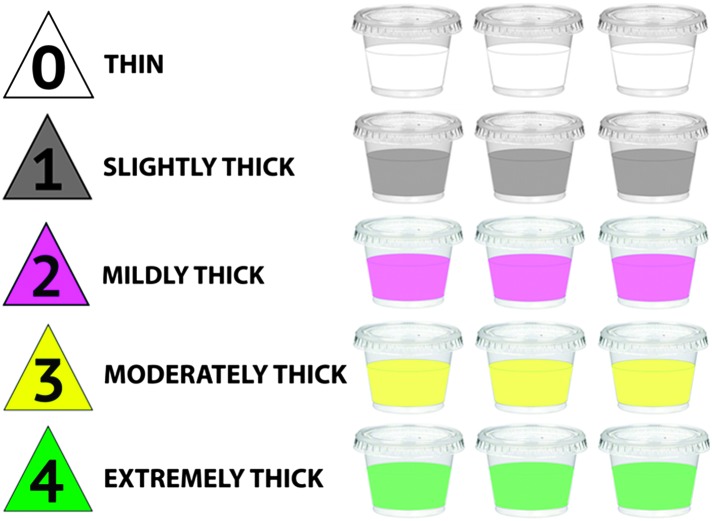
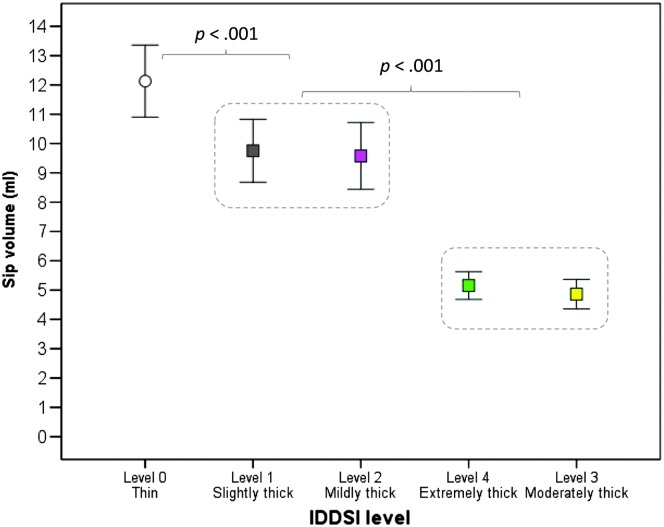
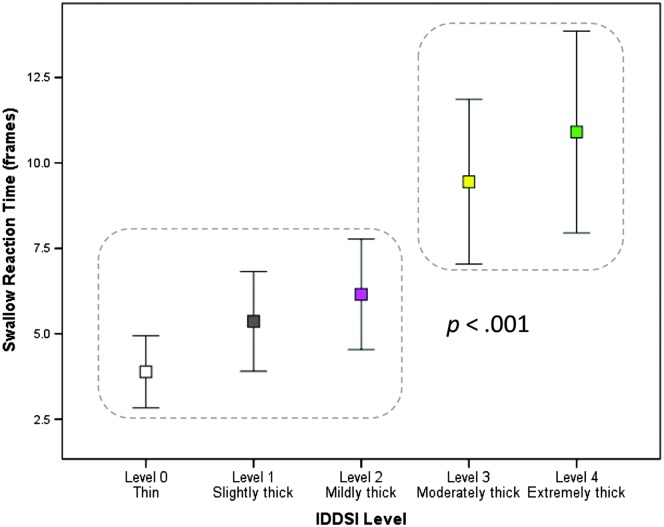
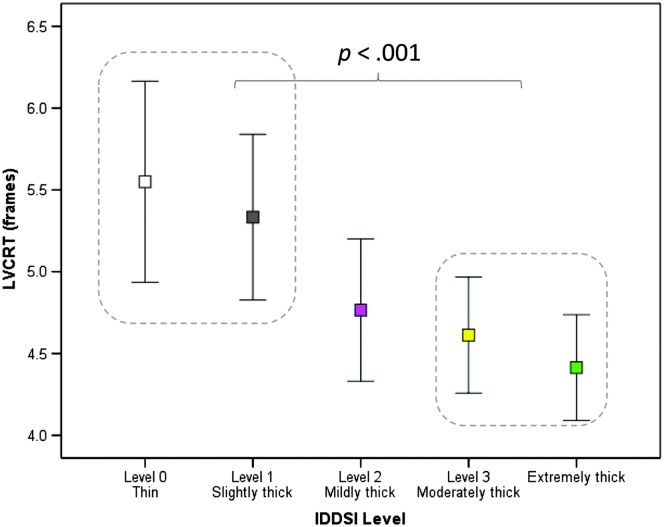
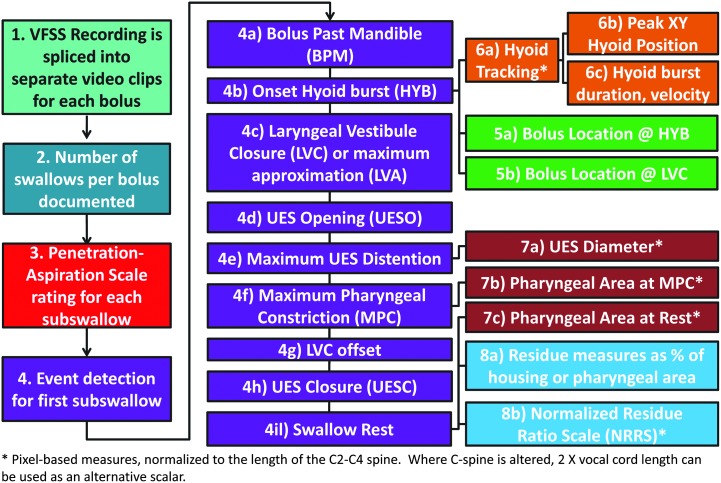
Purpose: Thickened liquids are frequently used as an intervention for dysphagia, but gaps persist in our understanding of variations in swallowing behavior based on incremental thickening of liquids. The goal of this study was to establish reference values for measures of bolus flow and swallowing physiology in healthy adults across the continuum from thin to extremely thick liquids. Method: A sex-balanced sample of 38 healthy adults underwent videofluoroscopy and swallowed 20% weight-to-volume concentration barium prepared in thin and slightly, mildly, moderately, and extremely thick consistencies using a xanthan gum thickener. Participants took comfortable sips and swallowed without a cue; sip volume was measured based on presip and postsip cup weights. A standard operating procedure (the ASPEKT method: Analysis of Swallowing Physiology: Events, Kinematics and Timing) was used to analyze videofluoroscopy recordings. Results: The results clarify that, for thin liquid sips (10–14 ml), a single swallow without clearing swallows is typical and is characterized by complete laryngeal vestibule closure, complete pharyngeal constriction, and minimal postswallow residue. Aspiration was not seen, and penetration was extremely rare. Bolus position at swallow onset was variable, extending as low as the pyriform sinuses in 37% of cases. With thicker liquids, no changes in event sequencing, laryngeal vestibule closure, pharyngeal constriction, or postswallow residue were seen. The odds of penetration were significantly reduced. A longer timing interval until onset of the hyoid burst movement was seen, with an associated higher bolus position at swallow onset. Other timing measures remained unaffected by changes in bolus consistency. Conclusion: The results include new reference data for swallowing in healthy adults across the range from thin to extremely thick liquids.
Overview
The claims and statistics of this paper haven’t been checked yet.
Free: it reads the open-access text and checks the first 5 claims that cite a source we can check. Create a free account to check every claim.
Integrity signals
Registry
Cites
Statistics
Figures
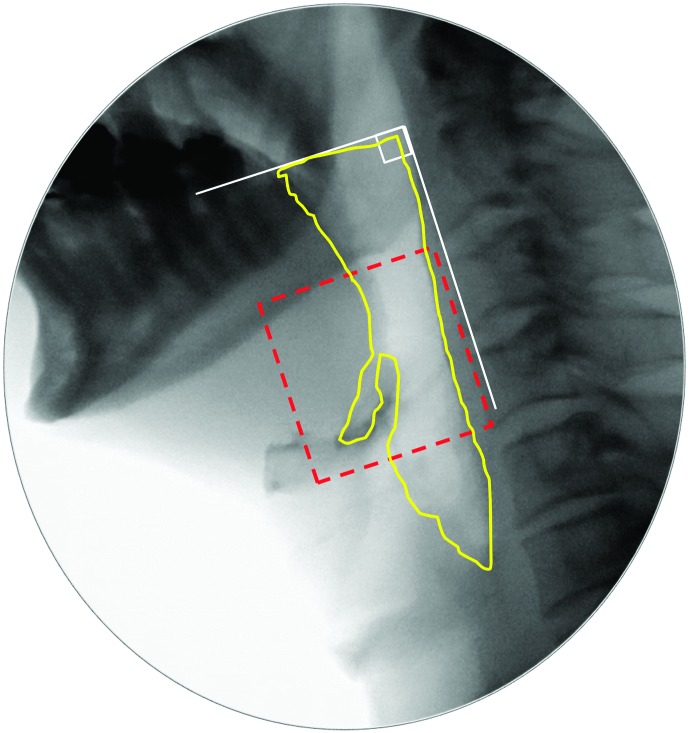
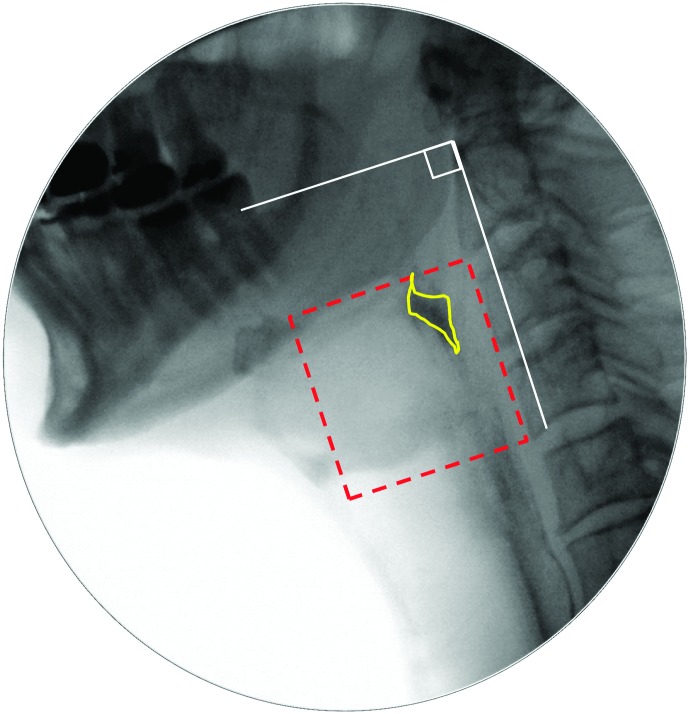
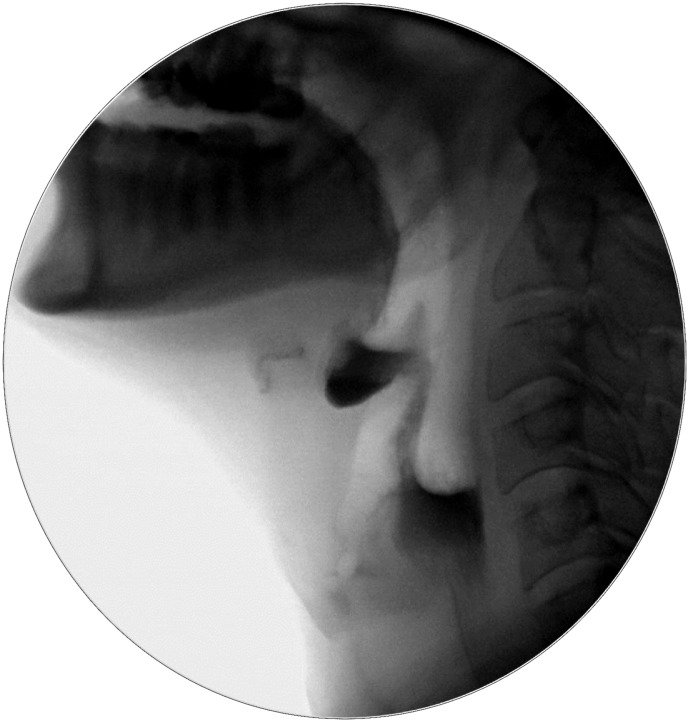
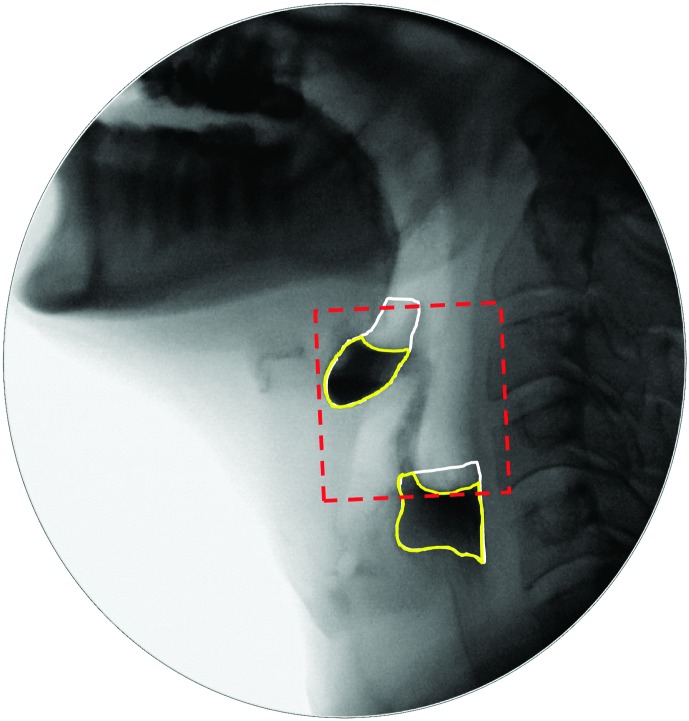
Verification
Claims the paper makes
The claims and statistics of this paper haven’t been checked yet.
Free: it reads the open-access text and checks the first 5 claims that cite a source we can check. Create a free account to check every claim.
Claims other papers make about this one
Each is checked against this paper’s own text: does it say what the citing paper says it does?
The check wasn’t confident either way, so it gives no verdict — never disputed.
In the citing paper
“as the y-axis can be approximated as parallel to the pharynx [10]”
From Automated pharyngeal phase detection and bolus localization in videofluoroscopic swallowing study: killing two birds with one stone? (2022) · cites this paper as [10]
Experimental — accuracy not yet measuredIn the citing paper
“However, VFSS rating remains a lengthy process, as it requires frame-by-frame inspection of the recorded video [10].”
From Automated pharyngeal phase detection and bolus localization in videofluoroscopic swallowing study: killing two birds with one stone? (2022) · cites this paper as [10]
In the citing paper
“In particular, the pharyngeal phase is the time window of the swallow event that contains most of the clinical parameters of interest, and a thorough evaluation of it is essential for detecting the presence of penetration-aspiration [10].”
From Automated pharyngeal phase detection and bolus localization in videofluoroscopic swallowing study: killing two birds with one stone? (2022) · cites this paper as [10]
Self-check
Percentages, sums and reported differences re-computed from the paper’s own numbers.
The self-check needs the paper’s full text.
Citations
Cites
A penetration-aspiration scale
Rosenbek, J. C., Robbins, J. A., Roecker, E. B., Coyle, J. L., & Wood, J. L. (1996) · Dysphagia · doi:10.1007/bf00417897 · Cited by 2,803
Cichero, J. A. Y., Lam, P., Steele, C. M., Hanson, B., Chen, J., Dantas, R. O., Duivestein, J., Kayashita, J., Lecko, C., Murray, J., et al. (2017) · Dysphagia · doi:10.1007/s00455-016-9758-y · Cited by 1,137
Self-citationMBS Measurement Tool for Swallow Impairment—MBSImp: Establishing a Standard
Martin-Harris, B., Brodsky, M. B., Michel, Y., Castell, D. O., Schleicher, M., Sandidge, J., Maxwell, R., & Blair, J. (2008) · Dysphagia · doi:10.1007/s00455-008-9185-9 · Cited by 685 · cited 2×
“…2017; Hind et al., 2012; Humbert et al., 2018; Jardine et al., 2018; Kendall & Leonard, 2001; Kendall et al., 2003, 2000; Leonard, Kendall, & McKenzie, 2004; Leonard & McKenzie, 2006; Martin-Harris et al., 2008, 2007), or different contrast media (Baijens et al., 2011; Clavé et al., 2008, 2006).”
MethodOropharyngeal swallowing in normal adults of different ages
Robbins, J., Hamilton, J. W., Lof, G. L., & Kempster, G. B. (1992) · Gastroenterology · doi:10.1016/0016-5085(92)90013-o · Cited by 669
Steele, C. M., Alsanei, W. A., Ayanikalath, S., Barbon, C. E. A., Chen, J., Cichero, J. A. Y., Coutts, K., Dantas, R. O., Duivestein, J., Giosa, L., et al. (2015) · Dysphagia · doi:10.1007/s00455-014-9578-x · Cited by 616
Self-citationThe Effects of Lingual Exercise in Stroke Patients With Dysphagia
Robbins, J., Kays, S. A., Gangnon, R. E., Hind, J. A., Hewitt, A. L., Gentry, L. R., & Taylor, A. J. (2007) · Archives of Physical Medicine and Rehabilitation · doi:10.1016/j.apmr.2006.11.002 · Cited by 523
Clavé, P., Arreola, V., Romea, M., Medina, L., Palomera, E., & Serra-Prat, M. (2008) · Clinical Nutrition · doi:10.1016/j.clnu.2008.06.011 · Cited by 488 · cited 3×
“…caution is warranted when comparing the results of this study to those in which different volumes have been tested (e.g., Bisch et al., 1994; Clavé et al., 2008, 2006; Humbert et al., 2018; Jardine et al., 2018; Kendall & Leonard, 2001; Kendall et al., 2003, 2000; Leonard & McKenzie, 2006;…”
ResultThe effect of bolus viscosity on swallowing function in neurogenic dysphagia
CLAVÉ, P., DE KRAA, M., ARREOLA, V., GIRVENT, M., FARRÉ, R., PALOMERA, E., & SERRA‐PRAT, M. (2006) · Alimentary Pharmacology & Therapeutics · doi:10.1111/j.1365-2036.2006.03118.x · Cited by 474 · cited 4×
“…caution is warranted when comparing the results of this study to those in which different volumes have been tested (e.g., Bisch et al., 1994; Clavé et al., 2008, 2006; Humbert et al., 2018; Jardine et al., 2018; Kendall & Leonard, 2001; Kendall et al., 2003, 2000; Leonard & McKenzie, 2006;…”
BackgroundResultInfluentialIDENTIFICATION OF STIMULI CONTROLLING THE SENSORY EVALUATION OF VISCOSITY II. Oral Methods
SHAMA, F., & SHERMAN, P. (1973) · Journal of Texture Studies · doi:10.1111/j.1745-4603.1973.tb00657.x · Cited by 419 · cited 1×
“…or clinical changes at these boundaries St (American Dietetic Association, 2002) and the use of 50 reciprocal seconds to represent shear rates in the mouth has been questioned by several authors (Cutler, Morris, & Taylor, 1983; Hanson, 2016; Ong, Steele, & Duizer, 2018a; Shama & Sherman, 1973).”
BackgroundLogemann, J. A., Gensler, G., Robbins, J., Lindblad, A. S., Brandt, D., Hind, J. A., Kosek, S., Dikeman, K., Kazandjian, M., Gramigna, G. D., et al. (2008) · Journal of Speech, Language, and Hearing Research · doi:10.1044/1092-4388(2008/013 · Cited by 413
Research works printed but not linked: 14
- American Dietetic Association. (2002). National dysphagia diet: Standardization for optimal care. Chicago, IL: Author.
- Kotrlik J. W., & Williams H. A. (2003). The incorporation of effect size in informaton technology, learning, and performance research. Information Technology, Learning, and Performance Journal, 21(1), 1– 7.
- Mayer J., Rogus-Pulia N., Peppler W., & Thibeault S. (2018, March). Effects of recording rate, screen calibration, and room ambient lighting on videofluoroscopic swallow study outcomes. Paper presented at the Dysphagia Research Society Meeting, Baltimore, MD.
- Péladeau-Pigeon M., & Steele C. M. (2013). Technical aspects of a videofluoroscopic swallowing study. Canadian Journal of Speech-Language Pathology and Audiology, 37(3), 216– 226.
- Steele C. M., Péladeau-Pigeon M., Tam K. L., Zohouri-Haghian N., & Mukhurjee R (2015, March). Poster #97: Variations in sip volume as a function of pre-sip cup volume. Poster presented at the Dysphagia Research Society 23rd Annual Meeting, Chicago, IL.
- Leonard R. J. (2017). Two methods for quantifying pharyngeal residue on fluoroscopic swallow studies: Reliability assessment. Annals of Otolaryngology and Rhinology, 4(3), 1168.
- Martin-Harris B., Brodsky M. B., Michel Y., Castell D. O., Schleicher M., Sandidge J., … Blair J. (2008). MBS measurement tool for swallow impairment—MBSImp: Establishing a standard. Dysphagia, 23(4), 392– 405. https://doi.org/10.1007/s00455-008-9185-9 18855050 PMC4217120 · DOI · Paper page
- Molfenter S. M., & Steele C. M. (2014). Use of an anatomical scalar to control for sex-based size differences in measures of hyoid excursion during swallowing. Journal of Speech, Language, and Hearing Research, 57(3), 768– 778. https://doi.org/10.1044/2014_JSLHR-S-13-0152 PMC4318235 24686851 · DOI · Paper page
- Nagy A., Leigh C., Hori S. F., Molfenter S. M., Shariff T., & Steele C. M. (2013). Timing differences between cued and noncued swallows in healthy young adults. Dysphagia, 28, 428– 434. https://doi.org/10.1007/s00455-013-9456-y 23456325 · DOI
- Nagy A., Molfenter S. M., Peladeau-Pigeon M., Stokely S., & Steele C. M. (2014). The effect of bolus volume on hyoid kinematics in healthy swallowing. Biomed Research International, 2014, Article ID 738971. https://doi.org/10.1155/2014/738971 PMC3981110 24779015 · DOI
- Pearson W. G. Jr., Molfenter S. M., Smith Z. M., & Steele C. M. (2012). Image-based measurement of post-swallow residue: The Normalized Residue Ratio Scale. Dysphagia, 28, 167– 177. https://doi.org/10.1007/s00455-012-9426-9 23089830 PMC3584199 · DOI · Paper page
- Perlman A. L., Vandaele D. J., & Otterbacher M. S. (1995). Quantitative assessment of hyoid bone displacement from video images during swallowing. Journal of Speech and Hearing Research, 38(3), 579– 585. 7674650 · DOI
- Robbins J., Hamilton J. W., Lof G. L., & Kempster G. B. (1992). Oropharyngeal swallowing in normal adults of different ages. Gastroenterology, 103(3), 823– 829. 1499933 · DOI · Paper page
- Rosenbek J. C., Robbins J. A., Roecker E. B., Coyle J. L., & Wood J. L. (1996). A penetration–aspiration scale. Dysphagia, 11(2), 93– 98. 8721066 · DOI · Paper page
Cited by
Use of the Penetration-Aspiration Scale in Dysphagia Research: A Systematic Review
Borders, J. C., & Brates, D. (2019) · Dysphagia · doi:10.1007/s00455-019-10064-3 · Cited by 176
Diagnosis and treatment of neurogenic dysphagia – S1 guideline of the German Society of Neurology
Dziewas, R., Allescher, H., Aroyo, I., Bartolome, G., Beilenhoff, U., Bohlender, J. E., Breitbach-Snowdon, H., Fheodoroff, K., Glahn, J., Heppner, H.-J., et al. (2021) · Neurological Research and Practice · doi:10.1186/s42466-021-00122-3 · Cited by 161
“Despite this ongoing discussion focused on terminology and definition issues [142], the effect of liquid thickening on the safety and efficacy of the swallow has been extensively investigated [143].”
BackgroundOng, J. J., Steele, C. M., & Duizer, L. M. (2018) · Food Hydrocolloids · doi:10.1016/j.foodhyd.2018.05.043 · Cited by 117
Self-citationDysphagia after cardiac surgery: Prevalence, risk factors, and associated outcomes
Plowman, E. K., Anderson, A. S., Dallal-York, J., DiBiase, L., Vasilopoulos, T., Arnaoutakis, G. J., Beaver, T. M., Martin, T. D., & Jeng, E. I.-H. (2021) · Journal of Thoracic and Cardiovascular Surgery · doi:10.1016/j.jtcvs.2021.02.087 · Cited by 91
Curtis, J. A., Borders, J. C., Perry, S. E., Dakin, A. E., Seikaly, Z. N., & Troche, M. S. (2021) · Dysphagia · doi:10.1007/s00455-021-10293-5 · Cited by 87
“• “After the swallow” began when the pharynx and larynx first returned to their lowest resting positions [52, 63] and ended with the first of any of the following three”
BackgroundWhich Physiological Swallowing Parameters Change with Healthy Aging?
Mancopes, R., Gandhi, P., Smaoui, S., & Steele, C. M. (2021) · OBM Geriatrics · doi:10.21926/obm.geriatr.2101153 · Cited by 83
“1 Participants Data were collected from a sex-balanced sample of 38 healthy adults aged 60-plus (range 61–82) and pooled with the under-60 reference data (n=38) previously described by Steele and colleagues [28].”
BackgroundMethodInfluentialSelf-citationHadde, E. K., Mossel, B., Chen, J., & Prakash, S. (2021) · Food Hydrocolloids for Health · doi:10.1016/j.fhfh.2021.100038 · Cited by 74
Effectiveness of Interventions for Dysphagia in Parkinson Disease: A Systematic Review
Gandhi, P., & Steele, C. M. (2021) · American Journal of Speech-Language Pathology · doi:10.1044/2021_ajslp-21-00145 · Cited by 63
Self-citationThe risk of penetration–aspiration related to residue in the pharynx
Steele, C. M., Peladeau-Pigeon, M., Barrett, E., & Wolkin, T. S. (2020) · American Journal of Speech-Language Pathology · doi:10.1044/2020_ajslp-20-00042 · Cited by 57
Self-citationModulation of pharyngeal swallowing by bolus volume and viscosity
Ferris, L. F., Doeltgen, S., Cock, C., Rommel, N., Schar, M. S., Carrión, S., Scholten, I., & Omari, T. I. (2020) · American Journal of Physiology-Gastrointestinal and Liver Physiology · doi:10.1152/ajpgi.00270.2020 · Cited by 55
Reference Values for Videofluoroscopic Measures of Swallowing: An Update
Steele, C. M., Bayley, M. T., Bohn, M. K., Higgins, V., Péladeau-Pigeon, M., & Kulasingam, V. (2023) · Journal of Speech Language and Hearing Research · doi:10.1044/2023_jslhr-23-00246 · Cited by 53
“…of swallowing physiology, which document the 2.5th, 50th, and 97.5th percentiles, for healthy adults across a broader age range, from 21 to 82 years, including the original sample described previously (Steele et al., 2019) and an additional cohort of healthy older adults aged 60 – 82 years.”
InfluentialSelf-citationWaito, A. A., Plowman, E. K., Barbon, C. E. A., Péladeau-Pigeon, M., Gray, L. T., Magennis, K., Robison, R., & Steele, C. M. (2020) · Journal of Speech Language and Hearing Research · doi:10.1044/2020_jslhr-19-00051 · Cited by 51
Self-citationRobison, R., DiBiase, L., Ashley, A., McElheny, K. L., Anderson, A. S., Wymer, J. P., & Plowman, E. K. (2021) · Dysphagia · doi:10.1007/s00455-021-10315-2 · Cited by 47
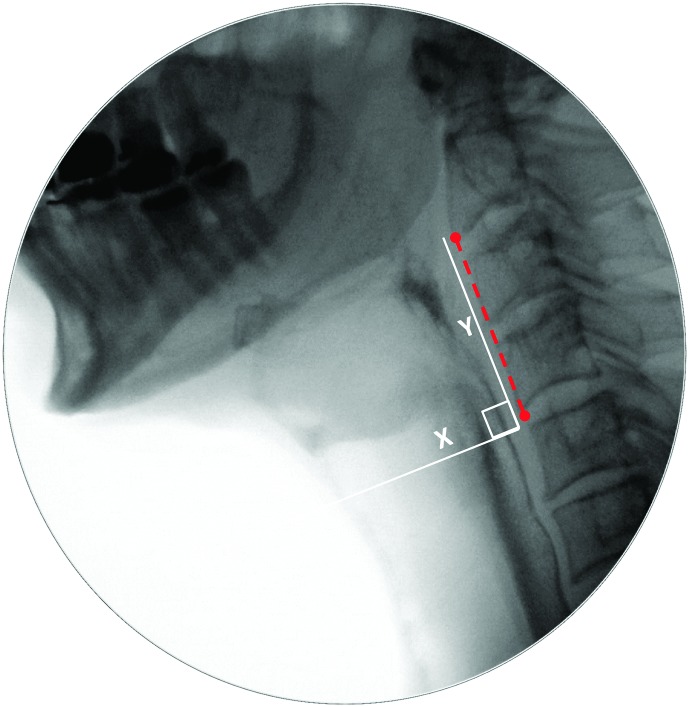
“Briefly, raters carefully traced the distance between vertebrae C2 and C4 using the ImageJ line tool on the swallow rest frame (the terminal frame of the swallow) [34].”
MethodInfluentialMancopes, R., Péladeau-Pigeon, M., Barrett, E., Guran, A., Smaoui, S., Pasqualoto, A. S., & Steele, C. M. (2020) · Journal of Speech Language and Hearing Research · doi:10.1044/2020_jslhr-20-00154 · Cited by 42
“The purpose of this study was to characterize swallowing function and physiology based on videofluoroscopy in patients with stable COPD, compared to recently published reference data for swallowing in healthy adults under the age of 60 years (Steele et al., 2019).”
BackgroundMethodResultSelf-citationCurtis, J. A., Molfenter, S. M., & Troche, M. S. (2019) · Dysphagia · doi:10.1007/s00455-019-10052-7 · Cited by 38
Nulla Per Os (NPO) guidelines: time to revisit?
Friedrich, S., Meybohm, P., & Kranke, P. (2020) · Current Opinion in Anaesthesiology · doi:10.1097/aco.0000000000000920 · Cited by 36
“A study in healthy volunteers identified sip volume for thin liquids to be 10–14 ml [50].”
BackgroundIs IDDSI an Evidence-Based Framework? A Relevant Question for the Frail Older Population
Côté, C., Giroux, A., Villeneuve‐Rhéaume, A., Gagnon, C., & Germain, I. (2020) · Geriatrics · doi:10.3390/geriatrics5040082 · Cited by 32
“, 2019a [51] X Canada In vivo n = 40 (50% Males) Healthy Mean Age: 34 yr.”
BackgroundInfluentialEffects of Food and Liquid Properties on Swallowing Physiology and Function in Adults
Peña-Chávez, R. E., Schaen‐Heacock, N. E., Hitchcock, M., Kurosu, A., Suzuki, R., Hartel, R. W., Ciucci, M. R., & Rogus‐Pulia, N. M. (2022) · Dysphagia · doi:10.1007/s00455-022-10525-2 · Cited by 33
Martin‐Harris, B., Bonilha, H. S., Brodsky, M. B., Francis, D. O., Fynes, M. M., Martino, R., O’Rourke, A. K., Rogus‐Pulia, N. M., Spinazzi, N. A., & Zarzour, J. G. (2021) · Perspectives of the ASHA Special Interest Groups · doi:10.1044/2021_persp-20-00303 · Cited by 33
Wang, K., Cheng, Z., Qiao, D., Xie, F., Zhao, S., & Zhang, B. (2024) · Critical Reviews in Food Science and Nutrition · doi:10.1080/10408398.2024.2330711 · Cited by 34
“Similar findings have been reported in other investigations (Steele et al. 2019; Vilardell et al. 2016).”
Measurement of Pharyngeal Residue From Lateral View Videofluoroscopic Images
Steele, C. M., Péladeau-Pigeon, M., Nagy, A., & Waito, A. A. (2020) · Journal of Speech Language and Hearing Research · doi:10.1044/2020_jslhr-19-00314 · Cited by 34
Self-citationDetection of poststroke oropharyngeal dysphagia with swallowing screening by ultrasonography
Matsuo, T., & Matsuyama, M. (2021) · PLoS ONE · doi:10.1371/journal.pone.0248770 · Cited by 34
“[23] also demonstrated that viscosity did not affect the maximally elevated position of the hyoid bone.”
BackgroundJeong, S. Y., Kim, J. M., Park, J. E., Baek, S. J., & Yang, S. N. (2023) · Scientific Reports · doi:10.1038/s41598-023-44802-3 · Cited by 31
“Seven temporal parameters including oral phase duration, pharyngeal delay time, pharyngeal response time, pharyngeal transit time, laryngeal vestibule closure reaction time, laryngeal vestibule closure duration and upper esophageal sphincter opening duration were measured using labeled major events, similar to the ASP…”
MethodInfluentialModulation of Tongue Pressure According to Liquid Flow Properties in Healthy Swallowing
Steele, C. M., Péladeau-Pigeon, M., Barbon, C. E. A., Guida, B. T., Tapson, M. S., Valenzano, T. J., Waito, A. A., Wolkin, T. S., Hanson, B. M., Ong, J. J., et al. (2019) · Journal of Speech Language and Hearing Research · doi:10.1044/2018_jslhr-s-18-0229 · Cited by 27
Self-citationGandhi, P., Mancopes, R., Sutton, D., Plowman, E. K., & Steele, C. M. (2021) · Journal of Speech Language and Hearing Research · doi:10.1044/2021_jslhr-21-00084 · Cited by 26
“All videofluoroscopy ratings were performed in duplicate according to a standard operating procedure known as the ASPEKT Method, which has been described in previous publications (Barbon et al., 2020; Mancopes et al., 2020, 2021; Steele et al., 2019; Waito et al., 2020).”
InfluentialSelf-citationScharitzer, M., Schima, W., Walshe, M., Vérin, É., Doratiotto, S., Ekberg, O., Farneti, D., Pokieser, P., Quaia, E., Woisard, V., et al. (2024) · European Radiology · doi:10.1007/s00330-024-11241-1 · Cited by 27
“In a diagnostic VFSS, the average sip size of a single swallow for thin liquids is 10 – 15 mL [18, 65].”
Variations in Hyoid Kinematics Across Liquid Consistencies in Healthy Swallowing
Smaoui, S., Péladeau-Pigeon, M., & Steele, C. M. (2020) · Journal of Speech Language and Hearing Research · doi:10.1044/2020_jslhr-20-00508 · Cited by 24
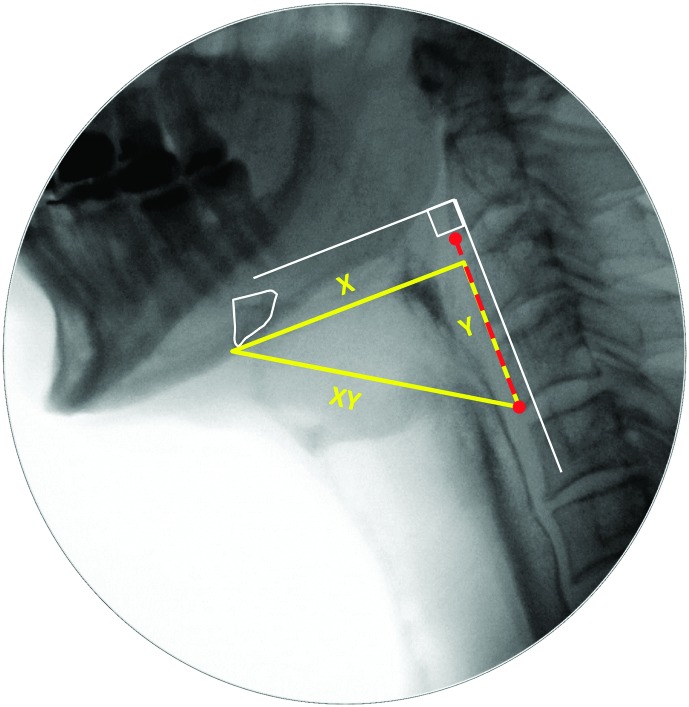
“Steele et al. (2019) have recently published reference data for anatomically normalized measures of peak hyoid position (relative to the anterior–inferior corner of C4) in healthy adults under the age of 60 years on thin liquids and gum-thickened liquids.”
BackgroundMethodSelf-citationProfiles of Dysarthria and Dysphagia in Individuals With Amyotrophic Lateral Sclerosis
Donohue, C., Gray, L. T., Anderson, A. S., DiBiase, L., Wymer, J. P., & Plowman, E. K. (2022) · Journal of Speech Language and Hearing Research · doi:10.1044/2022_jslhr-22-00312 · Cited by 27
Borders, J. C., & Steele, C. M. (2024) · Frontiers in Rehabilitation Sciences · doi:10.3389/fresc.2024.1337971 · Cited by 22
Self-citationSwallowing, Chewing and Speaking: Frequently Impaired in Oculopharyngeal Muscular Dystrophy
Kroon, R. H. M. J. M., Horlings, C. G. C., Swart, B. J. M. D., van Engelen, B. G. M., & Kalf, J. G. (2020) · Journal of Neuromuscular Diseases · doi:10.3233/jnd-200511 · Cited by 26
Kerrison, G., Miles, A., Allen, J. E., & Heron, M. (2023) · Dysphagia · doi:10.1007/s00455-023-10580-3 · Cited by 21
“There is minimal data published to demonstrate the impact of quantitative measurement in VFSS on clinician agreement, diagnostic accuracy, management decisions and patient outcomes [10, 20].”
BackgroundMethodInfluentialCurtis, J. A., Borders, J. C., Dakin, A. E., & Troche, M. S. (2023) · Journal of Speech Language and Hearing Research · doi:10.1044/2023_jslhr-23-00132 · Cited by 20
Barbon, C. E. A., Yao, C. M. K. L., Alvarez, C. P., Goepfert, R. P., Fuller, C. D., Lai, S. Y., Gross, N. D., & Hutcheson, K. A. (2021) · Head & Neck · doi:10.1002/hed.26768 · Cited by 20
Self-citationDetermining the Relationship Between Hyoid Bone Kinematics and Airway Protection in Swallowing
Smaoui, S., Péladeau-Pigeon, M., & Steele, C. M. (2022) · Journal of Speech Language and Hearing Research · doi:10.1044/2021_jslhr-21-00238 · Cited by 20
Self-citationKolomeytseva, A. T. A., Brylev, L., Eshghi, M., Bottaeva, Z., Zhang, J., Fachner, J. C., & Street, A. J. (2022) · Brain Sciences · doi:10.3390/brainsci12040494 · Cited by 19
Dumican, M., Watts, C. R., Drulia, T. C., & Zhang, Y. (2022) · Dysphagia · doi:10.1007/s00455-022-10472-y · Cited by 19
“In regards to premature bolus loss, data from healthy subjects suggests that swallow onset often occurs with the bolus head as low as pyriform sinuses or the UES and with significant variability within subjects and across bolus types [15, 36].”
BackgroundResultInfluentialBayona, H. H. G., Pizzorni, N., Tack, J. F., Goeleven, A., Omari, T. I., & Rommel, N. (2022) · Dysphagia · doi:10.1007/s00455-022-10417-5 · Cited by 21
“The pharyngeal ‘rest’ frame for each swallow was first identified, then pixel-based tracings and NRRS calculations were done according to previously published guidelines [23, 29].”
BackgroundMethodPharyngeal Pressure Variability During Volitional Swallowing Maneuvers
Teplansky, K. J., & Jones, C. A. (2021) · Journal of Speech Language and Hearing Research · doi:10.1044/2021_jslhr-21-00359 · Cited by 18
Pharyngo‐Esophageal Modulatory Swallow Responses to Bolus Volume and Viscosity Across Time
Nollet, J. L., Cajander, P., Ferris, L. F., Ramjith, J., Omari, T. I., & Savilampi, J. (2021) · The Laryngoscope · doi:10.1002/lary.29987 · Cited by 17
“Ferris and colleagues(34) hypothesized that UES activation occurring early in the swallow sequence may suggest a reflexive pattern to thin fluids which may arrive comparatively earlier at the level of the pharynx and larynx when compared to thick boluses.(41,42) As the differential of pre-swallow activity of the UES b…”
BackgroundBarbon, C. E. A., Chepeha, D. B., Hope, A. J., Péladeau-Pigeon, M., Waito, A. A., & Steele, C. M. (2020) · Journal of Speech Language and Hearing Research · doi:10.1044/2020_jslhr-19-00220 · Cited by 17
“…were rated in duplicate by trained raters using ImageJ software (National Institutes of Health) according to a standard operating procedure known as the ASPEKT Method (Analysis of Swallowing Physiology: Events, Kinematics, and Timing), which has been described elsewhere (Steele et al., 2019).”
BackgroundMethodSelf-citationBandini, A., Smaoui, S., & Steele, C. M. (2022) · Computer Methods and Programs in Biomedicine · doi:10.1016/j.cmpb.2022.107058 · Cited by 16
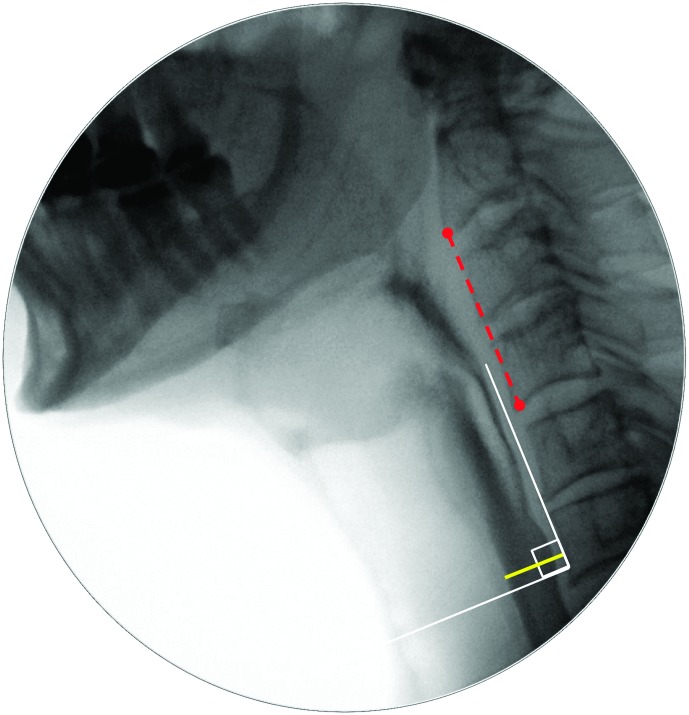
“10 Moreover, the anterior-inferior corners of the C2 and C4 vertebrae were annotated by the same rater, in order to obtain a new coordinate system whose vertical (y) axis was defined by the C2-C4 cervical spine, with the horizontal (x) axis perpendicular to C2-C4, passing through C4 [11] (Figure 3).”
BackgroundMethodInfluentialSelf-citationDallal-York, J., Leonard, K., Anderson, A. S., DiBiase, L., Jeng, E. I.-H., & Plowman, E. K. (2021) · Dysphagia · doi:10.1007/s00455-021-10333-0 · Cited by 18
Deep learning models for bolus segmentation in videofluoroscopic swallow studies
Li, W., Mao, S., Mahoney, A. S., Petković, S., Coyle, J. L., & Sejdić, E. (2024) · Journal of Real-Time Image Processing · doi:10.1007/s11554-023-01398-1 · Cited by 18
“The U-Net is designed in a U-shaped architecture that connects the encoder and decoder through skip connections [18], and the UNet + + features redesigned skip connections and deep supervision [19].”
Impact of Thickened Liquids on Laryngeal Movement Velocity in Patients with Dysphagia
Nakao, Y., Onishi, H., Haji, T., Shiromoto, O., Saito, S., Nanto, T., Uchiyama, Y., & Domen, K. (2021) · Dysphagia · doi:10.1007/s00455-021-10267-7 · Cited by 15
A Retrospective Analysis of Swallowing Function and Physiology in Patients Living with Dementia
Namasivayam-MacDonald, A. M., Alomari, N., Attner, L., Benjamin, R. D., Chill, A., Doka, S., Guastella, R., Marchese, J., Oppedisano, S., Ressa, K., et al. (2021) · Dysphagia · doi:10.1007/s00455-021-10350-z · Cited by 14
Self-citationOmari, T. I., Ferris, L. F., Schar, M. S., Cock, C., & Doeltgen, S. (2020) · Speech Language and Hearing · doi:10.1080/2050571x.2020.1826109 · Cited by 13
“…in healthy adults, and one such example is piecemeal deglutition, which is defined as the division of the bolus into two or more successive swallows (Argon et al., 2004; Fanucci, Cerro, Ietto, Berardi, & Fraracci, 1997; Logemann, 1993, 1998; Ruark, Mills, & Muenchen, 2003; Steele et al., 2019).”
BackgroundMethodInfluentialShu, K., Coyle, J. L., Perera, S., Khalifa, Y., Sabry, A., & Sejdić, E. (2021) · Physiological Measurement · doi:10.1088/1361-6579/abe7cb · Cited by 14
Barbon, C. E. A., Chepeha, D. B., Hope, A. J., Péladeau-Pigeon, M., Waito, A. A., & Steele, C. M. (2021) · Otolaryngology · doi:10.1177/01945998211010435 · Cited by 13
“VFSS recordings were randomly assigned for independent duplicate rating according to the ASPEKT Method (Analysis of Swallowing Physiology: Events, Kinematics and Timing).(14)”
BackgroundMethodResultSelf-citationRobison, R., DiBiase, L., Wymer, J. P., & Plowman, E. K. (2022) · Dysphagia · doi:10.1007/s00455-022-10499-1 · Cited by 13
“Inefficient swallowing: ≥ 3% C2-C42 worst total pharyngeal residue[29, 30] Swallowing Impairment FLPT: Area Under the Curve (95% C.”
BackgroundMethodInfluentialvan der Heul, M., Nievelstein, R. A. J., van Eijk, R. P. A., Asselman, F., Erasmus, C. E., Cuppen, I., Bittermann, A. J. N., Gerrits, E., van der Pol, W. L., & van den Engel-Hoek, L. (2023) · Journal of Neuromuscular Diseases · doi:10.3233/jnd-221640 · Cited by 13
Donohue, C., Khalifa, Y., Mao, S., Perera, S., Sejdić, E., & Coyle, J. L. (2022) · Dysphagia · doi:10.1007/s00455-021-10317-0 · Cited by 12
Factors Influencing Initiation of Pharyngeal Swallow in Healthy Adults
Bhutada, A. M., Dey, R., Martin‐Harris, B., & Garand, K. L. (2020) · American Journal of Speech-Language Pathology · doi:10.1044/2020_ajslp-20-00027 · Cited by 12
“…reports that showed variability in bolus head location at the time of pharyngeal swallow onset (i.e., hyoid burst in anterosuperior trajectory; Humbert et al., 2018; Linden et al., 1989; MartinHarris et al., 2007; Steele et al., 2019; Stephen et al., 2005; Tracy et al., 1989; Zancan et al., 2017).”
BackgroundMethodResultInfluentialEverton, L. F., Benfield, J. K., Michou, E., Hamdy, S., & Bath, P. M. (2022) · Journal of Speech Language and Hearing Research · doi:10.1044/2021_jslhr-21-00083 · Cited by 12
Steele, C. M., Barrett, E., & Péladeau-Pigeon, M. (2022) · American Journal of Speech-Language Pathology · doi:10.1044/2022_ajslp-22-00017 · Cited by 12
Self-citationGandhi, P., Péladeau-Pigeon, M., Simmons, M., & Steele, C. M. (2023) · Archives of Rehabilitation Research and Clinical Translation · doi:10.1016/j.arrct.2023.100276 · Cited by 11
“ca/srrl/).(29) Additional details regarding the study methods are available in appendix 1.”
BackgroundSelf-citationVisuoperceptual Analysis of the Videofluoroscopic Study of Swallowing: An International Delphi Study
Swan, K., Cordier, R., Brown, T., & Speyer, R. (2020) · Dysphagia · doi:10.1007/s00455-020-10174-3 · Cited by 11
Onuki, Y., Sugiura, D., Kumada, S., Kobayashi, R., Nakamura, T., Kogawa, T., Sakai, H., & Okada, K. (2022) · Journal of Drug Delivery Science and Technology · doi:10.1016/j.jddst.2022.103179 · Cited by 11
Alterations in Swallowing Six Weeks After Primary Anterior Cervical Discectomy and Fusion (ACDF)
Jones‐Rastelli, R. B., Amin, M. R., Balou, M., Herzberg, E. G., & Molfenter, S. M. (2023) · Dysphagia · doi:10.1007/s00455-023-10649-z · Cited by 10
“Area measurements for residue in pixels at each location in the pharynx were expressed as a percentage of C2-C4 length squared [19].”
Classifying neurogenic dysphagia as a movement disorder
Jones, C. A., Huckabee, M., Malandraki, G. A., & Paydarfar, D. (2025) · Brain · doi:10.1093/brain/awaf177 · Cited by 11
“275 However, one must carefully consider the underlying causes of reduced movements, which could be multifactorial.”
Hermann, L., Donaker, M., Salmon, K., & Mervak, B. M. (2022) · Clinical Imaging · doi:10.1016/j.clinimag.2021.12.016 · Cited by 10
Characterizing Swallowing Impairment in a Post–Lung Transplant Population
Reedy, E. L., Simpson, A. N., O’Rourke, A. K., & Bonilha, H. S. (2023) · American Journal of Speech-Language Pathology · doi:10.1044/2023_ajslp-22-00266 · Cited by 11
Nakamura, T., Kita, Y., Fujimoto, J., Ayuzawa, K., & Ozawa, H. (2021) · International Journal of Pediatric Otorhinolaryngology · doi:10.1016/j.ijporl.2021.110849 · Cited by 10
Preliminary Normative Reference Values of Validated FEES Scales in Healthy Young Adults
Donohue, C., Croft, K., Maristela, S. A. J., Folsom, M., Hutcheson, K. A., & Plowman, E. K. (2024) · The Laryngoscope · doi:10.1002/lary.31814 · Cited by 9
“…demonstrated safe bolus fl ow during swallowing (i.e., PAS: 1 – 2), 23.1% had penetration of the bolus (4.3% deep penetration to the level of the vocal folds [PAS = 5], 18.8% shallow penetration above the level of the vocal folds [PAS 3]), and 0.8% demonstrated tracheal aspiration (PAS of 7 and 8).”
InfluentialGarand, K. L., Grissett, A., Corbett, M. M., Molfenter, S. M., Herzberg, E. G., Kim, H., & Choi, D. (2023) · Journal of Speech Language and Hearing Research · doi:10.1044/2022_jslhr-22-00413 · Cited by 9
Gandhi, P., Plowman, E. K., & Steele, C. M. (2023) · Laryngoscope Investigative Otolaryngology · doi:10.1002/lio2.1019 · Cited by 9
“In addition to changes associated with different diagnostic etiologies, physiological mechanisms of swallowing are known to vary according to bolus properties, including liquid thickness.(7,18) Thickened liquids are commonly recommended for patients with dysphagia to reduce the risk of aspiration.”
BackgroundMethodSelf-citationSwallowing kinematic analysis might be helpful in predicting aspiration and pyriform sinus stasis
Wei, K., Cheng, S.-H., Hsiao, M., Wang, Y.-C., Weng, C.-H., Chen, J., & Wang, T. (2022) · Scientific Reports · doi:10.1038/s41598-022-05441-2 · Cited by 9
Curtis, J. A. (2022) · Perspectives of the ASHA Special Interest Groups · doi:10.1044/2022_persp-22-00118 · Cited by 9
Kim, J. M., Park, J. E., Baek, S. J., & Yang, S. N. (2023) · Dysphagia · doi:10.1007/s00455-023-10575-0 · Cited by 12
“Major event labeling was performed similar to the ASPEKT method devised by Steele et al. [10].”
MethodResultInfluentialGenetic Taster Status as a Mediator of Neural Activity and Swallowing Mechanics in Healthy Adults
Dietsch, A. M., Westemeyer, R. M., Pearson, W. G., & Schultz, D. H. (2019) · Frontiers in Neuroscience · doi:10.3389/fnins.2019.01328 · Cited by 9
Prediction of Pharyngeal 3D Volume Using 2D Lateral Area Measurements During Swallowing
Bayona, H. H. G., Inamoto, Y., Saitoh, E., Aihara, K., Kobayashi, M., & Otaka, Y. (2024) · Dysphagia · doi:10.1007/s00455-023-10659-x · Cited by 8
“Multiple linear regression was used to account for any interaction or confounding effects from other factors (such as sex, age, and height) that have been demonstrated in earlier studies to alter swallow physiology [43, 44].”
Robison, R., DiBiase, L., Anderson, A. S., Wymer, J. P., & Plowman, E. K. (2022) · Neurogastroenterology & Motility · doi:10.1111/nmo.14521 · Cited by 9
Barbon, C. E. A., Warneke, C. L., Ledger, B., Rogus‐Pulia, N. M., Cunningham, L., Coyle, J. L., Lévesque-Boissonneault, C., Alvarez, C., Valencia, D., & Hutcheson, K. A. (2024) · Dysphagia · doi:10.1007/s00455-024-10733-y · Cited by 11
“The range of reliability reported for pharyngeal residue is similar to that of “judged” residue estimation in other reports [6, 7, 22, 23] and is unexpectedly higher than reported for pixel-based measures [24–27].”
Self-citationBandini, A., & Steele, C. M. (2021) · Annual International Conference of the IEEE Engineering in Medicine and Biology Society (EMBC) · doi:10.1109/embc46164.2021.9629562 · Cited by 12
Self-citationSwallowing Disorders in the Elderly
Inamoto, Y., & Kaneoka, A. (2022) · Current Physical Medicine and Rehabilitation Reports · doi:10.1007/s40141-021-00339-y · Cited by 11
“Despite this variability, the healthy elderly achieve complete airway closure and pharyngeal contraction without laryngeal penetration, aspiration, or post-swallow pharyngeal residue during swallowing [10].”
BackgroundNormal values for swallow events during endoscopic evaluation of swallowing: a preliminary study
Sutton, S. R., Lim, L., Servino, K., To, H., Wang, L., McCoy, Y. M., Bice, E. M., & Galek, K. E. (2024) · European Archives of Oto-Rhino-Laryngology · doi:10.1007/s00405-024-08782-y · Cited by 8
“Although not currently included in measuring swallowing efficiency, reports in the research suggest that swallowing multiple times per bolus is atypical [13 – 15].”
InfluentialThe Role of Aspiration Amount on Airway Protective Responses in People with Neurogenic Dysphagia
Curtis, J. A., Borders, J. C., Dakin, A. E., & Troche, M. S. (2022) · Dysphagia · doi:10.1007/s00455-022-10546-x · Cited by 8
Temporal Sequence of Laryngeal Vestibule Closure and Reopening is Associated With Airway Protection
Shu, K., Perera, S., Mahoney, A. S., Mao, S., Coyle, J. L., & Sejdić, E. (2022) · The Laryngoscope · doi:10.1002/lary.30222 · Cited by 8
“Other studies considered UESO and LVC latencies (referenced to the beginning of the swallow or other events), durations, and the time intervals between these events as swallowing characteristics.14 Steele et al.16 found that the average time lapse between UESO and LVC is 0.046 s and UES closure occurred about 0.03 s b…”
BackgroundInfluentialWong, L. Y., Ng, M. L., & Tong, E. T.-S. (2021) · Folia Phoniatrica et Logopaedica · doi:10.1159/000518480 · Cited by 7
Kim, Y. C., Lee, S. J., Park, H., Choi, Y. J., Jeong, W. S., Lee, Y. S., Choi, K. H., Oh, T. S., & Choi, J. W. (2023) · Head & Neck · doi:10.1002/hed.27309 · Cited by 7
Quantifying Oropharyngeal Swallowing Impairment in Response to Bolus Viscosity
Garand, K. L., Armeson, K. E., Hill, E. G., Blair, J., Pearson, W. G., & Martin‐Harris, B. (2023) · American Journal of Speech-Language Pathology · doi:10.1044/2023_ajslp-23-00082 · Cited by 7
Smith‐Hublou, M., Herndon, N. E., Wong, J. K., Ramirez‐Zamora, A., & Wheeler‐Hegland, K. (2024) · Dysphagia · doi:10.1007/s00455-023-10660-4 · Cited by 6
“These findings were grossly consistent with what is expected based on the swallowing literature [48, 49], and an in-depth exploration of the effects of bolus type and sex is outside the scope of the current study.”
Mancopes, R., da Rosa, F. B., Tomasi, L. L., Pasqualoto, A. S., & Steele, C. M. (2021) · Perspectives of the ASHA Special Interest Groups · doi:10.1044/2021_persp-20-00288 · Cited by 9
Self-citationVideofluoroscopy Practice in India: A Survey of Speech-Language Pathologists
Krishnamurthy, R., Bhat, B. B., Nayak, P. S., & Balasubramanium, R. K. (2022) · Dysphagia · doi:10.1007/s00455-022-10487-5 · Cited by 6
“It was observed that none of our participants used standardized validated tools such as MBSImP [9], or Analysis of Swallowing Physiology: Events, Kinematics and Timing (ASPEKT) [25] for VFSS interpretation.”
MethodDumican, M., & Watts, C. R. (2022) · Journal of Parkinson s Disease · doi:10.3233/jpd-223272 · Cited by 6
“Healthy adults have been shown to take smaller sip volumes as boluses become thicker [40], and the self-selection of sip volume is suggested to be based on several factors including sensory integration and stable motor performance [47].”
Smaoui, S., Mancopes, R., Simmons, M. M., Péladeau-Pigeon, M., & Steele, C. M. (2023) · Journal of Speech Language and Hearing Research · doi:10.1044/2022_jslhr-22-00465 · Cited by 6
Self-citationValenzano, T. J., Smaoui, S., Péladeau-Pigeon, M., Barbon, C. E. A., Craven, B. C., & Steele, C. M. (2023) · American Journal of Speech-Language Pathology · doi:10.1044/2022_ajslp-22-00298 · Cited by 6
Self-citationThe Effect of Swallowing Cues in Healthy Individuals: An Exploratory Study
Mulheren, R. W., & Humbert, I. A. (2022) · Dysphagia · doi:10.1007/s00455-022-10463-z · Cited by 6
“It is unclear whether cues impact the number of swallows to consume a bolus (dividing a bolus across subswallows [32]), and aside from cuing to initiate swallowing, the interaction of cues about the swallowing process and bolus properties has not been examined.”
BackgroundVideofluoroscopic measures of swallowing in people with stable COPD compared to healthy aging
Mancopes, R., & Steele, C. M. (2023) · CoDAS · doi:10.1590/2317-1782/20232022260 · Cited by 5
“As described in the original manuscripts, the videofluoroscopy recordings were rated in duplicate by trained raters, blinded to consistency and each other’s ratings, according to a standard procedure known as the ASPEKT Method (15) .”
MethodSelf-citationEffects of calcium citrate on the stability of rice starch in a Level 3 liquid system
Tian, X., Huang, J., Li, H., Zhang, C., Li, T., & Pan, Y. (2025) · Food Hydrocolloids · doi:10.1016/j.foodhyd.2025.111420 · Cited by 5
Okawa, J., Hayakawa, Y., Ito, A., Kawakami, S., Miyaji, K., Ono, T., & Hori, K. (2025) · Archives of Oral Biology · doi:10.1016/j.archoralbio.2025.106303 · Cited by 6
The Influence of Liquid Consistency and Food Texture on Swallowing: A Systematic Review Update
Steele, C. M., Dharmarathna, I., Benfield, J. K., Sollereder, S., Lipkin, E. M., Pedrolli, C., Nagy, A., Goldenberg, K., Smaoui, S., Yu, D., et al. (2026) · Dysphagia · doi:10.1007/s00455-026-10977-w · Cited by 6
“When comparing non-cued sips of thin, slightly thick and mildly thick liquids (levels 0, 1 and 2) in a sample of 38 healthy adults under age 60, Steele and colleagues [77] reported similar frequencies of deeper BLSO (i.e., in the pyriform sinuses).”
Self-citationMancopes, R., Hersh, C. J., Baars, R., Panes, V., Sorbo, J., Sutton, D., Péladeau-Pigeon, M., Fracchia, M. S., & Steele, C. M. (2023) · Perspectives of the ASHA Special Interest Groups · doi:10.1044/2023_persp-23-00181 · Cited by 5
Self-citationPalmer, P. M., Padilla, A. H., Murray, S. C., Rashidi, M., Martinez-Fisher, A., & Winter, T. (2024) · Dysphagia · doi:10.1007/s00455-024-10709-y · Cited by 5
“For adult videos, normative data were extracted from Steele et al. [13].”
InfluentialA Scoping Review of Post-Stroke Dysphagia: Evaluation and Interventions
Langton‐Frost, N., Murphy, K., Bahouth, M. N., & González‐Fernández, M. (2024) · Current Physical Medicine and Rehabilitation Reports · doi:10.1007/s40141-024-00453-7 · Cited by 6
“Variation in normal swallow function can be due to an individual’s age or the type of bolus that they are consuming [15–17].”
Evitts, P. M., Fields, K., & Lande, B. (2021) · Perspectives of the ASHA Special Interest Groups · doi:10.1044/2021_persp-20-00036 · Cited by 5
Swallow Reaction Time in Healthy Adults
Ambrocio, K. R., Beall, J., & Garand, K. L. (2023) · Perspectives of the ASHA Special Interest Groups · doi:10.1044/2023_persp-22-00221 · Cited by 5
Videofluoroscopic Swallowing Studies: A Proposed Checklist
Gandhi, P., Mancopes, R., & Steele, C. M. (2024) · American Journal of Speech-Language Pathology · doi:10.1044/2023_ajslp-22-00167 · Cited by 5
Self-citationEffects of Cued and Uncued Swallowing in Patients With Dementia
Guastella, R., Oppedisano, S., Riquelme, L. F., & Namasivayam-MacDonald, A. M. (2021) · Perspectives of the ASHA Special Interest Groups · doi:10.1044/2021_persp-21-00122 · Cited by 5
Self-citationSmaoui, S., Péladeau-Pigeon, M., Mancopes, R., Sutton, D., Richardson, D. L., & Steele, C. M. (2022) · Journal of Speech Language and Hearing Research · doi:10.1044/2022_jslhr-21-00586 · Cited by 5
Self-citationPharyngeal Structure and Dysphagia in Patients with Parkinson’s Disease and Related Disorders
Lee, E., Kim, G. J., Ryu, H., Jung, K., Yoo, W., & Ohn, S. H. (2023) · Dysphagia · doi:10.1007/s00455-023-10631-9 · Cited by 5
“VFSS can be used for the quantitative and kinematic analyses of swallowing when certain tools, such as the ASPEKT method [31], are used simultaneously.”
Metadata
- Authors
- Steele, C. M., Peladeau-Pigeon, M., Barbon, C. A. E., Guida, B. T., Namasivayam-MacDonald, A. M., Nascimento, W. V., Smaoui, S., Tapson, M. S., Valenzano, T. J., Waito, A. A., & Wolkin, T. S.
- Affiliations
- University Health Network (CA)
- Swallowing Rehabilitation Research Laboratory, Toronto Rehabilitation Institute, University Health Network, Ontario, Canada
- Corresponding author
- Steele, Catriona M.
- ORCID
- Venue
- Journal of Speech, Language, and Hearing Research
- Published
- 2019-05-21
- Volume
- 62
- Issue
- 5
- Pages
- 1338-1363
- ISSN
- 1092-4388 (ISSN-L)
- 1558-9102
- PMC
- PMC6808317
- OpenAlex
- W2941467565
- Semantic Scholar
- 3f6d76ea1695af70d2cd80e092e3c86131a7a115
- Cited by
- 180
- References
- 83
- Citations by year
- 2026: 15 · 2025: 24 · 2024: 27 · 2023: 27 · 2022: 32 · 2021: 30 · 2020: 18 · 2019: 5
- FWCI
- 35.91
- Type
- journal article
- Language
- en
- Open access
- hybrid
- doi.org
- Licence
- cc-by
- Locations
- Journal of Speech Language and Hearing Research (publishedVersion, cc-by)
- Europe PMC (PubMed Central) (publishedVersion, cc-by-nc-sa)
- PubMed Central (publishedVersion, cc-by-nc-sa)
- PubMed (publishedVersion)
- MacSphere (McMaster University) (submittedVersion)
- MacSphere (McMaster University)
- Funders
- National Institute on Aging (R01AG077481)
- National Institute on Deafness and Other Communication Disorders (R01DC011020)
- Topics
- Health Sciences › Health Professions › Speech and Hearing › Dysphagia Assessment and Management
- Health Sciences › Health Professions › Speech and Hearing › Voice and Speech Disorders
- Health Sciences › Medicine › Otorhinolaryngology › Head and Neck Cancer Studies
- Keywords
- swallowing physiology, thickened liquids, bolus flow, dysphagia, bolus consistency, laryngeal vestibule closure, pharyngeal constriction, penetration, aspiration, reference values, videofluoroscopy
- MeSH terms
- Adult, Barium Sulfate, Contrast Media, Deglutition, Female, Food Additives, Humans, Male, Middle Aged, Polysaccharides, Bacterial, Reference Values, Young Adult
About these checks
Registry, retraction, Cites and statistics results are computed, not judged, with one exception: a printed reference that no index lists is read once by a model before it counts as a citation error. Claims are extracted by a model and kept only when their quote appears verbatim in the text; each cited source is then checked, with a model’s help, for whether it says what the claim relies on. Those verdicts can be wrong — read the claim’s quote and the cited source before relying on one.
Statistics and arithmetic are recomputed, not judged.
Confidence bands are shown only for fields calibrated on our annotated test set. None is calibrated yet, so no band is shown.
What counts as a claim ›How we measure confidence ›How we check this ›
Are you an author, or do you see a problem with this page? Request a review
Data sources
Bibliographic data: Semantic Scholar, OpenAlex, Crossref.
Contains information from the Semantic Scholar Academic Graph Datasets, made available under the ODC Attribution License (ODC-BY 1.0).
Semantic Scholar’s data is described in: Kinney, R., et al. (2023). The Semantic Scholar Open Data Platform. arXiv:2301.10140.
