

Reference Values for Healthy Swallowing Across the Range From Thin to Extremely Thick Liquids
Open accessThe DOI matches its Crossref record; 83 of the 83 references it cites were found in a registry or an index.
Abstract
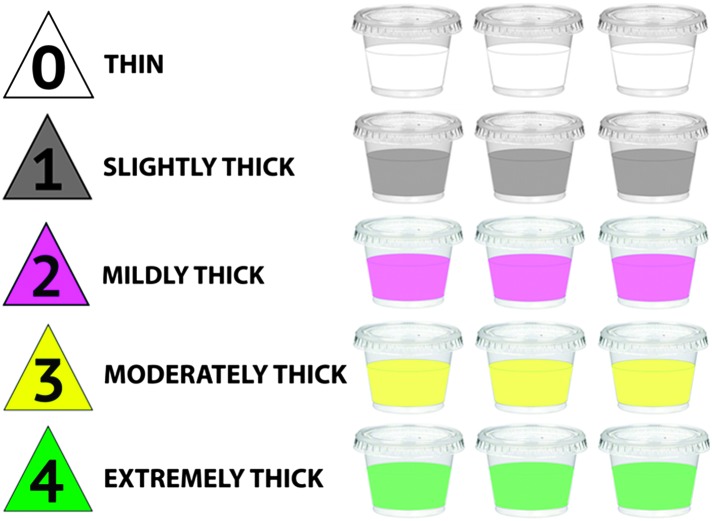
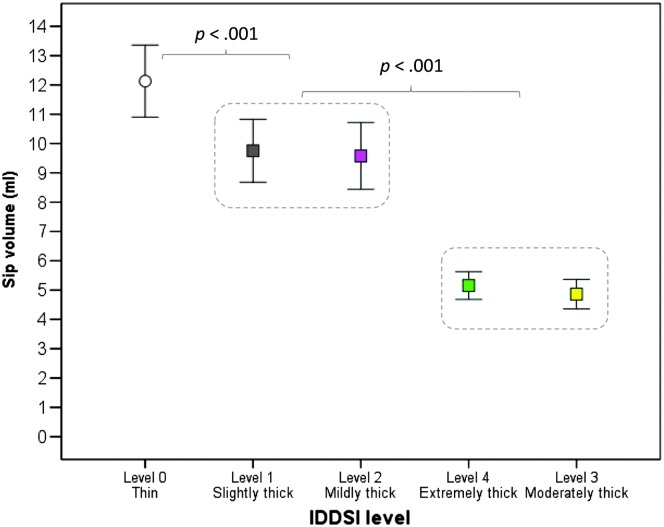
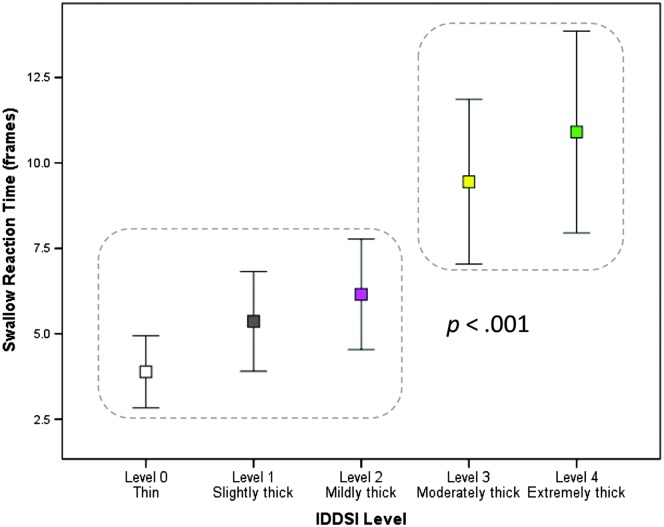
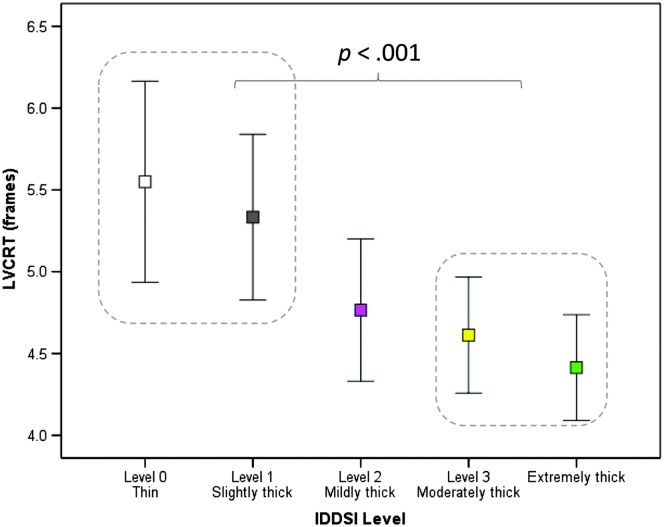
Purpose: Thickened liquids are frequently used as an intervention for dysphagia, but gaps persist in our understanding of variations in swallowing behavior based on incremental thickening of liquids. The goal of this study was to establish reference values for measures of bolus flow and swallowing physiology in healthy adults across the continuum from thin to extremely thick liquids. Method: A sex-balanced sample of 38 healthy adults underwent videofluoroscopy and swallowed 20% weight-to-volume concentration barium prepared in thin and slightly, mildly, moderately, and extremely thick consistencies using a xanthan gum thickener. Participants took comfortable sips and swallowed without a cue; sip volume was measured based on presip and postsip cup weights. A standard operating procedure (the ASPEKT method: Analysis of Swallowing Physiology: Events, Kinematics and Timing) was used to analyze videofluoroscopy recordings. Results: The results clarify that, for thin liquid sips (10–14 ml), a single swallow without clearing swallows is typical and is characterized by complete laryngeal vestibule closure, complete pharyngeal constriction, and minimal postswallow residue. Aspiration was not seen, and penetration was extremely rare. Bolus position at swallow onset was variable, extending as low as the pyriform sinuses in 37% of cases. With thicker liquids, no changes in event sequencing, laryngeal vestibule closure, pharyngeal constriction, or postswallow residue were seen. The odds of penetration were significantly reduced. A longer timing interval until onset of the hyoid burst movement was seen, with an associated higher bolus position at swallow onset. Other timing measures remained unaffected by changes in bolus consistency. Conclusion: The results include new reference data for swallowing in healthy adults across the range from thin to extremely thick liquids.
Overview
The claims and statistics of this paper haven’t been checked yet.
Free: it reads the open-access text and checks the first 5 claims that cite a source we can check. Create a free account to check every claim.
Integrity signals
Registry
Cites
Statistics
Figures
Verification
Claims the paper makes
The claims and statistics of this paper haven’t been checked yet.
Free: it reads the open-access text and checks the first 5 claims that cite a source we can check. Create a free account to check every claim.
Claims other papers make about this one
Each is checked against this paper’s own text: does it say what the citing paper says it does?
The check wasn’t confident either way, so it gives no verdict — never disputed.
In the citing paper
“as the y-axis can be approximated as parallel to the pharynx [10]”
From Automated pharyngeal phase detection and bolus localization in videofluoroscopic swallowing study: killing two birds with one stone? (2022) · cites this paper as [10]
Experimental — accuracy not yet measuredIn the citing paper
“However, VFSS rating remains a lengthy process, as it requires frame-by-frame inspection of the recorded video [10].”
From Automated pharyngeal phase detection and bolus localization in videofluoroscopic swallowing study: killing two birds with one stone? (2022) · cites this paper as [10]
In the citing paper
“In particular, the pharyngeal phase is the time window of the swallow event that contains most of the clinical parameters of interest, and a thorough evaluation of it is essential for detecting the presence of penetration-aspiration [10].”
From Automated pharyngeal phase detection and bolus localization in videofluoroscopic swallowing study: killing two birds with one stone? (2022) · cites this paper as [10]
Self-check
Percentages, sums and reported differences re-computed from the paper’s own numbers.
The self-check needs the paper’s full text.
Citations
Cites
A penetration-aspiration scale
Rosenbek, J. C., Robbins, J. A., Roecker, E. B., Coyle, J. L., & Wood, J. L. (1996) · Dysphagia · doi:10.1007/bf00417897 · Cited by 2,803
Cichero, J. A. Y., Lam, P., Steele, C. M., Hanson, B., Chen, J., Dantas, R. O., Duivestein, J., Kayashita, J., Lecko, C., Murray, J., et al. (2017) · Dysphagia · doi:10.1007/s00455-016-9758-y · Cited by 1,137
Self-citationMBS Measurement Tool for Swallow Impairment—MBSImp: Establishing a Standard
Martin-Harris, B., Brodsky, M. B., Michel, Y., Castell, D. O., Schleicher, M., Sandidge, J., Maxwell, R., & Blair, J. (2008) · Dysphagia · doi:10.1007/s00455-008-9185-9 · Cited by 685 · cited 2×
“…2017; Hind et al., 2012; Humbert et al., 2018; Jardine et al., 2018; Kendall & Leonard, 2001; Kendall et al., 2003, 2000; Leonard, Kendall, & McKenzie, 2004; Leonard & McKenzie, 2006; Martin-Harris et al., 2008, 2007), or different contrast media (Baijens et al., 2011; Clavé et al., 2008, 2006).”
MethodOropharyngeal swallowing in normal adults of different ages
Robbins, J., Hamilton, J. W., Lof, G. L., & Kempster, G. B. (1992) · Gastroenterology · doi:10.1016/0016-5085(92)90013-o · Cited by 669
Steele, C. M., Alsanei, W. A., Ayanikalath, S., Barbon, C. E. A., Chen, J., Cichero, J. A. Y., Coutts, K., Dantas, R. O., Duivestein, J., Giosa, L., et al. (2015) · Dysphagia · doi:10.1007/s00455-014-9578-x · Cited by 616
Self-citationThe Effects of Lingual Exercise in Stroke Patients With Dysphagia
Robbins, J., Kays, S. A., Gangnon, R. E., Hind, J. A., Hewitt, A. L., Gentry, L. R., & Taylor, A. J. (2007) · Archives of Physical Medicine and Rehabilitation · doi:10.1016/j.apmr.2006.11.002 · Cited by 523
Clavé, P., Arreola, V., Romea, M., Medina, L., Palomera, E., & Serra-Prat, M. (2008) · Clinical Nutrition · doi:10.1016/j.clnu.2008.06.011 · Cited by 488 · cited 3×
“…caution is warranted when comparing the results of this study to those in which different volumes have been tested (e.g., Bisch et al., 1994; Clavé et al., 2008, 2006; Humbert et al., 2018; Jardine et al., 2018; Kendall & Leonard, 2001; Kendall et al., 2003, 2000; Leonard & McKenzie, 2006;…”
ResultThe effect of bolus viscosity on swallowing function in neurogenic dysphagia
CLAVÉ, P., DE KRAA, M., ARREOLA, V., GIRVENT, M., FARRÉ, R., PALOMERA, E., & SERRA‐PRAT, M. (2006) · Alimentary Pharmacology & Therapeutics · doi:10.1111/j.1365-2036.2006.03118.x · Cited by 474 · cited 4×
“…caution is warranted when comparing the results of this study to those in which different volumes have been tested (e.g., Bisch et al., 1994; Clavé et al., 2008, 2006; Humbert et al., 2018; Jardine et al., 2018; Kendall & Leonard, 2001; Kendall et al., 2003, 2000; Leonard & McKenzie, 2006;…”
BackgroundResultInfluentialIDENTIFICATION OF STIMULI CONTROLLING THE SENSORY EVALUATION OF VISCOSITY II. Oral Methods
SHAMA, F., & SHERMAN, P. (1973) · Journal of Texture Studies · doi:10.1111/j.1745-4603.1973.tb00657.x · Cited by 419 · cited 1×
“…or clinical changes at these boundaries St (American Dietetic Association, 2002) and the use of 50 reciprocal seconds to represent shear rates in the mouth has been questioned by several authors (Cutler, Morris, & Taylor, 1983; Hanson, 2016; Ong, Steele, & Duizer, 2018a; Shama & Sherman, 1973).”
BackgroundLogemann, J. A., Gensler, G., Robbins, J., Lindblad, A. S., Brandt, D., Hind, J. A., Kosek, S., Dikeman, K., Kazandjian, M., Gramigna, G. D., et al. (2008) · Journal of Speech, Language, and Hearing Research · doi:10.1044/1092-4388(2008/013 · Cited by 413
Age Effects on the Temporal Evolution of Isometric and Swallowing Pressure
Nicosia, M. A., Hind, J. A., Roecker, E. B., Carnes, M., Doyle, J., Dengel, G. A., & Robbins, J. (2000) · The Journals of Gerontology Series A: Biological Sciences and Medical Sciences · doi:10.1093/gerona/55.11.m634 · Cited by 413 · cited 1×
“…comparing videofluoroscopic measures of bolus flow and swallowing physiology across liquids of different consistency (Bisch, Logemann, Rademaker, Kahrilas, & Lazarus, 1994; Clavé et al., 2006; Lazarus et al., 1993; Lof & Robbins, 1990; Nicosia et al., 2000; Perlman, Vandaele, & Otterbacher, 1995).”
BackgroundTemporal and Biomechanical Characteristics of Oropharyngeal Swallow in Younger and Older Men
Logemann, J. A., Pauloski, B. R., Rademaker, A. W., Colangelo, L. A., Kahrilas, P. J., & Smith, C. H. (2000) · Journal of Speech, Language, and Hearing Research · doi:10.1044/jslhr.4305.1264 · Cited by 408 · cited 1×
“…HYB; Humbert et al., 2018): This parameter has also gone under a variety of different names in previous literature including “pharyngeal delay time” (Logemann et al., 2000; Logemann, Pauloski, Rademaker, & Kahrilas, 2002), “duration of stage transition” (Robbins, Hamilton, Lof, & Kempster, 1992),…”
MethodManual for the videofluorographic study of swallowing
Logemann, J. A. (1986) · Medical Entomology and Zoology · Cited by 401
Newman, R., Vilardell, N., Clavé, P., & Speyer, R. (2016) · Dysphagia · doi:10.1007/s00455-016-9696-8 · Cited by 396
Cichero, J. A. Y., Steele, C., Duivestein, J., Clavé, P., Chen, J., Kayashita, J., Dantas, R., Lecko, C., Speyer, R., Lam, P., et al. (2013) · Current Physical Medicine and Rehabilitation Reports · doi:10.1007/s40141-013-0024-z · Cited by 364 · cited 1×
“Dysphagia Diet Standardisation Initiative (IDDSI; http://www. iddsi.org) was launched with the goal of establishing standardized terminology and definitions for texture-modified foods and thickened liquids for use in dysphagia management (Cichero et al., 2017, 2013).”
BackgroundSelf-citationThe Videofluorographic Swallowing Study
Martin-Harris, B., & Jones, B. (2008) · Physical Medicine and Rehabilitation Clinics of North America · doi:10.1016/j.pmr.2008.06.004 · Cited by 356 · cited 2×
“…different volumes have been tested (e.g., Bisch et al., 1994; Clavé et al., 2008, 2006; Humbert et al., 2018; Jardine et al., 2018; Kendall & Leonard, 2001; Kendall et al., 2003, 2000; Leonard & McKenzie, 2006; MartinHarris et al., 2007; Martin-Harris & Jones, 2008; Molfenter & Steele, 2012a).”
Timing of Events in Normal Swallowing: A Videofluoroscopic Study
Kendall, K. A., McKenzie, S., Leonard, R. J., Gonçalves, M. I., & Walker, A. (2000) · Dysphagia · doi:10.1007/s004550010004 · Cited by 309 · cited 3×
“…different volumes have been tested (e.g., Bisch et al., 1994; Clavé et al., 2008, 2006; Humbert et al., 2018; Jardine et al., 2018; Kendall & Leonard, 2001; Kendall et al., 2003, 2000; Leonard & McKenzie, 2006; MartinHarris et al., 2007; Martin-Harris & Jones, 2008; Molfenter & Steele, 2012a).”
Bisch, E. M., Logemann, J. A., Rademaker, A. W., Kahrilas, P. J., & Lazarus, C. L. (1994) · Journal of Speech, Language, and Hearing Research · doi:10.1044/jshr.3705.1041 · Cited by 309 · cited 2×
“…2012b, for a review), caution is warranted when comparing the results of this study to those in which different volumes have been tested (e.g., Bisch et al., 1994; Clavé et al., 2008, 2006; Humbert et al., 2018; Jardine et al., 2018; Kendall & Leonard, 2001; Kendall et al., 2003, 2000;…”
ResultPharyngeal clearance during swallowing: A combined manometric and videofluoroscopic study
Kahrilas, P. J., Logemann, J. A., Lin, S., & Ergun, G. A. (1992) · Gastroenterology · doi:10.1016/0016-5085(92)91105-d · Cited by 278
Structural Displacements in Normal Swallowing: A Videofluoroscopic Study
Leonard, R. J., Kendall, K. A., McKenzie, S., Gonçalves, M. I., & Walker, A. (2000) · Dysphagia · doi:10.1007/s004550010017 · Cited by 246
Effects of bolus volume, viscosity, and repeated swallows in nonstroke subjects and stroke patients
Lazarus, C. L., Logemann, J. A., Rademaker, A. W., Kahrilas, P. J., Pajak, T., Lazar, R., & Halper, A. (1993) · Archives of Physical Medicine and Rehabilitation · doi:10.1016/0003-9993(93)90063-g · Cited by 242 · cited 1×
“…comparing videofluoroscopic measures of bolus flow and swallowing physiology across liquids of different consistency (Bisch, Logemann, Rademaker, Kahrilas, & Lazarus, 1994; Clavé et al., 2006; Lazarus et al., 1993; Lof & Robbins, 1990; Nicosia et al., 2000; Perlman, Vandaele, & Otterbacher, 1995).”
BackgroundOropharyngeal Swallow in Younger and Older Women: Videofluoroscopic Analysis
Logemann, J. A., Pauloski, B. R., Rademaker, A. W., & Kahrilas, P. J. (2002) · Journal of Speech, Language, and Hearing Research · doi:10.1044/1092-4388(2002/034 · Cited by 224
Eisenhuber, E., Schima, W., Schober, E., Pokieser, P., Stadler, A., Scharitzer, M., & Oschatz, E. (2002) · American Journal of Roentgenology · doi:10.2214/ajr.178.2.1780393 · Cited by 221
Laryngeal Penetration During Deglutition in Normal Subjects of Various Ages
Daggett, A., Logemann, J., Rademaker, A., & Pauloski, B. (2007) · Dysphagia · doi:10.1007/s00455-006-9051-6 · Cited by 201
Thickened Liquids: Practice Patterns of Speech-Language Pathologists
Garcia, J. M., Chambers, E., & Molander, M. (2005) · American Journal of Speech-Language Pathology · doi:10.1044/1058-0360(2005/003 · Cited by 195
Badin, P., Bailly, G., Revéret, L., Baciu, M., Segebarth, C., & Savariaux, C. (2002) · Journal of Phonetics · doi:10.1006/jpho.2002.0166 · Cited by 189
Image-based Measurement of Post-Swallow Residue: The Normalized Residue Ratio Scale
Pearson, W. G., Molfenter, S. M., Smith, Z. M., & Steele, C. M. (2013) · Dysphagia · doi:10.1007/s00455-012-9426-9 · Cited by 174 · cited 2×
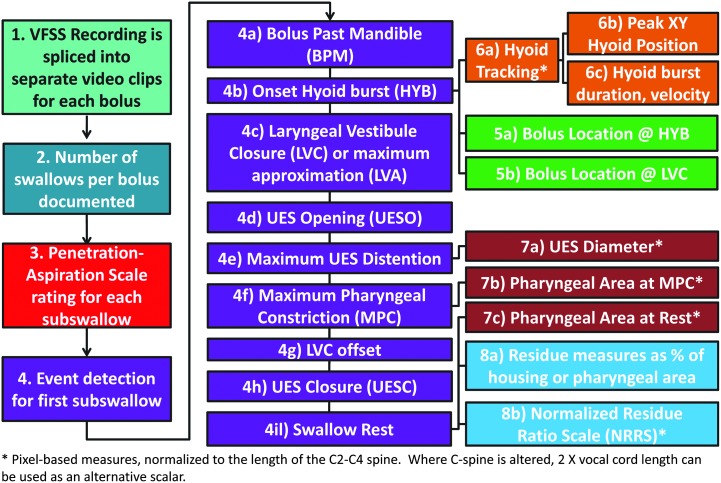
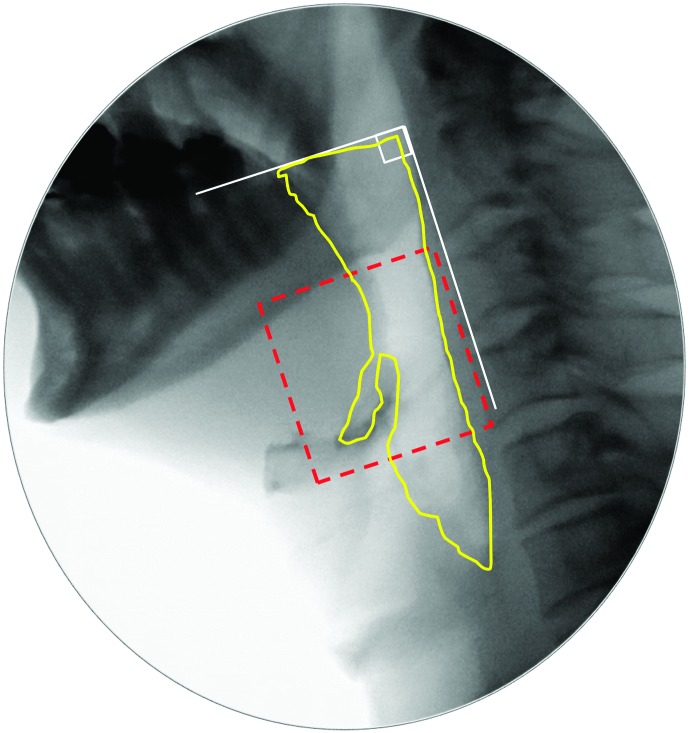
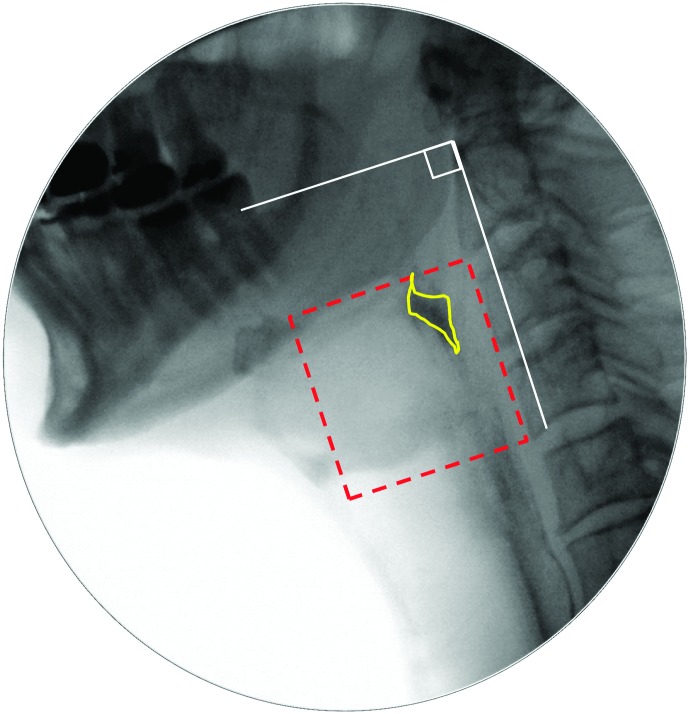
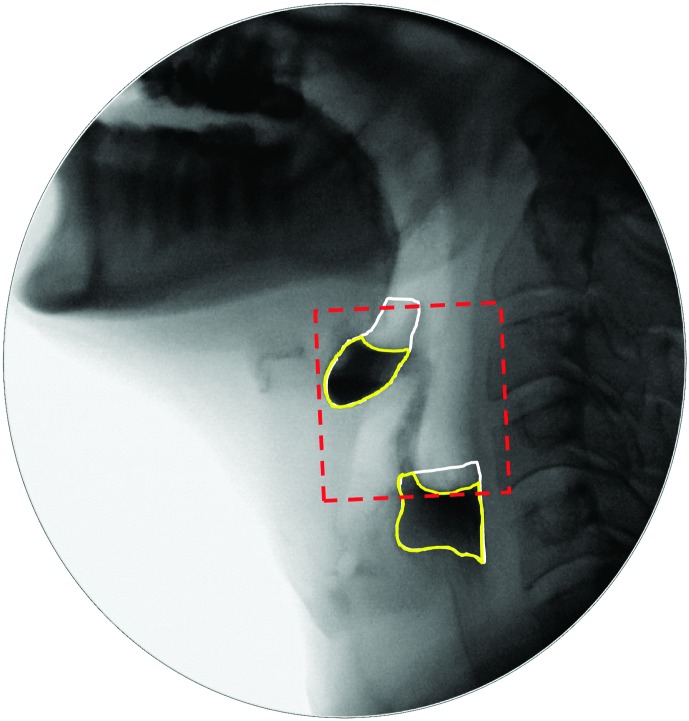
“Second, to provide a common reference area across all residue locations, residue area is expressed as a percentage of the squared C2–C4 length reference scalar (Pearson et al., 2012).”
BackgroundMethodSelf-citationA Randomized Study Comparing the Shaker Exercise with Traditional Therapy: A Preliminary Study
Logemann, J. A., Rademaker, A., Pauloski, B. R., Kelly, A., Stangl-McBreen, C., Antinoja, J., Grande, B., Farquharson, J., Kern, M., Easterling, C., et al. (2009) · Dysphagia · doi:10.1007/s00455-009-9217-0 · Cited by 167
Oropharyngeal Swallow Efficiency as a Representative Measure of Swallowing Function
Rademaker, A. W., Pauloski, B. R., Logemann, J. A., & Shanahan, T. K. (1994) · Journal of Speech, Language, and Hearing Research · doi:10.1044/jshr.3702.314 · Cited by 167
ORAL PERCEPTION OF VISCOSITY IN FLUID FOODS AND MODEL SYSTEMS
Cutler, A. N., Morris, E. R., & Taylor, L. J. (1983) · Journal of Texture Studies · doi:10.1111/j.1745-4603.1983.tb00357.x · Cited by 163
Boë, L.-J., Berthommier, F., Legou, T., Captier, G., Kemp, C., Sawallis, T. R., Becker, Y., Rey, A., & Fagot, J. (2017) · PLOS ONE · doi:10.1371/journal.pone.0169321 · Cited by 162
Deglutitive laryngeal closure in stroke patients
Power, M., Hamdy, S., Singh, S., Tyrrell, P. J., Turnbull, I. W., & Thompson, D. G. (2006) · Journal of Neurology Neurosurgery & Psychiatry · doi:10.1136/jnnp.2006.101857 · Cited by 152 · cited 1×
“…et al., 2000; Logemann, Pauloski, Rademaker, & Kahrilas, 2002), “duration of stage transition” (Robbins, Hamilton, Lof, & Kempster, 1992), and “swallow response time” (Power et al., 2007); 2. interval between HYB and UESO; eele et al.: Reference Values for Healthy Liquid Swallowing 1343 3.”
What is “Usual Care” in Dysphagia Rehabilitation: A Survey of USA Dysphagia Practice Patterns
Carnaby, G., & Harenberg, L. (2013) · Dysphagia · doi:10.1007/s00455-013-9467-8 · Cited by 151 · cited 1×
“Thickened liquids are frequently used in dysphagiamanagement (Carnaby & Harenberg, 2013; Garcia,Chambers, & Molander, 2005).”
BackgroundDelayed Initiation of the Pharyngeal Swallow: Normal Variability in Adult Swallows
Martin-Harris, B., Brodsky, M. B., Michel, Y., Lee, F.-S., & Walters, B. (2007) · Journal of Speech, Language, and Hearing Research · doi:10.1044/1092-4388(2007/041 · Cited by 138
Test-retest variability in normal swallowing
Lof, G. L., & Robbins, J. (1990) · Dysphagia · doi:10.1007/bf02407271 · Cited by 133 · cited 3×
“The results of these studies suggest that bolus flow measures (oral and pharyngeal transit times) are of longer duration with paste consistency stimuli (Lof & Robbins, 1990).”
BackgroundEffects of Verbal Cue on Bolus Flow During Swallowing
Daniels, S. K., Schroeder, M. F., DeGeorge, P. C., Corey, D. M., & Rosenbek, J. C. (2007) · American Journal of Speech-Language Pathology · doi:10.1044/1058-0360(2007/018 · Cited by 132
Steele, C. M., Bailey, G. L., Polacco, R. C., Hori, S. F., Molfenter, S. M., Oshalla, M., & Yeates, E. M. (2013) · International Journal of Speech-Language Pathology · doi:10.3109/17549507.2012.752864 · Cited by 130 · cited 1×
“…from a cup containing 40 ml of liquid (as opposed to delivering boluses of fixed volume); • the absence of verbal cues (Daniels et al., 2007; Nagy et al., 2013); and • use of a 20% w/v barium concentration (Dantas et al., 1989; Humbert et al., 2018; Steele et al., 2013; Stokely et al., 2014).”
BackgroundSelf-citationTemporal Variability in the Deglutition Literature
Molfenter, S. M., & Steele, C. M. (2012) · Dysphagia · doi:10.1007/s00455-012-9397-x · Cited by 123 · cited 4×
“…2001; Kendall et al., 2003, 2000; Leonard & McKenzie, 2006; Martin-Harris, Brodsky, Michel, Lee, & Walters, 2007; Martin-Harris & Jones, 2008; Molfenter & Steele, 2012a), a cued swallow paradigm (Daniels et al., 2007; Nagy et al., 2013), higher barium concentrations (e.g., Guedes et al.,…”
ResultInfluentialSelf-citationThe effect of high- vs low-density barium preparations on the quantitative features of swallowing
Dantas, R., Dodds, W., Massey, B., & Kern, M. (1989) · American Journal of Roentgenology · doi:10.2214/ajr.153.6.1191 · Cited by 122 · cited 1×
“…from a cup containing 40 ml of liquid (as opposed to delivering boluses of fixed volume); • the absence of verbal cues (Daniels et al., 2007; Nagy et al., 2013); and • use of a 20% w/v barium concentration (Dantas et al., 1989; Humbert et al., 2018; Steele et al., 2013; Stokely et al., 2014).”
BackgroundInfluence of Bolus Consistency on Lingual Behaviors in Sequential Swallowing
Steele, C. M., & Lieshout, P. H. H. M. V. (2004) · Dysphagia · doi:10.1007/s00455-004-0006-5 · Cited by 122 · cited 1×
“These tend to report significant differences for comparisons between thin and extremely thick liquids but not for narrower contrasts (Chi-Fishman & Sonies, 2002; Steele, Bailey, & Molfenter, 2010; Steele, Molfenter, PéladeauPigeon, Polacco, & Yee, 2014; Steele & Van Lieshout, 2004).”
BackgroundSelf-citationEffects of Systematic Bolus Viscosity and Volume Changes on Hyoid Movement Kinematics
Chi‐Fishman, G., & Sonies, B. C. (2002) · Dysphagia · doi:10.1007/s00455-002-0070-7 · Cited by 121 · cited 1×
“These tend to report significant differences for comparisons between thin and extremely thick liquids but not for narrower contrasts (Chi-Fishman & Sonies, 2002; Steele, Bailey, & Molfenter, 2010; Steele, Molfenter, PéladeauPigeon, Polacco, & Yee, 2014; Steele & Van Lieshout, 2004).”
BackgroundOng, J. J., Steele, C. M., & Duizer, L. M. (2018) · Food Hydrocolloids · doi:10.1016/j.foodhyd.2018.05.043 · Cited by 117 · cited 1×
“The viscosity of a gum-thickened liquid will be much lower than a starch-thickened liquid with flow that appears similar based on flow off a spoon or when pouring from a cup (Hanson, 2016; Ong et al., 2018b).”
BackgroundSelf-citationFluoroscopic Surrogate for Pharyngeal Strength: The Pharyngeal Constriction Ratio (PCR)
Leonard, R., Rees, C. J., Belafsky, P., & Allen, J. (2011) · Dysphagia · doi:10.1007/s00455-009-9258-4 · Cited by 109
Bonilha, H. S., Blair, J., Carnes, B., Huda, W., Humphries, K., McGrattan, K., Michel, Y., & Martin-Harris, B. (2013) · Dysphagia · doi:10.1007/s00455-013-9463-z · Cited by 108 · cited 1×
“Additionally, image acquisition settings must be noted (Bonilha et al., 2013; Péladeau-Pigeon & Steele, 2013); studies in which timing measures are derived by counting frames in a videofluoroscopy recording are particularly vulnerable to differences in frame rate.”
BackgroundKendall, K. A., & Leonard, R. J. (2001) · Dysphagia · doi:10.1007/s00455-001-0086-4 · Cited by 106 · cited 3×
“…2007; Nagy et al., 2013), higher barium concentrations (e.g., Guedes et al., 2017; Hind et al., 2012; Humbert et al., 2018; Jardine et al., 2018; Kendall & Leonard, 2001; Kendall et al., 2003, 2000; Leonard, Kendall, & McKenzie, 2004; Leonard & McKenzie, 2006; Martin-Harris et al., 2008, 2007),…”
BackgroundInfluentialThe Relationship Between Pharyngeal Constriction and Post-swallow Residue
Stokely, S. L., Péladeau-Pigeon, M., Leigh, C., Molfenter, S. M., & Steele, C. M. (2015) · Dysphagia · doi:10.1007/s00455-015-9606-5 · Cited by 105
Self-citationBolus Location at the Initiation of the Pharyngeal Stage of Swallowing in Healthy Older Adults
Stephen, J. R., Taves, D. H., Smith, R. C., & Martin, R. E. (2005) · Dysphagia · doi:10.1007/s00455-005-0023-z · Cited by 99
Ong, J. J., Steele, C. M., & Duizer, L. M. (2018) · Food Hydrocolloids · doi:10.1016/j.foodhyd.2017.12.035 · Cited by 98 · cited 1×
“The viscosity of a gum-thickened liquid will be much lower than a starch-thickened liquid with flow that appears similar based on flow off a spoon or when pouring from a cup (Hanson, 2016; Ong et al., 2018b).”
BackgroundSelf-citationLeonard, R. J., Kendall, K., & McKenzie, S. W. (2004) · Dysphagia · doi:10.1007/s00455-003-0508-6 · Cited by 97
Molfenter, S. M., & Steele, C. M. (2014) · Journal of Speech, Language, and Hearing Research · doi:10.1044/2014_jslhr-s-13-0152 · Cited by 97 · cited 3×
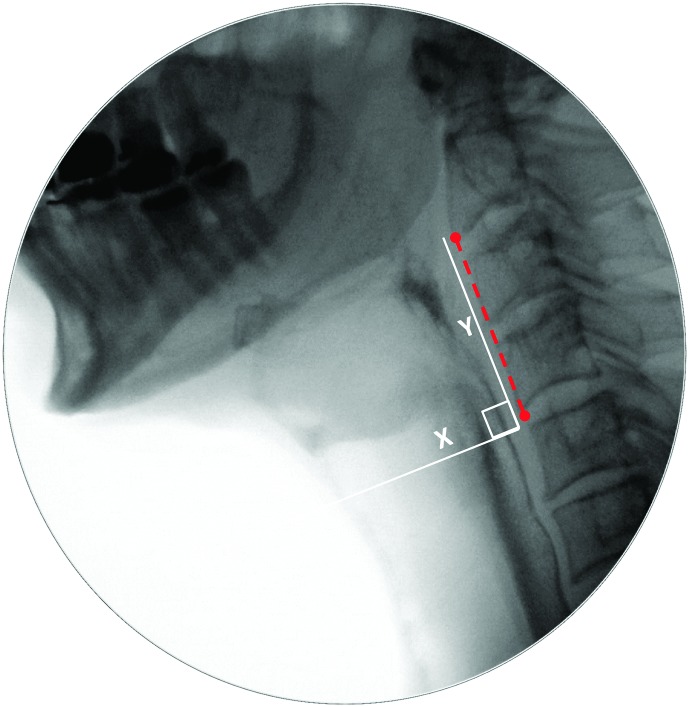
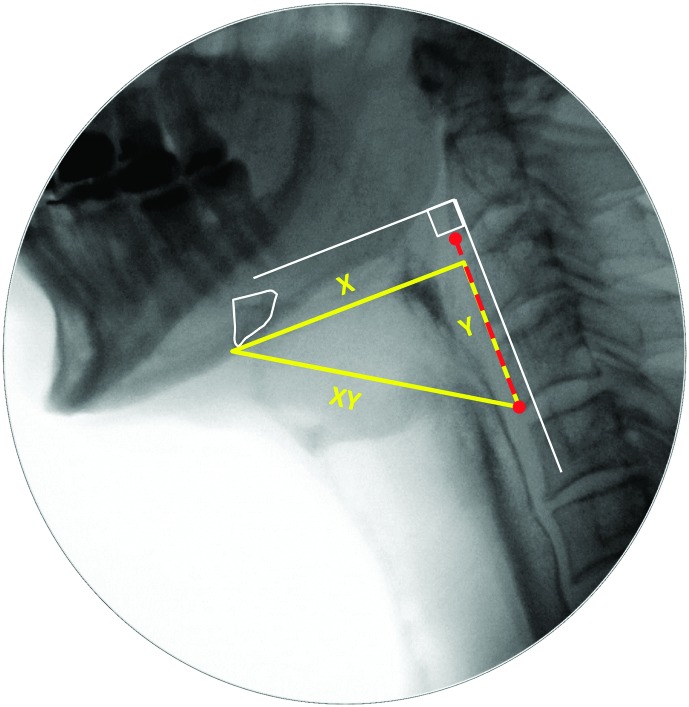
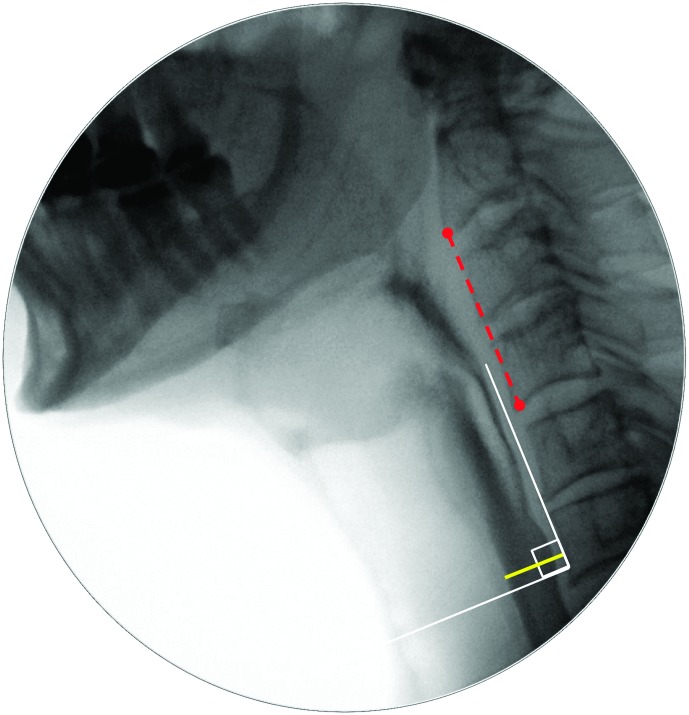
“The diameter of UESO was traced (in pixels) on the frame of UESMax, relative to the length of an anatomical scalar (length of the cervical spine between the anterior inferior corners of the C2 and C4 vertebrae; Molfenter & Steele, 2014).”
MethodInfluentialSelf-citationUES Opening and Cricopharyngeal Bar in Nondysphagic Elderly and Nonelderly Adults
Leonard, R. J., Kendall, K. A., & McKenzie, S. W. (2004) · Dysphagia · doi:10.1007/s00455-004-0005-6 · Cited by 92
Variation in Temporal Measures of Swallowing: Sex and Volume Effects
Molfenter, S. M., & Steele, C. M. (2012) · Dysphagia · doi:10.1007/s00455-012-9437-6 · Cited by 92 · cited 4×
“…2001; Kendall et al., 2003, 2000; Leonard & McKenzie, 2006; Martin-Harris, Brodsky, Michel, Lee, & Walters, 2007; Martin-Harris & Jones, 2008; Molfenter & Steele, 2012a), a cued swallow paradigm (Daniels et al., 2007; Nagy et al., 2013), higher barium concentrations (e.g., Guedes et al.,…”
ResultInfluentialSelf-citationMolfenter, S. M., Lenell, C., & Lazarus, C. L. (2018) · Dysphagia · doi:10.1007/s00455-018-9924-5 · Cited by 89
Quantitative Assessment of Hyoid Bone Displacement From Video Images During Swallowing
Perlman, A. L., Daele, D. J. V., & Otterbacher, M. S. (1995) · Journal of Speech Language and Hearing Research · doi:10.1044/jshr.3803.579 · Cited by 82 · cited 1×
“…other hand, kinematic measures, such as measures of hyoid movement distance or duration, appear to display minimal variation (Lof & Robbins, 1990; Perlman et al., 1995), although one recent study has identified consistency-dependent variations in hyoid velocity using nectar-thick versus thin…”
BackgroundDefining Physical Properties of Fluids for Dysphagia Evaluation and Treatment
Robbins, J., Nicosia, M., Hind, J. A., Gill, G. D., Blanco, R., & Logemann, J. (2002) · Perspectives on Swallowing and Swallowing Disorders (Dysphagia) · doi:10.1044/sasd11.2.16 · Cited by 77 · cited 1×
“Although diet texture modification has become a cornerstone of dysphagia management, evidence to guide clinicians in choosing appropriate consistencies for clinical management is lacking (Newman, Vilardell, Clavé, & Speyer, 2016; Robbins et al., 2002; Steele, Alsanei, et al., 2015).”
BackgroundRheology and the swallow-safe bolus
Coster, S. T., & Schwarz, W. H. (1987) · Dysphagia · doi:10.1007/bf02412327 · Cited by 76 · cited 1×
“Despite a long-standing interest in rheology within the swallowing literature (Coster & Schwarz, 1987) and widespread use of thickened liquids in clinical practice, it is currently unknown whether incremental thickening of liquids is associated with incremental changes in bolus flow measures or…”
BackgroundVICKERS, Z. M., Damodhar, H., Grummer, C., Mendenhall, H., Banaszynski, K., Hartel, R. W., Hind, J. A., Joyce, A., KAUFMAN, A. P. L., & Robbins, J. (2015) · Dysphagia · doi:10.1007/s00455-015-9647-9 · Cited by 75 · cited 1×
“Furthermore, the introduction of gum-based thickeners (e.g., xanthan gum, guar gum, locust bean gum) and other thickening agents (e.g., methylcellulose, agar, carrageenan) instead of, or in addition to, modified corn starch has added complexity to this issue (Vickers et al., 2015).”
BackgroundDevelopment and dissemination of an aspiration risk reduction diet
Curran, J., & Groher, M. E. (1990) · Dysphagia · doi:10.1007/bf02407388 · Cited by 70 · cited 1×
“…of thickening liquids is to slow their flow, making them easier to control and providing a longer time window in which to achieve airway closure before the bolus arrives near the entrance to the larynx, thus reducing the risk of penetration–aspiration (Curran & Groher, 1990; Logemann et al., 2008).”
BackgroundSip-Sizing Behaviors in Natural Drinking Conditions Compared to Instructed Experimental Conditions
Bennett, J. W., Lieshout, P. H. H. M. V., Pelletier, C. A., & Steele, C. M. (2008) · Dysphagia · doi:10.1007/s00455-008-9183-y · Cited by 69
Self-citationThe Effect of Bolus Volume on Hyoid Kinematics in Healthy Swallowing
Nagy, A., Molfenter, S. M., Péladeau-Pigeon, M., Stokely, S. L., & Steele, C. M. (2014) · BioMed Research International · doi:10.1155/2014/738971 · Cited by 69
Self-citationA three-dimensional articulatory model of the velum and nasopharyngeal wall based on MRI and CT data
Serrurier, A., & Badin, P. (2008) · The Journal of the Acoustical Society of America · doi:10.1121/1.2875111 · Cited by 68
Tongue Pressure Modulation During Swallowing: Water Versus Nectar-Thick Liquids
Steele, C. M., Bailey, G. L., & Molfenter, S. M. (2009) · Journal of Speech Language and Hearing Research · doi:10.1044/1092-4388(2009/09-0076 · Cited by 68
Self-citationTiming Differences Between Cued and Noncued Swallows in Healthy Young Adults
Nagy, A., Leigh, C., Hori, S. F., Molfenter, S. M., Shariff, T., & Steele, C. M. (2013) · Dysphagia · doi:10.1007/s00455-013-9456-y · Cited by 64 · cited 3×
“…Brodsky, Michel, Lee, & Walters, 2007; Martin-Harris & Jones, 2008; Molfenter & Steele, 2012a), a cued swallow paradigm (Daniels et al., 2007; Nagy et al., 2013), higher barium concentrations (e.g., Guedes et al., 2017; Hind et al., 2012; Humbert et al., 2018; Jardine et al., 2018; Kendall &…”
BackgroundInfluentialSelf-citationHumbert, I. A., Sunday, K. L., Karagiorgos, E., Vose, A. K., Gould, F. D. H., Greene, L. R., Azola, A. M., Tolar, A., & Rivet, A. (2018) · Journal of Speech Language and Hearing Research · doi:10.1044/2018_jslhr-s-17-0417 · Cited by 62 · cited 9×
“• LVC is complete, and PAS scores of > 1 are unusual, consistent with previous reports (Daggett, Logemann, Rademaker, & Pauloski, 2006; Humbert et al., 2018).”
BackgroundMethodResultInfluentialSequence Variability During Hypopharyngeal Bolus Transit
Kendall, K. A., Leonard, R. J., & McKenzie, S. W. (2003) · Dysphagia · doi:10.1007/s00455-002-0086-z · Cited by 61 · cited 5×
“• Closure of the laryngeal vestibule is closely timed with UESO, consistent with previous reports (Herzberg et al., 2018; Jardine et al., 2018; Kendall et al., 2003; Molfenter et al., 2014; Molfenter & Steele, 2012a).”
BackgroundResultInfluentialVariations in Tongue-Palate Swallowing Pressures When Swallowing Xanthan Gum-Thickened Liquids
Steele, C. M., Molfenter, S. M., Péladeau-Pigeon, M., Polacco, R. C., & Yee, C. (2014) · Dysphagia · doi:10.1007/s00455-014-9561-6 · Cited by 59
Self-citationChallenges in Preparing Contrast Media for Videofluoroscopy
Steele, C. M., Molfenter, S. M., Péladeau-Pigeon, M., & Stokely, S. L. (2013) · Dysphagia · doi:10.1007/s00455-013-9476-7 · Cited by 56 · cited 1×
“…from a cup containing 40 ml of liquid (as opposed to delivering boluses of fixed volume); • the absence of verbal cues (Daniels et al., 2007; Nagy et al., 2013); and • use of a 20% w/v barium concentration (Dantas et al., 1989; Humbert et al., 2018; Steele et al., 2013; Stokely et al., 2014).”
BackgroundSelf-citationHyoid-Bolus Transit Latencies in Normal Swallow
Leonard, R. J., & McKenzie, S. W. (2006) · Dysphagia · doi:10.1007/s00455-006-9025-8 · Cited by 55 · cited 3×
“…different volumes have been tested (e.g., Bisch et al., 1994; Clavé et al., 2008, 2006; Humbert et al., 2018; Jardine et al., 2018; Kendall & Leonard, 2001; Kendall et al., 2003, 2000; Leonard & McKenzie, 2006; MartinHarris et al., 2007; Martin-Harris & Jones, 2008; Molfenter & Steele, 2012a).”
Bolus position at swallow onset in normal adults: Preliminary observations
Linden, P., Tippett, D. C., Johnston, J., Siebens, A. A., & French, J. (1989) · Dysphagia · doi:10.1007/bf02408037 · Cited by 54
Baijens, L. W. J., Speyer, R., Passos, V. L., Pilz, W., Roodenburg, N., & Clave, P. (2011) · Gastroenterology Research and Practice · doi:10.1155/2011/380682 · Cited by 54 · cited 3×
“LVC Reaction Time (i.e., interval between HYB and LVC; Guedes et al., 2017; Humbert et al., 2018); 5.”
MethodA review of diet standardization and bolus rheology in the management of dysphagia
Hanson, B. M. (2016) · Current Opinion in Otolaryngology & Head & Neck Surgery · doi:10.1097/moo.0000000000000251 · Cited by 53 · cited 3×
“…or clinical changes at these boundaries St (American Dietetic Association, 2002) and the use of 50 reciprocal seconds to represent shear rates in the mouth has been questioned by several authors (Cutler, Morris, & Taylor, 1983; Hanson, 2016; Ong, Steele, & Duizer, 2018a; Shama & Sherman, 1973).”
BackgroundMethodCharacterizing the Flow of Thickened Barium and Non-barium Liquid Recipes Using the IDDSI Flow Test
Barbon, C. E. A., & Steele, C. M. (2018) · Dysphagia · doi:10.1007/s00455-018-9915-6 · Cited by 52 · cited 2×
“Details regarding the rheological, gravity flow, and perceptual characteristics of these stimuli have been reported elsewhere (Barbon & Steele, 2018; Ong, Steele, & Duizer, 2018b).”
BackgroundSelf-citationThe Effect of Bolus Consistency on Hyoid Velocity in Healthy Swallowing
Nagy, A., Molfenter, S. M., Péladeau-Pigeon, M., Stokely, S. L., & Steele, C. M. (2015) · Dysphagia · doi:10.1007/s00455-015-9621-6 · Cited by 50
Self-citationEffects of Barium Concentration on Oropharyngeal Swallow Timing Measures
Stokely, S. L., Molfenter, S. M., & Steele, C. M. (2013) · Dysphagia · doi:10.1007/s00455-013-9485-6 · Cited by 45
Self-citationJardine, M., Miles, A., & Allen, J. E. (2018) · Geriatrics · doi:10.3390/geriatrics3040066 · Cited by 44 · cited 4×
“This finding is consistent with recent descriptions of swallowing in a healthy young cohort by Jardine et al. (2018).”
ResultInfluentialHind, J., Divyak, E., Zielinski, J., Taylor, A., Hartman, M., Gangnon, R., & Robbins, J. (2012) · The Journal of Rehabilitation Research and Development · doi:10.1682/jrrd.2011.09.0180 · Cited by 42 · cited 2×
“However, recent studies suggest that there may be a trade-off between safety and efficiency and that very thick liquids may be more likely to leave postswallow residue in the pharynx (Hind et al., 2012; Steele, Alsanei, et al., 2015).”
BackgroundEvent Sequence Variability in Healthy Swallowing: Building on Previous Findings
Molfenter, S. M., Leigh, C., & Steele, C. M. (2014) · Dysphagia · doi:10.1007/s00455-013-9501-x · Cited by 36 · cited 2×
“The subsequences of UESO < UESMax and UESMax < UESC have previously been described as obligatory sequences in the literature (Herzberg et al., 2018; Kendall et al., 2003; Molfenter et al., 2014).”
BackgroundResultSelf-citationWaito, A. A., Steele, C. M., Péladeau-Pigeon, M., Genge, A. L., & Argov, Z. (2018) · Dysphagia · doi:10.1007/s00455-018-9904-9 · Cited by 36
Self-citationSwallow Event Sequencing: Comparing Healthy Older and Younger Adults
Herzberg, E. G., Lazarus, C. L., Steele, C. M., & Molfenter, S. M. (2018) · Dysphagia · doi:10.1007/s00455-018-9898-3 · Cited by 31 · cited 2×
“The subsequences of UESO < UESMax and UESMax < UESC have previously been described as obligatory sequences in the literature (Herzberg et al., 2018; Kendall et al., 2003; Molfenter et al., 2014).”
BackgroundResultSelf-citationGuedes, R. L. V., Azola, A. M., Macrae, P. R., Sunday, K. L., Mejia, V., Vose, A. K., & Humbert, I. A. (2017) · Physiology & Behavior · doi:10.1016/j.physbeh.2017.03.018 · Cited by 28 · cited 2×
“LVC Reaction Time (i.e., interval between HYB and LVC; Guedes et al., 2017; Humbert et al., 2018); 5.”
BackgroundModulation of Tongue Pressure According to Liquid Flow Properties in Healthy Swallowing
Steele, C. M., Péladeau-Pigeon, M., Barbon, C. E. A., Guida, B. T., Tapson, M. S., Valenzano, T. J., Waito, A. A., Wolkin, T. S., Hanson, B. M., Ong, J. J., et al. (2019) · Journal of Speech Language and Hearing Research · doi:10.1044/2018_jslhr-s-18-0229 · Cited by 27 · cited 2×
“…for thin and xanthan gum–thickened liquids that are described in this article as well as other experiments to measure tongue pressure and swallowing behaviors using liquids thickened with both starch and xanthan gum–based thickening agents, which have been reported elsewhere (Steele et al., 2019).”
BackgroundSelf-citationte chnical Aspects of a Videofluoroscopic Swallowing Study
Péladeau-Pigeon, M., & Steele, C. M. (2013) · Cited by 21
Self-citationCaptier, G., Boë, L.-J., Badin, P., Guihard-Costa, A.-M., Canovas, F., & Larroche, J. (2013) · Morphologie · doi:10.1016/j.morpho.2012.12.002 · Cited by 10
Research works printed but not linked: 14
- American Dietetic Association. (2002). National dysphagia diet: Standardization for optimal care. Chicago, IL: Author.
- Kotrlik J. W., & Williams H. A. (2003). The incorporation of effect size in informaton technology, learning, and performance research. Information Technology, Learning, and Performance Journal, 21(1), 1– 7.
- Mayer J., Rogus-Pulia N., Peppler W., & Thibeault S. (2018, March). Effects of recording rate, screen calibration, and room ambient lighting on videofluoroscopic swallow study outcomes. Paper presented at the Dysphagia Research Society Meeting, Baltimore, MD.
- Péladeau-Pigeon M., & Steele C. M. (2013). Technical aspects of a videofluoroscopic swallowing study. Canadian Journal of Speech-Language Pathology and Audiology, 37(3), 216– 226.
- Steele C. M., Péladeau-Pigeon M., Tam K. L., Zohouri-Haghian N., & Mukhurjee R (2015, March). Poster #97: Variations in sip volume as a function of pre-sip cup volume. Poster presented at the Dysphagia Research Society 23rd Annual Meeting, Chicago, IL.
- Leonard R. J. (2017). Two methods for quantifying pharyngeal residue on fluoroscopic swallow studies: Reliability assessment. Annals of Otolaryngology and Rhinology, 4(3), 1168.
- Martin-Harris B., Brodsky M. B., Michel Y., Castell D. O., Schleicher M., Sandidge J., … Blair J. (2008). MBS measurement tool for swallow impairment—MBSImp: Establishing a standard. Dysphagia, 23(4), 392– 405. https://doi.org/10.1007/s00455-008-9185-9 18855050 PMC4217120 · DOI · Paper page
- Molfenter S. M., & Steele C. M. (2014). Use of an anatomical scalar to control for sex-based size differences in measures of hyoid excursion during swallowing. Journal of Speech, Language, and Hearing Research, 57(3), 768– 778. https://doi.org/10.1044/2014_JSLHR-S-13-0152 PMC4318235 24686851 · DOI · Paper page
- Nagy A., Leigh C., Hori S. F., Molfenter S. M., Shariff T., & Steele C. M. (2013). Timing differences between cued and noncued swallows in healthy young adults. Dysphagia, 28, 428– 434. https://doi.org/10.1007/s00455-013-9456-y 23456325 · DOI
- Nagy A., Molfenter S. M., Peladeau-Pigeon M., Stokely S., & Steele C. M. (2014). The effect of bolus volume on hyoid kinematics in healthy swallowing. Biomed Research International, 2014, Article ID 738971. https://doi.org/10.1155/2014/738971 PMC3981110 24779015 · DOI
- Pearson W. G. Jr., Molfenter S. M., Smith Z. M., & Steele C. M. (2012). Image-based measurement of post-swallow residue: The Normalized Residue Ratio Scale. Dysphagia, 28, 167– 177. https://doi.org/10.1007/s00455-012-9426-9 23089830 PMC3584199 · DOI · Paper page
- Perlman A. L., Vandaele D. J., & Otterbacher M. S. (1995). Quantitative assessment of hyoid bone displacement from video images during swallowing. Journal of Speech and Hearing Research, 38(3), 579– 585. 7674650 · DOI
- Robbins J., Hamilton J. W., Lof G. L., & Kempster G. B. (1992). Oropharyngeal swallowing in normal adults of different ages. Gastroenterology, 103(3), 823– 829. 1499933 · DOI · Paper page
- Rosenbek J. C., Robbins J. A., Roecker E. B., Coyle J. L., & Wood J. L. (1996). A penetration–aspiration scale. Dysphagia, 11(2), 93– 98. 8721066 · DOI · Paper page
Cited by
Use of the Penetration-Aspiration Scale in Dysphagia Research: A Systematic Review
Borders, J. C., & Brates, D. (2019) · Dysphagia · doi:10.1007/s00455-019-10064-3 · Cited by 176
Diagnosis and treatment of neurogenic dysphagia – S1 guideline of the German Society of Neurology
Dziewas, R., Allescher, H., Aroyo, I., Bartolome, G., Beilenhoff, U., Bohlender, J. E., Breitbach-Snowdon, H., Fheodoroff, K., Glahn, J., Heppner, H.-J., et al. (2021) · Neurological Research and Practice · doi:10.1186/s42466-021-00122-3 · Cited by 161
“Despite this ongoing discussion focused on terminology and definition issues [142], the effect of liquid thickening on the safety and efficacy of the swallow has been extensively investigated [143].”
BackgroundOng, J. J., Steele, C. M., & Duizer, L. M. (2018) · Food Hydrocolloids · doi:10.1016/j.foodhyd.2018.05.043 · Cited by 117
Self-citationDysphagia after cardiac surgery: Prevalence, risk factors, and associated outcomes
Plowman, E. K., Anderson, A. S., Dallal-York, J., DiBiase, L., Vasilopoulos, T., Arnaoutakis, G. J., Beaver, T. M., Martin, T. D., & Jeng, E. I.-H. (2021) · Journal of Thoracic and Cardiovascular Surgery · doi:10.1016/j.jtcvs.2021.02.087 · Cited by 91
Curtis, J. A., Borders, J. C., Perry, S. E., Dakin, A. E., Seikaly, Z. N., & Troche, M. S. (2021) · Dysphagia · doi:10.1007/s00455-021-10293-5 · Cited by 87
“• “After the swallow” began when the pharynx and larynx first returned to their lowest resting positions [52, 63] and ended with the first of any of the following three”
Background
Metadata
- Authors
- Steele, C. M., Peladeau-Pigeon, M., Barbon, C. A. E., Guida, B. T., Namasivayam-MacDonald, A. M., Nascimento, W. V., Smaoui, S., Tapson, M. S., Valenzano, T. J., Waito, A. A., & Wolkin, T. S.
- Affiliations
- University Health Network (CA)
- Swallowing Rehabilitation Research Laboratory, Toronto Rehabilitation Institute, University Health Network, Ontario, Canada
- Corresponding author
- Steele, Catriona M.
- ORCID
- Venue
- Journal of Speech, Language, and Hearing Research
- Published
- 2019-05-21
- Volume
- 62
- Issue
- 5
- Pages
- 1338-1363
- ISSN
- 1092-4388 (ISSN-L)
- 1558-9102
- PMC
- PMC6808317
- OpenAlex
- W2941467565
- Semantic Scholar
- 3f6d76ea1695af70d2cd80e092e3c86131a7a115
- Cited by
- 180
- References
- 83
- Citations by year
- 2026: 15 · 2025: 24 · 2024: 27 · 2023: 27 · 2022: 32 · 2021: 30 · 2020: 18 · 2019: 5
- FWCI
- 35.91
- Type
- journal article
- Language
- en
- Open access
- hybrid
- doi.org
- Licence
- cc-by
- Locations
- Journal of Speech Language and Hearing Research (publishedVersion, cc-by)
- Europe PMC (PubMed Central) (publishedVersion, cc-by-nc-sa)
- PubMed Central (publishedVersion, cc-by-nc-sa)
- PubMed (publishedVersion)
- MacSphere (McMaster University) (submittedVersion)
- MacSphere (McMaster University)
- Funders
- National Institute on Aging (R01AG077481)
- National Institute on Deafness and Other Communication Disorders (R01DC011020)
- Topics
- Health Sciences › Health Professions › Speech and Hearing › Dysphagia Assessment and Management
- Health Sciences › Health Professions › Speech and Hearing › Voice and Speech Disorders
- Health Sciences › Medicine › Otorhinolaryngology › Head and Neck Cancer Studies
- Keywords
- swallowing physiology, thickened liquids, bolus flow, dysphagia, bolus consistency, laryngeal vestibule closure, pharyngeal constriction, penetration, aspiration, reference values, videofluoroscopy
- MeSH terms
- Adult, Barium Sulfate, Contrast Media, Deglutition, Female, Food Additives, Humans, Male, Middle Aged, Polysaccharides, Bacterial, Reference Values, Young Adult
About these checks
Registry, retraction, Cites and statistics results are computed, not judged, with one exception: a printed reference that no index lists is read once by a model before it counts as a citation error. Claims are extracted by a model and kept only when their quote appears verbatim in the text; each cited source is then checked, with a model’s help, for whether it says what the claim relies on. Those verdicts can be wrong — read the claim’s quote and the cited source before relying on one.
Statistics and arithmetic are recomputed, not judged.
Confidence bands are shown only for fields calibrated on our annotated test set. None is calibrated yet, so no band is shown.
What counts as a claim ›How we measure confidence ›How we check this ›
Are you an author, or do you see a problem with this page? Request a review
Data sources
Bibliographic data: Semantic Scholar, OpenAlex, Crossref.
Contains information from the Semantic Scholar Academic Graph Datasets, made available under the ODC Attribution License (ODC-BY 1.0).
Semantic Scholar’s data is described in: Kinney, R., et al. (2023). The Semantic Scholar Open Data Platform. arXiv:2301.10140.
