

Leveraging Artificial Intelligence to Improve Chronic Disease Care: Methods and Application to Pharmacotherapy Decision Support for Type-2 Diabetes Mellitus
Open accessThe DOI matches its Crossref record; 45 of the 45 references it cites were found in a registry or an index.
Abstract
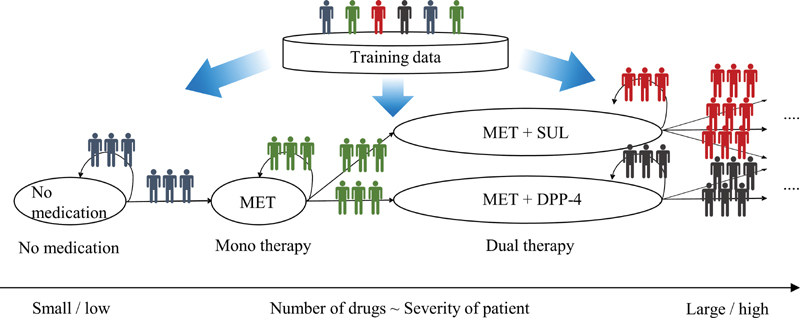
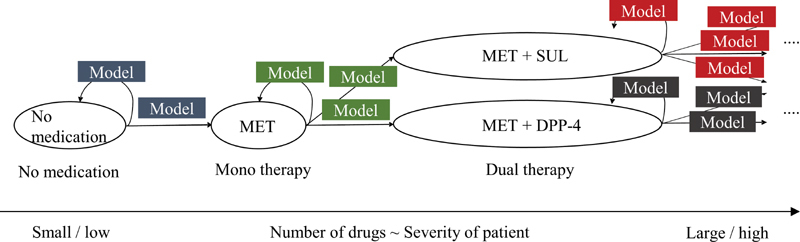
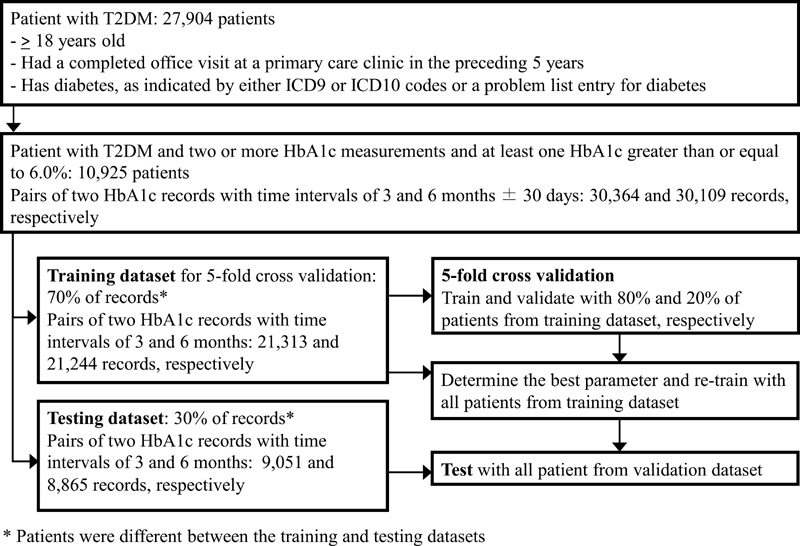
Objectives Artificial intelligence (AI), including predictive analytics, has great potential to improve the care of common chronic conditions with high morbidity and mortality. However, there are still many challenges to achieving this vision. The goal of this project was to develop and apply methods for enhancing chronic disease care using AI. Methods Using a dataset of 27,904 patients with diabetes, an analytical method was developed and validated for generating a treatment pathway graph which consists of models that predict the likelihood of alternate treatment strategies achieving care goals. An AI-driven clinical decision support system (CDSS) integrated with the electronic health record (EHR) was developed by encapsulating the prediction models in an OpenCDS Web service module and delivering the model outputs through a SMART on FHIR (Substitutable Medical Applications and Reusable Technologies on Fast Healthcare Interoperability Resources) web-based dashboard. This CDSS enables clinicians and patients to review relevant patient parameters, select treatment goals, and review alternate treatment strategies based on prediction results. Results The proposed analytical method outperformed previous machine-learning algorithms on prediction accuracy. The CDSS was successfully integrated with the Epic EHR at the University of Utah. Conclusion A predictive analytics-based CDSS was developed and successfully integrated with the EHR through standards-based interoperability frameworks. The approach used could potentially be applied to many other chronic conditions to bring AI-driven CDSS to the point of care.
Overview
The claims and statistics of this paper haven’t been checked yet.
Free: it reads the open-access text and checks the first 5 claims that cite a source we can check. Create a free account to check every claim.
Integrity signals
Registry
Cites
Statistics
Figures

Verification
Claims the paper makes
The claims and statistics of this paper haven’t been checked yet.
Free: it reads the open-access text and checks the first 5 claims that cite a source we can check. Create a free account to check every claim.
Claims other papers make about this one
Each is checked against this paper’s own text: does it say what the citing paper says it does?
The cited source says what the claim attributes to it.
In the citing paper
“For example, for a management decision tool built and deployed in a hospital in Utah for diabetes management, there was a challenge of not offering all the information that was desired by clinicians and patients to decide on type 2 diabetes management [5].”
From Checklist Approach to Developing and Implementing AI in Clinical Settings: Instrument Development Study (2025) · cites this paper as [5]
The cited source says what the claim attributes to it.
In the citing paper
“Artificial intelligence (AI) can further expand CDSS capabilities beyond simply disease differentiation and be used to predict treatment response [223].”
From Toward Safer Diagnoses: A SEIPS-Based Narrative Review of Diagnostic Errors (2026) · cites this paper as [223]
Self-check
Percentages, sums and reported differences re-computed from the paper’s own numbers.
The self-check needs the paper’s full text.
Citations
Cites
Breiman, L. (2001) · Machine Learning · doi:10.1023/a:1010933404324 · Cited by 133,538 · cited 1×
“Despite their successful application in other clinical areas, ML algorithms such as Random Forest 22 (RF) and Gradient Boosting Tree 23 (GBT) can lead to biased estimations in the context of predicting treatment outcomes.”
BackgroundThe central role of the propensity score in observational studies for causal effects
ROSENBAUM, P. R., & RUBIN, D. B. (1983) · Biometrika · doi:10.1093/biomet/70.1.41 · Cited by 31,241 · cited 1×
“We are also considering, but have not yet, used methods such as propensity scoring 51 to adjust for this confounding.”
MethodGreedy function approximation: A gradient boosting machine
Friedman, J. H. (2001) · The Annals of Statistics · doi:10.1214/aos/1013203451 · Cited by 30,731 · cited 1×
“Despite their successful application in other clinical areas, ML algorithms such as Random Forest 22 (RF) and Gradient Boosting Tree 23 (GBT) can lead to biased estimations in the context of predicting treatment outcomes.”
BackgroundProbabilistic Outputs for Support vector Machines and Comparisons to Regularized Likelihood Methods
Platt, J. C. (1999) · Cited by 6,534
Support Vector Regression Machines
Drucker, H., Burges, C. J. C., Kaufman, L., Smola, A. J., & Vapnik, V. N. (1996) · Cited by 4,658
The Regression Analysis of Binary Sequences
Cox, D. R. (1958) · Journal of the Royal Statistical Society Series B: Statistical Methodology · doi:10.1111/j.2517-6161.1958.tb00292.x · Cited by 2,813
Recursive partitioning for heterogeneous causal effects
Athey, S., & Imbens, G. (2016) · Proceedings of the National Academy of Sciences · doi:10.1073/pnas.1510489113 · Cited by 1,586 · cited 1×
“This contrasts with other ML-based approaches, such as Causal Tree, 35 which build a single model from combined treatment and control data to predict an expected effect.”
ResultStandards of Medical Care in Diabetes–2006
Tseng, K. H. (2006) · Diabetes Care · doi:10.2337/dc06-0805 · Cited by 1,092
Metalearners for estimating heterogeneous treatment effects using machine learning
Künzel, S. R., Sekhon, J. S., Bickel, P. J., & Yu, B. (2019) · Proceedings of the National Academy of Sciences · doi:10.1073/pnas.1804597116 · Cited by 1,056 · cited 1×
“34 One Metalearners approach known as T-learner estimates the conditional expectations of the outcomes separately for units under control and those under treatment, then it takes the differences between them as conditional average treat-ment effects.”
BackgroundSMART on FHIR: a standards-based, interoperable apps platform for electronic health records
Mandel, J. C., Kreda, D. A., Mandl, K. D., Kohane, I. S., & Ramoni, R. B. (2016) · Journal of the American Medical Informatics Association · doi:10.1093/jamia/ocv189 · Cited by 829
Cited by
Artificial intelligence in diabetes management: Advancements, opportunities, and challenges
Guan, Z., Li, H., Liu, R., Cai, C., Liu, Y., Li, J., Wang, X., Huang, S., Wu, L., Liu, D., et al. (2023) · Cell Reports Medicine · doi:10.1016/j.xcrm.2023.101213 · Cited by 412
Lee, A. Y. L., Wong, A. K. C., Hung, T. T. M., Yan, J., & Yang, S. (2022) · Journal of Medical Internet Research · doi:10.2196/40364 · Cited by 159
“A previous study created an AI-based decision support system for enhancing shared decision-making in a pharmacotherapy regimen for patients with diabetes [70].”
Artificial intelligence, machine learning, and deep learning for clinical outcome prediction
Pettit, R. W., Fullem, R., Cheng, C., & Amos, C. I. (2021) · Emerging Topics in Life Sciences · doi:10.1042/etls20210246 · Cited by 120
Mackenzie, S. C., Sainsbury, C. A. R., & Wake, D. J. (2023) · Diabetologia · doi:10.1007/s00125-023-06038-8 · Cited by 132
“Per-sonalised prescribing could improve outcomes, rationalise choice of medications and minimise side effects [2, 49].”
BackgroundArtificial intelligence for diabetes care: current and future prospects
Sheng, B., Pushpanathan, K., Guan, Z., Lim, Q. H., Lim, Z. W., Yew, S. M. E., Goh, J. H. L., Bee, Y. M., Sabanayagam, C., Sevdalis, N., et al. (2024) · The Lancet Diabetes & Endocrinology · doi:10.1016/s2213-8587(24)00154-2 · Cited by 106
Gazzarata, R., Coutinho‐Almeida, J., Lindsköld, L., Cangioli, G., Gaeta, E., Fico, G., & Chronaki, C. E. (2024) · International Journal of Medical Informatics · doi:10.1016/j.ijmedinf.2024.105507 · Cited by 114
Telehealth and Telemedicine - The Far-Reaching Medicine for Everyone and Everywhere
(2023) · Biomedical Engineering · doi:10.5772/intechopen.100663 · Cited by 84
Balch, J. A., Ruppert, M. M., Loftus, T. J., Guan, Z., Ren, Y., Upchurch, G. R., Ozrazgat‐Baslanti, T., Rashidi, P., & Bihorac, A. (2023) · JMIR Medical Informatics · doi:10.2196/48297 · Cited by 87
“Tarumi et al [35], 2021 Modeling of treatment outcomes for type 2 diabetes Effective use of SMART on FHIR for integration in local EHR, and design incorporated clinician feedback No external validation, limited access to cost data, and not yet compatible with all EHRs”
The potential of the Medical Digital Twin in diabetes management: a review
Chu, Y., Li, S., Tang, J., & Wu, H. (2023) · Frontiers in Medicine · doi:10.3389/fmed.2023.1178912 · Cited by 74
“An analytical method capable of generating treatment pathways was developed and validated (19) with 27,904 diabetic patients.”
MethodArtificial intelligence and diabetes technology: A review
Gautier, T., Ziegler, L. B., Gerber, M. S., Campos-Náñez, E., & Patek, S. D. (2021) · Metabolism · doi:10.1016/j.metabol.2021.154872 · Cited by 63
Wang, B.-Y., Shi, X., Han, X., & Xiao, G. (2024) · Frontiers in Medicine · doi:10.3389/fmed.2024.1471527 · Cited by 49
AI solutions to the radiology workforce shortage
Jing, A. B., Garg, N., Zhang, J., & Brown, J. J. (2025) · npj Health Systems · doi:10.1038/s44401-025-00023-6 · Cited by 52
Kukhareva, P., Weir, C. R., Fiol, G. D., Aarons, G. A., Taft, T., Schlechter, C. R., Reese, T. J., Curran, R. L., Nanjo, C. J., Borbolla, D. A., et al. (2022) · Journal of Biomedical Informatics · doi:10.1016/j.jbi.2022.104014 · Cited by 53
Self-citationMukhopadhyay, A., Sumner, J., Ling, L. H., Quek, R. H. C., Tan, A. T. H., Teng, G. G., Seetharaman, S. K., Gollamudi, S. P. K., Ho, D., & Motani, M. (2022) · International Journal of Environmental Research and Public Health · doi:10.3390/ijerph19158979 · Cited by 38
Alzghaibi, H. (2025) · Frontiers in Medicine · doi:10.3389/fmed.2025.1557054 · Cited by 43
Artificial Intelligence Algorithms for Treatment of Diabetes
Rashid, M. M., Askari, M. R., Chen, C., Liang, Y., Shu, K., & Çınar, A. (2022) · Algorithms · doi:10.3390/a15090299 · Cited by 42
“A major goal of ML systems that assist medical professionals to personalize treatment approaches is to determine the characteristics and state of T2D for a subject, classify the subject in the most likely cluster of patients with similar characteristics [16,24] and identify the treatment options that have the highest…”
BackgroundSuresh, M. G., Mohamed, S., Geetha, H. S., Prabhu, S., Trivedi, N., Ng, Z. C., Mehta, P. D., Brar, A. S., Sohal, A., Goyal, M. K., et al. (2026) · World Journal of Diabetes · doi:10.4239/wjd.v17.i2.113149 · Cited by 36
“Machine-learning models applied to electronic health records, imaging repositories, and wearable sensor data can help identify high-risk individuals, predict fibrosis trajectories, and support clinical decision-making with greater accuracy [156-159].”
Artificial intelligence-driven transformations in diabetes care: a comprehensive literature review
Iftikhar, M., Saqib, M., Qayyum, S. N., Asmat, R., Mumtaz, H., Rehan, M., Ullah, I., Uddin, I., Noori, S., Khan, M., et al. (2024) · Annals of Medicine and Surgery · doi:10.1097/ms9.0000000000002369 · Cited by 39
The Holistic Perspective of the INCISIVE Project—Artificial Intelligence in Screening Mammography
Lazić, I., López, F., Aussó, S., Alves, B., Barelle, C., Berral, J. L., Bizopoulos, P. A., Bunduc, O., Chouvarda, I., Domínguez, D., et al. (2022) · Applied Sciences · doi:10.3390/app12178755 · Cited by 30
“Additionally, AI improves the care of chronic disease patients, suggesting precision therapies for illnesses with multiple complications, reducing medical errors [7,9].”
BackgroundA Review of Converging Technologies in eHealth Pertaining to Artificial Intelligence
Pap, I. A., & Oniga, S. (2022) · International Journal of Environmental Research and Public Health · doi:10.3390/ijerph191811413 · Cited by 27
Machine Learning Approach to Drug Treatment Strategy for Diabetes Care
Fujihara, K., & Sone, H. (2023) · Diabetes & Metabolism Journal · doi:10.4093/dmj.2022.0349 · Cited by 28
“Table 1 summarizes studies of the predictability of the use of antihyperglycemic medications using artificial intelligence [52-57].”
BackgroundGosak, L., Martinović, K., Lorber, M., & Stiglic, G. (2022) · Journal of Nursing Management · doi:10.1111/jonm.13894 · Cited by 29
“AI has great potential to enhance the care of common chronic conditions significantly (Tarumi et al., 2021).”
BackgroundMwogosi, A. (2025) · Digital Health · doi:10.1177/20552076251344385 · Cited by 26
Khalfallah, H. B., Jelassi, M., Demongeot, J., & Saoud, N. B. B. (2023) · AIMS bioengineering · doi:10.3934/bioeng.2023004 · Cited by 37
FHIR in Focus: Enabling Biomedical Data Harmonization for Intelligent Healthcare Systems
Hornback, A. M., Marteau, B. L., Tan, S. M., Kim, K., Patil, O. R., Traynelis, J., Zhu, Y., Giuste, F., & Wang, M. D. (2025) · IEEE Reviews in Biomedical Engineering · doi:10.1109/rbme.2025.3632213 · Cited by 26
Ying, L. P., Yin, O. X., Quan, O. W., Jain, N., Mayuren, J., Pandey, M., Gorain, B., & Candasamy, M. (2024) · International Journal of Diabetes in Developing Countries · doi:10.1007/s13410-024-01349-x · Cited by 23
“…AI can potentially contribute to many healthcare aspects such as diagnosing conditions, assessing risks, home monitoring, and managing lifestyle [19], along with the high prevalence of diabetes worldwide (463 million adults diagnosed in 2019) which is forecasted to increase if proper…”
Bajramagic, M., Battelino, T., Cos, X., Coté, M., Cui, N., Forbes, A., Galderisi, A., Heinemann, L., Hussain, S., Imbert, J., et al. (2025) · Diabetologia · doi:10.1007/s00125-025-06601-5 · Cited by 24
“This is exemplified by the use of AI-CDSS to improve treatment decisions through AI-assisted selection of glucose-lowering therapies in type 2 diabetes, using data available in EHRs [46].”
Owoyemi, A., Osuchukwu, J., Salwei, M. E., & Boyd, A. (2025) · JMIRx Med · doi:10.2196/65565 · Cited by 18
“For example, for a management decision tool built and deployed in a hospital in Utah for diabetes management, there was a challenge of not offering all the information that was desired by clinicians and patients to decide on type 2 diabetes management [5].”
Ranković, N., Ranković, D., Lukić, I., Savić, N., & Jovanović, V. (2023) · Journal of Personalized Medicine · doi:10.3390/jpm13071032 · Cited by 17
“In [9], the authors compared the accuracy of the decision tree with other classification algorithms to examine a thyroid disease dataset.”
MethodRole of data as an interface between primary, secondary and tertiary care: Evidence from literature
Giri, A., & Din, F. U. (2025) · Informatics and Health · doi:10.1016/j.infoh.2025.01.004 · Cited by 15
Sen, A., Mohanraj, P. S., Laxmi, V., Ashique, S., Vasudevan, R., Aldahish, A. A., Velu, A., Das, A., Ehsan, I., Islam, A., et al. (2025) · Journal of Pharmaceutical Analysis · doi:10.1016/j.jpha.2025.101305 · Cited by 17
Persson, V., & Wickman, U. L. (2025) · Healthcare · doi:10.3390/healthcare13080950 · Cited by 18
“The TPGE model analyzed treatments and calculated the probability of how effective each treatment would be [48].”
Hu, J., Ren, L., Wang, T., & Peng, Y. (2025) · Journal of Multidisciplinary Healthcare · doi:10.2147/jmdh.s529190 · Cited by 18
“20,21 For example, Rabie et al demonstrated that their deep learning-based decision support system achieved a diabetes diagnostic accuracy rate of 93.07%, significantly enhancing diagnostic precision and improving patient care quality.”
InfluentialTarumi, S., Takeuchi, W., Qi, R., Ning, X., Ruppert, L., Ban, H., Robertson, D. H., Schleyer, T., & Kawamoto, K. (2022) · Journal of Biomedical Informatics · doi:10.1016/j.jbi.2022.104001 · Cited by 12
Self-citationArtificial Intelligence Enabled Lifestyle Medicine in Diabetes Care: A Narrative Review
Gonzalez-Rivas, J. P., Seyedi, S. A., & Mechanick, J. I. (2025) · American Journal of Lifestyle Medicine · doi:10.1177/15598276251359185 · Cited by 17
Role of Artificial Intelligence in Diabetic Wound Screening and Early Detection
Dhankhar, S., Garg, N., Chauhan, S., & Saini, M. (2024) · Current Biotechnology · doi:10.2174/0122115501303253240408072559 · Cited by 13
Transforming paperwork with AI: applications across healthcare and other industries
Jnainati, M. A., Jnainati, J. A., Rath, S., Aujla, S., Nasir, E., Govindarajan, A., Samantaray, Y., & Semy, M. (2025) · AI & Society · doi:10.1007/s00146-025-02380-0 · Cited by 14
“This capacity was demonstrated in a research on using AI for chronic illness care, which combined AI-powered clinical decision support systems with electronic health records to enhance treatment results (Tarumi et al. 2021).”
Artificial Intelligence, Machine Learning, and Natural Language Processing
Shoenbill, K. A., Kasthurirathne, S. N., & Mendonça, E. A. (2023) · Springer eBooks · doi:10.1007/978-3-031-29171-5_36 · Cited by 15
Yusuf, H., Hillman, A., Stegeman, A., Cameron, A. R., & Badger, S. (2024) · Frontiers in Veterinary Science · doi:10.3389/fvets.2024.1349188 · Cited by 10
Mondal, A., Naskar, A., Choudhury, B. R., Chakraborty, S., Biswas, T., Sinha, S., & Roy, S. (2025) · Cureus · doi:10.7759/cureus.80737 · Cited by 10
“[10].”
Artificial Intelligence in Personalized Medicine for Diabetes Mellitus: A Narrative Review
Ghosh, K., Chandra, S., Ghosh, S., & Ghosh, U. S. (2025) · Cureus · doi:10.7759/cureus.91520 · Cited by 10
“In a study, an EHR-integrated approach was implemented for forecasting variations in HbA1c linked to other T2D options for treatment, exhibiting the potential of AI-based tools in clinical practice [69].”
Machine learning decision support model for radical cystectomy discharge planning
Zhao, C. C., Bjurlin, M. A., Wysock, J. S., Taneja, S. S., Huang, W. C. W., Fenyö, D., & Matulewicz, R. S. (2022) · Urologic Oncology Seminars and Original Investigations · doi:10.1016/j.urolonc.2022.05.026 · Cited by 8
Williams, K. S., Rahurkar, S., Grannis, S. J., Schleyer, T. K., & Dixon, B. E. (2025) · BMC Medical Informatics and Decision Making · doi:10.1186/s12911-025-02933-9 · Cited by 15
Artificial Intelligence in Older Adults’ Healthcare: Applications and Ethical Considerations
ŞENDUR, E. G., & Turgut, A. (2025) · Akdeniz Hemşirelik Dergisi · doi:10.59398/ahd.1652544 · Cited by 8
Toward Safer Diagnoses: A SEIPS-Based Narrative Review of Diagnostic Errors
Yen, C., Epling, J. W., Rockwell, M., & Vaughn-Cooke, M. (2026) · Diagnostics · doi:10.3390/diagnostics16020347 · Cited by 6
“Artificial intelligence (AI) can further expand CDSS capabilities beyond simply disease differentiation and be used to predict treatment response [223].”
Kannan, J. A., & Rajalakshmi, R. (2025) · International Conference on Circuit, Power and Computing Technologies · doi:10.1109/iccpct65132.2025.11176537 · Cited by 5
Pohane, A. L., Dighade, S. J., Rithe, E. S., Mangwani, R. R., Raut, A. S., & Bhamburkar, S. S. (2025) · doi:10.38124/ijisrt/25mar533 · Cited by 5
Distefano, A., Rudestam, K. E., & Silverman, R. J. (2004) · Sage eBooks · doi:10.4135/9781412950596.n156 · Cited by 4
Zhang, X., Jiang, H., & Ozanich, G. (2023) · Biomedical engineering · doi:10.5772/intechopen.108509 · Cited by 4
Wang, M., Sushil, M., Williams, C. Y. K., Miao, B. Y., Kim, S., Masharani, U. B., Ku, G., Hsiao, V. C., Shah, A., Koliwad, S. K., et al. (2025) · Clinical Diabetes · doi:10.2337/cd25-0015 · Cited by 5
Chen, X., Kim, G. E., Kim, N. A., & Kim, K. J. (2026) · Healthcare · doi:10.3390/healthcare14081019 · Cited by 3
“…including early artificial intelligence-enabled approaches, are incorporated to support proactive interpretation of glucose trends and individualized decision support, further extending the clinical utility of CGM data as a foundation for data-driven, digitally enabled diabetes care [25,26].”
Камынина, Н. Н., Andreev, D. A., Pakhuridze, M. D., & Sizov, G. G. (2023) · Health Care of the Russian Federation · doi:10.47470/0044-197x-2023-67-5-417-422 · Cited by 3
Price, J. E., Fujihara, K., Kodama, S., Yamazaki, K., Maegawa, H., Yamazaki, T., & Sone, H. (2024) · Diabetes & Metabolic Syndrome Clinical Research & Reviews · doi:10.1016/j.dsx.2024.103168 · Cited by 4
Esfandiari, E., Kalroozi, F., Mehrabi, N., & Hosseini, Y. (2024) · Jundishapur Journal of Chronic Disease Care · doi:10.5812/jjcdc-143796 · Cited by 5
Subrata, S. A. (2025) · Pacific Rim International Journal of Nursing Research · doi:10.60099/prijnr.2025.272061 · Cited by 3
Mishra, R., Mohapatra, S. K., Satpathy, R., & Pati, B. (2024) · International Conference on Signal Processing, Communication, Power and Embedded System (SCOPES) · doi:10.1109/scopes64467.2024.10991178 · Cited by 2
AI and telemedicine in management of diabetes
Petrov, S. V., Donkov, D., & Orbetzova, M. M. (2025) · Folia Medica · doi:10.3897/folmed.67.e153728 · Cited by 2
Li, W.-J., & Li, L.-Z. (2026) · World Journal of Methodology · doi:10.5662/wjm.v16.i1.107488 · Cited by 3
Tang, X. (2024) · International Conference on Distributed Computing and Optimization Techniques (ICDCOT) · doi:10.1109/icdcot61034.2024.10515767 · Cited by 3
“The platform adopts high-end data encryption technology, which can ensure the privacy and security of users [17-18].”
BackgroundLessons for Approaching Implementation of AI Systems in Clinical Settings
Owoyemi, A., Okpara, E., Okor, M., Awais, F., Harwani, S., Salwei, M. E., & Boyd, A. (2024) · IEEE International Conference on Healthcare Informatics (ICHI) · doi:10.1109/ichi61247.2024.00067 · Cited by 3
“…and patients to decide on Type 2 Diabetes (T2D) management; it also did not consider how to provide machine learning (ML) results to clinicians and patients including how to apply the information, and matching the data to the clinical questions which is an issue with Blackbox AI systems[3].”
BackgroundAI-Driven Telemedicine and mHealth Applications Integrating Digital Twin-Based Healthcare
Chetlapalli, H., Kodadi, S., Deevi, D. P., Allur, N. S., Dondapati, K., & Perumal, T. (2025) · IGI Global eBooks · doi:10.4018/979-8-3373-2028-1.ch020 · Cited by 2
Golden opportunities for clinical decision support in an era of team-based healthcare.
Dexter, P. R., & Schleyer, T. (2021) · PubMed Central · Cited by 4
Enhancing Antidiabetic Drug Selection Using Transformers: Machine-Learning Model Development
Kurasawa, H., Waki, K., Seki, T., Nakahara, E., Fujino, A., Shiomi, N., Nakashima, H., & Ohe, K. (2025) · JMIR Medical Informatics · doi:10.2196/67748 · Cited by 1
“There are also proposed methods for predicting treatment outcomes after selecting diabetes medications [27].”
Personalized healthcare information delivery using artificial intelligence
Rana, H., Gohel, S., Patel, D., Sharma, M., Gandhi, N., & Suryawanshi, M. V. (2025) · Elsevier eBooks · doi:10.1016/b978-0-443-43823-3.00018-2 · Cited by 1
Al-Taie, A., Hafida, M., Abdulsattar, M., & Mahmoud, R. E. (2026) · The Egyptian Journal of Internal Medicine · doi:10.1186/s43162-026-00597-z · Cited by 1
“The viability of AI-based tools in clinical practice was recently demonstrated by Tarumi et al. [39], who implemented an EHR-integrated system for forecasting changes in HbA1c linked to other treatment options in T2DM.”
Bansal, R., William, H., Kher, M., Tank, Y. P., Tank, B. Y., & Shukla, A. (2026) · Cureus · doi:10.7759/cureus.108329 · Cited by 1
“This integration enables identification of latent patterns not readily detectable through traditional analytical methods, thereby improving risk prediction and dose individualisation [38].”
InfluentialHe, Z., Li, H., Luo, Y., Yu, Y., Li, S., Zhang, T., & Bao, D. (2026) · International Journal of Molecular Medicine · doi:10.3892/ijmm.2026.5955 · Cited by 2
“Additionally, AI‑driven CDSS based on treatment pathway modeling can simulate HbA1c responses under different therapeutic strategies in T2DM, offering critical guidance for individualized care (324).”
Kavya, R., Christopher, J. J., Panda, S., Lazarus, B. S., & Dayalan, J. (2022) · Methods of Information in Medicine · doi:10.1055/s-0042-1756650 · Cited by 1
The Role of AI in Elevating Hospital Service Quality: Framework, Development, and Applications
Abidi, M. H., Rehman, A. U., Mian, S. H., Alkhalefah, H., & Usmani, Y. S. (2023) · Advances in healthcare information systems and administration book series · doi:10.4018/979-8-3693-0679-6.ch012 · Cited by 10
Revolutionizing Hypertension Management: AI-Powered Precision Medicine Approaches
Patel, A., Kankva, D., & Prajapati, P. (2024) · International Journal of Pharmaceutical Sciences and Nanotechnology · doi:10.37285/ijpsn.2024.17.6.8 · Cited by 1
Halilaj, M., Vasil, S. M., Kosta, A., & Lili, I. (2025) · International Journal of Engineering and Advanced Technology Studies · doi:10.37745/ijeats.13/vol13n12228 · Cited by 4
Artificial intelligence in endocrinology: Breakthrough technologies and prospects
Pershina-Miliutina, A. P., Алексеевна, Т. М., Ershova, E. V., Komshilova, K. A., & Еrshova, P. A. (2025) · Obesity and metabolism · doi:10.14341/omet13238 · Cited by 1
Xu, S. (2026) · doi:10.2196/preprints.104385 · Cited by 1
AI Integration with Ancient Science
Hirawat, S., & Bhandari, S. (2024) · International Journal of Research Publication and Reviews · doi:10.55248/gengpi.5.1024.2928
Mesterséges intelligencia a cukorbetegség kezelésében: lehetőségek és kihívások
Sztanek, F. (2024) · Diabetologia Hungarica · doi:10.24121/dh.2024.18
Rekavandi, A. M., Bennamoun, M., Boussaïd, F., Davis, W. A., & Davis, T. M. E. (2025) · IEEE Access · doi:10.1109/access.2025.3582938
“Over the last decade, statistical machine learning techniques [1], [2], [3], [4] and sophisticated deep learning methods with SOTA architectures [5], [6], [7] have shown clinical utility across a range of medical applications [8], [9], [10], [11].”
Kavitha, N. S., Rajasekar, L., Muniyandy, E., & Balaji, S. R. (2025) · SSRN Electronic Journal · doi:10.2139/ssrn.5351404
Artificial Intelligence-Assisted Nursing Interventions for Predicting Diabetes Among Homeless AdultsPreprint
Mousa, K. M., Mousa, F. A., Abdelhamid, N. M., Atress, M. S., Abdelwahed, A. Y., Gushgari, O. A., & Elsawy, M. M. (2025) · Research Square · doi:10.21203/rs.3.rs-8098429/v1
AI-Driven Early Diagnosis of Chronic Diseases Using Electronic Health Records
Rahman, M. A., Alsabhan, W. M., Badhon, N. A., Islam, I., Saimon, S. I., & Bhuiyan, M. (2025) · International Conference on Artificial Intelligence Technology (ICoAIT) · doi:10.1109/icoait67446.2025.11309087
“Tarumi et al. [10] built an AI-based clinical decision support system coupled with an EHR, which performed better than the currently available models in predicting the outcome of treatment in chronic diabetics with 27,904 patients and was effectively implemented into real clinical use.”
Yaşlı Sağlığında Yapay Zeka: Uygulamalar ve Etik Sorunlar
ŞENDUR, E. G., & Turgut, A. (2025) · Akdeniz Hemşirelik Dergisi
The Application of Artificial Intelligence in Diabetes Management
Jiang, S. (2026) · International Journal of Public Health and Medical Research · doi:10.62051/ijphmr.v6n1.03
Mousa, K. M., Mousa, F. A., Abdelhamid, N. M., Atress, M. S., Abdelwahed, A. Y., Gushgari, O. Y., Alshwail, F. A., Bawaked, R. A., & Elsawy, M. M. (2026) · Healthcare · doi:10.3390/healthcare14060808
“Homeless individuals deal with food shortages, precarious housing, and disjointed services, which make traditional diabetes treatment plans impractical and increase complications [13].”
Dopierala, C. (2022) · theses.fr (ABES) · doi:10.70675/eedd64abz55b3z4eb9zb223z472d020105e9 · Cited by 1
Allayl, M., & Bahari, G. (2026) · Journal of Multidisciplinary Healthcare · doi:10.2147/jmdh.s598736
Reddy, S. P. K., Priya, K. E., Chouhan, A., & Mounika, C. (2026) · International Conference on Augmented Intelligence and Sustainable Systems (ICAISS) · doi:10.1109/icaiss68683.2026.11525760
“In related conditions such as type-2 diabetes, which often occurs alongside CKD, language-based and rule-driven systems have helped guide medication choices [14].”
Kayathiri, D., Jagan Mohan, R., Venkatesan, N., & Kumarappan, M. (2026) · International Journal of Drug Delivery Technology · doi:10.25258/ijddt.16.56s.151
“The research introduces an revolutionary scientific selection aid system (CDSS) that integrates predictive analytics into the digital fitness file surroundings, permitting clinicians and patients to collaboratively explore individualized remedy techniques (12–15).”
The promise of artificial intelligence in diabetes management – a narrative review
Alfares, K. (2026) · Current Topics in Diabetes · doi:10.5114/ctd/221917
Ceylan, C. (2026) · The Annals of Clinical and Analytical Medicine · doi:10.4328/acam.50111
Aleman-Gonzales, L., Choque‐Quispe, B. M., Mamani-Zapana, W. H., Mendoza-Mollocondo, C.-I., Bernedo, E. G. M., Mamani, E. W. C., & Paredes-Quispe, J. R. (2026) · Journal Of Advanced Pharmacy Education And Research · doi:10.51847/oam3w008h7
Artificial intelligence in diabetes: Clinical applications across the disease continuum
Yin, S. S., Viola, V., & Pozzilli, P. (2026) · Journal of Diabetes and its Complications · doi:10.1016/j.jdiacomp.2026.109438
Lytras, M. D., Sarirete, A., de Pablos, P. O., & Lytras, D. (2026) · Elsevier eBooks · doi:10.1016/b978-0-443-45156-0.10004-4
Metadata
- Authors
- Tarumi, S., Takeuchi, W., Chalkidis, G., Rodriguez-Loya, S., Kuwata, J., Flynn, M., Turner, K. M., Sakaguchi, F. H., Weir, C., Kramer, H., Shields, D. E., Warner, P. B., Kukhareva, P., Ban, H., & Kawamoto, K.
- Affiliations
- Department of Media Intelligent Processing Research, Center for Technology Innovation Artificial Intelligence, Hitachi Ltd., Kokubunji, Tokyo, Japan
- Hitachi (Japan) (JP)
- University of Utah (US)
- ORCID
- Venue
- Methods of Information in Medicine
- Publisher
- Georg Thieme Verlag KG
- Published
- 2021-05-11
- Volume
- 60
- Issue
- S 01
- Pages
- e32-e43
- ISSN
- 0026-1270 (ISSN-L)
- 2511-705X
- PMC
- PMC8294941
- OpenAlex
- W3163731260
- Cited by
- 84
- References
- 44
- Citations by year
- 2026: 15 · 2025: 30 · 2024: 14 · 2023: 9 · 2022: 12 · 2021: 3
- FWCI
- 2.77
- Type
- journal article
- Language
- en
- Open access
- hybrid
- doi.org
- Licence
- Locations
- Methods of Information in Medicine (publishedVersion, cc-by-nc-nd)
- PubMed Central (publishedVersion, cc-by-nc-nd)
- PubMed (publishedVersion)
- Funders
- Hitachi, Ltd.
- Topics
- Health Sciences › Medicine › Health Informatics › Artificial Intelligence in Healthcare and Education
- Physical Sciences › Computer Science › Artificial Intelligence › Machine Learning in Healthcare
- Health Sciences › Health Professions › Health Information Management › Electronic Health Records Systems
- Keywords
- artificial intelligence, clinical decision support systems, type 2 diabetes, chronic care, predictive analytics, electronic health record integration, SMART on FHIR, Epic EHR, interoperability
- MeSH terms
- Artificial Intelligence, Chronic Disease, Diabetes Mellitus, Type 2, Humans, Decision Support Systems, Clinical, Electronic Health Records
About these checks
Registry, retraction, Cites and statistics results are computed, not judged, with one exception: a printed reference that no index lists is read once by a model before it counts as a citation error. Claims are extracted by a model and kept only when their quote appears verbatim in the text; each cited source is then checked, with a model’s help, for whether it says what the claim relies on. Those verdicts can be wrong — read the claim’s quote and the cited source before relying on one.
Statistics and arithmetic are recomputed, not judged.
Confidence bands are shown only for fields calibrated on our annotated test set. None is calibrated yet, so no band is shown.
What counts as a claim ›How we measure confidence ›How we check this ›
Are you an author, or do you see a problem with this page? Request a review
Data sources
Bibliographic data: Semantic Scholar, OpenAlex, Crossref.
Contains information from the Semantic Scholar Academic Graph Datasets, made available under the ODC Attribution License (ODC-BY 1.0).
Semantic Scholar’s data is described in: Kinney, R., et al. (2023). The Semantic Scholar Open Data Platform. arXiv:2301.10140.
