

The DOI matches its Crossref record; 50 of the 50 references it cites were found in a registry or an index.
TREM2 deficiency attenuates neuroinflammation and protects against neurodegeneration in a mouse model of tauopathy
Open accessAbstract
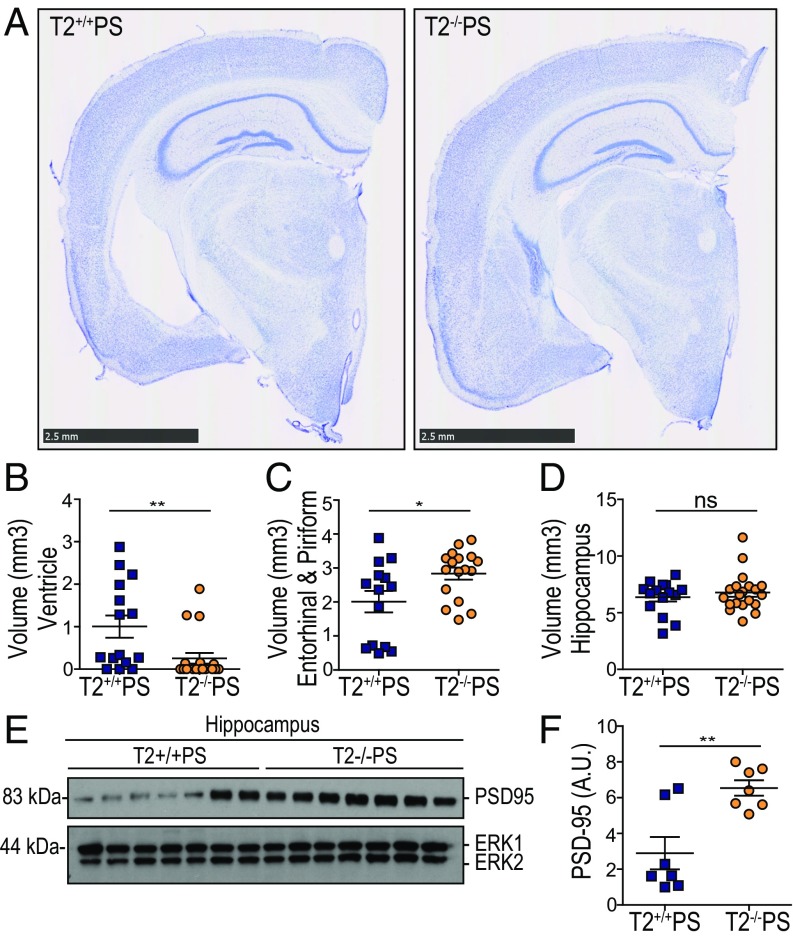
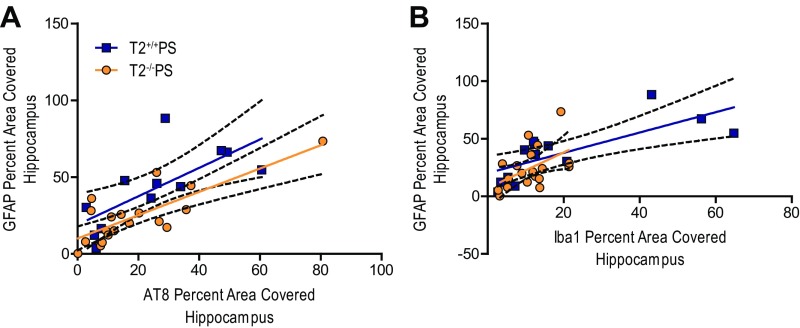
Significance: Alzheimer’s disease (AD) is the most common cause of dementia and is a major public health problem for which there is currently no disease-modifying treatment. There is an urgent need for greater understanding of the molecular mechanisms underlying neurodegeneration in patients to create better therapeutic options. Recently, genetic studies uncovered novel AD risk variants in the microglial receptor, triggering receptor expressed on myeloid cells 2 (TREM2). Previous studies suggested that loss of TREM2 function worsens amyloid-β (Aβ) plaque-related toxicity. In contrast, we observe TREM2 deficiency mitigates neuroinflammation and protects against brain atrophy in the context of tau pathology. These findings indicate dual roles for TREM2 and microglia in the context of amyloid versus tau pathology, which are important to consider for potential treatments targeting TREM2.
Overview
The claims and statistics of this paper haven’t been checked yet.
Run the check — free, no account needed. It reads the open-access text and checks the sources it cites.
Integrity signals
Registry
Cites
Statistics
Figures
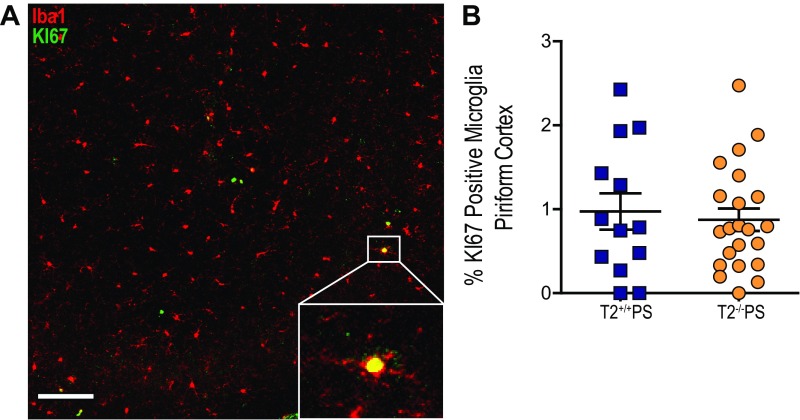
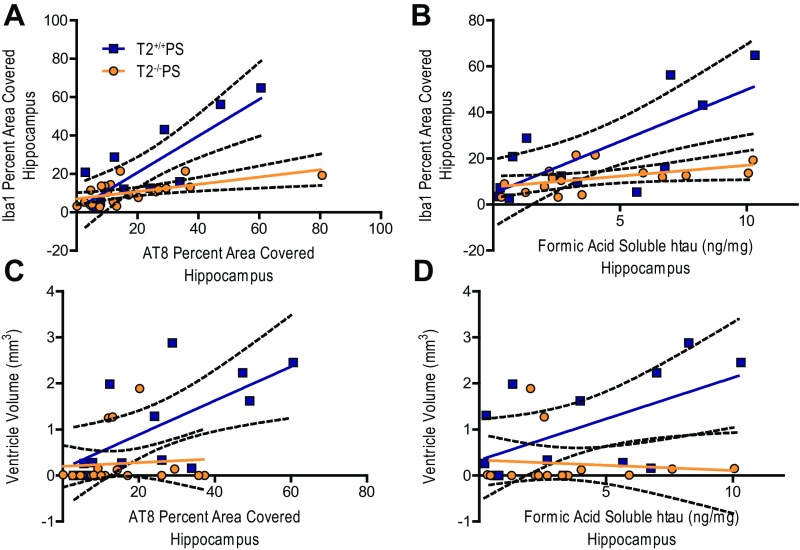
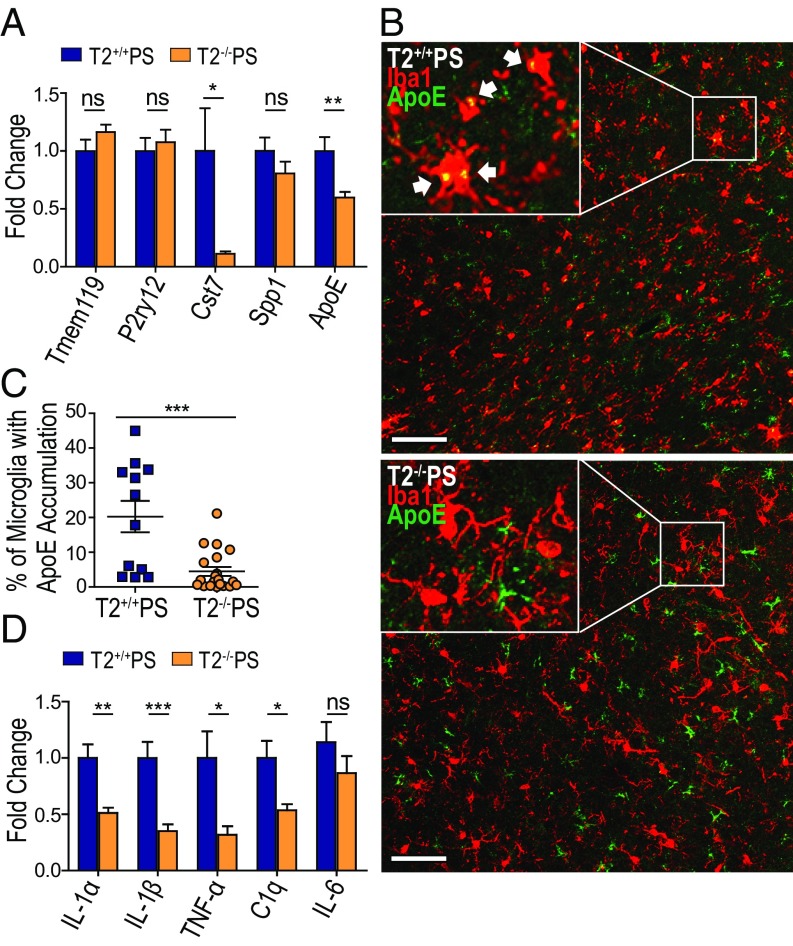
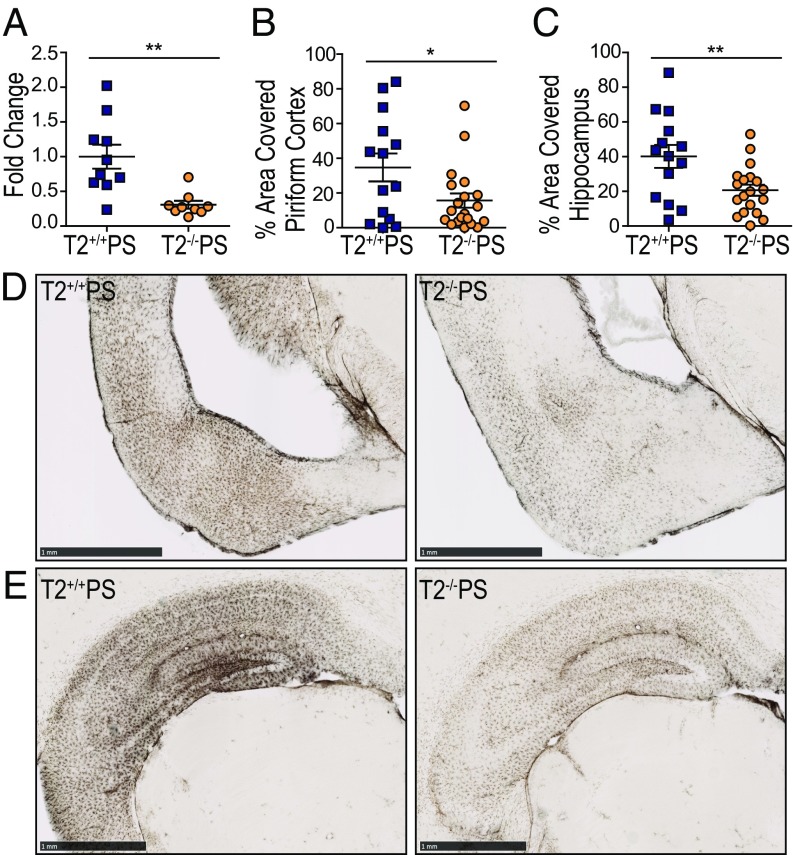
Verification
Claims the paper makes
The claims and statistics of this paper haven’t been checked yet.
Run the check — free, no account needed. It reads the open-access text and checks the sources it cites.
Claims other papers make about this one
Each is checked against this paper’s own text: does it say what the citing paper says it does?
The source backs part of the claim, not all of it — or backs it for a different population, condition or comparison.
In the citing paper
“Earlier studies on other microglial AD risk genes reported opposing effects on AD-related pathologies using various animal models at different ages (8–14).”
From The effect of Abi3 locus deletion on the progression of Alzheimer’s disease-related pathologies (2023) · cites this paper as [14]
Experimental — accuracy not yet measuredThe source backs part of the claim, not all of it — or backs it for a different population, condition or comparison.
In the citing paper
“On the other hand, in PS19 tau transgenic mice that express human tau containing the P301S mutation (in the absence of plaque pathology), loss of TREM2 was protective against brain atrophy and synapse loss [41, 42], and this protective effect was abolished in the presence of ApoE4 [43].”
From Microglial function, INPP5D/SHIP1 signaling, and NLRP3 inflammasome activation: implications for Alzheimer’s disease (2023) · cites this paper as [41]
Experimental — accuracy not yet measuredThe source backs part of the claim, not all of it — or backs it for a different population, condition or comparison.
In the citing paper
“the knockdown of TREM2 could alleviate the neuroinflammation and prevent neurodegeneration of tau pathology in TREM2−/−PS mice compared with wild-type mice (Leyns et al., 2017).”
From AD-Like Neuropsychiatric Dysfunction in a Mice Model Induced by a Combination of High-Fat Diet and Intraperitoneal Injection of Streptozotocin (2024) · cites this paper as Leyns et al., 2017
Experimental — accuracy not yet measuredThe source backs part of the claim, not all of it — or backs it for a different population, condition or comparison.
In the citing paper
“Indeed, manipulation of expression of Trem2, Tyrobp, Cx3cl1/Cx3cr1, IL1β, and IFN-γ have all been shown to have opposing effects on amyloid and tau pathologies [49–51, 55–65].”
From Deletion of Abi3/Gngt2 influences age-progressive amyloid β and tau pathologies in distinctive ways (2022) · cites this paper as [50]
Experimental — accuracy not yet measuredThe cited source says what the claim attributes to it.
In the citing paper
“Trem2 deficiency attenuates neurodegeneration in Tau transgenic mice and seems to reduce the neuroinflammatory response [146].”
From Neuron Loss in Alzheimer’s Disease: Translation in Transgenic Mouse Models (2020) · cites this paper as [146]
The cited source says what the claim attributes to it.
In the citing paper
“These studies have led to the notion that microglia can have differential effects on AD pathology depending on the disease stage.”
From The effect of Abi3 locus deletion on the progression of Alzheimer’s disease-related pathologies (2023) · cites this paper as [14]
The cited source says what the claim attributes to it.
In the citing paper
“However, TREM2 ablation was protective and decreased synaptic impairment and neurodegenerative phenotypes [13] in the PS19 mouse model [17].”
From TREM2-Deficient Microglia Attenuate Tau Spreading In Vivo (2023) · cites this paper as [13]
The cited source says what the claim attributes to it.
In the citing paper
“Collectively, these studies yielded disparate results regarding the effect of TREM2 on tau pathology and whether the effect is amyloid dependent or independent.”
From TREM2-Deficient Microglia Attenuate Tau Spreading In Vivo (2023) · cites this paper as [13]
The cited source says what the claim attributes to it.
In the citing paper
“TREM2 loss-of-function studies have also yielded conflicting outcomes in the context of tau pathology.”
From TREM2-Deficient Microglia Attenuate Tau Spreading In Vivo (2023) · cites this paper as [13]
The cited source says what the claim attributes to it.
In the citing paper
“brain atrophy and microgliosis were reduced [13].”
From TREM2-Deficient Microglia Attenuate Tau Spreading In Vivo (2023) · cites this paper as [13]
The cited source says what the claim attributes to it.
In the citing paper
“total deletion of TREM2 did not affect tau pathology in PS19 mice crossed with Trem2 KO mice”
From TREM2-Deficient Microglia Attenuate Tau Spreading In Vivo (2023) · cites this paper as [13]
The cited source says what the claim attributes to it.
In the citing paper
“The authors did not observe differences in microglia proliferation in PS19 mice regardless of Trem2 genotype”
From TREM2-Deficient Microglia Attenuate Tau Spreading In Vivo (2023) · cites this paper as [13]
The cited source says what the claim attributes to it.
In the citing paper
“a decrease in inflammatory transcripts was observed in PS19 mice due to TREM2 ablation”
From TREM2-Deficient Microglia Attenuate Tau Spreading In Vivo (2023) · cites this paper as [13]
The cited source says what the claim attributes to it.
In the citing paper
“it has been shown that TREM2 downregulation affects the phenotype of GFAP-positive astrocytes in the APP/PS1 amyloid mouse model and the PS19 model of tauopathy [8,13].”
From TREM2-Deficient Microglia Attenuate Tau Spreading In Vivo (2023) · cites this paper as [13]
The cited source says what the claim attributes to it.
In the citing paper
“suggesting that TREM2-deficient microglia may undergo metabolic stress, impacting their function and capacity to respond to damage incited by tauopathy, possibly leading to inadvertent cell death [13].”
From TREM2-Deficient Microglia Attenuate Tau Spreading In Vivo (2023) · cites this paper as [13]
The cited source says what the claim attributes to it.
In the citing paper
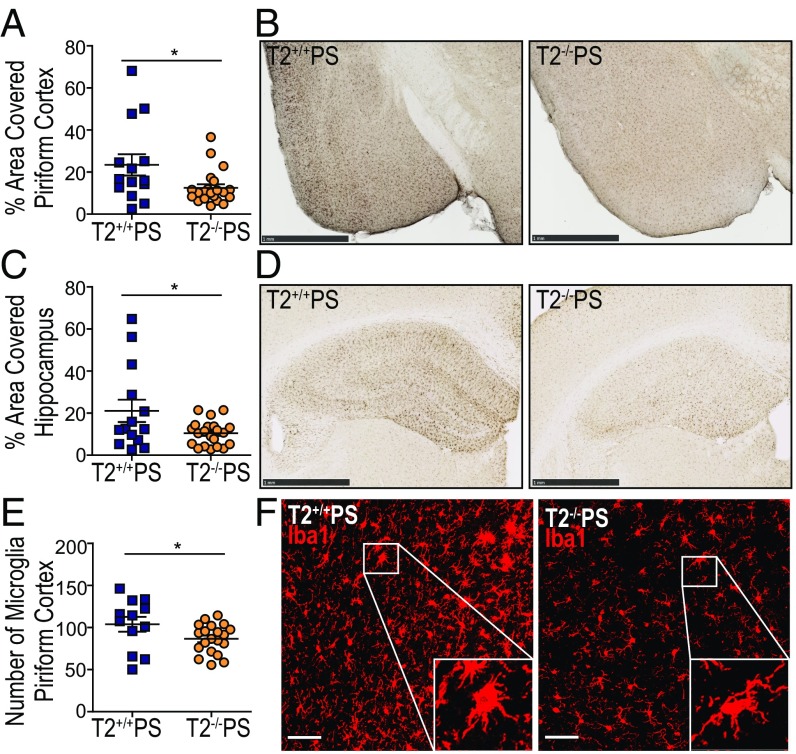
“the ablation of TREM2 in the PS19 mouse model decreased the number of IBA1-positive microglia in regions affected by tau pathology [13]”
From TREM2-Deficient Microglia Attenuate Tau Spreading In Vivo (2023) · cites this paper as [13]
The cited source says what the claim attributes to it.
In the citing paper
“suggesting that loss of TREM2 function impacts microglial activation, hindering inflammatory responses [13].”
From TREM2-Deficient Microglia Attenuate Tau Spreading In Vivo (2023) · cites this paper as [13]
The cited source says what the claim attributes to it.
In the citing paper
“Interestingly, TREM2 deficiency also protects against tau-associated neurodegeneration in P301S mice (Leyns et al., 2017).”
From Overexpressing low‐density lipoprotein receptor reduces tau‐associated neurodegeneration in relation to apoE‐linked mechanisms (2021) · cites this paper as Leyns et al., 2017
The cited source says what the claim attributes to it.
In the citing paper
“More recently, this dichotomy has been elegantly demonstrated in multiple models of Trem2 and Tyrobp [49–51, 55–59].”
From Deletion of Abi3/Gngt2 influences age-progressive amyloid β and tau pathologies in distinctive ways (2022) · cites this paper as [50]
In the citing paper
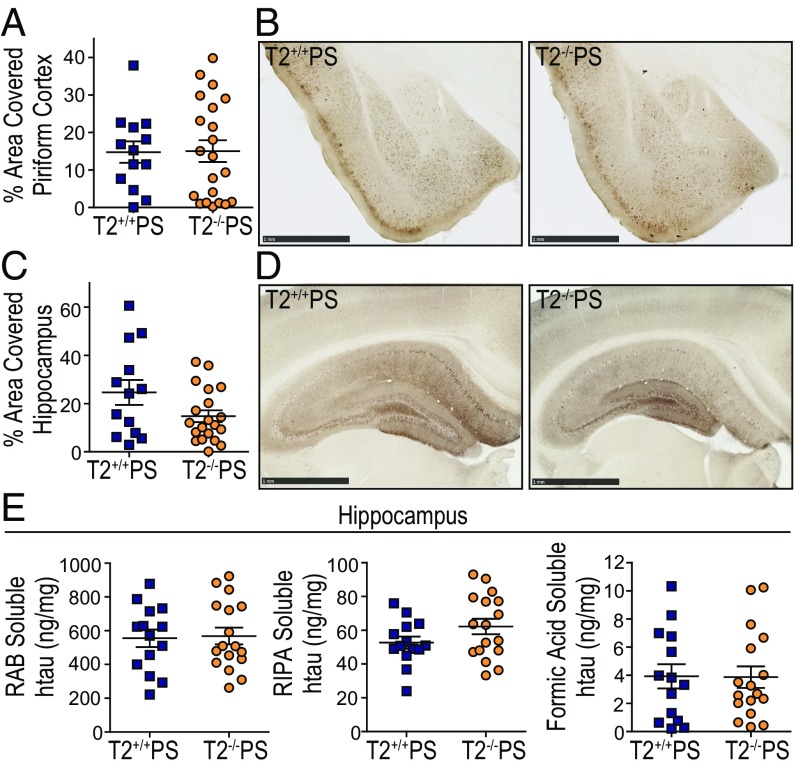
“In contrast, in tau-P301S transgenic mice, TREM2 deletion attenuates neuroinflammation and protects against neurodegeneration at a late stage without altering tau phosphorylation and aggregation [127].”
From Tau and neuroinflammation in Alzheimer’s disease: interplay mechanisms and clinical translation (2023) · cites this paper as [127]
In the citing paper
“other studies found that TREM2 deficiency significantly reduced brain atrophy and prevented microglial activation in tau transgenic mice.”
From Microglia in neurodegenerative diseases: mechanism and potential therapeutic targets (2023) · cites this paper as [178]
In the citing paper
“In the tau model of neurodegeneration, genetic deletion of either Apoe or Trem2 also arrested neurodegeneration, demonstrating that this pathway negatively regulates the homeostatic signature182,183.”
From Microglial signatures and their role in health and disease (2018) · cites this paper as [183]
In the citing paper
“References 182 and 183 connect TREM2 and ApoE signalling with exacerbation of neuroinflammation and tauopathy.”
From Microglial signatures and their role in health and disease (2018) · cites this paper as [183]
In the citing paper
“TREM2 deficiency is reported to enhance tau hyperphosphorylation at an early disease stage in htau mice65 and a mid-disease stage in P301S mice [G]66, but does not affect tau pathology at a late-disease stage in P301S mice67”
From Interplay between innate immunity and Alzheimer disease: APOE and TREM2 in the spotlight (2018) · cites this paper as [67]
In the citing paper
“End-stage TREM2−/− P301S mice that exhibit significantly reduced microgliosis and downregulated MGnD genes such as ApoE and cystatin 7 (Cst7), show significantly attenuated brain atrophy compared to TREM2+/+ P301S mice despite no change of tau pathology67.”
From Interplay between innate immunity and Alzheimer disease: APOE and TREM2 in the spotlight (2018) · cites this paper as [67]
In the citing paper
“Targeting TREM2 signaling in the facial nerve axotomy model ameliorates neuronal loss28, and ablation of TREM2 in tauopathy mice attenuates neuroinflammation and neurodegeneration67, similar to the effect of ApoE deletion.”
From Interplay between innate immunity and Alzheimer disease: APOE and TREM2 in the spotlight (2018) · cites this paper as [67]
In the citing paper
“This work shows that dampening neurodegenerative microglial activation via TREM2 deletion reduces neurodegeneration at an advanced disease stage in a tauopathy mouse model, supporting a role of microglia in modulating neurodegeneration.”
From Interplay between innate immunity and Alzheimer disease: APOE and TREM2 in the spotlight (2018) · cites this paper as [67]
Self-check
Percentages, sums and reported differences re-computed from the paper’s own numbers.
The self-check needs the paper’s full text.
Citations
Cites
The Mouse Brain in Stereotaxic Coordinates
Paxinos, G. (2001) · Cited by 12,859
Neurotoxic reactive astrocytes are induced by activated microglia
Liddelow, S. A., Guttenplan, K. A., Clarke, L. E., Bennett, F. C., Bohlen, C. J., Schirmer, L., Bennett, M. L., Münch, A. E., Chung, W.-S., Peterson, T. C., et al. (2017) · Nature · doi:10.1038/nature21029 · Cited by 7,971 · cited 1×
“Recent studies have further demonstrated that microglia can influence astrocyte reactivity in several disease models (34, 35).”
BackgroundA Unique Microglia Type Associated with Restricting Development of Alzheimer’s Disease
Keren-Shaul, H., Spinrad, A., Weiner, A., Matcovitch-Natan, O., Dvir-Szternfeld, R., Ulland, T. K., David, E., Baruch, K., Lara-Astaiso, D., Toth, B., et al. (2017) · Cell · doi:10.1016/j.cell.2017.05.018 · Cited by 5,493
Self-citationTREM2 Variants in Alzheimer's Disease
Guerreiro, R., Wojtas, A., Bras, J., Carrasquillo, M., Rogaeva, E., Majounie, E., Cruchaga, C., Sassi, C., Kauwe, J. S. K., Younkin, S., et al. (2013) · New England Journal of Medicine · doi:10.1056/nejmoa1211851 · Cited by 3,020
Krasemann, S., Madore, C., Cialic, R., Baufeld, C., Calcagno, N., El Fatimy, R., Beckers, L., O’Loughlin, E., Xu, Y., Fanek, Z., et al. (2017) · Immunity · doi:10.1016/j.immuni.2017.08.008 · Cited by 2,979
Self-citationVariant of TREM2 Associated with the Risk of Alzheimer's Disease
Jonsson, T., Stefansson, H., Steinberg, S., Jonsdottir, I., Jonsson, P. V., Snaedal, J., Bjornsson, S., Huttenlocher, J., Levey, A. I., Lah, J. J., et al. (2013) · New England Journal of Medicine · doi:10.1056/nejmoa1211103 · Cited by 2,558 · cited 1×
“The discovery that rare coding variants in the triggering receptor expressed on myeloid cells 2 (TREM2) are associated with a twofold to fourfold increased risk for developing sporadic, lateonset AD further implicates the role of microglia in AD (6, 7).”
BackgroundSynapse Loss and Microglial Activation Precede Tangles in a P301S Tauopathy Mouse Model
Yoshiyama, Y., Higuchi, M., Zhang, B., Huang, S.-M., Iwata, N., Saido, T. C., Maeda, J., Suhara, T., Trojanowski, J. Q., & Lee, V. M.-Y. (2007) · Neuron · doi:10.1016/j.neuron.2007.01.010 · Cited by 2,208
How neuroinflammation contributes to neurodegeneration
Ransohoff, R. M. (2016) · Science · doi:10.1126/science.aag2590 · Cited by 1,967 · cited 1×
“Chronic microglial activation has been hypothesized to lead to excessive neuroinflammation that may exacerbate AD pathologies and neurodegeneration (43).”
BackgroundTREM2 Lipid Sensing Sustains the Microglial Response in an Alzheimer’s Disease Model
Wang, Y., Cella, M., Mallinson, K., Ulrich, J. D., Young, K. L., Robinette, M. L., Gilfillan, S., Krishnan, G. M., Sudhakar, S., Zinselmeyer, B. H., et al. (2015) · Cell · doi:10.1016/j.cell.2015.01.049 · Cited by 1,736
Self-citationAlzheimer’s Disease: The Challenge of the Second Century
Holtzman, D. M., Morris, J. C., & Goate, A. M. (2011) · Science Translational Medicine · doi:10.1126/scitranslmed.3002369 · Cited by 1,424 · cited 1×
“Amyloid-β (Aβ) aggregates form extracellular plaques, while hyperphosphorylated tau (p-tau) is present in intracellular neurofibrillary tangles (1).”
BackgroundSelf-citationRole of pro-inflammatory cytokines released from microglia in Alzheimer's disease.
(2015) · Europe PMC (PubMed Central) · doi:10.3978/j.issn.2305-5839.2015.03.49 · Cited by 1,288 · cited 1×
“Analysis of human AD brain tissue has revealed up-regulation of several inflammatory cytokines in areas of dense tangle pathology and gliosis in AD and other tauopathies (44, 45).”
BackgroundTREM2 Maintains Microglial Metabolic Fitness in Alzheimer’s Disease
Ulland, T. K., Song, W. M., Huang, S. C.-C., Ulrich, J. D., Sergushichev, A., Beatty, W. L., Loboda, A. A., Zhou, Y., Cairns, N. J., Kambal, A., et al. (2017) · Cell · doi:10.1016/j.cell.2017.07.023 · Cited by 1,263 · cited 1×
“A recent report further detailed that deficits in cellular metabolism lead to accumulation of autophagic bodies in Trem2 microglia and are responsible for decreasing microglial health (40).”
BackgroundSelf-citationInflammation in Neurodegenerative Disease—A Double-Edged Sword
Wyss-Coray, T., & Mucke, L. (2002) · Neuron · doi:10.1016/s0896-6273(02)00794-8 · Cited by 1,235
ApoE4 markedly exacerbates tau-mediated neurodegeneration in a mouse model of tauopathy
Initiative, A. D. N., Shi, Y., Yamada, K., Liddelow, S. A., Smith, S. T., Zhao, L., Luo, W., Tsai, R. M., Spina, S., Grinberg, L. T., et al. (2017) · Nature · doi:10.1038/nature24016 · Cited by 1,220 · cited 6×
“Although the exact molecular effects of AD-associated risk variants in TREM2 are still being investigated, the most common position 47 arginine-to-histidine (R47H) variant appears to reduce binding to anionic phospholipids, including binding to apolipoproteins such as ApoE, and reduce lipid-induced TREM2 activity (9–1…”
BackgroundResultInfluentialSelf-citationMicroglial Activation and Chronic Neurodegeneration
Lull, M. E., & Block, M. L. (2010) · Neurotherapeutics · doi:10.1016/j.nurt.2010.05.014 · Cited by 1,047 · cited 1×
“Analysis of human AD brain tissue has revealed up-regulation of several inflammatory cytokines in areas of dense tangle pathology and gliosis in AD and other tauopathies (44, 45).”
BackgroundAugustinack, J. C., Schneider, A., Mandelkow, E.-M., & Hyman, B. T. (2002) · Acta Neuropathologica · doi:10.1007/s004010100423 · Cited by 998 · cited 1×
“The tau monoclonal antibody, AT8, recognizes a double phosphorylation epitope (pS202, pT205) and has been shown to primarily stain intraneuronal and extraneuronal neurofibrillary tangles associated with Braak stages IV, V, and VI (24).”
BackgroundYeh, F. L., Wang, Y., Tom, I., Gonzalez, L. C., & Sheng, M. (2016) · Neuron · doi:10.1016/j.neuron.2016.06.015 · Cited by 943
Relationship of microglia and astrocytes to amyloid deposits of Alzheimer disease
Itagaki, S., McGeer, P. L., Akiyama, H., Zhu, S., & Selkoe, D. (1989) · Journal of Neuroimmunology · doi:10.1016/0165-5728(89)90115-x · Cited by 940 · cited 4×
“Reactive microglia have been described in brain regions affected by a high density of tau tangles both in AD as well as in other primary tauopathies such as FTD (2, 5, 25).”
BackgroundInfluentialTREM2-mediated early microglial response limits diffusion and toxicity of amyloid plaques
Wang, Y., Ulland, T. K., Ulrich, J. D., Song, W., Tzaferis, J. A., Hole, J. T., Yuan, P., Mahan, T. E., Shi, Y., Gilfillan, S., et al. (2016) · Journal of Experimental Medicine · doi:10.1084/jem.20151948 · Cited by 840
Self-citationYuan, P., Condello, C., Keene, C. D., Wang, Y., Bird, T. D., Paul, S. M., Luo, W., Colonna, M., Baddeley, D., & Grutzendler, J. (2016) · Neuron · doi:10.1016/j.neuron.2016.05.003 · Cited by 817
Self-citationApolipoprotein E and Apolipoprotein E Receptors: Normal Biology and Roles in Alzheimer Disease
Holtzman, D. M., Herz, J., & Bu, G. (2012) · Cold Spring Harbor Perspectives in Medicine · doi:10.1101/cshperspect.a006312 · Cited by 782 · cited 1×
“While Cst7 is a microgliaspecific gene (32), Apoe is expressed by both astrocytes and microglia in the brain (33).”
BackgroundSelf-citationTREMs in the immune system and beyond
Colonna, M. (2003) · Nature Reviews Immunology · doi:10.1038/nri1106 · Cited by 701 · cited 1×
“However, TREM2 has classically been described as modestly antiinflammatory and loss of function has also been shown to reduce the same inflammatory markers, such as IL-1β and TNF-α, in other studies (21, 39).”
BackgroundSelf-citationCutting Edge: TREM-2 Attenuates Macrophage Activation
Turnbull, I. R., Gilfillan, S., Cella, M., Aoshi, T., Miller, M., Piccio, L., Hernandez, M., & Colonna, M. (2006) · The Journal of Immunology · doi:10.4049/jimmunol.177.6.3520 · Cited by 688 · cited 2×
“However, TREM2 has classically been described as modestly antiinflammatory and loss of function has also been shown to reduce the same inflammatory markers, such as IL-1β and TNF-α, in other studies (21, 39).”
BackgroundSelf-citationJay, T. R., Miller, C. M., Cheng, P. J., Graham, L. C., Bemiller, S., Broihier, M. L., Xu, G., Margevicius, D., Karlo, J. C., Sousa, G. L., et al. (2015) · Journal of Experimental Medicine · doi:10.1084/jem.20142322 · Cited by 682
Early Aβ accumulation and progressive synaptic loss, gliosis, and tangle formation in AD brain
Ingelsson, M., Fukumoto, H., Newell, K. L., Growdon, J. H., Hedley–Whyte, E. T., Frosch, M. P., Albert, M. S., Hyman, B. T., & Irizarry, M. C. (2004) · Neurology · doi:10.1212/01.wnl.0000115115.98960.37 · Cited by 666 · cited 1×
“The amount of reactive gliosis in human AD patient brains has been reported to more closely correlate with the degree of neurofibrillary tangle pathology as opposed to amyloid plaque burden (26, 27).”
BackgroundThree dimensions of the amyloid hypothesis: time, space and 'wingmen'
Musiek, E. S., & Holtzman, D. M. (2015) · Nature Neuroscience · doi:10.1038/nn.4018 · Cited by 662 · cited 1×
“AD pathology is characterized first by the appearance of Aβ plaques followed by the spread of neurofibrillary tau tangles from the transentorhinal region, to the hippocampus, and into the neocortex (15).”
BackgroundSelf-citationApolipoprotein E Is a Ligand for Triggering Receptor Expressed on Myeloid Cells 2 (TREM2)
Atagi, Y., Liu, C.-C., Painter, M. M., Chen, X.-F., Verbeeck, C., Zheng, H., Li, X., Rademakers, R., Kang, S. S., Xu, H., et al. (2015) · Journal of Biological Chemistry · doi:10.1074/jbc.m115.679043 · Cited by 587
Yanamandra, K., Kfoury, N., Jiang, H., Mahan, T. E., Ma, S., Maloney, S. E., Wozniak, D. F., Diamond, M. I., & Holtzman, D. M. (2013) · Neuron · doi:10.1016/j.neuron.2013.07.046 · Cited by 574 · cited 2×
“In this study, we only examined male mice as there is significantly more tau pathology and neurodegeneration in male versus female PS19 mice (23).”
BackgroundSelf-citationReactive Glia not only Associates with Plaques but also Parallels Tangles in Alzheimer’s Disease
Serrano-Pozo, A., Mielke, M. L., Gómez-Isla, T., Betensky, R. A., Growdon, J. H., Frosch, M. P., & Hyman, B. T. (2011) · The American Journal of Pathology · doi:10.1016/j.ajpath.2011.05.047 · Cited by 488 · cited 2×
“3 at 1:200 and anti-Tau5 (27) were used.”
BackgroundDisease Progression-Dependent Effects of TREM2 Deficiency in a Mouse Model of Alzheimer's Disease
Jay, T. R., Hirsch, A. M., Broihier, M. L., Miller, C. M., Neilson, L. E., Ransohoff, R. M., Lamb, B. T., & Landreth, G. E. (2017) · The Journal of Neuroscience · doi:10.1523/jneurosci.2110-16.2016 · Cited by 457
Glial contributions to neurodegeneration in tauopathies
Leyns, C. E. G., & Holtzman, D. M. (2017) · Molecular Neurodegeneration · doi:10.1186/s13024-017-0192-x · Cited by 409 · cited 9×
“Chronic microgliosis has long been hypothesized to influence accumulation of Aβ and tau, contribute to neuronal damage, and ultimately exacerbate neurodegeneration (4, 5).”
BackgroundInfluentialSelf-citationSoluble TREM2 induces inflammatory responses and enhances microglial survival
Zhong, L., Chen, X., Wang, T., Wang, Z., Liao, C., Wang, Z., Huang, R., Wang, D., Li, X., Wu, L., et al. (2017) · The Journal of Experimental Medicine · doi:10.1084/jem.20160844 · Cited by 372 · cited 1×
“This may be facilitated by mechanistic in vitro studies, further analysis of mouse models, and examining soluble TREM2 fragments detectable in human cerebral spinal fluid throughout the course of AD (46, 47).”
BackgroundTargeting mi R‐155 restores abnormal microglia and attenuates disease in SOD 1 mice
Butovsky, O., Jedrychowski, M. P., Cialic, R., Krasemann, S., Murugaiyan, G., Fanek, Z., Greco, D. J., Wu, P. M., Doykan, C. E., Kiner, O., et al. (2015) · Annals of Neurology · doi:10.1002/ana.24304 · Cited by 358
TREM2 deficiency impairs chemotaxis and microglial responses to neuronal injury
Mazaheri, F., Snaidero, N., Kleinberger, G., Madore, C., Daria, A., Werner, G., Krasemann, S., Capell, A., Trümbach, D., Wurst, W., et al. (2017) · The EMBO Reports · doi:10.15252/embr.201743922 · Cited by 351 · cited 1×
“For instance, decreased neuroinflammatory markers in TREM2-deficient stroke, traumatic brain injury, and neuropathic pain models may result from impaired chemotaxis following neuronal injury (30) and decreased microglial activation (36–38).”
BackgroundUntangling the brain’s neuroinflammatory and neurodegenerative transcriptional responses
Srinivasan, K., Friedman, B. A., Larson, J. L., Lauffer, B. E., Goldstein, L. D., Appling, L. L., Borneo, J., Poon, C., Ho, T., Cai, F., et al. (2016) · Nature Communications · doi:10.1038/ncomms11295 · Cited by 336 · cited 1×
“While Cst7 is a microgliaspecific gene (32), Apoe is expressed by both astrocytes and microglia in the brain (33).”
BackgroundElucidating the Role of TREM2 in Alzheimer’s Disease
Ulrich, J. D., Ulland, T. K., Colonna, M., & Holtzman, D. M. (2017) · Neuron · doi:10.1016/j.neuron.2017.02.042 · Cited by 325 · cited 3×
“However, the effects of TREM2 deficiency on overall plaque load have been variable (8).”
BackgroundInfluentialSelf-citationTREM2 Promotes Microglial Survival by Activating Wnt/β-Catenin Pathway
Zheng, H., Jia, L., Liu, C.-C., Rong, Z., Zhong, L., Yang, L., Chen, X.-F., Fryer, J. D., Wang, X., Zhang, Y.-W., et al. (2017) · The Journal of Neuroscience · doi:10.1523/jneurosci.2459-16.2017 · Cited by 317 · cited 1×
“Recent studies provided further evidence that TREM2 promotes microglial survival via the Wnt/β-catenin signaling pathway (41, 42).”
BackgroundOtero, K., Turnbull, I. R., Poliani, P. L., Vermi, W., Cerutti, E., Aoshi, T., Tassi, I., Takai, T., Stanley, S. L., Miller, M., et al. (2009) · Nature Immunology · doi:10.1038/ni.1744 · Cited by 315
Self-citationThe Triggering Receptor Expressed on Myeloid Cells 2 Binds Apolipoprotein E
Bailey, C. C., DeVaux, L. B., & Farzan, M. (2015) · Journal of Biological Chemistry · doi:10.1074/jbc.m115.677286 · Cited by 303
Altered microglial response to Aβ plaques in APPPS1-21 mice heterozygous for TREM2
Ulrich, J. D., Finn, M. B., Wang, Y., Shen, A., Mahan, T. E., Jiang, H., Stewart, F. R., Piccio, L., Colonna, M., & Holtzman, D. M. (2014) · Molecular Neurodegeneration · doi:10.1186/1750-1326-9-20 · Cited by 302
Self-citationSong, W., Hooli, B., Mullin, K., Jin, S. C., Cella, M., Ulland, T. K., Wang, Y., Tanzi, R. E., & Colonna, M. (2017) · Alzheimer's & Dementia · doi:10.1016/j.jalz.2016.07.004 · Cited by 297
Self-citationSuárez-Calvet, M., Araque Caballero, M. Á., Kleinberger, G., Bateman, R. J., Fagan, A. M., Morris, J. C., Levin, J., Danek, A., Ewers, M., Haass, C., et al. (2016) · Science Translational Medicine · doi:10.1126/scitranslmed.aag1767 · Cited by 272 · cited 1×
“This may be facilitated by mechanistic in vitro studies, further analysis of mouse models, and examining soluble TREM2 fragments detectable in human cerebral spinal fluid throughout the course of AD (46, 47).”
BackgroundKober, D. L., Alexander-Brett, J. M., Karch, C. M., Cruchaga, C., Colonna, M., Holtzman, M. J., & Brett, T. J. (2016) · eLife · doi:10.7554/elife.20391 · Cited by 238
Self-citationYuan, P., Condello, C., Keene, C. D., Wang, Y., Bird, T. D., Paul, S. M., Luo, W., Colonna, M., Baddeley, D., & Grutzendler, J. (2016) · Neuron · doi:10.1016/j.neuron.2016.09.016 · Cited by 219 · cited 4×
“to increased neuritic dystrophy and p-tau accumulation around plaques in Trem2-deficient mouse models and in human R47H variant carriers (19, 20).”
BackgroundResultInfluentialSelf-citationTREM2/DAP12 Signal Elicits Proinflammatory Response in Microglia and Exacerbates Neuropathic Pain
Kobayashi, M., Konishi, H., Sayo, A., Takai, T., & Kiyama, H. (2016) · Journal of Neuroscience · doi:10.1523/jneurosci.1238-16.2016 · Cited by 164
Sieber, M. W., Jaenisch, N., Brehm, M., Guenther, M., Linnartz‐Gerlach, B., Neumann, H., Witte, O. W., & Frahm, C. (2013) · PLoS ONE · doi:10.1371/journal.pone.0052982 · Cited by 128
Saber, M., Kokiko‐Cochran, O. N., Puntambekar, S. S., Lathia, J. D., & Lamb, B. T. (2016) · Journal of Neurotrauma · doi:10.1089/neu.2016.4401 · Cited by 97 · cited 1×
“Trem2mice had reduced levels of inflammatory transcripts, less hippocampal atrophy, and rescue of behavioral deficits 120 d after traumatic brain injury (36).”
BackgroundSheffield, L. G., Marquis, J. G., & Berman, N. E. J. (2000) · Neuroscience Letters · doi:10.1016/s0304-3940(00)01037-5 · Cited by 96 · cited 1×
“Microgliosis, or activation of the innate immune cells in the brain, is an additional pathological signature routinely found in regions affected by abundant plaques and tangles (2, 3).”
BackgroundBellucci, A., Bugiani, O., Ghetti, B. F., & Spillantini, M. G. (2011) · Neurodegenerative Diseases · doi:10.1159/000322228 · Cited by 92 · cited 3×
“Reactive microglia have been described in brain regions affected by a high density of tau tangles both in AD as well as in other primary tauopathies such as FTD (2, 5, 25).”
BackgroundAAV-mediated expression of anti-tau scFvs decreases tau accumulation in a mouse model of tauopathy
Ising, C., Gallardo, G., Leyns, C. E. G., Wong, C. H., Jiang, H., Stewart, F., Koscal, L. J., Roh, J., Robinson, G. O., Remolina Serrano, J., et al. (2017) · Journal of Experimental Medicine · doi:10.1084/jem.20162125 · Cited by 57 · cited 3×
“quantified in a tau sandwich ELISA as previously described (48) using Tau-5 as”
MethodInfluentialSelf-citation
Cited by
Sorted by citations
Scheltens, P., De Strooper, B., Kivipelto, M., Holstege, H., Chételat, G., Teunissen, C. E., Cummings, J., & van der Flier, W. M. (2021) · The Lancet · doi:10.1016/s0140-6736(20)32205-4 · Cited by 5,465
Alzheimer Disease: An Update on Pathobiology and Treatment Strategies
Long, J. M., & Holtzman, D. M. (2019) · Cell · doi:10.1016/j.cell.2019.09.001 · Cited by 3,204
Self-citationInflammation as a central mechanism in Alzheimer's disease
Kinney, J. W., Bemiller, S. M., Murtishaw, A. S., Leisgang, A. M., Salazar, A. M., & Lamb, B. T. (2018) · Alzheimer's & Dementia: Translational Research & Clinical Interventions · doi:10.1016/j.trci.2018.06.014 · Cited by 2,253
“The Holtzman group recently reported mitigated neuroinflammation, astrocytosis, and reduced neurodegeneration at advanced ages in the PS19 mouse model of tauopathy, an aggressive model of tauopathy harboring the FTD-associated P301S 4R familial tau mutation [157].”
BackgroundMicroglia in Alzheimer’s disease
Hansen, D. V., Hanson, J. E., & Sheng, M. (2018) · Journal of Cell Biology · doi:10.1083/jcb.201709069 · Cited by 1,935
“, 2017); however, this is debatable, because TREM2 facilitates neurodegeneration in the PS19 model (Leyns et al., 2017) and is presumably required for the up-regulation of DAM genes in that model (Friedman et al.”
BackgroundInfluentialMicroglia in neurodegeneration
Hickman, S., Izzy, S., Sen, P., Morsett, L., & El Khoury, J. (2018) · Nature Neuroscience · doi:10.1038/s41593-018-0242-x · Cited by 1,710
Metadata
- Authors
- Leyns, C. E. G., Ulrich, J. D., Finn, M. B., Stewart, F. R., Koscal, L. J., Remolina Serrano, J., Robinson, G. O., Anderson, E., Colonna, M., & Holtzman, D. M.
- Affiliations
- Washington University in St. Louis (US)
- Department of Neurology, Washington University School of Medicine, St. Louis, MO 63110;
- Corresponding author
- Holtzman, David M.
- ORCID
- Venue
- Proceedings of the National Academy of Sciences
- Publisher
- National Academy of Sciences
- Published
- 2017-10-09
- Volume
- 114
- Issue
- 43
- Pages
- 11524-11529
- ISSN
- 0027-8424 (ISSN-L)
- 1091-6490
- PMC
- PMC5663386
- OpenAlex
- W2763928642
- Cited by
- 517
- References
- 50
- Citations by year
- 2026: 41 · 2025: 51 · 2024: 55 · 2023: 78 · 2022: 79 · 2021: 69 · 2020: 54 · 2019: 44 · 2018: 42 · 2017: 3
- FWCI
- 19.48
- Type
- journal article
- Language
- en
- Open access
- hybrid
- doi.org
- Licence
- Locations
- Proceedings of the National Academy of Sciences (publishedVersion, cc-by-nc-nd)
- PubMed Central (publishedVersion, cc-by-nc-nd)
- PubMed (publishedVersion)
- Digital Commons@Becker (Washington University School of Medicine) (submittedVersion, cc-by-nc-nd)
- Funders
- Cure Alzheimer's Fund
- Hope Center for Neurological Disorders
- Center for Cellular Imaging, Washington University
- National Institute on Aging (F31AG053976)
- Topics
- Life Sciences › Neuroscience › Neurology › Neuroinflammation and Neurodegeneration Mechanisms
- Life Sciences › Neuroscience › Cellular and Molecular Neuroscience › Alzheimer's disease research and treatments
- Life Sciences › Neuroscience › Neurology › Neurological Disease Mechanisms and Treatments
- Keywords
- TREM2, tauopathy, neuroinflammation, neurodegeneration, Alzheimer's disease, microglia, tau pathology, brain atrophy, amyloid-beta, TREM2 deficiency, mouse model
- MeSH terms
- Animals, Gene Expression Regulation, Inflammation, Membrane Glycoproteins, Mice, Transgenic, Receptors, Immunologic, Mice, Knockout, Neurodegenerative Diseases, Tauopathies, Mice
About these checks
Registry, retraction, Cites and statistics results are computed, not judged, with one exception: a printed reference that no index lists is read once by a model before it counts as a citation error. Claims are extracted by a model and kept only when their quote appears verbatim in the text; each cited source is then checked, with a model’s help, for whether it says what the claim relies on. Those verdicts can be wrong — read the claim’s quote and the cited source before relying on one.
Statistics and arithmetic are recomputed, not judged.
Confidence bands are shown only for fields calibrated on our annotated test set. None is calibrated yet, so no band is shown.
What counts as a claim ›How we measure confidence ›How we check this ›
Are you an author, or do you see a problem with this page? Request a review
