

Oligodendrocyte precursor survival and differentiation requires chromatin remodeling by Chd7 and Chd8
Open accessThe DOI matches its Crossref record; 51 of the 51 references it cites were found in a registry or an index.
Abstract
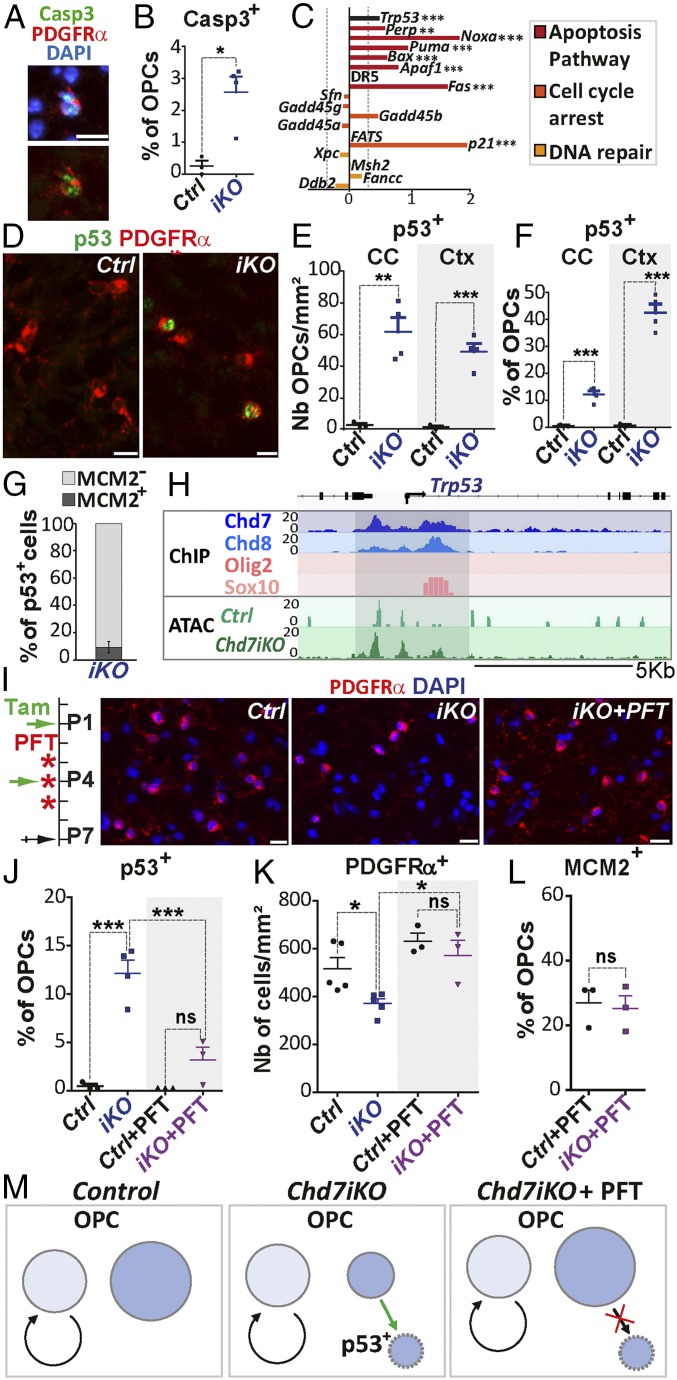
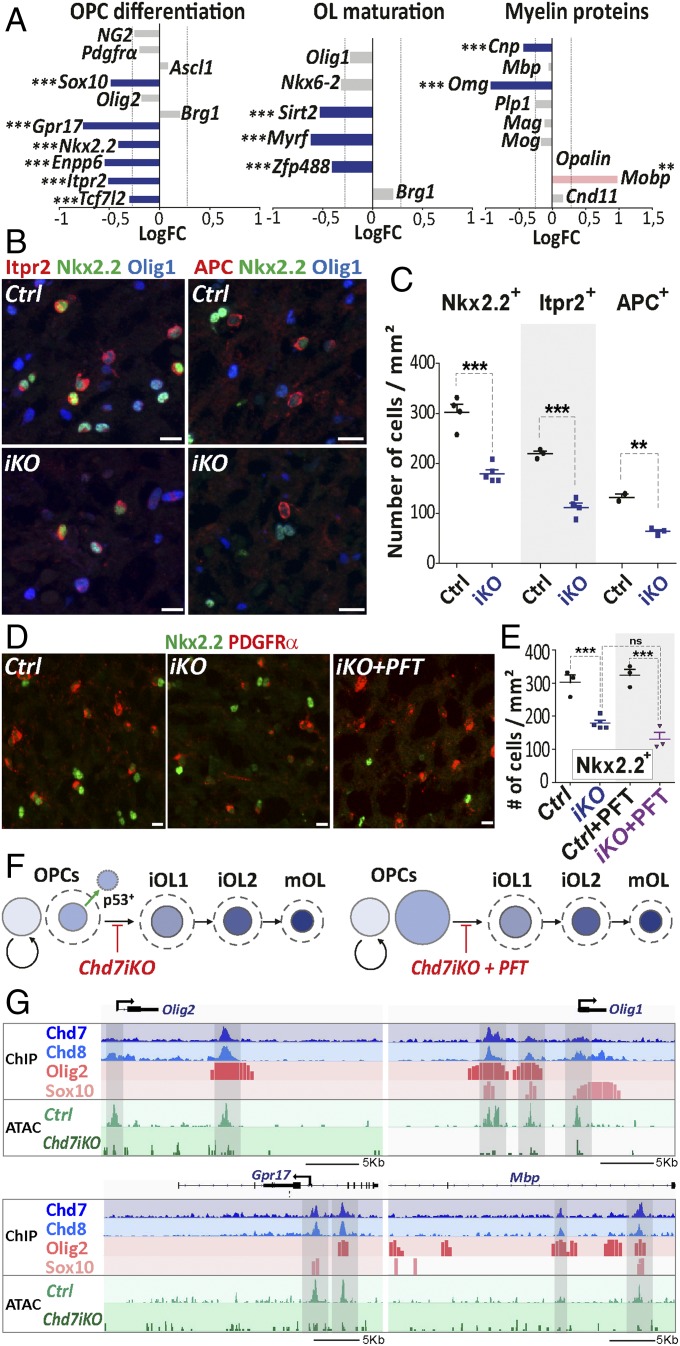
Significance: Oligodendrocyte precursor cells (OPCs) constitute the main proliferative cells in the adult brain and deregulation of OPC proliferation-differentiation balance results in either glioma formation or defective (re)myelination. Mutations in chromatin remodelers CHD7 and CHD8 are the cause of CHARGE syndrome and some autism spectrum disorders (ASD). Here we show that Chd7 protects OPCs from apoptosis by chromatin closing and gene repression of p53 , while Chd7 induces chromatin opening and gene activation of OPC-differentiation regulators. Chd7 is, however, dispensable for oligodendrocyte stage progression, consistent with Chd8 compensatory function, as suggested by their common chromatin-binding profiles, including ASD-risk–associated genes. Our results thus involve oligodendroglia in ASD and CHARGE and offer new avenues to understand and modulate CHD7/CHD8 functions in normal and pathological brain development.
Overview
The claims and statistics of this paper haven’t been checked yet.
Free: it reads the open-access text and checks the first 5 claims that cite a source we can check. Create a free account to check every claim.
Integrity signals
Registry
Cites
Statistics
Figures
Verification
Claims the paper makes
The claims and statistics of this paper haven’t been checked yet.
Free: it reads the open-access text and checks the first 5 claims that cite a source we can check. Create a free account to check every claim.
Claims other papers make about this one
Each is checked against this paper’s own text: does it say what the citing paper says it does?
In the citing paper
“This is consistent with recent reports that Chd8 loss-of-function potentiates an impaired OPC development phenotype caused by deletion of Chd7 (28).”
From In vivo Perturb-Seq reveals neuronal and glial abnormalities associated with autism risk genes (2020) · cites this paper as [28]
In the citing paper
“Our results showed that Chd8 modulates gene modules for oligodendrocyte differentiation and maturation, consistent with previously reported ChIP-Seq results showing that CHD8 interacts directly with OPC maturation genes at perinatal stages of development (28, 43).”
From In vivo Perturb-Seq reveals neuronal and glial abnormalities associated with autism risk genes (2020) · cites this paper as [28]
Self-check
Percentages, sums and reported differences re-computed from the paper’s own numbers.
The self-check needs the paper’s full text.
Citations
Cites
Zhang, Y., Chen, K., Sloan, S. A., Bennett, M. L., Scholze, A. R., O'Keeffe, S., Phatnani, H. P., Guarnieri, P., Caneda, C., Ruderisch, N., et al. (2014) · The Journal of Neuroscience · doi:10.1523/jneurosci.1860-14.2014 · Cited by 4,875 · cited 1×
“3 B and C, arrows), in agreement to Chd8 transcript pattern in postnatal brain cells shown by RNA-seq databases (34, 35).”
BackgroundHistone H3K27ac separates active from poised enhancers and predicts developmental state
Creyghton, M. P., Cheng, A. W., Welstead, G. G., Kooistra, T., Carey, B. W., Steine, E. J., Hanna, J., Lodato, M. A., Frampton, G. M., Sharp, P. A., et al. (2010) · Proceedings of the National Academy of Sciences · doi:10.1073/pnas.1016071107 · Cited by 4,302 · cited 1×
“S2I), characteristic of active regulatory elements (31), and are mainly located outside promoter regions (31) (SI Appendix, Fig.”
BackgroundATAC-seq: a method for assaying chromatin accessibility genome-wide
Buenrostro, J. D., Wu, B., Chang, H. Y., & Greenleaf, W. J. (2015) · Current Protocols in Molecular Biology · doi:10.1002/0471142727.mb2129s109 · Cited by 3,289 · cited 1×
“Therefore, we generated a genome-wide chromatin accessibility profiling by Tn5 transposaseaccessible chromatin with high-throughput sequencing (ATACseq) combined with sequencing (43), from purified O4 cells from either Chd7iKO or control cortices (Fig.”
MethodSporadic autism exomes reveal a highly interconnected protein network of de novo mutations
O’Roak, B. J., Vives, L., Girirajan, S., Karakoc, E., Krumm, N., Coe, B. P., Levy, R., Ko, A., Lee, C., Smith, J. D., et al. (2012) · Nature · doi:10.1038/nature10989 · Cited by 2,165 · cited 1×
“main cause of CHARGE syndrome, an autosomal-dominant syndrome that often impairs normal brain development, leading to cognitive disabilities (24), CHD8 is one of the nine highconfidence autism spectrum disorder (ASD)-risk genes (25, 26) and autism features are found in some CHARGE syndrome patients (27).”
BackgroundOligodendroglia metabolically support axons and contribute to neurodegeneration
Lee, Y., Morrison, B. M., Li, Y., Lengacher, S., Farah, M. H., Hoffman, P. N., Liu, Y., Tsingalia, A., Jin, L., Zhang, P.-W., et al. (2012) · Nature · doi:10.1038/nature11314 · Cited by 1,664 · cited 3×
“1E), corresponding to ∼30% of commonly bound genes (2,168) (Fig.”
BackgroundGlycolytic oligodendrocytes maintain myelin and long-term axonal integrity
Fünfschilling, U., Supplie, L. M., Mahad, D., Boretius, S., Saab, A. S., Edgar, J., Brinkmann, B. G., Kassmann, C. M., Tzvetanova, I. D., Möbius, W., et al. (2012) · Nature · doi:10.1038/nature11007 · Cited by 1,523
Mutations in a new member of the chromodomain gene family cause CHARGE syndrome
Vissers, L. E. L. M., van Ravenswaaij, C. M. A., Admiraal, R., Hurst, J. A., de Vries, B. B. A., Janssen, I. M., van der Vliet, W. A., Huys, E. H. L. P. G., de Jong, P. J., Hamel, B. C. J., et al. (2004) · Nature Genetics · doi:10.1038/ng1407 · Cited by 1,285 · cited 1×
“Discussion Mounting evidence indicates that chromatin remodeling factors play important roles in normal development and neurodevelopmental diseases (46), with CHD7 haploinsuficiency being the cause of CHARGE syndrome (47) and CHD8 being one of the strongest ASD high-risk–associated genes (25).”
BackgroundOligodendrocyte heterogeneity in the mouse juvenile and adult central nervous system
Marques, S., Zeisel, A., Codeluppi, S., van Bruggen, D., Mendanha Falcão, A., Xiao, L., Li, H., Häring, M., Hochgerner, H., Romanov, R. A., et al. (2016) · Science · doi:10.1126/science.aaf6463 · Cited by 1,132 · cited 6×
“An oligodendroglia single-cell transcriptome database (35) was used to classify genes according to their expression timing (Fig.”
BackgroundMethodInfluentialWillsey, A. J., Sanders, S. J., Li, M., Dong, S., Tebbenkamp, A. T., Muhle, R. A., Reilly, S. K., Lin, L., Fertuzinhos, S., Miller, J. A., et al. (2013) · Cell · doi:10.1016/j.cell.2013.10.020 · Cited by 934
Disruptive CHD8 Mutations Define a Subtype of Autism Early in Development
Bernier, R., Golzio, C., Xiong, B., Stessman, H. A., Coe, B. P., Penn, O., Witherspoon, K., Gerdts, J., Baker, C., Vulto-van Silfhout, A. T., et al. (2014) · Cell · doi:10.1016/j.cell.2014.06.017 · Cited by 798 · cited 2×
“Discussion Mounting evidence indicates that chromatin remodeling factors play important roles in normal development and neurodevelopmental diseases (46), with CHD7 haploinsuficiency being the cause of CHARGE syndrome (47) and CHD8 being one of the strongest ASD high-risk–associated genes (25).”
Background
Cited by
SCENIC+: single-cell multiomic inference of enhancers and gene regulatory networks
González-Blas, C. B., De Winter, S., Hulselmans, G., Hecker, N., Matetovici, I., Christiaens, V., Poovathingal, S., Wouters, J., Aibar, S., & Aerts, S. (2022) · doi:10.1101/2022.08.19.504505 · Cited by 778
SCENIC+: single-cell multiomic inference of enhancers and gene regulatory networks
Bravo González-Blas, C., De Winter, S., Hulselmans, G., Hecker, N., Matetovici, I., Christiaens, V., Poovathingal, S., Wouters, J., Aibar, S., & Aerts, S. (2023) · Nature Methods · doi:10.1038/s41592-023-01938-4 · Cited by 778
In vivo Perturb-Seq reveals neuronal and glial abnormalities associated with autism risk genes
Jin, X., Simmons, S. K., Guo, A., Shetty, A. S., Ko, M., Nguyen, L., Jokhi, V., Robinson, E., Oyler, P., Curry, N., et al. (2020) · Science · doi:10.1126/science.aaz6063 · Cited by 317
“These results also agree with previous findings that Chd8 loss of function is connected to abnormal OPC development (Marie et al., 2018).”
ResultInfluentialRole of Oligodendrocytes and Myelin in the Pathophysiology of Autism Spectrum Disorder
Galvez-Contreras, A. Y., Zarate-Lopez, D., Torres-Chavez, A. L., & Gonzalez-Perez, O. (2020) · Brain Sciences · doi:10.3390/brainsci10120951 · Cited by 123
Life-long oligodendrocyte development and plasticity
Nishiyama, A., Shimizu, T., Sherafat, A., & Richardson, W. D. (2021) · Seminars in Cell & Developmental Biology · doi:10.1016/j.semcdb.2021.02.004 · Cited by 114
Mossink, B., Negwer, M., Schubert, D., & Nadif Kasri, N. (2021) · Cellular and Molecular Life Sciences · doi:10.1007/s00018-020-03714-5 · Cited by 114
“2) [226, 227] and has been shown to cooperate with Sox10 to regulate myelination and re-myelination [227].”
BackgroundSock, E., & Wegner, M. (2021) · Developmental Neurobiology · doi:10.1002/dneu.22849 · Cited by 108
Wnt/β-Catenin-Dependent Transcription in Autism Spectrum Disorders
Caracci, M. O., Ávila, M. E., Espinoza-Cavieres, F. A., López, H. R., Ugarte, G. D., & Ferrari, G. V. D. (2021) · Frontiers in Molecular Neuroscience · doi:10.3389/fnmol.2021.764756 · Cited by 93
“Finally, as mentioned earlier for TCF7L2, CHD8 has an essential role in the proliferation-differentiation balance of oligodendrocyte precursor cells (Marie et al., 2018) and regulates the expression of several myelination-associated genes in these cells (Kawamura et al., 2020).”
BackgroundThe Mechanisms of CHD8 in Neurodevelopment and Autism Spectrum Disorders
Weissberg, O., & Elliott, E. (2021) · Genes · doi:10.3390/genes12081133 · Cited by 80
Three Decades of Valproate: A Current Model for Studying Autism Spectrum Disorder
Zárate-López, D., Torres-Chávez, A. L., Gálvez‐Contreras, A. Y., & González-Pérez, Ó. (2023) · Current Neuropharmacology · doi:10.2174/1570159x22666231003121513 · Cited by 72
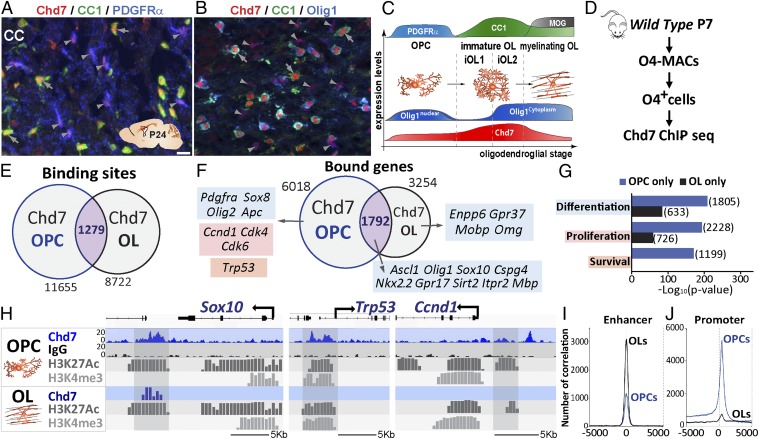
“In contrast to this gain-of-function in glutamatergic neuronal differentiation, Chd7 binds strongly to H3K27ac and Sox10 / Olig2 chromatin enhancers in OPCs to promote oligodendroglial lineage differentiation [314].”
BackgroundSentinels of chromatin: chromodomain helicase DNA-binding proteins in development and disease
Alendar, A., & Berns, A. J. M. (2021) · Genes & Development · doi:10.1101/gad.348897.121 · Cited by 72
“Moreover, CHD enzymes are also critical for the maturation of glial cells andmyelination of the central nervous system (CNS; CHD7/8) (Feng et al. 2013; He et al. 2016; Doi et al. 2017; Marie et al. 2018; Zhao et al. 2018a) and peripheral nervous system (CHD4) (Fig.”
BackgroundInfluentialRegulation of neuronal connectivity in the mammalian brain by chromatin remodeling
Goodman, J. V., & Bonni, A. (2019) · Current Opinion in Neurobiology · doi:10.1016/j.conb.2019.04.010 · Cited by 68
“Conditional knockout of Chd7 in oligodendrocyte precursors impairs the survival of these cells and maturation of oligodendrocytes [70,71].”
BackgroundBerry, K., Wang, J., & Lu, Q. R. (2020) · F1000Research · doi:10.12688/f1000research.20904.1 · Cited by 51
Self-citationOligodendrocyte dysfunction due to Chd8 mutation gives rise to behavioral deficits in mice
Kawamura, A., Katayama, Y., Nishiyama, M., Shoji, H., Tokuoka, K., Ueta, Y., Miyata, M., Isa, T., Miyakawa, T., Hayashi‐Takagi, A., et al. (2020) · Human Molecular Genetics · doi:10.1093/hmg/ddaa036 · Cited by 62
Regulation and signaling of the GPR17 receptor in oligodendroglial cells
Lecca, D., Raffaele, S., Abbracchio, M. P., & Fumagalli, M. (2020) · Glia · doi:10.1002/glia.23807 · Cited by 58
The autism-associated protein CHD8 is required for cerebellar development and motor function
Kawamura, A., Katayama, Y., Kakegawa, W., Ino, D., Nishiyama, M., Yuzaki, M., & Nakayama, K. I. (2021) · Cell Reports · doi:10.1016/j.celrep.2021.108932 · Cited by 59
Coll-Tané, M., Gong, N. N., Belfer, S. J., van Renssen, L. V., Kurtz‐Nelson, E. C., Szuperák, M., Eidhof, I., van Reijmersdal, B., Terwindt, I., Durkin, J., et al. (2021) · Science Advances · doi:10.1126/sciadv.abe2626 · Cited by 54
Moysés‐Oliveira, M., Yadav, R., Erdin, S., & Talkowski, M. E. (2020) · Current Opinion in Genetics & Development · doi:10.1016/j.gde.2020.07.001 · Cited by 51
Ehteda, A., Simon, S., Franshaw, L., Giorgi, F. M., Liu, J., Joshi, S. M., Rouaen, J. R. C., Pang, C. N. I., Pandher, R., Mayoh, C., et al. (2021) · Cell Reports · doi:10.1016/j.celrep.2021.108994 · Cited by 51
Elsesser, O., Fröb, F., Küspert, M., Tamm, E. R., Fujii, T., Fukunaga, R., & Wegner, M. (2019) · Nucleic Acids Research · doi:10.1093/nar/gkz376 · Cited by 47
“In mice with oligodendroglial Chd7 deletion, survival is selectively affected at the OPC stage (10).”
BackgroundYang, G., & Shcheglovitov, A. (2019) · Developmental Dynamics · doi:10.1002/dvdy.100 · Cited by 47
CHD7 regulates cardiovascular development through ATP-dependent and -independent activities
Yan, S., Thienthanasit, R., Chen, D., Engelen, E., Brühl, J., Crossman, D. K., Kesterson, R. A., Wang, Q., Bouazoune, K., & Jiao, K. (2020) · Proceedings of the National Academy of Sciences · doi:10.1073/pnas.2005222117 · Cited by 47
CHD8 dosage regulates transcription in pluripotency and early murine neural differentiation
Sood, S., Weber, C. M., Hodges, H. C., Krokhotin, A., Shalizi, A., & Crabtree, G. R. (2020) · Proceedings of the National Academy of Sciences · doi:10.1073/pnas.1921963117 · Cited by 45
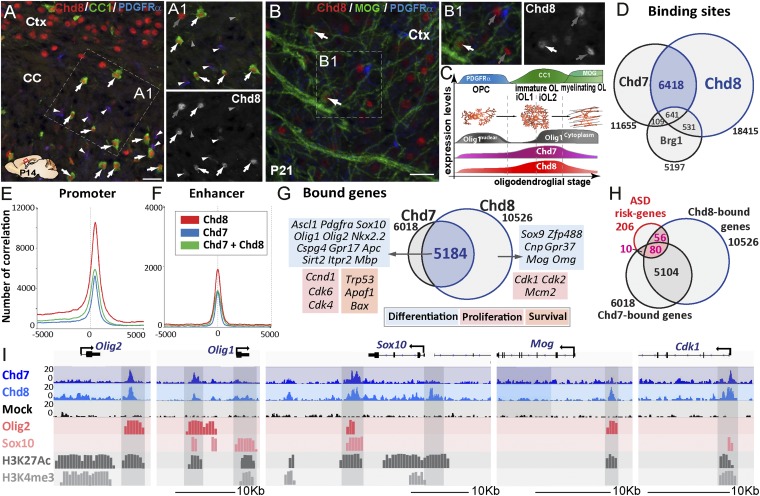
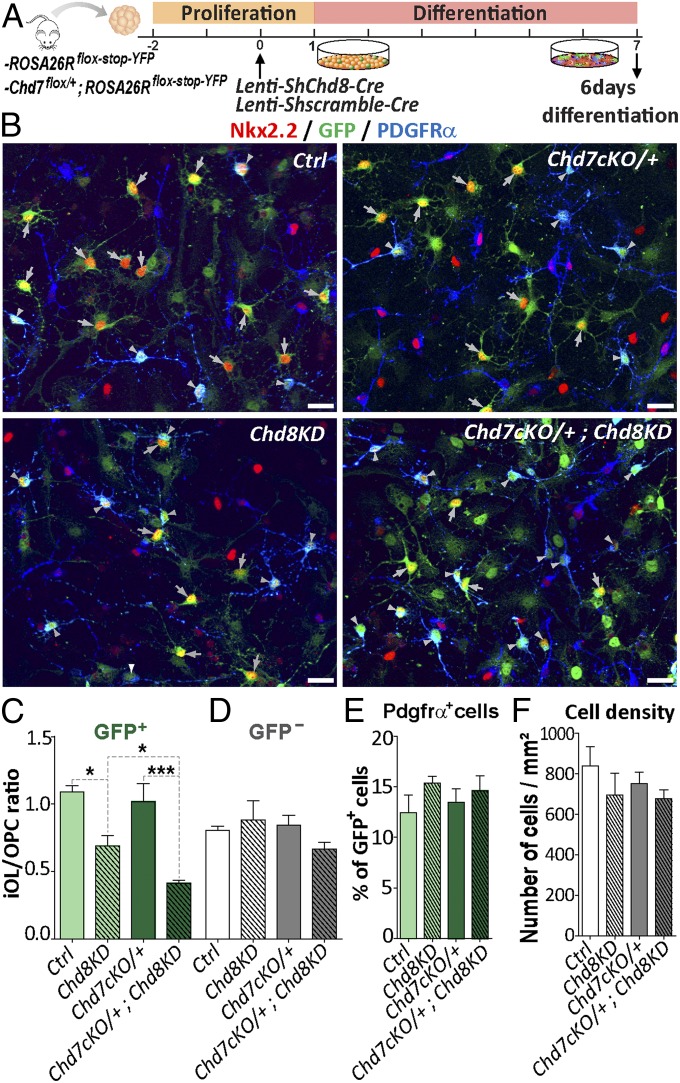
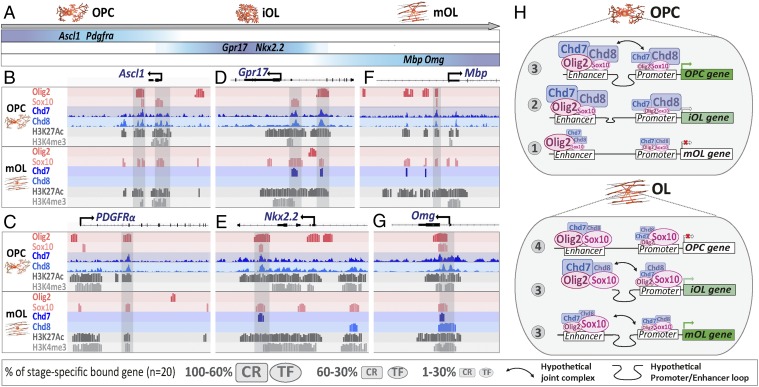
“Additionally, in oligodendroglia, CHD7 and CHD8 appear to cooperate with SOX10 to activate stage-specific genes (56).”
BackgroundChromatin Remodeler CHD8 in Autism and Brain Development
Hoffmann, A., & Spengler, D. (2021) · Journal of Clinical Medicine · doi:10.3390/jcm10020366 · Cited by 44
Hurley, S., Mohan, C., Suetterlin, P., Ellingford, R. A., Riegman, K. L. H., Ellegood, J., Caruso, A., Michetti, C., Brock, O., Evans, R., et al. (2021) · Molecular Autism · doi:10.1186/s13229-020-00409-3 · Cited by 44
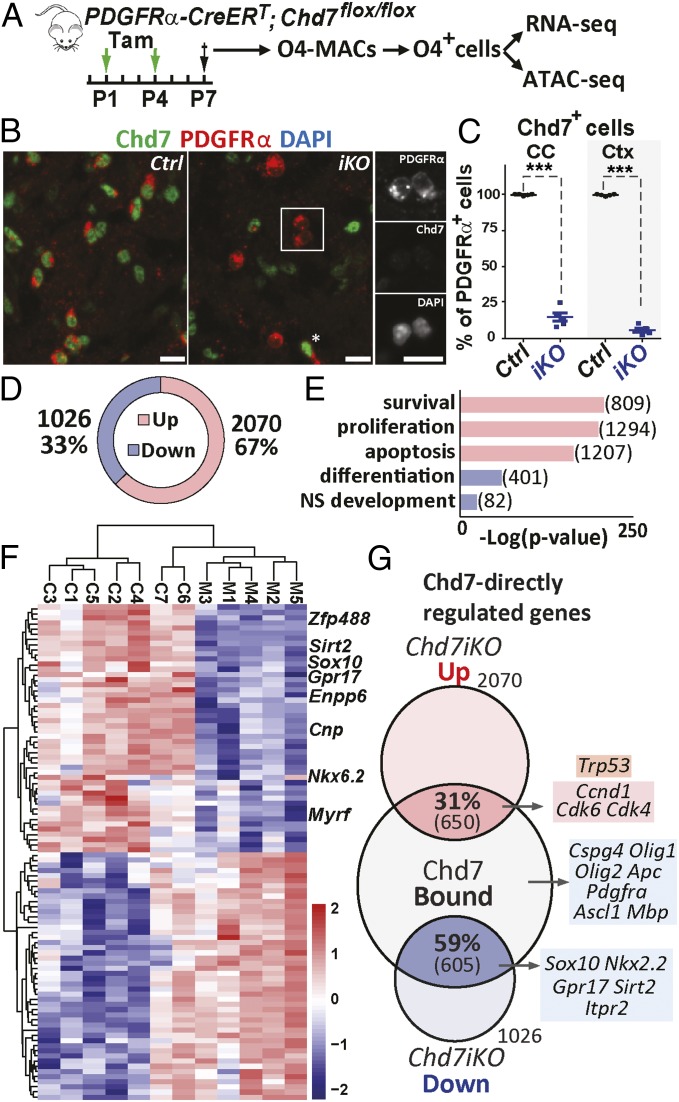
“Intriguingly, CHD8, and its family member CHD7, also maintains the survival of oligodendrocyte precursors by inhibiting the p53 pathway, although this appears to be primarily mediated via direct repression of the p53 gene [53].”
BackgroundBohlen, J. F., Cleary, C. M., Das, D., Sripathy, S. R., Sadowski, N., Shim, G., Kenney, R. F., Buchler, I. P., Banerji, T., Scanlan, T. S., et al. (2023) · Brain · doi:10.1093/brain/awad057 · Cited by 44
Stalled oligodendrocyte differentiation in IDH-mutant gliomas
Wei, Y., Li, G., Feng, J. H., Wu, F., Zhao, Z., Bao, Z., Zhang, W., Su, X., Li, J., Qi, X., et al. (2023) · Genome Medicine · doi:10.1186/s13073-023-01175-6 · Cited by 38
Excitatory neuronal CHD8 in the regulation of neocortical development and sensory-motor behaviors
Kweon, H., Jung, W. B., Im, G. H., Ryoo, J., Lee, J.-H., Do, H., Choi, Y., Song, Y.-H., Jung, H., Park, H., et al. (2021) · Cell Reports · doi:10.1016/j.celrep.2021.108780 · Cited by 38
Sun, Y., Chen, X., Ou, Z., Wang, Y., Chen, W., Zhao, T., Liu, C., & Chen, Y. (2021) · Advanced Science · doi:10.1002/advs.202103065 · Cited by 35
Pitman, K. A., Ricci, R., Gasperini, R., Beasley, S. J., Pavez, M., Charlesworth, J., Foa, L. C., & Young, K. M. (2019) · Glia · doi:10.1002/glia.23723 · Cited by 36
“Additionally, the chromatin remodeler, Ch7, selectively promotes the survival of noncycling OPCs in the developing mouse corpus callosum and cortex, by downregulating p53 (Marie et al., 2018).”
BackgroundHiramoto, T., Sumiyoshi, A., Yamauchi, T., Tanigaki, K., Shi, Q., Kang, G., Ryoke, R., Nonaka, H., Enomoto, S., Izumi, T., et al. (2021) · Molecular Psychiatry · doi:10.1038/s41380-021-01318-4 · Cited by 34
CHD8 mutations increase gliogenesis to enlarge brain size in the nonhuman primate
Li, B., Zhao, H., Tu, Z., Yang, W., Han, R., Wang, L., Luo, X., Pan, M., Chen, X., Zhang, J., et al. (2023) · Cell Discovery · doi:10.1038/s41421-023-00525-3 · Cited by 34
Tu, Z., Wang, C., Davis, A. K., Hu, M., Zhao, C., Xin, M., Lu, Q. R., & Zheng, Y. (2021) · Blood · doi:10.1182/blood.2020009997 · Cited by 32
Self-citationChromatin remodelers in oligodendroglia
Parras, C. M., Marie, C., Zhao, C., & Lu, Q. R. (2020) · Glia · doi:10.1002/glia.23837 · Cited by 30
Self-citationChromatin remodeller CHD7 is required for GABAergic neuron development by promoting PAQR3 expression
Jamadagni, P., Breuer, M., Schmeißer, K., Cardinal, T., Kassa, B., Parker, J. A., Pilon, N., Samarut, É., & Patten, S. A. (2021) · EMBO Reports · doi:10.15252/embr.202050958 · Cited by 29
“CHD7 coordinates with the transcription factor SOX10 to regulate the initiation of myelinogenesis (He et al, 2016) and is required for oligodendrocyte precursor cell survival (Marie et al, 2018).”
Boshans, L. L., Soh, H., Wood, W. M., Nolan, T. M., Măndoiu, I., Yanagawa, Y., Tzingounis, A. V., & Nishiyama, A. (2021) · Scientific Reports · doi:10.1038/s41598-021-82931-9 · Cited by 28
DHHC5 facilitates oligodendrocyte development by palmitoylating and activating STAT3
Ma, Y., Liu, H., Ou, Z., Chen, Q., Xing, R., Wang, S., Han, Y., Zhao, T., & Chen, Y. (2021) · Glia · doi:10.1002/glia.24113 · Cited by 29
“Intrinsically, myelination is controlled by transcription factors, post-translational regulators and chromatin remodeling process (He et al., 2016, 2018; Marie et al., 2018; Wang et al., 2017; Zhao et al., 2018).”
BackgroundBoshans, L. L., Factor, D. C., Singh, V., Liu, J., Zhao, C., Măndoiu, I., Lu, Q. R., Casaccia, P., Tesar, P. J., & Nishiyama, A. (2019) · Frontiers in Neuroscience · doi:10.3389/fnins.2019.00829 · Cited by 27
“To assess chromatin accessibility, ATAC-seq data for open chromatin regions from P7 mouse cortical OPCs was downloaded from accession GSE116598 (Marie et al., 2018), and bigWig files were converted to BED files and BedGraph files.”
BackgroundMethodSelf-citationDermitzakis, I., Μanthou, M. E., Meditskou, S., Miliaras, D., Kesidou, E., Boziki, M. K., Petratos, S., Grigoriadis, N., & Theotokis, P. (2022) · Current Issues in Molecular Biology · doi:10.3390/cimb44070222 · Cited by 26
“2 Chromodomain-helicase-DNA-binding protein 7 Proliferation; Differentiation [80,243]”
BackgroundDong, C., Zhao, C., Chen, X. '., Berry, K., Wang, J., Zhang, F., Liao, Y., Han, R., Ogurek, S., Xu, L., et al. (2022) · Journal of Neuroscience · doi:10.1523/jneurosci.2400-21.2022 · Cited by 26
Self-citationCrazy Little Thing Called Sox—New Insights in Oligodendroglial Sox Protein Function
Wittstatt, J., Reiprich, S., & Küspert, M. (2019) · International Journal of Molecular Sciences · doi:10.3390/ijms20112713 · Cited by 27
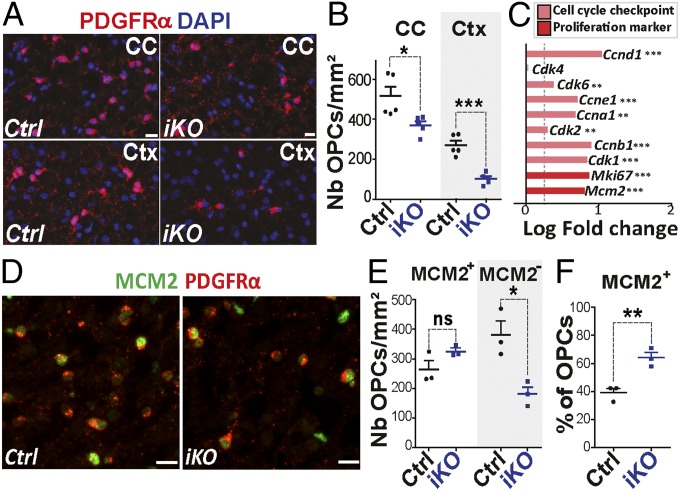
“As these studies differ only slightly in timing of Chd7-deletion, and another recent study did not find a defect in OPC proliferation in Chd7-deficient spinal cord [57], the question of whether Chd7 is a regulator of OPC proliferation remains to be resolved.”
ResultLoveson, K. F., & Fillmore, H. L. (2018) · Brain Sciences · doi:10.3390/brainsci8110200 · Cited by 24
Kumari, E., Velloso, F. J., Nasuhidehnavi, A., Somasundaram, A., Savanur, V. H., Buono, K. D., & Levison, S. W. (2020) · Stem Cell Reports · doi:10.1016/j.stemcr.2020.03.019 · Cited by 23
“At this stage of development, the SVZ is expanding rapidly, giving rise to distinct sets of late-developing interneurons and glial progenitors that have been shown to be affected in ASD (Gogolla et al., 2009; Li et al., 2014; Marie et al., 2018).”
BackgroundThe Current Challenges for Drug Discovery in CNS Remyelination
Balestri, S., Giovane, A. D., Sposato, C., Ferrarelli, M., & Ragnini‐Wilson, A. (2021) · International Journal of Molecular Sciences · doi:10.3390/ijms22062891 · Cited by 23
“Each of these OPC differentiation stages can be distinguished by the expression of specific sets of transcription factors (TF) required for myelin protein expression, inhibition of apoptosis, and for the morphological changes of the plasma membrane occurring during axon engagement [93,94] (Figure 1).”
BackgroundBoyd, N., Walker, K. D., Ayokanmbi, A., Gordon, E. R., Whetsel, J., Smith, C. M., Sánchez, R. G., Lubin, F. D., Chakraborty, A., Tran, A. N., et al. (2019) · Stem Cells · doi:10.1002/stem.2969 · Cited by 22
“It has been reported that CHD7 is capable of both enhancing and inhibiting embryonic stem cell genes, by co-localizing with Oct4, Sox2, and Nanog at enhancer regions(28), and a recent report indicates a requirement for CHD7 in oligodendrocyte precursor cell survival(29).”
BackgroundSingle-Cell Transcriptomics Supports a Role of CHD8 in Autism
Hoffmann, A., & Spengler, D. (2021) · International Journal of Molecular Sciences · doi:10.3390/ijms22063261 · Cited by 21
“In utero, editing of Chd8 turned out to disrupt oligodendrocyte gene expression modules reminiscent of findings from heterozygote Chd8 mice [60,61].”
BackgroundResultAbbas, E., Hassan, M. A., Sokpor, G., Kiszka, K. A., Pham, L., Kerimoglu, C., Fischer, A., Nguyen, H. P., Staiger, J. F., & Tuoc, T. (2021) · Frontiers in Cell and Developmental Biology · doi:10.3389/fcell.2021.619538 · Cited by 20
“Among the glial cells, OLs are the specialized myelin-producing cells required for accelerated electrical impulse transmission in the central nervous system (CNS) Frontiers in Cell and Developmental Biology | www.frontiersin.org 1 July 2021 | Volume 9 | Article 619538 (Richardson et al., 2006; Peru et al., 2008; Rowit…”
BackgroundInfluentialOligodendroglial Epigenetics, from Lineage Specification to Activity-Dependent Myelination
Pruvost, M., & Moyon, S. (2021) · Life · doi:10.3390/life11010062 · Cited by 21
“The ablation of Chd7 or Chd8 in OPCs does not lead to an increased number of OPCs, since, despite an increase in cell cycle and proliferative genes, this also leads to an increase in apoptosis, at least in brain tissues [59,61,138].”
BackgroundInfluentialMicroglial ASD-related genes are involved in oligodendrocyte differentiation
Takanezawa, Y., Tanabe, S., Kato, D., Ozeki, R., Komoda, M., Suzuki, T., Baba, H., & Muramatsu, R. (2021) · Scientific Reports · doi:10.1038/s41598-021-97257-9 · Cited by 19
“control siRNA), GFAP (c; n = 3, from biologically independent experiments, F (3, 8) = 3.”
BackgroundZhang, M., Zhi, N., Feng, J., Liu, Y., Zhang, M., Liu, D., Yuan, J., Dong, Y., Jiang, S., Ge, J., et al. (2024) · Advanced Science · doi:10.1002/advs.202306498 · Cited by 18
Chromatin modification and epigenetic control in functional nerve regeneration
Berry, K., & Lu, Q. R. (2019) · Seminars in Cell and Developmental Biology · doi:10.1016/j.semcdb.2019.07.009 · Cited by 18
Self-citationZhang, Y., Song, Z., Wu, R., Kong, X., Zhang, H., Li, S., Gong, X., Gong, S.-H., Cheng, J., Yuan, F., et al. (2024) · Cell Reports · doi:10.1016/j.celrep.2024.113930 · Cited by 17
Chromatin remodeling in tissue stem cell fate determination
Li, X., Zhu, G., & Zhao, B. T. (2024) · Cell Regeneration · doi:10.1186/s13619-024-00203-z · Cited by 17
“…in the regulation of oligo-dendrocyte precursor cells (OPCs) proliferation, survival, differentiation, lineage progression, and maturation during neurogenesis shed light on the very specific tempo-rary-dependent role of chromatin remodelers in cell fate determination (Marie et al. 2018).”
BackgroundLettieri, A., Oleari, R., Paganoni, A. J. J., Gervasini, C., Massa, V., Fantin, A., & Cariboni, A. M. (2021) · Frontiers in Cell and Developmental Biology · doi:10.3389/fcell.2021.638674 · Cited by 17
“Interestingly, ChIP-sequencing analyses had shown that CHD7 binds several SOX10/OLIG2-active enhancers (defined by H3K27ac mark) both in OPCs and OLs, while it preferentially binds promoter regions (H3K4me3/H3K27ac) in OPCs (Marie et al., 2018).”
BackgroundInfluentialGalichet, C., Clayton, R. W., & Lovell-Badge, R. H. (2021) · Frontiers in Cellular Neuroscience · doi:10.3389/fncel.2021.673132 · Cited by 17
“The changing chromatin landscape has also been analyzed during OPC differentiation (Castelo-Branco and Liu, 2020) and mutations in chromatin modifiers, such as CHD7 and CHD8, have a profound effect on the formation of OLs from OPCs (Marie et al., 2018).”
BackgroundYim, K., Baumgartner, M., Krenzer, M., Larios, M. F. R., Hill-Terán, G., Nottoli, T., Muhle, R., & Noonan, J. P. (2025) · Cell Genomics · doi:10.1016/j.xgen.2025.100986 · Cited by 15
Systemic and intrinsic functions of ATRX in glial cell fate and CNS myelination in male mice
Rowland, M. E., Jiang, Y., Shafiq, S., Ghahramani, A., Peña-Ortiz, M. Á., Dumeaux, V., & Bérubé, N. G. (2023) · Nature Communications · doi:10.1038/s41467-023-42752-y · Cited by 14
“CHD7 and CHD8 are ATP-dependent chromatin remodeling proteins involved in OL differentiation and myelination 65,66 .”
BackgroundMerour, E., Hmidan, H., Marie, C., Helou, P.-H., Lu, H., Potel, A., Huré, J.-B., Clavairoly, A., Shih, Y. P., Goudarzi, S., et al. (2022) · eLife · doi:10.7554/elife.80273 · Cited by 13
Self-citationHuré, J.-B., Foucault, L., Ghayad, L. M., Marie, C., Vachoud, N., Baudouin, L., Azmani, R., Ivljanin, N., Arevalo-Nuevo, A., Pigache, M., et al. (2024) · Nature Communications · doi:10.1038/s41467-024-54003-9 · Cited by 12
“We validated the ef fi cacy of the OligoScore strategy by querying it with genes differentially expressed in OPCs upon either a genetic ( Chd7 speci fi c deletion in OPCs 53 ,) or environmental perturbation (systemic injection of the pro-in fl ammatory cytokine IL1 β 54 ,).”
InfluentialSelf-citationKawamura, A., Fujii, K., Tamada, K., Abe, Y., Nitahara, K., Iwasaki, T., Yagishita, S., Tanaka, K. F., Takumi, T., Takao, K., et al. (2025) · Nature Communications · doi:10.1038/s41467-025-59853-5 · Cited by 12
Chromatin Imbalance as the Vertex Between Fetal Valproate Syndrome and Chromatinopathies
Parodi, C., Fede, E. D., Peron, A., Viganò, I., Grazioli, P., Castiglioni, S., Finnell, R. H., Gervasini, C., Vignoli, A., & Massa, V. (2021) · Frontiers in Cell and Developmental Biology · doi:10.3389/fcell.2021.654467 · Cited by 11
Zhang, Y., Cai, Y., Wang, Y., Deng, X., Zhao, Y., Zhang, Y., & Xie, Y. (2021) · Cell Death and Disease · doi:10.1038/s41419-020-03371-3 · Cited by 10
Wang, X., Zeng, C., Wu, Z., Lu, M., Wang, X., Xiu, Y., Wang, Q., Wang, S., Chen, X., Shen, Y., et al. (2025) · Nature Communications · doi:10.1038/s41467-025-67930-y · Cited by 7
“Moreover, we performed a cross-analysis with previously repor-tedASDsusceptibilitygenes 39 – 43 .”
Pervasive cortical and white matter anomalies in a mouse model for CHARGE syndrome
Donovan, A. P. A., Rosko, L. M., Ellegood, J., Redhead, Y. T., Green, J. B. A., Lerch, J. P., Huang, J. K., & Basson, M. A. (2023) · Journal of Anatomy · doi:10.1111/joa.13856 · Cited by 7
“Chd7Gt/+ mice Abnormalities in white matter development and maintenance have been identified in several mouse models with homozygous conditional deletion of Chd7 from the oligodendrocyte lineage (He et al., 2016; Marie et al., 2018).”
BackgroundInfluentialLong Noncoding RNAs in CNS Myelination and Disease
Zhang, J., Guan, M., Zhou, X., Berry, K., He, X., & Lu, Q. R. (2022) · The Neuroscientist · doi:10.1177/10738584221083919 · Cited by 6
Self-citationWright, J. L., Jiang, Y., Nayar, S. G., Rajeeve, V., Cutillas, P. R., Li, H., & Richardson, W. D. (2025) · Glia · doi:10.1002/glia.70006 · Cited by 6
“Consistent with these studies, conditional knockout (cKO) of CHD8 (Zhao et al. 2018) or CHD7 (He et al. 2016; Marie et al. 2018), which act respectively upstream or downstream of BRG1, inhibits OP proliferation and survival—as do cKO of BAF complex scaffold proteins BAF155 and BAF170, potentially…”
Huang, Z., He, C., Wang, G., Zhu, M., Tong, X., Feng, Y., Zhang, C., Dong, S., Harim, Y., Liu, H., et al. (2025) · Molecular Psychiatry · doi:10.1038/s41380-025-02990-6 · Cited by 6
“In support, studies in mouse models have demonstrated versatile functions of Chd7 during neurodevelopment, including cerebellar development [8 – 11], myelination [12 – 14], and adult neurogenesis [15 – 17].”
CHD7 regulates definitive endodermal and mesodermal development from human embryonic stem cells
Hu, R., Zhao, J. X., Lai, K. C., Wang, S., Zheng, J., Stoddard, C., & Lai, L. (2025) · Stem Cell Research & Therapy · doi:10.1186/s13287-025-04437-9 · Cited by 6
“Among them, the generic transcription pathway was downregulated in both expression and chromatin accessibility, which is consistent with the results that CHD7 modulates chromatin configuration to regulate the temporal and spatial expression of genes during development [56].”
Chromatin remodeling in oligodendrogenesis
Antontseva, E. V., & Bondar, N. P. (2021) · Vavilov Journal of Genetics and Breeding · doi:10.18699/vj21.064 · Cited by 6
Effects of arginine vasopressin on the transcriptome of prefrontal cortex in autistic rat model
Zhou, B., Yan, X., Yang, L., Zheng, X., Chen, Y., Liu, Y., Ren, Y., Peng, J.-G., Zhang, Y., Huang, J., et al. (2022) · Journal of Cellular and Molecular Medicine · doi:10.1111/jcmm.17578 · Cited by 6
Zuo, Z., Zhou, H., & Zhou, J. (2019) · Current Medicinal Chemistry · doi:10.2174/0929867326666190717112944 · Cited by 6
Chromatin remodeler Chd7 regulates reactive astrogliosis after ischemic stroke
Nagao, M., Maekawa, T., Yamazaki, A., & Ogata, T. (2025) · Cell Reports · doi:10.1016/j.celrep.2025.116590 · Cited by 6
Wang, J., & Lu, Q. R. (2020) · Neurobiology of Disease · doi:10.1016/j.nbd.2020.105040 · Cited by 5
Self-citationShi, L., Wang, Z., Li, Y., Song, Z., Wu, Y., & Hu, B. (2023) · International Journal of Molecular Sciences · doi:10.3390/ijms241713535 · Cited by 5
Zinc-Finger Protein ZFP488 Regulates the Timing of Oligodendrocyte Myelination and Remyelination
Cui, S., Chen, T., Xin, D. E., Chen, F., Zhong, X., Dong, C., Chen, X., Chen, H., Zhou, W., Lin, Y., et al. (2024) · Journal of Neuroscience · doi:10.1523/jneurosci.0141-24.2024 · Cited by 6
Self-citationWaldhauser, V., Baroti, T., Fröb, F., & Wegner, M. (2023) · Cells · doi:10.3390/cells12121556 · Cited by 3
CHD7 regulates cardiac neural crest cell differentiation through SOX5-mediated self-activation
Yan, S., Bombin, A., Liu, W., González‐Giraldo, Y., Zhou, F., Shi, H., Wang, Q., & Jiao, K. (2025) · iScience · doi:10.1016/j.isci.2025.113726 · Cited by 3
“22,23 We next conducted Metascape pathway enrichment analysis 24 on both downregulated (Figure 1D) and upregulated (Figure S3E) gene sets.”
Hendricks, E. L., Linskey, N., Smith, I. R., & Liebl, F. L. W. (2024) · International Journal of Molecular Sciences · doi:10.3390/ijms25158429 · Cited by 3
“Both AICD [61] and CHD7 regulate the expression of TP53 [62], which encodes the transcription factor, p53.”
BackgroundSpecification of oligodendrocytes
Wegner, M. (2020) · Elsevier eBooks · doi:10.1016/b978-0-12-814405-3.00034-5 · Cited by 3
Increased cortical volume without increased neuron number in heterozygous Chd8 mutant mouse cortexPreprint
Canales, C. P., Frank, S., Bennett, J., Beauregard, P., Lavenex, P., Amaral, D. G., & Nord, A. S. (2021) · bioRxiv (Cold Spring Harbor Laboratory) · doi:10.1101/2021.01.11.426290 · Cited by 3
“Other studies have similarly found evidence for macrocephaly, altered neural proliferation, and altered regulation of cell cycle genes (Durak et al., 2016; Marie et al., 2018; Suetterlin et al., 2018; Sugathan et al., 2014; P. Wang et al., 2017; Xu et al., 2018).”
BackgroundRise of the Chromodomain Helicase DNA‐Binding (CHD) Chromatin Remodelling Machines
Alendar, A. (2023) · Wiley eBooks · doi:10.1002/9780470015902.a0029448 · Cited by 3
Znhit3 regulates p53/p21 signaling and governs cerebellar granule cell development
Chen, F., Kang, Z., Liu, K., Yang, W., Lu, Q. R., Zhou, W., & Lin, Y. (2026) · Cell Death and Differentiation · doi:10.1038/s41418-026-01707-8 · Cited by 2
“We treated Znhit3 cKO M mice with an intraperitoneal injection of PFT-α to block the p53-p21connection [30].”
Self-citationMariani, J. N., Schanz, S. J., Mansky, B., Wei, X., Long, C. C., Chandler-Militello, D., Aichelman, H. E., Huynh, N. P. T., & Goldman, S. A. (2026) · Nature Communications · doi:10.1038/s41467-026-71803-3 · Cited by 2
Moysés‐Oliveira, M., Liu, Y., Erdin, S., Gao, D., Bhavsar, R., Mohajeri, K., O’Keefe, K., Boone, P. M., Xavier, G., Liao, C., et al. (2026) · Human Genetics and Genomics Advances · doi:10.1016/j.xhgg.2026.100652 · Cited by 2
Signaling pathways that regulate glial development and early migration—oligodendrocytes
Fancy, S. P. J., & Miller, R. H. (2020) · Elsevier eBooks · doi:10.1016/b978-0-12-814405-3.00035-7 · Cited by 2
Archontidi, S., Marie, C., Gyorgy, B., Guégan, J., Sanson, M., Parras, C. M., & Huillard, E. (2021) · bioRxiv · doi:10.1101/2021.07.26.453859 · Cited by 3
Self-citationPark, J., Kang, S., Kim, S., Kim, D., Shin, B., Mun, J. Y., Park, Y., Kim, J., Goldman, S. A., & Kim, K.-P. (2026) · Cells · doi:10.3390/cells15121067 · Cited by 1
“In addition, accumulating evidence implicates OLs and OPCs in the pathogenesis of various neurological diseases, including neurodegenerative disorders [6–8].”
Beina, S., Yu, G., Huang, N.-X., & Xiao, L. (2025) · Advances in neurobiology · doi:10.1007/978-3-031-87919-7_15 · Cited by 1
Deng, Y., He, Q., Yao, B., Chen, X., Cheng, G., Xu, M., Hu, J., Graça, L., Zhu, X., Zhang, X., et al. (2026) · Science Signaling · doi:10.1126/scisignal.aea4402 · Cited by 2
CHROMO domain readers: A rainbow of opportunities
Sun, X. S., Shrestha, P., & Mills, A. A. (2023) · Elsevier eBooks · doi:10.1016/b978-0-12-823376-4.00009-4 · Cited by 1
Xie, D., Niu, L., Gao, C., Ge, X., Wang, Y., Zhu, Y., Tang, J., Fei, A., & Pan, S. (2020) · Research Square · doi:10.21203/rs.3.rs-28608/v1 · Cited by 1
Bohlen, J. F., Cleary, C. M., Das, D., Sripathy, S. R., Sadowski, N., Shim, G., Kenney, R. F., Buchler, I. P., Mulkey, D. K., & Maher, B. J. (2022) · bioRxiv (Cold Spring Harbor Laboratory) · doi:10.1101/2022.05.03.490512 · Cited by 1
Myelin gene expression across murine post-natal brain development: Validating reliable QPCR methods
Smith, S. E. (2022) · doi:10.24124/2022/59339 · Cited by 1
Investigating the pathogenicity of an autism-related CNTNAP2 missense variant in a novel mouse model
Manett, T. D. (2023) · theses.fr (ABES) · doi:10.70675/63f32ccbz3dfbz46faz9141z87c12fcfe9cd · Cited by 1
Sallis, S. (2024) · Archipel (Université du Québec à Montréal) · Cited by 1
Pharmacogenomic identification of small molecules promoting oligodendrogenesis and myelin repair
Huré, J.-B. (2022) · theses.fr (ABES) · doi:10.70675/17691e80z7bacz455fzba89z49fef7be0512 · Cited by 1
Role of the chromatin remodeller LSH in oligodendrocyte differentiation and CNS myelination
Belton, C. (2019) · ERA
Advances in the understanding of cellular pathogenesis associated with Autism Spectrum Disorder
Savory, K., & Syed, Y. A. (2019) · Journal for ReAttach Therapy and Developmental Diversities · doi:10.26407/2019jrtdd.1.21
“Loss-of-function Chd7 is associated with reduced number of oligodendrocyte progenitor cells (OPCs) through apoptosis (Marie et al., 2018).”
BackgroundJiménez, I. P. (2019) · Dipòsit Digital de la Universitat de Barcelona (Universitat de Barcelona)
Regulation of genome architecture by chromatin remodeling in the brain
Goodman, J. V. (2021) · Open Scholarship Institutional Repository (Washington University in St. Louis) · doi:10.7936/mrx3-9972
Metadata
- Authors
- Marie, C., Clavairoly, A., Frah, M., Hmidan, H., Yan, J., Zhao, C., Van Steenwinckel, J., Daveau, R., Zalc, B., Hassan, B., Thomas, J.-L., Gressens, P., Ravassard, P., Moszer, I., Martin, D. M., Lu, Q. R., & Parras, C.
- Affiliations
- Centre National de la Recherche Scientifique (FR)
- Inserm (FR)
- Cincinnati Children's Hospital Medical Center (US)
- Promoting Research Oriented Towards Early CNS Therapy, INSERM, Université Paris Diderot, Sorbonne Paris Cité, F-75019 Paris, France;
- University of Michigan (US)
- Corresponding author
- Parras, Carlos
- ORCID
- Venue
- Proceedings of the National Academy of Sciences
- Publisher
- National Academy of Sciences
- Published
- 2018-08-14
- Volume
- 115
- Issue
- 35
- Pages
- E8246-E8255
- ISSN
- 0027-8424 (ISSN-L)
- 1091-6490
- PMC
- PMC6126750
- OpenAlex
- W2885048100
- Cited by
- 103
- References
- 51
- Citations by year
- 2026: 7 · 2025: 8 · 2024: 6 · 2023: 12 · 2022: 9 · 2021: 33 · 2020: 16 · 2019: 11 · 2018: 1
- FWCI
- 5.58
- Type
- journal article
- Language
- en
- Open access
- hybrid
- doi.org
- Licence
- Locations
- Proceedings of the National Academy of Sciences (publishedVersion, cc-by-nc-nd)
- Europe PMC (PubMed Central) (publishedVersion, cc-by-nc-nd)
- PubMed Central (publishedVersion, cc-by-nc-nd)
- PubMed (publishedVersion)
- HAL (submittedVersion)
- Research Portal (King's College London) (submittedVersion, cc-by-nc-nd)
- Funders
- National Multiple Sclerosis Society (NMSS RG-1501-02851)
- Fondation pour l'Aide à la Recherche sur la Sclérose en Plaques (ARSEP grants 2014, 2015, 2017)
- Fondation pour la Recherche Médicale (2017)
- HHS | National Institutes of Health (R01NS072427 and R01NS075243, R01 DC009410 and R01 DC014456)
- Agence Nationale de la Recherche (ANR-10- IAIHU-06 and ANR-11-INBS-0011-NeurATRIS)
- Topics
- Life Sciences › Neuroscience › Developmental Neuroscience › Neurogenesis and neuroplasticity mechanisms
- Life Sciences › Biochemistry, Genetics and Molecular Biology › Molecular Biology › Genomics and Chromatin Dynamics
- Life Sciences › Biochemistry, Genetics and Molecular Biology › Molecular Biology › Chromatin Remodeling and Cancer
- Keywords
- oligodendrocyte precursor cells, CHD7, CHD8, chromatin remodeling, apoptosis, p53, oligodendrocyte differentiation, myelination, CHARGE syndrome, autism spectrum disorder, gene repression, gene activation, oligodendroglia, brain development
- MeSH terms
- Autism Spectrum Disorder, Homeobox Protein Nkx-2.2, Animals, Cell Survival, DNA-Binding Proteins, Nuclear Proteins, Oligodendroglia, Stem Cells, Transcription Factors, Mice, Knockout, Homeodomain Proteins, Chromatin Assembly and Disassembly, Mice, CHARGE Syndrome
About these checks
Registry, retraction, Cites and statistics results are computed, not judged, with one exception: a printed reference that no index lists is read once by a model before it counts as a citation error. Claims are extracted by a model and kept only when their quote appears verbatim in the text; each cited source is then checked, with a model’s help, for whether it says what the claim relies on. Those verdicts can be wrong — read the claim’s quote and the cited source before relying on one.
Statistics and arithmetic are recomputed, not judged.
Confidence bands are shown only for fields calibrated on our annotated test set. None is calibrated yet, so no band is shown.
What counts as a claim ›How we measure confidence ›How we check this ›
Are you an author, or do you see a problem with this page? Request a review
Data sources
Bibliographic data: Semantic Scholar, OpenAlex, Crossref.
Contains information from the Semantic Scholar Academic Graph Datasets, made available under the ODC Attribution License (ODC-BY 1.0).
Semantic Scholar’s data is described in: Kinney, R., et al. (2023). The Semantic Scholar Open Data Platform. arXiv:2301.10140.
