

Integration in emerging social networks explains academic failure and success
Open accessThe DOI matches its Crossref record; 43 of the 44 references it cites were found in a registry or an index.
Abstract
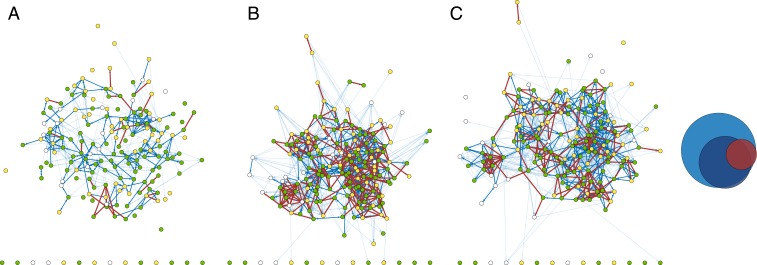
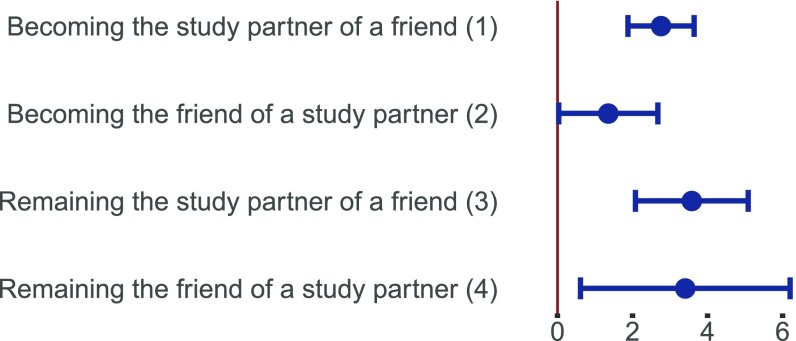
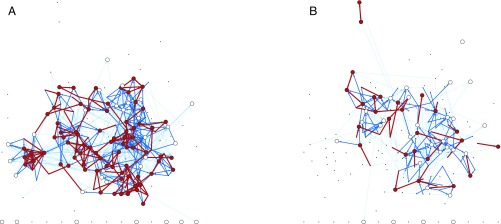
Significance: Understanding the factors that explain academic failure and success of university students is a core interest of educational researchers, teachers, and managers. We demonstrate how the dynamic social networks that informally evolve between students can affect their academic performance. We closely followed the emergence of multiple social networks within a cohort of 226 undergraduate university students. They were strangers to each other on their first day at university, but developed densely knit social networks through time. We show that functional studying relationships tended to evolve from informal friendship relations. In a critical examination period after one year, these networks proved to be crucial: Socially isolated students had significantly lower examination grades and were more likely to drop out of university.
Overview
The claims and statistics of this paper haven’t been checked yet.
Free: it reads the open-access text and checks the first 5 claims that cite a source we can check. Create a free account to check every claim.
Integrity signals
Registry
Cites
Statistics
Figures
Verification
Claims the paper makes
The claims and statistics of this paper haven’t been checked yet.
Free: it reads the open-access text and checks the first 5 claims that cite a source we can check. Create a free account to check every claim.
Claims other papers make about this one
Each is checked against this paper’s own text: does it say what the citing paper says it does?
The source backs part of the claim, not all of it — or backs it for a different population, condition or comparison.
In the citing paper
“The social networks of students have been argued to be an important factor in buffering stress and helping them to be more effective [5].”
From Students under lockdown: Comparisons of students’ social networks and mental health before and during the COVID-19 crisis in Switzerland (2020) · cites this paper as [5]
Experimental — accuracy not yet measuredThe source backs part of the claim, not all of it — or backs it for a different population, condition or comparison.
In the citing paper
“Friendship, interaction, social support, and studying with others have been argued to impact their well-being and academic success, but they often require meeting opportunities and informal settings to develop [5, 13].”
From Students under lockdown: Comparisons of students’ social networks and mental health before and during the COVID-19 crisis in Switzerland (2020) · cites this paper as [5]
Experimental — accuracy not yet measuredThe check wasn’t confident either way, so it gives no verdict — never disputed.
In the citing paper
“and concerns about their social networks [20, 21].”
From Psychological correlates of perceived loneliness in college students before and during the COVID-19 stay-at-home period: a longitudinal study (2023) · cites this paper as [21]
Experimental — accuracy not yet measured
Self-check
Percentages, sums and reported differences re-computed from the paper’s own numbers.
The self-check needs the paper’s full text.
Citations
Cites
Granovetter, M. S. (1973) · American Journal of Sociology · doi:10.1086/225469 · Cited by 40,491
Birds of a Feather: Homophily in Social Networks
McPherson, M., Smith-Lovin, L., & Cook, J. M. (2001) · Annual Review of Sociology · doi:10.1146/annurev.soc.27.1.415 · Cited by 18,567 · cited 1×
“To take into account that observations in the sample are not independent, but could be dependent through processes of homophily (27)—for example, high-achieving individuals choosing each other as study partners—or social influence (28)— individuals becoming more similar to their study partners—we additionally fit netw…”
(1990) · Choice Reviews Online · doi:10.5860/choice.27-6637 · Cited by 16,594
Gamst, F. C. (1991) · Anthropology of Work Review · doi:10.1525/awr.1991.12.3.19 · Cited by 7,932
Structural Holes and Good Ideas
Burt, R. S. (2004) · American Journal of Sociology · doi:10.1086/421787 · Cited by 5,642
Network Analysis in the Social Sciences
Borgatti, S. P., Mehra, A., Brass, D. J., & Labianca, G. (2009) · Science · doi:10.1126/science.1165821 · Cited by 4,254
Skill formation and the economics of investing in disadvantaged children
Heckman, J. J. (2006) · Science · doi:10.1126/science.1128898 · Cited by 3,559
Lazer, D., Pentland, A., Adamic, L., Aral, S., Barabási, A.-L., Brewer, D., Christakis, N., Contractor, N., Fowler, J., Gutmann, M., et al. (2009) · Science · doi:10.1126/science.1167742 · Cited by 3,365
A SOCIAL CAPITAL THEORY OF CAREER SUCCESS.
Seibert, S. E., Kraimer, M. L., & Liden, R. C. (2001) · Academy of Management Journal · doi:10.2307/3069452 · Cited by 2,414
Springer, L., Stanne, M. E., & Donovan, S. S. (1999) · Review of Educational Research · doi:10.3102/00346543069001021 · Cited by 1,943 · cited 1×
“Educational interventions therefore often focus on enforcing teamwork and collaboration within the classroom (32).”
Research works printed but not linked: 2
- Robins G 2015 Doing Social Network Research SAGE London
- Ripley RM Snijders TAB Boda Z Vörös A Preciado Lopez P 2018 Manual for SIENA Version 4.0 (Nuffield College and Department of Statistics, University of Oxford, Oxford), Accessed May 24, 2018
Cited by
Elmer, T., Mepham, K., & Stadtfeld, C. (2020) · PLOS ONE · doi:10.1371/journal.pone.0236337 · Cited by 1,658
“Data were collected (a) prior to the COVID-19 outbreak as part of the Swiss StudentLife study (September 2017 to September 2019) [5], and (b) two weeks after the university and Swiss public life were largely shut down in response to the crisis (April 2020).”
BackgroundMethodSelf-citationDepressive symptoms are associated with social isolation in face-to-face interaction networks
Elmer, T., & Stadtfeld, C. (2020) · Scientific Reports · doi:10.1038/s41598-020-58297-9 · Cited by 266
Self-citationAqeel, M., Rehna, T., Shuja, K. H., & Abbas, J. (2022) · Frontiers in Psychiatry · doi:10.3389/fpsyt.2022.835585 · Cited by 142
Tülübaş, T., Karakose, T., & Papadakis, S. (2023) · European Journal of Investigation in Health, Psychology and Education · doi:10.3390/ejihpe13100143 · Cited by 90
“…cacy [90] Behavior-al-Intention [90], Problematic-Internet-Use [79], Mobile-Device-Use [77], Emotional Intelligence [79], Gender-Di ff erences [77], Academic-Success [93], and Communica-tion-Skill [90] illustrate the sub-themes in the Self-E ffi cacy cluster network. determine the relevant sub-themes.”
BackgroundBoda, Z., Elmer, T., Vörös, A., & Stadtfeld, C. (2020) · Scientific Reports · doi:10.1038/s41598-020-59594-z · Cited by 87
Self-citationBrouwer, J., Fernandes, C. A. D. M., Steglich, C., Jansen, E. P. W. A., Hofman, W. H. A., & Flache, A. (2022) · Learning and Instruction · doi:10.1016/j.learninstruc.2022.101603 · Cited by 113
“Knecht et al. (2010) rely on a maximum of twelve, Valente et al. (2005) rely on max five nominations, and Stadtfeld et al. (2019) rely on limited nominations ranging from five to twenty, depending on the network item.”
BackgroundMethodInfluentialTeledentistry: Evaluation of Instagram posts related to bruxism
Qazi, N., Pawar, M. V., Padhly, P. P., Pawar, V., D’Amico, C., Nicita, F., Fiorillo, L., Alushi, A., Minervini, G., & Meto, A. (2023) · Technology and Health Care · doi:10.3233/thc-220910 · Cited by 70
“Confinement greatly impacted our lives and contributed to an important source of stress [1].”
The prominence of peer interactions, relationships, and networks in adolescence and early adulthood.
Veenstra, R., & Laninga‐Wijnen, L. (2022) · American Psychological Association eBooks · doi:10.1037/0000298-014 · Cited by 104
Pownall, M., Harris, R. J., & Blundell-Birtill, P. (2021) · Psychology Learning & Teaching · doi:10.1177/14757257211032486 · Cited by 101
“This lack of social interaction and a strong social network could affect student’s sense of belonging, given how the social networks of students are an important factor in buffering stress and improving academic performance (Stadtfeld et al., 2019) which is difficult to establish in COVID-19 time (Odriozola-González e…”
BackgroundThe advantage of distributed practice in a blended learning setting
Jost, N. S., Jossen, S. L., Rothen, N., & Martarelli, C. S. (2021) · Education and Information Technologies · doi:10.1007/s10639-020-10424-9 · Cited by 48
Restrepo, J. E., Cardona, E. Y. B., Montoya, G. P. C., Cassaretto, M., & Alemán, Y. P. V. (2023) · Anales de Psicología · doi:10.6018/analesps.472201 · Cited by 109
“According to Stadtfeld et al. (2019), socially isolated students have significantly lower test scores and are more likely to drop out of college.”
BackgroundEducation Data Science: Past, Present, Future
McFarland, D. A., Khanna, S., Domingue, B. W., & Pardos, Z. A. (2021) · AERA Open · doi:10.1177/23328584211052055 · Cited by 59
“…(SOAMs); Snijders, 1996) are even able to disentangle selection mechanisms from influence mechanisms, and identify, for example, whether improved grades arise from association with high-achieving friends, or if good students find high-achieving friends (Snijders, 2002; Stadtfeld et al., 2019).”
BackgroundCarrillo‐Diaz, M., Martínez, A. R. O., Romero‐Maroto, M., & González‐Olmo, M. J. (2021) · International Journal of Paediatric Dentistry · doi:10.1111/ipd.12843 · Cited by 54
Yokotani, K., & Takano, M. (2021) · Computers in Human Behavior · doi:10.1016/j.chb.2021.107099 · Cited by 26
Social comparison effects on academic self-concepts—Which peers matter most?
Jansen, M., Boda, Z., & Lorenz, G. (2022) · Developmental Psychology · doi:10.1037/dev0001368 · Cited by 79
Self-citationFunctional brain network architecture supporting the learning of social networks in humans
Tompson, S., Kahn, A. E., Falk, E. B., Vettel, J. M., & Bassett, D. S. (2020) · NeuroImage · doi:10.1016/j.neuroimage.2019.116498 · Cited by 47
Reflections: Rethinking Engagement and Student Persistence
Tinto, V. (2023) · Student Success · doi:10.5204/ssj.3016 · Cited by 90
Pandit, B., Albert, A., & Patil, Y. (2020) · Construction Management and Economics · doi:10.1080/01446193.2020.1722316 · Cited by 41
The role of prosocial attitudes and academic achievement in peer networks in higher education
Brouwer, J., & Engels, M. (2021) · European Journal of Psychology of Education · doi:10.1007/s10212-020-00526-w · Cited by 57
CenGCN: Centralized Convolutional Networks with Vertex Imbalance for Scale-Free Graphs
Xia, F., Wang, L., Tang, T., Chen, X., Kong, X., Oatley, G., & King, I. (2022) · IEEE Transactions on Knowledge and Data Engineering · doi:10.1109/tkde.2022.3149888 · Cited by 53
Student Persistence Through a Different Lens
Tinto, V. (2024) · Journal of College Student Retention Research Theory & Practice · doi:10.1177/15210251241249158 · Cited by 66
The validity of RFID badges measuring face-to-face interactionsPreprint
Elmer, T., Chaitanya, K., Purwar, P., & Stadtfeld, C. (2019) · OSF Preprints (OSF Preprints) · doi:10.3929/ethz-b-000368129 · Cited by 38
Self-citationDokuka, S., Рашитовна, В. Д., & Yudkevich, M. (2020) · PLoS ONE · doi:10.1371/journal.pone.0236737 · Cited by 46
“This time frame, when students start their educational path at an undergraduate level, receives a lot of attention in the literature [17,19,42] due to the fast speed of social tie formation.”
BackgroundCampbell, C. D., Challen, B., Turner, K. L., & Stewart, M. I. (2020) · Journal of Chemical Education · doi:10.1021/acs.jchemed.0c00884 · Cited by 41
Koudela-Hamila, S., Smyth, J. M., Santangelo, P., & Ebner‐Priemer, U. (2020) · Journal of American College Health · doi:10.1080/07448481.2020.1784906 · Cited by 50
In defense of peer influence: The unheralded benefits of conformity
Laursen, B. P., & Veenstra, R. (2022) · Child Development Perspectives · doi:10.1111/cdep.12477 · Cited by 59
“In yet another study, socially isolated undergraduate students had lower grades and higher rates of academic attrition than undergraduates who were well-connected (Stadtfeld et al., 2019).”
BackgroundBianchi, F., Filippi-Mazzola, E., Lomi, A., & Wit, E. C. (2023) · Annual Review of Statistics and Its Application · doi:10.1146/annurev-statistics-040722-060248 · Cited by 48
“Keywords Endogenous effects · longitudinal networks · point processes · relational events · time-stamped interaction data Introduction Statistical models for social and other networks are receiving increased attention not only in specialized field journals such as Network Science or Social Networks, but also in promin…”
BackgroundProximity can induce diverse friendships: A large randomized classroom experiment
Rohrer, J. M., Keller, T., & Elwert, F. (2021) · PLoS ONE · doi:10.1371/journal.pone.0255097 · Cited by 39
Ortega, L., Boda, Z., Treviño, E., Arriagada, V., Gelber, D., & Escribano, M. D. R. (2020) · Teaching and Teacher Education · doi:10.1016/j.tate.2020.103126 · Cited by 48
Self-citationParker, A., Pallotti, F., & Lomi, A. (2021) · Organizational Research Methods · doi:10.1177/10944281211005167 · Cited by 36
“Examples of outcomes that have been typically treated as individual but that extant research has found to be contagious include academic performance (Stadtfeld et al., 2019), and an increasingly wide range of choice (Salganik et al.”
BackgroundEthnic diversity fosters the social integration of refugee students
Boda, Z., Lorenz, G., Jansen, M., Stanat, P., & Edele, A. (2023) · Nature Human Behaviour · doi:10.1038/s41562-023-01577-x · Cited by 41
Self-citationCo, M. T.-H., Ho, M. K., Bharwani, A. A., Chan, V. H. Y., Chan, E. H. Y., & Poon, K. S. (2021) · Heliyon · doi:10.1016/j.heliyon.2021.e08486 · Cited by 30
“For example, a study conducted on 226 undergraduate students demonstrated a statistically signi fi cant association between the size and strength of one's social network and their academic performance [22]; this was echoed in another study from Turkey [23].”
McGillicuddy, D. (2021) · Learning and Instruction · doi:10.1016/j.learninstruc.2021.101492 · Cited by 39
Hooijsma, M., Huitsing, G., Kisfalusi, D., Dijkstra, J. K., Flache, A., & Veenstra, R. (2020) · Network Science · doi:10.1017/nws.2020.1 · Cited by 25
“So far, only a few researchers have investigated the longitudinal interplay between multiple peer networks (Berger & Dijkstra, 2013; Brouwer et al., 2018; Kisfalusi et al., 2019; Pál et al., 2016; Rambaran et al., 2015; Stadtfeld et al., 2019).”
BackgroundVörös, A., Boda, Z., Elmer, T., Hoffman, M., Mepham, K., Raabe, I. J., & Stadtfeld, C. (2020) · Social Networks · doi:10.1016/j.socnet.2020.11.006 · Cited by 27
Self-citationvan Herpen, S. G. A., Hilverda, F., & Vollmann, M. (2024) · European Journal of Higher Education · doi:10.1080/21568235.2024.2414760 · Cited by 43
“In addition, contact with peers about both personal and course-related matters stimulates academic performance (Brouwer et al. 2016; Hommes et al. 2012; Stadtfeld et al. 2019; Tomás-Miquel, Expósito-Langa, and Nicolau-Juliá 2016; Wilcox, Winn, and Fyvie-Gauld 2005).”
Heterogeneous peer effects of college roommates on academic performance
Cao, Y., Zhou, T., & Gao, J. G. (2024) · Nature Communications · doi:10.1038/s41467-024-49228-7 · Cited by 29
“Thisreliancestemsfromvariousfactors,suchasthe high cost and impracticality of conducting large-scale fi eld experiments in learning environments, the dynamic nature of peer relationships 65 , and the scarcity of longitudinal data on student learning outcomes 66 – 70 .”
University students and study habits
Clarke, C., Mullin, M., McGrath, D., & Farrelly, N. (2021) · Irish Journal of Psychological Medicine · doi:10.1017/ipm.2021.28 · Cited by 26
“…academic settings and that some students fail in their academic achievements not solely due to individual abilities or study habits, but because they fail to benefit from the network of positive social relationships, as most students perform better when they work together (Stadtfeld et al., 2019).”
Schlusche, C., Schnaubert, L., & Bodemer, D. (2021) · Frontiers in Education · doi:10.3389/feduc.2021.732587 · Cited by 29
Networks in the making: Friendship segregation and ethnic homophily
Zhao, L. H. (2023) · Social Science Research · doi:10.1016/j.ssresearch.2022.102813 · Cited by 26
Ukrainian refugees struggling to integrate into Czech school social networks
Lintner, T., Diviák, T., Šeďová, K., & Hlaďo, P. (2023) · Humanities and Social Sciences Communications · doi:10.1057/s41599-023-01880-y · Cited by 39
Conti, C., Lanzara, R., Rosa, I., Müller, M. M., & Porcelli, P. (2023) · BMC Psychology · doi:10.1186/s40359-023-01099-1 · Cited by 26
“Being under a lot of pressure to perform academically, college students are prone to developing mental health problems [16–19] and concerns about their social networks [20, 21].”
BackgroundGroup mixing drives inequality in face-to-face gatherings
Oliveira, M., Karimi, F., Zens, M., Schaible, J., Génois, M., & Strohmaier, M. (2022) · Communications Physics · doi:10.1038/s42005-022-00896-1 · Cited by 31
Evolution features and behavior characters of friendship networks on campus life
Yang, Z., Su, Z. M., Liu, S., Liu, Z., Ke, W., & Zhao, L. (2020) · Expert Systems with Applications · doi:10.1016/j.eswa.2020.113519 · Cited by 19
Assessing university student collaboration in new ways
Ellis, R. A., & Han, F. (2020) · Assessment & Evaluation in Higher Education · doi:10.1080/02602938.2020.1788504 · Cited by 29
Mauldin, R. L., Barros-Lane, L., Tarbet, Z., Fujimoto, K., & Narendorf, S. C. (2022) · Education Sciences · doi:10.3390/educsci12030205 · Cited by 24
“Unlike other studies that have found female students to be more popular than male students [30,35], we found that male students were more likely to be named by their peers as friends.”
BackgroundResultThe importance of friendships for academic success
Schmidt, S. J. (2020) · Journal of Food Science Education · doi:10.1111/1541-4329.12176 · Cited by 17
Explaining the gender gap in negotiation performance: Social network ties outweigh internal barriers
Turetsky, K. M., Curley, J. P., Carter, A. B., & Greenaway, V. P. (2022) · Journal of Social Issues · doi:10.1111/josi.12536 · Cited by 24
The Effect of Popularity Cues and Peer Endorsements on Assertive Social Media Ads
Agarwal, A., Lee, S., & Whinston, A. B. (2017) · Information Systems Research · doi:10.1287/isre.2021.0606 · Cited by 25
Lessons learned from designing an open-source automated feedback system for STEM education
Steinert, S., Krupp, L., Avila, K. E., Janssen, A. S., Ruf, V., Dzsotjan, D., Schryver, C. D., Karolus, J., Ruzika, S., Joisten, K., et al. (2024) · Education and Information Technologies · doi:10.1007/s10639-024-13025-y · Cited by 25
“One potential approach to facilitate this would be to establish learning groups for students and/or teaching-learning groups where students can engage in collaborative dialogue regarding their thoughts, challenges, and feedback (Solanki et al., 2019; Wilson et al., 2015; Stadtfeld et al., 2019).”
Reciprocity Heightens Academic Performance in Elementary School Students
Candia, C., Oyarzún, M., Landaeta, V., Yaikin, T., Monge, C., Hidalgo, C. A., & Rodríguez‐Sickert, C. (2022) · Heliyon · doi:10.1016/j.heliyon.2022.e11916 · Cited by 29
Exploring loneliness and students’ sense of coherence (S-SoC) in the university setting
Limarutti, A., Maier, M. J., & Mir, E. K. T. (2021) · Current Psychology · doi:10.1007/s12144-021-02016-8 · Cited by 23
“…in university students, loneliness is positively associated with feelings of depression and anxiety (Diehl et al., 2018), intensive media use (Aalbers et al., 2019), difficulty initiating and maintaining sleep (Hayley et al., 2017) or a higher risk of academic failure (Stadtfeld et al., 2019).”
BackgroundFrom Symbols to Embeddings: A Tale of Two Representations in Computational Social Science
Chen, H., Yang, C. H., Zhang, X., Liu, Z., Sun, M., & Jin, J. (2021) · Journal of Social Computing · doi:10.23919/jsc.2021.0011 · Cited by 21
Chignell, S. M. (2025) · Open Book Publishers · doi:10.11647/obp.0418.40 · Cited by 15
Lembke, E. J., Linderkamp, F., & Casale, G. (2024) · Frontiers in Psychology · doi:10.3389/fpsyg.2024.1321373 · Cited by 34
Impact of Social Networks on the Labor Market Inequalities and School-to-Work Transitions
Özer, M., & Perc, M. (2021) · Yuksekogretim Dergisi · doi:10.2399/yod.21.868353 · Cited by 29
Lorenz, G., Salikutluk, Z., Boda, Z., Jansen, M., & Hewstone, M. (2021) · Sociological Science · doi:10.15195/v8.a19 · Cited by 18
“In contrast, social network data provide information regarding which students actually have social ties with one another and thus allow for a more precise examination of social integration and peer socialization processes (DiMaggio and Garip 2012; Stadtfeld et al. 2019).”
BackgroundSelf-citationUnderstanding interaction network formation across instructional contexts in remote physics courses
Sundstrom, M., Schang, A., Heim, A. B., & Holmes, N. G. (2022) · Physical Review Physics Education Research · doi:10.1103/physrevphyseducres.18.020141 · Cited by 17
“This correlation has been previously observed between students’ positions in course-wide interaction networks and their overall course grades [14, 15, 17, 24, 27, 36] as well as between students’ engagement in lab-specific interactions and their lab grades [6, 37].”
Oliveira, A. P., Nobre, J. R., Luís, H., Luís, L., de Pinho, L. G., Albacar-Riobóo, N., & Sequeira, C. (2022) · International Journal of Environmental Research and Public Health · doi:10.3390/ijerph20010664 · Cited by 23
“During the confinement caused by COVID-19 face-to-face interactions and face-to-face encounters were minimized and it is likely that individuals focused more on especially close, more meaningful, or more established relationships [5].”
BackgroundRashid, S., Fayez, O., Ismail, H., & Khan, R. F. (2021) · Journal of Public Health Research · doi:10.4081/jphr.2021.2148 · Cited by 19
Politics in Indonesia: democracy, social networks and youth political participation
Ida, R., Mashud, M., Saud, M., Yousaf, F. N., & Ashfaq, A. (2025) · Cogent Social Sciences · doi:10.1080/23311886.2024.2432071 · Cited by 33
“…norms and values (Bond et al., 2017; Redhead & Power, 2022). it fosters the individuals’ relationship bringing people together and promotes integration to make up good social networks (chung & crawford, 2016; Djupe et al., 2017; liu et al., 2018; Puura et al., 2022; Stadtfeld et al., 2019).”
Msane, J., Mutanga, M. B., & Chani, T. (2020) · International Journal of Advanced Computer Science and Applications · doi:10.14569/ijacsa.2020.0110724 · Cited by 17
“This claim is also strongly supported by the findings reported in [23].”
ResultDynamics of social network emergence explain network evolution
Pomeroy, C., Bond, R. M., Mucha, P. J., & Cranmer, S. (2020) · Scientific Reports · doi:10.1038/s41598-020-78224-2 · Cited by 14
“These results are consistent with recent work that finds that integration into an emerging student network explains academic performance 22 (see also Ref.”
ResultProtocol for the Mason: Health Starts Here prospective cohort study of young adult college students
Cuellar, A. E., Adams, L. M., de Jonge, L., Espina, V. A., Espinoza, L., Fischer, S. F., Frankenfeld, C. L., Hines, D. A., Kornienko, O., Lawrence, H. Y., et al. (2021) · BMC Public Health · doi:10.1186/s12889-021-10969-5 · Cited by 14
“Moreover, this risk is disproportionately experienced by select racial and ethnic groups [30].”
BackgroundAcademic failures and co-location social networks in campus
Lu, S., Zhao, J., & Wang, H. (2022) · EPJ Data Science · doi:10.1140/epjds/s13688-022-00322-0 · Cited by 14
“Prior works conducted multiple surveys to measure social connections as well as self-reported measures of socioeconomic background, abilities and motivations, etc. (Dokuka et al. [8], Stadtfeld et al. [6]).”
BackgroundInfluentialMotivations for social withdrawal and academic adjustment in emerging adulthood
McVarnock, A. M., & Closson, L. M. (2022) · British Journal of Developmental Psychology · doi:10.1111/bjdp.12411 · Cited by 16
Loneliness among University students as a growing concerne
Ousman, Y. I., & Nazır, T. (2023) · Journal of Family Counseling and Education · doi:10.32568/jfce.1312556 · Cited by 18
Brownson, C. B., Boyer, B. P., Runyon, C., Boynton, A. E., Jonietz, E., Spear, B. I., Irvin, S. A., Christman, S. K., Balsan, M. J., & Drum, D. J. (2023) · Higher Education · doi:10.1007/s10734-023-01120-x · Cited by 11
“Academically oriented social connections (e.g., classmates, study partners) are associated with higher grades (Stadtfeld et al., 2019).”
Antecedents of student team formation in higher education
Fernandes, C. A. D. M., Hoffman, M., & Brouwer, J. (2024) · Learning and Instruction · doi:10.1016/j.learninstruc.2024.101931 · Cited by 17
Robust Graph Neural Networks via Ensemble Learning
Qi, L., Yu, S., Sun, K., Zhao, W., Alfarraj, O., Tolba, A. K. R., & Xia, F. (2022) · Mathematics · doi:10.3390/math10081300 · Cited by 18
“Graphs serve as structural data to describe complex relationships between entities among numerous networks, such as social networks [1,2], academic networks [3], citation networks [4,5], and traffic networks [6].”
BackgroundBrain structure correlates of expected social threat and reward
Crawford, B., Muhlert, N., MacDonald, G., & Lawrence, A. D. (2020) · Scientific Reports · doi:10.1038/s41598-020-74334-z · Cited by 16
STEM learning communities promote friendships but risk academic segmentation
Jeffrey, W., Schaefer, D. R., Xu, D., McPartlan, P., & Solanki, S. M. (2022) · Scientific Reports · doi:10.1038/s41598-022-15575-y · Cited by 12
Korn, L., Zigdon, A., & Davidovitch, N. (2023) · Frontiers in Psychology · doi:10.3389/fpsyg.2023.1181009 · Cited by 10
“Based on reviewed literature (Xerri et al., 2018; Stadtfeld et al., 2019; Guse et al., 2021; Romeo et al., 2021; Yu et al., 2021), we hypothesized that students with higher levels of academic distress were expected to show lower socio-economic status, lower social connections, and lower wellbeing indices.”
BackgroundDigital learning approaches in an intermediate-level computer science course
Apiola, M., Lokkila, E., & Laakso, M. (2019) · International Journal of Information and Learning Technology · doi:10.1108/ijilt-06-2018-0079 · Cited by 10
Han, F., & Ellis, R. A. (2020) · Higher Education Research & Development · doi:10.1080/07294360.2020.1800597 · Cited by 13
“, 2019), study partner networks (Stadtfeld et al., 2019), and student collaboration networks (Gu et al.”
BackgroundZhou, Y., Bos, N. A., Diemers, A. D., & Brouwer, J. (2023) · Medical Education Online · doi:10.1080/10872981.2022.2162253 · Cited by 11
“The questionnaire contained questions related to five informal networks: studyrelated support, collaboration, friendship, shareinformation, and learn-from (Table S1) [22,23,27].”
BackgroundResultInfluentialFernandes, C. A. D. M., Bakker, D. M., Flache, A., & Brouwer, J. (2024) · Journal of Social and Personal Relationships · doi:10.1177/02654075241297721 · Cited by 10
“When establishing relationships in different types of – that is, multiplex – networks, students can also select each other based on achievement (Brouwer et al., 2018; Flashman, 2012; Kretschmer et al., 2018; Stadtfeld et al., 2019; Weber et al., 2020).”
InfluentialHan, F., Ellis, R. A., & Guan, E. (2022) · Journal of Computer Assisted Learning · doi:10.1111/jcal.12747 · Cited by 13
Glaister, C., Griggs, V., Martínez, O., & Hussain, M. (2023) · Teaching in Higher Education · doi:10.1080/13562517.2023.2177843 · Cited by 29
“Stadtfeld et al. (2019) also point to the role of integration in social networks and the positive impact which this has in terms academic success.”
Social Support and Network Formation in a Small-Scale Horticulturalist Population
Simpson, C. R. (2022) · Scientific Data · doi:10.1038/s41597-022-01516-x · Cited by 9
Enhanced social connectivity in hybrid classrooms versus academic centrality in online settings
Pulgar, J., Ramírez, D., & Candia, C. (2023) · Physical Review Physics Education Research · doi:10.1103/physrevphyseducres.19.020155 · Cited by 14
Richardson, L., Long, E., Goodfellow, C., Milicev, J., & Gardani, M. (2024) · PLoS ONE · doi:10.1371/journal.pone.0297953 · Cited by 16
Palmgren, E., Tuominen, K., & Kontro, I. (2022) · Physical Review Physics Education Research · doi:10.1103/physrevphyseducres.18.020122 · Cited by 11
Social tie formation of COVID-19 students: evidence from a two-cohort longitudinal study
Sigurdardottir, M. S., Torfason, M. Þ., & Jónsdóttir, A. H. (2022) · Higher Education · doi:10.1007/s10734-022-00935-4 · Cited by 12
“The distinction between these is however not always clear as research has shown that friendship ties that evolve into study relationships have been found to be particularly important for students’ success (Stadtfeld et al., 2019).”
BackgroundDorantes-Gilardi, R., Ramírez-Álvarez, A. A., & Terrazas-Santamaría, D. (2023) · Scientometrics · doi:10.1007/s11192-023-04656-y · Cited by 12
“Studies have suggested that social success can be shaped by an individual’s local network or by the role they have within a social network (Blansky et al., 2013; Stadtfeld et al., 2019).”
BackgroundVeenstra, R., Bertogna, A. T., & Laninga‐Wijnen, L. (2023) · Oxford University Press eBooks · doi:10.1093/oso/9780197602317.003.0014 · Cited by 10
Palacios, D., Berger, C., Kanacri, B. P. L., Huisman, M., & Veenstra, R. (2024) · British Journal of Educational Psychology · doi:10.1111/bjep.12675 · Cited by 9
Lee, C., Chen, T.-W., Yu, Y.-F., Strong, C., Lin, C., Chang, Y.-H., Hsieh, Y., Lin, Y.-C., Herrera, J. J. U., & Tsai, M. (2022) · International Journal of Mental Health and Addiction · doi:10.1007/s11469-022-00904-z · Cited by 7
“sense, act as an important source of emotional support and as a stress buffer (Stadtfeld et al., 2019).”
Backgroundvan Lamoen, P. M., Meeuwisse, M., Hiemstra, A. M. F., Arends, L. R., Severiens, S. E., & Brouwer, J. (2025) · Social Psychology of Education · doi:10.1007/s11218-024-10014-4 · Cited by 10
“Besides generation-status, migration background, and sense of belonging, we included several control variables which are well-known and important drivers of peer network development (Brouwer et al., 2022; Stadtfeld et al., 2019).”
InfluentialLimarutti, A., Flaschberger, S. S., & Mir, E. K. T. (2021) · HeilberufeScience · doi:10.1007/s16024-021-00351-1 · Cited by 9
Zhou, Y., Xu, X., Schönrock-Adema, J., Brouwer, J., Bos, N. A., & Diemers, A. D. (2023) · Frontiers in Medicine · doi:10.3389/fmed.2023.1242638 · Cited by 13
Collecting experimental network data from interventions on critical links in workplace networks
Matouš, P., Pollack, J., & Helm, J. (2021) · Social Networks · doi:10.1016/j.socnet.2021.02.004 · Cited by 8
Maloy, A., Main, A., Murphy, C., Coleman, L. E., Dodd, R., Lynch, J., Larkin, D., & Flowers, P. (2022) · Frontiers in Psychology · doi:10.3389/fpsyg.2022.861192 · Cited by 11
Han, F. (2023) · PLoS ONE · doi:10.1371/journal.pone.0285389 · Cited by 8
“In educational contexts, past studies have examined different types of networks amongst students, such as social and friendship networks [22], knowledge sharing networks [23], networks of the interaction between students and teachers [24], online discussion networks [25], study partner networks [26], and student colla…”
BackgroundUnderstanding the circulation network of agro-products in China based on the freight big data
Ma, Y.-J., Zhi-qiang Jiang, A., Dai, Y.-H., Dai, P., Wang, L., & Zhou, W. (2023) · Annals of Operations Research · doi:10.1007/s10479-023-05379-2 · Cited by 7
“Linear models have been widely used to clarify the formation of numerous individual-related networks, including social networks (Jusup et al., 2022; Stadtfeld et al., 2019), mobility networks Stadtfeld et al., (2019), and communication networks (Tobias et.al, 2014; Zheng et.al.,, 2018).”
Brouwer, J., & Fernandes, C. A. D. M. (2023) · Social interaction in learning and development · doi:10.1007/978-3-031-29411-2_5 · Cited by 6
Academic procrastination as a mediator between learning environment and academic performance
Sun, T., Huynh, R., & Kim, J.-E. (2023) · Proceedings of the Human Factors and Ergonomics Society Annual Meeting · doi:10.1177/21695067231192638 · Cited by 13
“Many students in higher education have experienced difficulties in the pursuit of academic success (Stadtfeld et al., 2019).”
BackgroundUndergraduate Students’ Effectiveness in an Institution With High Dropout Index
de Oliveira, J. L. C., Ambrosio, A. P., Silva, U., Brancher, J. D., & Franco, J. J. (2020) · IEEE Frontiers in Education Conference (FIE) · doi:10.1109/fie44824.2020.9274108 · Cited by 10
“In [25] the authors use complex graph and network techniques to identify behavioral aspects concerning student interactions.”
BackgroundVlachopanou, P., Maska, L., Kalamaras, D., & Nasika, F. (2025) · European Journal of Psychology Open · doi:10.1024/2673-8627/a000079 · Cited by 5
Workplace inclusion: A social network perspective
Butler, T., Falk, E. B., & Kleinbaum, A. M. (2025) · Research in Organizational Behavior · doi:10.1016/j.riob.2025.100221 · Cited by 9
Metadata
- Authors
- Stadtfeld, C., Vörös, A., Elmer, T., Boda, Z., & Raabe, I. J.
- Affiliations
- ETH Zurich (CH)
- University of Zurich (CH)
- Corresponding author
- Stadtfeld, Christoph
- Venue
- Proceedings of the National Academy of Sciences
- Publisher
- National Academy of Sciences
- Published
- 2018-12-24
- Volume
- 116
- Issue
- 3
- Pages
- 792-797
- ISSN
- 0027-8424 (ISSN-L)
- 1091-6490
- PMC
- PMC6338824
- OpenAlex
- W2906675977
- Cited by
- 212
- References
- 42
- Citations by year
- 2026: 17 · 2025: 28 · 2024: 33 · 2023: 36 · 2022: 37 · 2021: 28 · 2020: 27 · 2019: 5
- FWCI
- 48.74
- Type
- journal article
- Language
- en
- Open access
- hybrid
- doi.org
- Licence
- Locations
- Proceedings of the National Academy of Sciences (publishedVersion, cc-by-nc-nd)
- Europe PMC (PubMed Central) (publishedVersion, cc-by-nc-nd)
- PubMed Central (publishedVersion, cc-by-nc-nd)
- PubMed (publishedVersion)
- Zurich Open Repository and Archive (University of Zurich) (acceptedVersion)
- RePEc: Research Papers in Economics (submittedVersion)
- University of Birmingham Research Portal (University of Birmingham) (submittedVersion)
- Research Explorer (The University of Manchester) (submittedVersion)
- Repository for Publications and Research Data (ETH Zurich) (submittedVersion, cc-by-nc-nd)
- Zurich Open Repository and Archive (University of Zurich) (submittedVersion)
- ETH Zürich Research Collection
- Funders
- Swiss National Science Foundation (10001A_169965)
- Topics
- Social Sciences › Education › Educational Outcomes and Influences
- Social Sciences › Education › Higher Education Research Studies
- Physical Sciences › Physics and Astronomy › Statistical and Nonlinear Physics › Complex Network Analysis Techniques
- Keywords
- social networks, academic performance, network integration, friendship formation, study groups, social ties, dynamic networks, undergraduate engineering students, university students, socioeconomic background, perceived intelligence
- MeSH terms
- Academic Failure, Academic Success, Humans, Students, Switzerland, Universities, Social Networking
About these checks
Registry, retraction, Cites and statistics results are computed, not judged, with one exception: a printed reference that no index lists is read once by a model before it counts as a citation error. Claims are extracted by a model and kept only when their quote appears verbatim in the text; each cited source is then checked, with a model’s help, for whether it says what the claim relies on. Those verdicts can be wrong — read the claim’s quote and the cited source before relying on one.
Statistics and arithmetic are recomputed, not judged.
Confidence bands are shown only for fields calibrated on our annotated test set. None is calibrated yet, so no band is shown.
What counts as a claim ›How we measure confidence ›How we check this ›
Are you an author, or do you see a problem with this page? Request a review
Data sources
Bibliographic data: Semantic Scholar, OpenAlex, Crossref.
Contains information from the Semantic Scholar Academic Graph Datasets, made available under the ODC Attribution License (ODC-BY 1.0).
Semantic Scholar’s data is described in: Kinney, R., et al. (2023). The Semantic Scholar Open Data Platform. arXiv:2301.10140.
