

Microbiome signatures of progression toward celiac disease onset in at-risk children in a longitudinal prospective cohort study
Open accessThe DOI matches its Crossref record; 101 of the 102 references it cites were found in a registry or an index.
Abstract
Significance: The incidence of chronic inflammatory autoimmune conditions, such as celiac disease (CD), is increasing at an alarming rate. CD is the only autoimmune condition for which the trigger, gluten, is known. However, its etiology and pathogenesis remain incompletely defined as recent studies suggest other environmental stimuli may play a key role in CD pathogenesis. Here, we prospectively examine the trajectory of the gut microbiota starting 18 mo before CD onset in 10 infants who developed CD and 10 infants who did not. We identified alterations in the gut microbiota, functional pathways, and metabolome before CD onset, suggesting our approach may be used for disease prediction with the ultimate goal of identifying early preventive interventions to reestablish tolerance and prevent autoimmunity.
Overview
The claims and statistics of this paper haven’t been checked yet.
Free: it reads the open-access text and checks the first 5 claims that cite a source we can check. Create a free account to check every claim.
Integrity signals
Registry
Cites
Statistics
Figures
Verification
Claims the paper makes
The claims and statistics of this paper haven’t been checked yet.
Free: it reads the open-access text and checks the first 5 claims that cite a source we can check. Create a free account to check every claim.
Claims other papers make about this one
Each is checked against this paper’s own text: does it say what the citing paper says it does?
The cited source says what the claim attributes to it.
In the citing paper
“Alterations of gut microbiome is associated with pathogenesis of various intestinal disorders.”
From Association between attention-deficit/hyperactivity disorders and intestinal disorders: A systematic review and Meta-analysis (2025) · cites this paper as [66]
The cited source says what the claim attributes to it.
In the citing paper
“Alterations in the gut microbiota, functional pathways and metabolome were identified in a prospective study of infants who developed Celiac disease. Increased abundances of several microbial species, including Dialister invisus and Parabacteroides species were detected before onset of Celiac disease, which were previously linked to autoimmune conditions66.”
From Association between attention-deficit/hyperactivity disorders and intestinal disorders: A systematic review and Meta-analysis (2025) · cites this paper as [66]
Self-check
Percentages, sums and reported differences re-computed from the paper’s own numbers.
The self-check needs the paper’s full text.
Citations
Cites
SPAdes: A New Genome Assembly Algorithm and Its Applications to Single-Cell Sequencing
Bankevich, A., Nurk, S., Antipov, D., Gurevich, A. A., Dvorkin, M., Kulikov, A. S., Lesin, V. M., Nikolenko, S. I., Pham, S., Prjibelski, A. D., et al. (2012) · Journal of Computational Biology · doi:10.1089/cmb.2012.0021 · Cited by 25,987
Prodigal: prokaryotic gene recognition and translation initiation site identification
Hyatt, D., Chen, G.-L., LoCascio, P. F., Land, M. L., Larimer, F. W., & Hauser, L. J. (2010) · BMC Bioinformatics · doi:10.1186/1471-2105-11-119 · Cited by 12,587
Velvet: Algorithms for de novo short read assembly using de Bruijn graphs
Zerbino, D. R., & Birney, E. (2008) · Genome Research · doi:10.1101/gr.074492.107 · Cited by 9,491
Sumner, L. W., Amberg, A., Barrett, D., Beale, M. H., Beger, R., Daykin, C. A., Fan, T. W.-M., Fiehn, O., Goodacre, R., Griffin, J. L., et al. (2007) · Metabolomics · doi:10.1007/s11306-007-0082-2 · Cited by 5,368 · cited 2×
“according to level 1 Metabolomics Standards Initiative (19, 99).”
MethodSokol, H., Pigneur, B., Watterlot, L., Lakhdari, O., Bermúdez-Humarán, L. G., Gratadoux, J.-J., Blugeon, S., Bridonneau, C., Furet, J.-P., Corthier, G., et al. (2008) · Proceedings of the National Academy of Sciences · doi:10.1073/pnas.0804812105 · Cited by 4,413 · cited 2×
“prausnitzii is known to have anti-inflammatory properties by the release of metabolites capable of blocking nuclear factor kappa-light-chain-enhancer of activated B cells (NF-κB) activation and interleukin (IL)-8 production (37, 38) and has been reported to be underabundant in fecal samples of subjects with inflammato…”
BackgroundMetaboAnalyst 4.0: towards more transparent and integrative metabolomics analysis
Chong, J., Soufan, O., Li, C., Caraus, I., Li, S., Bourque, G., Wishart, D. S., & Xia, J. (2018) · Nucleic Acids Research · doi:10.1093/nar/gky310 · Cited by 3,629
Dysfunction of the intestinal microbiome in inflammatory bowel disease and treatment
Morgan, X. C., Tickle, T. L., Sokol, H., Gevers, D., Devaney, K. L., Ward, D. V., Reyes, J. A., Shah, S. A., LeLeiko, N., Snapper, S. B., et al. (2012) · Genome Biology · doi:10.1186/gb-2012-13-9-r79 · Cited by 2,713 · cited 1×
“Given the cross-talk between the gut microbiota and immune system, alterations in the gut microbiota have been linked to several autoimmune conditions (9) such as inflammatory bowel disease (10), type 1 diabetes (T1D) (11), multiple sclerosis (12), and CD (13–18).”
BackgroundTemporal development of the gut microbiome in early childhood from the TEDDY study
Stewart, C. J., Ajami, N. J., O’Brien, J. L., Hutchinson, D. S., Smith, D. P., Wong, M. C., Ross, M. C., Lloyd, R. E., Doddapaneni, H., Metcalf, G. A., et al. (2018) · Nature · doi:10.1038/s41586-018-0617-x · Cited by 2,014 · cited 14×
“However, T1D is a complex chronic immune condition that peaks between 10 and 14 y of age and is suspected to have an environmental trigger yet to be determined (73).”
BackgroundInfluentialMachiels, K., Joossens, M., Sabino, J., De Preter, V., Arijs, I., Eeckhaut, V., Ballet, V., Claes, K., Van Immerseel, F., Verbeke, K., et al. (2014) · Gut · doi:10.1136/gutjnl-2013-304833 · Cited by 1,904
Thompson, A. J., Baranzini, S. E., Geurts, J., Hemmer, B., & Ciccarelli, O. (2018) · The Lancet · doi:10.1016/s0140-6736(18)30481-1 · Cited by 1,797
Cited by
Items 101–182 of 182
Salamon, D., Kowalska‐Duplaga, K., Krawczyk, A., Duplaga, M., Gurgul, A., & Gosiewski, T. (2024) · Beneficial Microbes · doi:10.1163/18762891-bja00009 · Cited by 5
“Similar results were obtained in three other studies (Federica et al ., 2022; Leonard et al ., 2021; Palmieri et al ., 2022).”
ResultTemporal Alignment of Longitudinal Microbiome Data
Armoni, R., & Borenstein, E. (2022) · Frontiers in Microbiology · doi:10.3389/fmicb.2022.909313 · Cited by 5
“…et al., 2017), for uncovering novel links between the temporal behavior of the microbiome and various medical and biological conditions (Kostic et al., 2015; Chong et al., 2018; Leonard et al., 2021), and for distinguishing between biological and technical variation (Silverman et al., 2018).”
BackgroundCeliac disease and human gut microbiota – how can we study the composition of microorganisms?
Szczuciński, W., Salamon, D., Sopel, A., & Gosiewski, T. (2024) · Gastroenterology Review · doi:10.5114/pg.2024.139574 · Cited by 5
“Additionally, there were differences in analysis of longitudinal changes in the groups, which shown increased abundance of Parabacteroides species and Lachnospira-ceae bacterium in the celiac disease group [97].”
Lau, W., Niraula, S., Liu, A., & Leong, G. M. (2025) · Journal of Paediatrics and Child Health · doi:10.1111/jpc.70121 · Cited by 4
Salamon, D., Krawczyk, A., Zapała, B., Duplaga, M., Kowalska‐Duplaga, K., & Gosiewski, T. (2026) · World Journal of Gastroenterology · doi:10.3748/wjg.v32.i10.116128 · Cited by 4
“In particular, its presence correlates positively with inflammatory markers in Crohn’s disease, such as faecal calprotectin and neutrophil gelatinase-related lipocalin, suggesting its potential role in the severity of intestinal inflammation[20,22].”
Hurych, J., Oscarsson, E., Håkansson, Å., Jirků‐Pomajbíková, K., Jirků, M., Aronsson, C. A., Cinek, O., Agardh, D., & the HEDIMED Investigator Group (2023) · Parasites & Vectors · doi:10.1186/s13071-023-06027-1 · Cited by 4
“Moreover, potential predictors of celiac disease were suggested, including an increase in Porhyromonas , Dialister and Parabacte-roides and a decreased abundance of anti-inflammatory species [60] or decreased capacity to degrade gluten [57].”
BackgroundHigh-resolution analysis of the treated coeliac disease microbiome reveals strain-level variation
Slager, J., Simpson, H. L., Gaćeša, R., Chen, L., Tan, I. L., Gelderloos-Arends, J., Maatman, A., Wijmenga, C., Zhernakova, A., Fu, J., et al. (2025) · Gut Microbes · doi:10.1080/19490976.2025.2489071 · Cited by 4
“…previous studies investigating the gut microbiome of CeD patients have provided important insights, many have been constrained by small patient cohorts, 23,24,26,34,35 which limits statistical power, and/or relied on 16S sequencing, 26,34–36 which limits the taxonomic resolution to genus level.”
InfluentialThriene, K., Stanislas, V., Amend, L., Strowig, T., & Michels, K. B. (2022) · Foods · doi:10.3390/foods11223673 · Cited by 4
“When symbiotic homeostasis is out of balance, gastrointestinal disorders such as intestinal bowel diseases (IBDs) [7], irritable bowel syndrome (IBS) [8], and coeliac disease [9], as well as colorectal cancer (CRC) [10,11], are more likely to occur.”
BackgroundHuman small-intestinal gluten-degrading bacteria and its potential implication in celiac disease
Dewala, S., Bodkhe, R., Nimonkar, Y. S., Prakash, O., Ahuja, V., Makharia, G. K., & Shouche, Y. S. (2023) · Journal of Biosciences · doi:10.1007/s12038-023-00337-3 · Cited by 4
“Although more than 30% of the world’s population has predisposed genes and is exposed to gluten, only 2–3%developCeDduring their lifetimes, which suggests that other factors (wheat gluten and gut microbiota alterations) may also contribute to the pathogenesis of CeD (Leonard et al. 2021).”
BackgroundLactiplantibacillus plantarum Moderating Effect on Autoimmune Celiac Disease Triggers
Gupta, N., Al-Dossari, M., El-Gawaad, N. S. A., Alghamdi, S. A., Qusty, N. F., Babalghith, A. O., Yadav, V. K., Niazi, P., & Mallasiy, L. O. (2025) · Probiotics and Antimicrobial Proteins · doi:10.1007/s12602-025-10514-5 · Cited by 4
Xue, S., Shi, T., Xie, J., Liu, W., Yao, S., Li, N., Liu, H., Kong, W., & Gao, F. (2025) · Journal of Translational Medicine · doi:10.1186/s12967-025-06991-5 · Cited by 3
“Serine and glycine may be specific biomarkers for CeD [25].”
Wu, Z., Yang, Z., Lyu, C., Sun, B., Zhang, R., Li, H., & Chen, J. (2026) · Therapeutic Advances in Medical Oncology · doi:10.1177/17588359251413948 · Cited by 3
Comprehensive cross-cohort analysis reveals global gut microbiome signatures of celiac disease
Prendergast, P. J., Bishop, H. V., Herbold, C. W., Verdu, E. F., Dobson, R. C. J., Day, A. S., & Ogilvie, O. J. (2026) · Communications Medicine · doi:10.1038/s43856-026-01627-1 · Cited by 4
“Butyrate is a key energy source for colonocytes and promotes immune tolerance by inhibiting histone deacetylases and supporting regulatory T cell differentiation 91 – 94 , which helps maintain epithelial integrity and immune regulation, features likely implicated in CeD pathogenesis 26,95,96 .”
InfluentialSmith, D. A., Palacios-Pérez, M., & Jheeta, S. (2022) · Gastrointestinal Disorders · doi:10.3390/gidisord4030012 · Cited by 3
The HLA-DQ8 transgenic mouse: A model to study the immune and cytotoxic responses to wheat gliadin
Maurano, F., Aufiero, V. R., Treppiccione, L., Rossi, S., Luongo, D., Mazzarella, G., & Rossi, M. (2023) · Methods in cell biology · doi:10.1016/bs.mcb.2023.01.007 · Cited by 3
Gastrointestinal distress as a potential mediator between stress and periodontal inflammation
Wright, C. D., Heaton, B., García, R. I., Leonard, M. M., Fasano, A., & McNeil, D. W. (2023) · Community Dentistry And Oral Epidemiology · doi:10.1111/cdoe.12889 · Cited by 3
“19, 20”
Self-citationGut microbiota and prospects for probiotics in paediatric celiac disease
Хавкин, А. И., Yablokova, E. A., Шаповалова, Н. С., & Erokhina, M. I. (2024) · Archives of Pediatrics and Pediatric Surgery · doi:10.31146/2949-4664-apps-2-1-121-132 · Cited by 3
Temporal dynamics of the gut microbiome preceding celiac disease in genetically at-risk childrenPreprint
Ahrens, A. P., Lynch, K., Hyöty, H., Lloyd, R. E., Petrosino, J., Triplett, E. W., & Agardh, D. (2025) · medRxiv · doi:10.1101/2025.05.29.25328357 · Cited by 3
Next generation strategies to recover immunological tolerance in celiac disease
Treppiccione, L., Luongo, D., Maurano, F., & Rossi, M. (2022) · International Reviews of Immunology · doi:10.1080/08830185.2022.2044807 · Cited by 2
“Different studies have indicated that modifications to the gut microbiota (dysbiosis) are linked with CD, in particular in the earliest phases of CD development [26].”
BackgroundMass Screening of Celiac Disease: A Crossing Point Between Secondary and Primary Prevention?
Stahl, M. G., Leonard, M. M., Liu, E., Pinto-Sánchez, M. I., Lack, G., & Catassi, C. (2025) · Gastroenterology · doi:10.1053/j.gastro.2025.10.002 · Cited by 2
Self-citationYe, X., Zhang, T., Zhou, J., Zhao, C., & Wu, J. (2026) · Pediatric Research · doi:10.1038/s41390-025-04346-w · Cited by 2
“These results not only provide direct evidence for FC-related gut microbiota disturbance but also provide an in-depth understanding of the relationship between FC and gut microbiota disturbance and an important basis for further research on the interaction between FC and the gut microbiota.”
Cho, Y., & Chu, C. (2026) · Experimental Dermatology · doi:10.1111/exd.70208 · Cited by 2
Targeted enzymatic therapy for coeliac disease
Girbal, M., Rodríguez-Banqueri, A., Swaid, H., Mendes, S. R., Garzon-Flores, L., Ramírez-Larrota, J. S., Cueva, C., Moreno-Arribas, M. V., Regl, C., Huber, C. G., et al. (2026) · EMBO Molecular Medicine · doi:10.1038/s44321-026-00430-8 · Cited by 2
“Multiple pathways were signi fi cantly enriched in REF compared with GLI, consistent with fi ndings in paediatric CD cohorts (Leonard et al, 2021).”
Gut Microbiota and Metabolic Syndrome: A Narrative Review
Kotsiri, I., Prokou, M., Domazinaki, C.-M., Papadakaki, E., & Magiorkinis, E. (2026) · Biology · doi:10.3390/biology15141115 · Cited by 2
“Although gut microbiota dysbiosis has also been associated with non-metabolic disorders such as celiac disease, colorectal cancer, inflammatory bowel disease, and neurological conditions, these topics are beyond the main scope of the present review [35,36].”
Das, I., Murphy, R., & Goldman, A. (2023) · Recent Progress in Nutrition · doi:10.21926/rpn.2303012 · Cited by 2
Association of ADRB2 gene polymorphisms and intestinal microbiota in Chinese Han adolescents
Xu, S., Liu, W., Gong, L., Li, X., Chu, W., Han, M., Shi, S., & Zhou, D. (2023) · Open Life Sciences · doi:10.1515/biol-2022-0646 · Cited by 2
“A decrease in the abundance of this microorganism has been reported in individuals with chronic constipation, celiac disease, irritable bowel syndrome, and in fl amma-tory bowel disease [38 – 40].”
Elucidating the role of microbes in celiac disease through gnotobiotic modeling
Caminero, A., Verdu, E. F., & Galipeau, H. J. (2023) · Methods in cell biology · doi:10.1016/bs.mcb.2023.01.017 · Cited by 1
O impacto sistêmico das alterações da microbiota intestinal em doenças autoimunes
Cabeda, R., Gadini, A. C. B., Fauth, B. V., Fucina, C. R., Lorenzatto, E. A., Schneider, G. D. O., Andreola, I. K., Poglia, M. L., Kolling, M. E., & Alves, G. C. S. (2024) · Revista Eletrônica Acervo Científico · doi:10.25248/reac.e18156.2024 · Cited by 1
Yi, L., Mo, A., Yang, H., Yang, Y., Xu, Q., & Yuan, Y. (2025) · Frontiers in Immunology · doi:10.3389/fimmu.2024.1475195 · Cited by 1
Pati, N. B., Chung, B. K., Holm, K., Sætre, F., Reims, H. M., Aasebo, A. T., Gedde‐Dahl, T., Sreelakshmi, K. V., Domańska, D., Hov, J. R., et al. (2026) · Beneficial Microbes · doi:10.1163/18762891-bja00120 · Cited by 1
Towards personalized microbial therapies for metabolic alterations in celiac disease
Borrego-Ruiz, A., & Borrego, J. J. (2025) · Exploration of Digestive Diseases · doi:10.37349/edd.2025.100584 · Cited by 1
High‐Fat Diet–Wheat Gluten Interactions in HLA‐DQ8 Transgenic Mice
Haneishi, Y., Treppiccione, L., Aufiero, V. R., Maurano, F., Watanabe, S., Luongo, D., Mazzarella, G., Miyamoto, J., & Rossi, M. (2025) · Molecular Nutrition & Food Research · doi:10.1002/mnfr.70221 · Cited by 1
“Modifications to the gut microbiota (dysbiosis) also occur in CD [8, 9].”
Bakhtiari, S., Asri, N., Masotti, A., Jahani‐Sherafat, S., Rezaei–Tavirani, M., & Rostami‐Nejad, M. (2025) · Critical Reviews in Clinical Laboratory Sciences · doi:10.1080/10408363.2025.2551656 · Cited by 1
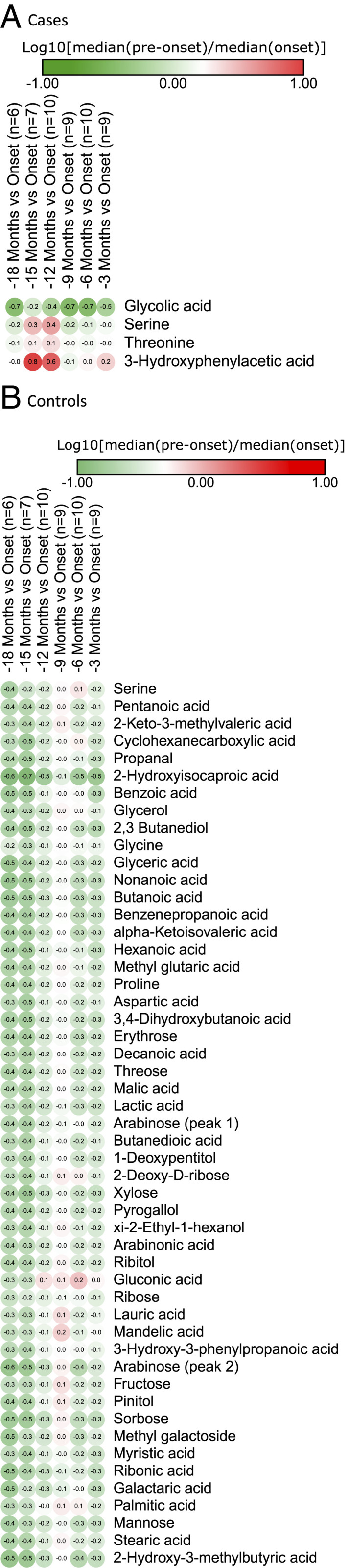
“The elevated Thr levels identified before CD onset suggest its potential as a biomarker for early disease progression and immune dysregulation, though further research is needed to confirm its reliability [72].”
Epigenetic regulation by gut microbiota-derived metabolites in celiac disease
Khaneshi, M., Alizadeh, F., Ghahremanzadeh, A., Akhijahani, R. F., Maddahi, B., Ojaroodi, A. F., Oskouie, S. A., & Lahouty, M. (2026) · Biochemistry and Biophysics Reports · doi:10.1016/j.bbrep.2026.102584 · Cited by 1
“This indicates that early microbial imbalances may prime the immune system for gluten intolerance, facilitating the development of CeD autoimmunity [8] (Fig.”
Antibiotic Use and Later Risk of Celiac Disease: A Nationwide Case-Control and Sibling Analysis
Ulnes, M., Söderling, J. K., Lebwohl, B., Green, P. H. R., Ludvigsson, J. F., & Mårild, K. (2026) · Clinical Gastroenterology and Hepatology · doi:10.1016/j.cgh.2026.04.009 · Cited by 1
The Gut Microbiome in Early Ontogeny: Implications for Brain and Immune System Development
Borrego-Ruiz, A., & Borrego, J. J. (2026) · Journal of Developmental Biology · doi:10.3390/jdb14020027 · Cited by 1
Decoding gut microbiome alterations in celiac disease: Implications for pathogenesis and treatment
Fousekis, F., Lianos, G. D., Stavropoulou, E., Patrikiou, E., Vradelis, S., Cassimos, D. C., & Tsigalou, C. (2026) · Autoimmunity Reviews · doi:10.1016/j.autrev.2026.104127 · Cited by 1
Integrated multi-omics reveals stable microbe–metabolite relationships in pediatric celiac disease
Prendergast, P. J., Aitchison, A., Ho, S. S. C., Morris, V. K., Göbl, C., Dobson, R. C. J., Day, A. S., & Ogilvie, O. J. (2026) · Frontiers in Microbiology · doi:10.3389/fmicb.2026.1866060 · Cited by 1
“Placing this study’s results to pediatric CeD cohorts globally, it becomes clear that geography, diet, genetics, and age all have a strong impact on the microbiome signals reported (Leonard et al., 2020; Leonard et al., 2021; Prendergast et al., 2026).”
InfluentialGut microbiota and prospects for probiotics in paediatric celiac disease
Хавкин, А. И., Yablokova, E. A., Шаповалова, Н. С., & Erokhina, M. I. (2024) · Archives of Pediatrics and Pediatric Surgery · doi:10.31146/2949-4664-apps-2-2-104-115 · Cited by 1
Nutritional Epigenetics and Gut Microbiome
Mohanan, A., Harilal, S. L., Plakkot, B., Pottakkat, B., & Kanakkaparambil, R. (2024) · Epigenetics and human health · doi:10.1007/978-3-031-54215-2_7 · Cited by 1
Leonard, M. M., Colwell, R. R., & Fasano, A. (2021) · Proceedings of the National Academy of Sciences · doi:10.1073/pnas.2114053118 · Cited by 1
Self-citationZhang, D., Mullish, B. H., Wang, J., Barker, G. F., Chrysostomou, D., Gao, S., Chen, L., McDonald, J. A. K., Marchesi, J. R., & Cheng, L. Y. (2022) · Research Square · doi:10.21203/rs.3.rs-1619373/v1 · Cited by 1
Sánchez-Muñoz, D. (2022) · Deposito de Investigacion Universidad de Sevilla (University of Seville) · Cited by 1
Schraders, K. (2022) · Massey Research Online (Massey University) · Cited by 1
Gluten free diet does not fully restore the faecal metabolome in paediatric coeliac diseasePreprint
Rattray, N. J. W., Kelly, P., Farrell, G., Russell, R., Hansen, R., Edwards, C., Gillett, P., & Gerasimidis, K. (2026) · Research Square · doi:10.21203/rs.3.rs-10187795/v1 · Cited by 1
Girdhar, K., Huang, Q., Dogru, Y. D., Yang, Y., Tolstikov, V., Chrudinová, M., Raisingani, A., Ludvigsson, J. F., Kiebish, M. A., Palm, N. W., et al. (2022) · SSRN Electronic Journal · doi:10.2139/ssrn.4069034
Research Progress on Alginate Oligosaccharide and Gut Microbiota in Obesity
姚, 震. (2024) · Hans Journal of Food and Nutrition Science · doi:10.12677/hjfns.2024.131018
Fasano, A. (2024) · Elsevier eBooks · doi:10.1016/b978-0-443-13359-6.00008-x
Self-citationGut microbiota and diabetes: Exploring the intricate connection
Bala, L. (2024) · Elsevier eBooks · doi:10.1016/b978-0-443-13195-0.00018-1
Bastard, Q. L. (2023) · theses.fr (ABES) · doi:10.70675/9daadcf5zc902z4c17z800fz43199037f6d3
Compliance and Lifestyle of Children with Celiac Disease in the Iranian Children
Rafeey, M., Ghergherehchi, R., Nikniaz, Z., Shoaran, M., & Hosseinalizadeh, A. (2024) · Advanced Biomedical Research · doi:10.4103/abr.abr_247_21
“[27,28] Our study found that treatment diet significantly improved children’s growth, and only children with higher MARSH had a better recovery than those with the lower MARSH.”
Fundamentos e Práticas Pediátricas e Neonatais - Edição XXIII
Freitas, G. B. L. D., & da Silva, R. (2025) · Editora Pasteur eBooks · doi:10.59290/978-65-6029-233-8
Feng, J., Ding, L., & Yang, T. (2025) · Gastroenterología y Hepatología (English Edition) · doi:10.1016/j.gastrohep.2025.502604
Genetic Evidence Implicating Gut Microbiota and Circulating Cytokines in Sjögren's Syndrome
Cai, Y., Zhou, T., Shi, W., Ding, X., Cai, X., & Li, Y. (2025) · Journal of Clinical Laboratory Analysis · doi:10.1002/jcla.70136
Hurych, J., Oscarsson, E., Håkanson, Å., Jirků‐Pomajbíková, K., Jirků, M., Aronson, C. A., Cinek, O., & Agardh, D. (2024) · Figshare · doi:10.6084/m9.figshare.26638065
Maridueña Paredes, L. S., & Torres, J. M. T. (2025) · Ciencia y Educación · doi:10.5281/zenodo.14948551
Hurych, J., Oscarsson, E., Håkanson, Å., Jirků‐Pomajbíková, K., Jirků, M., Aronson, C. A., Cinek, O., & Agardh, D. (2024) · Figshare · doi:10.6084/m9.figshare.26638068
Hurych, J., Oscarsson, E., Håkanson, Å., Jirků‐Pomajbíková, K., Jirků, M., Aronson, C. A., Cinek, O., & Agardh, D. (2024) · Figshare · doi:10.6084/m9.figshare.26638071
Persianov, P. (. (2023) · Research Repository (Delft University of Technology)
Suolistomikrobiston kehitys ihmisen elinaikana
Rantakokko, A. (2025) · UTUPub (University of Turku)
Secondary Plant Metabolites and their Role in Celiac Disease Management.
Gandhi, H., Rana, R., Sharma, P., SINGH, V. A., & Vihal, S. (2025) · BENTHAM SCIENCE PUBLISHERS eBooks · doi:10.2174/9798898812799125010010
Khatib, S. S. E., & Moreira, N. G. (2026) · RCMOS - Revista Científica Multidisciplinar O Saber · doi:10.51473/rcmos.v1i1.2026.1912
Microbiome-based biomarkers for inflammatory bowel disease diagnosis and prognosis
Salar, M. Z., Ghafoor, N., Ghafoor, A., & Baig, A. A. (2026) · Elsevier eBooks · doi:10.1016/b978-0-443-40483-2.00010-8
Al-Anssari, M., & Tahan, Z. S. (2026) · Infection Genetics and Evolution · doi:10.1016/j.meegid.2026.105934
Bishop, H. V., Prendergast, P. J., Herbold, C. W., Dobson, R. C. J., & Ogilvie, O. J. (2026) · bioRxiv (Cold Spring Harbor Laboratory) · doi:10.64898/2026.03.28.715053
Celiac disease screening and contributing factors to disease development
Boström, M. (2026) · Lund University Publications (Lund University)
The gut microbiome: A central player in human health and disease - A systematic review
Ghedia, B. J. (2026) · IP International Journal of Medical Microbiology and Tropical Diseases · doi:10.18231/j.ijmmtd.15178.1774259563
Costabile, A., Fagbemi, L. O., Soldaini, C., Siniscalchi, M., Ruotolo, M., Barone, M., Fabbrini, M., Brigidi, P., Turroni, S., Kolida, S., et al. (2026) · Molecules · doi:10.3390/molecules31101722
“Dysbiosis, or an imbalance in its composition, is increasingly recognised as a contributing factor in CeD pathogenesis: microbiota shifts precede disease onset in genetically at-risk infants [16].”
Microbiota signatures and genetic risk in pediatric celiac disease
Akçin, R., Sarıbaş, S., & Kocazeybek, B. (2026) · World Journal of Gastroenterology · doi:10.3748/wjg.119677
Wei, Q., Ding, D., Zhong, J., & Liu, R. (2026) · Bulletin of Mathematical Biology · doi:10.1007/s11538-026-01675-7
“(Leonard et al. 2021) and Supplementary Information G.”
Pitfalls in the Diagnosis and Treatment of Celiac Disease–Why “Gluten Free” Is Not Free
Catassi, C., & Catassi, G. N. (2026) · Digestive Diseases and Sciences · doi:10.1007/s10620-026-10058-w
“These changes might provide preventive targets to intercept CeD before its onset; [11] and (e) other environmental triggers.”
Self-citationProbiotics in infant healthcare: Promising benefits and underlying concerns
Zhang, X., Hu, G., Zhou, X., & Chen, T. (2026) · Food Science and Human Wellness · doi:10.26599/fshw.2026.9251110
Mostafaei, F. S. G., Hossein‐Khannazer, N., Sherafat, S. J., Noruzpur, A., Sadeghi, A., & Rostami‐Nejad, M. (2026) · Pediatric Gastroenterology Hepatology & Nutrition · doi:10.5223/pghn.2026.29.4.275
Protocolo para el diagnóstico precoz de la enfermedad celíaca. Actualización
(2026) · GuíaSalud eBooks · doi:10.46995/pr_5
Celiac disease onset and inflammatory milieu
Ciaccio, E. J., Wolf, R. L., Ciacci, C., Green, P. H. R., & Acharya, U. R. (2026) · World Journal of Gastrointestinal Endoscopy · doi:10.4253/wjge.118718
Cheng, S., Xue, S., Xie, J., Feng, Y., Shi, T., & Gao, F. (2026) · Frontiers in Immunology · doi:10.3389/fimmu.2026.1915319
“…research further showed that multiple pro-in fl ammatory microbial groups, metabolic pathways, and metabolites displayed dynamic abnormalities as early as 18 months before clinical CeD onset, whereas anti-in fl ammatory bacteria such as Faecalibacterium prausnitzii were signi fi cantly reduced (19).”
Le, D., Portik, D. M., Konno, T., Leonard, M. M., Miranda-Ribera, A., Fasano, A., & Zomorrodi, A. R. (2026) · bioRxiv (Cold Spring Harbor Laboratory) · doi:10.64898/2026.09.11.749611
Self-citationProbiotics in Celiac Disease: Current Evidence and Future Directions
McLaughlin, C. S., & Krishnareddy, S. (2026) · Nutrients · doi:10.3390/nu18193108
“Faecalibacterium prausnitzii , an organism with known anti-inflammatory properties [32], is reduced before CD onset in at-risk children, suggesting that the relative reduction in its anti-inflammatory effects may relate to increased risk for developing CD. Staphylococcus (particularly S.…”
The effect of probiotics on intestinal function in children and adolescents with celiac disease
Zgrebec, V. (2026) · University of Maribor digital library (University of Maribor)
Steatotic Liver Disease in Newly Diagnosed and Gluten-Free Diet-Treated Adults with Celiac Disease
Balaban, D. V., Coman, L. I., Enache, I., Toma, M. C. G. O., Raduinea, V. A., Stancu, A. M., Bucurica, S., Costache, R. S., Popp, A., & Jinga, M. (2026) · Nutrients · doi:10.3390/nu18203419
“…intestinal dysbiosis markers before CD onset in children found that proinflammatory bacteria were increased, while butyrate-producing bacteria like Faecalibacterium prausnitzii and Clostridium clostridioforme were decreased, indicating insufficient butyrate production in these patients [34].”
Biomarkers for intestinal damage in pediatric celiac disease
Usmonova, K., Geller, S. I., Umarnazarova, Z. E., & Kamilova, A. T. (2026) · Frontiers in Pediatrics · doi:10.3389/fped.2026.2000459
Supporting information 1 of Temporal Alignment of Longitudinal Microbiome Data
Armoni, R., & Borenstein, E. (2022) · doi:10.3389/fmicb.2022.909313.s001
Metadata
- Authors
- Leonard, M. M., Valitutti, F., Karathia, H., Pujolassos, M., Kenyon, V., Fanelli, B., Troisi, J., Subramanian, P., Camhi, S., Colucci, A., Serena, G., Cucchiara, S., Trovato, C. M., Malamisura, B., Francavilla, R., Elli, L., Hasan, N. A., Zomorrodi, A. R., Colwell, R., Fasano, A., The CD-GEMM Team, Montuori, M., Piemontese, P., Calvi, A., Baldassarre, M., Norsa, L., Raguseo, C. L., Passaro, T., Roggero, P., Crocco, M., Morelli, A., Perrone, M., Sansotta, N., Chieppa, M., Scala, G., Lionetti, M. E., Catassi, C., Serretiello, A., Vecchi, C., & de Villsante, G. C.
- Affiliations
- Harvard University (US)
- European Biomedical Research Institute of Salerno (IT)
- CosmosID Inc., Rockville, MD 84100;
- University of Salerno (IT)
- Sapienza University of Rome (IT)
- AOU San Giovanni di Dio e Ruggi d'Aragona (IT)
- University of Bari Aldo Moro (IT)
- Fondazione IRCCS Ca' Granda Ospedale Maggiore Policlinico (IT)
- University of Maryland, College Park (US)
- Corresponding author
- Colwell, Rita
- Fasano, Alessio
- ORCID
- Leonard, Maureen M.
- Valitutti, Francesco
- Karathia, Hiren
- Pujolassos, Meritxell
- Fanelli, Brian
- Troisi, Jacopo
- Subramanian, Poorani
- Camhi, Stephanie
- Colucci, Angelo
- Serena, Gloria
- Cucchiara, Salvatore
- Trovato, Chiara Maria
- Francavilla, Ruggiero
- Elli, Luca
- Hasan, Nur A.
- Zomorrodi, Ali R.
- Colwell, Rita
- Fasano, Alessio
- Montuori, Monica
- Piemontese, Pasqua
- Calvi, Angela
- Baldassarre, Mariella
- Norsa, Lorenzo
- Raguseo, Celeste Lidia
- Roggero, Paola
- Crocco, Marco
- Morelli, Annalisa
- Perrone, Michela
- Sansotta, Naire
- Chieppa, Marcello
- Scala, Giovanni
- Catassi, Carlo
- Venue
- Proceedings of the National Academy of Sciences
- Publisher
- National Academy of Sciences
- Published
- 2021-07-12
- Volume
- 118
- Issue
- 29
- ISSN
- 0027-8424 (ISSN-L)
- 1091-6490
- PMC
- PMC8307711
- OpenAlex
- W3181767964
- Cited by
- 162
- References
- 102
- Citations by year
- 2026: 27 · 2025: 35 · 2024: 32 · 2023: 37 · 2022: 23 · 2021: 7
- FWCI
- 7.84
- Type
- journal article
- Language
- en
- Open access
- hybrid
- doi.org
- Licence
- Locations
- Proceedings of the National Academy of Sciences (publishedVersion, cc-by-nc-nd)
- PubMed Central (publishedVersion, cc-by-nc-nd)
- PubMed (publishedVersion)
- Archivio Istituzionale della Ricerca (Universita Degli Studi Di Milano) (submittedVersion, other-oa)
- CINECA IRIS Institutional Research Information System (University of Bari Aldo Moro) (submittedVersion, cc-by-nc-nd)
- Funders
- HHS | NIH | National Institute of Diabetes and Digestive and Kidney Diseases (DK104344, DK109620, K23DK122127, P30-DK040561)
- Topics
- Life Sciences › Biochemistry, Genetics and Molecular Biology › Molecular Biology › Gut microbiota and health
- Health Sciences › Medicine › Gastroenterology › Celiac Disease Research and Management
- Health Sciences › Medicine › Gastroenterology › Gastrointestinal motility and disorders
- Keywords
- celiac disease, gut microbiota, disease onset prediction, vulnerable children, infants, microbiome signatures, metabolome, gluten, autoimmune disease pathogenesis, disease prevention, early preventive intervention, immune tolerance
- MeSH terms
- Gastrointestinal Microbiome, Host Microbial Interactions, Celiac Disease, Child, Preschool, Cross-Sectional Studies, Female, Humans, Infant, Inflammation, Longitudinal Studies, Male, Prospective Studies, Biomarkers, Autoimmunity, Metabolic Networks and Pathways, Metabolome, Metagenomics
About these checks
Registry, retraction, Cites and statistics results are computed, not judged, with one exception: a printed reference that no index lists is read once by a model before it counts as a citation error. Claims are extracted by a model and kept only when their quote appears verbatim in the text; each cited source is then checked, with a model’s help, for whether it says what the claim relies on. Those verdicts can be wrong — read the claim’s quote and the cited source before relying on one.
Statistics and arithmetic are recomputed, not judged.
Confidence bands are shown only for fields calibrated on our annotated test set. None is calibrated yet, so no band is shown.
What counts as a claim ›How we measure confidence ›How we check this ›
Are you an author, or do you see a problem with this page? Request a review
Data sources
Bibliographic data: Semantic Scholar, OpenAlex, Crossref.
Contains information from the Semantic Scholar Academic Graph Datasets, made available under the ODC Attribution License (ODC-BY 1.0).
Semantic Scholar’s data is described in: Kinney, R., et al. (2023). The Semantic Scholar Open Data Platform. arXiv:2301.10140.
