

Microbiome signatures of progression toward celiac disease onset in at-risk children in a longitudinal prospective cohort study
Open accessThe DOI matches its Crossref record; 101 of the 102 references it cites were found in a registry or an index.
Abstract
Significance: The incidence of chronic inflammatory autoimmune conditions, such as celiac disease (CD), is increasing at an alarming rate. CD is the only autoimmune condition for which the trigger, gluten, is known. However, its etiology and pathogenesis remain incompletely defined as recent studies suggest other environmental stimuli may play a key role in CD pathogenesis. Here, we prospectively examine the trajectory of the gut microbiota starting 18 mo before CD onset in 10 infants who developed CD and 10 infants who did not. We identified alterations in the gut microbiota, functional pathways, and metabolome before CD onset, suggesting our approach may be used for disease prediction with the ultimate goal of identifying early preventive interventions to reestablish tolerance and prevent autoimmunity.
Overview
The claims and statistics of this paper haven’t been checked yet.
Free: it reads the open-access text and checks the first 5 claims that cite a source we can check. Create a free account to check every claim.
Integrity signals
Registry
Cites
Statistics
Figures
Verification
Claims the paper makes
The claims and statistics of this paper haven’t been checked yet.
Free: it reads the open-access text and checks the first 5 claims that cite a source we can check. Create a free account to check every claim.
Claims other papers make about this one
Each is checked against this paper’s own text: does it say what the citing paper says it does?
The cited source says what the claim attributes to it.
In the citing paper
“Alterations of gut microbiome is associated with pathogenesis of various intestinal disorders.”
From Association between attention-deficit/hyperactivity disorders and intestinal disorders: A systematic review and Meta-analysis (2025) · cites this paper as [66]
The cited source says what the claim attributes to it.
In the citing paper
“Alterations in the gut microbiota, functional pathways and metabolome were identified in a prospective study of infants who developed Celiac disease. Increased abundances of several microbial species, including Dialister invisus and Parabacteroides species were detected before onset of Celiac disease, which were previously linked to autoimmune conditions66.”
From Association between attention-deficit/hyperactivity disorders and intestinal disorders: A systematic review and Meta-analysis (2025) · cites this paper as [66]
Self-check
Percentages, sums and reported differences re-computed from the paper’s own numbers.
The self-check needs the paper’s full text.
Citations
Cites
SPAdes: A New Genome Assembly Algorithm and Its Applications to Single-Cell Sequencing
Bankevich, A., Nurk, S., Antipov, D., Gurevich, A. A., Dvorkin, M., Kulikov, A. S., Lesin, V. M., Nikolenko, S. I., Pham, S., Prjibelski, A. D., et al. (2012) · Journal of Computational Biology · doi:10.1089/cmb.2012.0021 · Cited by 25,987
Prodigal: prokaryotic gene recognition and translation initiation site identification
Hyatt, D., Chen, G.-L., LoCascio, P. F., Land, M. L., Larimer, F. W., & Hauser, L. J. (2010) · BMC Bioinformatics · doi:10.1186/1471-2105-11-119 · Cited by 12,587
Velvet: Algorithms for de novo short read assembly using de Bruijn graphs
Zerbino, D. R., & Birney, E. (2008) · Genome Research · doi:10.1101/gr.074492.107 · Cited by 9,491
Sumner, L. W., Amberg, A., Barrett, D., Beale, M. H., Beger, R., Daykin, C. A., Fan, T. W.-M., Fiehn, O., Goodacre, R., Griffin, J. L., et al. (2007) · Metabolomics · doi:10.1007/s11306-007-0082-2 · Cited by 5,368 · cited 2×
“according to level 1 Metabolomics Standards Initiative (19, 99).”
MethodSokol, H., Pigneur, B., Watterlot, L., Lakhdari, O., Bermúdez-Humarán, L. G., Gratadoux, J.-J., Blugeon, S., Bridonneau, C., Furet, J.-P., Corthier, G., et al. (2008) · Proceedings of the National Academy of Sciences · doi:10.1073/pnas.0804812105 · Cited by 4,413 · cited 2×
“prausnitzii is known to have anti-inflammatory properties by the release of metabolites capable of blocking nuclear factor kappa-light-chain-enhancer of activated B cells (NF-κB) activation and interleukin (IL)-8 production (37, 38) and has been reported to be underabundant in fecal samples of subjects with inflammato…”
BackgroundMetaboAnalyst 4.0: towards more transparent and integrative metabolomics analysis
Chong, J., Soufan, O., Li, C., Caraus, I., Li, S., Bourque, G., Wishart, D. S., & Xia, J. (2018) · Nucleic Acids Research · doi:10.1093/nar/gky310 · Cited by 3,629
Dysfunction of the intestinal microbiome in inflammatory bowel disease and treatment
Morgan, X. C., Tickle, T. L., Sokol, H., Gevers, D., Devaney, K. L., Ward, D. V., Reyes, J. A., Shah, S. A., LeLeiko, N., Snapper, S. B., et al. (2012) · Genome Biology · doi:10.1186/gb-2012-13-9-r79 · Cited by 2,713 · cited 1×
“Given the cross-talk between the gut microbiota and immune system, alterations in the gut microbiota have been linked to several autoimmune conditions (9) such as inflammatory bowel disease (10), type 1 diabetes (T1D) (11), multiple sclerosis (12), and CD (13–18).”
BackgroundTemporal development of the gut microbiome in early childhood from the TEDDY study
Stewart, C. J., Ajami, N. J., O’Brien, J. L., Hutchinson, D. S., Smith, D. P., Wong, M. C., Ross, M. C., Lloyd, R. E., Doddapaneni, H., Metcalf, G. A., et al. (2018) · Nature · doi:10.1038/s41586-018-0617-x · Cited by 2,014 · cited 14×
“However, T1D is a complex chronic immune condition that peaks between 10 and 14 y of age and is suspected to have an environmental trigger yet to be determined (73).”
BackgroundInfluentialMachiels, K., Joossens, M., Sabino, J., De Preter, V., Arijs, I., Eeckhaut, V., Ballet, V., Claes, K., Van Immerseel, F., Verbeke, K., et al. (2014) · Gut · doi:10.1136/gutjnl-2013-304833 · Cited by 1,904
Thompson, A. J., Baranzini, S. E., Geurts, J., Hemmer, B., & Ciccarelli, O. (2018) · The Lancet · doi:10.1016/s0140-6736(18)30481-1 · Cited by 1,797
Cited by
Gut microbiome and health: mechanistic insights
de Vos, W. M., Tilg, H., Van Hul, M., & Cani, P. D. (2022) · Gut · doi:10.1136/gutjnl-2021-326789 · Cited by 2,388
Gut-Microbiota-Derived Metabolites Maintain Gut and Systemic Immune Homeostasis
Wang, J., Zhu, N., Su, X., Gao, Y., & Yang, R. (2023) · Cells · doi:10.3390/cells12050793 · Cited by 588
Catassi, C., Verdu, E. F., Bai, J. C., & Lionetti, E. (2022) · The Lancet · doi:10.1016/s0140-6736(22)00794-2 · Cited by 475
Self-citationAburto, M. R., & Cryan, J. F. (2024) · Nature Reviews Gastroenterology & Hepatology · doi:10.1038/s41575-023-00890-0 · Cited by 359
Role of the Gut Microbiota and Its Metabolites in Tumorigenesis or Development of Colorectal Cancer
Qu, R., Zhang, Y., Ma, Y., Zhou, X., Sun, L., Jiang, C., Zhang, Z., & Fu, W. (2023) · Advanced Science · doi:10.1002/advs.202205563 · Cited by 297
Inflammatory Bowel Diseases and Gut Microbiota
Haneishi, Y., Furuya, Y., Hasegawa, M., Picarelli, A., Rossi, M., & Miyamoto, J. (2023) · International Journal of Molecular Sciences · doi:10.3390/ijms24043817 · Cited by 242
“Celiac disease Dialister invisus ↑ Parabacteroides ↑ Lachnospiraceae bacterium ↑ [21]”
BackgroundSafarchi, A., Al-Qadami, G. H., Tran, C. D., & Conlon, M. A. (2025) · Frontiers in Microbiology · doi:10.3389/fmicb.2025.1559521 · Cited by 158
Short chain fatty acids, a possible treatment option for autoimmune diseases
Golpour, F., Abbasi-Alaei, M., Babaei, F., Mirzababaei, M., Parvardeh, S., Mohammadi, G., & Nassiri‐Asl, M. (2023) · Biomedicine & Pharmacotherapy · doi:10.1016/j.biopha.2023.114763 · Cited by 133
Gut commensals and their metabolites in health and disease
Krishnamurthy, H. K., Pereira, M., Bosco, J., George, J., Jayaraman, V., Krishna, K., Wang, T., Bei, K., & Rajasekaran, J. J. (2023) · Frontiers in Microbiology · doi:10.3389/fmicb.2023.1244293 · Cited by 125
Wheat/Gluten-Related Disorders and Gluten-Free Diet Misconceptions: A Review
Sabença, C., Ribeiro, M., de Sousa, T., Poeta, P. A. C. Q. D., Bagulho, A. S., & Igrejas, G. (2021) · Foods · doi:10.3390/foods10081765 · Cited by 121
The emerging role of the gut microbiota and its application in inflammatory bowel disease
Xiu, W., Peng, J., Cai, P., Xia, Y., Yi, C., Shang, A., Akanyibah, F. A., & Mao, F. (2024) · Biomedicine & Pharmacotherapy · doi:10.1016/j.biopha.2024.117302 · Cited by 121
Mucin O-glycan-microbiota axis orchestrates gut homeostasis in a diarrheal pig model
Xia, B., Zhong, R., Wu, W., Luo, C., Meng, Q., Gao, Q., Zhao, Y. M., Chen, L., Zhang, S., Zhao, X., et al. (2022) · Microbiome · doi:10.1186/s40168-022-01326-8 · Cited by 98
“We also found relatively higher proportions of the genera Bacteroides and Parabacteroiodes in the aberrant CMG fermentation group, bacteria that have been found to be increased in celiac disease patients [72] and mice with less developed mucus layer [71].”
Diet and gut microbiome in gastrointestinal disease
Trakman, G., Fehily, S. R., Basnayake, C., Hamilton, A. L., Russell, E., Wilson-O'Brien, A. L., & Kamm, M. A. (2021) · Journal of Gastroenterology and Hepatology · doi:10.1111/jgh.15728 · Cited by 98
Celiac disease: mechanisms and emerging therapeutics
Besser, H. A., & Khosla, C. (2023) · Trends in Pharmacological Sciences · doi:10.1016/j.tips.2023.09.006 · Cited by 77
Biogeographic Variation and Functional Pathways of the Gut Microbiota in Celiac Disease
Constante, M., Libertucci, J., Galipeau, H. J., Szamosi, J. C., Rueda, G. H., Miranda, P. M., Pinto-Sánchez, M. I., Southward, C. M., Rossi, L., Fontes, M. E., et al. (2022) · Gastroenterology · doi:10.1053/j.gastro.2022.06.088 · Cited by 73
Gut microbial alterations in arginine metabolism determine bone mechanical adaptation
Wang, D., Cai, J., Pei, Q., Yan, Z., Zhu, F., Zhao, Z., Liu, R., Guo, X., Sun, T., Liu, J., et al. (2024) · Cell Metabolism · doi:10.1016/j.cmet.2024.04.004 · Cited by 72
Atlasy, N., Bujko, A., Bækkevold, E. S., Brázda, P., Janssen‐Megens, E. M., Lundin, K. E. A., Jahnsen, J., Jahnsen, F. L., & Stunnenberg, H. G. (2022) · Nature Communications · doi:10.1038/s41467-022-32691-5 · Cited by 61
Systems and synthetic biology-driven engineering of live bacterial therapeutics
Kim, K., Kang, M., & Cho, B. (2023) · Frontiers in Bioengineering and Biotechnology · doi:10.3389/fbioe.2023.1267378 · Cited by 56
Girdhar, K., Dogru, Y. D., Huang, Q., Yang, Y., Tolstikov, V., Raisingani, A., Chrudinová, M., Oh, J., Kelley, K., Ludvigsson, J. F., et al. (2023) · Microbiome · doi:10.1186/s40168-022-01429-2 · Cited by 52
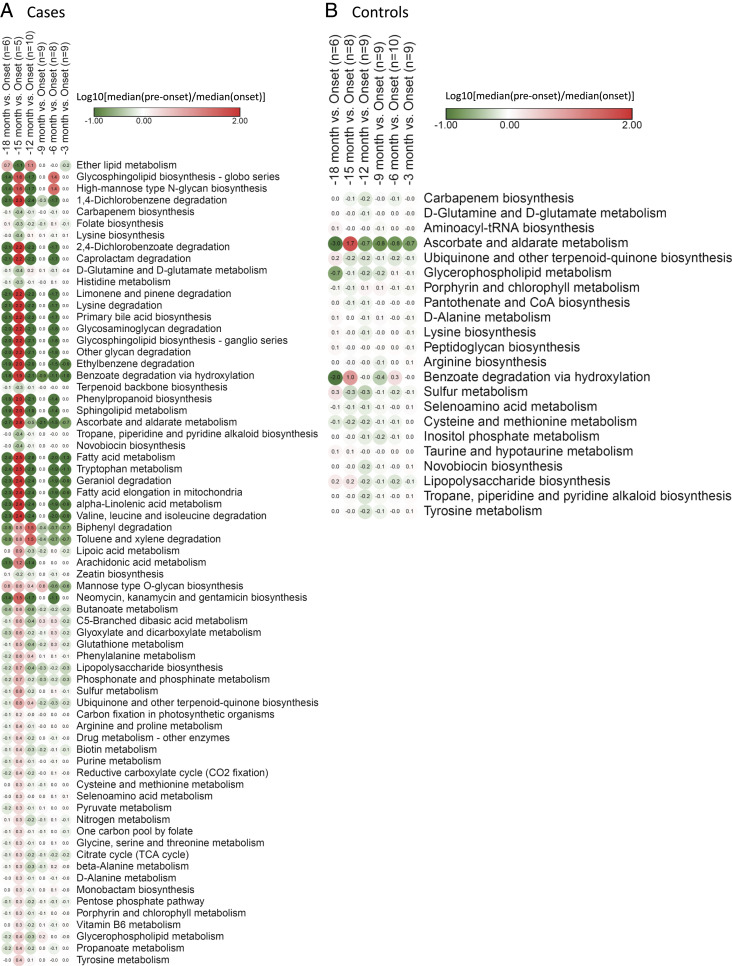
“A recent study on fecal metabolome in CD progressors showed that PPP is one of the most significantly increased pathways [9].”
BackgroundBerryman, M. A., Ilonen, J., Triplett, E. W., & Ludvigsson, J. (2023) · Frontiers in Immunology · doi:10.3389/fimmu.2023.1270488 · Cited by 48
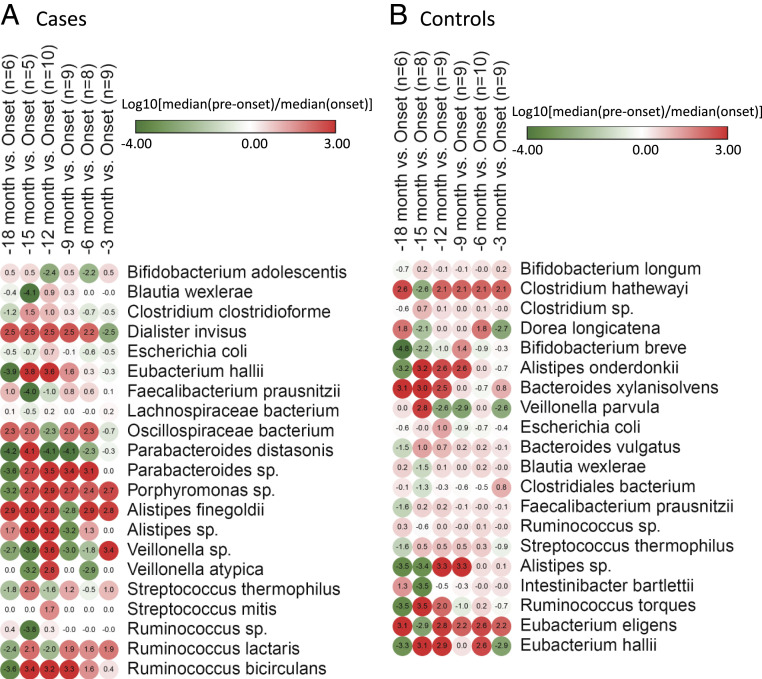
“, Ruminococus bicirculans, Lachnospiraceae and decreased abundance of Streptococcus thermophilus, Faecalibacterium prausnitzii, and Clostridium clostridioforme (107).”
BackgroundZonulin as a Biomarker for the Development of Celiac Disease
DaFonte, T. M., Valitutti, F., Kenyon, V., Locascio, J. J., Montuori, M., Francavilla, R., Passaro, T., Crocco, M., Norsa, L., Piemontese, P., et al. (2023) · PEDIATRICS · doi:10.1542/peds.2023-063050 · Cited by 51
Self-citationDiet associations in endometriosis: a critical narrative assessment with special reference to gluten
Brouns, F. J. P. H., van Haaps, A. P., Keszthelyi, D., Venema, K., Bongers, M. Y., Maas, J. W. M., & Mijatovic, V. (2023) · Frontiers in Nutrition · doi:10.3389/fnut.2023.1166929 · Cited by 48
“Recently it was shown that the abundance of several species, pathways and metabolites was altered at the time of CD diagnosis, characterized by complex patterns of increased pro-inflammatory species and decreased protective/antiinflammatory species (167).”
BackgroundDe Sales-Millán, A., Aguirre-Garrido, J. F., González-Cervantes, R. M., & Velázquez-Aragón, J. A. (2023) · doi:10.20944/preprints202305.1223.v1 · Cited by 44
“Conversely, several anti-inflammatory strains, such as Faecalibacterium prausnitzii and Clostridium clostridioforme, are decreased [37].”
BackgroundHua, D., Yang, Q., Li, X., Zhou, X., Kang, Y., Zhao, Y., Wu, D., Zhang, Z., Li, B., Wang, X., et al. (2025) · mSystems · doi:10.1128/msystems.01567-24 · Cited by 44
Lupu, V. V., Trandafir, L. M., Răileanu, A. A., Mihai, C. M., Morariu, I. D., Stârcea, I. M., Mocanu, A., Butnariu, L. I., Stoleriu, G., Șalaru, D. L., et al. (2023) · Nutrients · doi:10.3390/nu15112499 · Cited by 41
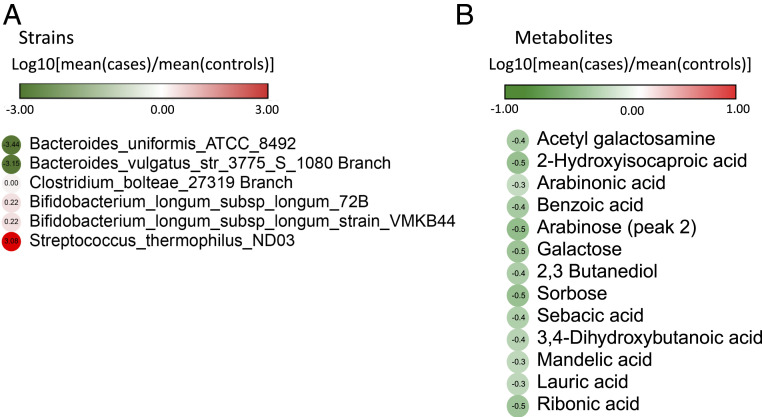
“[23] 20 infants Fecal sample analysis using shotgun sequencing and metabolomic profiling ↓Bacteroides vulgatus str_3775_S_1080 Branch ↓Bacteroides uniformis_ -American Type Culture Collection (ATCC)_8492 ↓Streptococcus thermophiles ↓Faecalibacterium prausnitzii ↓Clostridium clostridioforme ↓Veillonella parvula ↑Dialis…”
BackgroundMethodResultInfluentialRole of microbiome in autoimmune liver diseases
Schneider, K. M., Kummen, M., Trivedi, P. J., & Hov, J. R. (2023) · Hepatology · doi:10.1097/hep.0000000000000506 · Cited by 40
“[50] The authors identified several changes present 18 months before disease onset in children that developed CD compared to matched controls.”
BackgroundGut Microbiota Alteration and Its Modulation with Probiotics in Celiac Disease
Saviano, A., Petruzziello, C., Brigida, M., Loprete, M. R. M., Savioli, G., Migneco, A., & Ojetti, V. (2023) · Biomedicines · doi:10.3390/biomedicines11102638 · Cited by 40
“…patients with CD and gastrointestinal symptoms have lower levels of Faecalibacterium prausnitzii than healthy controls [19]; while it is a good representation of Escherichia coli , Streptococcus thermophilus may have a protective effect on gut barrier function with anti-inflammatory effects [23].”
Boccuto, L., Tack, J. F., Ianiro, G., Abenavoli, L., & Scarpellini, E. (2023) · Genes · doi:10.3390/genes14040857 · Cited by 38
“Thus, an increased risk for cardiovascular disease and diabetes is associated with a decreased concentration of Lachnospiraceae (CAG-882) [70,71] (Table 1).”
BackgroundThe double-edged sword of gut bacteria in celiac disease and implications for therapeutic potential
Galipeau, H. J., & Verdu, E. F. (2022) · Mucosal Immunology · doi:10.1038/s41385-021-00479-3 · Cited by 36
Francavilla, A., Ferrero, G., Pardini, B., Tarallo, S., Zanatto, L., Caviglia, G. P., Sieri, S., Grioni, S., Francescato, G., Stalla, F., et al. (2022) · Gut Microbes · doi:10.1080/19490976.2023.2172955 · Cited by 34
“44,45 Interestingly, a specific strain of this bacterium, namely B. longum CECT 7347, was observed to reduce the production of inflammatory cytokines, CD4+ T cells and peripheral CD3+ T lymphocytes 46 and its oral administration ameliorated the enteropathy induced by gliadin ingestion.”
Low-no-calorie sweeteners exert marked compound-specific impact on the human gut microbiota ex vivo
den Abbeele, P. V., Poppe, J., Deyaert, S., Laurie, I., Gravert, T. K. O., Abrahamsson, A., Baudot, A., Karnik, K., & Risso, D. S. (2023) · International Journal of Food Sciences and Nutrition · doi:10.1080/09637486.2023.2240037 · Cited by 33
Non-Host Factors Influencing Onset and Severity of Celiac Disease
Galipeau, H. J., Hinterleitner, R., Leonard, M. M., & Caminero, A. (2024) · Gastroenterology · doi:10.1053/j.gastro.2024.01.030 · Cited by 32
Self-citationSaturio, S., Suárez, M., Mancabelli, L., Fernández, N., Mantecón, L., Reyes‐Gavilán, C. G. D. L., Ventura, M., Gueimonde, M., Arboleya, S., & Sánchez, G. S. (2021) · Microorganisms · doi:10.3390/microorganisms9091867 · Cited by 31
Coeliac disease: what can we learn from prospective studies about disease risk?
Stahl, M. G., Koletzko, S., Aronsson, C. A., Lindfors, K., Liu, E., & Agardh, D. (2023) · The Lancet Child & Adolescent Health · doi:10.1016/s2352-4642(23)00232-8 · Cited by 33
How the Microbiota May Affect Celiac Disease and What We Can Do
Matera, M., & Guandalini, S. (2024) · Nutrients · doi:10.3390/nu16121882 · Cited by 31
Non-Celiac Gluten Sensitivity and Protective Role of Dietary Polyphenols
Calabriso, N., Scoditti, E., Massaro, M., Maffia, M., Chieppa, M., Laddomada, B., & Carluccio, M. A. (2022) · Nutrients · doi:10.3390/nu14132679 · Cited by 29
Self-citationPersistent delay in maturation of the developing gut microbiota in infants with cystic fibrosis
Verster, A. J., Salerno, P., Valls, R. A., Barrack, K. E., Price, C. E., McClure, E. A., Madan, J. C., O’Toole, G. A., Sanville, J. L., & Ross, B. D. (2025) · mBio · doi:10.1128/mbio.03420-24 · Cited by 28
“…develop mental progression was unique to CF or was also observed in a separate pediatric disease, we used the same species-level taxonomic profiling and cluster assignment method to examine metagenomic samples collected from a cohort of infants prior to the onset of celiac disease (CD) (44).”
Oral Microbiome Dysbiosis as a Risk Factor for Stroke: A Comprehensive Review
Leonov, G. E., Salikhova, D. I., Starodubova, A. V., Vasilyev, A. V., Makhnach, O. V., Fatkhudinov, T., & Goldshtein, D. V. (2024) · Microorganisms · doi:10.3390/microorganisms12081732 · Cited by 28
Intestinal permeability, food antigens and the microbiome: a multifaceted perspective
Valitutti, F., Mennini, M., Monacelli, G., Fagiolari, G., Piccirillo, M., Nardo, G. D., & Cara, G. D. (2025) · Frontiers in Allergy · doi:10.3389/falgy.2024.1505834 · Cited by 29
Self-citationLuo, Y., Gao, J., Su, X., Li, H., Li, Y., Qi, W., Han, X., Han, J., Zhao, Y., Zhang, A., et al. (2025) · EBioMedicine · doi:10.1016/j.ebiom.2025.105586 · Cited by 27
“47,48 Septic patients exhibited reduced gut microbiota diversity, which has been associated with worse outcomes and decreased survival rates.”
Using the microbiome in clinical practice
Turjeman, S., & Koren, O. (2021) · Microbial Biotechnology · doi:10.1111/1751-7915.13971 · Cited by 26
“…License, which permits use, distribution and reproduction in any medium, provided the original work is properly cited. bs_bs_banner practices, as demonstrated for gestational diabetes (Pinto et al., 2021), coronary artery disease (Zheng et al., 2020) and celiac disease (Leonard et al., 2021).”
BackgroundStanciu, D., Staykov, H., Dragomanova, S., Tancheva, L. P., Pop, R. S., Ielciu, I., & Crișan, G. (2024) · Nutrients · doi:10.3390/nu16213636 · Cited by 26
Skoracka, K., Hryhorowicz, S., Tovoli, F., Raiteri, A., Rychter, A. M., Słomski, R., Dobrowolska, A., Granito, A., & Krela‐Kaźmierczak, I. (2024) · Frontiers in Pharmacology · doi:10.3389/fphar.2024.1378172 · Cited by 25
Advances in the pathophysiology, diagnosis, and management of celiac disease
Doyle, J. B., Silvester, J. A., Ludvigsson, J. F., & Lebwohl, B. (2025) · BMJ · doi:10.1136/bmj-2024-081353 · Cited by 25
Oral microbiota and liver diseases
El-Ghannam, M., Hassanien, M. H., Ameen, Y. A., Turky, E. A., ELattar, G. M., Ray, A. A. E., & Eltalkawy, M. D. (2023) · Clinical Nutrition ESPEN · doi:10.1016/j.clnesp.2022.12.030 · Cited by 24
Oral microbiome dysbiosis and gastrointestinal diseases: a narrative review
El-Ghannam, M., Hassanien, M. H., Ameen, Y. A., Turky, E. A., ELattar, G. M., Ray, A. A. E., & Eltalkawy, M. D. (2024) · Egyptian Liver Journal · doi:10.1186/s43066-024-00340-9 · Cited by 26
“The dissemination of oral microbes to the intestine may also exacerbate diverse gastrointestinal diseases, including irritable bowel syndrome (IBS) [42], inflammatory bowel disease (IBD) [43], celiac disease [44], and colorectal cancer (CRC) [45] (Fig.”
BackgroundArcila-Galvis, J. E., Loria‐Kohen, V., de Molina, A. R., Pau, E. C. D. S., & Marcos-Zambrano, L. J. (2022) · Frontiers in Microbiology · doi:10.3389/fmicb.2022.956119 · Cited by 23
“Additionally, researchers discovered that several microbial species, pathways, and metabolites are altered in abundance in infants at high risk of developing CeD before the disease manifests, suggesting that HLA-DQ alleles can affect early gut microbiota composition (Leonard et al., 2021), pointing out the influence o…”
BackgroundChen, J., & Vitetta, L. (2021) · Proceedings of the National Academy of Sciences · doi:10.1073/pnas.2113655118 · Cited by 23
Early-Life Gut Microbiota: Education of the Immune System and Links to Autoimmune Diseases
de Groen, P., Gouw, S. C., Hanssen, N. M. J., Nieuwdorp, M., & Rampanelli, E. (2026) · Microorganisms · doi:10.3390/microorganisms14010210 · Cited by 23
“Children with celiac disease exhibit reduced populations of beneficial Firmicutes and increased proinflammatory Proteobacteria , which may influence intestinal barrier function and contribute to inappropriate immune activation against dietary gluten [94].”
Radi, Z. M. A. A., Prins, F. M., Collij, V., Vila, A. V., Festen, E. A. M., Dijkstra, G. D. H., Weersma, R. K., Klaassen, M. A. Y., & Gaćeša, R. (2024) · Inflammatory Bowel Diseases · doi:10.1093/ibd/izae064 · Cited by 22
Microbiome-associated human genetic variants impact phenome-wide disease risk
Markowitz, R. H. G., LaBella, A. L., Shi, M., Rokas, A., Capra, J. A., Ferguson, J. F., Mosley, J. D., & Bordenstein, S. R. (2022) · Proceedings of the National Academy of Sciences · doi:10.1073/pnas.2200551119 · Cited by 24
Recent advances of engineered bacteria for therapeutic applications
Xiang, X., Zhou, Z., Rao, X., & Jiang, X. (2025) · Molecular Therapy · doi:10.1016/j.ymthe.2025.11.013 · Cited by 22
Chang, D., O’Shea, D., Therrien, A., & Silvester, J. A. (2022) · Alimentary Pharmacology & Therapeutics · doi:10.1111/apt.16851 · Cited by 21
Role of gut-microbiota in disease severity and clinical outcomes
Yadav, M., & Chauhan, N. S. (2022) · Briefings in Functional Genomics · doi:10.1093/bfgp/elac037 · Cited by 21
Tran, T. M. T., Senger, S., Baldassarre, M., Brosnan, R. A., Cristofori, F., Crocco, M., Santis, S. D., Elli, L., Faherty, C. S., Francavilla, R., et al. (2024) · Pediatric Research · doi:10.1038/s41390-023-02960-0 · Cited by 21
“We collected CFS at four optical densities (ODs), namely 1.0, 0.8, 0.4, and 0.1.”
InfluentialSelf-citationLeszczyńska, J., Szczepankowska, A. K., Majak, I., Mańkowska, D., Smolińska, B., Ścieszka, S., Diowksz, A., Cukrowská, B., & Aleksandrzak‐Piekarczyk, T. (2024) · Nutrients · doi:10.3390/nu16070976 · Cited by 21
Leonard, M. M., Kenyon, V., Valitutti, F., Pennacchio-Harrington, R., Piemontese, P., Francavilla, R., Norsa, L., Passaro, T., Crocco, M., Baldassarre, M. E., et al. (2023) · PLoS ONE · doi:10.1371/journal.pone.0282739 · Cited by 21
Self-citationImpact of Nutritional Profile on Gut Microbiota Diversity in Patients with Celiac Disease
Soheilian‐Khorzoghi, M., Rezasoltani, S., Moheb-Alian, A., Yadegar, A., Rostami‐Nejad, M., Looha, M. A., Verma, A. K., Haddadi, A., & Dabiri, H. (2022) · Current Microbiology · doi:10.1007/s00284-022-02820-w · Cited by 20
One Year of Gluten-Free Diet Impacts Gut Function and Microbiome in Celiac Disease
Costigan, C. M., Warren, F. J., Duncan, A., Hoad, C. L., Lewis, N. R., Hill, T., Crooks, C. J., Morgan, P. S., Ciacci, C., Iovino, P., et al. (2024) · Clinical Gastroenterology and Hepatology · doi:10.1016/j.cgh.2024.11.006 · Cited by 20
Tan, R., Jin, M., Chen, Z., Shao, Y., Song, Y., Yin, J., Wang, L., Chen, T., Lǐ, J., & Yang, D. (2022) · Gut Microbes · doi:10.1080/19490976.2022.2156764 · Cited by 19
“, Dialister invisus, or Lachnospiraceae, and certain metabolites, such as tryptophan metabolites, are involved in celiac disease in infants.(16) In addition, most signaling metabolites, including polysaccharides, sphingolipids, and muropeptides, which are produced by large numbers of different gut bacteria, can evade…”
BackgroundLionetti, E., Dominijanni, V., Iasevoli, M., Cimadamore, E., Acquaviva, I., Gatti, S., Monachesi, C., Catassi, G. N., Pino, A., Faragalli, A., et al. (2023) · Digestive and Liver Disease · doi:10.1016/j.dld.2023.04.021 · Cited by 19
Self-citationMetabolomics and lipidomics signature in celiac disease: a narrative review
Rostami‐Nejad, M., Asri, N., Bakhtiari, S., Khalkhal, E., Maleki, S., Rezaei–Tavirani, M., Jahani‐Sherafat, S., & Rostami, K. (2024) · Clinical and Experimental Medicine · doi:10.1007/s10238-024-01295-2 · Cited by 19
“Longitudinal analyses revealed increased abundance of certain species/strains/pathways/metabolites before CD onset, previously associated with autoimmune and inflammatory conditions, while others decreased before CD onset and have anti-inflammatory effects [52].”
BackgroundAdolphus, K., den Abbeele, P. V., Poppe, J., Deyaert, S., Baudot, A., Laurie, I., Karnik, K., & Risso, D. S. (2025) · Beneficial Microbes · doi:10.1163/18762891-bja00071 · Cited by 16
Xie, Q. Y., Oh, S., Wong, A., Yau, C., Herold, K. C., & Danska, J. S. (2023) · Science Translational Medicine · doi:10.1126/scitranslmed.adh0353 · Cited by 16
Li, Y., Shen, X., Wang, D., & Sun, K. (2026) · Discover Oncology · doi:10.1007/s12672-025-04367-1 · Cited by 16
“Furthermore, the presence of S. thermophilus is linked to an increased abundance of beneficial genera such as Bifidobacterium and Lactobacillus , suggesting its role may extend to promoting a broader health-associated microbial community [61, 62].”
Sreenikitha, K., Das, S., Andrighetti, T., & Sudhakar, P. (2025) · The Microbe · doi:10.1016/j.microb.2025.100310 · Cited by 16
Consonni, A., Miglietti, M., Luca, C. M. G. D., Cazzaniga, F. A., Ciullini, A., Dellarole, I. L., Bufano, G., Fonzo, A. D., Giaccone, G., Baggi, F., et al. (2022) · Brain Sciences · doi:10.3390/brainsci12111579 · Cited by 15
Gut microbiota predicts the diagnosis of celiac disease in Saudi children
Mouzan, M. I. E., Assiri, A. A., & Sarkhy, A. A. A. (2023) · World Journal of Gastroenterology · doi:10.3748/wjg.v29.i13.1994 · Cited by 15
Effects of Vegetable and Fruit Juicing on Gut and Oral Microbiome Composition
Sardaro, M. L. S., Grote, V. E., Baik, J., Atallah, M., Amato, K. R., & Ring, M. R. (2025) · Nutrients · doi:10.3390/nu17030458 · Cited by 14
“…instance, in periodontal disease, Porphyromonas species have been reported to induce the activation of the innate immune system [50], contributing to the development of rheumatoid arthritis [50], celiac disease [51], Alzheimer’s disease [52], Crohn’s disease [53], and cardiometabolic disease [54].”
Microbial Metabolites and Cardiovascular Dysfunction: A New Era of Diagnostics and Therapy
Kumar, J. (2025) · Cells · doi:10.3390/cells14161237 · Cited by 14
Song, Y., Zhang, J., Shen, X., Yang, L., Jia, Y., Song, F., Huang, Y. S., Han, B., Zhang, N., & Ma, G. (2025) · Environmental Research · doi:10.1016/j.envres.2025.122995 · Cited by 14
Early Antibody Dynamics in a Prospective Cohort of Children At Risk of Celiac Disease
Valitutti, F., Leonard, M. M., Kenyon, V., Montuori, M., Piemontese, P., Francavilla, R., Malamisura, B., Norsa, L., Calvi, A., Lionetti, E., et al. (2023) · The American Journal of Gastroenterology · doi:10.14309/ajg.0000000000002192 · Cited by 14
“METHODS CD-GEMM is an international, multicenter prospective study following children from birth at risk for CD (7).”
BackgroundSelf-citationNg, R. W. Y., Chen, Z., Yang, L., Wong, O. W. H., Leung, A. S. Y., Tsui, K. W., Kwok, N. M. W., Tang, L. H. Y., Cheung, P. M. H., Chan, P. K. S., et al. (2025) · Scientific Reports · doi:10.1038/s41598-025-04303-x · Cited by 13
Research Status and Trends of Gut Microbiota and Intestinal Diseases Based on Bibliometrics
Sun, X., & Zhai, J. (2025) · Microorganisms · doi:10.3390/microorganisms13030673 · Cited by 13
Aguayo-Patrón, S., Trujillo-Rivera, O. A., Cornejo‐Granados, F., Ochoa‐Leyva, A., & de la Barca, A. M. C. (2023) · Microorganisms · doi:10.3390/microorganisms11061412 · Cited by 13
“It has increased abundance in children before to CD diagnosis [7], but it correlated positively with blood pH in children at T1D onset [8].”
BackgroundInfluentialLuz, V. C. C., & Pereira, S. G. (2024) · Frontiers in Medical Technology · doi:10.3389/fmedt.2024.1413637 · Cited by 12
Kuang, J., Zheng, X., & Jia, W. P. (2024) · Protein & Cell · doi:10.1093/procel/pwae058 · Cited by 12
“A longitudinal prospective cohort study examining fecal samples from children at high risk of developing CeD revealed that altered microbial signatures occurred before the onset of the disease (Leonard et al., 2021).”
Deciphering associations between gut microbiota and clinical factors using microbial modules
Wang, R., Zheng, X., Song, F., Wong, M. H., Leung, K., & Cheng, L. (2023) · Bioinformatics · doi:10.1093/bioinformatics/btad213 · Cited by 12
Adjuvant postbiotic administration improves dental caries prognosis by restoring the oral microbiota
Liu, Q., Ma, T., Feng, C., Li, Y., Jin, H., Shi, X., Kwok, L. Y., Shi, Y., Chen, T., & Zhang, H. (2023) · Food Science and Human Wellness · doi:10.26599/fshw.2022.9250217 · Cited by 11
Difference of egg ovalbumin sensitization between egg and duck eggs in BALB/c mice
Zhou, R., Zhang, L., Zhang, K., & Zhou, P. (2022) · European Food Research and Technology · doi:10.1007/s00217-021-03943-3 · Cited by 11
Nurturing gut health: role of m6A RNA methylation in upholding the intestinal barrier
Wang, S., Yang, Y., Jiang, X., Zheng, X., Wei, Q., Dai, W., & Zhang, X. (2024) · Cell Death Discovery · doi:10.1038/s41420-024-02043-x · Cited by 11
Harnessing gut microbial communities to unravel microbiome functions
Giri, S., Shi, H., Typas, A., & Huang, K. C. (2025) · Current Opinion in Microbiology · doi:10.1016/j.mib.2024.102578 · Cited by 10
Kelley, K., Dogru, D., Huang, Q., Yang, Y., Palm, N. W., Ludvigsson, J., & Altındiş, E. (2025) · Microbiology Spectrum · doi:10.1128/spectrum.01468-24 · Cited by 10
“This is consistent with previous research findings that show an increase of Faecalbacterium prausnitzii in untreated CD (63), Lachnospiraceae in CD progressors (30), and infants at high risk of developing the disease (64).”
Bringing gut microbiota into the spotlight of clinical research and medical practice
Davoutis, E., Gkiafi, Z., & Lykoudis, P. M. (2024) · World Journal of Clinical Cases · doi:10.12998/wjcc.v12.i14.2293 · Cited by 9
“Analyzing the composition and function of GM can provide insights into an individual’s health status and the risk of developing specific diseases such as Crohn’s disease[28], gestational diabetes[29], coronary artery disease[30] and celiac disease[31].”
The Activity of Antimicrobial Peptides in Pediatric Celiac Disease
Kamilova, A. T., Azizova, G. K., Umarnazarova, Z. E., Abdullaeva, D. A., & Geller, S. I. (2022) · Frontiers in Pediatrics · doi:10.3389/fped.2022.873793 · Cited by 9
“Some strains and their metabolites, which have previously been associated with inflammatory and autoimmune processes, have been found to increase in numbers prior to disease manifestation (12).”
BackgroundGirdhar, K., Huang, Q., Dogru, Y. D., Yang, Y., Tolstikov, V., Chrudinová, M., Raisingani, A., Ludvigsson, J. F., Kiebish, M. A., Palm, N. W., et al. (2020) · bioRxiv (Cold Spring Harbor Laboratory) · doi:10.1101/2020.02.29.971242 · Cited by 9
Shi, T., Feng, Y., Ma, J., Liu, W., Li, N., Li, T., Abudurexiti, A., Tuerxuntayi, A., Xue, S., & Gao, F. (2025) · Scientific Reports · doi:10.1038/s41598-025-90300-z · Cited by 8
“4E) 18 .”
Potential role of microbes in antigen-based food sensitivities
Caminero, A., Sánchez‐Martínez, E., Wulczynski, M., Moreno‐Serna, L., Verdu, E. F., & Jiménez‐Saiz, R. (2025) · Seminars in Immunology · doi:10.1016/j.smim.2025.101982 · Cited by 8
Celiac—the lone horse? An autoimmune condition without signals of microbiota dysbiosis
Turjeman, S., Sharon, E., Levin, R., Oralewska, B., Szaflarska‐Popławska, A., Bierła, J. B., Cukrowská, B., & Koren, O. (2023) · Microbiology Spectrum · doi:10.1128/spectrum.01463-23 · Cited by 8
“, reference (27) and reviewed in reference (10)].”
BackgroundMetabolomic Profiling in Children with Celiac Disease: Beyond the Gluten-Free Diet
Martín‐Masot, R., Jiménez-Muñoz, M., Herrador‐López, M., Navas‐López, V. M., Òbis, È., Jové, M., Pamplona, R., & Nestares, T. (2023) · Nutrients · doi:10.3390/nu15132871 · Cited by 8
“, 2023 [110]) has also focused on the serum cytokine profile and proinflammatory genes expression in infants at CD risk), and differences were also found in the gut microbiota composition (studied in stool) (other authors have also studied microbiota and metabolome alterations in infants at risk of CD, in stool [111,1…”
BackgroundGut dysbiosis: cause or consequence of intestinal inflammation in celiac disease?
Leo, S., Leonard, M. M., Valitutti, F., & Fasano, A. (2025) · Expert Review of Gastroenterology & Hepatology · doi:10.1080/17474124.2025.2483406 · Cited by 7
“…bacterial strains, metabolites, and functional pathways previously associated with autoimmune and inflammatory conditions and a decreased abundance of bacterial strains, metabolites, and functional pathways previously described as anti-inflammatory compared to children who did not develop CeD [39].”
InfluentialSelf-citationKearns, M., Li, M., & Williams, A. J. (2025) · Trends in biotechnology · doi:10.1016/j.tibtech.2025.06.022 · Cited by 7
Singh, A. S., Pathak, D., Devi, M. S., Anifowoshe, A. T., & Nongthomba, U. (2024) · International Microbiology · doi:10.1007/s10123-024-00507-9 · Cited by 7
“…the gut microbiome and various disorders, such as colorectal cancer, chronic liver diseases, intestinal bowel diseases, pancreatic disorders, irritable bowel syndrome, and coeliac disease (Tilg et al. 2016, 2018; Trebicka et al. 2021; Riquelme et al. 2019; Mars et al. 2020; Leonard et al. 2021).”
Ding, L., Duan, J., Hou, J., Yang, T., Yuan, M., Ma, A. H., & Qin, Y. (2025) · Journal of the American Nutrition Association · doi:10.1080/27697061.2024.2434585 · Cited by 6
Coeliac disease and microbiota: is it time for personalised biotics intervention? A scoping review
Valitutti, F., Cavalli, E., Leter, B., Leonard, M. M., Alessio, F., & Cucchiara, S. (2025) · BMJ Nutrition Prevention & Health · doi:10.1136/bmjnph-2024-001100 · Cited by 6
“…microbiota composition in children at risk of CeD in the months preceding seroconversion and CeD diagnosis was also assessed in the CD-GEMM cohort 75 ; in this substudy, BMJ Nutrition, Prevention & Health specific bacterial strains and specific metabolic pathways were differentially identified…”
Self-citationVariations in gut microbiota in celiac disease patients: a systematic review.
Said, H. A., Elmoumou, L., Rherissi, B., & Kadmiri, N. E. (2025) · Gastroenterology and hepatology from bed to bench. · doi:10.22037/ghfbb.v18i1.3024 · Cited by 6
“The research, conducted in 2021 (17), involved inter-and intra-subject analyses of fecal samples collected at several points before the onset of CD.”
InfluentialMetabotherapy for intestinal disease: using metabolites to prevent and treat disorders of the gut
Liu, S., Domingo‐Vidal, M., Madhu, B., Binyamin, D., Thaiss, C. A., & Levy, M. (2026) · Nature Reviews Gastroenterology & Hepatology · doi:10.1038/s41575-026-01178-9 · Cited by 7
“Intestinal metabolites have been implicated in modulating the immune response in both food allergy and coeliac disease, but a deep mechanistic understanding remains to be achieved.”
Haneishi, Y., Treppiccione, L., Maurano, F., Luongo, D., Miyamoto, J., & Rossi, M. (2024) · Molecular Nutrition & Food Research · doi:10.1002/mnfr.202300779 · Cited by 6
Probiotics to Prevent Celiac Disease and Inflammatory Bowel Diseases
Fasano, A., & Matera, M. (2024) · Advances in experimental medicine and biology · doi:10.1007/978-3-031-58572-2_6 · Cited by 6
Self-citationManipulation of the gut microbiome in gluten-intolerance
Olivares, M., Flor‐Duro, A., & Sanz, Y. (2021) · Current Opinion in Clinical Nutrition & Metabolic Care · doi:10.1097/mco.0000000000000791 · Cited by 6
Metadata
- Authors
- Leonard, M. M., Valitutti, F., Karathia, H., Pujolassos, M., Kenyon, V., Fanelli, B., Troisi, J., Subramanian, P., Camhi, S., Colucci, A., Serena, G., Cucchiara, S., Trovato, C. M., Malamisura, B., Francavilla, R., Elli, L., Hasan, N. A., Zomorrodi, A. R., Colwell, R., Fasano, A., The CD-GEMM Team, Montuori, M., Piemontese, P., Calvi, A., Baldassarre, M., Norsa, L., Raguseo, C. L., Passaro, T., Roggero, P., Crocco, M., Morelli, A., Perrone, M., Sansotta, N., Chieppa, M., Scala, G., Lionetti, M. E., Catassi, C., Serretiello, A., Vecchi, C., & de Villsante, G. C.
- Affiliations
- Harvard University (US)
- European Biomedical Research Institute of Salerno (IT)
- CosmosID Inc., Rockville, MD 84100;
- University of Salerno (IT)
- Sapienza University of Rome (IT)
- AOU San Giovanni di Dio e Ruggi d'Aragona (IT)
- University of Bari Aldo Moro (IT)
- Fondazione IRCCS Ca' Granda Ospedale Maggiore Policlinico (IT)
- University of Maryland, College Park (US)
- Corresponding author
- Colwell, Rita
- Fasano, Alessio
- ORCID
- Leonard, Maureen M.
- Valitutti, Francesco
- Karathia, Hiren
- Pujolassos, Meritxell
- Fanelli, Brian
- Troisi, Jacopo
- Subramanian, Poorani
- Camhi, Stephanie
- Colucci, Angelo
- Serena, Gloria
- Cucchiara, Salvatore
- Trovato, Chiara Maria
- Francavilla, Ruggiero
- Elli, Luca
- Hasan, Nur A.
- Zomorrodi, Ali R.
- Colwell, Rita
- Fasano, Alessio
- Montuori, Monica
- Piemontese, Pasqua
- Calvi, Angela
- Baldassarre, Mariella
- Norsa, Lorenzo
- Raguseo, Celeste Lidia
- Roggero, Paola
- Crocco, Marco
- Morelli, Annalisa
- Perrone, Michela
- Sansotta, Naire
- Chieppa, Marcello
- Scala, Giovanni
- Catassi, Carlo
- Venue
- Proceedings of the National Academy of Sciences
- Publisher
- National Academy of Sciences
- Published
- 2021-07-12
- Volume
- 118
- Issue
- 29
- ISSN
- 0027-8424 (ISSN-L)
- 1091-6490
- PMC
- PMC8307711
- OpenAlex
- W3181767964
- Cited by
- 162
- References
- 102
- Citations by year
- 2026: 27 · 2025: 35 · 2024: 32 · 2023: 37 · 2022: 23 · 2021: 7
- FWCI
- 7.84
- Type
- journal article
- Language
- en
- Open access
- hybrid
- doi.org
- Licence
- Locations
- Proceedings of the National Academy of Sciences (publishedVersion, cc-by-nc-nd)
- PubMed Central (publishedVersion, cc-by-nc-nd)
- PubMed (publishedVersion)
- Archivio Istituzionale della Ricerca (Universita Degli Studi Di Milano) (submittedVersion, other-oa)
- CINECA IRIS Institutional Research Information System (University of Bari Aldo Moro) (submittedVersion, cc-by-nc-nd)
- Funders
- HHS | NIH | National Institute of Diabetes and Digestive and Kidney Diseases (DK104344, DK109620, K23DK122127, P30-DK040561)
- Topics
- Life Sciences › Biochemistry, Genetics and Molecular Biology › Molecular Biology › Gut microbiota and health
- Health Sciences › Medicine › Gastroenterology › Celiac Disease Research and Management
- Health Sciences › Medicine › Gastroenterology › Gastrointestinal motility and disorders
- Keywords
- celiac disease, gut microbiota, disease onset prediction, vulnerable children, infants, microbiome signatures, metabolome, gluten, autoimmune disease pathogenesis, disease prevention, early preventive intervention, immune tolerance
- MeSH terms
- Gastrointestinal Microbiome, Host Microbial Interactions, Celiac Disease, Child, Preschool, Cross-Sectional Studies, Female, Humans, Infant, Inflammation, Longitudinal Studies, Male, Prospective Studies, Biomarkers, Autoimmunity, Metabolic Networks and Pathways, Metabolome, Metagenomics
About these checks
Registry, retraction, Cites and statistics results are computed, not judged, with one exception: a printed reference that no index lists is read once by a model before it counts as a citation error. Claims are extracted by a model and kept only when their quote appears verbatim in the text; each cited source is then checked, with a model’s help, for whether it says what the claim relies on. Those verdicts can be wrong — read the claim’s quote and the cited source before relying on one.
Statistics and arithmetic are recomputed, not judged.
Confidence bands are shown only for fields calibrated on our annotated test set. None is calibrated yet, so no band is shown.
What counts as a claim ›How we measure confidence ›How we check this ›
Are you an author, or do you see a problem with this page? Request a review
Data sources
Bibliographic data: Semantic Scholar, OpenAlex, Crossref.
Contains information from the Semantic Scholar Academic Graph Datasets, made available under the ODC Attribution License (ODC-BY 1.0).
Semantic Scholar’s data is described in: Kinney, R., et al. (2023). The Semantic Scholar Open Data Platform. arXiv:2301.10140.
