

Microbiome signatures of progression toward celiac disease onset in at-risk children in a longitudinal prospective cohort study
Open accessThe DOI matches its Crossref record; 101 of the 102 references it cites were found in a registry or an index.
Abstract
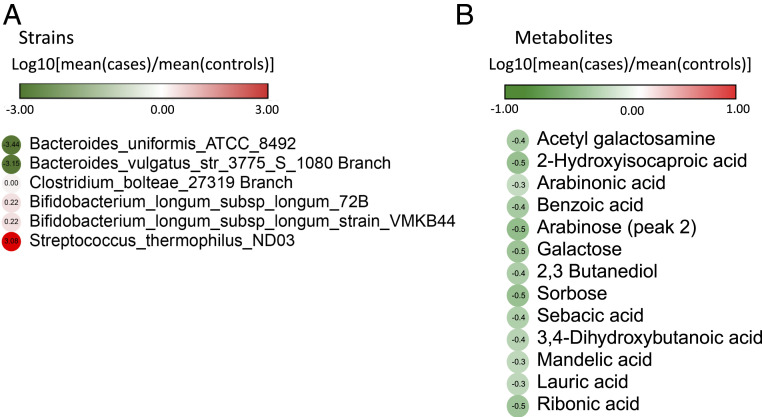
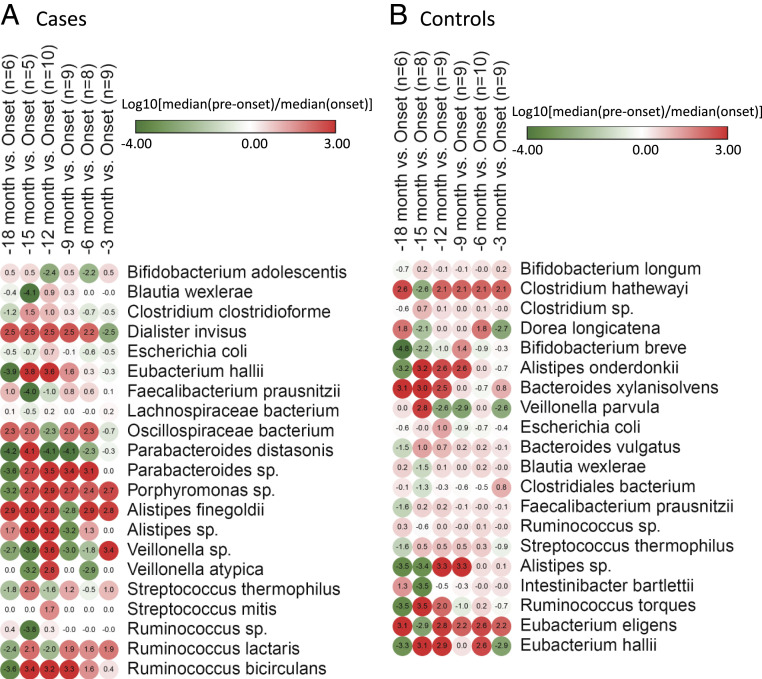
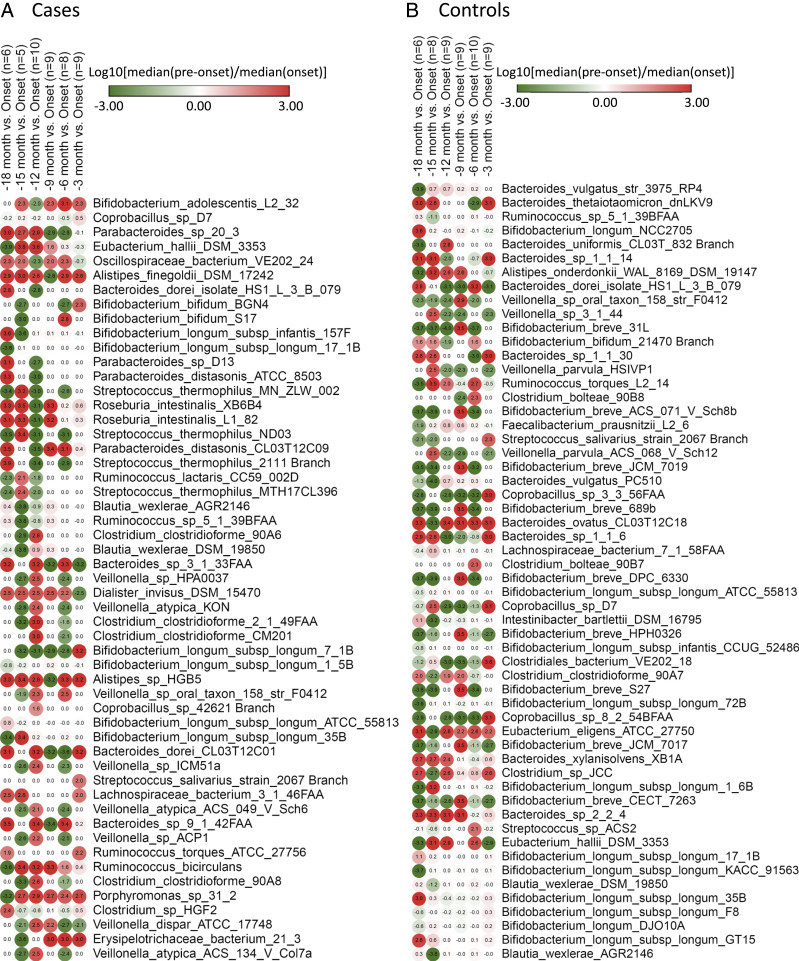
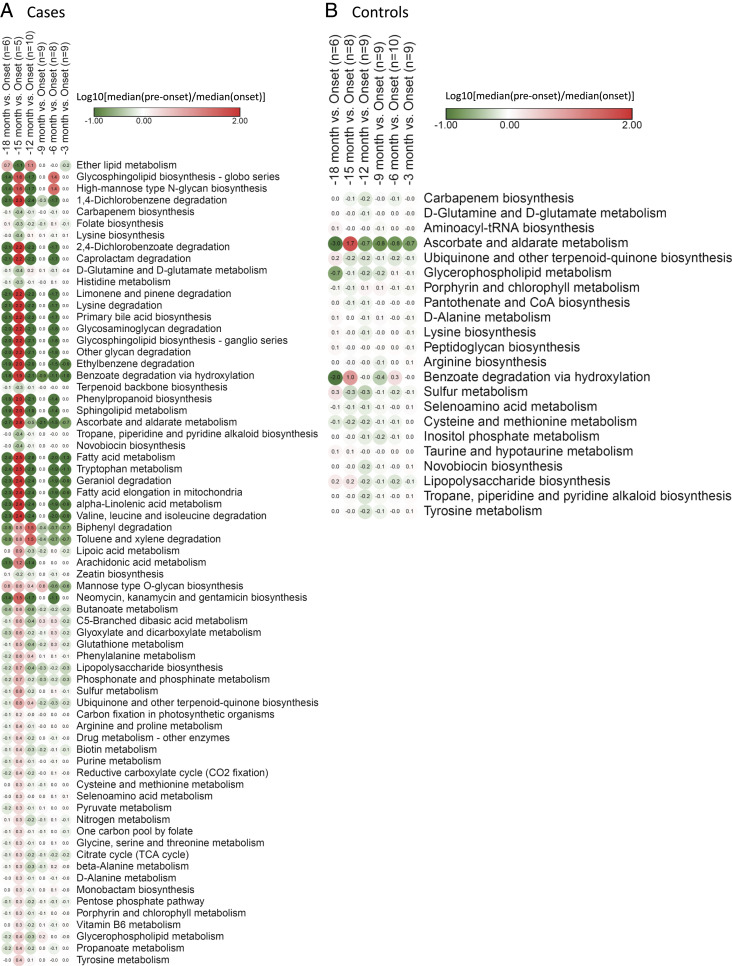
Significance: The incidence of chronic inflammatory autoimmune conditions, such as celiac disease (CD), is increasing at an alarming rate. CD is the only autoimmune condition for which the trigger, gluten, is known. However, its etiology and pathogenesis remain incompletely defined as recent studies suggest other environmental stimuli may play a key role in CD pathogenesis. Here, we prospectively examine the trajectory of the gut microbiota starting 18 mo before CD onset in 10 infants who developed CD and 10 infants who did not. We identified alterations in the gut microbiota, functional pathways, and metabolome before CD onset, suggesting our approach may be used for disease prediction with the ultimate goal of identifying early preventive interventions to reestablish tolerance and prevent autoimmunity.
Overview
The claims and statistics of this paper haven’t been checked yet.
Free: it reads the open-access text and checks the first 5 claims that cite a source we can check. Create a free account to check every claim.
Integrity signals
Registry
Cites
Statistics
Figures
Verification
Claims the paper makes
The claims and statistics of this paper haven’t been checked yet.
Free: it reads the open-access text and checks the first 5 claims that cite a source we can check. Create a free account to check every claim.
Claims other papers make about this one
Each is checked against this paper’s own text: does it say what the citing paper says it does?
The cited source says what the claim attributes to it.
In the citing paper
“Alterations of gut microbiome is associated with pathogenesis of various intestinal disorders.”
From Association between attention-deficit/hyperactivity disorders and intestinal disorders: A systematic review and Meta-analysis (2025) · cites this paper as [66]
The cited source says what the claim attributes to it.
In the citing paper
“Alterations in the gut microbiota, functional pathways and metabolome were identified in a prospective study of infants who developed Celiac disease. Increased abundances of several microbial species, including Dialister invisus and Parabacteroides species were detected before onset of Celiac disease, which were previously linked to autoimmune conditions66.”
From Association between attention-deficit/hyperactivity disorders and intestinal disorders: A systematic review and Meta-analysis (2025) · cites this paper as [66]
Self-check
Percentages, sums and reported differences re-computed from the paper’s own numbers.
The self-check needs the paper’s full text.
Citations
Cites
SPAdes: A New Genome Assembly Algorithm and Its Applications to Single-Cell Sequencing
Bankevich, A., Nurk, S., Antipov, D., Gurevich, A. A., Dvorkin, M., Kulikov, A. S., Lesin, V. M., Nikolenko, S. I., Pham, S., Prjibelski, A. D., et al. (2012) · Journal of Computational Biology · doi:10.1089/cmb.2012.0021 · Cited by 25,987
Prodigal: prokaryotic gene recognition and translation initiation site identification
Hyatt, D., Chen, G.-L., LoCascio, P. F., Land, M. L., Larimer, F. W., & Hauser, L. J. (2010) · BMC Bioinformatics · doi:10.1186/1471-2105-11-119 · Cited by 12,587
Velvet: Algorithms for de novo short read assembly using de Bruijn graphs
Zerbino, D. R., & Birney, E. (2008) · Genome Research · doi:10.1101/gr.074492.107 · Cited by 9,491
Sumner, L. W., Amberg, A., Barrett, D., Beale, M. H., Beger, R., Daykin, C. A., Fan, T. W.-M., Fiehn, O., Goodacre, R., Griffin, J. L., et al. (2007) · Metabolomics · doi:10.1007/s11306-007-0082-2 · Cited by 5,368 · cited 2×
“according to level 1 Metabolomics Standards Initiative (19, 99).”
MethodSokol, H., Pigneur, B., Watterlot, L., Lakhdari, O., Bermúdez-Humarán, L. G., Gratadoux, J.-J., Blugeon, S., Bridonneau, C., Furet, J.-P., Corthier, G., et al. (2008) · Proceedings of the National Academy of Sciences · doi:10.1073/pnas.0804812105 · Cited by 4,413 · cited 2×
“prausnitzii is known to have anti-inflammatory properties by the release of metabolites capable of blocking nuclear factor kappa-light-chain-enhancer of activated B cells (NF-κB) activation and interleukin (IL)-8 production (37, 38) and has been reported to be underabundant in fecal samples of subjects with inflammato…”
BackgroundMetaboAnalyst 4.0: towards more transparent and integrative metabolomics analysis
Chong, J., Soufan, O., Li, C., Caraus, I., Li, S., Bourque, G., Wishart, D. S., & Xia, J. (2018) · Nucleic Acids Research · doi:10.1093/nar/gky310 · Cited by 3,629
Dysfunction of the intestinal microbiome in inflammatory bowel disease and treatment
Morgan, X. C., Tickle, T. L., Sokol, H., Gevers, D., Devaney, K. L., Ward, D. V., Reyes, J. A., Shah, S. A., LeLeiko, N., Snapper, S. B., et al. (2012) · Genome Biology · doi:10.1186/gb-2012-13-9-r79 · Cited by 2,713 · cited 1×
“Given the cross-talk between the gut microbiota and immune system, alterations in the gut microbiota have been linked to several autoimmune conditions (9) such as inflammatory bowel disease (10), type 1 diabetes (T1D) (11), multiple sclerosis (12), and CD (13–18).”
BackgroundTemporal development of the gut microbiome in early childhood from the TEDDY study
Stewart, C. J., Ajami, N. J., O’Brien, J. L., Hutchinson, D. S., Smith, D. P., Wong, M. C., Ross, M. C., Lloyd, R. E., Doddapaneni, H., Metcalf, G. A., et al. (2018) · Nature · doi:10.1038/s41586-018-0617-x · Cited by 2,014 · cited 14×
“However, T1D is a complex chronic immune condition that peaks between 10 and 14 y of age and is suspected to have an environmental trigger yet to be determined (73).”
BackgroundInfluentialMachiels, K., Joossens, M., Sabino, J., De Preter, V., Arijs, I., Eeckhaut, V., Ballet, V., Claes, K., Van Immerseel, F., Verbeke, K., et al. (2014) · Gut · doi:10.1136/gutjnl-2013-304833 · Cited by 1,904
Thompson, A. J., Baranzini, S. E., Geurts, J., Hemmer, B., & Ciccarelli, O. (2018) · The Lancet · doi:10.1016/s0140-6736(18)30481-1 · Cited by 1,797
DiMeglio, L. A., Evans-Molina, C., & Oram, R. A. (2018) · The Lancet · doi:10.1016/s0140-6736(18)31320-5 · Cited by 1,561
Alterations of the human gut microbiome in multiple sclerosis
Jangi, S., Gandhi, R., Cox, L. M., Li, N., von Glehn, F., Yan, R., Patel, B., Mazzola, M. A., Liu, S., Glanz, B. L., et al. (2016) · Nature Communications · doi:10.1038/ncomms12015 · Cited by 1,307 · cited 1×
“Given the cross-talk between the gut microbiota and immune system, alterations in the gut microbiota have been linked to several autoimmune conditions (9) such as inflammatory bowel disease (10), type 1 diabetes (T1D) (11), multiple sclerosis (12), and CD (13–18).”
BackgroundImpact of the Gut Microbiota on Intestinal Immunity Mediated by Tryptophan Metabolism
Gao, J., Xu, K., Liu, H., Liu, G., Bai, M., Peng, C., Li, T., & Yin, Y. (2018) · Frontiers in Cellular and Infection Microbiology · doi:10.3389/fcimb.2018.00013 · Cited by 1,298 · cited 1×
“The increased activity of these enzymes has also been suggested to exert anti-inflammatory properties through decreasing the rate at which tissue is damaged following development of autoimmune disease (82, 83).”
BackgroundVariation in Microbiome LPS Immunogenicity Contributes to Autoimmunity in Humans
Vatanen, T., Kostic, A. D., d’Hennezel, E., Siljander, H., Franzosa, E. A., Yassour, M., Kolde, R., Vlamakis, H., Arthur, T. D., Hämäläinen, A.-M., et al. (2016) · Cell · doi:10.1016/j.cell.2016.04.007 · Cited by 1,289
Low counts of Faecalibacterium prausnitzii in colitis microbiota
Sokol, H., Seksik, P., Furet, J. P., Firmesse, O., Nion-Larmurier, I., Beaugerie, L., Cosnes, J., Corthier, G., Marteau, P., & Doré, J. (2009) · Inflammatory Bowel Diseases · doi:10.1002/ibd.20903 · Cited by 1,275
Husby, S., Koletzko, S., Korponay‐Szabó, I., Kurppa, K., Mearin, M. L., Ribes‐Koninckx, C., Shamir, R., Troncone, R., Auricchio, R., Castillejo, G., et al. (2020) · Journal of Pediatric Gastroenterology and Nutrition · doi:10.1097/mpg.0000000000002497 · Cited by 1,255
The microbiome in early life: Implications for health outcomes
Tamburini, S., Shen, N., Wu, H. C., & Clemente, J. C. (2016) · Nature Medicine · doi:10.1038/nm.4142 · Cited by 1,213
Dietary fatty acids directly impact central nervous system autoimmunity via the small intestine
Haghikia, A., Jörg, S., Duscha, A., Berg, J., Manzel, A., Waschbisch, A., Hammer, A., Lee, D.-H., May, C., Wilck, N., et al. (2015) · Immunity · doi:10.1016/j.immuni.2015.09.007 · Cited by 927 · cited 1×
“This observation is in contradiction to previous reports showing that this metabolite in mice is associated with proinflammatory effects by promoting Th1 and Th17 differentiation, resulting in a more severe course of experimental autoimmune encephalitis (31).”
ResultLau, K. S., Partridge, E. A., Grigorian, A., Silvescu, C. I., Reinhold, V. N., Demetriou, M., & Dennis, J. W. (2007) · Cell · doi:10.1016/j.cell.2007.01.049 · Cited by 914 · cited 1×
“N-glycan has been linked to T cell–mediated autoimmune diseases (44), such as T1D (45), IBD (46), and multiple sclerosis (47), via mechanisms such as increasing the production of interferon gamma (IFNy) by T cells (48) and decreasing cluster of differentiation 152 (CTLA-4) surface tension (49).”
BackgroundThe human gut microbiome in early-onset type 1 diabetes from the TEDDY study
Vatanen, T., Franzosa, E. A., Schwager, R., Tripathi, S., Arthur, T. D., Vehik, K., Lernmark, Å., Hagopian, W. A., Rewers, M. J., She, J.-X., et al. (2018) · Nature · doi:10.1038/s41586-018-0620-2 · Cited by 886 · cited 13×
“However, T1D is a complex chronic immune condition that peaks between 10 and 14 y of age and is suspected to have an environmental trigger yet to be determined (73).”
BackgroundInfluentialQuévrain, E., Maubert, M. A., Michon, C., Chain, F., Marquant, R., Tailhades, J., Miquel, S., Carlier, L., Bermúdez-Humarán, L. G., Pigneur, B., et al. (2016) · Gut · doi:10.1136/gutjnl-2014-307649 · Cited by 841 · cited 2×
“prausnitzii is known to have anti-inflammatory properties by the release of metabolites capable of blocking nuclear factor kappa-light-chain-enhancer of activated B cells (NF-κB) activation and interleukin (IL)-8 production (37, 38) and has been reported to be underabundant in fecal samples of subjects with inflammato…”
BackgroundBrown, C. T., Davis-Richardson, A. G., Giongo, A., Gano, K. A., Crabb, D. B., Mukherjee, N., Casella, G., Drew, J. C., Ilonen, J., Knip, M., et al. (2011) · PLoS ONE · doi:10.1371/journal.pone.0025792 · Cited by 778 · cited 2×
“Pathway analysis revealed only minimal changes in pathways in controls, including a decreased abundance in sulfur metabolism, for which an increase has been associated with T1D (62).”
BackgroundSerine is an essential metabolite for effector T cell expansion
Ma, E. H., Bantug, G., Griss, T., Condotta, S., Johnson, R. M., Samborska, B., Mainolfi, N., Suri, V., Guak, H., Balmer, M. L., et al. (2017) · Cell Metabolism · doi:10.1016/j.cmet.2016.12.011 · Cited by 657 · cited 3×
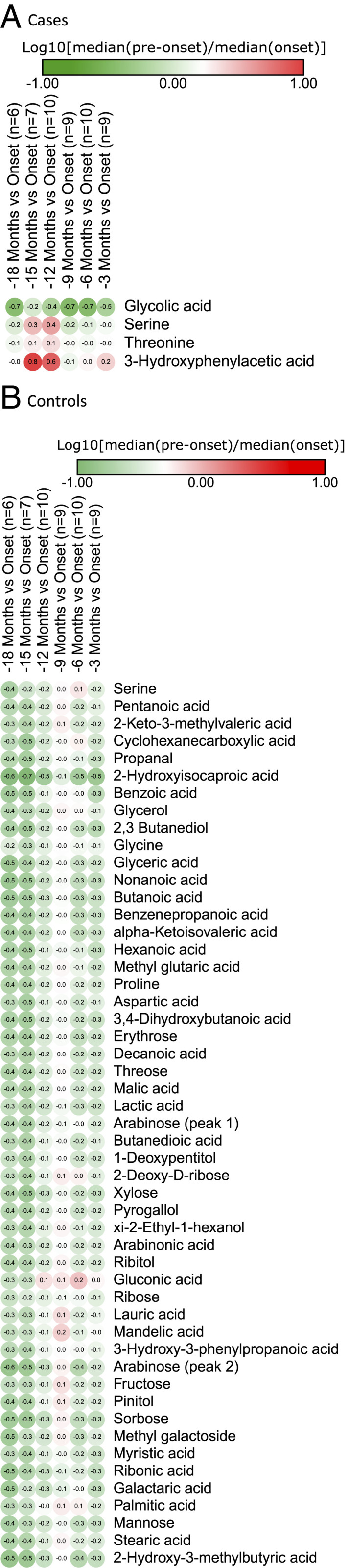
“Our metabolite analysis identified serine, threonine, and 3-hydroxyphenylacetic acid, which were increased at all time points compared with CD onset, and they have been linked to the regulation of the adaptive immune response (51), rheumatoid arthritis (52), and decreased proinflammatory cytokine production (53).”
BackgroundTryptophan catabolism and T-cell tolerance: immunosuppression by starvation?
Mellor, A. L., & Munn, D. H. (1999) · Immunology Today · doi:10.1016/s0167-5699(99)01520-0 · Cited by 648
Pittayanon, R., Lau, J. T., Leontiadis, G. I., Tse, F., Yuan, Y., Surette, M., & Moayyedi, P. (2020) · Gastroenterology · doi:10.1053/j.gastro.2019.11.294 · Cited by 623
Yoshida, N., Emoto, T., Yamashita, T., Watanabe, H., Hayashi, T., Tabata, T., Hoshi, N., Hatano, N., Ozawa, G., Sasaki, N., et al. (2018) · Circulation · doi:10.1161/circulationaha.118.033714 · Cited by 619 · cited 2×
“vulgatus has been reported to lead to increased gut microbial production of lipopolysaccharide (LPS), which impairs immune function (28).”
BackgroundIntroduction of Gluten, HLA Status, and the Risk of Celiac Disease in Children
Lionetti, E., Castellaneta, S., Francavilla, R., Pulvirenti, A., Tonutti, E., Amarri, S., Barbato, M., Barbera, C., Barera, G., Bellantoni, A., et al. (2014) · New England Journal of Medicine · doi:10.1056/nejmoa1400697 · Cited by 482
Self-citationRandomized Feeding Intervention in Infants at High Risk for Celiac Disease
Vriezinga, S. L., Auricchio, R., Bravi, E., Castillejo, G., Chmielewska, A., Crespo Escobar, P., Kolaček, S., Koletzko, S., Korponay-Szabo, I. R., Mummert, E., et al. (2014) · New England Journal of Medicine · doi:10.1056/nejmoa1404172 · Cited by 474 · cited 1×
“Furthermore, previous prospective birth cohort studies that did not examine the microbiome but did monitor at-risk infants over a 10-y period found that 80% of infants who developed CD did so by 36 mo of age (74, 75).”
BackgroundWarner, B. B., Deych, E., Zhou, Y., Hall-Moore, C., Weinstock, G. M., Sodergren, E., Shaikh, N., Hoffmann, J. A., Linneman, L. A., Hamvas, A., et al. (2016) · The Lancet · doi:10.1016/s0140-6736(16)00081-7 · Cited by 474
Orešič, M., Simell, S., Sysi-Aho, M., Näntö-Salonen, K., Seppänen-Laakso, T., Parikka, V., Katajamaa, M., Hekkala, A., Mattila, I., Keskinen, P., et al. (2008) · The Journal of Experimental Medicine · doi:10.1084/jem.20081800 · Cited by 449 · cited 1×
“Previous work has shown decreased abundance of ether lipids in serum of children with T1D compared with healthy controls (50), although the association between microbial pathways for ether lipid metabolism in the gut and serum levels of ether remains to be determined.”
BackgroundGauffin Cano, P., Santacruz, A., Moya, Á., & Sanz, Y. (2012) · PLoS ONE · doi:10.1371/journal.pone.0041079 · Cited by 427 · cited 2×
“unformis_ATCC_8492, for which decreased abundance has been reported to be associated with impaired immune function (28, 30).”
BackgroundChung, W. S. F., Meijerink, M., Zeuner, B., Holck, J., Louis, P., Meyer, A. S., Wells, J. M., Flint, H. J., & Duncan, S. H. (2017) · FEMS Microbiology Ecology · doi:10.1093/femsec/fix127 · Cited by 392 · cited 1×
“eligens promotes production of antiinflammatory cytokines in vitro (60).”
BackgroundKameyama, K., & Itoh, K. (2014) · Microbes and Environments · doi:10.1264/jsme2.me14054 · Cited by 381 · cited 3×
“bacterium colonization has been associated with obesity and diabetes in genetically at-risk mice (34) and has also been shown to induce colonic inflammation by recruiting macrophages into the colon in the presence of colonic epithelial cell disruption (35).”
BackgroundPoyet, M., Groussin, M., Gibbons, S. M., Avila-Pacheco, J., Jiang, X., Kearney, S. M., Perrotta, A. R., Berdy, B., Zhao, S., Lieberman, T. D., et al. (2019) · Nature Medicine · doi:10.1038/s41591-019-0559-3 · Cited by 376 · cited 1×
“In this study, we minimized these biases by following the latest standards; however, using averages over multiple days of sampling instead of the single-day sampling that was conducted in this study could increase the reliability of our multiomics analyses results as has been highlighted previously (93).”
MethodSpecific duodenal and faecal bacterial groups associated with paediatric coeliac disease
Collado, M. C., Donat, E., Ribes-Koninckx, C., Calabuig, M., & Sanz, Y. (2009) · Journal of Clinical Pathology · doi:10.1136/jcp.2008.061366 · Cited by 354
Oishi, Y., Spann, N. J., Link, V. M., Muse, E. D., Strid, T., Edillor, C., Kolar, M. J., Matsuzaka, T., Hayakawa, S., Tao, J., et al. (2017) · Cell Metabolism · doi:10.1016/j.cmet.2016.11.009 · Cited by 342 · cited 1×
“Fatty acid biosynthesis is involved in generating inflammatory mediators, including prostaglandins and cytokines (68).”
BackgroundIncreased Intestinal Permeability Is Associated With Later Development of Crohn’s Disease
Turpin, W., Lee, S.-H., Raygoza Garay, J. A., Madsen, K. L., Meddings, J. B., Bedrani, L., Power, N., Espin-Garcia, O., Xu, W., Smith, M. I., et al. (2020) · Gastroenterology · doi:10.1053/j.gastro.2020.08.005 · Cited by 318
Di Cagno, R., De Angelis, M., De Pasquale, I., Ndagijimana, M., Vernocchi, P., Ricciuti, P., Gagliardi, F., Laghi, L., Crecchio, C., Guerzoni, M. E., et al. (2011) · BMC Microbiology · doi:10.1186/1471-2180-11-219 · Cited by 317
Self-citationMénard, S., Candalh, C., Bambou, J. C., Terpend, K., Cerf-Bensussan, N., & Heyman, M. (2004) · Gut · doi:10.1136/gut.2003.026252 · Cited by 310 · cited 2×
“thermophilus has been identified as a probiotic, releasing an anti-inflammatory metabolite capable of crossing the intestinal barrier (36).”
BackgroundDavis-Richardson, A. G., Ardissone, A. N., Dias, R., Simell, V., Leonard, M. T., Kemppainen, K. M., Drew, J. C., Schatz, D., Atkinson, M. A., Kolaczkowski, B., et al. (2014) · Frontiers in Microbiology · doi:10.3389/fmicb.2014.00678 · Cited by 308 · cited 1×
“coli has been shown to inhibit an immune response leading to decreased risk of T1D in mice (84), while LPS produced by Bacteroides dorei has been shown to contribute to T1D pathogenesis (84, 87).”
BackgroundSelf-citationAlterations of gut microbiome in autoimmune hepatitis
Wei, Y., Li, Y., Yan, L., Sun, C., Miao, Q., Wang, Q., Xiao, X., Lian, M., Li, B., Chen, Y., et al. (2020) · Gut · doi:10.1136/gutjnl-2018-317836 · Cited by 305 · cited 1×
“Finally, our analysis indicated decreased sulfur metabolism (at all time points except −18 mo) and LPS biosynthesis (at all time points except −18 and −15 mo), with increase associated with T1D (62) and autoimmune hepatitis (63), respectively.”
BackgroundOlivares, M., Neef, A., Castillejo, G., Palma, G. D., Varea, V, Capilla, A., Palau, F., Nova, E., Marcos, A., Polanco, I., et al. (2015) · Gut · doi:10.1136/gutjnl-2014-306931 · Cited by 296
Toward Accurate and Quantitative Comparative Metagenomics
Nayfach, S., & Pollard, K. S. (2016) · Cell · doi:10.1016/j.cell.2016.08.007 · Cited by 292 · cited 1×
“Finally, it should be noted that while shotgun metagenomics is considered the state-of-the-art technology for microbiome profiling, the compatibility of metagenomic studies is currently hampered by inconsistencies and biases introduced by experimental protocols, data trimming approaches, and statistical parameters tha…”
BackgroundThe epidemiology and the pathogenesis of inflammatory bowel disease
Karlinger, K., Györke, T., Makö, E., Mester, Á., & Tarján, Z. (2000) · European Journal of Radiology · doi:10.1016/s0720-048x(00)00238-2 · Cited by 288
A metagenomic study of the gut microbiome in Behcet’s disease
Ye, Z., Zhang, N., Wu, C., Zhang, X., Wang, Q., Huang, X., Du, L., Cao, Q., Tang, J., Zhou, C., et al. (2018) · Microbiome · doi:10.1186/s40168-018-0520-6 · Cited by 272
Sellitto, M., Bai, G., Serena, G., Fricke, W. F., Sturgeon, C., Gajer, P., White, J. R., Koenig, S. S. K., Sakamoto, J., Boothe, D., et al. (2012) · PLoS ONE · doi:10.1371/journal.pone.0033387 · Cited by 251 · cited 3×
“While these studies provide an important foundation concerning alterations in gut microbiota of subjects at risk for CD early in life, they analyzed only up to three time points in the first year after birth (17, 18, 20) or were restricted to only one subject with CD (15).”
BackgroundMethodSelf-citationCoenzyme Q biosynthesis in health and disease
Acosta, M. J., Vazquez Fonseca, L., Desbats, M. A., Cerqua, C., Zordan, R., Trevisson, E., & Salviati, L. (2016) · Biochimica et Biophysica Acta (BBA) - Bioenergetics · doi:10.1016/j.bbabio.2016.03.036 · Cited by 235 · cited 1×
“Of note, ubiquinone has been reported to be an antioxidant (66) and to modulate the innate immune response (67).”
BackgroundPouliot, M., Clish, C. B., Petasis, N. A., Van Dyke, T. E., & Serhan, C. N. (2000) · Biochemistry · doi:10.1021/bi992551b · Cited by 207 · cited 1×
“Other species of Porphyromonas, such as Porphyromonas gingivalis, have previously been reported to lead to activation of the innate immune system (78) and impairment of the gut barrier (79, 80), in addition to contributing to development of rheumatoid arthritis and increased disease severity (78).”
BackgroundMicrobial Community Profiling of Human Saliva Using Shotgun Metagenomic Sequencing
Hasan, N. A., Young, B. A., Minard-Smith, A. T., Saeed, K., Li, H., Heizer, E. M., McMillan, N. J., Isom, R., Abdullah, A. S., Bornman, D. M., et al. (2014) · PLoS ONE · doi:10.1371/journal.pone.0097699 · Cited by 207 · cited 2×
“Taxonomic profiling of metagenomics samples was performed at both species- and strain-level resolutions for bacteria, archaea, viruses, fungi, and protists using the commercial CosmosID (CosmosID Inc.) metagenomic analysis platform [formerly knowns as GENIUS (94, 95); https://app.cosmosid.com/login], which is based on…”
Self-citationSato, K., Takahashi, N., Kato, T., Matsuda, Y., Yokoji, M., Yamada, M., Nakajima, T., Kondo, N., Endo, N., Yamamoto, R., et al. (2017) · Scientific Reports · doi:10.1038/s41598-017-07196-7 · Cited by 202 · cited 2×
“Other species of Porphyromonas, such as Porphyromonas gingivalis, have previously been reported to lead to activation of the innate immune system (78) and impairment of the gut barrier (79, 80), in addition to contributing to development of rheumatoid arthritis and increased disease severity (78).”
BackgroundCeliac disease from a global perspective
Lionetti, E., Gatti, S., Pulvirenti, A., & Catassi, C. (2015) · Best Practice & Research Clinical Gastroenterology · doi:10.1016/j.bpg.2015.05.004 · Cited by 179
Self-citationGenetics and the environment converge to dysregulate N-glycosylation in multiple sclerosis
Mkhikian, H., Grigorian, A., Li, C. F., Chen, H.-L., Newton, B., Zhou, R. W., Beeton, C., Torossian, S., Tatarian, G. G., Lee, S.-U., et al. (2011) · Nature Communications · doi:10.1038/ncomms1333 · Cited by 174 · cited 1×
“N-glycan has been linked to T cell–mediated autoimmune diseases (44), such as T1D (45), IBD (46), and multiple sclerosis (47), via mechanisms such as increasing the production of interferon gamma (IFNy) by T cells (48) and decreasing cluster of differentiation 152 (CTLA-4) surface tension (49).”
BackgroundKlemenak, M., Dolinšek, J., Langerholc, T., Gioia, D. D., & Mičetić‐Turk, D. (2015) · Digestive Diseases and Sciences · doi:10.1007/s10620-015-3769-7 · Cited by 172
Murakami, M., Tsubata, T., Shinkura, R., Nisitani, S., Okamoto, M., Yoshioka, H., Usui, T., Miyawaki, S., & Honjo, T. (1994) · The Journal of experimental medicine · doi:10.1084/jem.180.1.111 · Cited by 169
Leonard, M. M., Karathia, H., Pujolassos, M., Troisi, J., Valitutti, F., Subramanian, P., Camhi, S. S., Kenyon, V., Colucci, A., Serena, G., et al. (2020) · Microbiome · doi:10.1186/s40168-020-00906-w · Cited by 157
Self-citationMonagas, M., Khan, N., Andrés-Lacueva, C., Urpí-Sardá, M., Vázquez-Agell, M., Lamuela-Raventós, R. M., & Estruch, R. (2009) · British Journal of Nutrition · doi:10.1017/s0007114508162110 · Cited by 155 · cited 2×
“Our metabolite analysis identified serine, threonine, and 3-hydroxyphenylacetic acid, which were increased at all time points compared with CD onset, and they have been linked to the regulation of the adaptive immune response (51), rheumatoid arthritis (52), and decreased proinflammatory cytokine production (53).”
BackgroundMohanty, A., Tiwari-Pandey, R., & Pandey, N. R. (2019) · Journal of Cell Communication and Signaling · doi:10.1007/s12079-019-00507-9 · Cited by 154 · cited 1×
“Of note, ubiquinone has been reported to be an antioxidant (66) and to modulate the innate immune response (67).”
BackgroundLaparra, J. M., Olivares, M., Gallina, O., & Sanz, Y. (2012) · PLoS ONE · doi:10.1371/journal.pone.0030744 · Cited by 153 · cited 2×
“longum has been reported to be anti-inflammatory in animal models of gliadininduced enteropathy (54, 55).”
BackgroundMorgan, R., Gao, G., Pawling, J., Dennis, J. W., Demetriou, M., & Li, B. (2004) · The Journal of Immunology · doi:10.4049/jimmunol.173.12.7200 · Cited by 153 · cited 1×
“N-glycan has been linked to T cell–mediated autoimmune diseases (44), such as T1D (45), IBD (46), and multiple sclerosis (47), via mechanisms such as increasing the production of interferon gamma (IFNy) by T cells (48) and decreasing cluster of differentiation 152 (CTLA-4) surface tension (49).”
BackgroundGut microbiota trajectory in early life may predict development of celiac disease
Olivares, M., Walker, A. W., Capilla, A., Benítez‐Páez, A., Palau, F., Parkhill, J., Castillejo, G., & Sanz, Y. (2018) · Microbiome · doi:10.1186/s40168-018-0415-6 · Cited by 152 · cited 8×
“longum in control subjects compared with those later developing CD (17).”
BackgroundMethodInfluentialInnate and adaptive immunity: the Yin and Yang of celiac disease
Jabri, B., Kasarda, D. D., & Green, P. H. R. (2005) · Immunological Reviews · doi:10.1111/j.0105-2896.2005.00294.x · Cited by 137 · cited 1×
“The inflammatory process underlying CD involves both innate and adaptive immune systems (3).”
BackgroundCommensal Gram-positive bacteria initiates colitis by inducing monocyte/macrophage mobilization
Nakanishi, Y., Sato, T., & Ohteki, T. (2014) · Mucosal Immunology · doi:10.1038/mi.2014.53 · Cited by 134
Diagnostic properties of metabolic perturbations in rheumatoid arthritis
Madsen, R. K., Lundstedt, T., Gabrielsson, J., Sennbro, C.-J., Alenius, G.-M., Möritz, T., Rantapää‐Dahlqvist, S., & Trygg, J. (2011) · Arthritis Research & Therapy · doi:10.1186/ar3243 · Cited by 133 · cited 2×
“Our metabolite analysis identified serine, threonine, and 3-hydroxyphenylacetic acid, which were increased at all time points compared with CD onset, and they have been linked to the regulation of the adaptive immune response (51), rheumatoid arthritis (52), and decreased proinflammatory cytokine production (53).”
BackgroundPrimec, M., Klemenak, M., Gioia, D. D., Aloisio, I., Cionci, N. B., Quagliariello, A., Gorenjak, M., Mičetić‐Turk, D., & Langerholc, T. (2018) · Clinical Nutrition · doi:10.1016/j.clnu.2018.06.931 · Cited by 131 · cited 2×
“and development of allergic diseases (56), as well as decreased inflammation in CD (57, 58).”
BackgroundPonnusamy, D., Kozlova, E. V., Sha, J., Erova, T. E., Azar, S. R., Fitts, E. C., Kirtley, M. L., Tiner, B. L., Andersson, J. A., Grim, C. J., et al. (2016) · Proceedings of the National Academy of Sciences · doi:10.1073/pnas.1523817113 · Cited by 130 · cited 2×
“Taxonomic profiling of metagenomics samples was performed at both species- and strain-level resolutions for bacteria, archaea, viruses, fungi, and protists using the commercial CosmosID (CosmosID Inc.) metagenomic analysis platform [formerly knowns as GENIUS (94, 95); https://app.cosmosid.com/login], which is based on…”
Self-citationMedina, M., De Palma, G., Ribes-Koninckx, C., Calabuig, M., & Sanz, Y. (2008) · Journal of Inflammation · doi:10.1186/1476-9255-5-19 · Cited by 128 · cited 2×
“longum has been reported to be anti-inflammatory in animal models of gliadininduced enteropathy (54, 55).”
BackgroundReview: Metabolic Control of Immune System Activation in Rheumatic Diseases
Perl, A. (2017) · Arthritis & Rheumatology · doi:10.1002/art.40223 · Cited by 116
Fite, A., Macfarlane, S., Furrie, E., Bahrami, B., Cummings, J. H., Steinke, D. T., & Macfarlane, G. T. (2013) · Journal of Clinical Microbiology · doi:10.1128/jcm.02574-12 · Cited by 112 · cited 1×
“clostridioforme in subjects with IBD has been previously reported (43).”
BackgroundMaffeis, C., Martina, A., Corradi, M., Quarella, S., Nori, N., Torriani, S., Plebani, M., Contreas, G., & Felis, G. E. (2016) · Diabetes/Metabolism Research and Reviews · doi:10.1002/dmrr.2790 · Cited by 110 · cited 2×
“An increased abundance of Dialister has been previously reported in children with pre-T1D compared with controls (32) and in subjects who later developed CD (20).”
BackgroundPoussin, C., Sierro, N., Boué, S., Battey, J. N. D., Scotti, E., Belcastro, V., Peitsch, M. C., Ivanov, N. V., & Hoeng, J. (2018) · Drug Discovery Today · doi:10.1016/j.drudis.2018.06.005 · Cited by 101 · cited 1×
“Finally, it should be noted that while shotgun metagenomics is considered the state-of-the-art technology for microbiome profiling, the compatibility of metagenomic studies is currently hampered by inconsistencies and biases introduced by experimental protocols, data trimming approaches, and statistical parameters tha…”
BackgroundShimizu, J., Kubota, T., Takada, E., Takai, K., Fujiwara, N., Arimitsu, N. N., Murayama, M. A., Ueda, Y., Wakisaka, S., Tomoko, S., et al. (2018) · PLoS ONE · doi:10.1371/journal.pone.0203657 · Cited by 99 · cited 1×
“Veillonella parvula, a microorganism associated with relapsing polychondritis [an autoimmune condition (61)], significantly decreased in abundance at −12, −9, and −3 mo compared with t = 0.”
BackgroundIntestinal Bacteroides species associated with coeliac disease
Sánchez, E., Donat, E., Ribes-Koninckx, C., Calabuig, M., & Sanz, Y. (2010) · Journal of Clinical Pathology · doi:10.1136/jcp.2010.076950 · Cited by 95 · cited 1×
“adolescentis has been reported to increase in subjects with CD (64), implying association with increased risk of developing autoimmunity and thereby, CD because it either contributes directly to high mannose–type N-glycan biosynthesis in the gut or positively interacts with other microorganisms responsible for this pa…”
BackgroundZafeiropoulou, K., Nichols, B., Mackinder, M., Biskou, O., Rizou, E., Karanikolou, A., Clark, C., Buchanan, E., Cardigan, T., Duncan, H., et al. (2020) · Gastroenterology · doi:10.1053/j.gastro.2020.08.007 · Cited by 95 · cited 3×
“Other recent studies describe alterations in the gut microbiota at CD diagnosis compared with in subjects with treated CD and/or healthy controls (21, 22).”
ResultExploring the Science behind Bifidobacterium breve M-16V in Infant Health
Wong, C. B., Iwabuchi, N., & Xiao, J. (2019) · Nutrients · doi:10.3390/nu11081724 · Cited by 91 · cited 1×
“and development of allergic diseases (56), as well as decreased inflammation in CD (57, 58).”
BackgroundDias, A. M., Dourado, J., Lago, P. M., Cabral, J., Marcos‐Pinto, R., Salgueiro, P., Almeida, C. R., Carvalho, S., Fonseca, S., Lima, M., et al. (2013) · Human Molecular Genetics · doi:10.1093/hmg/ddt632 · Cited by 88 · cited 4×
“This is unlike other autoimmune conditions such as TID (73), IBD (76), or multiple sclerosis (77), for which typical onset is adolescence or adulthood.”
BackgroundInfluentialInnate immunity: Actuating the gears of celiac disease pathogenesis
Kim, S. M., Mayassi, T., & Jabrì, B. (2015) · Best Practice & Research Clinical Gastroenterology · doi:10.1016/j.bpg.2015.05.001 · Cited by 86
Palma, G. D., Capilla, A., Nadal, I., Nova, E., Pozo, T., Varea, V., Polanco, I., Castillejo, G., López, A., Garrote, J. A., et al. (2010) · PubMed · Cited by 83
Serena, G., Yan, S., Camhi, S. S., Patel, S., Lima, R. S., Sapone, A., Leonard, M. M., Mukherjee, R., Nath, B. J., Lammers, K. M., et al. (2017) · Clinical & Experimental Immunology · doi:10.1111/cei.12911 · Cited by 81
Self-citationFlak, M. B., Colas, R. A., Muñoz-Atienza, E., Curtis, M. A., Dalli, J., & Pitzalis, C. (2019) · JCI Insight · doi:10.1172/jci.insight.125191 · Cited by 81 · cited 1×
“Other species of Porphyromonas, such as Porphyromonas gingivalis, have previously been reported to lead to activation of the innate immune system (78) and impairment of the gut barrier (79, 80), in addition to contributing to development of rheumatoid arthritis and increased disease severity (78).”
BackgroundBiase, A. R. D., Marasco, G., Ravaioli, F., Dajti, E., Colecchia, L., Righi, B., D’Amico, V., Festi, D., Iughetti, L., & Colecchia, A. (2020) · Journal of Gastroenterology and Hepatology · doi:10.1111/jgh.15183 · Cited by 80
Leonard, M. M., Camhi, S. S., Huedo-Medina, T. B., & Fasano, A. (2015) · Nutrients · doi:10.3390/nu7115470 · Cited by 73 · cited 3×
“Ten infants who developed CD and their matched controls from the CDGEMM prospective birth cohort study (26) were selected for study.”
BackgroundMethodInfluentialSelf-citationDehoux, P., Marvaud, J. C., Abouelleil, A., Earl, A. M., Lambert, T., & Dauga, C. (2016) · BMC Genomics · doi:10.1186/s12864-016-3152-x · Cited by 72 · cited 2×
“clostridioforme, previously described as acting as a probiotic (36), blocking release of inflammatory cytokines (37, 38), and related to butyrate production (42).”
BackgroundPalma, G. D., Capilla, A., Nadal, I., Nova, E., Pozo, T., Varea, V., Polanco, I., Castillejo, G., López, A., Garrote, J. A., et al. (2010) · DIGITAL.CSIC (Spanish National Research Council (CSIC)) · Cited by 68
Tryptophan metabolism and indoleamine 2,3-dioxygenase expression in coeliac disease
Torres, M. I., López-Casado, M. A., Lorite, P., & Ríos, A. (2007) · Clinical and Experimental Immunology · doi:10.1111/j.1365-2249.2007.03365.x · Cited by 65
Cinek, O., Kramná, L., Lin, J., Oikarinen, S., Kolářová, K., Ilonen, J., Simell, O., Veijola, R., Autio, R., & Hyöty, H. (2016) · Pediatric Diabetes · doi:10.1111/pedi.12468 · Cited by 61
(2010) · Current Issues in Molecular Biology · doi:10.21775/cimb.012.001 · Cited by 59
Ricaño-Ponce, I., Wijmenga, C., & Gutierrez‐Achury, J. (2015) · Best Practice & Research Clinical Gastroenterology · doi:10.1016/j.bpg.2015.04.004 · Cited by 54
Rintala, A., Riikonen, I., Toivonen, A., Pietilä, S., Munukka, E., Pursiheimo, J.-P., Elo, L. L., Arikoski, P., Luopajärvi, K., Schwab, U., et al. (2018) · Scandinavian Journal of Gastroenterology · doi:10.1080/00365521.2018.1444788 · Cited by 49 · cited 5×
“While these studies provide an important foundation concerning alterations in gut microbiota of subjects at risk for CD early in life, they analyzed only up to three time points in the first year after birth (17, 18, 20) or were restricted to only one subject with CD (15).”
BackgroundInfluentialNanayakkara, M., Lania, G., Maglio, M., Auricchio, R., Musis, C. D., Discepolo, V., Miele, E., Jabrì, B., Troncone, R., Auricchio, S., et al. (2018) · Scientific Reports · doi:10.1038/s41598-018-28830-y · Cited by 48
Leonard, M. M., Bai, Y., Serena, G., Nickerson, K. P., Camhi, S. S., Sturgeon, C., Yan, S., Fiorentino, M. R., Katz, A. J., Nath, B. J., et al. (2019) · PLoS ONE · doi:10.1371/journal.pone.0215132 · Cited by 48 · cited 1×
“Utilizing ribonucleic acid sequencing (RNAseq), we reported earlier that ascorbate and aldarate metabolism is down-regulated in the intestinal mucosa of subjects with active CD, compared with subjects in remission (5).”
Self-citationMaerz, J. K., Trostel, C., Lange, A., Parusel, R., Michaelis, L., Schäfer, A., Yao, H., Löw, H.-C., & Frick, J.-S. (2020) · Frontiers in Immunology · doi:10.3389/fimmu.2019.03093 · Cited by 48 · cited 1×
“coli has been shown to stimulate B regulatory cells to produce anti-inflammatory cytokines and promote development of T regulatory cells, among other mechanisms, to mitigate the inflammatory response (59).”
BackgroundPanelli, S., Capelli, E., Lupo, G. F. D., Schiepatti, A., Betti, E., Sauta, E., Marini, S., Bellazzi, R., Vanoli, A., Pasi, A., et al. (2020) · Journal of Clinical Medicine · doi:10.3390/jcm9041109 · Cited by 45
Intestinal Epithelium Modulates Macrophage Response to Gliadin in Celiac Disease
Serena, G., Huynh, D. J., Lima, R. S., Vise, L. M., Freire, R. H., Ingano, L. A. M., Leonard, M. M., Senger, S., & Fasano, A. (2019) · Frontiers in Nutrition · doi:10.3389/fnut.2019.00167 · Cited by 43
Self-citationMurakami, Y., Hanazawa, S., Nishida, K., Iwasaka, H., & Kitano, S. (1993) · Biochemical and Biophysical Research Communications · doi:10.1006/bbrc.1993.1489 · Cited by 37 · cited 6×
“Leonard et al. PNAS | 7 of 12 Microbiome signatures of progression toward celiac disease onset in at-risk children in a longitudinal prospective cohort study https://doi.org/10.1073/pnas.2020322118 M ED IC A L SC IE N CE S D ow nl oa de d at U ni ve rs ity o f M ar yl an d C ol le ge P ar k on J ul y 12 , 2 02 1 of th…”
InfluentialEvolutionarily conserved antigens in autoimmune disease: Implications for an infective aetiology
Wegner, N., Wait, R., & Venables, P. J. (2008) · The International Journal of Biochemistry & Cell Biology · doi:10.1016/j.biocel.2008.09.012 · Cited by 36
Pozo-Rubio, T., Palma, G. D., Mujico, J. R., Olivares, M., Marcos, A., Acuña, M. D., Polanco, I., Sanz, Y., & Nova, E. (2013) · PubMed · doi:10.3305/nh.2013.28.2.6310 · Cited by 35
The Modulatory Roles of N-glycans in T-Cell-Mediated Autoimmune Diseases
Chien, M., Fu, S., Hsu, C.-Y., Liu, Y., & Sytwu, H. (2018) · International Journal of Molecular Sciences · doi:10.3390/ijms19030780 · Cited by 31 · cited 1×
“N-glycan has been linked to T cell–mediated autoimmune diseases (44), such as T1D (45), IBD (46), and multiple sclerosis (47), via mechanisms such as increasing the production of interferon gamma (IFNy) by T cells (48) and decreasing cluster of differentiation 152 (CTLA-4) surface tension (49).”
BackgroundGranholm, N. A., & Cavallo, T. (1994) · Lupus · doi:10.1177/096120339400300614 · Cited by 29
Yu, Z., Li, C. F., Mkhikian, H., Zhou, R. W., Newton, B. L., & Demetriou, M. (2014) · Genes and Immunity · doi:10.1038/gene.2014.7 · Cited by 18 · cited 13×
“However, T1D is a complex chronic immune condition that peaks between 10 and 14 y of age and is suspected to have an environmental trigger yet to be determined (73).”
BackgroundInfluentialThe microbiome as a possible target to prevent celiac disease
Leonard, M. M., & Fasano, A. (2016) · Expert Review of Gastroenterology & Hepatology · doi:10.1586/17474124.2016.1166954 · Cited by 13 · cited 1×
“More importantly, here we argue that, to gain mechanistic insight into the pathogenesis of CD and other autoimmune diseases, we need to transition from case–control microbiome studies to prospective longitudinal studies, which prospectively examine subjects at multiple time points before disease development (23).”
BackgroundSelf-citationGirdhar, K., Huang, Q., Dogru, Y. D., Yang, Y., Tolstikov, V., Chrudinová, M., Raisingani, A., Ludvigsson, J. F., Kiebish, M. A., Palm, N. W., et al. (2020) · bioRxiv (Cold Spring Harbor Laboratory) · doi:10.1101/2020.02.29.971242 · Cited by 9 · cited 6×
“While these studies provide an important foundation concerning alterations in gut microbiota of subjects at risk for CD early in life, they analyzed only up to three time points in the first year after birth (17, 18, 20) or were restricted to only one subject with CD (15).”
BackgroundMethodInfluential
Cited by
Gut microbiome and health: mechanistic insights
de Vos, W. M., Tilg, H., Van Hul, M., & Cani, P. D. (2022) · Gut · doi:10.1136/gutjnl-2021-326789 · Cited by 2,388
Gut-Microbiota-Derived Metabolites Maintain Gut and Systemic Immune Homeostasis
Wang, J., Zhu, N., Su, X., Gao, Y., & Yang, R. (2023) · Cells · doi:10.3390/cells12050793 · Cited by 588
Catassi, C., Verdu, E. F., Bai, J. C., & Lionetti, E. (2022) · The Lancet · doi:10.1016/s0140-6736(22)00794-2 · Cited by 475
Self-citationAburto, M. R., & Cryan, J. F. (2024) · Nature Reviews Gastroenterology & Hepatology · doi:10.1038/s41575-023-00890-0 · Cited by 359
Role of the Gut Microbiota and Its Metabolites in Tumorigenesis or Development of Colorectal Cancer
Qu, R., Zhang, Y., Ma, Y., Zhou, X., Sun, L., Jiang, C., Zhang, Z., & Fu, W. (2023) · Advanced Science · doi:10.1002/advs.202205563 · Cited by 297
Metadata
- Authors
- Leonard, M. M., Valitutti, F., Karathia, H., Pujolassos, M., Kenyon, V., Fanelli, B., Troisi, J., Subramanian, P., Camhi, S., Colucci, A., Serena, G., Cucchiara, S., Trovato, C. M., Malamisura, B., Francavilla, R., Elli, L., Hasan, N. A., Zomorrodi, A. R., Colwell, R., Fasano, A., The CD-GEMM Team, Montuori, M., Piemontese, P., Calvi, A., Baldassarre, M., Norsa, L., Raguseo, C. L., Passaro, T., Roggero, P., Crocco, M., Morelli, A., Perrone, M., Sansotta, N., Chieppa, M., Scala, G., Lionetti, M. E., Catassi, C., Serretiello, A., Vecchi, C., & de Villsante, G. C.
- Affiliations
- Harvard University (US)
- European Biomedical Research Institute of Salerno (IT)
- CosmosID Inc., Rockville, MD 84100;
- University of Salerno (IT)
- Sapienza University of Rome (IT)
- AOU San Giovanni di Dio e Ruggi d'Aragona (IT)
- University of Bari Aldo Moro (IT)
- Fondazione IRCCS Ca' Granda Ospedale Maggiore Policlinico (IT)
- University of Maryland, College Park (US)
- Corresponding author
- Colwell, Rita
- Fasano, Alessio
- ORCID
- Leonard, Maureen M.
- Valitutti, Francesco
- Karathia, Hiren
- Pujolassos, Meritxell
- Fanelli, Brian
- Troisi, Jacopo
- Subramanian, Poorani
- Camhi, Stephanie
- Colucci, Angelo
- Serena, Gloria
- Cucchiara, Salvatore
- Trovato, Chiara Maria
- Francavilla, Ruggiero
- Elli, Luca
- Hasan, Nur A.
- Zomorrodi, Ali R.
- Colwell, Rita
- Fasano, Alessio
- Montuori, Monica
- Piemontese, Pasqua
- Calvi, Angela
- Baldassarre, Mariella
- Norsa, Lorenzo
- Raguseo, Celeste Lidia
- Roggero, Paola
- Crocco, Marco
- Morelli, Annalisa
- Perrone, Michela
- Sansotta, Naire
- Chieppa, Marcello
- Scala, Giovanni
- Catassi, Carlo
- Venue
- Proceedings of the National Academy of Sciences
- Publisher
- National Academy of Sciences
- Published
- 2021-07-12
- Volume
- 118
- Issue
- 29
- ISSN
- 0027-8424 (ISSN-L)
- 1091-6490
- PMC
- PMC8307711
- OpenAlex
- W3181767964
- Cited by
- 162
- References
- 102
- Citations by year
- 2026: 27 · 2025: 35 · 2024: 32 · 2023: 37 · 2022: 23 · 2021: 7
- FWCI
- 7.84
- Type
- journal article
- Language
- en
- Open access
- hybrid
- doi.org
- Licence
- Locations
- Proceedings of the National Academy of Sciences (publishedVersion, cc-by-nc-nd)
- PubMed Central (publishedVersion, cc-by-nc-nd)
- PubMed (publishedVersion)
- Archivio Istituzionale della Ricerca (Universita Degli Studi Di Milano) (submittedVersion, other-oa)
- CINECA IRIS Institutional Research Information System (University of Bari Aldo Moro) (submittedVersion, cc-by-nc-nd)
- Funders
- HHS | NIH | National Institute of Diabetes and Digestive and Kidney Diseases (DK104344, DK109620, K23DK122127, P30-DK040561)
- Topics
- Life Sciences › Biochemistry, Genetics and Molecular Biology › Molecular Biology › Gut microbiota and health
- Health Sciences › Medicine › Gastroenterology › Celiac Disease Research and Management
- Health Sciences › Medicine › Gastroenterology › Gastrointestinal motility and disorders
- Keywords
- celiac disease, gut microbiota, disease onset prediction, vulnerable children, infants, microbiome signatures, metabolome, gluten, autoimmune disease pathogenesis, disease prevention, early preventive intervention, immune tolerance
- MeSH terms
- Gastrointestinal Microbiome, Host Microbial Interactions, Celiac Disease, Child, Preschool, Cross-Sectional Studies, Female, Humans, Infant, Inflammation, Longitudinal Studies, Male, Prospective Studies, Biomarkers, Autoimmunity, Metabolic Networks and Pathways, Metabolome, Metagenomics
About these checks
Registry, retraction, Cites and statistics results are computed, not judged, with one exception: a printed reference that no index lists is read once by a model before it counts as a citation error. Claims are extracted by a model and kept only when their quote appears verbatim in the text; each cited source is then checked, with a model’s help, for whether it says what the claim relies on. Those verdicts can be wrong — read the claim’s quote and the cited source before relying on one.
Statistics and arithmetic are recomputed, not judged.
Confidence bands are shown only for fields calibrated on our annotated test set. None is calibrated yet, so no band is shown.
What counts as a claim ›How we measure confidence ›How we check this ›
Are you an author, or do you see a problem with this page? Request a review
Data sources
Bibliographic data: Semantic Scholar, OpenAlex, Crossref.
Contains information from the Semantic Scholar Academic Graph Datasets, made available under the ODC Attribution License (ODC-BY 1.0).
Semantic Scholar’s data is described in: Kinney, R., et al. (2023). The Semantic Scholar Open Data Platform. arXiv:2301.10140.
