

The DOI matches its Crossref record; 36 of the 36 references it cites were found in a registry or an index.
An acetylation–phosphorylation switch that regulates tau aggregation propensity and function
Open accessAbstract
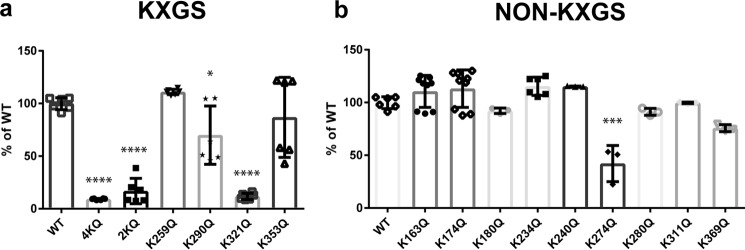
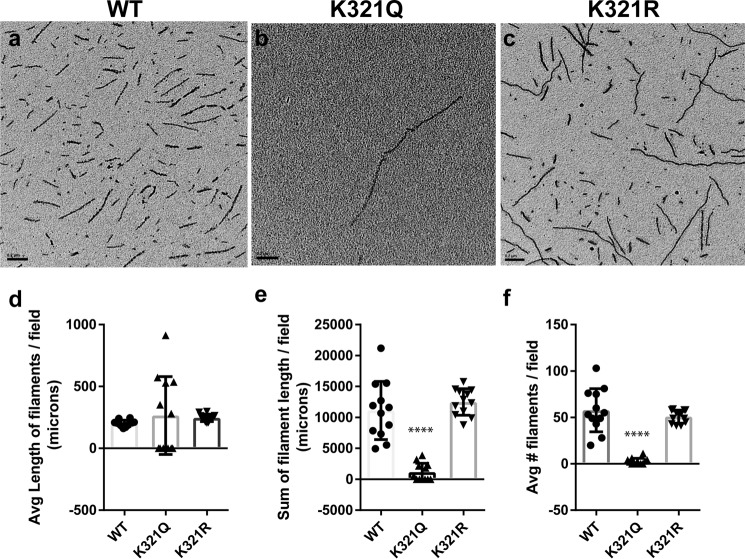
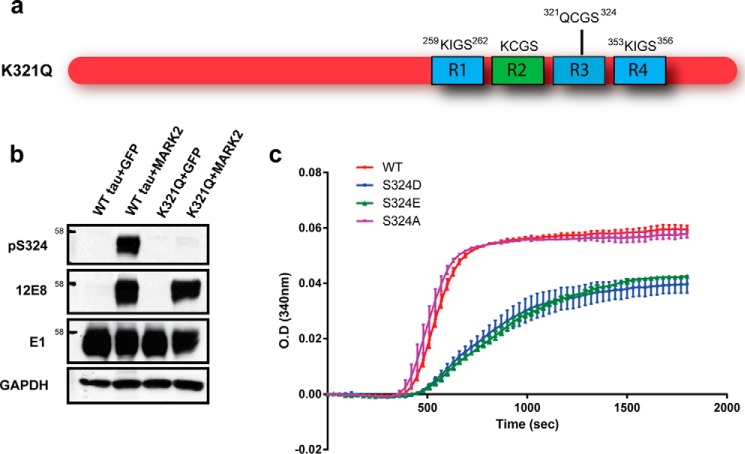
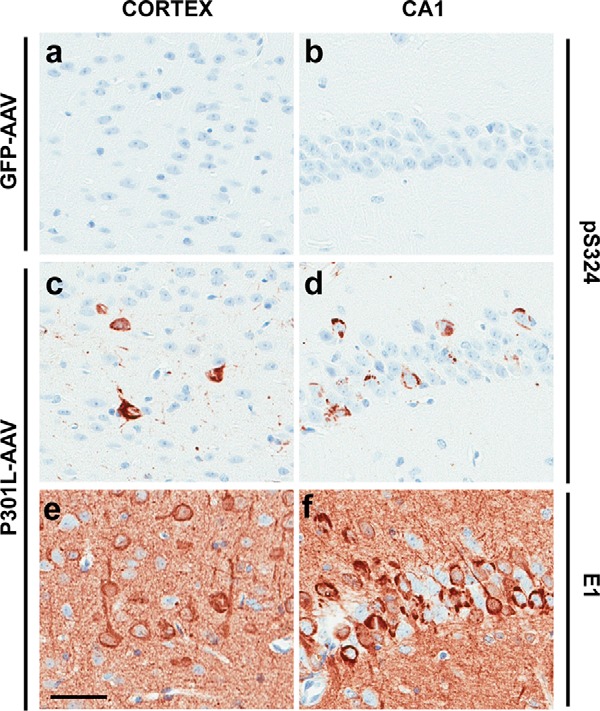
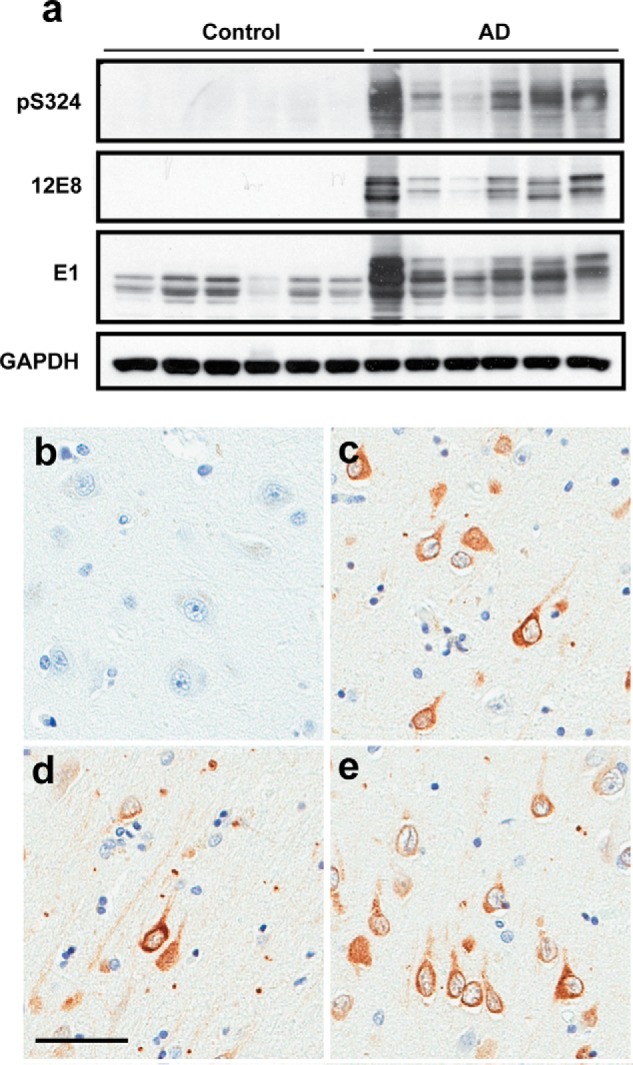
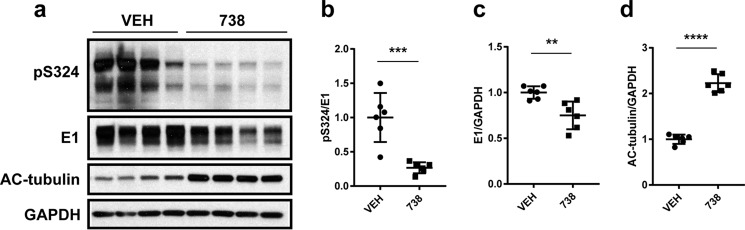
The aberrant accumulation of tau protein is a pathological hallmark of a class of neurodegenerative diseases known as tauopathies, including Alzheimer's disease and related dementias. On the basis of previous observations that tau is a direct substrate of histone deacetylase 6 (HDAC6), we sought to map all HDAC6-responsive sites in tau and determine how acetylation in a site-specific manner affects tau's biophysical properties in vitro . Our findings indicate that several acetylation sites in tau are responsive to HDAC6 and that acetylation on Lys-321 (within a KCGS motif) is both essential for acetylation-mediated inhibition of tau aggregation in vitro and a molecular tactic for preventing phosphorylation on the downstream Ser-324 residue. To determine the functional consequence of this HDAC6-regulated phosphorylation event, we examined tau's ability to promote microtubule assembly and found that phosphorylation of Ser-324 interferes with the normal microtubule-stabilizing function of tau. Tau phosphorylation of Ser-324 (pSer-324) has not previously been evaluated in the context of tauopathy, and here we observed increased deposition of pSer-324–positive tau both in mouse models of tauopathy and in patients with Alzheimer's disease. These findings uncover a novel acetylation–phosphorylation switch at Lys-321/Ser-324 that coordinately regulates tau polymerization and function. Because the disease relevance of this finding is evident, additional studies are needed to examine the role of pSer-324 in tau pathobiology and to determine whether therapeutically modulating this acetylation–phosphorylation switch affects disease progression in vivo .
Overview
The claims and statistics of this paper haven’t been checked yet.
Run the check — free, no account needed. It reads the open-access text and checks the sources it cites.
Integrity signals
Registry
Cites
Statistics
Figures
Verification
Claims the paper makes
The claims and statistics of this paper haven’t been checked yet.
Run the check — free, no account needed. It reads the open-access text and checks the sources it cites.
Claims other papers make about this one
Each is checked against this paper’s own text: does it say what the citing paper says it does?
The source backs part of the claim, not all of it — or backs it for a different population, condition or comparison.
In the citing paper
“while increased Tau acetylation reduces Tau phosphorylation [34, 42].”
From Elevated SGK1 increases Tau phosphorylation and microtubule instability in Alzheimer’s patient-derived cortical neurons (2026) · cites this paper as [42]
Experimental — accuracy not yet measured
Self-check
Percentages, sums and reported differences re-computed from the paper’s own numbers.
The self-check needs the paper’s full text.
Citations
Cites
Buée, L., Bussière, T., Buée‐Scherrer, V., Delacourte, A., & Hof, P. R. (2000) · Brain Research Reviews · doi:10.1016/s0165-0173(00)00019-9 · Cited by 2,142
Cryo-EM structures of tau filaments from Alzheimer’s disease
Fitzpatrick, A. W. P., Falcon, B., He, S., Murzin, A. G., Murshudov, G., Garringer, H. J., Crowther, R. A., Ghetti, B., Goedert, M., & Scheres, S. H. W. (2017) · Nature · doi:10.1038/nature23002 · Cited by 2,061
Alzheimer’s Disease: The Challenge of the Second Century
Holtzman, D. M., Morris, J. C., & Goate, A. M. (2011) · Science Translational Medicine · doi:10.1126/scitranslmed.3002369 · Cited by 1,424 · cited 1×
“Whereas the increasing burden of tau pathology correlates with cognitive dysfunction and continues to progress with disease severity (3), both the pathogenic species of tau and the mechanism of toxicity remain unclear.”
Augustinack, J. C., Schneider, A., Mandelkow, E.-M., & Hyman, B. T. (2002) · Acta Neuropathologica · doi:10.1007/s004010100423 · Cited by 998 · cited 2×
“Phosphorylation of tau on KIGS motifs (pSer-262/356) is observed at early stages of neurofibrillary tangle (NFT) formation in AD (14), but assessment of pSer-324 immunoreactivity in AD has not been performed.”
Acetylation of Tau Inhibits Its Degradation and Contributes to Tauopathy
Min, S.-W., Cho, S.-H., Zhou, Y., Schroeder, S., Haroutunian, V., Seeley, W. W., Huang, E. J., Shen, Y., Masliah, E., Mukherjee, C., et al. (2010) · Neuron · doi:10.1016/j.neuron.2010.08.044 · Cited by 949 · cited 1×
“which tau acetylation inhibits turnover and leads to accumulation (34), given that insoluble tau species purified from NFTs have been shown to be ubiquitinated (33), a lack of sufficient ubiquitination alone does not appear to be adequate to account for tau accumulation in disease.”
Biochemistry and Cell Biology of Tau Protein in Neurofibrillary DegenerationPreprint
Mandelkow, E., & Mandelkow, E. (2012) · Cold Spring Harbor Perspectives in Medicine · doi:10.1101/cshperspect.a006247 · Cited by 897 · cited 1×
“4–6).”
Biernat, J., Gustke, N., Drewes, G., Mandelkow, E., & Mandelkow, E. (1993) · Neuron · doi:10.1016/0896-6273(93)90279-z · Cited by 796 · cited 2×
“Given that phosphorylation of Ser-262 in tau’s first KIGS motif has also been shown to impair tau’s ability to promote microtubule assembly (11), the phosphorylation status of all K X GS motifs may act to regulate tau function.”
The acetylation of tau inhibits its function and promotes pathological tau aggregation
Cohen, T. J., Guo, J. L., Hurtado, D. E., Kwong, L. K., Mills, I. P., Trojanowski, J. Q., & Lee, V. M. Y. (2011) · Nature Communications · doi:10.1038/ncomms1255 · Cited by 724 · cited 6×
“However, because acetylation of Lys-321 was not detected following CBP-mediated acetylation when increased aggregation was observed (18) (see supplemental Table S1 for a comparison of results across studies) but was identified under conditions that reduced aggregation (10), this supports our finding that modification…”
InfluentialCHIP and Hsp70 regulate tau ubiquitination, degradation and aggregation
Petrucelli, L. (2004) · Human Molecular Genetics · doi:10.1093/hmg/ddh083 · Cited by 723
Self-citationDickey, C. A., Kamal, A., Lundgren, K., Klosak, N., Bailey, R. M., Dunmore, J., Ash, P., Shoraka, S., Zlatkovic, J., Eckman, C. B., et al. (2007) · Journal of Clinical Investigation · doi:10.1172/jci29715 · Cited by 642 · cited 1×
“In addition, tau species phosphorylated on Ser-262/356 are required for the synaptic toxicity of oligomeric A (25, 26), are unable to bind and stabilize microtubules (11, 27–29), and are also not recognized by the HSP chaperone network (30, 31).”
Self-citation
Cited by
Sorted by citations
Novel tau filament fold in chronic traumatic encephalopathy encloses hydrophobic molecules
Falcon, B., Zivanov, J., Zhang, W., Murzin, A. G., Garringer, H. J., Vidal, R., Crowther, R. A., Newell, K. L., Ghetti, B. F., Goedert, M., et al. (2019) · Nature · doi:10.1038/s41586-019-1026-5 · Cited by 722
Nguyen, P. H., Ramamoorthy, A., Sahoo, B. R., Zheng, J., Faller, P., Straub, J. E., Domínguez, L., Shea, J., Dokholyan, N. V., Simone, A. D., et al. (2021) · Chemical Reviews · doi:10.1021/acs.chemrev.0c01122 · Cited by 680
Role of Tau as a Microtubule-Associated Protein: Structural and Functional Aspects
Barbier, P., Zejneli, O., Martinho, M., Lasorsa, A., Belle, V., Smet‐Nocca, C., Tsvetkov, P. O., Devred, F., & Landrieu, I. (2019) · Frontiers in Aging Neuroscience · doi:10.3389/fnagi.2019.00204 · Cited by 655
“In addition, cross-talks between acetylation and phosphorylation modifications of Tau interplay in their regulatory role of MT dynamics (Carlomagno et al., 2017).”
BackgroundInfluentialSavelieff, M. G., Nam, G., Kang, J., Lee, H. J., Lee, M., & Lim, M. H. (2018) · Chemical Reviews · doi:10.1021/acs.chemrev.8b00138 · Cited by 612
Phase separation and neurodegenerative diseases: a disturbance in the force
Zbinden, A., Pérez-Berlanga, M., De Rossi, P., & Polymenidou, M. (2020) · Developmental Cell · doi:10.1016/j.devcel.2020.09.014 · Cited by 500
Alzheimer’s disease: insights into pathology, molecular mechanisms, and therapy
Zheng, Q., & Wang, X. (2024) · Protein & Cell · doi:10.1093/procel/pwae026 · Cited by 483
Hofweber, M., & Dormann, D. (2018) · Journal of Biological Chemistry · doi:10.1074/jbc.tm118.001189 · Cited by 398
“Lys acetylation was shown to decrease Tau LLPS and aggregation (136, 137) as well as LLPS of the N-terminal IDR of DDX3X (DDX3X-IDR1) (138), and the deacetylase HDAC6 was shown to be required for SG formation (139).”
BackgroundThe complexity of tau in Alzheimer’s disease
Naseri, N. N., Wang, H., Guo, J. D., Sharma, M., & Luo, W. (2019) · Neuroscience Letters · doi:10.1016/j.neulet.2019.04.022 · Cited by 393
“Acetylation Tau is a lysine-rich protein, particularly in the region spanning the MBD. Acetylation of tau was first described by Min and colleagues as a novel post-translational modification [119].”
BackgroundInfluentialAlquezar, C., Arya, S., & Kao, A. W. (2021) · Frontiers in Neurology · doi:10.3389/fneur.2020.595532 · Cited by 367
“Interestingly, these two HDACs have seemingly opposing effects on tau: while tau deacetylation by SIRT1 has a protective role against tau accumulation, the deacetylation of tau by HDAC6 contributes to the increase of tau phosphorylation and aggregation in vitro (74, 75).”
BackgroundSnead, W. T., & Gladfelter, A. S. (2019) · Molecular Cell · doi:10.1016/j.molcel.2019.09.016 · Cited by 356
“Recent studies found that Tau phosphorylation alters the net charge and the charge distribution to promote electrostatic interactions that favor phase separation (Figure 3B; Ambadipudi et al., 2017; Wegmann et al., 2018), thereby helping to explain the formation of disease-linked Tau aggregates.”
InfluentialSchaffert, L.-N., & Carter, W. G. (2020) · Brain Sciences · doi:10.3390/brainsci10040232 · Cited by 169
“Furthermore, K321 acetylation alone or in combination with acetylation at other lysine residues decreased the level of tau aggregates [110,111].”
BackgroundLimorenko, G., & Lashuel, H. A. (2021) · Chemical Society Reviews · doi:10.1039/d1cs00127b · Cited by 168
Tau filaments in neurodegenerative diseases
Goedert, M. (2018) · FEBS Letters · doi:10.1002/1873-3468.13108 · Cited by 127
Acetylation changes tau interactome to degrade tau in Alzheimer’s disease animal and organoid models
Choi, H., Kim, H. J., Yang, J., Chae, S., Lee, W., Chung, S., Kim, J., Choi, H., Song, H., Lee, C. K., et al. (2019) · Aging Cell · doi:10.1111/acel.13081 · Cited by 124
“As previously reported, CKD-504 regulates tau acetylation by inhibiting HDAC6 (Carlomagno et al., 2017; Cook et al., 2014; Ding et al., 2008).”
BackgroundInfluentialAltered succinylation of mitochondrial proteins, APP and tau in Alzheimer’s disease
Yang, Y. S., Tapias, V., Acosta, D. M., Xu, H., Chen, H., Bhawal, R. P., Anderson, E. T., Ivanova, E., Lin, H., Sagdullaev, B. T., et al. (2022) · Nature Communications · doi:10.1038/s41467-021-27572-2 · Cited by 135
Haj‐Yahya, M., & Lashuel, H. A. (2018) · Journal of the American Chemical Society · doi:10.1021/jacs.8b02668 · Cited by 118
Protein phase separation and its role in tumorigenesis
Jiang, S., Fagman, J. B., Chen, C., Alberti, S., & Liu, B. (2020) · eLife · doi:10.7554/elife.60264 · Cited by 119
Trzeciakiewicz, H., Ajit, D., Tseng, J.-H., Chen, Y., Ajit, A., Tabassum, Z., Lobrovich, R., Peterson, C., Riddick, N. V., Itano, M. S., et al. (2020) · Nature Communications · doi:10.1038/s41467-020-19317-4 · Cited by 102
The interactions of p53 with tau and Aß as potential therapeutic targets for Alzheimer’s disease
Jembrek, M. J., Slade, N., Hof, P. R., & Šimić, G. (2018) · Progress in Neurobiology · doi:10.1016/j.pneurobio.2018.05.001 · Cited by 101
“This means that acetylation at this residue provides efficient molecular strategy to prevent phosphorylation at Ser-324 that otherwise would impair tau function (Carlomagno et al., 2017).”
Hierarchical chemical determination of amyloid polymorphs in neurodegenerative disease
Li, D., & Liu, C. (2021) · Nature Chemical Biology · doi:10.1038/s41589-020-00708-z · Cited by 97
Wang, L., Bharti, Kumar, R., Pavlov, P. F., & Winblad, B. (2021) · European Journal of Medicinal Chemistry · doi:10.1016/j.ejmech.2020.112915 · Cited by 92
Rodrigues, D. A., Pinheiro, P. D. S. M., Sagrillo, F. S., Bolognesi, M. L., & Fraga, C. A. M. (2020) · Medicinal Research Reviews · doi:10.1002/med.21701 · Cited by 73
“This profile leads to the inactivation of tau, which is no longer able to bind to and stabilize microtubules, resulting in the formation of tau protein aggregates, which continue to aggregate until the formation of insoluble deposits of neurofibrillary tangles.(66) In addition, the selective inhibition of HDAC6 by tub…”
BackgroundLi, Y., Sang, S., Ren, W., Pei, Y., Bian, Y., Chen, Y., & Sun, H. (2021) · European Journal of Medicinal Chemistry · doi:10.1016/j.ejmech.2021.113874 · Cited by 77
The Role of Post-Translational Modifications on the Structure and Function of Tau Protein
Ye, H., Han, Y., Li, P., Su, Z., & Huang, Y. (2022) · Journal of Molecular Neuroscience · doi:10.1007/s12031-022-02002-0 · Cited by 76
“Acetylation of tau on KXGS motifs inhibits phosphorylation of a nearby serine, and prevents phosphorylation mediated tau aggregation (Carlomagno et al. 2017; Cook et al. 2014a).”
BackgroundMelchior, B., Mittapalli, G. K., Lai, C., Duong‐Polk, K., Stewart, J., Güner, B., Hofilena, B. J., Tjitro, A., Anderson, S., Herman, D. S., et al. (2019) · Aging Cell · doi:10.1111/acel.13000 · Cited by 73
Ordered Assembly of Tau Protein and Neurodegeneration
Goedert, M., & Spillantini, M. G. (2019) · Advances in experimental medicine and biology · doi:10.1007/978-981-32-9358-8_1 · Cited by 74
Ma, J., Huo, X., Jarpe, M. B., Kavelaars, A., & Heijnen, C. J. (2018) · Acta Neuropathologica Communications · doi:10.1186/s40478-018-0604-3 · Cited by 73
Brotzakis, Z. F., Lindstedt, P. R., Taylor, R. J., Rinauro, D. J., Gallagher, N. C. T., Bernardes, G. J. L., & Vendruscolo, M. (2021) · ACS Central Science · doi:10.1021/acscentsci.1c00585 · Cited by 70
Role of Post‐translational Modifications in Alzheimer's Disease
Ramesh, M., Gopinath, P., & Govindaraju, T. (2019) · ChemBioChem · doi:10.1002/cbic.201900573 · Cited by 68
Degradation or aggregation: the ramifications of post-translational modifications on tau
Park, S., Lee, J. H., Jeon, J. H., & Lee, M. J. (2018) · BMB Reports · doi:10.5483/bmbrep.2018.51.6.077 · Cited by 73
Inhibition of HDAC6 activity protects dopaminergic neurons from alpha-synuclein toxicity
Francelle, L., Outeiro, T. F., & Rappold, G. (2020) · Scientific Reports · doi:10.1038/s41598-020-62678-5 · Cited by 60
Crosstalk between protein post-translational modifications and phase separation
Liu, Y., Feng, W., Wang, Y., & Wu, B. (2024) · Cell Communication and Signaling · doi:10.1186/s12964-023-01380-1 · Cited by 60
“Inter-estingly, [83] acetylation at 4R2N tau residue K274 significantly reduced the critical concentration of tau for LLPS and induced conformational changes in tau, and suggested that acetylation of tau at residue K274 could increase tau aggregation [84].”
BackgroundMa, J., Trinh, R. T. P., Mahant, I., Peng, B., Matthias, P., Heijnen, C. J., & Kavelaars, A. (2019) · Pain · doi:10.1097/j.pain.0000000000001667 · Cited by 60
“generative diseases, increased HDAC6 activity is associated with impaired axonal transport of mitochondria, which contributes to disease pathogenesis.(6,9,12,15,19,20,30,45,51,60) In the context of”
BackgroundEnhanced identification of Tau acetylation and phosphorylation with an engineered aerolysin nanopore
Huo, M., Hu, Z., Ying, Y., & Long, Y. (2021) · PROTEOMICS · doi:10.1002/pmic.202100041 · Cited by 58
Alquezar, C., Schoch, K. M., Geier, E. G., Ramos, E. M., Scrivo, A., Li, K. H., Argouarch, A. R., Mlynarski, E. E., Dombroski, B., DeTure, M., et al. (2021) · Science Advances · doi:10.1126/sciadv.abg3897 · Cited by 56
Self-citationBai, N., Li, N., Cheng, R., Guan, Y., Zhao, X., Song, Z., Xu, H., Yi, F., Jiang, B., Li, X., et al. (2022) · Cell Reports · doi:10.1016/j.celrep.2022.111062 · Cited by 59
Distinct Conformers of Assembled Tau in Alzheimer's and Pick's DiseasesPreprint
Goedert, M., Falcon, B., Zhang, W., Ghetti, B. F., & Scheres, S. H. W. (2018) · Cold Spring Harbor Symposia on Quantitative Biology · doi:10.1101/sqb.2018.83.037580 · Cited by 59
“However, subsequent work suggested an inverse correlation between tau acetylation and phosphorylation, with acetylation inhibiting tau assembly (Cook et al. 2014; Carlomagno et al. 2017).”
BackgroundRegulation of RNA granules by FMRP and implications for neurological diseases
Lai, A., Valdez‐Sinon, A. N., & Bassell, G. J. (2020) · Traffic · doi:10.1111/tra.12733 · Cited by 57
“Similarly, lysine acetylation can disrupt cation-π interactions and is protective against pathologic tau aggregation characteristic of multiple neurodegenerative disorders.(71)”
BackgroundEllmer, D., Brehs, M., Haj‐Yahya, M., Lashuel, H. A., & Becker, C. F. W. (2018) · Angewandte Chemie International Edition · doi:10.1002/anie.201805238 · Cited by 49
Histone deacetylase-6 modulates Tau function in Alzheimer's disease
Qureshi, T., & Chinnathambi, S. (2022) · Biochimica et Biophysica Acta (BBA) - Molecular Cell Research · doi:10.1016/j.bbamcr.2022.119275 · Cited by 49
Rane, J. S., Kumari, A. R., & Panda, D. (2019) · Biochemical Journal · doi:10.1042/bcj20190042 · Cited by 50
Liu, G., Jiang, J., Liu, X., Jiang, J., Sun, L., Duan, W., Li, R., Wang, Y., Lecourieux, D., Liu, C., et al. (2019) · Horticulture Research · doi:10.1038/s41438-019-0183-x · Cited by 49
Restoring the epigenome in Alzheimer's disease: advancing HDAC inhibitors as therapeutic agents
Pereira, M. S., Cruz, M. T., Fortuna, A. C., & Bicker, J. (2024) · Drug Discovery Today · doi:10.1016/j.drudis.2024.104052 · Cited by 47
The Contribution and Therapeutic Potential of Epigenetic Modifications in Alzheimer’s Disease
Wood, I. C. (2018) · Frontiers in Neuroscience · doi:10.3389/fnins.2018.00649 · Cited by 44
Phase separation in plants: New insights into cellular compartmentalization
Xu, X., Zheng, C., Lu, D., Song, C., & Zhang, L. (2021) · Journal of Integrative Plant Biology · doi:10.1111/jipb.13152 · Cited by 43
Chen, M.-C., Lin, Y., Liao, Y.-H., Liou, J., & Chen, C. (2019) · Cancers · doi:10.3390/cancers11101617 · Cited by 43
“HDAC6 is reported to interact with microtubule-associated protein tau and is likely to be responsible for acetylation–phosphorylation switch of tau to affect neurological diseases progression [43,44].”
BackgroundCelen, S., Rokka, J., Gilbert, T. M., Koole, M. J. B., Vermeulen, I., Serdons, K., Schroeder, F. A., Wagner, F. F., Bleeser, T., Hightower, B. G., et al. (2020) · ACS Chemical Neuroscience · doi:10.1021/acschemneuro.0c00074 · Cited by 40
Acetylation-mediated remodeling of the nucleolus regulates cellular acetyl-CoA responses
Houston, R., Sekine, S., Calderon, M. J., Seifuddin, F., Wang, G., Kawagishi, H., Malide, D. A., Li, Y., Guček, M., Pirooznia, M., et al. (2020) · PLoS Biology · doi:10.1371/journal.pbio.3000981 · Cited by 37
Tau exhibits unique seeding properties in globular glial tauopathy
Chung, D. C., Carlomagno, Y., Cook, C. N., Jansen‐West, K. R., Daughrity, L. M., Lewis‐Tuffin, L. J., Castanedes‐Casey, M., Deture, M. A., Dickson, D. W., & Petrucelli, L. (2019) · Acta Neuropathologica Communications · doi:10.1186/s40478-019-0691-9 · Cited by 38
Self-citationSathe, G. J., Mangalaparthi, K. K., Jain, A., Darrow, J. A., Troncoso, J. C., Albert, M., Moghekar, A., & Pandey, A. (2020) · OMICS A Journal of Integrative Biology · doi:10.1089/omi.2019.0191 · Cited by 34
“Lys-321/Ser-324 is also a known acetylationphosphorylation switch that regulates tau polymerization and function (Carlomagno et al., 2017).”
BackgroundAcosta, D. M., Mancinelli, C. D., Bracken, C., & Eliezer, D. (2021) · Journal of Biological Chemistry · doi:10.1016/j.jbc.2021.101442 · Cited by 36
“Because the K280Q mutation has been previously used to mimic K280 acetylation in various models (24, 77), but its effects on tubulin binding have not been carefully evaluated, we included studies of this mutant, as well as of the phosphomimetic Y310E mutation.”
BackgroundTau Seeding Mouse Models with Patient Brain-Derived Aggregates
Robert, A., Schöll, M., & Vogels, T. (2021) · International Journal of Molecular Sciences · doi:10.3390/ijms22116132 · Cited by 37
“Given that tau phosphorylation status greatly influences physiological protein function, the hyperphosphorylated tau proteins characteristic of tauopathies could be key to driving aggregation, via a yet unknown mechanism [39,40].”
BackgroundClinical validation of the novel HDAC6 radiotracer [18F]EKZ-001 in the human brain
Koole, M. J. B., Weehaeghe, D. V., Serdons, K., Herbots, M., Cawthorne, C., Celen, S., Schroeder, F. A., Hooker, J. M., Bormans, G. M., Hoon, J. N. J. M. D., et al. (2020) · European Journal of Nuclear Medicine and Molecular Imaging · doi:10.1007/s00259-020-04891-y · Cited by 33
Xia, Y., Bell, B. M., & Giasson, B. I. (2021) · Scientific Reports · doi:10.1038/s41598-021-96627-7 · Cited by 34
The roles of intrinsically disordered proteins in neurodegeneration
Utami, K. H., Morimoto, S., Mitsukura, Y., & Okano, H. (2025) · Biochimica et Biophysica Acta (BBA) - General Subjects · doi:10.1016/j.bbagen.2025.130772 · Cited by 37
Tau Filaments and the Development of Positron Emission Tomography Tracers
Goedert, M., Yamaguchi, Y., Mishra, S. K., Higuchi, M., & Sahara, N. (2018) · Frontiers in Neurology · doi:10.3389/fneur.2018.00070 · Cited by 32
Ajit, D., Trzeciakiewicz, H., Tseng, J., Wander, C. M., Chen, Y., Ajit, A., King, D. P., & Cohen, T. J. (2019) · Journal of Biological Chemistry · doi:10.1074/jbc.ra119.009674 · Cited by 32
“Lys-259, Lys-290, Lys-321, and Lys-353) present in each of tau’s four MTBR domains (2, 16).”
BackgroundYang, J., Shen, N., Shen, J., Yang, Y., & Li, H.-L. (2023) · Molecular Neurobiology · doi:10.1007/s12035-023-03867-x · Cited by 32
“Some of the known phosphorylation sites that alter microtubule stability are S258, S262, S324, and S356 [50–52].”
BackgroundPost-Translational Modifications in Tau and Their Roles in Alzheimer's Pathology
Kalyaanamoorthy, S., Opare, S. K. A., Xu, X., Ganesan, A., & Rao, P. P. N. (2024) · Current Alzheimer Research · doi:10.2174/0115672050301407240408033046 · Cited by 32
Zeb, A., Park, C., Rampogu, S. D., Son, M., Lee, G., & Lee, K. W. (2018) · ACS Chemical Neuroscience · doi:10.1021/acschemneuro.8b00405 · Cited by 30
Nutsford, A. N., Galvin, H. D., Ahmed, F., & Husain, M. (2018) · Cellular Microbiology · doi:10.1111/cmi.12989 · Cited by 31
An Emerging Role for Post-translational Modifications in Regulating RNP Condensates in the Germ Line
Schisa, J. A., & Elaswad, M. T. (2021) · Frontiers in Molecular Biosciences · doi:10.3389/fmolb.2021.658020 · Cited by 27
Tseng, J., Ajit, A., Tabassum, Z., Patel, N., Tian, X., Chen, Y., Prevatte, A. W., Ling, K., Rigo, F., Meeker, R. B., et al. (2020) · Cell Reports · doi:10.1016/j.celrep.2021.109037 · Cited by 27
“Tau PTM priming is thought to represent a pathogenic mechanism linked to tau-mediated toxicity (Carlomagno et al., 2017; Cho and John-son, 2003; Steinhilb et al., 2007).”
BackgroundSong, H.-L., Kim, N.-Y., Park, J., Kim, M. I., Jeon, Y.-N., Lee, S.-J., Cho, K., Shim, Y.-L., Lee, K.-H., Mun, Y.-S., et al. (2023) · Journal of Clinical Investigation · doi:10.1172/jci156537 · Cited by 26
“…tau, K18, or K18 K280A ) was mixed with 0.5 μ g purified GST-p300 and 125 μ M acetyl-CoA (Sigma-Aldrich) in acetylation buffer (10 mM HEPES, 50 mM NaCl, 1.5 mM MgCl 2 , 0.5 mM DTT, 2.5 mM EGTA, 0.1 mM EDTA) and incubated for 3 hours at 30°C with agitation at 300 rpm (Eppendorf Thermomixer C) (34).”
BackgroundMethodInfluentialThe Structure Biology of Tau and Clue for Aggregation Inhibitor Design
Wang, D., Huang, X., Yan, L., Zhou, L., Chang, Y., Wu, J., Su, Z., & Huang, Y. (2021) · The Protein Journal · doi:10.1007/s10930-021-10017-6 · Cited by 27
Neuroepigenetics and Alzheimer’s Disease: An Update
Zusso, M., Barbierato, M., Facci, L., Skaper, S. D., & Giusti, P. (2018) · Journal of Alzheimer s Disease · doi:10.3233/jad-180259 · Cited by 28
“Indeed, histone phosphorylation has been demonstrated to increase pro-inflammatory gene activation [46, 47].”
Guan, D., Men, Y., Bartlett, A., Hernández, M. A. S., Xu, J., Yi, X., Li, H.-S., Kong, D., Mazitschek, R., & Özcan, U. (2024) · Cell Metabolism · doi:10.1016/j.cmet.2024.02.007 · Cited by 28
Sheng, J., Olrichs, N. K., Gadella, B. M., Kaloyanova, D. V., & Helms, J. B. (2020) · International Journal of Molecular Sciences · doi:10.3390/ijms21186530 · Cited by 28
Early neurotransmission impairment in non-invasive Alzheimer Disease detection
Peña‐Bautista, C., Torres-Cuevas, I., Baquero, M., Ferrer, I., García, L., Vento, M., & Cháfer‐Pericás, C. (2020) · Scientific Reports · doi:10.1038/s41598-020-73362-z · Cited by 27
Drug Discovery for Histone Deacetylase Inhibition: Past, Present and Future of Zinc-Binding Groups
Pires, G. S., Tolomeu, H. V., Rodrigues, D. A., Lima, L. M., Fraga, C. A. M., & Pinheiro, P. D. S. M. (2025) · Pharmaceuticals · doi:10.3390/ph18040577 · Cited by 28
“In this way, Tau is inactivated, losing its ability to bind to microtubules and stabilize them, consequently leading to cumulative aggregation and resulting in the formation of neurofibrillary tangles [70].”
Modulation of Tau Pathology in Alzheimer’s Disease by Dietary Bioactive Compounds
Shi, H., & Zhao, Y. (2024) · International Journal of Molecular Sciences · doi:10.3390/ijms25020831 · Cited by 26
“The phosphorylation of tau also leads to the unfolding of the “paper-clip” conformation of tau, resulting in the exposure of the N-terminal phosphatase-activating domain (PAD) of the tau protein, which is associated with the disruption of axonal transport [85].”
BackgroundMumtaz, I., Ayaz, M. O., Khan, M. S., Manzoor, U., Ganayee, M. A., Bhat, A. Q., Dar, G. H., Alghamdi, B. S. A., Hashem, A. M., Dar, M. J., et al. (2022) · Frontiers in Aging Neuroscience · doi:10.3389/fnagi.2022.977411 · Cited by 23
“Conversely,HDAC6 activity promotes deacetylation tau, which then contributes to enhanced tau-microtubule interactions and microtubule stability (Carlomagno et al., 2017).”
BackgroundPan-HDAC Inhibitors Promote Tau Aggregation by Increasing the Level of Acetylated Tau
Jeong, H., Shin, S., Lee, J., Lee, S. H., Baik, J., Lim, S., & Kim, Y. K. (2019) · International Journal of Molecular Sciences · doi:10.3390/ijms20174283 · Cited by 21
Post-Translational Modifications Control Phase Transitions of Tau
Powell, W. C., Nahum, M., Pankratz, K., Herlory, M., Greenwood, J., Poliyenko, D., Holland, P., Jing, R., Biggerstaff, L., Stowell, M. H. B., et al. (2024) · ACS Central Science · doi:10.1021/acscentsci.4c01319 · Cited by 24
Sun, L., Bhawal, R. P., Xu, H., Chen, H., Anderson, E. T., Haroutunian, V., Cross, A. C., Zhang, S., & Gibson, G. E. (2021) · Journal of Neurochemistry · doi:10.1111/jnc.15377 · Cited by 19
“The ability of acetylation of tau to inhibit degradation and promote phosphorylation and aggregation is also well documented (Carlomagno et al., 2017).”
BackgroundLage‐Rupprecht, V., Schultz, B. T., Dick, J., Namysł, M., Zaliani, A., Gebel, S., Pleß, O., Reinshagen, J., Ellinger, B., Ebeling, C., et al. (2022) · Patterns · doi:10.1016/j.patter.2021.100433 · Cited by 19
“Interestingly, the HBP revealed a new potential intervention pathway: HDAC6 was shown to have a direct influence on acetylation of pTau.(19) According to Carlomagno et al.”
BackgroundTau acetylation at K280 regulates tau phosphorylation
Kim, M.-S., Mun, Y., Lee, S., Cho, W.-Y., Han, S.-H., Kim, D., & Yoon, S. (2022) · International Journal of Neuroscience · doi:10.1080/00207454.2022.2081165 · Cited by 19
“…pathologic markers. however, the recent cryo-eM of neurofibrillary tangle (NFt) revealing acetylation as a key determinant of structure of NFt [10,11] and as acetylation of tau contributes to toxicity of tau pathology [12,13], put acetylation as other key pathogenic PtMs. therefore, detailed…”
BackgroundCastro, T. G., Ferreira, T., Matamá, T., Munteanu, F., & Cavaco-Paulo, A. M. (2022) · Biochimica et Biophysica Acta (BBA) - General Subjects · doi:10.1016/j.bbagen.2022.130276 · Cited by 18
Morgado, J., Diniz, L. P., Araújo, A. P. B., Antônio, L. M. D. S., Mota-Araujo, H. P., Pinheiro, P. D. S. M., Sagrillo, F. S., Vargas, G., Ferreira, S. T., Figueiredo, C. P., et al. (2024) · British Journal of Pharmacology · doi:10.1111/bph.16439 · Cited by 18
“…events controlled by deacetylation of histone and nonhistone proteins, such as microtubule dynamics and axonal transport, apoptotic cell death, misfolded protein clearance, cellular stress prevention and chaperone expression (Boyault et al., 2007; Carlomagno et al., 2017; Y. Zhang et al., 2003).”
Davidson, R., Krider, R. I., Borsellino, P., Noorda, K., Alhwayek, G., & Vida, T. A. (2023) · Current Issues in Molecular Biology · doi:10.3390/cimb45110553 · Cited by 17
“For example, when K321 is acetylated, S324 tends to remain unphosphorylated and vice versa, giving insight into one of tau’s regulatory mechanisms [100].”
BackgroundZou, Y. F., Guan, L., Tan, J., Qi, B., Sun, Y., Huang, F., & Zhang, Q. (2024) · Journal of Chemical Information and Modeling · doi:10.1021/acs.jcim.3c01929 · Cited by 16
The Role of Methionine Residues in the Regulation of Liquid-Liquid Phase Separation
Aledo, J. C. (2021) · Biomolecules · doi:10.3390/biom11081248 · Cited by 17
“Tau, a neuron-specific protein, also illustrates how phosphorylation can Biomolecules 2021, 11, 1248 10 of 30 favor phase separation.”
BackgroundInfluentialRegulation of Tau Homeostasis and Toxicity by Acetylation
Tracy, T. E., Claiborn, K. C., & Gan, L. (2019) · Advances in experimental medicine and biology · doi:10.1007/978-981-32-9358-8_4 · Cited by 17
Varga, J. K., Diffley, K., Leng, K. W., Fierke, C. A., & Schueler‐Furman, O. (2022) · Scientific Reports · doi:10.1038/s41598-022-05681-2 · Cited by 17
Sun, Z., Zhang, L., Yin, K., Zang, G., Qian, Y., Mao, X., Li, L., Jing, Q., & Wang, Z. (2023) · Atherosclerosis · doi:10.1016/j.atherosclerosis.2023.06.969 · Cited by 14
Oxidative Stress Conditions Result in Trapping of PHF-Core Tau (297–391) Intermediates
Maina, M. B., Al‐Hilaly, Y. K., Burra, G., Rickard, J. E., Harrington, C. R., Wischik, C. M., & Serpell, L. C. (2021) · Cells · doi:10.3390/cells10030703 · Cited by 14
“Multiple studies have shown that oxidative stress generates tau post-translational modifications including phosphorylation [13,14], acetylation [15,16], nitration, nitrotyrosine and dityrosine (DiY) formation [12].”
BackgroundEllmer, D., Brehs, M., Haj‐Yahya, M., Lashuel, H. A., & Becker, C. F. W. (2018) · Angewandte Chemie · doi:10.1002/ange.201805238 · Cited by 14
Saleem, K., Xiao, Z., Zhu, B., Ren, Y., Yan, Z., & Feng, J. (2026) · Molecular Psychiatry · doi:10.1038/s41380-025-03225-4 · Cited by 10
Succinylation Links Metabolic Reductions to Amyloid and Tau PathologyPreprint
Yang, Y., Tapias, V., Acosta, D. M., Xu, H., Chen, H., Bhawal, R. P., Anderson, E., Ivanova, E., Lin, H., Sagdullaev, B. T., et al. (2019) · bioRxiv (Cold Spring Harbor Laboratory) · doi:10.1101/764837 · Cited by 10
Alhadidy, M. M., & Kanaan, N. M. (2024) · Biochemical Society Transactions · doi:10.1042/bst20230596 · Cited by 10
Histone deacetylase’s regulates Tau function in Alzheimer’s disease
Chinnathambi, S. (2024) · Advances in protein chemistry and structural biology · doi:10.1016/bs.apcsb.2024.09.008 · Cited by 9
Duan, G., Li, Y., Ye, M., Liu, H., Wang, N., & Luo, S. (2023) · International Journal of Molecular Sciences · doi:10.3390/ijms24043729 · Cited by 10
Osko, J. D., & Christianson, D. W. (2020) · Acta Crystallographica Section F Structural Biology Communications · doi:10.1107/s2053230x20010250 · Cited by 9
Diverse influences on tau aggregation and implications for disease progressionPreprint
Alstyne, M. V., Pratt, J., & Parker, R. (2025) · Genes & Development · doi:10.1101/gad.352551.124 · Cited by 11
“Alternatively, acetylation at KXGS motifs in the MTBR of tau is inversely related to phosphorylation and reduces the propensity for aggregation, highlighting both the interplay of multiple PTMs and the differing effects of acetylation of specific residues (Cook et al. 2014; Carlomagno et al. 2017).”
Oh, Y. R., & Shin, M. (2025) · BMB Reports · doi:10.5483/bmbrep.2025-0077 · Cited by 9
“This alteration may lead to a loss-of-function mechanism that contributes to neuronal dysfunction in tauopathies (43, 48, 58, 65).”
InfluentialLi, X., Ba, Z., Huang, J., Chen, J., Jiang, J., Huang, N., & Luo, Y. (2024) · Ibrain · doi:10.1002/ibra.12176 · Cited by 7
Therapeutic potential of dual HDAC6/SIRT2 inhibition in Alzheimer's disease
Wang, X., Li, C., Chen, L., He, B., & Li, Y. (2025) · European Journal of Medicinal Chemistry · doi:10.1016/j.ejmech.2025.117733 · Cited by 8
The double‐edged sword effect of HDAC6 in Aβ toxicities
Cheng, K., Hwang, Y., & Chiang, H. (2021) · The FASEB Journal · doi:10.1096/fj.202101061r · Cited by 8
Pinheiro, P. D. S. M., Chirico, F. D., Loi, M., Trazzi, S., Ciani, E., Rodrigues, D. A., Alves, M. A., Lima, L. M., Milelli, A., Monti, B., et al. (2025) · European Journal of Medicinal Chemistry · doi:10.1016/j.ejmech.2025.117868 · Cited by 6
Smith, E. D., Torrellas, J., McKenna, R., Vo, Q., Mietzsch, M., Borchelt, D., Prokop, S., & Chakrabarty, P. (2025) · Journal of Neurochemistry · doi:10.1111/jnc.70221 · Cited by 6
Metadata
- Authors
- Carlomagno, Y., Chung, D.-E. C., Yue, M., Castanedes-Casey, M., Madden, B. J., Dunmore, J., Tong, J., DeTure, M., Dickson, D. W., Petrucelli, L., & Cook, C.
- Affiliations
- Mayo Clinic (US)
- Corresponding author
- Petrucelli, Leonard
- Cook, Casey
- ORCID
- Venue
- Journal of Biological Chemistry
- Publisher
- Elsevier BV
- Published
- 2017-09
- Volume
- 292
- Issue
- 37
- Pages
- 15277-15286
- ISSN
- 0021-9258 (ISSN-L)
- PMC
- PMC5602388
- OpenAlex
- W2741056309
- Cited by
- 143
- References
- 36
- Citations by year
- 2026: 19 · 2025: 14 · 2024: 14 · 2023: 8 · 2022: 11 · 2021: 24 · 2020: 17 · 2019: 19 · 2018: 17
- FWCI
- 10.73
- Type
- journal article
- Language
- en
- Open access
- hybrid
- doi.org
- Licence
- Locations
- Journal of Biological Chemistry (publishedVersion, cc-by)
- Europe PMC (PubMed Central) (publishedVersion, cc-by)
- PubMed Central (publishedVersion, cc-by)
- PubMed (publishedVersion)
- Funders
- BrightFocus Foundation (A2013546S)
- National Institute of Neurological Disorders and Stroke (U54NS100693, R35NS097273, R01NS089544, R21NS094489)
- National Institute on Aging (ADRC 2 P50 AG016574–16)
- Mayo Clinic
- Liston Family Foundation
- Topics
- Life Sciences › Neuroscience › Cellular and Molecular Neuroscience › Alzheimer's disease research and treatments
- Life Sciences › Neuroscience › Neurology › Neuroinflammation and Neurodegeneration Mechanisms
- Health Sciences › Medicine › Psychiatry and Mental health › Dementia and Cognitive Impairment Research
- Keywords
- tau protein, acetylation, phosphorylation, HDAC6, tau aggregation, microtubule stabilization, tauopathy, Alzheimer's disease
- MeSH terms
- Histone Deacetylase 6, Acetylation, Aged, Alzheimer Disease, Animals, Animals, Newborn, Cells, Cultured, Cerebral Cortex, Female, Histone Deacetylases, Humans, Lysine, Male, Mice, Transgenic, Mutation, Neurons, Phosphorylation, Protein Processing, Post-Translational, Serine, Tissue Banks, tau Proteins, Amino Acid Substitution, Tauopathies, Histone Deacetylase Inhibitors
About these checks
Registry, retraction, Cites and statistics results are computed, not judged, with one exception: a printed reference that no index lists is read once by a model before it counts as a citation error. Claims are extracted by a model and kept only when their quote appears verbatim in the text; each cited source is then checked, with a model’s help, for whether it says what the claim relies on. Those verdicts can be wrong — read the claim’s quote and the cited source before relying on one.
Statistics and arithmetic are recomputed, not judged.
Confidence bands are shown only for fields calibrated on our annotated test set. None is calibrated yet, so no band is shown.
What counts as a claim ›How we measure confidence ›How we check this ›
Are you an author, or do you see a problem with this page? Request a review
