

The Roles of Cyclin-dependent Kinase 5 and Glycogen Synthase Kinase 3 in Tau Hyperphosphorylation
Open accessThe DOI matches its Crossref record; 54 of the 54 references it cites were found in a registry or an index.
Abstract
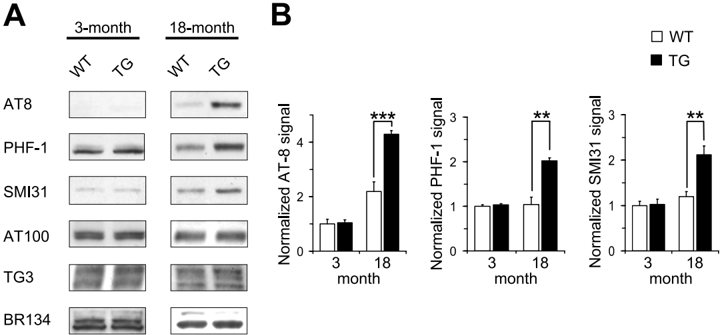
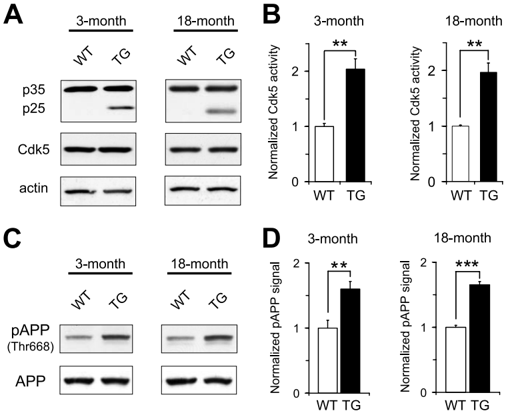
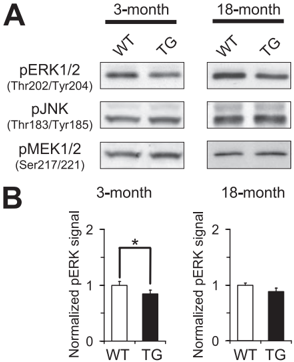
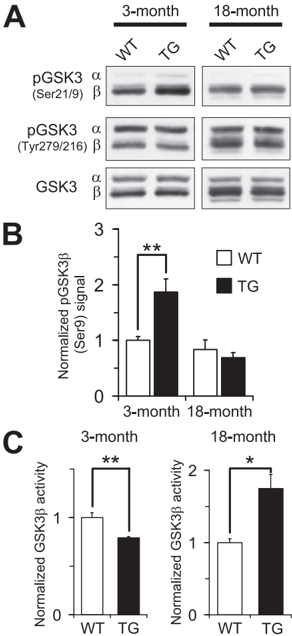
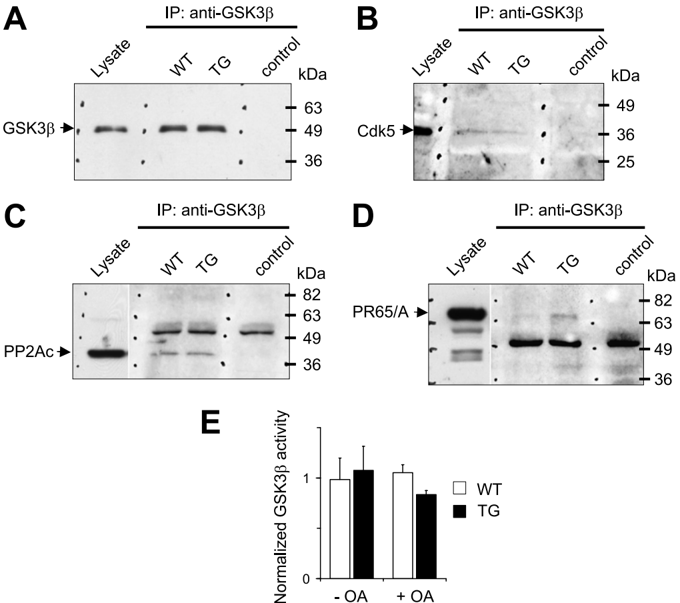
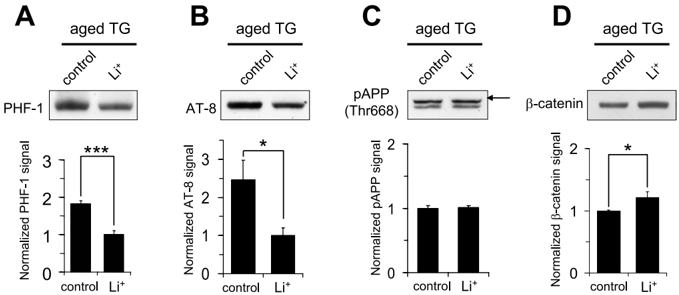
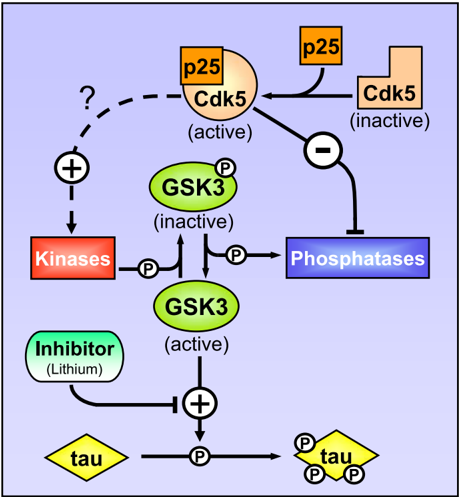
Hyperphosphorylation of the microtubule-associated protein tau is a characteristic feature of neurodegenerative tauopathies including Alzheimer disease. Over-activation of proline-directed kinases, such as cyclin-dependent kinase 5 (Cdk5) and glycogen synthase kinase 3 (GSK3), has been implicated in the aberrant phosphorylation of tau at proline-directed sites. In this study we tested the roles of Cdk5 and GSK3 in tau hyperphosphorylation in vivo using transgenic mice with p25-induced Cdk5 over-activation. We found that over-activation of Cdk5 in young transgenic animals does not induce tau hyperphosphorylation at sites recognized by the antibodies AT8, AT100, PHF-1, and TG3. In fact, we observed that Cdk5 over-activation leads to inhibition of GSK3. However, in old transgenic animals the inhibition of GSK3 is lost and results in increased GSK3 activity, which coincides with tau hyperphosphorylation at the AT8 and PHF-1 sites. Pharmacological inhibition of GSK3 in old transgenic mice by chronic treatment with lithium leads to a reduction of the age-dependent increase in tau hyperphosphorylation. Furthermore, we found that Cdk5, GSK3, and PP2A co-immunoprecipitate, suggesting a functional association of these molecules. Together, these results reveal the role of GSK3 as a key mediator of tau hyperphosphorylation, whereas Cdk5 acts as a modulator of tau hyperphosphorylation via the inhibitory regulation of GSK3. Furthermore, these findings suggest that disruption of regulation of GSK3 activity underlies tau hyperphosphorylation in neurodegenerative tauopathies. Hence, GSK3 may be a prime target for therapeutic intervention in tauopathies including Alzheimer disease.
Overview
The claims and statistics of this paper haven’t been checked yet.
Free: it reads the open-access text and checks the first 5 claims that cite a source we can check. Create a free account to check every claim.
Integrity signals
Registry
Cites
Statistics
Figures
Verification
Claims the paper makes
The claims and statistics of this paper haven’t been checked yet.
Free: it reads the open-access text and checks the first 5 claims that cite a source we can check. Create a free account to check every claim.
Claims other papers make about this one
Each is checked against this paper’s own text: does it say what the citing paper says it does?
The source backs part of the claim, not all of it — or backs it for a different population, condition or comparison.
In the citing paper
“Aβ accelerated the tau hyperphosphorylation by the activation of cyclin-dependent kinase 5 (CDK5) and glycogen synthase kinase 3 (GSK-3).116–118”
From Amyloid β-based therapy for Alzheimer’s disease: Challenges, successes and future (2023) · cites this paper as [116]
Experimental — accuracy not yet measuredThe cited source says what the claim attributes to it.
In the citing paper
“The AT8 sites are not only physiological phosphorylation sites (Kimura et al., 2007;Verwer et al., 2007) but also markers of hyperphosphorylation in Alzheimer's disease (Plattner et al., 2006).”
From Regulation of Mitochondrial Transport and Inter-Microtubule Spacing by Tau Phosphorylation at the Sites Hyperphosphorylated in Alzheimer's Disease (2012) · cites this paper as Plattner et al., 2006
Self-check
Percentages, sums and reported differences re-computed from the paper’s own numbers.
The self-check needs the paper’s full text.
Citations
Cites
Neuropathological stageing of Alzheimer-related changes.
Braak, H., & Braak, E. (1991) · Acta Neuropathologica · doi:10.1007/bf00308809 · Cited by 16,123
Lee, V. M.-Y., Goedert, M., & Trojanowski, J. Q. (2001) · Annual Review of Neuroscience · doi:10.1146/annurev.neuro.24.1.1121 · Cited by 2,480
A molecular mechanism for the effect of lithium on development.
Klein, P. S., & Melton, D. A. (1996) · Proceedings of the National Academy of Sciences · doi:10.1073/pnas.93.16.8455 · Cited by 2,301
Buée, L., Bussière, T., Buée-Scherrer, V., Delacourte, A., & Hof, P. R. (2000) · Brain Research Reviews · doi:10.1016/s0165-0173(00)00019-9 · Cited by 2,015
Conversion of p35 to p25 deregulates Cdk5 activity and promotes neurodegeneration
Patrick, G. N., Zukerberg, L., Nikolic, M., de la Monte, S., Dikkes, P., & Tsai, L.-H. (1999) · Nature · doi:10.1038/45159 · Cited by 1,545
The multifaceted roles of glycogen synthase kinase 3β in cellular signaling
Grimes, C. A., & Jope, R. S. (2001) · Progress in Neurobiology · doi:10.1016/s0301-0082(01)00011-9 · Cited by 1,423
Lithium inhibits glycogen synthase kinase-3 activity and mimics wingless signalling in intact cells
Stambolic, V., Ruel, L., & Woodgett, J. R. (1996) · Current Biology · doi:10.1016/s0960-9822(02)70790-2 · Cited by 1,321
Axonopathy and Transport Deficits Early in the Pathogenesis of Alzheimer’s Disease
Stokin, G. B., Lillo, C., Falzone, T. L., Brusch, R. G., Rockenstein, E., Mount, S. L., Raman, R., Davies, P., Masliah, E., Williams, D. S., et al. (2005) · Science · doi:10.1126/science.1105681 · Cited by 1,214
GSK-3α regulates production of Alzheimer's disease amyloid-β peptides
Phiel, C. J., Wilson, C. A., Lee, V. M.-Y., & Klein, P. S. (2003) · Nature · doi:10.1038/nature01640 · Cited by 1,196
Modulation of the dynamic instability of tubulin assembly by the microtubule-associated protein tau.
Drechsel, D. N., Hyman, A. A., Cobb, M. H., & Kirschner, M. W. (1992) · Molecular Biology of the Cell · doi:10.1091/mbc.3.10.1141 · Cited by 970
Cited by
Items 101–200 of 343
Iijima-Ando, K., Zhao, L., Gatt, A., Shenton, C., & Iijima, K. (2010) · Human Molecular Genetics · doi:10.1093/hmg/ddq068 · Cited by 72
Pathological Tau Tangles Localize to Focal Cortical Dysplasia in Older Patients
Sen, A., Thom, M., Martinian, L., Harding, B., Cross, J. H., Nikolic, M., & Sisodiya, S. M. (2007) · Epilepsia · doi:10.1111/j.1528-1167.2007.01107.x · Cited by 70
“This finding has remained somewhat controversial and recently it has been suggested that the main function of cdk5 in Alzheimer’s disease might be to enable GSK3β to hyperphosphorylate tau (Plattner et al., 2006).”
BackgroundInfluentialLandrieu, I., Smet-Nocca, C., Amniai, L., Louis, J. V., Wieruszeski, J.-M., Goris, J., Janssens, V., & Lippens, G. (2011) · PLoS ONE · doi:10.1371/journal.pone.0021521 · Cited by 69
“CDK5 [8], [9], but CDK5 can equally inhibit directly the GSK3b enzyme through phosphorylation of the latter at its S9 [10].”
Sengupta, A., Novak, M., Grundke-Iqbal, I., & Iqbal, K. (2006) · FEBS Letters · doi:10.1016/j.febslet.2006.09.060 · Cited by 70
Cdk5-Mediated Phosphorylation of Axin Directs Axon Formation during Cerebral Cortex Development
Fang, W., Ip, J. P. K., Li, R., Ng, Y. P., Lin, S., Chen, Y., Fu, A. K. Y., & Ip, N. Y. (2011) · Journal of Neuroscience · doi:10.1523/jneurosci.3120-11.2011 · Cited by 75
“Whereas Cdk5 has been previously implicated in the regulation of GSK-3 activity, the underlying mechanisms remain unclear (Plattner et al., 2006; Wen et al., 2008).”
BackgroundKanninen, K., White, A. R., Koistinaho, J., & Malm, T. (2011) · International Journal of Alzheimer’s Disease · doi:10.4061/2011/985085 · Cited by 68
Cui, B., Zhu, L., She, X., Wu, M., Ma, Q., Wang, T., Zhang, N., Xu, C.-X., Chen, X., An, G., et al. (2012) · Experimental Neurology · doi:10.1016/j.expneurol.2012.08.028 · Cited by 73
Cdk5 at crossroads of protein oligomerization in neurodegenerative diseases: facts and hypotheses
Wilkaniec, A., Czapski, G. A., & Adamczyk, A. (2016) · Journal of Neurochemistry · doi:10.1111/jnc.13365 · Cited by 67
“However, in aged p25 over-expressing animals the enhanced activity of Gsk-3b and increased tau phosphorylation was observed, suggesting the age-dependent loss of Cdk5 inhibitory effect (Plattner et al. 2006; Wen et al. 2008a).”
BackgroundRac1 activation links tau hyperphosphorylation and Aβ dysmetabolism in Alzheimer’s disease
Borin, M., Saraceno, C., Catania, M., Lorenzetto, E., Pontelli, V., Paterlini, A., Fostinelli, S., Avesani, A., Di Fede, G., Zanusso, G., et al. (2018) · Acta Neuropathologica Communications · doi:10.1186/s40478-018-0567-4 · Cited by 68
Role of Tau Protein in Neuronal Damage in Alzheimer's Disease and Down Syndrome
Cárdenas, A. M., Ardiles, Á. O., Barraza, N., Báez‐Matus, X., & Caviedes, P. A. (2012) · Archives of Medical Research · doi:10.1016/j.arcmed.2012.10.012 · Cited by 81
Martin, L., Page, G., & Terro, F. (2011) · Neurochemistry International · doi:10.1016/j.neuint.2011.05.010 · Cited by 71
“Alterations in GSK3b (upregulation) and PP2A (downregulation) have been suggested to be implicated in the abnormal tau phosphorylation and aggregation linked to AD (Gong and Iqbal, 2008; Plattner et al., 2006).”
Hernández, A., Tan, C., Plattner, F., Logsdon, A. F., Pozo, K., Yousuf, M. A., Singh, T., Turner, R. C., Lucke-Wold, B. P., Huber, J. D., et al. (2018) · Molecular Brain · doi:10.1186/s13041-018-0408-1 · Cited by 73
Self-citationB Vitamin Deficiency Promotes Tau Phosphorylation Through Regulation of GSK3β and PP2A
Nicolia, V., Fuso, A., Cavallaro, R. A., Di Luzio, A., & Scarpa, S. (2010) · Journal of Alzheimer's Disease · doi:10.3233/jad-2010-1284 · Cited by 66
“Current evidences suggest that levels and activity of GSK3 β are increased in AD brains [8–10].”
Lithium as a Treatment for Alzheimer’s Disease: The Systems Pharmacology Perspective
Hampel, H., Lista, S., Mango, D., Nisticò, R., Perry, G., Avila, J., Hernandez, F., Geerts, H., Vergallo, A., (APMI), A. P. M. I., et al. (2019) · Journal of Alzheimer’s Disease · doi:10.3233/jad-190197 · Cited by 65
Cuadrado-Tejedor, M., Ricobaraza, A., Frechilla, D., Franco, R., Pérez-Mediavilla, A., & Garcia-Osta, A. (2012) · Journal of Alzheimer's Disease · doi:10.3233/jad-2011-110572 · Cited by 62
“While tau phosphorylation in response to acute stress returns to basal levels once the stressor is [43–46], we found termination of the CMS procedure.”
Cdk5 acts as a mediator of neuronal cell cycle re-entry triggered by amyloid-β and prion peptides
Lopes, J. P., Oliveira, C. R., & Agostinho, P. (2009) · Cell Cycle · doi:10.4161/cc.8.1.7506 · Cited by 65
Endoplasmic reticulum stress implicated in chronic traumatic encephalopathy
Lucke-Wold, B. P., Turner, R. C., Logsdon, A. F., Nguyen, L., Bailes, J. E., Lee, J. M., Robson, M. J., Omalu, B. I., Huber, J. D., & Rosen, C. L. (2016) · Journal of Neurosurgery · doi:10.3171/2015.3.jns141802 · Cited by 64
HDAC 2 dysregulation in the nucleus basalis of Meynert during the progression of Alzheimer's disease
Mahady, L., Nadeem, M., Malek‐Ahmadi, M., Chen, K., Perez, S. E., & Mufson, E. J. (2019) · Neuropathology and Applied Neurobiology · doi:10.1111/nan.12518 · Cited by 63
Lopes, J. P., Oliveira, C. R., & Agostinho, P. M. (2007) · Cellular and Molecular Neurobiology · doi:10.1007/s10571-007-9224-3 · Cited by 70
“This study also shows that Cdk5 primes the tau protein for subsequent phosphorylation by GSK3b.”
BackgroundDas, T. K., Jana, P., Chakrabarti, S. K., & Abdul Hamid, M. R. W. (2019) · Journal of Alzheimer's Disease Reports · doi:10.3233/adr-190135 · Cited by 58
“Priming of these sites by Cdk5 and subsequent GSK3 -catalyzed phosphorylation at the adjacent sites resulted in the generation of the disease-associated phospho-epitopes, Ser396, Ser202, and Thr205 [2].”
BackgroundInfluentialFKBP51 inhibits GSK3β and augments the effects of distinct psychotropic medications
Gassen, N. C., Hartmann, J., Zannas, A. S., Kretzschmar, A., Zschocke, J., Maccarrone, G., Hafner, K., Zellner, A., Kollmannsberger, L. K., Wagner, K. V., et al. (2016) · Molecular Psychiatry · doi:10.1038/mp.2015.38 · Cited by 62
Patrick, C., Crews, L. A., Desplats, P., Dumaop, W., Rockenstein, E. M., Achim, C. L., Everall, I., & Masliah, E. (2011) · American Journal Of Pathology · doi:10.1016/j.ajpath.2010.12.033 · Cited by 67
“The p25/CDK5 complex associates with the neurofibrillary tangles in patients with AD,(68) and CDK5 has been shown to abnormally phosphorylate tau at Ser 199, 202, 396, and 404,(69) sites that are recognized by the AT8 and PHF-1 antibodies.(70) In the present study, the levels of immunoreactivity with both of these pho…”
BackgroundLogsdon, A. F., Turner, R. C., Lucke-Wold, B. P., Robson, M. J., Naser, Z. J., Smith, K. E., Matsumoto, R. R., Huber, J. D., & Rosen, C. L. (2014) · Frontiers in Cellular Neuroscience · doi:10.3389/fncel.2014.00421 · Cited by 63
“All animals were anesthetized with 4% isoflurane and euthanized via decapitation in protease/phosphatase cocktail (Plattner et al., 2006).”
MethodHulcová, D., Maříková, J., Korábečný, J., Hošťálková, A., Jun, D., Kuneš, J., Chlebek, J., Opletal, L., Simone, A. D., Nováková, L., et al. (2019) · Phytochemistry · doi:10.1016/j.phytochem.2019.112055 · Cited by 65
Dopamine D1 receptor activation induces tau phosphorylation via cdk5 and GSK3 signaling pathways
Lebel, M., Patenaude, C., Allyson, J., Massicotte, G., & Cyr, M. (2009) · Neuropharmacology · doi:10.1016/j.neuropharm.2009.06.041 · Cited by 63
Glycogen Synthase Kinase 3β Involvement in Neuroinflammation and Neurodegenerative Diseases
Gianferrara, T., Cescon, E., Grieco, I., Spalluto, G., & Federico, S. (2022) · Current Medicinal Chemistry · doi:10.2174/0929867329666220216113517 · Cited by 60
García‐Matas, S., Gutierrez‐Cuesta, J., Coto‐Montes, A., Rubio‐Acero, R., Díez‐Vives, C., Camins, A., Pallàs, M., Sanfeliu, C., & Cristòfol, R. (2008) · Aging Cell · doi:10.1111/j.1474-9726.2008.00410.x · Cited by 56
“We cannot discard an increase of Gsk3β kinase activity in the absence of Gsk3β phosphorylation changes in senescent mice in vivo, according to the findings in old p25 transgenic mice with constant Cdk5 over-activation (Plattner et al., 2006).”
BackgroundUpregulation of AMPK Ameliorates Alzheimer’s Disease-Like Tau Pathology and Memory Impairment
Wang, L., Li, N., Shi, F.-X., Xu, W., Cao, Y., Lei, Y., Wang, J., Tian, Q., & Zhou, X. (2020) · Molecular Neurobiology · doi:10.1007/s12035-020-01955-w · Cited by 63
Molecular Pathogenesis of Alzheimer’s Disease: Reductionist versus Expansionist Approaches
Castellani, R. J., Zhu, X., Lee, H.-G., Smith, M. A., & Perry, G. (2009) · International Journal of Molecular Sciences · doi:10.3390/ijms10031386 · Cited by 54
“In disease, tau is abnormally hyperphosphorylated at proline directed serine/threonine phosphorylation sites [44-46], including Ser-202/Thr-205 (AT8 site), Ser-214 and/or Ser-212 (AT100 site), Thr-231 and/or Ser-235 (TG3 site), and Ser-396/Ser-404 (PHF-1 site).”
Lithium Treatment Decreases Activities of Tau Kinases in a Murine Model of Senescence
Tajes, M., Cuesta, J., Folch, J., Ferrer, I., Caballero, B., Smith, M. A., Casadesús, G., Camins, A., & Pallàs, M. (2008) · Journal of Neuropathology & Experimental Neurology · doi:10.1097/nen.0b013e3181776293 · Cited by 63
“It is capable of catalyzing phosphorylation of tau in tandem with cyclin-dependent kinase 5 (cdk5), thereby impairing both tau binding to microtubules and promoting microtubule disassembly, which induces the formation of neurofibrillary tangles (22, 23).”
BackgroundNoh, M., Koh, S. H., Kim, S., Maurice, T., Ku, S., & Kim, S. H. (2013) · Journal of Neurochemistry · doi:10.1111/jnc.12319 · Cited by 59
“We observed that PP2A inhibitor (OA) treatment increased the level of tau phosphorylation at the S-369 site, which is consistent with previous findings (Lim et al.; Akasofu et al.; Plattner et al., 2006; Zhou et al., 2008; Liu & Wang, 2009).”
ResultModi, K. K., Jana, A., Ghosh, S., Watson, R. L., & Pahan, K. (2014) · PLoS ONE · doi:10.1371/journal.pone.0103606 · Cited by 56
“Several studies have shown that Ab toxicity is being mediated, at least in part, via increased phosphorylation of tau [10,11,41].”
BackgroundAltered regulation of tau phosphorylation in a mouse model of down syndrome aging
Sheppard, O., Plattner, F., Rubin, A., Slender, A., Linehan, J. M., Brandner, S., Tybulewicz, V. L. J., Fisher, E. M. C., & Wiseman, F. K. (2012) · Neurobiology of Aging · doi:10.1016/j.neurobiolaging.2011.06.025 · Cited by 57
“Aberrant phosphorylation of tau is mediated by a number of kinases, including CDK5 (Noble et al., 2003; Plattner et al., 2006).”
Self-citationBarilar, J. O., Knezović, A., Grünblatt, E., Riederer, P., & Salkovic-Petrisic, M. (2014) · Journal of Neural Transmission · doi:10.1007/s00702-014-1323-y · Cited by 61
Alzheimer’s Disease: A Molecular View of β-Amyloid Induced Morbific Events
Asik, R. M., Suganthy, N., Aarifa, M. A., Kumar, A., Szigeti, K., Máthé, D., Gulyás, B. Z., Archunan, G., & Padmanabhan, P. (2021) · Biomedicines · doi:10.3390/biomedicines9091126 · Cited by 56
Wang, Z., Zhang, X., Li, T., Li, J., Tang, Y., & Le, W. (2014) · CNS Neuroscience & Therapeutics · doi:10.1111/cns.12186 · Cited by 51
“Several studies including ours have demonstrated that hypoxia increases the production of Ab [16,22], decreases the clearance of Ab from the brain [24], and increases tau phosphorylation [25].”
BackgroundYamada, E. S., Respondek, G., Müßner, S., de Andrade, A., Höllerhage, M., Depienne, C., Rastetter, A., Tarze, A., Friguet, B., Salama, M., et al. (2014) · Experimental Neurology · doi:10.1016/j.expneurol.2013.12.017 · Cited by 57
“It has been shown in some studies in vivo and in vitro that over-activation of Cdk5 leads to inhibition of GSK-3 , or the reverse, that the decreased activity of Cdk5 parallels the enhancement of GSK-3 activity (Hallows et al., 2003; Vandebroek et al., 2005; Plattner et al., 2006).”
InfluentialZhao, R., Zhang, Z., Song, Y., Wang, D., Qi, J., & Wen, S. (2010) · Journal of Ethnopharmacology · doi:10.1016/j.jep.2010.11.054 · Cited by 53
RetractedSerine-409 phosphorylation and oxidative damage define aggregation of human protein tau in yeast
Vanhelmont, T., Vandebroek, T., Vos, A. D., Terwel, D., Lemaire, K., Anandhakumar, J., Franssens, V., Swinnen, E., LEUVEN, F. V., & Winderickx, J. (2010) · FEMS Yeast Research · doi:10.1111/j.1567-1364.2010.00662.x · Cited by 59
Ibrahim, W. W., Abdelkader, N. F., Ismail, H. M., & Khattab, M. M. (2019) · Scientific Reports · doi:10.1038/s41598-019-46558-1 · Cited by 53
Castro-Alvarez, J. F., Gutierrez-Vargas, J., Darnaudéry, M., & Cardona-Gómez, G. P. (2011) · Behavioral Neuroscience · doi:10.1037/a0023167 · Cited by 49
Wang, L., Liu, B., Cao, Y., Xu, W., Sun, D., Li, M., Shi, F.-X., Li, M., Tian, Q., Wang, J., et al. (2017) · Molecular Neurobiology · doi:10.1007/s12035-017-0676-2 · Cited by 53
“inent kinases in regulation of tau phosphorylation [50, 52], but the upstream regulator of GSK3β remains unclear until now.”
BackgroundBusceti, C. L., Biagioni, F., Riozzi, B., Battaglia, G., Storto, M., Cinque, C., Molinaro, G., Gradini, R., Caricasole, A., Canudas, A. M., et al. (2008) · Journal of Neuroscience · doi:10.1523/jneurosci.0159-08.2008 · Cited by 58
“…Cdk5 enhances the transcriptional activity of the Dkk-1 inducer p53 in neurons (Wesierska-Gadek et al., 2006); and (2) overactivation of Cdk5 in transgenic mice results into an age-dependent inhibition of GSK-3 activity, which limits tau hyperphosphorylation in these mice (Plattner et al., 2006).”
BackgroundXu, Z., Yang, S., Zhao, S., Zheng, C., Li, H., Zhang, Y., Huang, R., Li, M., Gao, Y., Zhang, S., et al. (2016) · EBioMedicine · doi:10.1016/j.ebiom.2016.02.014 · Cited by 58
“The GSK-3β activity is increased in AD and MCI patients, and activation of GSK-3β causes tau hyperphosphorylation and Aβ overproduction (Hye et al., 2005; Pei et al., 1997; Plattner et al., 2006).”
BackgroundNatural Alkaloids as Multi-Target Compounds towards Factors Implicated in Alzheimer’s Disease
Vrabec, R., Blunden, G., & Cahlíková, L. (2023) · International Journal of Molecular Sciences · doi:10.3390/ijms24054399 · Cited by 53
“Sci. 2023, 24, 4399 4 of 23 CDK5, a proline-directed Ser–Thr protein kinase, plays an important part in the physiological development of the central nervous system, for phosphorylating many relevant substrates [41].”
BackgroundInfluentialLi, L., Liu, Z., Liu, J., Tai, X., Hu, X., Liu, X., Wu, Z., Zhang, G., Shi, M., & Zhao, G. (2013) · Neurobiology of Disease · doi:10.1016/j.nbd.2013.01.002 · Cited by 52
Peripheral expression of key regulatory kinases in Alzheimer's disease and Parkinson's disease
Armentero, M., Sinforiani, E., Ghezzi, C., Bazzini, E., Levandis, G., Ambrosi, G., Zangaglia, R., Pacchetti, C., Cereda, C., Cova, E., et al. (2010) · Neurobiology of Aging · doi:10.1016/j.neurobiolaging.2010.01.004 · Cited by 53
Mansour, H. M., Fawzy, H. M., El-Khatib, A. S., & Khattab, M. M. (2021) · Experimental Neurology · doi:10.1016/j.expneurol.2021.113697 · Cited by 49
Cyclin-dependent Kinase 5 (Cdk5) Regulates the Function of CLOCK Protein by Direct Phosphorylation
Kwak, Y., Jeong, J., Lee, S., Park, Y.-U., Lee, S., Han, D.-H., Kim, J., Ohshima, T., Mikoshiba, K., Suh, Y., et al. (2013) · Journal of Biological Chemistry · doi:10.1074/jbc.m113.494856 · Cited by 53
“We also tested LiCl, an inhibitor of GSK3 because an interaction between GSK3 and Cdk5 has been reported (32).”
MethodZhang, Z., Zhao, R., Qi, J., Wen, S., Tang, Y., & Wang, D. (2010) · Journal of Neuroscience Research · doi:10.1002/jnr.22563 · Cited by 52
“GSK-3b is a serine/threonine protein kinase that can phosphorylate tau at many AD-related sites (Plattner et al., 2006; Shi et al., 2008).”
BackgroundKam, T.-I., Park, H., Gwon, Y., Song, S., Kim, S.-H., Moon, S. W., Jo, D.-G., & Jung, Y.-K. (2016) · eLife · doi:10.7554/elife.18691 · Cited by 49
“As reported (Plattner et al., 2006), we found that tau kinases, such as GSK3b and Cdk5, were activated for tau phosphorylation in cultured neurons by treatment with Ab1-42 (Figure 3—figure supplement 1A,B).”
BackgroundYu, L., Chen, Y., Wang, W., Xiao, Z.-H., & Hong, Y. (2016) · Journal of Alzheimer s Disease · doi:10.3233/jad-160329 · Cited by 49
“Though the upstream effectors to induce AD-like tau hyperphosphorylation are still elusive, it has been well recognized that an imbalanced regulation in protein kinases and phosphatases causes tau hyper-phosphorylation [16].”
Picalm reduction exacerbates tau pathology in a murine tauopathy model
Ando, K., Decker, R. D., Vergara, C., Yilmaz, Z., Mansour, S., Suain, V., Sleegers, K., de Fisenne, M.-A., Houben, S., Potier, M., et al. (2020) · Acta Neuropathologica · doi:10.1007/s00401-020-02125-x · Cited by 46
Xian, Y., Lin, Z., Mao, Q., Chen, J.-N., Su, Z., Lai, X., & Ip, S. (2013) · Evidence-based Complementary and Alternative Medicine · doi:10.1155/2013/163057 · Cited by 47
“Hyperactivation of GSK-3β has been reported to induce neuronal cell death [20] and abnormal tau protein hyperphosphorylation [21, 22], both of which are the cardinal pathogenesis of AD.”
BackgroundRescue of impaired late-phase long-term depression in a tau transgenic mouse model.
Ahmed, T., Blum, D., Burnouf, S., Demeyer, D., Buée-Scherrer, V., D'Hooge, R., Buée, L., & Balschun, D. (2015) · Neurobiology of Aging · doi:10.1016/j.neurobiolaging.2014.09.015 · Cited by 39
“, 2011b) and with phosphatases such as PP2A (Plattner et al., 2006; Qian et al., 2010).”
BackgroundSaleh, S. R., Abd-Elmegied, A., Madhy, S. A., Khattab, S. N., Sheta, E., Elnozahy, F. Y., Mehanna, R. A., Ghareeb, D. A., & Abdel-Monem, N. M. (2024) · International Journal of Pharmaceutics · doi:10.1016/j.ijpharm.2024.124218 · Cited by 47
Kinase–Kinase Interaction and Modulation of Tau Phosphorylation
Hashiguchi, M., & Hashiguchi, T. (2012) · International review of cytology · doi:10.1016/b978-0-12-405210-9.00004-7 · Cited by 52
Nematullah, M., Hoda, M. N., & Khan, F. (2017) · Molecular Neurobiology · doi:10.1007/s12035-017-0444-3 · Cited by 49
“Abnormal tau phosphorylation and the formation of neurofibrillary tangles are the main pathological hallmark of AD, and several kinases including GSK3β, Akt/PKB, ERK, and JNK phosphorylate the tau protein [89, 90].”
BackgroundGSK3β Inhibition Promotes Synaptogenesis in Drosophila and Mammalian Neurons
Cuesto, G., Jordán-Álvarez, S., Enríquez-Barreto, L., Ferrús, A., Morales, M., & Acebes, Á. (2015) · PLoS ONE · doi:10.1371/journal.pone.0118475 · Cited by 47
“In rodent adult hippocampus, GSK3β is more abundant than GSK3α [12] and it increases the most in aged brains [13].”
Backgroundγ-Aminobutyric Acid Type A (GABAA) Receptor Activation Modulates Tau Phosphorylation
Nykänen, N.-P., Kysenius, K., Sakha, P., Tammela, P., & Huttunen, H. J. (2012) · Journal of Biological Chemistry · doi:10.1074/jbc.m111.309385 · Cited by 43
“Moreover, GSK3 , Cdk5, and PP2A have been reported to associate in a functional complex (33) and cross-regulate each other’s activities (34).”
BackgroundChlebek, J., Simone, A. D., Hošťálková, A., Opletal, L., Pérez, C., Pérez, D. I., Havlíková, L., Cahlíková, L., & Andrisano, V. (2016) · Fitoterapia · doi:10.1016/j.fitote.2016.01.008 · Cited by 43
“Phosphorylation of τ-proteins is primarily dependent on GSK-3β and cyclin-dependent kinase 5 (CDK5) [8].”
BackgroundEndoplasmic reticulum stress induces spatial memory deficits by activating GSK ‐3
Li, L., Cao, J., Yang, S., Fu, Z., Zeng, P. H., Chu, J., Ning, L., Zhang, T., Shi, Y., Tian, Q., et al. (2018) · Journal of Cellular and Molecular Medicine · doi:10.1111/jcmm.13626 · Cited by 47
Lawford‐Smith, H. (2015) · Journal of Social Ontology · doi:10.1515/jso-2015-0008 · Cited by 63
Orejana, L., Barros-Miñones, L., Jordán, J., Cedazo-Mínguez, Á., Tordera, R. M., Aguirre, N., & Puerta, E. (2014) · The Journals of Gerontology Series A · doi:10.1093/gerona/glu106 · Cited by 46
“Interestingly, both GSK3β and Cdk5 have been identified as prime candidates mediating aberrant tau phosphorylation (64).”
BackgroundJiang, Q., Wang, L., Guan, Y., Xu, H., Niu, Y., Han, L., Wei, Y., Li, L., Chu, J., Wang, Q., et al. (2013) · Neurobiology of Aging · doi:10.1016/j.neurobiolaging.2013.11.022 · Cited by 43
Montigny, A. D., Elhiri, I., Allyson, J., Cyr, M., & Massicotte, G. (2013) · Neural Plasticity · doi:10.1155/2013/261593 · Cited by 47
Adiponectin improves long-term potentiation in the 5XFAD mouse brain
Wang, M., Jo, J., & Song, J. (2019) · Scientific Reports · doi:10.1038/s41598-019-45509-0 · Cited by 43
Sato, K., Minegishi, S., Takano, J., Plattner, F., Saito, T., Asada, A., Kawahara, H., Iwata, N., Saido, T. C., & Hisanaga, S. (2011) · Journal of Neurochemistry · doi:10.1111/j.1471-4159.2011.07222.x · Cited by 43
“Consistently, p25-induced Cdk5 activation can indirectly mediate abnormal tau phosphorylation via deregulation of glycogen synthase kinase 3 (GSK3) (Plattner et al. 2006).”
BackgroundMethodSelf-citationHigham, J. P., Malik, B. R., Buhl, E., Dawson, J., Ogier, A. S., Lunnon, K., & Hodge, J. J. L. (2019) · Frontiers in Cellular Neuroscience · doi:10.3389/fncel.2019.00260 · Cited by 46
GSK3β mediates the induced expression of synaptic acetylcholinesterase during apoptosis
Jing, P., Jin, Q., Wu, J., & Zhang, X. (2007) · Journal of Neurochemistry · doi:10.1111/j.1471-4159.2007.04975.x · Cited by 44
“Disruption of GSK3b activity regulation underlies tau hyperphosphorylation in neurodegenerative tauopathies (Plattner et al. 2006).”
BackgroundUbhi, K. K., Shaibah, H., Newman, T. A., Shepherd, D., & Mudher, A. K. (2007) · Invertebrate Neuroscience · doi:10.1007/s10158-007-0052-4 · Cited by 43
“These studies have played a major role in identifying the key kinases that regulate tau phosphorylation (Wittmann et al. 2001; Jackson et al. 2002; Gotz et al. 2004; Mershin et al. 2004; Mudher et al. 2004; Nishimura et al. 2004; Plattner et al. 2006) and the conformational changes that tau undergoes when it aggregate…”
Tau, tau kinases, and tauopathies: An updated overview
Montalto, G., & Ricciarelli, R. (2023) · BioFactors · doi:10.1002/biof.1930 · Cited by 40
“However, more recent evidence has indicated that Cdk5 may also act as a modulator of tau hyperphosphorylation by inhibiting GSK3β.(67) Non-PDPK enzymes that phosphorylate tau include the following.”
BackgroundModi, K. K., Jana, A., Ghosh, S., Watson, R. L., & Pahan, K. (2017) · PLoS ONE · doi:10.1371/journal.pone.0180602 · Cited by 39
Engmann, O., Hortobágyi, T., Thompson, A., Guadagno, J., Troakes, C., Soriano, S., Al‐Sarraj, S., Kim, Y. D., & Giese, K.-P. (2011) · Biological Psychiatry · doi:10.1016/j.biopsych.2011.04.011 · Cited by 43
Self-citationAllagui, M. S., Nciri, R., Rouhaud, M. F., Murat, J. C., Feki, A. E., Croute, F., & Vincent, C. (2008) · Neurochemical Research · doi:10.1007/s11064-008-9804-8 · Cited by 38
“In addition, we investigated the activity of glycogen synthase kinase (GSK-3), known to phosphorylate the microtubule-associated Tau protein [ 28 ] and reported to be inhibited by lithium at nearly therapeutic relevant concentrations [29, 30].”
BackgroundLi, L., Jadoon, S. S., Liu, S.-Z., Zhang, R., Li, F., Zhang, M.-Y., Ai-Hua, T., You, Q., & Wang, P. (2019) · Journal of Geriatric Psychiatry and Neurology · doi:10.1177/0891988719837373 · Cited by 40
Role of PrPC Expression in Tau Protein Levels and Phosphorylation in Alzheimer’s Disease Evolution
Vergara, C., Ordóñez‐Gutiérrez, L., Wandosell, F. G., Ferrer, I., del Río, J. A., & Gavín, R. (2014) · Molecular Neurobiology · doi:10.1007/s12035-014-8793-7 · Cited by 43
Novel lipid signaling pathways in Alzheimer's disease pathogenesis
Giannopoulos, P. F., Joshi, Y. B., & Praticò, D. (2013) · Biochemical Pharmacology · doi:10.1016/j.bcp.2013.11.005 · Cited by 39
Desai, G. S., Zheng, C., Geetha, T., Mathews, S. T., White, B. D., Huggins, K. W., Zizza, C. A., Broderick, T. L., & Babu, J. R. (2014) · Journal of Alzheimer's Disease · doi:10.3233/jad-140018 · Cited by 36
Serine and Threonine Phosphorylation
Plattner, F., & Bibb, J. A. (2012) · Elsevier eBooks · doi:10.1016/b978-0-12-374947-5.00025-0 · Cited by 44
Self-citationYeast buddies helping to unravel the complexity of neurodegenerative disorders
Fruhmann, G., Seynnaeve, D., Zheng, J., Ven, K., Molenberghs, S., Wilms, T., Liu, B., Winderickx, J., & Franssens, V. (2016) · Mechanisms of Ageing and Development · doi:10.1016/j.mad.2016.05.002 · Cited by 40
Wang, C., Xie, J., Wang, T., Xu, Y., Cai, J., Wang, X., Zhao, B., An, L., & Wang, Z. (2013) · CNS Neuroscience & Therapeutics · doi:10.1111/cns.12151 · Cited by 37
“Calpainmediated proteolysis of recombinant GSK3b significantly increases GSK-3 activity [37].”
BackgroundInfluentialWang, Y., Zhang, J., Du, X., Zhao, L., Tian, Q., Zhu, L., Wang, S., & Wang, J. (2008) · Journal of Neurochemistry · doi:10.1111/j.1471-4159.2008.05578.x · Cited by 37
“GSK-3 phosphorylates tau at most of the AD sites (Ishiguro et al. 1993; Pei et al. 1999; Plattner et al. 2006) and induces Ab overproduction (Phiel et al.”
BackgroundBiological function of Lemur tyrosine kinase 2 (LMTK2): implications in neurodegeneration
Bencze, J., Mórotz, G. M., Seo, W., Bencs, V., Kalman, J. L., Miller, C. C. J., & Hortobágyi, T. (2018) · Molecular Brain · doi:10.1186/s13041-018-0363-x · Cited by 36
Ibrahim, W. W., Ismail, H. M., Khattab, M. M., & Abdelkader, N. F. (2020) · Toxicology and Applied Pharmacology · doi:10.1016/j.taap.2020.115028 · Cited by 36
Lim, J. L., Lin, C., Huang, C., & Chang, L. (2023) · Colloids and Surfaces B Biointerfaces · doi:10.1016/j.colsurfb.2023.113676 · Cited by 35
Cyclin-dependent kinase 5, a node protein in diminished tauopathy: a systems biology approach
Castro-Álvarez, J. F., Uribe‐Arias, A., MejÃa-Raigosa, D., & Cardona‐Gómez, G. P. (2014) · Frontiers in Aging Neuroscience · doi:10.3389/fnagi.2014.00232 · Cited by 39
“…the activation of the calcium-dependent proteases m-calpain or μcalpain can produce cleavage of the p35 and p39 activators, generating the p25 and p29 proteins, which are CDK5 activators with increased stability that induce a prolonged activation of CDK5 (Kerokoski et al., 2004; Peterson et al.,…”
BackgroundInfluentialCahlíková, L., Vrabec, R., Pidaný, F., Peřinová, R., Maafi, N., Mamun, A. A., Ritomská, A., Wijaya, V., & Blunden, G. (2021) · Molecules · doi:10.3390/molecules26175240 · Cited by 41
“22) [23], inhibition of GSK-3β and CDK5 is accepted as a promising strategy for the treatment of AD [24].”
BackgroundEvidence for a higher glycolytic than oxidative metabolic activity in white matter of rat brain
Morland, C., Henjum, S., Iversen, E. G., Skrede, K. K., & Hassel, B. (2007) · Neurochemistry International · doi:10.1016/j.neuint.2007.01.003 · Cited by 40
Lessons Learnt from Glycogen Synthase Kinase 3 Inhibitors Development for Alzheimer’s Disease
Martínez, A., Pérez, D. I., & Gil, C. (2013) · Current Topics in Medicinal Chemistry · doi:10.2174/15680266113139990138 · Cited by 39
“After cloning, they were identified as glycogen synthase kinase 3 (GSK-3) and cyclin dependent kinase 5 (CDK-5), respectively [22].”
MethodOn the Common Journey of Neural Cells through Ischemic Brain Injury and Alzheimer’s Disease
Kriška, J., Heřmanová, Z., Knotek, T., Turečková, J., & Anděrová, M. (2021) · International Journal of Molecular Sciences · doi:10.3390/ijms22189689 · Cited by 35
Advances in the development of kinase inhibitor therapeutics for Alzheimer's disease
Savage, M. J., & Gingrich, D. E. (2009) · Drug Development Research · doi:10.1002/ddr.20287 · Cited by 39
“The interaction between CDK5 and GSK3 may also be mediated by protein phosphatase 2A [Plattner et al., 2006].”
Bica, L., Crouch, P. J., Cappai, R., & White, A. R. (2008) · Molecular BioSystems · doi:10.1039/b816577g · Cited by 34
A Novel Perspective on Tau in Alzheimers Disease
Bonda, D., Castellani, R. J., Zhu, X., Nunomura, A., Lee, H., Perry, G. L., & Smith, M. A. (2011) · Current Alzheimer Research · doi:10.2174/156720511796717131 · Cited by 34
Liu, C., Wang, Q., Zong, D., Pei, S., Yan, Y., Yan, M., Sun, L., Hao, Y.-Y., Mao, M., Xing, W., et al. (2016) · Neurobiology of Aging · doi:10.1016/j.neurobiolaging.2016.05.010 · Cited by 32
Mansour, H. M., Fawzy, H. M., El-Khatib, A. S., & Khattab, M. M. (2021) · Neurochemistry International · doi:10.1016/j.neuint.2021.105178 · Cited by 32
Amaryllidaceae Alkaloids as Potential Glycogen Synthase Kinase-3β Inhibitors
Hulcová, D., Breiterová, K., Siatka, T., Klímová, K., Davani, L., Šafratová, M., Hošťálková, A., Simone, A. D., Andrisano, V., & Cahlíková, L. (2018) · Molecules · doi:10.3390/molecules23040719 · Cited by 42
“Phosphorylation of τ-proteins is primarily dependent on GSK-3β and cyclin-dependent kinase 5 (CDK5) [9].”
BackgroundStojakovic, A., Chang, S.-Y., Nesbitt, J., Pichurin, N. P., Ostroot, M. A., Aikawa, T., Kanekiyo, T., & Trushina, E. (2021) · Journal of Alzheimer's Disease · doi:10.3233/jad-201015 · Cited by 32
Novel strategies for Alzheimer's disease treatment
Spencer, B. J., Rockenstein, E. M., Crews, L. A., Marr, R. A., & Masliah, E. (2007) · Expert Opinion on Biological Therapy · doi:10.1517/14712598.7.12.1853 · Cited by 32
“Another modulator of GSK3 β is CDK5; however, this pathway only appears to affect GSK3 β activity in young mice and not in older mice [132] .”
BackgroundPozo, K., Hillmann, A., Augustyn, A., Plattner, F., Tao, H., Singh, T., Ramezani, S., Sun, X., Pfragner, R., Minna, J. D., et al. (2015) · Oncotarget · doi:10.18632/oncotarget.3813 · Cited by 32
“Tumors were collected and lysates were prepared as described in [40].”
MethodSelf-citation
Metadata
- Authors
- Plattner, F., Angelo, M., & Giese, K. P.
- Affiliations
- University College London (GB)
- Corresponding author
- Plattner, Florian
- Giese, K. Peter
- Venue
- Journal of Biological Chemistry
- Publisher
- Elsevier BV
- Published
- 2006-09
- Volume
- 281
- Issue
- 35
- Pages
- 25457-25465
- ISSN
- 0021-9258 (ISSN-L)
- OpenAlex
- W1992491411
- Cited by
- 340
- References
- 54
- Citations by year
- 2026: 3 · 2025: 9 · 2024: 10 · 2023: 15 · 2022: 11 · 2021: 11 · 2020: 15 · 2019: 21 · 2018: 15 · 2017: 12 · 2016: 17 · 2015: 16 · 2014: 24 · 2013: 18 · 2012: 17
- FWCI
- 17.01
- Type
- journal article
- Language
- en
- Open access
- hybrid
- doi.org
- Licence
- cc-by
- www.elsevier.com/tdm/userlicense/1.0/ (tdm)
- creativecommons.org/licenses/by/4.0/ (vor, 5158 d)
- Locations
- Journal of Biological Chemistry (publishedVersion, cc-by)
- PubMed (publishedVersion)
- UCL Discovery (University College London) (submittedVersion)
- Research Portal (King's College London) (submittedVersion, other-oa)
- Funders
- Alzheimer's Research Trust
- Imperial College London
- Ernst Schering Foundation
- University of Illinois at Urbana-Champaign
- Medical Research Council
- Topics
- Life Sciences › Neuroscience › Cellular and Molecular Neuroscience › Alzheimer's disease research and treatments
- Life Sciences › Biochemistry, Genetics and Molecular Biology › Molecular Biology › Protein Kinase Regulation and GTPase Signaling
- Health Sciences › Medicine › Psychiatry and Mental health › Dementia and Cognitive Impairment Research
- Keywords
- tau hyperphosphorylation, cyclin-dependent kinase 5, glycogen synthase kinase-3, tauopathy, Alzheimer's disease, lithium, protein phosphatase 2A, proline-directed phosphorylation, transgenic mice
- MeSH terms
- Animals, Epitopes, Gene Expression Regulation, Heterozygote, Hippocampus, Mice, Inbred C57BL, Mice, Transgenic, Phosphoproteins, Phosphorylation, Proline, tau Proteins, Glycogen Synthase Kinase 3, Cyclin-Dependent Kinase 5, Mice
About these checks
Registry, retraction, Cites and statistics results are computed, not judged, with one exception: a printed reference that no index lists is read once by a model before it counts as a citation error. Claims are extracted by a model and kept only when their quote appears verbatim in the text; each cited source is then checked, with a model’s help, for whether it says what the claim relies on. Those verdicts can be wrong — read the claim’s quote and the cited source before relying on one.
Statistics and arithmetic are recomputed, not judged.
Confidence bands are shown only for fields calibrated on our annotated test set. None is calibrated yet, so no band is shown.
What counts as a claim ›How we measure confidence ›How we check this ›
Are you an author, or do you see a problem with this page? Request a review
Data sources
Bibliographic data: Semantic Scholar, OpenAlex, Crossref.
Contains information from the Semantic Scholar Academic Graph Datasets, made available under the ODC Attribution License (ODC-BY 1.0).
Semantic Scholar’s data is described in: Kinney, R., et al. (2023). The Semantic Scholar Open Data Platform. arXiv:2301.10140.
