

From serendipity to strategy: molecular glue degraders in cancer therapeutics
Open accessThe DOI matches its Crossref record; 262 of the 266 references it cites were found in a registry or an index, and 1 are not checked yet; 149 of the 278 sources its claims cite were checked for support.
Abstract
Targeted protein degradation is an elegant therapeutic strategy that harnesses the cell's own degradation machinery to selectively eliminate target proteins. This approach marks a paradigm shift in drug discovery, moving beyond traditional occupancy-based inhibition toward target degradation, thereby silencing proteins that have historically resisted pharmacological intervention. Degrader molecules function by inducing proximity between target proteins and effectors, most commonly E3 ubiquitin ligases, triggering their ubiquitylation and proteasomal degradation. Molecular glue degraders - monovalent small molecules that promote these neo-interactions - have emerged as powerful tools in this space. Serendipity was once synonymous with molecular glue discovery, but increasing mechanistic understanding is now guiding their rational design. In this review, we trace their evolution from chance discovery, explore the biological mechanisms that underpin molecular glue activity, examine key examples that have advanced into the clinic, and discuss the challenges that remain in harnessing these compounds for broader therapeutic impact.
Verified 2026-11-22 · 1 reference not checked yet
Overview
CoChat Summary
TL;DR
Molecular glue degraders are monovalent small molecules that induce or stabilize ternary complexes between target proteins and E3 ubiquitin ligases, driving selective proteasomal degradation of proteins previously considered undruggable. This review traces their evolution from serendipitous natural-product and IMiD discoveries toward rational design, highlighting clinical successes and remaining challenges in cancer therapeutics.
Key findings
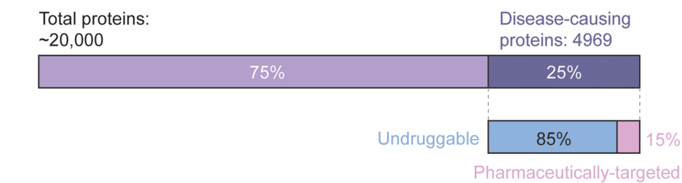
- Molecular glue degraders can target proteins lacking defined pockets; the review states that >85% of proteins from disease-causing genes are considered “undruggable,” and that degraders act sub-stoichiometrically rather than through 1:1 occupancy.
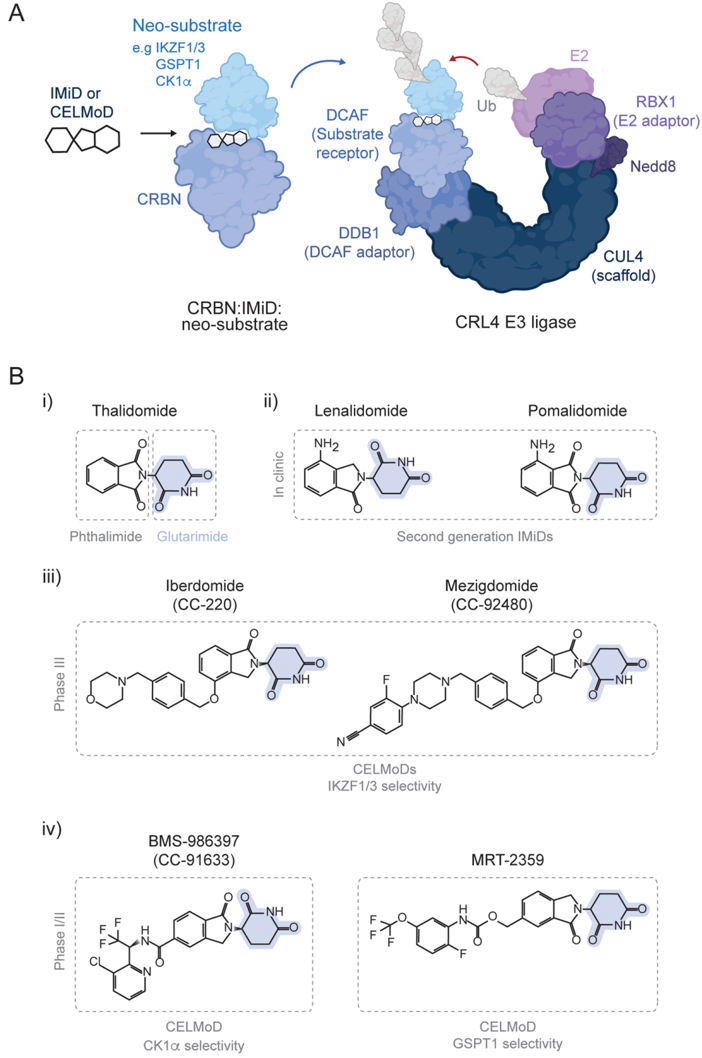
- IMiDs thalidomide, lenalidomide, and pomalidomide degrade IKZF1/IKZF3 via CRBN; lenalidomide also degrades CK1α in 5q-MDS. For IKZF1 degradation, celMoD potency is listed as CFT7455 > mezigdomide > CC-99282 > iberdomide > avadomide > pomalidomide > lenalidomide > thalidomide.
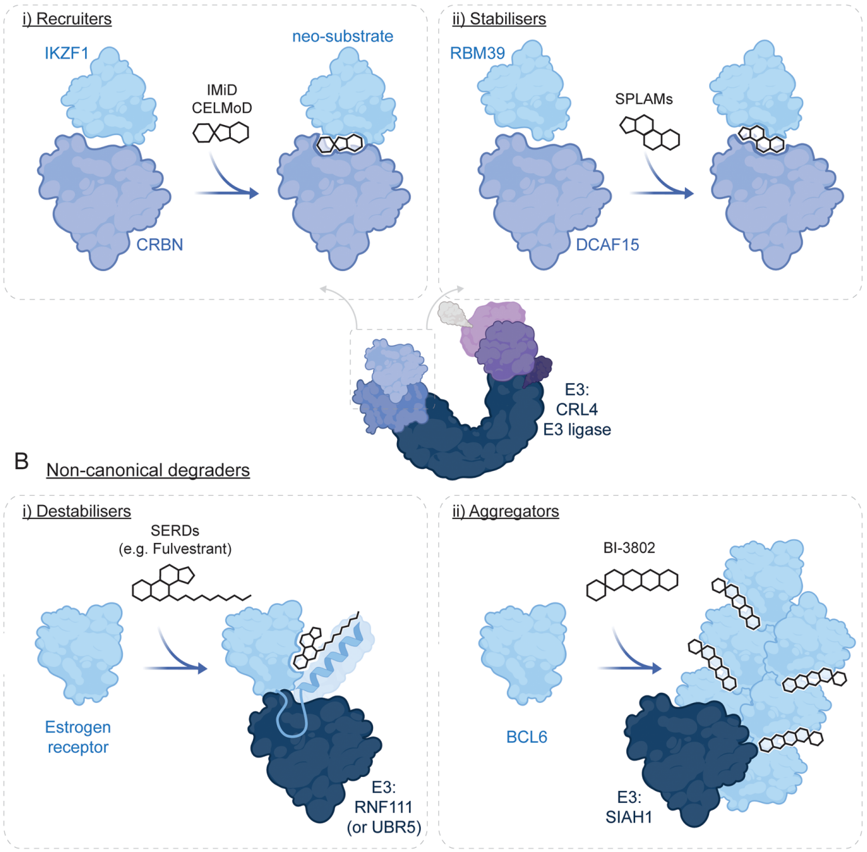
- Additional glue mechanisms include SPLAMs such as indisulam/e7820 stabilizing RBM39–DCAF15 (ternary Kd 0.1 µM vs DCAF15–RBM39 ~5 µM and DCAF15–indisulam >20 µM), UM171 with InsP6 increasing HDAC1 affinity for CRL3-KBTBD4 by 25-fold, and BI-3802 inducing BCL6 polymerization and SIAH1-mediated degradation.
- Clinically, >70% of molecular glue degraders in use or trials target IKZF1/IKZF3; 18 PROTACs are in clinical trials, 13 of which use CRL4-CRBN. Iberdomide and mezigdomide are in Phase III, e7820 in Phase II, NVP-DKY709 in Phase I, MRT-2359 in Phase I/II, and KPG-121 in Phase II/III.
Methods
- Narrative review of published literature on molecular glue degraders, their mechanisms, discovery strategies, and clinical development in cancer.
- No primary experimental data, systematic search strategy, inclusion criteria, or meta-analysis are reported; the synthesis draws on cited preclinical studies, structural studies, and clinical trials.
- The review organizes evidence thematically: historical serendipitous discoveries, CRBN/IMiD biology, alternative E3 ligases and glue mechanisms, rational screening/design platforms, and clinical targets including IKZF1/3, IKZF2, GSPT1, RBM39, CK1α, cyclin K, and NEK7.
Limitations
- The paper states that clinical efficacy of molecular glues is still at an early stage and requires careful monitoring for glue-induced toxicities, including unintended disruption of an E3 ligase’s native substrates, especially with pan-tissue effectors such as CRBN.
- The paper notes resistance challenges: CRBN mutations occur in approximately 30% of relapsed/refractory myeloma patients versus <1% in newly diagnosed patients; sulfonamides have shown modest clinical responses, and e7820 showed a discrepancy between 50% RBM39 loss in a Phase II trial and 90% loss in preclinical models.
- Evident from the text: as a narrative review, it does not systematically appraise study quality or provide quantitative synthesis, and several clinical programs are described as ongoing or promising without mature outcome data.
Model-written summary. Check it against the paper before relying on it.
Integrity signals
Registry
Cites
Statistics
Figures


Verification
Claims the paper makes
117 Valid · 4 Not valid · 72 Not checked · 60 Own results and interpretations
Every source the paper cites for this claim was checked and supports it.
In the paper
“A comprehensive structural analysis of unbound cRBN and its iMiD-and substrate-bound counterpart revealed that cRBN harbors a high-degree of flexibility within its c-terminal substrate binding domain (Hartmann et al. 2015).”
§ molecular glue degraders in cancer therapeutics > CRBN's expanding potential as a master effector
What the sources say
- Supportedcites Hartmann et al. 2015 matched to “Structural Dynamics of the Cereblon Ligand Binding Domain” (2015) source
The Conclusions report an unexpected degree of structural flexibility in the thalidomide-binding domain, with three interconnected flexible regions that fold upon substrate binding. The Results and Discussion section on mouse cereblon says this flexibility is also relevant to animal cereblon. (LLM, conf=0.94)
plain- Asserted: passes — The authors put it forward as true.
- Checkable: passes — It can be checked against evidence.
- Load-bearing: passes — The paper’s conclusions depend on it.
- Based: passes — The paper gives a reason why it holds.
- Supported
The cited sources support only part of this claim — read each source’s verdict below.
In the paper
“the second breakthrough came in 2014 when a series of landmark studies revealed that thalidomide, and its more potent derivative lenalidomide, did not behave as inhibitors but in fact functioned as molecular glue degraders analogous to the auxin degrader tiR1 (chamberlain et al. 2014;Fischer et al. 2014;gandhi et al. 2014;Krönke et al. 2014;lu et al. 2014).”
§ molecular glue degraders in cancer therapeutics > Thalidomide's target -cereblon
What the sources say
- Not checked — no full text of the sourcecites Chamberlain et al. 2014 matched to “Structure of the human Cereblon-DDB1-lenalidomide complex reveals basis for responsiveness to thalidomide analogs” (2014) source
- Partly supportedcites Fischer et al. 2014 matched to “Structure of the DDB1–CRBN E3 ubiquitin ligase in complex with thalidomide” (2014) sourceExperimental — accuracy not yet measured
The paper’s Abstract and “Thalidomide is an agonist and antagonist” section describe IMiD-driven Ikaros/Aiolos degradation and explicitly compare the proposed mechanism with auxin-induced degradation by TIR1. But the claim’s contrast with inhibitors is too absolute: the paper also says IMiDs block recruitment of the endogenous substrate MEIS2. It describes lenalidomide as more effective than thalidomide at targeting Ikaros for degradation. (LLM, conf=0.88)
- Partly supportedcites Gandhi et al. 2014 matched to “Immunomodulatory agents lenalidomide and pomalidomide co‐stimulate Tcells by inducing degradation of Tcell repressors Ikaros and Aiolos via modulation of the E 3 ubiquitin ligase complex CRL 4 CRBN” (2014) sourceExperimental — accuracy not yet measured
The Discussion (page unavailable) reports that lenalidomide promotes CRL4CRBN-mediated recruitment and degradation of Ikaros and Aiolos, rather than simply inhibiting the ligase. The paper studies lenalidomide and pomalidomide, not thalidomide as a degrader, and the cited passages do not establish an analogy to auxin–TIR1. (LLM, conf=0.86)
plainstates a cause- Asserted: passes — The authors put it forward as true.
- Checkable: passes — It can be checked against evidence.
- Load-bearing: passes — The paper’s conclusions depend on it.
- Based: passes — The paper gives a reason why it holds.
Every source the paper cites for this claim was checked and supports it.
In the paper
“By conjugating JQ1 to a thalidomide derivative, dBet1 successfully recruited cRBN to induce rapid and selective degradation of BRD2, BRD3 and BRD4.”
§ molecular glue degraders in cancer therapeutics > CRBN's expanding potential as a master effector
What the sources say
- Supportedcites Winter et al. 2015 matched to “Phthalimide conjugation as a strategy for in vivo target protein degradation” (2015) source
The paper’s text (section labelled Abstract; page unavailable) describes dBET1 as a JQ1–phthalimide conjugate that promotes CRBN-dependent BET protein degradation. Its proteomic results report marked depletion of BRD2, BRD3 and BRD4 after two hours, with high specificity among 7,429 detected proteins; a separate time course shows rapid BRD4 loss. (LLM, conf=0.93)
plainstates a cause- Asserted: passes — The authors put it forward as true.
- Checkable: passes — It can be checked against evidence.
- Load-bearing: passes — The paper’s conclusions depend on it.
- Based: passes — The paper gives a reason why it holds.
- Supported
The cited sources support only part of this claim — read each source’s verdict below.
In the paper
“A prime example that has reached the clinic is ARv-471, an estrogen receptor-targeting PROtAc, now in Phase iii trials for eR+ metastatic breast cancer (Nct05654623) (Hamilton et al. 2024).”
§ molecular glue degraders in cancer therapeutics > CRBN's expanding potential as a master effector
What the sources say
- Not matchedcites NCT05654623
This doesn’t read as a citation we can look up.
- Supportedcites Hamilton et al. 2024 matched to “VERITAC-2: a Phase III study of vepdegestrant, a PROTAC ER degrader, versus fulvestrant in ER+/HER2- advanced breast cancer” (2024) source
The Background section identifies vepdegestrant as ARV-471 and an estrogen receptor-targeting PROTAC degrader. The VERITAC-2 Study design section identifies NCT05654623 as a Phase III trial in adults with ER+/HER2- advanced breast cancer, and the Assignment to interventions section says enrollment was ongoing. (LLM, conf=0.94)
plain- Asserted: passes — The authors put it forward as true.
- Checkable: passes — It can be checked against evidence.
- Load-bearing: unclear — It is unclear whether the paper’s conclusions depend on it.
- Based: passes — The paper gives a reason why it holds.
- Not matched
The cited sources support only part of this claim — read each source’s verdict below.
In the paper
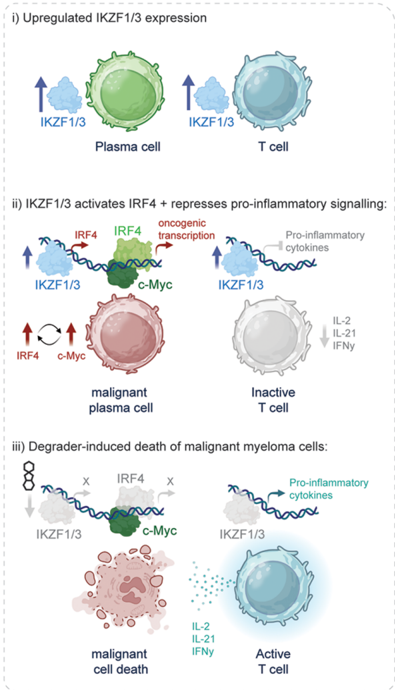
“their recruitment to cRl4 cRBN , upon lenalidomide treatment, led to their selective ubiquitylation and proteasomal degradation, ablating their role at promoters of their target genes (Krönke et al. 2014;lu et al. 2014).”
§ molecular glue degraders in cancer therapeutics > Thalidomide's target -cereblon
What the sources say
- Partly supportedcites Krönke et al. 2014 matched to “Lenalidomide Causes Selective Degradation of IKZF1 and IKZF3 in Multiple Myeloma Cells” (2014) sourceExperimental — accuracy not yet measured
The paper’s Abstract reports that lenalidomide promotes IKZF1 and IKZF3 binding to CRBN-CRL4, followed by selective ubiquitination and degradation. It also reports that depletion of IKZF3 de-represses the IL2 promoter in T cells. It does not establish loss of both factors’ roles at promoters of their target genes generally. (LLM, conf=0.83)
- Not matchedcites Lu et al. 2014
This doesn’t read as a citation we can look up.
plainstates a cause- Asserted: passes — The authors put it forward as true.
- Checkable: passes — It can be checked against evidence.
- Load-bearing: passes — The paper’s conclusions depend on it.
- Based: passes — The paper gives a reason why it holds.
- Partly supported
152 more claims · 75 with their cited sources checked
Create a free account to see all 253 claims and to verify the 6 references still open.
- It may state two separate claims as one. 80
- Probably not a substantial claim. 25
- The quote only partly states this claim. 1
Self-check
Percentages, sums and reported differences re-computed from the paper’s own numbers.
Each contradiction between two passages listed here was confirmed by an independent check.
Rated minor: it would not touch a result — a value no result rests on, a p-value that stays on the same side of the significance level, or a conflict that is clerical, resolved elsewhere in the paper, or outside its own findings.
In the paper
§ molecular glue degraders in cancer therapeutics > Future perspectives: degraders as a pancancer modality
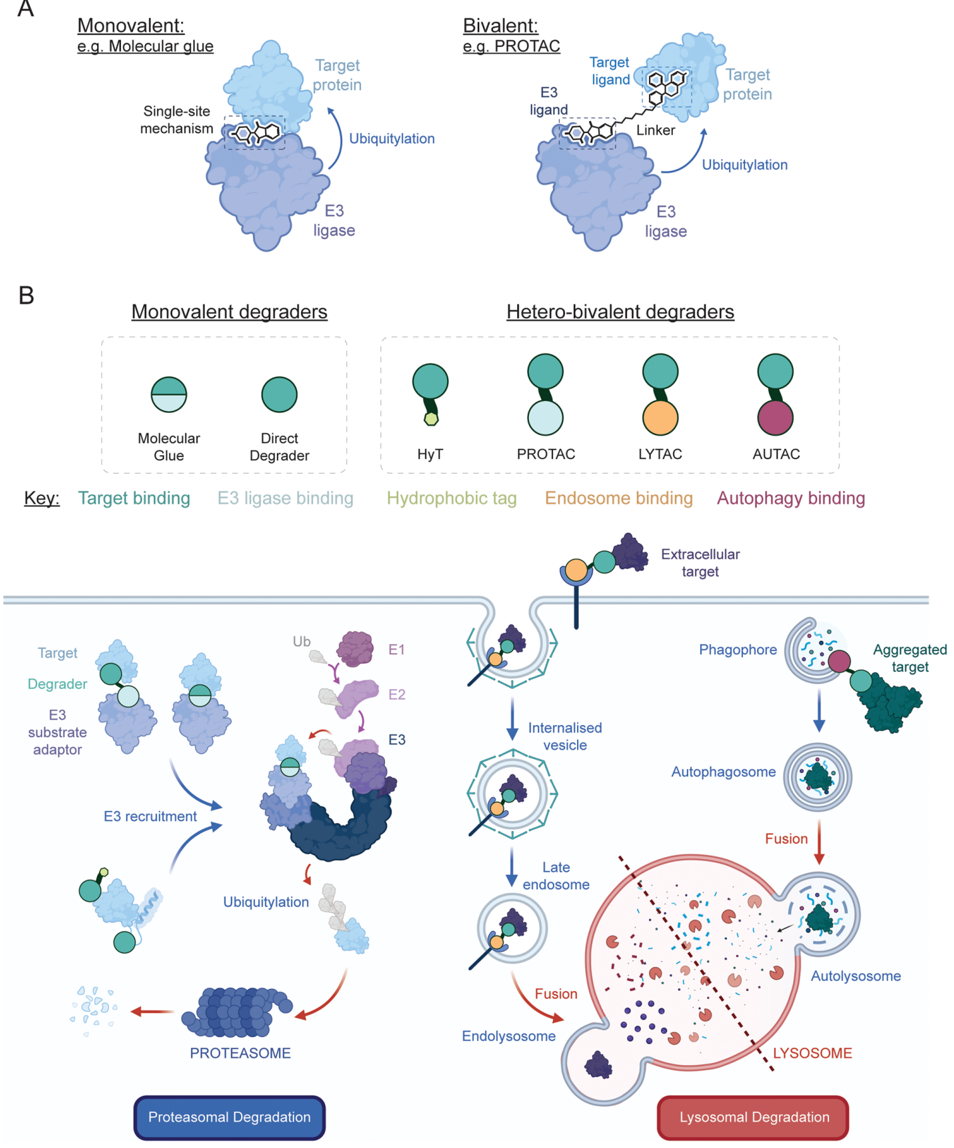
“molecular glues, direct degraders, ProtaCs and hyts all recruit e3 ligases and rely on proteasomal degradation (blue).”
§ molecular glue degraders in cancer therapeutics > Molecular glue degraders: taking inspiration from nature
“unlike ProtaCs and molecular glues, which mediate degradation through e3 ligase recruitment, hyts bypass this, relying instead on the cell's innate ability to clear unfolded or aberrantly exposed hydrophobic proteins.”
Citations
Cites
Items 201–266 of 266
Understanding the Role of T-Cells in the Antimyeloma Effect of Immunomodulatory Drugs
D'Souza, C., Prince, H. M., & Neeson, P. J. (2021) · Frontiers in Immunology · doi:10.3389/fimmu.2021.632399 · Cited by 52
Lampson, B. L., Ramίrez, A. S., Baro, M., He, L., Hegde, M., Koduri, V., Pfaff, J. L., Hanna, R. E., Kowal, J., Shirole, N. H., et al. (2024) · Cell · doi:10.1016/j.cell.2024.03.022 · Cited by 52 · cited 1×
“…as DcK or HSv-tK, to transcriptional reporters enabled the identification of genes essential for diverse signaling pathways (Sanghvi et al. 2019; lampson et al. 2024). this demonstrates the scalability and versatility of this positive-selection approach for both functional genomic screening as…”
Targeting triple-negative breast cancers with the Smac-mimetic birinapant
Lalaoui, N., Merino, D., Giner, G., Vaillant, F., Chau, D., Liu, L., Kratina, T., Pal, B., Whittle, J. R., Etemadi, N., et al. (2020) · Cell Death & Differentiation · doi:10.1038/s41418-020-0541-0 · Cited by 51 · cited 1×
“…primarily as a transcriptional coactivator rather than a splicing regulator. its loss has been shown to be lethal in several cancers, particularly eR+ breast cancer, whereas RBM39 depletion impairs eR-driven transcription and reduces proliferation (campbell et al. 2018; lalaoui et al. 2020).”
Identification and structural basis of C-terminal cyclic imides as natural degrons for cereblon
Heim, C., Spring, A.-K., Kirchgäßner, S., Schwarzer, D., & Hartmann, M. D. (2022) · Biochemical and Biophysical Research Communications · doi:10.1016/j.bbrc.2022.11.001 · Cited by 51 · cited 4×
“…or asparagine (N) residues. these potentially defective protein fragments are cleared by the cRl4 cRBN complex to prevent their toxic accumulation (Heim et al. 2022; ichikawa et al. 2022). importantly, in terms of iMiD binding, the residual “non-glutarimide” part of the drug (the phthalimide…”
InfluentialConverging mechanism of UM171 and KBTBD4 neomorphic cancer mutations
Xie, X., Zhang, O., Yeo, M. J. R., Lee, C., Tao, R., Harry, S. A., Payne, N. C., Nam, E., Paul, L., Li, Y., et al. (2025) · Nature · doi:10.1038/s41586-024-08533-3 · Cited by 50 · cited 1×
“…Phase ii clinical trials (Nct04103879, Nct03913026, Nct03441958), has recently had its degrader mechanism-of-action retrospectively elucidated (Xie et al. 2025; yeo et al. 2025). like Bi-3802, it was discovered following a high-throughput screen – one designed to identify compounds that…”
Kang, Y. K., Putluri, N., Maity, S., Tsimelzon, A., Ilkayeva, O., Mo, Q., Lonard, D., Michailidis, G., Sreekumar, A., Newgard, C. B., et al. (2015) · PLOS Genetics · doi:10.1371/journal.pgen.1005116 · Cited by 49 · cited 1×
“…as well as steroidal nuclear receptors such as estrogen (eRα and β) and progesterone receptors (Dowhan et al. 2005; Mai et al. 2016b; Xu et al. 2021). this allosteric role in gene expression has also been suggested to influence metabolism via NF-κB/c-Myc signaling pathway (Kang et al. 2015).”
Houles, T., Boucher, J., Lavoie, G., MacLeod, G., Lin, S., Angers, S., & Roux, P. P. (2023) · Cell Death Discovery · doi:10.1038/s41420-023-01754-x · Cited by 49 · cited 2×
“…was later found to operate through the same DDB1-dependent degrader mechanism. it has demonstrated profound anti-tumor efficacy in several preclinical models including those for breast, gastric, colorectal and skin cancers (Quereda et al. 2019; wu et al. 2021; Dai et al. 2022; Houles et al. 2023).”
Phosphorylation of FADD by the kinase CK1α promotes KRAS G12D -induced lung cancer
Bowman, B. M., Sebolt, K. A., Hoff, B. A., Boes, J. L., Daniels, D. L., Heist, K. A., Galbán, C. J., Patel, R. M., Zhang, J., Beer, D. G., et al. (2015) · Science Signaling · doi:10.1126/scisignal.2005607 · Cited by 48 · cited 1×
“…et al. 2023; lishman-walker and coffey 2024). in addition, its involvement in supporting the survival of various solid tumors, including colorectal, kidney and lung cancers, suggests its wider therapeutic potential (Bowman et al. 2015; Mai et al. 2016; Richter et al. 2018; Nishiguchi et al. 2024).”
Design of a Cereblon construct for crystallographic and biophysical studies of protein degraders
Kroupova, A., Spiteri, V. A., Rutter, Z. J., Furihata, H., Darren, D., Ramachandran, S., Chakraborti, S., Haubrich, K., Pethe, J., Gonzales, D., et al. (2024) · Nature Communications · doi:10.1038/s41467-024-52871-9 · Cited by 47 · cited 1×
“…desired sub-2 Å resolution. to address this, a systematic analysis of cRBN mutants was undertaken to identify a soluble cRBN construct that retained the ability to form ternary complexes, culminating in the generation of a minimally truncated cRBN construct, named cRBN midi (Kroupova et al. 2024).”
TP53 Mutation in Acute Myeloid Leukemia: An Old Foe Revisited
Shin, D.-Y. (2023) · Cancers · doi:10.3390/cancers15194816 · Cited by 46 · cited 1×
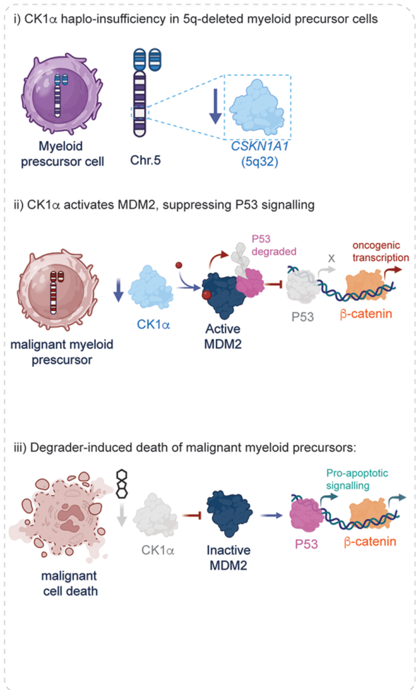
“…modest therapeutic effect (Sekeres et al. 2011). cK1α is essential for AMl cell survival and yet only a subset of myeloid cell lines were sensitive to lenalidomide (Järås et al. 2014). in 5q-MDS patients P53 is a key effector whereas in the more aggressive AMl TP53 is commonly mutated (Shin 2023).”
CAPER, a novel regulator of human breast cancer progression
Mercier, I., Gonzales, D. M., Quann, K., Pestell, T. G., Molchansky, A., Sotgia, F., Hulit, J., Gandara, R., Wang, C., Pestell, R. G., et al. (2014) · Cell Cycle · doi:10.4161/cc.28156 · Cited by 45 · cited 1×
“RBM39 is upregulated in numerous cancers including solid and haematological malignancies (Sillars-Hardebol et al. 2012; chai et al. 2014; Mercier et al. 2014; campbell et al. 2018; wang et al. 2019; tong et al. 2020). it was first identified as a prevalent auto-antigen in a hepatocellular carcinoma…”
Targeting oncoproteins with a positive selection assay for protein degraders
Koduri, V., Duplaquet, L., Lampson, B. L., Wang, A. C., Sabet, A. H., Ishoey, M., Paulk, J., Teng, M., Harris, I. S., Endress, J. E., et al. (2021) · Science Advances · doi:10.1126/sciadv.abd6263 · Cited by 44 · cited 2×
“…degrader, Spautin-1, alongside iMiD-like compounds, highlights the assay’s utility for uncovering mechanism-agnostic molecular glues (Koduri et al. 2021). this approach has since been adapted to function alongside cRiSPR-cas9 technology, both genome-wide knockout and base-editor…”
Small-Molecule Degraders beyond PROTACs—Challenges and Opportunities
Kastl, J. M., Davies, G., Godsman, E., & Holdgate, G. A. (2021) · SLAS Discovery · doi:10.1177/2472555221991104 · Cited by 43 · cited 1×
“Monovalent and bivalent degraders have been extensively reviewed elsewhere (Farnaby et al. 2021; Kastl et al. 2021; Békés et al. 2022; Konstantinidou and Arkin 2024; lemaitre et al. 2024; Robinson et al. 2024; tan et al. 2024; Zhong et al. 2024). in this review, we focus on molecular glue…”
Overexpression of HCC1/CAPERα may play a role in lung cancer carcinogenesis
Chai, Y., Liu, X., Dai, L., Li, Y., Liu, M., & Zhang, J.-Y. (2014) · Tumor Biology · doi:10.1007/s13277-014-1819-y · Cited by 42 · cited 2×
“Similar dependencies have been proposed in lung and colorectal cancers (Sillars-Hardebol et al. 2012; chai et al. 2014).”
Cippitelli, M., Stabile, H., Kosta, A., Petillo, S., Gismondi, A., Santoni, A., & Fionda, C. (2021) · International Journal of Molecular Sciences · doi:10.3390/ijms22031103 · Cited by 42 · cited 1×
“Dysregulation or mutation of ikaros family members has been observed in many haematological malignancies (cippitelli et al. 2021). while iKZF1 and iKZF3 are considered to have tumor suppressive qualities in certain types of leukemia, their expression is upregulated in many haematological cancers…”
Bird, S. A., & Pawlyn, C. (2023) · Blood · doi:10.1182/blood.2023019637 · Cited by 41 · cited 1×
“…and il-2 enhancing the anti-tumor capability of the immune system to target the cancerous plasma cells (gandhi et al. 2014; D’Souza et al. 2021; Bird and Pawlyn 2023) (Figure 5A, iii). the iMiDs – thalidomide and its derivatives lenalid-omide and pomalidomide – have all evolved into potent…”
Li, L., Xue, W., Shen, Z., Liu, J., Hu, M., Cheng, Z., Wang, Y., Chen, Y., Chang, H., Liu, Y., et al. (2020) · Molecular Therapy - Oncolytics · doi:10.1016/j.omto.2020.06.013 · Cited by 40 · cited 1×
“PROtAcs targeting PlK1, BtK, BRAF (v600e) and NtRK have exhibited promising pre-clinical and clinical success across a range of cancers (li et al. 2020; lier et al. 2022; Zhong et al. 2024).”
Sickle Cell Disease: From Genetics to Curative Approaches
Hardouin, G., Magrin, E., Corsia, A., Cavazzana, M., Miccio, A., & Semeraro, M. (2023) · Annual Review of Genomics and Human Genetics · doi:10.1146/annurev-genom-120122-081037 · Cited by 40 · cited 1×
“As such, molecular glue degraders could be a promising new therapy for ScD that will remove the access barriers posed by newly developed but expensive gene therapies (Hardouin et al. 2023).”
Overcoming IMiD resistance in T-cell lymphomas through potent degradation of ZFP91 and IKZF1
Wu, W., Nelson, G. M., Koch, R., Donovan, K. A., Nowak, R. P., Heavican-Foral, T. B., Nirmal, A. J., Liu, H., Yang, L., Duffy, J., et al. (2022) · Blood · doi:10.1182/blood.2021014701 · Cited by 39 · cited 1×
“However, next-generation celMoDs have shown greater potency and efficacy in t cell lymphomas (wu et al. 2022). celMoDs, with their enhanced binding affinities and target selectively, surpass traditional iMiDs which helps to overcome acquired iMiD resistance and minimize off-target effects. while…”
Structural basis for HIV-1 antagonism of host APOBEC3G via Cullin E3 ligase
Ito, F., Alvarez-Cabrera, A. L., Liu, S., Yang, H., Shiriaeva, A., Zhou, Z. H., & Chen, X. S. (2023) · Science Advances · doi:10.1126/sciadv.ade3168 · Cited by 39 · cited 1×
“…viruses, including Hiv and HPv, have also employed this strategy in mammalian cells as they use both peptides and nucleotides to induce proximity between host e3 ligases and their selected targets to increase viral infectivity (Huh et al. 2007; Jäger et al. 2011; ito et al. 2023; li et al. 2023).”
CSE1L, DIDO1 and RBM39 in colorectal adenoma to carcinoma progression
Sillars-Hardebol, A. H., Carvalho, B., Beliën, J. A. M., de Wit, M., Delis-van Diemen, P. M., Tijssen, M., van de Wiel, M. A., Pontén, F., Meijer, G. A., & Fijneman, R. J. A. (2012) · Cellular Oncology · doi:10.1007/s13402-012-0088-2 · Cited by 38 · cited 2×
“Similar dependencies have been proposed in lung and colorectal cancers (Sillars-Hardebol et al. 2012; chai et al. 2014).”
A novel Cereblon E3 ligase modulator with antitumor activity in gastrointestinal cancer
Lier, S., Sellmer, A., Orben, F., Heinzlmeir, S., Krauß, L., Schneeweis, C., Hassan, Z., Schneider, C., Patricia Gloria Schäfer, A., Pongratz, H., et al. (2022) · Bioorganic Chemistry · doi:10.1016/j.bioorg.2021.105505 · Cited by 37 · cited 1×
“PROtAcs targeting PlK1, BtK, BRAF (v600e) and NtRK have exhibited promising pre-clinical and clinical success across a range of cancers (li et al. 2020; lier et al. 2022; Zhong et al. 2024).”
Oral SERDs changing the scenery in hormone receptor positive breast cancer, a comprehensive review
Gheysen, M., Punie, K., Wildiers, H. P. M. W., & Neven, P. (2024) · Cancer Treatment Reviews · doi:10.1016/j.ctrv.2024.102825 · Cited by 37 · cited 1×
“…receptor (AR), and the SeRDs gave rise to SARDs which are selective androgen receptor degraders. whilst these direct degrader molecules fall out of the scope of this review, a vast array of SeRD compounds are currently in Phase iii clinical trials and are reviewed elsewhere (gheysen et al. 2024).”
Inducible knock-out of BCL6 in lymphoma cells results in tumor stasis
Schlager, S., Salomon, C., Olt, S., Albrecht, C., Ebert, A., Bergner, O., Wachter, J., Trapani, F., Gerlach, D., Voss, T., et al. (2020) · Oncotarget · doi:10.18632/oncotarget.27506 · Cited by 36 · cited 1×
“…non-degrading Bcl6 inhibitors such as Bi-3812 or PROtAc-based Bcl6 degraders, which had only shown modest pre-clinical success (Mccoull et al. 2018; Schlager et al. 2020). integrated time-resolved microscopy and structural analyses revealed that Bcl6 monomers accumulated into foci prior to…”
Molecular glue degraders: exciting opportunities for novel drug discovery
Lemaitre, T., Cornu, M., Schwalen, F., Since, M., Kieffer, C., & Voisin-Chiret, A. S. (2024) · Expert Opinion on Drug Discovery · doi:10.1080/17460441.2024.2306845 · Cited by 36 · cited 1×
“…degraders have been extensively reviewed elsewhere (Farnaby et al. 2021; Kastl et al. 2021; Békés et al. 2022; Konstantinidou and Arkin 2024; lemaitre et al. 2024; Robinson et al. 2024; tan et al. 2024; Zhong et al. 2024). in this review, we focus on molecular glue degraders, exploring the…”
A small-molecule VHL molecular glue degrader for cysteine dioxygenase 1
Tutter, A., Buckley, D., Golosov, A. A., Ma, X., Shu, W., McKay, D. J. J., Darsigny, V., Dovala, D., Beckwith, R., Solomon, J., et al. (2025) · Nature Chemical Biology · doi:10.1038/s41589-025-01936-x · Cited by 36 · cited 1×
“For example, in a recent endeavor to identify neo-substrates for the cRl2 vHl e3 ligase complex a microarray containing over 9000 proteins was probed to uncover ligand-dependent ternary complexes (tutter et al. 2025).”
VAV1 as a putative therapeutic target in autoimmune and chronic inflammatory diseases
Neurath, M. F., & Berg, L. J. (2024) · Trends in Immunology · doi:10.1016/j.it.2024.06.004 · Cited by 34 · cited 1×
“…a desirable target with implications in both autoimmune and chronic inflammatory diseases, has long been considered as “undruggable”. it is a dual function guanine nucleotide exchange factor (geF) that in addition to activating gtPases also functions as a signaling scaffold (Neurath and Berg 2024).”
The Aiolos transcription factor is up-regulated in chronic lymphocytic leukemia
Duhamel, M., Arrouss, I., Merle-Béral, H., & Rebollo, A. (2008) · Blood · doi:10.1182/blood-2007-09-113191 · Cited by 33 · cited 1×
“…et al. 2021). while iKZF1 and iKZF3 are considered to have tumor suppressive qualities in certain types of leukemia, their expression is upregulated in many haematological cancers and some solid tumors (Antica et al. 2008; Duhamel et al. 2008; li et al. 2014; cai et al. 2016) (Figure 5A, i).”
Structural Dynamics of the Cereblon Ligand Binding Domain
Hartmann, M. D., Boichenko, I., Coles, M., Lupas, A. N., & Hernandez Alvarez, B. (2015) · PLOS ONE · doi:10.1371/journal.pone.0128342 · Cited by 31 · cited 1×
“…and its iMiD-and substrate-bound counterpart revealed that cRBN harbors a high-degree of flexibility within its c-terminal substrate binding domain (Hartmann et al. 2015). three highly flexible interconnecting regions were discovered which includes the pivotal hydrophobic iMiD binding pocket.…”
Overcoming BET Inhibitor Resistance in Malignant Peripheral Nerve Sheath Tumors
Cooper, J. M., Patel, A. J., Chen, Z., Liao, C.-P., Chen, K., Mo, J., Wang, Y., & Le, L. Q. (2019) · Clinical Cancer Research · doi:10.1158/1078-0432.ccr-18-2437 · Cited by 31 · cited 1×
“…programs and drives cell death in BRD4-addicted cancers (wang et al. 2023). while Bet inhibitors showed promise in preclinical models their reversible binding led to only partial or transient inhibition, limiting efficacy and contributing to resistance (cooper et al. 2019; wang et al. 2023).”
CK1α overexpression correlates with poor survival in colorectal cancer
Richter, J., Kretz, A.-L., Lemke, J., Fauler, M., Werner, J.-U., Paschke, S., Leithäuser, F., Henne-Bruns, D., Hillenbrand, A., & Knippschild, U. (2018) · BMC Cancer · doi:10.1186/s12885-018-4019-0 · Cited by 28 · cited 1×
“…et al. 2023; lishman-walker and coffey 2024). in addition, its involvement in supporting the survival of various solid tumors, including colorectal, kidney and lung cancers, suggests its wider therapeutic potential (Bowman et al. 2015; Mai et al. 2016; Richter et al. 2018; Nishiguchi et al. 2024).”
Dai, W., Wu, J., Peng, X., Hou, W., Huang, H., Cheng, Q., Liu, Z., Luyten, W., Schoofs, L., Zhou, J., et al. (2022) · Clinical and Translational Medicine · doi:10.1002/ctm2.1087 · Cited by 28 · cited 1×
“…was later found to operate through the same DDB1-dependent degrader mechanism. it has demonstrated profound anti-tumor efficacy in several preclinical models including those for breast, gastric, colorectal and skin cancers (Quereda et al. 2019; wu et al. 2021; Dai et al. 2022; Houles et al. 2023).”
Aberrant Ikaros, Aiolos, and Helios expression in Hodgkin and non-Hodgkin lymphoma
Antica, M., Cicin-Sain, L., Kapitanovic, S., Matulic, M., Dzebro, S., & Dominis, M. (2008) · Blood · doi:10.1182/blood-2007-12-125682 · Cited by 27 · cited 1×
“…et al. 2021). while iKZF1 and iKZF3 are considered to have tumor suppressive qualities in certain types of leukemia, their expression is upregulated in many haematological cancers and some solid tumors (Antica et al. 2008; Duhamel et al. 2008; li et al. 2014; cai et al. 2016) (Figure 5A, i).”
He, C., Liu, J., Li, J., Wu, H., Jiao, C., Ze, X., Xu, S., Zhu, Z., Guo, W., Xu, J., et al. (2024) · Journal of Medicinal Chemistry · doi:10.1021/acs.jmedchem.4c00504 · Cited by 25
Selective and Potent Molecular Glue Degraders for NIMA‐Related Kinase 7
Chen, L., Huang, L., Wen, W., Zeng, P., Wu, Y., Han, Q., Chen, X., Guo, Z., Yu, H., Lu, W., et al. (2025) · Angewandte Chemie International Edition · doi:10.1002/anie.202500169 · Cited by 24 · cited 1×
“…is currently in Phase i trials to evaluate the clinical efficacy of NeK7 degradation in patients with elevated cardiovascular risk (Nct07119125) (chen et al. 2025; Petzold et al. 2025; Sylvain et al. 2025). interestingly, there is a dichotomy when considering NeK7-NlRP3 as an oncogenic target…”
Discovery of DCAF16 Binders for Targeted Protein Degradation
Campos, M. A. L., Riha, I. A., Zhang, C., Mozes, C., Scheidt, K. A., & Zhang, X. (2025) · ACS Chemical Biology · doi:10.1021/acschembio.4c00799 · Cited by 23 · cited 1×
“…cul4 substrate receptors, such as DcAF15 and DcAF16, have been successfully targeted by degraders (Han et al. 2017; Hsia et al. 2024; li et al. 2024; campos et al. 2025). interestingly, while this flexibility enhances targeted protein degradation, viruses also exploit it by hijacking cRls to…”
Kwiatkowski, N., Liang, T., Sha, Z., Collier, P. N., Yang, A., Sathappa, M., Paul, A., Su, L., Zheng, X., Aversa, R., et al. (2025) · Cell Chemical Biology · doi:10.1016/j.chembiol.2025.03.006 · Cited by 23 · cited 1×
“Of particular interest is the recent development of a degrader that co-degrades cDK2 and cyclin e (cyce) (Kwiatkowski et al. 2025). the highly selective degradation of cDK2/cyce complexes could be revolutionary in the treatment CCNE1 -amplified cancers that often prove resistant to first line…”
A cereblon-based glue degrader of NEK7 regulates NLRP3 inflammasome in a context-dependent manner
Sylvain, A., Stoehr, N., Ma, F., Cernijenko, A., Schröder, M., Khoshouei, M., Vogelsanger, M., Schoenboerner, M., Burke, A., Rao, P., et al. (2025) · Cell Chemical Biology · doi:10.1016/j.chembiol.2025.06.005 · Cited by 23 · cited 2×
“…the clinical efficacy of NeK7 degradation in patients with elevated cardiovascular risk (Nct07119125) (chen et al. 2025; Petzold et al. 2025; Sylvain et al. 2025). interestingly, there is a dichotomy when considering NeK7-NlRP3 as an oncogenic target since inflammasome signaling often sits…”
Development of Potent and Selective CK1α Molecular Glue Degraders
Geng, Q., Jiang, Z., Byun, W. S., Donovan, K. A., Zhuang, Z., Jiang, F., Jones, H. M., Razumkov, H., Tang, M. T., Sarott, R. C., et al. (2025) · Journal of Medicinal Chemistry · doi:10.1021/acs.jmedchem.4c02415 · Cited by 22
Pomalidomide: A new IMiD with remarkable activity in both multiple myeloma and myelofibrosis
Lacy, M. Q., & Rajkumar, S. V. (2010) · American Journal of Hematology · doi:10.1002/ajh.21610 · Cited by 21 · cited 2×
“Pomalidomide, also combined with dexamethasone (Pom/Dex), has since provided an option for lenalidomide-refractory patients (lacy et al. 2010). while iMiDs are crucial in treating multiple myeloma, resistance often arises from mutations in cRl4 cRBN or alterations in the iRF4/c-Myc signaling axis,…”
Mai, H., Xu, X., Mei, G., Hong, T., Huang, J., Wang, T., Yan, Z., Li, Y., Liang, Y., Li, L., et al. (2016) · Oncogenesis · doi:10.1038/oncsis.2016.44 · Cited by 21 · cited 1×
“…et al. 2023; lishman-walker and coffey 2024). in addition, its involvement in supporting the survival of various solid tumors, including colorectal, kidney and lung cancers, suggests its wider therapeutic potential (Bowman et al. 2015; Mai et al. 2016; Richter et al. 2018; Nishiguchi et al. 2024).”
CDK13-Mediated Cell Cycle Disorder Promotes Tumorigenesis of High HMGA2 Expression Gastric Cancer
Wu, Z., Wang, M., Li, F., Wang, F., Jia, J., Feng, Z., Huo, X., Yang, J., Wen, J., Sa, R., et al. (2021) · Frontiers in Molecular Biosciences · doi:10.3389/fmolb.2021.707295 · Cited by 21 · cited 1×
“…was later found to operate through the same DDB1-dependent degrader mechanism. it has demonstrated profound anti-tumor efficacy in several preclinical models including those for breast, gastric, colorectal and skin cancers (Quereda et al. 2019; wu et al. 2021; Dai et al. 2022; Houles et al. 2023).”
Liu, J., Zhao, Y., He, D., Jones, K. M., Tang, S., Allison, D. B., Zhang, Y., Chen, J., Zhang, Q., Wang, X., et al. (2023) · Cell Reports Medicine · doi:10.1016/j.xcrm.2023.101015 · Cited by 19
Functional interaction between nonreceptor tyrosine kinase c-Abl and SR-Rich protein RBM39
Mai, S., Qu, X., Li, P., Ma, Q., Liu, X., & Cao, C. (2016) · Biochemical and Biophysical Research Communications · doi:10.1016/j.bbrc.2016.03.108 · Cited by 17 · cited 5×
“…of c-Jun (within AP-1 complex), as well as steroidal nuclear receptors such as estrogen (eRα and β) and progesterone receptors (Dowhan et al. 2005; Mai et al. 2016b; Xu et al. 2021). this allosteric role in gene expression has also been suggested to influence metabolism via NF-κB/c-Myc…”
InfluentialZandi, T. A., Romanowski, M. J., Viscomi, J., Gunderson, K., Tan, Z. Y., Tong, B., Bonazzi, S., Zécri, F. J., Schreiber, S. L., & Michaud, G. A. (2026) · Nature Communications · doi:10.1038/s41467-026-71512-x · Cited by 17
Kerrigan, J. R., Thomsen, N. M., Cernijenko, A., Kochanek, S. E., Dewhurst, J., O’Brien, G., Ware, N. F., Sanchez, C. C., Manning, J. R., Ma, X., et al. (2024) · Journal of Medicinal Chemistry · doi:10.1021/acs.jmedchem.4c02251 · Cited by 15 · cited 1×
“…of HbF identified dwiZ-2 as a molecular glue degrader that targets the transcription factor wiZ (ting et al. 2024). wiZ, a previously identified neo-substrate of cRBN, was efficiently degraded and its loss induced high levels of HbF without affecting hemopoietic stem cells (Kerrigan et al. 2024).”
Kodytková, A., Dušátková, P., Amaratunga, S. A., Plachý, L., Průhová, Š., & Lebl, J. (2023) · Hormone Research in Paediatrics · doi:10.1159/000531452 · Cited by 13 · cited 1×
“SAll4 has well-defined roles involved in embryonic limb development, with a strong genetic link to embryopathies (Kodytková et al. 2024). thalidomide-induced degradation of SAll4, and to some extent PlZF and p63 (Asatsuma-Okumura et al. 2019; yamanaka et al. 2021), was confirmed as the root cause…”
Cai, X., Liu, X., Du, S., Xu, X., Liu, A., Ge, X., Qiao, Y., & Jiang, Y. (2015) · Biochemical Genetics · doi:10.1007/s10528-015-9702-0 · Cited by 12 · cited 1×
“…et al. 2021). while iKZF1 and iKZF3 are considered to have tumor suppressive qualities in certain types of leukemia, their expression is upregulated in many haematological cancers and some solid tumors (Antica et al. 2008; Duhamel et al. 2008; li et al. 2014; cai et al. 2016) (Figure 5A, i).”
Blancas, I., Olier, C., Conde, V., Bayo, J. L., Herrero, C., Zarcos-Pedrinaci, I., Carabantes, F., Baena-Cañada, J. M., Cruz, J., & Ruiz-Borrego, M. (2021) · Scientific Reports · doi:10.1038/s41598-021-83622-1 · Cited by 12 · cited 1×
“Fulvestrant has since become a first-line therapy for metastatic eR+ breast cancer (Robertson et al. 2009; Blancas et al. 2021).”
HELIOS-expressing human CD8 T cells exhibit limited effector functions
Neyens, D., Hirsch, T., Hadi, A. A. A. I. A., Dauguet, N., Vanhaver, C., Bayard, A., Wildmann, C., Luyckx, M., Squifflet, J.-L., D’Hondt, Q., et al. (2023) · Frontiers in Immunology · doi:10.3389/fimmu.2023.1308539 · Cited by 11 · cited 1×
“…proliferation, decreased cytokine production and heightened inhibitory checkpoints which ultimately weaken anti-tumor immunity (Jiang et al. 2015; Neyens et al. 2023; Hetemäki et al. 2025). iKZF2 is upregulated in leukemia and lymphoma, including leukemia stem cells, where it promotes malignant…”
Challenges in Therapeutically Targeting the RNA‐Recognition Motif
Schmeing, S., & Hart, P. '. (2024) · WIREs RNA · doi:10.1002/wrna.1877 · Cited by 11 · cited 1×
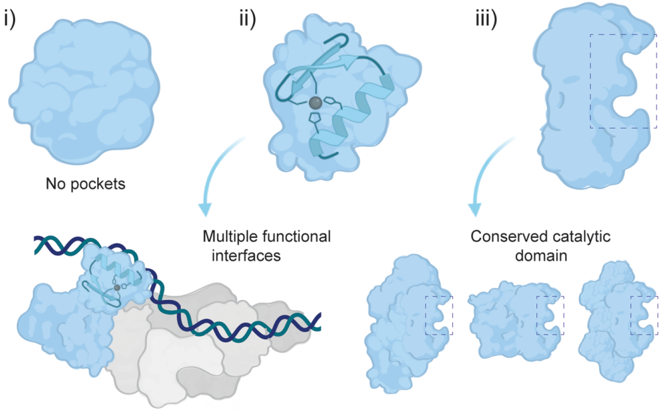
“…that lacks well-defined and hydrophobic pockets and is prevalent within the spliceosomal machinery. with a featureless and highly homologous functional domain, RBM39 assembles into several macromolecular complexes and should be an intractable target (Schmeing and Hart 2024) (Figure 1B, i-iii).”
CAPER as a therapeutic target for triple negative breast cancer
Campbell, M. C., Pontiggia, L., Russell, A. Y., Schwarting, R., Camacho, J., Jasmin, J.-F., & Mercier, I. (2018) · Oncotarget · doi:10.18632/oncotarget.25719 · Cited by 10 · cited 2×
“…in numerous cancers including solid and haematological malignancies (Sillars-Hardebol et al. 2012; chai et al. 2014; Mercier et al. 2014; campbell et al. 2018; wang et al. 2019; tong et al. 2020). it was first identified as a prevalent auto-antigen in a hepatocellular carcinoma patient…”
Discovery of molecular glues that bind FKBP12 and novel targets using DNA-barcoded libraries
Zandi, T. A., Romanowski, M. J., Viscomi, J. S., Tan, Z. Y., Tong, B., Bonazzi, S., Zécri, F. J., Schreiber, S. L., & Michaud, G. A. (2024) · doi:10.1101/2024.12.09.627499 · Cited by 10
Helios—Illuminating the way for lymphocyte self‐control
Hetemäki, I., Arstila, T. P., & Kekäläinen, E. (2024) · Immunology · doi:10.1111/imm.13866 · Cited by 9 · cited 1×
“…cytokine production and heightened inhibitory checkpoints which ultimately weaken anti-tumor immunity (Jiang et al. 2015; Neyens et al. 2023; Hetemäki et al. 2025). iKZF2 is upregulated in leukemia and lymphoma, including leukemia stem cells, where it promotes malignant cell survival (Park…”
Characterisation of high throughput screening outputs for small molecule degrader discovery
Bell, L. E., Bardelle, C., Packer, M. J., Kastl, J., Holdgate, G. A., & Davies, G. (2024) · SLAS Discovery · doi:10.1016/j.slasd.2024.100162 · Cited by 9 · cited 1×
“…NanoBRet® and HiBit® technologies enable sensitive detection of ternary complex formation and/or target degradation, both in live cells and cell extracts, making them particularly well-suited for identifying glue-induced degradation events (Bell et al. 2024; Hsia et al. 2024; ismail et al. 2024).”
Gluing Proteins for Targeted Degradation
Naito, M., & Murata, S. (2021) · Cancer Cell · doi:10.1016/j.ccell.2020.12.020 · Cited by 8 · cited 1×
“…either exposed the SiAH1 degron (vXP) within Bcl6 or the multivalent nature of the polymerized filaments rendered Bcl6 a more efficient substrate for SiAH1-mediated ubiquitylation and degradation. the higher the local Bcl6 concentration the more rapid the degradation (Naito and Murata 2021).”
Barankiewicz, J., Szumera-Ciećkiewicz, A., Salomon-Perzyński, A., Wieszczy, P., Malenda, A., Garbicz, F., Prochorec-Sobieszek, M., Misiewicz-Krzemińska, I., Juszczyński, P., & Lech-Marańda, E. (2021) · Journal of Clinical Medicine · doi:10.3390/jcm10122683 · Cited by 7 · cited 1×
“…cRBN expression levels alongside key components of the cRl4 cRBN complex, such as DDB1 and cul4A, are associated with improved clinical responses (Barankiewicz et al. 2021). conversely, lower cRBN expression correlates to resistance, with acquired cRBN deletion recognized as the key genetic…”
Ismail, M., Davies, G., Sproat, G., Monteverde, T., Tart, J., Acebrón-García-de-Eulate, M., Gohlke, A., Hancock, D., Adhikari, S., Stefanovic-Barrett, S., et al. (2024) · SLAS Discovery · doi:10.1016/j.slasd.2024.100197 · Cited by 6 · cited 1×
“…NanoBRet® and HiBit® technologies enable sensitive detection of ternary complex formation and/or target degradation, both in live cells and cell extracts, making them particularly well-suited for identifying glue-induced degradation events (Bell et al. 2024; Hsia et al. 2024; ismail et al. 2024).”
Casein Kinase 1α—A Target for Prostate Cancer Therapy?
Lishman-Walker, E., & Coffey, K. (2024) · Cancers · doi:10.3390/cancers16132436 · Cited by 4 · cited 1×
“…directed therapy. in prostate cancer, cK1α depletion has shown promise in resensitising resistant tumors to hormonal therapies (liu J et al. 2023; lishman-walker and coffey 2024). in addition, its involvement in supporting the survival of various solid tumors, including colorectal, kidney and…”
Maksiutenko, E. M., Barbitoff, Y. A., Danilov, L. G., Matveenko, A. G., Zemlyanko, O. M., Efremova, E. P., Moskalenko, S. E., & Zhouravleva, G. A. (2024) · International Journal of Molecular Sciences · doi:10.3390/ijms25126308 · Cited by 2 · cited 2×
“Notably, one of the most affected protein groups were the cDKs which are key regulators of the g2/M cell cycle transition (Maksiutenko et al. 2024). gSPt1 was identified from a large-scale phenotypic screen designed to uncover cRBN-targeting compounds with broad anti-proliferative activity across…”
Devitt, M. E., Zuniga, R. M., Torres, A., Prasad, H. K., Liao, B., & Wang, Y. (2024) · Journal of Clinical Oncology · doi:10.1200/jco.2024.42.16_suppl.e17054 · Cited by 1 · cited 1×
“…cK1α but also targets iKZF1 and iKZF3 for cRl4 cRBN -mediated degradation. compared to lenalidomide this triple-targeting compound exhibits enhanced immuno-modulatory effects, as well as greater anti-proliferative and anti-tumor activity, highlighting its pan-cancer potential (Devitt et al. 2024).”
Barbero (2014) · doi:10.1016/j · Cited by 1
Kwiatkowski, N. P., Liang, T., Sha, Z., Collier, P., Yang, A., Sathappa, M., Paul, A., Su, L. J., Zheng, X., Li, K., et al. (2024) · European Journal of Cancer · doi:10.1016/j.ejca.2024.114627 · Cited by 1
(1999) · doi:10.1002/(sici)1521-4141(199909)29:09<2651::aid-immu2651>3.0.co;2-l
(2021) · doi:10.1021/acs
Design of a Cereblon construct for crystallographic and biophysical studies of protein degraders
Kroupova, A., Spiteri, V. A., Furihata, H., et al. (2024) · doi:10.1101/2024.01.17.575503
Cited by
PhenoDEL as a Novel Screening Strategy Based on Intracellular Protein Degradation ActivityPreprint
Onda, Y., Ochi, Y., Araki, T., Kageoka, M., Takeda, S., Yamada, K. D., Ueda, T., Ohno, K., Tanaka, M., Sakai, D., et al. (2025) · bioRxiv (Cold Spring Harbor Laboratory) · doi:10.1101/2025.11.26.690606 · Cited by 3
PROTACs in cancer therapy: targeted degradation of GPX4, PARP and epigenetic regulators
Periyasamy, S., Jarrett, T., Truong, J., & Skouta, R. (2026) · Journal of Enzyme Inhibition and Medicinal Chemistry · doi:10.1080/14756366.2026.2636394 · Cited by 2
Xu, L., Wang, B., Li, W., Luo, X., Wang, L., & Zheng, Y. (2026) · Frontiers in Immunology · doi:10.3389/fimmu.2026.1820785 · Cited by 1
“A molecular glue degrader is a small molecule that induces or stabilizes an interaction between an E3 ubiquitin ligase and a target protein, promoting target ubiquitination and proteasomal degradation (168).”
Al-Karmalawy, A. A., Attia, M. I., Yousef, T. A., Al-Qazzan, M. B., Al-Akeedi, M., Khatib, A. O. A., & Hawas, S. S. (2026) · Archiv der Pharmazie · doi:10.1002/ardp.70261 · Cited by 2
Xu, N., Shao, J., Jiang, L., Zhao, H., & Zheng, W. (2026) · Biochimica et Biophysica Acta (BBA) - Reviews on Cancer · doi:10.1016/j.bbcan.2026.189653 · Cited by 2
Metadata
- Authors
- Darling, S., Bajrami, I., & West, S. C.
- Affiliations
- The Francis Crick Institute (GB)
- Corresponding author
- Darling, Sarah
- West, Stephen C.
- Venue
- Critical Reviews in Biochemistry and Molecular Biology
- Publisher
- Informa UK Limited
- Published
- 2025-10
- Volume
- 60
- Issue
- 4-6
- Pages
- 200-230
- ISSN
- 0045-6411 (ISSN-L)
- 1040-9238
- 1549-7798
- OpenAlex
- W4414691781
- Cited by
- 9
- References
- 258
- Citations by year
- 2026: 9
- FWCI
- 0.68
- Type
- journal article
- Language
- en
- Open access
- hybrid
- doi.org
- Licence
- Locations
- Critical Reviews in Biochemistry and Molecular Biology (publishedVersion, cc-by)
- PubMed (publishedVersion)
- Figshare (submittedVersion, cc-by)
- Funders
- Francis Crick Institute (cc2098)
- Topics
- Life Sciences › Biochemistry, Genetics and Molecular Biology › Molecular Biology › Protein Degradation and Inhibitors
- Life Sciences › Biochemistry, Genetics and Molecular Biology › Molecular Biology › Ubiquitin and proteasome pathways
- Physical Sciences › Chemistry › Organic Chemistry › Chemical Synthesis and Analysis
- Keywords
- molecular glues, targeted protein degradation, E3 ubiquitin ligase, ubiquitination, proteasomal degradation, cancer therapeutics, small molecule drug discovery
- MeSH terms
- Animals, Antineoplastic Agents, Humans, Neoplasms, Ubiquitin-Protein Ligases, Proteasome Endopeptidase Complex, Ubiquitination, Drug Discovery, Proteolysis
About these checks
Registry, retraction, Cites and statistics results are computed, not judged, with one exception: a printed reference that no index lists is read once by a model before it counts as a citation error. Claims are extracted by a model and kept only when their quote appears verbatim in the text; each cited source is then checked, with a model’s help, for whether it says what the claim relies on. Those verdicts can be wrong — read the claim’s quote and the cited source before relying on one.
The claim verdicts this report counts are experimental: their accuracy is not yet measured.
A language model drew the claims from the paper on 2026-10-12, under version 3 of the claim definition (model deepseek-v4.1-flash, prompt extract-v3).
A second model labelled each claim on 2026-10-12 (model jev-1.13-20260917, definition revision gold-guideline-v0.2).
Cited sources are checked with a language model’s help (gpt-6-sol).
Statistics and arithmetic are recomputed, not judged.
Confidence bands are shown only for fields calibrated on our annotated test set. None is calibrated yet, so no band is shown.
What counts as a claim ›How we measure confidence ›How we check this ›
Are you an author, or do you see a problem with this page? Request a review
Data sources
Bibliographic data: Semantic Scholar, OpenAlex, Crossref.
Contains information from the Semantic Scholar Academic Graph Datasets, made available under the ODC Attribution License (ODC-BY 1.0).
Semantic Scholar’s data is described in: Kinney, R., et al. (2023). The Semantic Scholar Open Data Platform. arXiv:2301.10140.
