

Construct validity of a revised version of the Occupational Balance Questionnaire
Open accessThe DOI matches its Crossref record; 30 of the 31 references it cites were found in a registry or an index; 2 of the 25 sources its claims cite were checked for support.
Abstract
Rasch measurement analyses suggested a revised OBQ11 with good reliability, model fit, and measurement invariance across age and gender groups.
Overview
CoChat Summary
TL;DR
Using Rasch measurement theory on two Swedish general population samples, the 13-item Occupational Balance Questionnaire (OBQ) was revised to the OBQ11, with 11 items and four response categories. The OBQ11 showed good reliability (PSI 0.92), acceptable model fit, and no disordered thresholds, but further validation in other samples is needed.
Key findings
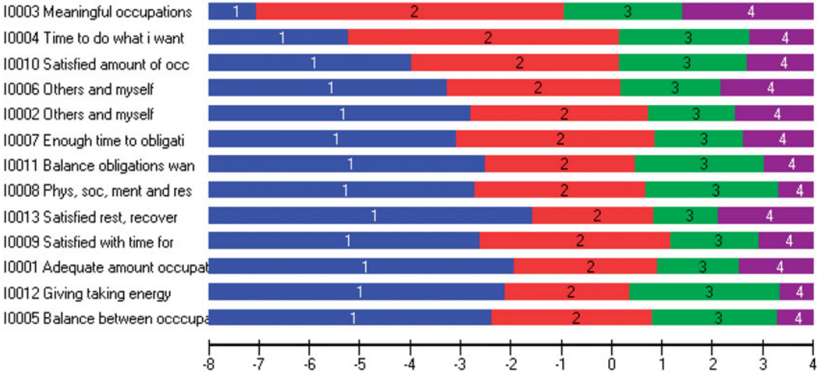
- The original 13-item OBQ with six response categories had disordered thresholds in items 2, 4, 6, and 7; collapsing response categories from six to four (0 = completely disagree to 3 = completely agree) made the rating scale work as intended.
- Items 3 (“Perceiving one’s occupations as meaningful”) and 6 (“Balance between doing things alone and with others”) showed misfit due to multidimensionality (fit residuals 4.034 and 2.902, respectively); removing both yielded the OBQ11, with all residuals nonsignificant and within −2.5 to 2.5.
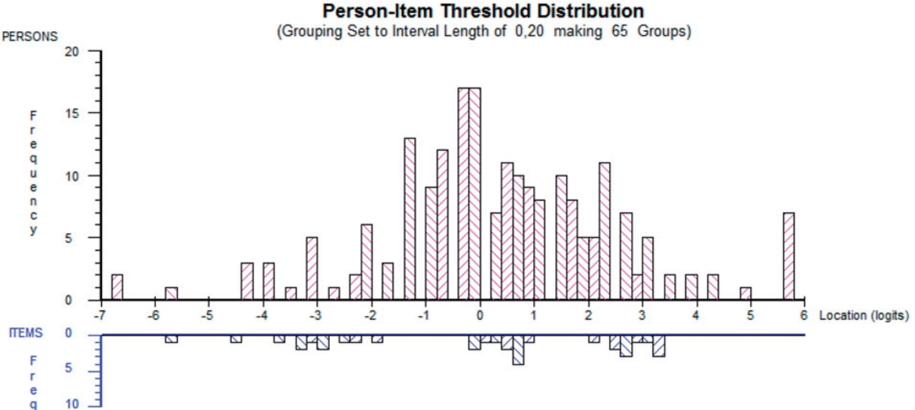
- The OBQ11 had a Person Separation Index reliability of 0.92, total item chi-square 18.21 (df 22, p = 0.693), no floor effects, and a 3% (n = 6) ceiling effect; mean person location was 0.3 (1.83) logits.
- Hierarchical item ordering was supported relative to previous research: item 4 (“Time for doing things wanted”) represented the lower end (−1.022 logits), while item 5 (“Balance between work, home, family, leisure, rest, and sleep”) represented the highest level (0.378 logits); one item (number 11) showed a different location in the OBQ11 compared with the original OBQ.
Methods
- Rasch measurement theory using RUMM2030 and the unrestricted polytomous (“partial credit”) Rasch model; analyses assessed item fit, reliability (PSI), response category thresholds, differential item functioning (DIF) by gender and age (younger 20–49 vs older 50–89, median split), targeting, and hierarchical item ordering.
- Two purposive general population samples from Southern Sweden: Sample 1 (n = 168, aged 21–64, mean age 53 [SD 12], 68% women) completed the original 13-item/6-category OBQ; Sample 2 (n = 207, aged 20–89, mean age 50 [SD 13], 64% women) completed the revised 13-item/4-category version, leading to the OBQ11.
- Bonferroni adjustments were applied with alpha set at 0.05; DIF was examined via 2-way ANOVAs of residuals, and local dependence was assessed through relative correlations between standardized item residuals.
Limitations
- The paper states that mean age was around 50 and about two thirds were women, which may have affected results; the OBQ11 needs testing in additional samples of other ages, a more even gender distribution, patient groups, and across countries and cultures.
- The paper states that sample sizes were somewhat limited, particularly Sample 1; it notes that about 150 can be acceptable for initial issue detection and that Sample 2’s size represents a fair balance for Rasch fit assessment using RUMM2030.
- The paper reports targeting gaps: person locations were not optimally represented by item locations, with gaps between approximately −0.2 and −1.8 logits and between about 1 and 2 logits, plus non-coverage at extreme levels of occupational balance, meaning less precision at those intervals.
Model-written summary. Check it against the paper before relying on it.
Integrity signals
Registry
Cites
Statistics
Figures



Verification
Claims the paper makes
2 Valid · 0 Not valid · 14 Not checked · 61 Own results and interpretations
The sources with a verdict support this claim; the rest weren’t checked yet, have no full text we could read, or their verdicts aren’t rated yet.
In the paper
“However, CTT approaches to assessing the measurement properties of scales have limitations [11 -13].”
What the sources say
- Not checked — no full text of the sourcecites [11] [11] Hobart JC, Cano SJ, Zajicek JP, et al. Rating scales as outcome measures for clinical trials in neurology: problems, solutions, and recommendations. Lancet Neurol. 2007;6(12):1094 -1105. - source
- Supportedcites [12] [12] Hobart J, Cano S. Improving the evaluation of therapeutic interventions in multiple sclerosis: the role of new psychometric methods. Health Technol Assess. 2009;13(12):1 -200. - source
The Overview (p. 9) explicitly identifies limitations of approaches underpinned by Classical Test Theory, including the inability to verify the theory in data and problems treating total scores as measurements. The Results section also identifies sample-dependent scale performance as a limitation of traditional psychometric methods. (LLM, conf=0.94)
- Not checked — no full text of the sourcecites [13] [13] Hagell P. Measuring activities of daily living in Parkinson ' s disease: on a road to nowhere and back again? Measurement. 2019;132:109 -124. - source
plain- Asserted: passes — The authors put it forward as true.
- Checkable: passes — It can be checked against evidence.
- Load-bearing: passes — The paper’s conclusions depend on it.
- Based: passes — The paper gives a reason why it holds.
A result the paper reports from its own data — it cites no other source for it, so there is none to check. The quote shows it is in the paper.
In the paper
“a revised version, the OBQ11, was suggested and exhibited response categories that worked properly, good reliability (0.92), model fit and measurement invariance across age and gender groups.”
plainn = 2- Asserted: passes — The authors put it forward as true.
- Checkable: passes — It can be checked against evidence.
- Load-bearing: passes — The paper’s conclusions depend on it.
- Based: passes — The paper gives a reason why it holds.
A claim is checked only against the cited paper’s full text, never its abstract, and none is available for its sources.
In the paper
“Other reasons may also include multidimensionality [19], which appeared to be the case for three items, or local response dependence [23,29], which was indicated for four items (Table 3).”
What the sources say
- Not checked — no full text of the sourcecites [23] [23] Marais I. Local dependence. In KB Christensen, S Kreiner, M Mesbah (Eds.). Rasch models in health. Croydon, Surrey, UK: John Wiley & Sons, 2013. pp. 111 -130. - source
- Not checked — no full text of the sourcecites [29] [29] Hagqvist C. Evaluating composite health measures using Rasch modelling: an illustrative example. Soz Praventivmed. 2001;46:369 -378. - source
hedged- Asserted: passes — The authors put it forward as true.
- Checkable: passes — It can be checked against evidence.
- Load-bearing: unclear — It is unclear whether the paper’s conclusions depend on it.
- Based: passes — The paper gives a reason why it holds.
In the paper
“Other reasons may also include multidimensionality [19], which appeared to be the case for three items, or local response dependence [23,29], which was indicated for four items (Table 3).”
What the sources say
- Not checked — no full text of the sourcecites [19] [19] Wolfe EW, Smith EV. Instrument development tools and activities for measure validation using Rasch models: part II -validation activities. J Appl Meas. 2007;8(2):204 -234. -
hedged- Asserted: passes — The authors put it forward as true.
- Checkable: passes — It can be checked against evidence.
- Load-bearing: unclear — It is unclear whether the paper’s conclusions depend on it.
- Based: passes — The paper gives a reason why it holds.
A result the paper reports from its own data — it cites no other source for it, so there is none to check. The quote shows it is in the paper.
In the paper
“Following this, the rating scale worked as intended (data not shown).”
plainstates a causen = 168- Asserted: passes — The authors put it forward as true.
- Checkable: passes — It can be checked against evidence.
- Load-bearing: passes — The paper’s conclusions depend on it.
- Based: passes — The paper gives a reason why it holds.
39 more claims
Create a free account to see all 77 claims and to verify the 1 reference still open.
- Probably not a substantial claim. 14
- It may state two separate claims as one. 21
Citations
Cites
Multiple significance tests: the Bonferroni method
Bland, J. M., & Altman, D. G. (1995) · BMJ · doi:10.1136/bmj.310.6973.170 · Cited by 3,341
Probabilistic Models for some Intelligence and Attainment Tests.
Wolins, L., Wright, B. D., & Rasch, G. (1982) · Journal of the American Statistical Association · doi:10.2307/2287805 · Cited by 1,979
Andrich, D. (1988) · doi:10.4135/9781412985598 · Cited by 1,345
Christensen, K. B., Makransky, G., & Horton, M. (2017) · Applied Psychological Measurement · doi:10.1177/0146621616677520 · Cited by 691
Hobart, J., & Cano, S. (2009) · Health Technology Assessment · doi:10.3310/hta13120 · Cited by 621
Hobart, J. C., Cano, S. J., Zajicek, J. P., & Thompson, A. J. (2007) · The Lancet Neurology · doi:10.1016/s1474-4422(07)70290-9 · Cited by 495
(2007) · PubMed · Cited by 339
Occupational balance as used in occupational therapy: A concept analysis
Wagman, P., Håkansson, C., & Björklund, A. (2012) · Scandinavian Journal of Occupational Therapy · doi:10.3109/11038128.2011.596219 · Cited by 334
Self-citationWilson, M. (2004) · doi:10.4324/9781410611697 · Cited by 277 · cited 1×
“Furthermore, the Rasch model determines empirically how items (and persons) are ordered on a latent continuum from less to more of the target variable, which allows for an investigation of the coherence between the instrument and its underpinning theory [18,19].”
BackgroundRating scales and Rasch measurement
Andrich, D. (2011) · Expert Review of Pharmacoeconomics & Outcomes Research · doi:10.1586/erp.11.59 · Cited by 262 · cited 2×
“Taken together, these analyses provide evidence of potential anomalies between any particular item which may over- or under discriminate relative to the summary discrimination of all items [22].”
Background
Research works printed but not linked: 7
- [1] Meyer A. The philosophy of occupation therapy. Am J Occup Ther. 1977;31(10):639 -642. (Reprinted from Arch Occup Ther 1922;1:1-10). - · doi:10.5014/ajot.2009.31.10.639
- [20] Andrich D. An index of person separation in latent trait theory, the traditional KR-20 index, and the Guttman scale response pattern. Educ Psychol Res. 1982;9:95 -104. -
- [21] Andrich D, Luo G, Sheridan B. Interpreting RUMM 2030. Perth: WA: RUMM Laboratory, 2013. -
- [26] Andrich D, Sheridan B, Luo G. RUMM2030: Rasch unidimensional models for measurement. Perth, Australia: RUMM Laboratory; 1997. -
- [30] Hudgens S, Dieneen K, Webster K, et al. Assessing statistically and clinically meaningful construct deficiency/saturation: recommended criteria for content coverage and item writing. Rasch Meas Trans. 2004; 17:954 -955. -
- [34] Backman C. Occupational balance and well-being. In CH Christiansen, EA Townsend. Introduction to occupation. The arts and science of living. Upper Saddle River, NJ; Pearson Education Inc. 2010. -
- [38] Regnault A. A mixed methods framework for the development of patient-centered outcome measures. Paper presented at the 7th International Conference on Probabilistic Models for Measurements. Perth, Australia 17-19 January, 2017.
Cited by
Validity and reliability of the Turkish Occupational Balance Questionnaire (OBQ11-T)
Günal, A., Pekçetin, S., Demirtürk, F., Şenol, H., Håkansson, C., & Wagman, P. (2019) · Scandinavian Journal of Occupational Therapy · doi:10.1080/11038128.2019.1673479 · Cited by 102
Self-citationTennant, A., & Küçükdeveci, A. A. (2023) · Frontiers in Rehabilitation Sciences · doi:10.3389/fresc.2023.1208670 · Cited by 106
“Increasingly, the term “Rasch measurement theory” (RMT) is applied as the framework for such analysis, originally expiated in Part B of Rasch’s book (4, 121).”
MethodHåkansson, C., Leo, U., Oudin, A., Arvidsson, I., Nilsson, K., Österberg, K., & Persson, R. (2021) · BMC Public Health · doi:10.1186/s12889-021-10809-6 · Cited by 48
Self-citationOccupational Health among Swedish Occupational Therapists: A Cross-Sectional Study
Lexén, A., Kåhlin, I., Erlandsson, L., & Håkansson, C. (2020) · International Journal of Environmental Research and Public Health · doi:10.3390/ijerph17103379 · Cited by 33
“Occupational Balance Occupational balance was assessed using the Occupational Balance Questionnaire (OBQ11) [32,33].”
BackgroundMethodInfluentialSelf-citationOccupational balance and quality of life in mothers of children with cerebral palsy
Günal, A., Pekçetin, S., Wagman, P., Håkansson, C., & Kayıhan, H. (2021) · British Journal of Occupational Therapy · doi:10.1177/0308022621995112 · Cited by 43
“Spearman correlation analysis was used to evaluate correlations between the OBQ11-T and NHP. Spearman’s correlation coefficient (r) values were classified as indicating very weak (0.00–0.19), weak (0.20–0.39), moderate (0.40–0.59), moderately strong (0.60–0.79), and strong (0.80–1.0) relations between variables (Alpar…”
MethodInfluentialSelf-citationOccupational balance and sleep among women
Magnusson, L., Håkansson, C., Brandt, S., Öberg, M., & Orban, K. (2020) · Scandinavian Journal of Occupational Therapy · doi:10.1080/11038128.2020.1721558 · Cited by 45
“version has shown good construct validity [31].”
Self-citationEffect of Web-Based Time-Use Intervention on Occupational Balance During the Covid-19 Pandemic
Pekçetin, S., & Günal, A. (2021) · Canadian Journal of Occupational Therapy · doi:10.1177/0008417421994967 · Cited by 35
“Håkansson et al. (2020) reported that the OBQ11 had good reliability (0.92), model fit, and measurement invariance across age and gender groups.”
BackgroundInfluentialOccupational balance from a clinical perspective
Dhas, B. N., & Wagman, P. (2020) · Scandinavian Journal of Occupational Therapy · doi:10.1080/11038128.2020.1865450 · Cited by 42
Self-citationOccupational Balance and Quality of Life in Nursing Home Residents
Aas, M. H., Austad, V. M., Lindstad, M. Ø., & Bonsaksen, T. (2020) · Physical & Occupational Therapy In Geriatrics · doi:10.1080/02703181.2020.1750530 · Cited by 30
“Quite recently, the construct validity of the OBQ was established by Rasch analysis of responses from two different general population samples.(11) The occupational therapy profession is founded upon the belief that health and life satisfaction is promoted and maintained by daily occupations and their balance,(3) thus…”
BackgroundMethodPeral‐Gómez, P., López-Roig, S., Pastor-Mira, M. D. L. Á., Abad, E., Valera‐Gran, D., Håkansson, C., & Wagman, P. (2021) · International Journal of Environmental Research and Public Health · doi:10.3390/ijerph18147506 · Cited by 32
“93) [18], which makes it a reliable instrument to measure OB.”
BackgroundSelf-citationTo‐Miles, F., Håkansson, C., Wagman, P., & Backman, C. L. (2021) · Arthritis Care & Research · doi:10.1002/acr.24732 · Cited by 30
“The OBQ-11 (25,26) is an 11-item scale with a”
BackgroundInfluentialSelf-citationRöschel, A., Wagner, C., & Dür, M. (2021) · PLoS ONE · doi:10.1371/journal.pone.0261815 · Cited by 29
Håkansson, C., Gunnarsson, A. B., & Wagman, P. (2021) · Journal of Occupational Science · doi:10.1080/14427591.2021.1939111 · Cited by 33
“The OBQ focuses on satisfaction with the amount and variation of occupations, regardless of what they are.”
BackgroundMethodInfluentialSelf-citationHåkansson, C., & Lexén, A. (2021) · BMC Health Services Research · doi:10.1186/s12913-021-06465-6 · Cited by 28
“The OBQ11 consists of 11 statements such as “I balance the different kinds of activities in my life, e.g., work, household chores, leisure, rest, and sleep” and “There is a balance between activities that give me energy versus those that drain my energy”.”
BackgroundMethodInfluentialSelf-citationDhas, B. N., Carrasco, R., Reinoso, G., & Backman, C. L. (2023) · American Journal of Occupational Therapy · doi:10.5014/ajot.2023.050076 · Cited by 21
“Occupational Balance OB was the main outcome variable and was measured using the revised 11-item Occupational Balance Questionnaire (OBQ11; Håkansson et al., 2020).”
Perceived occupational value in people with acquired brain injury
Nyman, A., Kassberg, A.-C., & Larsson-Lund, M. (2020) · Scandinavian Journal of Occupational Therapy · doi:10.1080/11038128.2020.1791951 · Cited by 24
“The ratings of the OBQ are summed as the total score (ranging between 0 and 39).”
BackgroundMethodInfluentialUthede, S., Nilsson, I., Wagman, P., Håkansson, C., & Farias, L. (2023) · Scandinavian Journal of Occupational Therapy · doi:10.1080/11038128.2022.2046154 · Cited by 17
“The use of a valid and reliable questionnaire such as the OBQ11 [28], enhances the validity of the study.”
BackgroundMethodInfluentialSelf-citationUrban versus rural older adults: occupational balance and quality of life comparison
Pekçetin, E., Pekçetin, S., Sağlamoğlu, E., & Ekici, G. (2025) · BMC Geriatrics · doi:10.1186/s12877-025-05694-2 · Cited by 15
Madsen, C. M. T., Primdahl, J., Bremander, A., Eggen, L., & Christensen, J. R. (2023) · BMC Health Services Research · doi:10.1186/s12913-023-09780-2 · Cited by 16
“Validity of the Danish version of Occupational Balance Questionnaire (OBQ-DK)2016.”
MethodInfluentialYılmaz, G. G., Yazıcı, G. Z., Temuçin, K., Gürbüz, D. A., & Akı, E. (2021) · Australian Occupational Therapy Journal · doi:10.1111/1440-1630.12762 · Cited by 16
“The total score ranges from 0 to 33 with the addition of each item, with higher scores indicating a higher occupational balance (Håkansson et al., 2020).”
BackgroundA new tool to measure occupational balance: Adolescent Occupational Balance Scale (A-OBS)
Yılmaz, G. G., Avcı, H., & Akı, E. (2022) · Scandinavian Journal of Occupational Therapy · doi:10.1080/11038128.2022.2154262 · Cited by 18
Larsson-Lund, M., Lexell, E. M., & Nyman, A. (2021) · Pilot and Feasibility Studies · doi:10.1186/s40814-021-00924-x · Cited by 13
Dhas, B. N., Wagman, P., Marji, F. A., Håkansson, C., & Carrasco, R. (2021) · British Journal of Occupational Therapy · doi:10.1177/03080226211039432 · Cited by 12
“…instruments that measure OB explicitly currently exist in the literature are as follows: The revised Occupational Balance Questionnaire [(OBQ11] (Håkansson et al., 2019b, 2019c), Satisfaction with Daily Occupations - Occupational Balance [SDO-OB] (Eklund and Argentzell, 2016), and the…”
MethodSelf-citationManaging Fatigue in Parkinson’s Disease: Protocol for a Pilot Randomized Controlled Trial
Alizadeh, N. S., Packer, T. L., Sturkenboom, I. H. W. M., Eskes, G. A., & Warner, G. (2022) · Canadian Journal of Occupational Therapy · doi:10.1177/00084174221085449 · Cited by 12
Farhadian, M., Akbarfahimi, M., Hassani‐Abharian, P., Khalafbeigi, M., & Yazdani, F. (2024) · Occupational Therapy International · doi:10.1155/2024/6299073 · Cited by 13
“The OBQ11 has demonstrated high reliability (Cronbach ’ s alpha = 0 92 ) [18].”
BackgroundHagelskjær, V., Nielsen, K. T., von Bülow, C., Graff, M. J. L., & Wæhrens, E. E. (2021) · Pilot and Feasibility Studies · doi:10.1186/s40814-021-00861-9 · Cited by 13
“Number of relevantly and fully answered ADL-Q, OBQ11 and CWP questionnaires were reported in numbers and percentages.”
MethodInfluentialExploratory analysis of college students’ occupational engagement during COVID-19
Tapia, V. A., Isralowitz, E. B., Deng, K., Nguyen, N. T., Young, M., Como, D. H., Martinez, M., Valente, T. W., & Cermak, S. A. (2022) · Journal of Occupational Science · doi:10.1080/14427591.2022.2101021 · Cited by 9
“Aspects such as occupation type, variety of occupation, who they are done for, done with, how often, and how meaningful they are all act as contributing factors to understanding the experience of occupational balance and highlight its complex nature (Håkansson et al., 2019).”
BackgroundMethodPeral‐Gómez, P., Espinosa-Sempere, C., Navarrete‐Muñoz, E. M., Hurtado‐Pomares, M., Juárez-Leal, I., Valera‐Gran, D., & Pérez, A. S. (2022) · Annals of Medicine · doi:10.1080/07853890.2022.2145016 · Cited by 13
Occupational Balance and Life Satisfaction in Parents of Children With Autism
Yazıcı, G. Z., & Yıldırım, K. (2025) · Child Care Health and Development · doi:10.1111/cch.70047 · Cited by 9
Rodríguez-Pérez, M. P., Sánchez-Herrera-Baeza, P., Ledo, P. R., Hoyas, E. H., Fernández-Gómez, G., Montes‐Montes, R., & Pérez‐de‐Heredia‐Torres, M. (2023) · Journal of Clinical Medicine · doi:10.3390/jcm12134222 · Cited by 10
“To determine the possible effect of demographic and clinical variables and the OBQ scale on the dimensions of the SF36 scale, multivariable linear regression models were calculated, considering physical functioning, role physical, general health and bodily pain as the dependent variables (Table 4).”
BackgroundInfluentialTse, T., Roberts, E., Garvie, J., Sutton, E., & Munro, A. (2021) · Australian Occupational Therapy Journal · doi:10.1111/1440-1630.12772 · Cited by 8
Larsson, M., Ahlstrand, I., Larsson, I., Lood, Q., Hammar, I. O., Sundler, A. J., Pennbrant, S., Ekman, A., Forsberg, E., Hedén, L., et al. (2024) · BMJ Open · doi:10.1136/bmjopen-2023-080995 · Cited by 19
Work conditions as predictors of Swedish occupational therapists’ occupational balance
Håkansson, C., & Lexén, A. (2022) · Scandinavian Journal of Occupational Therapy · doi:10.1080/11038128.2022.2158928 · Cited by 14
“The OBQ11 consists of 11 statements such as ‘I balance the different kinds of occupations in my life, e.g. work, home, family, rest, and recovery’ and ‘I am satisfied with the amount of time that I spend relaxing, recovering, and sleeping’.”
BackgroundMethodInfluentialSelf-citationsadati, S. S. S., Raji, P., Ansari, N. N., Håkansson, C., & Wagman, P. (2023) · British Journal of Occupational Therapy · doi:10.1177/03080226231174103 · Cited by 10
“The ITC was not reported for the original version and adapted versions of the OBQ11 in other languages (Håkansson et al., 2020; Yu et al., 2018).”
BackgroundMethodResultInfluentialSelf-citationHernandez, R., Schneider, S., Wagman, P., Håkansson, C., Spruijt‐Metz, D., & Pyatak, E. A. (2023) · American Journal of Occupational Therapy · doi:10.5014/ajot.2023.050173 · Cited by 9
Self-citationBonsaksen, T., Lindstad, M. Ø., Håkansson, C., Wagman, P., & Cordier, R. (2021) · Occupational Therapy International · doi:10.1155/2021/8863453 · Cited by 8
“In the revised OBQ11-N, which was used in this study, each item has four response options (0 = disagree; 1 = partly agree; 2 = largely agree; 3 = completely agree) [19].”
BackgroundMethodResultInfluentialSelf-citationHagelskjær, V., von Bülow, C., Nielsen, K. T., Henriksen, M., & Wæhrens, E. E. (2023) · Clinical Rehabilitation · doi:10.1177/02692155231180720 · Cited by 9
“Explorative outcomes were change from baseline in perceived occupational balance (Occupational Balance Questionnaire 11), 22 perceived change (Client-Weighted Problems Questionnaire), and general health (the fi rst question of the MOS 36-item Short Form Survey Instrument), 23 at Weeks 10 and 26.”
Ayuso, D. M. R., Jara-Urzúa, A., Lapierre, M., & Triviño-Juárez, J. M. (2024) · Cadernos Brasileiros de Terapia Ocupacional · doi:10.1590/2526-8910.ctoao27983642 · Cited by 5
Doğu, S. E., Günal, A., Pekçetin, S., Örsel, S., Wagman, P., & Håkansson, C. (2023) · Scandinavian Journal of Occupational Therapy · doi:10.1080/11038128.2022.2164351 · Cited by 6
“does not require very high levels of occupational balance), while experiencing balance between different types of occupations may be more difficult to achieve [16].”
BackgroundMethodInfluentialSelf-citationOccupational balance and caregiver burden among caregivers of individuals with spinal cord injuries
Qaracheh, A. H., Shirmard, M. H., Baghban, A. A., & Rezaee, M. (2025) · Journal of Spinal Cord Medicine · doi:10.1080/10790268.2025.2472097 · Cited by 6
“Higher scores indicate better occupational balance (20).”
Comparisons of Occupational Balance Within Informal Caregivers of Individuals With Schizophrenia
Pekçetin, E., Ekici, G., Çetinkaya, M., Pehlivan, F., Torpil, B., & Pekçetin, S. (2023) · OTJR Occupational Therapy Journal of Research · doi:10.1177/15394492231202416 · Cited by 5
“Håkansson et al. (2020) introduced the OBQ-11 as a tool to assess the perceived OB of individuals.”
Esthi, R. B., Irawan, N. C., Susilowati, Y., et al. (2023) · IOP Conference Series Earth and Environmental Science · doi:10.1088/1755-1315/1267/1/012082 · Cited by 5
“Meanwhile, the discriminant validity test aims to test the extent to which latent constructs differ from other constructs [33].”
BackgroundPsychometric properties of the Arabic Occupational Balance Questionnaire (OBQ11-A)
Dhas, B. N., Alhadi, S. A. A. A. A., That, G. M. R. D. A., & Abdulla, S. S. H. A. (2024) · Annals of Medicine · doi:10.1080/07853890.2024.2346945 · Cited by 6
“…reliability of OBQ11-a. the results, icc value of 0.928 for the total score is comparable to the original version of the questionnaire in swedish [21]. the icc values for each of the individual items were more than 0.7 which is the acceptable limit for scales used in research [29]. however, the…”
InfluentialGunnarsson, A. B., Wagman, P., Sternudd, H. T., Holmberg, S., Holmgren, K. E., & Hörberg, U. (2021) · BMC Psychology · doi:10.1186/s40359-021-00625-3 · Cited by 6
“Abbreviations Be Well™: The intervention based on photo supported conversations; CSQ: Client satisfaction questionnaire; HADS: Hospital anxiety and depression scale; KEDS: Karolinska Exhaustion Disorder Scale; MANSA: Manchester short assessment of quality of life; OBQ11: Occupational balance questionnaire; SOC: Sense…”
MethodInfluentialSelf-citationTraduction de l'Occupational Balance Questionnaire en français et sa validation
Larivière, N., Bertrand, A. M., Beaudoin, J., Giroux, A., Grenier, K., Page, R., Perrin, C., & Håkansson, C. (2023) · Canadian Journal of Occupational Therapy · doi:10.1177/00084174231156288 · Cited by 8
Self-citationBarchéus, I.-M., Ranner, M., Nyman, A., Lexell, E. M., & Larsson-Lund, M. (2023) · PLoS ONE · doi:10.1371/journal.pone.0296364 · Cited by 5
“These were an interview instrument based on a time-use diary—the profiles of occupational engagement (POES) [30, 31]—and self-reports using the occupational balance questionnaire (OBQ11) [32, 33] and the occupational values with predefined items (Oval-pd) [34].”
MethodJohnsson, C., Asaba, E., Guidetti, S. G. E., Åkesson, E., Hagströmer, M., & Patomella, A. (2025) · Journal of Primary Care & Community Health · doi:10.1177/21501319251385889 · Cited by 7
Johnsen, A. M., Theodorsson, E., Broström, A., Wagman, P., & Fransson, E. I. (2023) · Scientific Reports · doi:10.1038/s41598-023-40076-x · Cited by 4
“The participants’ perception of their mix of activities in everyday life (occupational balance) within and beyond paid work, was assessed using the 11-item Occupational Balance Questionnaire (OBQ11) 32 .”
InfluentialSelf-citationJohnsen, A. M., Wagman, P., Broström, A., & Fransson, E. I. (2024) · International Journal of Occupational Safety and Ergonomics · doi:10.1080/10803548.2024.2332115 · Cited by 10
“Lifestyle-related factors were assessed regarding leisure-time physical activity, smoking and tobacco use, alcohol use [24], possibility to engage in leisure activities, balance between activities in everyday life [25], rest and recovery from work [26], and core symptoms of insomnia [27].”
BackgroundSelf-citationOccupational balance of Spanish occupational therapists – a challenge
González-Román, L., Peral‐Gómez, P., Garrido-Pedrosa, J., Zango-Martín, I., Wagman, P., & Pérez, A. S. (2022) · Scandinavian Journal of Occupational Therapy · doi:10.1080/11038128.2022.2145994 · Cited by 6
Self-citationPark, S., & Lee, C. D. (2023) · Journal of Occupational Science · doi:10.1080/14427591.2023.2243281 · Cited by 6
“The lack of a gold-standard was also proved by the construct of OB in four instruments — LBI, MAWNA, OBQ, and OB-Quest — which were conceptualised and measured separately from each other (Håkansson et al., 2020).”
InfluentialBerges, M. M., Lizana, P. A., Marroquín-Pinochet, V., Osorio-Paredes, V., Iguacel, I., & Gómez‐Bruton, A. (2025) · Journal of Transport & Health · doi:10.1016/j.jth.2025.102105 · Cited by 7
Yaran, M., & Elpe, Y. (2023) · European Journal of Public Health Studies · doi:10.46827/ejphs.v6i1.156 · Cited by 3
“OBQ was first developed by Wagman and Håkansson (2014a), and an 11-item version was developed in 2020 (Håkansson et al., 2020).”
BackgroundEklund, M., & Gunnarsson, A. B. (2025) · Scandinavian Journal of Occupational Therapy · doi:10.1080/11038128.2025.2474853 · Cited by 6
“…found indicate that it is also relevant to form indexes that combine occupational balance perspectives, such as the Occupational Balance Questionnaire (OBQ) [36,37], which combines the three perspectives of occupational areas, occupations with different characteristics, and time use [6].”
Dåderman, A. M., Persson, B. N., Ahlstrand, I., Hällgren, J., Larsson, I., Larsson, M., Sundler, A. J., Hedén, L., Nunstedt, H., Ekman, A., et al. (2025) · BMC Psychology · doi:10.1186/s40359-025-03271-1 · Cited by 7
“The revised 11-item version (OBQ11) was validated by Håkansson et al. [57], confirming its internal construct validity.”
Ortíz‐Rubio, A., Håkansson, C., Pessah-Rasmussen, H., & Lexell, E. M. (2024) · Australian Occupational Therapy Journal · doi:10.1111/1440-1630.12962 · Cited by 5
Self-citationEspiritu, E. W., Chang, P.-F. J., Evetts, C. L., & Adams, J. (2024) · OTJR Occupational Therapy Journal of Research · doi:10.1177/15394492241287712 · Cited by 3
“The fourth outcome measure, the Occupational Balance Questionnaire 11 (OBQ11), based on the Occupational Balance Questionnaire (OBQ), was used to measure occupational balance (Håkansson et al., 2019; Wagman & Håkansson, 2014).”
To‐Miles, F., Backman, C. L., Forwell, S. J., Puterman, E. M., Håkansson, C., & Wagman, P. (2022) · Journal of Occupational Science · doi:10.1080/14427591.2022.2057573 · Cited by 5
Self-citationOccupational Therapy and Health Promotion
Haracz, K. (2025) · Springer eBooks · doi:10.1007/978-981-92-1288-0_125 · Cited by 2
The relationship between teachers’ occupational balance and job demands and resources
Değerli, M. N. Ö., Taşkıran, İ., & Abaoğlu, H. (2025) · Journal of Occupational Science · doi:10.1080/14427591.2025.2521132 · Cited by 3
“Occupational balance is about having a sufficient amount and variety of occupations (Wagman & Håkansson, 2019; Wagman et al., 2012) and is dynamic, fluctuating according to the occupations that a person wants, needs, or is expected to do (Håkansson & Lexén, 2023).”
Pilegaard, M. S., Timm, H. U., Birkemose, H. K., Dupont, S. B., Jørgensen, D. S., & la Cour, K. (2022) · Pilot and Feasibility Studies · doi:10.1186/s40814-022-01038-8 · Cited by 2
“The QBQ has be found to be valid and reliable [37, 38].”
MethodDetecting Changes in Human Agency of Older Adults in Rehabilitation
Juntunen, K., Lautamo, T., Pikkarainen, A., & Lällä, K. (2022) · Activities Adaptation & Aging · doi:10.1080/01924788.2022.2116531 · Cited by 4
Caregiving Children with Visually Impairments: Occupational Balance and Quality of Life Perspective
Yılmaz, G. G., Abaoğlu, H., Demirok, T., & Akı, E. (2023) · International Journal of Disabilities Sports & Health Sciences · doi:10.33438/ijdshs.1252793 · Cited by 4
Honoré, H., Boll, M., Hansen, A. Ø., & Kristensen, H. K. (2023) · British Journal of Occupational Therapy · doi:10.1177/03080226231207277 · Cited by 2
“…of response categories was reduced from six to four meaningfully ordered responses ranging from disagree = 0 and partially disagree = 1 to partially agree = 2 and agree = 3; and the number of items was reduced from 13 to 11 after investigating their dimensional aspects (Håkansson et al., 2019).”
BackgroundEspiritu, E. W., Yeatts, P. E., & Evetts, C. L. (2024) · The Open Journal of Occupational Therapy · doi:10.15453/2168-6408.2181 · Cited by 5
Gunnarsson, A. B., Wagman, P., Hörberg, U., Holmgren, K. E., & Holmberg, S. (2024) · Scandinavian Journal of Primary Health Care · doi:10.1080/02813432.2024.2421588 · Cited by 4
Self-citationLaursen, M. B., Pilegaard, M. S., & la Cour, K. (2025) · Palliative & Supportive Care · doi:10.1017/s1478951524001652 · Cited by 3
“The Occupational Balance Questionnaire has been found to be valid and reliable (Håkansson et al. 2020).”
Larsson-Lund, M., Barchéus, I.-M., Ranner, M., Vikman, I., Jacobsson, L., & Lexell, E. M. (2025) · BMC Health Services Research · doi:10.1186/s12913-025-12456-8 · Cited by 5
“The Occupational Balance Questionnaire (OBQ-11) [32] assesses the level of having the right mix and variation of activities, which results in a summed score between 0 and 33.”
Küçükkelepçe, D. Ş., Gökgöz, N., Polat, F., & Tunç, A. R. (2025) · BMC Pregnancy and Childbirth · doi:10.1186/s12884-025-07826-3 · Cited by 3
“In 2020, the questionnaire was revised, resulting in an 11-item version [26].”
Lombard, K., Nolan, C., & Heron, E. A. (2021) · Occupational Therapy in Mental Health · doi:10.1080/0164212x.2021.2005736 · Cited by 5
Lexén, A., Liljefors, V., Nilsson, A., Lexell, E. M., & Håkansson, C. (2023) · Occupational Therapy in Mental Health · doi:10.1080/0164212x.2023.2237190 · Cited by 4
“The OBQ11 assesses an individual ’ s self-rated occupational balance.”
Self-citationMadsen, C. M. T., Christensen, J. R., Bremander, A., Eggen, L., & Primdahl, J. (2024) · BMC Musculoskeletal Disorders · doi:10.1186/s12891-024-07862-8 · Cited by 4
Günal, A., Demirtürk, F., Kömpe, E., Peynir, E., Örükaya, S., Çakırcı, A. S., Çetin, A., May, E., Berkil, S., Majlesi, M., et al. (2025) · Avrasya Sağlık Bilimleri Dergisi · doi:10.53493/avrasyasbd.1616120 · Cited by 1
Yıldırım, K., Yazıcı, G. Z., Demirci, B., Sarışahin, S., & Şahın, S. (2025) · International Journal of Environmental Research and Public Health · doi:10.3390/ijerph22071077 · Cited by 3
Social Determinants of Occupational Balance Among Syrian Refugees
Yazıcı, M. R., Yazıcı, G. Z., & Akyürek, G. (2025) · American Journal of Occupational Therapy · doi:10.5014/ajot.2025.051248 · Cited by 1
“The total score ranges from 0 to 33, with higher scores indicating greater OB (Håkansson et al., 2020).”
Nyman, A., Larsson, E., & Isaksson, G. (2025) · Scandinavian Journal of Occupational Therapy · doi:10.1080/11038128.2025.2590725 · Cited by 1
“The self-assessment tool used to capture the satisfaction with, and the variation in daily activities will be the Occupational Balance Questionnaire (OBQ) [45], which has been confirmed to have good validity and can be used as a measure in health promoting interventions.”
Çakıroğlu, G., & Yaman, H. (2026) · Cadernos Brasileiros de Terapia Ocupacional · doi:10.1590/2526-8910.cto421841652 · Cited by 1
Laosee, O. C., Rattanapan, C., Sritoomma, N., & Ounsaneha, W. (2026) · BMC Psychology · doi:10.1186/s40359-026-04412-w · Cited by 1
Leenders, J. M. P., Geurts, A. C. H., Steultjens, E. M. J., Packer, T. L., & Cup, E. H. C. (2023) · Disability and Rehabilitation · doi:10.1080/09638288.2023.2213482 · Cited by 2
“After internal consistency analyses, the OBQ was reduced to 11 items: the OBQ11 [25].”
MethodTeske, J., Kugel, J. D., Javaherian-Dysinger, H., Krpalek, D., & Salamat, A. (2023) · Occupational Therapy in Mental Health · doi:10.1080/0164212x.2023.2237188 · Cited by 4
The occupational therapy process in workplace wellness: A qualitative study of client experience
Jensen, M. (2024) · Work · doi:10.3233/wor-230723 · Cited by 2
Cognitive interviews on the Swedish occupational balance questionnaire
Wagman, P., Karlsson, L., Ekblad, N., & Håkansson, C. (2024) · Scandinavian Journal of Occupational Therapy · doi:10.1080/11038128.2024.2413144 · Cited by 1
“After these analyses, the instrument was revised to create the current version, OBQ11, with 11 items and four response alternatives [3,7].”
Self-citationMadsen, C. M. T., Primdahl, J., & Christensen, J. R. (2024) · BMJ Open · doi:10.1136/bmjopen-2024-089050 · Cited by 1
Hagelskjær, V., Nielsen, K. T., von Bülow, C., Østergaard, L. G., Graff, M. J. L., & Wæhrens, E. E. (2021) · BMJ Open · doi:10.1136/bmjopen-2021-051722 · Cited by 6
“22 A four-category response scale ranging from ‘completely disagree’ to ‘completely agree’ is employed.”
Streegan, C. J. B., & Gomez, I. N. (2023) · Asian Journal of Occupational Therapy · doi:10.11596/asiajot.19.161
A Rasch analysis of the Danish version of the occupational balance questionnaire (OBQ11)
Morville, A.-L., Wagman, P., & Håkansson, C. (2024) · Scandinavian Journal of Occupational Therapy · doi:10.1080/11038128.2024.2327356 · Cited by 3
“In the revised Swedish OBQ11, the four-response options were identified as preferable and Håkansson et al. removed two items from the original OBQ as these were not considered to be related to the construct [5].”
InfluentialSelf-citationValidity and reliability of the Japanese version of the occupational balance questionnaire
Yamada, Y., Kobayashi, N., Wagman, P., & Håkansson, C. (2025) · British Journal of Occupational Therapy · doi:10.1177/03080226251329771 · Cited by 2
Self-citationOccupational Balance and Caregiver Burden among Parents of Children with Autism Spectrum Disorder
Murad, M. S., Aziz, S. A., Ibrahim, S. A. S., et al. (2025) · Environment-Behaviour Proceedings Journal · doi:10.21834/e-bpj.v10i32.6726
Borgh, M., Persson, R., Leo, U., & Håkansson, C. (2025) · BMC Public Health · doi:10.1186/s12889-025-23690-4 · Cited by 1
“An abbreviated version of the Gothenburg Manager Stress Inventory (GMSI) [30], the GMSI-mini, was used to measure demanding and supportive organisational and social work environment factors.”
Self-citationAvunç, H., Göktürk, T., & Arslan, E. E. (2025) · Ergoterapi ve Rehabilitasyon Dergisi · doi:10.30720/ered.1639062
Honoré, H., Eggertsen, P. P., Pedersen, A. R., & Nielsen, J. F. (2025) · Healthcare · doi:10.3390/healthcare13161989
“Occupational balance was assessed with the Danish Occupational Balance Questionnaire, OBQ-DK [49,50].”
Layne, K., & Collins, K. (2025) · Occupational Therapy in Mental Health · doi:10.1080/0164212x.2025.2549542
Validity and reliability of the Lithuanian Occupational Balance Questionnaire
Žlibinaitė, L., Lamsodienė, E., Gintilienė, M., Mozerytė, G., Håkansson, C., Wagman, P., & Pekçetin, S. (2025) · British Journal of Occupational Therapy · doi:10.1177/03080226251363732
“A recent validation study in Sweden (Håkansson et al., 2020) demonstrated that OBQ11 items are logically ordered, progressing from easier to more complex ones, and showed good internal consistency (Cronbach’s α = 0.92), acceptable model fit according to Rasch analysis and measurement invariance…”
InfluentialSelf-citationJensen, A., Larsson, I., Forsberg, E., Ouis, P., & Ahlstrand, I. (2025) · Work · doi:10.1177/10519815251381285
“43,46 The higher the values indicated on the scales, the better the health-promoting resources.”
Larsson-Lund, M., Sundbaum, J. K., Lexell, E. M., & Spinord, L. (2025) · BMJ Open · doi:10.1136/bmjopen-2025-102026
“The Occupational Balance Questionnaire (OBQ-11) 49 is a self-report questionnaire assessing balance in activities consisting of 11 items, each rated on a 4-point Likert scale.”
From Theory to Practice: Developing the MOBILE Intervention for Adults with Depression
Volovic-Shushan, S., Josman, N., Baruch, L. B., & Stern, A. (2025) · Healthcare · doi:10.3390/healthcare13212667
Predictors of resilience in caregivers of stroke patients: A mixed-methods approach
Yılmaz, G. G., Önal, G., Ergün, B., & Gökkaya, N. K. O. (2025) · Journal of Health Psychology · doi:10.1177/13591053251388310 · Cited by 1
“Occupational Balance Questionnaire (OBQ11-T): The purpose of this scale is to measure satisfaction with daily occupations based on their quantity and diversity, and to define occupational balance according to the results obtained (Håkansson et al., 2020).”
Aras, B., İnal, Ö., Tuncer, B., Atalay, S. G., & Çulha, C. (2025) · Turkish Journal of Physical Medicine and Rehabilitation · doi:10.5606/tftrd.2025.15953
“This questionnaire was first developed in 2014 and later modified as OBQ11 by Håkansson et al. [14] It is a self-rating scale that measures OB in different dimensions.”
Menon, Q. T. S., Sabri, M. Q. M., Thurasamy, R., Isa, S. N. I., & Daud, A. Z. C. (2026) · Australian Occupational Therapy Journal · doi:10.1111/1440-1630.70077
Redesigning Daily Occupations (REDO®): étude pilote en retour au travail au Québec
Robitaille-Beaumier, E.-L., Corbière, M., Erlandsson, L., et al. (2026) · Canadian Journal of Occupational Therapy · doi:10.1177/00084174261426257
“Cet outil examine la perception d ’ avoir une bonne quantité et diversité de ses occupations quotidiennes (Håkansson et al., 2020; Larivière et al., 2022; Wagman and Håkansson, 2014).”
Metadata
- Authors
- Håkansson, C., Wagman, P., & Hagell, P.
- Affiliations
- Lund University (SE)
- Jönköping University (SE)
- Kristianstad University (SE)
- Corresponding author
- Håkansson, Carita
- Venue
- Scandinavian Journal of Occupational Therapy
- Published
- 2019-09-14
- Volume
- 27
- Issue
- 6
- Pages
- 441-449
- ISSN
- 1103-8128 (ISSN-L)
- 1651-2014
- OpenAlex
- W2972448699
- Cited by
- 115
- References
- 30
- Citations by year
- 2026: 15 · 2025: 28 · 2024: 14 · 2023: 24 · 2022: 10 · 2021: 18 · 2020: 5 · 2019: 1
- FWCI
- 18.08
- Type
- journal article
- Language
- en
- Open access
- hybrid
- doi.org
- Licence
- Locations
- Scandinavian Journal of Occupational Therapy (publishedVersion, cc-by-nc-nd)
- PubMed (publishedVersion)
- Högskolan Kristianstad Publikationer (submittedVersion, other-oa)
- DOAJ (DOAJ: Directory of Open Access Journals) (submittedVersion, cc-by-sa)
- Lund University Publications (Lund University) (submittedVersion)
- Topics
- Health Sciences › Health Professions › Occupational Therapy › Occupational Therapy Practice and Research
- Social Sciences › Decision Sciences › Management Science and Operations Research › Psychometric Methodologies and Testing
- Health Sciences › Nursing › Research and Theory › Health Education and Validation
- Keywords
- occupational balance, construct validity, Rasch measurement theory, questionnaire revision, measurement invariance, multidimensionality, response scales, occupational therapy assessment
- MeSH terms
- Adult, Aged, Aged, 80 and over, Female, Humans, Male, Middle Aged, Occupational Therapy, Psychometrics, Surveys and Questionnaires, Reproducibility of Results, Young Adult
About these checks
Registry, retraction, Cites and statistics results are computed, not judged, with one exception: a printed reference that no index lists is read once by a model before it counts as a citation error. Claims are extracted by a model and kept only when their quote appears verbatim in the text; each cited source is then checked, with a model’s help, for whether it says what the claim relies on. Those verdicts can be wrong — read the claim’s quote and the cited source before relying on one.
A language model drew the claims from the paper on 2026-10-10, under version 3 of the claim definition (model deepseek-v4.1-flash, prompt extract-v3).
A second model labelled each claim on 2026-10-10 (model jev-1.13-20260917, definition revision gold-guideline-v0.2).
Cited sources are checked with a language model’s help (gpt-6-sol).
Statistics and arithmetic are recomputed, not judged.
Confidence bands are shown only for fields calibrated on our annotated test set. None is calibrated yet, so no band is shown.
What counts as a claim ›How we measure confidence ›How we check this ›
Are you an author, or do you see a problem with this page? Request a review
Data sources
Bibliographic data: Semantic Scholar, OpenAlex, Crossref.
Contains information from the Semantic Scholar Academic Graph Datasets, made available under the ODC Attribution License (ODC-BY 1.0).
Semantic Scholar’s data is described in: Kinney, R., et al. (2023). The Semantic Scholar Open Data Platform. arXiv:2301.10140.
