

Role of surface energy and nano-roughness in the removal efficiency of bacterial contamination by nonwoven wipes from frequently touched surfaces
Open accessThe DOI matches its Crossref record; 47 of the 54 references it cites were found in a registry or an index.
Abstract
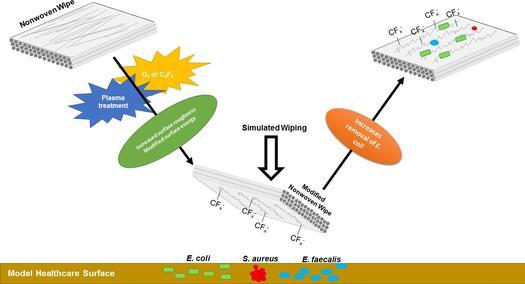
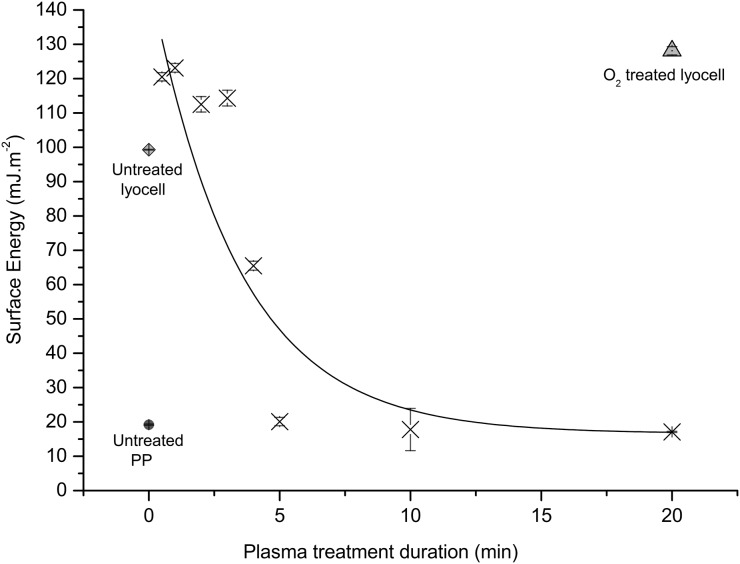
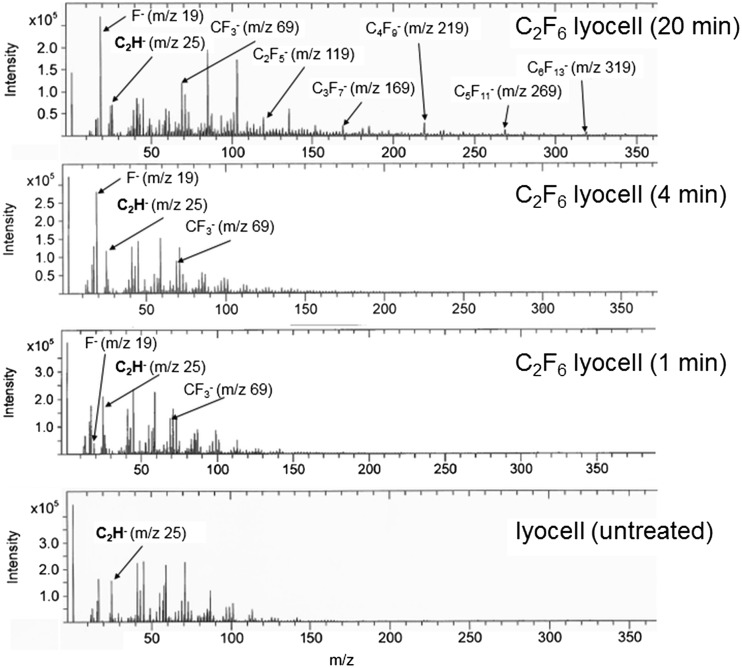
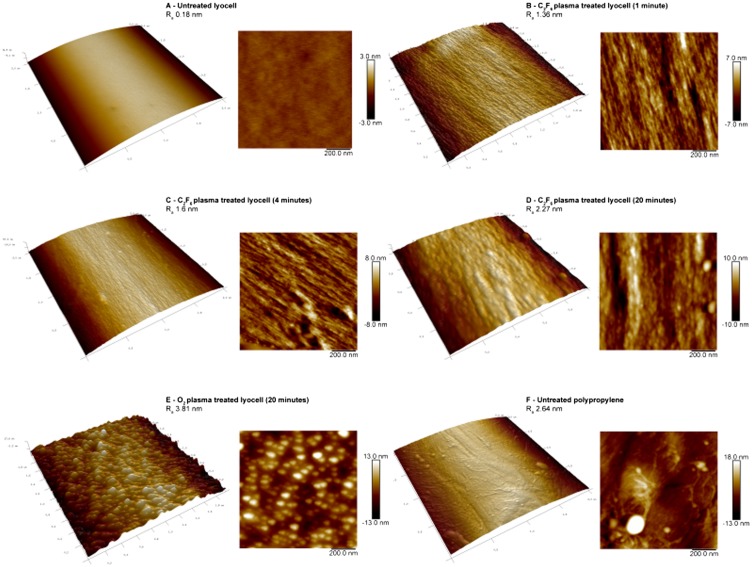
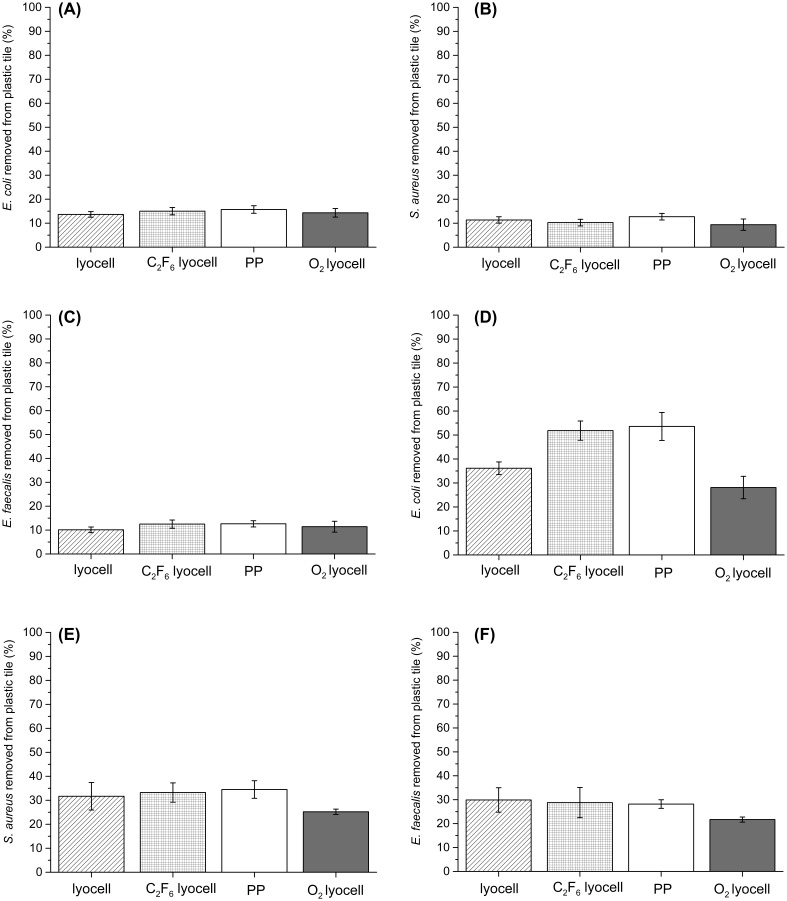
Healthcare associated infections (HCAIs) are responsible for substantial patient morbidity, mortality and economic cost. Infection control strategies for reducing rates of transmission include the use of nonwoven wipes to remove pathogenic bacteria from frequently touched surfaces. Wiping is a dynamic process that involves physicochemical mechanisms to detach and transfer bacteria to fibre surfaces within the wipe. The purpose of this study was to determine the extent to which systematic changes in fibre surface energy and nano-roughness influence removal of bacteria from an abiotic polymer surface in dry wiping conditions, without liquid detergents or disinfectants. Nonwoven wipe substrates composed of two commonly used fibre types, lyocell (cellulosic) and polypropylene, with different surface energies and nano-roughnesses, were manufactured using pilot-scale nonwoven facilities to produce samples of comparable structure and dimensional properties. The surface energy and nano-roughness of some lyocell substrates were further adjusted by either oxygen (O2) or hexafluoroethane (C2F6) gas plasma treatment. Static adpression wiping of an inoculated surface under dry conditions produced removal efficiencies of between 9.4% and 15.7%, with no significant difference (p < 0.05) in the relative removal efficiencies of Escherichia coli, Staphylococcus aureus or Enterococcus faecalis. However, dynamic wiping markedly increased peak wiping efficiencies to over 50%, with a minimum increase in removal efficiency of 12.5% and a maximum increase in removal efficiency of 37.9% (all significant at p < 0.05) compared with static wiping, depending on fibre type and bacterium. In dry, dynamic wiping conditions, nonwoven wipe substrates with a surface energy closest to that of the contaminated surface produced the highest E. coli removal efficiency, while the associated increase in fibre nano-roughness abrogated this trend with S. aureus and E. faecalis.
Overview
The claims and statistics of this paper haven’t been checked yet.
Free: it reads the open-access text and checks the first 5 claims that cite a source we can check. Create a free account to check every claim.
Integrity signals
Registry
Cites
Statistics
Figures
Verification
Claims the paper makes
The claims and statistics of this paper haven’t been checked yet.
Free: it reads the open-access text and checks the first 5 claims that cite a source we can check. Create a free account to check every claim.
Claims other papers make about this one
Each is checked against this paper’s own text: does it say what the citing paper says it does?
The source backs part of the claim, not all of it — or backs it for a different population, condition or comparison.
In the citing paper
“The removal of the microorganism depends on the inherent properties of the wiping material such as surface energy, fabric structure and fibre types as well as by the applied pressure force, the geometry of the mechanical action, the number of passages and type of microorganism adhesion mechanism [28, 29].”
From Efficacy of disinfectant-impregnated wipes used for surface disinfection in hospitals: a review (2019) · cites this paper as [28]
Experimental — accuracy not yet measuredThe source backs part of the claim, not all of it — or backs it for a different population, condition or comparison.
In the citing paper
“during the wiping action some microorganisms could be just transferred in another place of the treated surface instead of being removed. This transfer depends by the wipe retaining ability and by the bactericidal activity of the disinfectant adsorbed into the wipe [28].”
From Efficacy of disinfectant-impregnated wipes used for surface disinfection in hospitals: a review (2019) · cites this paper as [28]
Experimental — accuracy not yet measured
Self-check
Percentages, sums and reported differences re-computed from the paper’s own numbers.
The self-check needs the paper’s full text.
Citations
Cites
Mechanisms of biofilm resistance to antimicrobial agents
Mah, T.-F. C., & O'Toole, G. A. (2001) · Trends in Microbiology · doi:10.1016/s0966-842x(00)01913-2 · Cited by 3,921
Silhavy, T. J., Kahne, D., & Walker, S. (2010) · Cold Spring Harbor Perspectives in Biology · doi:10.1101/cshperspect.a000414 · Cited by 3,798
Bacterial adhesion: seen any good biofilms lately
Dunne, W. M. (2002) · Clinical Microbiology Reviews · doi:10.1128/cmr.15.2.155-166.2002 · Cited by 1,516
Bico, J., Thiele, U., & Quéré, D. (2002) · Colloids and Surfaces A: Physicochemical and Engineering Aspects · doi:10.1016/s0927-7757(02)00061-4 · Cited by 1,390
Laboratory of Biomechanics and Biomedical Engineering, D. O. M. E., Katsikogianni, M., & Missirlis, Y. (2004) · European Cells and Materials · doi:10.22203/ecm.v008a05 · Cited by 1,178
Journal of Biomedical Materials Research Part A
(2006) · Journal of Biomedical Materials Research Part A · doi:10.1002/(issn)1552-4965 · Cited by 739
Tuson, H. H., & Weibel, D. B. (2013) · Soft Matter · doi:10.1039/c3sm27705d · Cited by 720
Biophysical Model of Bacterial Cell Interactions with Nanopatterned Cicada Wing Surfaces
Pogodin, S., Hasan, J., Baulin, V. A., Webb, H. K., Truong, V. K., Phong Nguyen, T. H., Boshkovikj, V., Fluke, C. J., Watson, G. S., Watson, J. A., et al. (2013) · Biophysical Journal · doi:10.1016/j.bpj.2012.12.046 · Cited by 653
How microorganisms use hydrophobicity and what does this mean for human needs?
Krasowska, A., & Sigler, K. (2014) · Frontiers in Cellular and Infection Microbiology · doi:10.3389/fcimb.2014.00112 · Cited by 636
Non-thermal plasma treatment of textiles
Morent, R., De Geyter, N., Verschuren, J., De Clerck, K., Kiekens, P., & Leys, C. (2008) · Surface and Coatings Technology · doi:10.1016/j.surfcoat.2007.12.027 · Cited by 596
Biotechnology and Bioengineering
(2006) · Biotechnology and Bioengineering · doi:10.1002/(issn)1097-0290 · Cited by 564
The Polar Hydrophobicity of Fluorinated Compounds
Biffinger, J. C., Kim, H. W., & DiMagno, S. G. (2004) · ChemBioChem · doi:10.1002/cbic.200300910 · Cited by 486
The influence of nano-scale surface roughness on bacterial adhesion to ultrafine-grained titanium
Truong, V. K., Lapovok, R., Estrin, Y. S., Rundell, S., Wang, J. Y., Fluke, C. J., Crawford, R. J., & Ivanova, E. P. (2010) · Biomaterials · doi:10.1016/j.biomaterials.2010.01.071 · Cited by 438
Plasma technologies for textiles
Shishoo, R. (2007) · Woodhead Publishing Limited eBooks · doi:10.1533/9781845692575 · Cited by 366
Effect of Micro- and Nanoscale Topography on the Adhesion of Bacterial Cells to Solid Surfaces
Hsu, L. C., Fang, J., Borca-Tasciuc, D. A., Worobo, R. W., & Moraru, C. I. (2013) · Applied and Environmental Microbiology · doi:10.1128/aem.03436-12 · Cited by 345
Adhesins Involved in Attachment to Abiotic Surfaces by Gram-Negative Bacteria
Berne, C., Ducret, A., Hardy, G. G., & Brun, Y. V. (2015) · Microbiology Spectrum · doi:10.1128/microbiolspec.mb-0018-2015 · Cited by 323
Bacterial flagella explore microscale hummocks and hollows to increase adhesion
Friedlander, R. S., Vlamakis, H., Kim, P., Khan, M., Kolter, R., & Aizenberg, J. (2013) · Proceedings of the National Academy of Sciences · doi:10.1073/pnas.1219662110 · Cited by 312
Drees, M., Snydman, D. R., Schmid, C. H., Barefoot, L., Hansjosten, K., Vue, P. M., Cronin, M., Nasraway, S. A., & Golan, Y. (2008) · Clinical Infectious Diseases · doi:10.1086/527394 · Cited by 307
Hayden, M. K., Blom, D. W., Lyle, E. A., Moore, C. G., & Weinstein, R. A. (2008) · Infection Control & Hospital Epidemiology · doi:10.1086/524331 · Cited by 304
Rampling, A., Wiseman, S., Davis, L., Hyett, A. P., Walbridge, A. N., Payne, G. C., & Cornaby, A. J. (2001) · Journal of Hospital Infection · doi:10.1053/jhin.2001.1013 · Cited by 279
Lim, S.-H., & Hudson, S. M. (2004) · Carbohydrate Polymers · doi:10.1016/j.carbpol.2004.02.005 · Cited by 278
Plasma etching: principles, mechanisms, application to micro- and nano-technologies
Cardinaud, C., Peignon, M.-C., & Tessier, P.-Y. (2000) · Applied Surface Science · doi:10.1016/s0169-4332(00)00328-7 · Cited by 242
Bagherifard, S., Hickey, D. J., de Luca, A. C., Malheiro, V. N., Markaki, A. E., Guagliano, M., & Webster, T. J. (2015) · Biomaterials · doi:10.1016/j.biomaterials.2015.09.019 · Cited by 240
(2016) · doi:10.22203/ecm · Cited by 214
Datta, R., Platt, R., Yokoe, D. S., & Huang, S. S. (2011) · Archives of Internal Medicine · doi:10.1001/archinternmed.2011.64 · Cited by 213
Li, L., Breedveld, V., & Hess, D. W. (2012) · ACS Applied Materials & Interfaces · doi:10.1021/am301666c · Cited by 200
Physico-chemical characterization of bovine serum albumin in solution and as deposited on surfaces
Jachimska, B., & Pajor, A. (2012) · Bioelectrochemistry · doi:10.1016/j.bioelechem.2011.09.004 · Cited by 180
Kou, R.-Q., Xu, Z., Deng, H., Liu, Z.-M., Patrick, S. E. T. A., & Xu, Y. (2003) · Langmuir · doi:10.1021/la0345486 · Cited by 154
A laboratory evaluation of the decontamination properties of microfibre cloths
Moore, G., & Griffith, C. J. (2006) · Journal of Hospital Infection · doi:10.1016/j.jhin.2006.08.006 · Cited by 93
Atmospheric pressure plasma treatment of textiles using non-polymerising gases
Kale, K. H., & Desai, A. N. (2011) · Cited by 91
Detection of Pathogen Transmission in Neonatal Nurseries Using DNA Markers as Surrogate Indicators
Oelberg, D. G., Joyner, S. E., Jiang, X., Laborde, D. J., Islam, M. P., & Pickering, L. K. (2000) · PEDIATRICS · doi:10.1542/peds.105.2.311 · Cited by 88
Molecular Strategies for Fimbrial Expression and Assembly
Wu, H., & Fives-Taylor, P. M. (2001) · Critical Reviews in Oral Biology & Medicine · doi:10.1177/10454411010120020101 · Cited by 87
Holinka, J., Pilz, M., Kubista, B., Presterl, E., & Windhager, R. (2013) · The Bone & Joint Journal · doi:10.1302/0301-620x.95b5.31216 · Cited by 78
Pathogen transfer and high variability in pathogen removal by detergent wipes
Ramm, L., Siani, H., Wesgate, R., & Maillard, J. (2015) · American Journal of Infection Control · doi:10.1016/j.ajic.2015.03.024 · Cited by 74
Differences in colonisation of five marine bacteria on two types of glass surfaces
Mitik‐Dineva, N., Wang, J., Truong, V. K., Stoddart, P. R., Malherbe, F., Crawford, R. J., & Ivanova, E. P. (2009) · Biofouling · doi:10.1080/08927010903012773 · Cited by 74
The effect of PVD layer constitution on surface free energy
Lugscheider, E., Bobzin, K., & Möller, M. (1999) · Thin Solid Films · doi:10.1016/s0040-6090(99)00543-x · Cited by 74
Sattar, S. A., Bradley, C., Kibbee, R., Wesgate, R., Wilkinson, M. A. C., Sharpe, T., & Maillard, J.-Y. (2015) · Journal of Hospital Infection · doi:10.1016/j.jhin.2015.08.026 · Cited by 70
AFM, SEM and XPS characterization of PAN-based carbon fibres etched in oxygen plasmas
Smiley, R. J., & Delgass, W. N. (1993) · Journal of Materials Science · doi:10.1007/bf01159843 · Cited by 70
The Costs of Nosocomial Infections
Kilgore, M. L., Ghosh, K., Beavers, C. M., Wong, D. Y., Hymel, P. A., & Brossette, S. E. (2008) · Medical Care · doi:10.1097/mlr.0b013e3181468991 · Cited by 69
Wren, M. W. D., Rollins, M. S. M., Jeanes, A., Hall, T. J., Coen, P. G., & Gant, V. A. (2008) · Journal of Hospital Infection · doi:10.1016/j.jhin.2008.07.017 · Cited by 69
Modeling biofilm antimicrobial resistance
Dodds, M. G., Grobe, K. J., & Stewart, P. S. (2000) · Biotechnology and Bioengineering · doi:10.1002/(sici)1097-0290(20000520)68:4<456::aid-bit11>3.0.co;2-z · Cited by 67
Development of a Protocol for Predicting Bacterial Resistance to Microbicides
Knapp, L., Amézquita, A., Mcclure, P. J., Stewart, S., & Maillard, J. (2015) · Applied and Environmental Microbiology · doi:10.1128/aem.03843-14 · Cited by 63
Jazbec, K., Šala, M., Mozetič, M., Vesel, A., & Gorjanc, M. (2015) · Journal of Nanomaterials · doi:10.1155/2015/346739 · Cited by 63
Tajima, S., Chu, J. S. F., Li, S., & Komvopoulos, K. (2007) · Journal of Biomedical Materials Research Part A · doi:10.1002/jbm.a.31539 · Cited by 62
Williams, G. J., Denyer, S. P., Hosein, I. K., Hill, D. W., & Maillard, J.-Y. (2007) · Journal of Hospital Infection · doi:10.1016/j.jhin.2007.08.012 · Cited by 57
Serum as a Factor Influencing Adhesion ofEnterococcus faecalisto Glass and Silicone
Gallardo-Moreno, A. M., González-Martín, M. L., Pérez-Giraldo, C., Bruque, J. M., & Gómez-García, A. C. (2002) · Applied and Environmental Microbiology · doi:10.1128/aem.68.11.5784-5787.2002 · Cited by 50
Dyeing behaviour of lyocell fabric: effect of fibrillation
Goswami, P., Blackburn, R. S., Taylor, J., Westland, S., & White, P. (2007) · Coloration Technology · doi:10.1111/j.1478-4408.2007.00113.x · Cited by 45
Self-citationRosa, S. L. L., Montealegre, M. C., Singh, K. V., & Murray, B. E. (2016) · Microbiology · doi:10.1099/mic.0.000276 · Cited by 33
High Efficiency Ka-Band Spatial Combiner
Passi, D., Leggieri, A., Paolo, F. D., Bartocci, M., Tafuto, A., & Manna, A. (2014) · Advanced Electromagnetics · doi:10.7716/aem.v3i2.267 · Cited by 17
Counteracting selection for antibiotic-resistant bacteria
Yosef, I., Manor, M., & Qimron, U. (2016) · Bacteriophage · doi:10.1080/21597081.2015.1096996 · Cited by 17
Oathout, J. (1999) · Journal of the IEST · doi:10.17764/jiet.42.3.k32p258037635317 · Cited by 7
Editorial (Thematic Issue: Nosocomial Infections: An Increasing Challenge to Medicinal Chemistry)
Scotti, M. T., Cordeiro, M. N. D. S., & Speck‐Planche, A. (2013) · Current Topics in Medicinal Chemistry · doi:10.2174/1568026613666131111101521 · Cited by 1
Research works printed but not linked: 12
- Koh E Russell SJ Mao N Influence of fabric structure on dynamic dirt removal in hydroentangled wipes Nonwovens Research Academy (NRA) Brussels EDANA 2008
- Blitshteyn M Wetting tension measurements on corona-treated polymer films Tappi J 1995 78 138 143
- Kale KH Desai AN Atmospheric pressure plasma treatment of textiles using non-polymerizing gases Indian J Fibre Text Res 2011 36 289 299
- Smiley RJ Delgass WN AFM, SEM and XPS characterization of PAN-based carbon fibres etched in oxygen plasmas J Mater Sci 1993 28 3601 3611 10.1007/BF01159843 · DOI
- Kou R-Q Xu Z-K Deng H-T et al Surface modification of microporous polypropylene membranes by plasma-induced graft polymerization of α-allyl glucoside Langmuir 2003 19 6869 6875 10.1021/la0345486 · DOI
- Kale KH Desai AN Atmospheric pressure plasma treatment of textiles using non-polymerizing gases Indian J Fibre Text Res 2011 36 289 299
- Kale KH Desai AN Atmospheric pressure plasma treatment of textiles using non-polymerising gases Indian J Fibre Text Res 2012 37 289 299
- Cardinaud C Peignon M-C Tessier P-Y Plasma etching: principles, mechanisms, application to micro- and nano-technologies Appl Surf Sci 2000 164 72 83 10.1016/S0169-4332(00)00328-7 · DOI · Paper page
- Jachimska B Pajor A Physico-chemical characterization of bovine serum albumin in solution and as deposited on surfaces Bioelectrochemistry 2012 87 138 146 10.1016/j.bioelechem.2011.09.004 22001727 · DOI · Paper page
- Li L Breedveld V Hess DW Creation of superhydrophobic stainless steel surfaces by acid treatments and hydrophobic film deposition ACS Appl Mat Interfaces 2012 4 4549 4556 10.1021/am301666c 22913317 · DOI · Paper page
- Oathout JM Determining the dynamic efficiency of cleanroom wipers for removal of liquids and particles from surfaces J IEST 1999 42 17 26 10.17764/jiet.42.3.k32p258037635317 · DOI
- Moore G Griffith C A laboratory evaluation of the decontamination properties of microfibre cloths J Hosp Infect 2006 64 379 385 10.1016/j.jhin.2006.08.006 17055112 · DOI
Cited by
Efficacy of disinfectant-impregnated wipes used for surface disinfection in hospitals: a review
Song, X., Vossebein, L., & Zille, A. (2019) · Antimicrobial Resistance & Infection Control · doi:10.1186/s13756-019-0595-2 · Cited by 132
“This transfer depends by the wipe retaining ability and by the bactericidal activity of the 114 disinfectant adsorbed into the wipe [28].”
Hamouda, T., Ibrahim, H., Kafafy, H. H. A. M., Mashaly, H., Mohamed, N. H., & Aly, N. M. (2021) · International Journal of Biological Macromolecules · doi:10.1016/j.ijbiomac.2021.04.071 · Cited by 89
Degradation phenomena on atmospheric air plasma treatment of polyester fabrics
Klébert, S., Tilajka, S., Románszki, L., Mohai, M., Csiszár, E., & Károly, Z. (2020) · Surfaces and Interfaces · doi:10.1016/j.surfin.2020.100826 · Cited by 50
A review of wipes used to disinfect hard surfaces in health care facilities
Boyce, J. M. (2020) · American Journal of Infection Control · doi:10.1016/j.ajic.2020.06.183 · Cited by 46
The impact of cleaning on the microbiomes of indoor surfaces
Täubel, M., Castagnoli, E., Salthammer, T., Morawska, L., & Salonen, H. (2024) · Indoor Environments · doi:10.1016/j.indenv.2024.100021 · Cited by 33
Metadata
- Authors
- Edwards, N. W. M., Best, E. L., Connell, S. D., Goswami, P., Carr, C. M., Wilcox, M. H., & Russell, S. J.
- Affiliations
- University of Leeds (GB)
- Leeds Teaching Hospitals NHS Trust (GB)
- Corresponding author
- Edwards, Nicholas W. M.
- ORCID
- Venue
- Science and Technology of Advanced Materials
- Publisher
- Informa UK Limited
- Published
- 2017-03-14
- Volume
- 18
- Issue
- 1
- Pages
- 197-209
- ISSN
- 1468-6996 (ISSN-L)
- 1878-5514
- PMC
- PMC5404180
- OpenAlex
- W2586925321
- Cited by
- 30
- References
- 54
- Citations by year
- 2026: 3 · 2025: 4 · 2024: 5 · 2022: 3 · 2021: 4 · 2020: 5 · 2019: 4 · 2018: 1 · 2017: 1
- FWCI
- 2.32
- Type
- journal article
- Language
- en
- Update notices
- correction (2017-03-30)
- Open access
- gold
- doi.org
- Licence
- Locations
- Science and Technology of Advanced Materials (publishedVersion, cc-by)
- PubMed Central (publishedVersion, cc-by)
- PubMed (publishedVersion)
- White Rose Research Online (University of Leeds, The University of Sheffield, University of York) (acceptedVersion)
- University of Huddersfield Repository (University of Huddersfield) (submittedVersion)
- DOAJ (DOAJ: Directory of Open Access Journals) (submittedVersion)
- Funders
- The Clothworkers’ Company (484132)
- Topics
- Health Sciences › Medicine › Infectious Diseases › Infection Control in Healthcare
- Physical Sciences › Materials Science › Surfaces, Coatings and Films › Surface Modification and Superhydrophobicity
- Physical Sciences › Materials Science › Polymers and Plastics › Textile materials and evaluations
- Keywords
- surface energy, nosocomial infections, infection control, lyocell, polypropylene, plasma surface treatment, oxygen plasma, Escherichia coli, Staphylococcus aureus, Enterococcus faecalis, polymer surfaces
About these checks
Registry, retraction, Cites and statistics results are computed, not judged, with one exception: a printed reference that no index lists is read once by a model before it counts as a citation error. Claims are extracted by a model and kept only when their quote appears verbatim in the text; each cited source is then checked, with a model’s help, for whether it says what the claim relies on. Those verdicts can be wrong — read the claim’s quote and the cited source before relying on one.
Statistics and arithmetic are recomputed, not judged.
Confidence bands are shown only for fields calibrated on our annotated test set. None is calibrated yet, so no band is shown.
What counts as a claim ›How we measure confidence ›How we check this ›
Are you an author, or do you see a problem with this page? Request a review
Data sources
Bibliographic data: Semantic Scholar, OpenAlex, Crossref.
Contains information from the Semantic Scholar Academic Graph Datasets, made available under the ODC Attribution License (ODC-BY 1.0).
Semantic Scholar’s data is described in: Kinney, R., et al. (2023). The Semantic Scholar Open Data Platform. arXiv:2301.10140.
