

Latest advances in dual inhibitors of acetylcholinesterase and monoamine oxidase B against Alzheimer’s disease
Open accessThe DOI matches its Crossref record; 123 of the 123 references it cites were found in a registry or an index.
Abstract
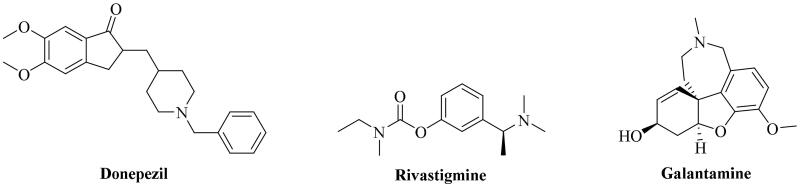
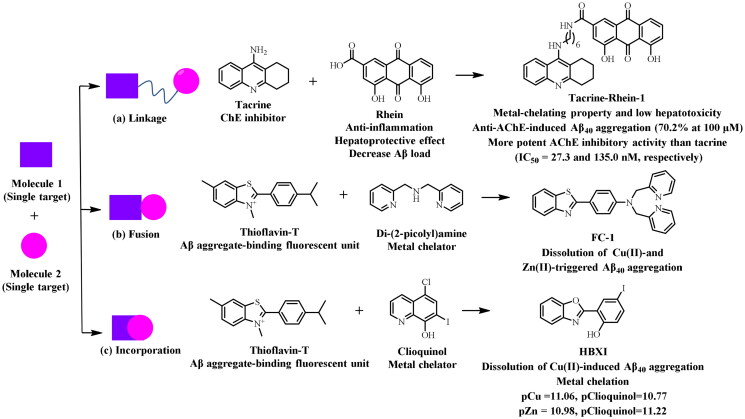
Alzheimer's disease (AD) is a progressive brain disease characterised by progressive memory loss and cognition impairment, ultimately leading to death. There are three FDA-approved acetylcholinesterase inhibitors (donepezil, rivastigmine, and galantamine, AChEIs) for the symptomatic treatment of AD. Monoamine oxidase B (MAO-B) has been considered to contribute to pathologies of AD. Therefore, we reviewed the dual inhibitors of acetylcholinesterase (AChE) and MAO-B developed in the last five years. In this review, these dual-target inhibitors were classified into six groups according to the basic parent structure, including chalcone, coumarin, chromone, benzo-fused five-membered ring, imine and hydrazine, and other scaffolds. Their design strategies, structure-activity relationships (SARs), and molecular docking studies with AChE and MAO-B were analysed and discussed, giving valuable insights for the subsequent development of AChE and MAO-B dual inhibitors. Challenges in the development of balanced and potent AChE and MAO-B dual inhibitors were noted, and corresponding solutions were provided.
Overview
The claims and statistics of this paper haven’t been checked yet.
Free: it reads the open-access text and checks the first 5 claims that cite a source we can check. Create a free account to check every claim.
Integrity signals
Registry
Cites
Statistics
Figures

Verification
Claims the paper makes
The claims and statistics of this paper haven’t been checked yet.
Free: it reads the open-access text and checks the first 5 claims that cite a source we can check. Create a free account to check every claim.
Claims other papers make about this one
Each is checked against this paper’s own text: does it say what the citing paper says it does?
The source backs part of the claim, not all of it — or backs it for a different population, condition or comparison.
In the citing paper
“Compared with combined therapies, they further reduce the risk of drug-drug interactions and simplify administration, making treatment safer, more effective, and more convenient for patients.524,525”
From Recent advances in Alzheimer's disease: Mechanisms, clinical trials and new drug development strategies. (2024) · cites this paper as [524]
Experimental — accuracy not yet measuredThe cited source says what the claim attributes to it.
In the citing paper
“and the suboptimal effects of single-target drugs,524”
From Recent advances in Alzheimer's disease: Mechanisms, clinical trials and new drug development strategies. (2024) · cites this paper as [524]
Self-check
Percentages, sums and reported differences re-computed from the paper’s own numbers.
The self-check needs the paper’s full text.
Citations
Cites
Vos, T., Lim, S. S., Abbafati, C., Abbas, K. M., Abbasi, M., Abbasifard, M., Abbasi-Kangevari, M., Abbastabar, H., Abd-Allah, F., Abdelalim, A., et al. (2020) · The Lancet · doi:10.1016/s0140-6736(20)30925-9 · Cited by 19,358
Nichols, E., Szoeke, C. E. I., Vollset, S. E., Abbasi, N., Abd-Allah, F., Abdela, J., Aichour, M. T. E., Akinyemi, R. O., Alahdab, F., Asgedom, S. W., et al. (2019) · The Lancet Neurology · doi:10.1016/s1474-4422(18)30403-4 · Cited by 2,412
Chalcone: A Privileged Structure in Medicinal Chemistry
Zhuang, C., Zhang, W., Sheng, C., Zhang, W., Xing, C., & Miao, Z. (2017) · Chemical Reviews · doi:10.1021/acs.chemrev.7b00020 · Cited by 1,463
Multi-target-Directed Ligands To Combat Neurodegenerative Diseases
Cavalli, A., Bolognesi, M. L., Minarini, A., Rosini, M., Tumiatti, V., Recanatini, M., & Melchiorre, C. (2008) · Journal of Medicinal Chemistry · doi:10.1021/jm7009364 · Cited by 1,152
Global estimates on the number of persons across the Alzheimer's disease continuum
Gustavsson, A., Norton, N., Fast, T., Frölich, L., Georges, J., Holzapfel, D., Kirabali, T., Krolak‐Salmon, P., Rossini, P. M., Ferretti, M. T., et al. (2023) · Alzheimer's & Dementia · doi:10.1002/alz.12694 · Cited by 895
A human brain vascular atlas reveals diverse mediators of Alzheimer’s risk
Yang, A. C., Vest, R. T., Kern, F., Lee, D. P., Agam, M., Maat, C. A., Losada, P. M., Chen, M. B., Schaum, N., Khoury, N., et al. (2022) · Nature · doi:10.1038/s41586-021-04369-3 · Cited by 797
Cholinesterase inhibitors as Alzheimer's therapeutics (Review)
Sharma, K. (2019) · Molecular Medicine Reports · doi:10.3892/mmr.2019.10374 · Cited by 602
Savelieff, M. G., Nam, G., Kang, J., Lee, H. J., Lee, M., & Lim, M. H. (2019) · Chemical Reviews · doi:10.1021/acs.chemrev.8b00138 · Cited by 581
De Colibus, L., Li, M., Binda, C., Lustig, A., Edmondson, D. E., & Mattevi, A. (2005) · Proceedings of the National Academy of Sciences · doi:10.1073/pnas.0505975102 · Cited by 527
Alzheimer’s disease and its treatment by different approaches: A review
Srivastava, S., Ahmad, R., & Khare, S. K. (2021) · European Journal of Medicinal Chemistry · doi:10.1016/j.ejmech.2021.113320 · Cited by 467
Mannich bases in medicinal chemistry and drug design
Roman, G. (2015) · European Journal of Medicinal Chemistry · doi:10.1016/j.ejmech.2014.10.076 · Cited by 357
Faller, P. (2009) · ChemBioChem · doi:10.1002/cbic.200900321 · Cited by 285
A Perspective on Multi-target Drugs for Alzheimer’s Disease
Benek, O., Korabecny, J., & Soukup, O. (2020) · Trends in Pharmacological Sciences · doi:10.1016/j.tips.2020.04.008 · Cited by 260
Finberg, J. P. M. (2014) · Pharmacology & Therapeutics · doi:10.1016/j.pharmthera.2014.02.010 · Cited by 257
A molecular approach in drug development for Alzheimer’s disease
Agatonovic-Kustrin, S., Kettle, C., & Morton, D. W. (2018) · Biomedicine & Pharmacotherapy · doi:10.1016/j.biopha.2018.06.147 · Cited by 233
Tacrine Derivatives and Alzheimers Disease
Tumiatti, V., Minarini, A., Bolognesi, M. L., Milelli, A., Rosini, M., & Melchiorre, C. (2010) · Current Medicinal Chemistry · doi:10.2174/092986710791111206 · Cited by 225
New Frontiers in Selective Human MAO-B Inhibitors: Miniperspective
Carradori, S., & Silvestri, R. (2015) · Journal of Medicinal Chemistry · doi:10.1021/jm501690r · Cited by 217
Multi-target design strategies for the improved treatment of Alzheimer's disease
Zhang, P., Xu, S., Zhu, Z., & Xu, J. (2019) · European Journal of Medicinal Chemistry · doi:10.1016/j.ejmech.2019.05.020 · Cited by 212
Rodríguez-Rodríguez, C., Sánchez de Groot, N., Rimola, A., Álvarez-Larena, Á., Lloveras, V., Vidal-Gancedo, J., Ventura, S., Vendrell, J., Sodupe, M., & González-Duarte, P. (2009) · Journal of the American Chemical Society · doi:10.1021/ja806062g · Cited by 210
Targeting beta-amyloid pathogenesis through acetylcholinesterase inhibitors
Castro, A., & Martinez, A. (2006) · Current Pharmaceutical Design · doi:10.2174/138161206778792985 · Cited by 207
Photodynamic Therapy: A Brief History
Kessel, D. (2019) · Journal of Clinical Medicine · doi:10.3390/jcm8101581 · Cited by 200
Diverse Molecular Targets for Chalcones with Varied Bioactivities
Zhou, B. (2015) · Medicinal Chemistry · doi:10.4172/2161-0444.1000291 · Cited by 195
Privileged scaffolds as MAO inhibitors: Retrospect and prospects
Tripathi, A. C., Upadhyay, S., Paliwal, S., & Saraf, S. K. (2018) · European Journal of Medicinal Chemistry · doi:10.1016/j.ejmech.2018.01.003 · Cited by 181
Software and Resources for Computational Medicinal Chemistry
Liao, C., Sitzmann, M., Pugliese, A., & Nicklaus, M. C. (2011) · Future Medicinal Chemistry · doi:10.4155/fmc.11.63 · Cited by 177
Li, M., Binda, C., Mattevi, A., & Edmondson, D. E. (2006) · Biochemistry · doi:10.1021/bi051847g · Cited by 153
Chromone, a Privileged Scaffold for the Development of Monoamine Oxidase Inhibitors
Gaspar, A., Silva, T., Yáñez, M., Viña, D., Orallo, F., Ortuso, F., Uriarte, E., Alcaro, S., & Borges, F. (2011) · Journal of Medicinal Chemistry · doi:10.1021/jm2004267 · Cited by 148
Joubert, J., Foka, G. B., Repsold, B. P., Oliver, D. W., Kapp, E., & Malan, S. F. (2016) · European Journal of Medicinal Chemistry · doi:10.1016/j.ejmech.2016.09.041 · Cited by 132
Molecular aspects of monoamine oxidase B
Ramsay, R. R. (2016) · Progress in Neuro-Psychopharmacology and Biological Psychiatry · doi:10.1016/j.pnpbp.2016.02.005 · Cited by 115
3-Substituted coumarins as dual inhibitors of AChE and MAO for the treatment of Alzheimer's disease
Viña, D., Matos, M. J., Yáñez, M., Santana, L., & Uriarte, E. (2011) · MedChemComm · doi:10.1039/c1md00221j · Cited by 112
Greenblatt, H. M., Dvir, H., Silman, I., & Sussman, J. L. (2003) · Journal of Molecular Neuroscience · doi:10.1385/jmn:20:3:369 · Cited by 112
Milczek, E. M., Binda, C., Rovida, S., Mattevi, A., & Edmondson, D. E. (2011) · FEBS Journal · doi:10.1111/j.1742-4658.2011.08386.x · Cited by 105
Synthesis, antioxidant and anticholinesterase activities of novel coumarylthiazole derivatives
Kurt, B. Z., Gazioğlu, I., Sönmez, F., & Küçükislamoğlu, M. (2015) · Bioorganic Chemistry · doi:10.1016/j.bioorg.2015.02.002 · Cited by 105
He, Q., Liu, J., Lan, J.-S., Ding, J., Sun, Y., Fang, Y., Jiang, N., Yang, Z., Sun, L., Jin, Y., et al. (2018) · Bioorganic Chemistry · doi:10.1016/j.bioorg.2018.09.010 · Cited by 105
Monoamine oxidases in age-associated diseases: New perspectives for old enzymes
Santin, Y., Resta, J., Parini, A., & Mialet-Perez, J. (2021) · Ageing Research Reviews · doi:10.1016/j.arr.2021.101256 · Cited by 105
Farina, R., Pisani, L., Catto, M., Nicolotti, O., Gadaleta, D., Denora, N., Soto-Otero, R., Mendez-Alvarez, E., Passos, C. S., Muncipinto, G., et al. (2015) · Journal of Medicinal Chemistry · doi:10.1021/acs.jmedchem.5b00599 · Cited by 99
Chelation therapy for neurodegenerative diseases
Bolognin, S., Drago, D., Messori, L., & Zatta, P. (2009) · Medicinal Research Reviews · doi:10.1002/med.20148 · Cited by 97
Hubálek, F., Binda, C., Li, M., Herzig, Y., STERLING, J. J., Youdim, M. B. H., Mattevi, A., & Edmondson, D. E. (2004) · Journal of Medicinal Chemistry · doi:10.1021/jm0310885 · Cited by 94
Li, S.-Y., Jiang, N., Xie, S.-S., Wang, K. D. G., Wang, X.-B., & Kong, L.-Y. (2014) · Org. Biomol. Chem. · doi:10.1039/c3ob42010h · Cited by 93
Tok, F., Koçyiğit‐Kaymakçıoğlu, B., Sağlık, B. N., Levent, S., Özkay, Y., & Kaplancıklı, Z. A. (2018) · Bioorganic Chemistry · doi:10.1016/j.bioorg.2018.11.016 · Cited by 93 · cited 1×
“Several imine-based anti-AD compounds have been synthesised using the linkage approach, and evaluated by researchers 105,109,110 .”
Kumar, B., Dwivedi, A. R., Sarkar, B., Gupta, S. K., Krishnamurthy, S., Mantha, A. K., Parkash, J., & Kumar, V. (2018) · ACS Chemical Neuroscience · doi:10.1021/acschemneuro.8b00220 · Cited by 92
Kumar, B., Kumar, V., Prashar, V., Saini, S., Dwivedi, A. R., Bajaj, B., Mehta, D., Parkash, J., & Kumar, V. (2019) · European Journal of Medicinal Chemistry · doi:10.1016/j.ejmech.2019.05.039 · Cited by 91
Chimenti, F., Bolasco, A., Secci, D., Chimenti, P., Granese, A., Carradori, S., Yáñez, M., Orallo, F., Ortuso, F., & Alcaro, S. (2010) · Bioorganic & Medicinal Chemistry · doi:10.1016/j.bmc.2010.06.007 · Cited by 90 · cited 1×
“The C ¼ N group has been widely reported as effective regulator of the interaction between inhibitors and enzyme, thus making imine and hydrazone derivatives potent MAO-B inhibitors in the past 107 .”
Sang, Z., Wang, K., Zhang, P., Shi, J., Liu, W., & Tan, Z. (2019) · European Journal of Medicinal Chemistry · doi:10.1016/j.ejmech.2019.07.021 · Cited by 89
Xu, Y., Wang, H., Li, X., Dong, S., Liu, W., Gong, Q., Wang, T., Tang, Y., Zhu, J., Li, J., et al. (2017) · European Journal of Medicinal Chemistry · doi:10.1016/j.ejmech.2017.08.025 · Cited by 86
Chromone 3-phenylcarboxamides as potent and selective MAO-B inhibitors
Gaspar, A., Reis, J., Fonseca, A., Milhazes, N., Viña, D., Uriarte, E., & Borges, F. (2010) · Bioorganic & Medicinal Chemistry Letters · doi:10.1016/j.bmcl.2010.11.128 · Cited by 85
WEINSTOCK, M., KIRSCHBAUM‐SLAGER, N., LAZAROVICI, P., BEJAR, C., YOUDIM, M. B. H., & SHOHAM, S. (2001) · Annals of the New York Academy of Sciences · doi:10.1111/j.1749-6632.2001.tb03622.x · Cited by 81
Lan, J., Ding, Y., Liu, Y., Kang, P., Hou, J., Zhang, X., Xie, S., & Zhang, T. (2017) · European Journal of Medicinal Chemistry · doi:10.1016/j.ejmech.2017.07.055 · Cited by 79
Reis, J., Cagide, F., Estrada, M., Teixeira, J., Bagetta, D., Pérez, C., Uriarte, E., Oliveira, P. J., Ortuso, F., Alcaro, S., et al. (2018) · European Journal of Medicinal Chemistry · doi:10.1016/j.ejmech.2018.07.056 · Cited by 78
ASS234, As a New Multi-Target Directed Propargylamine for Alzheimer's Disease Therapy
Marco-Contelles, J., Unzeta, M., Bolea, I., Esteban, G., Ramsay, R. R., Romero, A., Martínez-Murillo, R., Carreiras, M. C., & Ismaili, L. (2016) · Frontiers in Neuroscience · doi:10.3389/fnins.2016.00294 · Cited by 75
The chemistry toolbox of multitarget-directed ligands for Alzheimer's disease
Mesiti, F., Chavarria, D., Gaspar, A., Alcaro, S., & Borges, F. (2019) · European Journal of Medicinal Chemistry · doi:10.1016/j.ejmech.2019.111572 · Cited by 72
Bai, P., Wang, K., Zhang, P., Shi, J., Cheng, X., Zhang, Q., Zheng, C., Cheng, Y., Yang, J., Lü, X., et al. (2019) · European Journal of Medicinal Chemistry · doi:10.1016/j.ejmech.2019.111737 · Cited by 68
Tian, C., Qiang, X., Song, Q., Cao, Z., Ye, C., He, Y., Deng, Y., & Zhang, L. (2019) · Bioorganic Chemistry · doi:10.1016/j.bioorg.2019.103477 · Cited by 68
Mathew, B., Oh, J., Baty, R. S., Batiha, G. E., Parambi, D. G. T., Gambacorta, N., Nicolotti, O., & Kim, H. (2021) · Environmental Science and Pollution Research · doi:10.1007/s11356-021-13320-y · Cited by 67
N-alkylpiperidine carbamates as potential anti-Alzheimer’s agents
Košak, U., Strašek, N., Knez, D., Jukič, M., Žakelj, S., Zahirović, A., Pišlar, A. H., Brazzolotto, X., Nachon, F., Kos, J., et al. (2020) · European Journal of Medicinal Chemistry · doi:10.1016/j.ejmech.2020.112282 · Cited by 66
Gidaro, M. C., Astorino, C., Petzer, A., Carradori, S., Alcaro, F., Costa, G., Artese, A., Rafele, G., Russo, F. M., Petzer, J. P., et al. (2016) · Journal of Agricultural and Food Chemistry · doi:10.1021/acs.jafc.5b06043 · Cited by 65
Sang, Z., Wang, K., Shi, J., Liu, W., & Tan, Z. (2019) · European Journal of Medicinal Chemistry · doi:10.1016/j.ejmech.2019.06.026 · Cited by 64
Carradori, S., Ortuso, F., Petzer, A., Bagetta, D., Monte, C. D., Secci, D., Vita, D. D., Guglielmi, P., Zengin, G., Aktümsek, A., et al. (2017) · European Journal of Medicinal Chemistry · doi:10.1016/j.ejmech.2017.10.050 · Cited by 59 · cited 1×
“Several imine-based anti-AD compounds have been synthesised using the linkage approach, and evaluated by researchers 105,109,110 .”
Dual Inhibitors of Cholinesterases and Monoamine Oxidases for Alzheimer’S Disease
Knez, D., Sova, M., Košak, U., & Gobec, S. (2017) · Future Medicinal Chemistry · doi:10.4155/fmc-2017-0036 · Cited by 58
Zhang, X., Song, Q., Cao, Z., Li, Y., Tian, C., Yang, Z., Zhang, H., & Deng, Y. (2019) · Bioorganic Chemistry · doi:10.1016/j.bioorg.2019.03.043 · Cited by 56
Sasidharan, R., Eom, B. H., Heo, J. H., Park, J. E., Abdelgawad, M. A., Musa, A., Gambacorta, N., Nicolotti, O., Manju, S. L., Mathew, B., et al. (2021) · Journal of Enzyme Inhibition and Medicinal Chemistry · doi:10.1080/14756366.2020.1842390 · Cited by 56
Wang, X., Yin, F., Huang, M. Y., Jiang, N., Lan, J., & Kong, L. (2020) · RSC Medicinal Chemistry · doi:10.1039/c9md00441f · Cited by 54
Rehuman, N. A., Oh, J., Nath, L. R., Khames, A., Abdelgawad, M. A., Gambacorta, N., Nicolotti, O., Jat, R. K., Kim, H., & Mathew, B. (2021) · ACS Omega · doi:10.1021/acsomega.1c04252 · Cited by 54
Pisani, L., Iacobazzi, R. M., Catto, M., Rullo, M., Farina, R., Denora, N., Cellamare, S., & Altomare, C. (2018) · European Journal of Medicinal Chemistry · doi:10.1016/j.ejmech.2018.10.016 · Cited by 53
Campora, M., Canale, C., Gatta, E., Tasso, B., Laurini, E., Relini, A., Pricl, S., Catto, M., & Tonelli, M. (2021) · ACS Chemical Neuroscience · doi:10.1021/acschemneuro.0c00624 · Cited by 53
Nadeem, M. S., Khan, J. A., Kazmi, I. A., & Rashid, U. (2022) · ACS Omega · doi:10.1021/acsomega.1c06344 · Cited by 51 · cited 1×
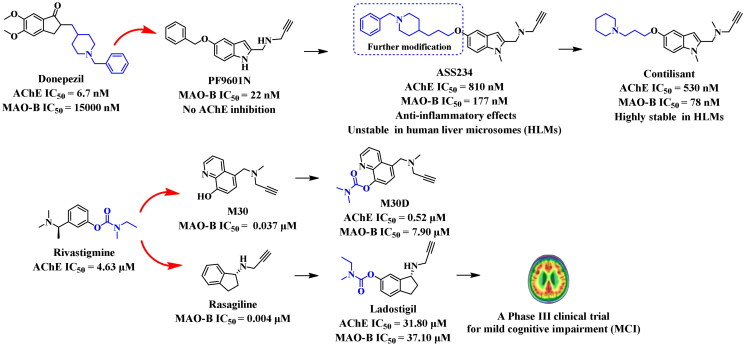
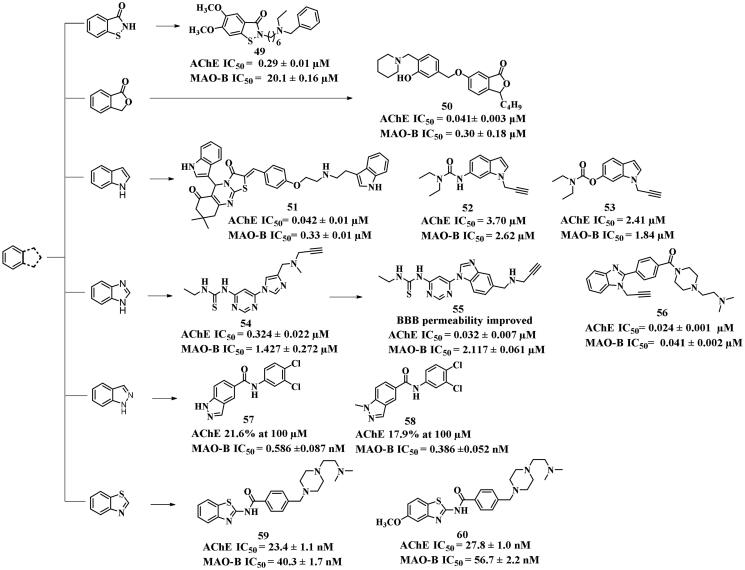
“While most potent MAO-B inhibitors are characterised by small molecular size, an indole-based molecule of large size synthesised using the linkage approach, compound 51 , displayed potent and balanced AChE and MAO-B inhibitory activities with IC 50 values of 0.042 and 0.33 l M, respectively 101 .”
InfluentialOh, J., Rangarajan, T. M., Chaudhary, R., Singh, R. P., Singh, M., Singh, R. P., Tondo, A. R., Gambacorta, N., Nicolotti, O., Mathew, B., et al. (2020) · Molecules · doi:10.3390/molecules25102356 · Cited by 50
Sang, Z., Song, Q., Cao, Z., Deng, Y., Tan, Z., & Zhang, L. (2021) · European Journal of Medicinal Chemistry · doi:10.1016/j.ejmech.2021.113310 · Cited by 49
Karaca, Ş., Osmani̇ye, D., Sağlık, B. N., Levent, S., Ilgın, S., Özkay, Y., Karaburun, A. Ç., Kaplancıklı, Z. A., & Gündoğdu-Karaburun, N. (2022) · RSC Advances · doi:10.1039/d2ra03803j · Cited by 48
A human brain vascular atlas reveals diverse cell mediators of Alzheimer’s disease risk
Yang, A. C., Vest, R. T., Kern, F., Lee, D. P., Maat, C. A., Losada, P. M., Chen, M. B., Agam, M., Schaum, N., Khoury, N., et al. (2021) · doi:10.1101/2021.04.26.441262 · Cited by 48
Magnetic nanoparticles: a versatile carrier for enzymes in bio‐processing sectors
Seenuvasan, M., Vinodhini, G., Malar, C. G., Balaji, N., & Kumar, K. S. (2017) · IET Nanobiotechnology · doi:10.1049/iet-nbt.2017.0041 · Cited by 47
Xu, Y., Zhang, J., Wang, H., Mao, F., Bao, K., Liu, W., Zhu, J., Li, X., Zhang, H., & Li, J. (2018) · ACS Chemical Neuroscience · doi:10.1021/acschemneuro.8b00357 · Cited by 46
Osmaniye, D., Evren, A. E., Sağlık, B. N., Levent, S., Özkay, Y., & Kaplancıklı, Z. A. (2021) · Archiv der Pharmazie · doi:10.1002/ardp.202100450 · Cited by 46 · cited 1×
“Using the fusion approach, benzimida-zole-based molecule 56 was obtained, exhibiting more potent and balanced dual inhibition against the two enzymes (IC 50 ¼ 0.024 and 0.041 l M, respectively) 104 .”
InfluentialDenya, I., Malan, S. F., Enogieru, A. B., Omoruyi, S. I., Ekpo, O. E., Kapp, E., Zindo, F. T., & Joubert, J. (2018) · MedChemComm · doi:10.1039/c7md00569e · Cited by 44 · cited 1×
“Additionally, two balanced dual inhibitors 52 and 53 (IC 50 ¼ 3.70 and 2.41 l M for AChE, respectively; 2.62 and 1.84 l M for MAO-B, respectively) were synthesised using the fusion approach to fuse the carbamate moiety into the indole core 102 .”
MethodInfluentialEstrada, M., Herrera‐Arozamena, C., Pérez, C., Viña, D., Morales-Garcia, J. A., Pérez‐Castillo, A., Ramos, E., Romero, A., Laurini, E., Pricl, S., et al. (2019) · Journal of Enzyme Inhibition and Medicinal Chemistry · doi:10.1080/14756366.2019.1581184 · Cited by 42
Zhang, C., Lv, Y., Bai, R., & Xie, Y. (2021) · Bioorganic Chemistry · doi:10.1016/j.bioorg.2021.105070 · Cited by 42
Self-citationRullo, M., Cipolloni, M., Catto, M., Colliva, C., Miniero, D. V., Latronico, T., de Candia, M., Benicchi, T., Linusson, A., Giacchè, N., et al. (2022) · Journal of Medicinal Chemistry · doi:10.1021/acs.jmedchem.1c01784 · Cited by 42
From 1901 to 2022, how far are we from truly understanding the pathogenesis of age-related dementia?
Fang, X., Zhang, J., Roman, R. J., & Fan, F. (2022) · GeroScience · doi:10.1007/s11357-022-00591-7 · Cited by 40
Javed, M. A., Bibi, S., Jan, M. S., Ikram, M., Zaidi, A., Farooq, U., Sadiq, A., & Rashid, U. (2022) · RSC Advances · doi:10.1039/d2ra04183a · Cited by 39
Sang, Z., Song, Q., Cao, Z., Deng, Y., & Zhang, L. (2021) · Journal of Enzyme Inhibition and Medicinal Chemistry · doi:10.1080/14756366.2021.1993845 · Cited by 38
Weinstock, M., Gorodetsky, E. K., Wang, R. H., Gross, A., Weinreb, O., & Youdim, M. B. H. (2002) · Neuropharmacology · doi:10.1016/s0028-3908(02)00176-4 · Cited by 37
Synthesis and evaluation of chromone derivatives as inhibitors of monoamine oxidase
Mpitimpiti, A. N., Petzer, J. P., Petzer, A., Jordaan, J. H., & Lourens, A. C. U. (2019) · Molecular Diversity · doi:10.1007/s11030-019-09917-8 · Cited by 34
Inaba-Hasegawa, K., Akao, Y., Maruyama, W., & Naoi, M. (2012) · Journal of Neural Transmission · doi:10.1007/s00702-012-0899-3 · Cited by 33
Antioxidant properties of Mannich bases
Park, D. H., Venkatesan, J., Kim, S., Ramkumar, V., & PARTHIBAN, P. (2012) · Bioorganic & Medicinal Chemistry Letters · doi:10.1016/j.bmcl.2012.08.080 · Cited by 33
Łażewska, D., Bajda, M., Kaleta, M., Zaręba, P., Doroż-Płonka, A., Siwek, A., Alachkar, A., Mogilski, S., Saad, A. K., Kuder, K., et al. (2020) · European Journal of Medicinal Chemistry · doi:10.1016/j.ejmech.2020.112743 · Cited by 32
Sasi, V. M., Vangavolu, P., Kumar, S., & Raja, A. S. (2019) · ChemMedChem · doi:10.1002/cmdc.201900277 · Cited by 31
Ethoxylated Head of Chalcones as a New Class of Multi‐Targeted MAO Inhibitors
Lakshminarayanan, B., Baek, S. C., Lee, J. P., Kannappan, N., Mangiatordi, G. F., Nicolotti, O., Subburaju, T., Kim, H., & Mathew, B. (2019) · ChemistrySelect · doi:10.1002/slct.201901093 · Cited by 31
Oh, J., Kang, M.-G., Hong, A., Park, J. E., Kim, S. H., Lee, J. P., Baek, S. C., Park, D., Nam, S., Cho, M., et al. (2019) · International Journal of Biological Macromolecules · doi:10.1016/j.ijbiomac.2019.06.167 · Cited by 31
Turan‐Zitouni, G., Hussein, W., Sağlık, B. N., Tabbi, A., & Korkut, B. (2018) · Molecules · doi:10.3390/molecules23010113 · Cited by 30 · cited 2×
“Moreover, the imine nitrogen of the hydrazine could form a hydrogen bond with Tyr407 108 .”
Yamalı, C., Engin, F. S., Bilginer, S., Tugrak, M., Özgün, D. Ö., Ozli, G., Levent, S., Sağlık, B. N., Özkay, Y., & Gul, H. I. (2020) · Journal of Heterocyclic Chemistry · doi:10.1002/jhet.4156 · Cited by 30
Jeong, G. S., Kaipakasseri, S., Lee, S. R., Marraiki, N., Batiha, G. E., Dev, S., Palakkathondi, A., Kavully, F. S., Gambacorta, N., Nicolotti, O., et al. (2020) · ChemMedChem · doi:10.1002/cmdc.202000491 · Cited by 27
Guieu, B., Lecoutey, C., Legay, R., Davis, A., Santos, J. S. O., Altomare, C., Catto, M., Rochais, C., & Dallemagne, P. (2020) · Molecules · doi:10.3390/molecules26010080 · Cited by 27 · cited 1×
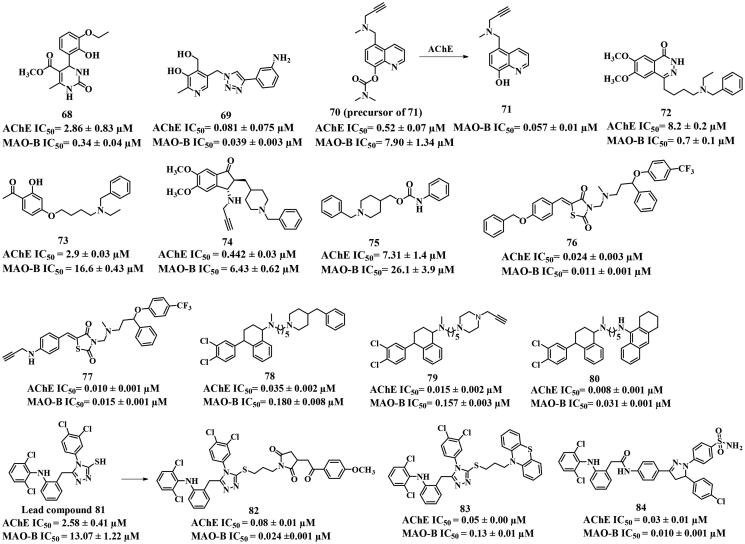
“They displayed moderate AChE inhibition (IC 50 ¼ 2.9, 0.442, and 7.31 l M, respectively), but weak MAO-B inhibition (IC 50 ¼ 16.6, 6.43, and 26.1 l M, respectively) 117–119 , suggesting that a rigid scaffold is necessary for potent MAO-B inhibitors.”
BackgroundInfluentialThe chelation targeting metal–Aβ40 aggregates may lead to formation of Aβ40 oligomers
Zhang, Y., Chen, L.-Y., Yin, W.-X., Yin, J., Zhang, S.-B., & Liu, C.-L. (2011) · Dalton Transactions · doi:10.1039/c1dt00020a · Cited by 26
Çevik, U. A., Osmaniye, D., Sağlık, B. N., Çavuşoğlu, B. K., Levent, S., Karaduman, A. B., Ilgın, S., Karaburun, A. Ç., Özkay, Y., Kaplancıklı, Z. A., et al. (2020) · Medicinal Chemistry Research · doi:10.1007/s00044-020-02541-4 · Cited by 26
Ye, C., Xu, R., Cao, Z., Song, Q., Yu, G., Shi, Y., Liu, Z., Liu, X., & Deng, Y. (2021) · Bioorganic Chemistry · doi:10.1016/j.bioorg.2021.104895 · Cited by 26 · cited 1×
“Compound 72 , synthesised using the linkage approach, was a dual inhibitor based on 1(2 H )-phthalazi- none scaffold 116 .”
Khan, M. S., Nawaz, M. A., Jalil, S., Rashid, F. M., Hameed, A., Asari, A., Mohamad, H., Rehman, A. U., Iftikhar, M., Iqbal, J., et al. (2021) · Bioorganic Chemistry · doi:10.1016/j.bioorg.2021.105457 · Cited by 26 · cited 1×
“Compound 68, 3,4-dihydropyrimidin-2(1 H )-one-based dual inhibitor 114 , showed moderate AChE inhibitory potency and potent MAO-B inhibitory activity with IC 50 values of 2.86 and 0.34 l M, respectively.”
InfluentialCoumarin derivatives as inhibitors of d-amino acid oxidase and monoamine oxidase
Bester, E., Petzer, A., & Petzer, J. P. (2022) · Bioorganic Chemistry · doi:10.1016/j.bioorg.2022.105791 · Cited by 26
Iridium-Catalyzed C-Alkylation of Methyl Group on N-Heteroaromatic Compounds using Alcohols
Onoda, M., & Fujita, K. (2020) · Organic Letters · doi:10.1021/acs.orglett.0c02635 · Cited by 25
Nadeem, M. S., Khan, J. A., & Rashid, U. (2021) · International Journal of Biological Macromolecules · doi:10.1016/j.ijbiomac.2021.10.102 · Cited by 25
Xu, R., Xiao, G., Li, Y., Liu, H., Song, Q., Zhang, X., Yang, Z., Zheng, Y., Tan, Z., & Deng, Y. (2018) · Bioorganic & Medicinal Chemistry · doi:10.1016/j.bmc.2018.02.037 · Cited by 24
Zhang, F., Li, S., Liu, C., Fang, K., Jiang, Y., Zhang, J., Lan, J., Zhu, L., Pang, H., & Gang, W. (2022) · Talanta · doi:10.1016/j.talanta.2022.123284 · Cited by 24
Tzvetkov, N. T., Stammler, H., Georgieva, M. G., Russo, D., Faraone, I., Balacheva, A. A., Hristova, S., Atanasov, A. G., Milella, L., Antonov, L., et al. (2019) · European Journal of Medicinal Chemistry · doi:10.1016/j.ejmech.2019.06.041 · Cited by 23
Rodríguez‐Enríquez, F., Viña, D., Uriarte, E., Laguna, R., & Matos, M. J. (2020) · ChemMedChem · doi:10.1002/cmdc.202000454 · Cited by 20
Nozal, V., García‐Rubia, A., Cuevas, E. P., Pérez, C., Tosat‐Bitrián, C., Bartolomé, F. B., Carro, E., Ramírez, D., Palomo, V., & Martı́nez, A. (2021) · Angewandte Chemie International Edition · doi:10.1002/anie.202106295 · Cited by 20
Liu, Z., Shi, Y., Zhang, X., Yu, G., Li, J., Cong, S., & Deng, Y. (2022) · Bioorganic & Medicinal Chemistry · doi:10.1016/j.bmc.2022.116660 · Cited by 18 · cited 1×
“Compared with 49 , using the fusion approach, the inhibitor 50 based on isoben-zofuran-1(3 H )-one exhibited more potent and balanced inhibitory activity against AChE and MAO-B (IC 50 ¼ 0.041 and 0.30 l M, respectively) 100 .”
MethodInfluentialdel Pino, J., Marco‐Contelles, J., Lopez-Munoz, F. J., Romero, A., & Ramos, E. (2018) · ACS Chemical Neuroscience · doi:10.1021/acschemneuro.8b00203 · Cited by 17
Maliyakkal, N., Ahmad, I., Kumar, S., Sudevan, S. T., Beeran, A. A., Patel, H., Kim, H., & Mathew, B. (2023) · Journal of Saudi Chemical Society · doi:10.1016/j.jscs.2023.101675 · Cited by 17
Fonseca, A., Matos, M. J., Reis, J., Duarte, Y., Gutiérrez, M., Santana, L., Uriarte, E., & Borges, F. (2016) · RSC Advances · doi:10.1039/c6ra05262b · Cited by 16
Zhu, G., Wang, K., Shi, J., Zhang, P., Yang, D., Fan, X., Zhang, Z., Liu, W., & Sang, Z. (2019) · Bioorganic & Medicinal Chemistry Letters · doi:10.1016/j.bmcl.2019.126625 · Cited by 16
Oh, J., Rangarajan, T. M., Chaudhary, R., Gambacorta, N., Nicolotti, O., Kumar, S., Mathew, B., & Kim, H. (2021) · Journal of Molecular Structure · doi:10.1016/j.molstruc.2021.131817 · Cited by 15
Exploration of Acetylcholinesterase Inhibitors from Flavonoids and Flavonoid Glycosides
Zhou, P., & Hua, F. (2020) · Neurochemical Journal · doi:10.1134/s1819712420030137 · Cited by 14
Więckowska, A., Szałaj, N., Góral, I., Bucki, A., Latacz, G., Kieć‐Kononowicz, K., Bautista‐Aguilera, Ó. M., Romero, A., Ramos, E., Egea, J., et al. (2020) · ACS Chemical Neuroscience · doi:10.1021/acschemneuro.0c00489 · Cited by 14
Computationally Assisted Lead Optimization of Novel Potent and Selective MAO-B Inhibitors
Gogineni, V., Nael, M. A., Chaurasiya, N. D., Elokely, K. M., McCurdy, C. R., Rimoldi, J. M., Cutler, S. J., Tekwani, B. L., & León, F. (2021) · Biomedicines · doi:10.3390/biomedicines9101304 · Cited by 14
Design, Synthesis and In Vitro Cytotoxic Activity Evaluation of New Mannich Bases
Bui, T. H., Le, T. T. D., Vu, T. T., Tien, H. X., Luu, V. C., Hoàng, V. Đ., & Vu, T. K. (2012) · Bulletin of the Korean Chemical Society · doi:10.5012/bkcs.2012.33.5.1586 · Cited by 11
Paolino, M., Rullo, M., Maramai, S., de Candia, M., Pisani, L., Catto, M., Mugnaini, C., Brizzi, A., Cappelli, A., Olivucci, M., et al. (2022) · RSC Medicinal Chemistry · doi:10.1039/d2md00042c · Cited by 11
Büyükkıdan, N., & Özer, S. (2013) · TURKISH JOURNAL OF CHEMISTRY · doi:10.3906/kim-1203-67 · Cited by 10
Design and synthesis of benzyl aminocoumarin and its anti-Alzheimer's activity
Zhang, Q., Hao, C., Miao, Y., Yun, Y., Sun, X., Pan, Y., Sun, J., & Wang, X. (2021) · New Journal of Chemistry · doi:10.1039/d1nj02950a · Cited by 10
Youdim, M. B. H. (2022) · Journal of Neural Transmission · doi:10.1007/s00702-022-02462-z · Cited by 10
Li, C., Wang, W., Nsanzamahoro, S., & Yang, J. (2022) · RSC Advances · doi:10.1039/d1ra07854b · Cited by 10
Takao, K., Kubota, Y., Kamauchi, H., & Sugita, Y. (2018) · Bioorganic Chemistry · doi:10.1016/j.bioorg.2018.11.004 · Cited by 9
Xia-Hou, Z.-R., Feng, X., Mei, Y.-F., Zhang, Y.-Y., Yang, T., Pan, J., Yang, J., & Wang, Y.-S. (2022) · Molecules · doi:10.3390/molecules27154950 · Cited by 9
(Hetero-)(arylidene)arylhydrazides as Multitarget-Directed Monoamine Oxidase Inhibitors
Palakkathondi, A., Oh, J., Dev, S., Rangarajan, T. M., Kaipakasseri, S., Kavully, F. S., Gambacorta, N., Nicolotti, O., Kim, H., & Mathew, B. (2020) · ACS Combinatorial Science · doi:10.1021/acscombsci.0c00136 · Cited by 7 · cited 1×
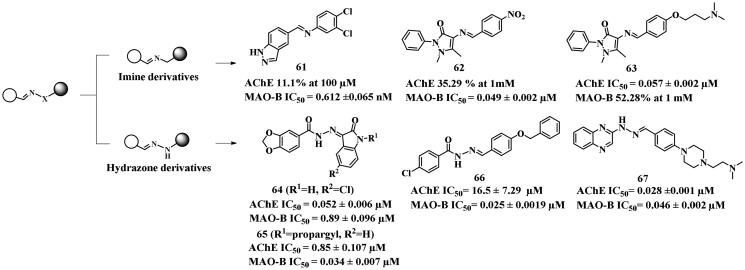
“The aromatic aldehyde hydrazone derivative 66 112 was created by using the linkage approach.”
Jia, Z., Wen, H., Huang, S., Luo, Y., Gao, J., Wang, R., Wan, K., & Xue, W. (2022) · Heterocyclic Communications · doi:10.1515/hc-2022-0002 · Cited by 5 · cited 1×
“Another potent and balanced dual inhibitor, pyridoxine scaffold-based compound 69 (IC 50 ¼ 0.081 and 0.039 l M, respectively) was synthesised using the linkage approach 115 .”
InfluentialWang, D., Chen, N., Taranto, A. G., Jin, Y., Wen, C., & De, K. (2020) · Bioorganic Chemistry · doi:10.1016/j.bioorg.2020.104503 · Cited by 1
Cited by
Zhang, J., Zhang, Y., Wang, J., Xia, Y., Zhang, J., & Chen, L. (2024) · Signal Transduction and Targeted Therapy · doi:10.1038/s41392-024-01911-3 · Cited by 1,138
“524,525 From a biochemical standpoint, growing evidence supports a link between cholinergic abnormalities and other pathophysiological features of AD, including abnormal A β and tau.”
BackgroundPathological mechanisms and treatment progression of Alzheimer’s disease
Zhang, J., Kong, G., Yang, J., Pang, L., & Li, X. (2025) · European journal of medical research · doi:10.1186/s40001-025-02886-9 · Cited by 304
“These agents function by reversibly inhibiting acetylcholinesterase, thereby increasing acetylcholine availability in synaptic clefts and temporarily enhancing cholinergic neurotransmission [170].”
MzDOCK : A free ready‐to‐use GUI ‐based pipeline for molecular docking simulations
Kabier, M., Gambacorta, N., Trisciuzzi, D., Kumar, S., Nicolotti, O., & Mathew, B. (2024) · Journal of Computational Chemistry · doi:10.1002/jcc.27390 · Cited by 75
Grabowska, W. A., Bijak, M., Szelenberger, R., Gorniak, L., Podogrocki, M., Harmata, P., & Cichoń, N. (2025) · International Journal of Molecular Sciences · doi:10.3390/ijms26178726 · Cited by 75
“A good example of MLD is the dual-target inhibitors, where AChE is combined with other disease-relevant targets [11] such as monoamine oxidase B (MAO-B) [61], β -secretase (BACE-1) [62], glycogen synthase kinase-3 β (GSK-3 β ) [63], or phosphodi-esterases (PDEs) [64,65].”
Asim, A., Jastrzębski, M. K., & Kaczor, A. A. (2025) · Molecules · doi:10.3390/molecules30142975 · Cited by 46
“Several research studies have reported the potential of natural and synthesized coumarin derivatives in targeting and inhibiting both AChE and MAO-B [72].”
Influential
Metadata
- Authors
- Zou, D., Liu, R., Lv, Y., Guo, J., Zhang, C., & Xie, Y.
- Affiliations
- College of Pharmaceutical Science, Zhejiang University of Technology
- Zhejiang University of Technology (CN)
- Corresponding author
- Zhang, Changjun
- Xie, Yuanyuan
- Venue
- Journal of Enzyme Inhibition and Medicinal Chemistry
- Publisher
- Informa UK Limited
- Published
- 2023-11-13
- Volume
- 38
- Issue
- 1
- Pages
- 2270781-2270781
- ISSN
- 1475-6366 (ISSN-L)
- 1475-6374
- PMC
- PMC10653629
- OpenAlex
- W4388638581
- Cited by
- 60
- References
- 122
- Citations by year
- 2026: 22 · 2025: 26 · 2024: 12
- FWCI
- 2.18
- Type
- journal article
- Language
- en
- Open access
- gold
- doi.org
- Licence
- Locations
- Journal of Enzyme Inhibition and Medicinal Chemistry (publishedVersion, cc-by-nc)
- PubMed Central (publishedVersion, cc-by-nc)
- PubMed (publishedVersion)
- DOAJ (DOAJ: Directory of Open Access Journals) (submittedVersion, cc-by-sa)
- Funders
- Zhejiang Key R&D Program (No. 2021C03085)
- National Key R&D Program of China (2021YFC2100800)
- National Natural Science Foundation of China (Grant No. 21978273 and 21576239)
- China Postdoctoral Science Foundation (No. 2021M702897)
- Topics
- Health Sciences › Medicine › Pharmacology (medical) › Cholinesterase and Neurodegenerative Diseases
- Life Sciences › Neuroscience › Cellular and Molecular Neuroscience › Alzheimer's disease research and treatments
- Life Sciences › Biochemistry, Genetics and Molecular Biology › Molecular Biology › Enzyme function and inhibition
- Keywords
- Alzheimer's disease, acetylcholinesterase inhibitors, monoamine oxidase B inhibitors, dual inhibitors, chalcones, coumarins, chromones, imines, hydrazine, structure-activity relationship, molecular docking, drug design
- MeSH terms
- Acetylcholinesterase, Alzheimer Disease, Cholinesterase Inhibitors, Humans, Monoamine Oxidase, Monoamine Oxidase Inhibitors, Structure-Activity Relationship, Molecular Docking Simulation
About these checks
Registry, retraction, Cites and statistics results are computed, not judged, with one exception: a printed reference that no index lists is read once by a model before it counts as a citation error. Claims are extracted by a model and kept only when their quote appears verbatim in the text; each cited source is then checked, with a model’s help, for whether it says what the claim relies on. Those verdicts can be wrong — read the claim’s quote and the cited source before relying on one.
Statistics and arithmetic are recomputed, not judged.
Confidence bands are shown only for fields calibrated on our annotated test set. None is calibrated yet, so no band is shown.
What counts as a claim ›How we measure confidence ›How we check this ›
Are you an author, or do you see a problem with this page? Request a review
Data sources
Bibliographic data: Semantic Scholar, OpenAlex, Crossref.
Contains information from the Semantic Scholar Academic Graph Datasets, made available under the ODC Attribution License (ODC-BY 1.0).
Semantic Scholar’s data is described in: Kinney, R., et al. (2023). The Semantic Scholar Open Data Platform. arXiv:2301.10140.
