

The DOI matches its Crossref record; 69 of the 69 references it cites were found in a registry or an index.
BNIP3L/Nix-induced mitochondrial fission, mitophagy, and impaired myocyte glucose uptake are abrogated by PRKA/PKA phosphorylation
Open accessPublished version of a preprint
Abstract
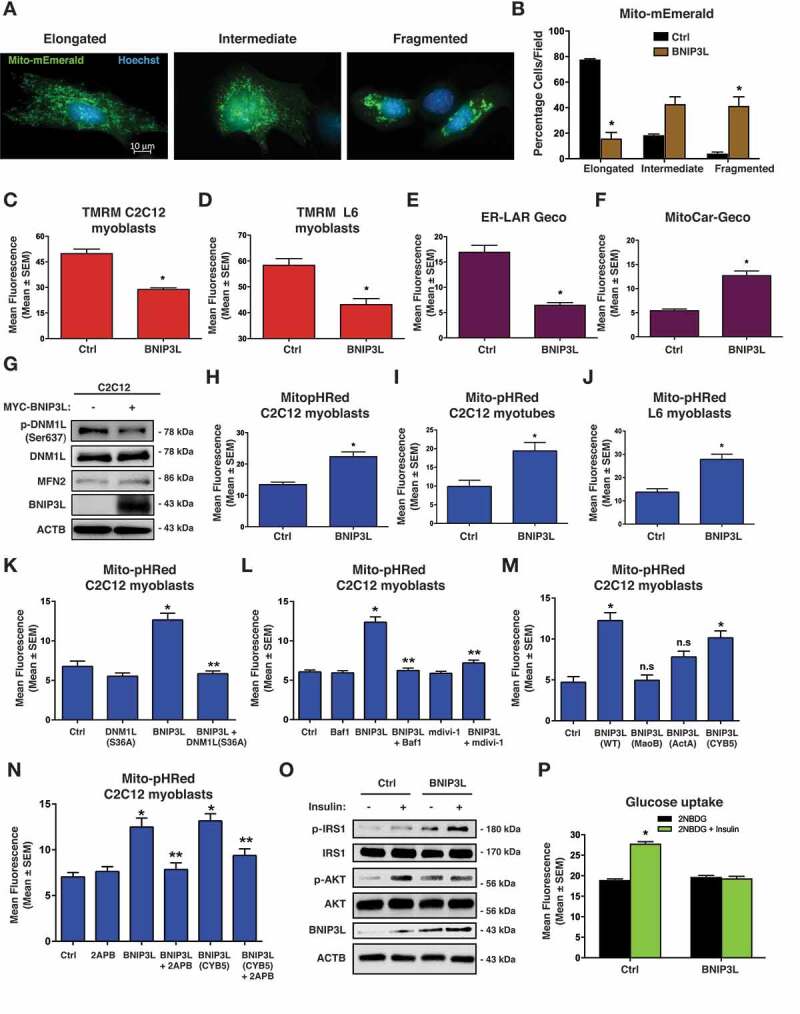
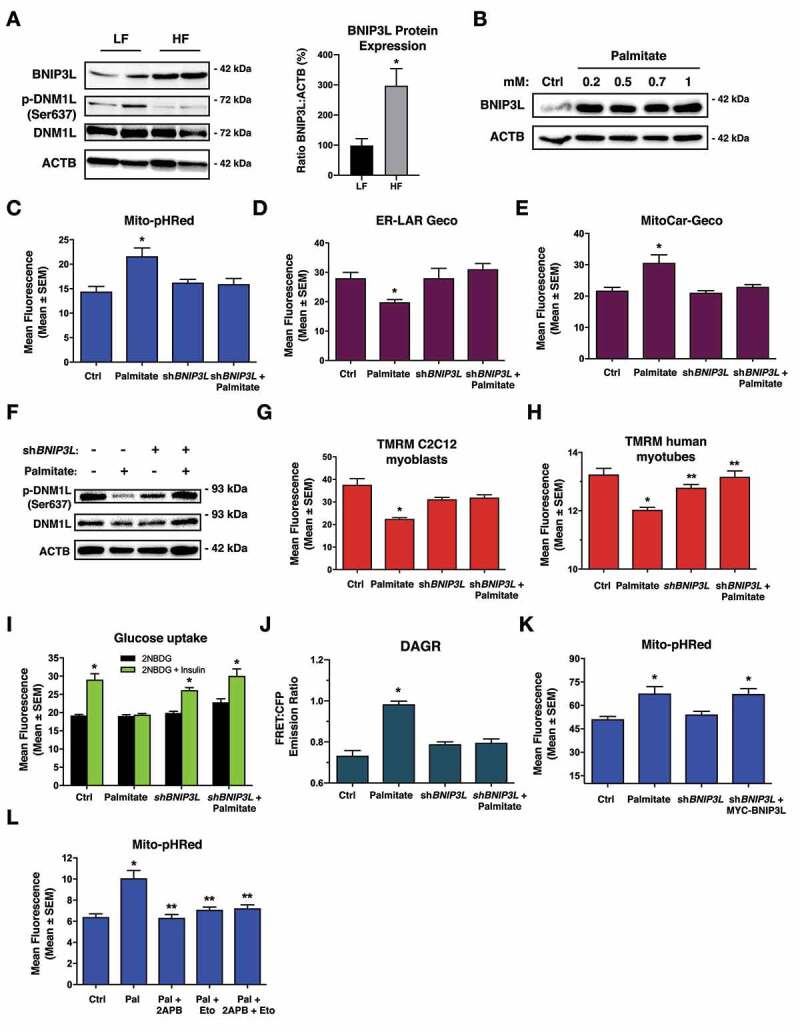
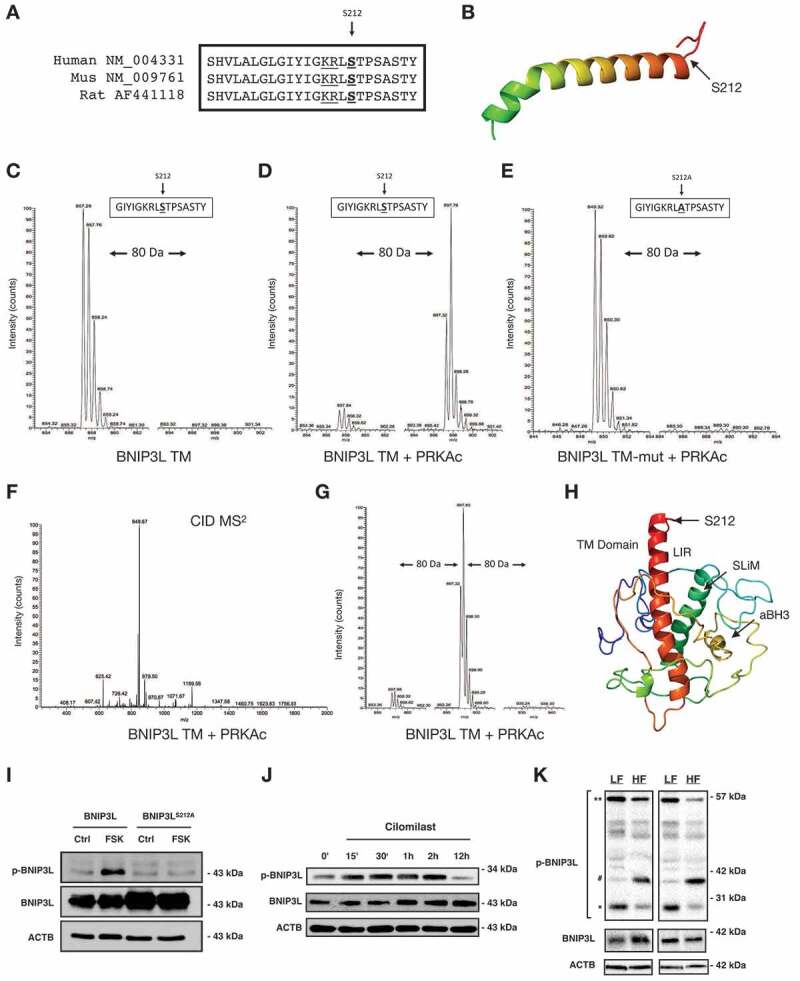
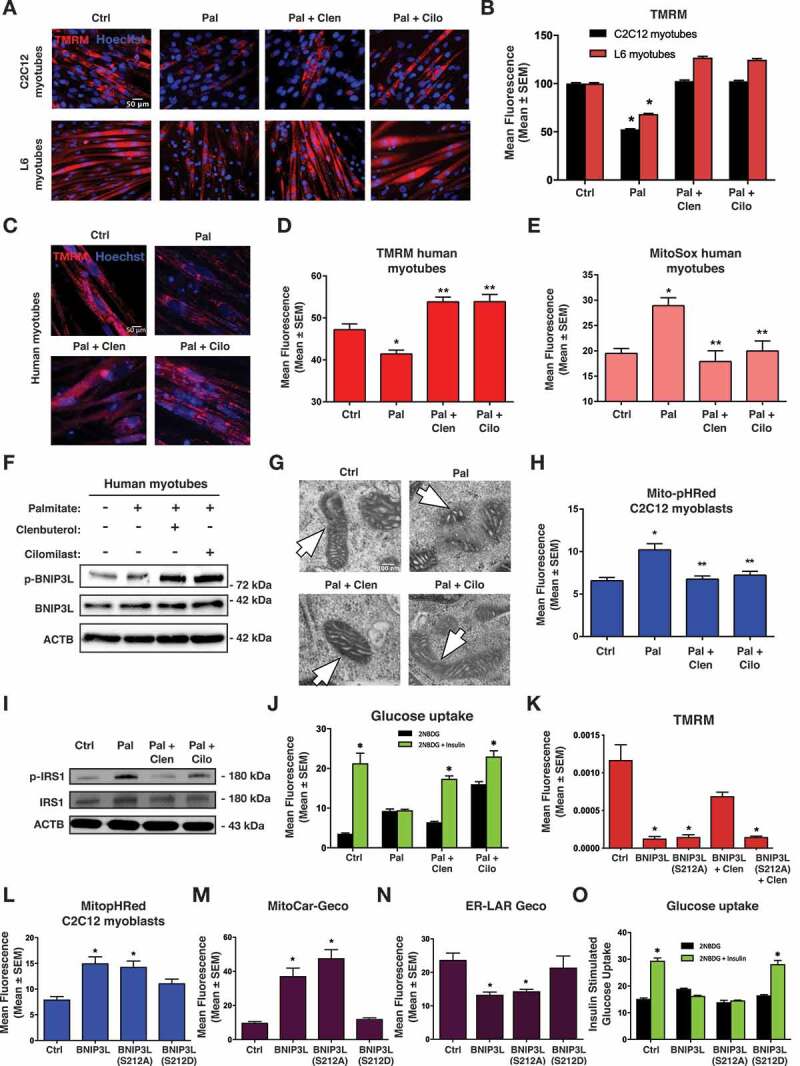
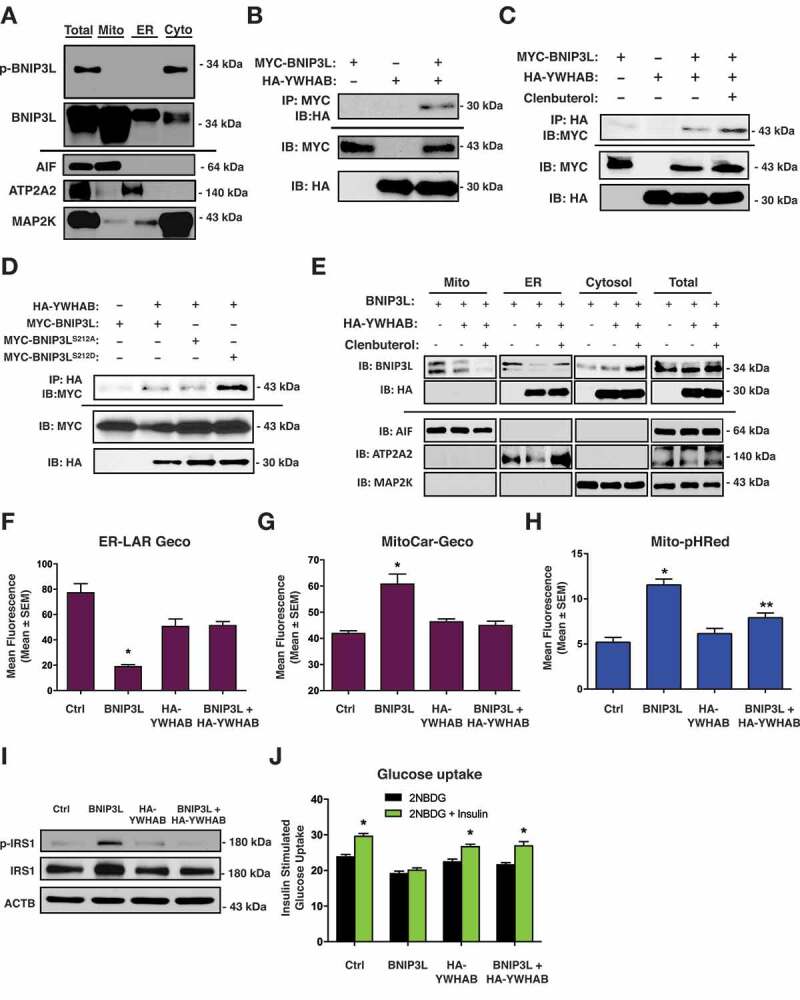
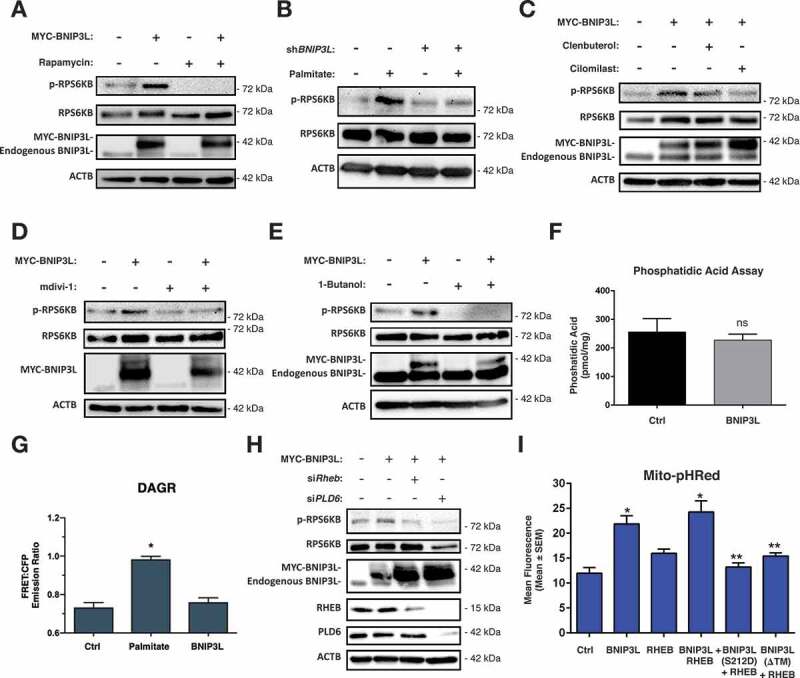
Abstract Lipotoxicity is a form of cellular stress caused by the accumulation of lipids resulting in mitochondrial dysfunction and insulin resistance in muscle. Previously, we demonstrated that the mitophagy receptor Nix is responsive to lipotoxicity and accumulates in response to diacylglycerols induced by high-fat (HF) feeding. In addition, previous studies have implicated autophagy and mitophagy in muscle insulin sensitivity. To provide a better understanding of these observations, we undertook gene expression array and shot-gun metabolomics studies in soleus muscle from rodents on an HF diet. Interestingly, we observed a modest reduction in several autophagy-related genes including Beclin-1, ATG3, and -5. Moreover, we observed alterations in the fatty acyl composition of cardiolipins and phosphatidic acids. Given the previously reported roles of these phospholipids and Nix in mitochondrial dynamics, we investigated aberrant mitochondrial fission and turn-over as a mechanism of myocyte insulin resistance. In a series of gain-of-function and loss-of-function experiments in rodent and human myotubes, we demonstrate that Nix accumulation triggers mitochondrial depolarization, fragmentation, calcium-dependent activation of DRP1, and mitophagy. In addition, Nix-induced mitochondrial fission leads to myotube insulin resistance through activation of mTOR-p70S6 kinase inhibition of IRS1, which is contingent on phosphatidic acids and Rheb. Finally, we demonstrate that Nix-induced mitophagy and insulin resistance can be reversed by direct phosphorylation of Nix by PKA, leading to the translocation of Nix from the mitochondria and sarcoplasmic reticulum to the cytosol. These findings provide insight into the role of Nix-induced mitophagy and myocyte insulin resistance during an overfed state when overall autophagy-related gene expression is reduced. Furthermore, our data suggests a mechanism by which exercise or pharmacological activation of PKA may overcome myocyte insulin resistance. Graphical Abstract
Overview
The claims and statistics of this paper haven’t been checked yet.
Run the check — free, no account needed. It reads the open-access text and checks the sources it cites.
Integrity signals
Registry
Cites
Statistics
Figures
Verification
Claims the paper makes
The claims and statistics of this paper haven’t been checked yet.
Run the check — free, no account needed. It reads the open-access text and checks the sources it cites.
Claims other papers make about this one
Each is checked against this paper’s own text: does it say what the citing paper says it does?
The source backs part of the claim, not all of it — or backs it for a different population, condition or comparison.
In the citing paper
“Consequently, mitochondrial dysfunction and impaired cell death pathways downstream contribute to insulin resistance in the muscle tissue of GDM-exposed offspring [105,106].”
From Recent Experimental Studies of Maternal Obesity, Diabetes during Pregnancy and the Developmental Origins of Cardiovascular Disease (2022) · cites this paper as [105]
Experimental — accuracy not yet measuredThe source backs part of the claim, not all of it — or backs it for a different population, condition or comparison.
In the citing paper
“Subsequent studies using this approach have demonstrated that offspring exposed to GDM exhibited skeletal muscle lipotoxicity and insulin resistance [105,106] (Figure 1).”
From Recent Experimental Studies of Maternal Obesity, Diabetes during Pregnancy and the Developmental Origins of Cardiovascular Disease (2022) · cites this paper as [105]
Experimental — accuracy not yet measured
Self-check
Percentages, sums and reported differences re-computed from the paper’s own numbers.
The self-check needs the paper’s full text.
Citations
Cites
Randle, P. J., Garland, P. B., Hales, C. N., & Newsholme, E. A. (1963) · The Lancet · doi:10.1016/s0140-6736(63)91500-9 · Cited by 5,093
Regulation mechanisms and signaling pathways of autophagy
He, C., & Klionsky, D. J. (2009) · Annual Review of Genetics · doi:10.1146/annurev-genet-102808-114910 · Cited by 3,609
Autophagy and the Integrated Stress Response
Kroemer, G., Mariño, G., & Levine, B. (2010) · Molecular Cell · doi:10.1016/j.molcel.2010.09.023 · Cited by 3,506
Zha, J., Harada, H., Yang, E., Jockel, J., & Korsmeyer, S. J. (1996) · Cell · doi:10.1016/s0092-8674(00)81382-3 · Cited by 2,578
The machinery of macroautophagy
Feng, Y., He, D., Yao, Z., & Klionsky, D. J. (2014) · Cell Research · doi:10.1038/cr.2013.168 · Cited by 2,083
Koves, T. R., Ussher, J. R., Noland, R. C., Slentz, D., Mosedale, M., Ilkayeva, O., Bain, J., Stevens, R., Dyck, J. R. B., Newgard, C. B., et al. (2008) · Cell Metabolism · doi:10.1016/j.cmet.2007.10.013 · Cited by 1,990
Mitochondrial outer-membrane protein FUNDC1 mediates hypoxia-induced mitophagy in mammalian cells
Liu, L., Feng, D., Chen, G., Chen, M., Zheng, Q., Song, P., Ma, Q., Zhu, C., Wang, R., Qi, W., et al. (2012) · Nature Cell Biology · doi:10.1038/ncb2422 · Cited by 1,738
Yu, C., Chen, Y., Cline, G. W., Zhang, D., Zong, H., Wang, Y., Bergeron, R., Kim, J. K., Cushman, S. W., Cooney, G. J., et al. (2002) · Journal of Biological Chemistry · doi:10.1074/jbc.m200958200 · Cited by 1,561
Mechanisms of mitophagy in cellular homeostasis, physiology and pathology
Palikaras, K., Lionaki, E., & Tavernarakis, N. (2018) · Nature Cell Biology · doi:10.1038/s41556-018-0176-2 · Cited by 1,556
Autophagy in mammalian development and differentiation
Mizushima, N., & Levine, B. (2010) · Nature Cell Biology · doi:10.1038/ncb0910-823 · Cited by 1,555
The pathogenesis of insulin resistance: integrating signaling pathways and substrate flux
Samuel, V. T., & Shulman, G. I. (2016) · Journal of Clinical Investigation · doi:10.1172/jci77812 · Cited by 1,484 · cited 2×
“Lipid infusion studies in humans, and high-fat feeding in rodents have demonstrated that muscle tissue rapidly accumulates diacylglycerols, ceramides, and triglycerides in response to these lipid exposures [1,3].”
BackgroundItani, S. I., Ruderman, N. B., Schmieder, F., & Boden, G. (2002) · Diabetes · doi:10.2337/diabetes.51.7.2005 · Cited by 1,390
An Expanded Palette of Genetically Encoded Ca 2+ Indicators
Zhao, Y., Araki, S., Wu, J., Teramoto, T., Chang, Y.-F., Nakano, M., Abdelfattah, A. S., Fujiwara, M., Ishihara, T., Nagai, T., et al. (2011) · Science · doi:10.1126/science.1208592 · Cited by 1,265
Shulman, G. I., Rothman, D. L., Jue, T., Stein, P., DeFronzo, R. A., & Shulman, R. G. (1990) · New England Journal of Medicine · doi:10.1056/nejm199001253220403 · Cited by 1,248
Exercise-induced BCL2-regulated autophagy is required for muscle glucose homeostasis
He, C., Bassik, M. C., Moresi, V., Sun, K., Wei, Y., Zou, Z., An, Z., Loh, J., Fisher, J., Sun, Q., et al. (2012) · Nature · doi:10.1038/nature10758 · Cited by 1,136
Rapid three-dimensional isotropic imaging of living cells using Bessel beam plane illumination
Planchon, T. A., Gao, L., Milkie, D. E., Davidson, M. W., Galbraith, J. A., Galbraith, C. G., & Betzig, E. (2011) · Nature Methods · doi:10.1038/nmeth.1586 · Cited by 1,117
Cribbs, J. T., & Strack, S. (2007) · EMBO Reports · doi:10.1038/sj.embor.7401062 · Cited by 1,061
Phosphatidic Acid-Mediated Mitogenic Activation of mTOR Signaling
Fang, Y., Vilella-Bach, M., Bachmann, R., Flanigan, A., & Chen, J. (2001) · Science · doi:10.1126/science.1066015 · Cited by 1,055
A brief history of autophagy from cell biology to physiology and disease
Mizushima, N. (2018) · Nature Cell Biology · doi:10.1038/s41556-018-0092-5 · Cited by 696
Jheng, H.-F., Tsai, P.-J., Guo, S.-M., Kuo, L.-H., Chang, C.-S., Su, I.-J., Chang, C.-R., & Tsai, Y.-S. (2012) · Molecular and Cellular Biology · doi:10.1128/mcb.05603-11 · Cited by 650
Mitochondrial dynamics in adaptive and maladaptive cellular stress responses
Eisner, V., Picard, M., & Hajnóczky, G. (2018) · Nature Cell Biology · doi:10.1038/s41556-018-0133-0 · Cited by 622
A genetically encoded fluorescent reporter reveals oscillatory phosphorylation by protein kinase C
Violin, J. D., Zhang, J., Tsien, R. Y., & Newton, A. C. (2003) · The Journal of Cell Biology · doi:10.1083/jcb.200302125 · Cited by 552
Diacylglycerol-mediated insulin resistance
Erion, D. M., & Shulman, G. I. (2010) · Nature Medicine · doi:10.1038/nm0410-400 · Cited by 502
Tremblay, F., Brûlé, S., Hee Um, S., Li, Y., Masuda, K., Roden, M., Sun, X. J., Krebs, M., Polakiewicz, R. D., Thomas, G., et al. (2007) · Proceedings of the National Academy of Sciences · doi:10.1073/pnas.0706517104 · Cited by 465
Metabolic Inflexibility: When Mitochondrial Indecision Leads to Metabolic Gridlock
Muoio, D. M. (2014) · Cell · doi:10.1016/j.cell.2014.11.034 · Cited by 438
FKBP8 recruits LC3A to mediate Parkin‐independent mitophagy
Bhujabal, Z., Birgisdottir, Å. B., Sjøttem, E., Brenne, H. B., Øvervatn, A., Habisov, S., Kirkin, V., Lamark, T., & Johansen, T. (2017) · EMBO Reports · doi:10.15252/embr.201643147 · Cited by 430
Role of diacylglycerol activation of PKCθ in lipid-induced muscle insulin resistance in humans
Szendroedi, J., Yoshimura, T., Phielix, E., Koliaki, C., Marcucci, M., Zhang, D., Jelenik, T., Müller, J., Herder, C., Nowotny, P., et al. (2014) · Proceedings of the National Academy of Sciences · doi:10.1073/pnas.1409229111 · Cited by 415
Imaging Intracellular pH in Live Cells with a Genetically Encoded Red Fluorescent Protein Sensor
Tantama, M., Hung, Y. P., & Yellen, G. (2011) · Journal of the American Chemical Society · doi:10.1021/ja202902d · Cited by 411
Schenk, S., & Horowitz, J. F. (2007) · Journal of Clinical Investigation · doi:10.1172/jci30566 · Cited by 407
DRP1-mediated mitochondrial shape controls calcium homeostasis and muscle mass
Favaro, G., Romanello, V., Varanita, T., Andrea Desbats, M., Morbidoni, V., Tezze, C., Albiero, M., Canato, M., Gherardi, G., De Stefani, D., et al. (2019) · Nature Communications · doi:10.1038/s41467-019-10226-9 · Cited by 398
Rheb Activates mTOR by Antagonizing Its Endogenous Inhibitor, FKBP38
Bai, X., Ma, D., Liu, A., Shen, X., Wang, Q. J., Liu, Y., & Jiang, Y. (2007) · Science · doi:10.1126/science.1147379 · Cited by 382
Wu, W., Lin, C., Wu, K., Jiang, L., Wang, X., Li, W., Zhuang, H., Zhang, X., Chen, H. H., Li, S., et al. (2016) · The EMBO Journal · doi:10.15252/embj.201593102 · Cited by 370
Protein Kinase C θ Inhibits Insulin Signaling by Phosphorylating IRS1 at Ser1101
Li, Y., Soos, T. J., Li, X., Wu, J., DeGennaro, M., Sun, X., Littman, D. R., Birnbaum, M. J., & Polakiewicz, R. D. (2004) · Journal of Biological Chemistry · doi:10.1074/jbc.c400186200 · Cited by 363
Lampert, M. A., Orogo, A. M., Najor, R. H., Hammerling, B. C., Leon, L. J., Wang, B. J., Kim, T.-Y., Sussman, M. A., & Gustafsson, Å. B. (2019) · Autophagy · doi:10.1080/15548627.2019.1580095 · Cited by 316
Hornberger, T. A., Chu, W. K., Mak, Y. W., Hsiung, J. W., Huang, S. A., & Chien, S. (2006) · Proceedings of the National Academy of Sciences · doi:10.1073/pnas.0600678103 · Cited by 312
Nix and Nip3 Form a Subfamily of Pro-apoptotic Mitochondrial Proteins
Chen, G., Cizeau, J., Velde, C. V., Park, J. H., Bozek, G., Bolton, J. M., Shi, L. F., Dubik, D., & Greenberg, A. H. (1999) · Journal of Biological Chemistry · doi:10.1074/jbc.274.1.7 · Cited by 310
Rogov, V. V., SUZUKI, H., Marinković, M., Lang, V., Kato, R., Kawasaki, M., Buljubašić, M., Šprung, M., Rogova, N. Y., Wakatsuki, S., et al. (2017) · Scientific Reports · doi:10.1038/s41598-017-01258-6 · Cited by 310
Yussman, M. G., Toyokawa, T., Odley, A. M., Lynch, R. A., Wu, G., Colbert, M. C., Aronow, B. J., Lorenz, J. N., & Dorn, G. W. (2002) · Nature Medicine · doi:10.1038/nm719 · Cited by 300
Yang, G., Badeanlou, L., Bielawski, J., Roberts, A. J., Hannun, Y. A., & Samad, F. (2009) · American Journal of Physiology-Endocrinology and Metabolism · doi:10.1152/ajpendo.91014.2008 · Cited by 295
Cdc2 Phosphorylation of BAD Links the Cell Cycle to the Cell Death Machinery
Konishi, Y., Lehtinen, M. K., Donovan, N., & Bonni, A. (2002) · Molecular Cell · doi:10.1016/s1097-2765(02)00524-5 · Cited by 291
Phosphatidic Acid and Cardiolipin Coordinate Mitochondrial Dynamics
Kameoka, S., Adachi, Y., Okamoto, K., Iijima, M., & Sesaki, H. (2017) · Trends in Cell Biology · doi:10.1016/j.tcb.2017.08.011 · Cited by 275
Rheb Regulates Mitophagy Induced by Mitochondrial Energetic Status
Melser, S., Chatelain, É. H., Lavie, J., Mahfouf, W., José, C., Obre, É., Goorden, S. M. I., Priault, M., Elgersma, Y., Rezvani, H. R., et al. (2013) · Cell Metabolism · doi:10.1016/j.cmet.2013.03.014 · Cited by 270
AMPK Activation of Muscle Autophagy Prevents Fasting-Induced Hypoglycemia and Myopathy during Aging
Bujak, A. L., Crane, J. D., Lally, J., Ford, R. J., Kang, S. J., Rebalka, I. A., Green, A. E., Kemp, B. E., Hawke, T. J., Schertzer, J. D., et al. (2015) · Cell Metabolism · doi:10.1016/j.cmet.2015.05.016 · Cited by 261
Skeletal muscle mitochondria as a target to prevent or treat type 2 diabetes mellitus
Hesselink, M. K. C., Schrauwen-Hinderling, V., & Schrauwen, P. (2016) · Nature Reviews Endocrinology · doi:10.1038/nrendo.2016.104 · Cited by 242
Bnip3L is induced by p53 under hypoxia, and its knockdown promotes tumor growth
Fei, P., Wang, W., Kim, S.-H., Wang, S., Burns, T. F., Sax, J. K., Buzzai, M., Dicker, D. T., McKenna, W. G., Bernhard, E. J., et al. (2004) · Cancer Cell · doi:10.1016/j.ccr.2004.10.012 · Cited by 236
Wu, J., Liu, L., Matsuda, T., Zhao, Y., Rebane, A. K., Drobizhev, M. A., Chang, Y.-F., Araki, S., Arai, Y., March, K., et al. (2013) · ACS Chemical Neuroscience · doi:10.1021/cn400012b · Cited by 234
No Parkin Zone: Mitophagy without Parkin
Villa, E., Marchetti, S., & Ricci, J. (2018) · Trends in Cell Biology · doi:10.1016/j.tcb.2018.07.004 · Cited by 229
Coincident Phosphatidic Acid Interaction Restrains Drp1 in Mitochondrial Division
Adachi, Y., Itoh, K., Yamada, T., Cerveny, K. L., Suzuki, T. L., Macdonald, P. J., Frohman, M. A., Ramachandran, R., Iijima, M., & Sesaki, H. (2016) · Molecular Cell · doi:10.1016/j.molcel.2016.08.013 · Cited by 206
Hsu, S. Y., Kaipia, A. J., Zhu, L., & Hsueh, A. J. W. (1997) · Molecular Endocrinology · doi:10.1210/mend.11.12.0023 · Cited by 185
Wu, J., Prole, D. L., Shen, Y., Lin, Z., Gnanasekaran, A., Liu, Y., Chen, L., Zhou, H., Chen, S. R. W., Usachev, Y. M., et al. (2014) · Biochemical Journal · doi:10.1042/bj20140931 · Cited by 168
Ratiometric biosensors based on dimerization-dependent fluorescent protein exchange
Ding, Y., Li, J., Enterina, J. R., Shen, Y., Zhang, I., Tewson, P. H., Mo, G. C. H., Zhang, J., Quinn, A. M., Hughes, T. E., et al. (2015) · Nature Methods · doi:10.1038/nmeth.3261 · Cited by 159
Mitophagy Directs Muscle-Adipose Crosstalk to Alleviate Dietary Obesity
Fu, T., Xu, Z., Liu, L., Guo, Q., Wu, H., Liang, X., Zhou, D., Xiao, L., Liu, L., Liu, Y., et al. (2018) · Cell Reports · doi:10.1016/j.celrep.2018.03.127 · Cited by 145 · cited 1×
“However, additional evidence suggests that muscle-specific deletion of the mitophagy receptor Fundc1 protects against HF feeding induced insulin resistance [46], suggesting that the mitophagy response may directly impact the sensitivity to insulin.”
BackgroundAlizadeh, J., Zeki, A. A., Mirzaei, N., Tewary, S., Moghadam, A. R., Głogowska, A., Nagakannan, P., Eftekharpour, E., Wiecheć, E., Gordon, J. W., et al. (2017) · Scientific Reports · doi:10.1038/srep44841 · Cited by 145
Self-citationUrano, J., Sato, T., Matsuo, T., Otsubo, Y., Yamamoto, M. P., & Tamanoi, F. (2007) · Proceedings of the National Academy of Sciences · doi:10.1073/pnas.0608510104 · Cited by 140
Yoon, M., Sun, Y., Arauz, E. J., Jiang, Y., & Chen, J. (2011) · Journal of Biological Chemistry · doi:10.1074/jbc.m111.262816 · Cited by 138
Insulin Resistance in the Defense against Obesity
Saltiel, A. R. (2012) · Cell Metabolism · doi:10.1016/j.cmet.2012.03.001 · Cited by 105
Pereira, T. J., Fonseca, M. A., Campbell, K. E., Moyce, B. L., Cole, L. K., Hatch, G. M., Doucette, C. A., Klein, J., Aliani, M., & Dolinsky, V. W. (2015) · The Journal of Physiology · doi:10.1113/jp270429 · Cited by 94
Self-citationThe Fluorescent Protein Color Palette
Olenych, S. G., Claxton, N. S., Ottenberg, G. K., & Davidson, M. W. (2007) · Current Protocols in Cell Biology · doi:10.1002/0471143030.cb2105s36 · Cited by 93
Pagiatakis, C., Gordon, J. W., Ehyai, S., & McDermott, J. C. (2012) · Journal of Biological Chemistry · doi:10.1074/jbc.m111.286203 · Cited by 67
Self-citationGordon, J. W., Pagiatakis, C., Salma, J., Du, ., Andreucci, J. J., Zhao, J., Hou, G., Perry, R. L., Dan, Q., Courtman, D. W., et al. (2009) · Journal of Biological Chemistry · doi:10.1074/jbc.m109.000539 · Cited by 66
Self-citationVollert, S., Kaessner, N., Heuser, A., Hanauer, G., Dieckmann, A., Knaack, D. A., Kley, H., Beume, R., & Weiss-Haljiti, C. (2012) · Diabetologia · doi:10.1007/s00125-012-2632-z · Cited by 59
Mughal, W., Nguyen, L., Pustylnik, S., da Silva Rosa, S. C., Piotrowski, S., Chapman, D., Du, M., Alli, N. S., Grigull, J., Halayko, A. J., et al. (2015) · Cell Death & Disease · doi:10.1038/cddis.2015.306 · Cited by 56
Self-citationMyocardin regulates mitochondrial calcium homeostasis and prevents permeability transition
Mughal, W., Martens, M. D., Field, J. T., Chapman, D. C., Huang, J., Rattan, S. G., Hai, Y., Cheung, K. G., Kereliuk, S. M., West, A. R., et al. (2018) · Cell Death and Differentiation · doi:10.1038/s41418-018-0073-z · Cited by 43
Self-citationMechanisms of simvastatin myotoxicity: The role of autophagy flux inhibition
Emami, A., Shojaei, S., Rosa, S. C. D. S., Aghaei, M., Samiei, E., Vosoughi, A. R., Kalantari, F., Kawalec, P., Thliveris, J. A., Sharma, P. K., et al. (2019) · European Journal of Pharmacology · doi:10.1016/j.ejphar.2019.172616 · Cited by 42
Self-citationAutophagy modulates temozolomide-induced cell death in alveolar Rhabdomyosarcoma cells
Moghadam, A. R., Rosa, S. C. D. S., Samiei, E., Alizadeh, J., Field, J. T., Kawalec, P., Thliveris, J. A., Akbari, M., Ghavami, S., & Gordon, J. W. (2018) · Cell Death Discovery · doi:10.1038/s41420-018-0115-9 · Cited by 41
Self-citationAdachi, Y., Iijima, M., & Sesaki, H. (2017) · Small GTPases · doi:10.1080/21541248.2017.1321614 · Cited by 31
Targeting skeletal muscle mitochondria to prevent type 2 diabetes in youth
Gordon, J. W., Dolinsky, V. W., Mughal, W., Gordon, G. R., & McGavock, J. (2015) · Biochemistry and Cell Biology · doi:10.1139/bcb-2015-0012 · Cited by 30
Self-citationField, J. T., Martens, M. D., Mughal, W., Hai, Y., Chapman, D. C., Hatch, G. M., Ivanco, T. L., Diehl‐Jones, W. L., & Gordon, J. W. (2018) · Cell Death Discovery · doi:10.1038/s41420-018-0104-z · Cited by 30
Self-citationWang, E. Y., Biala, A. K., Gordon, J. W., & Kirshenbaum, L. A. (2012) · Journal of Cardiovascular Pharmacology · doi:10.1097/fjc.0b013e31824cc427 · Cited by 27
Self-citation
Research works printed but not linked: 3
- 10.1210/me.11.12.1858 · DOI
- Olenych SG, 2007, Curr Protoc Cell Biol, 21
- Field JT, 2018, Cell Death Discov, 5, 37
Cited by
Sorted by citations
Crosstalk between mitochondrial biogenesis and mitophagy to maintain mitochondrial homeostasis
Liu, L., Li, Y., Chen, G., & Chen, Q. (2023) · Journal of Biomedical Science · doi:10.1186/s12929-023-00975-7 · Cited by 322
Mitochondrial adaptation in cancer drug resistance: prevalence, mechanisms, and management
Jin, P., Jiang, J., Zhou, L., Huang, Z., Nice, E. C., Huang, C., & Fu, L. (2022) · Journal of Hematology & Oncology · doi:10.1186/s13045-022-01313-4 · Cited by 299
Mechanisms of muscle insulin resistance and the cross‐talk with liver and adipose tissue
Rosa, S. C. D. S., Nayak, N., Caymo, A. M., & Gordon, J. W. (2020) · Physiological Reports · doi:10.14814/phy2.14607 · Cited by 271
Self-citationBNIP3L/NIX-mediated mitophagy: molecular mechanisms and implications for human disease
Li, Y., Zheng, W., Lu, Y., Zheng, Y., Pan, L., Wu, X., Yuan, Y., Shen, Z., Ma, S., Zhang, X., et al. (2021) · Cell Death and Disease · doi:10.1038/s41419-021-04469-y · Cited by 246
Iorio, R., Celenza, G., & Petricca, S. (2021) · Cells · doi:10.3390/cells11010030 · Cited by 222
Metadata
- Authors
- da Silva Rosa, S. C., Martens, M. D., Field, J. T., Nguyen, L., Kereliuk, S. M., Hai, Y., Chapman, D., Diehl-Jones, W., Aliani, M., West, A. R., Thliveris, J., Ghavami, S., Rampitsch, C., Dolinsky, V. W., & Gordon, J. W.
- Affiliations
- Departments of Human Anatomy and Cell Science, University of Manitoba, Winnipeg, Canada
- Children's Hospital Research Institute of Manitoba (CA)
- Children’s Hospital Research Institute of Manitoba, University of Manitoba, Winnipeg, Canada
- Human Nutritional Science
- University of Manitoba (CA)
- Agriculture and Agri-Food Canada (CA)
- Corresponding author
- Gordon, Joseph W.
- ORCID
- Venue
- Autophagy
- Publisher
- Informa UK Limited
- Published
- 2020-10-12
- Volume
- 17
- Issue
- 9
- Pages
- 2257-2272
- ISSN
- 1554-8627 (ISSN-L)
- 1554-8635
- PMC
- PMC8496715
- OpenAlex
- W3092101056
- Cited by
- 117
- References
- 69
- Citations by year
- 2026: 13 · 2025: 20 · 2024: 28 · 2023: 19 · 2022: 16 · 2021: 19 · 2020: 2
- FWCI
- 10.04
- Type
- journal article
- Language
- en
- Open access
- hybrid
- doi.org
- Licence
- Locations
- Autophagy (publishedVersion, cc-by-nc-nd)
- bioRxiv (Cold Spring Harbor Laboratory) (acceptedVersion, cc-by-nc-nd)
- Europe PMC (PubMed Central) (publishedVersion, other-oa)
- PubMed Central (publishedVersion, cc-by-nc-nd)
- PubMed (publishedVersion)
- Figshare (submittedVersion, cc-by)
- Mspace (University of Manitoba) (submittedVersion)
- Figshare (cc-by)
- Funders
- Canadian Institutes of Health Research (N/A)
- Canadian Network for Research and Innovation in Machining Technology, Natural Sciences and Engineering Research Council of Canada (N/A)
- Children’s Hospital Research Institute of Manitoba (N/A)
- Topics
- Life Sciences › Biochemistry, Genetics and Molecular Biology › Cell Biology › Autophagy in Disease and Therapy
- Life Sciences › Biochemistry, Genetics and Molecular Biology › Molecular Biology › Mitochondrial Function and Pathology
- Life Sciences › Biochemistry, Genetics and Molecular Biology › Molecular Biology › Metabolism, Diabetes, and Cancer
- Keywords
- BNIP3L/NIX, lipotoxicity, mitochondrial fission, mitophagy, glucose uptake, Drp1, mitochondrial depolarization, cardiolipin, phosphatidic acid, Rheb, mTOR signaling, IRS-1, high-fat diet, soleus muscle
- MeSH terms
- Animals, Autophagy, Cells, Cultured, Glucose, Humans, Membrane Proteins, Phosphorylation, Proto-Oncogene Proteins, Mitochondrial Proteins, Tumor Suppressor Proteins, Muscle Cells, Mitochondrial Dynamics, Mitophagy
About these checks
Registry, retraction, Cites and statistics results are computed, not judged, with one exception: a printed reference that no index lists is read once by a model before it counts as a citation error. Claims are extracted by a model and kept only when their quote appears verbatim in the text; each cited source is then checked, with a model’s help, for whether it says what the claim relies on. Those verdicts can be wrong — read the claim’s quote and the cited source before relying on one.
Statistics and arithmetic are recomputed, not judged.
Confidence bands are shown only for fields calibrated on our annotated test set. None is calibrated yet, so no band is shown.
What counts as a claim ›How we measure confidence ›How we check this ›
Are you an author, or do you see a problem with this page? Request a review
