

Lactobacillus rhamnosus probiotic prevents airway function deterioration and promotes gut microbiome resilience in a murine asthma model
Open accessThe DOI matches its Crossref record; 54 of the 54 references it cites were found in a registry or an index.
Abstract
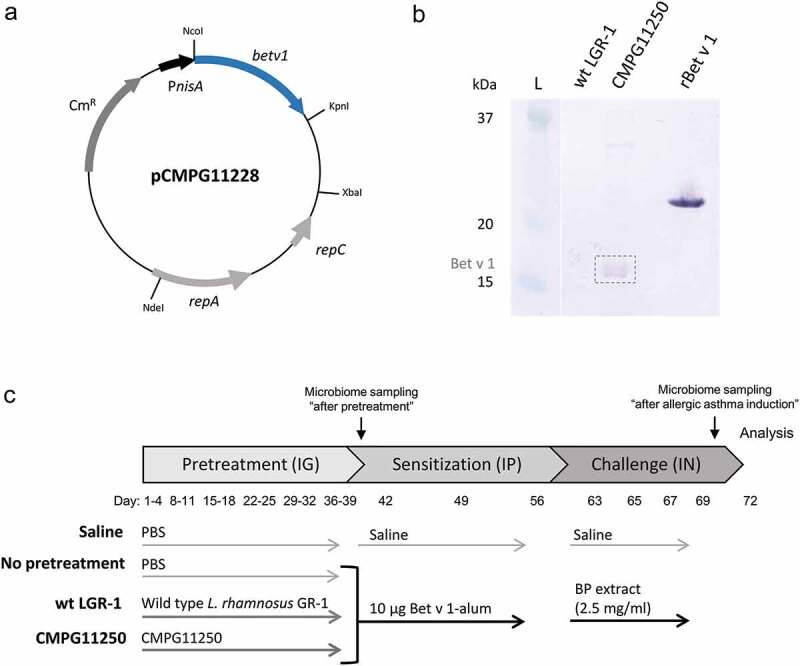
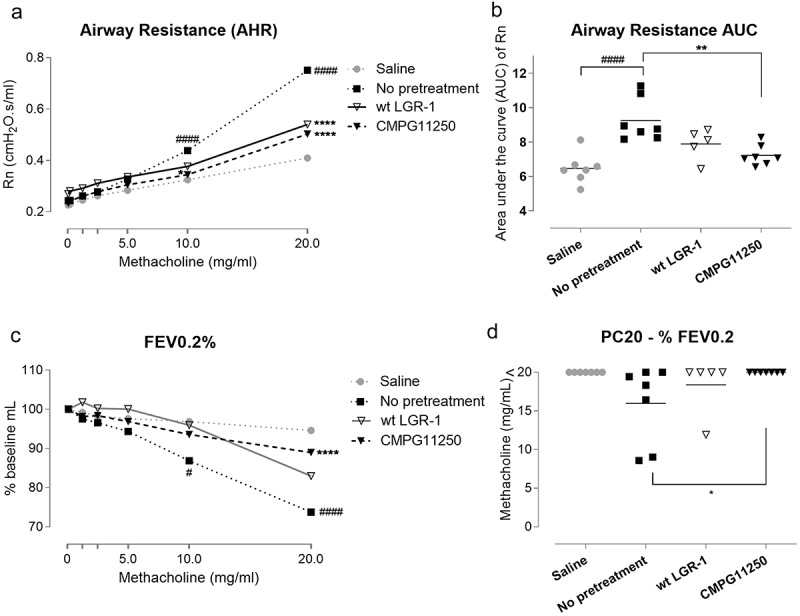
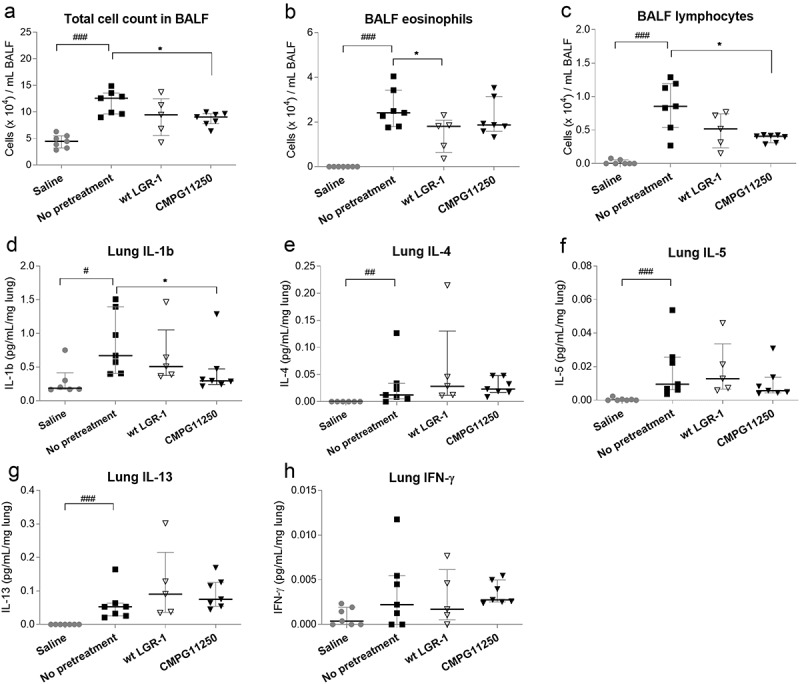
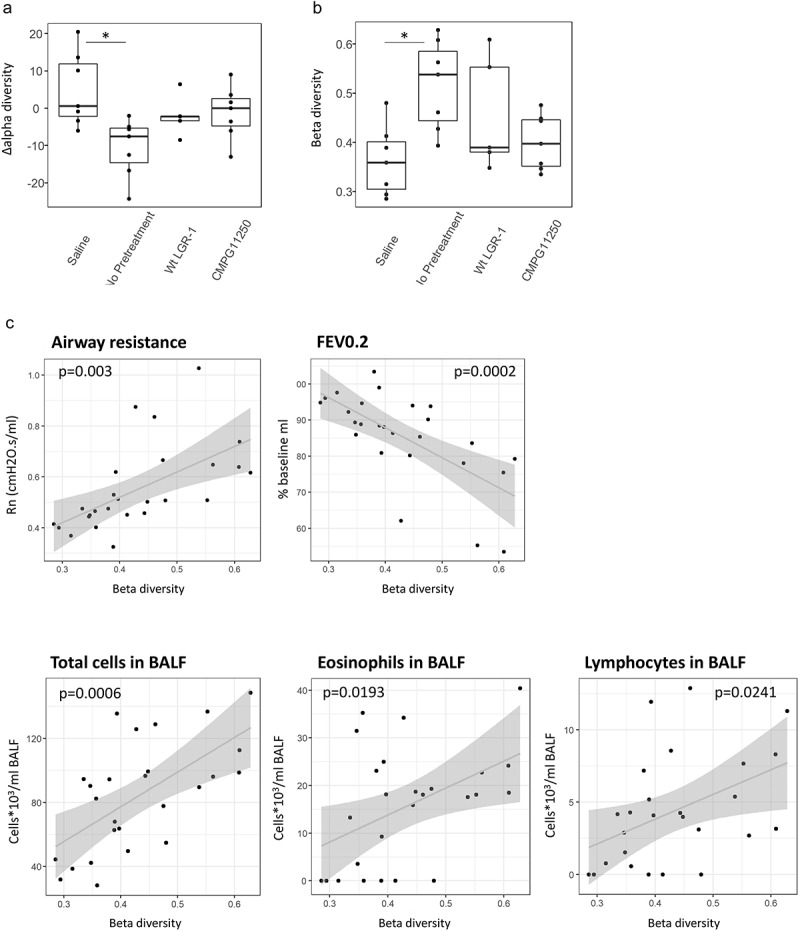
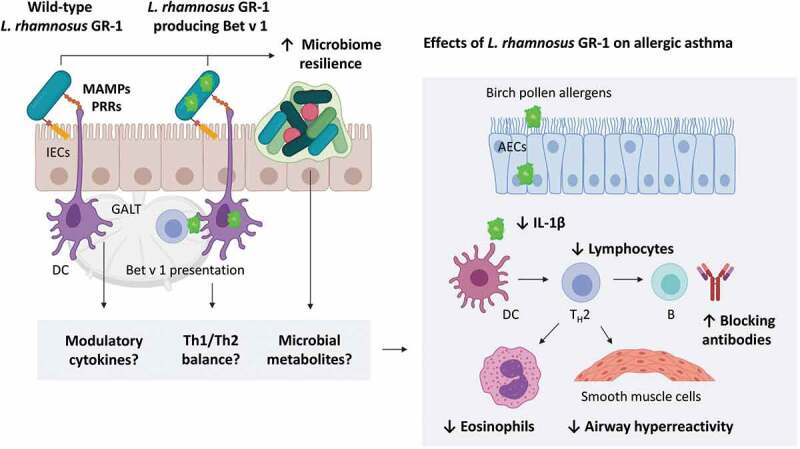
Allergic asthma is a highly prevalent inflammatory disease of the lower airways, clinically characterized by airway hyperreactivity and deterioration of airway function. Immunomodulatory probiotic bacteria are increasingly being explored to prevent asthma development, alone or in combination with other treatments.In this study, wild-type and recombinant probiotic Lactobacillus rhamnosus GR-1 were tested as preventive treatment of experimental allergic asthma in mice. Recombinant L. rhamnosus GR-1 was designed to produce the major birch pollen allergen Bet v 1, to promote allergen-specific immunomodulation. Administration of wild-type and recombinant L. rhamnosus GR-1 prevented the development of airway hyperreactivity. Recombinant L. rhamnosus GR-1 also prevented elevation of airway total cell counts, lymphocyte counts and lung IL-1β levels, while wild-type L. rhamnosus GR-1 inhibited airway eosinophilia. Of note, a shift in gut microbiome composition was observed after asthma development, which correlated with the severity of airway inflammation and airway hyperreactivity. In the groups that received L. rhamnosus GR-1, this asthma-associated shift in gut microbiome composition was not observed, indicating microbiome-modulating effects of this probiotic.These data demonstrate that L. rhamnosus GR-1 can prevent airway function deterioration in allergic asthma. Bet v 1 expression by L. rhamnosus GR-1 further contributed to lower airway inflammation, although not solely through the expected reduction in T helper 2-associated responses, suggesting involvement of additional mechanisms. The beneficial effects of L. rhamnosus GR-1 correlate with increased gut microbiome resilience, which in turn is linked to protection of airway function, and thus further adds support to the existence of a gut-lung axis.
Overview
The claims and statistics of this paper haven’t been checked yet.
Free: it reads the open-access text and checks the first 5 claims that cite a source we can check. Create a free account to check every claim.
Integrity signals
Registry
Cites
Statistics
Figures
Verification
Claims the paper makes
The claims and statistics of this paper haven’t been checked yet.
Free: it reads the open-access text and checks the first 5 claims that cite a source we can check. Create a free account to check every claim.
Claims other papers make about this one
Each is checked against this paper’s own text: does it say what the citing paper says it does?
In the citing paper
“intervention with the gut microbiota can enhance the defense and efficacy of lung tissues against diseases (19,20).”
From The Role of Gut Microbiota in Lung Cancer: From Carcinogenesis to Immunotherapy (2021) · doi:10.3389/fonc.2021.720842 · cites this paper as [19]
Self-check
Percentages, sums and reported differences re-computed from the paper’s own numbers.
The self-check needs the paper’s full text.
Citations
Cites
Molecular Cloning: A Laboratory Manual
Sambrook, J., Fritsch, E., & Maniatis, T. (1989) · UCLA - Biblioteca de Ciencias de la Salud · Cited by 133,589
Molecular cloning: A laboratory manual
Deininger, P. (1990) · Analytical Biochemistry · doi:10.1016/0003-2697(90)90595-z · Cited by 84,682
DADA2: High–resolution sample inference from Illumina amplicon data
Callahan, B. J., McMurdie, P. J., Rosen, M. J., Han, A. W., Johnson, A. J. A., & Holmes, S. P. (2016) · Nature Methods · doi:10.1038/nmeth.3869 · Cited by 35,698 · cited 1×
“4) in the R environment.(51,52) Further downstream analysis was performed using phyloseq (version 1.”
MethodHill (2014) · doi:10.1038/nrgastro.2014.66 · Cited by 9,592
Kozich, J. J., Westcott, S. L., Baxter, N. T., Highlander, S. K., & Schloss, P. D. (2013) · Applied and Environmental Microbiology · doi:10.1128/aem.01043-13 · Cited by 7,112 · cited 1×
“PCR amplification of the V4 region of the 16 S rRNA gene was then performed in duplicate for each sample using barcoded primers and the Phusion High-Fidelity DNA polymerase (Thermo Scientific), as previously described.(50) The 16 S rRNA gene amplicons were subsequently purified with the SequalPrep Normalization plate…”
MethodGut microbiota, metabolites and host immunity
Rooks, M. G., & Garrett, W. S. (2016) · Nature reviews. Immunology · doi:10.1038/nri.2016.42 · Cited by 3,409 · cited 1×
“Recent data suggest that immune function development and susceptibility to disease are strongly influenced by the diverse community of resident microorganisms, or microbiota, in particular in the context of allergic disease.(4) In fact, different members of the mammalian microbiota continuously undergo dynamic interac…”
BackgroundPapi, A., Brightling, C., Pedersen, S. E., & Reddel, H. K. (2018) · The Lancet · doi:10.1016/s0140-6736(17)33311-1 · Cited by 1,759
Emerging Pathogenic Links Between Microbiota and the Gut-Lung Axis
Budden, K. F., Gellatly, S. L., Wood, D. L. A., Cooper, M. A., Morrison, M., Hugenholtz, P., & Hansbro, P. M. (2017) · Nature Reviews Microbiology · doi:10.1038/nrmicro.2016.142 · Cited by 1,606 · cited 1×
“Microbiome changes have previously been described in a range of respiratory diseases, and a powerful gutlung microbiome axis has recently been defined.(37) Indeed, we could demonstrate that allergic asthma induction on its own was linked to a shift in the gut microbiome composition and a significant decrease in gut mi…”
BackgroundHost interactions of probiotic bacterial surface molecules: comparison with commensals and pathogens
Lebeer, S., Vanderleyden, J., & De Keersmaecker, S. C. J. (2010) · Nature Reviews Microbiology · doi:10.1038/nrmicro2297 · Cited by 1,062
Self-citationPenders, J., Thijs, C., van den Brandt, P. A., Kummeling, I., Snijders, B., Stelma, F., Adams, H., van Ree, R., & Stobberingh, E. E. (2007) · Gut · doi:10.1136/gut.2006.100164 · Cited by 844 · cited 1×
“However, the former link is plausible, as perturbations in the gut microbiome have previously been linked to allergic disease in clinical studies.(14,42,43) Beneficial microbes can directly influence immune and epithelial cells through microbe-associated molecular patterns that interact with host pattern recognition r…”
BackgroundLow gut microbiota diversity in early infancy precedes asthma at school age
Abrahamsson, T. R., Jakobsson, H. E., Andersson, A. F., Björkstén, B., Engstrand, L., & Jenmalm, M. C. (2014) · Clinical & Experimental Allergy · doi:10.1111/cea.12253 · Cited by 750
Kukkonen, K., Savilahti, E., Haahtela, T., Juntunen-Backman, K., Korpela, R., Poussa, T., Tuure, T., & Kuitunen, M. (2007) · Journal of Allergy and Clinical Immunology · doi:10.1016/j.jaci.2006.09.009 · Cited by 709
Emerging molecular insights into the interaction between probiotics and the host intestinal mucosa
Bron, P. A., van Baarlen, P., & Kleerebezem, M. (2012) · Nature Reviews Microbiology · doi:10.1038/nrmicro2690 · Cited by 690
Towards a better understanding of Lactobacillus rhamnosus GG - host interactions
Segers, M. E., & Lebeer, S. (2014) · Microbial Cell Factories · doi:10.1186/1475-2859-13-s1-s7 · Cited by 500
Self-citationKalliomäki, M., Salminen, S., Poussa, T., & Isolauri, E. (2007) · Journal of Allergy and Clinical Immunology · doi:10.1016/j.jaci.2006.12.608 · Cited by 452
Cuello-Garcia, C. A., Brożek, J. L., Fiocchi, A., Pawankar, R., Yepes-Nuñez, J. J., Terracciano, L., Gandhi, S., Agarwal, A., Zhang, Y., & Schünemann, H. J. (2015) · Journal of Allergy and Clinical Immunology · doi:10.1016/j.jaci.2015.04.031 · Cited by 383 · cited 1×
“Consequently, attempts have been made to positively steer the development of immune functions by administering specific microorganisms or probiotics, that can potentially prevent or treat allergic disease.(8,9) Probiotics are defined as “live microorganisms that, when administered in adequate amounts, confer a health…”
BackgroundFeleszko, W., Jaworska, J., Rha, R., Steinhausen, S., Avagyan, A., Jaudszus, A., Ahrens, B., Groneberg, D. A., Wahn, U., & Hamelmann, E. (2007) · Clinical & Experimental Allergy · doi:10.1111/j.1365-2222.2006.02629.x · Cited by 339
Vanoirbeek, J. A. J., Rinaldi, M., De Vooght, V., Haenen, S., Bobic, S., Gayan-Ramirez, G., Hoet, P. H. M., Verbeken, E., Decramer, M., Nemery, B., et al. (2010) · American Journal of Respiratory Cell and Molecular Biology · doi:10.1165/rcmb.2008-0487oc · Cited by 320 · cited 2×
“Furthermore, our results support FEV measurement next to the classical assessment of airway resistance typically used in animal models for asthma research,(13,25,27) which could improve the translational value of pre-clinical animal models.(28,29) Besides the changes in hyperreactivity, pretreatment with CMPG11250 in…”
MethodResultSelf-citationJang, Y. J., Kim, W.-K., Han, D. H., Lee, K., & Ko, G. (2019) · Gut Microbes · doi:10.1080/19490976.2019.1589281 · Cited by 296 · cited 1×
“Recently, comparable results were obtained in a mouse model of colitis, where Lactobacillus fermentum strains KBL374 and KBL375 restored gut microbiota diversity diminished by colitis induction, and contributed to an increase in the Lactobacillus population.(41) In addition, we found a significant positive correlation…”
ResultIdentification of probiotic effector molecules: present state and future perspectives
Lebeer, S., Bron, P. A., Marco, M. L., Van Pijkeren, J.-P., O’Connell Motherway, M., Hill, C., Pot, B., Roos, S., & Klaenhammer, T. (2018) · Current Opinion in Biotechnology · doi:10.1016/j.copbio.2017.10.007 · Cited by 295
Self-citationIgE to Bet v 1 and profilin: Cross-reactivity patterns and clinical relevance
Wensing, M., Akkerdaas, J. H., van Leeuwen, W. A., Stapel, S. O., Bruijnzeel-Koomen, C. A. F. M., Aalberse, R. C., Bast, B. J. E. G., Knulst, A. C., & van Ree, R. (2002) · Journal of Allergy and Clinical Immunology · doi:10.1067/mai.2002.126380 · Cited by 208 · cited 2×
“rhamnosus GR-1 was genetically modified to produce the major birch pollen allergen Bet v 1, to which 90–95% of birch pollen-allergic patients are sensitized.(26) We analyzed the prophylactic effects of orally administered wild-type and recombinant L.”
BackgroundMethodThe effect of heat pretreatment temperature on fermentative hydrogen production using mixed cultures
Baghchehsaraee, B., Nakhla, G., Karamanev, D., Margaritis, A., & Reid, G. (2008) · International Journal of Hydrogen Energy · doi:10.1016/j.ijhydene.2008.05.069 · Cited by 170
Mechanisms of airway hyper‐responsiveness in asthma: the past, present and yet to come
Chapman, D. G., & Irvin, C. G. (2015) · Clinical & Experimental Allergy · doi:10.1111/cea.12506 · Cited by 170 · cited 3×
“a clinically relevant finding, as this parameter has a direct impact on the asthmatic patient’s quality of life.(3) Furthermore, our results support FEV measurement next to the classical assessment of airway resistance typically used in animal models for asthma research,(13,25,27) which could improve the translational…”
BackgroundResultInfluentialMeadows, A., Kaambwa, B., Novielli, N., Huissoon, A., Fry-Smith, A., Meads, C., Barton, P., & Dretzke, J. (2013) · Health Technol Assess · doi:10.3310/hta17270 · Cited by 163 · cited 1×
“Allergic asthma presents a compelling challenge for public health due to its increasing prevalence in both developed and developing countries and the linked socio-economic costs.(1,2) Airway hyperreactivity (AHR) and inflammation are the hallmark features of asthma.”
BackgroundDiversity of the gut microbiota and eczema in early life
Forno, E., Onderdonk, A. B., McCracken, J., Litonjua, A. A., Laskey, D., Delaney, M. L., DuBois, A. M., Gold, D. R., Ryan, L. M., Weiss, S. T., et al. (2008) · Clinical and Molecular Allergy · doi:10.1186/1476-7961-6-11 · Cited by 132 · cited 1×
“However, the former link is plausible, as perturbations in the gut microbiome have previously been linked to allergic disease in clinical studies.(14,42,43) Beneficial microbes can directly influence immune and epithelial cells through microbe-associated molecular patterns that interact with host pattern recognition r…”
BackgroundSpecific probiotics alleviate allergic rhinitis during the birch pollen season
Ouwehand, A. C., Nermes, M., Collado, M. C., Rautonen, N., Salminen, S., & Isolauri, E. (2009) · World Journal of Gastroenterology · doi:10.3748/wjg.15.3261 · Cited by 128 · cited 1×
“Furthermore, it has been hypothesized that gut microbial metabolites can mediate the probiotic effects on birch pollen allergy at the airway level.(44) Future experiments (e.”
BackgroundForced expiration measurements in mouse models of obstructive and restrictive lung diseases
Devos, F. C., Maaske, A., Robichaud, A., Pollaris, L., Seys, S., Lopez, C. A., Verbeken, E., Tenbusch, M., Lories, R., Nemery, B., et al. (2017) · Respiratory Research · doi:10.1186/s12931-017-0610-1 · Cited by 126 · cited 2×
“Furthermore, our results support FEV measurement next to the classical assessment of airway resistance typically used in animal models for asthma research,(13,25,27) which could improve the translational value of pre-clinical animal models.(28,29) Besides the changes in hyperreactivity, pretreatment with CMPG11250 in…”
MethodResultSelf-citationSpacova, I., Petrova, M. I., Fremau, A., Pollaris, L., Vanoirbeek, J., Ceuppens, J. L., Seys, S., & Lebeer, S. (2019) · Allergy · doi:10.1111/all.13502 · Cited by 125 · cited 1×
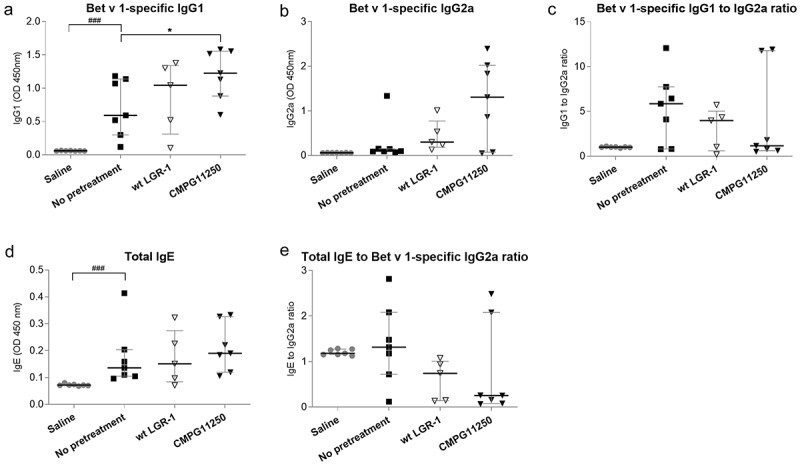
“Blood for total IgE, Bet v 1-specific IgG1 and IgG2a determination, bronchoalveolar lavage fluid (BALF), and lung samples for cytokine analysis were collected and subsequently analyzed as previously described.(11) In addition, mesenteric lymph nodes (MLNs) were isolated for Treg analysis.”
MethodSelf-citationSimpson, M. R., Dotterud, C. K., Storrø, O., Johnsen, R., & Øien, T. (2015) · BMC Dermatology · doi:10.1186/s12895-015-0030-1 · Cited by 124
Corthésy, B., Boris, S., Isler, P., Grangette, C., & Mercenier, A. (2005) · The Journal of Infectious Diseases · doi:10.1086/444425 · Cited by 111
Wu, C.-T., Chen, P.-J., Lee, Y.-T., Ko, J., & Lue, K.-H. (2014) · Journal of Microbiology Immunology and Infection · doi:10.1016/j.jmii.2014.08.001 · Cited by 110 · cited 1×
“It has previously been described that oral administration of certain strains belonging to the Lactobacillus genus complex, alone or in combination with allergens for allergen-specific immunotherapy, can prevent allergic asthma development in mouse models through modulation of Th2 immune responses.(13,25,27) In our mod…”
BackgroundDaniel, C., Repa, A., Wild, C., Pollak, A., Pot, B., Breiteneder, H., Wiedermann, U., & Mercenier, A. (2006) · Allergy · doi:10.1111/j.1398-9995.2006.01071.x · Cited by 107 · cited 1×
“eosinophilia and lung IL-5), while recombinant allergen expression additionally decreased allergen-specific IgE production associated with T helper 2 (Th2) responses, and increased levels of protective IgG2a and/or IgA antibodies.(23,24) In addition to shifting the immune balance from Th2 activity associated with alle…”
BackgroundPetrova, M. I., Imholz, N. C. E., Verhoeven, T. L. A., Balzarini, J., Van Damme, E. J. M., Schols, D., Vanderleyden, J., & Lebeer, S. (2016) · PLOS ONE · doi:10.1371/journal.pone.0161337 · Cited by 102 · cited 3×
“Purity of eluted fractions containing rBet v 1 was confirmed by sodium dodecyl sulfate polyacrylamide gel electrophoresis (SDS-PAGE) and Coomassie staining, as previously described.(49)”
MethodInfluentialSelf-citationCarrot Juice Fermentations as Man-Made Microbial Ecosystems Dominated by Lactic Acid Bacteria
Wuyts, S., Van Beeck, W., Oerlemans, E. F. M., Wittouck, S., Claes, I. J. J., De Boeck, I., Weckx, S., Lievens, B., De Vuyst, L., & Lebeer, S. (2018) · Applied and Environmental Microbiology · doi:10.1128/aem.00134-18 · Cited by 99 · cited 1×
“4) in the R environment.(51,52) Further downstream analysis was performed using phyloseq (version 1.”
MethodSelf-citationAnalysis of NLRP3 in the Development of Allergic Airway Disease in Mice
Allen, I. C., Jania, C. M., Wilson, J. E., Tekeppe, E. M., Hua, X., Brickey, W. J., Kwan, M., Koller, B. H., Tilley, S. L., & Ting, J. P.-Y. (2012) · The Journal of Immunology · doi:10.4049/jimmunol.1102488 · Cited by 96 · cited 1×
“For example, while the exact role of IL-1β in the development of allergic asthma is unclear, it might contribute to airway inflammation by exacerbating the innate immune response.(32) IL-1β was previously shown to induce AHR through direct alteration of mitogen-activated protein kinase (MAPK) pathways in airway cells.”
BackgroundLeuppi, J. D., Salome, C. M., Jenkins, C. R., Koskela, H. O., Brannan, J. D., Anderson, S. D., Andersson, M., Chan, H., & Woolcock, A. J. (2001) · European Respiratory Journal · doi:10.1183/09031936.01.00058601 · Cited by 89 · cited 1×
“Although there was a discordancy between effects on hyperreactivity and those on Th2 inflammation for CMPG11250, previous studies suggest that AHR and allergic airway inflammation might be two separate characteristics of asthma that do not necessarily follow the same trend.(31) For example, while the exact role of IL-…”
ResultPre‐ and probiotics for allergy prevention: time to revisit recommendations?
Forsberg, A., West, C. E., Prescott, S. L., & Jenmalm, M. C. (2016) · Clinical & Experimental Allergy · doi:10.1111/cea.12838 · Cited by 77 · cited 1×
“Consequently, attempts have been made to positively steer the development of immune functions by administering specific microorganisms or probiotics, that can potentially prevent or treat allergic disease.(8,9) Probiotics are defined as “live microorganisms that, when administered in adequate amounts, confer a health…”
BackgroundRigaux, P., Daniel, C., Hisbergues, M., Muraille, E., Hols, P., Pot, B., Pestel, J., & Jacquet, A. (2009) · Allergy · doi:10.1111/j.1398-9995.2008.01825.x · Cited by 75
Recombinant Lactobacillus plantarum inhibits house dust mite-specific T-cell responses
Kruisselbrink, A., Heijne Den Bak-Glashouwer, M.-J., Havenith, C. E. G., Thole, J. E. R., & Janssen, R. (2008) · Clinical and Experimental Immunology · doi:10.1046/j.1365-2249.2001.01642.x · Cited by 71
Pellaton, C., Nutten, S., Thierry, A.-C., Boudousquié, C., Barbier, N., Blanchard, C., Corthésy, B., Mercenier, A., & Spertini, F. (2012) · International Journal of Inflammation · doi:10.1155/2012/686739 · Cited by 68 · cited 2×
“The nature of the antigen,(23) the probiotic strain used,(11,24,30) and the probiotic dose and administration route have all been shown to affect the probiotic treatment outcomes in mouse models of allergic disease.(30) Although there was a discordancy between effects on hyperreactivity and those on Th2 inflammation f…”
BackgroundResultSensitivity to oxazolone induced dermatitis is transferable with gut microbiota in mice
Zachariassen, L. F., Krych, L., Engkilde, K., Nielsen, D. S., Kot, W., Hansen, C. H. F., & Hansen, A. K. (2017) · Scientific Reports · doi:10.1038/srep44385 · Cited by 66 · cited 1×
“was also hypothesized to be involved in an increased atopic dermatitis induction in mice.(40) Importantly, the latter study demonstrated a causative link between microbiome composition and the levels of IL-1β and other inflammatory biomarkers in experimental allergic disease.”
BackgroundPulvirenti, G., Parisi, G. F., Giallongo, A., Papale, M. R., Manti, S., Savasta, S., Licari, A., Marseglia, G. L., & Leonardi, S. (2019) · Frontiers in Pediatrics · doi:10.3389/fped.2019.00393 · Cited by 60 · cited 1×
“In addition, numerous studies demonstrate that shifts in airway microbiome composition correlate with allergic and other inflammatory airway diseases.(45,46) Mapping both the airway and the gut microbiome will contribute to a comprehensive picture of microbial influence on local and systemic immunity in future work.”
BackgroundEffects of Lactobacillus rhamnosus GG supplementation on cow's milk allergy in a mouse model
Thang, C., Baurhoo, B., Boye, J. I., Simpson, B. K., & Zhao, X. (2011) · Allergy Asthma and Clinical Immunology · doi:10.1186/1710-1492-7-20 · Cited by 55
Comparative Genomic and Phenotypic Analysis of the Vaginal Probiotic Lactobacillus rhamnosus GR-1
Petrova, M. I., Macklaim, J. M., Wuyts, S., Verhoeven, T., Vanderleyden, J., Gloor, G. B., Lebeer, S., & Reid, G. (2018) · Frontiers in Microbiology · doi:10.3389/fmicb.2018.01278 · Cited by 53 · cited 1×
“urogenital isolate) was mostly used for urogenital health applications.(19) Nonetheless, L.”
MethodSelf-citationCharng, Y.-C., LIN, C., & Hsu, C. (2005) · Vaccine · doi:10.1016/j.vaccine.2005.07.107 · Cited by 48 · cited 1×
“It has previously been described that oral administration of certain strains belonging to the Lactobacillus genus complex, alone or in combination with allergens for allergen-specific immunotherapy, can prevent allergic asthma development in mouse models through modulation of Th2 immune responses.(13,25,27) In our mod…”
BackgroundBotterel, F., Angebault, C., Cabaret, O., Stressmann, F. A., Costa, J., Wallet, F., Wallaert, B., Bruce, K. D., & Delhaès, L. (2017) · Mycopathologia · doi:10.1007/s11046-017-0185-x · Cited by 48
Koyama, T. E., Kirjavainen, P. V., Fisher, C., Anukam, K. C., Summers, K., Hekmat, S., & Reid, G. (2010) · Canadian Journal of Microbiology · doi:10.1139/w10-061 · Cited by 46 · cited 1×
“rhamnosus GR-1 was previously shown to have both local and systemic immunomodulatory effects.(15,20) Due to their ability to influence the host immune system, recombinant L.”
BackgroundZhang, Y., Cardell, L., & Adner, M. (2007) · Respiratory Research · doi:10.1186/1465-9921-8-29 · Cited by 42 · cited 1×
“IL-1β was previously shown to induce AHR through direct alteration of mitogen-activated protein kinase (MAPK) pathways in airway cells.(33) Probiotic lactobacilli are also capable of influencing innate immune responses,(5-7) and wild-type L.”
BackgroundSpacova, I., Lievens, E., Verhoeven, T. L. A., Steenackers, H. P. L., Vanderleyden, J., Lebeer, S., & Petrova, M. (2017) · Microbial Biotechnology · doi:10.1111/1751-7915.12872 · Cited by 33
Self-citationÁlvarez, B., Andersen, K. K., Tellgren‐Roth, C., Martínez, N., Günaydın, G., Lin, Y. Y., Martín, M. C., Álvarez, M. A., Hammarström, L. L. G., & Marcotte, H. (2015) · Applied and Environmental Microbiology · doi:10.1128/aem.00945-15 · Cited by 31
Wu, Q., Zhu, Y., Xu, J., Liu, X., Duan, C., Wang, M., & Wang, J. (2018) · Frontiers in Microbiology · doi:10.3389/fmicb.2018.01661 · Cited by 31
Engineering Lactobacillus rhamnosus GG and GR-1 to express HIV-inhibiting griffithsin
Petrova, M., van den Broek, M. F. L., Spacova, I., Verhoeven, T. L. A., Balzarini, J. M., Vanderleyden, J., Schols, D., & Lebeer, S. (2018) · International Journal of Antimicrobial Agents · doi:10.1016/j.ijantimicag.2018.07.013 · Cited by 29 · cited 1×
“rhamnosus GR-1 was previously shown to have both local and systemic immunomodulatory effects.(15,20) Due to their ability to influence the host immune system, recombinant L.”
BackgroundSelf-citationKandasamy, M., Jayasurya, A. S., Moochhala, S., Bay, B., Lee, Y. K., & Mahendran, R. (2011) · Microbiology and Immunology · doi:10.1111/j.1348-0421.2011.00370.x · Cited by 24
Barfod, K. K., Roggenbuck, M., Al-Shuweli, S., Fakih, D., Sørensen, S. J., & Sørensen, G. L. (2017) · Heliyon · doi:10.1016/j.heliyon.2017.e00262 · Cited by 8 · cited 1×
“taxa after allergic asthma induction in our study were due to the members of the Lachnospiraceae and Ruminococcaceae families, which is in line with recent observations in a mouse model of ovalbumin-induced allergic airway disease.(39) The higher abundancy of Lachnospiraceae spp.”
Result
Cited by
Rastogi, S., & Singh, A. (2022) · Frontiers in Pharmacology · doi:10.3389/fphar.2022.1042189 · Cited by 326
The Beneficial Role of Probiotic Lactobacillus in Respiratory Diseases
Du, T., Lei, A., Zhang, N., & Zhu, C. (2022) · Frontiers in Immunology · doi:10.3389/fimmu.2022.908010 · Cited by 186
Liu, A., Ma, T., Xu, N., Jin, H., Zhao, F., Kwok, L. Y., Zhang, H., Zhang, S., & Sun, Z. (2021) · Microbiology Spectrum · doi:10.1128/spectrum.00859-21 · Cited by 149
“asthma, are closely associated with host microbiota diversity and composition (5).”
BackgroundThe Role of Gut Microbiota in Lung Cancer: From Carcinogenesis to Immunotherapy
(2021) · doi:10.3389/fonc.2021.720842 · Cited by 136
Jiang, Z., Li, M., McClements, D. J., Liu, X., & Liu, F. (2021) · Food Hydrocolloids · doi:10.1016/j.foodhyd.2021.107438 · Cited by 103
Metadata
- Authors
- Spacova, I., Van Beeck, W., Seys, S., Devos, F., Vanoirbeek, J., Vanderleyden, J., Ceuppens, J., Petrova, M., & Lebeer, S.
- Affiliations
- University of Antwerp (BE)
- Research Group Environmental Ecology and Applied Microbiology, Department of Bioscience Engineering, University of Antwerp, Antwerp, Belgium
- KU Leuven (BE)
- Corresponding author
- Petrova, Mariya
- Lebeer, Sarah
- Venue
- Gut Microbes
- Publisher
- Informa UK Limited
- Published
- 2020-06-10
- Volume
- 11
- Issue
- 6
- Pages
- 1729-1744
- ISSN
- 1949-0976 (ISSN-L)
- 1949-0984
- PMC
- PMC7524350
- OpenAlex
- W3033599528
- Cited by
- 87
- References
- 54
- Citations by year
- 2026: 11 · 2025: 21 · 2024: 19 · 2023: 10 · 2022: 8 · 2021: 18
- FWCI
- 5.84
- Type
- journal article
- Language
- en
- Open access
- gold
- doi.org
- Licence
- Locations
- Gut Microbes (publishedVersion, cc-by-nc-nd)
- PubMed Central (publishedVersion, cc-by-nc-nd)
- PubMed (publishedVersion)
- Lirias (KU Leuven) (submittedVersion, other-oa)
- DOAJ (DOAJ: Directory of Open Access Journals) (submittedVersion, cc-by-sa)
- Funders
- KU Leuven BOF (PF/10/018)
- Topics
- Life Sciences › Agricultural and Biological Sciences › Food Science › Probiotics and Fermented Foods
- Health Sciences › Medicine › Pulmonary and Respiratory Medicine › Asthma and respiratory diseases
- Life Sciences › Biochemistry, Genetics and Molecular Biology › Molecular Biology › Gut microbiota and health
- Keywords
- Lactobacillus rhamnosus GR-1, probiotics, allergic asthma, airway hyperresponsiveness, gut-lung axis, Bet v 1, birch pollen allergen, airway eosinophilia, airway inflammation, IL-1β, T helper 2 response, asthma prevention
- MeSH terms
- Gastrointestinal Microbiome, Animals, Asthma, Disease Models, Animal, Humans, Lung, Male, Mice, Inbred BALB C, Th2 Cells, Probiotics, Mice, Lacticaseibacillus rhamnosus, Interleukin-1beta
About these checks
Registry, retraction, Cites and statistics results are computed, not judged, with one exception: a printed reference that no index lists is read once by a model before it counts as a citation error. Claims are extracted by a model and kept only when their quote appears verbatim in the text; each cited source is then checked, with a model’s help, for whether it says what the claim relies on. Those verdicts can be wrong — read the claim’s quote and the cited source before relying on one.
Statistics and arithmetic are recomputed, not judged.
Confidence bands are shown only for fields calibrated on our annotated test set. None is calibrated yet, so no band is shown.
What counts as a claim ›How we measure confidence ›How we check this ›
Are you an author, or do you see a problem with this page? Request a review
Data sources
Bibliographic data: Semantic Scholar, OpenAlex, Crossref.
Contains information from the Semantic Scholar Academic Graph Datasets, made available under the ODC Attribution License (ODC-BY 1.0).
Semantic Scholar’s data is described in: Kinney, R., et al. (2023). The Semantic Scholar Open Data Platform. arXiv:2301.10140.
