

Microbial metabolite butyrate promotes anti-PD-1 antitumor efficacy by modulating T cell receptor signaling of cytotoxic CD8 T cell
Open accessThe DOI matches its Crossref record; 48 of the 48 references it cites were found in a registry or an index.
Abstract
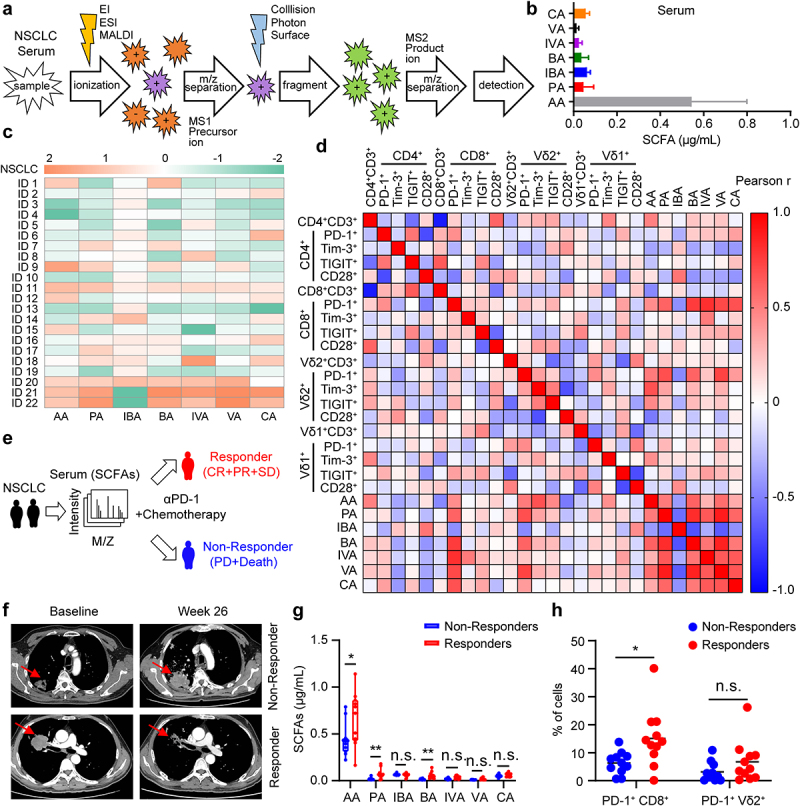
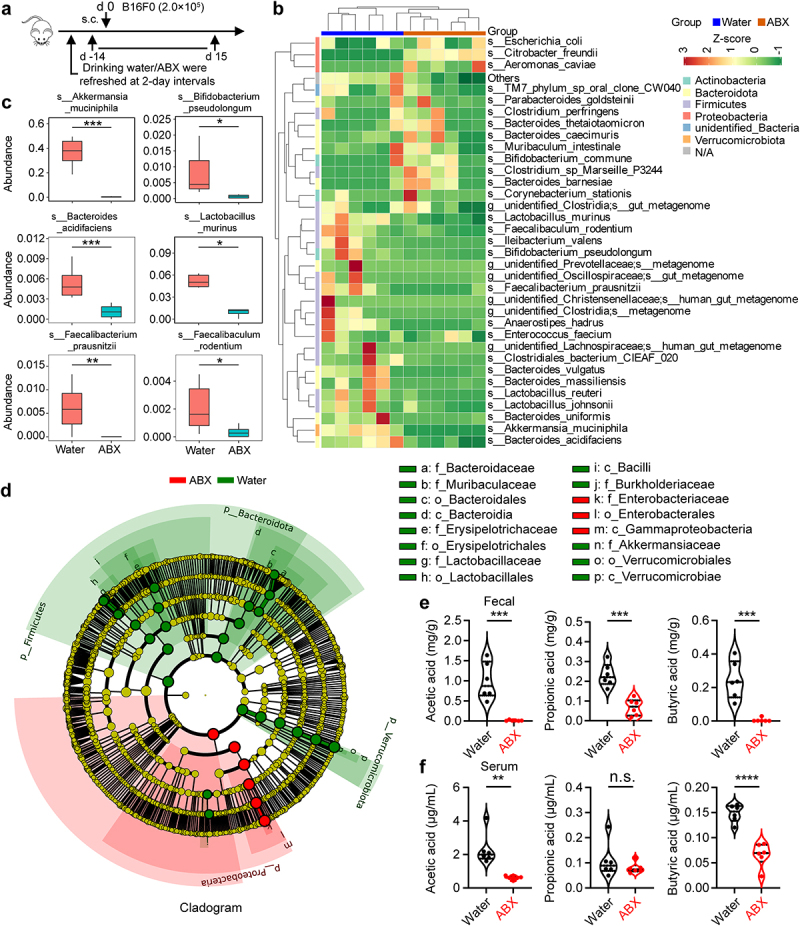
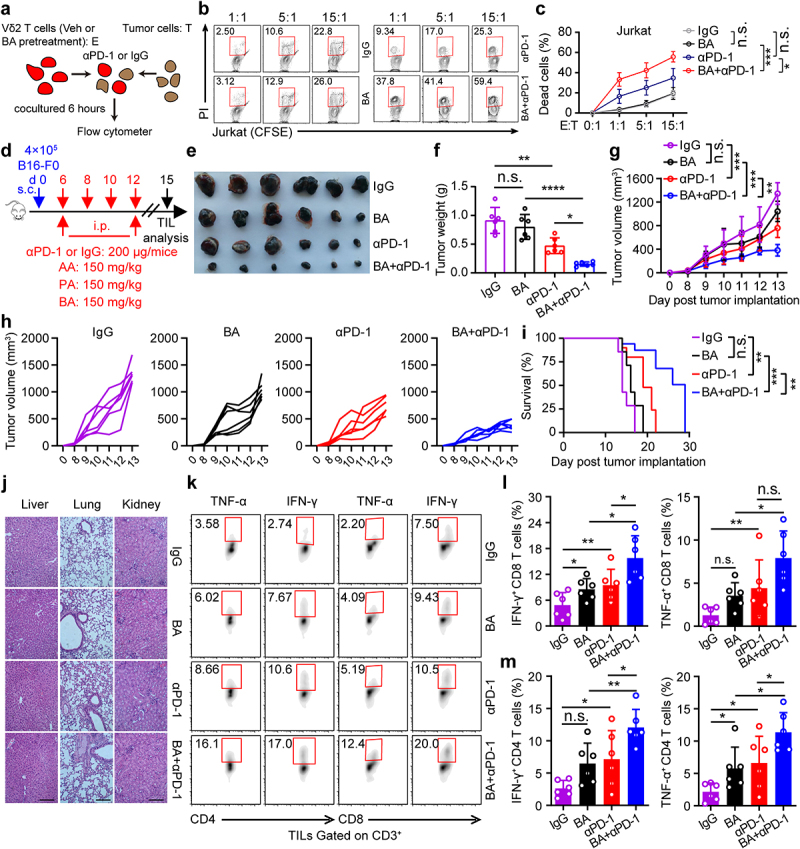
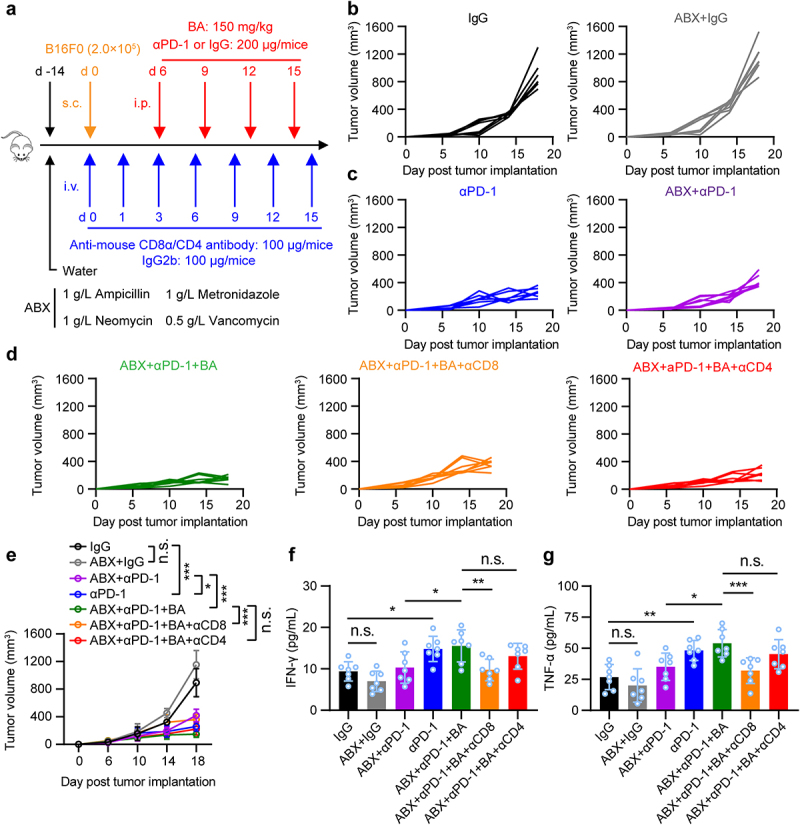
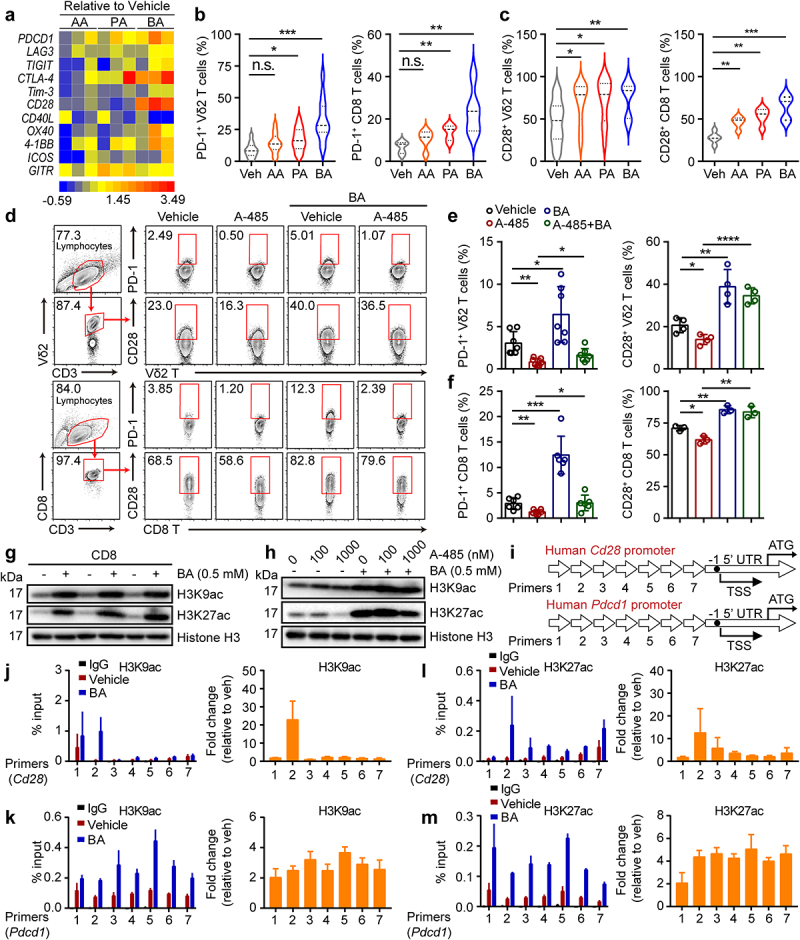
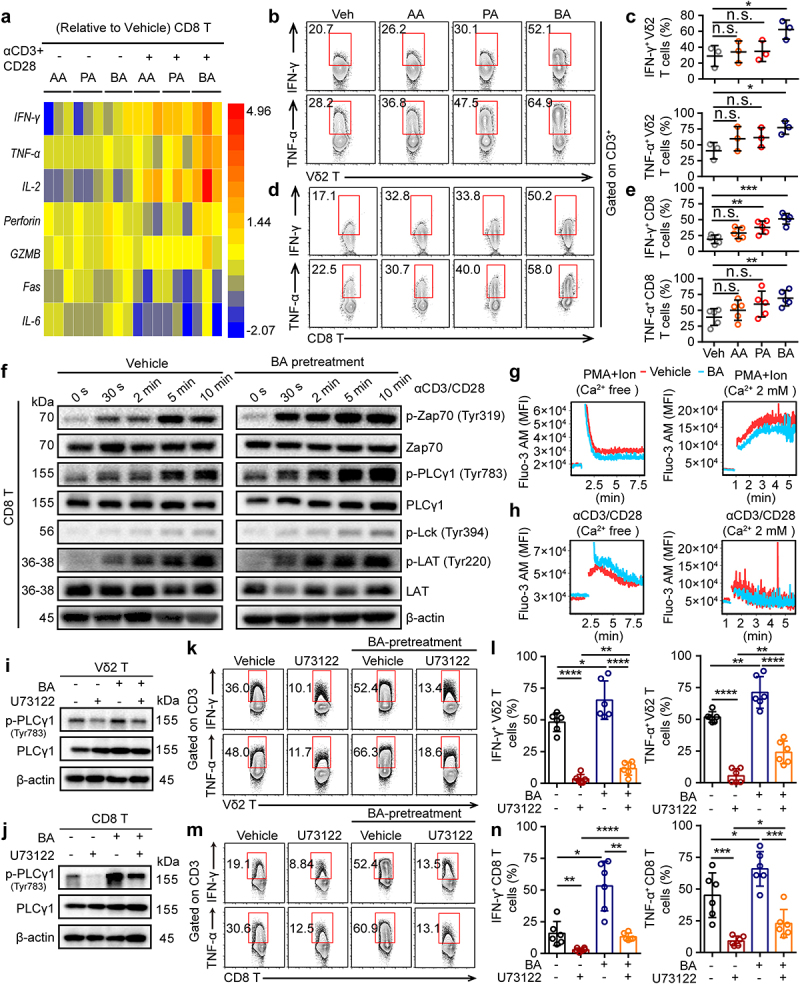
Recent studies have demonstrated that the antitumor immunity of immune cells can be modulated by gut microbiota and their metabolites. However, the underlying mechanisms remain unclear. Here, we showed that the serum butyric acid level is positively correlated with the expression of programmed cell death-1 (PD-1) on circulating CD8+ and Vγ9 Vδ2 (Vδ2+) T cells in patients with non-small cell lung cancer (NSCLC). Responder NSCLC patients exhibited higher levels of serum acetic acid, propionic acid, and butyric acid than non-responders. Depletion of the gut microbiota reduces butyrate levels in both feces and serum in tumor-bearing mice. Mechanistically, butyrate increased histone 3 lysine 27 acetylation (H3K27ac) at the promoter region of Pdcd1 and Cd28 in human CD8+ T cells, thereby promoting the expression of PD-1/CD28 and enhancing the efficacy of anti-PD-1 therapy. Butyrate supplementation promotes the expression of antitumor cytokines in cytotoxic CD8+ T cells by modulating the T-cell receptor (TCR) signaling pathway. Collectively, our findings reveal that the metabolite butyrate of the gut microbiota facilitates the efficacy of anti-PD-1 immunotherapy by modulating TCR signaling of cytotoxic CD8 T cells, and is a highly promising therapeutic biomarker for enhancing antitumor immunity.
Overview
The claims and statistics of this paper haven’t been checked yet.
Free: it reads the open-access text and checks the first 5 claims that cite a source we can check. Create a free account to check every claim.
Integrity signals
Registry
Cites
Statistics
Figures
Verification
Claims the paper makes
The claims and statistics of this paper haven’t been checked yet.
Free: it reads the open-access text and checks the first 5 claims that cite a source we can check. Create a free account to check every claim.
Claims other papers make about this one
Each is checked against this paper’s own text: does it say what the citing paper says it does?
In the citing paper
“Notably, SCFA supplementation without ICI does not improve tumor control or survival.127”
From Gut dysbiosis in oncology: a risk factor for immunoresistance (2026) · doi:10.1038/s41422-025-01212-6 · cites this paper as [127]
In the citing paper
“Butyrate is a frequently studied SCFA compound that has been shown to boost anti-tumor immunity in preclinical models.127”
From Gut dysbiosis in oncology: a risk factor for immunoresistance (2026) · doi:10.1038/s41422-025-01212-6 · cites this paper as [127]
In the citing paper
“systemic butyrate given by intraperitoneal injection improved anti‑PD‑1 efficacy,127 whereas intratumoral butyrate may drive tumor fatty acid oxidation and lead to treatment resistance.152”
From Gut dysbiosis in oncology: a risk factor for immunoresistance (2026) · doi:10.1038/s41422-025-01212-6 · cites this paper as [127]
Self-check
Percentages, sums and reported differences re-computed from the paper’s own numbers.
The self-check needs the paper’s full text.
Citations
Cites
New response evaluation criteria in solid tumours: revised RECIST guideline (version 1.1)
Eisenhauer, E. A., Therasse, P., Bogaerts, J., Schwartz, L. H., Sargent, D., Ford, R., Dancey, J., Arbuck, S., Gwyther, S., Mooney, M., et al. (2009) · European Journal of Cancer · doi:10.1016/j.ejca.2008.10.026 · Cited by 29,534 · cited 1×
“1) criteria for at least 6 months.(49) Lack of a clinical response (non-responder) was defined as disease progression (PD) on serial CT scans or stable disease lasting less than 6 months (26 weeks).”
BackgroundCancer Immunoediting: Integrating Immunity’s Roles in Cancer Suppression and Promotion
Schreiber, R. D., Old, L. J., & Smyth, M. J. (2011) · Science · doi:10.1126/science.1203486 · Cited by 6,474
Gut microbiome influences efficacy of PD-1-based immunotherapy against epithelial tumors
Routy, B., Le Chatelier, E., Derosa, L., Duong, C. P. M., Alou, M. T., Daillère, R., Fluckiger, A., Messaoudene, M., Rauber, C., Roberti, M. P., et al. (2018) · Science · doi:10.1126/science.aan3706 · Cited by 5,671 · cited 1×
“Similarly, compared with anti-PD -1 immunotherapy responders, non-responders have a reduced abundance of SCFA-producing bacteria, such as Faecalibacterium and Akkermansia muciniphila.(15,39) Recent study also demonstrated that in humans, the oxaliplatin responder cancer patients exhibited a higher amount of serum buty…”
BackgroundCommensal microbe-derived butyrate induces the differentiation of colonic regulatory T cells
Furusawa, Y., Obata, Y., Fukuda, S., Endo, T. A., Nakato, G., Takahashi, D., Nakanishi, Y., Uetake, C., Kato, K., Kato, T., et al. (2013) · Nature · doi:10.1038/nature12721 · Cited by 5,549 · cited 1×
“Previous studies have shown that SCFAs in mice, especially butyrate, promote the extrathymic generation of Treg cells, induce the differentiation of colonic regulatory T cells, and are regulated by histone deacetylase (HDAC).(34,35,40) In addition, SCFAs can directly induce T-cell differentiation into T cells producin…”
BackgroundThe Microbial Metabolites, Short-Chain Fatty Acids, Regulate Colonic T reg Cell Homeostasis
Smith, P. M., Howitt, M. R., Panikov, N., Michaud, M., Gallini, C. A., Bohlooly-Y, M., Glickman, J. N., & Garrett, W. S. (2013) · Science · doi:10.1126/science.1241165 · Cited by 5,413
Metabolites produced by commensal bacteria promote peripheral regulatory T-cell generation
Arpaia, N., Campbell, C., Fan, X., Dikiy, S., van der Veeken, J., deRoos, P., Liu, H., Cross, J. R., Pfeffer, K., Coffer, P. J., et al. (2013) · Nature · doi:10.1038/nature12726 · Cited by 4,838 · cited 1×
“Previous studies have shown that SCFAs in mice, especially butyrate, promote the extrathymic generation of Treg cells, induce the differentiation of colonic regulatory T cells, and are regulated by histone deacetylase (HDAC).(34,35,40) In addition, SCFAs can directly induce T-cell differentiation into T cells producin…”
BackgroundGut microbiome modulates response to anti-PD-1 immunotherapy in melanoma patients
Gopalakrishnan, V., Spencer, C. N., Nezi, L., Reuben, A., Andrews, M. C., Karpinets, T. V., Prieto, P. A., Vicente, D., Hoffman, K., Wei, S. C., et al. (2018) · Science · doi:10.1126/science.aan4236 · Cited by 4,812 · cited 1×
“Similarly, compared with anti-PD -1 immunotherapy responders, non-responders have a reduced abundance of SCFA-producing bacteria, such as Faecalibacterium and Akkermansia muciniphila.(15,39) Recent study also demonstrated that in humans, the oxaliplatin responder cancer patients exhibited a higher amount of serum buty…”
BackgroundSelf-citationIpilimumab plus Dacarbazine for Previously Untreated Metastatic Melanoma
Robert, C., Thomas, L., Bondarenko, I., O'Day, S., Weber, J., Garbe, C., Lebbe, C., Baurain, J.-F., Testori, A., Grob, J.-J., et al. (2011) · New England Journal of Medicine · doi:10.1056/nejmoa1104621 · Cited by 4,496
Commensal Bifidobacterium promotes antitumor immunity and facilitates anti–PD-L1 efficacy
Sivan, A., Corrales, L., Hubert, N., Williams, J. B., Aquino-Michaels, K., Earley, Z. M., Benyamin, F. W., Man Lei, Y., Jabri, B., Alegre, M.-L., et al. (2015) · Science · doi:10.1126/science.aac4255 · Cited by 3,888
Anticancer immunotherapy by CTLA-4 blockade relies on the gut microbiota
Vétizou, M., Pitt, J. M., Daillère, R., Lepage, P., Waldschmitt, N., Flament, C., Rusakiewicz, S., Routy, B., Roberti, M. P., Duong, C. P. M., et al. (2015) · Science · doi:10.1126/science.aad1329 · Cited by 3,488 · cited 1×
“and Bacteroides fragilis and activating IL-12-producing dendritic cells (DCs) and T helper 1 (Th1) immune responses.(16) Gut microbiota promotes antitumor immunity and facilitates anti-PD-L1 efficacy in tumor-mice model, and one explanation for this finding is that commensal Bifidobacterium-derived signals modulate th…”
Background
Research works printed but not linked: 1
- Kamphorst AO, Wieland A, Nasti T, Yang S, Zhang R, Barber DL, Konieczny BT, Daugherty CZ, Koenig L, Yu K, et al. Rescue of exhausted CD8 T cells by PD-1–targeted therapies is CD28-dependent. Science. 2017; 355(6332): 1423– 1427. doi: 10.1126/science.aaf0683. 28280249 PMC5595217 · DOI · Paper page
Cited by
Fusobacterium nucleatum facilitates anti-PD-1 therapy in microsatellite stable colorectal cancer
Wang, X., Fang, Y., Liang, W., Wong, C. C., Qin, H., Gao, Y., Liang, M., Song, L., Zhang, Y., Fan, M., et al. (2024) · Cancer Cell · doi:10.1016/j.ccell.2024.08.019 · Cited by 247
Self-citationModulating gut microbiome in cancer immunotherapy: Harnessing microbes to enhance treatment efficacy
Kang, X., Lau, H. C.-H., & Yu, J. Q. (2024) · Cell Reports Medicine · doi:10.1016/j.xcrm.2024.101478 · Cited by 197
“87 More-over, butyrate derived from R . intestinalis can directly bind to TLR5 on CD8 + T cells to activate the nuclear factor k B (NF-k B) signaling pathway, leading to the induction of cytotoxic granzyme B + , IFN-g + , and TNF-a + CD8 + T cells in CRC with MSI-low CT26 tumors in mice.”
BackgroundLin, A., Xiong, M., Jiang, A., Huang, L., Wong, H. Z. H., Feng, S., Zhang, C., Yu, H., Chen, L., Chi, H., et al. (2025) · iMeta · doi:10.1002/imt2.70070 · Cited by 108
Self-citationLi, X., Shang, S., Wu, M., Song, Q., & Chen, D. (2024) · Cancer Letters · doi:10.1016/j.canlet.2024.217096 · Cited by 93
Lin, A., Jiang, A., Huang, L., Yu, H., Zhang, C., Zhu, L., Mou, W., Liu, Z., Zhang, J., Cheng, Q., et al. (2025) · Gut Microbes · doi:10.1080/19490976.2025.2452277 · Cited by 82
“65,67,69 Research has demonstrated that SCFAs can augment the mitochondrial content in antitumor effector T cells and upregulate key metabolic pathways, including glycolysis, oxidative phosphorylation, tricarboxylic acid (TCA) cycle, and fatty acid oxidation (FAO).”
The role of the gut microbiota in tumor, immunity, and immunotherapy
Xie, Y., & Liu, F. (2024) · Frontiers in Immunology · doi:10.3389/fimmu.2024.1410928 · Cited by 77
Li, J.-T., Song, J., Deng, Z., Yang, J., Wang, X., Gao, B., Zhu, Y., Yang, M., Long, D., Luo, X., et al. (2024) · Bioactive Materials · doi:10.1016/j.bioactmat.2024.02.033 · Cited by 85
“It acts as a natural histone deacetylase (HDAC) inhibitor and serves as a natural ligand for various receptors [57,58].”
BackgroundZhu, C., Zhang, C., Wang, S., Xun, Z., Zhang, D., Lan, Z., Zhang, L., Chao, J., Liang, Y., Pu, Z., et al. (2024) · Journal for ImmunoTherapy of Cancer · doi:10.1136/jitc-2023-008686 · Cited by 71
Self-citationGut microbiome affects the response to immunotherapy in non‐small cell lung cancer
Ren, S., Feng, L., Liu, H., Mao, Y., & Yu, Z. (2024) · Thoracic Cancer · doi:10.1111/1759-7714.15303 · Cited by 77
“48 The correlation between gut microbiota and SCFAs was analyzed, and it was found that faecalibacterium was positively correlated with butyrate.”
BackgroundSaadh, M. J., Allela, O. Q. B., Ballal, S., Mahdi, M. S., Chahar, M., Verma, R., Al-Hussein, R. K. A., Adil, M., Jawad, M. J., & Al-Nuaimi, A. M. A. (2025) · Seminars in Oncology · doi:10.1016/j.seminoncol.2025.152398 · Cited by 74
Propionate and butyrate counteract renal damage and progression to chronic kidney disease
Corte-Iglesias, V., Sáiz, M. L., Andrade-Lopez, A. C., Salazar, N., Bernet, C. R., Martín-Martín, C., Martínez-Borra, J., Lozano, J. J., Aransay, A. M., Díaz‐Corte, C., et al. (2024) · Nephrology Dialysis Transplantation · doi:10.1093/ndt/gfae118 · Cited by 68
“Through their ability to reach the peripheral circulation, propionate and butyrate can exert several physiological functions in multiple organs and interfere in a variety of pathological disorders [14 –18 ].”
Microbiota-derived metabolites: Key modulators of cancer immunotherapies
Perl, M., Fante, M. A., Herfeld, K., Scherer, J. N., Poeck, H., & Orberg, E. T. (2025) · Med · doi:10.1016/j.medj.2025.100773 · Cited by 66
“83 Roseburia intestinalis and its metabolite, butyric acid, enhanced ICIs by increasing CD8 + T cell infiltration and activation in mouse models of CRC, suppressing tumor growth in microsatellite instability (MSI)-high CRC, and synergizing with anti-PD-1 therapy in microsatellite stable (MSS) CRC…”
Gao, Y., Tan, Y.-J., & Fang, J. (2025) · Nature Reviews Clinical Oncology · doi:10.1038/s41571-025-01026-w · Cited by 55
Lu, S., Wang, C., Ma, J., & Wang, Y. (2024) · Frontiers in Immunology · doi:10.3389/fimmu.2024.1456030 · Cited by 56
Gut microbiota–derived metabolites in immunomodulation and gastrointestinal cancer immunotherapy
Luo, W., Li, R., Pan, C., & Luo, C. (2025) · Frontiers in Immunology · doi:10.3389/fimmu.2025.1710880 · Cited by 59
Gut microbiota as a biomarker and modulator of anti-tumor immunotherapy outcomes
Yan, J., Yang, L., Ren, Q., Zhu, C., Du, H., Wang, Z., Qi, Y., Xian, X., & Chen, D. (2024) · Frontiers in Immunology · doi:10.3389/fimmu.2024.1471273 · Cited by 56
Zhang, M., Huang, X., Zhang, Y., Yu, M., Yuan, X., Xu, Y., Ma, L., Wang, X., & Xing, H. (2025) · Gut Microbes · doi:10.1080/19490976.2025.2519706 · Cited by 53
“24,26 Our study also demonstrated that butyrate, a microbial metabolite, plays a pivotal role in shaping the immune landscape in an experimental HCC model, with NK cells playing a key role in butyrate-induced tumor suppression.”
Self-citationZhou, Y., Han, W., Feng, Y., Wang, Y., Sun, T., & Xu, J. (2024) · International Journal of Oncology · doi:10.3892/ijo.2024.5661 · Cited by 43
“Gut microbial metabolism produces butyric acid, which regulates the T‑cell receptor signaling pathway to stimulate the generation of cytokines that possess antitumor effects (22).”
BackgroundIntratumoral microbiome is associated with gastric cancer prognosis and therapy efficacy
Wang, G., Wang, H., Ji, X., Wang, T., Zhang, Y., Jiang, W., Lin, M. S., Wu, H., Xing, X., & Ji, J. (2024) · Gut Microbes · doi:10.1080/19490976.2024.2369336 · Cited by 47
“25,26 To further analyze the relationship between MS1 and immunotherapy, we performed a submap analysis between the three subtypes in our cohorts and the response (R) and non-response (NR) sub-groups of the two GC cohorts receiving immunotherapy.”
BackgroundMethodSelf-citationRong, X., & Shu, Q. (2024) · International Journal of Biological Macromolecules · doi:10.1016/j.ijbiomac.2024.134959 · Cited by 43
Influence of the gut microbiota on immune cell interactions and cancer treatment
Liu, C., Fu, L., Wang, Y., & Yang, W. (2024) · Journal of Translational Medicine · doi:10.1186/s12967-024-05709-3 · Cited by 50
“For example, the conversion of primary BAs to secondary BAs can regulate immune cell activity and enhance antitumour responses, whereas dysbiosis can lead to immune evasion by tumour cells [6, 55, 57, 108].”
BackgroundBachem, A., Clarke, M. V., Kong, G., Tarasova, I., Dryburgh, L., Kosack, L., Lee, A. R., Newland, L. G. M., Wagner, T., Bawden, E., et al. (2025) · Immunity · doi:10.1016/j.immuni.2025.10.004 · Cited by 52
Gut microbial metabolites in cancer therapy
Song, P., Peng, Z., & Guo, X. (2025) · Trends in Endocrinology & Metabolism · doi:10.1016/j.tem.2024.06.016 · Cited by 38
Lu, Y., Yuan, H., Liang, S., Li, D., Jiang, P., Wang, X., Zhang, K., & Liu, D. (2025) · Frontiers in Immunology · doi:10.3389/fimmu.2025.1603658 · Cited by 45
Wang, B., Shangguan, W., Li, W., Xie, M., Yu, Y., Yang, Q., Sun, Q., Xue, J., Zhu, Z., Zhu, Y., et al. (2024) · Journal of Translational Medicine · doi:10.1186/s12967-024-05762-y · Cited by 40
“Similarly, in the NSCLC model, the gut microbiota and its metabolites improve the efficacy of immunotherapy by enhancing PD-1 expression through increased acetylation modifications [13].”
Gamrath, L., Pedersen, T. B., Møller, M. V., Volmer, L. M., Holst-Christensen, L., Vestermark, L. W., & Donskov, F. (2025) · Current Oncology Reports · doi:10.1007/s11912-024-01622-6 · Cited by 30
“Or perhaps the specific type of bacteria is not as important as the metabolites [50] and/or the interactions between different bacteria strains [52].”
From nature to clinic: Quercetin’s role in breast cancer immunomodulation
Fang, L., Gao, D., Wang, T., Zhao, H., Zhang, Y., & Wang, S. (2024) · Frontiers in Immunology · doi:10.3389/fimmu.2024.1483459 · Cited by 36
Self-citationGut microbiota reshapes the TNBC immune microenvironment: Emerging immunotherapeutic strategies
Huang, M., Zhang, Y., Chen, Z., Yu, X., Luo, S., Peng, X., & Li, X. (2025) · Pharmacological Research · doi:10.1016/j.phrs.2025.107726 · Cited by 34
Self-citationZhang, L., Huang, S., & Yuan, Y. (2024) · Journal of Cancer Research and Clinical Oncology · doi:10.1007/s00432-024-05807-1 · Cited by 32
Disentangling the molecular mystery of tumour–microbiota interactions: Microbial metabolites
Duan, Y.-W., Dai, J.-H., Lu, Y.-Q., Qiao, H., & Liu, N. (2024) · Clinical and Translational Medicine · doi:10.1002/ctm2.70093 · Cited by 31
Zhang, C., Wang, Y., Cheng, L., Cao, X., & Liu, C. (2025) · Frontiers in Oncology · doi:10.3389/fonc.2025.1557959 · Cited by 42
Gut–lung axis: role of the gut microbiota in non-small cell lung cancer immunotherapy
Zhang, H., & Xu, Z. (2023) · Frontiers in Oncology · doi:10.3389/fonc.2023.1257515 · Cited by 34
Emerging insights into the impact of systemic metabolic changes on tumor-immune interactions
Cote, A. L., Munger, C. J., & Ringel, A. E. (2025) · Cell Reports · doi:10.1016/j.celrep.2025.115234 · Cited by 30
Yeo, K. K. L., Connell, J. T., Bouras, G. S., Smith, E., Murphy, W., Hodge, J.-C., Krishnan, S., Wormald, P., Valentine, R. J., Psaltis, A. J., et al. (2024) · Archives of Microbiology · doi:10.1007/s00203-024-03985-7 · Cited by 35
Gut Microbiota Secondary Metabolites: Key Roles in GI Tract Cancers and Infectious Diseases
Anwer, E. K. E., Ajagbe, M., Sherif, M. A., Musaibah, A. S., Mahmoud, S., ElBanbi, A., & Abdelnaser, A. (2025) · Biomedicines · doi:10.3390/biomedicines13010100 · Cited by 36
Tini, S., Baima, J., Pigni, S., Antoniotti, V., Caputo, M., Palma, E. D., Cerbone, L., Grosso, F., Vecchia, M. L., Bona, E., et al. (2025) · Nutrients · doi:10.3390/nu17172898 · Cited by 30
“For instance, butyrate enhances Treg development, stabilizes the intestinal epithelial barrier, reducing gut permeability and consequently lowering the risk of metastatic dissemination [50].”
Circulating tumor cells: mechanisms and clinical significance in colorectal cancer metastasis
Ren, X., Song, M. L., Liu, X., & He, W. (2025) · Molecular Cancer · doi:10.1186/s12943-025-02465-w · Cited by 31
“Studies have shown that butyrate can enhance the anti-tumor immunity of cytotoxic CD8 + T cells [150] and improve the efficacy of anti-PD-1 immunotherapy [151] making it a promising biomarker for antitumor immunotherapy.”
Microbiota-derived metabolites in the epigenetic regulation of the host
Lei, J., Wang, X., & Liu, X. (2025) · 中国科学通报:英文版 · doi:10.1016/j.scib.2025.09.030 · Cited by 32
Gut dysbiosis in oncology: a risk factor for immunoresistance
(2026) · doi:10.1038/s41422-025-01212-6 · Cited by 24
Microbiota-Derived Short-Chain Fatty Acids Boost Antitumoral Natural Killer Cell Activity
Pérez, M., Buey, B., Sánchez‐Corral, P., Giraldos, D., & Latorre, E. (2024) · Journal of Clinical Medicine · doi:10.3390/jcm13133885 · Cited by 30
Liu, N., Yan, M., Lü, C., Tao, Q., Wu, J., Zhou, Z., Chen, J., Chen, X., & Peng, C. (2024) · Biomaterials · doi:10.1016/j.biomaterials.2024.122815 · Cited by 26
Sun, X., Shan, X., Zhu, B., Cai, Y., He, Z., Zhou, L., Yin, L., Liu, Y., Liu, K., Zhang, T., et al. (2024) · Advanced Healthcare Materials · doi:10.1002/adhm.202403587 · Cited by 27
Lim, M. Y., Hong, S., & Nam, Y. (2025) · Frontiers in Immunology · doi:10.3389/fimmu.2024.1512683 · Cited by 27
New insights into gut microbiota–prostate cancer crosstalk
Laaraj, J., Lachance, G., Bergeron, A., Fradet, Y., Robitaille, K., & Fradet, V. (2025) · Trends in Molecular Medicine · doi:10.1016/j.molmed.2025.03.015 · Cited by 27
Gaskarth, D., Fan, S., Highton, A. J., & Kemp, R. A. (2025) · Frontiers in Medicine · doi:10.3389/fmed.2025.1577906 · Cited by 29
Role of Gut Microbial Metabolites in the Pathogenesis of Primary Liver Cancers
Pallozzi, M., Gaetano, V. D., Tommaso, N. D., Cerrito, L., Santopaolo, F., Stella, L., Gasbarrini, A., & Ponziani, F. R. (2024) · Nutrients · doi:10.3390/nu16142372 · Cited by 27
“Moreover, higher levels of butyrate were associated with higher efficacy of tyrosine kinase inhibitor-based therapy; the administration of encapsulated pegylated butyrate and sorafenib nanoparticles prolonged drug retention time and optimized the anti-tumor response [144].”
BackgroundChen, L., Li, B., Zu, M., Reis, R. L., Kundu, S. C., & Xiao, B. (2025) · Seminars in Cancer Biology · doi:10.1016/j.semcancer.2025.06.012 · Cited by 24
Lipid metabolic reprogramming in colorectal cancer: mechanisms and therapeutic strategies
Liu, W., Dong, S., Hao, F., Gao, Y., & Wei, Q. (2025) · Frontiers in Immunology · doi:10.3389/fimmu.2025.1603032 · Cited by 39
Remodeling the tumor dormancy ecosystem to prevent recurrence and metastasis
Liang, Y., Chen, W., Zhang, Y., & Li, L. (2026) · Signal Transduction and Targeted Therapy · doi:10.1038/s41392-025-02328-2 · Cited by 36
Self-citationLiu, W. L., Pi, Z., Wang, X., Shang, C., Song, C., Wang, R., He, Z., Zhang, X., Wan, Y., & Mao, W. (2024) · Critical Reviews in Oncology/Hematology · doi:10.1016/j.critrevonc.2024.104322 · Cited by 25
Interactions between the tumor microbiota and breast cancer
Guo, H. (2025) · Frontiers in Cellular and Infection Microbiology · doi:10.3389/fcimb.2024.1499203 · Cited by 29
Exploring effects of gut microbiota on tertiary lymphoid structure formation for tumor immunotherapy
Liu, Y., Li, F., Wang, J., & Yang, R. (2025) · Frontiers in Immunology · doi:10.3389/fimmu.2024.1518779 · Cited by 24
Sun, J., Chen, J., Shen, Y., Yao, X., Sun, H., Chen, B., & Feng, J. (2025) · Frontiers in Pharmacology · doi:10.3389/fphar.2025.1689522 · Cited by 30
Harnessing the microbiome for cancer therapy
Hajjar, R., Mars, R. A. T., & Kashyap, P. (2026) · Nature Reviews Microbiology · doi:10.1038/s41579-025-01268-6 · Cited by 34
Microbes and medicines: interrelationships between pharmaceuticals and the gut microbiome
Al-Btoosh, S., Donnelly, R. F., & KELLY, S. C. (2025) · Gut Microbes · doi:10.1080/19490976.2025.2604867 · Cited by 28
“60-63 For example, a higher response to escitalopram was associated with increased relative abundances of Prevotellaceae_UCG-003 and depletion of Ruminococcaceae and Lactobacillaceae families relative to the non-responder group.”
The ovarian cancer-associated microbiome contributes to the tumor’s inflammatory microenvironment
Zhang, M., Mo, J., Huang, W., Bao, Y., Luo, X., & Yuan, L. (2024) · Frontiers in Cellular and Infection Microbiology · doi:10.3389/fcimb.2024.1440742 · Cited by 22
Gut microbiota in cancer initiation, development and therapy
Zhang, R., Zhang, X., Lau, H. C.-H., & Yu, J. Q. (2024) · Science China Life Sciences · doi:10.1007/s11427-024-2831-x · Cited by 19
“Furthermore, Hangesha-shinto (TJ-14), a Kampo medicine containing the β -glucuroni- dase inhibitor baicalin, has successfully lowered both the incidence and duration of CIM in patients with CRC (Matsuda et al., 2015), and alleviated irinotecan-induced diarrhea in patients with non-small-cell lung cancer (NSCLC) (Mori…”
InfluentialModulating lipid metabolism improves tumor immunotherapy
Yu, P., Fan, Q., & Zhang, Y. (2025) · Journal for ImmunoTherapy of Cancer · doi:10.1136/jitc-2024-010824 · Cited by 27
“6 These results indicate that altering the composition of fatty acids in the TME can enhance T-cell antitumor function Open access and boost the efficacy of immunotherapy.”
Self-citationThe gut microbiome modulate response to immunotherapy in cancer
Jiang, S., Kang, Z., Chen, Y., & Fang, J. (2024) · Science China Life Sciences · doi:10.1007/s11427-023-2634-7 · Cited by 22
“In addition, butyrate, a metabolite of the gut microbiota, augmented the efficacy of anti-PD-1 immunotherapy by regulating TCR signaling in cytotoxic CD8 T cells (Zhu et al., 2023a).”
Zhou, Z., Zheng, J., Lu, Y., Mai, Z., Lin, Y., Lin, P., Zheng, Y., Chen, X., Xu, R., Zhao, X., et al. (2024) · Experimental Hematology and Oncology · doi:10.1186/s40164-024-00575-7 · Cited by 20
“Elevated serum levels of butyrate correlate with improved responses in non-small cell lung cancer (NSCLC) patients, positioning butyrate as a potential therapeutic biomarker for immunotherapy enhancement [77].”
BackgroundLiu, S. (2025) · Frontiers in Microbiology · doi:10.3389/fmicb.2025.1675155 · Cited by 22
Luo, W., Mei, S., Huang, Z., Chen, Z., Zhang, Y., Yang, M., Liu, J., Xu, J., Yang, X., Zhong, R.-W., et al. (2024) · Journal of Translational Medicine · doi:10.1186/s12967-024-05135-5 · Cited by 26
“Zhu et al. found that butyrate secreted by intestinal microbiota enhances the efficacy of immunotherapy by modulating CD8 + T cell TCR signaling [36].”
BackgroundSelf-citationImpact of the Lung Microbiota on Development and Progression of Lung Cancer
Belaïd, A., Roméo, B., Rignol, G., Benzaquen, J., Audoin, T., Vouret‐Craviari, V., Brest, P., Varraso, R., von Bergen�, M., Marquette, C., et al. (2024) · Cancers · doi:10.3390/cancers16193342 · Cited by 18
Modulation of the Immune Environment in Glioblastoma by the Gut Microbiota
Green, G. B. H., Cox-Holmes, A. N., Potier, A. C. E., Marlow, G. H., & McFarland, B. C. (2024) · Biomedicines · doi:10.3390/biomedicines12112429 · Cited by 16
Shi, Z., Jiang, W., Li, H., Zhang, Y., Xue, W., Wang, Y., Zhang, M., & Li, Z. (2025) · BMC Medicine · doi:10.1186/s12916-025-04230-8 · Cited by 23
“…with previous studies showing that butyrate supplementation enhances the antitumor activity of cytotoxic CD8 + T cells through modulation of the T-cell receptor pathway in non-small cell lung cancer [41], indicating the ability of gut microbiota-derived metabolites to regulate antitumor immunity.”
Self-citationThe intratumoral microbiota in breast cancer: from basic research to clinical translation
Xu, Y., & Wang, M. (2025) · Gut Microbes · doi:10.1080/19490976.2025.2560695 · Cited by 22
“115 In addition, SCFAs produced by probiotics have been confirmed in some studies to enhance the immune response and potentially improve the treatment response of breast cancer.”
Mitigating lead-induced osteoporosis: The role of butyrate in gut-bone axis restoration
Ge, Y., Jia, Z., Zhao, S., Zhang, W., Shi, X., Xie, R., Gong, Y., Sheng, J., Hof, R. V., Yang, J., et al. (2024) · Ecotoxicology and Environmental Safety · doi:10.1016/j.ecoenv.2024.116943 · Cited by 16
Microbial metabolites in tumor epigenetic regulation
Zhang, W., Zhang, H., Liao, Y., Jiang, S., Zhang, H., Huang, C., Song, Z., Zhao, R., Lü, P., Kang, X., et al. (2026) · iMeta · doi:10.1002/imt2.70115 · Cited by 20
Zhang, Z., Huang, D., Feng, J., Li, W., Wang, Z., Lu, M., Luo, Y., Yang, W., Xu, Z., Xie, Q., et al. (2024) · Interdisciplinary medicine · doi:10.1002/inmd.20230062 · Cited by 20
Chang, Q.-M., Mao, H.-R., Feng, J.-F., Rao, L., Tang, W., Zhang, Z.-P., & Hu, Z.-Q. (2025) · Biochemical Pharmacology · doi:10.1016/j.bcp.2025.116927 · Cited by 14
Cedó, L., Madeira, A., & Caro, P. (2025) · Seminars in Cancer Biology · doi:10.1016/j.semcancer.2025.10.007 · Cited by 14
Zhou, Y., Han, W., Feng, Y., Wang, Y., Liu, X., Sun, T., & Xu, J. (2025) · Frontiers in Immunology · doi:10.3389/fimmu.2025.1539653 · Cited by 14
Feigenberg, S. J., Costabile, F., Tanes, C., Bittinger, K. L., O'Connor, R., Agarwal, D., Skoufos, G., Salaris, S., Hatzigeorgiou, A. G., Κωστόπουλος, Ν., et al. (2025) · Journal for ImmunoTherapy of Cancer · doi:10.1136/jitc-2024-011356 · Cited by 15
Targeting gut microbiota and metabolites in cancer radiotherapy
Ma, S., Li, X., Shang, S., Zhai, Z., Wu, M., Song, Q., & Chen, D. (2025) · Clinical and Translational Medicine · doi:10.1002/ctm2.70481 · Cited by 17
“83 In addition, SCFAs have been shown to engage IL-12–dependent signalling cascades that foster a more active CD8 + T cell phenotype, 84 while also augmenting the performance of engineered immune cells such as CAR-T cells.”
Chen, J., Zhang, M., Gong, Y., Gu, Z., Zhou, H., Gu, Y., Shen, F., Zhou, G., & Ding, J. (2025) · Clinical Medicine Insights Oncology · doi:10.1177/11795549251380470 · Cited by 14
“97 Yu’s team further demonstrated that butyrate increases CD28 expression and H3K27 acetylation in the promoter regions of the Pdcd1 gene, which encodes PD-1, resulting in upregulated PD-1 and CD28 expression.”
Wegner, V. D., Feile, A., Alb, M., Hudecek, M., Hewitt, P. G., & Mosig, A. S. (2025) · Advanced Healthcare Materials · doi:10.1002/adhm.202405003 · Cited by 15
Fatty acid metabolism: The crossroads in intestinal homeostasis and tumor
Lu, Y., Chen, L., Lin, Y., Zhang, Y., Wang, Y., Yu, W., Ren, F., & Guo, H. (2025) · Metabolism · doi:10.1016/j.metabol.2025.156273 · Cited by 17
Self-citationMicrobial metabolites for cancer immunotherapy: Current evidence and future directions
Wang, X., Liang, J.-J., Duan, X., & Chen, G. (2025) · Seminars in Cancer Biology · doi:10.1016/j.semcancer.2025.10.005 · Cited by 12
From Dysbiosis to Diagnosis: The Role of Gut Microbiota in Breast Cancer Etiology and Management
Mishra, P., Mishra, S. P., Pattnaik, A., Singh, S., Shakri, A. R., Badhai, J., Ganguly, S., Guria, A., & Cheekatla, S. S. (2025) · Applied Microbiology · doi:10.3390/applmicrobiol5040134 · Cited by 15
Gut microbiome, a novel precision medicine biomarker for hepatocellular carcinoma
Chen, P., Devkota, S., Shiao, S. L., Hendifar, A. E., & Yang, J. D. (2025) · Frontiers in Immunology · doi:10.3389/fimmu.2025.1568962 · Cited by 13
Funayama, E., Hosonuma, M., Tajima, K., Isobe, J., Baba, Y., Murayama, M., Narikawa, Y., Toyoda, H., Tsurui, T., Maruyama, Y., et al. (2025) · Biomedicine & Pharmacotherapy · doi:10.1016/j.biopha.2024.117749 · Cited by 9
Microbial molecules, metabolites, and malignancy
Thomas, R. M. (2025) · Neoplasia · doi:10.1016/j.neo.2025.101128 · Cited by 11
Li, Y., Feng, Z., Liang, C., Lu, S., Wang, G., & Meng, G. (2025) · BMC Gastroenterology · doi:10.1186/s12876-025-03819-w · Cited by 9
Microbial Metabolite Effects on Vasculogenic Mimicry in Metastatic Cancers
Kamalabadi‐Farahani, M., Bahar, A., Tahmasebi, H., Oksenych, V., & Jahantigh, M. (2025) · Cells · doi:10.3390/cells14110811 · Cited by 9
“Gut bacteria create SCFAs and gases by breaking down substances without oxygen [122,123].”
Effect of Nematodes-Bacteria Complex Metabolites on Cancer and Tumor Progression
Bahar, A., Sefat, M. P., Khazaei, M., Tahmasebi, H., & Oksenych, V. (2025) · Biomolecules · doi:10.3390/biom15081165 · Cited by 10
“There exists a two-way relationship between microbial metabolites and the effectiveness of clinical therapies [12,13].”
Communication between gut microbiota-derived metabolites and the tumor microenvironment
Hu, X., Li, B., Li, Y., Liang, Y., & Huang, T. (2025) · Frontiers in Immunology · doi:10.3389/fimmu.2025.1649438 · Cited by 11
Liu, G., Quan, Q., Pan, L., Duan, H., Zhang, G., Li, K., Zhu, X., Zhang, D., Li, P., & Zhao, J. (2025) · Cell Communication and Signaling · doi:10.1186/s12964-025-02161-8 · Cited by 10
“Peripheral blood mononuclear cells (PBMCs) were isolated by density gradient centrifugation (Cytiva, 17,144,002) [41] from diagnosed NPC patients and age-matched healthy donors (HD), who were recruited from the First People’s Hospital of Foshan, China.”
Self-citationUnraveling the Role of the Microbiota in Cancer Immunotherapy: A New Frontier
Wang, S., Li, S., Zhang, M., Liu, R., Ye, X., Mao, S., Yu, J., Xie, X., & Tan, W. (2025) · Research · doi:10.34133/research.0744 · Cited by 13
Self-citationLu, Y., Lan, R., Fan, Q., Tang, H., Hu, D., Zhang, S., Lin, X., Wang, R., Zhao, R., Sun, H., et al. (2025) · The ISME Journal · doi:10.1093/ismejo/wraf130 · Cited by 8
“Butyrate augmented anti-PD-1 therapy by enhancing T cell receptor signaling in cytotoxic CD8 + T cells [14].”
Microbial metabolites in tumor metabolic reprogramming and immunotherapy: new insights
Wang, Y., Huang, D., Wang, R., Yin, J.-J., Pei, J., & Zhang, C. (2025) · Frontiers in Cellular and Infection Microbiology · doi:10.3389/fcimb.2025.1706040 · Cited by 10
Tumor Immunotherapy and Microbiome: From Bench‐to‐Bedside Applications
Lin, A., Xiong, M., Jiang, A., Chen, L., Huang, L., Li, K., Wong, H. Z. H., Zhang, J., Liu, Z., Cheng, Q., et al. (2026) · MedComm · doi:10.1002/mco2.70454 · Cited by 11
Self-citationJing, Z., Zhang, J., Hou, L., Yang, C., Jiang, L., & Liang, D. (2025) · Materials Today Bio · doi:10.1016/j.mtbio.2025.101665 · Cited by 7
“Therefore, butyrate represents a promising new strategy for the treatment of HIEP, offering significant research and application potential [32 – 34].”
Qiu, X., Gao, Q., Wang, J., Zhang, Z., & Tao, L. (2025) · Biochimica et Biophysica Acta (BBA) - Reviews on Cancer · doi:10.1016/j.bbcan.2025.189317 · Cited by 11
Sun, S., Wang, L., Cui, K., Ding, Y., Wei, Y., Zheng, Y., Shen, Z., Zhu, L., Yang, Y., Pu, Y., et al. (2025) · Journal for ImmunoTherapy of Cancer · doi:10.1136/jitc-2025-011831 · Cited by 9
“7 8 9–12 In our previous study, patients with NSCLC with mental stress were found to have a poorer response to ICI treatment relative to patients with NSCLC without mental stress.”
Self-citationThe Microbiome and Genitourinary Cancers: A New Frontier
Winslow, T. B., Gupta, S., Vaddaraju, V., Guercio, B. J., & Sahasrabudhe, D. M. (2025) · Cancers · doi:10.3390/cancers17223606 · Cited by 7
“This has also been demonstrated in NSCLC, where patients with higher levels of SCFAs (acetic acid, propionic acid, and butyric acid) had higher response rates to ICI than those with lower levels [90].”
Microbiota and cancer immunotherapy: Mechanisms, clinical implications, and precision therapeutics
Wei, D., Sun, Y., Han, J., & Liu, J. (2025) · Seminars in Cancer Biology · doi:10.1016/j.semcancer.2025.12.002 · Cited by 9
Bello, A. D., Scala, A., Gili, R., Falcicchia, R., Bassolino, A., Polidori, S., D’Auria, F., Tortora, G., Bossi, P., & Cassano, A. (2026) · Critical Reviews in Oncology/Hematology · doi:10.1016/j.critrevonc.2025.105108 · Cited by 7
Microbiota and tumor epigenetics: deep interconnections and emerging therapeutic perspectives
Duan, L., Hu, D., Zhang, H., & Liao, Y. (2026) · Critical Reviews in Clinical Laboratory Sciences · doi:10.1080/10408363.2025.2602551 · Cited by 9
“For example, by increasing PD-1 and CD28 expression on CD8 + T cells [39] or by activating TLR-5 [40], which multiplies T cell cytotoxicity and responsiveness to immunotherapy.”
Yang, J., Dai, Y., & Li, J. (2026) · Oncology Reviews · doi:10.3389/or.2025.1687901 · Cited by 10
Engineering microbial metabolites to modulate tumor immunity and advance cancer immunotherapy
Chigozie, V. U., & Esimone, C. O. (2026) · Discover Immunity. · doi:10.1007/s44368-026-00019-w · Cited by 11
Metadata
- Authors
- Zhu, X., Li, K., Liu, G., Wu, R., Zhang, Y., Wang, S., Xu, M., Lu, L., & Li, P.
- Affiliations
- Jinan University (CN)
- Sun Yat-sen University (CN)
- Anhui Provincial Center for Disease Control and Prevention (CN)
- Corresponding author
- Xu, Meng
- Lu, Ligong
- Li, Peng
- Venue
- Gut Microbes
- Publisher
- Informa UK Limited
- Published
- 2023-08-27
- Volume
- 15
- Issue
- 2
- Pages
- 2249143-2249143
- ISSN
- 1949-0976 (ISSN-L)
- 1949-0984
- PMC
- PMC10464552
- OpenAlex
- W4386208749
- Cited by
- 220
- References
- 48
- Citations by year
- 2026: 85 · 2025: 86 · 2024: 48 · 2023: 1
- FWCI
- 26.96
- Type
- journal article
- Language
- en
- Open access
- gold
- doi.org
- Licence
- Locations
- Gut Microbes (publishedVersion, cc-by)
- PubMed Central (publishedVersion, cc-by)
- PubMed (publishedVersion)
- DOAJ (DOAJ: Directory of Open Access Journals) (submittedVersion, cc-by-sa)
- Funders
- China Postdoctoral Science Foundation (2022M713670)
- Guangdong Basic and Applied Basic Research Foundation (2022A1515110416)
- Medical Scientific Research Foundation of Guangdong Province (A2022417)
- Topics
- Health Sciences › Medicine › Oncology › Cancer Immunotherapy and Biomarkers
- Life Sciences › Biochemistry, Genetics and Molecular Biology › Molecular Biology › Gut microbiota and health
- Life Sciences › Immunology and Microbiology › Immunology › T-cell and B-cell Immunology
- Keywords
- butyrate, gut microbiota metabolites, anti-PD-1 therapy, PD-1, CD8+ T cells, T cell receptor signaling, non-small cell lung cancer, H3K27 acetylation, PDCD1, CD28, antitumor immunity, short-chain fatty acids, immunotherapy response biomarkers, gut microbiota depletion
- MeSH terms
- Gastrointestinal Microbiome, Animals, Antineoplastic Agents, Carcinoma, Non-Small-Cell Lung, Humans, Lung Neoplasms, Receptors, Antigen, T-Cell, Signal Transduction, CD28 Antigens, CD8-Positive T-Lymphocytes, Butyric Acid, Mice
About these checks
Registry, retraction, Cites and statistics results are computed, not judged, with one exception: a printed reference that no index lists is read once by a model before it counts as a citation error. Claims are extracted by a model and kept only when their quote appears verbatim in the text; each cited source is then checked, with a model’s help, for whether it says what the claim relies on. Those verdicts can be wrong — read the claim’s quote and the cited source before relying on one.
Statistics and arithmetic are recomputed, not judged.
Confidence bands are shown only for fields calibrated on our annotated test set. None is calibrated yet, so no band is shown.
What counts as a claim ›How we measure confidence ›How we check this ›
Are you an author, or do you see a problem with this page? Request a review
Data sources
Bibliographic data: Semantic Scholar, OpenAlex, Crossref.
Contains information from the Semantic Scholar Academic Graph Datasets, made available under the ODC Attribution License (ODC-BY 1.0).
Semantic Scholar’s data is described in: Kinney, R., et al. (2023). The Semantic Scholar Open Data Platform. arXiv:2301.10140.
