

Microbial metabolite butyrate promotes anti-PD-1 antitumor efficacy by modulating T cell receptor signaling of cytotoxic CD8 T cell
Open accessThe DOI matches its Crossref record; 48 of the 48 references it cites were found in a registry or an index.
Abstract
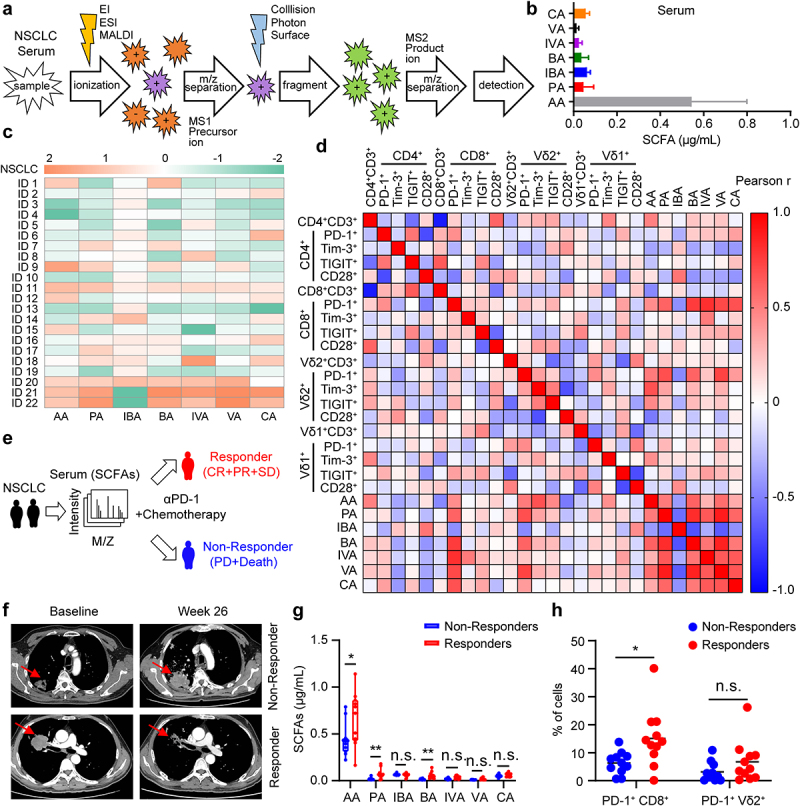
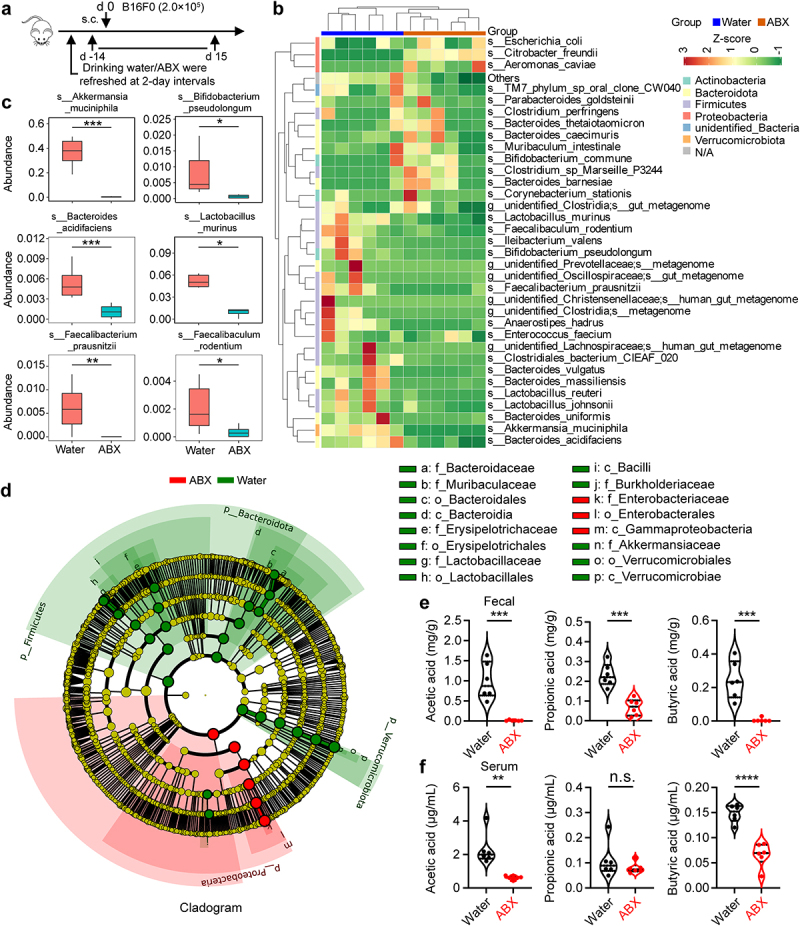
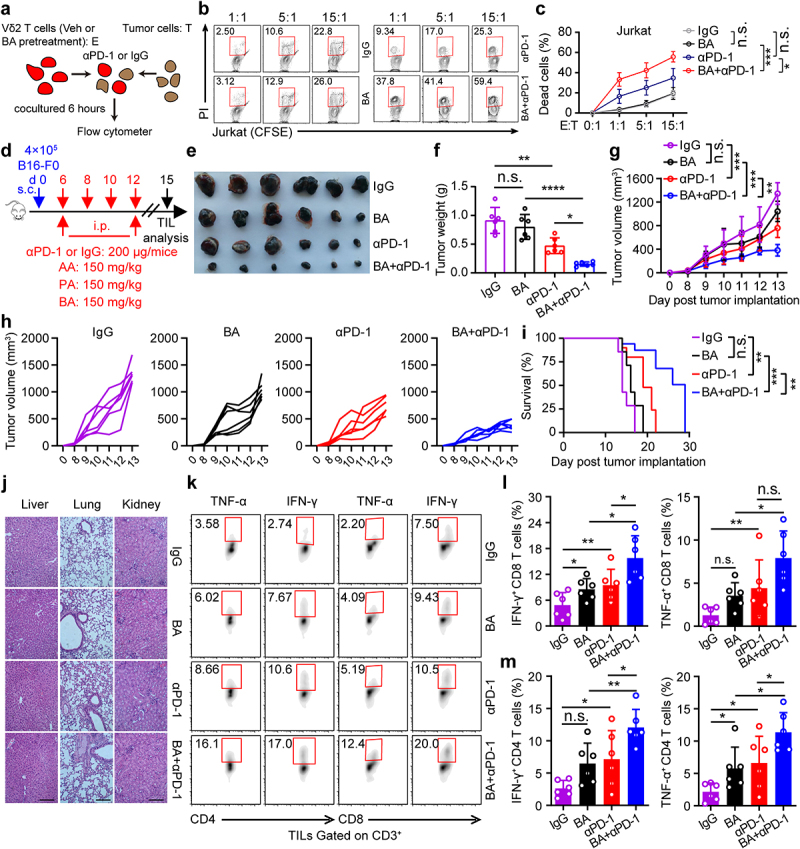
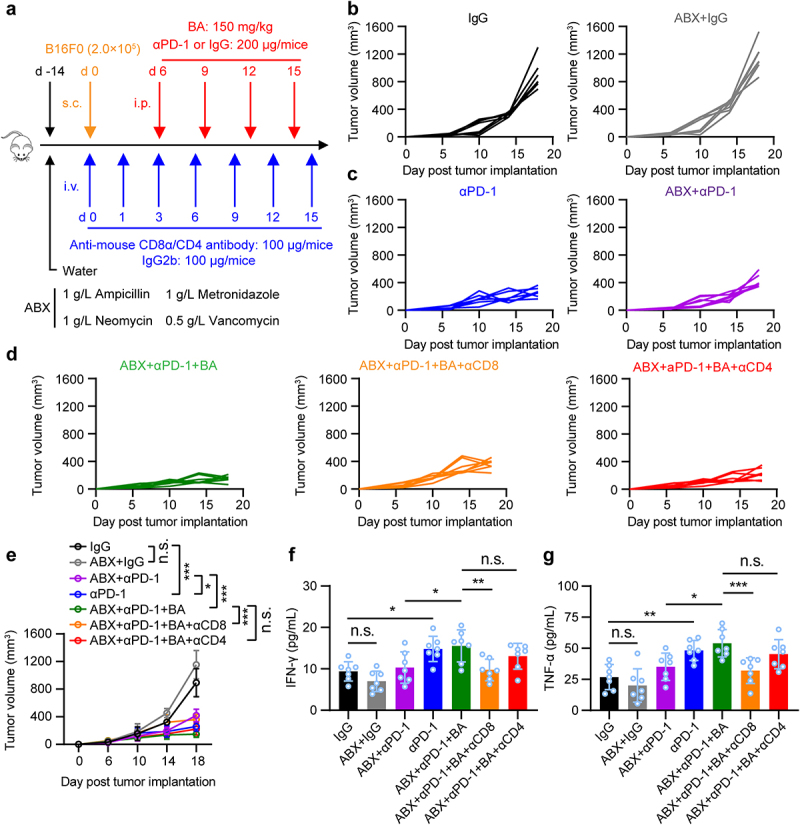
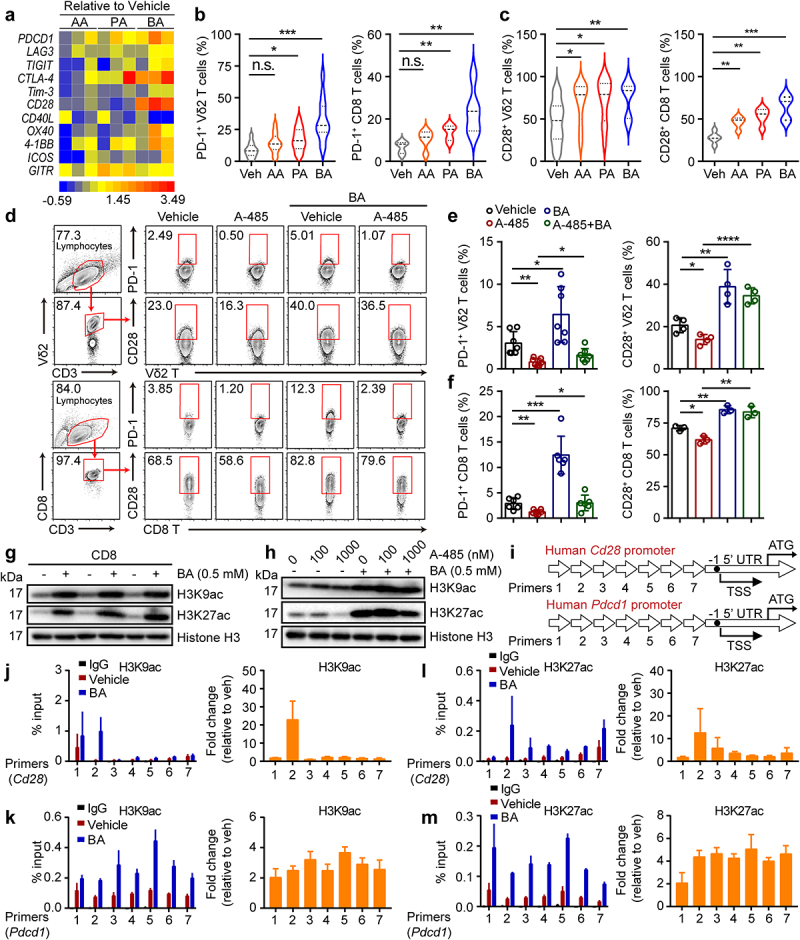
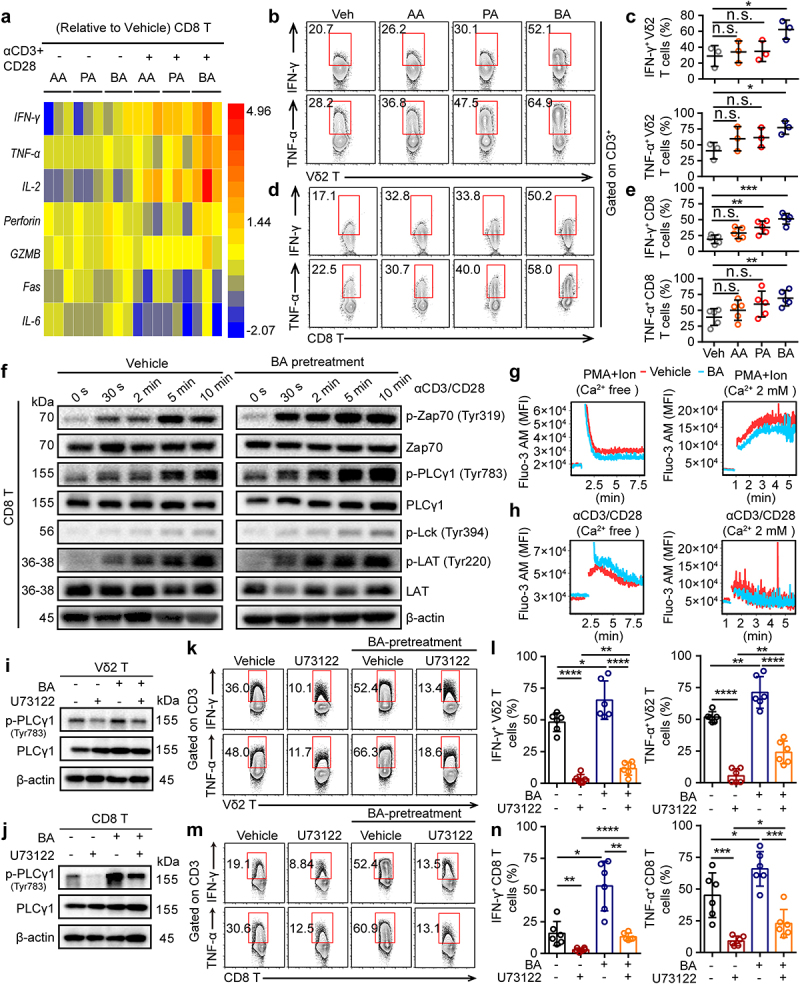
Recent studies have demonstrated that the antitumor immunity of immune cells can be modulated by gut microbiota and their metabolites. However, the underlying mechanisms remain unclear. Here, we showed that the serum butyric acid level is positively correlated with the expression of programmed cell death-1 (PD-1) on circulating CD8+ and Vγ9 Vδ2 (Vδ2+) T cells in patients with non-small cell lung cancer (NSCLC). Responder NSCLC patients exhibited higher levels of serum acetic acid, propionic acid, and butyric acid than non-responders. Depletion of the gut microbiota reduces butyrate levels in both feces and serum in tumor-bearing mice. Mechanistically, butyrate increased histone 3 lysine 27 acetylation (H3K27ac) at the promoter region of Pdcd1 and Cd28 in human CD8+ T cells, thereby promoting the expression of PD-1/CD28 and enhancing the efficacy of anti-PD-1 therapy. Butyrate supplementation promotes the expression of antitumor cytokines in cytotoxic CD8+ T cells by modulating the T-cell receptor (TCR) signaling pathway. Collectively, our findings reveal that the metabolite butyrate of the gut microbiota facilitates the efficacy of anti-PD-1 immunotherapy by modulating TCR signaling of cytotoxic CD8 T cells, and is a highly promising therapeutic biomarker for enhancing antitumor immunity.
Overview
The claims and statistics of this paper haven’t been checked yet.
Free: it reads the open-access text and checks the first 5 claims that cite a source we can check. Create a free account to check every claim.
Integrity signals
Registry
Cites
Statistics
Figures
Verification
Claims the paper makes
The claims and statistics of this paper haven’t been checked yet.
Free: it reads the open-access text and checks the first 5 claims that cite a source we can check. Create a free account to check every claim.
Claims other papers make about this one
Each is checked against this paper’s own text: does it say what the citing paper says it does?
In the citing paper
“Notably, SCFA supplementation without ICI does not improve tumor control or survival.127”
From Gut dysbiosis in oncology: a risk factor for immunoresistance (2026) · doi:10.1038/s41422-025-01212-6 · cites this paper as [127]
In the citing paper
“Butyrate is a frequently studied SCFA compound that has been shown to boost anti-tumor immunity in preclinical models.127”
From Gut dysbiosis in oncology: a risk factor for immunoresistance (2026) · doi:10.1038/s41422-025-01212-6 · cites this paper as [127]
In the citing paper
“systemic butyrate given by intraperitoneal injection improved anti‑PD‑1 efficacy,127 whereas intratumoral butyrate may drive tumor fatty acid oxidation and lead to treatment resistance.152”
From Gut dysbiosis in oncology: a risk factor for immunoresistance (2026) · doi:10.1038/s41422-025-01212-6 · cites this paper as [127]
Self-check
Percentages, sums and reported differences re-computed from the paper’s own numbers.
The self-check needs the paper’s full text.
Citations
Cites
New response evaluation criteria in solid tumours: revised RECIST guideline (version 1.1)
Eisenhauer, E. A., Therasse, P., Bogaerts, J., Schwartz, L. H., Sargent, D., Ford, R., Dancey, J., Arbuck, S., Gwyther, S., Mooney, M., et al. (2009) · European Journal of Cancer · doi:10.1016/j.ejca.2008.10.026 · Cited by 29,534 · cited 1×
“1) criteria for at least 6 months.(49) Lack of a clinical response (non-responder) was defined as disease progression (PD) on serial CT scans or stable disease lasting less than 6 months (26 weeks).”
BackgroundCancer Immunoediting: Integrating Immunity’s Roles in Cancer Suppression and Promotion
Schreiber, R. D., Old, L. J., & Smyth, M. J. (2011) · Science · doi:10.1126/science.1203486 · Cited by 6,474
Gut microbiome influences efficacy of PD-1-based immunotherapy against epithelial tumors
Routy, B., Le Chatelier, E., Derosa, L., Duong, C. P. M., Alou, M. T., Daillère, R., Fluckiger, A., Messaoudene, M., Rauber, C., Roberti, M. P., et al. (2018) · Science · doi:10.1126/science.aan3706 · Cited by 5,671 · cited 1×
“Similarly, compared with anti-PD -1 immunotherapy responders, non-responders have a reduced abundance of SCFA-producing bacteria, such as Faecalibacterium and Akkermansia muciniphila.(15,39) Recent study also demonstrated that in humans, the oxaliplatin responder cancer patients exhibited a higher amount of serum buty…”
BackgroundCommensal microbe-derived butyrate induces the differentiation of colonic regulatory T cells
Furusawa, Y., Obata, Y., Fukuda, S., Endo, T. A., Nakato, G., Takahashi, D., Nakanishi, Y., Uetake, C., Kato, K., Kato, T., et al. (2013) · Nature · doi:10.1038/nature12721 · Cited by 5,549 · cited 1×
“Previous studies have shown that SCFAs in mice, especially butyrate, promote the extrathymic generation of Treg cells, induce the differentiation of colonic regulatory T cells, and are regulated by histone deacetylase (HDAC).(34,35,40) In addition, SCFAs can directly induce T-cell differentiation into T cells producin…”
BackgroundThe Microbial Metabolites, Short-Chain Fatty Acids, Regulate Colonic T reg Cell Homeostasis
Smith, P. M., Howitt, M. R., Panikov, N., Michaud, M., Gallini, C. A., Bohlooly-Y, M., Glickman, J. N., & Garrett, W. S. (2013) · Science · doi:10.1126/science.1241165 · Cited by 5,413
Metabolites produced by commensal bacteria promote peripheral regulatory T-cell generation
Arpaia, N., Campbell, C., Fan, X., Dikiy, S., van der Veeken, J., deRoos, P., Liu, H., Cross, J. R., Pfeffer, K., Coffer, P. J., et al. (2013) · Nature · doi:10.1038/nature12726 · Cited by 4,838 · cited 1×
“Previous studies have shown that SCFAs in mice, especially butyrate, promote the extrathymic generation of Treg cells, induce the differentiation of colonic regulatory T cells, and are regulated by histone deacetylase (HDAC).(34,35,40) In addition, SCFAs can directly induce T-cell differentiation into T cells producin…”
BackgroundGut microbiome modulates response to anti-PD-1 immunotherapy in melanoma patients
Gopalakrishnan, V., Spencer, C. N., Nezi, L., Reuben, A., Andrews, M. C., Karpinets, T. V., Prieto, P. A., Vicente, D., Hoffman, K., Wei, S. C., et al. (2018) · Science · doi:10.1126/science.aan4236 · Cited by 4,812 · cited 1×
“Similarly, compared with anti-PD -1 immunotherapy responders, non-responders have a reduced abundance of SCFA-producing bacteria, such as Faecalibacterium and Akkermansia muciniphila.(15,39) Recent study also demonstrated that in humans, the oxaliplatin responder cancer patients exhibited a higher amount of serum buty…”
BackgroundSelf-citationIpilimumab plus Dacarbazine for Previously Untreated Metastatic Melanoma
Robert, C., Thomas, L., Bondarenko, I., O'Day, S., Weber, J., Garbe, C., Lebbe, C., Baurain, J.-F., Testori, A., Grob, J.-J., et al. (2011) · New England Journal of Medicine · doi:10.1056/nejmoa1104621 · Cited by 4,496
Commensal Bifidobacterium promotes antitumor immunity and facilitates anti–PD-L1 efficacy
Sivan, A., Corrales, L., Hubert, N., Williams, J. B., Aquino-Michaels, K., Earley, Z. M., Benyamin, F. W., Man Lei, Y., Jabri, B., Alegre, M.-L., et al. (2015) · Science · doi:10.1126/science.aac4255 · Cited by 3,888
Anticancer immunotherapy by CTLA-4 blockade relies on the gut microbiota
Vétizou, M., Pitt, J. M., Daillère, R., Lepage, P., Waldschmitt, N., Flament, C., Rusakiewicz, S., Routy, B., Roberti, M. P., Duong, C. P. M., et al. (2015) · Science · doi:10.1126/science.aad1329 · Cited by 3,488 · cited 1×
“and Bacteroides fragilis and activating IL-12-producing dendritic cells (DCs) and T helper 1 (Th1) immune responses.(16) Gut microbiota promotes antitumor immunity and facilitates anti-PD-L1 efficacy in tumor-mice model, and one explanation for this finding is that commensal Bifidobacterium-derived signals modulate th…”
Background
Research works printed but not linked: 1
- Kamphorst AO, Wieland A, Nasti T, Yang S, Zhang R, Barber DL, Konieczny BT, Daugherty CZ, Koenig L, Yu K, et al. Rescue of exhausted CD8 T cells by PD-1–targeted therapies is CD28-dependent. Science. 2017; 355(6332): 1423– 1427. doi: 10.1126/science.aaf0683. 28280249 PMC5595217 · DOI · Paper page
Cited by
Items 101–200 of 221
Du, Y., Wang, Q., Zheng, Z., Zhou, H., Han, Y., Qi, A., Jiao, L., & Gong, Y. (2024) · Frontiers in Nutrition · doi:10.3389/fnut.2024.1425802 · Cited by 8
Clinical Applications of the Gut Microbiome in Genitourinary Cancers
Nguyen, C. B., & Vaishampayan, U. N. (2024) · American Society of Clinical Oncology Educational Book · doi:10.1200/edbk_100041 · Cited by 8
Microbiota-derived metabolites in tumorigenesis: mechanistic insights and therapeutic implications
Yang, S.-F., Chen, X., & Pan, Y. (2025) · Frontiers in Pharmacology · doi:10.3389/fphar.2025.1598009 · Cited by 7
Multifaceted effects of the microbiome in pancreatic cancer: from association to modulation
Thomas, R. M. (2025) · Nature Reviews Gastroenterology & Hepatology · doi:10.1038/s41575-025-01119-y · Cited by 6
“This decreased diversity resulted in an increase in pathogenic bacteria and lipopolysaccharide-producing bacteria and a reduction in butyrate-producing bacteria, which are typically considered beneficial for patients with cancer and in cancer treatment 72–74 .”
Yuan, S., Bremmer, A., Yang, X., & Hu, Q. (2025) · Seminars in Cancer Biology · doi:10.1016/j.semcancer.2025.11.023 · Cited by 8
Unveiling the interplay between microbiota and PD1/PD-L1 axis in tumor immunity and immunotherapy
Lu, Q., Wu, J., Yu, X., Qian, J., & Song, Z. (2025) · Frontiers in Immunology · doi:10.3389/fimmu.2025.1690374 · Cited by 6
Fuller-Shavel, N., Davies, E. J., & Hasson, S. P. (2025) · Frontiers in Nutrition · doi:10.3389/fnut.2025.1670598 · Cited by 7
Microbial-Derived Metabolites and Their Impact on Cancer Immunotherapy
Jeong, J., Baines, K. J., & Vareki, S. M. (2026) · Cancer Immunology Research · doi:10.1158/2326-6066.cir-25-1018 · Cited by 9
Targeting microbiome-driven epigenetic modifications: a new frontier in breast cancer treatment
Bai, Y., Kong, X., & Wang, J. (2026) · Clinical Epigenetics · doi:10.1186/s13148-025-02046-0 · Cited by 7
“This effect sensitizes T cells to anti-PD-1 therapy, thereby enhancing the efficacy of immunotherapies aimed at reactivating T cells to target breast cancer cells [18].”
Wu, B., Quan, C., He, Y., Matsika, J., Huang, J., Liu, B., & Chen, J. (2024) · Expert Opinion on Biological Therapy · doi:10.1080/14712598.2024.2371543 · Cited by 7
“Zhu et al. reported that gut microbial-derived metabolite butyrate can enhance the efficacy of anti-PD-1 immunotherapy by modulating the T cell receptor signaling of cytotoxic CD8 T cells [25].”
Li, M., Wu, X. Q., & Lee, T. K. (2025) · Clinical and Molecular Hepatology · doi:10.3350/cmh.2025.0476 · Cited by 7
Zheng, M., Meng, Y., Feng, J., Liang, H., Mu, X., & Feng, C. (2025) · Phytomedicine · doi:10.1016/j.phymed.2025.157559 · Cited by 5
The Impact of Microbiome on Breast Cancer and Regulatory Strategies
Wang, J., Xu, D., Hu, S., Zheng, B., Chen, Y., & Pan, T. (2025) · Microorganisms · doi:10.3390/microorganisms14010075 · Cited by 10
“Butyrate can also enhance the effectiveness of anti-PD-1 immunotherapy by regulating the signaling pathways in CD8+ T cells [113].”
Katayama, Y., Fukuda, A., Inoue, R., Kawachi, H., Sawada, R., Harada, T., Yoshimura, A., Okada, A., Shiotsu, S., Chihara, Y., et al. (2026) · ESMO Open · doi:10.1016/j.esmoop.2026.106077 · Cited by 5
“26-29 Additionally, butyrate up-regulates NOD2 expression by enhancing histone acetylation in the Nod2 promoter region.”
The microbiome-immune cell interaction network: Advancing tumor immunotherapy
Liu, W., Lan, Z., Lin, Z., Zhao, Y., Lian, J., & Yu, G. (2025) · Seminars in Cancer Biology · doi:10.1016/j.semcancer.2025.06.009 · Cited by 8
Yang, J., Lim, J., Kim, E. H., An, J., Lee, D., Lee, H. C., Jeong, J., & Shim, J. H. (2025) · Journal of Hepatocellular Carcinoma · doi:10.2147/jhc.s537216 · Cited by 4
“During TACE, following selective catheterization of the feeding artery, 50 mg of doxorubicin or 2 mg/kg of cisplatin was infused through the artery supplying the HCC. TACE was carried out as previously described.”
InfluentialFrom microbes to medicine: How microbiota profiling is shaping the future of cancer therapy
Abdolshahi, A., Naderian, R., Tahmasebi, H., Paraandavaji, E., Hemmati, M. A., Kashanipoor, S., & Eslami, M. (2025) · Gene Reports · doi:10.1016/j.genrep.2025.102402 · Cited by 6
Xie, J., Zhang, J., Zhang, L., & Chen, X. (2026) · Frontiers in Microbiology · doi:10.3389/fmicb.2026.1740680 · Cited by 5
“Promotes epithelial/mucosal homeostasis; regulates gut barrier function and tolerance (Zhu et al., 2023; Coutzac et al., 2020).”
Programming the tumor microenvironment through microbiome-driven mechanisms
Bautista, J., Calderón-Cevallos, S., Salvador-Baquero, A. M., Naranjo-Castillo, X., & López‐Cortés, A. (2026) · Frontiers in Cellular and Infection Microbiology · doi:10.3389/fcimb.2026.1857151 · Cited by 5
Shi, T., Guo, Y., Tang, X., Liu, Z., Guo, Q., Fang, T., Xu, S., & Zhuang, Z. (2026) · Neoplasia · doi:10.1016/j.neo.2026.101348 · Cited by 11
“Expansion of tumor-reactive T-cell clones may indicate an ongoing antigen-driven immune response that can be amplified by ICIs [303,304].”
Nucleic acid‐based vaccine for ovarian cancer cells; bench to bedside
Al‐Hawary, S. I. S., Jasim, S. A., Hjazi, A. M., Oghenemaro, E. F., Kaur, I., Kumar, A., Al‐Ani, A. M., Alwaily, E. R., Redhee, A. H., & Mustafa, Y. F. (2024) · Cell Biochemistry and Function · doi:10.1002/cbf.3978 · Cited by 4
Tian, Y., Zhao, R., Xiao, S., Chen, L., Cheng, Y., Wei, M., Tang, Z., Cai, Y., Xiao, Z., Yi, A., et al. (2025) · Frontiers in Cellular and Infection Microbiology · doi:10.3389/fcimb.2025.1524987 · Cited by 4
Xu, C., Liu, Q., Xu, M., Ayalew, H., Iqbal, W., Lin, J., Song, J., Jin, L., Song, Z., & Zhang, H. (2025) · Poultry Science · doi:10.1016/j.psj.2025.105775 · Cited by 5
Self-citationNanotechnology – Microbiota synergy in cancer immunotherapy
Yang, J., Wang, J., Li, J., & Cui, J. (2025) · Critical Reviews in Oncology/Hematology · doi:10.1016/j.critrevonc.2025.105018 · Cited by 5
Unraveling the microbiome’s role in breast cancer progression and treatment response
Taki, A. G., Shareef, A., Arora, V., Oweis, R. J., Jyothi, S. R., Singh, U., Sahoo, S., Chauhan, A. S., Alimova, F., Sameer, H. N., et al. (2025) · Current Problems in Cancer · doi:10.1016/j.currproblcancer.2025.101264 · Cited by 3
Saghafi, S., Yaghoubi, M. A., Safarpour, H., Raeisi, H., & Mousavi, Z. (2026) · Biomedicine & Pharmacotherapy · doi:10.1016/j.biopha.2025.118948 · Cited by 4
Antohi, A. L., Gheorghiță, A. D., Andronic, O., Pîrcălăbioru, G. G., & Treteanu, A. R. (2026) · International Journal of Molecular Sciences · doi:10.3390/ijms27062538 · Cited by 7
Microbiota-targeted nanoplatforms for colorectal cancer immunotherapy
Li, S.-Q., Wang, J.-N., Zhao, S.-N., Feng, G., & Sun, Y.-D. (2026) · Pharmacological Research · doi:10.1016/j.phrs.2026.108219 · Cited by 4
Gut microbiota and metabolic control of immune checkpoint blockade in cancer
Gladstone, J. L., & Sonnenberg, G. F. (2026) · Cell Metabolism · doi:10.1016/j.cmet.2026.04.018 · Cited by 4
Butyrate‐Producing Bacteria in Intestinal Disease Therapy: Potential and Challenges
Zhang, F., Zhang, W., Ren, X., Liu, B., & Zhou, X. (2026) · Biotechnology Journal · doi:10.1002/biot.70260 · Cited by 6
“…systemic or fecal butyrate associates with improved responses to immune check-point inhibitors in some settings and that exogenous butyrate supplementation can augment anti-PD-1 efficacy in murine models by increasing effector cytokine production and modulating T cell receptor signaling [52].”
Identification and validation of parthanatos-related genes in end-stage renal disease
Dai, X., & Yuan, L. (2025) · Renal Failure · doi:10.1080/0886022x.2025.2519834 · Cited by 2
“It recognizes and binds antigen peptides presented on the surface of antigen-presenting cells through the T cell receptor on the T cell surface [43,44].”
Gut microbiota and metabolites: emerging prospects in the treatment of non-small cell lung cancer
Jiao, J.-M., Liu, C., Zang, D., & Chen, J. (2025) · Frontiers in Immunology · doi:10.3389/fimmu.2025.1638942 · Cited by 3
Shi, Y., Song, C., Ju, T., Duan, F., Zeng, D., Zhang, Y., Liu, M., & Lu, W. (2025) · Journal of Future Foods · doi:10.1016/j.jfutfo.2025.10.015 · Cited by 2
Self-citationZhao, Y., Zhao, Y., Shi, J., Guan, B., Long, M., Sun, Z., Jin, S., Yan, Y., Chang, T., Fu, Y., et al. (2025) · Frontiers in Microbiology · doi:10.3389/fmicb.2025.1712240 · Cited by 4
Tang, X., Man, C., Liu, Z., Gong, D., & Fan, Y. (2026) · Frontiers in Immunology · doi:10.3389/fimmu.2026.1745842 · Cited by 2
Song, W., Liu, S., Zang, D., Meng, W., Liu, C., & Chen, J. (2026) · Frontiers in Oncology · doi:10.3389/fonc.2025.1683347 · Cited by 4
Rah, B., Shafarin, J., Janeeh, A. S., Rafiq, R., Kurabi, T. M. S., Muhammad, J. S., Elkord, E., & Hamad, M. A. (2026) · Journal of Biochemical and Molecular Toxicology · doi:10.1002/jbt.70771 · Cited by 3
Xu, H., Geng, W., He, J., Jia, L., Zhao, G., & Wang, Y. (2026) · Food Research International · doi:10.1016/j.foodres.2026.118921 · Cited by 4
Gao, W., Xiong, J., Wu, G., Chen, Y., & Lin, X. (2026) · Journal of Translational Medicine · doi:10.1186/s12967-026-07986-6 · Cited by 3
“Among SCFAs, butyrate produced by gut commensals such as Eubacterium rectale ( E. rectale ) and Faecalibacte-rium prausnitzii ( F. prausnitzii ), has garnered significant attention for its pleiotropic antitumor properties [20–23].”
Huang, Y., Liu, X., Wu, Y., Li, S., Shen, Y., Wan, H., Zhang, Y., & Feng, N. (2026) · Frontiers in Oncology · doi:10.3389/fonc.2026.1759301 · Cited by 2
“…this duality: while they can enhance the ef fi cacy of anti-PD-1 immunotherapy by modulating T-cell receptor signaling in cytotoxic CD8 + T cells (12), they also exhibit protumoral properties, such as potentially suppressing antitumor immunity by inducing regulatory T cell differentiation or…”
Self-citationSu, X., Li, A., Liu, J., Guo, Y., Yu, H., Yu, J., Wang, R., Garza, D. R., Qu, J., Wen, B., et al. (2026) · Microbiological Research · doi:10.1016/j.micres.2026.128539 · Cited by 3
Eysha, M., Fouani, M., Munir, M., Black, M., Long, A., Elchouemi, M., Singh, S., & Abid, M. B. (2026) · Frontiers in Cellular and Infection Microbiology · doi:10.3389/fcimb.2026.1787954 · Cited by 2
Molecular studies on the impact of microbiome on anticancer drug resistance
Zhou, K., Lu, P., Xu, H., Wang, L., & Liang, X. (2026) · Frontiers in Immunology · doi:10.3389/fimmu.2026.1848345 · Cited by 2
The nutrigenomic-epigenetic axis in cancer: from dietary bioactives to precision oncology
Boroomand, F., Karimi, M. A., Karimzadeh‐Soureshjani, E., Kiani-Shamsabadi, D., Farhang, F., Mardani, H., & Jafari, A. (2026) · Nutrition & Metabolism · doi:10.1186/s12986-026-01147-8 · Cited by 2
Javadi, M. M., Ahmadbeigi, G., Ataollahi, H., Boroomand, S., Kia, S. K., Soleimani, N., Zia-Jahromi, N., & Hedayati, M. (2026) · Biomedicine & Pharmacotherapy · doi:10.1016/j.biopha.2026.119745 · Cited by 3
Chen, Z., Wang, M.-L., Zhang, Z.-W., Zhang, P.-C., Yang, Q.-F., Weng, Y., Shen, J.-L., Wang, W., & Shao, L. (2026) · Translational Oncology · doi:10.1016/j.tranon.2026.102972 · Cited by 2
“The NaB-L + anti-PD-1 and NaB-H + anti-PD-1 groups were treated daily with NaB (F17HS175370, Yuanye Bio-Technology Co., Ltd, Shanghai, China) at 150 and 300 mg/ kg [17,18], respectively, together with the anti-PD-1 antibody.”
Song, Y., Hu, J., Li, C., & Lian, J. (2024) · Cancer Medicine · doi:10.1002/cam4.7455 · Cited by 2
Thermophiles, Thick‐Walled Bacteria, and Pseudomonads in High‐Altitude Gut Microbiota
Yan, F., Wu, S., Yuan, W., Yang, Y., Zhu, H., & Cui, D. (2025) · Journal of Gastroenterology and Hepatology · doi:10.1111/jgh.17032 · Cited by 2
Link between dysbiosis and cancer: Contributing mechanisms and factors
Turner, N., Colunga-Minutti, J., Alekseev, S., Jenq, R. R., & Nurieva, R. (2025) · International review of cytology · doi:10.1016/bs.ircmb.2024.12.004 · Cited by 1
The multipotential effect of microbiome in lung cancer development and progression
Karimi, N., Anda, A. B. D., Yang, R., Aksan, E., Grimaldo, M. T., & Moghaddam, S. J. (2025) · International review of cytology · doi:10.1016/bs.ircmb.2024.12.011 · Cited by 1
He, W., Fan, S., Luo, Y., Yi, X., Liu, Y., He, G., Li, Z., & Li, Y. (2025) · The Breast · doi:10.1016/j.breast.2025.104588 · Cited by 3
“Existing studies have focused on the role of cytokines and chemokines in cancer therapy, emphasizing the challenges and potential of using these molecules for treatment [60].”
Crosstalk between gut microbiota and viral pathogens: oxidative stress and metabolic dysregulation
Ma, J., Yan, Y., Lu, C., Li, H., Cai, J., & Zhou, J. (2025) · One Health Advances · doi:10.1186/s44280-025-00099-7 · Cited by 1
“These findings underscore the potential of intestinal microbial metabolites in amplifying anti-tumor immunity [108–110].”
Wang, W.-J., Liu, T.-B., Li, Y.-G., Jia, J., Zhao, M.-Q., Huang, Y.-X., Dong, J.-G., Xia, Y., & Liang, J. (2025) · Journal of Pharmacy and Pharmacology · doi:10.1093/jpp/rgaf128 · Cited by 2
Antibiotic-associated dysbiosis and bispecific antibody outcomes in multiple myeloma
Corona, M., García-Vicente, R., Sáez, A., Ancos-Pintado, R., Rodríguez-García, A., Arroyo, A., Sánchez, A. B., Chari, A., Martin, T., Wolf, J. L., et al. (2026) · Journal for ImmunoTherapy of Cancer · doi:10.1136/jitc-2025-014224 · Cited by 3
Microbiota as a modulator of drug response: targeting microbial–drug crosstalk in cancer therapy
Zhao, T., Liu, M., Qiu, L. X., Zhang, H., Zhang, N., Liu, Z., Xia, Z., Luo, P., Huang, J., & Cheng, Q. (2026) · Gut Microbes · doi:10.1080/19490976.2026.2651930 · Cited by 1
Bi, Q., Zhang, L., Wan, H., & Zhang, J. (2026) · Molecular Biology Reports · doi:10.1007/s11033-026-11988-4 · Cited by 2
Decoding the microbiome-immune crosstalk in cancer: from mechanisms to therapeutic translation
Zhao, N., Wu, L., Peng, S., Yang, H., 宋永春, Zhang, Y., & Ding, L. (2026) · Biomarker Research · doi:10.1186/s40364-026-00930-2 · Cited by 2
“For example, butyrate functions as a potent HDAC inhibitor that epigenetically reprograms immune cell function [185, 186].”
Self-citationLi, Y., Zhang, J., Wu, S., Liu, Z., & Qin, S. (2026) · Frontiers in Immunology · doi:10.3389/fimmu.2026.1826283 · Cited by 3
Ali, H., Xie, B., Yang, J., & Nadeem, U. (2026) · Cancers · doi:10.3390/cancers18121948 · Cited by 1
“Conversely, enrichment of alcohol-and aldehyde-producing bacteria has been observed in non-responders, further underscoring the functional relevance of microbial metabolism [40,45,55,72].”
Zhuang, J., Yu, H., Chen, Y., Sun, H., Shen, A., Jiang, L., Bai, R. M., Tan, Z., Lv, J., Bai, K., et al. (2026) · Cancer Letters · doi:10.1016/j.canlet.2026.218729 · Cited by 1
The Gut Microbiome Drives Endogenous T-cell Activation Following CAR T-cell Therapy
Hu, K., Jin, L., Feng, Z., Yu, Q., Si, X., Ding, L., Han, Y., Zhu, M., Shi, C., Zeng, X., et al. (2026) · Cancer Immunology Research · doi:10.1158/2326-6066.cir-25-1230 · Cited by 1
Fang, X., Yuan, S., & Mai, W. (2026) · Immunity Inflammation and Disease · doi:10.1002/iid3.70492 · Cited by 2
Zhang, J., Fang, L., Ma, C., Hu, Z., Chen, C., Zhu, T., Ying, J., Zhu, W., Huang, G., Ni, J., et al. (2026) · Microbiology Spectrum · doi:10.1128/spectrum.00994-26 · Cited by 1
“Thus, the gut microbes exert a key impact on the therapeutic effectiveness of immune checkpoint blockade in lung cancer (15– 17).”
The Potential Role of Intestinal Stem Cells and Microbiota for the Treatment of Colorectal Cancer
Arjmand, B., Alavi-Moghadam, S., Faraji, Z., Pasha, M. A., Jalaeikhoo, H., Rajaeinejad, M., Nikandish, M., Faridfar, A., Mafi, A. R., Rezaei–Tavirani, M., et al. (2024) · Advances in experimental medicine and biology · doi:10.1007/5584_2024_803 · Cited by 2
Xie, L., Song, D., Lan, J., Liu, P., Qin, S., Ning, Y., & Liu, Q. (2025) · Discover Oncology · doi:10.1007/s12672-025-02307-7 · Cited by 1
“As a pan-HDAC inhibitor, Belinostat promotes histone hyperacetylation in CD8 + T cells, increasing chromatin accessibility at cytotoxic effector loci while suppressing exhaustion-associated genes like PDCD1 [55, 58, 59].”
The advent of precision nutrigeroscience in cancer: from clinic towards molecular biology
Gao, Z., Liu, Y., Cui, Y., Han, Y., Cao, K., & Wu, Q. (2025) · Journal of Advanced Research · doi:10.1016/j.jare.2025.08.034 · Cited by 2
The gut microbiota and colonic pH map to the peripheral immune landscape in humansPreprint
Dinakis, E., Rhys-Jones, D. R., Tavares, L. C., Yang, C., Xie, L., Yao, C., So, D., Anderson, D., Creek, D., Turner, S. J., et al. (2025) · medRxiv · doi:10.64898/2025.12.02.25341510 · Cited by 1
Ge, Y., Jia, Z., Zhao, S., Zhang, W., Shi, X., Xie, R., Gong, Y., Sheng, J., Hof, R. J. V. '., Yang, J., et al. (2024) · SSRN Electronic Journal · doi:10.2139/ssrn.4744060
The Clinical Progress of the Combined Treatment of Lung and Intestine on Immune Response
Zhang, L., Xiao, H., & Wan, D. (2024) · Journal of Clinical Medicine Research · doi:10.32629/jcmr.v5i1.1796
Hu, C., Lei, Y., Liu, X., Yu, X., Geng, Z., Liu, Y., Yang, L., Tie, X., Zhou, W., Li, X., et al. (2024) · Computers in Biology and Medicine · doi:10.1016/j.compbiomed.2024.108541
Self-citationDietary alterations to induce antitumor immunity
Saha, S., & Montrose, D. C. (2024) · Elsevier eBooks · doi:10.1016/b978-0-443-14064-8.00028-x · Cited by 1
Lou, S., Lv, H., & Zhang, L. (2024) · Immunity Inflammation and Disease · doi:10.1002/iid3.70052
“Other studies have found that gut microbiota metabolite butyrate upregulates PD ‐ 1/CD28 expression in CD8 T cells and regulates the TCR signaling pathway, promoting CD8 T cell antitumor immune response [65].”
ResultO papel da microbiota intestinal em novas abordagens terapêuticas contra o câncer
Costa, A. L. L., de Carvalho, A. L. C., Rodrigues, A. T. M., & Nogueira, K. D. M. (2024) · Cuadernos de Educación y Desarrollo · doi:10.55905/cuadv16n12-094
Feigenberg, S. J., Costabile, F., Tanes, C., Bittinger, K. L., O’Connor, R. S., Agarwal, D., Skoufos, G., Salaris, S., Hatzigeorgiou, A. G., Κωστόπουλος, Ν., et al. (2025) · medRxiv · doi:10.1101/2025.01.09.25319989
Prospect of interdisciplinary research on gut microbiota and colorectal cancer immunotherapy
Lu, Y., Zhang, Z., Chen, L., Xue, P., Zhang, Y., Li, Y., & Guo, H. (2025) · Critical Reviews in Oncology/Hematology · doi:10.1016/j.critrevonc.2025.104832 · Cited by 1
Self-citationChen, J., He, J., Xu, X., Sun, H., & Zhang, J. (2025) · PLoS ONE · doi:10.1371/journal.pone.0333916
Luo, W., Mei, S.-Q., Huang, Z.-J., Chen, Z.-H., Zhang, Y.-C., Yang, M.-Y., Liu, J.-Q., Xu, J.-Y., Yang, X.-R., Zhong, R., et al. (2024) · Figshare · doi:10.6084/m9.figshare.25530414
Self-citationLuo, W., Mei, S.-Q., Huang, Z.-J., Chen, Z.-H., Zhang, Y.-C., Yang, M.-Y., Liu, J.-Q., Xu, J.-Y., Yang, X.-R., Zhong, R., et al. (2024) · Figshare · doi:10.6084/m9.figshare.25530316
Self-citationGut Microbiota-Derived Metabolites in Cancer Immunotherapy: Mechanisms and Clinical Potential
He, Y. (2026) · BIO Web of Conferences · doi:10.1051/bioconf/202621401024
“Gut microbes generate diverse metabolites such as SCFAs, bile acids, tryptophan metabolites, and polyamines that help maintain immune balance [5].”
InfluentialLiu, Z., Liu, M., Chen, H., Li, S., Zheng, N., Xing, G., Zhang, Y., Xu, J., Li, M., Xiao, C., et al. (2026) · Journal of Translational Medicine · doi:10.1186/s12967-026-07900-0 · Cited by 2
“This is particularly relevant as NSCLC responders exhibit higher PD-1 expression on peripheral CD8 + T cells, indicative of a more activated state [44].”
Self-citationGreen, G. B. H., Cox-Holmes, A. N., Flowers, J. T., Williams, M. B., Potier, A. C. E., Brandom, J. L., Watts, S. A., Luke, R., Yu, J. S., & McFarland, B. C. (2026) · Nutrients · doi:10.3390/nu18060975
Habieb, M. E., Ali, M. M., Abd-ElRaouf, A., & Abdou, F. Y. (2026) · Scientific Reports · doi:10.1038/s41598-026-46553-3
Liang, H., Sun, X., Shi, G., Chen, H., & Li, J. (2026) · Medicine · doi:10.1097/md.0000000000048411
“[66] Therefore, effective therapeutic approaches are urgently needed.”
The role and mechanisms of microecological dysbiosis in lung cancer therapy
Shuai, Y., & Tang, M. (2026) · Holistic Integrative Oncology · doi:10.1007/s44178-026-00269-6
Adrados, A., Pérez‐Fernández, J., García-Vicente, R., Garrote-de-Barros, A., Martínez‐López, J., Linares, M., & Hernández‐Sánchez, M. (2026) · Frontiers in Immunology · doi:10.3389/fimmu.2026.1805129
“Speci fi cally, SCFAs enhance CD8+ memory formation and promote dendritic cell co-stimulation via metabolic and epigenetic reprogramming, thereby reinforcing the immune programmes required for durable responses to ICIs and CAR-T therapies (229, 230).”
Wang, Y., Wu, X., Deng, H., Yan, G., Xu, Z., & Zhu, L. (2026) · International Journal of Biological Macromolecules · doi:10.1016/j.ijbiomac.2026.153116
朱利明, Xu, J. Q., Niu, D., Zhang, X., & Jin, C. (2026) · Cancer Medicine · doi:10.1002/cam4.72061
Fecal calprotectin and gut microbiome in a cohort without intestinal pathologies from northern Italy
Taurino, G., Mancabelli, L., Milani, C., Longhi, G., Lugli, G. A., Ughini, C., Bianchi, M. G., Chiu, M., Kayali, S., Gaiani, F., et al. (2026) · iScience · doi:10.1016/j.isci.2026.116578
“23 In particular, butyrate promotes the differentiation of regulatory T cells, which are essential for immune tolerance, the suppression of inflammatory responses, 24,25 and the polarization of macrophages toward the anti-inflammatory M2 phenotype.”
The role of gut microbiota in cancer development and translational modulation strategies
Bai, X., Kang, X., & Wong, S. H. (2026) · Elsevier eBooks · doi:10.1016/b978-0-443-40306-4.00017-x
The role of microbiome–mucosal barrier interactions in neoplastic diseases
Toth, E., Sipos, A., Mikó, E., Nyerges, P., & Bai, P. (2026) · Elsevier eBooks · doi:10.1016/b978-0-443-40306-4.00007-7
Intratumoral microbiota in tumorigenesis: A double-edged sword
Fu, X., Chen, H., Du, M., Li, P., Zhao, Y., Yang, H., Li, H., Zhang, G., He, P., Wu, S., et al. (2026) · Chinese Medical Journal · doi:10.1097/cm9.0000000000004178
“…(such as short-chain fatty acids [SCFA], [21] indole derivatives, [22] and polyamines [23] ), thereby enhancing CD8 + T cell infiltration and activation, [24] promoting dendritic cell maturation, [25] and inducing M1 macrophage polarization, [26] ultimately overcoming resistance to immunotherapy.”
Self-citationLong, T., & Xiong, Y. (2026) · Cancer Treatment and Research Communications · doi:10.1016/j.ctarc.2026.101315
Zhao, B., Li, R., Chen, D., Li, J., Li, Y., Shen, K., Zhang, L., Xie, Y., Liu, Y., Xiu, M., et al. (2026) · Journal of Ethnopharmacology · doi:10.1016/j.jep.2026.122187
Benlaïfaoui, M., Richard, C., Hunter, S., Méndez-Salazar, E. O., Kourtian, S., Malo, J., Prifti, D. K., Ponce, M., Khalfi, S., Belkaïd, W., et al. (2026) · Gut Microbes · doi:10.1080/19490976.2026.2699457 · Cited by 4
“59 These data raise the possibility that the combination of butyrate and α PD-1, rather than either treatment alone, may create a chemokine landscape permissive for CCR9 ⁺ CXCR3 ⁺ T cell recruitment, but whether these cells arrive from the gut, the systemic circulation, or are locally imprinted…”
The impact of microbial metabolites on host chromatin and epigenetic regulation
Kabir, T., Lawler, Z. K., & Gates, L. A. (2026) · Nature Metabolism · doi:10.1038/s42255-026-01577-x
“Also, butyrate treatment correlates with higher programmed cell death in non-small-cell lung cancer by elevating H3K27ac, suggesting a potential therapeutic target for improving antitumour immunity 178 .”
Microbiome—pancreatic cancer crosstalk: From tumor biology to therapeutic intervention
薛玉芹, Ye, J., Wang, S., Liu, M., Dai, F., Bai, M., Wang, Y., Savoji, A., Wang, Y., Hylemon, P. B., et al. (2026) · iMetaOmics. · doi:10.1002/imo2.70126
Self-citationSubhadra, B., Green, R. J., Kempaiah, P., Bobban, N., Robinson, L. A., & Mohapatra, S. (2026) · Cancers · doi:10.3390/cancers18152447
“Specific microbial signatures influence immune checkpoint inhibitor (ICI) efficacy [12], while preclinical studies demonstrate that microbiome modulation enhances PD-1 blockade responses [13,14].”
Taurine preserves γδ T cell fitness in triple-negative breast cancer
Duan, H., Li, K., Yuan, W., 潘兰红, Su, M., Quan, Q., Zhao, J., & Li, P. (2026) · Cell Communication and Signaling · doi:10.1186/s12964-026-03125-2
“PBMCs were resuspended in RPMI 1640 (Gibco, 11875093) supplemented with 10% FBS (Gibco, 16140071), 400 U/mL recombinant human IL-2 (Pepro-Tech), and 50 µM zoledronic acid (ZOL; MCE, HY-13777 A), seeded into 24-well plates at 1 × 10 6 cells/mL, and cultured for 10 days [45].”
Self-citationMeng, Y., Liu, L.-Y., Fan, Z.-Y., & Zhan, H. (2026) · Pancreatology · doi:10.1016/j.pan.2026.08.004 · Cited by 1
Metadata
- Authors
- Zhu, X., Li, K., Liu, G., Wu, R., Zhang, Y., Wang, S., Xu, M., Lu, L., & Li, P.
- Affiliations
- Jinan University (CN)
- Sun Yat-sen University (CN)
- Anhui Provincial Center for Disease Control and Prevention (CN)
- Corresponding author
- Xu, Meng
- Lu, Ligong
- Li, Peng
- Venue
- Gut Microbes
- Publisher
- Informa UK Limited
- Published
- 2023-08-27
- Volume
- 15
- Issue
- 2
- Pages
- 2249143-2249143
- ISSN
- 1949-0976 (ISSN-L)
- 1949-0984
- PMC
- PMC10464552
- OpenAlex
- W4386208749
- Cited by
- 220
- References
- 48
- Citations by year
- 2026: 85 · 2025: 86 · 2024: 48 · 2023: 1
- FWCI
- 26.96
- Type
- journal article
- Language
- en
- Open access
- gold
- doi.org
- Licence
- Locations
- Gut Microbes (publishedVersion, cc-by)
- PubMed Central (publishedVersion, cc-by)
- PubMed (publishedVersion)
- DOAJ (DOAJ: Directory of Open Access Journals) (submittedVersion, cc-by-sa)
- Funders
- China Postdoctoral Science Foundation (2022M713670)
- Guangdong Basic and Applied Basic Research Foundation (2022A1515110416)
- Medical Scientific Research Foundation of Guangdong Province (A2022417)
- Topics
- Health Sciences › Medicine › Oncology › Cancer Immunotherapy and Biomarkers
- Life Sciences › Biochemistry, Genetics and Molecular Biology › Molecular Biology › Gut microbiota and health
- Life Sciences › Immunology and Microbiology › Immunology › T-cell and B-cell Immunology
- Keywords
- butyrate, gut microbiota metabolites, anti-PD-1 therapy, PD-1, CD8+ T cells, T cell receptor signaling, non-small cell lung cancer, H3K27 acetylation, PDCD1, CD28, antitumor immunity, short-chain fatty acids, immunotherapy response biomarkers, gut microbiota depletion
- MeSH terms
- Gastrointestinal Microbiome, Animals, Antineoplastic Agents, Carcinoma, Non-Small-Cell Lung, Humans, Lung Neoplasms, Receptors, Antigen, T-Cell, Signal Transduction, CD28 Antigens, CD8-Positive T-Lymphocytes, Butyric Acid, Mice
About these checks
Registry, retraction, Cites and statistics results are computed, not judged, with one exception: a printed reference that no index lists is read once by a model before it counts as a citation error. Claims are extracted by a model and kept only when their quote appears verbatim in the text; each cited source is then checked, with a model’s help, for whether it says what the claim relies on. Those verdicts can be wrong — read the claim’s quote and the cited source before relying on one.
Statistics and arithmetic are recomputed, not judged.
Confidence bands are shown only for fields calibrated on our annotated test set. None is calibrated yet, so no band is shown.
What counts as a claim ›How we measure confidence ›How we check this ›
Are you an author, or do you see a problem with this page? Request a review
Data sources
Bibliographic data: Semantic Scholar, OpenAlex, Crossref.
Contains information from the Semantic Scholar Academic Graph Datasets, made available under the ODC Attribution License (ODC-BY 1.0).
Semantic Scholar’s data is described in: Kinney, R., et al. (2023). The Semantic Scholar Open Data Platform. arXiv:2301.10140.
