

The DOI matches its Crossref record; 46 of the 46 references it cites were found in a registry or an index.
Antibiotic use and the efficacy of immune checkpoint inhibitors in cancer patients: a pooled analysis of 2740 cancer patients
Open accessAbstract
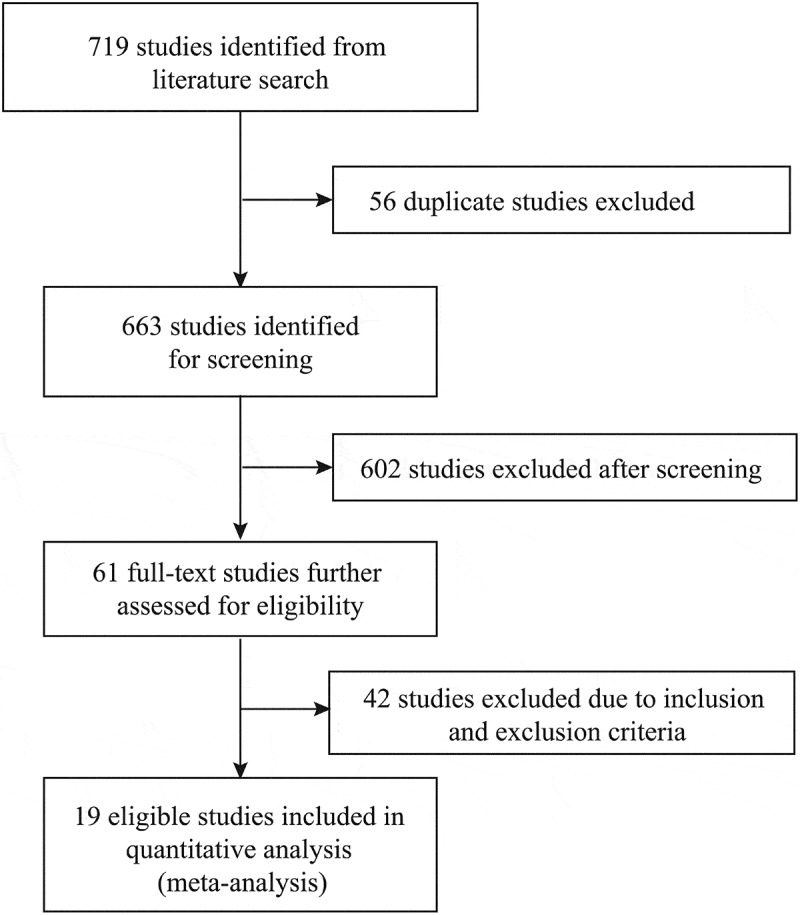
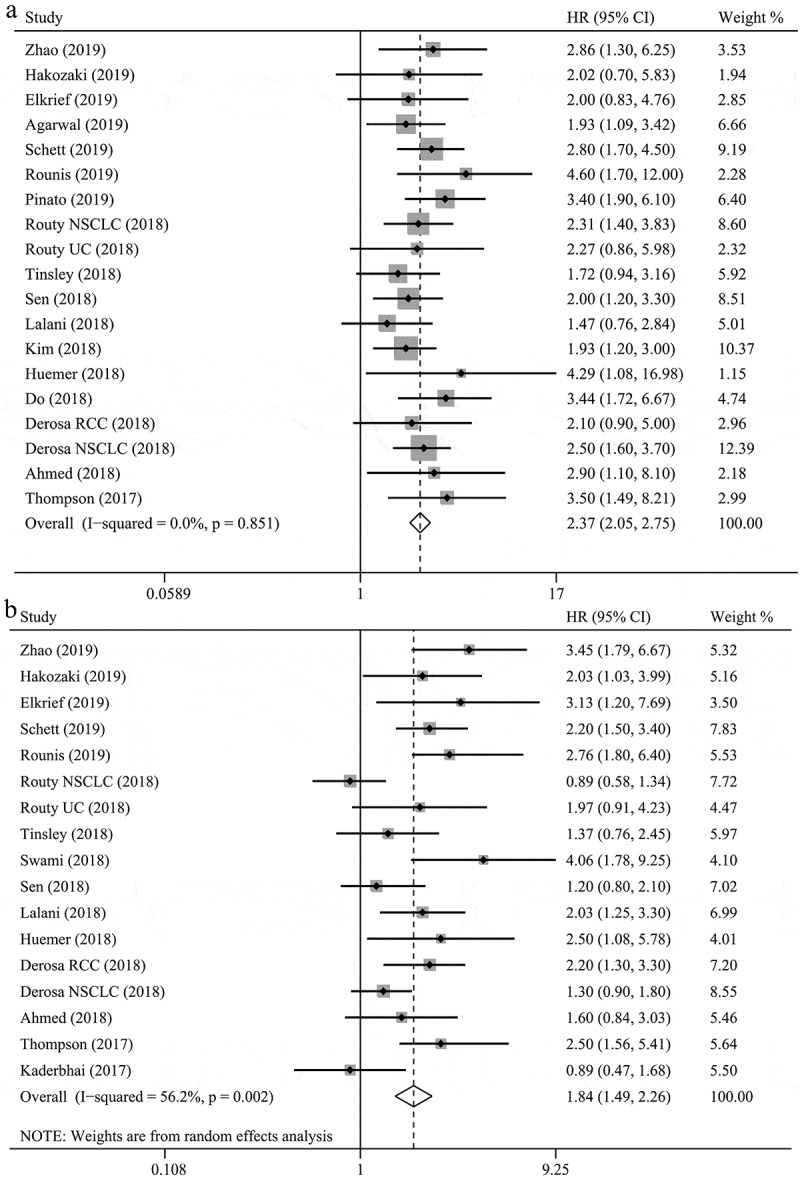
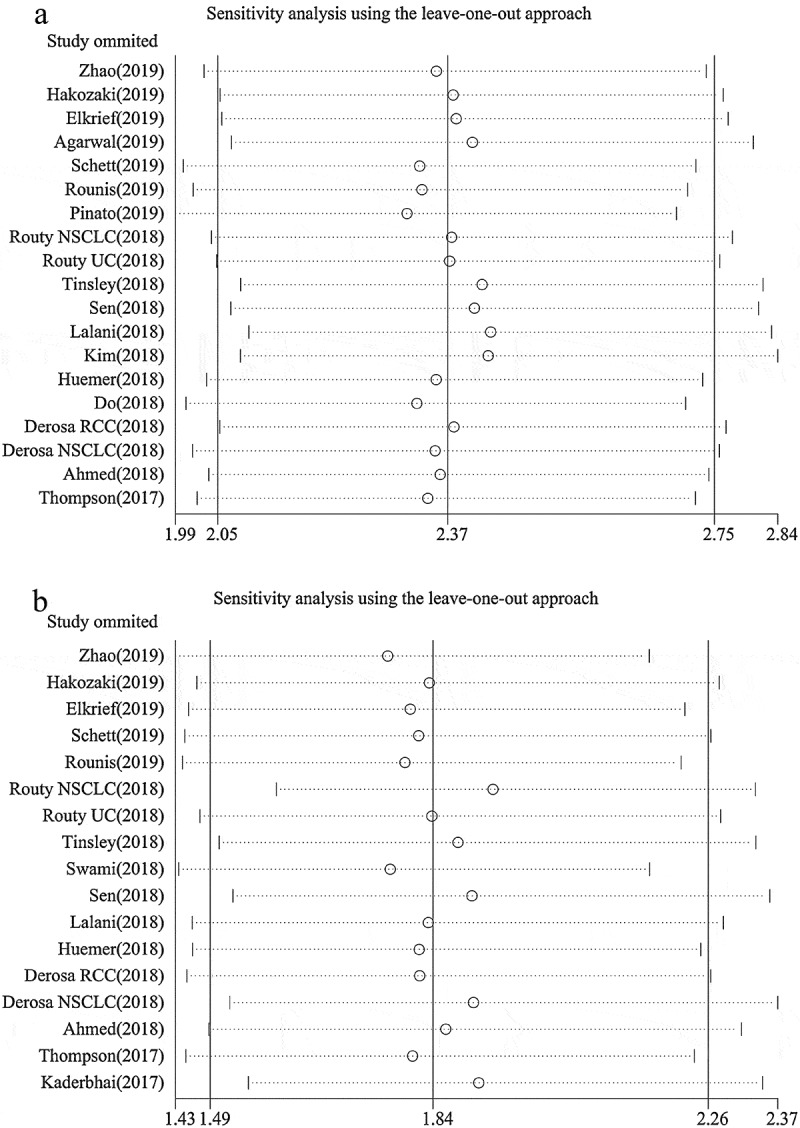
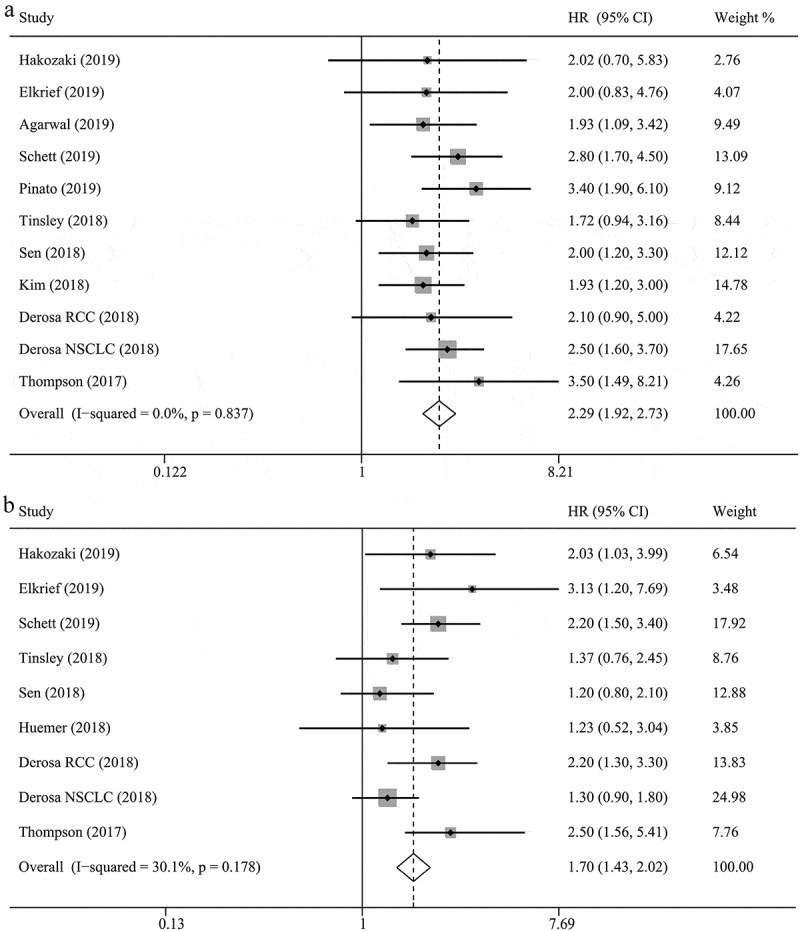
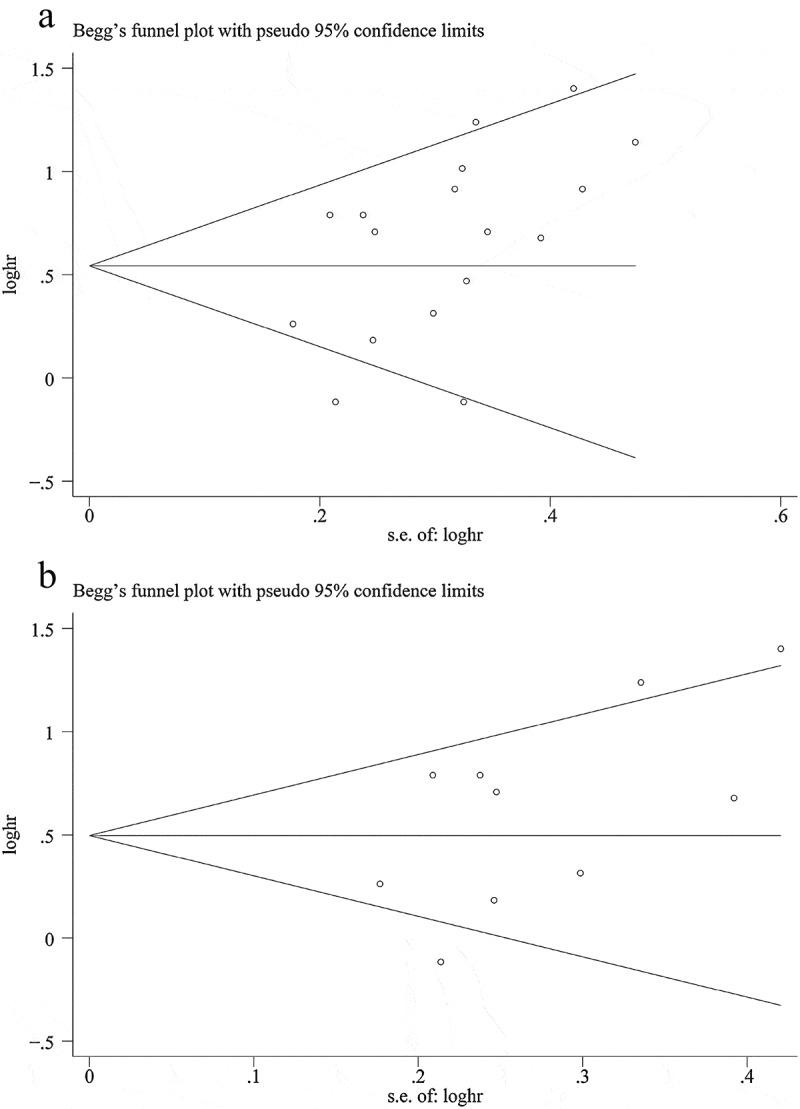
The gut microbiota plays a critical role in the anti-tumor immune response. There is increasing data showing that antibiotics (ATBs) change the composition of the gut microbiota and affect the efficacy of immune checkpoint inhibitors (ICIs). However, this is the first meta-analysis to evaluate the association between ATB use and ICI efficacy in cancer patients to provide a better understanding of the strength of this association. We performed a literature search for relevant studies that evaluated the relationship between ATB use and ICI efficacy using the PubMed, Embase, and conference databases. The primary outcomes consisted of overall survival (OS) and progression-free survival (PFS) measured by hazard ratios (HR) and corresponding 95% confidence intervals (CI). Subgroup and sensitivity analyses were also performed. A total of 19 eligible studies comprising 2,740 cancer patients treated with ICIs were included in the analysis. Our results indicated that ATB use was negatively associated with OS in cancer patients (HR = 2.37; 95% CI = 2.05–2.75; P < .001), without heterogeneity (I2 = 0.0%; P = .851). Moreover, ATB use significantly reduced PFS in patients treated with ICIs (HR = 1.84; 95% CI = 1.49–2.26; P < .001; I2 = 56.2%). Similar results were obtained in the subgroup analyses stratified by the time of ATB use and cancer type. Sensitivity analyses confirmed the stability of our results. Therefore, the findings of our meta-analysis indicated that ATB use is negatively associated with OS and PFS in cancer patients treated with ICI immunotherapy.
Overview
The claims and statistics of this paper haven’t been checked yet.
Run the check — free, no account needed. It reads the open-access text and checks the sources it cites.
Integrity signals
Registry
Cites
Statistics
Figures
Verification
Claims the paper makes
The claims and statistics of this paper haven’t been checked yet.
Run the check — free, no account needed. It reads the open-access text and checks the sources it cites.
Claims other papers make about this one
Each is checked against this paper’s own text: does it say what the citing paper says it does?
In the citing paper
“However, increasing clinical evidence suggests that systemic antibiotics abolish immune checkpoint blockade efficacy and decrease patient survival (133, 136, 137).”
From The microbiome and human cancer (2021) · cites this paper as [136]
Self-check
Percentages, sums and reported differences re-computed from the paper’s own numbers.
The self-check needs the paper’s full text.
Citations
Cites
Bias in meta-analysis detected by a simple, graphical test
Egger, M., Smith, G. D., Schneider, M., & Minder, C. (1997) · BMJ · doi:10.1136/bmj.315.7109.629 · Cited by 56,722 · cited 1×
“15).(38-40) To assess the bias risk of an individual study on the results and to investigate the stability and consistency of our results, sensitivity analyses were conducted to investigate whether a single study dominated the results by a leave-one-out approach (individually omitting each study).”
ResultOperating characteristics of a rank correlation test for publication bias
Begg, C. B., & Mazumdar, M. (1994) · Biometrics · doi:10.2307/2533446 · Cited by 16,955 · cited 1×
“15).(38-40) To assess the bias risk of an individual study on the results and to investigate the stability and consistency of our results, sensitivity analyses were conducted to investigate whether a single study dominated the results by a leave-one-out approach (individually omitting each study).”
ResultDuval, S., & Tweedie, R. (2000) · Biometrics · doi:10.1111/j.0006-341x.2000.00455.x · Cited by 14,099 · cited 1×
“15).(38-40) To assess the bias risk of an individual study on the results and to investigate the stability and consistency of our results, sensitivity analyses were conducted to investigate whether a single study dominated the results by a leave-one-out approach (individually omitting each study).”
ResultPD-1 blockade induces responses by inhibiting adaptive immune resistance
Tumeh, P. C., Harview, C. L., Yearley, J. H., Shintaku, I. P., Taylor, E. J. M., Robert, L., Chmielowski, B., Spasic, M., Henry, G., Ciobanu, V., et al. (2014) · Nature · doi:10.1038/nature13954 · Cited by 6,609 · cited 1×
“ICI immunotherapy has revolutionized cancer therapy for several solid tumors, and the anti-tumor response to ICIs is enhanced by inhibiting the PD-1 or CTLA-4 pathways and subsequently reactivating the host’s immune function.(30-32) Although the Table 1.”
BackgroundGut microbiome influences efficacy of PD-1-based immunotherapy against epithelial tumors
Routy, B., Le Chatelier, E., Derosa, L., Duong, C. P. M., Alou, M. T., Daillère, R., Fluckiger, A., Messaoudene, M., Rauber, C., Roberti, M. P., et al. (2018) · Science · doi:10.1126/science.aan3706 · Cited by 5,671 · cited 6×
“Furthermore, preclinical studies have reported that the gut microbiota is involved in the response to ICI immunotherapy.(9,10) Moreover, it has been is well-documented that antibiotics (ATBs) can alter the diversity and composition of the commensal gut microbiota.”
BackgroundResultInfluentialPrimary, Adaptive, and Acquired Resistance to Cancer Immunotherapy
Sharma, P., Hu-Lieskovan, S., Wargo, J. A., & Ribas, A. (2017) · Cell · doi:10.1016/j.cell.2017.01.017 · Cited by 5,588
Tumor-associated B7-H1 promotes T-cell apoptosis: A potential mechanism of immune evasion
Dong, H., Strome, S. E., Salomao, D. R., Tamura, H., Hirano, F., Flies, D. B., Roche, P. C., Lu, J., Zhu, G., Tamada, K., et al. (2002) · Nature Medicine · doi:10.1038/nm730 · Cited by 5,025 · cited 1×
“ICI immunotherapy has revolutionized cancer therapy for several solid tumors, and the anti-tumor response to ICIs is enhanced by inhibiting the PD-1 or CTLA-4 pathways and subsequently reactivating the host’s immune function.(30-32) Although the Table 1.”
BackgroundGut microbiome modulates response to anti-PD-1 immunotherapy in melanoma patients
Gopalakrishnan, V., Spencer, C. N., Nezi, L., Reuben, A., Andrews, M. C., Karpinets, T. V., Prieto, P. A., Vicente, D., Hoffman, K., Wei, S. C., et al. (2018) · Science · doi:10.1126/science.aan4236 · Cited by 4,812 · cited 1×
“, Ruminococcaceae family, Faecalibacterium, and Akkermansia muciniphila).(10,33) In addition, several studies have reported that the anti-tumor effects of ICIs were improved in germ-free or ATB-treated mice receiving a fecal microbiota transplantation from responders rather than non-responders, and a favorable gut mic…”
BackgroundInteractions Between the Microbiota and the Immune System
Hooper, L. V., Littman, D. R., & Macpherson, A. J. (2012) · Science · doi:10.1126/science.1223490 · Cited by 4,173 · cited 2×
“The negative association between ATB use and the clinical efficacy of ICI immunotherapy verified the results of previous studies reporting that the diversity and composition of the gut microbiota play a critical role in the immune response.(7,10) Indeed, Matson et al.”
BackgroundResultThe commensal microbiome is associated with anti-PD-1 efficacy in metastatic melanoma patients
Matson, V., Fessler, J., Bao, R., Chongsuwat, T., Zha, Y., Alegre, M.-L., Luke, J. J., & Gajewski, T. F. (2018) · Science · doi:10.1126/science.aao3290 · Cited by 3,107 · cited 4×
“In addition, several studies have reported that the anti-tumor effects of ICIs were improved in germ-free or ATB-treated mice receiving a fecal microbiota transplantation from responders rather than non-responders, and a favorable gut microbiota could enhance antigen presentation and T cell function associated with th…”
BackgroundInfluential
Cited by
Sorted by citations
Items 101–132 of 132
Qiao, T., & Zhu, Z. (2025) · Microorganisms · doi:10.3390/microorganisms13112595 · Cited by 5
“A meta-analysis encompassing 2740 patients receiving ICI therapy demonstrated that the use of antibiotics is significantly associated with reduced overall survival and progression-free survival across multiple cancer types [43].”
Microbiotoxicity: an under-recognised player in drug efficacy, toxicity, and health outcomes
Nascimento, S. S., Theodosiou, A. A., & Sergaki, C. (2025) · npj Antimicrobials and Resistance · doi:10.1038/s44259-025-00165-5 · Cited by 4
“Similarly, Huang et al. highlighted the importance of timing antibiotic administration on treatment ef fi cacy, as cancer patients who received antibiotics one month before ICI treatment had a higher hazard ratio than those receiving antibiotics two months before (HR = 2.23 versus 1.97) 20 .”
InfluentialYiu, C. H., Winardi, K., & Lu, C. Y. (2026) · Current Oncology Reports · doi:10.1007/s11912-026-01789-0 · Cited by 3
“Immune checkpoint inhibitors (ICIs) have transformed cancer therapy, producing durable responses across a range of malignancies [3].”
Farley, M. J., Scanlon, B., Crichton, M., Bigaran, A., Barnes, A., Hart, N. H., Yates, P. M., Eastgate, M. A., & Alexander, K. E. (2025) · Current Oncology Reports · doi:10.1007/s11912-025-01714-x · Cited by 2
“A recent meta-analysis reported progression-free and overall survival were negatively impacted by antibiotic use [65], suggesting that the disruption of the gut microbi-ota’s natural state negatively impacts anti-cancer immunity, interventions which incorporate comprehensive symptom assessment and…”
Acharya, M., Kim, T., & Li, C. (2021) · Cancers · doi:10.3390/cancers13174367 · Cited by 2
Bowel inflammation in cancer patients: the microbiome, antibiotics and interleukin-9
Halama, N. (2020) · British Journal of Cancer · doi:10.1038/s41416-020-01030-0 · Cited by 2
Tisman, G. (2023) · Digital Medicine and Healthcare Technology · doi:10.5772/dmht.14 · Cited by 1
Braun, A. E., Hesami, H., Deng, M., Hasler, J., Bukavina, L., Handorf, E. A., & Abbosh, P. H. (2026) · JCO Oncology Practice · doi:10.1200/op-25-00963 · Cited by 1
“11,21,22 However, the timing of pABT exposure may lead to a differential impact on oncologic outcomes due to partial recovery of the GM as demonstrated with worsened OS in patients with mRCC exposed to ABT 30 days before treatment initiation compared with 60 days.”
The influence of gut microbiota on immunotherapy for Colorectal Cancer
de Melo, F. F. (2023) · Gastrointestinal Tract · doi:10.54844/git.2023.421 · Cited by 1
Antibiotic use during radical surgery in stage I-III colorectal cancer: correlation with outcomes?
Xu, M., Chen, Y., Li, P., Ye, Q., Feng, S., & Yan, B. (2024) · BMC Cancer · doi:10.1186/s12885-024-12550-w · Cited by 1
“Previously, the majority of the studies indicated a negative impact of ATB use in patient survival [10, 11, 21–23]; however, in these studies, the “use” of ATBs was defined only as the use of ATBs before, during or after therapy [24, 25], less consideration was given to the duration or course of…”
BackgroundQuoi de neuf en recherche en 2020 ?
Pham‐Ledard, A. (2020) · Annales de Dermatologie et de Vénéréologie · doi:10.1016/s0151-9638(20)31103-0
Corps atypiques. Jeu : Revue de théâtre, no. 151, 2014
Cyr, C. (2014) · VST - Vie sociale et traitements
Immunotherapies and their moderation
Anisman, H., & Kusnecov, A. W. (2022) · Elsevier eBooks · doi:10.1016/b978-0-323-91904-3.00006-9
The human microbiome and the tumor microenvironment
Murphy, J. F. (2022) · Exploration of Immunology · doi:10.37349/ei.2022.00069
Microbiome as a therapeutic target
Moiseenko, F. V. (2022) · Practical oncology · doi:10.31917/2303160
Gut Microbiome and Immune Responses in Gastrointestinal Cancer
Laube, R., & Liu, K. (2023) · Springer eBooks · doi:10.1007/978-981-19-4492-5_11 · Cited by 1
Gut Microbiota Links With Disease
Ishiguro, E. E., Haskey, N., & Campbell, K. (2023) · Elsevier eBooks · doi:10.1016/b978-0-323-91387-4.00009-0
Lim, D. G., Lee, H. Y., Chung, H. S., Hwang, E. C., Jung, S. I., & Kwon, D. D. (2023) · Urogenital Tract Infection · doi:10.14777/uti.2023.18.3.75
The Role of the Microbiome in Immune Response
Conrad, M. A., Sullivan, K. E., & Kelsen, J. R. (2024) · doi:10.1002/9781119824572.ch27
A Canadian algorithm for upper gastrointestinal cancer management
Lemay, F., Sandhu, A., Stein, B. D., & Goodwin, R. A. (2025) · Frontiers in Oncology · doi:10.3389/fonc.2025.1548637
Antimicrobial Stewardship in der Onkologie
Brueder, N., Mellinghoff, S. C., Tahiri, N., Mertins, S., Stemler, J., & Schalk, E. (2025) · Die Onkologie · doi:10.1007/s00761-025-01792-3
Antibiotic Stewardship in der Hämatologie und Onkologie
Schalk, E., Vehreschild, J. J., Teschner, D., Schwanz, T., & Schmidt‐Hieber, M. (2025) · best practice onkologie · doi:10.1007/s11654-025-00699-0
A new paradigm for treating lung cancer by targeting the intratumoral microbiome
Wei, W. (2026) · Acta Pharmaceutica Sinica B · doi:10.1016/j.apsb.2026.01.011
“However, these approaches often lack specificity, risk harming commensal flora, and may disrupt systemic microbial balance 12 .”
Sahm, S. W., Neumann, U. P., Zahn, M., Schwittay, M., Maintz, C., Goehler, T., Rubanov, O., Hering-Schubert, C., Janssen, J., Stenzel, K. G., et al. (2026) · BMC Cancer · doi:10.1186/s12885-026-15753-5
“…date, death was imputed associated with alterations in the bacterial composition of the gut microbiota, the use of antibiotics can lead to changes in the diversity and composition of the commensal gut microbiota, which may negatively impact the therapeutic response beyond tumor genomics [44, 45].”
Etude du microbiote urinaire et cancer de la vessie
Yacouba, A. (2022) · theses.fr (ABES) · doi:10.70675/341a3bb8z12c2z4184z8125zc97204dff5fb
Wiest, I. C., Dreikhausen, L., Keller, R., Marin-Galiano, M., Albiges, L. K., Meran, J. G., Leucht, K., Rieken, S., Esteban, E., Zengerling, F., et al. (2026) · British Journal of Cancer · doi:10.1038/s41416-026-03428-8
Antibiotic Timing and Survival After Immune Checkpoint Inhibitor Initiation in Patients With CancerPreprint
Zhang, K., John, D., Li, W. T., Hogarth, M., McKay, R. R., & Ongkeko, W. M. (2026) · medRxiv · doi:10.64898/2026.05.27.26354193
Hasegawa, S., Wada, H., Takada, R., Kubo, M., Umezu, M., Nagata, S., Honma, K., Fukuda, Y., Komatsu, H., Gotoh, K., et al. (2026) · Hepatology Research · doi:10.1111/hepr.70210
Rachofsky, C., Liu, M. H., D’Aiello, A., Halmos, B., McLellan, B. N., & Deutsch, A. (2026) · Journal of the American Academy of Dermatology · doi:10.1016/j.jaad.2026.06.046
Joo, M.-K., Tak, J., Ha, S., Yoon, K., Namgoong, J., & Kim, H. O. (2026) · Frontiers in Microbiology · doi:10.3389/fmicb.2026.1835588
Sheng, Z., Zhu, J., Sun, J., Zeng, S., Ding, J., & Zhang, Z. (2026) · Frontiers in Cellular and Infection Microbiology · doi:10.3389/fcimb.2026.1890640
Self-citationCancer pharmacomicrobiomics: Targeting microbiota to optimize cancer therapy outcomes
Punuri, S. V., Dagar, W., Vodnala, S., Bhyan, B., & Jangra, S. (2026) · Elsevier eBooks · doi:10.1016/b978-0-443-33206-7.00011-x
Metadata
- Authors
- Huang, X.-Z., Gao, P., Song, Y.-X., Xu, Y., Sun, J.-X., Chen, X.-W., Zhao, J.-H., & Wang, Z.-N.
- Affiliations
- Department of Surgical Oncology and General Surgery, Key Laboratory of Precision Diagnosis and Treatment of Gastrointestinal Tumors, Ministry of Education, The First Affiliated Hospital of China Medical University
- First Hospital of China Medical University (CN)
- Corresponding author
- Wang, Zhen-Ning
- ORCID
- Gao, Peng
- Venue
- OncoImmunology
- Publisher
- Informa UK Limited
- Published
- 2019-09-23
- Volume
- 8
- Issue
- 12
- Pages
- e1665973-e1665973
- ISSN
- 2162-4011 (ISSN-L)
- 2162-402X
- PMC
- PMC6844307
- OpenAlex
- W2976586374
- Cited by
- 132
- References
- 46
- Citations by year
- 2026: 14 · 2025: 14 · 2024: 9 · 2023: 24 · 2022: 24 · 2021: 22 · 2020: 23 · 2019: 1
- FWCI
- 7.31
- Type
- journal article
- Language
- en
- Open access
- gold
- doi.org
- Licence
- Locations
- OncoImmunology (publishedVersion, cc-by-nc-nd)
- Europe PMC (PubMed Central) (publishedVersion, cc-by-nc-nd)
- PubMed Central (publishedVersion, cc-by-nc-nd)
- PubMed (publishedVersion)
- DOAJ (DOAJ: Directory of Open Access Journals) (submittedVersion, cc-by-sa)
- Funders
- China Medical University
- Topics
- Health Sciences › Medicine › Oncology › Cancer Immunotherapy and Biomarkers
- Life Sciences › Biochemistry, Genetics and Molecular Biology › Molecular Biology › Gut microbiota and health
- Health Sciences › Medicine › Infectious Diseases › Antibiotic Use and Resistance
- Keywords
- antibiotic use, immune checkpoint inhibitors, gut microbiota, cancer immunotherapy, overall survival, progression-free survival, antitumor immunity
About these checks
Registry, retraction, Cites and statistics results are computed, not judged, with one exception: a printed reference that no index lists is read once by a model before it counts as a citation error. Claims are extracted by a model and kept only when their quote appears verbatim in the text; each cited source is then checked, with a model’s help, for whether it says what the claim relies on. Those verdicts can be wrong — read the claim’s quote and the cited source before relying on one.
Statistics and arithmetic are recomputed, not judged.
Confidence bands are shown only for fields calibrated on our annotated test set. None is calibrated yet, so no band is shown.
What counts as a claim ›How we measure confidence ›How we check this ›
Are you an author, or do you see a problem with this page? Request a review
