

The DOI matches its Crossref record; 46 of the 46 references it cites were found in a registry or an index.
Antibiotic use and the efficacy of immune checkpoint inhibitors in cancer patients: a pooled analysis of 2740 cancer patients
Open accessAbstract
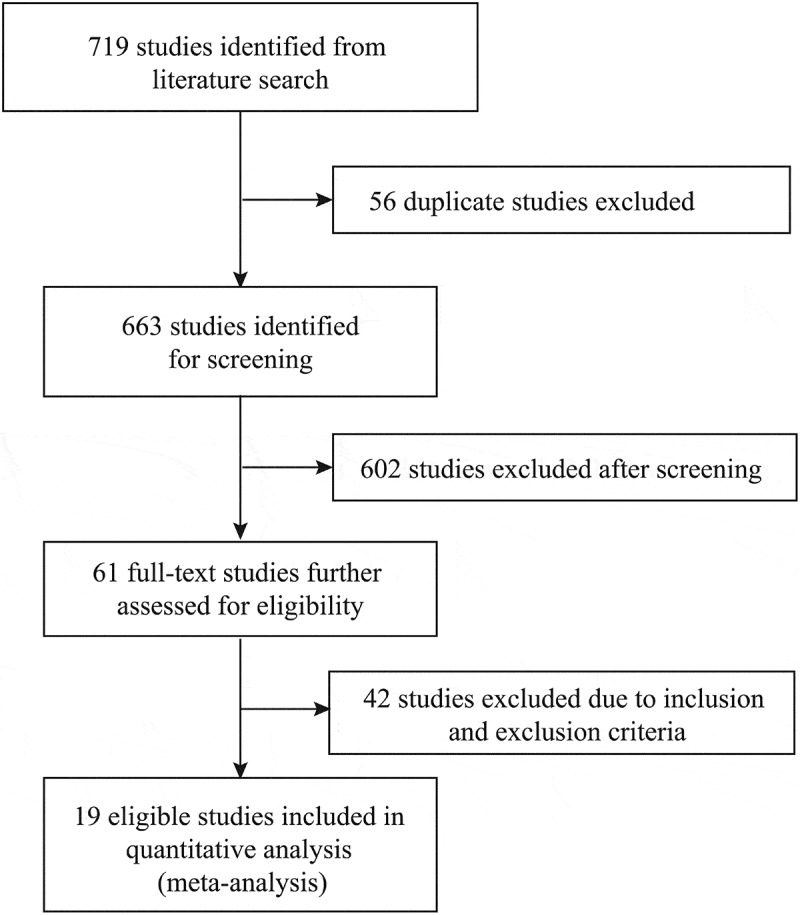
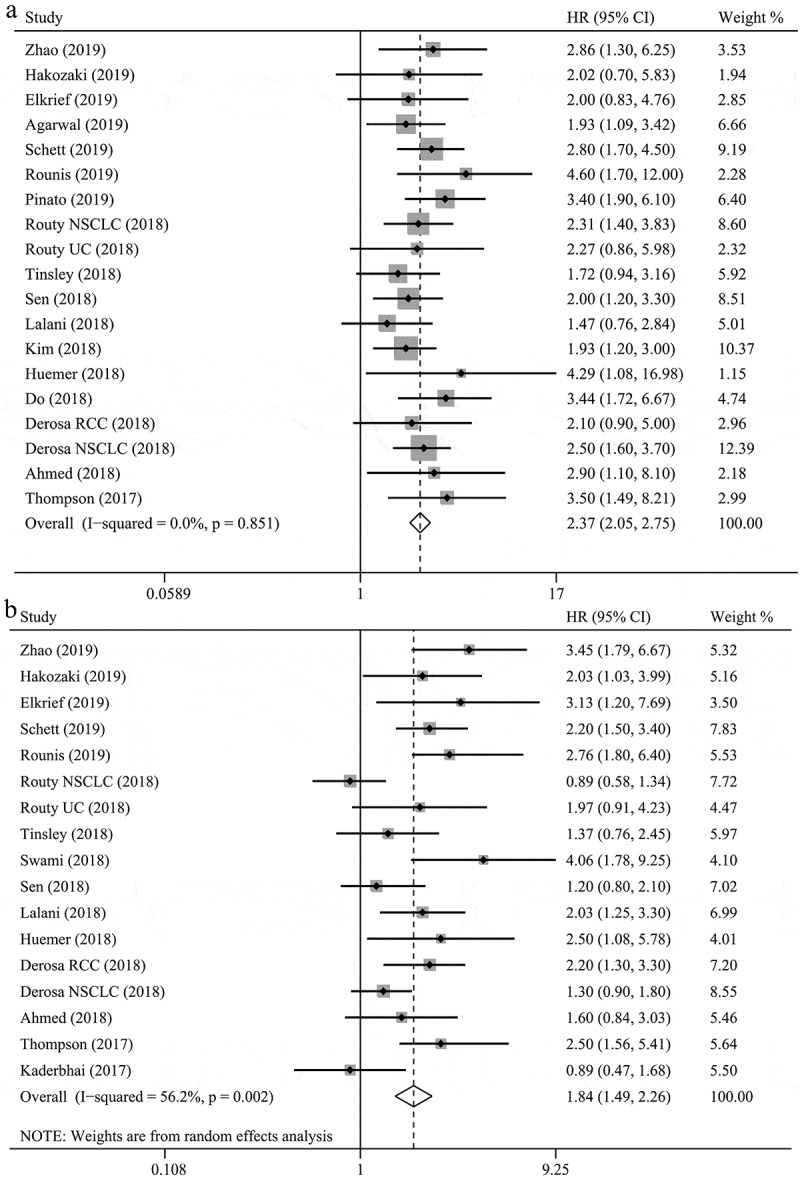
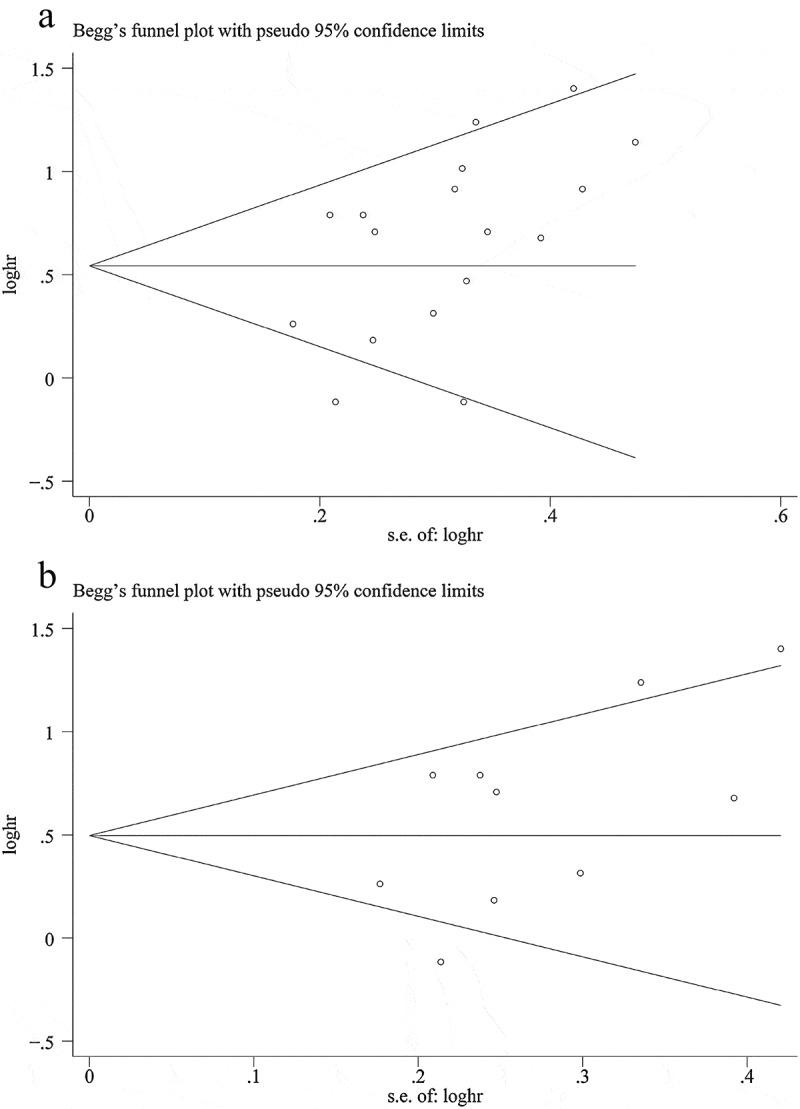
The gut microbiota plays a critical role in the anti-tumor immune response. There is increasing data showing that antibiotics (ATBs) change the composition of the gut microbiota and affect the efficacy of immune checkpoint inhibitors (ICIs). However, this is the first meta-analysis to evaluate the association between ATB use and ICI efficacy in cancer patients to provide a better understanding of the strength of this association. We performed a literature search for relevant studies that evaluated the relationship between ATB use and ICI efficacy using the PubMed, Embase, and conference databases. The primary outcomes consisted of overall survival (OS) and progression-free survival (PFS) measured by hazard ratios (HR) and corresponding 95% confidence intervals (CI). Subgroup and sensitivity analyses were also performed. A total of 19 eligible studies comprising 2,740 cancer patients treated with ICIs were included in the analysis. Our results indicated that ATB use was negatively associated with OS in cancer patients (HR = 2.37; 95% CI = 2.05–2.75; P < .001), without heterogeneity (I2 = 0.0%; P = .851). Moreover, ATB use significantly reduced PFS in patients treated with ICIs (HR = 1.84; 95% CI = 1.49–2.26; P < .001; I2 = 56.2%). Similar results were obtained in the subgroup analyses stratified by the time of ATB use and cancer type. Sensitivity analyses confirmed the stability of our results. Therefore, the findings of our meta-analysis indicated that ATB use is negatively associated with OS and PFS in cancer patients treated with ICI immunotherapy.
Overview
The claims and statistics of this paper haven’t been checked yet.
Run the check — free, no account needed. It reads the open-access text and checks the sources it cites.
Integrity signals
Registry
Cites
Statistics
Figures
Verification
Claims the paper makes
The claims and statistics of this paper haven’t been checked yet.
Run the check — free, no account needed. It reads the open-access text and checks the sources it cites.
Claims other papers make about this one
Each is checked against this paper’s own text: does it say what the citing paper says it does?
The source backs part of the claim, not all of it — or backs it for a different population, condition or comparison.
In the citing paper
“However, increasing clinical evidence suggests that systemic antibiotics abolish immune checkpoint blockade efficacy and decrease patient survival (133, 136, 137).”
From The microbiome and human cancer (2021) · cites this paper as [136]
Experimental — accuracy not yet measured
Self-check
Percentages, sums and reported differences re-computed from the paper’s own numbers.
The self-check needs the paper’s full text.
Citations
Cites
Bias in meta-analysis detected by a simple, graphical test
Egger, M., Smith, G. D., Schneider, M., & Minder, C. (1997) · BMJ · doi:10.1136/bmj.315.7109.629 · Cited by 56,722 · cited 1×
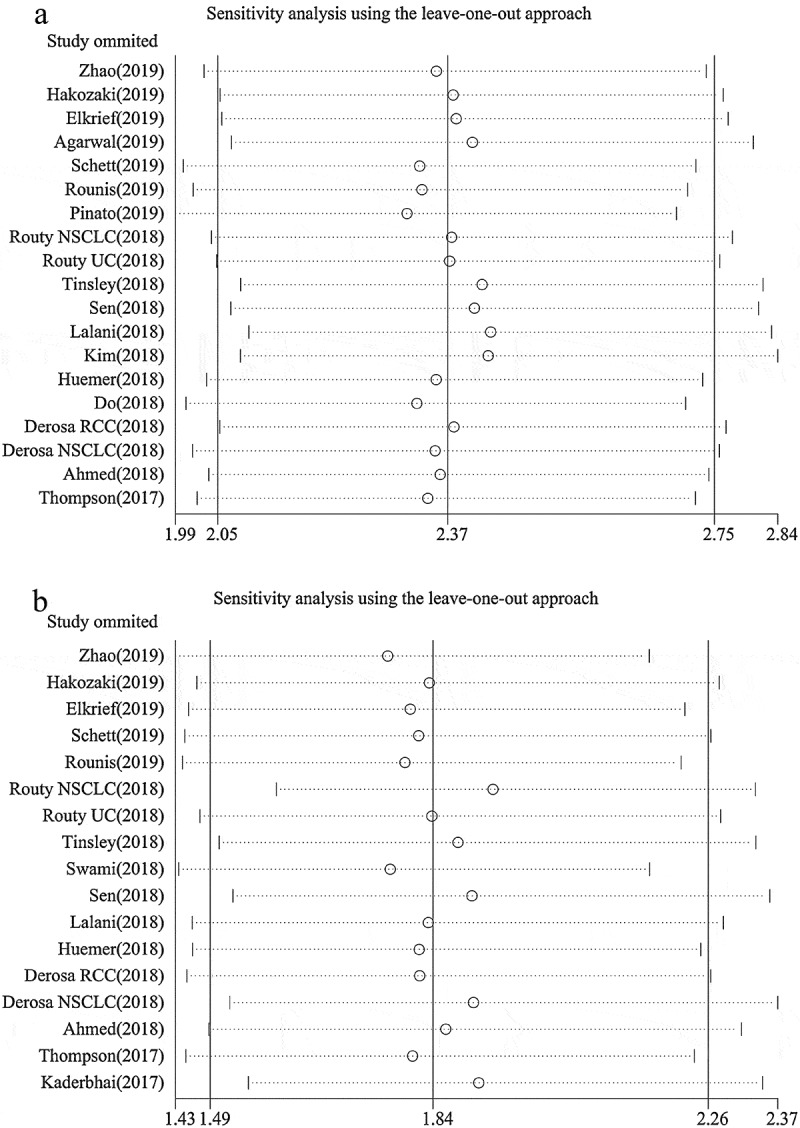
“15).(38-40) To assess the bias risk of an individual study on the results and to investigate the stability and consistency of our results, sensitivity analyses were conducted to investigate whether a single study dominated the results by a leave-one-out approach (individually omitting each study).”
ResultOperating characteristics of a rank correlation test for publication bias
Begg, C. B., & Mazumdar, M. (1994) · Biometrics · doi:10.2307/2533446 · Cited by 16,955 · cited 1×
“15).(38-40) To assess the bias risk of an individual study on the results and to investigate the stability and consistency of our results, sensitivity analyses were conducted to investigate whether a single study dominated the results by a leave-one-out approach (individually omitting each study).”
ResultDuval, S., & Tweedie, R. (2000) · Biometrics · doi:10.1111/j.0006-341x.2000.00455.x · Cited by 14,099 · cited 1×
“15).(38-40) To assess the bias risk of an individual study on the results and to investigate the stability and consistency of our results, sensitivity analyses were conducted to investigate whether a single study dominated the results by a leave-one-out approach (individually omitting each study).”
ResultPD-1 blockade induces responses by inhibiting adaptive immune resistance
Tumeh, P. C., Harview, C. L., Yearley, J. H., Shintaku, I. P., Taylor, E. J. M., Robert, L., Chmielowski, B., Spasic, M., Henry, G., Ciobanu, V., et al. (2014) · Nature · doi:10.1038/nature13954 · Cited by 6,609 · cited 1×
“ICI immunotherapy has revolutionized cancer therapy for several solid tumors, and the anti-tumor response to ICIs is enhanced by inhibiting the PD-1 or CTLA-4 pathways and subsequently reactivating the host’s immune function.(30-32) Although the Table 1.”
BackgroundGut microbiome influences efficacy of PD-1-based immunotherapy against epithelial tumors
Routy, B., Le Chatelier, E., Derosa, L., Duong, C. P. M., Alou, M. T., Daillère, R., Fluckiger, A., Messaoudene, M., Rauber, C., Roberti, M. P., et al. (2018) · Science · doi:10.1126/science.aan3706 · Cited by 5,671 · cited 6×
“Furthermore, preclinical studies have reported that the gut microbiota is involved in the response to ICI immunotherapy.(9,10) Moreover, it has been is well-documented that antibiotics (ATBs) can alter the diversity and composition of the commensal gut microbiota.”
BackgroundResultInfluentialPrimary, Adaptive, and Acquired Resistance to Cancer Immunotherapy
Sharma, P., Hu-Lieskovan, S., Wargo, J. A., & Ribas, A. (2017) · Cell · doi:10.1016/j.cell.2017.01.017 · Cited by 5,588
Tumor-associated B7-H1 promotes T-cell apoptosis: A potential mechanism of immune evasion
Dong, H., Strome, S. E., Salomao, D. R., Tamura, H., Hirano, F., Flies, D. B., Roche, P. C., Lu, J., Zhu, G., Tamada, K., et al. (2002) · Nature Medicine · doi:10.1038/nm730 · Cited by 5,025 · cited 1×
“ICI immunotherapy has revolutionized cancer therapy for several solid tumors, and the anti-tumor response to ICIs is enhanced by inhibiting the PD-1 or CTLA-4 pathways and subsequently reactivating the host’s immune function.(30-32) Although the Table 1.”
BackgroundGut microbiome modulates response to anti-PD-1 immunotherapy in melanoma patients
Gopalakrishnan, V., Spencer, C. N., Nezi, L., Reuben, A., Andrews, M. C., Karpinets, T. V., Prieto, P. A., Vicente, D., Hoffman, K., Wei, S. C., et al. (2018) · Science · doi:10.1126/science.aan4236 · Cited by 4,812 · cited 1×
“, Ruminococcaceae family, Faecalibacterium, and Akkermansia muciniphila).(10,33) In addition, several studies have reported that the anti-tumor effects of ICIs were improved in germ-free or ATB-treated mice receiving a fecal microbiota transplantation from responders rather than non-responders, and a favorable gut mic…”
BackgroundInteractions Between the Microbiota and the Immune System
Hooper, L. V., Littman, D. R., & Macpherson, A. J. (2012) · Science · doi:10.1126/science.1223490 · Cited by 4,173 · cited 2×
“The negative association between ATB use and the clinical efficacy of ICI immunotherapy verified the results of previous studies reporting that the diversity and composition of the gut microbiota play a critical role in the immune response.(7,10) Indeed, Matson et al.”
BackgroundResultThe commensal microbiome is associated with anti-PD-1 efficacy in metastatic melanoma patients
Matson, V., Fessler, J., Bao, R., Chongsuwat, T., Zha, Y., Alegre, M.-L., Luke, J. J., & Gajewski, T. F. (2018) · Science · doi:10.1126/science.aao3290 · Cited by 3,107 · cited 4×
“In addition, several studies have reported that the anti-tumor effects of ICIs were improved in germ-free or ATB-treated mice receiving a fecal microbiota transplantation from responders rather than non-responders, and a favorable gut microbiota could enhance antigen presentation and T cell function associated with th…”
BackgroundInfluentialDethlefsen, L., Huse, S., Sogin, M. L., & Relman, D. A. (2008) · PLoS Biology · doi:10.1371/journal.pbio.0060280 · Cited by 2,361 · cited 1×
“This definition may be imprecise because the recovery time can differ greatly depending on the duration, route, and type of ATB used.(34,35) Among the included studies, Derosa et al.”
BackgroundJakobsson, H. E., Jernberg, C., Andersson, A. F., Sjölund-Karlsson, M., Jansson, J. K., & Engstrand, L. (2010) · PLoS ONE · doi:10.1371/journal.pone.0009836 · Cited by 1,160 · cited 1×
“This definition may be imprecise because the recovery time can differ greatly depending on the duration, route, and type of ATB used.(34,35) Among the included studies, Derosa et al.”
BackgroundDerosa, L., Hellmann, M. D., Spaziano, M., Halpenny, D., Fidelle, M., Rizvi, H., Long, N., Plodkowski, A. J., Arbour, K. C., Chaft, J. E., et al. (2018) · Annals of Oncology · doi:10.1093/annonc/mdy103 · Cited by 908 · cited 2×
“Finally, 19 studies were included in our quantitative analysis (Figure 1).(10,12-29)”
BackgroundPanic, N., Leoncini, E., de Belvis, G., Ricciardi, W., & Boccia, S. (2013) · PLoS ONE · doi:10.1371/journal.pone.0083138 · Cited by 883 · cited 1×
“This meta-analysis was performed in accordance with the Preferred Reporting Items for Systematic Reviews and Metaanalyses (PRISMA) statement (Supplementary File 1).(36) The primary outcome was OS and secondary outcome was PFS, and the association between ATB use and ICI efficacy was measured by HR with the correspondi…”
MethodBiomarkers for predicting efficacy of PD-1/PD-L1 inhibitors
Yi, M., Jiao, D., Xu, H., Liu, Q., Zhao, W., Han, X., & Wu, K. (2018) · Molecular Cancer · doi:10.1186/s12943-018-0864-3 · Cited by 764 · cited 1×
“, PD-L1 expression, tumor mutational burden, tumor infiltrating lymphocytes, mismatch repair deficiency, and high microsatellite instability); however, the predictive precision of such potential biomarkers remains limited.(5,6) Thus, it is critical to explore reliable predictors to improve the clinical response to ICI…”
BackgroundSchmidt, F. L., Oh, I., & Hayes, T. L. (2008) · British Journal of Mathematical and Statistical Psychology · doi:10.1348/000711007x255327 · Cited by 729 · cited 1×
“A random effect model was used to pool the HRs if the heterogeneity was significant; otherwise, a fixed effects model was used.(37) Begg’s and Egger’s tests were used to evaluate publication bias, and a trim-and-fill analysis was performed to evaluate the effect of potential publication bias on an outcome if the p val…”
MethodIntestinal microbiome is related to lifetime antibiotic use in Finnish pre-school children
Korpela, K., Salonen, A., Virta, L. J., Kekkonen, R. A., Forslund, K., Bork, P., & de Vos, W. M. (2016) · Nature Communications · doi:10.1038/ncomms10410 · Cited by 698 · cited 1×
“Moreover, it has been is well-documented that antibiotics (ATBs) can alter the diversity and composition of the commensal gut microbiota.(11) Thus, researchers hypothesize that dysbiosis of the gut microbiota caused by ATBs may be associated with resistance to ICI immunotherapy and have a negative impact on the effica…”
BackgroundDevelopment of immuno-oncology drugs — from CTLA4 to PD1 to the next generations
Hoos, A. (2016) · Nature Reviews Drug Discovery · doi:10.1038/nrd.2015.35 · Cited by 601
Intestinal Commensal Microbes as Immune Modulators
Ivanov, I. I., & Honda, K. (2012) · Cell Host & Microbe · doi:10.1016/j.chom.2012.09.009 · Cited by 437 · cited 1×
“Evidence has shown that a balanced gut microbiota is an important regulator of the systemic immune system.(7,8) Furthermore, preclinical studies have reported that the gut microbiota is involved in the response to ICI immunotherapy.”
BackgroundTumor mutational burden is a determinant of immune-mediated survival in breast cancer
Thomas, A., Routh, E. D., Pullikuth, A., Jin, G., Su, J., Chou, J. W., Hoadley, K. A., Print, C. G., Knowlton, N. S., Black, M. A., et al. (2018) · OncoImmunology · doi:10.1080/2162402x.2018.1490854 · Cited by 266
Cancer immunotherapy beyond immune checkpoint inhibitors
Marin-Acevedo, J. A., Soyano, A. E., Dholaria, B., Knutson, K. L., & Lou, Y. (2018) · Journal of Hematology & Oncology · doi:10.1186/s13045-017-0552-6 · Cited by 222 · cited 1×
“Immune checkpoint inhibitors (ICIs) that target programmed cell death-1 (PD-1), programmed cell death-ligand 1 (PD-L1), and cytotoxic T lymphocyte-associated antigen 4 (CTLA-4), have altered the therapeutic landscape and have become an attractive treatment strategy in several malignancies due to their high efficacy an…”
BackgroundElkrief, A., El Raichani, L., Richard, C., Messaoudene, M., Belkaid, W., Malo, J., Belanger, K., Miller, W., Jamal, R., Letarte, N., et al. (2019) · OncoImmunology · doi:10.1080/2162402x.2019.1568812 · Cited by 208
Tinsley, N., Zhou, C., Tan, G., Rack, S., Lorigan, P., Blackhall, F., Krebs, M., Carter, L., Thistlethwaite, F., Graham, D., et al. (2020) · The Oncologist · doi:10.1634/theoncologist.2019-0160 · Cited by 201
Predictive biomarkers of response for immune checkpoint inhibitors in non–small-cell lung cancer
Prelaj, A., Tay, R. Y., Ferrara, R., Chaput, N., Besse, B., & Califano, R. (2018) · European Journal of Cancer · doi:10.1016/j.ejca.2018.11.002 · Cited by 197 · cited 1×
“, PD-L1 expression, tumor mutational burden, tumor infiltrating lymphocytes, mismatch repair deficiency, and high microsatellite instability); however, the predictive precision of such potential biomarkers remains limited.(5,6) Thus, it is critical to explore reliable predictors to improve the clinical response to ICI…”
BackgroundAhmed, J., Kumar, A., Parikh, K., Anwar, A., Knoll, B. M., Puccio, C. A., Chun, H. G., Fanucchi, M. P., & Lim, S. H. (2018) · OncoImmunology · doi:10.1080/2162402x.2018.1507670 · Cited by 177 · cited 1×
“Finally, 19 studies were included in our quantitative analysis (Figure 1).(10,12-29)”
Zhao, S., Gao, G., Li, W., Li, X., Zhao, C., Jiang, T., Jia, Y., He, Y., Li, A., Su, C., et al. (2019) · Lung Cancer · doi:10.1016/j.lungcan.2019.01.017 · Cited by 164 · cited 1×
“Finally, 19 studies were included in our quantitative analysis (Figure 1).(10,12-29)”
Self-citationYu, H., Batenchuk, C., Badzio, A., Boyle, T. A., Czapiewski, P., Chan, D. C. F., Lu, X. J. D., Gao, D., Ellison, K. E., Kowalewski, A. A., et al. (2016) · Journal of Thoracic Oncology · doi:10.1016/j.jtho.2016.09.002 · Cited by 135
Impact of prior antibiotic use on the efficacy of nivolumab for non‑small cell lung cancer
Hakozaki, T., Okuma, Y., Omori, M., & Hosomi, Y. (2019) · Oncology Letters · doi:10.3892/ol.2019.9899 · Cited by 117 · cited 1×
“Finally, 19 studies were included in our quantitative analysis (Figure 1).(10,12-29)”
A Microtubule Interactome: Complexes with Roles in Cell Cycle and Mitosis
Hughes, J. R., Meireles, A. M., Fisher, K. H., García, Á. G., Antrobus, R., Wainman, A., Zitzmann, N., Deane, C. M., Ohkura, H., & Wakefield, J. G. (2008) · PLoS Biology · doi:10.1371/journal.pbio.0060098 · Cited by 110
Antibiotic Use Does Not Appear to Influence Response to Nivolumab
Kaderbhaï, C., Richard, C., Fumet, J.-D., Aarnink, A., FOUCHER, P., Coudert, B. P., Favier, L., Lagrange, A., Limagne, E., Boidot, R., et al. (2017) · Anticancer Research · doi:10.21873/anticanres.11680 · Cited by 110 · cited 5×
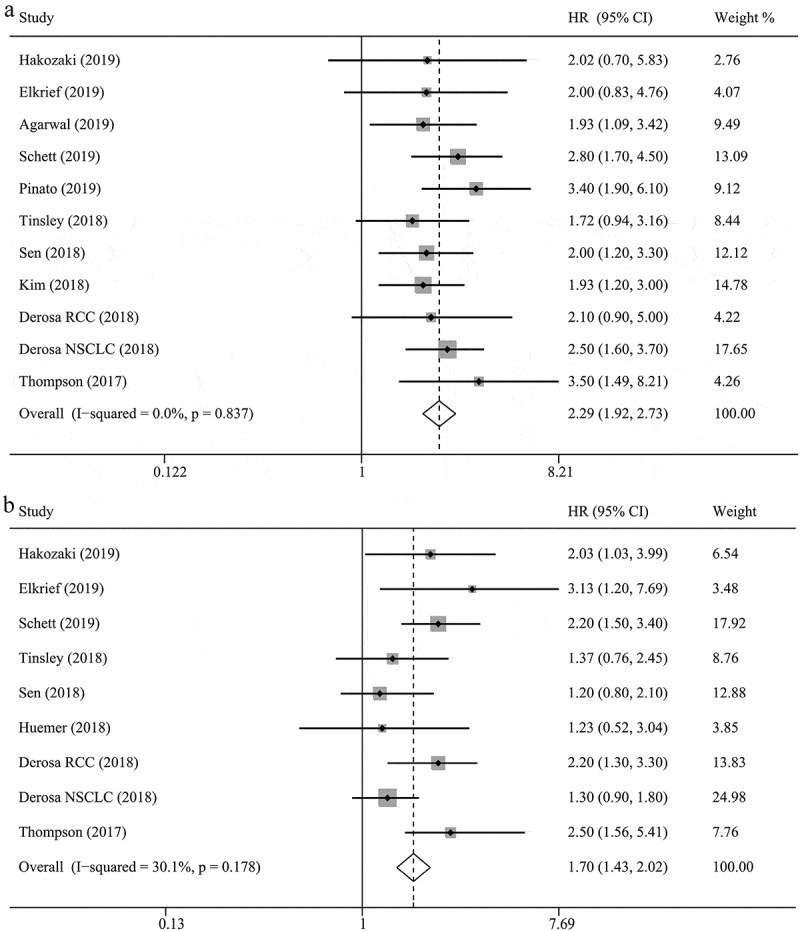
“Indeed, our subgroup analyses also indicated that the HR for ATB use within 1 month before ICI was greater than that within 2 months before ICI.”
BackgroundInfluentialKnox, J. J., Barrios, C. H., Kim, T. M., Cosgriff, T. M., Srimuninnimit, V., Pittman, K. B., Sabbatini, R., Rha, S. Y., Flaig, T. W., Page, R. D., et al. (2017) · Annals of Oncology · doi:10.1093/annonc/mdx075 · Cited by 107
Huemer, F., Rinnerthaler, G., Westphal, T., Hackl, H., Hutarew, G., Gampenrieder, S. P., Weiß, L., & Greil, R. (2018) · Oncotarget · doi:10.18632/oncotarget.24751 · Cited by 89 · cited 2×
“Finally, 19 studies were included in our quantitative analysis (Figure 1).(10,12-29)”
ResultSen, S., Pestana, R. C., Hess, K. R., Viola, G. M., & Subbiah, V. (2018) · Annals of Oncology · doi:10.1093/annonc/mdy453 · Cited by 65 · cited 2×
“Of the eligible studies, eight studies were complete cohort studies(10,12,16,17,24,26,27,29) and 11 studies provided only an abstract.(13-15,18-23,25,28) The main characteristics of the included studies are listed in Table 1.”
BackgroundImmune checkpoint inhibitors in older adults
Elias, R., Morales, J., Rehman, Y., & Khurshid, H. (2016) · Current Oncology Reports · doi:10.1007/s11912-016-0534-9 · Cited by 59 · cited 1×
“Immune checkpoint inhibitors (ICIs) that target programmed cell death-1 (PD-1), programmed cell death-ligand 1 (PD-L1), and cytotoxic T lymphocyte-associated antigen 4 (CTLA-4), have altered the therapeutic landscape and have become an attractive treatment strategy in several malignancies due to their high efficacy an…”
BackgroundMechanisms of Primary and Secondary Resistance to Immune Checkpoint Inhibitors in Cancer
Seto, T., Sam, D. L., & Pan, M. (2019) · Medical Sciences · doi:10.3390/medsci7020014 · Cited by 52 · cited 1×
“However, in clinical practice, the clinical efficacy of ICIs is highly variable among cancer patients, and a considerable proportion of patients still progress with disease or relapse due to ICI resistance and limited efficacy.(3,4) Recently, researchers have sought to identify prognostic and predictive biomarkers ass…”
BackgroundKnox, J. J., Barrios, C. H., Kim, T. M., Cosgriff, T. M., Srimuninnimit, V., Pittman, K. B., Sabbatini, R., Rha, S. Y., Flaig, T. W., Page, R. D., et al. (2018) · Annals of Oncology · doi:10.1093/annonc/mdx807 · Cited by 27
Tinsley, N., Zhou, C., Villa, S., Tan, G., Lorigan, P. C., Blackhall, F. H., Elliott, T., Krebs, M., Carter, L., Thistlethwaite, F. C., et al. (2018) · Journal of Clinical Oncology · doi:10.1200/jco.2018.36.15_suppl.3010 · Cited by 26 · cited 3×
“A total of 14 studies used anti-PD-1/PD-L1 inhibitors,(10,12,13,15,16,18,20,22-25,27-29) three studies used anti-PD-1/PD-L1 inhibitors and/or anti-CTLA-4 inhibitors,(17,21,26) and two studies did not report the type of ICI drug.(14,19) Of the eligible studies, eight studies were complete cohort studies(10,12,16,17,24,…”
BackgroundThompson, J., Szabó, A., Arce-Lara, C. E., & Menon, S. (2017) · Journal of Thoracic Oncology · doi:10.1016/j.jtho.2017.09.926 · Cited by 23 · cited 2×
“Of the eligible studies, eight studies were complete cohort studies(10,12,16,17,24,26,27,29) and 11 studies provided only an abstract.(13-15,18-23,25,28) The main characteristics of the included studies are listed in Table 1.”
BackgroundAntibiotic use and overall survival in lung cancer patients receiving nivolumab.
Do, T. P., Hegde, A. M., Cherry, C. R., Stroud, C. R. G., Sharma, N. J., Cherukuri, S. D., Bowling, M., & Walker, P. R. (2018) · Journal of Clinical Oncology · doi:10.1200/jco.2018.36.15_suppl.e15109 · Cited by 22 · cited 2×
“Of the eligible studies, eight studies were complete cohort studies(10,12,16,17,24,26,27,29) and 11 studies provided only an abstract.(13-15,18-23,25,28) The main characteristics of the included studies are listed in Table 1.”
BackgroundAntibiotic use and outcomes with systemic therapy in metastatic renal cell carcinoma (mRCC).
Lalani, A. A., Xie, W., Lin, X., Steinharter, J. A., Martini, D. J., Duquette, A., Bossé, D., McKay, R. R., Simantov, R., Wei, X. X., et al. (2018) · Journal of Clinical Oncology · doi:10.1200/jco.2018.36.6_suppl.607 · Cited by 16 · cited 2×
“Of the eligible studies, eight studies were complete cohort studies(10,12,16,17,24,26,27,29) and 11 studies provided only an abstract.(13-15,18-23,25,28) The main characteristics of the included studies are listed in Table 1.”
BackgroundAgarwal, A., Pond, G. R., Curran, C. R., Nassar, A. H., Nuzzo, P. V., Kumar, V., McGregor, B. A., Wei, X. X., Harshman, L. C., Choueiri, T. K., et al. (2019) · Journal of Clinical Oncology · doi:10.1200/jco.2019.37.7_suppl.435 · Cited by 13 · cited 2×
“Of the eligible studies, eight studies were complete cohort studies(10,12,16,17,24,26,27,29) and 11 studies provided only an abstract.(13-15,18-23,25,28) The main characteristics of the included studies are listed in Table 1.”
BackgroundPinato, D. J., Howlett, S., Ottaviani, D., Urus, H., Patel, A., Mineo, T., Brock, C. S., Power, D., Hatcher, O., Falconer, A., et al. (2019) · Journal of Clinical Oncology · doi:10.1200/jco.2019.37.8_suppl.147 · Cited by 13 · cited 2×
“Of the eligible studies, eight studies were complete cohort studies(10,12,16,17,24,26,27,29) and 11 studies provided only an abstract.(13-15,18-23,25,28) The main characteristics of the included studies are listed in Table 1.”
BackgroundSchett, A., Rothschild, S. I., Mauti, L. A., Schmid, S., Appenzeller, C., Fontecedro, A. C., Frueh, M., & Joerger, M. (2019) · Annals of Oncology · doi:10.1093/annonc/mdz063.055 · Cited by 9 · cited 2×
“Of the eligible studies, eight studies were complete cohort studies(10,12,16,17,24,26,27,29) and 11 studies provided only an abstract.(13-15,18-23,25,28) The main characteristics of the included studies are listed in Table 1.”
BackgroundRounis, K., Papadaki, C., Makrakis, D. A., Monastirioti, A. A., Vamvakas, L., Kalbakis, K., Mavroudis, D., & Aggelaki, S. (2019) · Annals of Oncology · doi:10.1093/annonc/mdz063.064 · Cited by 9 · cited 3×
“A total of 14 studies used anti-PD-1/PD-L1 inhibitors,(10,12,13,15,16,18,20,22-25,27-29) three studies used anti-PD-1/PD-L1 inhibitors and/or anti-CTLA-4 inhibitors,(17,21,26) and two studies did not report the type of ICI drug.(14,19) Of the eligible studies, eight studies were complete cohort studies(10,12,16,17,24,…”
BackgroundClinical association of antibiotics in immune checkpoint inhibitors for advanced cancer treatment
Kim, H., & Kim, I.-H. (2018) · Annals of Oncology · doi:10.1093/annonc/mdy433.002 · Cited by 7 · cited 2×
“Of the eligible studies, eight studies were complete cohort studies(10,12,16,17,24,26,27,29) and 11 studies provided only an abstract.(13-15,18-23,25,28) The main characteristics of the included studies are listed in Table 1.”
BackgroundSwami, U., Monga, V., Knutson, T. M., Bossler, A., Zakharia, Y., & Milhem, M. M. (2018) · Journal of Clinical Oncology · doi:10.1200/jco.2018.36.15_suppl.e21527 · Cited by 5 · cited 2×
“Of the eligible studies, eight studies were complete cohort studies(10,12,16,17,24,26,27,29) and 11 studies provided only an abstract.(13-15,18-23,25,28) The main characteristics of the included studies are listed in Table 1.”
Background
Cited by
Sorted by citations
The microbiome and human cancer
Sepich-Poore, G. D., Zitvogel, L., Straussman, R., Hasty, J., Wargo, J. A., & Knight, R. (2021) · Science · doi:10.1126/science.abc4552 · Cited by 1,332
(2023) · doi:10.1038/s41392-022-01304-4 · Cited by 460
“Increasing clinical data suggest that systemic use of antibiotics can lead to less effective immune checkpoint inhibitors.(235,236) In addition, several studies in patients with lung, colon, and pancreatic cancer have shown that removal of the tumor microbiota can enhance the inflammatory process of the tumor, inhibit…”
Backgroundγδ T cells: origin and fate, subsets, diseases and immunotherapy
Hu, Y., Hu, Q., Li, Y., Lu, L., Xiang, Z., Yin, Z., Kabelitz, D., & Wu, Y. (2023) · Signal Transduction and Targeted Therapy · doi:10.1038/s41392-023-01653-8 · Cited by 418
Tomita, Y., Ikeda, T., Sakata, S., Saruwatari, K., Sato, R., Iyama, S., Jodai, T., Akaike, K., Ishizuka, S., Saeki, S., et al. (2020) · Cancer Immunology Research · doi:10.1158/2326-6066.cir-20-0051 · Cited by 256
“Probiotic CBT improved ICB efficacy in antibiotic-treated patients Antibiotic therapy before the start of ICB therapy reduces response to ICB (1, 3, 4, 7).”
BackgroundResultInfluentialIntestinal microbiota influences clinical outcome and side effects of early breast cancer treatment
Terrisse, S., Derosa, L., Iebba, V., Ghiringhelli, F., Vaz-Luis, I., Kroemer, G., Fidelle, M., Christodoulidis, S., Segata, N., Thomas, A. M., et al. (2021) · Cell Death & Differentiation · doi:10.1038/s41418-021-00784-1 · Cited by 172
Metadata
- Authors
- Huang, X.-Z., Gao, P., Song, Y.-X., Xu, Y., Sun, J.-X., Chen, X.-W., Zhao, J.-H., & Wang, Z.-N.
- Affiliations
- Department of Surgical Oncology and General Surgery, Key Laboratory of Precision Diagnosis and Treatment of Gastrointestinal Tumors, Ministry of Education, The First Affiliated Hospital of China Medical University
- First Hospital of China Medical University (CN)
- Corresponding author
- Wang, Zhen-Ning
- ORCID
- Gao, Peng
- Venue
- OncoImmunology
- Publisher
- Informa UK Limited
- Published
- 2019-09-23
- Volume
- 8
- Issue
- 12
- Pages
- e1665973-e1665973
- ISSN
- 2162-4011 (ISSN-L)
- 2162-402X
- PMC
- PMC6844307
- OpenAlex
- W2976586374
- Cited by
- 132
- References
- 46
- Citations by year
- 2026: 14 · 2025: 14 · 2024: 9 · 2023: 24 · 2022: 24 · 2021: 22 · 2020: 23 · 2019: 1
- FWCI
- 7.31
- Type
- journal article
- Language
- en
- Open access
- gold
- doi.org
- Licence
- Locations
- OncoImmunology (publishedVersion, cc-by-nc-nd)
- Europe PMC (PubMed Central) (publishedVersion, cc-by-nc-nd)
- PubMed Central (publishedVersion, cc-by-nc-nd)
- PubMed (publishedVersion)
- DOAJ (DOAJ: Directory of Open Access Journals) (submittedVersion, cc-by-sa)
- Funders
- China Medical University
- Topics
- Health Sciences › Medicine › Oncology › Cancer Immunotherapy and Biomarkers
- Life Sciences › Biochemistry, Genetics and Molecular Biology › Molecular Biology › Gut microbiota and health
- Health Sciences › Medicine › Infectious Diseases › Antibiotic Use and Resistance
- Keywords
- antibiotic use, immune checkpoint inhibitors, gut microbiota, cancer immunotherapy, overall survival, progression-free survival, antitumor immunity
About these checks
Registry, retraction, Cites and statistics results are computed, not judged, with one exception: a printed reference that no index lists is read once by a model before it counts as a citation error. Claims are extracted by a model and kept only when their quote appears verbatim in the text; each cited source is then checked, with a model’s help, for whether it says what the claim relies on. Those verdicts can be wrong — read the claim’s quote and the cited source before relying on one.
Statistics and arithmetic are recomputed, not judged.
Confidence bands are shown only for fields calibrated on our annotated test set. None is calibrated yet, so no band is shown.
What counts as a claim ›How we measure confidence ›How we check this ›
Are you an author, or do you see a problem with this page? Request a review
