

The DOI matches its Crossref record; 46 of the 46 references it cites were found in a registry or an index.
Antibiotic use and the efficacy of immune checkpoint inhibitors in cancer patients: a pooled analysis of 2740 cancer patients
Open accessAbstract
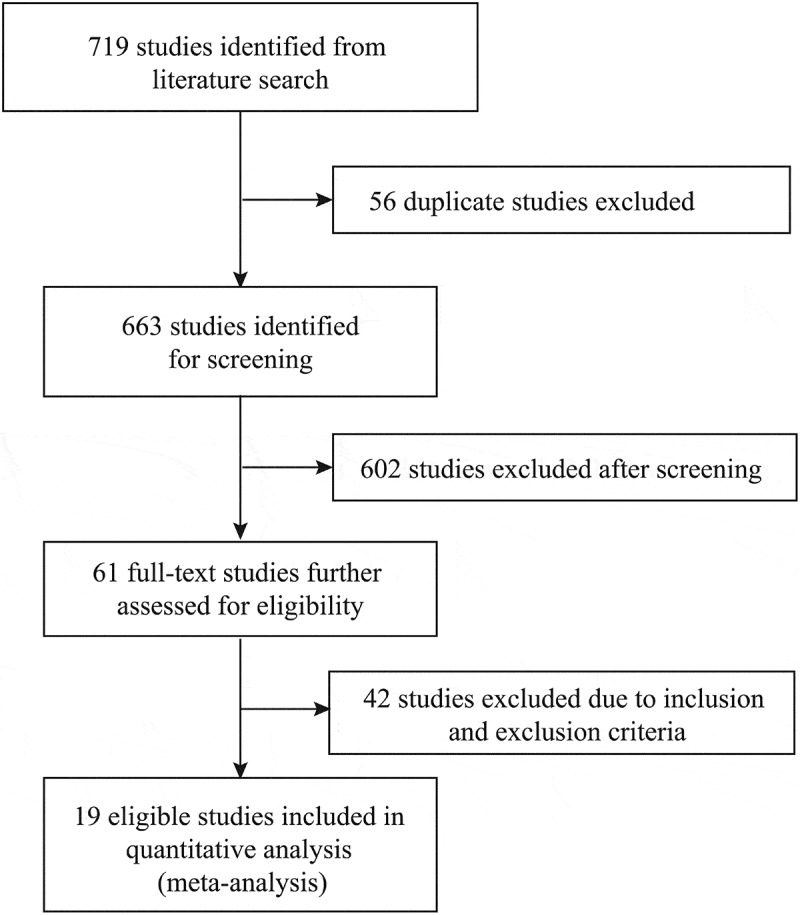
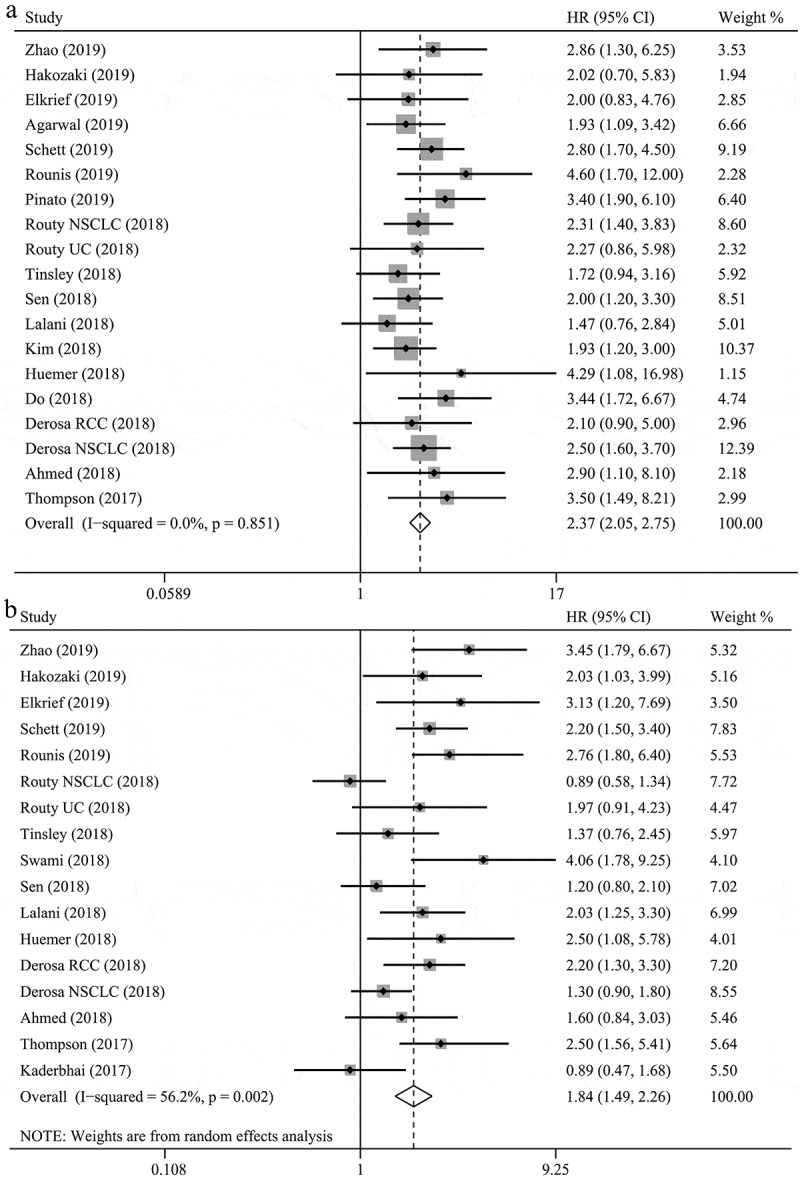
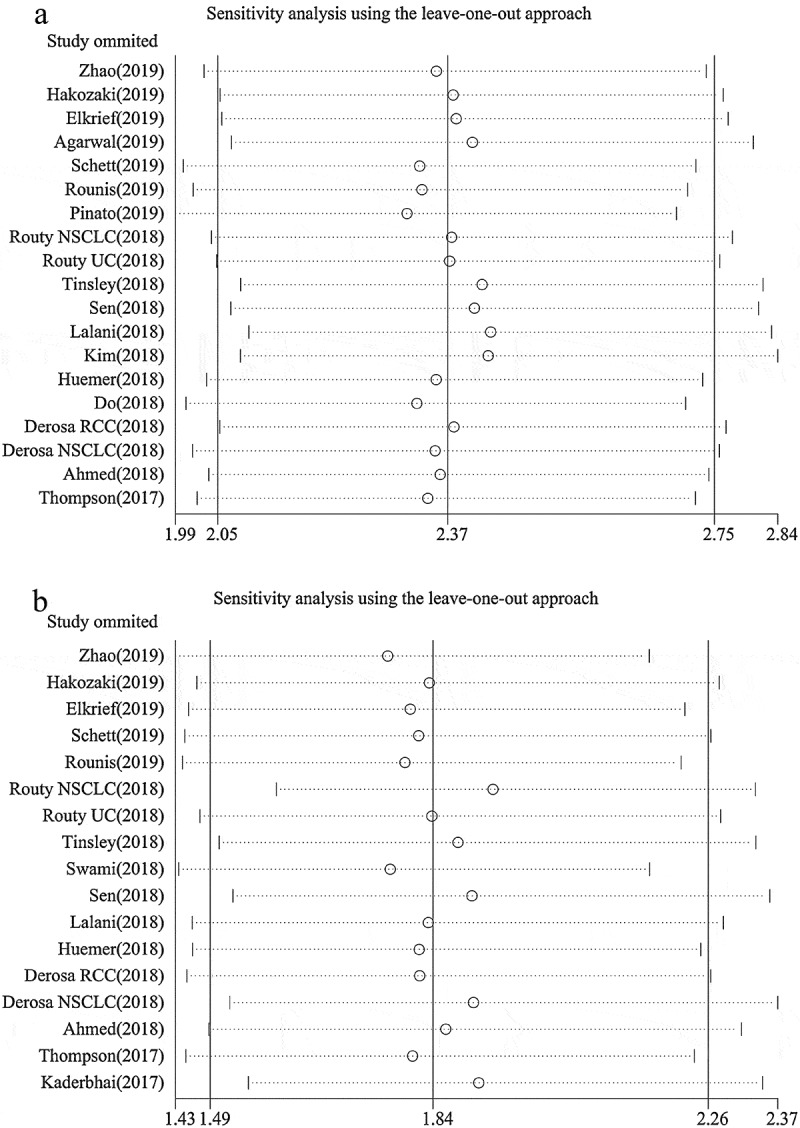
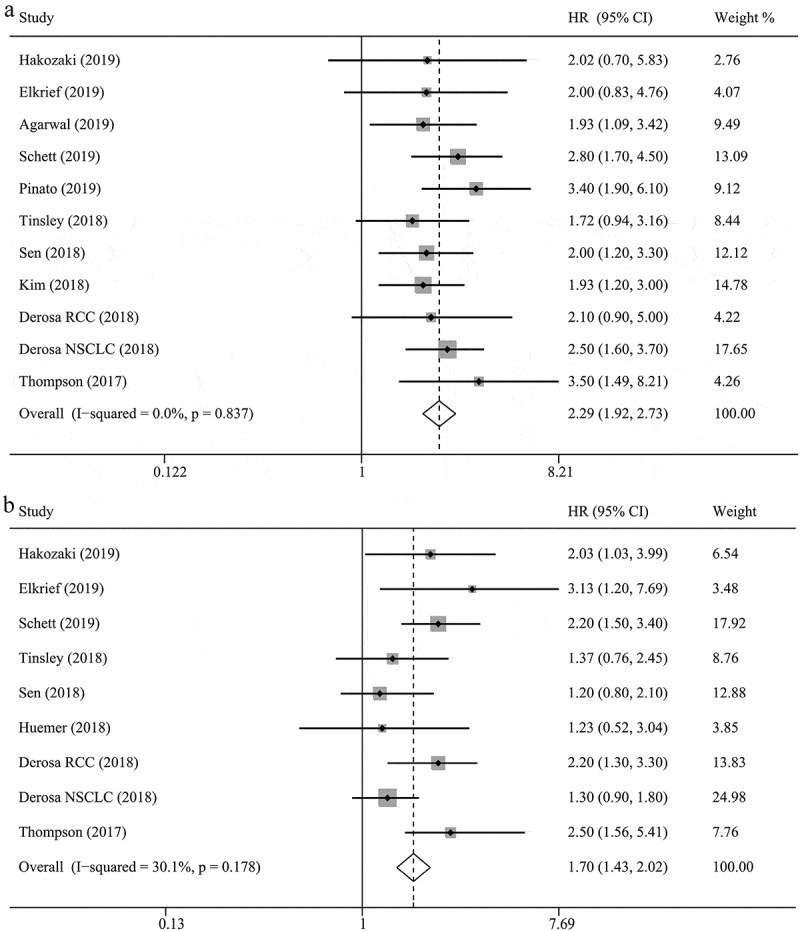
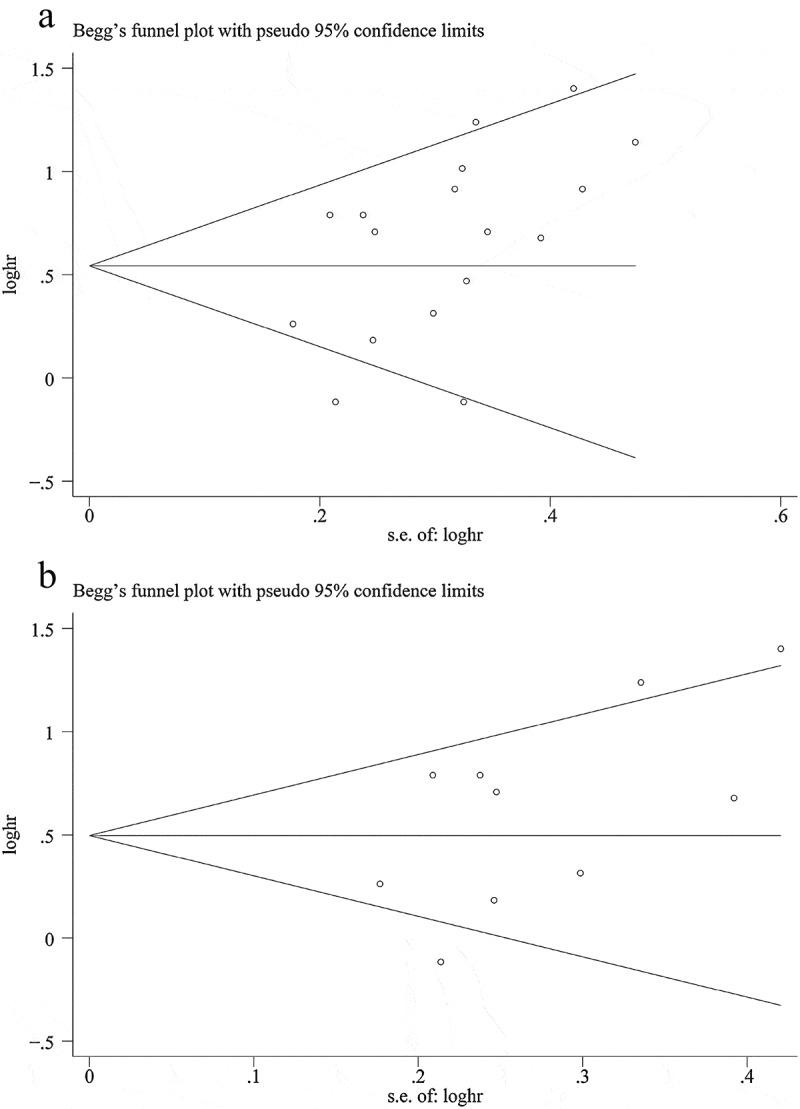
The gut microbiota plays a critical role in the anti-tumor immune response. There is increasing data showing that antibiotics (ATBs) change the composition of the gut microbiota and affect the efficacy of immune checkpoint inhibitors (ICIs). However, this is the first meta-analysis to evaluate the association between ATB use and ICI efficacy in cancer patients to provide a better understanding of the strength of this association. We performed a literature search for relevant studies that evaluated the relationship between ATB use and ICI efficacy using the PubMed, Embase, and conference databases. The primary outcomes consisted of overall survival (OS) and progression-free survival (PFS) measured by hazard ratios (HR) and corresponding 95% confidence intervals (CI). Subgroup and sensitivity analyses were also performed. A total of 19 eligible studies comprising 2,740 cancer patients treated with ICIs were included in the analysis. Our results indicated that ATB use was negatively associated with OS in cancer patients (HR = 2.37; 95% CI = 2.05–2.75; P < .001), without heterogeneity (I2 = 0.0%; P = .851). Moreover, ATB use significantly reduced PFS in patients treated with ICIs (HR = 1.84; 95% CI = 1.49–2.26; P < .001; I2 = 56.2%). Similar results were obtained in the subgroup analyses stratified by the time of ATB use and cancer type. Sensitivity analyses confirmed the stability of our results. Therefore, the findings of our meta-analysis indicated that ATB use is negatively associated with OS and PFS in cancer patients treated with ICI immunotherapy.
Overview
The claims and statistics of this paper haven’t been checked yet.
Run the check — free, no account needed. It reads the open-access text and checks the sources it cites.
Integrity signals
Registry
Cites
Statistics
Figures
Verification
Claims the paper makes
The claims and statistics of this paper haven’t been checked yet.
Run the check — free, no account needed. It reads the open-access text and checks the sources it cites.
Claims other papers make about this one
Each is checked against this paper’s own text: does it say what the citing paper says it does?
In the citing paper
“However, increasing clinical evidence suggests that systemic antibiotics abolish immune checkpoint blockade efficacy and decrease patient survival (133, 136, 137).”
From The microbiome and human cancer (2021) · cites this paper as [136]
Self-check
Percentages, sums and reported differences re-computed from the paper’s own numbers.
The self-check needs the paper’s full text.
Citations
Cites
Bias in meta-analysis detected by a simple, graphical test
Egger, M., Smith, G. D., Schneider, M., & Minder, C. (1997) · BMJ · doi:10.1136/bmj.315.7109.629 · Cited by 56,722 · cited 1×
“15).(38-40) To assess the bias risk of an individual study on the results and to investigate the stability and consistency of our results, sensitivity analyses were conducted to investigate whether a single study dominated the results by a leave-one-out approach (individually omitting each study).”
ResultOperating characteristics of a rank correlation test for publication bias
Begg, C. B., & Mazumdar, M. (1994) · Biometrics · doi:10.2307/2533446 · Cited by 16,955 · cited 1×
“15).(38-40) To assess the bias risk of an individual study on the results and to investigate the stability and consistency of our results, sensitivity analyses were conducted to investigate whether a single study dominated the results by a leave-one-out approach (individually omitting each study).”
ResultDuval, S., & Tweedie, R. (2000) · Biometrics · doi:10.1111/j.0006-341x.2000.00455.x · Cited by 14,099 · cited 1×
“15).(38-40) To assess the bias risk of an individual study on the results and to investigate the stability and consistency of our results, sensitivity analyses were conducted to investigate whether a single study dominated the results by a leave-one-out approach (individually omitting each study).”
ResultPD-1 blockade induces responses by inhibiting adaptive immune resistance
Tumeh, P. C., Harview, C. L., Yearley, J. H., Shintaku, I. P., Taylor, E. J. M., Robert, L., Chmielowski, B., Spasic, M., Henry, G., Ciobanu, V., et al. (2014) · Nature · doi:10.1038/nature13954 · Cited by 6,609 · cited 1×
“ICI immunotherapy has revolutionized cancer therapy for several solid tumors, and the anti-tumor response to ICIs is enhanced by inhibiting the PD-1 or CTLA-4 pathways and subsequently reactivating the host’s immune function.(30-32) Although the Table 1.”
BackgroundGut microbiome influences efficacy of PD-1-based immunotherapy against epithelial tumors
Routy, B., Le Chatelier, E., Derosa, L., Duong, C. P. M., Alou, M. T., Daillère, R., Fluckiger, A., Messaoudene, M., Rauber, C., Roberti, M. P., et al. (2018) · Science · doi:10.1126/science.aan3706 · Cited by 5,671 · cited 6×
“Furthermore, preclinical studies have reported that the gut microbiota is involved in the response to ICI immunotherapy.(9,10) Moreover, it has been is well-documented that antibiotics (ATBs) can alter the diversity and composition of the commensal gut microbiota.”
BackgroundResultInfluentialPrimary, Adaptive, and Acquired Resistance to Cancer Immunotherapy
Sharma, P., Hu-Lieskovan, S., Wargo, J. A., & Ribas, A. (2017) · Cell · doi:10.1016/j.cell.2017.01.017 · Cited by 5,588
Tumor-associated B7-H1 promotes T-cell apoptosis: A potential mechanism of immune evasion
Dong, H., Strome, S. E., Salomao, D. R., Tamura, H., Hirano, F., Flies, D. B., Roche, P. C., Lu, J., Zhu, G., Tamada, K., et al. (2002) · Nature Medicine · doi:10.1038/nm730 · Cited by 5,025 · cited 1×
“ICI immunotherapy has revolutionized cancer therapy for several solid tumors, and the anti-tumor response to ICIs is enhanced by inhibiting the PD-1 or CTLA-4 pathways and subsequently reactivating the host’s immune function.(30-32) Although the Table 1.”
BackgroundGut microbiome modulates response to anti-PD-1 immunotherapy in melanoma patients
Gopalakrishnan, V., Spencer, C. N., Nezi, L., Reuben, A., Andrews, M. C., Karpinets, T. V., Prieto, P. A., Vicente, D., Hoffman, K., Wei, S. C., et al. (2018) · Science · doi:10.1126/science.aan4236 · Cited by 4,812 · cited 1×
“, Ruminococcaceae family, Faecalibacterium, and Akkermansia muciniphila).(10,33) In addition, several studies have reported that the anti-tumor effects of ICIs were improved in germ-free or ATB-treated mice receiving a fecal microbiota transplantation from responders rather than non-responders, and a favorable gut mic…”
BackgroundInteractions Between the Microbiota and the Immune System
Hooper, L. V., Littman, D. R., & Macpherson, A. J. (2012) · Science · doi:10.1126/science.1223490 · Cited by 4,173 · cited 2×
“The negative association between ATB use and the clinical efficacy of ICI immunotherapy verified the results of previous studies reporting that the diversity and composition of the gut microbiota play a critical role in the immune response.(7,10) Indeed, Matson et al.”
BackgroundResultThe commensal microbiome is associated with anti-PD-1 efficacy in metastatic melanoma patients
Matson, V., Fessler, J., Bao, R., Chongsuwat, T., Zha, Y., Alegre, M.-L., Luke, J. J., & Gajewski, T. F. (2018) · Science · doi:10.1126/science.aao3290 · Cited by 3,107 · cited 4×
“In addition, several studies have reported that the anti-tumor effects of ICIs were improved in germ-free or ATB-treated mice receiving a fecal microbiota transplantation from responders rather than non-responders, and a favorable gut microbiota could enhance antigen presentation and T cell function associated with th…”
BackgroundInfluential
Cited by
Sorted by citations
The microbiome and human cancer
Sepich-Poore, G. D., Zitvogel, L., Straussman, R., Hasty, J., Wargo, J. A., & Knight, R. (2021) · Science · doi:10.1126/science.abc4552 · Cited by 1,332
(2023) · doi:10.1038/s41392-022-01304-4 · Cited by 460
“Increasing clinical data suggest that systemic use of antibiotics can lead to less effective immune checkpoint inhibitors.(235,236) In addition, several studies in patients with lung, colon, and pancreatic cancer have shown that removal of the tumor microbiota can enhance the inflammatory process of the tumor, inhibit…”
Backgroundγδ T cells: origin and fate, subsets, diseases and immunotherapy
Hu, Y., Hu, Q., Li, Y., Lu, L., Xiang, Z., Yin, Z., Kabelitz, D., & Wu, Y. (2023) · Signal Transduction and Targeted Therapy · doi:10.1038/s41392-023-01653-8 · Cited by 418
Tomita, Y., Ikeda, T., Sakata, S., Saruwatari, K., Sato, R., Iyama, S., Jodai, T., Akaike, K., Ishizuka, S., Saeki, S., et al. (2020) · Cancer Immunology Research · doi:10.1158/2326-6066.cir-20-0051 · Cited by 256
“Probiotic CBT improved ICB efficacy in antibiotic-treated patients Antibiotic therapy before the start of ICB therapy reduces response to ICB (1, 3, 4, 7).”
BackgroundResultInfluentialIntestinal microbiota influences clinical outcome and side effects of early breast cancer treatment
Terrisse, S., Derosa, L., Iebba, V., Ghiringhelli, F., Vaz-Luis, I., Kroemer, G., Fidelle, M., Christodoulidis, S., Segata, N., Thomas, A. M., et al. (2021) · Cell Death & Differentiation · doi:10.1038/s41418-021-00784-1 · Cited by 172
Gut microbiota shapes cancer immunotherapy responses
Lei, W., Zhou, K., Lei, Y., Li, Q., & Zhu, H. (2025) · npj Biofilms and Microbiomes · doi:10.1038/s41522-025-00786-8 · Cited by 182
“Preclinical and clinical studies suggest that antibiotic use, particularly broad-spectrum antibiotics, may impair ICI ef fi cacy (Table 2) 95, 207 – 228 .”
Mohiuddin, J. J., Chu, B. K., Facciabene, A., Poirier, K., Wang, X., Doucette, A. G., Zheng, C., Xu, W., Anstadt, E. J., Amaravadi, R. K., et al. (2020) · JNCI Journal of the National Cancer Institute · doi:10.1093/jnci/djaa057 · Cited by 141
Mechanisms of resistance to immune checkpoint inhibitors in melanoma: What we have to overcome?
Ziogas, D. C., Theocharopoulos, C., Koutouratsas, T., Haanen, J. B. A. G., & Gogas, H. J. (2022) · Cancer Treatment Reviews · doi:10.1016/j.ctrv.2022.102499 · Cited by 122
Gut microbiota-mediated immunomodulation in tumor
Liu, X., Chen, Y., Zhang, S., & Dong, L. (2021) · Journal of Experimental & Clinical Cancer Research · doi:10.1186/s13046-021-01983-x · Cited by 112
“Huang et al. 2019 [132] A meta-analysis included 33 eligible studies comprising 5565 cancer patients ICI (anti-PD−/PD-L1 or anti-CTLA-4) alone or combined with chemotherapy/targeted therapy.”
BackgroundAghamajidi, A., & Vareki, S. M. (2022) · Cancers · doi:10.3390/cancers14153563 · Cited by 105
Takada, K., Shimokawa, M., Takamori, S., Shimamatsu, S., Hirai, F., Tagawa, T., Okamoto, T., Hamatake, M., Tsuchiya‐Kawano, Y., Otsubo, K., et al. (2021) · International Journal of Cancer · doi:10.1002/ijc.33557 · Cited by 100
“Recent studies showed that the gastrointestinal microbiota might play an important and significant role in the response to ICIs.14-16 Some reports revealed associations between drugs associated with gastrointestinal dysbiosis and bacterial richness, antibiotics and proton pump inhibitors (PPIs), and the efficacy of IC…”
BackgroundInfluentialTomita, Y., Goto, Y., Sakata, S., Imamura, K., Minemura, A., Oka, K., Hayashi, A., Jodai, T., Akaike, K., Anai, M., et al. (2022) · OncoImmunology · doi:10.1080/2162402x.2022.2081010 · Cited by 100
“Retrospective studies have reproducibly shown that exposure to antibiotics prior to receiving ICB therapy is especially detrimental to the clinical outcome.(4,6,9,24,25) Thus, we investigated the influence of antibiotic therapy within 60 days before the start of ICB therapy on clinical outcomes in patients who receive…”
BackgroundCan we harness the microbiota to enhance the efficacy of cancer immunotherapy?
Finlay, B. B., Goldszmid, R., Honda, K., Trinchieri, G., Wargo, J., & Zitvogel, L. (2020) · Nature Reviews Immunology · doi:10.1038/s41577-020-0374-6 · Cited by 81
Tsikala-Vafea, M., Belani, N., Vieira, K., Khan, H., & Farmakiotis, D. (2021) · International Journal of Infectious Diseases · doi:10.1016/j.ijid.2021.03.063 · Cited by 76
The gut microbiome and efficacy of cancer immunotherapy
Roviello, G., Iannone, L. F., Bersanelli, M., Mini, E., & Catalano, M. (2021) · Pharmacology & Therapeutics · doi:10.1016/j.pharmthera.2021.107973 · Cited by 77
Local tumor microbial signatures and response to checkpoint blockade in non-small cell lung cancer
Boesch, M., Baty, F., Albrich, W. C., Flatz, L., Rodriguez, R., Rothschild, S. I., Joerger, M., Früh, M., & Brutsche, M. H. (2021) · OncoImmunology · doi:10.1080/2162402x.2021.1988403 · Cited by 75
Antibiotic use influences outcomes in advanced pancreatic adenocarcinoma patients
Mohindroo, C., Hasanov, M., Rogers, J. E., Dong, W., Prakash, L. R., Baydogan, S., Mizrahi, J. D., Overman, M. J., Varadhachary, G. R., Wolff, R. A., et al. (2021) · Cancer Medicine · doi:10.1002/cam4.3870 · Cited by 76
Crespin, A., Bescop, C. L., de Gunzburg, J., Vitry, F., Zalcman, G., Cervesi, J., & Bandinelli, P.-A. (2023) · Frontiers in Oncology · doi:10.3389/fonc.2023.1075593 · Cited by 82
Albandar, H. J., Fuqua, J. L., Albandar, J. M., Safi, S. U. D., Merrill, S. A., & Ma, P. C. (2021) · Cancers · doi:10.3390/cancers13050989 · Cited by 73
“However, there is growing literature that suggests antibiotic use in this period adversely affects survival, although we were unable to demonstrate this in our study [19].”
ResultThe interplay of obesity, gut microbiome and diet in the immune check point inhibitors therapy era
Spyrou, N., Vallianou, N. G., Kadillari, J., & Dalamaga, Μ. (2021) · Seminars in Cancer Biology · doi:10.1016/j.semcancer.2021.05.008 · Cited by 66
Gut Microbiome Modulates Response to Cancer Immunotherapy
Khan, M. A. W., Ologun, G. O., Arora, R., McQuade, J. L., & Wargo, J. A. (2020) · Digestive Diseases and Sciences · doi:10.1007/s10620-020-06111-x · Cited by 69
McQuade, J. L., Ologun, G. O., Arora, R., & Wargo, J. A. (2020) · Current Oncology Reports · doi:10.1007/s11912-020-00913-y · Cited by 63
Powell, N., Ibraheim, H., Raine, T., Speight, A., Papa, S., Brain, O., Green, M., Samaan, M., Spain, L. A., Yousaf, N., et al. (2020) · The Lancet. Gastroenterology & hepatology · doi:10.1016/s2468-1253(20)30014-5 · Cited by 63
Gut microbiota: impacts on gastrointestinal cancer immunotherapy
Lau, H. C.-H., Sung, J. J. �., & Yu, J. Q. (2021) · Gut Microbes · doi:10.1080/19490976.2020.1869504 · Cited by 58
“conducted a dedicated meta-analysis to pool all data from 19 relevant publications comprising a total of 2,740 cancer patients.(77) Statistically significant reduction in PFS and overall survival were observed when comparing blockade-treated patients with the use of antibiotics to those without regardless of the cance…”
MethodUrinary microbiota and bladder cancer: A systematic review and a focus on uropathogens
Yacouba, A., Alou, M. T., Lagier, J., Dubourg, G., & Raoult, D. (2022) · Seminars in Cancer Biology · doi:10.1016/j.semcancer.2021.12.010 · Cited by 58
Yang, M., Wang, Y., Yuan, M., Tao, M., Kong, C., Li, H., Tong, J., Zhu, H., & Yan, X. (2020) · International Immunopharmacology · doi:10.1016/j.intimp.2020.106876 · Cited by 58
Self-citationCapula, M., Perán, M., Xu, G., Donati, V. L., Yee, D., Gregori, A., Assaraf, Y. G., Giovannetti, E., & Deng, D. (2022) · Drug Resistance Updates · doi:10.1016/j.drup.2022.100864 · Cited by 55
Intratumoral bacteria are an important “accomplice” in tumor development and metastasis
Wang, G., He, X., & Wang, Q. (2022) · Biochimica et Biophysica Acta (BBA) - Reviews on Cancer · doi:10.1016/j.bbcan.2022.188846 · Cited by 51
Mitochondria and Antibiotics: For Good or for Evil?
Suarez-Rivero, J. M., Pastor‐Maldonado, C. J., Povea-Cabello, S., Álvarez-Córdoba, M., Villalón-García, I., Talaverón-Rey, M., Suárez-Carrillo, A., Munuera-Cabeza, M., & Sánchez-Alcázar, J. A. (2021) · Biomolecules · doi:10.3390/biom11071050 · Cited by 52
“This negative impact was proven to occur irrespective of the cancer type and the moment of antibiotic treatment application [82].”
BackgroundUeda, K., Yonekura, S., Ogasawara, N., Matsunaga, Y., Hoshino, R., Kurose, H., Chikui, K., Uemura, K., Nakiri, M., Nishihara, K., et al. (2019) · Anticancer Research · doi:10.21873/anticanres.13836 · Cited by 50
Zhou, J., Huang, G., Wong, W.-C., Hu, D., Zhu, J.-W., Li, R., & Zhou, H. K. (2022) · Frontiers in Immunology · doi:10.3389/fimmu.2022.968729 · Cited by 49
Roccuzzo, G., Moirano, G., Fava, P., Maule, M. M., Ribero, S., & Quaglino, P. (2023) · Seminars in Cancer Biology · doi:10.1016/j.semcancer.2023.02.010 · Cited by 48
Petrelli, F., Iaculli, A., Signorelli, D., Ghidini, A., Dottorini, L., Perego, G., Ghidini, M., Zaniboni, A., Gori, S., & Inno, A. (2020) · Journal of Clinical Medicine · doi:10.3390/jcm9051458 · Cited by 47
“A recently published paper by Huang and colleagues had the same goal of the present meta-analysis but with a less updated literature search, and about half of the included papers were congress abstract forms but they came to a similar conclusion [27].”
ResultThe role of gut microbiome in modulating response to immune checkpoint inhibitor therapy in cancer
Naqash, A. R., Kihn-Alarcón, A. J., Stavraka, C., Kerrigan, K. C., Vareki, S. M., Pinato, D. J., & Puri, S. (2021) · Annals of Translational Medicine · doi:10.21037/atm-20-6427 · Cited by 47
“Retrospective clinical data suggests that antibiotic use prior to ICPI can reduce the effectiveness of these agents, likely through altered composition of the gut microbiome (5).”
BackgroundThe impact of the gut microbiome on tumor immunotherapy: from mechanism to application strategies
Guo, C., Kong, L., Xiao, L., Liu, K., Cui, H., Xin, Q., Gu, X., Jiang, C., & Wu, J. (2023) · Cell & Bioscience · doi:10.1186/s13578-023-01135-y · Cited by 48
Nyein, A., Bari, S., Hogue, S., Zhao, Y., Maller, B., Sha, S. T., Gómez, M. F. L., Rollison, D. E. M., & Robinson, L. A. (2022) · BMC Cancer · doi:10.1186/s12885-022-09210-2 · Cited by 45
Microbiome Integrity Enhances the Efficacy and Safety of Anticancer Drug
Mafe, A. N., & Büsselberg, D. (2025) · Biomedicines · doi:10.3390/biomedicines13020422 · Cited by 48
Acquired Resistance to PD-1/PD-L1 Blockade in Lung Cancer: Mechanisms and Patterns of Failure
Pathak, R., Pharaon, R. R., Mohanty, A. R., Villaflor, V. M., Salgia, R., & Massarelli, E. (2020) · Cancers · doi:10.3390/cancers12123851 · Cited by 46
Kubeček, O., Paterová, P., & Novosadová, M. (2021) · Life · doi:10.3390/life11121387 · Cited by 42
Li, C., Xia, Z., Li, A., & Meng, J. (2020) · Annals of Translational Medicine · doi:10.21037/atm-20-7498 · Cited by 42
“therapeutic outcomes, as the diversity and abundance of the gut microbiome are associated with broad spectrum antibiotics (6,7).”
Facts and Hopes for Gut Microbiota Interventions in Cancer Immunotherapy
Davar, D., & Zarour, H. M. (2022) · Clinical Cancer Research · doi:10.1158/1078-0432.ccr-21-1129 · Cited by 40
Synthetic and Biogenic Materials for Oral Delivery of Biologics: From Bench to Bedside
Ding, S., Alexander, E., Liang, H., Kulchar, R. J., SINGH, R. K., Herzog, R. W., Daniell, H., & Leong, K. W. (2025) · Chemical Reviews · doi:10.1021/acs.chemrev.4c00482 · Cited by 43
Larionova, I., Patysheva, M. R., Iamshchikov, P. S., Kazakova, E., Казакова, А., Rakina, M. A., Grigoryeva, E. S., Тарасова, А. С., Afanasiev, S. G., Bezgodova, N. V., et al. (2023) · Frontiers in Immunology · doi:10.3389/fimmu.2022.1080501 · Cited by 42
“In rectal cancer, the percentage of CD14+CD16monocytes was increased in patients with M-positive status, compared to M-negative status (85,66 (70,18-93,7) vs.”
ResultInfluentialInfections and Immunotherapy in Lung Cancer: A Bad Relationship?
Belluomini, L., Caldart, A., Avancini, A., Dodi, A., Trestini, I., Kadrija, D., Sposito, M., Tregnago, D., Casali, M., Riva, S. T., et al. (2020) · International Journal of Molecular Sciences · doi:10.3390/ijms22010042 · Cited by 40
Su, X., Li, J., Xu, X., Ye, Y., Wang, C., Pang, G., Liu, W., Liu, A., Zhao, C., & Hao, X. (2024) · Journal of Translational Medicine · doi:10.1186/s12967-024-05552-6 · Cited by 45
“Typically, antibiotics disrupt normal gut microbial homeostasis, leading to primary resistance to ICIs treatment [238, 247].”
BackgroundWang, M., Zhang, L., Chang, W., & Zhang, Y. (2023) · Frontiers in Immunology · doi:10.3389/fimmu.2022.1096551 · Cited by 44
Guillot, N., Roméo, B., Manesh, S. S., Milano, G., Brest, P., Zitvogel, L., Hofman, P., & Mograbi, B. (2023) · Trends in Molecular Medicine · doi:10.1016/j.molmed.2023.08.004 · Cited by 36
The role of the symbiotic microecosystem in cancer: gut microbiota, metabolome, and host immunome
Xue, X., Li, R., Chen, Z., Li, G., Liu, B., Guo, S., Yue, Q., Yang, S., Xie, L., Zhang, Y., et al. (2023) · Frontiers in Immunology · doi:10.3389/fimmu.2023.1235827 · Cited by 37
Self-citationSilver, N. L., Dai, J., Kerr, T. D., Altemus, J. B., Garg, R. R., Simmons, H. L., Alban, T. J., Noël‐Romas, L., Makarov, V., Shih, D. J. H., et al. (2026) · Nature Cancer · doi:10.1038/s43018-025-01067-1 · Cited by 42
Velikova, T. V., Krastev, B. M., Lozenov, S., Gencheva, R., Peshevska-Sekulovska, M., Nikolaev, G., & Peruhova, M. (2021) · International Journal of Molecular Sciences · doi:10.3390/ijms22041754 · Cited by 38
Kulkarni, A. A., Ebadi, M., Zhang, S., Meybodi, M. A., Ali, A. M., DeFor, T. E., Shanley, R., Weisdorf, D. J., Ryan, C. J., Vasu, S., et al. (2020) · ESMO Open · doi:10.1136/esmoopen-2020-000803 · Cited by 36
Therapeutic potential of microbial modulation in pancreatic cancer
Chandra, V., & McAllister, F. M. (2021) · Gut · doi:10.1136/gutjnl-2019-319807 · Cited by 35
“57 Several preclinical studies have also reported on the negative effects of concomitant use of antibiotics and immunotherapy.”
BackgroundIntratumour microbiome of pancreatic cancer
Guan, S.-W., Lin, Q., & Yu, H. (2023) · World Journal of Gastrointestinal Oncology · doi:10.4251/wjgo.v15.i5.713 · Cited by 34
Impact of antibiotic treatment on immunotherapy response in women with recurrent gynecologic cancer
Chambers, L., Michener, C. M., Rose, P. G., Reizes, O., Yao, M., & Vargas, R. (2021) · Gynecologic Oncology · doi:10.1016/j.ygyno.2021.01.015 · Cited by 35
Effects of Concomitant Antibiotics Use on Immune Checkpoint Inhibitor Efficacy in Cancer Patients
Jiang, S., Geng, S., Chen, Q., Zhang, C., Cheng, M., Yu, Y., Zhang, S., Shi, N., & Dong, M. (2022) · Frontiers in Oncology · doi:10.3389/fonc.2022.823705 · Cited by 31
Xin, Y., Liu, C., Zang, D., & Chen, J. (2024) · Frontiers in Immunology · doi:10.3389/fimmu.2024.1343450 · Cited by 33
Merali, N., Chouari, T. A. M., Kayani, K., Rayner, C. J., Jiménez, J. I., Krell, J., Giovannetti, E., Bagwan, I., Relph, K., Rockall, T., et al. (2022) · Cancers · doi:10.3390/cancers14041020 · Cited by 29
Golonka, R. M., & Vijay–Kumar, M. (2020) · Advances in cancer research · doi:10.1016/bs.acr.2020.10.004 · Cited by 28
He, J., Li, H., Jia, J., Liu, Y., Zhang, N., Wang, R., Qu, W., Liu, Y., & Jia, L. (2023) · Molecular Biomedicine · doi:10.1186/s43556-023-00157-9 · Cited by 31
“Clinical evidence has shown that antibiotic treatment reduces the efficacy of immune checkpoint inhibitors and patient survival rates [210, 211].”
BackgroundKaramanolis, N. N., Kounatidis, D. C., Vallianou, N. G., Dimitriou, K., Tsaroucha, E., Tsioulos, G., Anastasiou, I. A., Mavrothalassitis, E., Karampela, Ι., & Dalamaga, Μ. (2024) · Antibiotics · doi:10.3390/antibiotics14010009 · Cited by 28
“A meta-analysis of 2740 cancer patients treated with ICIs found that antibiotic use before or during therapy was associated with reduced overall survival (OS) and progression-free survival (PFS) [144].”
Gut Bacteria—Not for the Faint of Heart
Mandelbaum, N., Gefen, T., & Geva‐Zatorsky, N. (2020) · Cell Host & Microbe · doi:10.1016/j.chom.2019.12.011 · Cited by 27
Intratumor microbiota: a novel tumor component
Gong, Y., Huang, X., Wang, M., & Liang, X. (2023) · Journal of Cancer Research and Clinical Oncology · doi:10.1007/s00432-023-04576-7 · Cited by 26
“There is also clinical evidence that systemic antibiotics abolish the effects of immune checkpoint blockade and reduce patient survival (Derosa et al. 2018; Huang et al. 2019; Pinato et al. 2019).”
BackgroundSelf-citationAntibiotic Resistance Risk with Oral Tetracycline Treatment of Acne Vulgaris
Swallow, M. A., Fan, R., Cohen, J. M., & Bunick, C. G. (2022) · Antibiotics · doi:10.3390/antibiotics11081032 · Cited by 23
The Gut Microbiome and Pancreatic Cancer Development and Treatment
Attebury, H., & Daley, D. (2023) · The Cancer Journal · doi:10.1097/ppo.0000000000000647 · Cited by 24
Antibiotics, cancer risk and oncologic treatment efficacy: a practical review of the literature
Lopes, M. S. M., Machado, L. M., Silva, P. A. I. A., Uchiyama, A. A. T., Yen, C. T., Ricardo, E. D., Mutão, T. S., Pimento, J. R., Shimba, D. S., Hanriot, R. D. M., et al. (2020) · ecancermedicalscience · doi:10.3332/ecancer.2020.1106 · Cited by 25
“Subgroup analysis on the type of ICI revealed a negative impact on all drugs and combinations [68].”
BackgroundDivergent tumor immunity determined by bacteria-cancer cell engagement
Yao, B., Liu, X.-M., Ruan, K., Fang, X., Jiang, C., Bian, W., Guo, Y., Zhu, X., Shang, Z., Hu, T., et al. (2026) · Cell · doi:10.1016/j.cell.2025.12.044 · Cited by 25
The cure from within? a review of the microbiome and diet in melanoma
Kumar, P. R., Brazel, D., DeRogatis, J. M., Goldstein, J. B., Whiteson, K., Chow, W. A., Tinoco, R., & Moyers, J. T. (2022) · Cancer and Metastasis Reviews · doi:10.1007/s10555-022-10029-3 · Cited by 22
“26); however, patient level factors were not controlled for in this analysis[69].”
BackgroundZapata, M. E. S., Pellitero, A. M., Isla, D., Gálvez, E. H., Ruiz, M. G., Sesma, A., Barbero-Herranz, R., Galeano, J., del Campo, R., Ocáriz, M., et al. (2024) · Heliyon · doi:10.1016/j.heliyon.2024.e33684 · Cited by 20
“In view of this discrepancy in response, attempts have been made to identify therapy-predictive biomarker response [4,5], with some previous studies suggesting the relevance of host-related factors, such as the microbiota, which has been directly linked to ICI effectiveness [6,7].”
BackgroundResultGut microbiota: a potential target for improved cancer therapy
Zhao, M., Jiang, G., Zhou, H., Li, J., Xiang, W., Li, S., Wang, H., & Zhou, J. (2022) · Journal of Cancer Research and Clinical Oncology · doi:10.1007/s00432-022-04546-5 · Cited by 19
Alshammari, K. M., Alotaibi, F., Alsugheir, F., Aldawoud, M., Alolayan, A. A. M., Algarni, M., Sabatin, F., Mohammad, M. F., Alosaimi, A., Sanai, F. M., et al. (2023) · Cancers · doi:10.3390/cancers16010133 · Cited by 19
“However, not all patients benefit from the treatment, and our study, along with others [25–29], suggests that the use of antibiotics concurrently with ICI could contribute to reduced overall survival.”
Uncovering the role of the gut microbiota in immune checkpoint blockade therapy: A mini-review
Halsey, T. M., Ologun, G. O., Wargo, J. A., & Jenq, R. R. (2020) · Seminars in Hematology · doi:10.1053/j.seminhematol.2020.05.002 · Cited by 19
“A meta-analysis of published clinical data showed that antibiotic use reduced overall survival and progression-free survival in a majority of the profiled cases (13).”
MethodImmuno-oncology-microbiome axis of gastrointestinal malignancy
Lin, Q., Guan, S.-W., & Yu, H. (2023) · World Journal of Gastrointestinal Oncology · doi:10.4251/wjgo.v15.i5.757 · Cited by 20
Michaelidou, K., Agelaki, S., & Mavridis, K. (2020) · Expert Review of Molecular Diagnostics · doi:10.1080/14737159.2020.1724785 · Cited by 17
Classic versus innovative strategies for immuno-therapy in pancreatic cancer
Formelli, M. G., Palloni, A., Tavolari, S., Deiana, C., Andrini, E., Marco, M. D., Campana, D., Lamberti, G., & Brandi, G. (2025) · Advanced Drug Delivery Reviews · doi:10.1016/j.addr.2025.115671 · Cited by 16
Huang, L., Chen, X., Zhou, L. Q., Xu, Q., Xie, J., Zhan, P., Lv, T., & Song, Y. (2021) · Annals of Palliative Medicine · doi:10.21037/apm-20-2076 · Cited by 15
Self-citationAnalysis of interactions of immune checkpoint inhibitors with antibiotics in cancer therapy
Li, Y., Wang, S., Lin, M., Hou, C., Li, C., & Li, G. (2022) · Frontiers of Medicine · doi:10.1007/s11684-022-0927-0 · Cited by 15
The role of the microbiome in pancreatic oncogenesis
Daley, D. (2022) · International Immunology · doi:10.1093/intimm/dxac036 · Cited by 15
Zhang, W., Zhang, J., Liu, T., Xing, J., Zhang, H., Wang, D., & Tang, D. (2022) · Journal of Cancer Research and Clinical Oncology · doi:10.1007/s00432-022-04081-3 · Cited by 14
Wardill, H. R., Chan, R. J., Chan, A., Keefe, D. M. K., Costello, S. P., & Hart, N. H. (2022) · Supportive Care in Cancer · doi:10.1007/s00520-022-06948-0 · Cited by 13
“A recent meta-analysis reported progression-free and overall survival were negatively impacted by antibiotic use [9], suggesting that disruption of the gut microbiome’s natural, eubiotic state by antibiotics dampens anti-cancer immunity, subsequently leading to poorer clinical outcomes [10].”
BackgroundMicrobiome modulates immunotherapy response in cutaneous squamous cell carcinoma
Voigt, A. Y., Walter, A., Young, T. H., Graham, J. P., Bittencourt, B. M. B., Pulido, Á. D. M., Prieto, K., Tsai, K. Y., Sundberg, J. P., & Oh, J. (2023) · Experimental Dermatology · doi:10.1111/exd.14864 · Cited by 13
“…treatments due to their pro-apoptotic, anti-proliferative and anti- epithelial- mesenchymal-transition capabilities (reviewed in, 33 e.g. for beta-lactam antibiotics, 34,35 ) while increasingly detrimental effects on immunotherapy patient outcomes have been described (e.g. 6,7,33,36,37 ).”
Chen, H., Han, K., He, Z., & Huang, Y. (2021) · Technology in Cancer Research & Treatment · doi:10.1177/15330338211033498 · Cited by 14
Baldessari, C., Pecchi, A., Marcheselli, R., Guaitoli, G., Bonacini, R., Valoriani, F., Torricelli, P., Reverberi, L., Menozzi, R., Pugliese, G., et al. (2021) · Immunotherapy · doi:10.2217/imt-2021-0038 · Cited by 13
Amadei, S. S., & Notario, V. (2020) · Antibiotics · doi:10.3390/antibiotics9090580 · Cited by 12
Santamaria, F., Roberto, M., Buccilli, D., Civita, M. A. D., Giancontieri, P., Maltese, G., Nicolella, F., Torchia, A., Scagnoli, S., Pisegna, S., et al. (2024) · Critical Reviews in Oncology/Hematology · doi:10.1016/j.critrevonc.2024.104405 · Cited by 11
Rühle, A., Zou, J., Glaser, M., Halle, L., Gkika, E., Schäfer, H. S., Knopf, A., Becker, C., Grosu, A., Popp, I., et al. (2023) · European Archives of Oto-Rhino-Laryngology · doi:10.1007/s00405-023-07868-3 · Cited by 11
“In a recent meta-analysis, the negative prognostic effect of antibiotics in cancer patients receiving immune checkpoint inhibitors was present independently of the time of antibiotic administration in relation to immune checkpoint inhibitor treatment [19].”
BackgroundFunayama, E., Hosonuma, M., Tajima, K., Isobe, J., Baba, Y., Murayama, M., Narikawa, Y., Toyoda, H., Tsurui, T., Maruyama, Y., et al. (2025) · Biomedicine & Pharmacotherapy · doi:10.1016/j.biopha.2024.117749 · Cited by 9
Dayhimi, A., Jazi, K., Bigdeli, Y., Farhoudi, F., Erfanimanesh, M., Esmaeili, M., Gorjipour, F., Ajami, M., & Pazoki–Toroudi, H. (2025) · Technology in Cancer Research & Treatment · doi:10.1177/15330338251365700 · Cited by 11
Li, C., Rich, B. E., Bullock, J. M., Barrière, O., Marier, J., & Beelen, A. P. (2022) · British Journal of Clinical Pharmacology · doi:10.1111/bcp.15549 · Cited by 9
“Administering broad-spectrum antibiotics to patients with neutropenic infections can alter the gut microbiota, an important regulator of the systemic immune system, which may additionally interfere with antitumour immune responses.(12) Trilaciclib (COSELATM; G1 Therapeutics, Inc.”
BackgroundCruellas, M., Yubero, A., Zapata, M., Galvez, E. M., Ruiz, M. G., Isla, D., Lastra, R., Martínez‐Lostao, L., Ocariz, M., Pardo, J., et al. (2021) · Infection and Immunity · doi:10.1128/iai.00665-20 · Cited by 10
Topical antibiotics limit depigmentation in a mouse model of vitiligo
Touni, A. A., Sohn, R., Cosgrove, C., Shivde, R. S., Dellacecca, E. R., Abdel-Aziz, R. T. A., Cedercreutz, K., Green, S. J., Abdel‐Wahab, H., & Poole, I. C. L. (2024) · Pigment Cell & Melanoma Research · doi:10.1111/pcmr.13164 · Cited by 9
“Finally, a recent meta-analysis demonstrated a negative association between antibiotic use and the response to immune checkpoint blockade therapy in various types of cancers (Huang et al., 2019 ).”
Immune Checkpoint Inhibitors in Malignant Melanoma: Anti-PD-1, Anti-CTLA-4 and Anti-LAG-3 Therapies
Allen-Tejerina, A. M., Giannakis, P., Yau, T., Hillyar, C., & Rallis, K. S. (2026) · Current Oncology Reports · doi:10.1007/s11912-026-01750-1 · Cited by 7
“Similarly, antibiotics that alter the commensal gut flora decrease ICI efficacy across several cancer types [153, 154].”
Wu, Q., Zhang, S., Hua, X., Yu, H., & Zhong, Y. (2020) · Annals of Palliative Medicine · doi:10.21037/apm-20-1485 · Cited by 7
“Indeed, there were a few studies showing previous use of antibiotics might dampen the effect of immunotherapy (5-8).”
BackgroundHilakivi-Clarke, L. A., Verma, V., McDermott, M., Koak, P., & Andrade, F. D. O. (2022) · Frontiers in Microbiomes · doi:10.3389/frmbi.2022.1049688 · Cited by 7
“, 2021), and (ii) antibiotics that induce gut dysbiosis and eliminate critical commensal bacteria impair the effectiveness of ICBs (Huang et al., 2019; Yu et al., 2021; TsikalaVafea et al., 2021).”
BackgroundChen, J., Chen, S., Luo, H., Long, S., Yang, X., He, W., Wu, W., & Wang, S. (2023) · International Immunopharmacology · doi:10.1016/j.intimp.2023.110919 · Cited by 7
Bonnefin, C., Schneider, S., Gerard, É., Dutriaux, C., Ferté, T., Prey, S., Guicheney, M., Ducharme, O., Pédeboscq, S., Beylot-Barry, M., et al. (2025) · European Journal of Cancer · doi:10.1016/j.ejca.2025.115223 · Cited by 6
Park, Y., Kang, D. H., & Chung, C. (2025) · Lung Cancer · doi:10.1016/j.lungcan.2025.108726 · Cited by 6
Deng, J., Kuang, W., Chen, W., Zhou, E., Wu, Y., Yang, Z., Chen, J., Cao, X., Yin, Z., Liu, J., et al. (2025) · Acta Pharmaceutica Sinica B · doi:10.1016/j.apsb.2025.12.014 · Cited by 6
“Emerging evidence suggests that bacteria within the tumour-associated microbiota play pivotal roles in cancer development 64 , metastasis 5 — 7 , immunosurveillance 8,65,66 and chemoresistance 9,10 .”
Haight, P. J., Kistenfeger, Q., Riedinger, C. J., Khadraoui, W. K., Backes, F. J., Bixel, K. L., Copeland, L. J., Cohn, D. E., Cosgrove, C. M., O’Malley, D. M., et al. (2023) · Gynecologic Oncology · doi:10.1016/j.ygyno.2023.09.005 · Cited by 6
Mirabile, A., Rivoltini, L., Daveri, E., Vernieri, C., Mele, R., Porcu, L., Lazzari, C., Bulotta, A., Viganò, M. G., Cascinu, S., et al. (2020) · Cancers · doi:10.3390/cancers12051153 · Cited by 5
“Moreover, the use of antibiotics during immunotherapy in cancer patients has been associated with a lower PFS and OS [29,36,146].”
BackgroundAntibiotics and Immunotherapy: Too Much of Anything is Bad!
Gopalakrishnan, V., Sellman, B. R., Cohen, T. S., & Dennis, P. A. (2020) · European Urology · doi:10.1016/j.eururo.2020.07.027 · Cited by 5
Metadata
- Authors
- Huang, X.-Z., Gao, P., Song, Y.-X., Xu, Y., Sun, J.-X., Chen, X.-W., Zhao, J.-H., & Wang, Z.-N.
- Affiliations
- Department of Surgical Oncology and General Surgery, Key Laboratory of Precision Diagnosis and Treatment of Gastrointestinal Tumors, Ministry of Education, The First Affiliated Hospital of China Medical University
- First Hospital of China Medical University (CN)
- Corresponding author
- Wang, Zhen-Ning
- ORCID
- Gao, Peng
- Venue
- OncoImmunology
- Publisher
- Informa UK Limited
- Published
- 2019-09-23
- Volume
- 8
- Issue
- 12
- Pages
- e1665973-e1665973
- ISSN
- 2162-4011 (ISSN-L)
- 2162-402X
- PMC
- PMC6844307
- OpenAlex
- W2976586374
- Cited by
- 132
- References
- 46
- Citations by year
- 2026: 14 · 2025: 14 · 2024: 9 · 2023: 24 · 2022: 24 · 2021: 22 · 2020: 23 · 2019: 1
- FWCI
- 7.31
- Type
- journal article
- Language
- en
- Open access
- gold
- doi.org
- Licence
- Locations
- OncoImmunology (publishedVersion, cc-by-nc-nd)
- Europe PMC (PubMed Central) (publishedVersion, cc-by-nc-nd)
- PubMed Central (publishedVersion, cc-by-nc-nd)
- PubMed (publishedVersion)
- DOAJ (DOAJ: Directory of Open Access Journals) (submittedVersion, cc-by-sa)
- Funders
- China Medical University
- Topics
- Health Sciences › Medicine › Oncology › Cancer Immunotherapy and Biomarkers
- Life Sciences › Biochemistry, Genetics and Molecular Biology › Molecular Biology › Gut microbiota and health
- Health Sciences › Medicine › Infectious Diseases › Antibiotic Use and Resistance
- Keywords
- antibiotic use, immune checkpoint inhibitors, gut microbiota, cancer immunotherapy, overall survival, progression-free survival, antitumor immunity
About these checks
Registry, retraction, Cites and statistics results are computed, not judged, with one exception: a printed reference that no index lists is read once by a model before it counts as a citation error. Claims are extracted by a model and kept only when their quote appears verbatim in the text; each cited source is then checked, with a model’s help, for whether it says what the claim relies on. Those verdicts can be wrong — read the claim’s quote and the cited source before relying on one.
Statistics and arithmetic are recomputed, not judged.
Confidence bands are shown only for fields calibrated on our annotated test set. None is calibrated yet, so no band is shown.
What counts as a claim ›How we measure confidence ›How we check this ›
Are you an author, or do you see a problem with this page? Request a review
