

Leucine rich alpha-2-glycoprotein 1 (Lrg1) silencing protects against sepsis-mediated brain injury by inhibiting transforming growth factor beta1 (TGFβ1)/SMAD signaling pathway
Open accessThe DOI matches its Crossref record; 50 of the 50 references it cites were found in a registry or an index.
Abstract
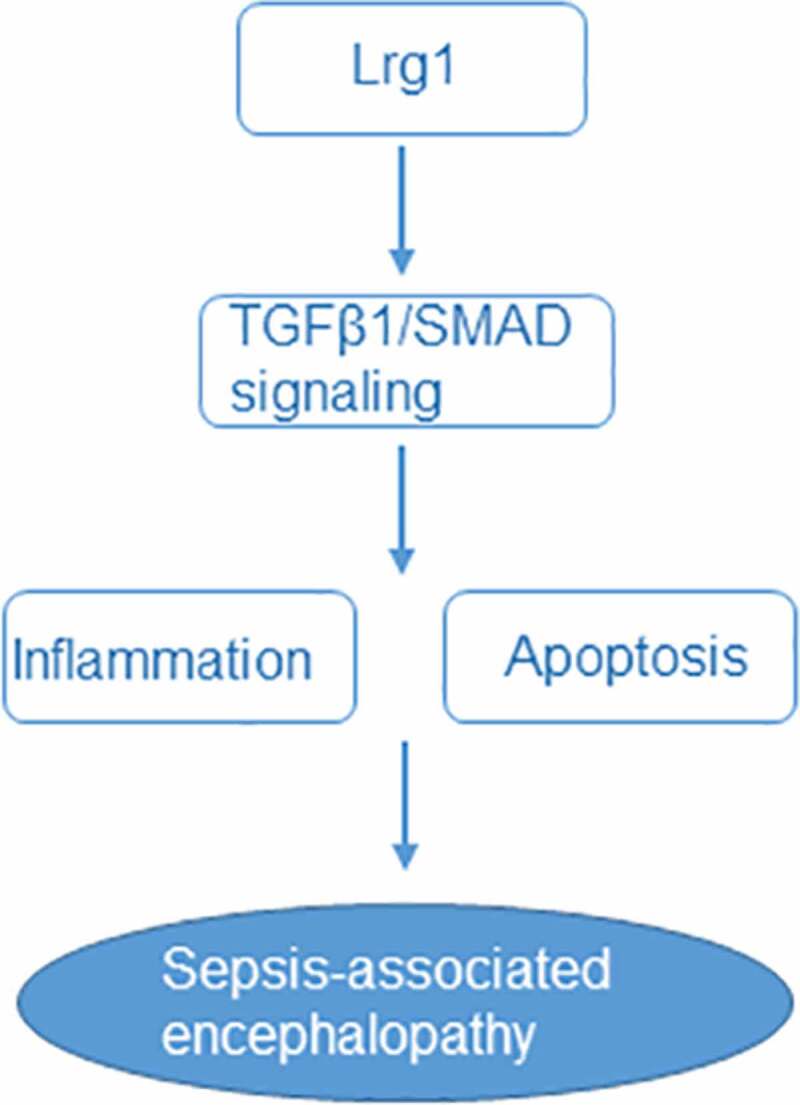
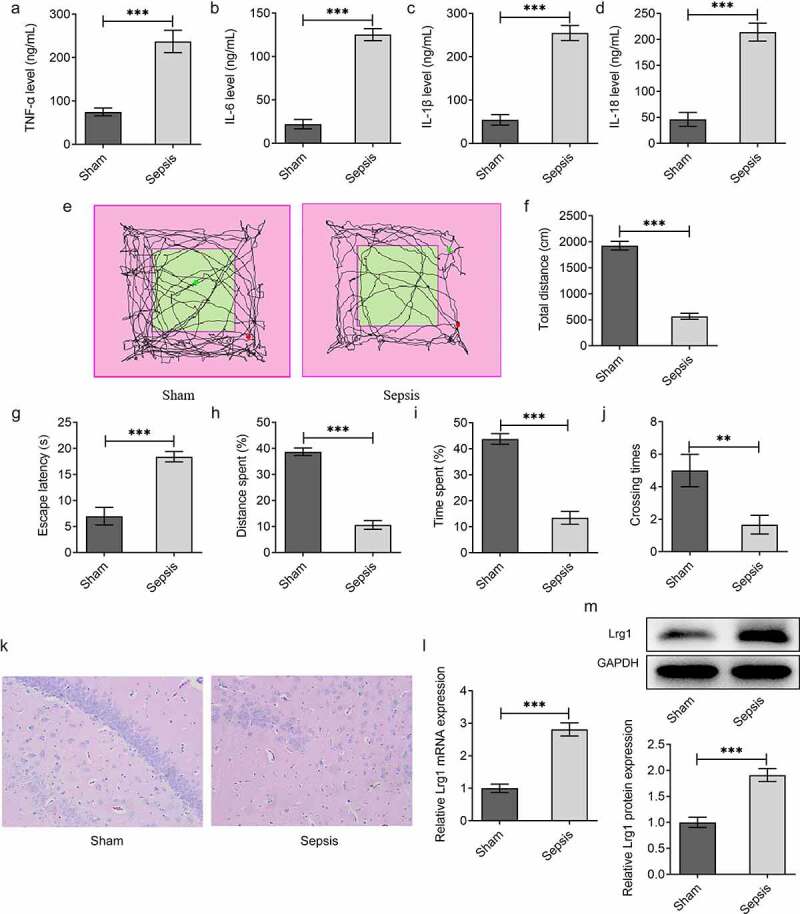
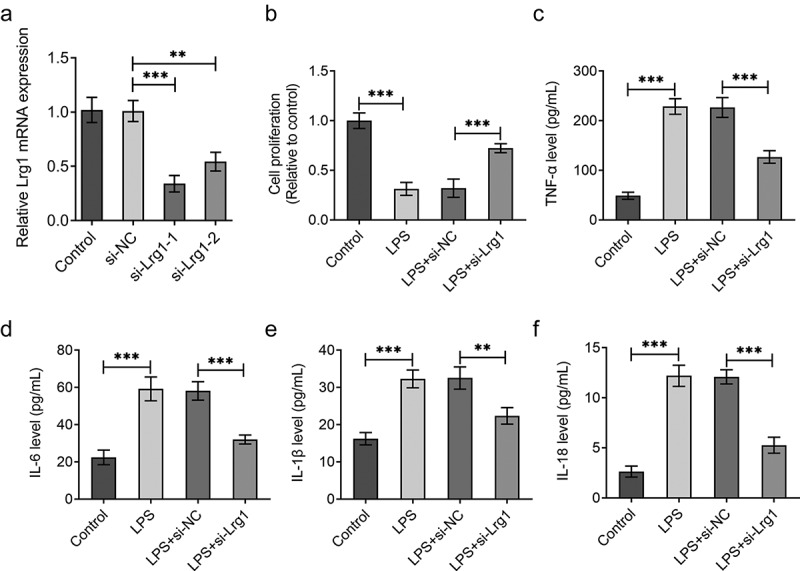
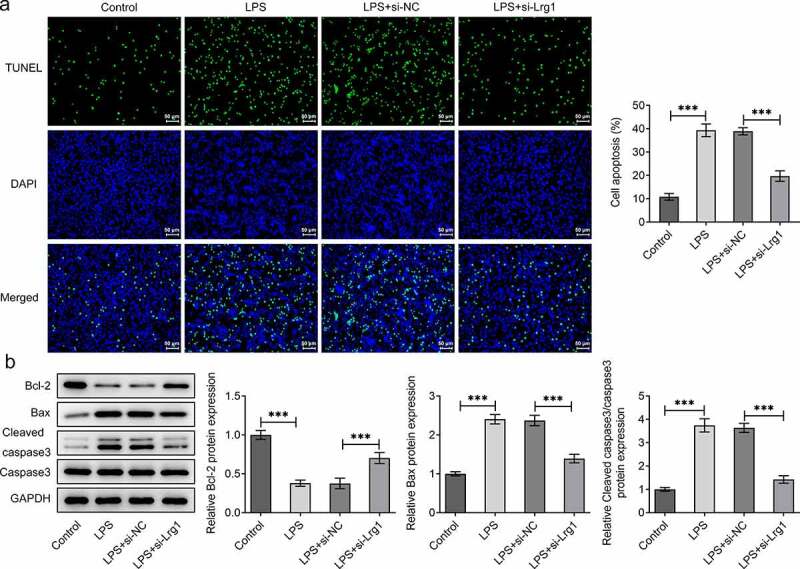
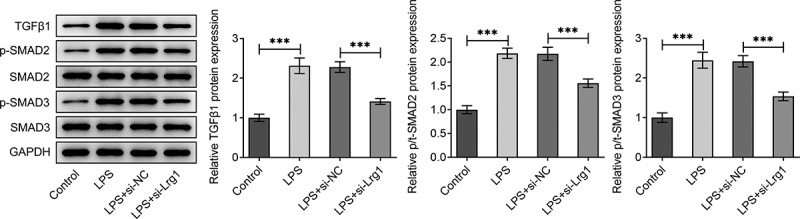
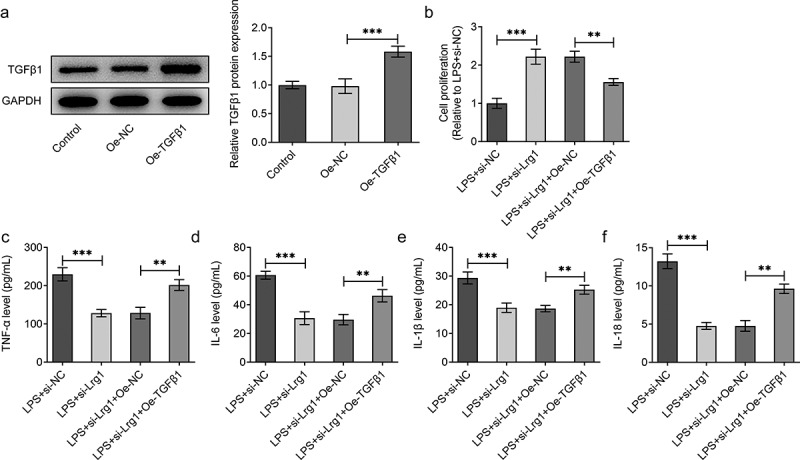
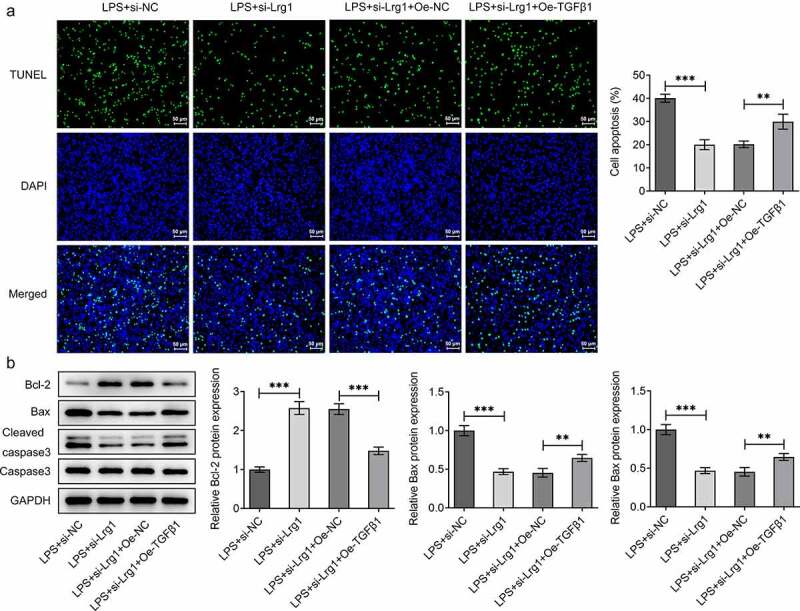
Sepsis-associated encephalopathy (SAE) is key manifestation of sepsis which is responsible for increased morbidity and mortality. Leucine rich alpha-2-glycoprotein 1 (Lrg1) is a secreted protein implicated in a variety of diseases. We aimed to explore the effects and potential mechanism of Lrg1 on sepsis-mediated brain injury. A sepsis-induced brain damage mice model was established. Then, ELISA was utilized to detect the levels of inflammatory factors in brain tissues. Behavioral performance, spatial learning and memory of mice were evaluated by open field test and Morris water maze test. The number of neurons was tested by H&E staining. Lrg1 expression was evaluated by RT-qPCR and western blot. In vitro, mouse hippocampal neuronal cell line (HT22) was stimulated by lipopolysaccharide (LPS). After Lrg1 silencing, cell viability was determined using CCK-8 and cell apoptosis was assessed by TUNEL. The levels of inflammatory factors were detected by ELISA. Moreover, western blot was applied to analyze the expression of proteins in transforming growth factor beta1 (TGFβ1)/SMAD signaling. Results revealed that mice in the model group showed obvious behavioral changes. Lrg1 was highly expressed in the brain tissues of model mice. Besides, Lrg1 knockdown suppressed the inflammation and apoptosis of LPS-induced HT22 cells. Moreover, Lrg1 silencing caused the inactivation of TGFβ1/SMAD signaling. Rescue assays confirmed that TGFβ1 overexpression reversed the impacts of Lrg1 deletion on the inflammation and apoptosis in LPS-induced HT22 cells. Collectively, Lrg1 silencing alleviates brain injury in SAE via inhibiting TGFβ1/SMAD signaling, implying that Lrg1 might serve as a promising target for SAE treatment.
Overview
The claims and statistics of this paper haven’t been checked yet.
Free: it reads the open-access text and checks the first 5 claims that cite a source we can check. Create a free account to check every claim.
Integrity signals
Registry
Cites
Statistics
Figures
Verification
Claims the paper makes
The claims and statistics of this paper haven’t been checked yet.
Free: it reads the open-access text and checks the first 5 claims that cite a source we can check. Create a free account to check every claim.
Claims other papers make about this one
Each is checked against this paper’s own text: does it say what the citing paper says it does?
The cited source says what the claim attributes to it.
In the citing paper
“Lrg1 silencing reduces neuronal apoptosis by suppressing the TGFβ1/SMAD signaling pathway [72]; ③ Non-pharmacological interventions and potential targets: Environmental enrichment (EE) exerts protective effects by enhancing antioxidant, anti-inflammatory, and anti-apoptotic responses [73]; FGR gene silencing regulates mitochondrial homeostasis via the Sirt1/PGC-1α pathway [74].”
From Research Advances in the Pathogenesis of Sepsis-Associated Encephalopathy (2026) · cites this paper as [72]
Self-check
Percentages, sums and reported differences re-computed from the paper’s own numbers.
The self-check needs the paper’s full text.
Citations
Cites
1 retracted
Muhammad, T., Ikram, M., Ullah, R., Rehman, S., & Kim, M. (2019) · Nutrients · doi:10.3390/nu11030648 · Cited by 443 · cited 2×
“The experimental results disclosed that LPS led to the decrease in cell viability and the increase in inflammatory response and cell apoptosis, which was in line with the previous studies [19,38].”
MethodResultRetractedAnalysis of Relative Gene Expression Data Using Real-Time Quantitative PCR and the 2−ΔΔCT Method
Livak, K. J., & Schmittgen, T. D. (2001) · Methods · doi:10.1006/meth.2001.1262 · Cited by 180,860 · cited 1×
“Relative gene expression was figured out on the basis of 2 method [22].”
MethodMutation of the mouse klotho gene leads to a syndrome resembling ageing
Kuro-o, M., Matsumura, Y., Aizawa, H., Kawaguchi, H., Suga, T., Utsugi, T., Ohyama, Y., Kurabayashi, M., Kaname, T., Kume, E., et al. (1997) · Nature · doi:10.1038/36285 · Cited by 3,837
Interleukin-6, a Major Cytokine in the Central Nervous System
Erta, M., Quintana, A., & Hidalgo, J. (2012) · International Journal of Biological Sciences · doi:10.7150/ijbs.4679 · Cited by 1,087 · cited 1×
“IL-6 is a cytokine associated with both immune response and neurogenesis [29].”
BackgroundSepsis-associated encephalopathy
Gofton, T. E., & Young, G. B. (2012) · Nature Reviews Neurology · doi:10.1038/nrneurol.2012.183 · Cited by 821 · cited 1×
“The most typical clinical feature of SAE is an altered mental status which ranges from mildly reduced awareness to convulsions, even deep coma [6].”
BackgroundTumor necrosis factor alpha: A link between neuroinflammation and excitotoxicity
Olmos, G., & Lladó, J. (2014) · Mediators of Inflammation · doi:10.1155/2014/861231 · Cited by 730 · cited 1×
“TNFα, a proinflammatory cytokine, is associated with several neurological disorders [28].”
BackgroundBiosynthesis and Export of Bacterial Lipopolysaccharides
Whitfield, C., & Trent, M. S. (2014) · Annual Review of Biochemistry · doi:10.1146/annurev-biochem-060713-035600 · Cited by 709 · cited 1×
“LPS is generally deemed as a unique family of glycolipids based on a highly conserved lipid moiety [32].”
BackgroundDiverse Roles of TGF-β/Smads in Renal Fibrosis and Inflammation
Lan, H. Y. (2011) · International Journal of Biological Sciences · doi:10.7150/ijbs.7.1056 · Cited by 652 · cited 1×
“In TGFβ1/SMAD signaling pathway, TGF-β1 stimulates its downstream Smads to exert its regulatory roles in diverse human diseases [44].”
BackgroundChen, L., Yang, T., Lu, D.-W., Zhao, H., Feng, Y.-L., Chen, H., Chen, D.-Q., Vaziri, N. D., & Zhao, Y.-Y. (2018) · Biomedicine & Pharmacotherapy · doi:10.1016/j.biopha.2018.02.090 · Cited by 359 · cited 1×
“For instance, TGF-β/Smad signaling is an important pathway in the pathogenesis of renal fibrosis and inflammation in chronic kidney disease [45].”
BackgroundSeptic-Associated Encephalopathy: a Comprehensive Review
Mazeraud, A., Righy, C., Bouchereau, E., Benghanem, S., Bozza, F. A., & Sharshar, T. (2020) · Neurotherapeutics · doi:10.1007/s13311-020-00862-1 · Cited by 328 · cited 1×
“Multiple factors including neurotransmitter dysfunction, inflammatory and ischemic lesions to the brain, microglial activation, and blood-brain barrier dysfunction have been reported to contribute to SAE, thus making the pathophysiology of SAE more complex [7].”
Background
Cited by
Xin, Y., Tian, M., Deng, S., Li, J., Yang, M., Gao, J., Pei, X., Wang, Y., Tan, J., Zhao, F., et al. (2023) · Molecular Neurobiology · doi:10.1007/s12035-022-03148-z · Cited by 91
LRG1 Promotes ECM Integrity by Activating the TGF-β Signaling Pathway in Fibroblasts
Park, H. N., Song, M. J., Choi, Y. E., Lee, D. H., Chung, J. H., & Lee, S. (2023) · International Journal of Molecular Sciences · doi:10.3390/ijms241512445 · Cited by 33
Tang, L., Zhao, H., Yang, H., Hu, C., Ma, S., Xiao, W.-Z., Qing, Y.-H., Yang, L., Zhou, R., Liu, J., et al. (2023) · Journal of Ethnopharmacology · doi:10.1016/j.jep.2023.117090 · Cited by 29
Zhou, Y., Zou, X., Feng, R., Zhan, X., Hong, H., Luo, Y., & Tan, Y. (2023) · Nutrients · doi:10.3390/nu15030534 · Cited by 23
“Multiple studies have shown that the expression of these two proteins leads to higher cognitive impairment [39,40].”
Dissecting the genetic and proteomic risk factors for delirium
Raptis, V., Bhak, Y., Cannings, T. I., MacLullich, A. M. J., & Tenesa, A. (2025) · Nature Aging · doi:10.1038/s43587-025-01018-6 · Cited by 11
Hydrocephalus: Molecular and Neuroimaging Biomarkers in Diagnosis and Management
Roşu, A.-I., Andrei, D., Ghenciu, L. A., & Bolintineanu, S. L. (2025) · Biomedicines · doi:10.3390/biomedicines13071511 · Cited by 11
Cong, P., Huang, X., Zhang, Q., He, M., Wan, H., Wu, Q., Wu, H., Zhang, Y., Cheng, C., Li, T., et al. (2024) · Aging Cell · doi:10.1111/acel.14458 · Cited by 9
“Such hyperactivation was associated with neuronal apoptosis and impaired synaptic function (Miao et al. 2022; Patel et al. 2017; Rong et al. 2023).”
Chayangsu, C., Ampawong, S., Reamtong, O., Viriyavejakul, P., Kanjanapruthipong, T., Fongsodsri, K., Intapun, S., Polpong, P., Intarat, R., Charunwatthana, P., et al. (2024) · Food and Waterborne Parasitology · doi:10.1016/j.fawpar.2024.e00229 · Cited by 5
Xiao, C., Wei, H., Liu, Y., Sun, Y., Ye, J., Lu, P., & Han, B. (2024) · Biomarkers in Medicine · doi:10.2217/bmm-2023-0674 · Cited by 4
Ye, J., Qiu, C., & Zhang, L. (2024) · Experimental Cell Research · doi:10.1016/j.yexcr.2024.114341 · Cited by 3
Musavi, M., Haftcheshmeh, S. M., Fazel, H., & Momtazi‐Borojeni, A. A. (2025) · Current Pharmaceutical Design · doi:10.2174/0113816128304401241031094647 · Cited by 3
Application of LRG mechanism in normal pressure hydrocephalus
Ma, L., Wang, W., Zhao, Y., Liu, M., Ye, W., & Li, X. (2023) · Heliyon · doi:10.1016/j.heliyon.2023.e23940 · Cited by 5
Gu, J., Liu, C., & Yao, Y. (2024) · Biomarkers in Medicine · doi:10.2217/bmm-2023-0545 · Cited by 3
Dyhrfort, P., Lindblad, C., Widgren, A., Virhammar, J., Piehl, F., Bergquist, J., Nimer, F. A., & Rostami, E. (2024) · Neurotrauma Reports · doi:10.1089/neur.2024.0050 · Cited by 5
Morin alleviates sepsis-associated encephalopathy through inhibiting ferroptosis via SIRT1
Wu, Z., Li, H., Zhang, X., Yang, Y., Hu, W., Hu, B., & Zou, X. (2025) · Brain Research Bulletin · doi:10.1016/j.brainresbull.2025.111638 · Cited by 3
Liu, H., Xu, F., Zhang, M., Niu, X., Dang, S., & Zhang, W. (2025) · Metabolic Brain Disease · doi:10.1007/s11011-025-01609-7 · Cited by 2
“Silencing LRG1 reduces inflammation and neuronal apoptosis (Miao et al. 2022).”
Research Advances in the Pathogenesis of Sepsis-Associated Encephalopathy
Tan, H., Su, W., & Niu, Z. (2026) · International Journal of Molecular Sciences · doi:10.3390/ijms27125390 · Cited by 1
“…oxidative damage through the NAD+/SIRT1 pathway [71]; Lrg1 silencing reduces neuronal apoptosis by suppressing the TGF β 1/SMAD signaling pathway [72]; 3 ⃝ Non-pharmacological interventions and potential targets: Environmental enrichment (EE) exerts protective effects by enhancing antioxidant,…”
Vastrad, B. M., & Vastrad, C. M. (2023) · bioRxiv (Cold Spring Harbor Laboratory) · doi:10.1101/2023.08.02.551653 · Cited by 1
Vastrad, B. M., Pattanashetti, S., & Vastrad, C. M. (2025) · Research Square · doi:10.21203/rs.3.rs-8295733/v1 · Cited by 1
LRG1 protein is a novel prognostic indicator for patients with non-small cell lung cancer
Mao, Y., Yu, H., Yu, R., Niu, H., Deng, X., Qi, Q., Li, X., Zhao, F., Shen, D., & Wang, L. (2025) · Journal of Radiation Research and Applied Sciences · doi:10.1016/j.jrras.2025.102154
Alhamdan, F., Sin, Y.-C., Malm, E., Pelt, H. V., Kim, S., Higgins, L., Chen, Y., & Yuki, K. (2026) · FASEB BioAdvances · doi:10.1096/fba.2026-00006 · Cited by 2
“In septic mouse models, silencing LRG1 attenuated sepsis-associated encephalopathy (SAE)–related brain injury by inhibiting tumor growth factor (TGF)- β1/SMAD signaling [12], suggesting that LRG1 may represent a promising therapeutic target for SAE.”
Wang, M., Wang, X., Wu, Q., Jiang, H., & Wang, B. (2026) · Genes & Diseases · doi:10.1016/j.gendis.2026.102440
Self-citationLeucine-rich α-2-glycoprotein 1 as a promising biomarker and therapeutic target in sepsis: A review
Li, Z., Xu, J., Hou, C., & Wang, C. (2026) · International Journal of Biological Macromolecules · doi:10.1016/j.ijbiomac.2026.155011
Metadata
- Authors
- Miao, Y., Wang, M., Cai, X., Zhu, Q., & Mao, L.
- Affiliations
- The Third People’s Hospital of Nantong
- Corresponding author
- Mao, Liping
- Venue
- Bioengineered
- Publisher
- Informa UK Limited
- Published
- 2022-03
- Volume
- 13
- Issue
- 3
- Pages
- 7316-7327
- ISSN
- 2165-5979 (ISSN-L)
- 2165-5987
- PMC
- PMC8973760
- OpenAlex
- W4220901556
- Semantic Scholar
- e7720d7634b837159d81dfe9257731f53774c878
- Cited by
- 22
- References
- 50
- Citations by year
- 2026: 3 · 2025: 7 · 2024: 6 · 2023: 5 · 2022: 1
- FWCI
- 3.43
- Type
- journal article
- Language
- en
- Open access
- gold
- doi.org
- Locations
- Bioengineered (publishedVersion, cc-by)
- PubMed Central (publishedVersion, cc-by)
- PubMed (publishedVersion)
- DOAJ (DOAJ: Directory of Open Access Journals) (submittedVersion, cc-by-sa)
- Funders
- research
- Topics
- Health Sciences › Medicine › Critical Care and Intensive Care Medicine › Sepsis Diagnosis and Treatment
- Life Sciences › Neuroscience › Neurology › Neuroinflammation and Neurodegeneration Mechanisms
- Life Sciences › Immunology and Microbiology › Microbiology › Bacterial Infections and Vaccines
- Keywords
- LRG1, sepsis-associated encephalopathy, lipopolysaccharide-induced neuroinflammation, neuronal apoptosis, hippocampal neurons, neuroprotection, cognitive impairment
- MeSH terms
- Animals, Brain Injuries, Glycoproteins, Inflammation, Leucine, Lipopolysaccharides, Signal Transduction, Apoptosis, Sepsis, Mice, Transforming Growth Factor beta1
About these checks
Registry, retraction, Cites and statistics results are computed, not judged, with one exception: a printed reference that no index lists is read once by a model before it counts as a citation error. Claims are extracted by a model and kept only when their quote appears verbatim in the text; each cited source is then checked, with a model’s help, for whether it says what the claim relies on. Those verdicts can be wrong — read the claim’s quote and the cited source before relying on one.
Statistics and arithmetic are recomputed, not judged.
Confidence bands are shown only for fields calibrated on our annotated test set. None is calibrated yet, so no band is shown.
What counts as a claim ›How we measure confidence ›How we check this ›
Are you an author, or do you see a problem with this page? Request a review
Data sources
Bibliographic data: Semantic Scholar, OpenAlex, Crossref.
Contains information from the Semantic Scholar Academic Graph Datasets, made available under the ODC Attribution License (ODC-BY 1.0).
Semantic Scholar’s data is described in: Kinney, R., et al. (2023). The Semantic Scholar Open Data Platform. arXiv:2301.10140.
