

Leucine rich alpha-2-glycoprotein 1 (Lrg1) silencing protects against sepsis-mediated brain injury by inhibiting transforming growth factor beta1 (TGFβ1)/SMAD signaling pathway
Open accessThe DOI matches its Crossref record; 50 of the 50 references it cites were found in a registry or an index.
Abstract
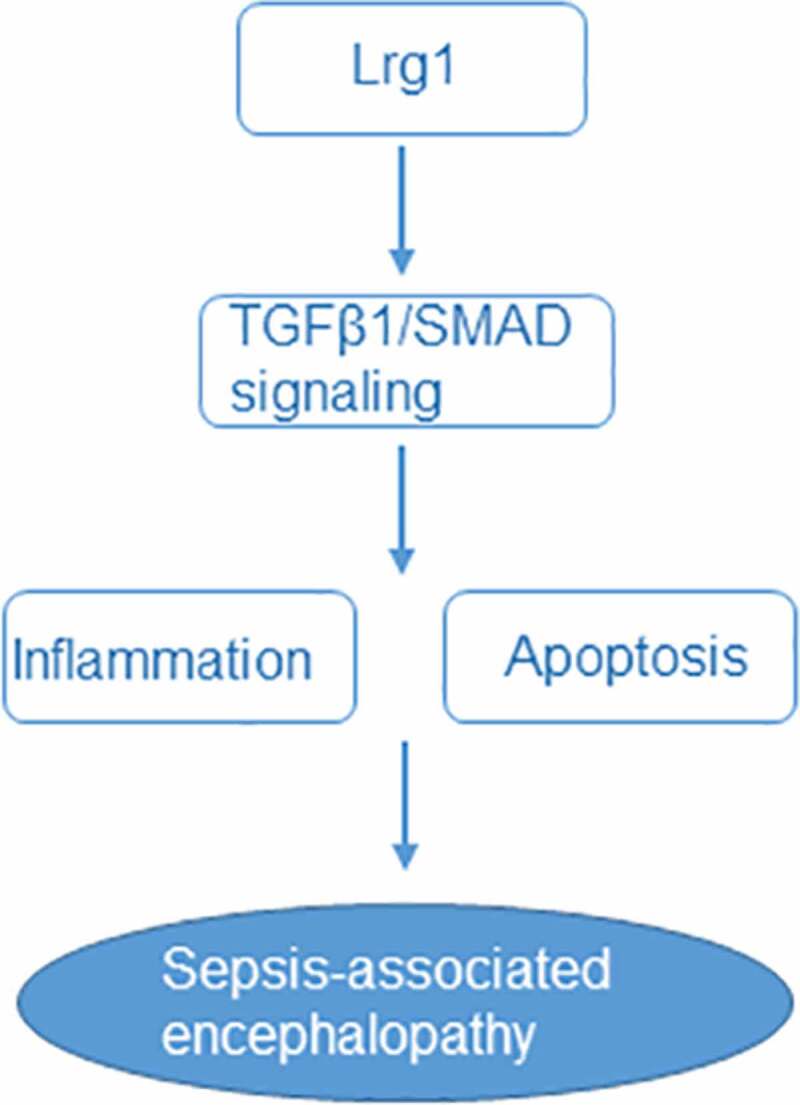
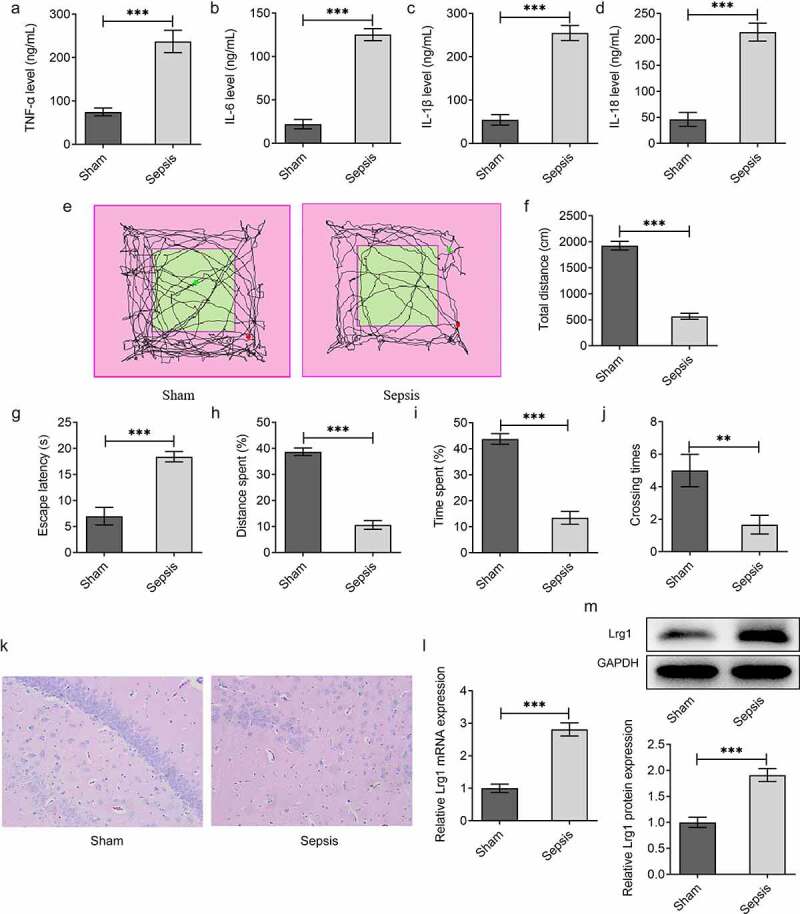
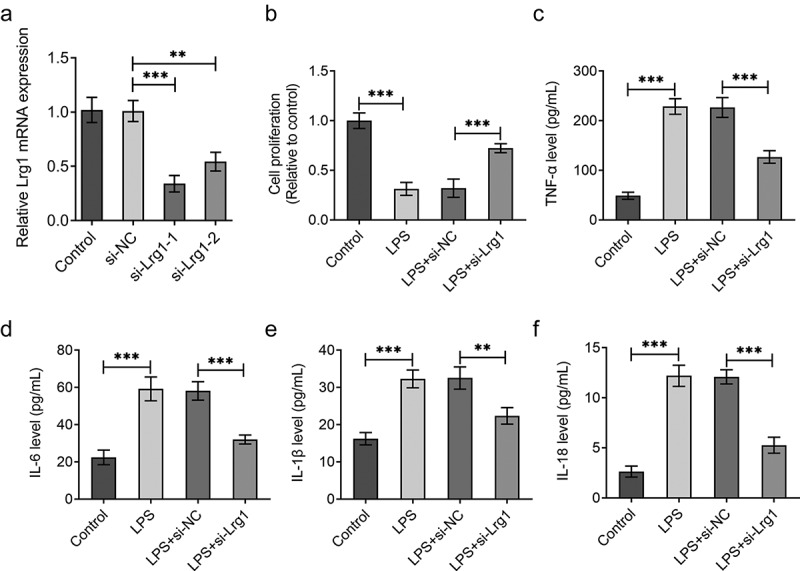
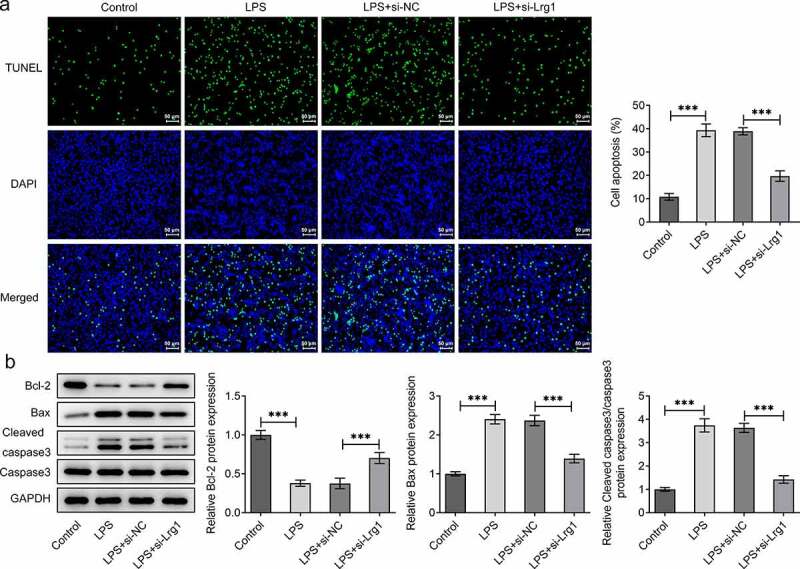
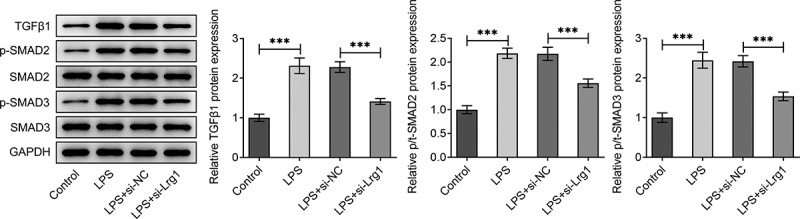
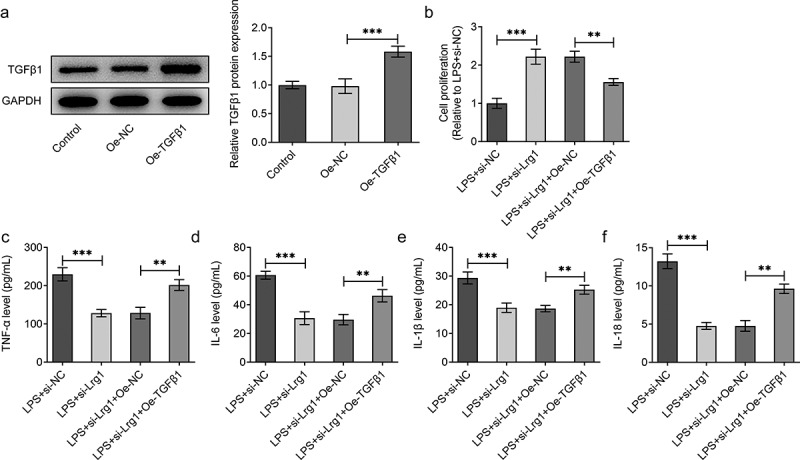
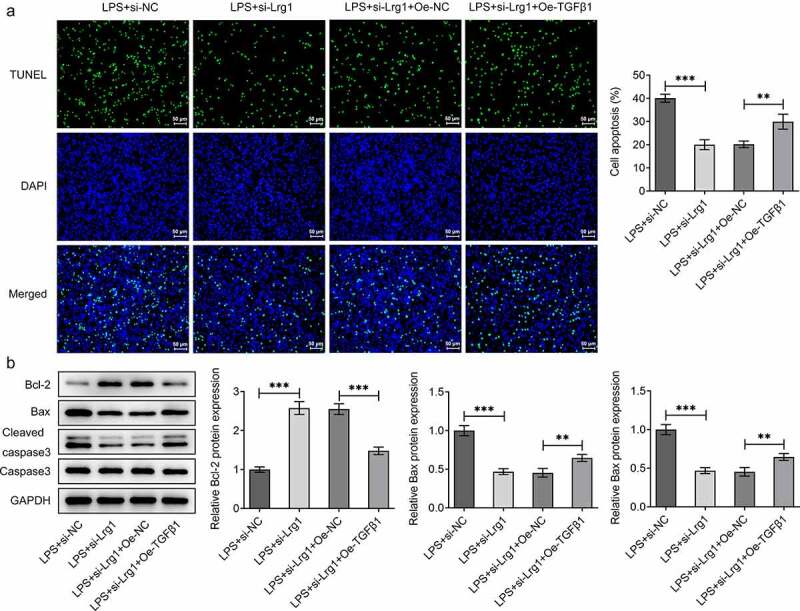
Sepsis-associated encephalopathy (SAE) is key manifestation of sepsis which is responsible for increased morbidity and mortality. Leucine rich alpha-2-glycoprotein 1 (Lrg1) is a secreted protein implicated in a variety of diseases. We aimed to explore the effects and potential mechanism of Lrg1 on sepsis-mediated brain injury. A sepsis-induced brain damage mice model was established. Then, ELISA was utilized to detect the levels of inflammatory factors in brain tissues. Behavioral performance, spatial learning and memory of mice were evaluated by open field test and Morris water maze test. The number of neurons was tested by H&E staining. Lrg1 expression was evaluated by RT-qPCR and western blot. In vitro, mouse hippocampal neuronal cell line (HT22) was stimulated by lipopolysaccharide (LPS). After Lrg1 silencing, cell viability was determined using CCK-8 and cell apoptosis was assessed by TUNEL. The levels of inflammatory factors were detected by ELISA. Moreover, western blot was applied to analyze the expression of proteins in transforming growth factor beta1 (TGFβ1)/SMAD signaling. Results revealed that mice in the model group showed obvious behavioral changes. Lrg1 was highly expressed in the brain tissues of model mice. Besides, Lrg1 knockdown suppressed the inflammation and apoptosis of LPS-induced HT22 cells. Moreover, Lrg1 silencing caused the inactivation of TGFβ1/SMAD signaling. Rescue assays confirmed that TGFβ1 overexpression reversed the impacts of Lrg1 deletion on the inflammation and apoptosis in LPS-induced HT22 cells. Collectively, Lrg1 silencing alleviates brain injury in SAE via inhibiting TGFβ1/SMAD signaling, implying that Lrg1 might serve as a promising target for SAE treatment.
Overview
The claims and statistics of this paper haven’t been checked yet.
Free: it reads the open-access text and checks the first 5 claims that cite a source we can check. Create a free account to check every claim.
Integrity signals
Registry
Cites
Statistics
Figures
Verification
Claims the paper makes
The claims and statistics of this paper haven’t been checked yet.
Free: it reads the open-access text and checks the first 5 claims that cite a source we can check. Create a free account to check every claim.
Claims other papers make about this one
Each is checked against this paper’s own text: does it say what the citing paper says it does?
The cited source says what the claim attributes to it.
In the citing paper
“Lrg1 silencing reduces neuronal apoptosis by suppressing the TGFβ1/SMAD signaling pathway [72]; ③ Non-pharmacological interventions and potential targets: Environmental enrichment (EE) exerts protective effects by enhancing antioxidant, anti-inflammatory, and anti-apoptotic responses [73]; FGR gene silencing regulates mitochondrial homeostasis via the Sirt1/PGC-1α pathway [74].”
From Research Advances in the Pathogenesis of Sepsis-Associated Encephalopathy (2026) · cites this paper as [72]
Self-check
Percentages, sums and reported differences re-computed from the paper’s own numbers.
The self-check needs the paper’s full text.
Citations
Cites
1 retracted
Muhammad, T., Ikram, M., Ullah, R., Rehman, S., & Kim, M. (2019) · Nutrients · doi:10.3390/nu11030648 · Cited by 443 · cited 2×
“The experimental results disclosed that LPS led to the decrease in cell viability and the increase in inflammatory response and cell apoptosis, which was in line with the previous studies [19,38].”
MethodResultRetractedAnalysis of Relative Gene Expression Data Using Real-Time Quantitative PCR and the 2−ΔΔCT Method
Livak, K. J., & Schmittgen, T. D. (2001) · Methods · doi:10.1006/meth.2001.1262 · Cited by 180,860 · cited 1×
“Relative gene expression was figured out on the basis of 2 method [22].”
MethodMutation of the mouse klotho gene leads to a syndrome resembling ageing
Kuro-o, M., Matsumura, Y., Aizawa, H., Kawaguchi, H., Suga, T., Utsugi, T., Ohyama, Y., Kurabayashi, M., Kaname, T., Kume, E., et al. (1997) · Nature · doi:10.1038/36285 · Cited by 3,837
Interleukin-6, a Major Cytokine in the Central Nervous System
Erta, M., Quintana, A., & Hidalgo, J. (2012) · International Journal of Biological Sciences · doi:10.7150/ijbs.4679 · Cited by 1,087 · cited 1×
“IL-6 is a cytokine associated with both immune response and neurogenesis [29].”
BackgroundSepsis-associated encephalopathy
Gofton, T. E., & Young, G. B. (2012) · Nature Reviews Neurology · doi:10.1038/nrneurol.2012.183 · Cited by 821 · cited 1×
“The most typical clinical feature of SAE is an altered mental status which ranges from mildly reduced awareness to convulsions, even deep coma [6].”
BackgroundTumor necrosis factor alpha: A link between neuroinflammation and excitotoxicity
Olmos, G., & Lladó, J. (2014) · Mediators of Inflammation · doi:10.1155/2014/861231 · Cited by 730 · cited 1×
“TNFα, a proinflammatory cytokine, is associated with several neurological disorders [28].”
BackgroundBiosynthesis and Export of Bacterial Lipopolysaccharides
Whitfield, C., & Trent, M. S. (2014) · Annual Review of Biochemistry · doi:10.1146/annurev-biochem-060713-035600 · Cited by 709 · cited 1×
“LPS is generally deemed as a unique family of glycolipids based on a highly conserved lipid moiety [32].”
BackgroundDiverse Roles of TGF-β/Smads in Renal Fibrosis and Inflammation
Lan, H. Y. (2011) · International Journal of Biological Sciences · doi:10.7150/ijbs.7.1056 · Cited by 652 · cited 1×
“In TGFβ1/SMAD signaling pathway, TGF-β1 stimulates its downstream Smads to exert its regulatory roles in diverse human diseases [44].”
BackgroundChen, L., Yang, T., Lu, D.-W., Zhao, H., Feng, Y.-L., Chen, H., Chen, D.-Q., Vaziri, N. D., & Zhao, Y.-Y. (2018) · Biomedicine & Pharmacotherapy · doi:10.1016/j.biopha.2018.02.090 · Cited by 359 · cited 1×
“For instance, TGF-β/Smad signaling is an important pathway in the pathogenesis of renal fibrosis and inflammation in chronic kidney disease [45].”
BackgroundSeptic-Associated Encephalopathy: a Comprehensive Review
Mazeraud, A., Righy, C., Bouchereau, E., Benghanem, S., Bozza, F. A., & Sharshar, T. (2020) · Neurotherapeutics · doi:10.1007/s13311-020-00862-1 · Cited by 328 · cited 1×
“Multiple factors including neurotransmitter dysfunction, inflammatory and ischemic lesions to the brain, microglial activation, and blood-brain barrier dysfunction have been reported to contribute to SAE, thus making the pathophysiology of SAE more complex [7].”
BackgroundTakahashi, N., Takahashi, Y., & Putnam, F. W. (1985) · Proceedings of the National Academy of Sciences · doi:10.1073/pnas.82.7.1906 · Cited by 317
The IL-1β phenomena in neuroinflammatory diseases
Mendiola, A. S., & Cardona, A. E. (2018) · Journal of Neural Transmission · doi:10.1007/s00702-017-1732-9 · Cited by 303 · cited 1×
“Also, IL-1β has been implicated in immune responses and CNS-related diseases [30].”
BackgroundIL-18: a key player in neuroinflammation and neurodegeneration?
Felderhoff-Mueser, U., Schmidt, O. I., Oberholzer, A., Bührer, C., & Stahel, P. F. (2005) · Trends in Neurosciences · doi:10.1016/j.tins.2005.06.008 · Cited by 242 · cited 3×
“As a severe manifestation of sepsis, sepsis-associated encephalopathy (SAE) is characterized by a diffuse cerebral dysfunction caused by the systemic response to the infection without direct central nervous system (CNS) infection [4].”
BackgroundSepsis-associated encephalopathy and septic encephalitis: an update
Tauber, S. C., Djukic, M., Gossner, J., Eiffert, H., Brück, W., & Nau, R. (2021) · Expert Review of Anti-infective Therapy · doi:10.1080/14787210.2020.1812384 · Cited by 228 · cited 1×
“It is also associated with increased mortality, long-term cognitive disorder, and focal neurological deficits [5].”
BackgroundPATHOBIOLOGY OF LIPOPOLYSACCHARIDE
Mayeux, P. R. (1997) · Journal of Toxicology and Environmental Health · doi:10.1080/00984109708984034 · Cited by 204 · cited 1×
“The cellular functions in different cell types vary in response to LPS [33].”
BackgroundShirai, R., Hirano, F., Ohkura, N., Ikeda, K., & Inoue, S. (2009) · Biochemical and Biophysical Research Communications · doi:10.1016/j.bbrc.2009.03.104 · Cited by 193 · cited 1×
“What’s more, LPS treatment enhances the expression of Lrg mRNA in a dose-dependent manner in hepatocytes [42].”
BackgroundSepsis and septic shock: current approaches to management
Thompson, K., Venkatesh, B., & Finfer, S. (2019) · Internal Medicine Journal · doi:10.1111/imj.14199 · Cited by 190 · cited 1×
“Sepsis, a serious medical condition that is frequently diagnosed in intensive care units (ICUs) patients, is recognized as a global health priority by the World Health Organization [1].”
BackgroundAndonegui, G., Zelinski, E. L., Schubert, C. L., Knight, D., Craig, L. A., Winston, B. W., Spanswick, S. C., Petri, B., Jenne, C. N., Sutherland, J. C., et al. (2018) · JCI Insight · doi:10.1172/jci.insight.99364 · Cited by 179
Rehman, S. U., Ali, T., Alam, S. I., Ullah, R., Zeb, A., Lee, K. W., Rutten, B. P. F., & Kim, M. O. (2018) · Molecular Neurobiology · doi:10.1007/s12035-018-1280-9 · Cited by 158 · cited 1×
“The time at which mice found the platform was recorded, and if it exceeded 60s, it was recorded as 60s [18].”
BackgroundHAUPT, H., & BAUDNER, S. (1977) · Hoppe-Seyler´s Zeitschrift für physiologische Chemie · doi:10.1515/bchm2.1977.358.1.639 · Cited by 119
Chalupka, A. N., & Talmor, D. S. (2011) · Critical Care Clinics · doi:10.1016/j.ccc.2011.09.003 · Cited by 109 · cited 1×
“It is considered that sepsis poses a growing economic burden on health care systems in that patients with sepsis are prone to develop complications, have a higher mortality rate and face higher healthcare costs and longer treatment [2,3].”
BackgroundHAUPT, H., & BAUDNER, S. (1977) · PubMed · Cited by 99
Neuroinflammation in Sepsis: Molecular Pathways of Microglia Activation
Moraes, C., Zaverucha-do-Valle, C., Fleurance, R., Sharshar, T., Bozza, F., & d’Avila, J. (2021) · Pharmaceuticals · doi:10.3390/ph14050416 · Cited by 94 · cited 1×
“Accumulating studies have suggested that neuroinflammation is emerging as a key player of brain dysfunction in sepsis [27].”
BackgroundLRG1 promotes angiogenesis through upregulating the TGF-β1 pathway in ischemic rat brain
Meng, H., Song, Y., Zhu, J., Liu, Q., Lu, P., Ye, N., Zhang, Z., Pang, Y., Qi, J., & Wu, H. (2016) · Molecular Medicine Reports · doi:10.3892/mmr.2016.5925 · Cited by 86 · cited 1×
“Lrg1 stimulates angiogenesis via activating the TGFβ1 signaling [11].”
BackgroundKushairi, N., Phan, C. W., Sabaratnam, V., David, P., & Naidu, M. (2019) · Antioxidants · doi:10.3390/antiox8080261 · Cited by 86 · cited 1×
“Louis, MO, USA) was used to treat HT22 cells for 24 h [19,20].”
MethodMiyajima, M., Nakajima, M., Motoi, Y., Moriya, M., Sugano, H., Ogino, I., Nakamura, E., Tada, N., Kunichika, M., & Arai, H. (2013) · PLoS ONE · doi:10.1371/journal.pone.0074453 · Cited by 73
Xu, F., Lin, S., Yang, Y., Guo, R., Cao, J., & Liu, Q. (2013) · International Immunopharmacology · doi:10.1016/j.intimp.2013.03.014 · Cited by 64
Jin, J., Sun, H., Liu, D., Wang, H., Liu, Q., Chen, H., Zhong, D., & Li, G. (2019) · Neuroscience · doi:10.1016/j.neuroscience.2019.06.008 · Cited by 61 · cited 3×
“Additionally, compelling evidence indicate that Lrg1 can promote apoptosis and autophagy to exacerbate ischemia/reperfusion-induced brain injury through the transforming growth factor beta (TGFβ)/SMAD signaling pathway [16].”
BackgroundInfluentialNeuroinflammation in Sepsis: Sepsis Associated Delirium
Piva, S., McCreadie, V., & Latronico, N. (2015) · Cardiovascular & Hematological Disorders-Drug Targets · doi:10.2174/1871529x15666150108112452 · Cited by 59
Identification of Potential Biomarkers and Immune Features of Sepsis Using Bioinformatics Analysis
Gong, F., Ji, R., Wang, Y., Yang, Z., Chen, Y., Mao, E.-Q., & Chen, E. (2020) · Mediators of Inflammation · doi:10.1155/2020/3432587 · Cited by 59
The effects of chrysin on lipopolysaccharide‐induced sepsis in rats
Koç, F., Tekeli, M. Y., Kanbur, M., Karayığıt, M. Ö., & Liman, B. C. (2020) · Journal of Food Biochemistry · doi:10.1111/jfbc.13359 · Cited by 50 · cited 1×
“It is also known as a major microbial mediator in the pathogenesis of sepsis [35,36].”
BackgroundFeng, J., Zhan, J., & Ma, S. (2021) · Bioengineered · doi:10.1080/21655979.2021.1988368 · Cited by 50 · cited 1×
“have manifested that Lrg1 suppresses the viability but induces the apoptosis and autophagy of H9c2 cells under hypoxia conditions [13].”
BackgroundHuang, J., Zhou, L., Chen, J., Chen, T., Lei, B., Zheng, N., Wan, X., Xu, J., & Wang, T. (2021) · Neural Plasticity · doi:10.1155/2021/8706400 · Cited by 47 · cited 1×
“The experimental results disclosed that LPS led to the decrease in cell viability and the increase in inflammatory response and cell apoptosis, which was in line with the previous studies [19,38].”
ResultGu, Z., Xie, D., Huang, C., Ding, R., Zhang, R., Li, Q., Lin, C., & Qiu, Y. (2020) · Journal of Cellular and Molecular Medicine · doi:10.1111/jcmm.15826 · Cited by 46
Lipopolysaccharide: a tool and target in enterobacterial vaccine development
Nagy, G., & Pál, T. (2008) · Biological Chemistry · doi:10.1515/bc.2008.056 · Cited by 45 · cited 1×
“More intriguingly, the modification of LPS is of great significance to the development of live attenuated vaccines for the reason that LPS is a component of the cell wall of gram-negative bacteria [34].”
BackgroundCognitive Impairment in the Septic Brain
Comim, C., Constantino, L., Barichello, T., Streck, E., Quevedo, J., & Dal-Pizzol, F. (2009) · Current Neurovascular Research · doi:10.2174/156720209788970045 · Cited by 45
Leucine-rich α2-glycoprotein-1 upregulation in plasma and kidney of patients with lupus nephritis
Yang, Y., Luo, R., Cheng, Y., Liu, T., Dai, W. H., Li, Y., Ge, S., & Xu, G. (2020) · BMC Nephrology · doi:10.1186/s12882-020-01782-0 · Cited by 41
Sepsis-associated encephalopathy.
Cotena, S., & Piazza, O. (2012) · PubMed Central · Cited by 37
Su, E.-Y., Han, X., & Jiang, G. (2010) · Tumori Journal · doi:10.1177/030089161009600503 · Cited by 35 · cited 1×
“have clarified that TGFβ1/SMAD pathway is a critical mediator in human chronic myeloid leukemia [46].”
BackgroundYu, J., Chen, J., Yang, H., Chen, S., & Wang, Z. (2019) · International Journal of Molecular Medicine · doi:10.3892/ijmm.2019.4326 · Cited by 32
Zhang, C., Li, J., Qiu, X., Chen, Y., & Zhang, X. (2019) · Biomedicine & Pharmacotherapy · doi:10.1016/j.biopha.2019.108620 · Cited by 29 · cited 1×
“TGFBR2 overexpression aggravates LPS-induced sepsis through up-regulating Smad2/3 [48].”
BackgroundSepsis and the evolution of human increased sensitivity to lipopolysaccharide
Brinkworth, J. F., & Valizadegan, N. (2021) · Evolutionary Anthropology: Issues, News, and Reviews · doi:10.1002/evan.21887 · Cited by 28 · cited 1×
“LPS is also well documented to trigger powerful immune responses and can even initiate symptoms of sepsis [37].”
BackgroundZhang, N., Ren, Y., Wang, Y., Zhao, L., Wang, B., Ma, N., Gao, Z., & Cao, B. (2020) · Journal of Cancer · doi:10.7150/jca.36189 · Cited by 27 · cited 1×
“Lrg1 is a secreted protein implicated in a variety of malignancies [39].”
BackgroundProteome analysis of hemofilter adsorbates to identify novel substances of sepsis: a pilot study
Hashida, T., Nakada, T., Satoh, M., Tomita, K., Kawaguchi, R., Nomura, F., & Oda, S. (2016) · Journal of Artificial Organs · doi:10.1007/s10047-016-0936-3 · Cited by 24
Leucine-rich α2-glycoprotein overexpression in the brain contributes to memory impairment
Akiba, C., Nakajima, M., Miyajima, M., Ogino, I., Miura, M., Inoue, R., Nakamura, E., Kanai, F., Tada, N., Kunichika, M., et al. (2017) · Neurobiology of Aging · doi:10.1016/j.neurobiolaging.2017.08.014 · Cited by 20
Hao, L., Xie, H., Zhang, B., Chen, D., Wang, S., Zhang, H., & He, S. (2016) · Journal of Translational Medicine · doi:10.1186/s12967-016-0929-2 · Cited by 15
Zhou, L., Chu, W.-J., Yang, L., & Xu, H. C. (2021) · International Journal of Ophthalmology · doi:10.18240/ijo.2021.03.03 · Cited by 15
Sganga, G. (2015) · Urologia Journal · doi:10.5301/uro.5000113 · Cited by 12
Pleiotropic Roles of TGFβ/Smad Signaling in the Progression of Chronic Liver Disease
Xu, L., Tian, D., & Zheng, Y. (2013) · Critical Reviews in Eukaryotic Gene Expression · doi:10.1615/critreveukaryotgeneexpr.2013007490 · Cited by 6 · cited 1×
“As reported, TGFβ can cross talk with other signaling pathways to mediate multiple biological activities [43].”
Background[Structure and function of lipopolysaccharide lipid A in bacteria--a review].
Li, Y., Shi, F., Li, Y., & Wang, X. (2008) · PubMed · Cited by 5
Cited by
Xin, Y., Tian, M., Deng, S., Li, J., Yang, M., Gao, J., Pei, X., Wang, Y., Tan, J., Zhao, F., et al. (2023) · Molecular Neurobiology · doi:10.1007/s12035-022-03148-z · Cited by 91
LRG1 Promotes ECM Integrity by Activating the TGF-β Signaling Pathway in Fibroblasts
Park, H. N., Song, M. J., Choi, Y. E., Lee, D. H., Chung, J. H., & Lee, S. (2023) · International Journal of Molecular Sciences · doi:10.3390/ijms241512445 · Cited by 33
Tang, L., Zhao, H., Yang, H., Hu, C., Ma, S., Xiao, W.-Z., Qing, Y.-H., Yang, L., Zhou, R., Liu, J., et al. (2023) · Journal of Ethnopharmacology · doi:10.1016/j.jep.2023.117090 · Cited by 29
Zhou, Y., Zou, X., Feng, R., Zhan, X., Hong, H., Luo, Y., & Tan, Y. (2023) · Nutrients · doi:10.3390/nu15030534 · Cited by 23
“Multiple studies have shown that the expression of these two proteins leads to higher cognitive impairment [39,40].”
Dissecting the genetic and proteomic risk factors for delirium
Raptis, V., Bhak, Y., Cannings, T. I., MacLullich, A. M. J., & Tenesa, A. (2025) · Nature Aging · doi:10.1038/s43587-025-01018-6 · Cited by 11
Metadata
- Authors
- Miao, Y., Wang, M., Cai, X., Zhu, Q., & Mao, L.
- Affiliations
- The Third People’s Hospital of Nantong
- Corresponding author
- Mao, Liping
- Venue
- Bioengineered
- Publisher
- Informa UK Limited
- Published
- 2022-03
- Volume
- 13
- Issue
- 3
- Pages
- 7316-7327
- ISSN
- 2165-5979 (ISSN-L)
- 2165-5987
- PMC
- PMC8973760
- OpenAlex
- W4220901556
- Cited by
- 22
- References
- 50
- Citations by year
- 2026: 3 · 2025: 7 · 2024: 6 · 2023: 5 · 2022: 1
- FWCI
- 3.43
- Type
- journal article
- Language
- en
- Open access
- gold
- doi.org
- Locations
- Bioengineered (publishedVersion, cc-by)
- PubMed Central (publishedVersion, cc-by)
- PubMed (publishedVersion)
- DOAJ (DOAJ: Directory of Open Access Journals) (submittedVersion, cc-by-sa)
- Funders
- research
- Topics
- Health Sciences › Medicine › Critical Care and Intensive Care Medicine › Sepsis Diagnosis and Treatment
- Life Sciences › Neuroscience › Neurology › Neuroinflammation and Neurodegeneration Mechanisms
- Life Sciences › Immunology and Microbiology › Microbiology › Bacterial Infections and Vaccines
- Keywords
- LRG1, sepsis-associated encephalopathy, lipopolysaccharide-induced neuroinflammation, neuronal apoptosis, hippocampal neurons, neuroprotection, cognitive impairment
- MeSH terms
- Animals, Brain Injuries, Glycoproteins, Inflammation, Leucine, Lipopolysaccharides, Signal Transduction, Apoptosis, Sepsis, Mice, Transforming Growth Factor beta1
About these checks
Registry, retraction, Cites and statistics results are computed, not judged, with one exception: a printed reference that no index lists is read once by a model before it counts as a citation error. Claims are extracted by a model and kept only when their quote appears verbatim in the text; each cited source is then checked, with a model’s help, for whether it says what the claim relies on. Those verdicts can be wrong — read the claim’s quote and the cited source before relying on one.
Statistics and arithmetic are recomputed, not judged.
Confidence bands are shown only for fields calibrated on our annotated test set. None is calibrated yet, so no band is shown.
What counts as a claim ›How we measure confidence ›How we check this ›
Are you an author, or do you see a problem with this page? Request a review
Data sources
Bibliographic data: Semantic Scholar, OpenAlex, Crossref.
Contains information from the Semantic Scholar Academic Graph Datasets, made available under the ODC Attribution License (ODC-BY 1.0).
Semantic Scholar’s data is described in: Kinney, R., et al. (2023). The Semantic Scholar Open Data Platform. arXiv:2301.10140.
