

Sustained desensitization to bacterial Toll-like receptor ligands after resolutionof respiratory influenza infection
Open accessThe DOI matches its Crossref record; 31 of the 31 references it cites were found in a registry or an index.
Abstract
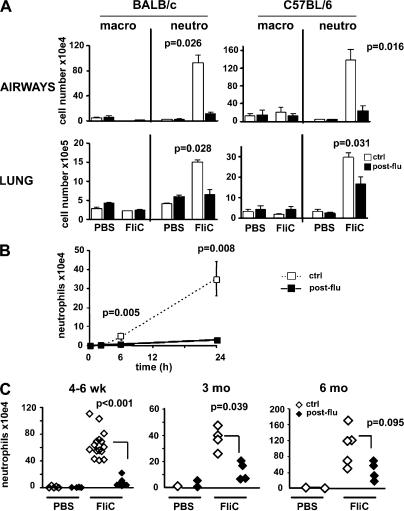
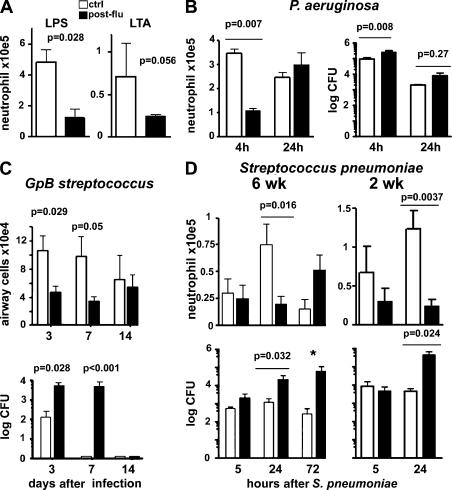
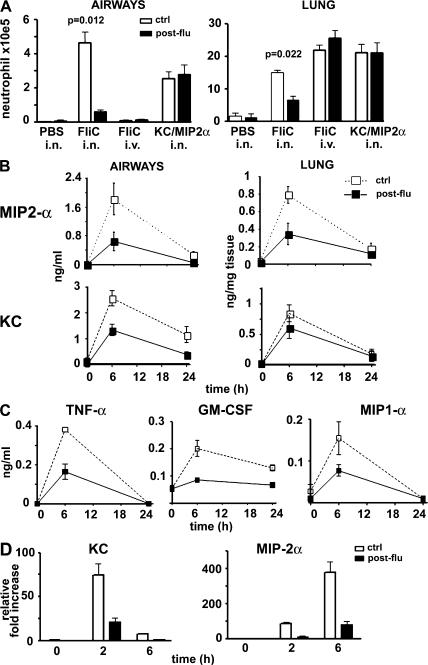
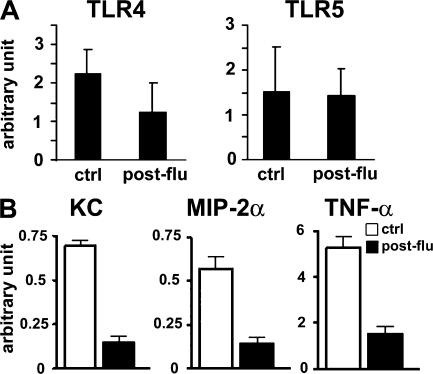
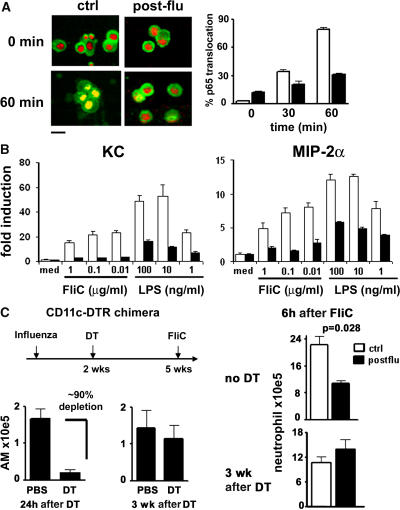
The World Health Organization estimates that lower respiratory tract infections (excluding tuberculosis) account for ∼35% of all deaths caused by infectious diseases. In many cases, the cause of death may be caused by multiple pathogens, e.g., the life-threatening bacterial pneumonia observed in patients infected with influenza virus. The ability to evolve more efficient immunity on each successive encounter with antigen is the hallmark of the adaptive immune response. However, in the absence of cross-reactive T and B cell epitopes, one lung infection can modify immunity and pathology to the next for extended periods of time. We now report for the first time that this phenomenon is mediated by a sustained desensitization of lung sentinel cells to Toll-like receptor (TLR) ligands; this is an effect that lasts for several months after resolution of influenza or respiratory syncytial virus infection and is associated with reduced chemokine production and NF-κB activation in alveolar macrophages. Although such desensitization may be beneficial in alleviating overall immunopathology, the reduced neutrophil recruitment correlates with heightened bacterial load during secondary respiratory infection. Our data therefore suggests that post-viral desensitization to TLR signals may be one possible contributor to the common secondary bacterial pneumonia associated with pandemic and seasonal influenza infection.
Overview
The claims and statistics of this paper haven’t been checked yet.
Free: it reads the open-access text and checks the first 5 claims that cite a source we can check. Create a free account to check every claim.
Integrity signals
Registry
Cites
Statistics
Figures
Verification
Claims the paper makes
The claims and statistics of this paper haven’t been checked yet.
Free: it reads the open-access text and checks the first 5 claims that cite a source we can check. Create a free account to check every claim.
Claims other papers make about this one
Each is checked against this paper’s own text: does it say what the citing paper says it does?
The source backs part of the claim, not all of it — or backs it for a different population, condition or comparison.
In the citing paper
“Late after infection, when virus has cleared (.12 days), desensitization of pattern recognition receptors to stimuli reverses this effect, preventing beneficial inflammatory responses from contributing to bacterial clearance [40].”
From Influenza virus primes mice for pneumonia from Staphylococcus aureus. (2011) · cites this paper as [40]
Experimental — accuracy not yet measuredThe cited source says what the claim attributes to it.
In the citing paper
“respiratory viruses can modulate innate and adaptive immune responses in the host, thereby promoting bacterial colonization and infection; for example, by impairing monocyte activity108, the extended desensitization of alveolar macrophages for Toll-like receptor (TLR)-ligands109, suppressing phagocytic capacity of alveolar macrophages110, and by inhibiting the production of antimicrobial peptides”
From The microbiota of the respiratory tract: gatekeeper to respiratory health (2017) · cites this paper as [109]
In the citing paper
“Third, respiratory viral infections impair innate immune responses against bacteria (128–130).”
From Respiratory viral infection-induced microbiome alterations and secondary bacterial pneumonia. (2018) · cites this paper as [129]
Self-check
Percentages, sums and reported differences re-computed from the paper’s own numbers.
The self-check needs the paper’s full text.
Citations
Cites
2 retracted
Induction of a Homeostatic Circuit in Lung Tissue by Microbial Compounds
Takabayshi, K., Corr, M., Hayashi, T., Redecke, V., Beck, L., Guiney, D. G., Sheppard, D., & Raz, E. (2008) · Immunity · doi:10.1016/j.immuni.2008.04.011 · Cited by 89
RetractedRETRACTED: Induction of a Homeostatic Circuit in Lung Tissue by Microbial Compounds
Takabayshi, K., Corr, M., Hayashi, T., Redecke, V., Beck, L., Guiney, D. G., Sheppard, D., & Raz, E. (2006) · Immunity · doi:10.1016/j.immuni.2006.02.008 · Cited by 76
RetractedPathogen Recognition and Innate Immunity
Akira, S., Uematsu, S., & Takeuchi, O. (2006) · Cell · doi:10.1016/j.cell.2006.02.015 · Cited by 11,952
Jung, S., Unutmaz, D., Wong, P., Sano, G.-I., De los Santos, K., Sparwasser, T., Wu, S., Vuthoori, S., Ko, K., Zavala, F., et al. (2002) · Immunity · doi:10.1016/s1074-7613(02)00365-5 · Cited by 1,773
Insights into the Interaction between Influenza Virus and Pneumococcus
McCullers, J. A. (2006) · Clinical Microbiology Reviews · doi:10.1128/cmr.00058-05 · Cited by 846
Prokaryotic Regulation of Epithelial Responses by Inhibition of IκB-α Ubiquitination
Neish, A. S., Gewirtz, A. T., Zeng, H., Young, A. N., Hobert, M. E., Karmali, V., Rao, A. S., & Madara, J. L. (2000) · Science · doi:10.1126/science.289.5484.1560 · Cited by 844
Role of inducible bronchus associated lymphoid tissue (iBALT) in respiratory immunity
Moyron-Quiroz, J. E., Rangel-Moreno, J., Kusser, K., Hartson, L., Sprague, F., Goodrich, S., Woodland, D. L., Lund, F. E., & Randall, T. D. (2004) · Nature Medicine · doi:10.1038/nm1091 · Cited by 821
van Rijt, L. S., Jung, S., KleinJan, A., Vos, N., Willart, M., Duez, C., Hoogsteden, H. C., & Lambrecht, B. N. (2005) · The Journal of Experimental Medicine · doi:10.1084/jem.20042311 · Cited by 623
Self-citationPostnatal acquisition of endotoxin tolerance in intestinal epithelial cells
Lotz, M., Gütle, D., Walther, S., Ménard, S., Bogdan, C., & Hornef, M. W. (2006) · The Journal of Experimental Medicine · doi:10.1084/jem.20050625 · Cited by 464
Andonegui, G., Bonder, C. S., Green, F., Mullaly, S. C., Zbytnuik, L., Raharjo, E., & Kubes, P. (2003) · Journal of Clinical Investigation · doi:10.1172/jci16510 · Cited by 408
Cited by
Items 201–300 of 406
Kloc, M., Kubiak, J. Z., Zdanowski, R., & Ghobrial, R. M. (2022) · International Journal of Molecular Sciences · doi:10.3390/ijms24010038 · Cited by 33
Unusual Dengue Virus 3 Epidemic in Nicaragua, 2009
Gutiérrez, G., Standish, K. R., Narvaez, F., Pérez, M. Á., SABORÍO, S. I., Elizondo, D., Ortega, O. R. D. R., Nunez, A. C., Kuan, G., Balmaseda, Á., et al. (2011) · PLoS neglected tropical diseases · doi:10.1371/journal.pntd.0001394 · Cited by 33
“Influenza infections are known to predispose towards and enhance the severity of secondary bacterial infections [32,33,34,35,36]; perhaps in close temporal proximity, a similar effect could occur on a subsequent DENV infection.”
BackgroundHarker, J. A., Lee, D. C. P., Yamaguchi, Y., Wang, B. L., Bukreyev, A. A., Collins, P. L., Tregoning, J. S., & Openshaw, P. (2010) · Journal of Virology · doi:10.1128/jvi.02503-09 · Cited by 30
“Viral infection of adults is known to cause long-term changes in lung-resident APCs, including macrophages (11).”
BackgroundNaessens, T., Beken, S. V., Bogaert, P., van Rooijen, N., Lienenklaus, S., Weiß, S., Koker, S. D., & Grooten, J. (2012) · American Journal Of Pathology · doi:10.1016/j.ajpath.2012.03.015 · Cited by 30
Georgel, A., Cayet, D., Pizzorno, A., Rosa‐Calatrava, M., Paget, C., Sencio, V., Dubuisson, J., Trottein, F., Sirard, J., & Carnoy, C. (2019) · Antiviral Research · doi:10.1016/j.antiviral.2019.05.002 · Cited by 30
Self-citationTopical Microbial Therapeutics against Respiratory Viral Infections
Spacova, I., Boeck, I. D., Bron, P. A., Delputte, P., & Lebeer, S. (2021) · Trends in Molecular Medicine · doi:10.1016/j.molmed.2021.03.009 · Cited by 31
Li, X., Chen, M., Chen, T., Xie, L., Luo, Q., Fan, X., Yin, Y., Meng, S., Jin, Z., He, Y., et al. (2025) · Journal of Translational Medicine · doi:10.1186/s12967-025-06433-2 · Cited by 29
Respiratory Syncytial Virus Provides Protection against a Subsequent Influenza A Virus Infection
Hartwig, S. M., Miller, A. M., & Varga, S. M. (2022) · The Journal of Immunology · doi:10.4049/jimmunol.2000751 · Cited by 33
Probiotics as a biotherapeutics for the management and prevention of respiratory tract diseases
Debnath, N., Kumar, A., & Yadav, A. K. (2022) · Microbiology and Immunology · doi:10.1111/1348-0421.12980 · Cited by 29
“Respiratory viruses suppress the activation of the immune system, on the contrary, by binding with TLR pathways.(55,56) Recently, after the outbreak of SARS‐CoV‐2, angiotensin‐converting enzyme 2 (ACE2) has become the point of attention and several studies have already demonstrated the importance of ACE2 in COVID‐19 p…”
BackgroundHang, D. T. T., Choi, E., Song, J., Kim, S.-E., Kwak, J.-Y., & Shin, Y. (2011) · Microbiology and Immunology · doi:10.1111/j.1348-0421.2011.00383.x · Cited by 30
“Second, AMs that have been isolated after resolution of lung influenza infection have impaired NF-κB nuclear translocation to TLR ligation, this impairment being associated with reduced subsequent acute inflammation and cell recruitment (5, 6).”
BackgroundAdaptive Characteristics of Innate Immune Responses in Macrophages
Arts, R. J. W., & Netea, M. G. (2016) · Microbiology Spectrum · doi:10.1128/microbiolspec.mchd-0023-2015 · Cited by 30
“The regulation of macrophage function in the lungs provides a good example of long-term conditioning of macrophage responsiveness (31, 32).”
BackgroundMucosal vaccination in mice provides protection from diverse respiratory threats
Zhang, H., Floyd, K. A., Fang, Z., Hoffmann, F. A., Lee, A. W. Q., Froggatt, H. M., Bharj, G., Xie, X., Eppler, H. B., Santagata, J. M., et al. (2026) · Science · doi:10.1126/science.aea1260 · Cited by 40
Hartshorn, K. L. (2009) · American Journal Of Pathology · doi:10.2353/ajpath.2010.090880 · Cited by 32
Brogaard, L., Heegaard, P. M. H., Larsen, L. E., Mortensen, S., Schlegel, M., Dürrwald, R., & Skovgaard, K. (2016) · Scientific Reports · doi:10.1038/srep21812 · Cited by 29
“Studies of secondary bacterial infections in mice after IAV infection have demonstrated a desensitisation to TLR ligands even several months after the IAV had cleared 39 .”
Toll-like receptors: their roles in bacterial recognition and respiratory infections
Randhawa, A. K., & Hawn, T. R. (2008) · Expert Review of Anti-infective Therapy · doi:10.1586/14787210.6.4.479 · Cited by 26
The complication of coinfection.
Pasman, L. (2012) · PubMed Central · Cited by 36
Zavitz, C. C. J., Bauer, C. M. T., Gaschler, G. J., Fraser, K., Strieter, R. M., Hogaboam, C. M., & Stämpfli, M. R. (2010) · The Journal of Immunology · doi:10.4049/jimmunol.0903304 · Cited by 29
“These findings confirm that influenza infection has a long-lasting deleterious impact on antibacterial host defense, as has previously been reported with respect to other bacteria (19).”
BackgroundResultPabst, R., Durak, D., Roos, A., Lührmann, A., & Tschernig, T. (2008) · Immunology · doi:10.1111/j.1365-2567.2008.02886.x · Cited by 24
Männ, L., Kochupurakkal, N. M., Martin, C., Verjans, E., Grüneboom, A., Sody, S., Kraus, A., Dalimot, J. J., Bergmüller, E., Jung, S., et al. (2016) · European Journal of Immunology · doi:10.1002/eji.201546245 · Cited by 26
Moore, D. P., Dagan, R., & Madhi, S. A. (2012) · Expert Review of Respiratory Medicine · doi:10.1586/ers.12.32 · Cited by 25
Easterbrook, J. D., Kash, J. C., Sheng, Z., Qi, L., Gao, J., Kilbourne, E. D., Eichelberger, M. C., & Taubenberger, J. K. (2011) · Influenza and Other Respiratory Viruses · doi:10.1111/j.1750-2659.2010.00191.x · Cited by 23
Barman, T. K., Racine, R., Bonin, J. L., Califano, D., Salmon, S. L., & Metzger, D. W. (2021) · PLoS Pathogens · doi:10.1371/journal.ppat.1009405 · Cited by 24
“However, some investigators have studied co-infection of mice at various other times, including bacterial challenges as early as 3 days after viral infection [10,31,32], at a time when viral titers and lung inflammation are peaking, or several months after influenza [33], and 2) mice have been challenged with differen…”
BackgroundLi, R., Cheng, C., Chong, S. Z., Lim, A., Goh, Y. F., Locht, C., Kemeny, D. M., Angeli, V., Wong, W. S. F., & Alonso, S. (2012) · Allergy · doi:10.1111/j.1398-9995.2012.02884.x · Cited by 23
Influenza vaccines to control influenza-associated bacterial infection: where do we stand?
Christopoulou, I., Roose, K., Ibañez, L. I., & Saelens, X. (2014) · Expert Review of Vaccines · doi:10.1586/14760584.2015.957191 · Cited by 25
“Following its induction by influenza virus genomic RNA and pneumococcal factors such as pneumolysin and peptidoglycan, I-IFN has been shown to block the production of CCL2, responsible for macrophage recruitment [65], and the neutrophil chemoattractants KC and MIP2 [59,66].”
BackgroundErrea, A. J., Moreno, G., Sisti, F., Fernández, J., Rumbo, M., & Hozbor, D. F. (2010) · Medical Microbiology and Immunology · doi:10.1007/s00430-010-0142-5 · Cited by 24
Barthélémy, A., Ivanov, S., Hassane, M., Fontaine, J., Heurtault, B., Frisch, B., Faveeuw, C., Paget, C., & Trottein, F. (2016) · mBio · doi:10.1128/mbio.01440-16 · Cited by 23
Unravelling the networks dictating host resistance versus tolerance during pulmonary infections
Meunier, I., Kaufmann, E., Downey, J., & Divangahi, M. (2017) · Cell and Tissue Research · doi:10.1007/s00441-017-2572-5 · Cited by 26
“example, the induction of a tolerant state in the lungs following IAV infection elevates vulnerability to subsequent bacterial infections (Didierlaurent et al. 2008).”
BackgroundInfluentialBrandtzæg, P. (2009) · Nestlé Nutrition Institute Workshop series · doi:10.1159/000235781 · Cited by 23
Negative Control of TLR3 Signaling by TICAM1 Down-Regulation
Tao, S., Zhu, L., Lee, P., Lee, W.-M., Knox, K. S., Chen, J., Di, Y. P., & Chen, Y. (2011) · American Journal of Respiratory Cell and Molecular Biology · doi:10.1165/rcmb.2011-0340oc · Cited by 23
“Desensitization of TLR2, -4, and -6 has been reported (34, 35), but the underlying mechanisms are unknown.”
BackgroundRodriguez-Rodriguez, L., Gillet, L., & Machiels, B. (2023) · Frontiers in Immunology · doi:10.3389/fimmu.2023.1149015 · Cited by 23
“Importantly, during infection, this interaction may lead to desensitization to bacterial TLR ligands, reducing chemokine production and NF-kb activation on AMs, thereby contributing to increased bacterial susceptibility (79, 80).”
BackgroundKawasaki disease coincident with influenza A H1N1/09 infection
Joshi, A., Jones, K. D. J., Buckley, A., Coren, M., & Kampmann, B. (2011) · Pediatrics International · doi:10.1111/j.1442-200x.2010.03280.x · Cited by 23
“[8] [9] [10] We believe the coincident development of KD with influenza infection supports the hypothesis that KD is caused by an endemic pathogen that usually causes a mild self-limiting illness indistinguishable from other viral illnesses of childhood: development of the KD syndrome is dependent on a permissive gene…”
BackgroundWolf, A. I., Strauman, M. C., Mozdzanowska, K., Williams, K. L., Osborne, L. C., Shen, H., Liu, Q., Garlick, D., Artis, D., Hensley, S. E., et al. (2014) · Virology · doi:10.1016/j.virol.2014.06.019 · Cited by 24
“Studies have demonstrated that influenza induces TLR desensitization (Didierlaurent et al., 2008) and depletion of aMø Contents lists available at ScienceDirect”
BackgroundInfluentialStegemann‐Koniszewski, S., Gereke, M., Orrskog, S., Lienenklaus, S., Pasche, B., Bader, S. R., Gruber, A. D., Akira, S., Weiß, S., Henriques‐Normark, B., et al. (2012) · Journal of Innate Immunity · doi:10.1159/000345112 · Cited by 22
Toll-like receptor activation by sino-nasal mucus in chronic rhinosinusitis
Biswas, K., Chang, A. M., Hoggard, M., Radcliff, F. J., Jiang, Y., Taylor, M. W., Darveau, R. P., & Douglas, R. G. (2017) · Rhinology Journal · doi:10.4193/rhin16.201 · Cited by 25
Short, K. R., Vissers, M., de Kleijn, S., Zomer, A. L., Kedzierska, K., Grant, E., Reading, P. C., Hermans, P. W. M., Ferwerda, G., & Diavatopoulos, D. A. (2014) · Journal of Innate Immunity · doi:10.1159/000353905 · Cited by 20
Weinstock, J., Chen, X. X., Niño, G., Koumbourlis, A. C., & Rastogi, D. (2021) · Paediatric Respiratory Reviews · doi:10.1016/j.prrv.2021.03.002 · Cited by 27
Reducing the impact of influenza‐associated secondary pneumococcal infections
Mifsud, E. J., Tan, A. C. L., Short, K. R., Brown, L. E., Chua, B. Y. L., & Jackson, D. C. (2015) · Immunology and Cell Biology · doi:10.1038/icb.2015.71 · Cited by 20
Hunegnaw, R., Mushtaq, Z., Enyindah-Asonye, G. M., Hoang, T. N., & Robert-Guroff, M. (2019) · Frontiers in Immunology · doi:10.3389/fimmu.2019.01537 · Cited by 21
“Desensitization of TLR ligands on AMs as a result of viral respiratory infections has also been reported (61) .”
BackgroundHarnessing Cellular Immunity for Vaccination against Respiratory Viruses
Lukacs, N. W., & Malinczak, C. (2020) · Vaccines · doi:10.3390/vaccines8040783 · Cited by 23
“These observations, along with other studies that have shown that DCs from naturally infected individuals have decreased sensitivity to future unrelated TLR signaling [65,66], suggest that proper activation of DCs and appropriate TLR targeting (i.”
ResultThe microbiota plays a critical role in the reactivity of lung immune components to innate ligands
Marquant, Q., Laubreton, D., Drajac, C., Mathieu, E., Bouguyon, E., Noordine, M.-L., Rémot, A., Riffault, S., Thomas, M., & Descamps, D. (2021) · The FASEB Journal · doi:10.1096/fj.202002338r · Cited by 21
The Contribution of Viral Proteins to the Synergy of Influenza and Bacterial Co-Infection
Mikušová, M., Tomčíková, K., Briestenská, K., Kostolanský, F., & Varečková, E. (2022) · Viruses · doi:10.3390/v14051064 · Cited by 20
Darden, D. B., Hawkins, R. B., Larson, S. D., Iovine, N. M., Prough, D. S., & Efron, P. A. (2020) · Critical Care Explorations · doi:10.1097/cce.0000000000000109 · Cited by 21
“This in turn results in attenuated neutrophil recruitment, further decreasing the ability to reduce bacterial load in secondary bacterial infection (52, 53).”
BackgroundInnate Immune Memory in Macrophages
Maheshwari, A. (2023) · Newborn · doi:10.5005/jp-journals-11002-0058 · Cited by 19
Connolly, E., & Hussell, T. (2020) · Frontiers in Immunology · doi:10.3389/fimmu.2020.00495 · Cited by 20
“However, the presence of innate immune memory in monocytes has been observed for up to 3 months (13) and formacrophages 6months ormore (23).”
BackgroundSelf-citationJones, E. E., & DeWitte, S. N. (2011) · Journal of Anthropological Archaeology · doi:10.1016/j.jaa.2011.10.004 · Cited by 19
“Infection with influenza and RSV can lead to changes in immunity that increase an individual’s susceptibility to and risk of mortality from bacterial pneumonia long after the initial infection has ended (Didierlaurent et al., 2008).”
BackgroundInnate type 2 lymphocytes trigger an inflammatory switch in alveolar macrophages
Verwaerde, S., Hastir, J., Schetters, S. T. T., Smole, U., Seys, L., Baptista, A. P., English, K., Schuijs, M. J., Aegerter, H., Damme, K. F. A. V., et al. (2025) · Immunity · doi:10.1016/j.immuni.2025.11.015 · Cited by 21
Self-citationCuypers, F., Schäfer, A., Skorka, S. B., Surabhi, S., Tölken, L. A., Paulikat, A. D., Kohler, T. P., Otto, S. A., Mettenleiter, T. C., Hammerschmidt, S., et al. (2021) · Scientific Reports · doi:10.1038/s41598-021-00211-y · Cited by 17
Ackland, J., Watson, A., Wilkinson, T. M. A., & Staples, K. J. (2021) · Frontiers in Allergy · doi:10.3389/falgy.2021.738987 · Cited by 18
“Another study reported sustained desensitization of AM lasting for several months following influenza infection, resulting in reduced chemokine production and NF-κB activation, leading to reduced airway immune cell recruitment during secondary bacterial challenge (101).”
BackgroundParker, D. (2017) · The Journal of Infectious Diseases · doi:10.1093/infdis/jiw466 · Cited by 17
Keegan, A. D., Shirey, K. A., Bagdure, D. N., Blanco, J. C. G., Viscardi, R. M., & Vogel, S. N. (2016) · Pathogens and Disease · doi:10.1093/femspd/ftw047 · Cited by 17
Acyloxyacyl hydrolase promotes pulmonary defense by preventing alveolar macrophage tolerance
Cheng, X., Jiang, W., Chen, Y., Zou, B., Wang, Z., Gan, L., Xiao, Z., Li, C., Yu, C., Lu, Y., et al. (2023) · PLoS Pathogens · doi:10.1371/journal.ppat.1011556 · Cited by 18
Miyake, T., Soda, K., Itoh, Y., Sakoda, Y., Ishigaki, H., Nagata, T., Ishida, H., Nakayama, M., Ozaki, H., Tsuchiya, H., et al. (2009) · Journal of Medical Primatology · doi:10.1111/j.1600-0684.2009.00395.x · Cited by 18
Impact of Preceding Flu-Like Illness on the Serotype Distribution of Pneumococcal Pneumonia
Song, J. Y., Nahm, M. H., Cheong, H. J., & Kim, W. J. (2014) · PLoS ONE · doi:10.1371/journal.pone.0093477 · Cited by 17
“lead to over-expression of pneumococcal binding receptors, impaired alveolar macrophage phagocytosis and neutrophil dysfunction [9,13,14].”
BackgroundEvaluating Macrophages in Immunotoxicity Testing
Barnett, J. B., & Brundage, K. M. (2009) · Methods in molecular biology · doi:10.1007/978-1-60761-401-2_6 · Cited by 18
Ludewick, H. P., Aerts, L., Hamelin, M., & Boivin, G. (2011) · Journal of General Virology · doi:10.1099/vir.0.030825-0 · Cited by 20
“, 2009; Sun & Metzger, 2008), desensitization to bacterial Toll-like receptors (TLR) (Didierlaurent et al., 2008) and suppression of neutrophil function (McNamee & Harmsen, 2006).”
BackgroundMethodInfluentialEzoe, H., Akeda, Y., Piao, Z., Aoshi, T., Koyama, S., Tanimoto, T., Ishii, K. J., & Oishi, K. (2011) · Vaccine · doi:10.1016/j.vaccine.2010.12.117 · Cited by 21
Interaction between influenza virus andStreptococcus pneumoniaein severe pneumonia
Madhi, S. A., Schoub, B. D., & Klugman, K. P. (2008) · Expert Review of Respiratory Medicine · doi:10.1586/17476348.2.5.663 · Cited by 19
Tang, L., Li, Q., Bai, J., Ma, S., Zhang, H., & Lü, Y. (2013) · The American Journal of the Medical Sciences · doi:10.1097/maj.0b013e3182798583 · Cited by 16
Talreja, J., & Samavati, L. (2018) · Frontiers in Immunology · doi:10.3389/fimmu.2018.00279 · Cited by 18
“Other mechanisms suggested include an increased bacterial colonization and enhanced bacterial invasion (1), reduced neutrophil recruitment (34), post-viral desensitization to TLR signals (35), increased production of anti-inflammatory cytokines, especially IL-10 (36) and reduced phagocytic capacity of monocytes and ma…”
BackgroundDisease Tolerance during Viral-Bacterial Co-Infections
Barman, T. K., & Metzger, D. W. (2021) · Viruses · doi:10.3390/v13122362 · Cited by 18
“Others have examined susceptibility to co-infection several months after influenza [53].”
BackgroundGordon, S. B., Jagoe, R. T., Jarman, E. R., North, J. C., Pridmore, A. C., Musaya, J., French, N., Zijlstra, E. E., Molyneux, M. E., & Read, R. C. (2013) · Clinical and Vaccine Immunology · doi:10.1128/cvi.00582-12 · Cited by 18
“Second, TLR desensitization following viral infection has been shown to be an important mechanism linking viral infection and subsequent bacterial pneumonia (38).”
BackgroundKoch, R. M., Diavatopoulos, D. A., Ferwerda, G., Pickkers, P., de Jonge, M. I., & Kox, M. (2018) · Intensive Care Medicine Experimental · doi:10.1186/s40635-018-0182-5 · Cited by 16
“For example, profound desensitization towards LPS and flagellin, another Toll-like receptor (TLR) ligand, was observed in alveolar macrophages obtained from mice up to 6 weeks after influenza infection [22] .”
BackgroundNikolova, M. H., Stankulova, D., Taskov, H. B., Nenkov, P., Maximov, V., & Petrunov, B. (2009) · International Immunopharmacology · doi:10.1016/j.intimp.2009.01.004 · Cited by 15
van Rijt, L. S., Logiantara, A., Utsch, L., Canbaz, D., Boon, L., & van Ree, R. (2012) · Allergy · doi:10.1111/all.12017 · Cited by 15
“In line with earlier reports (16), CD11c DCs and alveolar macrophages were successfully depleted by 93% and 94%, respectively.”
ResultAllergic sensitization is enhanced in early life through toll‐like receptor 7 activation
Phipps, S., Hansbro, N. G., Lam, C., Foo, S. Y., Matthaei, K. I., & Foster, P. S. (2009) · Clinical & Experimental Allergy · doi:10.1111/j.1365-2222.2009.03335.x · Cited by 15
Koch, R. M., Kox, M., Thijs, E. J. M., Rahamat-Langendoen, J. C., van de Veerdonk, F. L., Gerretsen, J., Schloesser, J. E. L., Diavatopoulos, D. A., Rimmelzwaan, G. F., Netea, M. G., et al. (2017) · Frontiers in Immunology · doi:10.3389/fimmu.2017.01600 · Cited by 17
“Expert Rev Vaccines (2015) 14(10): 1313–29.”
Harnessing the non-specific immunogenic effects of available vaccines to combat COVID-19
Mosaddeghi, P., Shahabinezhad, F., Dorvash, M., Goodarzi, M., & Negahdaripour, M. (2020) · Human Vaccines & Immunotherapeutics · doi:10.1080/21645515.2020.1833577 · Cited by 16
“Because influenza infection can result in TLR desensitization for several months, suppressing one of the main defense mechanisms of the innate immunity against COVID19.”
BackgroundManipulation of acute inflammatory lung disease
Wissinger, E., Saldaña, J., Didierlaurent, A. M., & Hussell, T. (2008) · Mucosal Immunology · doi:10.1038/mi.2008.16 · Cited by 17
Self-citationLi-juan, L., Shun, K., Li, Z., Li, D., Feng, X. N., Peng, Y., Bo-shun, Z., Jiang, S., & Xie, Z. (2021) · Veterinary Microbiology · doi:10.1016/j.vetmic.2021.109303 · Cited by 14
Aleith, J., Brendel, M., Weipert, E., Müller, M. K., Schultz, D., Ko-Infekt Study Group, & Müller‐Hilke, B. (2022) · Pathogens · doi:10.3390/pathogens11111320 · Cited by 19
“, type I 513 IFNs desensitize subsequent TLR-mediated recognition of bacterial components by macrophages, 514 which are major producers for these chemokines [22,23].”
BackgroundPalani, S., Bansal, S., Verma, A. K., Bauer, C. D., Shao, S., Uddin, M. B., & Sun, K. (2022) · The Journal of Immunology · doi:10.4049/jimmunol.2101135 · Cited by 14
Impact of HIV on the severity of influenza
Álvarez, D. A. G., López-Cortés, L. F., & Cordero, E. (2016) · Expert Review of Respiratory Medicine · doi:10.1586/17476348.2016.1157474 · Cited by 18
Guan, Z., Pang, L., Ouyang, Y., Jiang, Y., Zhang, J., Qiu, Y., Li, Z., Li, B., Liu, K., Shao, D., et al. (2023) · Veterinary Sciences · doi:10.3390/vetsci10050365 · Cited by 13
“HP-PRRSV2 infection has several mechanisms that make infected animals prone to secondary bacterial infection, including increased expression of cellular receptors that enhance colonization and modification of host immune responses [7,83,84].”
BackgroundAntibiotics for persistent cough or wheeze following acute bronchiolitis in children
McCallum, G. B., Morris, P. S., & Chang, A. B. (2012) · Cochrane Database of Systematic Reviews · doi:10.1002/14651858.cd009834.pub2 · Cited by 15
Antibiotics for persistent cough or wheeze following acute bronchiolitis in children
McCallum, G. B., Morris, P. S., & Chang, A. B. (2012) · Cochrane Database of Systematic Reviews · doi:10.1002/14651858.cd009834 · Cited by 13
Bacterial Superinfection Following Lung Inflammatory Disorders
Habibzay, M., Weiss, G., & Hussell, T. (2013) · Future Microbiology · doi:10.2217/fmb.12.143 · Cited by 15
Self-citationHoward, W. A., Peiris, M. J. S., & Hayden, F. G. (2011) · Influenza and Other Respiratory Viruses · doi:10.1111/j.1750-2659.2011.00278.x · Cited by 12
“79 This effect was not owing to differences in TLR expression levels but instead to reduced levels of NF-jB nuclear translocation in response to TLR ligation in alveolar macrophages.”
BackgroundStaphylococcus aureus bacteremia in patients with SARS-CoV-2 infection
Falces‐Romero, I., Bloise, I., García‐Rodríguez, J., Cendejas‐Bueno, E., Montero-Vega, M. D., Romero‐Gómez, M. P., Bujalance, S. G., Toro, C., Carrascoso, G. R., Quiles‐Melero, I., et al. (2023) · Medicina Clínica · doi:10.1016/j.medcli.2023.01.012 · Cited by 15
Kim, S., Lee, S. K., Son, A., Lee, J., & Kim, H. G. (2023) · Advanced Healthcare Materials · doi:10.1002/adhm.202301673 · Cited by 13
Liu, Y., Wang, Y., Zhang, R., Wang, S., Li, J., An, Z., Song, J., & Wu, W. (2023) · Scientific Reports · doi:10.1038/s41598-023-46724-6 · Cited by 11
Yadav, A., & Pandey, R. (2022) · Frontiers in Immunology · doi:10.3389/fimmu.2022.1056036 · Cited by 11
“This involves long-term desensitization of pattern recognition receptors (PRRs) present on the lung alveolar macrophages, which leads to a higher and prolonged bacterial load thereby increasing the susceptibility to common secondary bacterial infections (90).”
BackgroundZuttion, M. S. S. R., Parimon, T., Bora, S. A., Yao, C., Lagree, K., Gao, C. A., Wunderink, R. G., Kitsios, G. D., Morris, A., Zhang, Y., et al. (2024) · Journal of Clinical Investigation · doi:10.1172/jci180986 · Cited by 13
“Indeed, influenza infection attenuates alveolar macrophage numbers and disrupts several immunologic pathways required for bacterial recognition (18, 19, 45, 46).”
Blok, D. C., van der Sluijs, K. F., Florquin, S., de Boer, O. J., Veer, C. V. ′., de Vos, A. F., & van der Poll, T. (2013) · PLoS ONE · doi:10.1371/journal.pone.0058191 · Cited by 11
“resulting in reduced inflammation and cell recruitment when confronted with a secondary bacterial lung challenge [23].”
BackgroundInfluentialSepsis, Severe Sepsis, and Septic Shock
Munford, R. S., & Suffredini, A. F. (2015) · Elsevier eBooks · doi:10.1016/b978-1-4557-4801-3.00075-8 · Cited by 19
Palani, S., Uddin, M. B., McKelvey, M. C., Shao, S., & Sun, K. (2023) · Frontiers in Immunology · doi:10.3389/fimmu.2023.1272920 · Cited by 9
Staphylococcus aureus bacteremia in patients with SARS-CoV-2 infection
Falces‐Romero, I., Bloise, I., García‐Rodríguez, J., Cendejas‐Bueno, E., Montero-Vega, M. D., Romero‐Gómez, M. P., Bujalance, S. G., Toro, C., Carrascoso, G. R., Quiles‐Melero, I., et al. (2023) · Medicina Clínica (English Edition) · doi:10.1016/j.medcle.2023.05.007 · Cited by 12
Neutrophils worm their way into macrophage long-term memory
Grainger, J. R., & Grencis, R. K. (2014) · Nature Immunology · doi:10.1038/ni.2990 · Cited by 10
Acute Bacterial Pneumonia in Childhood in the Current Era
Woods, C. R. (2008) · Pediatric Annals · doi:10.3928/00904481-20081001-11 · Cited by 12
Kalhoro, D. H., Gao, S., Xie, X., Shan, L., Luo, S., Zhao, Y., & Liu, Y. (2016) · BMC Veterinary Research · doi:10.1186/s12917-016-0708-6 · Cited by 10
“Bacterial clearance can be prevented by viral-induced abnormalities in the immune response [37–39].”
BackgroundMechanisms of Predisposition to Pneumonia
Infante, A. J., McCullers, J. A., & Orihuela, C. J. (2015) · Elsevier eBooks · doi:10.1016/b978-0-12-410530-0.00019-3 · Cited by 11
Can animal models really teach us anything about pneumonia? Pro
Orihuela, C. J., Maus, U. A., & Brown, J. (2020) · European Respiratory Journal · doi:10.1183/13993003.01539-2019 · Cited by 9
Predisposition of COVID-19 patients to secondary infections: set in stone or subject to change?
Sopirala, M. M. (2021) · Current Opinion in Infectious Diseases · doi:10.1097/qco.0000000000000736 · Cited by 8
“Extrapolating from influenza virus infection, alteration of TLR4 and TLR5 pathways after viral infection results in impaired neutrophil migration which in turn leads to increased bacterial adherence to respiratory epithelial cells [9].”
BackgroundMolecular mechanisms of co-infections
Walch, P., & Brož, P. (2025) · EMBO Reports · doi:10.1038/s44319-025-00517-2 · Cited by 9
“To study human-speci fi c viral pathogens, one of two strategies are taken for in vivo studies: either a closely related virus is used in an appropriate animal model (e.g., Simian Immunode fi ciency Virus in monkeys for HIV-related research), or humanized animals (mostly mice) are infected (Ruiz et al, 2013; Rong and Li…”
InfluentialType I Interferon Targets Alveolar Macrophages to Promote Bacterial Pneumonia after Viral Infection
Palani, S., Uddin, M. B., McKelvey, M. C., Shao, S., Wu, W., Bao, X., Sun, J., & Sun, K. (2025) · American Journal of Respiratory Cell and Molecular Biology · doi:10.1165/rcmb.2024-0552oc · Cited by 8
Wu, Q., Jorde, I., Kershaw, O., Jeron, A., Bruder, D., Schreiber, J., & Stegemann‐Koniszewski, S. (2020) · Microorganisms · doi:10.3390/microorganisms8121878 · Cited by 8
Boehme, J. D., Pietkiewicz, S., Lavrik, I. N., Jeron, A., & Bruder, D. (2015) · Lung · doi:10.1007/s00408-015-9797-4 · Cited by 7
“cytokine responses upon stimulation with bacterial ligands [24, 25].”
BackgroundDribbling through the host defence: targeting the TLRs by pathogens
Udgata, A., Dolasia, K., Ghosh, S., & Mukhopadhyay, S. (2019) · Critical Reviews in Microbiology · doi:10.1080/1040841x.2019.1608904 · Cited by 7
“All these may contribute to the increased susceptibility to life threatening secondary bacterial pneumonias associated with pandemic and seasonal influenza infection (Didierlaurent et al. 2008).”
BackgroundIncreased Fungal Infection Mortality Induced by Concurrent Viral Cellular Manipulations
Roe, K. (2023) · Lung · doi:10.1007/s00408-023-00642-6 · Cited by 7
“This is mediated by viral infections triggering antiviral type I IFNs [39], which also reduce antimicrobial IL-17A cytokine secretion by γδ T-cells, [40] and cause a desensitization to ligands of TLRs on alveolar macrophages months post-infection by IAV [41].”
BackgroundBarbieri, F., Carlen, V., Martina, M. G., Sannio, F., Cancade, S. M. I., Perini, C., Restori, M., Crespan, E., Maga, G., Docquier, J., et al. (2024) · RSC Medicinal Chemistry · doi:10.1039/d3md00686g · Cited by 6
Human monoclonal antibodies protect against viral-mediated pneumococcal superinfection
Gingerich, A. D., Mahoney, L., McCormick, A. L., Miller, R. J., & Mousa, J. J. (2024) · Frontiers in Immunology · doi:10.3389/fimmu.2024.1364622 · Cited by 6
Metadata
- Authors
- Didierlaurent, A., Goulding, J., Patel, S., Snelgrove, R., Low, L., Bebien, M., Lawrence, T., van Rijt, L. S., Lambrecht, B. N., Sirard, J.-C., & Hussell, T.
- Affiliations
- Imperial College London (GB)
- 1Kennedy Institute of Rheumatology, Imperial College London, London W6 8LH, England, UK
- 2Department of Pulmonary Medicine, Erasmus Medical Center, 3015 GE Rotterdam, Netherlands
- Erasmus MC (NL)
- Inserm (FR)
- ORCID
- Venue
- The Journal of Experimental Medicine
- Publisher
- Rockefeller University Press
- Published
- 2008-01-28
- Volume
- 205
- Issue
- 2
- Pages
- 323-329
- ISSN
- 0022-1007 (ISSN-L)
- 1540-9538
- PMC
- PMC2271005
- OpenAlex
- W2127612599
- Cited by
- 399
- References
- 31
- Citations by year
- 2026: 9 · 2025: 14 · 2024: 12 · 2023: 19 · 2022: 11 · 2021: 23 · 2020: 26 · 2019: 15 · 2018: 20 · 2017: 20 · 2016: 27 · 2015: 25 · 2014: 24 · 2013: 36 · 2012: 25
- FWCI
- 12.79
- Type
- journal article
- Language
- en
- Open access
- bronze
- doi.org
- Locations
- The Journal of Experimental Medicine (publishedVersion)
- Europe PMC (PubMed Central) (publishedVersion, cc-by-nc-sa)
- PubMed Central (publishedVersion, cc-by-nc-sa)
- PubMed (publishedVersion)
- Pure Amsterdam UMC (publishedVersion)
- Research Explorer (The University of Manchester) (publishedVersion)
- Data Archiving and Networked Services (DANS) (submittedVersion)
- RePub (Erasmus University Rotterdam) (submittedVersion, other-oa)
- HAL (submittedVersion)
- Ghent University Academic Bibliography (Ghent University) (submittedVersion)
- RePub (Erasmus University Rotterdam) (submittedVersion)
- Topics
- Life Sciences › Immunology and Microbiology › Immunology › Immune Response and Inflammation
- Life Sciences › Immunology and Microbiology › Immunology › Immune responses and vaccinations
- Life Sciences › Biochemistry, Genetics and Molecular Biology › Molecular Biology › Inflammasome and immune disorders
- Keywords
- influenza virus, respiratory syncytial virus, secondary bacterial pneumonia, alveolar macrophages, chemokine production, NF-κB activation, neutrophil recruitment
- MeSH terms
- Animals, Bacterial Infections, Bronchoalveolar Lavage Fluid, Epithelial Cells, Female, Flagellin, Ligands, Lipopolysaccharides, Mice, Inbred BALB C, Mice, Inbred C57BL, Mice, Transgenic, Neutrophils, Orthomyxoviridae Infections, Pseudomonas aeruginosa, Respiratory System, Respiratory Tract Infections, Streptococcus pneumoniae, Cytokines, NF-kappa B, Macrophages, Alveolar, Toll-Like Receptors, Mice
About these checks
Registry, retraction, Cites and statistics results are computed, not judged, with one exception: a printed reference that no index lists is read once by a model before it counts as a citation error. Claims are extracted by a model and kept only when their quote appears verbatim in the text; each cited source is then checked, with a model’s help, for whether it says what the claim relies on. Those verdicts can be wrong — read the claim’s quote and the cited source before relying on one.
Statistics and arithmetic are recomputed, not judged.
Confidence bands are shown only for fields calibrated on our annotated test set. None is calibrated yet, so no band is shown.
What counts as a claim ›How we measure confidence ›How we check this ›
Are you an author, or do you see a problem with this page? Request a review
Data sources
Bibliographic data: Semantic Scholar, OpenAlex, Crossref.
Contains information from the Semantic Scholar Academic Graph Datasets, made available under the ODC Attribution License (ODC-BY 1.0).
Semantic Scholar’s data is described in: Kinney, R., et al. (2023). The Semantic Scholar Open Data Platform. arXiv:2301.10140.
