

Resetting microbiota by Lactobacillus reuteri inhibits T reg deficiency–induced autoimmunity via adenosine A2A receptors
Open accessThe DOI matches its Crossref record; 89 of the 89 references it cites were found in a registry or an index.
Abstract
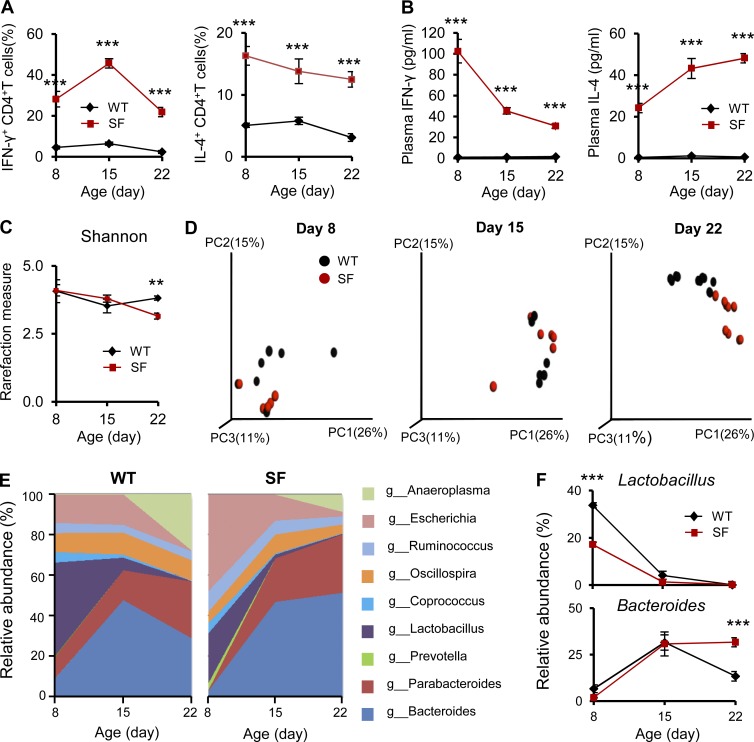
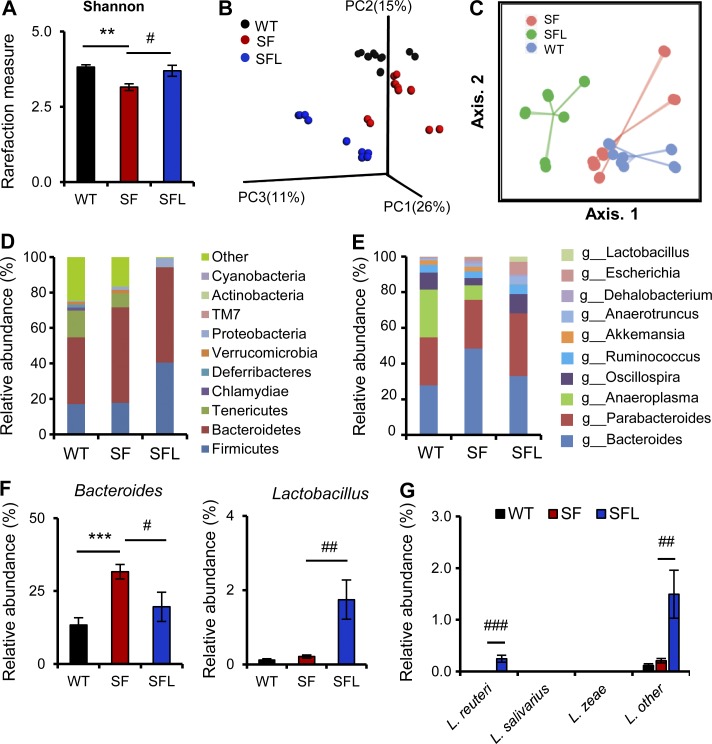
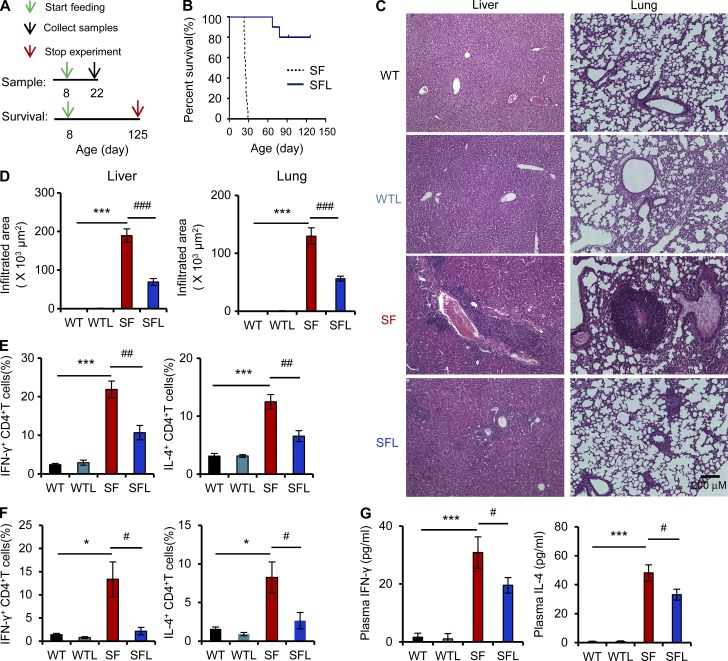
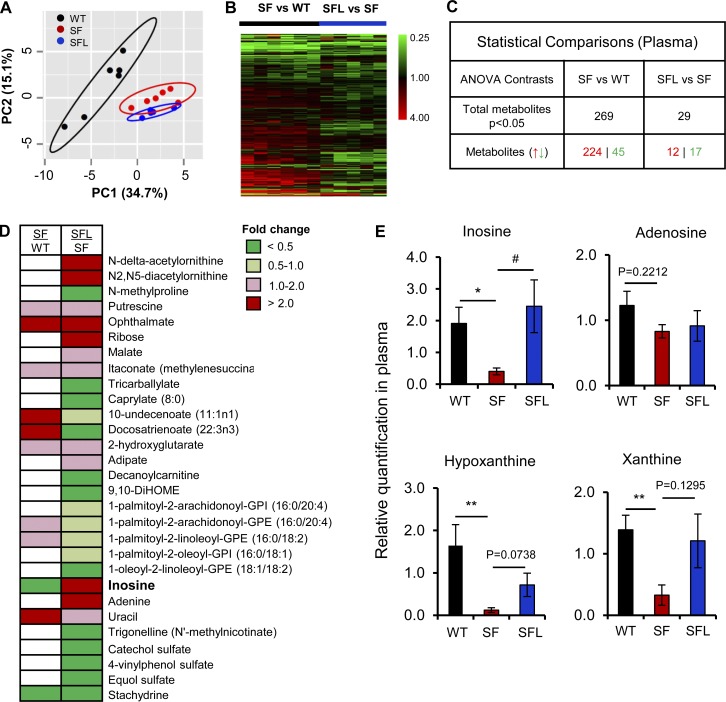
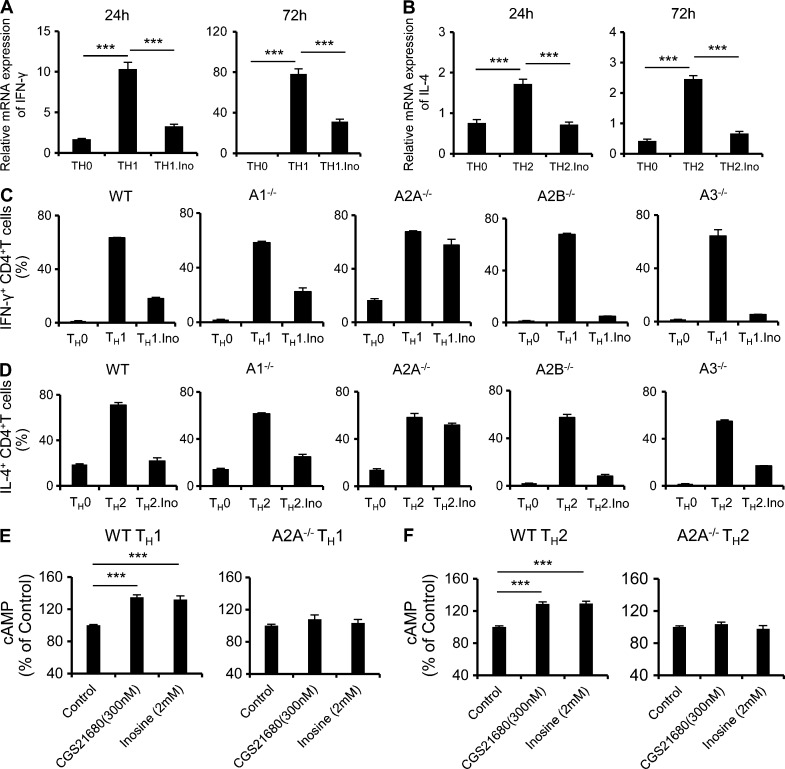
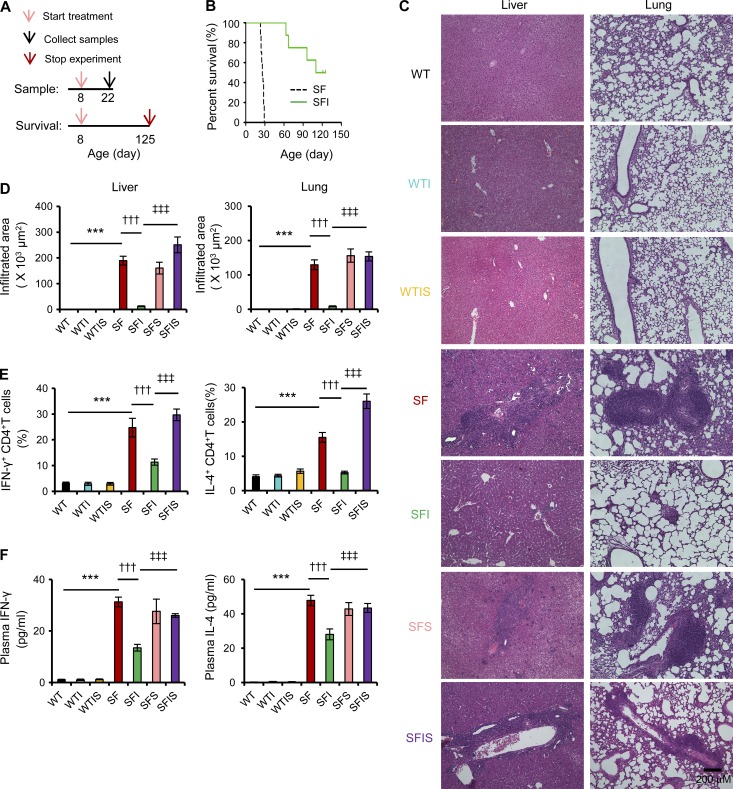
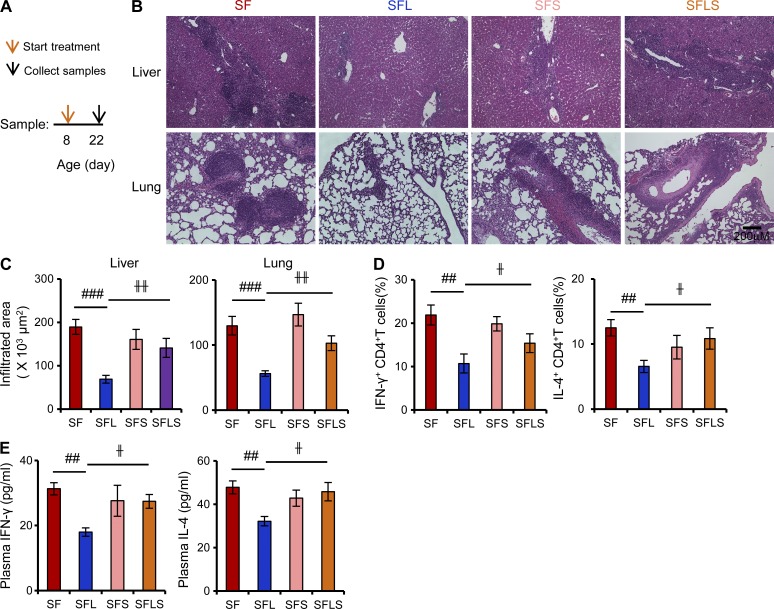
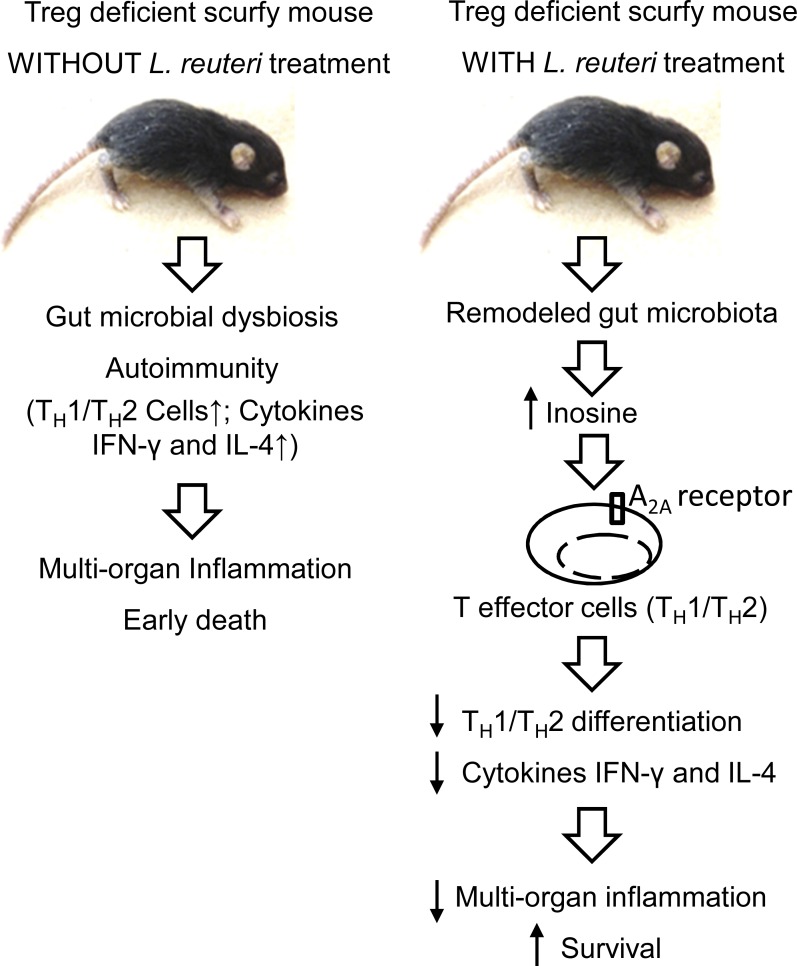
Regulatory T (T reg) cell deficiency causes lethal, CD4+ T cell–driven autoimmune diseases. Stem cell transplantation is used to treat these diseases, but this procedure is limited by the availability of a suitable donor. The intestinal microbiota drives host immune homeostasis by regulating the differentiation and expansion of T reg, Th1, and Th2 cells. It is currently unclear if T reg cell deficiency–mediated autoimmune disorders can be treated by targeting the enteric microbiota. Here, we demonstrate that Foxp3+ T reg cell deficiency results in gut microbial dysbiosis and autoimmunity over the lifespan of scurfy (SF) mouse. Remodeling microbiota with Lactobacillus reuteri prolonged survival and reduced multiorgan inflammation in SF mice. L. reuteri changed the metabolomic profile disrupted by T reg cell deficiency, and a major effect was to restore levels of the purine metabolite inosine. Feeding inosine itself prolonged life and inhibited multiorgan inflammation by reducing Th1/Th2 cells and their associated cytokines. Mechanistically, the inhibition of inosine on the differentiation of Th1 and Th2 cells in vitro depended on adenosine A2A receptors, which were also required for the efficacy of inosine and of L. reuteri in vivo. These results reveal that the microbiota–inosine–A2A receptor axis might represent a potential avenue for combatting autoimmune diseases mediated by T reg cell dysfunction.
Overview
The claims and statistics of this paper haven’t been checked yet.
Free: it reads the open-access text and checks the first 5 claims that cite a source we can check. Create a free account to check every claim.
Integrity signals
Registry
Cites
Statistics
Figures
Verification
Claims the paper makes
The claims and statistics of this paper haven’t been checked yet.
Free: it reads the open-access text and checks the first 5 claims that cite a source we can check. Create a free account to check every claim.
Claims other papers make about this one
Each is checked against this paper’s own text: does it say what the citing paper says it does?
The cited source says what the claim attributes to it.
In the citing paper
“In mice, intake of dietary carbohydrates,105 certain probiotics,140 artificial sweeteners141 and emulsifiers142 can modulate host immunity and inflammation, in part mediated by compositional changes of the gut microbiome.”
From Interaction between microbiota and immunity in health and disease (2020) · cites this paper as [140]
Self-check
Percentages, sums and reported differences re-computed from the paper’s own numbers.
The self-check needs the paper’s full text.
Citations
Cites
QIIME allows analysis of high-throughput community sequencing data
Caporaso, J. G., Kuczynski, J., Stombaugh, J., Bittinger, K., Bushman, F. D., Costello, E. K., Fierer, N., Peña, A. G., Goodrich, J. K., Gordon, J. I., et al. (2010) · Nature Methods · doi:10.1038/nmeth.f.303 · Cited by 34,887 · cited 1×
“Gut microbial dysbiosis can lead to autoimmune diseases, including IBD, autoimmune arthritis, type I diabetes, and experimental autoimmune encephalomyelitis (EAE; Cerf-Bensussan and Gaboriau-Routhiau, 2010; Wu and Wu, 2012; Markle et al., 2013).”
BackgroundDiet rapidly and reproducibly alters the human gut microbiome
David, L. A., Maurice, C. F., Carmody, R. N., Gootenberg, D. B., Button, J. E., Wolfe, B. E., Ling, A. V., Devlin, A. S., Varma, Y., Fischbach, M. A., et al. (2014) · Nature · doi:10.1038/nature12820 · Cited by 10,100
Dose translation from animal to human studies revisited.
Reagan‐Shaw, S., Nihal, M., & Ahmad, N. (2008) · The FASEB Journal · doi:10.1096/fj.07-9574lsf · Cited by 6,524
Commensal microbe-derived butyrate induces the differentiation of colonic regulatory T cells
Furusawa, Y., Obata, Y., Fukuda, S., Endo, T. A., Nakato, G., Takahashi, D., Nakanishi, Y., Uetake, C., Kato, K., Kato, T., et al. (2013) · Nature · doi:10.1038/nature12721 · Cited by 5,549 · cited 1×
“Methods focusing on target identification of bioactive small molecules will further provide tools to elucidate the molecular details of inosine–A2A interaction (Futamura et al., 2013; Ziegler et al., 2013).”
BackgroundRole of the microbiota in immunity and inflammation.
Belkaid, Y., & Hand, T. W. (2014) · Cell · doi:10.1016/j.cell.2014.03.011 · Cited by 5,385 · cited 3×
“…by T reg cell deficiency could be reprogramed by oral administration of L. reuteri. remodeling gut microbiota by L. reuteri suppresses autoimmunity induced by t reg cell deficiency Gut microbiota play an important role in regulating host immune homeostasis (Wu and Wu, 2012; Belkaid and Hand, 2014).”
BackgroundMeijer, L., Nelson, D. J., Riazanski, V., Gabdoulkhakova, A. G., Hery-Arnaud, G., Le Berre, R., Loaëc, N., Oumata, N., Galons, H., Nowak, E., et al. (2016) · Journal of Innate Immunity · doi:10.1159/000444256 · Cited by 4,992
Metabolites produced by commensal bacteria promote peripheral regulatory T-cell generation
Arpaia, N., Campbell, C., Fan, X., Dikiy, S., van der Veeken, J., deRoos, P., Liu, H., Cross, J. R., Pfeffer, K., Coffer, P. J., et al. (2013) · Nature · doi:10.1038/nature12726 · Cited by 4,838
Host-gut microbiota metabolic interactions
Nicholson, J. K., Holmes, E., Kinross, J., Burcelin, R., Gibson, G., Jia, W., & Pettersson, S. (2012) · Science · doi:10.1126/science.1223813 · Cited by 4,760 · cited 1×
“To address this hypothesis, we measured the villus height and crypt depth, and we examined the expression levels of the intestinal nucleoside transporters equilibrative nucleoside transporter 1 (ENT1) and concentrative nucleoside transporter 2 (CNT2; Ward et al., 2000; Okada et al., 2006).”
MethodInteractions Between the Microbiota and the Immune System
Hooper, L. V., Littman, D. R., & Macpherson, A. J. (2012) · Science · doi:10.1126/science.1223490 · Cited by 4,173
Bennett, C. L., Christie, J., Ramsdell, F., Brunkow, M. E., Ferguson, P. J., Whitesell, L., Kelly, T. E., Saulsbury, F. T., Chance, P. F., & Ochs, H. D. (2001) · Nature Genetics · doi:10.1038/83713 · Cited by 3,402
Cited by
Items 101–197 of 197
Zhou, Z., Lv, Y., Zuo, A., Zhu, X., Xu, Y., Zuo, L., Xu, H., Liu, S., Zhang, Y., Weng, S., et al. (2025) · hLife · doi:10.1016/j.hlife.2025.05.008 · Cited by 16
“Inosine produced by L. reuteri attenuates the differentiation of Th1 and Th2 cells by binding to adenosine 2A receptor (A 2A R) on the surface of T cells [199].”
Zhang, W., Zhang, J., Liu, T., Xing, J., Zhang, H., Wang, D., & Tang, D. (2022) · Journal of Cancer Research and Clinical Oncology · doi:10.1007/s00432-022-04081-3 · Cited by 16
Liu, Y., Armbrister, S. A., Okeugo, B., Mills, T., Daniel, R. C., Oh, J., van Pijkeren, J., Park, E. S., Saleh, Z. M., Lahiri, S., et al. (2023) · Probiotics and Antimicrobial Proteins · doi:10.1007/s12602-023-10089-z · Cited by 16
Self-citationTargeting inosine metabolism to enhance EGFR-targeted therapy in lung adenocarcinoma
Huang, X., Liang, J., Yi, Y., Zhu, J., Lin, H., Ren, S., Tao, C., Bi, G., Shan, G., Zeng, D., et al. (2025) · Cancer Letters · doi:10.1016/j.canlet.2025.218069 · Cited by 18
Iron capture through CD71 drives perinatal and tumor-associated Treg expansion
Pacella, I., Grimaldos, A. P., Rossi, A., Tucci, G., Zagaglioni, M., Potenza, E., Pinna, V., Rotella, I., Cammarata, I., Cancila, V., et al. (2024) · JCI Insight · doi:10.1172/jci.insight.167967 · Cited by 17
“The key contribution of dysbiosis to the scurfy-like disease is testified by the observation that microbiota manipulation can substantially control inflammation and prolong survival (52).”
Hinshaw, D. C., Swain, C. A., Chen, D., Hanna, A., Molina, P. A., Maynard, C. L., Lee, G., McFarland, B. C., Samant, R. S., & Shevde, L. A. (2022) · Laboratory Investigation · doi:10.1038/s41374-022-00828-1 · Cited by 16
“murinus is associated with the induction of immunosuppressive Tregs in calorie restricted mice.(32) LEfSe analysis revealed significantly altered microbes at the phyla, class, order, family, and genus levels between the DMSO and Smo-i-treated groups in both fecal and cecal samples (Fig.”
BackgroundGrover, P., Goel, P. N., Piccirillo, C. A., & Greene, M. I. (2021) · Frontiers in Pediatrics · doi:10.3389/fped.2021.607292 · Cited by 15
“The dynamic gut microbial dysbiosis and autoimmunity over the lifespan of scurfy mice have been demonstrated earlier (10).”
BackgroundXia, Y., Hong, L., Zheng, J., Lu, Z., Zhang, Q., Chen, S., Pang, Z., Li, L., Qiao, S., Wang, Q., et al. (2023) · Journal of Materials Chemistry B · doi:10.1039/d3tb00714f · Cited by 11
Effect of probiotics in experimental otitis media with effusion
Kaytez, S. K., Öçal, R., Yumuşak, N., Çelik, H., Arslan, N., & İbas, M. (2020) · International Journal of Pediatric Otorhinolaryngology · doi:10.1016/j.ijporl.2020.109922 · Cited by 12
Du, P., Jing, J., & He, X. (2022) · Frontiers in Pharmacology · doi:10.3389/fphar.2022.1091124 · Cited by 15
Yang, M., Shen, H., Zhong, S., Xu, Z., Liu, X., Wu, W., Mao, C., & Yang, M. (2024) · Aggregate · doi:10.1002/agt2.515 · Cited by 11
Salvianolic acid B alleviates autoimmunity in Treg‐deficient mice via inhibiting IL2‐STAT5 signaling
Wang, T., Wang, J., Xu, H., Yan, H., Liu, Y., Zhang, N., Zhang, Y., Zhang, J., Xu, J., Zhang, L., et al. (2024) · Phytotherapy Research · doi:10.1002/ptr.8222 · Cited by 11
“Our results showed that Treg deficiency significantly increased inflammatory infiltrates in the liver and lung of SF mice (Figure 2a,b), consistent with our previous studies (He et al., 2019; He, Hoang, Wang, et al., 2017).”
InfluentialSelf-citationRühle, J., Ginzel, M., Dietz, S., Schwarz, J., Lajqi, T., Beer‐Hammer, S., Poets, C. F., Gille, C., & Köstlin‐Gille, N. (2023) · International Journal of Molecular Sciences · doi:10.3390/ijms24097763 · Cited by 11
Li, Y., Ning, X., Zhao, Z., He, X., Xue, Q., Zhou, M., Li, W., & Li, M. (2024) · Food & Function · doi:10.1039/d4fo00230j · Cited by 9
Gut bacteria affect the tumoral immune milieu: distorting the efficacy of immunotherapy or not?
Pu, X., Chao, G., Dong, L., & Chang, P. (2020) · Gut Microbes · doi:10.1080/19490976.2020.1739794 · Cited by 11
“reuteri are capable of restoring the levels of plasma inosine, which are dedicated to reducing IFN-γ and IL-4 along by inhibiting Th1/Th2 polarization via inosine–adenosine A2A receptor interactions (Table 1).(74) Similarly, the supernatant from in vitro cultured L.”
BackgroundNLRP6 deficiency expands a novel CD103+ B cell population that confers immune tolerance in NOD mice
Pearson, J. A., Peng, J., Huang, J., Yu, X.-Q., Tai, N., Hu, Y., Sha, S., Flavell, R. A., Zhao, H., Wong, F. S., et al. (2023) · Frontiers in Immunology · doi:10.3389/fimmu.2023.1147925 · Cited by 11
“Inosine, one of the upstream regulators of NLRP6-deficient CD103 Bregs, can also be produced by the microbiota and is important in inhibition of severe autoimmunity (50), and improving the efficacy of checkpoint inhibitor therapy in colorectal cancer (51).”
BackgroundResearch progress on Limosilactibacilus reuteri in diseases
Jiang, Z., Jiang, P., Ji, S., Su, D., Xu, G., & Zhang, M. (2023) · Microbiological Research · doi:10.1016/j.micres.2023.127482 · Cited by 9
Impact of gut microbiota on colorectal anastomotic healing (Review)
Chen, Y., Wu, N., Yan, X., Kang, L., Ou, G., Zhou, Z., Xu, C., Feng, J., & Shi, T. (2025) · Molecular and Clinical Oncology · doi:10.3892/mco.2025.2847 · Cited by 10
“SCFAs, essential for Treg cell homeostasis, are produced through bacterial fermentation of dietary fibers (23,24).”
Mining the Gut Microbiota for Microbial-Based Therapeutic Strategies in Cancer Immunotherapy
Li, B., Gong, T., Hao, Y., Zhou, X., & Cheng, L. (2021) · Frontiers in Oncology · doi:10.3389/fonc.2021.721249 · Cited by 9
“(69) revealed that gut microbiota regulated levels of the purine metabolite inosine that suppressed the differentiation and inflammation of Th1/Th2 cells via A2AR on T cells.”
BackgroundInborn errors of immunity and related microbiome
Hazime, R., Eddehbi, F.-E., Elmojadili, S., Lakhouaja, N., Souli, I., Salami, A., M’raouni, B., Brahim, I., Oujidi, M., Guennouni, M., et al. (2022) · Frontiers in Immunology · doi:10.3389/fimmu.2022.982772 · Cited by 10
“These mice displayed a significant increase in Bacteroidetes and a low abundance of Lactobacillus (79), whereas Wu et al.”
BackgroundInfluentialWu, M., Zha, Y., Xiong, Y., Zhang, Y., Zhang, Y., Jiale, L., Yan, J., Li, P., Li, C., & Guo, S. (2025) · BMC Veterinary Research · doi:10.1186/s12917-025-05178-w · Cited by 9
“The L. reuteri promotes the development of regulatory T cells, and helps to suppress the inflammatory response [45].”
Wu, G., Liao, J., Zhu, X., Zhang, Y., Lin, Y., Zeng, Y., Zhao, J., Zhang, J., Yao, T., Shen, X., et al. (2024) · Phytomedicine · doi:10.1016/j.phymed.2024.155727 · Cited by 9
Tindall, R. R., Faraoni, E. Y., Li, J., Zhang, Y., Ting, S., Okeugo, B., Zhao, X., Liu, Y., Younes, M., Shen, Q., et al. (2024) · Pancreas · doi:10.1097/mpa.0000000000002378 · Cited by 8
Self-citationAdenosine-mediated immune responses in inflammatory bowel disease
Vuerich, M., Nguyen, D. H., Ferrari, D., & Longhi, M. S. (2024) · Frontiers in Cell and Developmental Biology · doi:10.3389/fcell.2024.1429736 · Cited by 10
Hoang, T. K., Freeborn, J., Wang, T., Mai, T., He, B., Park, S., Tran, D. Q., Roos, S., Rhoads, J. M., & Liu, Y. (2019) · doi:10.35248/2329-8901.19.7.210 · Cited by 11
“LR prolongs survival and reduces disease severity of scurfy mice by modulating gut microbiota, profoundly altering a number of key metabolites, and inhibiting TH1/TH2 development via the adenosine receptor 2A [16,17].”
BackgroundSelf-citationAttenuation of immune‐mediated bone marrow damage in conventionally housed mice
Li, J., Dubois, W., Thovarai, V., Wu, Z., Feng, X., Peat, T. J., Zhang, S., Sen, S. K., Trinchieri, G., Chen, J., et al. (2020) · Molecular Carcinogenesis · doi:10.1002/mc.23151 · Cited by 9
“Bacteria and their metabolites affect T‐cell activation and immunity and have been implicated in the prevention and alleviation of certain diseases.(21,22) Here, we infused lymph node (LN) cells from inbred C57BL/6 (B6) donors into MHC‐mismatched hybrid CByB6F1 recipients,(6) to compare responses of recipients born an…”
The Central Role of Gut Microbes in Host Purine Homeostasis
Emery, H. L., Kerby, R. L., & Rey, F. E. (2025) · Annual Review of Microbiology · doi:10.1146/annurev-micro-041522-100126 · Cited by 10
Overview of microbial therapeutics in immunological disorders
Mishra, R., Mohanty, S., Mahapatra, S., & Prasad, P. (2023) · Elsevier eBooks · doi:10.1016/b978-0-323-99336-4.00008-2 · Cited by 8
Mechanisms and Intervention of Prebiotic Foods in Musculoskeletal Health
Lakshmanan, D. K., Ravichandran, G., Elangovan, A., Devanesan, A. A., & Thilagar, S. (2024) · Journal of Nutrition · doi:10.1016/j.tjnut.2024.07.009 · Cited by 7
König, J., Rubio, M., Forsgård, R. A., Rode, J., Axelsson, J., Grompone, G., & Brummer, R. J. (2024) · PLoS ONE · doi:10.1371/journal.pone.0312464 · Cited by 7
The nature of triple-negative breast cancer classification and antitumoral strategies
Kim, S., Kim, D. H., Lee, W., Lee, Y., Choi, S., & Han, K. (2020) · Genomics & Informatics · doi:10.5808/gi.2020.18.4.e35 · Cited by 9
“Previous studies have demonstrated that inosine and A2AR binding exert an inhibitory effect on Th1 differentiation in vitro and antitumor immunity in vivo [34-36].”
BackgroundJeong, Y.-J., Jung, J.-I., Kim, Y., Kang, C.-H., & Imm, J. (2023) · Food Science of Animal Resources · doi:10.5851/kosfa.2022.e68 · Cited by 8
Causal relationships between gut microbiome and aplastic anemia: a Mendelian randomization analysis
Liu, J., Wang, X., Huang, L., Lin, X., Yin, W., & Chen, M. (2024) · Hematology · doi:10.1080/16078454.2024.2399421 · Cited by 10
“Notably, Parasutterella colonization led to a significant decrease in inosine levels in the cecum [54], and inosine inhibited the differentiation of Th2 cells in mice [57].”
Han, S., Luo, Y., Hu, Z., Li, X., Zhou, Y., & Luo, F. (2025) · Molecular Nutrition & Food Research · doi:10.1002/mnfr.202400750 · Cited by 6
Self-citationZhang, Q., Ding, M., Huang, Z. J., Jiang, S., Zhao, J., Stanton, C., Ross, R. P., Chen, W., & Yang, B. K. (2025) · Food Bioscience · doi:10.1016/j.fbio.2025.106392 · Cited by 6
Zhang, Y., Qiao, H., Cao, Y., Zhang, M., Zhang, X., & Li, P. (2025) · Foods · doi:10.3390/foods14213648 · Cited by 6
Adenosine receptors on the immuno-oncology expressway: TIME, perspectives, and translation
Majumder, B., & Datta, S. (2026) · Frontiers in Immunology · doi:10.3389/fimmu.2025.1676702 · Cited by 9
Kostandy, E. N., Suh, J. H., Tian, X., Okeugo, B., Rubin, E., Shirai, S., Luo, M., Taylor, C. M., Kim, K. H., Rhoads, J. M., et al. (2024) · Nutrients · doi:10.3390/nu16040511 · Cited by 7
“In Treg-deficient SF mice, daily intragastric administration of 10 7 cfu/day until d21 reduced the severity [18,25,43].”
BackgroundMethodInfluentialSelf-citationInfluence of gut microbiota on systemic immune responses and cancer immunotherapy
Murakonda, S. P., Balusu, S., Chava, H., Murakonda, A. B., Polneedi, R., Bodduluri, S., Gupta, S. C., & Challagundla, K. B. (2025) · International review of cytology · doi:10.1016/bs.ircmb.2024.12.005 · Cited by 6
Zhang, Y., Zhou, Z., Xiao, W., Tang, Y., Guan, W. P., Wang, J., Shu, F., Shen, J., Gu, S., Zhang, L., et al. (2022) · Molecules · doi:10.3390/molecules27092994 · Cited by 5
“The increased systemic translocation of inosine resulting from impacted gut-barrier function due to ICB induced anti-tumor immunity in T cells and could also directly affect tumor cells [24].”
BackgroundAssociation of Probiotics and Prebiotics with Human Microbiome and the Functioning of Immune System
Dey, P., Mukherjee, S. K., & Parai, D. (2023) · Springer eBooks · doi:10.1007/978-981-99-1463-0_6 · Cited by 9
Saleh, Z. M., Okeugo, B., Venna, V. R., Blixt, F. W., Quaicoe, V. A., Park, E. S., Giorgberidze, S., Luo, M., Taylor, C. M., Rhoads, J. M., et al. (2024) · Beneficial Microbes · doi:10.1163/18762891-bja00054 · Cited by 5
Self-citationEscárate, C. G., Luis Bustos, M., Ríos, K. C., Antivil, C. T., Casanova, Y. G., & Beltrán, C. S. (2021) · Archivos Argentinos de Pediatria · doi:10.5546/aap.2021.eng.185 · Cited by 11
Different probiotic strains alter human cord blood monocyte responses
Rückle, X., Rühle, J., Judd, L., Hebel, J., Dietz, S., Poets, C. F., Gille, C., & Köstlin‐Gille, N. (2022) · Pediatric Research · doi:10.1038/s41390-022-02400-5 · Cited by 5
Liu, Y., Hoang, T. K., Park, E. S., Freeborn, J., Okeugo, B., Tran, D. Q., & Rhoads, J. M. (2023) · Beneficial Microbes · doi:10.3920/bm2022.0095 · Cited by 5
Self-citationAutoimmune Polyendocrine Syndromes in Adult Italian Celiac Disease Patients
Pallotta, D. P., Granito, A., Raiteri, A., Boe, M., Pratelli, A., Giamperoli, A., Monaco, G., Faggiano, C., & Tovoli, F. (2024) · Journal of Clinical Medicine · doi:10.3390/jcm13020488 · Cited by 8
“There is recent evidence that microbiota dysbiosis may be implicated in the autoimmunity induced by Foxp3+ regulatory T-cell deficiency and that microbiota remodeling significantly influences the outcome in autoimmune diseases [30,31].”
BackgroundSchröder, T., & Ibrahim, S. M. (2017) · Der Internist · doi:10.1007/s00108-017-0221-4 · Cited by 7
Age-Related Neurodegenerative Diseases: An Update
Rivero-Segura, N. A., Guerrero-Cruz, A. A., & Barrera-Vázquez, O. S. (2020) · Springer eBooks · doi:10.1007/978-3-030-40955-5_2 · Cited by 6
Effects of electroacupuncture on gut microbiota in a rat model of urticaria
Xiao, X., Xue, P., Qin, H., Qin, D., Wang, L., Jin, R., Li, Y., Shi, Y., & Li, J. (2025) · Acupuncture and Herbal Medicine · doi:10.1097/hm9.0000000000000145 · Cited by 4
“L. reuteri is known to have multiple positive effects on host health and the immune system [35] , including the induction of anti-inflammatory regulatory T cells (Tregs) [36] and reduction of pro-inflammatory cytokines [37–38] .”
Martínez‐Carrillo, B. E., Mondragón-Velásquez, T., Ramírez‐Durán, N., Garrido, J. F. A., Valdés‐Ramos, R., López, A. L. G., & Castillo-Cardiel, J. A. (2022) · International Journal of Food Science · doi:10.1155/2022/3336941 · Cited by 4
“Another genus of the small intestine is Lactobacillus reuteri that is also reported in the small intestine of FvB mice [79].”
BackgroundGut microbiota: key facilitator in metastasis of colorectal cancer
Yu, S., Wang, S., Xiong, B., & Peng, C. (2023) · Frontiers in Oncology · doi:10.3389/fonc.2023.1270991 · Cited by 6
Wang, J., Wang, R., Li, A., Liu, A., Luo, P., Zhan, M., Zhou, X., Chen, L., Zhang, J., Cai, K., et al. (2023) · Food Bioengineering · doi:10.1002/fbe2.12074 · Cited by 3
Microbial-Based Therapies in Cancer Treatment Under the One Health Initiative
Filippou, C., Panayiotou, Y., Themistocleous, S., Kousparou, C. A., Fischer, T., Marangos, G., Matheou, A., Rozario, C., Christodoulides, S., Pana, Z. D., et al. (2024) · Interdisciplinary cancer research · doi:10.1007/16833_2024_262 · Cited by 3
New aspects of the influence of immunity and microbiome on heart transplant rejection
Головкин, А. С., Kudryavtsev, I. V., Федотов, П. А., & Kalinina, O. (2022) · Russian Journal of Cardiology · doi:10.15829/1560-4071-2022-4806 · Cited by 3
Inhibiting tumor cell-intrinsic UBA6 by inosine augments tumor immunogenicity
He, B., Zhang, L., Jiang, L., Yu, L., Li, Q., Tian, X., He, J.-Q., Zeng, L., Yang, Y., Wang, C., et al. (2021) · doi:10.21203/rs.3.rs-620390/v1 · Cited by 82
Self-citationDaniel, R. C., Okeugo, B., Armbrister, S. A., Saleh, Z. M., Wang, J., Luo, M., Taylor, C. M., Lundberg, L. E., Giorgberidze, S., Yin, Z., et al. (2025) · Probiotics and Antimicrobial Proteins · doi:10.1007/s12602-025-10849-z · Cited by 2
“These probiotics were prepared as described previously [8 ].”
Self-citationTargeting LRBA triggers CTLA4 degradation and antitumor immunity for cancer immunotherapy
Ge, X., Yu, L., Zhang, L., Jia, L., Meng, M., He, J., Bu, F., Song, Y., Sun, G., Lv, S.-M., et al. (2025) · Nature Communications · doi:10.1038/s41467-025-67365-5 · Cited by 3
“Our previous studies show that deletion or depletion of Tregs causes severe autoimmune diseases in both mice and humans 49,50 .”
Self-citationThe relationship between gut microbiota and cancer immune response and immunotherapy
Jia, Y., Liu, Y., & Liu, J. Q. (2026) · Frontiers in Immunology · doi:10.3389/fimmu.2026.1833138 · Cited by 3
Self-citationFecal material transplant and ocular surface diseases
de Souza, R. G., Britton, R. A., & de Paiva, C. S. (2019) · Elsevier eBooks · doi:10.1016/b978-0-12-819178-1.00006-x · Cited by 2
PROBIOTIC PROPERTIES OF LACTOBACILLUS REUTERI (L. REUTERI) STRAINS
Novikova, V. P., & Магомедова, Д. М. (2023) · Children s medicine of the North-West · doi:10.56871/cmn-w.2023.75.34.002 · Cited by 3
Genes and Microbiota Interaction in Monogenic Autoimmune Disorders
Costa, F., Beltrami, E., Mellone, S., Sacchetti, S., Boggio, E. M., Gigliotti, C. L., Stoppa, I., Dianzani, U., Rolla, R., & Giordano, M. (2023) · Biomedicines · doi:10.3390/biomedicines11041127 · Cited by 2
“Moreover, the treatment with 107 CFU/day of Lactobacillus reuterii, which was orally fed by gavage, reset SF dysbiosis, increasing the relative abundance of the phylum Firmicutes and the genera Lactobacillus and Oscillospira, and decreasing the relative abundance of the phylum Tenericutes and the genus Bacteroides [64…”
BackgroundInfluentialAdamberg, K., Vilu, R., & Pazienza, V. (2020) · BMC Research Notes · doi:10.1186/s13104-020-05384-9 · Cited by 2
Ung, W., & Bonavida, B. (2025) · Critical Reviews™ in Oncogenesis · doi:10.1615/critrevoncog.2025058249 · Cited by 1
Clostridium butyricum ameliorates atherosclerotic inflammation through regulation of gut microbiota
Wang, J., Ma, J., Li, Y., Liu, Y., Shen, W., Liu, J., Wang, H., Zhang, Y., & Zhang, X. (2026) · International Immunopharmacology · doi:10.1016/j.intimp.2026.116315 · Cited by 2
Self-citationLi, X., Zhang, J., & Zhou, P. (2026) · Food Bioscience · doi:10.1016/j.fbio.2026.108668 · Cited by 2
Brahmbhatt, H. D., Chavda, P., Vadee, D., Patel, A. K., & Bagatharia, S. (2026) · Frontiers in Microbiology · doi:10.3389/fmicb.2026.1780782 · Cited by 1
“…et al., 2019; Hu et al., 2017; Hunter et al., 2012; Jiang et al., 2016; Qi-Xiang et al., 2020), modulation of immune and autoimmune responses (He et al., 2017; Zegarra-Ruiz et al., 2019), and broader physiological eects, including bone health and neuro-gut interactions (Alghetaa et al.,…”
Forshee, M. D., Nachman, E. J., Shenoy, E. R., Danhof, H. A., Lundberg, L. E., Roos, S., & Britton, R. A. (2026) · Gut Microbes · doi:10.1080/19490976.2026.2670854 · Cited by 2
“26 Interestingly, L. reuteri DSM 17938 has been observed to increase the levels of adenosine 27 and the downstream adenosine metabolite inosine 27,28 in the plasma of mice.”
Self-citationPirani, H., Salehi, O., Shahraki, S., Fard, A. K., & Khoramipour, K. (2023) · Journal of Clinical Research in Paramedical Sciences · doi:10.5812/jcrps-138081 · Cited by 1
“Studies have demonstrated that dietary carbohydrates (67), certain probiotics (68), artificial”
Reduced autoimmunity associated with deletion of host CD73
Okeugo, B., Armbrister, S. A., Daniel, R. C., Saleh, Z. M., Wang, J., Giorgberidze, S., Rhoads, J. M., & Liu, Y. (2025) · ImmunoHorizons · doi:10.1093/immhor/vlae004 · Cited by 1
Self-citationDefining the role of individual gut commensal microbes and host-microbe interactions
Ju, T. (2019) · ERA: Education and Research Archive (University of Alberta) · doi:10.7939/r3-fhw9-mj96 · Cited by 1
BACE1 is a novel regulator of Th17 function in EAE
Hernández-Mir, G. (2017) · D-Scholarship@Pitt (University of Pittsburgh) · Cited by 1
Gao, Y., Liang, Z., Mao, B., Zheng, X., Shan, J., Jin, C., Liu, S., Kolliputi, N., Chen, Y., Xu, F., et al. (2022) · Research Square · doi:10.21203/rs.3.rs-2064240/v1
Lactobacilli and Klebsiella: Two Opposites in the Fight for Human Health
Shaposhnikov, L. A., Tishkov, V. I., & POMETUN, A. A. (2024) · Biochemistry (Moscow) · doi:10.1134/s0006297924140050 · Cited by 2
“The results showed that this L. reuteri strain was able to extend life span in the mice and to reduce inflammation in many organs while remodeling the gut microbiota [89].”
Future prospective of microbiome-gut brain axis for treatment of CNS disorders
Mane, R., Kashid, S., Mazahir, F., & Yadav, A. K. (2025) · Elsevier eBooks · doi:10.1016/b978-0-443-21680-0.00019-5
Clostridium Butyricum Ameliorates Atherosclerotic Inflammation Through Regulation of Gut MicrobiotaPreprint
Wang, J., Ma, J., Li, Y., Liu, Y., Shen, W., Liu, J., Wang, H., Zhang, Y., & Zhang, X. (2025) · SSRN Electronic Journal · doi:10.2139/ssrn.5392489
Self-citationFaecalcrobiota metabolites: emerging insights into cancer radiotherapy outcomes
Gao, Y., Zeng, B., Wang, Z., Liang, S., & Yang, Y. (2025) · Frontiers in Microbiology · doi:10.3389/fmicb.2025.1663835 · Cited by 1
“In the regulation of Th cell dierentiation, inosine exerts bidirectional regulation on Th1 dierentiation through the adenosine A2A receptor (A 2 A R), and its eects are environment-dependent: In the presence of exogenous IFN-γ and IL-12 secreted by dendritic cells, guanosine promotes Th1 dierentiation by binding t…”
InfluentialSevenich, L., Le, T. T., & Mager, L. F. (2025) · Signal Transduction and Targeted Therapy · doi:10.1038/s41392-025-02417-2
Clostridium butyricum ameliorates atherosclerotic inflammation through regulation of gut microbiotaPreprint
Wang, J., Ma, J., Li, Y., Liu, Y., Shen, W., Liu, J., Wang, H., Zhang, Y., & Zhang, X. (2025) · Research Square · doi:10.21203/rs.3.rs-7249459/v1
Self-citationZafar, M. A., Machado, C. N. H., Behera, J., Zhong, Y., Li, X., Joshi, S., Fazaa, Y. E., Camacho, V., Georgiev, P., Haigis, M. C., et al. (2026) · JCI Insight · doi:10.1093/jimmun/vkag141.680 · Cited by 1
Moshkelgosha, S., Verhasselt, H. L., Masetti, G., Covelli, D., Biscarini, F., Horstmann, M., Daser, A., Westendorf, A. M., Jesenek, C., Philipp, S., et al. (2021) · Figshare · doi:10.6084/m9.figshare.14052606
Moshkelgosha, S., Verhasselt, H. L., Masetti, G., Covelli, D., Biscarini, F., Horstmann, M., Daser, A., Westendorf, A. M., Jesenek, C., Philipp, S., et al. (2021) · Figshare · doi:10.6084/m9.figshare.14052597
Moshkelgosha, S., Verhasselt, H. L., Masetti, G., Covelli, D., Biscarini, F., Horstmann, M., Daser, A., Westendorf, A. M., Jesenek, C., Philipp, S., et al. (2021) · Figshare · doi:10.6084/m9.figshare.14052621
Li, D., Feng, Y., Tian, M., Ji, J., Hu, X., & Chen, F. (2021) · Figshare · doi:10.6084/m9.figshare.14374652
Liu, H.-Y., Giraud, A., Seignez, C., Ahl, D., Guo, F., Sedin, J., Waldén, T. B., Oh, J.-H., van Pijkeren, J. P., Holm, L. P., et al. (2021) · Figshare · doi:10.6084/m9.figshare.16727532
Self-citationMoshkelgosha, S., Verhasselt, H. L., Masetti, G., Covelli, D., Biscarini, F., Horstmann, M., Daser, A., Westendorf, A. M., Jesenek, C., Philipp, S., et al. (2021) · Figshare · doi:10.6084/m9.figshare.14052609
Moshkelgosha, S., Verhasselt, H. L., Masetti, G., Covelli, D., Biscarini, F., Horstmann, M., Daser, A., Westendorf, A. M., Jesenek, C., Philipp, S., et al. (2021) · Figshare · doi:10.6084/m9.figshare.14052600
Li, D., Feng, Y., Tian, M., Ji, J., Hu, X., & Chen, F. (2021) · Figshare · doi:10.6084/m9.figshare.14374655
Moshkelgosha, S., Verhasselt, H. L., Masetti, G., Covelli, D., Biscarini, F., Horstmann, M., Daser, A., Westendorf, A. M., Jesenek, C., Philipp, S., et al. (2021) · Figshare · doi:10.6084/m9.figshare.14052603
Moshkelgosha, S., Verhasselt, H. L., Masetti, G., Covelli, D., Biscarini, F., Horstmann, M., Daser, A., Westendorf, A. M., Jesenek, C., Philipp, S., et al. (2021) · Figshare · doi:10.6084/m9.figshare.14052594
Moshkelgosha, S., Verhasselt, H. L., Masetti, G., Covelli, D., Biscarini, F., Horstmann, M., Daser, A., Westendorf, A. M., Jesenek, C., Philipp, S., et al. (2021) · Figshare · doi:10.6084/m9.figshare.14052615
Immunometabolic Responses upon Bacterial Infections
Soni, V., & Upadhyay, A. (2026) · Springer eBooks · doi:10.1007/978-3-031-46895-7_8
Alvarez, A. B. F., Yin, Z., Okeugo, B., Banerjee, A., Luo, M., Taylor, C. M., Giorgberidze, S., Harne, V., Rambabu, M., Munroe, M. N., et al. (2026) · Frontiers in Immunology · doi:10.3389/fimmu.2026.1713120
“Oral administration of probiotic Limosilactobacillus reuteri DSM 17938 (DSM 17938) remodels the microbiome and ameliorates Th1-/Th2-associated in fl ammation in SF mice (3).”
InfluentialSelf-citationLiu, X., Yao, G., Bayarjargal, T., Kwok, L. Y., & Zhang, W. (2026) · Food Science & Nutrition · doi:10.1002/fsn3.71704
Metabolomics and proteomics in microbiome-cancer analysis
Bilal, A., Ghani, S., Hasan, A., Husain, H., & Husain, A. (2026) · Elsevier eBooks · doi:10.1016/b978-0-443-40551-8.00014-7
Schaefer, L., Cantu, J. O., Demianova, E. A., Scholand, K. K., Pflugfelder, S. C., Britton, R. A., & de Paiva, C. S. (2026) · The Ocular Surface · doi:10.1016/j.jtos.2026.08.005
Modulating gut microbiome in cancer immunotherapy: Harnessing microbes to enhance treatment efficacy
Mishra, A., & Sahu, S. K. (2026) · Elsevier eBooks · doi:10.1016/b978-0-443-33206-7.00013-3
Ren, X., Yan, X., Tang, P., Jin, J., Qin, Z., Zhang, Y., Zhang, T., Yao, G., Yin, X., Zhao, Z., et al. (2026) · Pharmacological Research · doi:10.1016/j.phrs.2026.109684
Metadata
- Authors
- He, B., Hoang, T. K., Wang, T., Ferris, M., Taylor, C. M., Tian, X., Luo, M., Tran, D. Q., Zhou, J., Tatevian, N., Luo, F., Molina, J. G., Blackburn, M. R., Gomez, T. H., Roos, S., Rhoads, J. M., & Liu, Y.
- Affiliations
- The University of Texas Health Science Center at Houston (US)
- Louisiana State University (US)
- Baylor College of Medicine (US)
- Swedish University of Agricultural Sciences (SE)
- Corresponding author
- Rhoads, J. Marc
- Liu, Yuying
- ORCID
- Venue
- Journal of Experimental Medicine
- Publisher
- Rockefeller University Press
- Published
- 2016-12-19
- Volume
- 214
- Issue
- 1
- Pages
- 107-123
- ISSN
- 0022-1007 (ISSN-L)
- 1540-9538
- PMC
- PMC5206500
- OpenAlex
- W2566314801
- Cited by
- 196
- References
- 89
- Citations by year
- 2026: 14 · 2025: 26 · 2024: 21 · 2023: 25 · 2022: 26 · 2021: 33 · 2020: 19 · 2019: 12 · 2018: 11 · 2017: 9
- FWCI
- 6.47
- Type
- journal article
- Language
- en
- Open access
- hybrid
- doi.org
- Licence
- Locations
- The Journal of Experimental Medicine (publishedVersion, cc-by-nc-sa)
- PubMed Central (publishedVersion, cc-by-nc-sa)
- PubMed (publishedVersion)
- Funders
- National Institutes of Health
- National Center for Complementary and Integrative Health (R01AT007083)
- Topics
- Life Sciences › Immunology and Microbiology › Immunology › T-cell and B-cell Immunology
- Life Sciences › Biochemistry, Genetics and Molecular Biology › Molecular Biology › Gut microbiota and health
- Life Sciences › Agricultural and Biological Sciences › Food Science › Probiotics and Fermented Foods
- Keywords
- Lactobacillus reuteri, Foxp3, autoimmunity, gut microbiota, dysbiosis, adenosine A2A receptor, inosine, purine metabolism, Th1/Th2 cells, gut microbiota transplantation, CD4+ T cells
- MeSH terms
- Gastrointestinal Microbiome, Animals, Cell Differentiation, Female, Inosine, Male, Mice, Inbred C57BL, Autoimmunity, Th1 Cells, Th2 Cells, Receptor, Adenosine A2A, T-Lymphocytes, Regulatory, Mice, Limosilactobacillus reuteri, Metabolomics
About these checks
Registry, retraction, Cites and statistics results are computed, not judged, with one exception: a printed reference that no index lists is read once by a model before it counts as a citation error. Claims are extracted by a model and kept only when their quote appears verbatim in the text; each cited source is then checked, with a model’s help, for whether it says what the claim relies on. Those verdicts can be wrong — read the claim’s quote and the cited source before relying on one.
Statistics and arithmetic are recomputed, not judged.
Confidence bands are shown only for fields calibrated on our annotated test set. None is calibrated yet, so no band is shown.
What counts as a claim ›How we measure confidence ›How we check this ›
Are you an author, or do you see a problem with this page? Request a review
Data sources
Bibliographic data: Semantic Scholar, OpenAlex, Crossref.
Contains information from the Semantic Scholar Academic Graph Datasets, made available under the ODC Attribution License (ODC-BY 1.0).
Semantic Scholar’s data is described in: Kinney, R., et al. (2023). The Semantic Scholar Open Data Platform. arXiv:2301.10140.
