

Resetting microbiota by Lactobacillus reuteri inhibits T reg deficiency–induced autoimmunity via adenosine A2A receptors
Open accessThe DOI matches its Crossref record; 89 of the 89 references it cites were found in a registry or an index.
Abstract
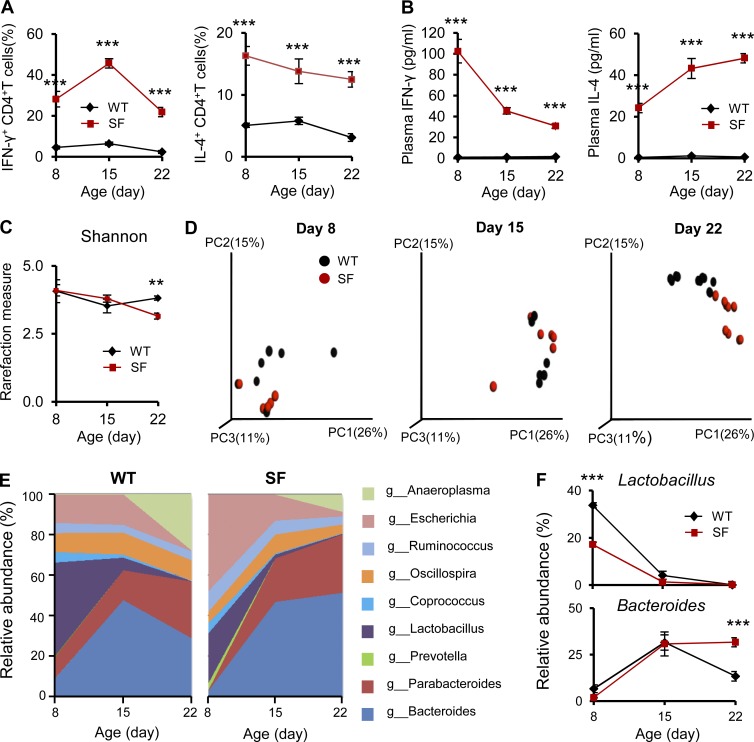
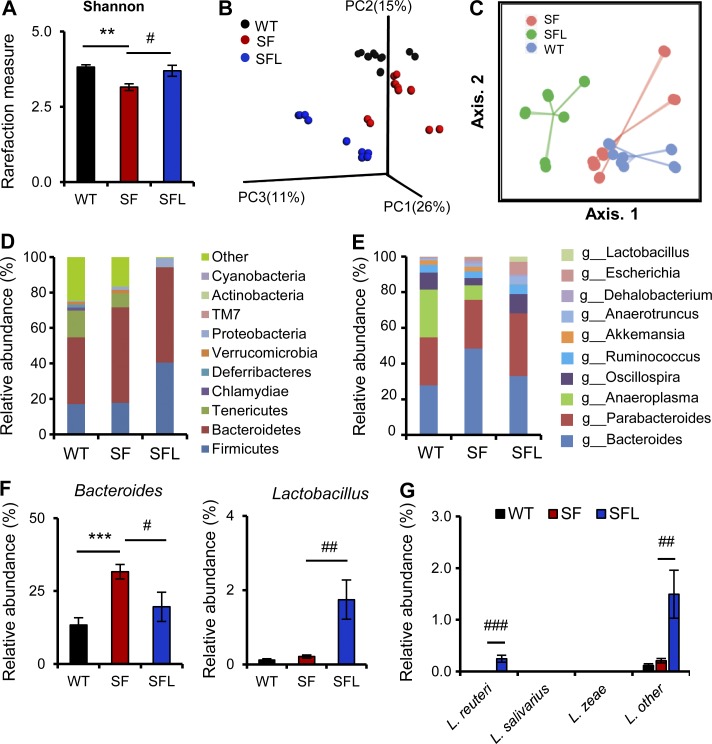
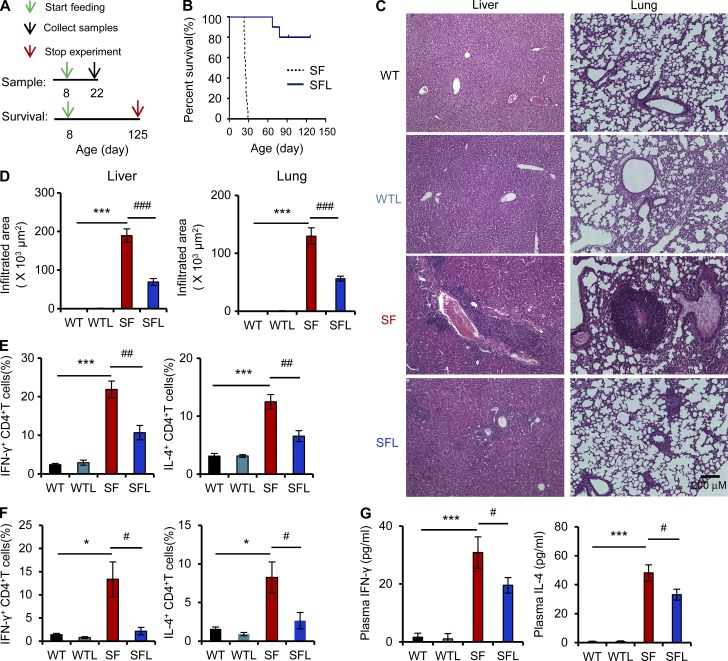
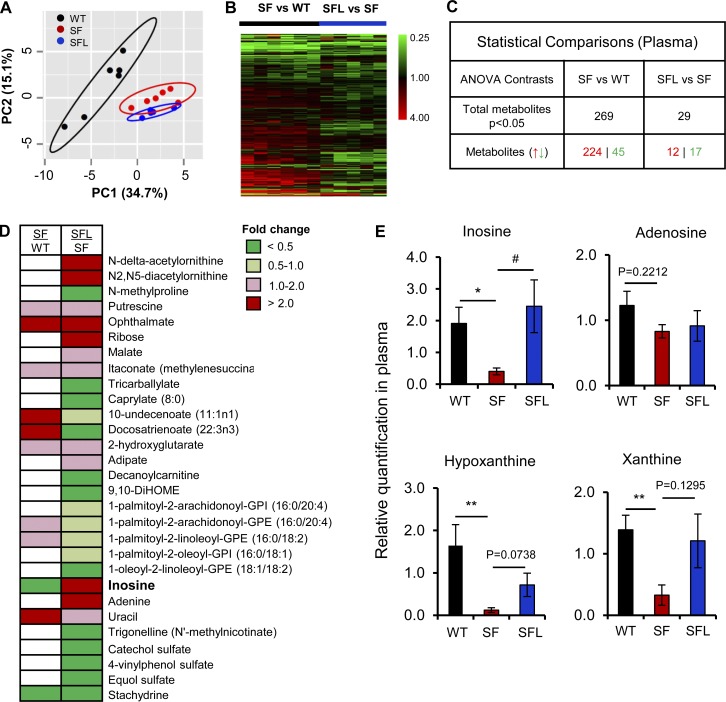
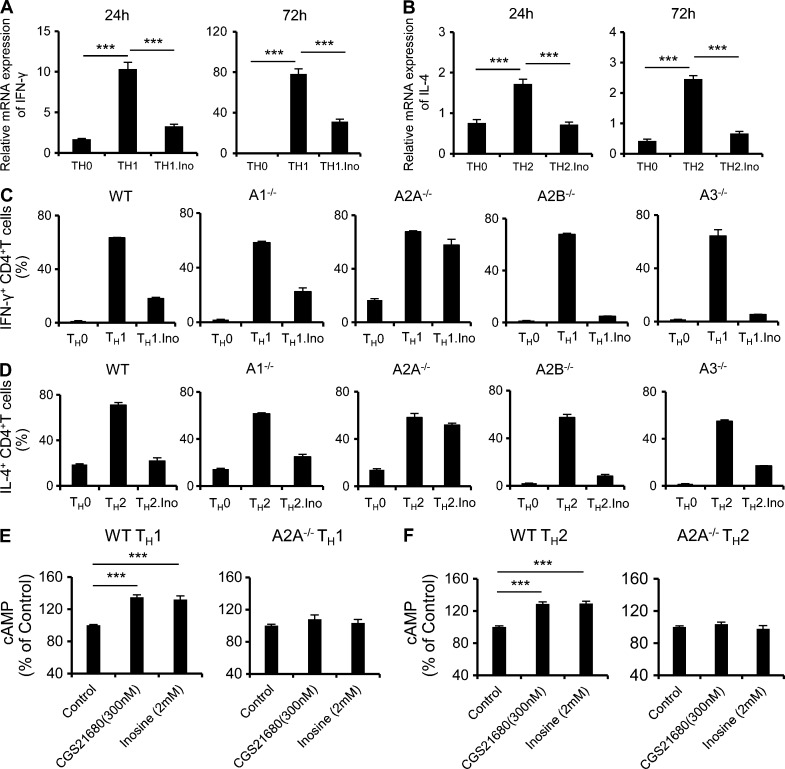
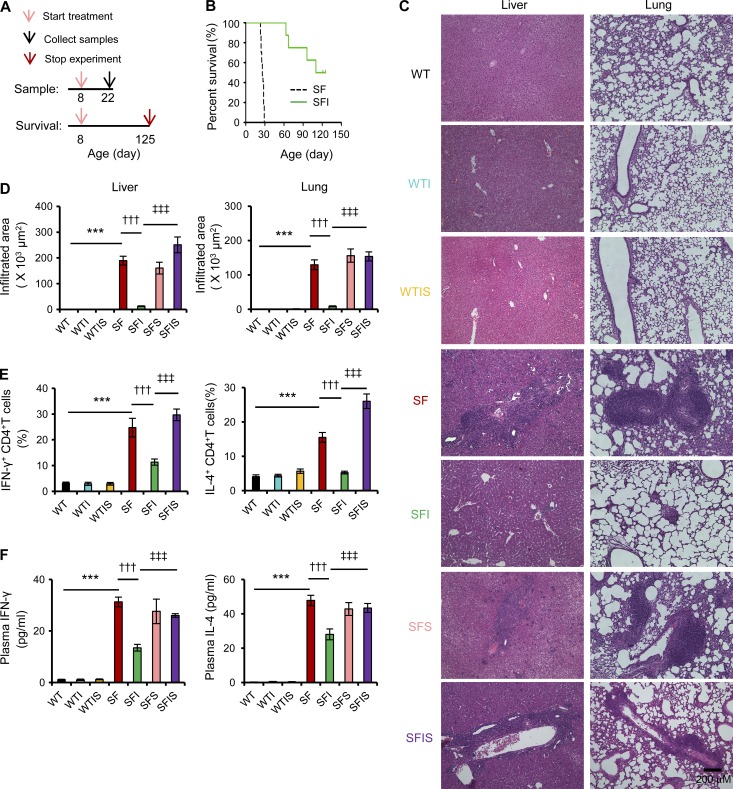
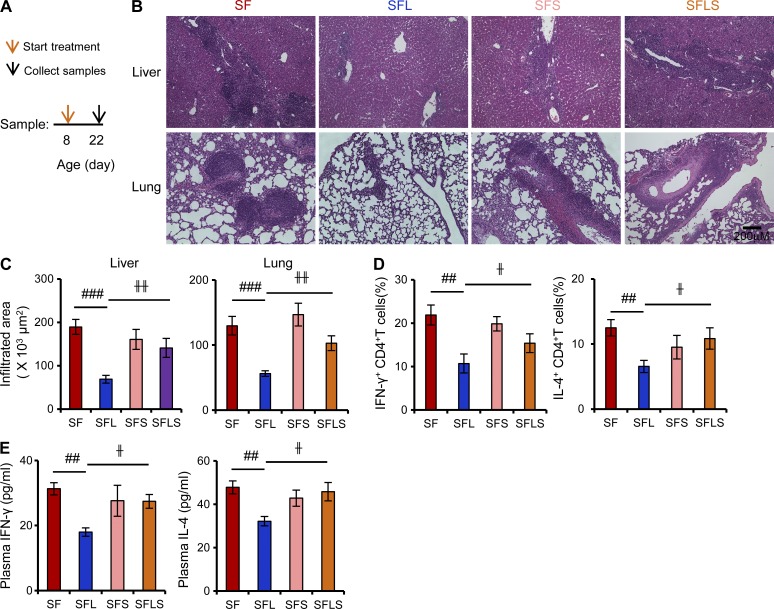
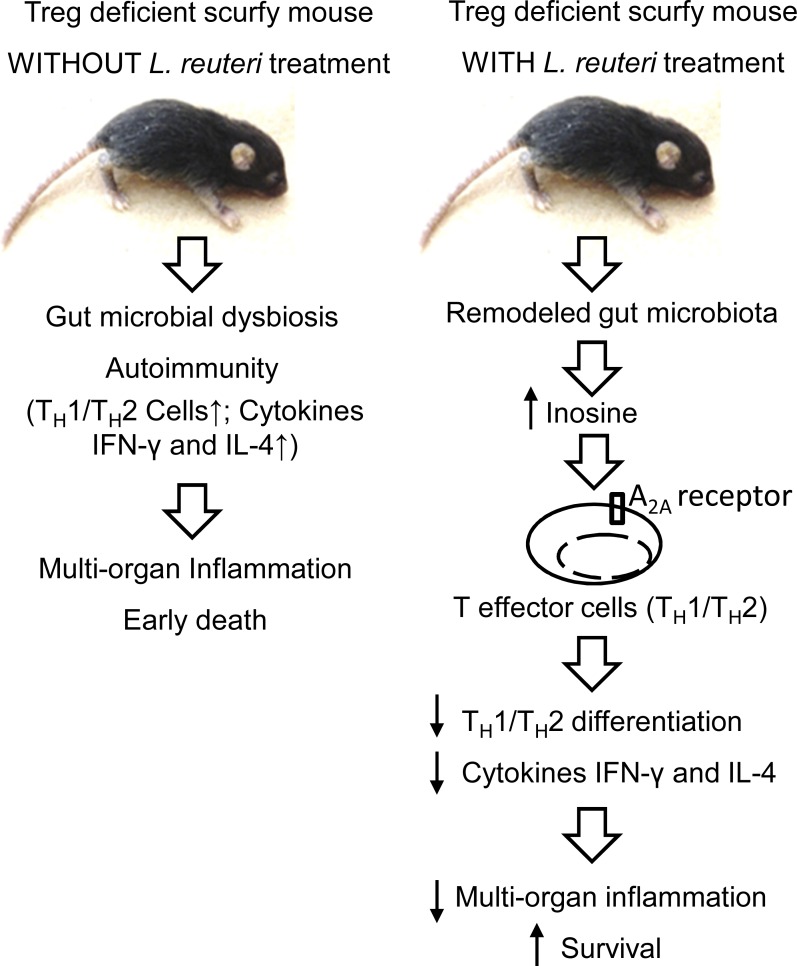
Regulatory T (T reg) cell deficiency causes lethal, CD4+ T cell–driven autoimmune diseases. Stem cell transplantation is used to treat these diseases, but this procedure is limited by the availability of a suitable donor. The intestinal microbiota drives host immune homeostasis by regulating the differentiation and expansion of T reg, Th1, and Th2 cells. It is currently unclear if T reg cell deficiency–mediated autoimmune disorders can be treated by targeting the enteric microbiota. Here, we demonstrate that Foxp3+ T reg cell deficiency results in gut microbial dysbiosis and autoimmunity over the lifespan of scurfy (SF) mouse. Remodeling microbiota with Lactobacillus reuteri prolonged survival and reduced multiorgan inflammation in SF mice. L. reuteri changed the metabolomic profile disrupted by T reg cell deficiency, and a major effect was to restore levels of the purine metabolite inosine. Feeding inosine itself prolonged life and inhibited multiorgan inflammation by reducing Th1/Th2 cells and their associated cytokines. Mechanistically, the inhibition of inosine on the differentiation of Th1 and Th2 cells in vitro depended on adenosine A2A receptors, which were also required for the efficacy of inosine and of L. reuteri in vivo. These results reveal that the microbiota–inosine–A2A receptor axis might represent a potential avenue for combatting autoimmune diseases mediated by T reg cell dysfunction.
Overview
The claims and statistics of this paper haven’t been checked yet.
Free: it reads the open-access text and checks the first 5 claims that cite a source we can check. Create a free account to check every claim.
Integrity signals
Registry
Cites
Statistics
Figures
Verification
Claims the paper makes
The claims and statistics of this paper haven’t been checked yet.
Free: it reads the open-access text and checks the first 5 claims that cite a source we can check. Create a free account to check every claim.
Claims other papers make about this one
Each is checked against this paper’s own text: does it say what the citing paper says it does?
The cited source says what the claim attributes to it.
In the citing paper
“In mice, intake of dietary carbohydrates,105 certain probiotics,140 artificial sweeteners141 and emulsifiers142 can modulate host immunity and inflammation, in part mediated by compositional changes of the gut microbiome.”
From Interaction between microbiota and immunity in health and disease (2020) · cites this paper as [140]
Self-check
Percentages, sums and reported differences re-computed from the paper’s own numbers.
The self-check needs the paper’s full text.
Citations
Cites
QIIME allows analysis of high-throughput community sequencing data
Caporaso, J. G., Kuczynski, J., Stombaugh, J., Bittinger, K., Bushman, F. D., Costello, E. K., Fierer, N., Peña, A. G., Goodrich, J. K., Gordon, J. I., et al. (2010) · Nature Methods · doi:10.1038/nmeth.f.303 · Cited by 34,887 · cited 1×
“Gut microbial dysbiosis can lead to autoimmune diseases, including IBD, autoimmune arthritis, type I diabetes, and experimental autoimmune encephalomyelitis (EAE; Cerf-Bensussan and Gaboriau-Routhiau, 2010; Wu and Wu, 2012; Markle et al., 2013).”
BackgroundDiet rapidly and reproducibly alters the human gut microbiome
David, L. A., Maurice, C. F., Carmody, R. N., Gootenberg, D. B., Button, J. E., Wolfe, B. E., Ling, A. V., Devlin, A. S., Varma, Y., Fischbach, M. A., et al. (2014) · Nature · doi:10.1038/nature12820 · Cited by 10,100
Dose translation from animal to human studies revisited.
Reagan‐Shaw, S., Nihal, M., & Ahmad, N. (2008) · The FASEB Journal · doi:10.1096/fj.07-9574lsf · Cited by 6,524
Commensal microbe-derived butyrate induces the differentiation of colonic regulatory T cells
Furusawa, Y., Obata, Y., Fukuda, S., Endo, T. A., Nakato, G., Takahashi, D., Nakanishi, Y., Uetake, C., Kato, K., Kato, T., et al. (2013) · Nature · doi:10.1038/nature12721 · Cited by 5,549 · cited 1×
“Methods focusing on target identification of bioactive small molecules will further provide tools to elucidate the molecular details of inosine–A2A interaction (Futamura et al., 2013; Ziegler et al., 2013).”
BackgroundRole of the microbiota in immunity and inflammation.
Belkaid, Y., & Hand, T. W. (2014) · Cell · doi:10.1016/j.cell.2014.03.011 · Cited by 5,385 · cited 3×
“…by T reg cell deficiency could be reprogramed by oral administration of L. reuteri. remodeling gut microbiota by L. reuteri suppresses autoimmunity induced by t reg cell deficiency Gut microbiota play an important role in regulating host immune homeostasis (Wu and Wu, 2012; Belkaid and Hand, 2014).”
BackgroundMeijer, L., Nelson, D. J., Riazanski, V., Gabdoulkhakova, A. G., Hery-Arnaud, G., Le Berre, R., Loaëc, N., Oumata, N., Galons, H., Nowak, E., et al. (2016) · Journal of Innate Immunity · doi:10.1159/000444256 · Cited by 4,992
Metabolites produced by commensal bacteria promote peripheral regulatory T-cell generation
Arpaia, N., Campbell, C., Fan, X., Dikiy, S., van der Veeken, J., deRoos, P., Liu, H., Cross, J. R., Pfeffer, K., Coffer, P. J., et al. (2013) · Nature · doi:10.1038/nature12726 · Cited by 4,838
Host-gut microbiota metabolic interactions
Nicholson, J. K., Holmes, E., Kinross, J., Burcelin, R., Gibson, G., Jia, W., & Pettersson, S. (2012) · Science · doi:10.1126/science.1223813 · Cited by 4,760 · cited 1×
“To address this hypothesis, we measured the villus height and crypt depth, and we examined the expression levels of the intestinal nucleoside transporters equilibrative nucleoside transporter 1 (ENT1) and concentrative nucleoside transporter 2 (CNT2; Ward et al., 2000; Okada et al., 2006).”
MethodInteractions Between the Microbiota and the Immune System
Hooper, L. V., Littman, D. R., & Macpherson, A. J. (2012) · Science · doi:10.1126/science.1223490 · Cited by 4,173
Bennett, C. L., Christie, J., Ramsdell, F., Brunkow, M. E., Ferguson, P. J., Whitesell, L., Kelly, T. E., Saulsbury, F. T., Chance, P. F., & Ochs, H. D. (2001) · Nature Genetics · doi:10.1038/83713 · Cited by 3,402
Cited by
Interaction between microbiota and immunity in health and disease
Zheng, D., Liwinski, T., & Elinav, E. (2020) · Cell Research · doi:10.1038/s41422-020-0332-7 · Cited by 3,947
You are what you eat: Diet, health and the gut microbiota
Zmora, N., Suez, J., & Elinav, E. (2019) · Nature Reviews Gastroenterology & Hepatology · doi:10.1038/s41575-018-0061-2 · Cited by 1,792
Microbiome-derived inosine modulates response to checkpoint inhibitor immunotherapy
Mager, L. F., Burkhard, R., Pett, N., Cooke, N. C. A., Brown, K., Ramay, H., Paik, S., Stagg, J., Groves, R. A., Gallo, M., et al. (2020) · Science · doi:10.1126/science.abc3421 · Cited by 1,407
Role of Lactobacillus reuteri in Human Health and Diseases
Mu, Q., Tavella, V. J., & Luo, X. M. (2018) · Frontiers in Microbiology · doi:10.3389/fmicb.2018.00757 · Cited by 744
“A good example is L. reuteri-mediated suppression of Th1/Th2 responses in Treg-deficient mice (He et al., 2017).”
BackgroundResultThe adenosine pathway in immuno-oncology
Allard, B., Allard, D., Buisseret, L., & Stagg, J. (2020) · Nature Reviews Clinical Oncology · doi:10.1038/s41571-020-0382-2 · Cited by 586
Lifestyles in transition: evolution and natural history of the genus Lactobacillus
Duar, R. M., Lin, X. B., Zheng, J., Martino, M. E., Grenier, T., Pérez-Muñoz, M. E., Leulier, F., Gänzle, M., & Walter, J. (2017) · FEMS Microbiology Reviews · doi:10.1093/femsre/fux030 · Cited by 550
Defining the role of Parasutterella, a previously uncharacterized member of the core gut microbiota
Ju, T., Kong, J. Y., Stothard, P., & Willing, B. P. (2019) · The ISME Journal · doi:10.1038/s41396-019-0364-5 · Cited by 494
Gut microbiota influence immunotherapy responses: mechanisms and therapeutic strategies
(2022) · doi:10.1186/s13045-022-01273-9 · Cited by 495
Targeting the gut microbiota for cancer therapy
Fernandes, M. R., Aggarwal, P., Costa, R. G. F., Cole, A. M., & Trinchieri, G. (2022) · Nature Reviews Cancer · doi:10.1038/s41568-022-00513-x · Cited by 290
Li, D., Feng, Y., Tian, M., Ji, J., Hu, X., & Chen, F. (2021) · Microbiome · doi:10.1186/s40168-021-01028-7 · Cited by 249
“This is supported by a recent study demonstrating that Lactobacillus reuteri can inhibit regulatory T cell deficiency-induced autoimmunity via inosine-A2AR signaling [32].”
MethodResultInfluentialA Review of Gut Microbiota‐Derived Metabolites in Tumor Progression and Cancer Therapy
Yang, Q., Wang, B., Zheng, Q., Li, H., Meng, X., Zhou, F., & Zhang, L. (2023) · Advanced Science · doi:10.1002/advs.202207366 · Cited by 240
The microbiome and autoimmunity: a paradigm from the gut–liver axis
Li, B., Selmi, C., Tang, R., Gershwin, M. E., & Ma, X. (2018) · Cellular & Molecular Immunology · doi:10.1038/cmi.2018.7 · Cited by 229
Probiotics in Disease Prevention and Treatment
Liu, Y., Tran, D. Q., & Rhoads, J. M. (2018) · The Journal of Clinical Pharmacology · doi:10.1002/jcph.1121 · Cited by 231
Self-citationGut Microbiota and Their Neuroinflammatory Implications in Alzheimer’s Disease
Giau, V., Wu, S., Jamerlan, A., An, S., Kim, S., & Hulme, J. (2018) · Nutrients · doi:10.3390/nu10111765 · Cited by 232
“Probiotics are considered to be a novel and safe way of maintaining a healthy intestinal microbiota by producing antimicrobial agents or metabolic compounds that suppress the growth of other microorganisms [61,62] or by competing with other intestinal microbes for receptors and binding sites on the intestinal mucosa […”
BackgroundSpiljar, M., Merkler, D., & Trajkovski, M. (2017) · Frontiers in Immunology · doi:10.3389/fimmu.2017.01353 · Cited by 219
“In type 1 diabetes, the SCFA amount correlates with improvement of symptoms via limitation of autoreactive T cells, induction of Tregs, and enhanced gut barrier (50).”
BackgroundInfluentialProbiotics in Autoimmune and Inflammatory Disorders
Liu, Y., Alookaran, J. J., & Rhoads, J. M. (2018) · Nutrients · doi:10.3390/nu10101537 · Cited by 197
“reuteri modifies the microbiota–adenosine-inosine receptor 2A (A2A) axis, which in turn inhibits TH1 and TH2 cell differentiation to reduce inflammation in the liver, lungs, gut, and skin [103,104].”
BackgroundSelf-citationHu, R., Lin, H., Wang, M., Zhao, Y., Liu, H., Min, Y., Yang, X., Gao, Y., & Yang, M. (2021) · Journal of Animal Science and Biotechnology · doi:10.1186/s40104-020-00532-4 · Cited by 181
“reuteri has also been shown to have an ability to induce the development of regulatory T cells (Tregs) that inhibit inflammatory responses [21, 22].”
BackgroundHe, B., Hoang, T. K., Tian, X., Taylor, C. M., Blanchard, E., Luo, M., Bhattacharjee, M. B., Freeborn, J., Park, S., Couturier, J., et al. (2019) · Frontiers in Immunology · doi:10.3389/fimmu.2019.00385 · Cited by 183
“We recently identified a novel mechanism by which this probiotic and its metabolite inosine act on an adenosine receptor expressed on inflammatory T cell to inhibit inflammation (13, 30).”
BackgroundInfluentialSelf-citationCritical role of the gut microbiota in immune responses and cancer immunotherapy
Li, Z., Xiong, W., Liang, Z., Wang, J., Zeng, Z., Kołat, D., Li, X., Zhou, D., Xu, X., & Zhao, L. (2024) · Journal of Hematology & Oncology · doi:10.1186/s13045-024-01541-w · Cited by 176
Wang, T., Zheng, N., Luo, Q., Jiang, L., He, B., Yuan, X., & Shen, L. (2019) · Frontiers in Immunology · doi:10.3389/fimmu.2019.01235 · Cited by 146
Self-citationGut Microbiome and Osteoporosis
Ding, K., Hua, F., & Ding, W. (2020) · Aging and disease · doi:10.14336/ad.2019.0523 · Cited by 134
“[63] He B, Hoang TK, Wang T, Ferris M, Taylor CM, Tian X, et al.”
BackgroundWang, Q.-J., Shen, Y.-E., Wang, X., Fu, S., Zhang, X., Zhang, Y.-N., & Wang, R.-T. (2020) · Aging · doi:10.18632/aging.102645 · Cited by 128
“Probiotics are regarded as a novel and harmless way of stabilizing a healthy gut microbiota by competing with other intestinal bacteria for binding sites or receptors on the mucosa [30], or by secreting metabolic compounds that restrain the growth of other microorganisms [31, 32].”
BackgroundProtective role of commensal bacteria in Sjögren Syndrome
Zaheer, M., Wang, C., Bian, F., Yu, Z., Hernandez, H., de Souza, R. G., Simmons, K. T., Schady, D. A., Swennes, A. G., Pflugfelder, S. C., et al. (2018) · Journal of Autoimmunity · doi:10.1016/j.jaut.2018.06.004 · Cited by 127
“Interestingly, daily oral gavage of scurfy mice with Lactobacillus reuteri from day 8 to day 21 significantly improved survival and decreased systemic autoimmunity compared to control mice [7, 14].”
BackgroundGut Microbiota, Inflammation, and Probiotics on Neural Development in Autism Spectrum Disorder
Doenyas, C. (2018) · Neuroscience · doi:10.1016/j.neuroscience.2018.01.060 · Cited by 131
Gut microbiota and immunity relevance in eubiosis and dysbiosis
Al-Rashidi, H. E. (2022) · Saudi Journal of Biological Sciences · doi:10.1016/j.sjbs.2021.10.068 · Cited by 105
Zou, L., Tian, Y., Wang, Y., Chen, D., Lu, X., Zeng, Z., Chen, Z., Lin, C., & Liang, Y. (2023) · Journal of Affective Disorders · doi:10.1016/j.jad.2023.01.122 · Cited by 118
Influence of gemcitabine chemotherapy on the microbiota of pancreatic cancer xenografted mice
Panebianco, C., Adamberg, K., Jaagura, M., Copetti, M., Fontana, A., Adamberg, S., Kolk, K., Vilu, R., Andriulli, A., & Pazienza, V. (2018) · Cancer Chemotherapy and Pharmacology · doi:10.1007/s00280-018-3549-0 · Cited by 104
“Interestingly, microbiota itself may concur to determine inosine levels, since it has been demonstrated that Lactobacillus reuteri reverses inosine depletion [62].”
BackgroundInosine: A bioactive metabolite with multimodal actions in human diseases
Kim, I. S., & Jo, E.-K. (2022) · Frontiers in Pharmacology · doi:10.3389/fphar.2022.1043970 · Cited by 101
“LR reverses decreased inosine levels in plasma from scurfy mice and impacts the amelioration of disease pathologies and multiorgan inflammation through A2A receptors (He et al., 2017; Liu et al., 2021).”
BackgroundModulating gut microbiota in a mouse model of Graves’ orbitopathy and its impact on induced disease
Moshkelgosha, S., Verhasselt, H. L., Masetti, G., Covelli, D., Biscarini, F., Horstmann, M., Daser, A., Westendorf, A. M., Jesenek, C., Philipp, S., et al. (2021) · Microbiome · doi:10.1186/s40168-020-00952-4 · Cited by 101
The gut-eye-lacrimal gland-microbiome axis in Sjögren Syndrome
Trujillo-Vargas, C. M., Schaefer, L., Alam, J., Pflugfelder, S. C., Britton, R. A., & de Paiva, C. S. (2019) · The Ocular Surface · doi:10.1016/j.jtos.2019.10.006 · Cited by 97
“On the other hand, it has been shown that commensals license regulatory cells in a specific or unspecific manner to perform active surveillance and prevent inflammation in distant sites of the body [35, 45, 69].”
BackgroundSavino, F., Garro, M., Montanari, P., Galliano, I., & Bergallo, M. (2018) · The Journal of Pediatrics · doi:10.1016/j.jpeds.2017.08.062 · Cited by 85
Liu, Y., Tian, X., He, B., Hoang, T. K., Taylor, C. M., Blanchard, E., Freeborn, J., Park, S., Luo, M., Couturier, J. P., et al. (2019) · American Journal of Physiology-Gastrointestinal and Liver Physiology · doi:10.1152/ajpgi.00107.2019 · Cited by 97
Self-citationInhibition of UBA6 by inosine augments tumour immunogenicity and responses
(2022) · doi:10.1038/s41467-022-33116-z · Cited by 82
Self-citationInteraction between intestinal microbiota and tumour immunity in the tumour microenvironment
Yang, X., Guo, Y., Chen, C., Shao, B., Zhao, L., Zhou, Q., Liu, J., Wang, G., Yuan, W., & Sun, Z. (2021) · Immunology · doi:10.1111/imm.13397 · Cited by 86
“Regulating the intestinal microecology and restoring immune function are key to the treatment of immune diseases [49] and might also be a new direction for future tumour treatment.”
BackgroundLimosilactobacillus reuteri - a probiotic gut commensal with contextual impact on immunity
Lee, A. H., Rodriguez Jimenez, D. M., & Meisel, M. (2025) · Gut Microbes · doi:10.1080/19490976.2025.2451088 · Cited by 66
“67”
Role of the microbiome and its metabolites in ankylosing spondylitis
Song, Z., Yuan, D., & Zhang, S. (2022) · Frontiers in Immunology · doi:10.3389/fimmu.2022.1010572 · Cited by 78
Immunomodulation of dendritic cells byLactobacillus reuterisurface components and metabolites
Engevik, M. A., Ruan, W. H., Esparza, M., Fultz, R., Shi, Z., Engevik, K. A., Engevik, A. C., Ihekweazu, F. D., Visuthranukul, C., Venable, S. F., et al. (2021) · Physiological Reports · doi:10.14814/phy2.14719 · Cited by 75
CD4+FoxP3+CD73+ regulatory T cell promotes cardiac healing post-myocardial infarction
Zhuang, R., Meng, Q., Ma, X., Shi, S., Gong, S., Liu, J., Li, M., Gu, W., Li, D., Zhang, X., et al. (2022) · Theranostics · doi:10.7150/thno.68437 · Cited by 58
“Activation of A2aR also inhibits the differentiation of Th1/Th2 cells from naive CD4+ T cells [43].”
BackgroundThe microbiome(s) and cancer: know thy neighbor(s)
González‐Sánchez, P., & DeNicola, G. M. (2021) · The Journal of Pathology · doi:10.1002/path.5661 · Cited by 62
“The protective role of adenosine against inflammation has been shown previously [160].”
BackgroundThe tumor microbiome in cancer progression: mechanisms and therapeutic potential
Zhang, W., Xiang, Y., Ren, H., Liu, Y., Wang, Q., Ran, M., Zhou, W., Lu, T., Zheng, X., Qiao, C., et al. (2025) · Molecular Cancer · doi:10.1186/s12943-025-02403-w · Cited by 64
“Conversely, in the absence of exogenous stimuli, the inosine produced by Lactobacillus reuteri(Lr) inhibits the differentiation of Th1 and Th2 cells through A2AR signaling [260].”
Self-citationFeng, Z., Sun, R., Cong, Y., & Liu, Z. (2022) · Mucosal Immunology · doi:10.1038/s41385-022-00538-3 · Cited by 52
The microbiome and immunodeficiencies: Lessons from rare diseases
Pellicciotta, M., Rigoni, R., Falcone, E. L., Holland, S. M., Villa, A., & Cassani, B. (2019) · Journal of Autoimmunity · doi:10.1016/j.jaut.2019.01.008 · Cited by 51
The potential therapeutic role of Lactobacillus reuteri for treatment of inflammatory bowel disease.
Wang, H., Zhou, C., Huang, J., Kuai, X., & Shao, X. (2020) · PubMed Central · Cited by 68
Distinct B cell subsets in Peyer’s patches convey probiotic effects by Limosilactobacillus reuteri
Liu, H., Giraud, A., Seignez, C., Ahl, D., Guo, F., Sedin, J., Waldén, T. B., Oh, J., van Pijkeren, J. P., Holm, L. P., et al. (2021) · Microbiome · doi:10.1186/s40168-021-01128-4 · Cited by 56
Self-citationZhu, Y., Wang, X., Zhu, L., Tu, Y., Chen, W., Gong, L., Pan, T., Lin, H., Lin, J., Sun, H., et al. (2022) · Toxicology and Applied Pharmacology · doi:10.1016/j.taap.2022.115923 · Cited by 55
Effects of Short-Term Dietary Fiber Intervention on Gut Microbiota in Young Healthy People
Tian, T., Zhang, X., Luo, T., Wang, D., Sun, Y., & Dai, J. (2021) · Diabetes Metabolic Syndrome and Obesity · doi:10.2147/dmso.s313385 · Cited by 54
“These substances play a role in regulating host immunity and maintaining intestinal mucosal stability.(32,33) Parabacteroides is recognized as part of the core intestinal flora(34) and has important physiological functions in the host.”
BackgroundYang, J., Zhang, Z., Xie, Z., Bai, L., Xiong, P., Chen, F., Zhu, T., Peng, Q., Wu, H., Zhou, Y. C., et al. (2022) · Biomedicine & Pharmacotherapy · doi:10.1016/j.biopha.2022.112837 · Cited by 53
Xia, L., Zhu, X., Wang, Y., & Lü, S. (2024) · Cancer Letters · doi:10.1016/j.canlet.2024.217123 · Cited by 56
Enhancement of inosine-mediated A 2A R signaling through positive allosteric modulation
Welihinda, A. A., Kaur, M., Raveendran, K. S., & Amento, E. P. (2017) · Cellular Signalling · doi:10.1016/j.cellsig.2017.11.002 · Cited by 46
“These include inhibition of proinflammatory cytokine and chemokine production [7–9], induction of anti-inflammatory cytokine production [7], improvement of islet transplant survival [10], reduced multiorgan inflammation and prolonged survival in scurfy mice [11] as well as alleviation of clinical signs of myelin oligo…”
BackgroundCao, Y.-J., Huang, Z., You, S.-Z., Guo, W., Zhang, F., Liu, B., Lv, X., Lin, Z., & Liu, P. (2022) · Foods · doi:10.3390/foods11070949 · Cited by 50
Gut microbiome-mediated mechanisms in aging-related diseases: are probiotics ready for prime time?
Ren, J., Li, H., Zeng, G., Pang, B., Wang, Q., & Wei, J.-P. (2023) · Frontiers in Pharmacology · doi:10.3389/fphar.2023.1178596 · Cited by 55
Khan, F., Granville, N., Malkani, R. I., & Chathampally, Y. (2020) · Journal of Medical Internet Research · doi:10.2196/23868 · Cited by 48
Gut Microbiome and Common Variable Immunodeficiency: Few Certainties and Many Outstanding Questions
Varricchi, G., Poto, R., Ianiro, G., Punziano, A., Marone, G., Gasbarrini, A., & Spadaro, G. (2021) · Frontiers in Immunology · doi:10.3389/fimmu.2021.712915 · Cited by 51
“Moreover, CVID patients showed in the stool samples decreased levels of adenosine and inosine, two metabolites of purine metabolism, which modulate several aspects of the immune response (59, 60).”
BackgroundFriend or foe? Lactobacillus in the context of autoimmune disease
Fine, R. L., Mubiru, D. L., & Kriegel, M. A. (2020) · Advances in immunology · doi:10.1016/bs.ai.2020.02.002 · Cited by 46
Rodríguez‐García, C., Sánchez‐Quesada, C., Algarra, I., & Gaforio, J. J. (2020) · Nutrients · doi:10.3390/nu12061705 · Cited by 46
“reuteri is able to improve immune activity to combat autoimmune diseases, inhibiting inflammation by reducing Th1/Th2 cell ratio and their associated cytokines [19].”
BackgroundInosine monophosphate and inosine differentially regulate endotoxemia and bacterial sepsis
Lovászi, M., Németh, Z. H., Gause, W. C., Beesley, J., Pacher, P., & Haskó, G. (2021) · The FASEB Journal · doi:10.1096/fj.202100862r · Cited by 41
ATP as a Pathophysiologic Mediator of Bacteria-Host Crosstalk in the Gastrointestinal Tract
Inami, A., Kiyono, H., & Kurashima, Y. (2018) · International Journal of Molecular Sciences · doi:10.3390/ijms19082371 · Cited by 43
“Among the four adenosine receptors, A1R and A3R signaling reduces intracellular cAMP levels, whereas A2AR and A2BR signaling increases cAMP levels through the activation of adenylyl cyclase, and modulates immunosuppression [104,105].”
BackgroundInfluentialLiu, X., Teng, T., Li, X., Fan, L., Xiang, Y., Jiang, Y., Du, K., Zhang, Y., Zhou, X., & Xie, P. (2021) · Frontiers in Cellular and Infection Microbiology · doi:10.3389/fcimb.2021.697640 · Cited by 49
“The serum metabolite level of inosine was restored by Lactobacillus treatment in mice with gut microbial dysbiosis (He et al., 2017).”
BackgroundJin, W., Jiang, L., Hu, S., & Zhu, A. (2024) · Aquaculture · doi:10.1016/j.aquaculture.2024.740581 · Cited by 38
Pushen capsule treatment promotes functional recovery after ischemic stroke
Zhang, Y., Shen, L., Xie, J., Li, L., Xi, W., Li, B., Bai, Y., Yao, H., Zhang, S., & Zhang, S. (2023) · Phytomedicine · doi:10.1016/j.phymed.2023.154664 · Cited by 38
Krill oil, vitamin D and Lactobacillus reuteri cooperate to reduce gut inflammation
Costanzo, M., Cesi, V., Palone, F., Pierdomenico, M., Colantoni, E., Leter, B., Vitali, R., Negroni, A., Cucchiara, S., & Stronati, L. (2018) · Beneficial Microbes · doi:10.3920/bm2017.0078 · Cited by 39
“In particular, remodelling microbiota with LR reduced inflammation in animal models and humans (He et al., 2017; Oliva et al., 2012; Thomas et al., 2016).”
BackgroundHow gut microbiota may impact ocular surface homeostasis and related disorders
Labétoulle, M., Baudouin, C., del Castillo, J. M. B., Rolando, M., Rescigno, M., Messmer, E. M., & Aragona, P. (2024) · Progress in Retinal and Eye Research · doi:10.1016/j.preteyeres.2024.101250 · Cited by 44
“…(prone to sponta-neous inflammation due to modified Treg populations), daily LPS intake enhances salivary gland inflammation (Sharma et al., 2006), while daily oral intake of Lactobacillus reuteri in experimental autoimmune encephalomyelitis mice decreases systemic autoimmunity (He et al., 2017).”
Liver Metabolomics Reveals the Effect of Lactobacillus reuteri on Alcoholic Liver Disease
Zheng, T., Pu, S.-L., Tan, P., Du, Y., Qian, B., Chen, H., Fu, W., & Huang, M. (2020) · Frontiers in Physiology · doi:10.3389/fphys.2020.595382 · Cited by 42
“It has been demonstrated that L. reuteri can attenuate multi-organ inflammation while remodeling the gut microbiome of foxp3-mutant mice with gut microbial dysbiosis (He et al., 2017).”
BackgroundChen, Y., Xiao, N., Chen, Y., Chen, X., Zhong, C., Cheng, Y., Du, B., & Li, P. (2021) · Food Research International · doi:10.1016/j.foodres.2021.110808 · Cited by 39
Lu, L., Liu, T., Liu, X., & Wang, C. (2022) · Food Science and Human Wellness · doi:10.1016/j.fshw.2022.04.030 · Cited by 35
Zhang, Y., Qin, S., Song, Y., Yuan, J., Hu, S., Chen, M., & Li, L. (2022) · Frontiers in Immunology · doi:10.3389/fimmu.2022.857242 · Cited by 35
“In scurfy mice, Lactobacillus reuteri prolonged survival and reduced multiorgan inflammation including liver (20).”
BackgroundHe, B., Liu, Y., Hoang, T. K., Tian, X., Taylor, C. M., Luo, M., Tran, D. Q., Tatevian, N., & Rhoads, J. M. (2019) · Microbiome · doi:10.1186/s40168-019-0751-1 · Cited by 35
“Notably, the genera Lactobacillus was one of the signature microbiota (Additional file 1: Figure S3), consistent with our previous studies which showed that Lactobacillus reuteri prolonged survival and inhibited autoimmunity in SF mice [12].”
Self-citationLuo, B., Zhang, Y., Zhang, C., Liu, X., & Shi, C. (2021) · Cancer Letters · doi:10.1016/j.canlet.2021.04.001 · Cited by 34
Gut microbiota: A double-edged sword in immune checkpoint blockade immunotherapy against tumors
Wang, J., Zhu, N., Su, L., & Yang, R. (2023) · Cancer Letters · doi:10.1016/j.canlet.2023.216582 · Cited by 37
Adenosine in Intestinal Epithelial Barrier Function
Stepanova, M., & Aherne, C. M. (2024) · Cells · doi:10.3390/cells13050381 · Cited by 35
“Inosine has been shown to directly bind and activate adenosine receptors and is recognized for its ability to produce an anti-inflammatory response through A1AR, A2AAR and A3AR signaling [127,130–134].”
BackgroundThe Association of Gut Microbiota and Treg Dysfunction in Autoimmune Diseases
Liu, Y., Tran, D. Q., Lindsey, J. W., & Rhoads, J. M. (2021) · Advances in experimental medicine and biology · doi:10.1007/978-981-15-6407-9_10 · Cited by 35
Self-citationLiu, Y., Hoang, T. K., Taylor, C. M., Park, E. S., Freeborn, J., Luo, M., Roos, S., & Rhoads, J. M. (2021) · American Journal of Physiology-Gastrointestinal and Liver Physiology · doi:10.1152/ajpgi.00072.2021 · Cited by 37
Self-citationPan, H., Li, R., Li, T., Wang, J., & Liu, L. (2017) · Engineering · doi:10.1016/j.eng.2017.01.006 · Cited by 34
Designing live bacterial therapeutics for cancer
Lee, J., McClure, S., Weichselbaum, R. R., & Mimee, M. (2025) · Advanced Drug Delivery Reviews · doi:10.1016/j.addr.2025.115579 · Cited by 35
One, No One, and One Hundred Thousand: T Regulatory Cells' Multiple Identities in Neuroimmunity
Sambucci, M., Gargano, F., Guerrera, G., Battistini, L., & Borsellino, G. (2019) · Frontiers in Immunology · doi:10.3389/fimmu.2019.02947 · Cited by 32
“Gut Tregs, which represent a large proportion of mucosal T cells interacting with the commensal microbes, are generated both through the peripheral conversion of Tconv cells in response to the microbiota (49, 51, 52, 56, 73), or following colonization and expansion of tTreg (50, 122–124), thus establishing tolerance,…”
BackgroundAltered respiratory microbiota composition and functionality associated with asthma early in life
Bataineh, M. T. A., Hamoudi, R., Dash, N. R., Ramakrishnan, R. K., Almasalmeh, M. A., Sharif, H. A., Al‐Hajjaj, M. S., & Hamid, Q. A. (2020) · BMC Infectious Diseases · doi:10.1186/s12879-020-05427-3 · Cited by 37
Exploration of the link between gut microbiota and purinergic signalling
Li, M., Liu, B., Li, R., Yang, P. C., Leng, P., & Huang, Y. (2022) · Purinergic Signalling · doi:10.1007/s11302-022-09891-1 · Cited by 34
He, B., Hoang, T. K., Tran, D. Q., Rhoads, J. M., & Liu, Y. (2017) · Frontiers in Immunology · doi:10.3389/fimmu.2017.01680 · Cited by 31
“reuteri DSM 17938) on TH1 and TH2 suppression and multiorgan lymphocyte infiltration in SF mice (7).”
BackgroundMethodResultSelf-citationHersi, F., Elgendy, S. M., Shamma, S. A. A., Altell, R. T., Sadiek, O., & Omar, H. A. (2022) · Life Sciences · doi:10.1016/j.lfs.2022.120573 · Cited by 31
The resurgence of the Adora2b receptor as an immunotherapeutic target in pancreatic cancer
Strickland, L. N., Faraoni, E. Y., Ruan, W., Yuan, X., Eltzschig, H. K., & Bailey, J. M. (2023) · Frontiers in Immunology · doi:10.3389/fimmu.2023.1163585 · Cited by 33
“In addition, the role of the gut microbiome or intrapancreatic bacteria or fungi may also elevate adenosine or inosine levels elevating the importance of targeting this pathway for cancer treatment (133, 134).”
BackgroundMicrobiota-dependent metabolites – New engine for T cell warriors
Tang, Y., Fu, A., Wang, L., & Ge, Q. (2025) · Gut Microbes · doi:10.1080/19490976.2025.2523815 · Cited by 31
“116 Intriguingly, inosine can also induce Th1 differentiation in gut-associated lymphoid tissue in the absence of anti-CTLA-4, while in combination with anti-CTLA-4, it activates IFN-γ-producing Th1 and CD8 + effector T cells.”
Liu, Y., Tian, X., Daniel, R. C., Okeugo, B., Armbrister, S. A., Luo, M., Taylor, C. M., Wu, G., & Rhoads, J. M. (2022) · Amino Acids · doi:10.1007/s00726-022-03165-1 · Cited by 29
Self-citationBosák, J., Lexa, M., Fiedorová, K., Gadara, D. C., Micenková, L., Spáčil, Z., Litzman, J., Freiberger, T., & Šmajs, D. (2021) · Frontiers in Immunology · doi:10.3389/fimmu.2021.671239 · Cited by 25
“CVID patients showed decreased levels of adenosine and inosine, two metabolites of purine metabolism, which are important anti-inflammatory signal molecules modulating the immune response (64, 65).”
BackgroundEffect of Coix Seed Extracts on Growth and Metabolism of Limosilactobacillus reuteri
Yang, Z., Wen, A., Qin, L., & Zhu, Y. (2022) · Foods · doi:10.3390/foods11020187 · Cited by 27
“reuteri can inhibit Helicobacter pylori, rebuild the intestinal microbial barrier, and relieve intestinal colic [5,6].”
BackgroundLi, L., Fang, Z., Liu, Z., Zhao, J., Zhang, H., Wang, S., He, J., Lu, W., & Chen, W. (2020) · Journal of Functional Foods · doi:10.1016/j.jff.2020.104286 · Cited by 22
Gao, L., Zhang, Y., Hu, Z. Q., Chen, S., Wang, Q., Zeng, Y., Yin, H., Zhao, J., Zhan, Y., Gao, C., et al. (2025) · Advanced Science · doi:10.1002/advs.202409837 · Cited by 25
Engevik, M., Ruan, W., Visuthranukul, C., Shi, Z., Engevik, K. A., Engevik, A. C., Fultz, R., Schady, D. A., Spinler, J. K., & Versalovic, J. (2021) · Beneficial Microbes · doi:10.3920/bm2020.0216 · Cited by 21
Sheng, X., Wang, L., Zhan, P., He, W., Tian, H., & Liu, J. (2023) · Foods · doi:10.3390/foods12163074 · Cited by 22
“Out of these, Lactobacillus, a kind of probiotic bacteria, has been found to have negative associations with obesity, hypertension, dyslipidemia, and NAFLD [32], as well as beneficial effects in attenuating multi-organ inflammation [33] and reducing cholesterol levels [34].”
BackgroundThe gut microbiome modulate response to immunotherapy in cancer
Jiang, S., Kang, Z., Chen, Y., & Fang, J. (2024) · Science China Life Sciences · doi:10.1007/s11427-023-2634-7 · Cited by 22
“Inosine is also produced by the gut microbiota, as it has been proven that FMT or probiotics can alter the content of inosine in vivo (He et al., 2017).”
Kou, F., Li, X.-Y., Feng, Z., Hua, J., Wu, X., Gao, H., Lin, J., Kang, D., Li, A., Li, J., et al. (2025) · Gut · doi:10.1136/gutjnl-2024-334010 · Cited by 23
Microbiome and Its Dysbiosis in Inborn Errors of Immunity
Sharma, M., Dhaliwal, M., Tyagi, R., Goyal, T., Sharma, S., & Rawat, A. K. (2023) · Pathogens · doi:10.3390/pathogens12040518 · Cited by 22
“The SF mice had predominantly Bacteroidetes with lower levels of Lactobacillus [97].”
BackgroundZhang, X., Xu, J., Wang, Y., Wu, C., Zhou, J., Shen, H., Zou, Y., Zhu, J., Zhou, S.-S., Li, S., et al. (2023) · Journal of Ethnopharmacology · doi:10.1016/j.jep.2023.116424 · Cited by 20
Self-citationSavino, F., Galliano, I., Savino, A., Daprà, V., Montanari, P., Calvi, C., & Bergallo, M. (2019) · Frontiers in Pediatrics · doi:10.3389/fped.2019.00292 · Cited by 24
Hu, W., Rajendran, P., Tzang, B., Yeh, Y., Shen, C.-Y., Chen, R., Ho, T., Padma, V. V., Chen, Y.-H., & Huang, C. (2017) · PLoS ONE · doi:10.1371/journal.pone.0185098 · Cited by 18
Granito, A., Muratori, P., & Muratori, L. (2020) · Alimentary Pharmacology & Therapeutics · doi:10.1111/apt.15795 · Cited by 17
Sun, H., Wang, T., Jiang, X., Li, M., He, X., Ma, Y., Li, X., Jin, W., & Jiao, Z. (2025) · Molecular Cancer · doi:10.1186/s12943-025-02412-9 · Cited by 19
“For instance, inosine was once considered an inhibitor of T helper 1 cells (Th1) differentiation; however, in the presence of exogenous IFN-γ and co-stimulation, inosine promotes Th1 differentiation [130, 131].”
Self-citationKoshida, K., Ito, M., Yakabe, K., Takahashi, Y., Tai, Y., Akasako, R., Kimizuka, T., Takano, S., Sakamoto, N., Haniuda, K., et al. (2023) · International Journal of Molecular Sciences · doi:10.3390/ijms24108549 · Cited by 18
Porzio, A. D., Barrella, V., Gatto, C., Cigliano, L., Spagnuolo, M. S., Crescenzo, R., Romano, I., Mauriello, G., Iossa, S., & Mazzoli, A. (2023) · Journal of Functional Foods · doi:10.1016/j.jff.2023.105805 · Cited by 19
Treg-associated monogenic autoimmune disorders and gut microbial dysbiosis
Liu, Y., Freeborn, J., Armbrister, S. A., Tran, D. Q., & Rhoads, J. M. (2021) · Pediatric Research · doi:10.1038/s41390-021-01445-2 · Cited by 17
Self-citationLi, B., Shi, Y., Qiu, W., Lin, Q., Zeng, S., Hou, Y., Zhou, H., Chen, M., & Zhang, D. (2023) · Biomedicine & Pharmacotherapy · doi:10.1016/j.biopha.2023.114429 · Cited by 19
Metadata
- Authors
- He, B., Hoang, T. K., Wang, T., Ferris, M., Taylor, C. M., Tian, X., Luo, M., Tran, D. Q., Zhou, J., Tatevian, N., Luo, F., Molina, J. G., Blackburn, M. R., Gomez, T. H., Roos, S., Rhoads, J. M., & Liu, Y.
- Affiliations
- The University of Texas Health Science Center at Houston (US)
- Louisiana State University (US)
- Baylor College of Medicine (US)
- Swedish University of Agricultural Sciences (SE)
- Corresponding author
- Rhoads, J. Marc
- Liu, Yuying
- ORCID
- Venue
- Journal of Experimental Medicine
- Publisher
- Rockefeller University Press
- Published
- 2016-12-19
- Volume
- 214
- Issue
- 1
- Pages
- 107-123
- ISSN
- 0022-1007 (ISSN-L)
- 1540-9538
- PMC
- PMC5206500
- OpenAlex
- W2566314801
- Cited by
- 196
- References
- 89
- Citations by year
- 2026: 14 · 2025: 26 · 2024: 21 · 2023: 25 · 2022: 26 · 2021: 33 · 2020: 19 · 2019: 12 · 2018: 11 · 2017: 9
- FWCI
- 6.47
- Type
- journal article
- Language
- en
- Open access
- hybrid
- doi.org
- Licence
- Locations
- The Journal of Experimental Medicine (publishedVersion, cc-by-nc-sa)
- PubMed Central (publishedVersion, cc-by-nc-sa)
- PubMed (publishedVersion)
- Funders
- National Institutes of Health
- National Center for Complementary and Integrative Health (R01AT007083)
- Topics
- Life Sciences › Immunology and Microbiology › Immunology › T-cell and B-cell Immunology
- Life Sciences › Biochemistry, Genetics and Molecular Biology › Molecular Biology › Gut microbiota and health
- Life Sciences › Agricultural and Biological Sciences › Food Science › Probiotics and Fermented Foods
- Keywords
- Lactobacillus reuteri, Foxp3, autoimmunity, gut microbiota, dysbiosis, adenosine A2A receptor, inosine, purine metabolism, Th1/Th2 cells, gut microbiota transplantation, CD4+ T cells
- MeSH terms
- Gastrointestinal Microbiome, Animals, Cell Differentiation, Female, Inosine, Male, Mice, Inbred C57BL, Autoimmunity, Th1 Cells, Th2 Cells, Receptor, Adenosine A2A, T-Lymphocytes, Regulatory, Mice, Limosilactobacillus reuteri, Metabolomics
About these checks
Registry, retraction, Cites and statistics results are computed, not judged, with one exception: a printed reference that no index lists is read once by a model before it counts as a citation error. Claims are extracted by a model and kept only when their quote appears verbatim in the text; each cited source is then checked, with a model’s help, for whether it says what the claim relies on. Those verdicts can be wrong — read the claim’s quote and the cited source before relying on one.
Statistics and arithmetic are recomputed, not judged.
Confidence bands are shown only for fields calibrated on our annotated test set. None is calibrated yet, so no band is shown.
What counts as a claim ›How we measure confidence ›How we check this ›
Are you an author, or do you see a problem with this page? Request a review
Data sources
Bibliographic data: Semantic Scholar, OpenAlex, Crossref.
Contains information from the Semantic Scholar Academic Graph Datasets, made available under the ODC Attribution License (ODC-BY 1.0).
Semantic Scholar’s data is described in: Kinney, R., et al. (2023). The Semantic Scholar Open Data Platform. arXiv:2301.10140.
