

Targeting the interleukin-17 immune axis for cancer immunotherapy
Open accessThe DOI matches its Crossref record; 130 of the 132 references it cites were found in a registry or an index.
Abstract
The role of IL-17 in cancer remains controversial. Emerging evidence suggests that during early oncogenesis IL-17 supports tumor growth, whereas in established tumors IL-17 production by γδ and Th17 cells potentiates antitumor immunity. Consequently, γδ and Th17 cells are attractive targets for immunotherapy in the IL-17 immune axis. To optimize IL-17–based immunotherapy, a deeper understanding of the cytokines dictating IL-17 production and the polarity of γδ and Th17 cells is critical. Here, we delve into the dichotomous roles of IL-17 in cancer and provide insight into the tumor microenvironment conducive for successful IL-17–based γδ and Th17 cell immunotherapy.
Overview
The claims and statistics of this paper haven’t been checked yet.
Free: it reads the open-access text and checks the first 5 claims that cite a source we can check. Create a free account to check every claim.
Integrity signals
Registry
Cites
Statistics
Figures
Verification
Claims the paper makes
The claims and statistics of this paper haven’t been checked yet.
Free: it reads the open-access text and checks the first 5 claims that cite a source we can check. Create a free account to check every claim.
Claims other papers make about this one
Each is checked against this paper’s own text: does it say what the citing paper says it does?
The source backs part of the claim, not all of it — or backs it for a different population, condition or comparison.
In the citing paper
“In this context, Th17-like Tregs secreting IL-17 within tumors may be advantageous for patients with malignancies [60].”
From Potential anti-tumor effects of regulatory T cells in the tumor microenvironment: a review (2024) · cites this paper as [60]
Experimental — accuracy not yet measured
Self-check
Percentages, sums and reported differences re-computed from the paper’s own numbers.
The self-check needs the paper’s full text.
Citations
Cites
PD-1 and PD-L1 Immune Checkpoint Blockade to Treat Breast Cancer
Hartkopf, A. D., Taran, F.-A., Wallwiener, M., Walter, C. B., Krämer, B., Grischke, E.-M., & Brucker, S. Y. (2016) · Breast Care · doi:10.1159/000453569 · Cited by 30,845
Adverse Renal Effects of Immune Checkpoint Inhibitors: A Narrative Review
Wanchoo, R., Karam, S., Uppal, N. N., Barta, V. S., Deray, G., Devoe, C., Launay-Vacher, V., Jhaveri, K. D., & on behalf of Cancer and Kidney International Network Workgroup on Immune Checkpoint Inhibitors (2017) · American Journal of Nephrology · doi:10.1159/000455014 · Cited by 15,256
Improved Survival with Ipilimumab in Patients with Metastatic Melanoma
Hodi, F. S., O'Day, S. J., McDermott, D. F., Weber, R. W., Sosman, J. A., Haanen, J. B., Gonzalez, R., Robert, C., Schadendorf, D., Hassel, J. C., et al. (2010) · New England Journal of Medicine · doi:10.1056/nejmoa1003466 · Cited by 15,155 · cited 1×
“…in patients whose malignancies previously carried a dismal prognosis, providing hope for those with advanced and metastatic melanoma, renal, and lung cancers (Borghaei et al., 2015; Brahmer et al., 2015; Eggermont et al., 2016; Hodi et al., 2010; Robert et al., 2015; Brahmer, J., et al. 2017.”
BackgroundNivolumab versus docetaxel in advanced nonsquamous non-small-cell lung cancer
Borghaei, H., Paz-Ares, L., Horn, L., Spigel, D. R., Steins, M., Ready, N. E., Chow, L. Q., Vokes, E. E., Felip, E., Holgado, E., et al. (2015) · New England Journal of Medicine · doi:10.1056/nejmoa1507643 · Cited by 9,335 · cited 1×
“The lack of response to immunotherapy, however, has been disappointing in a variety of other malignancies, including pancreatic cancer, in which an unfavorable, immunosuppressive tumor microenvironment precludes immunotherapy success (Brahmer et al., 2012; Royal et al., 2010).”
BackgroundNivolumab versus Docetaxel in Advanced Squamous-Cell Non–Small-Cell Lung Cancer
Brahmer, J., Reckamp, K. L., Baas, P., Crinò, L., Eberhardt, W. E. E., Poddubskaya, E., Antonia, S., Pluzanski, A., Vokes, E. E., Holgado, E., et al. (2015) · New England Journal of Medicine · doi:10.1056/nejmoa1504627 · Cited by 8,447 · cited 1×
“…using IL-2 and zalendronate (which mimics TLR ligation) has shown some efficacy in prostate cancer (Dieli et al., 2007), advanced renal cell carcinoma (Bennouna et al., 2008; Fisher et al., 2014b), non-small cell lung cancer (Nakajima et al., 2010), and neuroblastoma (Capsomidis et al., 2018).”
BackgroundSafety and activity of anti-PD-L1 antibody in patients with advanced cancer
Brahmer, J. R., Tykodi, S. S., Chow, L. Q. M., Hwu, W.-J., Topalian, S. L., Hwu, P., Drake, C. G., Camacho, L. H., Kauh, J., Odunsi, K., et al. (2012) · New England Journal of Medicine · doi:10.1056/nejmoa1200694 · Cited by 7,945 · cited 1×
“…in patients whose malignancies previously carried a dismal prognosis, providing hope for those with advanced and metastatic melanoma, renal, and lung cancers (Borghaei et al., 2015; Brahmer et al., 2015; Eggermont et al., 2016; Hodi et al., 2010; Robert et al., 2015; Brahmer, J., et al. 2017.”
BackgroundNivolumab in Previously Untreated Melanoma without BRAF Mutation
Robert, C., Long, G. V., Brady, B., Dutriaux, C., Maio, M., Mortier, L., Hassel, J. C., Rutkowski, P., McNeil, C., Kalinka-Warzocha, E., et al. (2015) · New England Journal of Medicine · doi:10.1056/nejmoa1412082 · Cited by 5,519
Tumor mutational load predicts survival after immunotherapy across multiple cancer types
Samstein, R. M., Lee, C.-H., Shoushtari, A. N., Hellmann, M. D., Shen, R., Janjigian, Y. Y., Barron, D. A., Zehir, A., Jordan, E. J., Omuro, A., et al. (2019) · Nature Genetics · doi:10.1038/s41588-018-0312-8 · Cited by 4,071
Interleukin-17 Family Members and Inflammation
Kolls, J. K., & Lindén, A. (2004) · Immunity · doi:10.1016/j.immuni.2004.08.018 · Cited by 2,372 · cited 4×
“The roles of IL-17 in the tumor microenvironment The IL-17 family comprises six cytokines (IL-17A through IL-17F) that ligate five receptors (IL-17RA through IL-17RE; Kolls and Lindén, 2004).”
BackgroundInfluentialCouzin-Frankel, J. (2013) · Science · doi:10.1126/science.342.6165.1432 · Cited by 2,051 · cited 1×
“Immunotherapy has changed the landscape of cancer treatment (Couzin-Frankel, 2013).”
Background
Cited by
IL-17 and IL-17-producing cells in protection versus pathology
Mills, K. H. G. (2023) · Nature Reviews Immunology · doi:10.1038/s41577-022-00746-9 · Cited by 1,000
Interleukins in cancer: from biology to therapy
Briukhovetska, D., Dörr, J., Endres, S., Libby, P., Dinarello, C. A., & Kobold, S. (2021) · Nature Reviews Cancer · doi:10.1038/s41568-021-00363-z · Cited by 781
Speiser, D. E., Chijioke, O., Schaeuble, K., & Münz, C. (2023) · Nature Cancer · doi:10.1038/s43018-023-00521-2 · Cited by 479
Cytotoxic CD4+ T cells in cancer: Expanding the immune effector toolbox
Oh, D. Y., & Fong, L. (2021) · Immunity · doi:10.1016/j.immuni.2021.11.015 · Cited by 467
Crosstalk Between the MSI Status and Tumor Microenvironment in Colorectal Cancer
Lin, A., Zhang, J., & Luo, P. (2020) · Frontiers in Immunology · doi:10.3389/fimmu.2020.02039 · Cited by 358
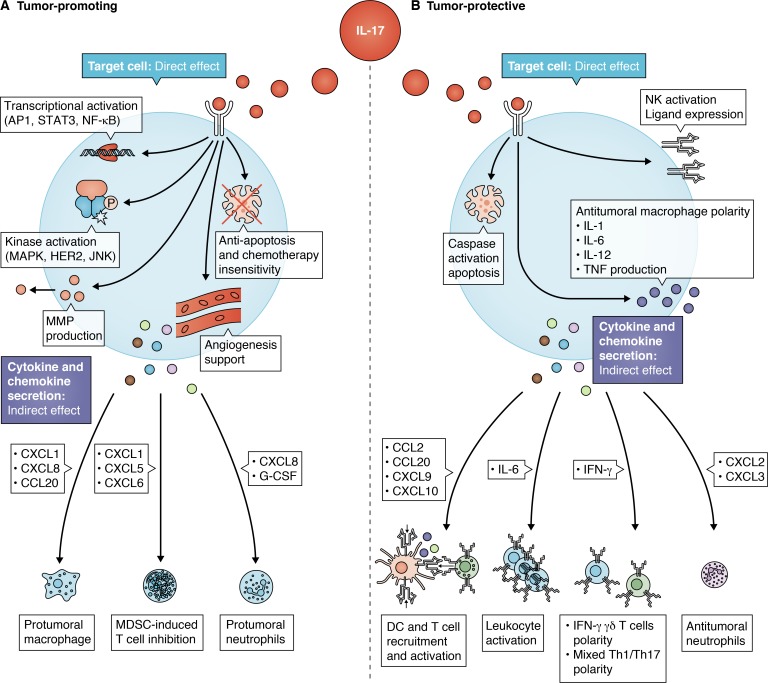
“Additionally, IL-1, IL6, and TNF play important roles in macrophage polarization, converting myeloid-derived suppressor cells (MDSCs) into M1like macrophages with antitumor functions (41).”
BackgroundCAR-T cell performance: How to improve their persistence?
López-Cantillo, G., Urueña, C., Camacho, B. A., & Ramírez-Segura, C. (2022) · Frontiers in Immunology · doi:10.3389/fimmu.2022.878209 · Cited by 207
“According to some studies, Th17 cells can either promote or eliminate tumors depending on the context of the tumor (64, 65).”
Gut microbiota–derived short‐chain fatty acids regulate group 3 innate lymphoid cells in HCC
Hu, C., Xu, B., Wang, X., Wan, W., Lu, J., Kong, D., Jin, Y., You, W., Sun, H., Mu, X., et al. (2023) · Hepatology · doi:10.1002/hep.32449 · Cited by 199
“IL‐17A is produced by ILC3 cells and other types of cells like T helper 17 (Th17) cells and T‐cell receptor γδ T cells.[17] However, no substantial difference in Th17 and γδ T cells was observed among three groups of recipient mice (Figure S4B), but IL‐17A protein levels in the serum were significantly diminished in T…”
BackgroundGamma delta T-cell-based immune checkpoint therapy: attractive candidate for antitumor treatment
Gao, Z., Bai, Y., Lin, A., Jiang, A., Zhou, C., Cheng, Q., Liu, Z., Chen, X., Zhang, J., & Luo, P. (2023) · Molecular Cancer · doi:10.1186/s12943-023-01722-0 · Cited by 138
Ruf, B., Greten, T. F., & Korangy, F. (2023) · Nature reviews. Cancer · doi:10.1038/s41568-023-00562-w · Cited by 121
Much More Than IL-17A: Cytokines of the IL-17 Family Between Microbiota and Cancer
Brevi, A., Cogrossi, L. L., Grazia, G., Masciovecchio, D., Impellizzieri, D., Lacanfora, L., Grioni, M., & Bellone, M. (2020) · Frontiers in Immunology · doi:10.3389/fimmu.2020.565470 · Cited by 121
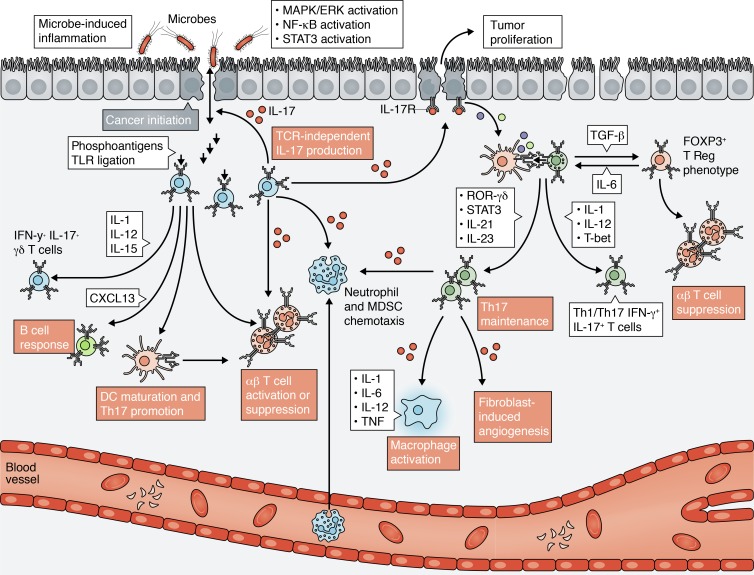
“More recently, a microbiome has also been found in the blood and tumor of cancer patients (46), and microbiota-induced IL17A has also been implicated in the pathogenesis of colon cancer, breast, pancreatic and ovarian carcinomas, and multiple myeloma (MM) (10, 47).”
BackgroundInfluentialPotential anti-tumor effects of regulatory T cells in the tumor microenvironment: a review
Li, Y., Zhang, C., Jiang, A., Lin, A., Liu, Z., Cheng, X., Wang, W., Cheng, Q., Zhang, J., Wei, T., et al. (2024) · Journal of Translational Medicine · doi:10.1186/s12967-024-05104-y · Cited by 105
“These factors promote the growth and regeneration of cancer stem cells and are linked to the onset of different cancer forms [60].”
BackgroundThe metabolism-modulating activity of IL-17 signaling in health and disease
Bechara, R., McGeachy, M. J., & Gaffen, S. L. (2021) · The Journal of Experimental Medicine · doi:10.1084/jem.20202191 · Cited by 105
Immune Tumor Microenvironment in Ovarian Cancer Ascites
Almeida-Nunes, D. L., Mendes‐Frias, A., Silvestre, R., Dinis‐Oliveira, R. J., & Ricardo, S. A. V. (2022) · International Journal of Molecular Sciences · doi:10.3390/ijms231810692 · Cited by 95
“Th17 cells secrete the cytokine IL-17 that has both effects, anti-tumoral and pro-tumoral, and shows strong interactions with Tregs [169], and the chemokines CXCL9 and CXCL10 that recruit TILs [170].”
BackgroundInfluentialWu, N., Wang, Y., Wang, K., Zhong, B., Liao, Y., Liang, J., & Jiang, N. (2022) · Cell Death and Disease · doi:10.1038/s41419-022-05215-8 · Cited by 85
Shenderov, E., Boudadi, K., Fu, W., Wang, H., Sullivan, R., Jordan, A., Dowling, D., Harb, R., Schonhoft, J. D., Jendrisak, A., et al. (2021) · The Prostate · doi:10.1002/pros.24110 · Cited by 81
“The role of IL‐17 in tumorigenesis is still being explored with both pro‐ and antitumor immunity roles described.(51) Our study has several limitations.”
BackgroundNagaoka, K., Shirai, M., Taniguchi, K., Hosoi, A., Sun, C., Kobayashi, Y., Maejima, K., Fujita, M., Nakagawa, H., Nomura, S., et al. (2020) · Journal for ImmunoTherapy of Cancer · doi:10.1136/jitc-2020-001358 · Cited by 75
The role of interleukin-17 in inflammation-related cancers
Zhang, X., Li, B., Lan, T., Chiari, C. C., Ye, X., Wang, K., & Chen, J. (2025) · Frontiers in Immunology · doi:10.3389/fimmu.2024.1479505 · Cited by 89
“However, it has also been found that IL-17 may better control the development of melanoma in mice, and the progression of melanoma is accelerated in IL-17-de fi cient mice (200).”
Li, S., Na, R., Li, X., Zhang, Y., & Zheng, T. (2022) · Biochimica et Biophysica Acta (BBA) - Reviews on Cancer · doi:10.1016/j.bbcan.2022.188758 · Cited by 78
Li, H., Zhang, J., An, C., & Dong, S. (2021) · Journal of the American Chemical Society · doi:10.1021/jacs.0c12448 · Cited by 63
Role of Epigenetic Regulation in Plasticity of Tumor Immune Microenvironment
Yang, Y., & Wang, Y. (2021) · Frontiers in Immunology · doi:10.3389/fimmu.2021.640369 · Cited by 74
Microbiota-Propelled T Helper 17 Cells in Inflammatory Diseases and Cancer
Bellone, M., Brevi, A., & Huber, S. (2020) · Microbiology and Molecular Biology Reviews · doi:10.1128/mmbr.00064-19 · Cited by 65
“The role of IL-17 and TH17 cells in cancer is more controversial (14).”
BackgroundGu, Y., Yang, H. J., He, C., Zhao, T., Lu, R., Liu, J., Mo, X., Wen, F., & Shi, H. (2023) · Signal Transduction and Targeted Therapy · doi:10.1038/s41392-023-01479-4 · Cited by 62
Zhao, Z., Wang, Y., Gao, Y., Ju, Y., Zhao, Y., Wu, Z., Gao, S., Zhang, B., Pang, X., Zhang, Y., et al. (2023) · Proceedings of the National Academy of Sciences · doi:10.1073/pnas.2212613120 · Cited by 62
“However, the relationship between Th17 cells and tumor immunopathology is still debated (1–5 , 39 ).”
Bai, J., Chen, H., & Bai, X. (2021) · Journal of Clinical Laboratory Analysis · doi:10.1002/jcla.23810 · Cited by 59
IL-17A promotes tumorigenesis and upregulates PD-L1 expression in non-small cell lung cancer
Liao, H., Chang, X., Gao, L., Ye, C., Qiao, Y., Xie, L., Lin, J., Cai, S., & Dong, H. (2023) · Journal of Translational Medicine · doi:10.1186/s12967-023-04365-3 · Cited by 55
“IL-17 causes immunosuppression associated with chronic inflammatory responses that may be exploited by cancer and undermine the effectiveness of immune checkpoint inhibitors [24].”
BackgroundLin, X., Wang, L., Xie, X., Qin, Y., Xie, Z., Ouyang, M., & Zhou, C. (2020) · Frontiers in Molecular Biosciences · doi:10.3389/fmolb.2020.602328 · Cited by 53
“After contact with each other, T cells and tumor cells secrete CXCL9 and CXCL10, induced by INF-γ, with a positive feedback mechanism to increase the infiltration of immune cells (CD8+ T cells, NK cells, and macrophages) within the tumor (Van Allen et al., 2015; Tokunaga et al., 2018; Vitiello and Miller, 2020).”
BackgroundCD4+ T cells are required to improve the efficacy of CIK therapy in non-small cell lung cancer
Liu, S., Meng, Y. G., Liu, L., Lv, Y., Yu, W., Liu, T., Wang, L., Mu, D., Zhou, Q., Liu, M., et al. (2022) · Cell Death and Disease · doi:10.1038/s41419-022-04882-x · Cited by 56
“Other studies have also shown that IL-17A can activate NK cells, as evidenced by upregulated CD107a, TNF-α, IFNγ, and NKG2D expression in NK cells, or induce IL-6 production from macrophages to promote the survival, recruitment, and cytotoxicity of CTLs [31, 32].”
BackgroundSun, R., Zhang, P.-P., Weng, X.-Q., Gao, X., Huang, C., Wang, L., Hu, X., Xu, P., Cheng, L., Jiang, L., et al. (2022) · Signal Transduction and Targeted Therapy · doi:10.1038/s41392-022-00895-2 · Cited by 47
“In addition, Th17 cells can modulate immune cells, endothelial cells and stromal cells, inducing an immunosuppressive tumor microenvironment.(24) In DLBCL, Th17 cells were reported to provoke rituximab resistance by suppressing p53 expression and inhibiting cell apoptosis.”
BackgroundLin, A., Qiu, Z., Zhang, J., & Luo, P. (2021) · Frontiers in Immunology · doi:10.3389/fimmu.2021.630773 · Cited by 45
“Notably, the CXCL9/CXCL10/CXCL11/CXCR3 axis recruits cytotoxic lymphocytes, NK cells, NKT cells, and macrophages to infiltrate tumor tissue and increases cytotoxic activity against tumor cells (44, 45).”
BackgroundLambert, J., Segaert, S., Ghislain, P., Hillary, T., Nikkels, A., Willaert, F., Lambert, J., & Speeckaert, R. (2020) · Journal of the European Academy of Dermatology and Venereology · doi:10.1111/jdv.16683 · Cited by 42
Modulation of CD4 T Cell Response According to Tumor Cytokine Microenvironment
Accogli, T., Bruchard, M., & Végran, F. (2021) · Cancers · doi:10.3390/cancers13030373 · Cited by 46
“IL-17 also recruits MDSCs, exhibiting major immunosuppressive activity [70,71].”
BackgroundWang, M., Zhang, L., Chang, W., & Zhang, Y. (2023) · Frontiers in Immunology · doi:10.3389/fimmu.2022.1096551 · Cited by 45
“IL-17 increases the expression of CXCL1, CXCL5, CXCL6, CXCL8, and IL-6, which potentiate the immunosuppressive function of MDSCs, inhibit the intratumoral infiltration of T cells and recruit tumor-promoting macrophages and neutrophils (89).”
BackgroundRole of FABP5 in T Cell Lipid Metabolism and Function in the Tumor Microenvironment
Jin, R., Hao, J., Yu, J., Wang, P., Sauter, E. R., & Li, B. (2023) · Cancers · doi:10.3390/cancers15030657 · Cited by 46
“Given the paradox role of Th17 cells in the TME [113,114], the role of FABP5 in regulating the IL‐ 17 axis in tumor immunotherapy warrants further investigation.”
BackgroundAgerholm, R., & Bekiaris, V. (2021) · European Journal of Immunology · doi:10.1002/eji.202049119 · Cited by 39
Lopes, J., Rodrigues, C. M. P., Gaspar, M. M., & Reis, C. P. (2022) · Pharmaceutics · doi:10.3390/pharmaceutics14091817 · Cited by 43
Interleukins (Cytokines) as Biomarkers in Colorectal Cancer: Progression, Detection, and Monitoring
Maryam, S., Krukiewicz, K., Haq, I. U., Khan, A. A., Yahya, G., & Cavalu, S. D. (2023) · Journal of Clinical Medicine · doi:10.3390/jcm12093127 · Cited by 42
The Role of IL-17 in the Pathogenesis of Oral Squamous Cell Carcinoma
Ladjevac, N., Milovanović, M., Jevtović, A., Arsenijević, D., Stojanović, B., Stojanovic, M. D., Stojanović, B., Arsenijević, N., Arsenijević, A., & Milovanović, J. (2023) · International Journal of Molecular Sciences · doi:10.3390/ijms24129874 · Cited by 39
Mucosal Associated Invariant T Cells in Cancer-Friend or Foe?
O’Neill, C. A., Cassidy, F. C., O'Shea, D. B., & Hogan, A. E. (2021) · Cancers · doi:10.3390/cancers13071582 · Cited by 33
“Again, the role for IL-17 in cancer remains unclear, with early IL-17 production supporting tumour growth but offering a protective role in established cancer [40].”
BackgroundMR1-Restricted T Cells in Cancer Immunotherapy
Flores-Villanueva, P. O., Sobhani, N., Wang, X., & Li, Y. (2020) · Cancers · doi:10.3390/cancers12082145 · Cited by 28
“IL-17 induces the secretion of CCL2, CXCL1, CXCL5, CXCL6, and CXCL8 from several types of cells that infiltrate the tumor, and subsequently, it recruits myeloid-derived suppressor cells, including tumor-associated macrophages [45,46].”
BackgroundInfluentialHumoral determinants of checkpoint immunotherapy
Dai, Y., Aizenbud, L., Qin, K., Austin, M. R., Jaycox, J. R., Cunningham, J., Wang, E. Y., Zhang, L., Fischer, S., Carroll, S. M., et al. (2025) · Nature · doi:10.1038/s41586-025-09188-4 · Cited by 31
Lin, A., Zhang, H., Meng, H., Deng, Z., Gu, T., Luo, P., & Zhang, J. (2021) · Frontiers in Immunology · doi:10.3389/fimmu.2021.667875 · Cited by 27
“Also, TNF plays a key role in the polarization of macrophages, such as the transformation of myeloid-derived suppressor cells (MDSCs) into M1-like macrophages, which exert antitumor functions (59).”
BackgroundRodríguez, C., Furlan, C. L. A., Tosello, J., Bossio, S. N., Boccardo, S., Fozzatti, L., Canale, F. P., Beccaría, C. G., Núñez, N. G., Ceschin, D. G., et al. (2023) · OncoImmunology · doi:10.1080/2162402x.2023.2261326 · Cited by 29
“Therefore, the scientific community is still debating the exact roles of this cytokine in tumor progression and its potential as a novel therapeutic target to treat malignancies (5, 12).”
BackgroundResultInfluentialDing, K., He, Y., Wei, J., Fu, S., Wang, J., Chen, Z., Zhang, H., Qu, Y., Liang, K., Gong, X., et al. (2022) · Frontiers in Immunology · doi:10.3389/fimmu.2022.943090 · Cited by 23
“Frontiers in Immunology 13 IL-6, IFN-g, and other cytokines (96, 97), in which IL-1 and IL-6 play important roles to polarize macrophages toward M1 type with anti-tumor functions (98).”
BackgroundZhou, Y., Qin, Y., Ma, J., Li, Z., Heng, W., Zhang, L., Liu, H., Li, R., Zhang, M., Peng, Q., et al. (2024) · Experimental Hematology and Oncology · doi:10.1186/s40164-024-00500-y · Cited by 31
IL-17 Promotes Nitric Oxide Production in Non-Small-Cell Lung Cancer
Nicola, S., Ridolfi, I., Rolla, G., Filosso, P. L., Giobbe, R., Boita, M., Culla, B., Bucca, C. B., Solidoro, P., & Brussino, L. (2021) · Journal of Clinical Medicine · doi:10.3390/jcm10194572 · Cited by 26
“In addition, IL‐17A levels have been associated with higher tumour vessel density and more advanced cancer stage, thus raising the hypothesis that IL‐17A could be involved in malignancy progression [15].”
BackgroundIxekizumab for Psoriatic Arthritis: Safety, Efficacy, and Patient Selection
Miller, J., Puravath, A., & Orbai, A. (2021) · Journal of Inflammation Research · doi:10.2147/jir.s229752 · Cited by 24
Mukherjee, S., Chakraborty, S., Basak, U., Pati, S., Dutta, A., Dutta, S., Roy, D., Banerjee, S., Ray, A., Sa, G., et al. (2023) · Discover Oncology · doi:10.1007/s12672-023-00787-z · Cited by 27
“…along with genesis of NSCCs and the entire tumor mass. Tregs in turn encourage tumor progression by releasing cytokines like TGFβ [67, 68] as well as IL17 [69–71], aiding in EMT and maintaining stemness [67, 68, 72], and under hypoxic conditions supporting angiogenesis by secreting VEGF [73].”
BackgroundWang, X., Chen, H., Jiang, R., Hong, X., Peng, J., Chen, W., Jiang, J., Li, J., Huang, D., Dai, H., et al. (2021) · Cancer Letters · doi:10.1016/j.canlet.2021.03.003 · Cited by 25
Transcriptional and Epigenetic Regulation of Context-Dependent Plasticity in T-Helper Lineages
Friedman, M. J., Lee, H., Lee, J., & Oh, S. (2023) · Immune Network · doi:10.4110/in.2023.23.e5 · Cited by 25
“Th17 recruitment to the TIME may be mediated by interaction with CCL20, which is up-regulated by the lncRNA u50535 that promotes tumor growth and metastasis in CRC and has been shown to promote Th17 accumulation in cervical cancer (106,107).”
BackgroundFactors impacting the benefits and pathogenicity of Th17 cells in the tumor microenvironment
Xing, J., Man, C., Liu, Y., Zhang, Z., & Peng, H. (2023) · Frontiers in Immunology · doi:10.3389/fimmu.2023.1224269 · Cited by 29
“Th17 cells follow a similar pattern, although they lack the clear functional categorization observed in the aforementioned cell types (20, 21).”
BackgroundZareinejad, M., Mehdipour, F., Zamir, M. R., Faghih, Z. S., & Ghaderi, A. A. (2023) · Cancers · doi:10.3390/cancers15194771 · Cited by 23
“IL-17 produced by Th17 cells was shown to synergize with IFN-γ in the induction of anti-tumor chemokines CXCL9 and CXCL10 that attract and stimulate NK, DC, and T-cell responses [73].”
BackgroundThe cure from within? a review of the microbiome and diet in melanoma
Kumar, P. R., Brazel, D., DeRogatis, J. M., Goldstein, J. B., Whiteson, K., Chow, W. A., Tinoco, R., & Moyers, J. T. (2022) · Cancer and Metastasis Reviews · doi:10.1007/s10555-022-10029-3 · Cited by 25
“Staphylococcous epidermidis, a common skin commensal microbe, when restored in germ-free mice has been shown to normalize IL-17A production, a chemokine which may a play a role in tumor growth and anti-tumor immunity [25, 26].”
BackgroundZhao, L., Wang, Z., Tan, Y., Ma, J., Huang, W., Zhang, X., Jin, C., Zhang, T., Liu, W., & Yang, Y. (2024) · Cell Reports · doi:10.1016/j.celrep.2024.115039 · Cited by 22
Chen, S.-Y., Chen, S., Feng, W., Li, Z., Luo, Y., & Zhu, X. (2021) · Annals of Translational Medicine · doi:10.21037/atm-20-2430 · Cited by 20
Liu, N., Jiang, F., Ye, M., Wang, B., Ge, D., & Chang, S. (2022) · Cytokine · doi:10.1016/j.cyto.2022.155830 · Cited by 23
Adoptively transferred Th17 cells cooperate with host B cells to achieve durable tumor immunity
Cole, A. C., Knochelmann, H. M., Wyatt, M. M., Wittling, M. C., Horvat, N. K., Smith, A. S., Rivera, G. O. R., Rivera-Reyes, A. M., Pavuluri, B., Kumaresan, S., et al. (2025) · Cancer Cell · doi:10.1016/j.ccell.2025.07.001 · Cited by 22
Thymus-derived hormonal and cellular control of cancer
Savino, W., & Lepletier, A. (2023) · Frontiers in Endocrinology · doi:10.3389/fendo.2023.1168186 · Cited by 19
Shim, N., Cho, H., Jeon, S. I., & Kim, K. (2023) · Journal of Pharmaceutical Investigation · doi:10.1007/s40005-023-00646-7 · Cited by 18
“Prominent IMAs include indoleamine 2,3-dioxygenase (IDO) inhibitors, rho kinase inhibitors, and interleukins (van Egmond et al. 2015; Le Naour et al. 2020; Vitiello and Miller 2020; Kim et al. 2021).”
Mechanistic Insights into the Roles of the IL-17/IL-17R Families in Pancreatic Cancer
Chen, Z., Qiao, S., Liu, Y., Sun, M., Li, B., Lü, A., & Li, F. (2023) · International Journal of Molecular Sciences · doi:10.3390/ijms241713539 · Cited by 19
“When the herpes simplex virus-2 reactivates, the neurotrophic cytokine IL-17C is adequate to support nerve growth and protect peripheral neurons [21].”
BackgroundSite‐Specific Protein Modification with Reducing Carbohydrates
Wu, Q., Dong, W., Miao, H., Wang, Q., Dong, S., & Xuan, W. (2022) · Angewandte Chemie International Edition · doi:10.1002/anie.202116545 · Cited by 16
Interleukin 17 and Its Involvement in Renal Cell Carcinoma
Jarocki, M., Karska, J., Kowalski, S., Kiełb, P., Nowak, Ł., Krajewski, W. R., Saczko, J., Kulbacka, J., Szydełko, T., & Małkiewicz, B. (2022) · Journal of Clinical Medicine · doi:10.3390/jcm11174973 · Cited by 17
“The potential role of IL-17 includes tumorigenesis, proliferation, angiogenesis, and metastasis [23,24].”
BackgroundYao, Z., Li, G., Pan, D., Pei, Z., Fang, Y., Liu, H., & Han, Z. (2025) · Frontiers in Immunology · doi:10.3389/fimmu.2025.1595070 · Cited by 19
Lee, K., Lai, T., Lee, W.-J., Chen, Y.-C., Ho, K., Hung, W.-Y., Yang, Y., Chan, M., Hsieh, F.-K., Chung, C., et al. (2023) · Cancers · doi:10.3390/cancers15133288 · Cited by 17
“IL-17A is the best-studied member of the IL-17 cytokine family which consists of six members (IL-17A~F), mainly secreted by a cluster of differentiation 4-positive (CD4+) T helper (Th) lymphocytes cells (Th17), CD8+ T cells, γδ T cells, and natural killer (NK) cells [3,4].”
BackgroundImplementing Curcumin in Translational Oncology Research
Gall‐Tros̆elj, K., Samaržija, I., Tomljanović, M., Kujundžić, R. N., Đaković, N., & Mojzeš, A. (2020) · Molecules · doi:10.3390/molecules25225240 · Cited by 14
Innate lymphoid cells type 3 in cancer
Castillo‐González, R., Valle-Noguera, A., Gómez-Sánchez, M. J., Xia, P., & Cruz‐Adalia, A. (2022) · Frontiers in Immunology · doi:10.3389/fimmu.2022.1033252 · Cited by 13
“Apart from pro-tumoral effects previously mentioned, IL-22 and IL-17 have also been described to have an anti-tumoral role (23, 24).”
BackgroundA novel prognostic model based on cellular senescence-related gene signature for bladder cancer
Luo, L., Li, F., Gong, B., Xi, P., & Xie, W. (2022) · Frontiers in Oncology · doi:10.3389/fonc.2022.937951 · Cited by 14
Identification and Validation of an Immune-Related Gene-Based Prognostic Index for Bladder CancerPreprint
Tian, Z., Meng, L., Long, X., Diao, T., Hu, M., Wang, M., Wang, J., & Liu, M. (2020) · SSRN Electronic Journal · doi:10.2139/ssrn.3550003 · Cited by 15
“IL-17 also indirectly shapes the immune cell microenvironment through chemokines and cytokines, supports cancer cell proliferation, stimulates early tumor growth, and suppresses the immune system [34].”
BackgroundŁaszczych, D., Czernicka, A., Gostomczyk, K., Szylberg, Ł., & Borowczak, J. (2024) · Medical Oncology · doi:10.1007/s12032-024-02434-1 · Cited by 12
“IL-17 has also been implicated in the oncogenesis of pancreatic, ovarian, gastric, hepato-cellular, prostate, skin, and breast cancer [30].”
BackgroundLi, Y. J., Msaouel, P., Campbell, M. T., Hwu, P., Diab, A. K., & Kim, S. T. (2024) · RMD Open · doi:10.1136/rmdopen-2024-004308 · Cited by 13
“11 IL-17 supports tumour growth by prompting tumour angiogenesis 12 and activating IL-6/STAT3 pathway in tumour cells, a key pathway in cancer development and progression.”
BackgroundNF-κB associated markers of prognosis in early and metastatic triple negative breast cancer
Cruz, P. D. L., McAdams, J. N., Aquino, M. M., Fernandez, A. I., Elliott, A. J., Lustberg, M. B., Schorl, C., Ribeiro, J. R., & James, N. E. (2024) · Breast Cancer Research · doi:10.1186/s13058-024-01925-3 · Cited by 13
“IL-17, a cytokine whose production is induced by NF-κB signaling, promotes the production of several other pro-inflammatory cytokines, such as IL-6 and IFNγ [33].”
Zare, R., Mohtasham, N., Ghazi, N., Mozafari, P. M., Abdollahpoor, M., Poursheikhani, A., Mohajertehran, F., & Esmaeilzadeh, A. (2021) · Cytokine · doi:10.1016/j.cyto.2021.155696 · Cited by 12
Liu, T., Zong, S., Jiang, Y., Zhao, R., Wang, J., & Hua, Q.-Q. (2021) · Journal of Immunology Research · doi:10.1155/2021/8078646 · Cited by 14
Wu, X., Ma, Y., Wang, L., & Qin, X. (2023) · International Journal of Molecular Sciences · doi:10.3390/ijms241814390 · Cited by 16
“IL-17 function is either tumor promoting or tumor protective based on the type of tumor and disease stage [117,118].”
Wang, P., Zhu, J., Long, Q., Wang, Y., Xu, H.-H., Tao, H., Wu, B., Li, J., Wu, Y., & Liu, S. (2023) · Journal of bone oncology · doi:10.1016/j.jbo.2023.100491 · Cited by 12
Interleukin 17 in early invasive breast cancer
Popović, M., Plavetić, N. D., Vrbanec, D., Marušić, Z., Mijatović, D., & Kulić, A. (2023) · Frontiers in Oncology · doi:10.3389/fonc.2023.1171254 · Cited by 11
“It seems that the effect of IL-17 in physiological conditions, as well as in the TME, can be two-fold, depending on the influence of various factors from the environment in which IL-17 is found (10).”
BackgroundHypoimmunogenic Human iPSCs for Repair and Regeneration in the CNS
Zhang, H., Zhou, H., Xia, X., Cao, Q., & Liu, Y. (2025) · Cells · doi:10.3390/cells14161248 · Cited by 13
“IL-17 also aids in the recruitment of Th1 cells to sites of infection, thereby facilitating IFN γ -driven pathogen clearance [67,69].”
Li, Z., Zhang, X., Liu, C., & Ma, J. (2021) · Frontiers in Cell and Developmental Biology · doi:10.3389/fcell.2021.729941 · Cited by 12
“Th17 cells have both tumorpromoting and suppressive functions, which is a reflection of the complexity of the TME (Vitiello and Miller, 2020).”
BackgroundBiologics in psoriatic patients with malignancies: Where are we now? An Italian multicentric study
Magnano, M., Balestri, R., Gisondi, P., Bardazzi, F., Lernia, V. G. D., Ioris, T., Girardelli, C. R., & Rech, G. (2023) · Journal of the European Academy of Dermatology and Venereology · doi:10.1111/jdv.19603 · Cited by 12
“Although IL-17 has both tumour-promoting and tumour-protective effects, 8,9 the aforementioned real-life reports 4–7 and our study suggest the safety of this class in oncologic patients.”
BackgroundMateescu, L.-A., Savu, A.-P., Mutu, C.-C., Vaida, C.-D., Serban, E. D., Bucur, Ș., Poenaru, E., Nicolescu, A. C., & Constantin, M. M. (2024) · Cancers · doi:10.3390/cancers16244224 · Cited by 11
Advances and challenges in cancer immunotherapy: Strategies for personalized treatment
Azmal, M., Miah, M. M., Prima, F. S., Paul, J. K., Haque, A. S. N. B., & Ghosh, A. (2025) · Seminars in Oncology · doi:10.1016/j.seminoncol.2025.152345 · Cited by 13
Iguchi, E., Takai, A., Oe, N., Fujii, Y., Omatsu, M., Takeda, H., Shimizu, T., Maruno, T., Nakanishi, Y., Yoshinaga, M., et al. (2025) · Proceedings of the National Academy of Sciences · doi:10.1073/pnas.2500820122 · Cited by 11
“It induces host defense molecules, such as α-defensins ( 28 , 29 ), promotes neutrophil infiltration ( 30 ), and inhibits T cell infiltration ( 21 ) by altering the chemokine expres sion profile.”
Suwanchiwasiri, K., Phanthaphol, N., Somboonpatarakun, C., Yuti, P., Sujjitjoon, J., Luangwattananun, P., Maher, J. F., Yenchitsomanus, P., & Junking, M. (2024) · Biomedicine & Pharmacotherapy · doi:10.1016/j.biopha.2024.116718 · Cited by 11
“However, it also exhibits antitumor effects by modulating adaptive immune responses, recruiting T cells, enhancing NK cell activity, and promoting the generation and activation of cytotoxic T cells [56,57].”
BackgroundKhalil, R. G., Mohammed, D. A., Hamdalla, H. M., & Ahmed, O. M. (2024) · Cytokine · doi:10.1016/j.cyto.2024.156834 · Cited by 11
Hadfield, M. J., Merkin, R. D., Rouhani, S. J., & Reynolds, K. L. (2025) · Best Practice & Research Clinical Haematology · doi:10.1016/j.beha.2025.101625 · Cited by 9
Davern, M., Bracken-Clarke, D. M., Donlon, N. E., Sheppard, A. D., Connell, F. O., Heeran, A. B., Majcher, K., Conroy, M. J., Mylod, E., Butler, C., et al. (2023) · Journal of Cancer Research and Clinical Oncology · doi:10.1007/s00432-023-04620-6 · Cited by 8
“The role of IL-17 in either promoting or dampening anti-tumour immunity has been controversial with studies reporting conflicting effects of IL-17 in either promoting or inhibiting anti-tumour immunity in different solid tumour types (Vitiello and Miller 2019).”
BackgroundHuang, T., Peng, Y., Liu, R., Ma, B., Chen, J., Wei, W., Zhong, W., Liu, Y., Guo, S., Han, H., et al. (2024) · International Immunopharmacology · doi:10.1016/j.intimp.2024.113106 · Cited by 9
Innate lymphoid cells recruit T cells to turn up the heat on tumors
Mills, K. H. G. (2022) · Cancer Cell · doi:10.1016/j.ccell.2022.03.002 · Cited by 8
Lee, K., Lai, T., Wang, Y.-C., Shih, P.-C., Yang, Y., Tsao, T. C. Y., Liu, T.-C., Wen, Y., Chang, L., Yang, S., et al. (2021) · Genes · doi:10.3390/genes12030427 · Cited by 10
“IL-17A is the prototypical member of the IL-17 cytokine family, preferentially produced by T-helper 17 (Th17) cells, a subset of cluster of differentiation 4-positive (CD4+) T helper lymphocytes [12].”
BackgroundAdvances of oncolytic vaccinia viruses armed with interleukin in tumor therapy
Zha, M., Huang, F., Li, S., Wang, Q., & Tang, Y. (2025) · Frontiers in Oncology · doi:10.3389/fonc.2025.1594621 · Cited by 9
Value of Cytokine Expression in Early Diagnosis and Prognosis of Tumor Metastasis
Li, T., Liu, M., Dai, H., Li, X., Liao, J., Zheng, Z., Pan, Y., Liu, Y., & Fang, S. (2022) · Journal of Oncology · doi:10.1155/2022/8112190 · Cited by 7
“IL-17 causes large numbers of immunosuppressive granulocytes to cluster together [25], which has been shown to promote lung metastasis in a murine breast cancer model [26].”
BackgroundTh17 Cells: Orchestrators of Mucosal Inflammation and Potential Therapeutic Targets
Iraji, D., Oftedal, B. E., & Wolff, A. S. B. (2023) · Critical Reviews in Immunology · doi:10.1615/critrevimmunol.2023050360 · Cited by 7
Wong, C. N., Zhang, Y., Ru, B., Wang, S., Zhou, H.-Y., Lin, J., Lyu, Y., Qin, Y., Jiang, P., Lee, V. H.-F., et al. (2024) · Advanced Science · doi:10.1002/advs.202401590 · Cited by 7
Chen, N., Wan, G., & Zeng, X. (2022) · Frontiers in Oncology · doi:10.3389/fonc.2022.833375 · Cited by 7
“MMP9 and caspase-8 were enriched in the IL-17 signaling pathway, which has been strongly associated with shorter overall survival of patients with CRC (44).”
BackgroundWang, J., Zhang, Y., Luo, D., Xu, J., Nie, X., Huang, C., Zhao, H., Zhu, M., Guo, X., Zhang, Y., et al. (2025) · Gut Pathogens · doi:10.1186/s13099-025-00731-2 · Cited by 8
“Microbiota-induced IL-17 A has been linked to the pathogenesis of various malignancies, including colon, breast, pancreatic, and ovarian cancers and multiple myeloma [68, 69].”
Zhou, Y. Y., Yang, M., Fu, R., Liu, W., Cai, Z., Lin, H., Li, S., Zong, C., Chen, Y., & Tong, Z. (2024) · Scientific Reports · doi:10.1038/s41598-024-69436-x · Cited by 7
Distinguishing between help and harm: Helper T cell subsets and immune-related adverse events
Haugh, A. M., & DAUD, A. I. (2024) · Journal of Clinical Investigation · doi:10.1172/jci184310 · Cited by 6
“The role of IL-17 in promoting versus hindering tumor cell growth and antitumor immune responses is controversial with several prior studies demonstrating mixed results (17–20).”
ResultPsoriasis and cancer: the role of inflammation, immunosuppression, and cancer treatment
Bruni, M., Lobefaro, F., Pellegrini, C., Mastrangelo, M., Gualdi, G., Esposito, M., Antonetti, P., Sanctis, P. D., Amerio, P., & Fargnoli, M. C. (2025) · Expert Opinion on Biological Therapy · doi:10.1080/14712598.2025.2471093 · Cited by 13
“In late phases of tumorigenesis, IL-17 seems to promote invasion and metastasis by sustaining an inflammatory environment through IL-6 signal, enhancing the expression of MMP and increasing angiogenesis by VEGF and IL-8 mediated responses in endothelial cells [27].”
InfluentialHMGB1 Promotes Myeloid Egress and Limits Lymphatic Clearance of Malignant Pleural Effusions
Soloff, A. C., Jones, K. E., Powers, A. A., Murthy, P., Wang, Y., Russell, K. L., Byrne-Steele, M. L., Lund, A. W., Yuan, J., Monaco, S. E., et al. (2020) · Frontiers in Immunology · doi:10.3389/fimmu.2020.02027 · Cited by 8
Developmental Approaches to Chronic Pain: A Narrative Review
Patel, N. P., Bates, C. M., & Patel, A. M. (2023) · Cureus · doi:10.7759/cureus.45238 · Cited by 12
Ranjbary, A. G., Mehrzad, J., Dehghani, H., & Hosseinkhani, S. (2025) · Archives of Medical Research · doi:10.1016/j.arcmed.2025.103220 · Cited by 6
Metadata
- Authors
- Vitiello, G. A., & Miller, G.
- Affiliations
- NYU Langone Health (US)
- Corresponding author
- Miller, George
- Venue
- Journal of Experimental Medicine
- Publisher
- Rockefeller University Press
- Published
- 2019-11-14
- Volume
- 217
- Issue
- 1
- ISSN
- 0022-1007 (ISSN-L)
- 1540-9538
- PMC
- PMC7037254
- OpenAlex
- W2988046914
- Cited by
- 151
- References
- 132
- Citations by year
- 2026: 12 · 2025: 21 · 2024: 22 · 2023: 32 · 2022: 30 · 2021: 24 · 2020: 10
- FWCI
- 1.52
- Type
- journal article
- Language
- en
- Open access
- hybrid
- doi.org
- Licence
- Locations
- The Journal of Experimental Medicine (publishedVersion, cc-by-nc-sa)
- PubMed Central (publishedVersion, cc-by-nc-sa)
- PubMed (publishedVersion)
- Funders
- National Institutes of Health (CA168611, CA203105, CA215471, CA19311, DK106025, L30 TR002111)
- Topics
- Health Sciences › Medicine › Oncology › Cancer Immunotherapy and Biomarkers
- Life Sciences › Immunology and Microbiology › Immunology › T-cell and B-cell Immunology
- Life Sciences › Immunology and Microbiology › Immunology › Psoriasis: Treatment and Pathogenesis
- Keywords
- IL-17, cancer immunotherapy, γδ T cells, Th17 cells, tumor microenvironment, antitumor immunity, tumor growth, cytokines, immunotherapy targets
- MeSH terms
- Animals, Humans, Immunotherapy, Neoplasms, Interleukin-17, Th17 Cells, Tumor Microenvironment
About these checks
Registry, retraction, Cites and statistics results are computed, not judged, with one exception: a printed reference that no index lists is read once by a model before it counts as a citation error. Claims are extracted by a model and kept only when their quote appears verbatim in the text; each cited source is then checked, with a model’s help, for whether it says what the claim relies on. Those verdicts can be wrong — read the claim’s quote and the cited source before relying on one.
Statistics and arithmetic are recomputed, not judged.
Confidence bands are shown only for fields calibrated on our annotated test set. None is calibrated yet, so no band is shown.
What counts as a claim ›How we measure confidence ›How we check this ›
Are you an author, or do you see a problem with this page? Request a review
Data sources
Bibliographic data: Semantic Scholar, OpenAlex, Crossref.
Contains information from the Semantic Scholar Academic Graph Datasets, made available under the ODC Attribution License (ODC-BY 1.0).
Semantic Scholar’s data is described in: Kinney, R., et al. (2023). The Semantic Scholar Open Data Platform. arXiv:2301.10140.
