

Targeting the interleukin-17 immune axis for cancer immunotherapy
Open accessThe DOI matches its Crossref record; 130 of the 132 references it cites were found in a registry or an index.
Abstract
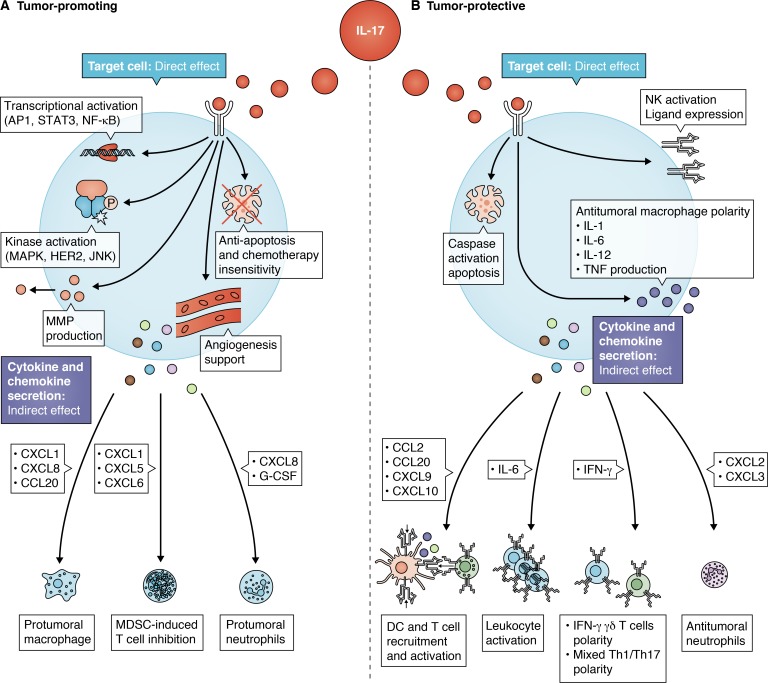
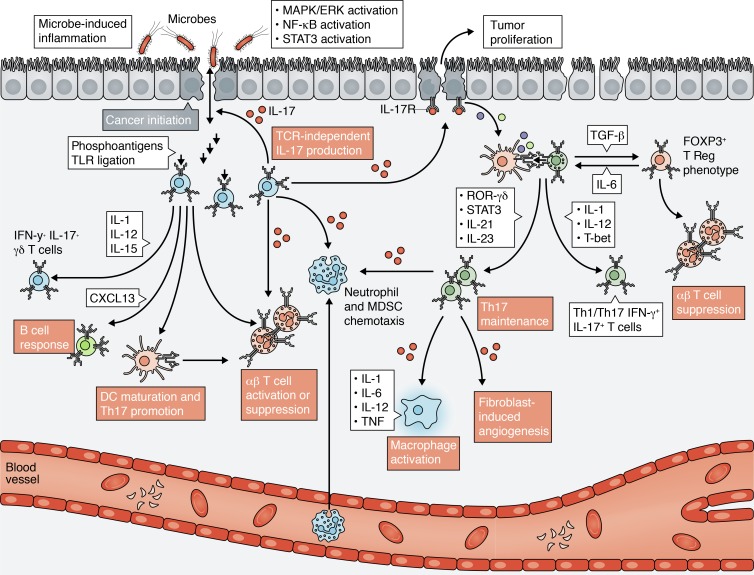
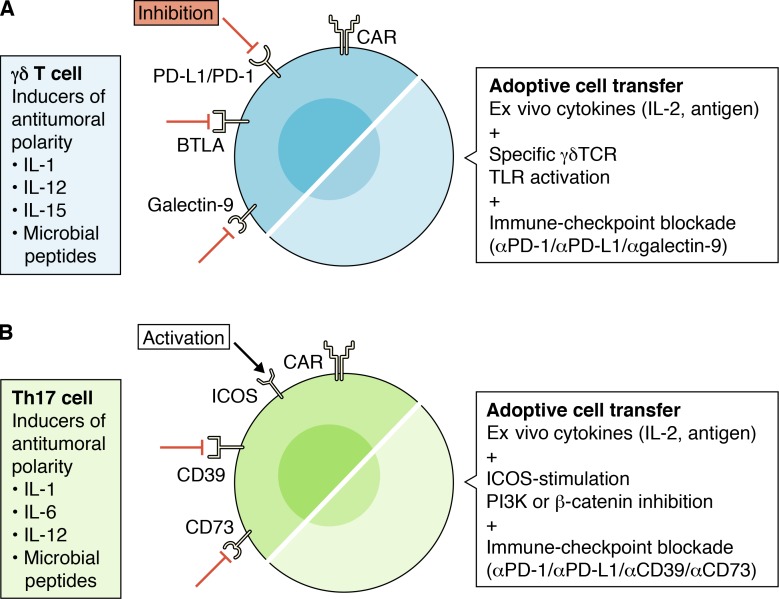
The role of IL-17 in cancer remains controversial. Emerging evidence suggests that during early oncogenesis IL-17 supports tumor growth, whereas in established tumors IL-17 production by γδ and Th17 cells potentiates antitumor immunity. Consequently, γδ and Th17 cells are attractive targets for immunotherapy in the IL-17 immune axis. To optimize IL-17–based immunotherapy, a deeper understanding of the cytokines dictating IL-17 production and the polarity of γδ and Th17 cells is critical. Here, we delve into the dichotomous roles of IL-17 in cancer and provide insight into the tumor microenvironment conducive for successful IL-17–based γδ and Th17 cell immunotherapy.
Overview
The claims and statistics of this paper haven’t been checked yet.
Free: it reads the open-access text and checks the first 5 claims that cite a source we can check. Create a free account to check every claim.
Integrity signals
Registry
Cites
Statistics
Figures
Verification
Claims the paper makes
The claims and statistics of this paper haven’t been checked yet.
Free: it reads the open-access text and checks the first 5 claims that cite a source we can check. Create a free account to check every claim.
Claims other papers make about this one
Each is checked against this paper’s own text: does it say what the citing paper says it does?
The source backs part of the claim, not all of it — or backs it for a different population, condition or comparison.
In the citing paper
“In this context, Th17-like Tregs secreting IL-17 within tumors may be advantageous for patients with malignancies [60].”
From Potential anti-tumor effects of regulatory T cells in the tumor microenvironment: a review (2024) · cites this paper as [60]
Experimental — accuracy not yet measured
Self-check
Percentages, sums and reported differences re-computed from the paper’s own numbers.
The self-check needs the paper’s full text.
Citations
Cites
PD-1 and PD-L1 Immune Checkpoint Blockade to Treat Breast Cancer
Hartkopf, A. D., Taran, F.-A., Wallwiener, M., Walter, C. B., Krämer, B., Grischke, E.-M., & Brucker, S. Y. (2016) · Breast Care · doi:10.1159/000453569 · Cited by 30,845
Adverse Renal Effects of Immune Checkpoint Inhibitors: A Narrative Review
Wanchoo, R., Karam, S., Uppal, N. N., Barta, V. S., Deray, G., Devoe, C., Launay-Vacher, V., Jhaveri, K. D., & on behalf of Cancer and Kidney International Network Workgroup on Immune Checkpoint Inhibitors (2017) · American Journal of Nephrology · doi:10.1159/000455014 · Cited by 15,256
Improved Survival with Ipilimumab in Patients with Metastatic Melanoma
Hodi, F. S., O'Day, S. J., McDermott, D. F., Weber, R. W., Sosman, J. A., Haanen, J. B., Gonzalez, R., Robert, C., Schadendorf, D., Hassel, J. C., et al. (2010) · New England Journal of Medicine · doi:10.1056/nejmoa1003466 · Cited by 15,155 · cited 1×
“…in patients whose malignancies previously carried a dismal prognosis, providing hope for those with advanced and metastatic melanoma, renal, and lung cancers (Borghaei et al., 2015; Brahmer et al., 2015; Eggermont et al., 2016; Hodi et al., 2010; Robert et al., 2015; Brahmer, J., et al. 2017.”
BackgroundNivolumab versus docetaxel in advanced nonsquamous non-small-cell lung cancer
Borghaei, H., Paz-Ares, L., Horn, L., Spigel, D. R., Steins, M., Ready, N. E., Chow, L. Q., Vokes, E. E., Felip, E., Holgado, E., et al. (2015) · New England Journal of Medicine · doi:10.1056/nejmoa1507643 · Cited by 9,335 · cited 1×
“The lack of response to immunotherapy, however, has been disappointing in a variety of other malignancies, including pancreatic cancer, in which an unfavorable, immunosuppressive tumor microenvironment precludes immunotherapy success (Brahmer et al., 2012; Royal et al., 2010).”
BackgroundNivolumab versus Docetaxel in Advanced Squamous-Cell Non–Small-Cell Lung Cancer
Brahmer, J., Reckamp, K. L., Baas, P., Crinò, L., Eberhardt, W. E. E., Poddubskaya, E., Antonia, S., Pluzanski, A., Vokes, E. E., Holgado, E., et al. (2015) · New England Journal of Medicine · doi:10.1056/nejmoa1504627 · Cited by 8,447 · cited 1×
“…using IL-2 and zalendronate (which mimics TLR ligation) has shown some efficacy in prostate cancer (Dieli et al., 2007), advanced renal cell carcinoma (Bennouna et al., 2008; Fisher et al., 2014b), non-small cell lung cancer (Nakajima et al., 2010), and neuroblastoma (Capsomidis et al., 2018).”
BackgroundSafety and activity of anti-PD-L1 antibody in patients with advanced cancer
Brahmer, J. R., Tykodi, S. S., Chow, L. Q. M., Hwu, W.-J., Topalian, S. L., Hwu, P., Drake, C. G., Camacho, L. H., Kauh, J., Odunsi, K., et al. (2012) · New England Journal of Medicine · doi:10.1056/nejmoa1200694 · Cited by 7,945 · cited 1×
“…in patients whose malignancies previously carried a dismal prognosis, providing hope for those with advanced and metastatic melanoma, renal, and lung cancers (Borghaei et al., 2015; Brahmer et al., 2015; Eggermont et al., 2016; Hodi et al., 2010; Robert et al., 2015; Brahmer, J., et al. 2017.”
BackgroundNivolumab in Previously Untreated Melanoma without BRAF Mutation
Robert, C., Long, G. V., Brady, B., Dutriaux, C., Maio, M., Mortier, L., Hassel, J. C., Rutkowski, P., McNeil, C., Kalinka-Warzocha, E., et al. (2015) · New England Journal of Medicine · doi:10.1056/nejmoa1412082 · Cited by 5,519
Tumor mutational load predicts survival after immunotherapy across multiple cancer types
Samstein, R. M., Lee, C.-H., Shoushtari, A. N., Hellmann, M. D., Shen, R., Janjigian, Y. Y., Barron, D. A., Zehir, A., Jordan, E. J., Omuro, A., et al. (2019) · Nature Genetics · doi:10.1038/s41588-018-0312-8 · Cited by 4,071
Interleukin-17 Family Members and Inflammation
Kolls, J. K., & Lindén, A. (2004) · Immunity · doi:10.1016/j.immuni.2004.08.018 · Cited by 2,372 · cited 4×
“The roles of IL-17 in the tumor microenvironment The IL-17 family comprises six cytokines (IL-17A through IL-17F) that ligate five receptors (IL-17RA through IL-17RE; Kolls and Lindén, 2004).”
BackgroundInfluentialCouzin-Frankel, J. (2013) · Science · doi:10.1126/science.342.6165.1432 · Cited by 2,051 · cited 1×
“Immunotherapy has changed the landscape of cancer treatment (Couzin-Frankel, 2013).”
Background
Cited by
Items 101–152 of 152
The clinical significance and anti-tumor role of PRKG1 in bladder cancer
Lu, J., Chen, T., Sun, H., Dai, G., Qiu, Y., Feng, Y., Liu, X., & Xue, B. (2024) · Frontiers in Immunology · doi:10.3389/fimmu.2024.1442555 · Cited by 5
Dendritic cells shape TCF1+CD8+ progenitor T cell heterogeneity
Ghilas, S., & Mielke, L. A. (2021) · Trends in Immunology · doi:10.1016/j.it.2021.10.013 · Cited by 5
The Roles of RUNX Proteins in Lymphocyte Function and Anti-Tumor Immunity
Seo, W., Nomura, A., & Taniuchi, I. (2022) · Cells · doi:10.3390/cells11193116 · Cited by 6
Li, X., Su, Q., & Pan, Y. (2024) · Advances in Clinical and Experimental Medicine · doi:10.17219/acem/187877 · Cited by 5
“51 Several studies have shown that tumor-specific Th17 polarized cells reduce the advancement of B16 melanoma in a mouse model, and this process heavily depends on IFN-γ production.”
BackgroundWang, Q., Li, S., Fan, Y., Chen, W., Jiang, Q., Sun, X., Lv, Q., Li, W., & Jia, Y. (2025) · Journal of Evidence-Based Integrative Medicine · doi:10.1177/2515690x241313097 · Cited by 4
“54 In the early stages of CRC development, elevated Th17 promotes in fl ammatory responses and Treg, which suppresses in fl ammatory responses, decreases, while the proportion of Th17 cells decreases and, conversely, the proportion of Treg cells increases gradually with further tumor progression.”
Zheng, M., Zhang, R., Yang, X., Wang, F., Guo, X., Li, L., Wang, J., Shi, Y., Miao, S., Quan, W., et al. (2025) · Molecular Diversity · doi:10.1007/s11030-025-11142-5 · Cited by 6
“IL-17 is closely linked to the initiation and progression of various cancers [63].”
Case Report: Guselkumab treatment for sintilimab-exacerbated psoriasis in a cancer patient
Ke, J., Guo, M., Zhao, X., Liu, N., Meng, Q., & Deng, H. (2025) · Frontiers in Immunology · doi:10.3389/fimmu.2025.1573495 · Cited by 4
“Additionally, the role of IL-17 in cancer remains controversial (14), with some studies suggesting that IL-17 inhibition may compromise the antitumor effects of ICT (15).”
Yu, Z., Wang, L., Ji, C., Sun, Y., & Shao, F. (2023) · Functional & Integrative Genomics · doi:10.1007/s10142-023-01103-2 · Cited by 5
Rase, V. J., Hayward, R., Haughian, J. M., & Pullen, N. (2022) · International Journal of Molecular Sciences · doi:10.3390/ijms231810299 · Cited by 4
“The chronic presence of these type 3 cytokines has been linked to increased tumor growth, enhanced tumor cell survival, and metastatic potential [25,35,36].”
BackgroundFacts and Hopes on Neutralization of Protumor Inflammatory Mediators in Cancer Immunotherapy
Olivera, I., Luri‐Rey, C., Teijeira, Á., Eguren‐Santamaría, I., Gomis, G., Palencia, B., Berraondo, P., & Melero, I. (2023) · Clinical Cancer Research · doi:10.1158/1078-0432.ccr-22-3653 · Cited by 5
Soler, M. F., Bravo-Miana, R. D. C., Negretti-Borga, D. M., Subirada, P. V., Alamino, V. A., Sanchez, M. C., Donadío, A. C., Pellizas, C. G., & Montesinos, M. M. (2022) · International Immunopharmacology · doi:10.1016/j.intimp.2022.109016 · Cited by 7
Enhanced Antipediatric Sarcoma Effect of Everolimus with Secukinumab by Targeting IL17A
Huang, D., Wu, Z., Wu, Z., Li, N., Hao, L., Li, K., Zeng, J., Qiu, B., Zhang, S., & Yan, J. (2024) · Molecular Cancer Therapeutics · doi:10.1158/1535-7163.mct-23-0342 · Cited by 3
Yao, Y., Zhang, X., Wu, H., Pan, B., Zhang, Z., Ye, D., Wang, X., & Tang, N. (2025) · Archives of Pharmacal Research · doi:10.1007/s12272-025-01587-5 · Cited by 4
“1 cells and their effector cytokines exert direct or indirect antitumor effects in solid tumors by recruiting immunocompetent cell infiltration and regulating cell cycle and apoptotic signals (Vitiello and Miller 2020; Lei et al. 2024).”
Tumor Angiogenesis and Modulators
Xu, K. (2022) · IntechOpen eBooks · doi:10.5772/intechopen.95139 · Cited by 3
Identifying and Validating Networks of Oncology Biomarkers Mined From the Scientific Literature
Wager, K., Chari, D., Ho, S. N., Rees, T., Penner, O., & Schijvenaars, B. J. A. (2022) · Cancer Informatics · doi:10.1177/11769351221086441 · Cited by 3
“24 Pathways requiring deeper understanding are TNF, TLRs and NF-kappa B.”
BackgroundSarkar, S., Wang, C.-Y., Hsu, P., Unnikrishnan, B., Tang, Y., Chen, S., Lin, C., Anand, A., Shih, R., Hean, L. E., et al. (2025) · Biomaterials · doi:10.1016/j.biomaterials.2025.123500 · Cited by 6
Liu, W. Y., Li, Z., He, W., Yu, D., Wang, P., Cai, L., Yang, P., Chen, X., Zhang, X., & Zhou, H. (2021) · Journal of Cancer · doi:10.7150/jca.53863 · Cited by 3
“Previous research demonstrated that γδ T cells subset-targeting could be beneficial to enhance or inhibit the outcome of adaptive immune responses against cancer [15], suggesting that these cells would be effective in cancer therapy.”
BackgroundSu, B., Yang, S.-F., Ye, X., Huang, Z.-X., Song, Y., & Xu, S.-H. (2023) · Current Proteomics · doi:10.2174/1570164620666230328120621 · Cited by 3
Liu, C., Yeh, C., Wu, T., Lin, C., Kuo, Y.-T., Iwakura, Y., Day, Y., Drake, C. G., Radojčić, V., Song, Y., et al. (2026) · Advanced Science · doi:10.1002/advs.202513020 · Cited by 2
“We identify IL-17-driven chemokine dysregulation as a central mechanism, characterized by reduced CXCL10 and increased CCL2 expression—both recognized IL-17-regulated targets in prior reports [ 24–26 ].”
Fu, S., Tang, M., Zhao, C., Chen, S., Su, M., pan, J., Zhang, Y., Wang, X., Jia, W., Chu, X., et al. (2026) · Cellular and Molecular Immunology · doi:10.1038/s41423-026-01409-8 · Cited by 3
Pastwińska, J., Karwaciak, I., Karaś, K., Sałkowska, A., & Ratajewski, M. (2026) · Biochimica et Biophysica Acta (BBA) - Reviews on Cancer · doi:10.1016/j.bbcan.2026.189623 · Cited by 2
Therapeutic potential for coxib-nitric oxide releasing hybrids in cancer treatment
Giordani, A., Poce, G., Consalvi, S., Maramai, S., Saletti, M., Rossi, A., Patrignani, P., Biava, M., & Anzini, M. (2023) · Elsevier eBooks · doi:10.1016/b978-0-443-13342-8.00009-0 · Cited by 3
Liu, Q., Yang, R., Wang, D., & Liu, Q. (2024) · Cell Biology International · doi:10.1002/cbin.12250 · Cited by 4
“…proliferation by mediating activation of the STAT3 signal transduction pathway in BC cells, (Kaur et al., 2018; Ma et al., 2018; Punt et al., 2015) as well as inducing the production of IL ‐ 6 and CCL20 in metastatic tumor cells to recruit and differentiate Th17 cells (Vitiello & Miller, 2020).”
InfluentialKwon, O. C., Lee, H. S., Yang, J., & Park, M. (2025) · JCR Journal of Clinical Rheumatology · doi:10.1097/rhu.0000000000002188 · Cited by 2
Jun, Z., Yang, F., Zheng, C., Chen, Y., Chen, M., Lin, Q., Chang, C., Cai, S., Sun, Z., Li, H., et al. (2025) · Veterinary Microbiology · doi:10.1016/j.vetmic.2025.110417 · Cited by 3
The dual role of interleukin-17 in the growth of human papillomavirus-negative cervical cancer cells
Pan, Y., Luo, X., Ma, J., Feng, Z., Hu, Y., & Xue, J. (2022) · European Journal of Inflammation · doi:10.1177/1721727x221128089 · Cited by 3
“But recently, studies indicated that the role of IL-17 had dual functions of promoting and protecting tumors, in other words, IL-17 supports tumor growth in the early stages of carcinogenesis, while in the established tumors, IL-17 enhances anti-tumor immunity.(25,26) The previous studies on IL-17 related to cervical…”
BackgroundLee, W.-H., Chen, X., Liu, I.-J., Lee, J.-H., Hu, C.-M., Wu, H., Wang, S., Lee, W., & Ma, C. (2022) · Cell Reports · doi:10.1016/j.celrep.2022.111555 · Cited by 2
Research progress in the PD-1/PD-L1 pathway and IL-17A in lymphomas
Yang, H. H., & Xu, X. G. (2022) · Aging Pathobiology and Therapeutics · doi:10.31491/apt.2022.06.084 · Cited by 2
Gene Expression Analysis before and after the Pelvic Flexure in the Epithelium of the Equine Hindgut
Moss, C. D., Wilson, A. L., Reed, K. J., Jennings, K., Kunz, I. G. Z., Landolt, G. A., Metcalf, J. L., Engle, T. E., & Coleman, S. J. (2024) · Animals · doi:10.3390/ani14162303 · Cited by 1
“…which could be closely directing these genetic, microbial and functional differences, and (c) introducing healthy versus unhealthy equine subjects to further the research community’s understanding of how health status may also affect gene expression and microbial communities in the equine hindgut.”
BackgroundSoluble cytokines and chemokines in NSCLC: drivers of immune evasion and angiogenesis
Yang, L., Fan, Z., Wang, Z., & Zhou, D. (2026) · Frontiers in Immunology · doi:10.3389/fimmu.2026.1699065 · Cited by 3
Cai, Y., Su, B., & Wang, J. (2026) · Frontiers in Immunology · doi:10.3389/fimmu.2026.1743841 · Cited by 1
“IL-17A is primarily produced by immune cells (such as Th17, CD8+ T cells, gd T cells, and NK cells) (74, 75), some studies have also suggested that under certain circumstances, tumor cells — including subtypes of colorectal and breast cancer — may acquire the ability to produce IL-17A, thereby in fl…”
Sun, Y., Khan, M. A., Mangiola, S., & Barrow, A. D. (2023) · Pathogens · doi:10.3390/pathogens12040572 · Cited by 2
“Finally, higher expression of IL17A, which encodes the known anti-tumoral cytokine IL17A [9,13,14], was associated with improved prognosis Pathogens 2023, 12, 572 8 of 18 (Supplementary Figure S8).”
BackgroundInfluentialYu, S., & Wei, J. C. (2024) · Journal of the European Academy of Dermatology and Venereology · doi:10.1111/jdv.20195 · Cited by 1
“7,8 Anti- IL-17 therapies have been highlighted for their dual role in promoting and protecting against tumours.”
Site‐Specific Protein Modification with Reducing Carbohydrates
Wu, Q., Dong, W., Miao, H., Wang, Q., Dong, S., & Xuan, W. (2022) · Angewandte Chemie · doi:10.1002/ange.202116545 · Cited by 1
Management of Rheumatic Immune-Related Adverse Events (irAEs): General Principles
Meara, A. S., & Calabrese, L. H. (2021) · Springer eBooks · doi:10.1007/978-3-030-56824-5_14
Modulators of Tumor Angiogenesis: Insights into the Role of Galectin-3 and IL-17 Signaling
Radosavljevic, G. D., Pantic, J. M., Marković, B. S., & Arsenijević, N. (2022) · IntechOpen eBooks · doi:10.5772/intechopen.102893 · Cited by 2
Wan, L., Liu, Q., Liang, D., Guo, Y., Liu, G., Ren, J., Gu, X., He, Y., & Shan, B. (2024) · Research Square · doi:10.21203/rs.3.rs-4293656/v1
A case of prostate cancer in a patient with severe psoriasis being treated with Secukinumab
Choi, S. H., Pyo, G. J., Myung, K. B., & Cheong, S. H. (2024) · Daehan geonseon hakoeji (Online) · doi:10.23203/jksp.2024.21.2.65
Lee, C., Yeh, Y.-W., Chen, Y., Chang, C., Chien, C., Wei, K., Chuang, C., Hsu, P., Huang, Y.-C., & Hwang, T. (2025) · SSRN Electronic Journal · doi:10.2139/ssrn.5367606
Interleukin-17 and transplant immunology: clinical evidence from hematopoietic cell transplantation
Espinoza, J. L., Dac, D. T., Giang, N. H. T., & Takami, A. (2025) · Expert Review of Clinical Immunology · doi:10.1080/1744666x.2025.2575450
“On the other hand, IL-17 has been associated with both anti-tumor and pro-tumor effects [59].”
Zhou, Y., Qin, Y., Ma, J., Li, Z., Heng, W., Zhang, L., Liu, H., Li, R., Zhang, M., Peng, Q., et al. (2024) · Figshare · doi:10.6084/m9.figshare.26696247
Zhou, Y., Qin, Y., Ma, J., Li, Z., Heng, W., Zhang, L., Liu, H., Li, R., Zhang, M., Peng, Q., et al. (2024) · Figshare · doi:10.6084/m9.figshare.26696250
MAIT Cells in Tumor Contexts: Functional Diversity and Regulatory Hierarchies
Wang, K., Jin, K., Fei, Q., Li, T., Wang, S., Yu, X., Wu, W., & Ye, L. (2026) · Critical Reviews in Oncology/Hematology · doi:10.1016/j.critrevonc.2026.105340
Lee, C. B., Kung, W., Yeh, Y.-C., Chen, Y., Chang, C., Chien, C., Wei, K., Chuang, C., Hsu, P., Hwang, T., et al. (2026) · International Journal of General Medicine · doi:10.2147/ijgm.s604476
“54,55 Although IL-17 can exert both tumor-promoting and tumor-suppressive effects depending on context, 56,57 in gliomas it is generally associated with tumor progression through inflammation and angiogenesis.”
Karagkouni, D., Brake, M. A., Patell, R. D., Falanga, A., Marchetti, M., Russo, L., Mantha, S., Neuberg, D. S., Chiasakul, T., Carrier, M., et al. (2026) · Science Translational Medicine · doi:10.1126/scitranslmed.adu7160
Wen, J., Liu, F., Zhang, L., Lu, L., Liang, S., & Du, S. (2026) · Frontiers in Pharmacology · doi:10.3389/fphar.2026.1836187
“…role in orchestrating immune-mediated tissue damage, the IL-17 signaling axis has emerged as a pivotal driver of disease progression and a high-value therapeutic target for pharmacological intervention (Huangfu et al., 2023; Mills, 2023; Sánchez-Rodríguez and Puig, 2023; Vitiello and Miller, 2020).”
Peng, B., Li, Y., Li, S., Pan, J., 钱伟民, & Li, Q. (2026) · Frontiers in Immunology · doi:10.3389/fimmu.2026.1861545
“During early tumorigenesis, IL-17A appears to promote tumor growth, whereas in advanced malignant tissues, IL-17A may also enhance antitumor immune responses (85).”
Bioengineering strategies to enhance BCG immunotherapy against bladder cancer
Li, S., Chen, H., & Feng, B. (2026) · Frontiers in Immunology · doi:10.3389/fimmu.2026.1888889
Roy, N. K., Pal, S., Dar, H. Y., Patil, S., Weitzmann, M. N., & Pacifici, R. (2026) · JCI Insight · doi:10.1172/jci.insight.207567
Metadata
- Authors
- Vitiello, G. A., & Miller, G.
- Affiliations
- NYU Langone Health (US)
- Corresponding author
- Miller, George
- Venue
- Journal of Experimental Medicine
- Publisher
- Rockefeller University Press
- Published
- 2019-11-14
- Volume
- 217
- Issue
- 1
- ISSN
- 0022-1007 (ISSN-L)
- 1540-9538
- PMC
- PMC7037254
- OpenAlex
- W2988046914
- Cited by
- 151
- References
- 132
- Citations by year
- 2026: 12 · 2025: 21 · 2024: 22 · 2023: 32 · 2022: 30 · 2021: 24 · 2020: 10
- FWCI
- 1.52
- Type
- journal article
- Language
- en
- Open access
- hybrid
- doi.org
- Licence
- Locations
- The Journal of Experimental Medicine (publishedVersion, cc-by-nc-sa)
- PubMed Central (publishedVersion, cc-by-nc-sa)
- PubMed (publishedVersion)
- Funders
- National Institutes of Health (CA168611, CA203105, CA215471, CA19311, DK106025, L30 TR002111)
- Topics
- Health Sciences › Medicine › Oncology › Cancer Immunotherapy and Biomarkers
- Life Sciences › Immunology and Microbiology › Immunology › T-cell and B-cell Immunology
- Life Sciences › Immunology and Microbiology › Immunology › Psoriasis: Treatment and Pathogenesis
- Keywords
- IL-17, cancer immunotherapy, γδ T cells, Th17 cells, tumor microenvironment, antitumor immunity, tumor growth, cytokines, immunotherapy targets
- MeSH terms
- Animals, Humans, Immunotherapy, Neoplasms, Interleukin-17, Th17 Cells, Tumor Microenvironment
About these checks
Registry, retraction, Cites and statistics results are computed, not judged, with one exception: a printed reference that no index lists is read once by a model before it counts as a citation error. Claims are extracted by a model and kept only when their quote appears verbatim in the text; each cited source is then checked, with a model’s help, for whether it says what the claim relies on. Those verdicts can be wrong — read the claim’s quote and the cited source before relying on one.
Statistics and arithmetic are recomputed, not judged.
Confidence bands are shown only for fields calibrated on our annotated test set. None is calibrated yet, so no band is shown.
What counts as a claim ›How we measure confidence ›How we check this ›
Are you an author, or do you see a problem with this page? Request a review
Data sources
Bibliographic data: Semantic Scholar, OpenAlex, Crossref.
Contains information from the Semantic Scholar Academic Graph Datasets, made available under the ODC Attribution License (ODC-BY 1.0).
Semantic Scholar’s data is described in: Kinney, R., et al. (2023). The Semantic Scholar Open Data Platform. arXiv:2301.10140.
