

The DOI matches its Crossref record; 88 of the 88 references it cites were found in a registry or an index.
Targeting potential drivers of COVID-19: Neutrophil extracellular traps
Open accessAbstract
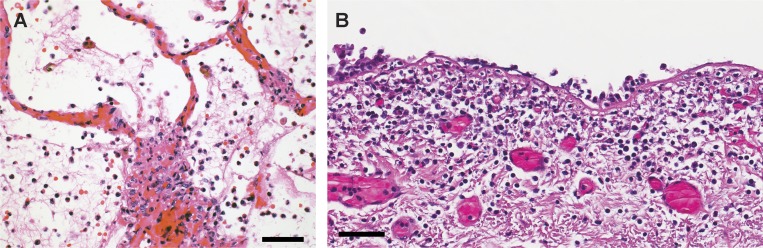
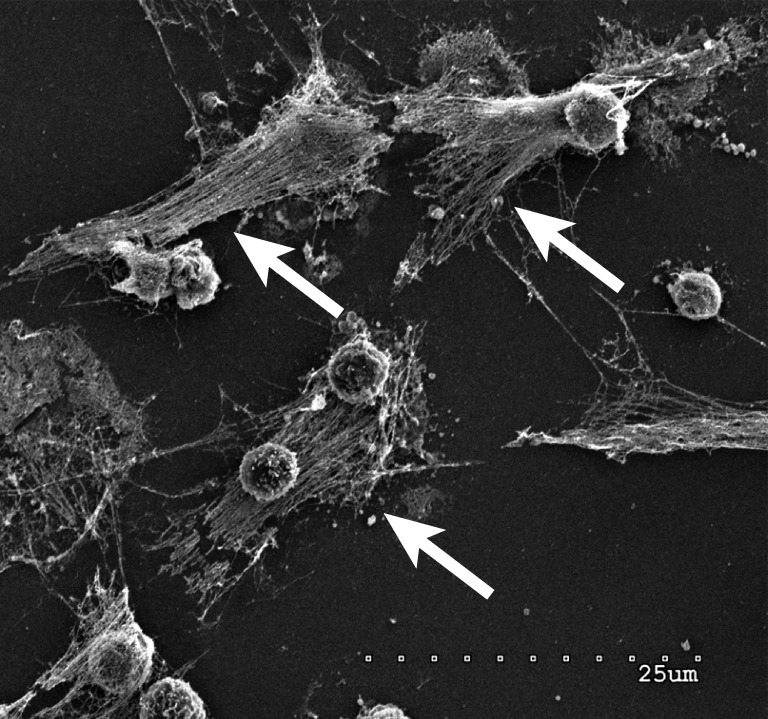
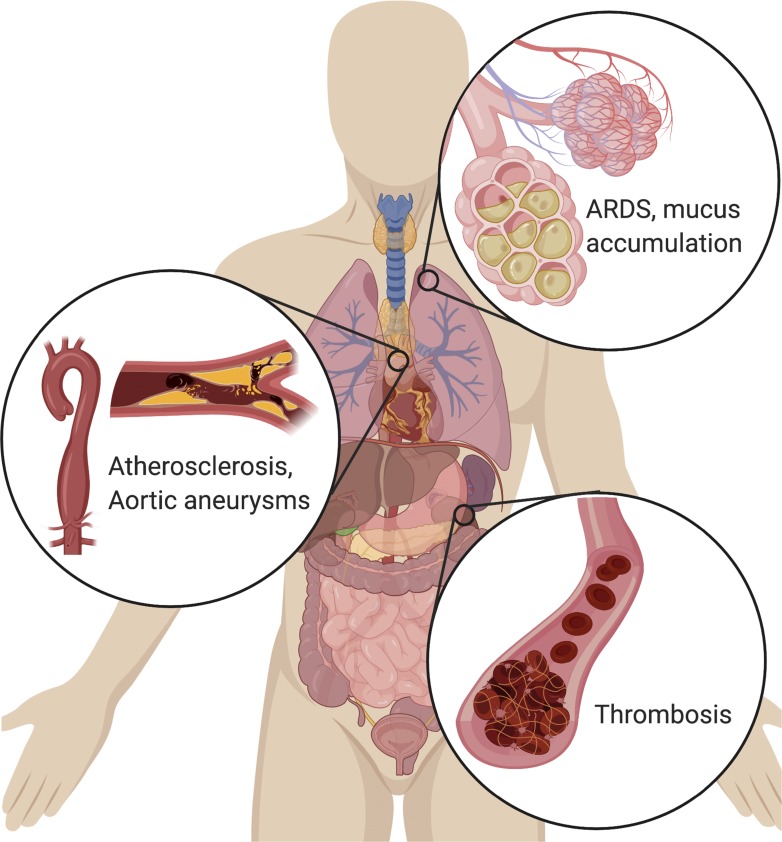
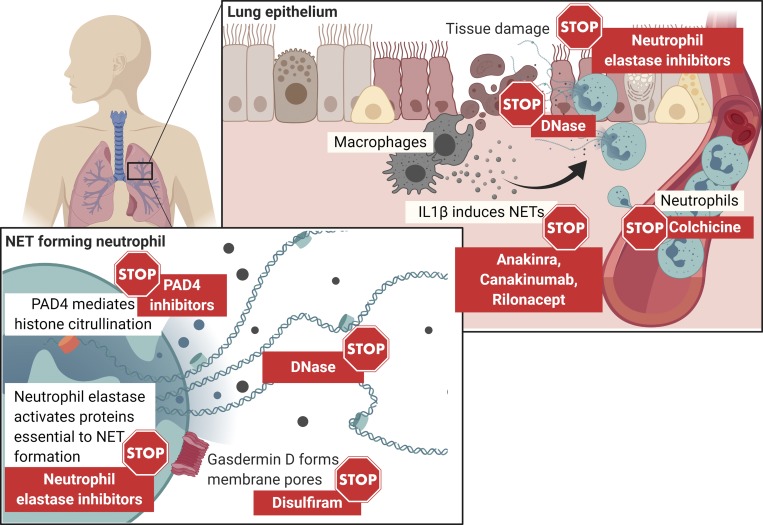
Coronavirus disease 2019 (COVID-19) is a novel, viral-induced respiratory disease that in ∼10–15% of patients progresses to acute respiratory distress syndrome (ARDS) triggered by a cytokine storm. In this Perspective, autopsy results and literature are presented supporting the hypothesis that a little known yet powerful function of neutrophils—the ability to form neutrophil extracellular traps (NETs)—may contribute to organ damage and mortality in COVID-19. We show lung infiltration of neutrophils in an autopsy specimen from a patient who succumbed to COVID-19. We discuss prior reports linking aberrant NET formation to pulmonary diseases, thrombosis, mucous secretions in the airways, and cytokine production. If our hypothesis is correct, targeting NETs directly and/or indirectly with existing drugs may reduce the clinical severity of COVID-19.
Overview
The claims and statistics of this paper haven’t been checked yet.
Run the check — free, no account needed. It reads the open-access text and checks the sources it cites.
Integrity signals
Registry
Cites
Statistics
Figures
Verification
Claims the paper makes
The claims and statistics of this paper haven’t been checked yet.
Run the check — free, no account needed. It reads the open-access text and checks the sources it cites.
Claims other papers make about this one
Each is checked against this paper’s own text: does it say what the citing paper says it does?
The cited source says what the claim attributes to it.
In the citing paper
“Excessive NETosis has been implicated in the development of cytokine storms and thrombosis.259”
From Inflammation and aging: signaling pathways and intervention therapies (2023) · cites this paper as [259]
Self-check
Percentages, sums and reported differences re-computed from the paper’s own numbers.
The self-check needs the paper’s full text.
Citations
Cites
Clinical features of patients infected with 2019 novel coronavirus in Wuhan, China
Huang, C., Wang, Y., Li, X., Ren, L., Zhao, J., Hu, Y., Zhang, L., Fan, G., Xu, J., Gu, X., et al. (2020) · The Lancet · doi:10.1016/s0140-6736(20)30183-5 · Cited by 48,884
Zhou, F., Yu, T., Du, R., Fan, G., Liu, Y., Liu, Z., Xiang, J., Wang, Y., Song, B., Gu, X., et al. (2020) · The Lancet · doi:10.1016/s0140-6736(20)30566-3 · Cited by 27,263
Chen, N., Zhou, M., Dong, X., Qu, J., Gong, F., Han, Y., Qiu, Y., Wang, J., Liu, Y., Wei, Y., et al. (2020) · The Lancet · doi:10.1016/s0140-6736(20)30211-7 · Cited by 21,415
Wang, D., Hu, B., Hu, C., Zhu, F., Liu, X., Zhang, J., Wang, B., Xiang, H., Cheng, Z., Xiong, Y., et al. (2020) · JAMA · doi:10.1001/jama.2020.1585 · Cited by 20,148
La certeza de lo impredecible: Cultura Educación y Sociedad en tiempos de COVID19
Martínez González, M. (2020) · DSPACE System - Metalibrary (University of the Coast) · Cited by 18,463
Neutrophil Extracellular Traps Kill Bacteria
Brinkmann, V., Reichard, U., Goosmann, C., Fauler, B., Uhlemann, Y., Weiss, D. S., Weinrauch, Y., & Zychlinsky, A. (2004) · Science · doi:10.1126/science.1092385 · Cited by 10,268
COVID-19: consider cytokine storm syndromes and immunosuppression
Mehta, P., McAuley, D. F., Brown, M., Sanchez, E., Tattersall, R. S., & Manson, J. J. (2020) · The Lancet · doi:10.1016/s0140-6736(20)30628-0 · Cited by 9,664
Wu, C., Chen, X., Cai, Y., Xia, J., Zhou, X., Xu, S., Huang, H., Zhang, L., Zhou, X., Du, C., et al. (2020) · JAMA Internal Medicine · doi:10.1001/jamainternmed.2020.0994 · Cited by 8,249
Mizgerd, J. P., Kubo, H., Kutkoski, G. J., Bhagwan, S. D., Scharffetter-Kochanek, K., Beaudet, A. L., & Doerschuk, C. M. (1997) · The Journal of Experimental Medicine · doi:10.1084/jem.186.8.1357 · Cited by 7,332
Meijer, L., Nelson, D. J., Riazanski, V., Gabdoulkhakova, A. G., Héry-Arnaud, G., Berre, R. L., Loaëc, N., Oumata, N., Galons, H., Nowak, E., et al. (2016) · Journal of Innate Immunity · doi:10.1159/000444256 · Cited by 5,008
Cited by
Sorted by citations
Items 101–200 of 1,000
SARS-CoV-2 infection, COVID-19 pathogenesis, and exposure to air pollution: What is the connection?
Woodby, B., Arnold, M. M., & Valacchi, G. (2021) · Annals of the New York Academy of Sciences · doi:10.1111/nyas.14512 · Cited by 160
Humoral signatures of protective and pathological SARS-CoV-2 infection in children
Bartsch, Y. C., Wang, C., Zohar, T., Fischinger, S., Atyeo, C. G., Burke, J. S., Kang, J., Edlow, A. G., Fasano, A., Baden, L. R., et al. (2021) · Nature Medicine · doi:10.1038/s41591-021-01263-3 · Cited by 163
Potential protective mechanisms of green tea polyphenol EGCG against COVID-19
Zhang, Z., Zhang, X., Bi, K., He, Y., Yan, W., Yang, C. S., & Zhang, J. (2021) · Trends in Food Science & Technology · doi:10.1016/j.tifs.2021.05.023 · Cited by 173
Pulmonary Thrombosis and Thromboembolism in COVID-19
Poor, H. D. (2021) · CHEST Journal · doi:10.1016/j.chest.2021.06.016 · Cited by 177
Cerullo, G., Negro, M., Parimbelli, M., Pecoraro, M., Perna, S., Liguori, G., Rondanelli, M., Cena, H., & D’Antona, G. (2020) · Frontiers in Immunology · doi:10.3389/fimmu.2020.574029 · Cited by 179
Lévy, Y., Wiedemann, A., Hejblum, B. P., Durand, M., Lefebvre, C., Surénaud, M., Lacabaratz, C., Perreau, M., Foucat, E., Déchenaud, M., et al. (2021) · iScience · doi:10.1016/j.isci.2021.102711 · Cited by 168
The NLRP3 inflammasome and COVID-19: Activation, pathogenesis and therapeutic strategies
Zhao, N., Di, B., & Xu, L. (2021) · Cytokine & Growth Factor Reviews · doi:10.1016/j.cytogfr.2021.06.002 · Cited by 161
Bösmüller, H. C., Traxler, S., Bitzer, M., Haeberle, H. A., Raiser, W., Nann, D., Frauenfeld, L., Vogelsberg, A., Klingel, K., & Fend, F. (2020) · Archiv für Pathologische Anatomie und Physiologie und für Klinische Medicin · doi:10.1007/s00428-020-02881-x · Cited by 161
Beltrán-García, J., Osca-Verdegal, R., Pallardó, F. V., Ferreres, J., Rodríguez, M. D. P., Mulet, S., Sanchis‐Gomar, F., Carbonell, N., & García‐Giménez, J. L. (2020) · Antioxidants · doi:10.3390/antiox9100936 · Cited by 162
Complete blood count alterations in COVID-19 patients
Palladino, M. (2021) · Biochemia Medica · doi:10.11613/bm.2021.030501 · Cited by 162
Beneficial non-anticoagulant mechanisms underlying heparin treatment of COVID-19 patients
Buijsers, B., Yanginlar, C., Maciej-Hulme, M. L., de Mast, Q., & van der Vlag, J. (2020) · EBioMedicine · doi:10.1016/j.ebiom.2020.102969 · Cited by 154
Comprehensive transcriptomic analysis of COVID-19 blood, lung, and airway
Daamen, A. R., Bachali, P., Owen, K. A., Kingsmore, K. M., Hubbard, E. L., Labonte, A. C., Robl, R. D., Shrotri, S., Grammer, A. C., & Lipsky, P. E. (2021) · Scientific Reports · doi:10.1038/s41598-021-86002-x · Cited by 151
Neutrophils in Physiology and Pathology
Aroca-Crevillén, A., Vicanolo, T., Ovadia, S., & Hidalgo, A. (2024) · Annual Review of Pathology Mechanisms of Disease · doi:10.1146/annurev-pathmechdis-051222-015009 · Cited by 159
Chakraborty, C., Sharma, A. R., Bhattacharya, M., & Lee, S. (2022) · Frontiers in Immunology · doi:10.3389/fimmu.2022.801522 · Cited by 154
COVID ‐19: immunopathology, pathophysiological mechanisms, and treatment options
van Eijk, L. E., Binkhorst, M., Bourgonje, A. R., Offringa, A. K., Mulder, D. J., Bos, E. M., Kolundžić, N., Abdulle, A. E., van der Voort, P. H. J., Rikkert, M. G. M. O., et al. (2021) · The Journal of Pathology · doi:10.1002/path.5642 · Cited by 156
Neutrophil calprotectin identifies severe pulmonary disease in COVID-19
Shi, H., Zuo, Y., Yalavarthi, S., Gockman, K., Zuo, M., Madison, J. A., Blair, C., Woodard, W., Lezak, S. P., Lugogo, N. L., et al. (2020) · Journal of Leukocyte Biology · doi:10.1002/jlb.3covcra0720-359r · Cited by 151
Self-citationCovid-19: Perspectives on Innate Immune Evasion
Taefehshokr, N., Taefehshokr, S., Hemmat, N., & Heit, B. (2020) · Frontiers in Immunology · doi:10.3389/fimmu.2020.580641 · Cited by 152
Lower Circulating Interferon-Gamma Is a Risk Factor for Lung Fibrosis in COVID-19 Patients
Hu, Z., Xu, J. M., Yin, J., Li, L., Hou, W., Zhang, L., Zhou, Z., Yu, Y., Li, H., Feng, Y., et al. (2020) · Frontiers in Immunology · doi:10.3389/fimmu.2020.585647 · Cited by 148
Quesada‐Gómez, J. M., Castillo, M. E., & Bouillon, R. (2020) · The Journal of Steroid Biochemistry and Molecular Biology · doi:10.1016/j.jsbmb.2020.105719 · Cited by 151
The four horsemen of a viral Apocalypse: The pathogenesis of SARS-CoV-2 infection (COVID-19)
Domingo, P., Mur, I., Pomar, V., Corominas, H., Casademont, J., & Benito, N. (2020) · EBioMedicine · doi:10.1016/j.ebiom.2020.102887 · Cited by 174
Immunothrombosis and thromboinflammation in host defense and disease
Martinod, K., & Deppermann, C. (2020) · Platelets · doi:10.1080/09537104.2020.1817360 · Cited by 155
GM-CSF: A Promising Target in Inflammation and Autoimmunity
Lee, M.-C., Achuthan, A. A., & Hamilton, J. A. (2020) · ImmunoTargets and Therapy · doi:10.2147/itt.s262566 · Cited by 157
Dysbiosis, malnutrition and enhanced gut-lung axis contribute to age-related respiratory diseases
Saint‐Criq, V., Lugo‐Villarino, G., & Thomas, M. (2020) · Ageing Research Reviews · doi:10.1016/j.arr.2020.101235 · Cited by 152
Dowey, R., Iqbal, A., Heller, S. R., Sabroe, I., & Prince, L. R. (2021) · Frontiers in Immunology · doi:10.3389/fimmu.2021.678771 · Cited by 144
SARS-CoV-2 productively infects primary human immune system cells in vitro and in COVID-19 patients
Pontelli, M. C., Castro, Í. A., Júnior, R. B. M., Serra, L. L., Veras, F. P., Nascimento, D. C., Silva, C. M. S., Cardoso, R. D. S., Rosales, R., Gomes, R., et al. (2022) · Journal of Molecular Cell Biology · doi:10.1093/jmcb/mjac021 · Cited by 141
D614G mutation of SARS-CoV-2 spike protein enhances viral infectivityPreprint
Hu, J., He, C., Gao, Q., Zhang, G., Cao, X., Long, Q., Deng, H., Huang, L., Chen, J., Wang, K., et al. (2020) · bioRxiv (Cold Spring Harbor Laboratory) · doi:10.1101/2020.06.20.161323 · Cited by 140
Gąsecka, A., Borovac, J. A., Guerreiro, R., Giustozzi, M., Parker, W. A., Caldeira, D., & Chiva‐Blanch, G. (2020) · Cardiovascular Drugs and Therapy · doi:10.1007/s10557-020-07084-9 · Cited by 141
Petito, E., Falcinelli, E., Paliani, U., Cesari, E., Vaudo, G., Sebastiano, M., Cerotto, V., Guglielmini, G., Gori, F., Malvestiti, M., et al. (2020) · The Journal of Infectious Diseases · doi:10.1093/infdis/jiaa756 · Cited by 141
The Role of Cytokines and Chemokines in Severe Acute Respiratory Syndrome Coronavirus 2 Infections
Hsu, R., Yu, W.-C., Peng, G.-R., Ye, C.-H., Hu, S., Chong, P. C. T., Yap, K. Y., Lee, J. Y. C., Lin, W., & Yu, S. (2022) · Frontiers in Immunology · doi:10.3389/fimmu.2022.832394 · Cited by 148
Zhu, R., Yan, T., Feng, Y., Liu, Y., Cao, H., Peng, G., Yang, Y., Xu, Z., Liu, J., Hou, W., et al. (2021) · Cell Research · doi:10.1038/s41422-021-00573-y · Cited by 139
Cell-free DNA maps COVID-19 tissue injury and risk of death and can cause tissue injury
Andargie, T. E., Tsuji, T., Seifuddin, F., Jang, M. K., Yuen, P. S. T., Kong, H., Tunc, I., Singh, K., Charya, A. V., Wilkins, K. J., et al. (2021) · JCI Insight · doi:10.1172/jci.insight.147610 · Cited by 131
Neurological complications and infection mechanism of SARS-CoV-2
Wan, D., Du, T., Hong, W., Chen, L., Que, H., Lu, S., & Peng, X. (2021) · Signal Transduction and Targeted Therapy · doi:10.1038/s41392-021-00818-7 · Cited by 140
Two Years into the COVID-19 Pandemic: Lessons Learned
da Silva, S. J. R., do Nascimento, J. C. F., Mendes, R. P. G., Guarines, K. M., da Silva, C. T. A., da Silva, P. G., de Magalhães, J. J. F., Vigar, J. R. J., Silva‐Júnior, A., Kohl, A., et al. (2022) · ACS Infectious Diseases · doi:10.1021/acsinfecdis.2c00204 · Cited by 155
Corley, M. J., Pang, A. P. S., Dody, K., Mudd, P. A., Patterson, B. K., Seethamraju, H., Bram, Y., Peluso, M. J., Torres, L., Iyer, N. S., et al. (2021) · Journal of Leukocyte Biology · doi:10.1002/jlb.5hi0720-466r · Cited by 136
Self-citationEarly non-neutralizing, afucosylated antibody responses are associated with COVID-19 severity
Chakraborty, S., González, J. C., Sievers, B. L., Mallajosyula, V. V. A., Chakraborty, S., Dubey, M., Ashraf, U., Cheng, B. Y.-L., Kathale, N. D., Tran, K. Q. T., et al. (2022) · Science Translational Medicine · doi:10.1126/scitranslmed.abm7853 · Cited by 137
Mehta, P., Porter, J. C., Manson, J. J., Isaacs, J. D., Openshaw, P., McInnes, I. B., Summers, C., & Chambers, R. C. (2020) · The Lancet Respiratory Medicine · doi:10.1016/s2213-2600(20)30267-8 · Cited by 131
Thierry, A. R., & Roch, B. (2020) · Journal of Clinical Medicine · doi:10.3390/jcm9092942 · Cited by 132
Paračková, Z., Zentsová, I., Bloomfield, M., Vrabcová, P., Smetanová, J., Klocperk, A., Mesežnikov, G., Méndez, L. F. C., Vymazal, T., & Šedivá, A. (2020) · Cells · doi:10.3390/cells9102206 · Cited by 129
Cerebral ischemic and hemorrhagic complications of coronavirus disease 2019
Sweid, A., Hammoud, B., Bekelis, K., Missios, S., Tjoumakaris, S. I., Gooch, M. R., Herial, N. A., Zarzour, H. K., Romo, V. M., DePrince, M., et al. (2020) · International Journal of Stroke · doi:10.1177/1747493020937189 · Cited by 131
Alpha-1 antitrypsin inhibits TMPRSS2 protease activity and SARS-CoV-2 infection
Wettstein, L., Weil, T., Conzelmann, C., Müller, J. A., Groß, R. M., Hirschenberger, M., Seidel, A., Klute, S., Zech, F., Bozzo, C. P., et al. (2021) · Nature Communications · doi:10.1038/s41467-021-21972-0 · Cited by 142
Adrover, J. M., Carrau, L., Daßler‐Plenker, J., Bram, Y., Chandar, V., Houghton, S., Redmond, D., Merrill, J. R., Shevik, M. E., tenOever, B. R., et al. (2022) · JCI Insight · doi:10.1172/jci.insight.157342 · Cited by 133
Self-citationIncreased IL-8, Neutrophil Activation Phenotypes and NETosis in Critically Ill COVID-19 Patients
Masso-Silva, J. A., Moshensky, A., Lam, M. T. Y., Odish, M. F., Patel, A., Xu, L., Hansen, E. A., Trescott, S., Nguyen, C. T., Kim, R. Y., et al. (2020) · Clinical Infectious Diseases · doi:10.1093/cid/ciab437 · Cited by 128
Lu, R. J., Taylor, S., Contrepois, K., Kim, M., Bravo, J. I., Ellenberger, M., Sampathkumar, N. K., & Benayoun, B. A. (2021) · Nature Aging · doi:10.1038/s43587-021-00086-8 · Cited by 132
COVID-19 and the clinical course of rheumatic manifestations
Ahmed, S., Zimba, O., & Gasparyan, A. Y. (2021) · Clinical Rheumatology · doi:10.1007/s10067-021-05691-x · Cited by 131
Morrissey, S. M., Geller, A. E., Hu, X., Tieri, D. A., Ding, C., Klaes, C. K., Cooke, E. A., Woeste, M. R., Martin, Z. C., Chen, O., et al. (2021) · JCI Insight · doi:10.1172/jci.insight.148435 · Cited by 147
Islam, M. M., & Takeyama, N. (2023) · International Journal of Molecular Sciences · doi:10.3390/ijms242115805 · Cited by 133
Targeting Neutrophils for Promoting the Resolution of Inflammation
Filep, J. G. (2022) · Frontiers in Immunology · doi:10.3389/fimmu.2022.866747 · Cited by 131
Anticoagulation in COVID-19: A Systematic Review, Meta-analysis, and Rapid Guidance From Mayo Clinic
McBane, R. D., Roldan, V. D. T., Niven, A. S., Pruthi, R. K., Franco, P. M., Linderbaum, J. A., Casanegra, A. I., Oyen, L. J., Houghton, D. E., Marshall, A. L., et al. (2020) · Mayo Clinic Proceedings · doi:10.1016/j.mayocp.2020.08.030 · Cited by 123
COVID-19-Associated Coagulopathy: An Exacerbated Immunothrombosis Response
Jayarangaiah, A., Kariyanna, P. T., Chen, X., Jayarangaiah, A., & Kumar, A. (2020) · Clinical and Applied Thrombosis/Hemostasis · doi:10.1177/1076029620943293 · Cited by 126
Yang, J., Wu, Z., Long, Q., Huang, J., Hong, T., Liu, W., & Lin, J. (2020) · Frontiers in Immunology · doi:10.3389/fimmu.2020.610696 · Cited by 128
Predictors of fatality including radiographic findings in adults with COVID-19
Li, K., Chen, D., Chen, S., Feng, Y., Chang, C., Wang, Z., Wang, N., & Zhen, G. (2020) · Respiratory Research · doi:10.1186/s12931-020-01411-2 · Cited by 142
Platelets in the NETworks interweaving inflammation and thrombosis
Wienkamp, A.-K., Erpenbeck, L., & Rossaint, J. (2022) · Frontiers in Immunology · doi:10.3389/fimmu.2022.953129 · Cited by 125
Narasaraju, T., Tang, B. M. P., i, M. H., Muller, S., Chow, V. T. K., & Radic, M. Z. (2020) · Frontiers in Pharmacology · doi:10.3389/fphar.2020.00870 · Cited by 116
COVID-19 Vaccine-Related Thrombosis: A Systematic Review and Exploratory Analysis
Bilotta, C., Perrone, G., Adelfio, V., Spatola, G. F., Uzzo, M. L., Argo, A., & Zerbo, S. (2021) · Frontiers in Immunology · doi:10.3389/fimmu.2021.729251 · Cited by 122
Targeting Neutrophils to Treat Acute Respiratory Distress Syndrome in Coronavirus Disease
Chiang, C.-C., Kořínek, M., Cheng, W.-J., & Hwang, T. (2020) · Frontiers in Pharmacology · doi:10.3389/fphar.2020.572009 · Cited by 117
Single-cell immunology of SARS-CoV-2 infection
Tian, Y., Carpp, L. N., Miller, H. E. R., Zager, M. A., Newell, E. W., & Gottardo, R. (2021) · Nature Biotechnology · doi:10.1038/s41587-021-01131-y · Cited by 114
Sauter, J. L., Baine, M. K., Butnor, K. J., Buonocore, D. J., Chang, J. C., Jungbluth, A. A., Szabolcs, M. J., Morjaria, S., Mount, S. L., Rekhtman, N., et al. (2020) · Histopathology · doi:10.1111/his.14201 · Cited by 104
Hematological Abnormalities in COVID-19: A Narrative Review
Rahman, A., Niloofa, R., Jayarajah, U., Mel, S. D., Abeysuriya, V., & Seneviratne, S. L. (2021) · American Journal of Tropical Medicine and Hygiene · doi:10.4269/ajtmh.20-1536 · Cited by 115
Clemente‐Moragón, A., Gómez, M., Villena-Gutiérrez, R., Lalama, D. V., García‐Prieto, J., Martínez, F., Sánchez‐Cabo, F., Fuster, V., Oliver, E., & Ibáñez, B. (2020) · European Heart Journal · doi:10.1093/eurheartj/ehaa733 · Cited by 113
Immune and Metabolic Signatures of COVID-19 Revealed by Transcriptomics Data Reuse
Gardinassi, L. G., Souza, C. O. S., Sales‐Campos, H., & Fonseca, S. G. (2020) · Frontiers in Immunology · doi:10.3389/fimmu.2020.01636 · Cited by 112
van Haren, F. M. P., Page, C. P., Laffey, J. G., Artigas, A., Camprubí–Rimblas, M., Nunes, Q. M., Smith, R. J., Shute, J. K., Carroll, M., Tree, J. A., et al. (2020) · Critical Care · doi:10.1186/s13054-020-03148-2 · Cited by 114
Neutrophil Extracellular Traps, Angiogenesis and Cancer
Poto, R., Cristinziano, L., Modestino, L., de Paulis, A., Marone, G., Loffredo, S., Galdiero, M. R., & Varricchi, G. (2022) · Biomedicines · doi:10.3390/biomedicines10020431 · Cited by 120
Neutrophils in COVID-19: Not Innocent Bystanders
McKenna, E., Wubben, R., Isaza-Correa, J. M., Melo, A. M., Mhaonaigh, A. U., Conlon, N. P., O’Donnell, J. S., Cheallaigh, C. N., Hurley, T., Stevenson, N. J., et al. (2022) · Frontiers in Immunology · doi:10.3389/fimmu.2022.864387 · Cited by 117
Immune dysregulation and system pathology in COVID-19
Jamal, M., Bangash, H. I., Habiba, M., Lei, Y., Xie, T., Sun, J., Wei, Z., Hong, Z., Shao, L., & Zhang, Q. (2021) · Virulence · doi:10.1080/21505594.2021.1898790 · Cited by 121
Rheumatological complications of Covid 19
Zacharias, H., Dubey, S., Koduri, G., & D’Cruz, D. P. (2021) · Autoimmunity Reviews · doi:10.1016/j.autrev.2021.102883 · Cited by 118
Hematologic disorders associated with COVID-19: a review
Rahi, M. S., Jindal, V., REYES, S. L. P., Gunasekaran, K., Gupta, R., & Jaiyesimi, I. A. (2021) · Annals of Hematology · doi:10.1007/s00277-020-04366-y · Cited by 117
Vitamin C as prophylaxis and adjunctive medical treatment for COVID-19?
Feyaerts, A. F., & Luyten, W. H. M. L. (2020) · Nutrition · doi:10.1016/j.nut.2020.110948 · Cited by 110
Rosa, B. A., Ahmed, M., Singh, D. K., Choreño-Parra, J. A., Cole, J., Jiménez-Álvarez, L. A., Rodríguez-Reyna, T. S., Singh, B., Gonzalez, O., Carrion, R., et al. (2021) · Communications Biology · doi:10.1038/s42003-021-01829-4 · Cited by 106
Can SARS-CoV-2 infect the central nervous system via the olfactory bulb or the blood-brain barrier?
Burks, S. M., Rosas-Hernandez, H., Alejandro Ramirez-Lee, M., Cuevas, E., & Talpos, J. C. (2021) · Brain Behavior and Immunity · doi:10.1016/j.bbi.2020.12.031 · Cited by 97
A persistent neutrophil-associated immune signature characterizes post–COVID-19 pulmonary sequelae
George, P. M., Reed, A. K., Desai, S. R., Devaraj, A., Faiez, T. S., Laverty, S., Kanwal, A., Esneau, C., Liu, M. K. P., Kamal, F., et al. (2022) · Science Translational Medicine · doi:10.1126/scitranslmed.abo5795 · Cited by 112
Recent Progress and Prospects of Small Molecules for NLRP3 Inflammasome Inhibition
Li, N., Zhang, R., Tang, M., Zhao, M., Jiang, X., Cai, X., Ye, N., Su, K., Peng, J., Zhang, X., et al. (2023) · Journal of Medicinal Chemistry · doi:10.1021/acs.jmedchem.3c01370 · Cited by 104
Hemostatic laboratory derangements in COVID-19 with a focus on platelet count
Amgalan, A., & Othman, M. (2020) · Platelets · doi:10.1080/09537104.2020.1768523 · Cited by 104
Broncho-alveolar inflammation in COVID-19 patients: a correlation with clinical outcome
Pandolfi, L., Fossali, T., Frangipane, V., Bozzinì, S., Morosini, M., D’Amato, M., Lettieri, S., Urtis, M., Toro, A. D., Saracino, L., et al. (2020) · BMC Pulmonary Medicine · doi:10.1186/s12890-020-01343-z · Cited by 104
Park, J., Kim, H., Kim, S. Y., Kim, Y., Lee, J.-S., Dan, K., Seong, M., & Han, D. (2020) · Scientific Reports · doi:10.1038/s41598-020-80120-8 · Cited by 105
Targeting Androgen Regulation of TMPRSS2 and ACE2 as a Therapeutic Strategy to Combat COVID-19
Deng, Q., Rasool, R. U., Russell, R. M., Natesan, R., & Asangani, I. A. (2020) · iScience · doi:10.1016/j.isci.2021.102254 · Cited by 109
Neutrophil Extracellular Traps in Colorectal Cancer Progression and Metastasis
Khan, U., Chowdhury, S., Billah, M. M., Islam, K. M. D., Thorlacius, H., & Rahman, M. (2021) · International Journal of Molecular Sciences · doi:10.3390/ijms22147260 · Cited by 112
Retter, A., Singer, M., & Annane, D. (2025) · Critical Care · doi:10.1186/s13054-025-05283-0 · Cited by 114
Saif, L. J., & Jung, K. (2020) · Journal of Clinical Microbiology · doi:10.1128/jcm.01355-20 · Cited by 110
Non‐steroidal anti‐inflammatory drugs, prostaglandins, and COVID‐19
Robb, C. T., Goepp, M., Rossi, A. G., & Yao, C. (2020) · British Journal of Pharmacology · doi:10.1111/bph.15206 · Cited by 104
COVID-19 and cardiovascular consequences: Is the endothelial dysfunction the hardest challenge?
Turco, S. D., Vianello, A., Ragusa, R., Caselli, C., & Basta, G. (2020) · Thrombosis Research · doi:10.1016/j.thromres.2020.08.039 · Cited by 108
Pandolfi, L., Bozzinì, S., Frangipane, V., Percivalle, E., Luigi, A. D., Violatto, M. B., Lopez, G., Gabanti, E., Carsana, L., D’Amato, M., et al. (2021) · Frontiers in Immunology · doi:10.3389/fimmu.2021.663303 · Cited by 104
A diagnostic host response biosignature for COVID-19 from RNA profiling of nasal swabs and blood
Ng, D., Granados, A. C., Santos, Y. A., Servellita, V., Goldgof, G. M., Meydan, C., Sotomayor-González, A., Levine, A. G., Balcerek, J., Han, L. M., et al. (2021) · Science Advances · doi:10.1126/sciadv.abe5984 · Cited by 103
Significance of NETs Formation in COVID-19
Janiuk, K., Jabłońska, E., & Garley, M. (2021) · Cells · doi:10.3390/cells10010151 · Cited by 100
Zaid, Y., Doré, É., Dubuc, I., Archambault, A., Flamand, O., Laviolette, M., Flamand, N., Boilard, É., & Flamand, L. (2021) · Journal of Allergy and Clinical Immunology · doi:10.1016/j.jaci.2021.05.032 · Cited by 100
Neutrophil Extracellular Traps (NETs) in Severe SARS-CoV-2 Lung Disease
Szturmowicz, M., & Demkow, U. A. (2021) · International Journal of Molecular Sciences · doi:10.3390/ijms22168854 · Cited by 100
Sepsis and Coronavirus Disease 2019: Common Features and Anti-Inflammatory Therapeutic Approaches
Beltrán-García, J., Osca-Verdegal, R., Pallardó, F. V., Ferreres, J., Rodríguez, M. D. P., Mulet, S., Ferrando-Sánchez, C., Carbonell, N., & García‐Giménez, J. L. (2020) · Critical Care Medicine · doi:10.1097/ccm.0000000000004625 · Cited by 99
Vascular Manifestations of COVID-19 – Thromboembolism and Microvascular Dysfunction
Roberts, K. A., Colley, L. S., Agbaedeng, T. A., Ellison, G. M., & Ross, M. (2020) · Frontiers in Cardiovascular Medicine · doi:10.3389/fcvm.2020.598400 · Cited by 96
Resolvin T-series reduce neutrophil extracellular traps
Chiang, N., Sakuma, M., Rodrı́guez, A. R., Spur, B. W., Irimia, D., & Serhan, C. N. (2021) · Blood · doi:10.1182/blood.2021013422 · Cited by 98
Made to order: emergency myelopoiesis and demand-adapted innate immune cell production
Swann, J. W., Olson, O. C., & Passegue, E. A. (2024) · Nature reviews. Immunology · doi:10.1038/s41577-024-00998-7 · Cited by 108
SARS-CoV-2 COVID-19 susceptibility and lung inflammatory storm by smoking and vaping
Kaur, G., Lungarella, G., & Rahman, I. (2020) · Journal of Inflammation · doi:10.1186/s12950-020-00250-8 · Cited by 102
Early identification of COVID-19 cytokine storm and treatment with anakinra or tocilizumab
Langer-Gould, A. M., Smith, J. B., Gonzales, E. G., Castillo, R. D., Figueroa, J. G., Ramanathan, A., Li, B. H., & Gould, M. K. (2020) · International Journal of Infectious Diseases · doi:10.1016/j.ijid.2020.07.081 · Cited by 96
Role of neutrophils in acute viral infection
Ma, Y., Zhang, Y., & Zhu, L. (2021) · Immunity Inflammation and Disease · doi:10.1002/iid3.500 · Cited by 105
Englert, H., Rangaswamy, C., Deppermann, C., Sperhake, J., Krisp, C., Schreier, D., Gordon, E. J., Konrath, S., Haddad, M., Pula, G., et al. (2021) · EBioMedicine · doi:10.1016/j.ebiom.2021.103382 · Cited by 98
Kuang, L., Wu, Y., Shu, J., Yang, J., Zhou, H., & Huang, X. (2024) · International Journal of Biological Sciences · doi:10.7150/ijbs.87646 · Cited by 99
COVID‑19 and ischemic stroke: Mechanisms of hypercoagulability (Review)
Zhang, S., Zhang, J., Wang, C., Chen, X., Zhao, X., Jing, H., Liu, H., Li, Z., Wang, L., & Shi, J. (2021) · International Journal of Molecular Medicine · doi:10.3892/ijmm.2021.4854 · Cited by 99
Endothelial Cell–Activating Antibodies in COVID‐19
Shi, H., Zuo, Y., Navaz, S. A., Harbaugh, A., Hoy, C. K., Gandhi, A. A., Sule, G. J., Yalavarthi, S., Gockman, K., Madison, J. A., et al. (2022) · Arthritis & Rheumatology · doi:10.1002/art.42094 · Cited by 97
Self-citationCut loose TIMP-1: an emerging cytokine in inflammation
Schoeps, B., Frädrich, J., & Krüger, A. (2022) · Trends in Cell Biology · doi:10.1016/j.tcb.2022.08.005 · Cited by 97
Clinical features and short-term outcomes of elderly patients with COVID-19
Li, P., Chen, L., Liu, Z., Pan, J., Zhou, D., Wang, H., Gong, H., Fu, Z., Song, Q., Min, Q., et al. (2020) · International Journal of Infectious Diseases · doi:10.1016/j.ijid.2020.05.107 · Cited by 92
Azoulay, É., Fartoukh, M. S., Darmon, M., Géri, G., Voiriot, G., Dupont, T., Zafrani, L., Girodias, L., Labbé, V., Dres, M., et al. (2020) · Intensive Care Medicine · doi:10.1007/s00134-020-06202-3 · Cited by 91
COVID‐19 and hematology findings based on the current evidences: A puzzle with many missing pieces
Karimi‐Shahri, M., Niazkar, H. R., & Rad, F. (2020) · International Journal of Laboratory Hematology · doi:10.1111/ijlh.13412 · Cited by 90
Metadata
- Authors
- Barnes, B. J., Adrover, J. M., Baxter-Stoltzfus, A., Borczuk, A., Cools-Lartigue, J., Crawford, J. M., Daßler-Plenker, J., Guerci, P., Huynh, C., Knight, J. S., Loda, M., Looney, M. R., McAllister, F., Rayes, R., Renaud, S., Rousseau, S., Salvatore, S., Schwartz, R. E., Spicer, J. D., Yost, C. C., Weber, A., Zuo, Y., & Egeblad, M.
- Affiliations
- Feinstein Institute for Medical Research (US)
- Cold Spring Harbor Laboratory, Cold Spring Harbor, NY 2
- Weill Cornell Medicine (US)
- Division of Thoracic and Upper GI Surgery, Department of Surgery, Montreal, Canada 4
- Hofstra University (US)
- Centre Hospitalier Régional et Universitaire de Nancy (FR)
- McGill University (CA)
- University of Michigan (US)
- University of California, San Francisco (US)
- The University of Texas MD Anderson Cancer Center (US)
- Centre Hospitalier Universitaire de Nancy, Nancy, France 6
- Research Institute of the McGill University Health Centre (CA)
- University of Utah (US)
- Northwell Health (US)
- Cold Spring Harbor Laboratory (US)
- Corresponding author
- Barnes, Betsy J.
- Egeblad, Mikala
- ORCID
- Barnes, Betsy J.
- Baxter-Stoltzfus, Amelia
- Borczuk, Alain
- Crawford, James M.
- Guerci, Philippe
- Huynh, Caroline
- Knight, Jason S.
- Loda, Massimo
- Looney, Mark R.
- McAllister, Florencia
- Rayes, Roni
- Rousseau, Simon
- Salvatore, Steven
- Schwartz, Robert E.
- Spicer, Jonathan D.
- Yost, Christian C.
- Weber, Andrew
- Zuo, Yu
- Egeblad, Mikala
- Venue
- Journal of Experimental Medicine
- Publisher
- Rockefeller University Press
- Published
- 2020-04-16
- Volume
- 217
- Issue
- 6
- ISSN
- 0022-1007 (ISSN-L)
- 1540-9538
- PMC
- PMC7161085
- OpenAlex
- W3016393661
- Cited by
- 1,486
- References
- 84
- Citations by year
- 2026: 34 · 2025: 70 · 2024: 124 · 2023: 150 · 2022: 288 · 2021: 438 · 2020: 378
- FWCI
- 110.17
- Type
- journal article
- Language
- en
- Open access
- hybrid
- doi.org
- Licence
- Locations
- The Journal of Experimental Medicine (publishedVersion, cc-by-nc-sa)
- PubMed Central (publishedVersion, cc-by-nc-sa)
- PubMed (publishedVersion)
- Cold Spring Harbor Laboratory Institutional Repository (Cold Spring Harbor Laboratory) (acceptedVersion)
- eScholarship@McGill (McGill) (submittedVersion)
- Funders
- National Institutes of Health (5p30ca045508-35)
- National Heart, Lung, and Blood Institute (R01HL130324, R01HL134846)
- National Cancer Institute (P30-CA045508)
- National Institute of Allergy and Infectious Diseases (R01AI125445)
- National Institute of Diabetes and Digestive and Kidney Diseases (R01DK121072)
- National Institute of Arthritis and Musculoskeletal and Skin Diseases (R01AR076242)
- Eunice Kennedy Shriver National Institute of Child Health and Human Development (R01HD093826)
- Topics
- Life Sciences › Immunology and Microbiology › Immunology › Neutrophil, Myeloperoxidase and Oxidative Mechanisms
- Health Sciences › Medicine › Infectious Diseases › COVID-19 Clinical Research Studies
- Life Sciences › Immunology and Microbiology › Immunology › Inflammation biomarkers and pathways
- Keywords
- COVID-19 pandemic, neutrophil extracellular traps, neutrophils, acute respiratory distress syndrome, cytokine storm, lung infiltration, organ damage, thrombosis, airway mucus secretion, targeted drug delivery, autopsy findings
- MeSH terms
- Betacoronavirus, COVID-19, SARS-CoV-2, Humans, Lung Diseases, Neutrophils, Pneumonia, Viral, Cytokines, Coronavirus Infections, Pandemics, Extracellular Traps
About these checks
Registry, retraction, Cites and statistics results are computed, not judged, with one exception: a printed reference that no index lists is read once by a model before it counts as a citation error. Claims are extracted by a model and kept only when their quote appears verbatim in the text; each cited source is then checked, with a model’s help, for whether it says what the claim relies on. Those verdicts can be wrong — read the claim’s quote and the cited source before relying on one.
Statistics and arithmetic are recomputed, not judged.
Confidence bands are shown only for fields calibrated on our annotated test set. None is calibrated yet, so no band is shown.
What counts as a claim ›How we measure confidence ›How we check this ›
Are you an author, or do you see a problem with this page? Request a review
