

The DOI matches its Crossref record; 58 of the 58 references it cites were found in a registry or an index.
Regulated Exocytosis of GABA-containing Synaptic-like Microvesicles in Pancreatic β-cells
Open accessAbstract
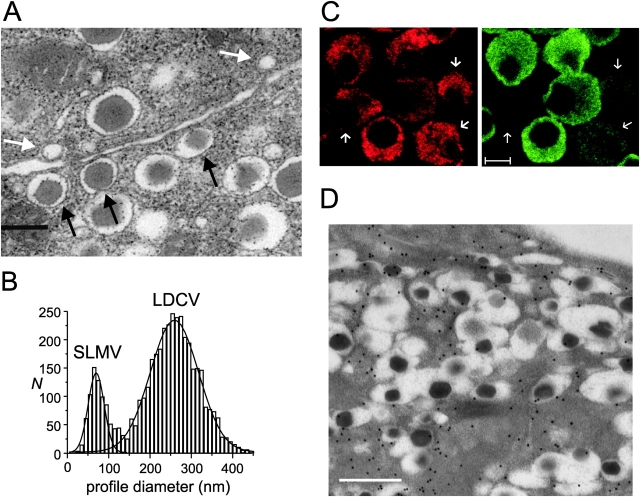
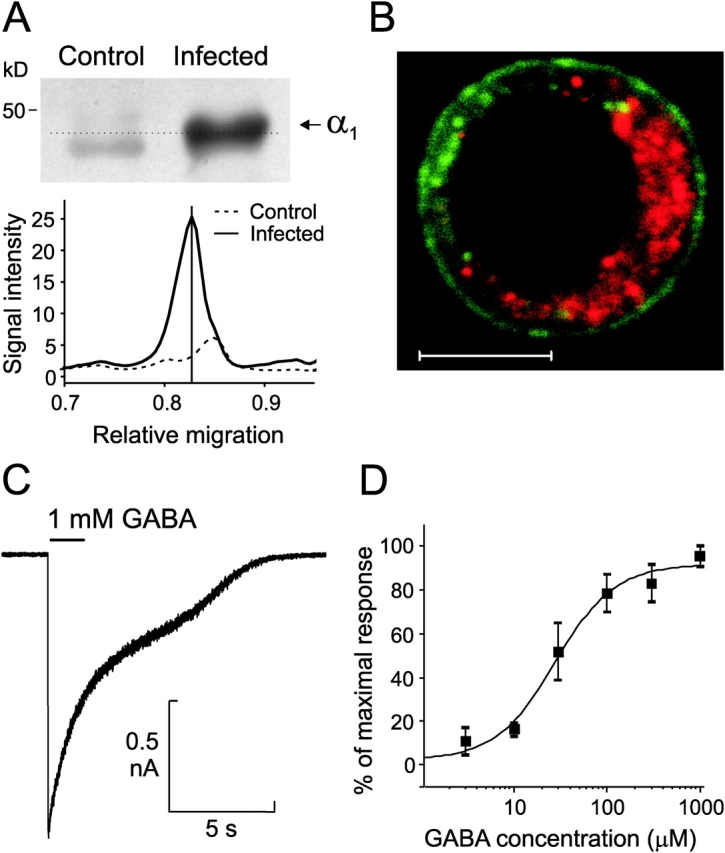
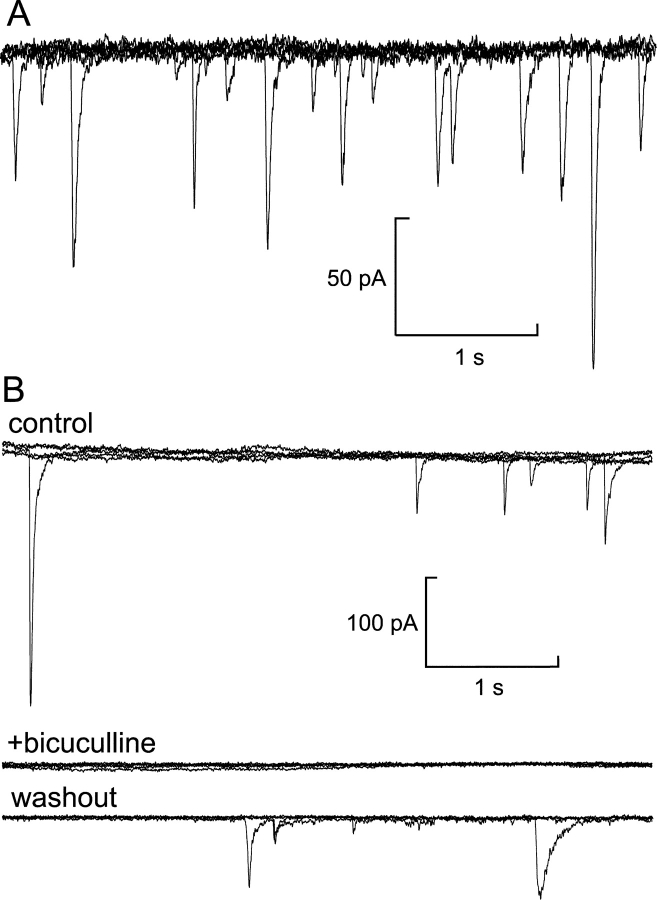
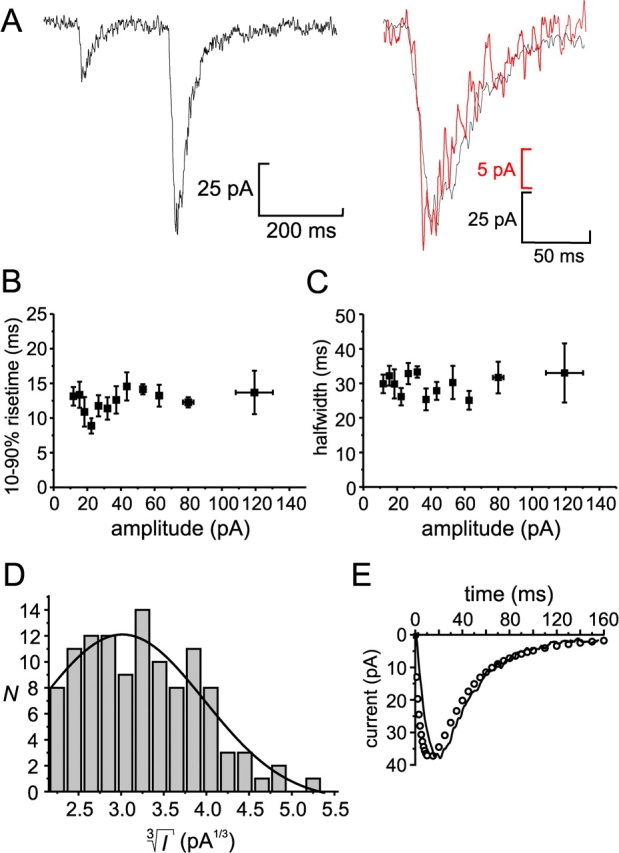
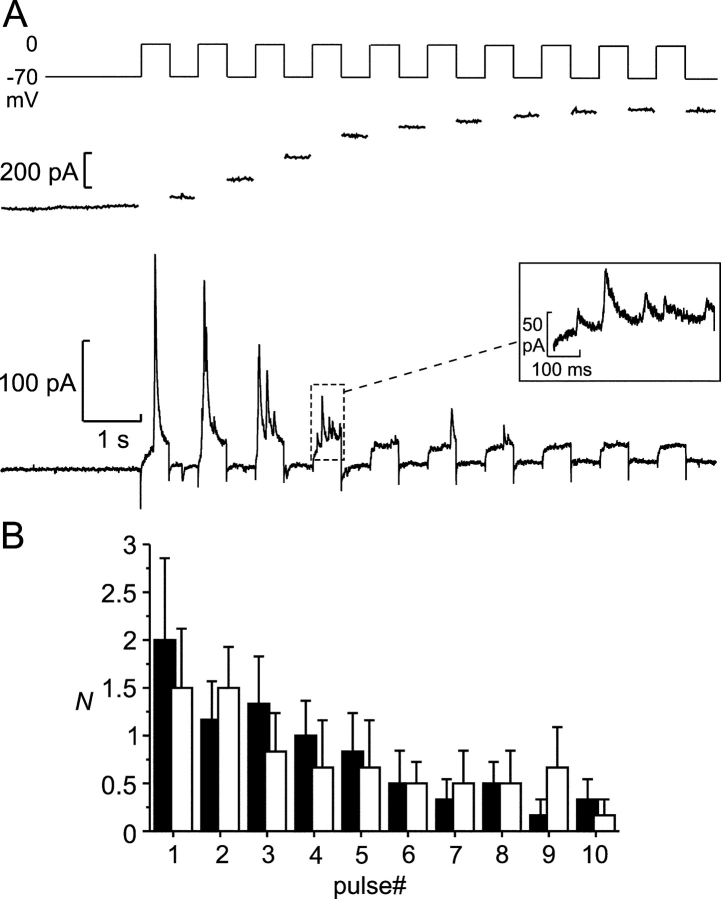
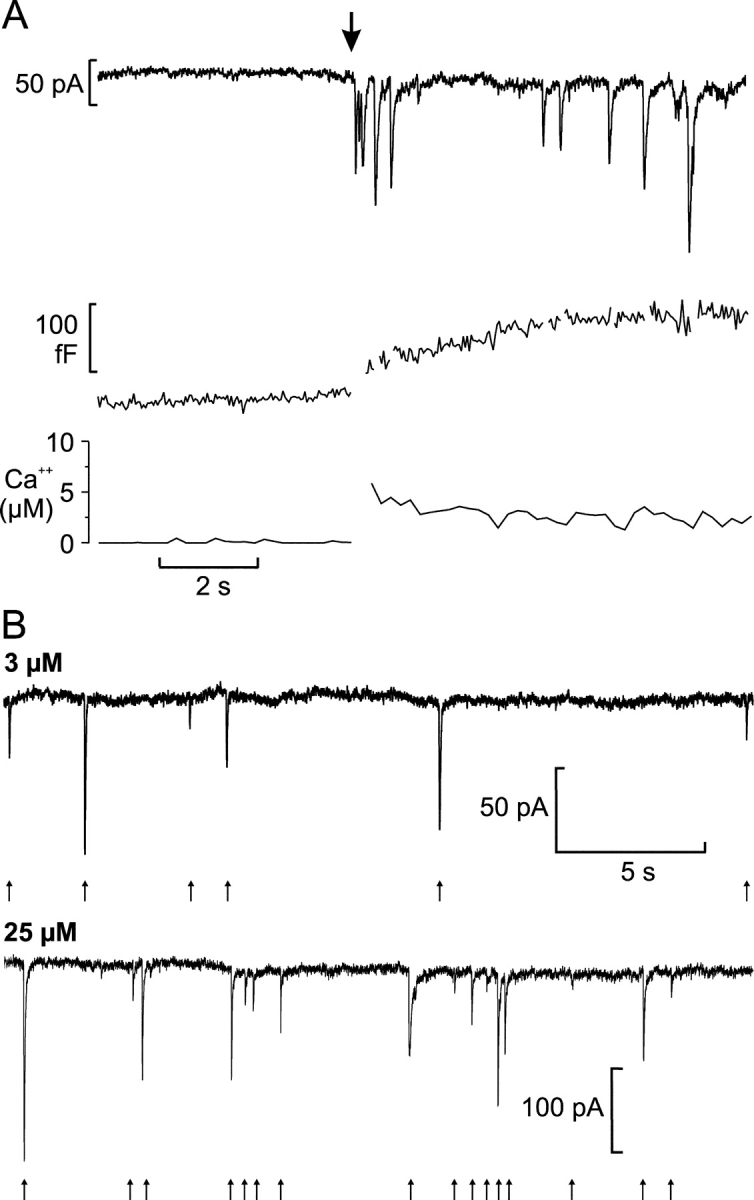
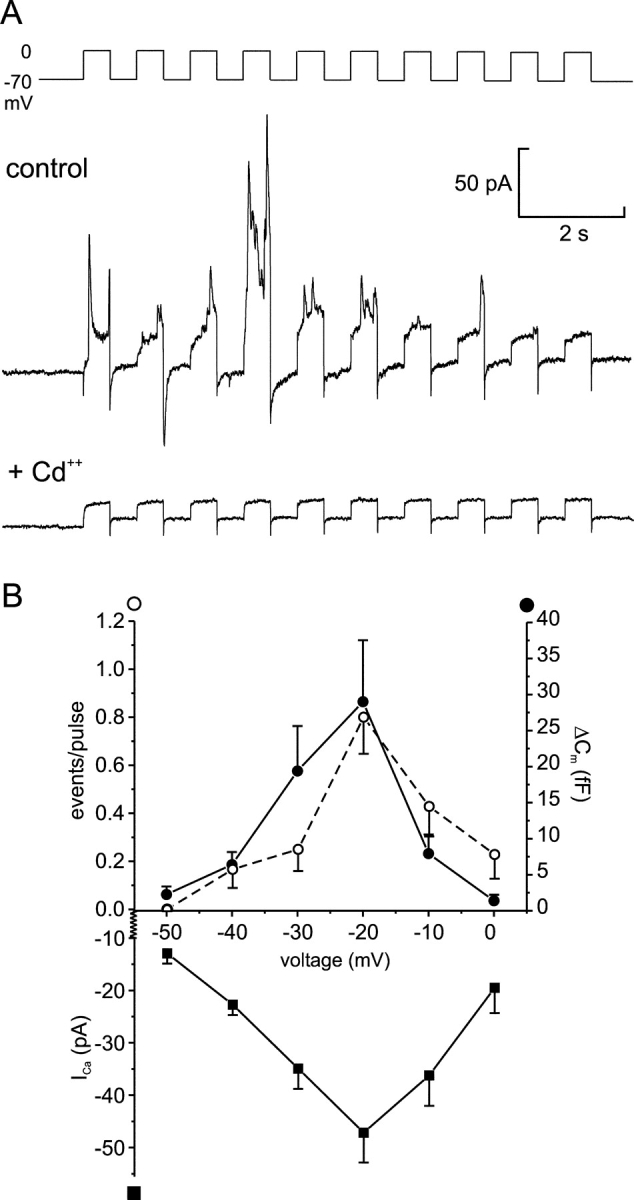
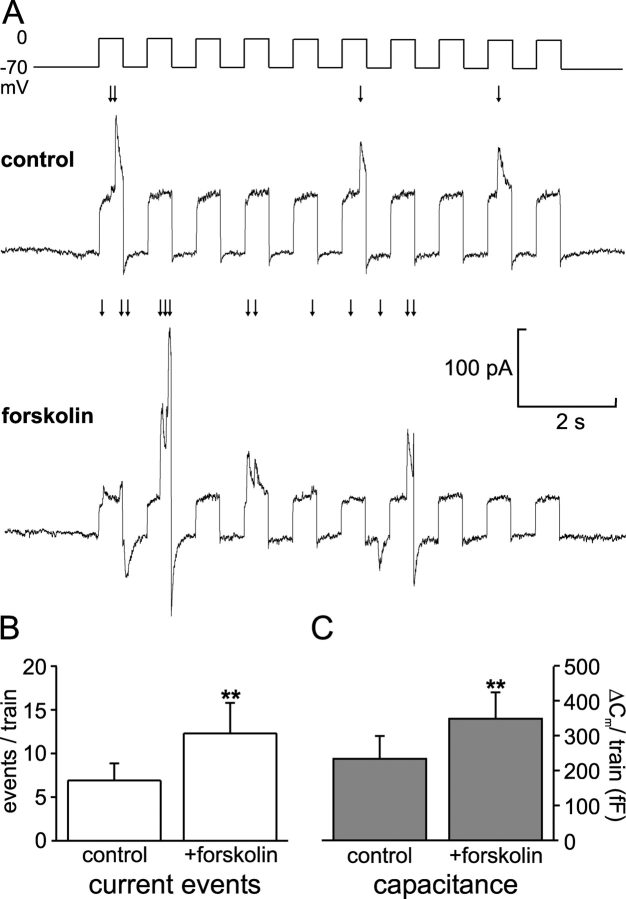
We have explored whether γ-aminobutyric acid (GABA) is released by regulated exocytosis of GABA-containing synaptic-like microvesicles (SLMVs) in insulin-releasing rat pancreatic β-cells. To this end, β-cells were engineered to express GABAA-receptor Cl−-channels at high density using adenoviral infection. Electron microscopy indicated that the average diameter of the SLMVs is 90 nm, that every β-cell contains ∼3,500 such vesicles, and that insulin-containing large dense core vesicles exclude GABA. Quantal release of GABA, seen as rapidly activating and deactivating Cl−-currents, was observed during membrane depolarizations from −70 mV to voltages beyond −40 mV or when Ca2+ was dialysed into the cell interior. Depolarization-evoked GABA release was suppressed when Ca2+ entry was inhibited using Cd2+. Analysis of the kinetics of GABA release revealed that GABA-containing vesicles can be divided into a readily releasable pool and a reserve pool. Simultaneous measurements of GABA release and cell capacitance indicated that exocytosis of SLMVs contributes ∼1% of the capacitance signal. Mathematical analysis of the release events suggests that every SLMV contains 0.36 amol of GABA. We conclude that there are two parallel pathways of exocytosis in pancreatic β-cells and that release of GABA may accordingly be temporally and spatially separated from insulin secretion. This provides a basis for paracrine GABAergic signaling within the islet.
Overview
The claims and statistics of this paper haven’t been checked yet.
Run the check — free, no account needed. It reads the open-access text and checks the sources it cites.
Integrity signals
Registry
Cites
Statistics
Figures
Verification
Claims the paper makes
The claims and statistics of this paper haven’t been checked yet.
Run the check — free, no account needed. It reads the open-access text and checks the sources it cites.
Claims other papers make about this one
Each is checked against this paper’s own text: does it say what the citing paper says it does?
The cited source says what the claim attributes to it.
In the citing paper
“For example, β-cells have been genetically engineered for detection of ATP, GABA or glycine release by adenoviral infection with ATP-activated P2X2 receptors (P2X2R) (484), GABAA receptors (GABAAR) (93) or glycine receptors (GlyR) (744).”
From Pancreatic β-Cell Electrical Activity and Insulin Secretion: Of Mice and Men (2018) · cites this paper as [93]
The check wasn’t confident either way, so it gives no verdict — never disputed.
In the citing paper
“Pancreatic β-cells have an intracellular chloride concentration ([Cl-]i) as high as 35 mM (93). This predicts a Cl- reversal potential (ECl) of -35 mV, and argues that at more negative potentials opening of Cl- channels will result in Cl- influx, and thus membrane depolarization.”
From Pancreatic β-Cell Electrical Activity and Insulin Secretion: Of Mice and Men (2018) · cites this paper as [93]
Experimental — accuracy not yet measuredIn the citing paper
“Consequently, it is unlikely that insulin or Zn 2+ co-secreted from the same beta cell granules or the similarly regulated release of GABA from beta cell microvesicles [36] contribute to inhibition of glucagon secretion by up to 7 mmol/l glucose.”
From Glucose inhibits glucagon secretion by a direct effect on mouse pancreatic alpha cells (2007) · cites this paper as [36]
Self-check
Percentages, sums and reported differences re-computed from the paper’s own numbers.
The self-check needs the paper’s full text.
Citations
Cites
[6] Correction for liquid junction potentials in patch clamp experiments
Neher, E. (1992) · Methods in Enzymology · doi:10.1016/0076-6879(92)07008-c · Cited by 1,132
Pickup, J. C., & Williams, G. H. (1991) · Cited by 573
Chapter 8 Use of Recombinant Adenovirus for Metabolic Engineering of Mammalian Cells
Becker, T. C., Noel, R. J., Coats, W. S., Gómèz‐Foix, A. M., Alam, T., Gerard, R. D., & Newgard, C. B. (1994) · Methods in cell biology · doi:10.1016/s0091-679x(08)60603-2 · Cited by 569
The exocytotic event in chromaffin cells revealed by patch amperometry
Albillos, A., Dernick, G., Horstmann, H., Almers, W., de Toledo, G. Á., & Lindau, M. (1997) · Nature · doi:10.1038/39081 · Cited by 564
Edwards, F. A., Konnerth, A., & Sakmann, B. (1990) · The Journal of Physiology · doi:10.1113/jphysiol.1990.sp018289 · Cited by 535 · cited 2×
“The obtained solution was then imported into the MATLAB workspace (Mathworks, Inc.) and used for fitting to experimental data.”
Glucose-inhibition of glucagon secretion involves activation of GABAA-receptor chloride channels
Rorsman, P., Berggren, P., Bokvist, K. B., Ericson, H., Möhler, H., Östenson, C., & Smith, P. A. (1989) · Nature · doi:10.1038/341233a0 · Cited by 463
Self-citationIslet β-cell secretion determines glucagon release from neighbouring α-cells
Ishihara, H., Maechler, P., Gjinovci, A., Herrera, P. L., & Wollheim, C. B. (2003) · Nature Cell Biology · doi:10.1038/ncb951 · Cited by 391
Reetz, A., Solimena, M., Matteoli, M., Folli, F. B., Takei, K., & Camilli, P. V. D. (1991) · The EMBO Journal · doi:10.1002/j.1460-2075.1991.tb08069.x · Cited by 387
Calcium-independent potentiation of insulin release by cyclic AMP in single β-cells
Ämmälä, C., Ashcroft, F. M., & Rorsman, P. (1993) · Nature · doi:10.1038/363356a0 · Cited by 377
Self-citationThe Cell Physiology of Biphasic Insulin Secretion.
Rorsman, P., Eliasson, L., Renström, E., Gromada, J., Barg, S., & Göpel, S. (2000) · News in Physiological Sciences - NIPS · doi:10.1152/physiologyonline.2000.15.2.72 · Cited by 369
Self-citation
Research works printed but not linked: 4
- 1995, J. Membr. Biol., 148, 193
- 2000, News Physiol. Sci., 15, 72
- 2000, J. Clin. Endocrinol. Metab., 85, 4053
- 1991, Diabetes., 40, 1365
Cited by
Sorted by citations
Pancreatic β-Cell Electrical Activity and Insulin Secretion: Of Mice and Men
Rorsman, P., & Ashcroft, F. M. (2018) · Physiological Reviews · doi:10.1152/physrev.00008.2017 · Cited by 793
Self-citationα-Cells of the Endocrine Pancreas: 35 Years of Research but the Enigma Remains
Gromada, J., Franklin, I., & Wollheim, C. B. (2007) · Endocrine Reviews · doi:10.1210/er.2006-0007 · Cited by 596
Self-citationIntra-islet insulin suppresses glucagon release via GABA-GABAA receptor system
Xu, E., Kumar, M., Zhang, Y., Ju, W., Obata, T., Zhang, N., Liu, S., Wendt, A., Deng, S., Ebina, Y., et al. (2006) · Cell Metabolism · doi:10.1016/j.cmet.2005.11.015 · Cited by 283
Self-citationThe Role of Voltage-Gated Calcium Channels in Pancreatic β-Cell Physiology and Pathophysiology
Yang, S.-N., & Berggren, P. (2006) · Endocrine Reviews · doi:10.1210/er.2005-0888 · Cited by 276
γ-Aminobutyric Acid (GABA) Is an Autocrine Excitatory Transmitter in Human Pancreatic β-Cells
Braun, M., Ramracheya, R., Bengtsson, M., Clark, A., Walker, J. N., Johnson, P. R., & Rorsman, P. (2010) · Diabetes · doi:10.2337/db09-0797 · Cited by 239
Self-citationGlucose inhibits glucagon secretion by a direct effect on mouse pancreatic alpha cells
Vieira, E., Salehi, A., & Gylfe, E. (2007) · Diabetologia · doi:10.1007/s00125-006-0511-1 · Cited by 218
“Consequently, it is unlikely that insulin or Zn co-secreted from the same beta cell granules or the similarly regulated release of GABA from beta cell micro vesicles [36] contribute to inhibition of glucagon secretion by up to 7 mmol/l glucose.”
BackgroundNovel aspects of the molecular mechanisms controlling insulin secretion
Eliasson, L., Abdulkader, F., Braun, M., Galvanovskis, J., Hoppa, M. B., & Rorsman, P. (2008) · The Journal of Physiology · doi:10.1113/jphysiol.2008.155317 · Cited by 198
“In addition to ATP, the inhibitory neurotransmitter GABA may also be released via the fusion pore (Braun et al. 2004, 2007; Wendt et al. 2004).”
BackgroundSelf-citationAn atlas and functional analysis of G-protein coupled receptors in human islets of Langerhans
Amisten, S., Salehi, A. A., Rorsman, P., Jones, P. M., & Persaud, S. J. (2013) · Pharmacology & Therapeutics · doi:10.1016/j.pharmthera.2013.05.004 · Cited by 205
Self-citationGromada, J., Ma, X., Høy, M., Bokvist, K., Salehi, A., Berggren, P.-O., & Rorsman, P. (2004) · Diabetes · doi:10.2337/diabetes.53.suppl_3.s181 · Cited by 164
Self-citationOlsen, H. L., Theander, S., Bokvist, K., Buschard, K., Wollheim, C. B., & Gromada, J. (2005) · Endocrinology · doi:10.1210/en.2005-0800 · Cited by 156
Self-citationInsulin as a physiological modulator of glucagon secretion
Bansal, P., & Wang, Q. (2008) · American Journal of Physiology-Endocrinology and Metabolism · doi:10.1152/ajpendo.90295.2008 · Cited by 152
Protein Kinase Activation Increases Insulin Secretion by Sensitizing the Secretory Machinery to Ca2+
Wan, Q., Dong, Y., Yang, H., Lou, X., Ding, J., & Xu, T. (2004) · The Journal of General Physiology · doi:10.1085/jgp.200409082 · Cited by 144
“The amplitude of this fast component reflects release of 6–12 vesicles ( 20 fF) if we assume that one insulin-containing granule contributes 1.7–3.4 fF of membrane as determined in pancreatic -cells (Ammala et al., 1993; Braun et al., 2004).”
BackgroundInfluentialRelease of small transmitters through kiss-and-run fusion pores in rat pancreatic β cells
MacDonald, P. E., Braun, M., Galvanovskis, J., & Rorsman, P. (2006) · Cell Metabolism · doi:10.1016/j.cmet.2006.08.011 · Cited by 133
Self-citationGlucagon Stimulates Exocytosis in Mouse and Rat Pancreatic α-Cells by Binding to Glucagon Receptors
Ma, X., Zhang, Y., Gromada, J., Sewing, S., Berggren, P., Buschard, K., Salehi, A. A., Vikman, J., Rorsman, P., & Eliasson, L. (2004) · Molecular Endocrinology · doi:10.1210/me.2004-0059 · Cited by 130
Self-citationγ-Aminobutyric acid (GABA) signalling in human pancreatic islets is altered in type 2 diabetes
Taneera, J., Jin, Z., Jin, Y., Muhammed, S. J., Zhang, E., Lang, S., Salehi, A., Korsgren, O., Renström, E., Groop, L., et al. (2012) · Diabetologia · doi:10.1007/s00125-012-2548-7 · Cited by 117
Self-citationYang, Y., & Gillis, K. D. (2004) · The Journal of General Physiology · doi:10.1085/jgp.200409081 · Cited by 120
“However, it has recently been estimated that release of GABA-containing synaptic-like vesicles only contributes 1% of the capacitance signal in cells (Braun et al., 2004).”
BackgroundRecent advances in γ‐aminobutyric acid ( GABA ) properties in pulses: an overview
Nikmaram, N., Dar, B. N., Roohinejad, S., Koubaa, M., Barba, F. J., Greiner, R., & Johnson, S. K. (2017) · Journal of the Science of Food and Agriculture · doi:10.1002/jsfa.8283 · Cited by 120
Mechanism and effects of pulsatile GABA secretion from cytosolic pools in the human beta cell
Menegaz, D., Hagan, D. W., Almaça, J., Cianciaruso, C., Rodriguez‐Diaz, R., Molina, J., Dolan, R. M., Becker, M. W., Schwalie, P. C., Nano, R., et al. (2019) · Nature Metabolism · doi:10.1038/s42255-019-0135-7 · Cited by 113
“Earlier low resolution imaging studies localized GAD and GABA to synaptic-like microvesicles in beta cells 26–28 .”
New insights into the architecture of the islet of Langerhans: a focused cross-species assessment
Drigo, R. A. E., Ali, Y., Díez, J., Srinivasan, D. K., Berggren, P., & Boehm, B. O. (2015) · Diabetologia · doi:10.1007/s00125-015-3699-0 · Cited by 120
KATP-channels and glucose-regulated glucagon secretion
Rorsman, P., Salehi, A. A., Abdulkader, F., Braun, M., & MacDonald, P. E. (2008) · Trends in Endocrinology and Metabolism · doi:10.1016/j.tem.2008.07.003 · Cited by 102
Self-citationDirect imaging shows that insulin granule exocytosis occurs by complete vesicle fusion
Ma, L., Bindokas, V. P., Kuznetsov, A., Rhodes, C. J., Hays, L. B., Edwardson, J. M., Ueda, K., Steiner, D. F., & Philipson, L. H. (2004) · Proceedings of the National Academy of Sciences · doi:10.1073/pnas.0403201101 · Cited by 105
GABA in the Endocrine Pancreas
Franklin, I., & Wollheim, C. B. (2004) · The Journal of General Physiology · doi:10.1085/jgp.200409016 · Cited by 105
Braun, M., Wendt, A., Karanauskaite, J., Galvanovskis, J., Clark, A., MacDonald, P. E., & Rorsman, P. (2007) · The Journal of General Physiology · doi:10.1085/jgp.200609658 · Cited by 100
“Using a technique based on the infection of β cells with GABAA receptor ion channels, we have recently reported depolarization-induced quantal release of GABA (Braun et al., 2004a).”
BackgroundMethodResultInfluentialSelf-citationAutocrine regulation of insulin secretion
Braun, M., Ramracheya, R. D., & Rorsman, P. (2012) · Diabetes Obesity and Metabolism · doi:10.1111/j.1463-1326.2012.01642.x · Cited by 103
“β-cells release GABA upon glucose stimulation by Ca2+-dependent exocytosis [55,67,69].”
BackgroundSelf-citationGlucose regulation of glucagon secretion
Gylfe, E., & Gilon, P. (2013) · Diabetes Research and Clinical Practice · doi:10.1016/j.diabres.2013.11.019 · Cited by 103
“Indeed, it is accumulated mainly in small s ynaptic-like microvesicles, which undergo Ca-dependent exocytosis like insulin granules [21].”
BackgroundMunc13-1 is required for the sustained release of insulin from pancreatic β cells
Kang, L., He, Z., Xu, P., Fan, J., Betz, A., Brose, N., & Xu, T. (2006) · Cell Metabolism · doi:10.1016/j.cmet.2006.04.012 · Cited by 96
“Cm increase in b cells has been mostly ascribed to the contribution of exocytosis from LDCVs (Braun et al., 2004).”
Study of GABA in Healthy Volunteers: Pharmacokinetics and Pharmacodynamics
Li, J., Zhang, Z., Liu, X., Wang, Y., Mao, F., Mao, J., Lu, X., Jiang, D., Wan, Y., Lv, J.-Y., et al. (2015) · Frontiers in Pharmacology · doi:10.3389/fphar.2015.00260 · Cited by 86
“Within an islet, GABA suppresses glucagon secretion by the αcells as a consequence of membrane hyperpolarization (Rorsman et al., 1989; Braun et al., 2004) but, in contrast, it enhances insulin secretion by the β-cells throughmembrane depolarization (Rorsman et al., 1989; Dong et al., 2006; Bansal…”
BackgroundChang, W., Tu, C., Cheng, Z., Rodriguez, L., Chen, T., Gassmann, M., Bettler, B., Margeta, M., Jan, L. Y., & Shoback, D. (2007) · Journal of Biological Chemistry · doi:10.1074/jbc.m700924200 · Cited by 82
Kim, K., Pearl, P. L., Jensen, K., Snead, O. C., Malaspina, P., Jakobs, C., & Gibson, K. M. (2010) · Antioxidants and Redox Signaling · doi:10.1089/ars.2010.3470 · Cited by 83
“The precise localization of SSADH in non-neural tissues is of great interest, since recent data show that GABA may modulate not only endocrine function of the gastrointestinal system (18, 196), but may also affect pathogenic T lymphocyte proliferation (15).”
BackgroundBraun, M., Wendt, A., Buschard, K., Salehi, A., Sewing, S., Gromada, J., & Rorsman, P. (2004) · The Journal of Physiology · doi:10.1113/jphysiol.2004.066563 · Cited by 80
“We have recently demonstrated that GABA is released by regulated Ca2+-dependent exocytosis of the SLMVs (Braun et al. 2004), and that GABA thus released regulates glucagon secretion from neighbouring α-cells by activation of GABAA-receptors (Wendt et al. 2004).”
BackgroundInfluentialSelf-citationYan-Do, R., Duong, E., Manning Fox, J. E., Dai, X., Suzuki, K., Khan, S., Bautista, A., Ferdaoussi, M., Lyon, J., Wu, X., et al. (2016) · Diabetes · doi:10.2337/db15-1272 · Cited by 82
“For glycine release measurements, the pipette solution was composed (in mmol/L) of 120 CsCl, 1 MgCl2, 9 CaCl2, 10 EGTA, 10 HEPES, 3 MgATP, and 0.1 cAMP (pH adjusted to 7.2 with CsOH).”
MethodInfluentialSelf-citationGlucose control of glucagon secretion—‘There’s a brand-new gimmick every year’
Gylfe, E. (2016) · Upsala Journal of Medical Sciences · doi:10.3109/03009734.2016.1154905 · Cited by 73
“However, evidence is currently lacking that b-cell exocytosis of different types of vesicles shows separate glucose dependencies (54).”
BackgroundThe role of GABA in islet function
Hagan, D. W., Ferreira, S. M., dos Santos, G. J., & Phelps, E. A. (2022) · Frontiers in Endocrinology · doi:10.3389/fendo.2022.972115 · Cited by 77
“Information on phasic GABA responses is more elusive as the best data available are from human beta cells transduced to overexpress the synaptic a1b1 GABAAR which showed both phasic and tonic responses (62, 76, 83).”
BackgroundInfluentialUntereiner, A. A., Abdo, S., Bhattacharjee, A., Gohil, H., Pourasgari, F., Ibeh, N., Lai, M., Batchuluun, B., Wong, A., Khuu, N., et al. (2018) · The FASEB Journal · doi:10.1096/fj.201801397r · Cited by 72
“contrast, GABA-activated chloride currents were not detectable in native primary rat b cells (63).”
BackgroundFunctional Characterization of Native, High-Affinity GABAA Receptors in Human Pancreatic β Cells
Korol, S. V., Jin, Z., Jin, Y., Bhandage, A. K., Tengholm, A., Gandasi, N. R., Barg, S., Espes, D., Carlsson, P., Laver, D. R., et al. (2018) · EBioMedicine · doi:10.1016/j.ebiom.2018.03.014 · Cited by 74
“In β cells, GABA is then stored in synaptic-like microvesicles, in the insulin granules and in the cytoplasm until secreted (Braun et al. 2010; Braun et al. 2004; Kanaani et al. 2015).”
BackgroundSelf-citationBailey, S., Ravier, M. A., & Rutter, G. A. (2007) · Diabetes · doi:10.2337/db06-0712 · Cited by 74
Ohara‐Imaizumi, M., Nishiwaki, C., Nakamichi, Y., Kikuta, T., Nagai, S., & Nagamatsu, S. (2004) · Diabetologia · doi:10.1007/s00125-004-1579-0 · Cited by 71
MacDonald, P. E., Obermüller, S., Vikman, J., Galvanovskis, J., Rorsman, P., & Eliasson, L. (2005) · Diabetes · doi:10.2337/diabetes.54.3.736 · Cited by 70
“We find that exocytosis of GABA-containing SLMVs is regulated by glucose-dependent Ca(2) entry, in agreement with recent studies demonstrating GABA secretion from single -cells in response to Ca(2) infusion or depolarization (3,9).”
BackgroundMethodResultInfluentialSelf-citationMendu, S. K., Åkesson, L., Jin, Z., Edlund, A., Cilio, C., Lernmark, Å., & Birnir, B. (2010) · Molecular Immunology · doi:10.1016/j.molimm.2010.08.005 · Cited by 65
“In the pancreas GABA is produced and released from the insulin roducing cells (Braun et al., 2004).”
BackgroundSelf-citationHatakeyama, H., Takahashi, N. K., Kishimoto, T. E., Nemoto, T., & Kasai, H. (2007) · The Journal of Physiology · doi:10.1113/jphysiol.2007.135228 · Cited by 64
“It has, however, been difficult to evaluate the effects of cAMP selective to LVs and SVs, because whole-cell capacitance measurements are not readily able to distinguish between the vesicle types (Takahashi et al. 1997; Braun et al. 2004).”
BackgroundMethodNeurotransmitter control of islet hormone pulsatility
Gylfe, E., & Tengholm, A. (2014) · Diabetes Obesity and Metabolism · doi:10.1111/dom.12345 · Cited by 69
“Pancreatic islets contain high concentrations of γ aminobutyric acid (GABA), which is present in the β-cell cytoplasm, in synaptic-like microvesicles as well as in insulin secretory granules, and the neurotransmitter is released by Ca2+-dependent exocytosis in parallel with the release of insulin [27].”
BackgroundSodium/hydrogen exchanger NHA2 is critical for insulin secretion in β-cells
Deisl, C., Simonin, A., Anderegg, M. A., Albano, G. D., Kovács, G., Ackermann, D., Moch, H., Dolci, W., Thorens, B., Hediger, M. A., et al. (2013) · Proceedings of the National Academy of Sciences · doi:10.1073/pnas.1220009110 · Cited by 63
“However, we cannot exclude the possibility that we missed a real difference in GABA secretion between WT and KO islets due to spatial and temporal resolution limitations of the GABA secretion assay used (11).”
BackgroundMethodInfluentialTsuboi, T., Ravier, M. A., Parton, L. E., & Rutter, G. A. (2006) · Diabetes · doi:10.2337/diabetes.55.04.06.db05-1577 · Cited by 62
“These values are similar to electron microscopic observations (36).”
ResultMacDonald, P. E., & Rorsman, P. (2007) · Physiology · doi:10.1152/physiol.00047.2006 · Cited by 61
Self-citationParacrine Interactions Within Islets of Langerhans
Koh, D., Cho, J.-H., & Chen, L. (2012) · Journal of Molecular Neuroscience · doi:10.1007/s12031-012-9752-2 · Cited by 60
“In accordance with the localization of GABA in SLMV, its release appears to be differently regulated from that of LDCV containing insulin (Braun et al. 2004a; Ohara- Imaizumi et al. 2001).”
InfluentialGABAergic regulation of pancreatic islet cells: Physiology and antidiabetic effects
Wang, Q., Ren, L., Wan, Y., & Prud’homme, G. J. (2019) · Journal of Cellular Physiology · doi:10.1002/jcp.28214 · Cited by 60
“It is found in insulin secretory granules, synaptic‐like microvesicles, as well as the cytoplasm of the β cells (Braun et al., 2004; Braun et al., 2010; Kanaani et al., 2015).”
BackgroundKiss-and-run exocytosis and fusion pores of secretory vesicles in human β-cells
Hanna, S. T., Pigeau, G. M., Galvanovskis, J., Clark, A., Rorsman, P., & MacDonald, P. E. (2009) · Pflügers Archiv - European Journal of Physiology · doi:10.1007/s00424-008-0588-0 · Cited by 57
“The diameters of these vesicles are calculated to be 352±22 and 305±36 nm, which is in agreement with previous reports [19, 20 ] and our electron micrograph analysis demonstrating an average granule diameter of 318±11 nm (Fig. 1d and e). Some very large, but infrequent, exocytotic events were observed (Fig. 1c), which…”
ResultSelf-citationAmino acids and diabetes: implications for endocrine, metabolic and immune function
Newsholme, P. (2010) · Frontiers in bioscience · doi:10.2741/3690 · Cited by 54
“Most of the beta cell associated GABA is packed in small vesicles that are distinct from the large dense core insulin granules (57).”
BackgroundInfluentialInsulin Vesicle Release: Walk, Kiss, Pause … Then Run
Rutter, G. A., & Hill, E. V. (2006) · Physiology · doi:10.1152/physiol.00002.2006 · Cited by 52
“Rodent -cells contain between 9 and 13,000 (mouse) (14, 52) or 10 and 12,000 (rat) (5, 68) dense-core secretory vesicles of which only a small proportion (~7% of total) are docked at the plasma membrane, whereas ~20% are localized to within ~300 nm of the cell sur-”
BackgroundA Novel Function of Ionotropic γ-Aminobutyric Acid Receptors Involving Alveolar Fluid Homeostasis
Jin, N., Kolliputi, N., Gou, D., Weng, T., & Liu, L. (2006) · Journal of Biological Chemistry · doi:10.1074/jbc.m606895200 · Cited by 46
Jenstad, M., & Chaudhry, F. A. (2013) · Frontiers in Endocrinology · doi:10.3389/fendo.2013.00199 · Cited by 45
“In addition, glutamate stimulates GABA release from SLMVs in β-cells independently of insulin release (48).”
BackgroundCompartmentalization of GABA Synthesis by GAD67 Differs between Pancreatic Beta Cells and Neurons
Kanaani, J., Cianciaruso, C., Phelps, E. A., Pasquier, M. C., Brioudes, E., Billestrup, N., & Bækkeskov, S. (2015) · PLoS ONE · doi:10.1371/journal.pone.0117130 · Cited by 44
“While signaling via GABAA receptors is stimulatory for insulin secretion [29, 31], signaling via GABAB receptors appears to be inhibitory [4, 5, 42].”
BackgroundInfluentialRegulation of pancreatic islet cell survival and replication by γ-aminobutyric acid
Ligon, B., Yang, J., Morin, S. B., Ruberti, M. F., & Steer, M. L. (2007) · Diabetologia · doi:10.1007/s00125-007-0601-8 · Cited by 44
Kasai, H., Kishimoto, T. E., Nemoto, T., Hatakeyama, H., Liu, T., & Takahashi, N. K. (2006) · Advanced Drug Delivery Reviews · doi:10.1016/j.addr.2006.07.008 · Cited by 42
Cairano, E. S. D., Moretti, S., Marciani, P., Sacchi, V. F., Castagna, M., Davalli, A. M., Folli, F. B., & Perego, C. (2015) · Journal of Cellular Physiology · doi:10.1002/jcp.25176 · Cited by 48
“In b-cells, GABA is stored in small synaptic-likemicrovesicles, and in a subpopulation of insulin secretory granules (Reetz et al., 1991; Braun et al., 2004, 2007).”
BackgroundMultivesicular exocytosis in rat pancreatic beta cells
Hoppa, M. B., Jones, E., Karanauskaite, J., Ramracheya, R., Braun, M., Collins, S., Zhang, Q., Clark, A., Eliasson, L., Genoud, C., et al. (2011) · Diabetologia · doi:10.1007/s00125-011-2400-5 · Cited by 41
“3 μm diameter of insulin granules in rat beta cells [40]) had a measured diameter of 0.”
BackgroundSelf-citationBeta‐Cell Ion Channels and Their Role in Regulating Insulin Secretion
Thompson, B. M., & Satin, L. S. (2021) · Comprehensive physiology · doi:10.1002/cphy.c210004 · Cited by 57
“GABA has been shown to be released from both rodent (85) and human (37) β -cells via exocytosis (35, 39) or via nonvesicular release, possibly through bestrophin-1 (BEST1) channels (155) although more work needs to be done to understand the details of GABA release.”
GABAB receptors and glucose homeostasis: evaluation in GABAB receptor knockout mice
Bonaventura, M. M., Catalano, P. N., Chamson-Reig, A., Arany, E. J., Hill, D. J., Bettler, B., Saravia, F., Libertun, C., & Lux-Lantos, V. A. (2007) · American Journal of Physiology-Endocrinology and Metabolism · doi:10.1152/ajpendo.00615.2006 · Cited by 39
Cheng, Z., Tu, C., Rodriguez, L., Chen, T., Dvorak, M. M., Margeta, M., Gassmann, M., Bettler, B., Shoback, D., & Chang, W. (2007) · Endocrinology · doi:10.1210/en.2007-0653 · Cited by 38
Extrasynaptic Release of GABA by Retinal Dopaminergic Neurons
Hirasawa, H., Puopolo, M., & Raviola, E. (2009) · Journal of Neurophysiology · doi:10.1152/jn.00130.2009 · Cited by 37
Quantal ATP release in rat β-cells by exocytosis of insulin-containing LDCVs
Karanauskaite, J., Hoppa, M. B., Braun, M., Galvanovskis, J., & Rorsman, P. (2008) · Pflügers Archiv - European Journal of Physiology · doi:10.1007/s00424-008-0610-6 · Cited by 37
“Electron microscopy has established that the radii of both the SVs and LDCVs are normally distributed [6].”
BackgroundSelf-citationKasai, H., Hatakeyama, H., Ohno, M., & Takahashi, N. K. (2010) · Advances in experimental medicine and biology · doi:10.1007/978-90-481-3271-3_14 · Cited by 34
GABA and Glutamate: Their Transmitter Role in the CNS and Pancreatic Islets
Hampe, C. S., Mitoma, H., & Manto, M. U. (2018) · InTech eBooks · doi:10.5772/intechopen.70958 · Cited by 38
“This inhibitory effects appears be mediated via GABAB receptors [106, 109].”
BackgroundHe, Z., Fan, J., Kang, L., Lu, J., Xue, Y., Xu, P., Xu, T., & Chen, L. (2008) · Traffic · doi:10.1111/j.1600-0854.2008.00730.x · Cited by 37
Kasai, H., Hatakeyama, H., Kishimoto, T. E., Liu, T., Nemoto, T., & Takahashi, N. K. (2005) · The Journal of Physiology · doi:10.1113/jphysiol.2005.093047 · Cited by 31
“We were thus not able to completely exclude the possibility that some exocytic events were mediated by small vesicles (Takahashi et al. 1997; Braun et al. 2004) rather than by large dense-core vesicles, although 70% of these events in beta-cells were positive for insulin immunoreactivity (Takahashi et al.”
BackgroundDifferential expression of GABAA receptor π subunit in cultured rat alveolar epithelial cells
Jin, N., Narasaraju, T. A., Kolliputi, N., Chen, J., & Liu, L. (2005) · Cell and Tissue Research · doi:10.1007/s00441-005-1130-8 · Cited by 31
“In addition to the CNS, endocrine organs also synthesize GABA locally, including pancreatic islets and the pituitary (Braun et al. 2004; Mayerhofer et al. 2001).”
BackgroundSchmidt, M. D., Ishahak, M., Augsornworawat, P., & Millman, J. R. (2024) · BMC Genomics · doi:10.1186/s12864-024-10013-x · Cited by 28
Tian, J., Dang, H. N., O’Laco, K. A., Song, M., Tiu, B.-C., Gilles, S., Zakarian, C., & Kaufman, D. L. (2019) · ImmunoHorizons · doi:10.4049/immunohorizons.1900019 · Cited by 28
Real-time detection of acetylcholine release from the human endocrine pancreas
Rodriguez‐Diaz, R., Dando, R., Huang, Y.-J., Berggren, P., Roper, S. D., & Caicedo, A. (2012) · Nature Protocols · doi:10.1038/nprot.2012.040 · Cited by 28
Chloride transporters and channels in β-cell physiology: revisiting a 40-year-old model
Fulvio, M. D., & Aguilar‐Bryan, L. (2019) · Biochemical Society Transactions · doi:10.1042/bst20190513 · Cited by 30
Neumann, S., Boothman-Burrell, L., Gowing, E. K., Jacobsen, T. A., Ahring, P. K., Young, S. L., Sandager‐Nielsen, K., & Clarkson, A. N. (2019) · Frontiers in Neuroscience · doi:10.3389/fnins.2019.01133 · Cited by 27
“Of importance, submicromolar GABA concentrations have not only been found around neurons in the brain, but have also been detected in blood and hormone-producing cells in the intestine (Petty et al., 1999; Braun et al., 2004; Wendt et al., 2004).”
BackgroundGABA signalling in human pancreatic islets
Jin, Z., & Korol, S. V. (2023) · Frontiers in Endocrinology · doi:10.3389/fendo.2023.1059110 · Cited by 27
“Thus, under GLP-1 application secretion of insulin from LDCVs is expected to be accompanied by GABA release from the same vesicles and potentially also from synaptic-like microvesicles (SLMVs) (4), elevating interstitial GABA that enhances iGABAARI single-”
BackgroundSpégel, P., Andersson, L. E., Storm, P., Sharoyko, V. V., Göhring, I., Rosengren, A. H., & Mulder, H. (2015) · Endocrinology · doi:10.1210/en.2014-1391 · Cited by 25
“The role of GABA is less clear: it is stored in small secretory vesicles in -cells and has been implicated in paracrine control of glucagon secretion from the neighboring -cells (42).”
BackgroundSelf-citationIn Intact Islets Interstitial GABA Activates GABAA Receptors That Generate Tonic Currents in α-Cells
Jin, Y., Korol, S. V., Jin, Z., Barg, S., & Birnir, B. (2013) · PLoS ONE · doi:10.1371/journal.pone.0067228 · Cited by 24
Self-citationBarg, S., & Rorsman, P. (2004) · The Journal of General Physiology · doi:10.1085/jgp.200409206 · Cited by 22
“One explanation for this phenomenon could be the existence of two types of vesicles in the -cell: synapticlike microvesicles (SLMVs) in addition to the LDCVs (compare Kasai, 1999; Braun et al., 2004).”
BackgroundSelf-citationComparison of cellular and medium insulin and GABA content as markers for living β-cells
Wang, C., Ling, Z., & PIPELEERS, D. G. (2004) · American Journal of Physiology-Endocrinology and Metabolism · doi:10.1152/ajpendo.00222.2004 · Cited by 21
“Second, insulin is stored as crystalline complex in secretory vesicles from which it only slowly diffuses after membrane damage, whereas the major part of the smaller GABA molecule resides in an extravesicular space (1) from which its discharge in the medium can be expected to be much more rapid.”
BackgroundEffects of GABAB receptor agonists and antagonists on glycemia regulation in mice
Bonaventura, M. M., Crivello, M., Ferreira, M. L., Repetto, M., Cymeryng, C., Libertun, C., & Lux-Lantos, V. A. (2012) · European Journal of Pharmacology · doi:10.1016/j.ejphar.2011.12.013 · Cited by 19
Zhao, Y., Ghani, M. W., Ghani, H., Wu, J., Birmani, M. W., Ye, L., Liu, B., Cun, L. G., Lilong, A., & Xiao, M. (2020) · Cell Biology International · doi:10.1002/cbin.11302 · Cited by 19
“GABAB receptors are reported to be present in human (Braun et al., 2010) and mouse β cells (Brice et al., 2002) and in rat α and β cells (Braun et al., 2004).”
GABAB-Receptor Agonist-Based Immunotherapy for Type 1 Diabetes in NOD Mice
Tian, J., Middleton, B., Lee, V. S., Park, H. W., Zhang, Z., Kim, B.-K., Lowe, C., Nguyen, N., Liu, H., Beyer, R. S., et al. (2021) · Biomedicines · doi:10.3390/biomedicines9010043 · Cited by 18
Galvanovskis, J., Braun, M., & Rorsman, P. (2011) · Interface Focus · doi:10.1098/rsfs.2010.0006 · Cited by 17
Self-citationIndrowati, M., Pratiwi, R., Rumiyati, R., & Astutı, P. (2016) · Pakistan Journal of Biological Sciences · doi:10.3923/pjbs.2017.28.35 · Cited by 17
The isolated pancreatic islet as a micro-organ and its transplantation to cure diabetes
Misler, S. (2010) · Islets · doi:10.4161/isl.2.4.12156 · Cited by 17
Downstream regulatory element antagonistic modulator regulates islet prodynorphin expression
Jacobson, D. A., Cho, J. Y., Landa, L. R., Tamarina, N. A., Roe, M. W., Buxbaum, J. D., & Philipson, L. H. (2006) · American Journal of Physiology-Endocrinology and Metabolism · doi:10.1152/ajpendo.00612.2005 · Cited by 16
α-cell electrophysiology and the regulation of glucagon secretion
Gao, R., Acreman, S., Ma, J., Abdulkader, F., Wendt, A., & Zhang, Q. (2023) · Journal of Endocrinology · doi:10.1530/joe-22-0295 · Cited by 23
Self-citationMolecular probes for sensing the cholesterol composition of subcellular organelle membranes
Wang, R., Hosaka, M., Han, L., Yokota‐Hashimoto, H., Suda, M., Mitsushima, D., Torii, S., & Takeuchi, T. (2006) · Biochimica et Biophysica Acta (BBA) - Molecular and Cell Biology of Lipids · doi:10.1016/j.bbalip.2006.06.016 · Cited by 15
Gao, W., Starkov, V. G., He, Z., Wang, Q., Tsetlin, V. I., Utkin, Y. N., Lin, Z., & Bi, R. (2009) · Toxicon · doi:10.1016/j.toxicon.2009.05.024 · Cited by 13
“Cm increase in b cells has been mostly ascribed to the contribution of exocytosis from large densecore vesicles (LDCVs) (Braun et al., 2004).”
BackgroundKosheleva, L., Koshelev, D., Lagunas‐Rangel, F. A., Levit, S., Rabinovitch, A., & Schiöth, H. B. (2025) · Pharmacological Reviews · doi:10.1016/j.pharmr.2025.100044 · Cited by 12
“In the pancreas, GABA can adjust electrical activity in endocrine cells to target the excessive production of glucagon, which has a substantial impact on the development of diabetic hyper-glucagonemia (Rorsman et al, 1989; Braun et al, 2004).”
An AP-3-dependent mechanism drives synaptic-like microvesicle biogenesis in pancreatic islet β-cells
Suckow, A. T., Craige, B., Faúndez, V., Cain, W. J., & Chessler, S. D. (2010) · American Journal of Physiology-Endocrinology and Metabolism · doi:10.1152/ajpendo.00664.2009 · Cited by 12
“reported the average size of the -cell SLMV to be 90 nm, with SLMVs ranging up to 150 nm (5).”
BackgroundFinding GAD: Early Detection of β-Cell Injury
Hinke, S. A. (2007) · Endocrinology · doi:10.1210/en.2007-0861 · Cited by 12
Repurposing Lesogaberan to Promote Human Islet Cell Survival andβ-Cell Replication
Tian, J., Dang, H. N., Hu, A., Xu, W., & Kaufman, D. L. (2017) · Journal of Diabetes Research · doi:10.1155/2017/6403539 · Cited by 12
Mathies, L. D., Ray, S., Lopez-Alvillar, K., Arbeitman, M. N., Davies, A. G., & Bettinger, J. C. (2019) · BMC Genomics · doi:10.1186/s12864-019-5821-z · Cited by 10
Copper modulates the large dense core vesicle secretory pathway in PC12 cells
Duncan, C., Bica, L., Crouch, P. J., Caragounis, A., Lidgerwood, G. E., Parker, S. J., Meyerowitz, J., Volitakis, I., Liddell, J. R., Raghupathi, R., et al. (2013) · Metallomics · doi:10.1039/c3mt20231c · Cited by 10
Hernández-Fisac, I., Fernández‐Pascual, S., Ortsäter, H., Pizarro‐Delgado, J., del Rı́o, R. M., Bergsten, P., & Tamarit‐Rodriguez, J. (2006) · Biochemical Journal · doi:10.1042/bj20060173 · Cited by 10
Analysis of Synaptic-Like Microvesicle Exocytosis of B-Cells Using a Live Imaging Technique
Bergeron, A., Pucci, L., Bezzi, P., & Regazzi, R. (2014) · PLoS ONE · doi:10.1371/journal.pone.0087758 · Cited by 9
Physiological and Pathophysiological Control of Glucagon Secretion by Pancreatic α-Cells
Gilon, P., Cheng, R., Lai, B. K., Chae, H., & Gómez-Ruiz, A. (2014) · Springer eBooks · doi:10.1007/978-94-007-6884-0_37-2 · Cited by 8
Kamat, V., Radtke, J. R., Hu, Q., Wang, W., Sweet, I. R., & Hampe, C. S. (2022) · International Journal of Experimental Pathology · doi:10.1111/iep.12437 · Cited by 6
Taurine’s Effects on the Neuroendocrine Functions of Pancreatic β Cells
Cuttitta, C. M., Guariglia, S. R., Idrissi, A. E., & L’Amoreaux, W. J. (2013) · Advances in experimental medicine and biology · doi:10.1007/978-1-4614-6130-2_25 · Cited by 7
Durst, M. A., Lux-Lantos, V. A., Hardy, D. B., Hill, D. J., & Arany, E. J. (2012) · Canadian Journal of Diabetes · doi:10.1016/j.jcjd.2012.06.002 · Cited by 6
Regulation of Insulin Granule Exocytosis
Renström, E., & Rorsman, P. (2008) · Springer eBooks · doi:10.1007/978-4-431-75452-7_9 · Cited by 7
Self-citationRoles for the long non-coding RNA Pax6os1 / PAX6-AS1 in pancreatic beta cell identity and functionPreprint
López–Noriega, L., Callingham, R., Martínez-Sánchez, A., Nawaz, S., Pizza, G., Haberman, N., Cvetešić, N., Nguyen‐Tu, M., Lenhard, B., Marchetti, P., et al. (2020) · bioRxiv (Cold Spring Harbor Laboratory) · doi:10.1101/2020.07.17.209015 · Cited by 6
Metadata
- Authors
- Braun, M., Wendt, A., Birnir, B., Broman, J., Eliasson, L., Galvanovskis, J., Gromada, J., Mulder, H., & Rorsman, P.
- Affiliations
- Lund University (SE)
- 3Lilly Research Laboratories, Lilly Forschung GmbH, D-22419 Hamburg, Germany
- Corresponding author
- Braun, Matthias
- ORCID
- Venue
- The Journal of General Physiology
- Publisher
- Rockefeller University Press
- Published
- 2004-02-09
- Volume
- 123
- Issue
- 3
- Pages
- 191-204
- ISSN
- 0022-1295 (ISSN-L)
- 1540-7748
- PMC
- PMC2217446
- OpenAlex
- W2128115766
- Cited by
- 130
- References
- 58
- Citations by year
- 2026: 2 · 2025: 4 · 2024: 5 · 2023: 2 · 2022: 4 · 2021: 3 · 2020: 4 · 2019: 6 · 2018: 3 · 2017: 3 · 2016: 3 · 2015: 6 · 2014: 9 · 2013: 12 · 2012: 5
- FWCI
- 11.72
- Type
- journal article
- Language
- en
- Open access
- bronze
- doi.org
- Locations
- The Journal of General Physiology (publishedVersion)
- Europe PMC (PubMed Central) (publishedVersion, cc-by-nc-sa)
- PubMed Central (publishedVersion, cc-by-nc-sa)
- PubMed (publishedVersion)
- Lund University Publications (Lund University) (submittedVersion, other-oa)
- Funders
- Vetenskapsrådet
- Topics
- Health Sciences › Medicine › Endocrinology, Diabetes and Metabolism › Pancreatic function and diabetes
- Life Sciences › Biochemistry, Genetics and Molecular Biology › Cell Biology › Cellular transport and secretion
- Life Sciences › Neuroscience › Cellular and Molecular Neuroscience › Neuroscience and Neuropharmacology Research
- Keywords
- GABA release, regulated exocytosis, synaptic-like microvesicles, pancreatic beta cells, quantal release, readily releasable pool, reserve pool, calcium-dependent exocytosis, islet, insulin secretion, large dense core vesicles
- MeSH terms
- Animals, Dose-Response Relationship, Drug, Exocytosis, gamma-Aminobutyric Acid, Humans, Islets of Langerhans, Receptors, GABA-A, Synaptic Vesicles, Rats, Sprague-Dawley, Rats, Wistar, Calcium Signaling, Rats, GABA-A Receptor Agonists
About these checks
Registry, retraction, Cites and statistics results are computed, not judged, with one exception: a printed reference that no index lists is read once by a model before it counts as a citation error. Claims are extracted by a model and kept only when their quote appears verbatim in the text; each cited source is then checked, with a model’s help, for whether it says what the claim relies on. Those verdicts can be wrong — read the claim’s quote and the cited source before relying on one.
Statistics and arithmetic are recomputed, not judged.
Confidence bands are shown only for fields calibrated on our annotated test set. None is calibrated yet, so no band is shown.
What counts as a claim ›How we measure confidence ›How we check this ›
Are you an author, or do you see a problem with this page? Request a review
