

The DOI matches its Crossref record; 81 of the 81 references it cites were found in a registry or an index.
Effects of Hydrogen Sulfide on the Microbiome: From Toxicity to Therapy
Open accessAbstract
Significance: Hydrogen sulfide (H 2 S), an important regulator of physiology and health, helps resolve inflammation and promotes tissue repair in the gastrointestinal tract. Recent Advances: Gut microbiota live as a multispecies biofilm in close interaction with the upper mucus layer lining the epithelium. The relative abundance, spatial organization, and function of these microorganisms affect a broad range of health outcomes. This article provides a state-of-the-art review of our understanding of the cross talk between H 2 S, the gut microbiota, and health. H 2 S can have toxic or therapeutic effects, depending on its concentration and source. When produced at excessive concentrations by local microbiota, H 2 S may cause mucus disruption and inflammation and contribute to development of cancer. In contrast, low levels of endogenous or exogenous H 2 S directly stabilize mucus layers, prevent fragmentation and adherence of the microbiota biofilm to the epithelium, inhibit the release of invasive pathobionts, and help resolve inflammation and tissue injury. Although scarce, research findings suggest that dietary H 2 S obtained from plants or ingestion of the H 2 S precursor, L-cysteine, may also modulate the abundance and function of microbiota. Critical Issues: A critical issue is the lack of understanding of the metagenomic, transcriptomic, and proteomic alterations that characterize the interactions between H 2 S and gut microbiota to shape health outcomes. Future Directions: The ambivalent roles of H 2 S in the gut offer a fertile ground for research on such critical issues. The findings will improve our understanding of how H 2 S modulates the microbiota to affect body function and will help identify novel therapeutic strategies. Antioxid. Redox Signal . 36, 211–219.
Overview
The claims and statistics of this paper haven’t been checked yet.
Run the check — free, no account needed. It reads the open-access text and checks the sources it cites.
Integrity signals
Registry
Cites
Statistics
Figures
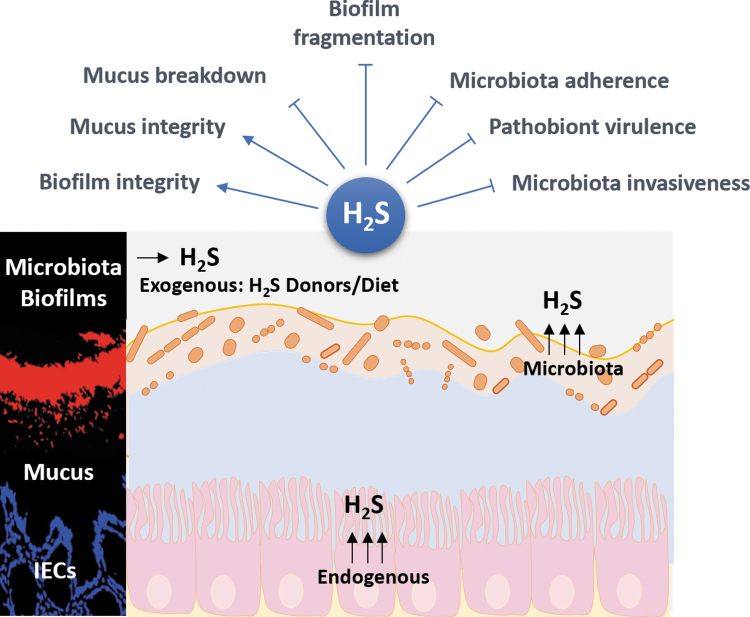
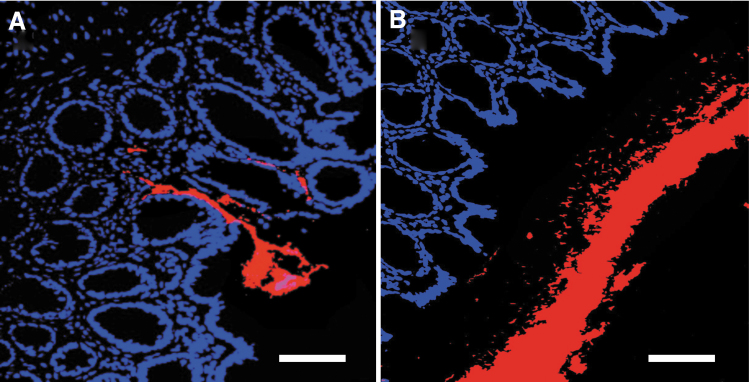
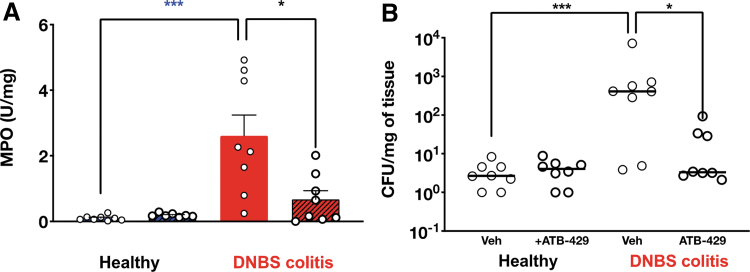
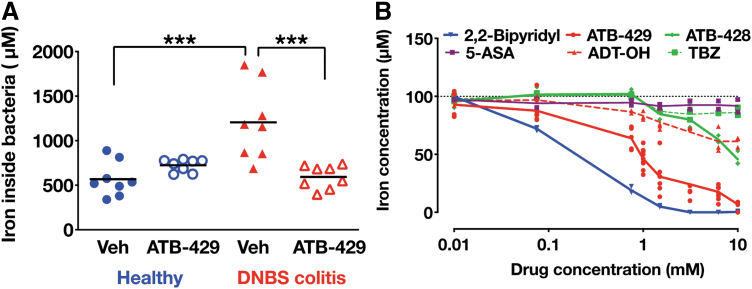
Verification
Claims the paper makes
The claims and statistics of this paper haven’t been checked yet.
Run the check — free, no account needed. It reads the open-access text and checks the sources it cites.
Claims other papers make about this one
Each is checked against this paper’s own text: does it say what the citing paper says it does?
In the citing paper
“However, H2S exhibits a dual effect, being cytoprotective at low concentrations but toxic at high concentrations [58].”
From Healthy Human Fecal Microbiota Transplantation into Mice Attenuates MPTP-Induced Neurotoxicity via AMPK/SOD2 Pathway (2023) · cites this paper as [58]
Self-check
Percentages, sums and reported differences re-computed from the paper’s own numbers.
The self-check needs the paper’s full text.
Citations
Cites
Current understanding of the human microbiome
Gilbert, J. A., Blaser, M. J., Caporaso, J. G., Jansson, J. K., Lynch, S. V., & Knight, R. (2018) · Nature Medicine · doi:10.1038/nm.4517 · Cited by 2,609
The possible role of hydrogen sulfide as an endogenous neuromodulator
Abe, K., & Kimura, H. (1996) · Journal of Neuroscience · doi:10.1523/jneurosci.16-03-01066.1996 · Cited by 2,240
The gut microbiota–brain axis in behaviour and brain disorders
Morais, L. H., Schreiber, H. L., & Mazmanian, S. K. (2021) · Nature Reviews Microbiology · doi:10.1038/s41579-020-00460-0 · Cited by 2,149
Control of pathogens and pathobionts by the gut microbiota
Kamada, N., Chen, G. Y., Inohara, N., & Núñez, G. (2013) · Nature Immunology · doi:10.1038/ni.2608 · Cited by 1,625
Hydrogen sulfide-based therapeutics: exploiting a unique but ubiquitous gasotransmitter
Wallace, J. L., & Wang, R. (2015) · Nature Reviews Drug Discovery · doi:10.1038/nrd4433 · Cited by 882
Self-citationHydrogen sulfide is an endogenous stimulator of angiogenesis
Papapetropoulos, A., Pyriochou, A., Altaany, Z., Yang, G., Marazioti, A., Zhou, Z., Jeschke, M. G., Branski, L. K., Herndon, D. N., Wang, R., et al. (2009) · Proceedings of the National Academy of Sciences · doi:10.1073/pnas.0908047106 · Cited by 868
Bäckhed, F., Fraser, C. M., Ringel, Y., Sanders, M. E., Sartor, R. B., Sherman, P. M., Versalovic, J., Young, V., & Finlay, B. B. (2012) · Cell Host & Microbe · doi:10.1016/j.chom.2012.10.012 · Cited by 836
The Battle for Iron between Bacterial Pathogens and Their Vertebrate Hosts
Skaar, E. P. (2010) · PLoS Pathogens · doi:10.1371/journal.ppat.1000949 · Cited by 796
H 2 S: A Universal Defense Against Antibiotics in Bacteria
Shatalin, K. Y., Shatalina, E., Mironov, A. S., & Nudler, E. (2011) · Science · doi:10.1126/science.1209855 · Cited by 769
Interactions of commensal and pathogenic microorganisms with the intestinal mucosal barrier
Martens, E. C., Neumann, M., & Desai, M. S. (2018) · Nature Reviews Microbiology · doi:10.1038/s41579-018-0036-x · Cited by 711
Research works printed but not linked: 1
- Du Toit A. The health benefits of hydrogen sulphide. Nat Rev Mol Cell Biol, 16: 68, 2015. · DOI
Cited by
Sorted by citations
Physiological roles of hydrogen sulfide in mammalian cells, tissues, and organs
Cirino, G., Szabó, C., & Papapetropoulos, A. (2022) · Physiological Reviews · doi:10.1152/physrev.00028.2021 · Cited by 578
Advances in pathogenesis and therapeutic strategies for osteoporosis
Song, S., Guo, Y., Yang, Y., & Fu, D. (2022) · Pharmacology & Therapeutics · doi:10.1016/j.pharmthera.2022.108168 · Cited by 476
Desulfovibrio in the Gut: The Enemy within?
Singh, S., Carroll‐Portillo, A., & Lin, H. C. (2023) · Microorganisms · doi:10.3390/microorganisms11071772 · Cited by 279
Interactions between polysaccharides and gut microbiota: A metabolomic and microbial review
Zhang, D., Liu, J., Cheng, H., Wang, H., Tan, Y., Feng, W., & Peng, C. Y. (2022) · Food Research International · doi:10.1016/j.foodres.2022.111653 · Cited by 206
Varghese, S., Rao, S., Khattak, A., Zamir, F., & Chaari, A. (2024) · Nutrients · doi:10.3390/nu16213663 · Cited by 152
Dietary protein and the intestinal microbiota: An understudied relationship
Bartlett, A., & Kleiner, M. (2022) · iScience · doi:10.1016/j.isci.2022.105313 · Cited by 134
Abdelbary, M. M. H., Hatting, M., Bott, A., Dahlhausen, A., Keller, D., Trautwein, C., & Conrads, G. (2022) · Frontiers in Cellular and Infection Microbiology · doi:10.3389/fcimb.2022.1010853 · Cited by 121
Hydrogen Sulfide Produced by Gut Bacteria May Induce Parkinson’s Disease
Murros, K. E. (2022) · Cells · doi:10.3390/cells11060978 · Cited by 105
Gas Therapy: Generating, Delivery, and Biomedical Applications
Ghaffari‐Bohlouli, P., Jafari, H., Okoro, O. V., Alimoradi, H., Nie, L., Jiang, G., Kakkar, A. K., & Shavandi, A. (2024) · Small Methods · doi:10.1002/smtd.202301349 · Cited by 113
Johansen, J., Atarashi, K., Arai, Y., Hirose, N., Sørensen, S. J., Vatanen, T., Knip, M., Honda, K., Xavier, R. J., Rasmussen, S., et al. (2023) · Nature Microbiology · doi:10.1038/s41564-023-01370-6 · Cited by 110
Emerging roles of cystathionine β-synthase in various forms of cancer
Ascenção, K., & Szabó, C. (2022) · Redox Biology · doi:10.1016/j.redox.2022.102331 · Cited by 105
Dietary compounds in modulation of gut microbiota-derived metabolites
Feng, W., Liu, J., Cheng, H., Zhang, D., Tan, Y., & Peng, C. Y. (2022) · Frontiers in Nutrition · doi:10.3389/fnut.2022.939571 · Cited by 92
Xie, Z., Zhang, M., Luo, Y., Jin, D., Guo, X., Yang, W., Zheng, J., Zhang, H., Zhang, L., Deng, C., et al. (2023) · Aging and disease · doi:10.14336/ad.2023.0309 · Cited by 80
“However, H 2 S exhibits a dual effect, being cytoprotective at low concentrations but toxic at high concentrations [58].”
Ferrari, S., Mulè, S., Parini, F., Galla, R., Ruga, S., Rosso, G., Brovero, A., Molinari, C. G., & Uberti, F. (2024) · Journal of Traditional and Complementary Medicine · doi:10.1016/j.jtcme.2024.03.011 · Cited by 71
Maes, M. H. J., Vasupanrajit, A., Jirakran, K., Klomkliew, P., Chanchaem, P., Tunvirachaisakul, C., Plaimas, K., Suratanee, A., & Payungporn, S. (2023) · Acta Neuropsychiatrica · doi:10.1017/neu.2023.21 · Cited by 57
Signaling Paradigms of H2S-Induced Vasodilation: A Comprehensive Review
Munteanu, C., Popescu, C., Vlădulescu-Trandafir, A.-I., & Onose, G. (2024) · Antioxidants · doi:10.3390/antiox13101158 · Cited by 57
Munteanu, C., Onose, G., Rotariu, M., Poştaru, M., Turnea, M. A., & Galaction, A. (2024) · Biomedicines · doi:10.3390/biomedicines12122670 · Cited by 55
Gong, L., Chang, L., Chen, S., Xuan, W., Du, H., Cheng, J., Chen, X., Zhang, Y., Zhao, P., Geng, M., et al. (2025) · Biomaterials · doi:10.1016/j.biomaterials.2025.123144 · Cited by 47
Cu-doped SnO2/rGO nanocomposites for ultrasensitive H2S detection at low temperature
Chen, T., Sun, J., Xue, N., Wang, W., Luo, Z., Liang, Q., Zhou, T., Quan, H., Cai, H., Tang, K., et al. (2023) · Microsystems & Nanoengineering · doi:10.1038/s41378-023-00517-z · Cited by 42
Exploiting the interactions between plant proteins and gut microbiota to promote intestinal health
Jia, J., Dell’Olio, A., Izquierdo-Sandoval, D., Capuano, E., Liu, X., Duan, X., & Rubert, J. (2024) · Trends in Food Science & Technology · doi:10.1016/j.tifs.2024.104749 · Cited by 41
Gut microbiota biofilms: From regulatory mechanisms to therapeutic targets
Buret, A. G., & Allain, T. (2023) · The Journal of Experimental Medicine · doi:10.1084/jem.20221743 · Cited by 36
Self-citationFluorescent small molecule donors
Chen, G., Yu, J., Wu, L., Ji, X., Xu, J., Wang, C., Ma, S., Miao, Q., Wang, L., Wang, C., et al. (2024) · Chemical Society Reviews · doi:10.1039/d3cs00124e · Cited by 38
Andrés, C. M. C., de la Lastra, J. M. P., Munguira, E. B., Andrés, C., Plou, F. J., & Lebeña, E. P. (2024) · International Journal of Molecular Sciences · doi:10.3390/ijms25063521 · Cited by 34
Munteanu, C., Onose, G., Poştaru, M., Turnea, M. A., Rotariu, M., & Galaction, A. (2024) · Pharmaceuticals · doi:10.3390/ph17111480 · Cited by 37
Yilmaz, Y. N. (2024) · Molecular Nutrition & Food Research · doi:10.1002/mnfr.202400754 · Cited by 34
du Preez, H. N., Aldous, C., Hayden, M. R., Kruger, H. G., & Lin, J. (2021) · The FASEB Journal · doi:10.1096/fj.202101100rr · Cited by 34
Saha, B., Rithi, A. T., Adhikary, S., Banerjee, A., Radhakrishnan, A., Duttaroy, A. K., & Pathak, S. (2024) · Nutrition and Cancer · doi:10.1080/01635581.2024.2367266 · Cited by 39
The role of colonic microbiota amino acid metabolism in gut health regulation
Chen, Y., & Fang, J. (2025) · Cell Insight · doi:10.1016/j.cellin.2025.100227 · Cited by 38
Bacterial microcompartments and energy metabolism drive gut colonization by Bilophila wadsworthia
Sayavedra, L., Yasir, M., Goldson, A. J., Brion, A., Gall, G. L., Moreno‐Gonzalez, M., Altera, A., Paxhia, M. D., Warren, M. J., Savva, G. M., et al. (2025) · Nature Communications · doi:10.1038/s41467-025-60180-y · Cited by 33
Higashi, D. L., Krieger, M., Qin, H., Zou, Z., Palmer, E. A., Kreth, J., & Merritt, J. L. (2023) · Environmental Microbiology Reports · doi:10.1111/1758-2229.13153 · Cited by 29
Sulfur Metabolism of the Gut Microbiome and Colorectal Cancer: The Threat to the Younger Generation
Moon, J.-Y., Kye, B., Ko, S., & Yoo, R. N. (2023) · Nutrients · doi:10.3390/nu15081966 · Cited by 32
Hayes, J. A., Lunger, A. W., Sharma, A. S., Fernez, M. T., Carrier, R. L., Koppes, A. N., Koppes, R. A., & Woolston, B. M. (2023) · Cell Reports · doi:10.1016/j.celrep.2023.113481 · Cited by 28
Hydrogen Sulfide (H2S): As a Potent Modulator and Therapeutic Prodrug in Cancer
Faris, P. S., Negri, S., Faris, D., Scolari, F., Montagna, D., & Moccia, F. D. (2023) · Current Medicinal Chemistry · doi:10.2174/0929867330666230126100638 · Cited by 29
Stine, J. M., Ruland, K. L., Beardslee, L. A., Levy, J. A., Abianeh, H., Botasini, S., Pasricha, P. J., & Reza Ghodssi, A. (2023) · Advanced Healthcare Materials · doi:10.1002/adhm.202302897 · Cited by 28
Yin, T., Zhang, X., Xiong, Y., Li, B., Guo, D. M., Sha, Z., Lin, X., & Wu, H. (2024) · Microbiological Research · doi:10.1016/j.micres.2024.127871 · Cited by 29
Luo, X., & You, X. (2023) · Frontiers in Endocrinology · doi:10.3389/fendo.2023.1225742 · Cited by 26
Vladimirovna, G. M., Burakova, I. Y., Dmitrievna, S. Y., Morozova, P., Chirkin, E. A., Gureev, A. P., Mikhaylov, E., Korneeva, O. S., & Syromyatnikov, M. (2024) · Microorganisms · doi:10.3390/microorganisms12071341 · Cited by 28
The Role of Bacteria-Derived Hydrogen Sulfide in Multiple Axes of Disease
Birg, A., & Lin, H. C. (2025) · International Journal of Molecular Sciences · doi:10.3390/ijms26073340 · Cited by 26
Gut microbiota-derived metabolites are novel targets for improving insulin resistance
Bastos, R. M. C., & Rangel, É. B. (2022) · World Journal of Diabetes · doi:10.4239/wjd.v13.i1.65 · Cited by 23
Knorr, J. M., Lone, Z. M., Werneburg, G. T., Adler, A., Agudelo, J., Suryavanshi, M. V., Campbell, R. A., Ericson, K. J., Qiu, H., Bajic, P., et al. (2024) · Urologic Oncology Seminars and Original Investigations · doi:10.1016/j.urolonc.2024.04.011 · Cited by 21
Role of Gut Microbial Metabolites in Ischemic and Non-Ischemic Heart Failure
Hatamnejad, M. R., Medzikovic, L., Dehghanitafti, A., Rahman, B., Vadgama, A., & Eghbali, M. (2025) · International Journal of Molecular Sciences · doi:10.3390/ijms26052242 · Cited by 24
Biofilms Exposed: Innovative Imaging and Therapeutic Platforms for Persistent Infections
Haval, M., Unakal, C. G., Ghagane, S., Pandit, B. R., Daniel, E., Siewdass, P., Ekemiri, K., Rajamanickam, V., Justiz-Vaillant, A. A., Lootawan, K.-A. A., et al. (2025) · Antibiotics · doi:10.3390/antibiotics14090865 · Cited by 21
Kittana, M., Ahmadani, A., Al-Marzooq, F. I., & Attlee, A. (2021) · Nutrients · doi:10.3390/nu13113818 · Cited by 21
Hertel, J., Fässler, D., Heinken, A., Weiß, F. U., Rühlemann, M. C., Bang, C., Franke, A., Budde, K., Henning, A., Petersmann, A., et al. (2022) · Metabolites · doi:10.3390/metabo12040308 · Cited by 20
Sun, H., Xiong, S., Wang, Z.-C., Nie, X.-W., & Bian, J. (2022) · Antioxidants and Redox Signaling · doi:10.1089/ars.2022.0028 · Cited by 21
Alipio, H. R. D., Bergstedt, J. H., & Lazado, C. C. (2023) · Aquaculture · doi:10.1016/j.aquaculture.2023.739595 · Cited by 21
Local delivery of gaseous signaling molecules for orthopedic disease therapy
Sun, J., Wang, W., Hu, X., Zhang, X., Zhu, C., Hu, J., & Ma, R. (2023) · Journal of Nanobiotechnology · doi:10.1186/s12951-023-01813-6 · Cited by 18
Yu, S., Wang, X., Li, Z., Jin, D., Yu, M., Li, J., Li, Y., Liu, X., Zhang, Q., Liu, Y., et al. (2024) · Journal of Translational Medicine · doi:10.1186/s12967-024-04977-3 · Cited by 20
Microbiota metabolites affect sleep as drivers of brain‑gut communication (Review)
Cheng, H. Y., Yang, W., Xu, H., Zhu, W., Gong, A., Yang, X., Li, S., & Xu, H. (2025) · International Journal of Molecular Medicine · doi:10.3892/ijmm.2025.5571 · Cited by 21
Qu, Z., Tian, J., Sun, J., Shi, Y., Yu, J., Zhang, W., & Zhuang, C. (2023) · Food & Function · doi:10.1039/d3fo03914e · Cited by 16
Discovery of a Gut Bacterial Pathway for Ergothioneine Catabolism
Feng, C., Yan, Q., Li, X., Zhao, H., Huang, H., & Zhang, X. (2024) · Journal of the American Chemical Society · doi:10.1021/jacs.4c09350 · Cited by 16
Xiao, R., Luo, G., Liao, W., Chen, S., Han, S., Liang, S., & Lin, Y. C. (2022) · npj Science of Food · doi:10.1038/s41538-022-00161-3 · Cited by 16
Coenzyme A metabolism: a key driver of gut microbiota dynamics and metabolic profiles
Böttcher, J., Sibon, O. C. M., & Aidy, S. E. (2025) · FEMS Microbiology Reviews · doi:10.1093/femsre/fuaf051 · Cited by 15
Liu, C., Zhang, Y., Sun, W., Zhu, H., Su, M., Wang, X., Rong, X., Wang, K., Yu, M., Sheng, W., et al. (2023) · Bioorganic Chemistry · doi:10.1016/j.bioorg.2023.106498 · Cited by 14
Jo, Y., Lee, G., Ahmad, S., Son, H., Kim, M., Sliti, A., Lee, S., Kim, K., Lee, S., & Shin, J. (2023) · Microorganisms · doi:10.3390/microorganisms11082106 · Cited by 15
The role of fiber in modulating plant protein-induced metabolic responses
Partanen, M., Luhio, P., Gómez-Gallego, C., & Kolehmainen, M. (2024) · Critical Reviews in Food Science and Nutrition · doi:10.1080/10408398.2024.2392149 · Cited by 16
Impact of diet on hydrogen sulfide production: implications for gut health
Teigen, L. M., Biruete, A., & Khoruts, A. (2022) · Current Opinion in Clinical Nutrition & Metabolic Care · doi:10.1097/mco.0000000000000881 · Cited by 14
Liu, J., Zhao, W., Gao, Z.-W., Liu, N., Zhang, W., & Ling, H. (2022) · Frontiers in Cellular and Infection Microbiology · doi:10.3389/fcimb.2022.801331 · Cited by 13
Armando Rojas, R., Schneider, I., Lindner, C., González, I., & Morales, M. A. (2022) · Molecular and Cellular Biochemistry · doi:10.1007/s11010-022-04630-x · Cited by 16
Ali, H. A., Ismail, M. A., & Ghaith, E. A. (2025) · RSC Advances · doi:10.1039/d5ra05849j · Cited by 12
Unni, R., Andreani, N. A., Vallier, M., Heinzmann, S. S., Taubenheim, J., Guggeis, M. A., Tran, F., Vogler, O., Künzel, S., Hövener, J., et al. (2023) · Gut Microbes · doi:10.1080/19490976.2023.2286675 · Cited by 11
Gut microbiota from patients with Parkinson’s disease causes motor deficits in honeybees
Zeng, J., Li, Y., Yan, J., Chang, R., Xu, M., Zhou, G., Meng, J., Liu, D., Mao, Z., & Yang, Y. (2024) · Frontiers in Microbiology · doi:10.3389/fmicb.2024.1418857 · Cited by 12
Zhang, L., Yin, Y., & Jin, S. (2024) · Microbiological Research · doi:10.1016/j.micres.2024.128037 · Cited by 14
Ardalan, Z. S., Livingstone, K. M., Polzella, L., Avakian, J., Rohani, F., Sparrow, M., Gibson, P. R., & Yao, C. K. (2023) · Clinical Nutrition · doi:10.1016/j.clnu.2023.07.023 · Cited by 12
Benefits of crenotherapy in digestive tract pathology (Review)
Dumitrescu, M., Iliescu, M. G., Mazilu, L., Micu, S. I., Suceveanu, A. P., Voinea, F., Voinea, C., Stoian, A. P., & Suceveanu, A. (2021) · Experimental and Therapeutic Medicine · doi:10.3892/etm.2021.11045 · Cited by 11
Khan, S. A., Aziz, S., Waqas, M. S., Kakar, M. A., & Ahmad, S. (2023) · International Journal of Biological Macromolecules · doi:10.1016/j.ijbiomac.2023.126002 · Cited by 11
Microbial molecules, metabolites, and malignancy
Thomas, R. M. (2025) · Neoplasia · doi:10.1016/j.neo.2025.101128 · Cited by 10
Lajin, B., Obermayer-Pietsch, B. M., & Goessler, W. (2022) · Journal of Chromatography B · doi:10.1016/j.jchromb.2022.123198 · Cited by 9
Dietary Acid Load and Cancer Risk: A Review of the Uruguayan Experience
Ronco, Á. L., & Storz, M. A. (2023) · Nutrients · doi:10.3390/nu15143098 · Cited by 12
Pereira, M. D. F. A., de Ávila, L. G. M., Cruz, B. C. D. S., Silva, B. C., de Oliveira, L. L., Gonçalves, R. V., Ribon, A. D. O. B., Mendes, T. A. D. O., & Pelúzio, M. D. C. G. (2023) · Food & Function · doi:10.1039/d2fo04063h · Cited by 9
Magnesium Oxide Reduces Anxiety-like Behavior in Mice by Inhibiting Sulfate-Reducing Bacteria
Coffman, C. N., Carroll‐Portillo, A., Alcock, J., Singh, S., Rumsey, K., Braun, C. A., Xue, B., & Lin, H. C. (2024) · Microorganisms · doi:10.3390/microorganisms12071429 · Cited by 9
Gorini, F., Coi, A., Santoro, M. C., Tonacci, A., Sansone, F., Mariotti, E. B., Donati, M., Verdelli, A., Nasca, M. R., Amerio, P., et al. (2025) · International Journal of Molecular Sciences · doi:10.3390/ijms26136076 · Cited by 8
Microclimate Assessment in a 19th‐Century Heritage Building From Romania
Caciora, T. I., Ilieș, D. C., Costea, M., Blaga, L., BERDENOV, Z. G., Ilieș, A. B., Hassan, T. H., Pereș, A. C., Safarov, B., Josan, I., et al. (2024) · Indoor Air · doi:10.1155/2024/2989136 · Cited by 8
Maes, M., Vasupanrajit, A., Jirakran, K., Klomkliew, P., Chanchaem, P., Tunvirachaisakul, C., Plaimas, K., Suratanee, A., & Payungporn, S. (2023) · medRxiv · doi:10.1101/2023.01.14.23284564 · Cited by 8
Oh, C., Hwang, J.-E., Yim, H., Park, H., Kim, S.-Y., Lee, J. K., & Im, H. (2025) · Journal of Nanobiotechnology · doi:10.1186/s12951-025-03753-9 · Cited by 7
Gut-Microbiome Interactions: Characterization, Therapeutic Implications and Machine Learning
Ayivi-Tosuh, S. M., Dofuor, A. K., Yamoah, J. A. A., Gayi, B. K., Aiduenu, A. F., Akomea, A., Anovunga, S. A., Ekloh, W., & Basing, L. A. (2026) · Sage Open Pathology · doi:10.1177/30502098251415109 · Cited by 8
Unveiling Hydrogen Sulfide: A New Frontier in Neuroprotection and Neuromodulation
Fatima, G., Mahdi, A. A., Al-Hmadi, H. B., & Os, M. (2024) · Indian Journal of Clinical Biochemistry · doi:10.1007/s12291-024-01278-w · Cited by 7
Dietary Manipulation on Gut Microbiome in Patients with Diabetes and Colorectal cancer
Chu, N. H. S. (2025) · Current Nutrition Reports · doi:10.1007/s13668-025-00667-8 · Cited by 6
Kim, T.-H., Jeon, Y.-J., Park, S., Ahn, J.-H., Park, J., & Yun, Y. (2025) · Fermentation · doi:10.3390/fermentation11070418 · Cited by 6
Zheng, H., Shi, F., Li, J., Bian, X., Wu, S., & Li, X. (2025) · Foods · doi:10.3390/foods14183255 · Cited by 6
Zhang, X., Feng, C., Xu, Z., Liu, X., & Luo, W. (2023) · Journal of Water Process Engineering · doi:10.1016/j.jwpe.2023.104309 · Cited by 6
Gong, X.-J., Fan, X.-H., Yin, X.-X., Xu, T.-H., Li, J., Guo, J.-L., Zhao, X.-K., Wei, S.-J., Yuan, Q.-H., Wang, J.-L., et al. (2022) · Experimental and Therapeutic Medicine · doi:10.3892/etm.2022.11302 · Cited by 7
Byun, K., Lee, D., Kim, H. S., Lee, D., Xu, Y., Kwon, Y., & Ha, N. (2024) · Food Bioscience · doi:10.1016/j.fbio.2023.103560 · Cited by 6
Saville, S. H., Younes, J. A., Paraskevakos, G., & Venema, K. (2017) · Beneficial Microbes · doi:10.1163/18762891-bja00056 · Cited by 7
Power and poison: The intersections of H2S and O2 metabolism
Brake, J., & Banerjee, R. V. (2025) · Journal of Biological Chemistry · doi:10.1016/j.jbc.2025.110810 · Cited by 6
The fate of dietary protein in the gastrointestinal tract and implications for colonic disease
Davis, R. W., Bryant, R. V., Gibson, P. R., & Day, A. S. (2026) · Nature Reviews Gastroenterology & Hepatology · doi:10.1038/s41575-026-01173-0 · Cited by 6
Sung, I.-T., & Lin, L. (2025) · The Journal of Physical Chemistry C · doi:10.1021/acs.jpcc.4c08796 · Cited by 5
Fernez, M. T., Hegde, S., Hayes, J. A., Hoyt, K. O., Carrier, R. L., & Woolston, B. M. (2025) · ACS Synthetic Biology · doi:10.1021/acssynbio.5c00124 · Cited by 5
Ye, J., Salti, T., Zanditenas, E., Trebicz‐Geffen, M., Benhar, M., & Ankri, S. (2024) · Antioxidants · doi:10.3390/antiox13020245 · Cited by 5
Prostate Cancer at the Microbial Crossroads: Illuminating a New Frontier in Precision Medicine
Kwon, W., Kim, H., & Song, Y. S. (2025) · The World Journal of Men s Health · doi:10.5534/wjmh.250045 · Cited by 4
Liu, X., Ji, Y., Lv, H., Wang, Z., Lv, Z., Guo, Y., & Nie, W. (2025) · Journal of Animal Science and Biotechnology/Journal of animal science and biotechnology · doi:10.1186/s40104-025-01246-1 · Cited by 4
Beyond Random Fecal Microbial Transplants
Sartor, R. B. (2024) · Gastroenterology Clinics of North America · doi:10.1016/j.gtc.2024.11.002 · Cited by 4
A sensitive and ratiometric fluorescent probe for imaging cytosolic H 2 S generation
Zhang, Y., Chen, Y., Shi, X., Bai, Y., He, W., & Guo, Z. (2022) · New Journal of Chemistry · doi:10.1039/d2nj04533h · Cited by 4
Deciphering Microbial Carbohydrate Metabolism: Unveiling Mechanistic Insights Into Type 2 Diabetes
Kumar, N., Sain, S., & Solanki, B. (2025) · Advanced Gut & Microbiome Research · doi:10.1155/agm3/4395850 · Cited by 4
Linc, R., Pantea, E., Șerban, E., Ciurba, A.-P., & Serban, G. (2023) · Sustainability · doi:10.3390/su152115640 · Cited by 4
Chinn, A. F., Williams, N. R., Miller, K. M., & Matson, J. B. (2024) · Journal of Polymer Science · doi:10.1002/pol.20240262 · Cited by 4
Paparella, R., Panvino, F., Pucarelli, I., & Tarani, L. (2026) · Acta Paediatrica · doi:10.1111/apa.70429 · Cited by 3
Chi, F., Chen, K., Yin, Y., Hakovirta, J. R., & Saris, P. E. J. (2026) · Sustainable Microbiology · doi:10.1093/sumbio/qvag002 · Cited by 5
The roles of hydrogen sulfide and reactive sulfur species in bacterial life within the human body
Nonoyama, S., Shimizu, T., & Masuda, S. (2026) · Nitric Oxide · doi:10.1016/j.niox.2026.02.002 · Cited by 4
Trivedi, A., Bose, D., Moffat, K. S., Pearson, E., Walsh, D. M., Cohen, D. E., Skupsky, J., Chao, L. L., Golier, J. A., Janulewicz, P. A., et al. (2024) · International Journal of Environmental Research and Public Health · doi:10.3390/ijerph21081102 · Cited by 3
Metadata
- Authors
- Buret, A. G., Allain, T., Motta, J.-P., & Wallace, J. L.
- Affiliations
- Host–Parasite Interactions Program, Inflammation Research Network, Biological Sciences, University of Calgary, Calgary, Canada.
- University of Calgary (CA)
- Inserm (FR)
- Venue
- Antioxidants & Redox Signaling
- Publisher
- SAGE Publications
- Published
- 2022-02
- Volume
- 36
- Issue
- 4-6
- Pages
- 211-219
- ISSN
- 1523-0864 (ISSN-L)
- 1557-7716
- PMC
- PMC8861923
- OpenAlex
- W3133888684
- Cited by
- 151
- References
- 81
- Citations by year
- 2026: 33 · 2025: 29 · 2024: 30 · 2023: 32 · 2022: 23
- FWCI
- 6.90
- Type
- journal article
- Language
- en
- Open access
- hybrid
- doi.org
- Licence
- Locations
- Antioxidants and Redox Signaling (publishedVersion, cc-by-nc)
- PubMed Central (publishedVersion, cc-by-nc)
- PubMed (publishedVersion)
- HAL (submittedVersion)
- Funders
- Canadian Institutes of Health Research
- Topics
- Life Sciences › Biochemistry, Genetics and Molecular Biology › Molecular Biology › Gut microbiota and health
- Life Sciences › Biochemistry, Genetics and Molecular Biology › Biochemistry › Sulfur Compounds in Biology
- Health Sciences › Medicine › Gastroenterology › Helicobacter pylori-related gastroenterology studies
- Keywords
- hydrogen sulfide, gut microbiota, mucus layer, inflammation resolution, tissue repair, gastrointestinal cancer, pathobionts, cysteine, microbiota-metabolite interactions
- MeSH terms
- Gastrointestinal Microbiome, Hydrogen Sulfide, Proteomics, Gastrointestinal Tract, Microbiota
About these checks
Registry, retraction, Cites and statistics results are computed, not judged, with one exception: a printed reference that no index lists is read once by a model before it counts as a citation error. Claims are extracted by a model and kept only when their quote appears verbatim in the text; each cited source is then checked, with a model’s help, for whether it says what the claim relies on. Those verdicts can be wrong — read the claim’s quote and the cited source before relying on one.
Statistics and arithmetic are recomputed, not judged.
Confidence bands are shown only for fields calibrated on our annotated test set. None is calibrated yet, so no band is shown.
What counts as a claim ›How we measure confidence ›How we check this ›
Are you an author, or do you see a problem with this page? Request a review
