

A LAPF/phafin1-like protein regulates TORC1 and lysosomal membrane permeabilization in response to endoplasmic reticulum membrane stress
Open accessThe DOI matches its Crossref record; 70 of the 70 references it cites were found in a registry or an index.
Abstract
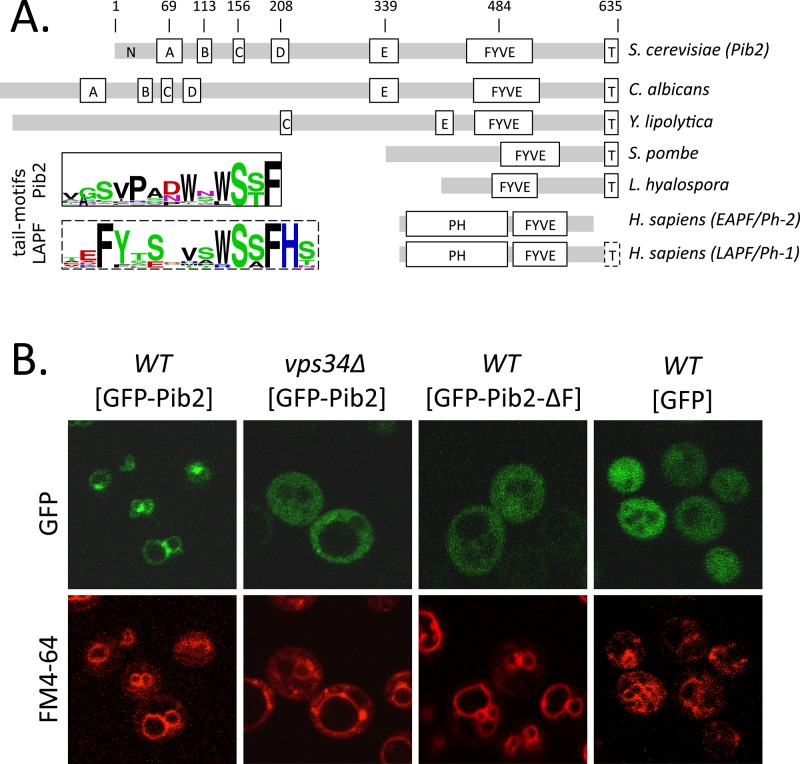
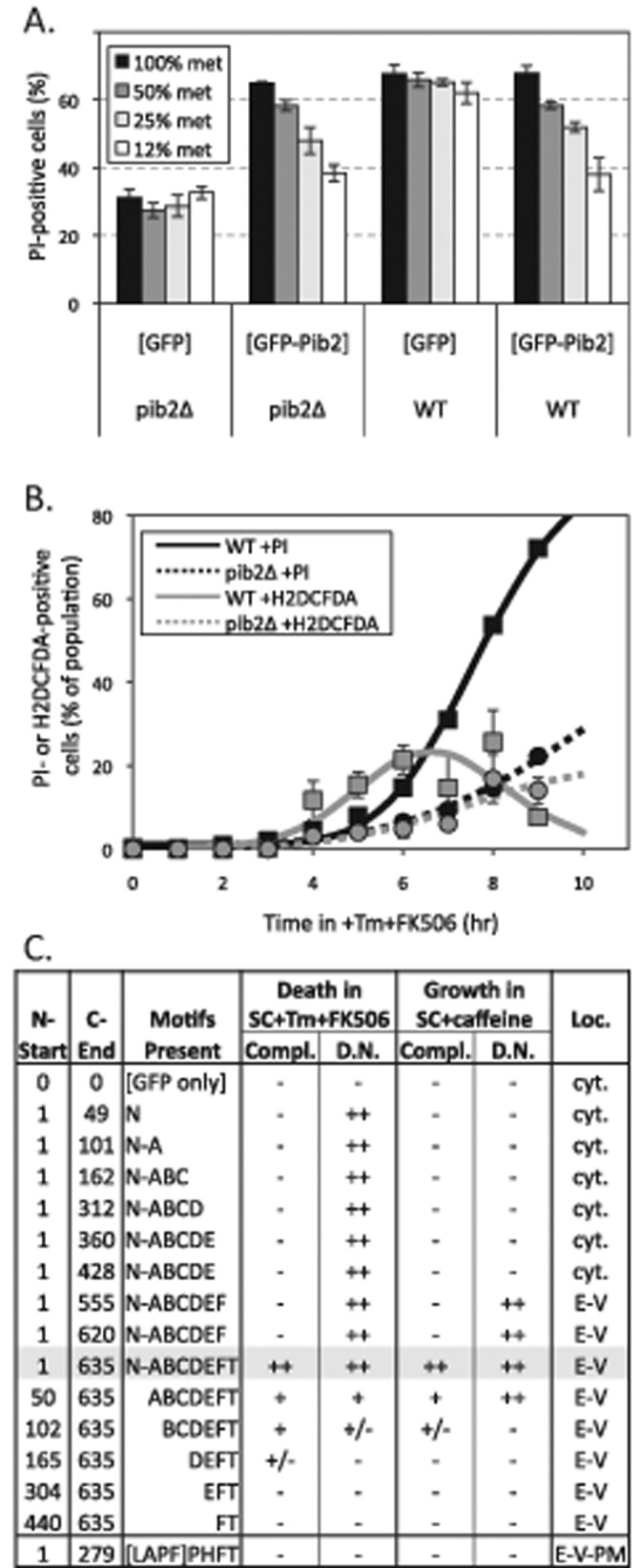
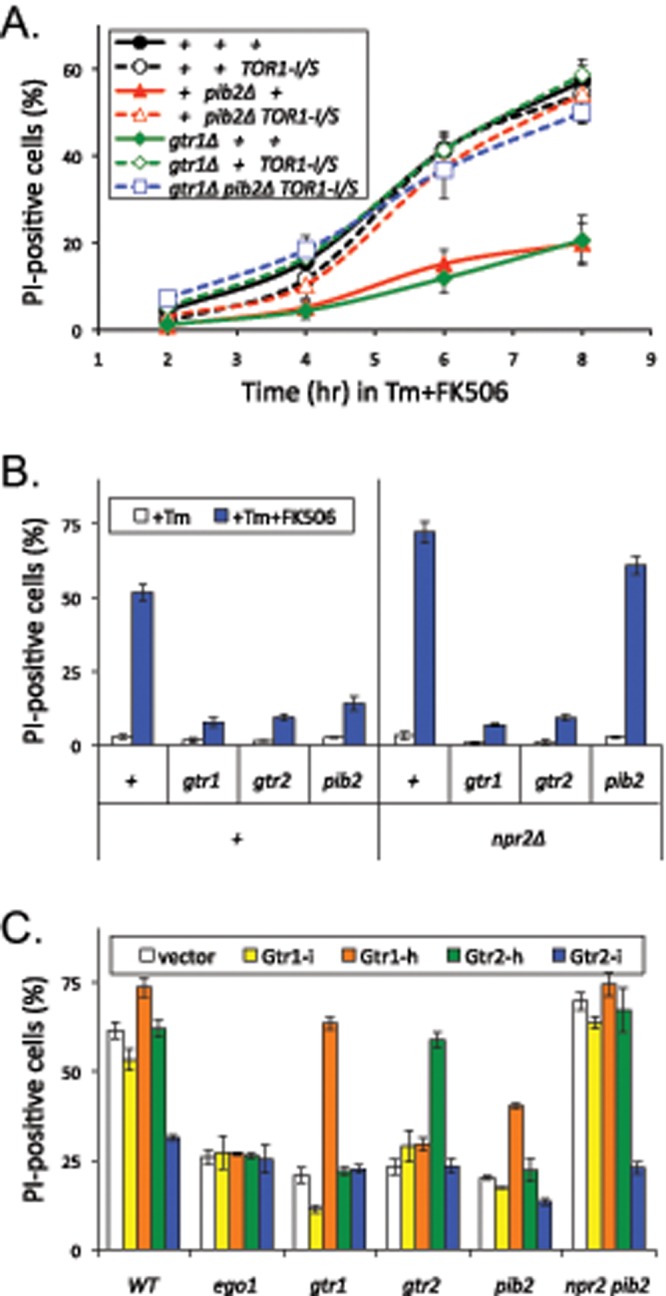
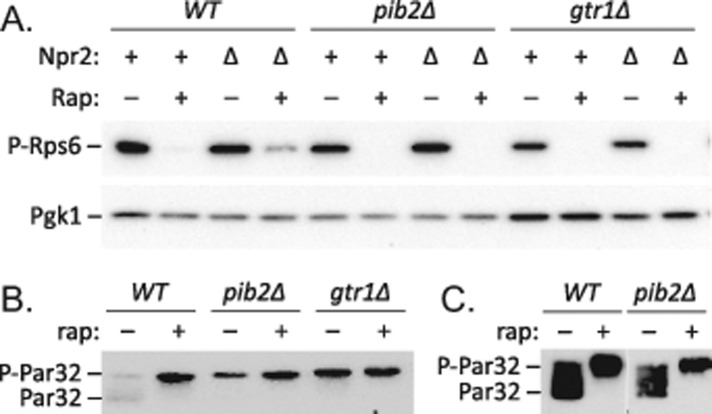
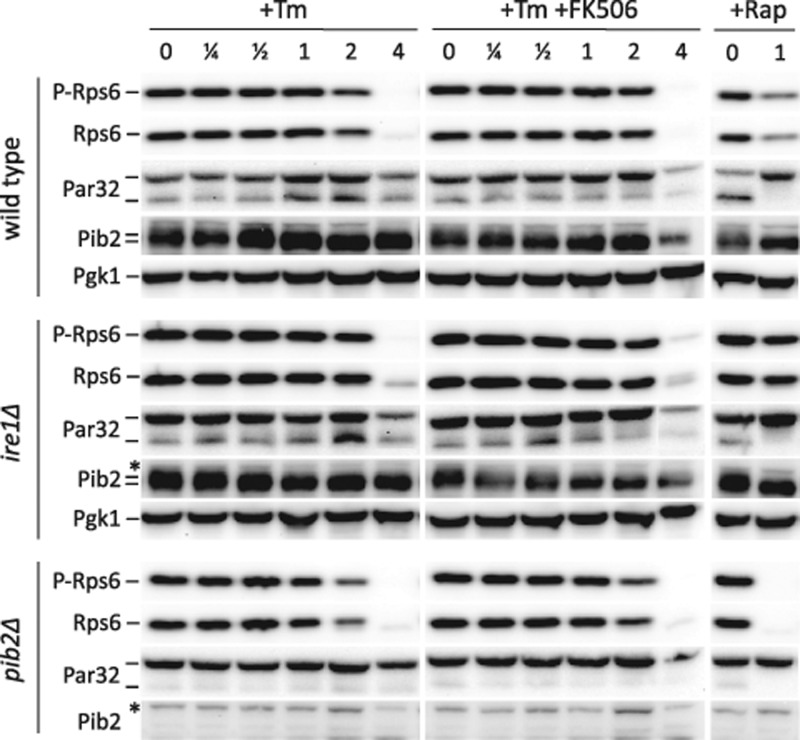
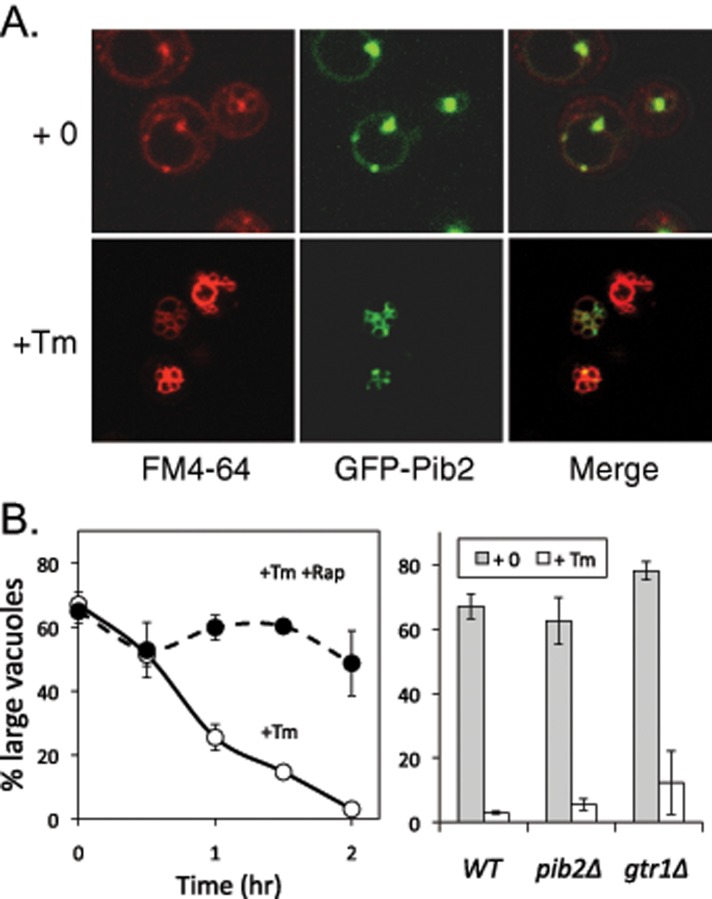
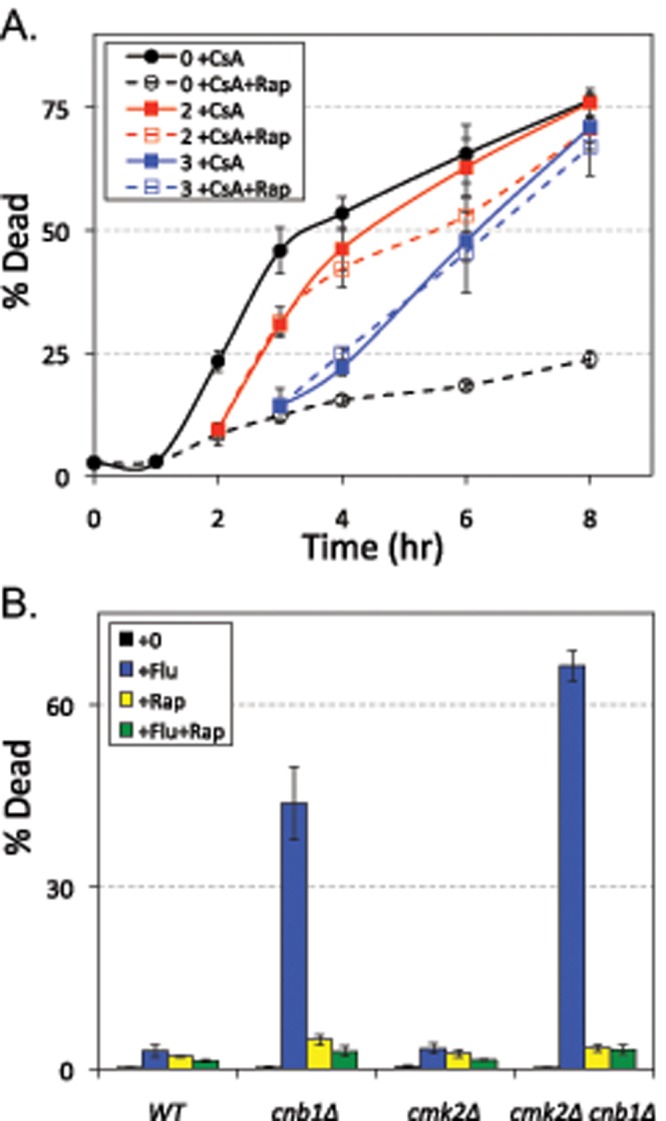
Lysosomal membrane permeabilization (LMP) is a poorly understood regulator of programmed cell death that involves leakage of luminal lysosomal or vacuolar hydrolases into the cytoplasm. In Saccharomyces cerevisiae, LMP can be induced by antifungals and endoplasmic reticulum stressors when calcineurin also has been inactivated. A genome-wide screen revealed Pib2, a relative of LAPF/phafin1 that regulates LMP in mammals, as a pro-LMP protein in yeast. Pib2 associated with vacuolar and endosomal limiting membranes in unstressed cells in a manner that depended on its FYVE domain and on phosphatidylinositol 3-phosphate (PI(3)P) biosynthesis. Genetic experiments suggest that Pib2 stimulates the activity of TORC1, a vacuole-associated protein kinase that is sensitive to rapamycin, in a pathway parallel to the Ragulator/EGO complex containing the GTPases Gtr1 and Gtr2. A hyperactivating mutation in the catalytic subunit of TORC1 restored LMP to the gtr1∆ and pib2∆ mutants and also prevented the synthetic lethality of the double mutants. These findings show novel roles of PI(3)P and Pib2 in the regulation of TORC1, which in turn promoted LMP and nonapoptotic death of stressed cells. Rapamycin prevented the death of the pathogenic yeast Candida albicans during exposure to fluconazole plus a calcineurin inhibitor, suggesting that TORC1 broadly promotes sensitivity to fungistats in yeasts.
Overview
The claims and statistics of this paper haven’t been checked yet.
Free: it reads the open-access text and checks the first 5 claims that cite a source we can check. Create a free account to check every claim.
Integrity signals
Registry
Cites
Statistics
Figures
Verification
Claims the paper makes
The claims and statistics of this paper haven’t been checked yet.
Free: it reads the open-access text and checks the first 5 claims that cite a source we can check. Create a free account to check every claim.
Claims other papers make about this one
Each is checked against this paper’s own text: does it say what the citing paper says it does?
The source backs part of the claim, not all of it — or backs it for a different population, condition or comparison.
In the citing paper
“A broad range of small molecules enhance antifungal activity in vitro and in vivo, with inhibitors of Hsp90, calcineurin, and TOR the most prominent among them 10,11 .”
From Antifungal tolerance is a subpopulation effect distinct from resistance and is associated with persistent candidemia (2018) · cites this paper as [11]
Experimental — accuracy not yet measured
Self-check
Percentages, sums and reported differences re-computed from the paper’s own numbers.
The self-check needs the paper’s full text.
Citations
Cites
1 retracted
Chen, W., Li, N., Chen, T., Han, Y., Li, C., Wang, Y., He, W., Zhang, L., Wan, T., & Cao, X. (2005) · Journal of Biological Chemistry · doi:10.1074/jbc.m502190200 · Cited by 82
RetractedGapped BLAST and PSI-BLAST: a new generation of protein database search programs
Altschul, S. (1997) · Nucleic Acids Research · doi:10.1093/nar/25.17.3389 · Cited by 73,302
Thompson, J. D., Higgins, D. G., & Gibson, T. J. (1994) · Nucleic Acids Research · doi:10.1093/nar/22.22.4673 · Cited by 64,617
Cluster analysis and display of genome-wide expression patterns
Eisen, M. B., Spellman, P. T., Brown, P. O., & Botstein, D. (1998) · Proceedings of the National Academy of Sciences · doi:10.1073/pnas.95.25.14863 · Cited by 16,184 · cited 2×
“0 using the correlation (uncentered) setting (Eisen et al., 1998).”
MethodInfluentialWebLogo: A Sequence Logo Generator: Figure 1
Crooks, G. E., Hon, G., Chandonia, J.-M., & Brenner, S. E. (2004) · Genome Research · doi:10.1101/gr.849004 · Cited by 12,386
Longtine, M. S., Mckenzie III, A., Demarini, D. J., Shah, N. G., Wach, A., Brachat, A., Philippsen, P., & Pringle, J. R. (1998) · Yeast · doi:10.1002/(sici)1097-0061(199807)14:10<953::aid-yea293>3.0.co;2-u · Cited by 5,345
Functional profiling of the Saccharomyces cerevisiae genome
Giaever, G., Chu, A. M., Ni, L., Connelly, C., Riles, L., Véronneau, S., Dow, S., Lucau-Danila, A., Anderson, K., André, B., et al. (2002) · Nature · doi:10.1038/nature00935 · Cited by 4,316
The Genetic Landscape of a Cell
Costanzo, M., Baryshnikova, A., Bellay, J., Kim, Y., Spear, E. D., Sevier, C. S., Ding, H., Koh, J. L. Y., Toufighi, K., Mostafavi, S., et al. (2010) · Science · doi:10.1126/science.1180823 · Cited by 2,162 · cited 3×
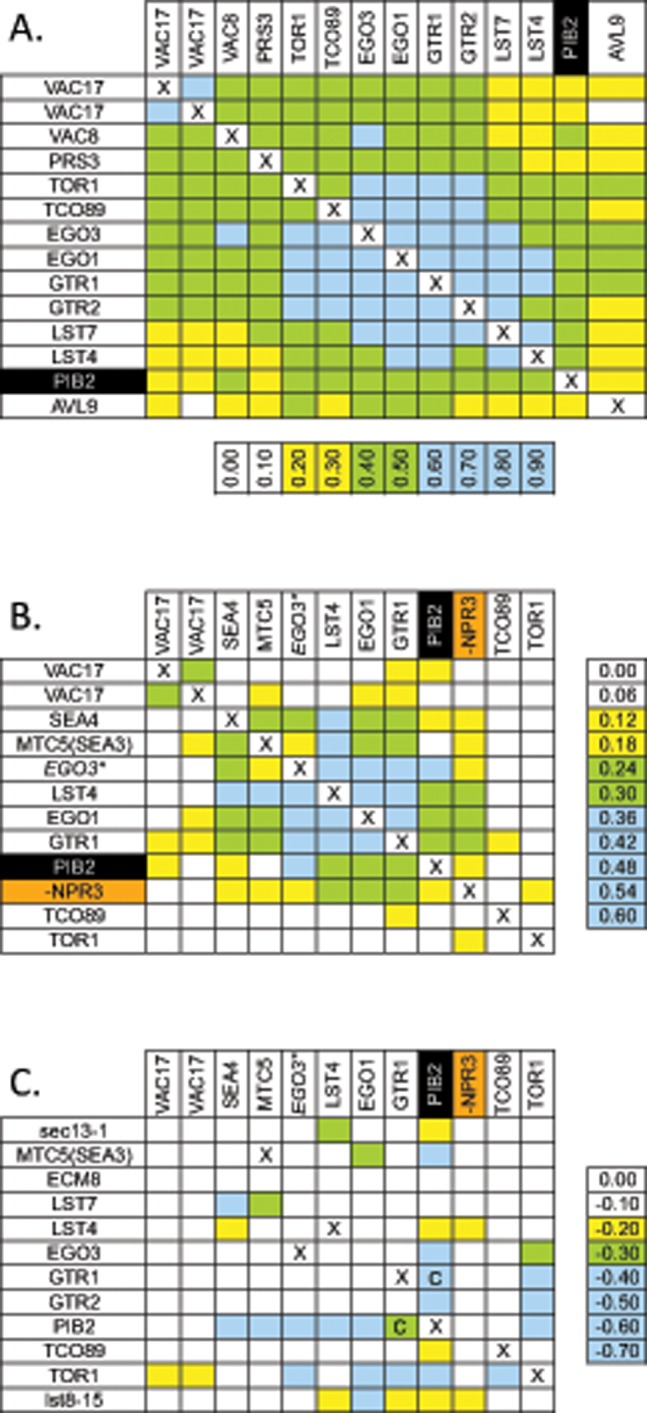
“, 2014) and genetic interactions (Costanzo et al., 2010) were subjected to hierarchical clustering (see Materials and Methods), and the clusters containing pib2∆ mutants were visualized by calculating Pearson correlation coefficients between gene profiles (A and B).”
BackgroundMethodInfluentialLysosomal membrane permeabilization in cell death
Boya, P., & Kroemer, G. (2008) · Oncogene · doi:10.1038/onc.2008.310 · Cited by 1,426
SMART: a web-based tool for the study of genetically mobile domains
Schultz, J. (2000) · Nucleic Acids Research · doi:10.1093/nar/28.1.231 · Cited by 1,378
Cited by
Nutrient sensing and TOR signaling in yeast and mammals
González, A., & Hall, M. N. (2017) · The EMBO Journal · doi:10.15252/embj.201696010 · Cited by 732
Rosenberg, A., Ene, I. V., Bibi, M., Zakin, S., Segal, E. S., Ziv, N., Dahan, A. M., Colombo, A. L., Bennett, R. J., & Berman, J. (2018) · Nature Communications · doi:10.1038/s41467-018-04926-x · Cited by 270
Glutamine and asparagine activate mTORC1 independently of Rag GTPases
Meng, D., Yang, Q., Wang, H., Melick, C. H., Navlani, R., Frank, A. R., & Jewell, J. L. (2020) · Journal of Biological Chemistry · doi:10.1074/jbc.ac119.011578 · Cited by 231
mTOR signaling in stem and progenitor cells
Meng, D., Frank, A. R., & Jewell, J. L. (2018) · Development · doi:10.1242/dev.152595 · Cited by 193
Functional Metabolomics Describes the Yeast Biosynthetic Regulome
Mülleder, M., Calvani, E., Alam, M. T., Wang, R. K., Eckerstorfer, F., Zelezniak, A., & Ralser, M. (2016) · Cell · doi:10.1016/j.cell.2016.09.007 · Cited by 178
Functional mapping of yeast genomes by saturated transposition
Michel, A. H., Hatakeyama, R., Kimmig, P., Arter, M., Peter, M., Matos, J., De Virgilio, C., & Kornmann, B. (2017) · eLife · doi:10.7554/elife.23570 · Cited by 155
Spatially Distinct Pools of TORC1 Balance Protein Homeostasis
Hatakeyama, R., Péli-Gulli, M.-P., Hu, Z., Jaquenoud, M., Garcia Osuna, G. M., Sardu, A., Dengjel, J., & De Virgilio, C. (2019) · Molecular Cell · doi:10.1016/j.molcel.2018.10.040 · Cited by 124
Hao, F., Kondo, K., Itoh, T., Ikari, S., Nada, S., Okada, M., & Noda, T. (2018) · Journal of Cell Science · doi:10.1242/jcs.208017 · Cited by 91
“The localization of lysosomes is dramatically altered from the perinuculear region to the cell peripherally in response to nutrient availability at least in some cell lines (Hong et al., 2017; Kim and Cunningham, 2015; Korolchuk et al., 2011; Li et al., 2016).”
BackgroundLysosomal Stress Response (LSR): Physiological Importance and Pathological Relevance
Lakpa, K. L., Khan, N., Afghah, Z., Chen, X., & Geiger, J. D. (2021) · Journal of Neuroimmune Pharmacology · doi:10.1007/s11481-021-09990-7 · Cited by 88
The Architecture of the Rag GTPase Signaling Network
Nicastro, R., Sardu, A., Panchaud, N., & De Virgilio, C. (2017) · Biomolecules · doi:10.3390/biom7030048 · Cited by 76
Deprez, M.-A., Eskes, E., Winderickx, J., & Wilms, T. (2018) · FEMS Yeast Research · doi:10.1093/femsyr/foy048 · Cited by 73
Tanigawa, M., & Maeda, T. (2017) · Molecular and Cellular Biology · doi:10.1128/mcb.00075-17 · Cited by 68
Snf1/AMPK fine-tunes TORC1 signaling in response to glucose starvation
Caligaris, M., Nicastro, R., Hu, Z., Tripodi, F., Hummel, J. E., Pillet, B., Deprez, M.-A., Winderickx, J., Rospert, S., Coccetti, P., et al. (2023) · eLife · doi:10.7554/elife.84319 · Cited by 67
Deprez, M.-A., Eskes, E., Wilms, T., Ludovico, P., & Winderickx, J. (2018) · Microbial Cell · doi:10.15698/mic2018.03.618 · Cited by 65
Nutrient and Stress Sensing in Pathogenic Yeasts
Rutherford, J. C., Bahn, Y., van den Berg, B., Heitman, J., & Xue, C. (2019) · Frontiers in Microbiology · doi:10.3389/fmicb.2019.00442 · Cited by 64
Ukai, H., Araki, Y., Kira, S., Oikawa, Y., May, A. I., & Noda, T. (2018) · PLOS Genetics · doi:10.1371/journal.pgen.1007334 · Cited by 62
Gale, A. N., Sakhawala, R. M., Levitan, A., Sharan, R., Berman, J., Timp, W., & Cunningham, K. W. (2020) · G3 Genes|Genomes|Genetics · doi:10.1534/g3.120.401595 · Cited by 56
Self-citationThe Regulatory Role of Key Metabolites in the Control of Cell Signaling
Milanesi, R., Coccetti, P., & Tripodi, F. (2020) · Biomolecules · doi:10.3390/biom10060862 · Cited by 55
TORC1 Determines Fab1 Lipid Kinase Function at Signaling Endosomes and Vacuoles
Chen, Z., Malia, P. C., Hatakeyama, R., Nicastro, R., Hu, Z., Péli-Gulli, M.-P., Gao, J., Nishimura, T., Eskes, E., Stefan, C. J., et al. (2021) · Current Biology · doi:10.1016/j.cub.2020.10.026 · Cited by 55
Pib2 and the EGO complex are both required for activation of TORC1
Varlakhanova, N. V., Mihalevic, M. J., Bernstein, K. A., & Ford, M. G. J. (2017) · Journal of Cell Science · doi:10.1242/jcs.207910 · Cited by 51
Reinheckel, T., & Tholen, M. (2022) · FEBS Open Bio · doi:10.1002/2211-5463.13385 · Cited by 49
Conserved and Divergent Mechanisms That Control TORC1 in Yeasts and Mammals
Morozumi, Y., & Shiozaki, K. (2021) · Genes · doi:10.3390/genes12010088 · Cited by 47
Saliba, E., Evangelinos, M., Gournas, C., Corrillon, F., Georis, I., & André, B. (2018) · eLife · doi:10.7554/elife.31981 · Cited by 47
A glutamine sensor that directly activates TORC1
Tanigawa, M., Yamamoto, K., Nagatoishi, S., Nagata, K., Noshiro, D., Noda, N. N., Tsumoto, K., & Maeda, T. (2021) · Communications Biology · doi:10.1038/s42003-021-02625-w · Cited by 39
Amino acid and small GTPase regulation of mTORC1
Nguyen, T. P., Frank, A. R., & Jewell, J. L. (2017) · Cellular Logistics · doi:10.1080/21592799.2017.1378794 · Cited by 38
Lin, J., Xu, C.-Y., Wu, X.-M., Che, L., Li, T.-Y., Mo, S.-M., Guo, D.-B., Lin, Z., & Lin, Y. (2023) · Chemosphere · doi:10.1016/j.chemosphere.2023.138071 · Cited by 38
Programmed Cell Death in Unicellular Versus Multicellular Organisms
Kulkarni, M., & Hardwick, J. M. (2023) · Annual Review of Genetics · doi:10.1146/annurev-genet-033123-095833 · Cited by 36
Do Fungi Undergo Apoptosis-Like Programmed Cell Death?
Hardwick, J. M. (2018) · mBio · doi:10.1128/mbio.00948-18 · Cited by 34
Pib2 as an Emerging Master Regulator of Yeast TORC1
Hatakeyama, R. (2021) · Biomolecules · doi:10.3390/biom11101489 · Cited by 31
Vacuole-mediated selective regulation of TORC1-Sch9 signaling following oxidative stress
Takeda, E., Jin, N., Itakura, E., Kira, S., Kamada, Y., Weisman, L. S., Noda, T., & Matsuura, A. (2017) · Molecular Biology of the Cell · doi:10.1091/mbc.e17-09-0553 · Cited by 31
Multilayered regulation of TORC1-body formation in budding yeast
Sullivan, A. P., Wallace, R. L., Wellington, R., Luo, X., & Capaldi, A. P. (2018) · Molecular Biology of the Cell · doi:10.1091/mbc.e18-05-0297 · Cited by 28
Pib2-Dependent Feedback Control of the TORC1 Signaling Network by the Npr1 Kinase
Brito, A. S., Diaz, S. S., Vooren, P. V., Godard, P., Marini, A. M., & Boeckstaens, M. (2019) · iScience · doi:10.1016/j.isci.2019.09.025 · Cited by 27
Stolp, Z. D., Kulkarni, M., Liu, Y., Zhu, C., Jalisi, A., Lin, S., Casadevall, A., Cunningham, K. W., Pineda, F. J., Teng, X., et al. (2022) · Cell Reports · doi:10.1016/j.celrep.2022.110647 · Cited by 28
Self-citationWhi2: a new player in amino acid sensing
Teng, X., & Hardwick, J. M. (2019) · Current Genetics · doi:10.1007/s00294-018-00929-9 · Cited by 25
Snyder, N. A., Kim, A., Kester, L., Gale, A. N., Studer, C., Hoepfner, D., Roggo, S. P., Helliwell, S. B., & Cunningham, K. W. (2019) · G3 Genes Genomes Genetics · doi:10.1534/g3.118.200748 · Cited by 23
Self-citationThe TORC1 signaling pathway regulates respiration-induced mitophagy in yeast
Liu, Y., & Okamoto, K. (2018) · Biochemical and Biophysical Research Communications · doi:10.1016/j.bbrc.2018.05.123 · Cited by 23
Kessi‐Pérez, E. I., Salinas, F., Molinet, J., González, A., Muñiz‐Calvo, S., Guillamón, J. M., Hall, M. N., Larrondo, L. F., & Martínez, C. (2018) · Yeast · doi:10.1002/yea.3351 · Cited by 23
Calcineurin-dependent contributions to fitness in the opportunistic pathogen Candida glabrata
Pavesic, M. W., Gale, A. N., Nickels, T. J., Harrington, A. A., Bussey, M., & Cunningham, K. W. (2024) · mSphere · doi:10.1128/msphere.00554-23 · Cited by 22
Self-citationTarget of rapamycin signaling mediates vacuolar fragmentation
Stauffer, B., & Powers, T. (2016) · Current Genetics · doi:10.1007/s00294-016-0616-0 · Cited by 21
Pib2 is a cysteine sensor involved in TORC1 activation in Saccharomyces cerevisiae
Zeng, Q., Araki, Y., & Noda, T. (2023) · Cell Reports · doi:10.1016/j.celrep.2023.113599 · Cited by 20
KAE1 Allelic Variants Affect TORC1 Activation and Fermentation Kinetics in Saccharomyces cerevisiae
Kessi‐Pérez, E. I., Salinas, F., González, A., Su, Y., Guillamón, J. M., Hall, M. N., Larrondo, L. F., & Martínez, C. (2019) · Frontiers in Microbiology · doi:10.3389/fmicb.2019.01686 · Cited by 20
Ahmed, K., Carter, D. E., & Lajoie, P. (2019) · FEBS Letters · doi:10.1002/1873-3468.13463 · Cited by 19
Ait1 regulates TORC1 signaling and localization in budding yeast
Wallace, R. L., Lu, E., Luo, X., & Capaldi, A. P. (2022) · eLife · doi:10.7554/elife.68773 · Cited by 18
Enhancing lifespan of budding yeast by pharmacological lowering of amino acid pools
Hepowit, N. L., Macêdo, J. K. A., Young, L. E. A., Liu, K., Sun, R. C., MacGurn, J. A., & Dickson, R. C. (2021) · Aging · doi:10.18632/aging.202849 · Cited by 19
Liu, Y., Wang, R., Liu, J., Fan, M., Ye, Z., Hao, Y., Xie, F., Wang, T., Jiang, Y., Liu, N., et al. (2024) · Nature Communications · doi:10.1038/s41467-024-48525-5 · Cited by 16
“Previous studies have shown that the TOR pathway senses multiple nutritional signals, whose activation reliesoncomplex regulatory networks,suchastheEGOcomplex, PIB2, and phosphatidylinositol 3-phosphate (PI(3)P) pathways 41,52,53 .”
BackgroundKira, S., Noguchi, M., Araki, Y., Oikawa, Y., Yoshimori, T., Miyahara, A., & Noda, T. (2021) · Journal of Cell Science · doi:10.1242/jcs.253682 · Cited by 16
Feedback regulation of TORC1 by its downstream effectors Npr1 and Par32
Varlakhanova, N. V., Tornabene, B. A., & Ford, M. G. J. (2018) · Molecular Biology of the Cell · doi:10.1091/mbc.e18-03-0158 · Cited by 14
TORC1 autonomously controls its spatial partitioning via the Rag GTPase tether Tco89
Nicastro, R., Gulli, M., Caligaris, M., Jaquenoud, M., Dokládal, L., Alba, J., Tripodi, F., Pillet, B., Brunner, M., Stumpe, M., et al. (2025) · Cell Reports · doi:10.1016/j.celrep.2025.115683 · Cited by 12
Amino acid homeostatic control by TORC1 in Saccharomyces cerevisiae under high hydrostatic pressure
Uemura, S., Mochizuki, T., Amemiya, K., Kurosaka, G., Yazawa, M., Nakamoto, K., Ishikawa, Y., Izawa, S., & Abe, F. (2020) · Journal of Cell Science · doi:10.1242/jcs.245555 · Cited by 11
Conserved Pib2 regions have distinct roles in TORC1 regulation at the vacuole
Troutman, K. K., Varlakhanova, N. V., Tornabene, B. A., Ramachandran, R., & Ford, M. G. J. (2022) · Journal of Cell Science · doi:10.1242/jcs.259994 · Cited by 10
FYVE1/FREE1 is involved in glutamine-responsive TORC1 activation in plants
Tanigawa, M., Maeda, T., & Isono, E. (2024) · iScience · doi:10.1016/j.isci.2024.110814 · Cited by 8
Phafins Are More Than Phosphoinositide-Binding Proteins
Tang, T., Hasan, M., & Capelluto, D. G. S. (2023) · International Journal of Molecular Sciences · doi:10.3390/ijms24098096 · Cited by 8
The Shigella Spp. Type III Effector Protein OspB Is a Cysteine Protease
Wood, T. E., Westervelt, K. A., Yoon, J. M., Eshleman, H. D., Levy, R., Burnes, H., Slade, D. J., Lesser, C. F., & Goldberg, M. B. (2022) · mBio · doi:10.1128/mbio.01270-22 · Cited by 8
EGO complex at 20: The Rag GTPase-TORC1 nutrient-sensing blueprint
VIRGILIO, C. D. (2026) · Molecular Cell · doi:10.1016/j.molcel.2025.12.018 · Cited by 8
Moulton, M. J., Atala, K. N., Zheng, Y., Dutta, D., Grange, D. K., Lin, W., Wegner, D., Wambach, J., Duker, A. L., Bober, M. B., et al. (2024) · Genetics in Medicine · doi:10.1016/j.gim.2024.101174 · Cited by 5
The molecular logic of Gtr1/2- and Pib2-dependent TORC1 regulation in budding yeast
Cecil, J. H., Padilla, C. M., Lipinski, A. A., Langlais, P. R., Luo, X., & Capaldi, A. P. (2025) · eLife · doi:10.7554/elife.94628.2 · Cited by 5
The molecular logic of Gtr1/2- and Pib2-dependent TORC1 regulation in budding yeastPreprint
Cecil, J. H., Padilla, C. M., Lipinski, A. A., Langlais, P. R., Luo, X., & Capaldi, A. P. (2025) · eLife · doi:10.7554/elife.94628 · Cited by 4
The role of Phafin proteins in cell signaling pathways and diseases
Tang, T., Sun, J., & Li, C. (2024) · Open Life Sciences · doi:10.1515/biol-2022-0896 · Cited by 2
Padilla, C. M., Lim, J., Lipinski, A. A., Langlais, P. R., & Capaldi, A. P. (2025) · Nature Communications · doi:10.1038/s41467-025-66907-1 · Cited by 3
The Molecular Logic of Gtr1/2 and Pib2 Dependent TORC1 Regulation in Budding YeastPreprint
Cecil, J. H., Padilla, C. M., Lipinski, A. A., Langlais, P. R., Luo, X., & Capaldi, A. P. (2024) · eLife · doi:10.7554/elife.94628.1 · Cited by 2
Author response: Snf1/AMPK fine-tunes TORC1 signaling in response to glucose starvation
Caligaris, M., Nicastro, R., Hu, Z., Tripodi, F., Hummel, J. E., Pillet, B., Deprez, M.-A., Winderickx, J., Rospert, S., Coccetti, P., et al. (2023) · eLife · doi:10.7554/elife.84319.sa2 · Cited by 2
Morozumi, Y., Hayashi, Y., Chu, C. M., Sofyantoro, F., Akikusa, Y., Fukuda, T., & Shiozaki, K. (2024) · FEBS Letters · doi:10.1002/1873-3468.14980 · Cited by 1
Establishment of single-cell readouts for the study of TORC1 signaling dynamics in budding yeast
Vuillemenot, L.-A. (2024) · University of Groningen research database (University of Groningen / Centre for Information Technology) · doi:10.33612/diss.1085533225 · Cited by 1
Novel metabolic regulations exerted by LKB1 signaling in polarized cells : impact on tissue ontogeny
Radu, A. G. (2018) · theses.fr (ABES) · doi:10.70675/4857176dz0993z4049z97c4zf8092fcf1e2e · Cited by 1
Kong, E., Deng, M., Ding, R., Yang, M., Li, Y., Feng, X., Song, H., Wei, H., Jiang, X., Yuan, H., et al. (2026) · Journal of Neuroinflammation · doi:10.1186/s12974-026-03856-6 · Cited by 1
Guerra, P. (2022) · University of Groningen research database (University of Groningen / Centre for Information Technology) · doi:10.33612/diss.217083871
Author response: The Molecular Logic of Gtr1/2 and Pib2 Dependent TORC1 Regulation in Budding Yeast
Cecil, J. H., Padilla, C. M., Lipinski, A. A., Langlais, P. R., Luo, X., & Capaldi, A. P. (2024) · eLife · doi:10.7554/elife.94628.1.sa4
Molecular Logic of TORC1 through the EGO-Complex and Pib2
Cecil, J. H., & Cecil, J. H. (2023) · UA Campus Repository (The University of Arizona)
Contrôle redox de la sécrétion protéique chez Saccharomyces cerevisiae
Ponsero, A. J. (2016) · theses.fr (ABES) · doi:10.70675/138cf57fz0cd4z4578z8f54z7e7eae81c167
Hasan, M. (2024) · VTechWorks (Virginia Tech)
Dereppe, C., Troch, C., Saliba, E., & André, B. (2026) · Scientific Reports · doi:10.1038/s41598-025-34647-3
Non-canonical functions of leucyl-tRNA synthetase: Mechanism of cell growth and skeletal myogenesis
Son, K. (2019) · Illinois Digital Environment for Access to Learning and Scholarship (University of Illinois at Urbana-Champaign)
Deprez, M.-A. (2021) · Lirias (KU Leuven)
進化的に保存されたGATOR1複合体によるTORシグナル経路制御のメカニズムと細胞機能の遺伝学的解析
松田, 崇. (2017) · Institutional Repositories DataBase (IRDB) · doi:10.34413/dr.01427
Metadata
- Authors
- Kim, A., & Cunningham, K. W.
- Affiliations
- Johns Hopkins University (US)
- Corresponding author
- Cunningham, Kyle W.
- Venue
- Molecular Biology of the Cell
- Published
- 2015-12-15
- Volume
- 26
- Issue
- 25
- Pages
- 4631-4645
- ISSN
- 1059-1524 (ISSN-L)
- 1939-4586
- PMC
- PMC4678020
- OpenAlex
- W2289705132
- Cited by
- 67
- References
- 70
- Citations by year
- 2026: 3 · 2025: 3 · 2024: 9 · 2023: 5 · 2022: 6 · 2021: 8 · 2020: 5 · 2019: 6 · 2018: 12 · 2017: 8 · 2016: 2
- FWCI
- 3.18
- Type
- journal article
- Language
- en
- Open access
- green
- www.ncbi.nlm.nih.gov
- Licence
- cc-by-nc-sa
- Locations
- Molecular Biology of the Cell (publishedVersion)
- PubMed Central (publishedVersion, cc-by-nc-sa)
- PubMed (publishedVersion)
- Funders
- Yale University
- Brown University
- Massachusetts Institute of Technology
- Johns Hopkins University
- University of Toronto
- Université de Fribourg
- Université de Genève
- National Institutes of Health
- National Institute of General Medical Sciences (T32GM007231)
- National Institute of Allergy and Infectious Diseases (R21AI115016)
- Topics
- Life Sciences › Biochemistry, Genetics and Molecular Biology › Molecular Biology › Fungal and yeast genetics research
- Life Sciences › Biochemistry, Genetics and Molecular Biology › Cell Biology › Autophagy in Disease and Therapy
- Life Sciences › Biochemistry, Genetics and Molecular Biology › Cell Biology › Cellular transport and secretion
- Keywords
- lysosomal membrane permeabilization, TORC1, endoplasmic reticulum stress, phosphatidylinositol 3-phosphate, FYVE domain, calcineurin, GTR1, non-apoptotic cell death, Candida albicans, fluconazole, antifungal resistance, synthetic lethality, Saccharomyces cerevisiae
- MeSH terms
- Mechanistic Target of Rapamycin Complex 1, Animals, Cell Membrane Permeability, Lysosomes, Mammals, Saccharomyces cerevisiae, Vacuoles, Apoptosis, Phosphatidylinositol Phosphates, Saccharomyces cerevisiae Proteins, Multiprotein Complexes, Apoptosis Regulatory Proteins, TOR Serine-Threonine Kinases, Endoplasmic Reticulum Stress
About these checks
Registry, retraction, Cites and statistics results are computed, not judged, with one exception: a printed reference that no index lists is read once by a model before it counts as a citation error. Claims are extracted by a model and kept only when their quote appears verbatim in the text; each cited source is then checked, with a model’s help, for whether it says what the claim relies on. Those verdicts can be wrong — read the claim’s quote and the cited source before relying on one.
Statistics and arithmetic are recomputed, not judged.
Confidence bands are shown only for fields calibrated on our annotated test set. None is calibrated yet, so no band is shown.
What counts as a claim ›How we measure confidence ›How we check this ›
Are you an author, or do you see a problem with this page? Request a review
Data sources
Bibliographic data: Semantic Scholar, OpenAlex, Crossref.
Contains information from the Semantic Scholar Academic Graph Datasets, made available under the ODC Attribution License (ODC-BY 1.0).
Semantic Scholar’s data is described in: Kinney, R., et al. (2023). The Semantic Scholar Open Data Platform. arXiv:2301.10140.
