

CBT-based Online Self-help Training to Reduce Fear and Distress After Cancer (CAREST Randomized Trial): 24 Months Follow-up Using Latent Growth Models and Latent Class Analysis
Open accessThe DOI matches its Crossref record; 62 of the 62 references it cites were found in a registry or an index.
Abstract
Background: Psychological distress (PD) and fear of cancer recurrence (FCR) are common consequences of surviving cancer. Online self-help training could help many cancer survivors deal with PD and FCR at low costs. Purpose: To evaluate the long-term effectiveness of the CAncer REcurrence Self-help Training (CAREST trial) to reduce PD and FCR. Moreover, to evaluate the relation between FCR and PD across time and identify subgroups representing different change trajectories in FCR over time and their predictors. Methods: This multicenter randomized controlled trial included 262 female breast cancer survivors, assigned to online self-help training or care as usual. Participants completed questionnaires at baseline and four times during the 24-month follow-up. The primary outcomes were PD and FCR (Fear of Cancer Recurrence Inventory). Latent growth curve modeling (LGCM) and repeated measures latent class analysis (RMLCA) were performed, both according to the intention-to-treat principle. Results: LGCM showed no differences between the average latent slope in both groups for both PD and FCR. The correlation between FCR and PD at baseline was moderate for the intervention group and strong for the CAU group and did not significantly decrease over time in both groups. RMLCA revealed five latent classes and several predictors of class membership. Conclusions: We did not find a long-term effect of the CBT-based online self-help training in reducing PD or FCR, nor in their relation. Therefore, we recommend adding professional support to online interventions for FCR. Information about FCR classes and predictors may contribute to improvement of FCR interventions.
Overview
The claims and statistics of this paper haven’t been checked yet.
Free: it reads the open-access text and checks the first 5 claims that cite a source we can check. Create a free account to check every claim.
Integrity signals
Registry
Cites
Statistics
Figures
Verification
Claims the paper makes
The claims and statistics of this paper haven’t been checked yet.
Free: it reads the open-access text and checks the first 5 claims that cite a source we can check. Create a free account to check every claim.
Claims other papers make about this one
Each is checked against this paper’s own text: does it say what the citing paper says it does?
The cited source says what the claim attributes to it.
In the citing paper
“CAREST trial demonstrated no effect of CBT‐based online self‐help training to reduce FCR in breast cancer survivors compared with CAU (after 3 and 9 months) [40] and two years on [66].”
Self-check
Percentages, sums and reported differences re-computed from the paper’s own numbers.
The self-check needs the paper’s full text.
Citations
Cites
R: A Language and Environment for Statistical Computing
R Core Team (2025) · doi:10.32614/r.manuals · Cited by 352,181
lavaan : An R Package for Structural Equation Modeling
Rosseel, Y. (2012) · Journal of Statistical Software · doi:10.18637/jss.v048.i02 · Cited by 27,955
A Simple Sequentially Rejective Multiple Test Procedure
(1979) · Scandinavian Journal of Statistics · doi:10.2307/4615733 · Cited by 21,526 · cited 1×
“Since we assessed multiple predictors, we adjusted the significance level using the Bonferroni–Holm correction [43].”
MethodCONSORT 2010 Statement: updated guidelines for reporting parallel group randomised trials
the CONSORT Group, Schulz, K. F., Altman, D. G., & Moher, D. (2010) · BMC Medicine · doi:10.1186/1741-7015-8-18 · Cited by 13,371
Power analysis and determination of sample size for covariance structure modeling.
MacCallum, R. C., Browne, M. W., & Sugawara, H. M. (1996) · Psychological Methods · doi:10.1037/1082-989x.1.2.130 · Cited by 10,418
A test of missing completely at random for multivariate data with missing values
Little, R. J. A. (1988) · Journal of the American Statistical Association · doi:10.1080/01621459.1988.10478722 · Cited by 8,963
Internet-based cognitive behaviour therapy for symptoms of depression and anxiety: A meta-analysis
SPEK, V., CUIJPERS, P., NYKLÍČEK, I., RIPER, H., KEYZER, J., & POP, V. (2007) · Psychological Medicine · doi:10.1017/s0033291706008944 · Cited by 1,586
Andrews, G., Cuijpers, P., Craske, M. G., McEvoy, P., & Titov, N. (2010) · PLoS ONE · doi:10.1371/journal.pone.0013196 · Cited by 1,311 · cited 2×
“Online interventions are promising, because they are easily accessible, have low costs, offer convenience and greater privacy, and patients can work at their own pace [22, 23].”
BackgroundTwelve frequently asked questions about growth curve modeling
Curran, P. J., Obeidat, K., & Losardo, D. (2010) · Journal of Cognition and Development · doi:10.1080/15248371003699969 · Cited by 1,246 · cited 1×
“In general, for growth models a sample size of at least 100 is preferred [28].”
BackgroundFear of cancer recurrence in adult cancer survivors: a systematic review of quantitative studies
Simard, S., Thewes, B., Humphris, G., Dixon, M., Hayden, C., Mireskandari, S., & Ozakinci, G. (2013) · Journal of Cancer Survivorship · doi:10.1007/s11764-013-0272-z · Cited by 1,217 · cited 2×
“Given the burden of FCR and PD for cancer survivors, there is a need to develop (tailored) interventions to efficiently address FCR and also to reduce PD [11, 21].”
BackgroundDistress Management, Version 3.2019, NCCN Clinical Practice Guidelines in Oncology
Riba, M. B., Donovan, K. A., Andersen, B., Braun, I., Breitbart, W. S., Brewer, B. W., Buchmann, L. O., Clark, M. M., Collins, M., Corbett, C., et al. (2019) · Journal of the National Comprehensive Cancer Network · doi:10.6004/jnccn.2019.0048 · Cited by 871 · cited 1×
“Psychological distress (PD) is another common consequence of the diagnosis cancer and its treatment [7, 8].”
BackgroundOne in two cancer patients is significantly distressed: Prevalence and indicators of distress
Mehnert, A., Hartung, T. J., Friedrich, M., Vehling, S., Brähler, E., Härter, M., Keller, M., Schulz, H., Wegscheider, K., Weis, J., et al. (2018) · Psycho-Oncology · doi:10.1002/pon.4464 · Cited by 615
Simard, S., & Savard, J. (2009) · Supportive Care in Cancer · doi:10.1007/s00520-008-0444-y · Cited by 608 · cited 4×
“The primary outcomes FCR and PD were both assessed with the Dutch translation of the Fear of Cancer Recurrence Inventory (FCRI-NL) [30, 31].”
MethodInfluentialLebel, S., Ozakinci, G., Humphris, G., Mutsaers, B., Thewes, B., Prins, J., Dinkel, A., Butow, P., & on behalf of the University of Ottawa Fear of Cancer Recurrence Colloquium attendees (2016) · Supportive Care in Cancer · doi:10.1007/s00520-016-3272-5 · Cited by 586 · cited 1×
“FCR is defined as “fear, worry, or concern about cancer returning or progressing” [3] and ranges from healthy levels in the majority of breast cancer survivors to clinical levels in 17% of breast cancer [4, 5].”
BackgroundKoch, L., Jansen, L., Brenner, H., & Arndt, V. (2013) · Psycho-Oncology · doi:10.1002/pon.3022 · Cited by 511 · cited 2×
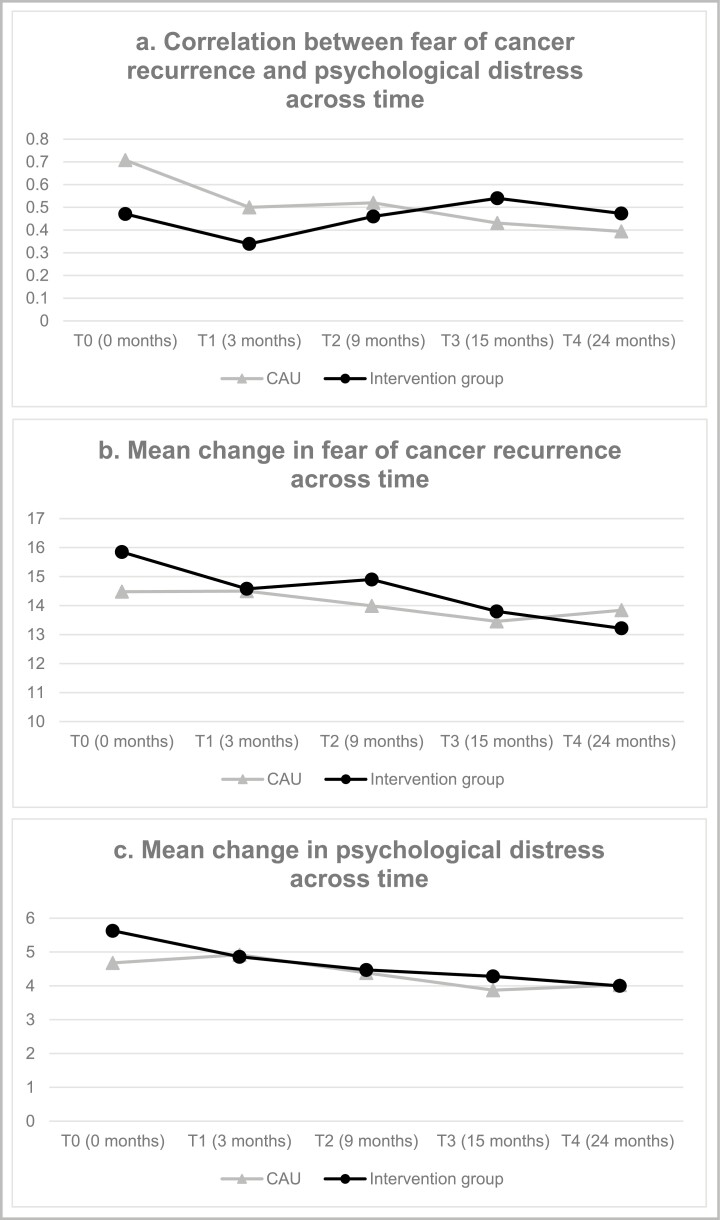
“Moreover, in line with previous research [1, 51, 52], our results showed no significant natural decrease of both FCR and PD over time (in both groups), which may indicate that FCR and PD are stable over time.”
BackgroundResultTechnical Guide for Latent GOLD 5.1: Basic, Advanced, and Syntax 1
Vermunt, J. K., & Magidson, J. (2016) · Cited by 508
Screening and comorbidity of clinical levels of fear of cancer recurrence
Simard, S., & Savard, J. (2015) · Journal of Cancer Survivorship · doi:10.1007/s11764-015-0424-4 · Cited by 329 · cited 1×
“A cutoff score of 13 or higher on the severity subscale is considered optimal for detecting the presence of clinically significant FCR [32].”
MethodCostanzo, E. S., Lutgendorf, S. K., Mattes, M. L., Trehan, S., Robinson, C. B., Tewfik, F., & Roman, S. L. (2007) · British Journal of Cancer · doi:10.1038/sj.bjc.6604091 · Cited by 297
Simonelli, L. E., Siegel, S. D., & Duffy, N. M. (2017) · Psycho-Oncology · doi:10.1002/pon.4168 · Cited by 292
Koch, L., Bertram, H., Eberle, A., Holleczek, B., Schmid-Höpfner, S., Waldmann, A., Zeissig, S. R., Brenner, H., & Arndt, V. (2014) · Psycho-Oncology · doi:10.1002/pon.3452 · Cited by 253 · cited 2×
“FCR is defined as “fear, worry, or concern about cancer returning or progressing” [3] and ranges from healthy levels in the majority of breast cancer survivors to clinical levels in 17% of breast cancer [4, 5].”
Backgroundthe FCR Study Advisory Committee, Thewes, B., Butow, P., Bell, M. L., Beith, J., Stuart-Harris, R., Grossi, M., Capp, A., & Dalley, D. (2012) · Supportive Care in Cancer · doi:10.1007/s00520-011-1371-x · Cited by 213
Does fear of cancer recurrence predict cancer survivors' health care use?
Lebel, S., Tomei, C., Feldstain, A., Beattie, S., & McCallum, M. (2013) · Supportive Care in Cancer · doi:10.1007/s00520-012-1685-3 · Cited by 211
van Deursen, A. J. A. M., van Dijk, J. A. G. M., & ten Klooster, P. M. (2015) · Telematics and Informatics · doi:10.1016/j.tele.2014.09.003 · Cited by 207
van den Berg, S. W., Gielissen, M. F. M., Custers, J. A. E., van der Graaf, W. T. A., Ottevanger, P. B., & Prins, J. B. (2015) · Journal of Clinical Oncology · doi:10.1200/jco.2013.54.9386 · Cited by 201
Fear of recurrence and psychological distress in head and neck cancer patients and their carers
Hodges, L. J., & Humphris, G. M. (2009) · Psycho-Oncology · doi:10.1002/pon.1346 · Cited by 199 · cited 2×
“The baseline correlations between FCR and PD that we found in this study, were in line with previous research [15, 53].”
MethodResultvan de Wal, M., Thewes, B., Gielissen, M., Speckens, A., & Prins, J. (2017) · Journal of Clinical Oncology · doi:10.1200/jco.2016.70.5301 · Cited by 195 · cited 1×
“The effect studies mentioned above, reported follow-up periods ranging from immediately after intervention to 12 months after baseline [44, 46, 47, 49, 50].”
Mausbach, B. T., Schwab, R. B., & Irwin, S. A. (2015) · Breast Cancer Research and Treatment · doi:10.1007/s10549-015-3471-7 · Cited by 164 · cited 1×
“Also, both serious PD and FCR are associated with nonadherence to cancer treatment or—screening [6, 16, 17] and higher healthcare use and costs [18–20].”
BackgroundLin, C., Clark, R., Tu, P., Bosworth, H. B., & Zullig, L. L. (2017) · Breast Cancer Research and Treatment · doi:10.1007/s10549-017-4317-2 · Cited by 160 · cited 1×
“Also, both serious PD and FCR are associated with nonadherence to cancer treatment or—screening [6, 16, 17] and higher healthcare use and costs [18–20].”
Trajectories of fear of cancer recurrence in young breast cancer survivors
Schapira, L., Zheng, Y., Gelber, S. I., Poorvu, P., Ruddy, K. J., Tamimi, R. M., Peppercorn, J., Come, S. E., Borges, V. F., Partridge, A. H., et al. (2022) · Cancer · doi:10.1002/cncr.33921 · Cited by 126
Predictors and patterns of fear of cancer recurrence in breast cancer survivors
McGinty, H. L., Small, B. J., Laronga, C., & Jacobsen, P. B. (2016) · Health Psychology · doi:10.1037/hea0000238 · Cited by 120
CHAMBERS, S. K., GIRGIS, A., OCCHIPINTI, S., HUTCHISON, S., TURNER, J., MORRIS, B., & DUNN, J. (2012) · European Journal of Cancer Care · doi:10.1111/j.1365-2354.2011.01288.x · Cited by 114
Predicting Fear of Breast Cancer Recurrence and Self-Efficacy in Survivors by Age at Diagnosis
Ziner, K. W., Sledge, G. W., Bell, C. J., Johns, S., Miller, K. D., & Champion, V. L. (2012) · Oncology Nursing Forum · doi:10.1188/12.onf.287-295 · Cited by 103 · cited 1×
“Given the burden of FCR and PD for cancer survivors, there is a need to develop (tailored) interventions to efficiently address FCR and also to reduce PD [11, 21].”
BackgroundLinden, W., & Girgis, A. (2012) · Psycho-Oncology · doi:10.1002/pon.2035 · Cited by 96
Online interventions for anxiety disorders
Christensen, H., Batterham, P., & Calear, A. (2014) · Current Opinion in Psychiatry · doi:10.1097/yco.0000000000000019 · Cited by 95 · cited 2×
“Online interventions are promising, because they are easily accessible, have low costs, offer convenience and greater privacy, and patients can work at their own pace [22, 23].”
BackgroundComparison of four common stressors across the breast cancer trajectory
Lebel, S., Rosberger, Z., Edgar, L., & Devins, G. M. (2007) · Journal of Psychosomatic Research · doi:10.1016/j.jpsychores.2007.02.002 · Cited by 92
Empirical validation of the English version of the Fear of Cancer Recurrence Inventory
Lebel, S., Simard, S., Harris, C., Feldstain, A., Beattie, S., McCallum, M., Lefebvre, M., Savard, J., & Devins, G. M. (2016) · Quality of Life Research · doi:10.1007/s11136-015-1088-2 · Cited by 90 · cited 1×
“The baseline correlations between FCR and PD that we found in this study, were in line with previous research [15, 53].”
ResultTrajectories of fear of recurrence in women with breast cancer
Dunn, L. B., Langford, D. J., Paul, S. M., Berman, M. B., Shumay, D. M., Kober, K., Merriman, J. D., West, C., Neuhaus, J. M., & Miaskowski, C. (2015) · Supportive Care in Cancer · doi:10.1007/s00520-014-2513-8 · Cited by 79
Han, X., Lin, C. C., Li, C., de Moor, J. S., Rodriguez, J. L., Kent, E. E., & Forsythe, L. P. (2014) · Cancer · doi:10.1002/cncr.29102 · Cited by 76
Chambers, S. K., Ritterband, L. M., Thorndike, F., Nielsen, L., Aitken, J. F., Clutton, S., Scuffham, P. A., Youl, P., Morris, B., Baade, P. D., et al. (2018) · Journal of Medical Internet Research · doi:10.2196/jmir.8850 · Cited by 74 · cited 2×
“One of the papers from the literature review did not find an interventioneffect in the primary analysis, but secondary per-protocol analysis restricted to patients who accessed at least half of the intervention resulted in a greater decrease in psychological and cancer specific distress compared to a control group [49…”
BackgroundResultEmotional distress impacts fear of the future among breast cancer survivors not the reverse
Lebel, S., Rosberger, Z., Edgar, L., & Devins, G. M. (2009) · Journal of Cancer Survivorship · doi:10.1007/s11764-009-0082-5 · Cited by 68 · cited 1×
“Otherwise, previous research also found that a reduction in PD may lead to a significant reduction in FCR [14, 15].”
MethodSensitivity Analysis When Data Are Missing Not-at-random
Resseguier, N., Giorgi, R., & Paoletti, X. (2011) · Epidemiology · doi:10.1097/ede.0b013e318209dec7 · Cited by 63
Vandraas, K. F., Reinertsen, K. V., Kiserud, C. E., & Lie, H. C. (2021) · Journal of Cancer Survivorship · doi:10.1007/s11764-020-00943-2 · Cited by 62 · cited 1×
“Moreover, in line with previous research [1, 51, 52], our results showed no significant natural decrease of both FCR and PD over time (in both groups), which may indicate that FCR and PD are stable over time.”
ResultSéguin Leclair, C., Lebel, S., & Westmaas, J. L. (2019) · Health Psychology · doi:10.1037/hea0000754 · Cited by 61 · cited 2×
“From the studies about FCR classes and trajectories in FCR, only two reported follow-up periods above 24 months: 5 years (a prospective cohort of women diagnosed with breast cancer at age ≤40 years) and 9 years (a national prospective longitudinal study from the American Cancer Society’s Study of Cancer Survivors-I) […”
Backgroundvan Helmondt, S. J., van der Lee, M. L., van Woezik, R. A. M., Lodder, P., & de Vries, J. (2020) · Psycho-Oncology · doi:10.1002/pon.5233 · Cited by 58
Self-citationUgalde, A., Haynes, K., Boltong, A., White, V., Krishnasamy, M., Schofield, P., Aranda, S., & Livingston, P. (2017) · Patient Education and Counseling · doi:10.1016/j.pec.2016.12.009 · Cited by 53 · cited 2×
“The effect studies mentioned above, reported follow-up periods ranging from immediately after intervention to 12 months after baseline [44, 46, 47, 49, 50].”
BackgroundResultWillems, R. A., Bolman, C. A. W., Lechner, L., Mesters, I., Gunn, K. M., Skrabal Ross, X., & Olver, I. (2020) · Current Opinion in Supportive & Palliative Care · doi:10.1097/spc.0000000000000483 · Cited by 41 · cited 4×
“They found partial support for reduction in PD, and limited evidence for reducing anxiety after online interventions [44].”
BackgroundMethodInfluentialBogaarts, M. P. J., Oudsten, B. L. D., Roukema, J. A., van Riel, J. M. G. H., Beerepoot, L. V., & Vries, J. D. (2010) · Supportive Care in Cancer · doi:10.1007/s00520-010-0968-9 · Cited by 35 · cited 1×
“Psychosocial problems and risk factors were assessed with the Psychosocial Distress Questionnaire-Breast Cancer (PDQ-BC), a 35-item multidimensional screening instrument specific for breast cancer patients [33].”
Wu, L. M., McGinty, H. L., Amidi, A., Bovbjerg, K., & Diefenbach, M. A. (2019) · Acta Oncologica · doi:10.1080/0284186x.2018.1563714 · Cited by 34
Shim, E., Jeong, D., Lee, S. B., & Min, Y. H. (2020) · Psycho-Oncology · doi:10.1002/pon.5497 · Cited by 34 · cited 1×
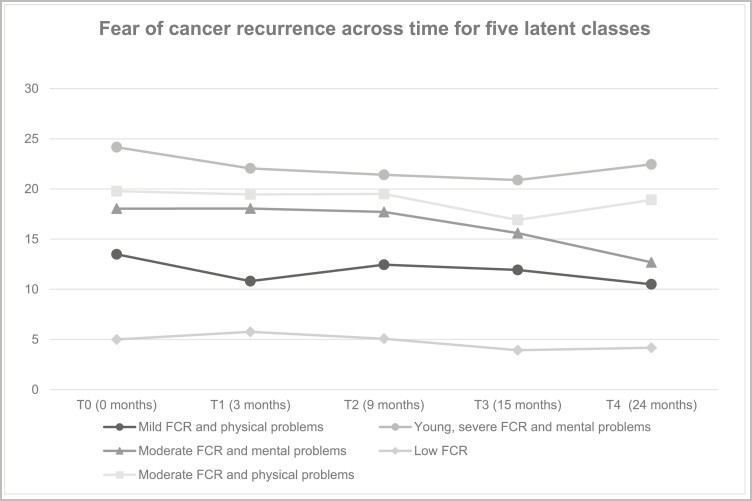
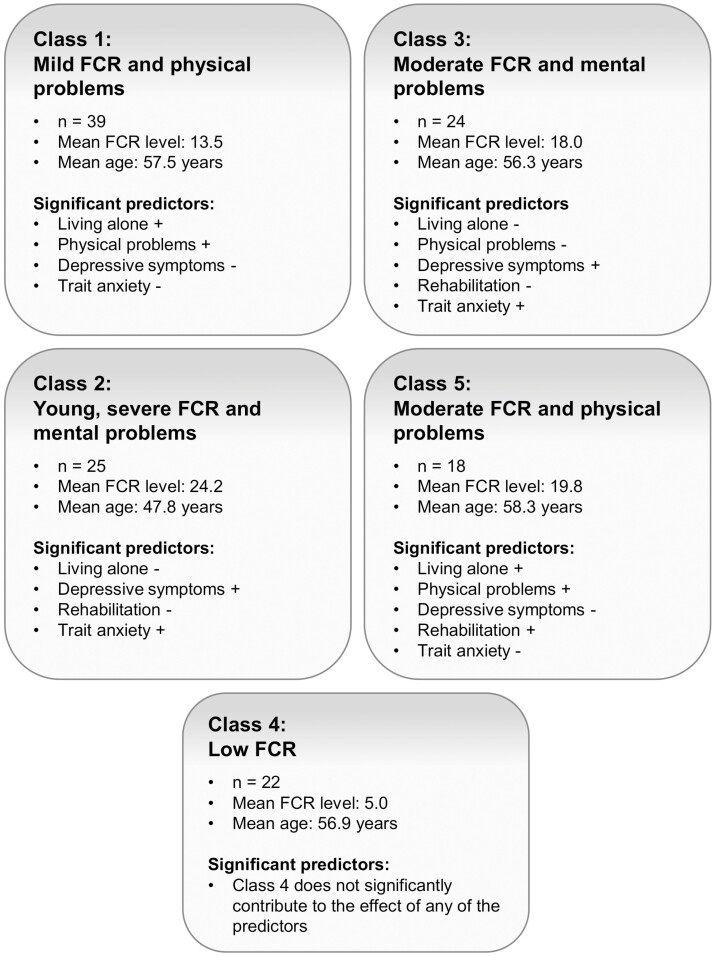
“Likewise, five studies have reported predictors for FCR trajectory classes, but there is so much variability in study design [55, 57, 58, 61, 62], that we cannot compare results.”
Backgroundvan Helmondt, S. J., van der Lee, M. L., & de Vries, J. (2016) · BMC Cancer · doi:10.1186/s12885-016-2562-0 · Cited by 33 · cited 15×
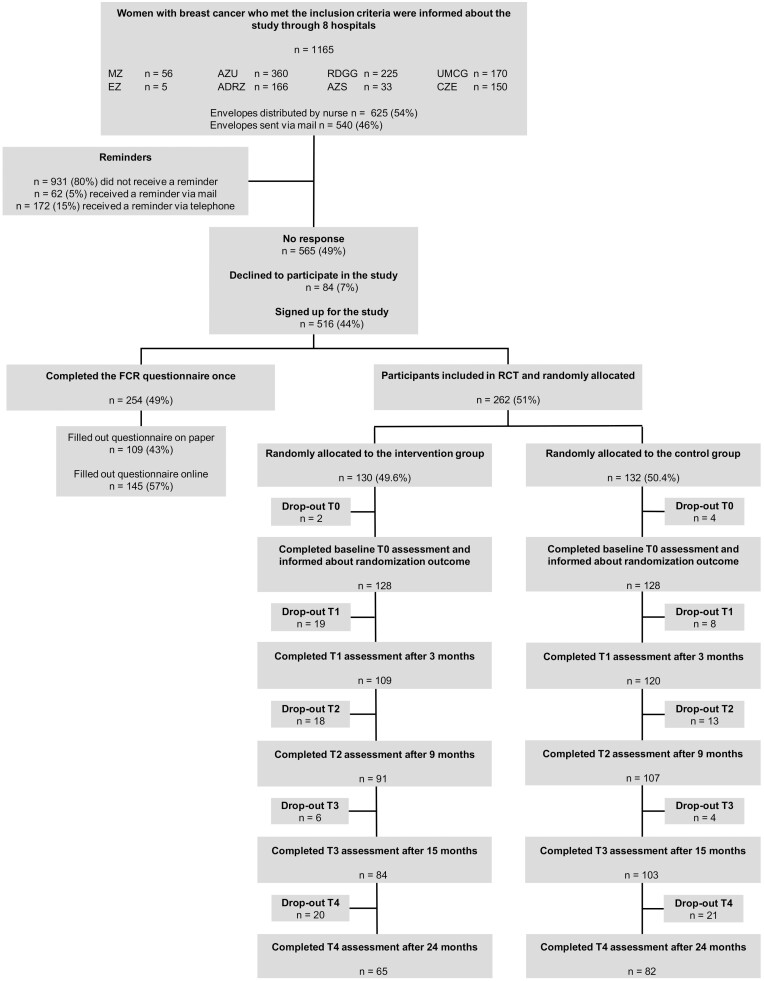
“Women were eligible to participate when they had a diagnosis of breast cancer 1–5 years ago, had no signs of local or regional recurrence or metastatic disease (according to their oncologist or oncology nurse), were capable of completing questionnaires in Dutch, were 18 years or older at disease onset, and had access…”
InfluentialYang, Y., Cameron, J., Bedi, C., & Humphris, G. M. (2018) · BMC Cancer · doi:10.1186/s12885-018-4908-2 · Cited by 33 · cited 1×
“Likewise, five studies have reported predictors for FCR trajectory classes, but there is so much variability in study design [55, 57, 58, 61, 62], that we cannot compare results.”
BackgroundCompen, F. R., Adang, E., Bisseling, E., van der Lee, M. L., & Speckens, A. E. M. (2018) · Psycho-Oncology · doi:10.1002/pon.4591 · Cited by 32
Custers, J. A. E., Kwakkenbos, L., van der Graaf, W. T. A., Prins, J. B., Gielissen, M. F. M., & Thewes, B. (2020) · Frontiers in Psychology · doi:10.3389/fpsyg.2020.580979 · Cited by 32 · cited 1×
“Likewise, five studies have reported predictors for FCR trajectory classes, but there is so much variability in study design [55, 57, 58, 61, 62], that we cannot compare results.”
Translation and validation of the Dutch version of the Fear of Cancer Recurrence Inventory (FCRI-NL)
van Helmondt, S. J., van der Lee, M. L., & de Vries, J. (2017) · Journal of Psychosomatic Research · doi:10.1016/j.jpsychores.2017.09.001 · Cited by 31 · cited 5×
“Both subscales demonstrated sufficient reliability and validity [31].”
InfluentialNg, D. W. L., Foo, C., Ng, S. S. M., Kwong, A., Suen, D., Chan, M., Or, A., Chun, O. K., Fielding, B. F. S., & Lam, W. W. T. (2020) · Psycho-Oncology · doi:10.1002/pon.5234 · Cited by 31
Measurement model choice influenced randomized controlled trial results
Gorter, R., Fox, J., Apeldoorn, A. T., & Twisk, J. W. R. (2016) · Journal of Clinical Epidemiology · doi:10.1016/j.jclinepi.2016.06.011 · Cited by 31 · cited 1×
“When analyzing RCT data consisting of repeated measurements of a psychological construct, a latent growth model outperforms a traditional observed score model because the latter does not take into account the measurement error in the questionnaire item scores and therefore tends to produce biased treatment effects [63…”
MethodCancer-Related Psychological Distress: A Concept Analysis
Gundelach, A. C., & Henry, B. (2016) · Clinical journal of oncology nursing · doi:10.1188/16.cjon.630-634 · Cited by 30
Heidkamp, P., Breidenbach, C., Hiltrop, K., Kowalski, C., Enders, A., Pfaff, H., Weltermann, B., Geiser, F., & Ernstmann, N. (2021) · Supportive Care in Cancer · doi:10.1007/s00520-021-06329-z · Cited by 21 · cited 1×
“long-term psychological consequences of surviving breast cancer [1, 2].”
BackgroundBogaarts, M. P. J., Oudsten, B. L. D., Roukema, J. A., van Riel, J. M. G. H., Beerepoot, L. V., & Vries, J. D. (2011) · Supportive Care in Cancer · doi:10.1007/s00520-011-1256-z · Cited by 11
Reliability and Validity of the Psychosocial Distress Questionnaire-Breast Cancer
Bogaarts, M. P. J., Oudsten, B. L. D., Roukema, J. A., van Riel, J. M. G. H., Beerepoot, L. V., & Vries, J. D. (2014) · Journal of Nursing Measurement · doi:10.1891/1061-3749.22.2.e14 · Cited by 6
Lee-Jones, C., Humphris, G., Dixon, R., & Bebbington Hatcher, M. (1997) · Psycho-Oncology · doi:10.1002/(sici)1099-1611(199706)6:2 · Cited by 1
Research works printed but not linked: 1
- IBM Corp. IBM SPSS Statistics for Windows, Version 23.0 Armonk, NY: IBM Corp. 2014.
Cited by
Yao, H., Xiong, M., Cheng, Y.-P., Zhang, Q., Luo, Y., Ding, X., & Zhang, C. (2024) · Frontiers in Psychology · doi:10.3389/fpsyg.2024.1411647 · Cited by 38
Li, Y., Zhang, Z., Ma, X., Zhang, X., & Li, S. (2023) · Frontiers in Psychology · doi:10.3389/fpsyg.2023.1241129 · Cited by 16
Savard, J., Filion, C., Brearty, C. M., Caplette‐Gingras, A., Chiquette, J., & Dorval, M. (2024) · Cancer Medicine · doi:10.1002/cam4.6889 · Cited by 11
“On the contrary, van Helmond et al. did not find any significant short-and long-term effect of a self-help training specifically targeting FCR. 27,28 However, positive results have been found when using a blended intervention, that is, a combination of online and face- to-face interventions.”
BackgroundLiu, W., Gao, F., Ma, N., Zhang, H., Chui, P. L., & Che, C. C. (2025) · Breast Cancer · doi:10.1007/s12282-025-01711-9 · Cited by 11
Zibaite, S., Tripathee, S., Moffat, H., Elsberger, B., & Maclennan, S. (2024) · PLOS ONE · doi:10.1371/journal.pone.0312769 · Cited by 5
Metadata
- Authors
- van Helmondt, S. J., Lodder, P., van Woezik, R., de Vries, J., & van der Lee, M. L.
- Affiliations
- Tilburg University (NL)
- Helen Dowling Instituut (NL)
- Department of Medical and Clinical Psychology, Tilburg University , PO Box 90153, 5000 LE Tilburg , The Netherlands
- Corresponding author
- van Helmondt, Sanne Jasperine
- ORCID
- Venue
- Annals of Behavioral Medicine
- Publisher
- Oxford University Press (OUP)
- Published
- 2023-04-20
- Volume
- 57
- Issue
- 9
- Pages
- 787-799
- ISSN
- 0742-5554 (ISSN-L)
- 0883-6612
- 1532-4796
- PMC
- PMC10441870
- OpenAlex
- W4366463794
- Cited by
- 10
- References
- 62
- Citations by year
- 2026: 2 · 2025: 3 · 2024: 3 · 2023: 2
- FWCI
- 1.22
- Type
- journal article
- Language
- en
- Open access
- hybrid
- doi.org
- Licence
- Locations
- Annals of Behavioral Medicine (publishedVersion, cc-by)
- PubMed Central (publishedVersion, cc-by)
- Research portal (Tilburg University) (publishedVersion, cc-by)
- PubMed (publishedVersion)
- Data Archiving and Networked Services (DANS) (submittedVersion, other-oa)
- Funders
- Pink Ribbon (2012.WO43.C158)
- Topics
- Health Sciences › Medicine › Oncology › Cancer survivorship and care
- Social Sciences › Psychology › Applied Psychology › Digital Mental Health Interventions
- Health Sciences › Medicine › Pediatrics, Perinatology and Child Health › Childhood Cancer Survivors' Quality of Life
- Keywords
- fear of cancer recurrence, psychological distress, breast cancer survivors, cognitive behavioral therapy, long-term effectiveness, change trajectories
- MeSH terms
- Latent Class Analysis, Breast Neoplasms, Fear, Female, Follow-Up Studies, Humans, Neoplasm Recurrence, Local
About these checks
Registry, retraction, Cites and statistics results are computed, not judged, with one exception: a printed reference that no index lists is read once by a model before it counts as a citation error. Claims are extracted by a model and kept only when their quote appears verbatim in the text; each cited source is then checked, with a model’s help, for whether it says what the claim relies on. Those verdicts can be wrong — read the claim’s quote and the cited source before relying on one.
Statistics and arithmetic are recomputed, not judged.
Confidence bands are shown only for fields calibrated on our annotated test set. None is calibrated yet, so no band is shown.
What counts as a claim ›How we measure confidence ›How we check this ›
Are you an author, or do you see a problem with this page? Request a review
Data sources
Bibliographic data: Semantic Scholar, OpenAlex, Crossref.
Contains information from the Semantic Scholar Academic Graph Datasets, made available under the ODC Attribution License (ODC-BY 1.0).
Semantic Scholar’s data is described in: Kinney, R., et al. (2023). The Semantic Scholar Open Data Platform. arXiv:2301.10140.
