

How countries can reduce child stunting at scale: lessons from exemplar countries
Open accessThe DOI matches its Crossref record; 39 of the 40 references it cites were found in a registry or an index.
Abstract
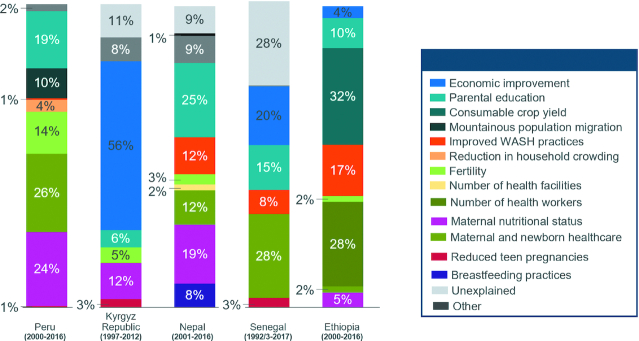
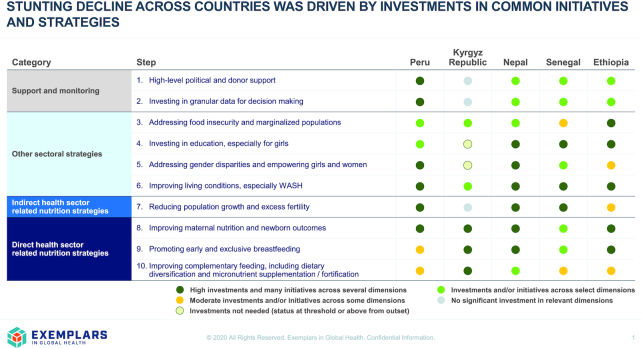
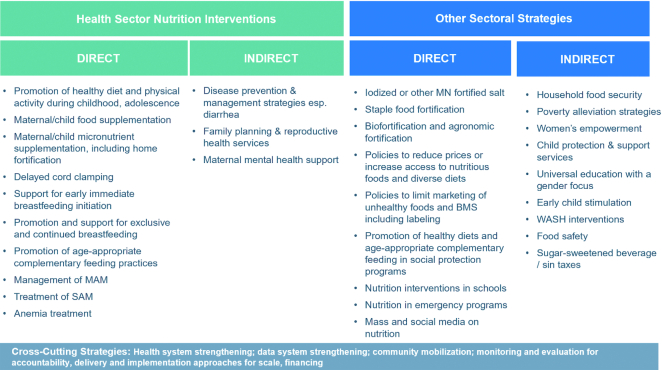
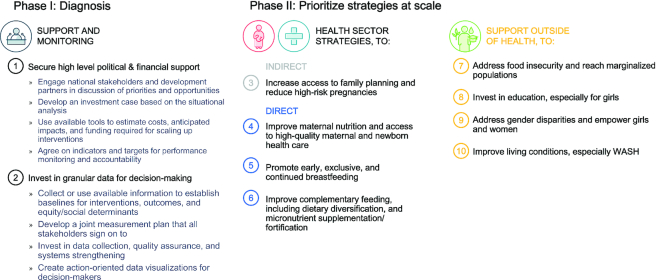
BACKGROUND: Child stunting and linear growth faltering have declined over the past few decades and several countries have made exemplary progress. OBJECTIVES: To synthesize findings from mixed methods studies of exemplar countries to provide guidance on how to accelerate reduction in child stunting. METHODS: We did a qualitative and quantitative synthesis of findings from existing literature and 5 exemplar country studies (Nepal, Ethiopia, Peru, Kyrgyz Republic, Senegal). Methodology included 4 broad research activities: 1) a series of descriptive analyses of cross-sectional data from demographic and health surveys and multiple indicator cluster surveys; 2) multivariable analysis of quantitative drivers of change in linear growth; 3) interviews and focus groups with national experts and community stakeholders and mothers; and 4) a review of policy and program evolution related to nutrition. RESULTS: Several countries have dramatically reduced child stunting prevalence, with or without closing geographical, economic, and other population inequalities. Countries made progress through interventions from within and outside the health sector, and despite significant heterogeneity and differences in context, contributions were comparable from health and nutrition sectors (40% of change) and other sectors (50%), previously called nutrition-specific and -sensitive strategies. Improvements in maternal education, maternal nutrition, maternal and newborn care, and reductions in fertility/reduced interpregnancy intervals were strong contributors to change. A roadmap to reducing child stunting at scale includes several steps related to diagnostics, stakeholder consultations, and implementing direct and indirect nutrition interventions related to the health sector and nonhealth sector . CONCLUSIONS: Our results show that child stunting reduction is possible even in diverse and challenging contexts. We propose that our framework of organizing nutrition interventions as direct/indirect and inside/outside the health sector should be considered when mapping causal pathways of child stunting and planning interventions and strategies to accelerate stunting reduction to achieve the 2030 Sustainable Development Goals.
Overview
The claims and statistics of this paper haven’t been checked yet.
Free: it reads the open-access text and checks the first 5 claims that cite a source we can check. Create a free account to check every claim.
Integrity signals
Registry
Cites
Statistics
Figures
Verification
Claims the paper makes
The claims and statistics of this paper haven’t been checked yet.
Free: it reads the open-access text and checks the first 5 claims that cite a source we can check. Create a free account to check every claim.
Claims other papers make about this one
Each is checked against this paper’s own text: does it say what the citing paper says it does?
The cited source says what the claim attributes to it.
In the citing paper
“The substantial progress in reducing the tuberculosis burden in children might reflect recent trends showing marked decreases in child mortality,54 global improvements in child nutrition outcomes,55, 56 increasing tuberculosis case finding and services for children,57, 58, 59 and continued reductions in vertical HIV transmission.60, 61”
Self-check
Percentages, sums and reported differences re-computed from the paper’s own numbers.
The self-check needs the paper’s full text.
Citations
Cites
Maternal and child undernutrition and overweight in low-income and middle-income countries
Black, R. E., Victora, C. G., Walker, S. P., Bhutta, Z. A., Christian, P., de Onis, M., Ezzati, M., Grantham-McGregor, S., Katz, J., Martorell, R., et al. (2013) · The Lancet · doi:10.1016/s0140-6736(13)60937-x · Cited by 8,475
Self-citationAbarca-Gómez, L., Abdeen, Z. A., Hamid, Z. A., Abu-Rmeileh, N. M., Acosta-Cazares, B., Acuin, C., Adams, R. J., Aekplakorn, W., Afsana, K., Aguilar-Salinas, C. A., et al. (2017) · The Lancet · doi:10.1016/s0140-6736(17)32129-3 · Cited by 7,482
Self-citationMaternal and child undernutrition: global and regional exposures and health consequences
Black, R. E., Allen, L. H., Bhutta, Z. A., Caulfield, L. E., de Onis, M., Ezzati, M., Mathers, C., & Rivera, J. (2008) · The Lancet · doi:10.1016/s0140-6736(07)61690-0 · Cited by 6,443 · cited 2×
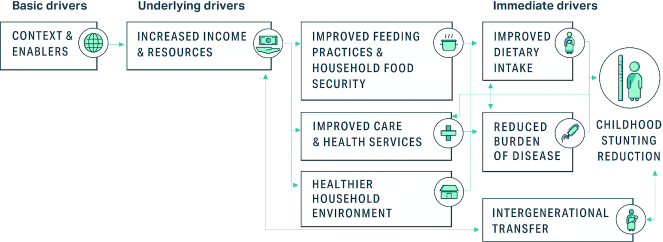
“(6, 7) (2008, 2013) was used to guide all analyses and inferences (Figure 1).”
BackgroundMethodSelf-citationBhutta, Z. A., Das, J. K., Rizvi, A., Gaffey, M. F., Walker, N., Horton, S., Webb, P., Lartey, A., & Black, R. E. (2013) · The Lancet · doi:10.1016/s0140-6736(13)60996-4 · Cited by 3,093
Self-citationEarly childhood development coming of age: science through the life course
Black, M. M., Walker, S. P., Fernald, L. C. H., Andersen, C. T., DiGirolamo, A. M., Lu, C., McCoy, D. C., Fink, G., Shawar, Y. R., Shiffman, J., et al. (2017) · The Lancet · doi:10.1016/s0140-6736(16)31389-7 · Cited by 3,014
What works? Interventions for maternal and child undernutrition and survival
Bhutta, Z. A., Ahmed, T., Black, R. E., Cousens, S., Dewey, K., Giugliani, E., Haider, B. A., Kirkwood, B., Morris, S. S., Sachdev, H., et al. (2008) · The Lancet · doi:10.1016/s0140-6736(07)61693-6 · Cited by 2,258
Self-citationRuel, M. T., & Alderman, H. (2013) · The Lancet · doi:10.1016/s0140-6736(13)60843-0 · Cited by 1,820
Dynamics of the double burden of malnutrition and the changing nutrition reality
Popkin, B. M., Corvalan, C., & Grummer-Strawn, L. M. (2020) · The Lancet · doi:10.1016/s0140-6736(19)32497-3 · Cited by 1,709 · cited 6×
“Recent case studies of success have identified these same factors as contributing to change in undernutrition over time in a set of LMICs (20).”
BackgroundInfluentialWorldwide Timing of Growth Faltering: Revisiting Implications for Interventions
Victora, C. G., de Onis, M., Hallal, P. C., Blössner, M., & Shrimpton, R. (2010) · Pediatrics · doi:10.1542/peds.2009-1519 · Cited by 1,466 · cited 1×
“The bulk of linear growth faltering seen in children aged <5 y occurs within 1000 d after conception (1, 2).”
BackgroundSelf-citationBlencowe, H., Krasevec, J., de Onis, M., Black, R. E., An, X., Stevens, G. A., Borghi, E., Hayashi, C., Estevez, D., Cegolon, L., et al. (2019) · The Lancet Global Health · doi:10.1016/s2214-109x(18)30565-5 · Cited by 1,242 · cited 1×
“With the global drive to improve data capture around birth weight (28), this might improve over time.”
BackgroundSelf-citation
Cited by
Mishra, M., Desul, S., Santos, C. A. G., Mishra, S. K., Kamal, A. H. M., Goswami, S., Kalumba, A. M., Biswal, R., da Silva, R. M., dos Santos, C. A. C., et al. (2023) · Environment, Development and Sustainability · doi:10.1007/s10668-023-03225-w · Cited by 317
“Bhutta et al. (2020) reported how countries could reduce child stunting, with or without closing geographical, economic, and other population inequalities.”
Akseer, N., Kandru, G., Keats, E. C., & Bhutta, Z. A. (2020) · The American Journal of Clinical Nutrition · doi:10.1093/ajcn/nqaa171 · Cited by 353
Self-citationThe processed food revolution in African food systems and the double burden of malnutrition
Reardon, T., Tschirley, D., Liverpool-Tasie, L. S. O., Awokuse, T., Fanzo, J., Minten, B., Vos, R., Dolislager, M., Sauer, C., Dhar, R., et al. (2021) · Global Food Security · doi:10.1016/j.gfs.2020.100466 · Cited by 318
Heidkamp, R. A., Piwoz, E., Gillespie, S., Keats, E. C., D'Alimonte, M. R., Menon, P., Das, J. K., Flory, A., Clift, J. W., Ruel, M. T., et al. (2021) · The Lancet · doi:10.1016/s0140-6736(21)00568-7 · Cited by 237
Self-citationOsendarp, S., Akuoku, J. K., Black, R. E., Headey, D., Ruel, M., Scott, N., Shekar, M., Walker, N., Flory, A., Haddad, L., et al. (2021) · Nature Food · doi:10.1038/s43016-021-00319-4 · Cited by 222
Self-citationLedesma, J. R., Ma, J., Zhang, M., Basting, A. V. L., Chu, H. T., Vongpradith, A., Novotney, A., LeGrand, K. E., Xu, Y. Y., Dai, X., et al. (2024) · The Lancet Infectious Diseases · doi:10.1016/s1473-3099(24)00007-0 · Cited by 146
“…the tuberculosis burden in children might reflect recent trends showing marked decreases in child mortality, 54 global improvements in child nutrition outcomes, 55,56 increasing tuberculosis case finding and services for children, 57–59 and continued reductions in vertical HIV transmission.”
Economic costs of childhood stunting to the private sector in low- and middle-income countries
Akseer, N., Tasic, H., Onah, M. N., Wigle, J., Rajakumar, R., Sánchez‐Hernández, D., Akuoku, J. K., Black, R. E., Horta, B. L., Nwuneli, N. O., et al. (2022) · EClinicalMedicine · doi:10.1016/j.eclinm.2022.101320 · Cited by 172
Self-citationCauses and consequences of child growth faltering in low-resource settings
Mertens, A., Benjamin-Chung, J., Colford, J. M., Coyle, J., van der Laan, M. J., Hubbard, A. E., Rosete, S., Malenica, I., Hejazi, N., Sofrygin, O., et al. (2023) · Nature · doi:10.1038/s41586-023-06501-x · Cited by 130
Self-citationHerawati, D. M. D., & Sunjaya, D. K. (2022) · International Journal of Environmental Research and Public Health · doi:10.3390/ijerph192013591 · Cited by 118
“Multisectoral action plans at various levels have been proven to reduce stunting [33,35,36].”
BackgroundDiminishing benefits of urban living for children and adolescents' growth and development
NCD Risk Factor Collaboration (NCD-RisC), Mishra, A., Zhou, B., Rodriguez-Martinez, A., Bixby, H., Singleton, R. K., Carrillo-Larco, R. M., Sheffer, K. E., Paciorek, C. J., Bennett, J. E., et al. (2023) · Nature · doi:10.1038/s41586-023-05772-8 · Cited by 70
Prasetyo, A., Noviana, N., Rosdiana, W., Anwar, M. A., Hartiningsih, Hendrixon, Harwijayanti, B. P., & Fahlevi, M. (2023) · Sustainability · doi:10.3390/su15031821 · Cited by 87
Krebs, N. F., Hambidge, K. M., Westcott, J., Garces, A. L., Figueroa, L., Tshefu, A. K., Lokangaka, A. L., Goudar, S. S., Dhaded, S. M., Saleem, S., et al. (2022) · American Journal of Clinical Nutrition · doi:10.1093/ajcn/nqac051 · Cited by 81
“A recent analysis of drivers of stunting found that non–health sector factors accounted for nearly 50% of improvements in stunting, with improvements in wealth, maternal education, and urbanization all being associated with lower stunting rates (15).”
Patriota, É. S. O., Abrantes, L. C. S., Figueiredo, A. C. M. G., Pizato, N., Buccini, G., & Gonçalves, V. S. S. (2024) · Maternal and Child Nutrition · doi:10.1111/mcn.13609 · Cited by 55
“These interventions include improvements in parental education, maternal nutrition, maternal and neonatal care, economic conditions, and fertility control/interval between pregnancies (Bhutta et al., 2020).”
BackgroundHousehold resilience capacity and food security: evidence from Kyrgyzstan
Egamberdiev, B., Bobojonov, I., Kuhn, L., & Glauben, T. (2023) · Food Security · doi:10.1007/s12571-023-01369-1 · Cited by 62
Beatty, A., Borkum, E., Leith, W., Null, C., & Suriastini, W. (2023) · Maternal and Child Nutrition · doi:10.1111/mcn.13593 · Cited by 64
“…same time, broader investments in population health, education, and social development are crucial in providing a supportive context for improvements in stunting and other nutrition ‐ related outcomes (Bhutta et al., 2013, 2020; Hossain et al., 2017; United Nations Children's Fund UNICEF, 2013).”
BackgroundOnah, M. N. (2020) · SSM - Population Health · doi:10.1016/j.ssmph.2020.100718 · Cited by 52
“While Kyrgyzstan is considered an exemplar country that has managed to harness its limited resources to drive down stunting rates (Bhutta et al., 2020; Wigle et al., 2020), SCA is still one of the leading regions in stunting, wasting, and underweight cases globally hence, women’s empowerment can be a crucial tool towa…”
BackgroundRoediger, R., Hendrixson, D. T., & MANARY, M. J. (2020) · American Journal of Clinical Nutrition · doi:10.1093/ajcn/nqaa205 · Cited by 51
Dassie, G. A., Chala, T., Charkos, T. G., Erba, M. S., & Balcha, F. (2024) · Frontiers in Nutrition · doi:10.3389/fnut.2024.1452963 · Cited by 44
Modjadji, P., & Mashishi, J. (2020) · International Journal of Environmental Research and Public Health · doi:10.3390/ijerph17207580 · Cited by 45
Understanding drivers of stunting reduction in Nigeria from 2003 to 2018: a regression analysis
Adeyemi, O., Touré, M., Covic, N. M., van den Bold, M., Nisbett, N., & Headey, D. (2022) · Food Security · doi:10.1007/s12571-022-01279-8 · Cited by 44
Effects of Cooking with Liquefied Petroleum Gas or Biomass on Stunting in Infants
Checkley, W., Thompson, L. M., Sinharoy, S. S., Hossen, S., Moulton, L. H., Chang, H. H., Waller, L. A., Steenland, K., Rosa, G. A., Mukeshimana, A., et al. (2024) · New England Journal of Medicine · doi:10.1056/nejmoa2302687 · Cited by 38
Sufri, S., Iskandar, I., Nurhasanah, N., Bakri, S., Jannah, M., Rajuddin, R., Nainggolan, S. I., Sirasa, F., & Lassa, J. A. (2024) · BMJ Open · doi:10.1136/bmjopen-2024-087432 · Cited by 41
Hasdyna, N., Dinata, R. K., Rahmi, R., & Fajri, T. I. (2024) · Informatics · doi:10.3390/informatics11040089 · Cited by 45
Jalaludin, M. Y., Fauzi, M. D., Sidiartha, I. G. L., John, C., Aviella, S., Novery, E., Permatasari, A., & Muhardi, L. (2025) · Children · doi:10.3390/children12050641 · Cited by 39
“…up school feeding and milk supplementation programs, combined with integrating nutrition education into the curriculum, can promote adequate childhood nutrition while fostering lifelong healthy eating habits, ultimately contributing to sustained reductions in malnutrition and stunting [49,92].”
Otunchieva, A., Smanalıeva, J., & Ploeger, A. (2022) · Nutrients · doi:10.3390/nu14020289 · Cited by 30
“Several nutrition intervention programs were introduced in Kyrgyzstan, such as salt iodization, sprinkles, micronutrient powder, and food fortification [23,43].”
BackgroundChild stunting starts in utero: Growth trajectories and determinants in Ugandan infants
Namirembe, G., Ghosh, S. A., Ausman, L. M., Shrestha, R., Zaharia, S., Bashaasha, B., Kabunga, N. S., Agaba, E., Mezzano, J., & Webb, P. (2022) · Maternal and Child Nutrition · doi:10.1111/mcn.13359 · Cited by 34
“Bhutta et al. (2020) proposed reclassifying them into direct and indirect approaches within the health sector and supportive approaches within non‐health sectors, such that direct approaches are synonymous with nutrition‐specific interventions and indirect approaches with nutrition‐sensitive,…”
BackgroundKomakech, J. J., Walters, C. A., Rakotomanana, H., Hildebrand, D. A., & Stoecker, B. J. (2022) · Maternal and Child Nutrition · doi:10.1111/mcn.13421 · Cited by 31
“These findings on self‐esteem and health decision control suggests increased expansion of nutrition‐sensitive programmes (Bhutta et al., 2020) such as increasing women's awareness and assertiveness (Bishop, 2013); policy interventions targeting these distinct measures may result in better growth for children within th…”
BackgroundInfluentialSex differences in growth and neurocognitive development in infancy and early childhood
Moore, S. E. (2024) · Proceedings of The Nutrition Society · doi:10.1017/s0029665124000144 · Cited by 28
“The past few decades have seen a marked reduction in the global prevalence of child undernutrition (3) .”
Adeyemi, O., van den Bold, M., Nisbett, N., & Covic, N. M. (2022) · Food Security · doi:10.1007/s12571-022-01328-2 · Cited by 29
“Several authors (Bhutta et al., 2020; Gillespie et al., 2017; Headey et al., 2017) have studied nutrition enabling environments and undernutrition actions in countries considered to be success stories or exemplars in reducing stunting.”
Kusumawardani, H. D., Laksono, A. D., Hidayat, T., Supadmi, S., Latifah, L., Sulasmi, S., Ashar, H., & Musoddaq, M. A. (2023) · Journal of Research in Health Sciences · doi:10.34172/jrhs.2023.132 · Cited by 26
“30 Continued breastfeeding without adequate complementary feeding at the appropriate age increases the risk of stunting and malnutrition.”
BackgroundHow do socioeconomic indicators and fiscal decentralization affect stunting? Evidence from Indonesia
Hamzah, M. Z., Sofilda, E., & Kusairi, S. (2024) · International Journal of Development Issues · doi:10.1108/ijdi-05-2024-0150 · Cited by 25
Arieffiani, D., & Ekowanti, M. R. L. (2024) · Jurnal Bina Praja · doi:10.21787/jbp.16.2024.1-20 · Cited by 25
Varghese, J. S., Gupta, A., Mehta, R. V., Stein, A. D., & Patel, S. A. (2022) · Global Health Science and Practice · doi:10.9745/ghsp-d-21-00569 · Cited by 26
Bhutta, Z. A., Islam, M., Gaffey, M. F., Victora, C. G., Menon, P., Katz, J., Horton, S., Yearwood, J. A., & Black, R. E. (2025) · American Journal of Clinical Nutrition · doi:10.1016/j.ajcnut.2025.03.004 · Cited by 23
Self-citationde Hoop, T., Molotsky, A., Walcott, R. L., Gaitán‐Rossi, P., Hernández‐Cordero, S., Laar, A. K., Behmer, T., Nguyen, H. T. M., Chakrabarti, A., Siwach, G., et al. (2025) · International Journal for Equity in Health · doi:10.1186/s12939-025-02596-y · Cited by 25
Ashar, H., Rahfiludin, M. Z., Nugraheni, S. A., Tjandrarini, D. H., Murwani, A., Supadmi, S., Yunitawati, D., Kusumawardani, H. D., Musoddaq, M. A., & Latifah, L. (2025) · Social Sciences & Humanities Open · doi:10.1016/j.ssaho.2025.101874 · Cited by 21
Malaria reduction drives childhood stunting decline in Uganda: a mixed-methods country case study
Keats, E. C., Kajjura, R., Ataullahjan, A., Islam, M., Cheng, B., Somaskandan, A., Charbonneau, K. D., Confreda, E., Jardine, R., Oh, C., et al. (2022) · American Journal of Clinical Nutrition · doi:10.1093/ajcn/nqac038 · Cited by 19
“The multisectoral stunting reduction story in Uganda has been documented in other Exemplar countries such as Ethiopia, Nepal, and Peru (29), although each exhibited a slightly different pathway to success based on country context and status of determinants, meaning that there is no single silver bullet.”
InfluentialSelf-citationFauziah, N., Andayani, Q., Ariadi, S., Koesbardiati, T., & Praharsena, B. (2022) · Media Gizi Indonesia · doi:10.20473/mgi.v17i1sp.64-75 · Cited by 19
Social sector drivers and stunting reduction in Pakistan: A subnational analysis
Ataullahjan, A., Keats, E. C., Habib, M. A., Islam, M., Confreda, E., Somaskandan, A., Charbonneau, K. D., Cheng, B., Jardine, R., Rizvi, A., et al. (2025) · American Journal of Clinical Nutrition · doi:10.1016/j.ajcnut.2024.09.025 · Cited by 19
Self-citationKoyratty, N., Jones, A. D., Schuster, R. C., Kordas, K., Li, C., Mbuya, M. N. N., Boateng, G. O., Ntozini, R., Chasekwa, B., Humphrey, J. H., et al. (2021) · International Journal of Environmental Research and Public Health · doi:10.3390/ijerph18116020 · Cited by 21
“, FI and WI) as per the UNICEF’s framework for undernutrition are addressed [82].”
BackgroundKomakech, J. J., Emerson, S. R., Cole, K. L. M., Walters, C. A., Rakotomanana, H., Kabahenda, M. K., Hildebrand, D. A., & Stoecker, B. J. (2023) · Current Developments in Nutrition · doi:10.1016/j.cdnut.2023.100042 · Cited by 20
STRATEGI PENCEGAHAN DAN PENANGGULANGAN STUNTING PADA ANAK USIA 6-59 BULAN
Tendean, A. F., Sutantri, S., Alhalawi, Z., & Muhammad, C. (2022) · Klabat Journal of Nursing · doi:10.37771/kjn.v4i2.825 · Cited by 30
Assessing needs for interdisciplinarity in agriculture, nutrition, and health education
Roshania, R., Yates, J., McIntyre, L., Chancellor, T., Fivian, E., Hill, M., Isoto, R. E., Marinda, P., Narayanan, S., Whatford, L., et al. (2023) · Global Food Security · doi:10.1016/j.gfs.2023.100691 · Cited by 21
Can women empowerment boost dietary diversity among children aged 6–23 months in sub-Saharan Africa?
Aboagye, R. G., Donkoh, I. E., Okyere, J., Seidu, A., Ahinkorah, B. O., & Yaya, S. (2024) · Tropical Medicine and Health · doi:10.1186/s41182-024-00579-3 · Cited by 17
Troeger, C., Arndt, M. B., Aalruz, H., Abdoun, M., Abdullahi, A., Abebe, M., Abedi, A., Abie, A., Aboagye, R. G., Abolhassani, H., et al. (2025) · The Lancet Child & Adolescent Health · doi:10.1016/s2352-4642(25)00303-7 · Cited by 19
“32,33 Although societal and indirect interventions, such as family planning and reproductive health services, or poverty alleviation and women’s empowerment strategies, might have important effects on CGF, several reviews have focused on the more proximal interventions that affect childhood…”
Orimadegun, A. E., Jegede, A. S., Gaffey, M. F., Olufadewa, I. I., Confreda, E., Somaskandan, A., Islam, M., Keats, E. C., Ataullahjan, A., Amzat, J., et al. (2025) · American Journal of Clinical Nutrition · doi:10.1016/j.ajcnut.2025.02.022 · Cited by 15
Self-citationStunting in Indonesia: Current progress and future directions
Lameky, V. Y. (2024) · Journal of Healthcare Administration · doi:10.33546/joha.3388 · Cited by 28
“One of the primary strategies for reducing stunting rates is to enhance the overall quality of health services, particularly in rural and remote areas where access is limited (Bhutta et al., 2020).”
BackgroundMeher, C., Zaluchu, F., & Eyanoer, P. C. (2023) · F1000Research · doi:10.12688/f1000research.130902.1 · Cited by 20
“31 Giving food in accordancewith the need ofthe children isvery necessary, 32,33 and this is suitable with the recommendations of WHO 34 on the types of food required to prevent the stunting condition.”
Drivers of success in global health outcomes: A content analysis of Exemplar studies
Akseer, N., Phillips, D. E., & on behalf of the Exemplars in Global Health Partner Network (2024) · PLOS Global Public Health · doi:10.1371/journal.pgph.0003000 · Cited by 15
Self-citationTschida, S., Cordón, A., Asturias, G., Mazariegos, M., Kroker-Lobos, M. F., Jackson, B. D., Rohloff, P. J., & Flood, D. (2021) · Global Health Science and Practice · doi:10.9745/ghsp-d-20-00585 · Cited by 15
“In other country cases studies, contextual differences and variations in investments both within and outside the health sector have been proposed as explanatory factors for improvements in stunting.(41)”
BackgroundJaya, P. H. I., Izudin, A., Aditya, R., & Saptoni, S. (2025) · Asia Pacific Journal of Social Work and Development · doi:10.1080/29949769.2025.2485912 · Cited by 15
Liu, R., Pi, L., Leng, F., & Shen, Q. (2024) · Frontiers in Public Health · doi:10.3389/fpubh.2024.1323263 · Cited by 15
Gasparinho, C., Gonçalves, M. H., Chissaque, A., Silva, G. L., Fortes, F., & Gonçalves, L. A. P. (2022) · Nutrients · doi:10.3390/nu14112185 · Cited by 15
Sriwiyanti, Hartati, S., Farama, D. A., & Muzakar, M. (2022) · Journal of Applied Nursing and Health · doi:10.55018/janh.v4i1.30 · Cited by 13
“Diseases caused by environmental factors and poor sanitation cause a decreased immune system and stunted growth (Apriluana & Fikawati, 2018; Bhutta et al., 2020; Vilcins et al., 2018).”
BackgroundCorrea, P. R. (2022) · PLOS Global Public Health · doi:10.1371/journal.pgph.0000983 · Cited by 13
“Strategies and interventions to reduce stunting described in the literature [50, 52] may also work in Angola.”
BackgroundKing, S. E., Sheffel, A., Heidkamp, R. A., Xu, Y. Y., Walton, S. M., & Munos, M. K. (2021) · Maternal and Child Nutrition · doi:10.1111/mcn.13279 · Cited by 12
Kaloko, I., Marniati, M., & Mulyani, I. (2022) · MORFAI JOURNAL · doi:10.54443/morfai.v2i1.216 · Cited by 12
Nemerimana, M., Havugarurema, S., Nshimyiryo, A., Karambizi, A. C., Kirk, C. M., Beck, K., Gégout, C., Anderson, T. J., Bigirumwami, O., Ubarijoro, J. M., et al. (2023) · PLoS ONE · doi:10.1371/journal.pone.0283504 · Cited by 15
Sasmito, L., Supranoto, Indriastuti, S., Prayitno, H., & Sawir, M. (2026) · SN Social Sciences · doi:10.1007/s43545-026-01448-y · Cited by 11
“There has been a surge of research dedicated to understanding and addressing stunting, particularly due to its long-term consequences on human capital development, educational attainment, and intergenerational poverty (Bhutta et al. 2020 ; Lestari et al. 2024; Victora et al. 2021 ).”
Koyratty, N., Ntozini, R., Mbuya, M. N. N., Jones, A. D., Schuster, R. C., Kordas, K., Li, C., Tavengwa, N. V., Majo, F. D., Humphrey, J. H., et al. (2022) · BMJ Nutrition Prevention & Health · doi:10.1136/bmjnph-2022-000470 · Cited by 13
Stories of change in nutrition in Burkina Faso 1992–2018: a macro-level perspective
Turowska, Z., Buttarelli, E., Sombié, I., Nisbett, N., van den Bold, M., & Becquey, E. (2022) · Food Security · doi:10.1007/s12571-022-01331-7 · Cited by 12
Yeboah, E., Lohmann, J., Koulidiati, J., Kuunibe, N., Kyei, N. N. A., Hamadou, S., Ridde, V., Danquah, I., Brenner, S., & Allegri, M. D. (2024) · Public Health · doi:10.1016/j.puhe.2024.05.020 · Cited by 12
“15,16 Our results generally aligned with other fi ndings on providing high-quality care and child health.”
BackgroundResultFenn, B., Myatt, M. A., Mates, E., Black, R. E., Wilkinson, C., & Khara, T. (2021) · BMJ Nutrition Prevention & Health · doi:10.1136/bmjnph-2021-000292 · Cited by 10
Self-citationHead circumference as an epigenetic risk factor for maternal nutrition
Miele, M. J. D. O., Souza, R. T., Calderon, I. D. M. P., Feitosa, F. E. D. L., Leite, D. F. B., Filho, E. A. R., Vettorazzi, J., Mayrink, J., Fernandes, K. G., Vieira, M. C., et al. (2022) · Frontiers in Nutrition · doi:10.3389/fnut.2022.867727 · Cited by 11
“However, maternal nutrition status is usually investigated by measuring clinical parameters when deleterious effects have already occurred and persist thru chronic undernutrition and adverse environmental exposures (6).”
BackgroundStunting: Prevalence and prevention
Perumal, N., Bassani, D. G., & Roth, D. E. (2021) · Elsevier eBooks · doi:10.1016/b978-0-12-821848-8.00016-0 · Cited by 12
Komakech, J. J., Emerson, S. R., Cole, K. L. M., Walters, C. A., Rakotomanana, H., Kabahenda, M. K., Hildebrand, D. A., & Stoecker, B. J. (2024) · PLoS ONE · doi:10.1371/journal.pone.0300334 · Cited by 12
Bibliometric analysis of research stunting 2010-2023
Azzahra, N., Yuniarti, E., Syah, N., & Umar, I. (2024) · Multidisciplinary Reviews · doi:10.31893/multirev.2025160 · Cited by 9
Lautt, E. P., & Rahayu, A. Y. S. (2024) · Jurnal Bina Praja · doi:10.21787/jbp.16.2024.589-597 · Cited by 9
Operationalizing Multisectoral Nutrition Programs to Accelerate Progress
Subandoro, A. W., Holschneider, S., & Ruel‐Bergeron, J. C. (2021) · World Bank, Washington, DC eBooks · doi:10.1596/36802 · Cited by 9
“For example, in five countries studied by Bhutta et al. 2020 (Ethiopia, the Kyrgyz Republic, Nepal, Peru, and Senegal), investments in nonhealth sectors were estimated to contribute to anywhere between 36 and 70 percent of stunting reduction (median 47 percent), while interventions in the health…”
InfluentialSalm, L., Nisbett, N., Cuming, K., Hrynick, T. A., Lulache, A., & MacGregor, H. (2023) · Food Security · doi:10.1007/s12571-023-01361-9 · Cited by 11
“Similarly, a synthesis across five countries (Nepal, Ethiopia, Peru, Kyrgyz Republic, Senegal) that have experienced reduced stunting at a national scale reports the importance of immediate targeted intervention, as well as wider health systems and cross-sectoral action such as investment in reproductive health, pover…”
BackgroundIndian fathers’ perceptions of young childcare and feeding – A qualitative study
Rathi, N., Kansal, S., & Worsley, A. (2024) · Appetite · doi:10.1016/j.appet.2024.107404 · Cited by 10
Sukardi, S., Nashihah, D., & Maulana, I. N. H. (2024) · Inovasi Kurikulum · doi:10.17509/jik.v21i2.68846 · Cited by 9
Jalloh, U. H., Koroma, A. S., Gaffey, M. F., Confreda, E., Peterson, S. K., Kargbo, A., Islam, M., Keats, E. C., Bhutta, Z. A., & Juneja, S. (2025) · American Journal of Clinical Nutrition · doi:10.1016/j.ajcnut.2025.02.015 · Cited by 9
Self-citationPeningkatan Pengetahuan Ibu dalam Deteksi Dini dan Pencegahan Stunting pada Balita
Prastiwi, R. S., Qudriani, M., & Andari, I. D. (2021) · JPKMI (Jurnal Pengabdian Kepada Masyarakat Indonesia) · doi:10.36596/jpkmi.v2i3.159 · Cited by 9
Sharma, D., Vijin, P. P., Goyal, R., Hadi, S. U., & Kumar, R. (2025) · American Journal of Clinical Nutrition · doi:10.1016/j.ajcnut.2025.01.027 · Cited by 8
Schneider, E. B., Jaramillo‐Echeverri, J., Purcell, M., A’Hearn, B., Arthi, V., Blum, M., Brainerd, E. L., Capuno, J. J., Cermeño, A. L., Challú, A. E., et al. (2026) · BMJ Global Health · doi:10.1136/bmjgh-2024-018607 · Cited by 8
Bhutta, Z. A., Keats, E. C., Owais, A., González‐Fernández, D., Udomkesmalee, E., Neufeld, L. M., Izadnegahdar, R., Kassebaum, N. J., Fairweather‐Tait, S. J., Branca, F., et al. (2025) · American Journal of Clinical Nutrition · doi:10.1016/j.ajcnut.2024.11.031 · Cited by 10
Self-citationMind the Gap! Socioeconomic Determinants of the Stunting Urban-Rural Gap for Children in Colombia
Cárdenas, E., Osório, A. M., Joaqui-Barandica, O., & Fonseca, S. M. P. (2022) · Child Indicators Research · doi:10.1007/s12187-021-09880-7 · Cited by 10
Pakistan Human Capital Review: Building Capabilities Throughout Life
Ersado, L., Hasan, A., Geven, K., Kathuria, A. K., Barón, J. D., Bend, M., & Ahmed, S. A. (2023) · The World Bank Open Knowledge Repository (World Bank) · doi:10.1596/39629 · Cited by 18
Ndagijimana, A., Sebastiån, M. S., Elfving, K., Umubyeyi, A., & Lind, T. (2025) · International Journal for Equity in Health · doi:10.1186/s12939-025-02626-9 · Cited by 7
“Therefore, household financial support programs targeting poor communities and the most vulnerable could reduce wealth inequalities and related child stunting rates [23, 36, 37].”
Analyzing the impact of an MDG-Fund program on childhood malnutrition in Timor-Leste
van der Spek, L., & Sonneveld, B. G. J. S. (2024) · Journal of Health Population and Nutrition · doi:10.1186/s41043-024-00539-x · Cited by 7
“Reduction of undernutrition cannot be solved merely by health and nutrition interventions [9], but also requires better linking with the agricultural sector [75].”
BackgroundAnalysis and Simulation of SEIR Mathematical Model of Stunting Case in Indonesia
Winarni, A., Sofiyati, N., & Rudatiningtyas, U. F. (2024) · Mathline Jurnal Matematika dan Pendidikan Matematika · doi:10.31943/mathline.v9i3.555 · Cited by 7
Modulation of miRNAs by protein intake: A novel approach to mitigating stunting in children
Sundjaya, T., Basrowi, R. W., Pratiwi, D., Amalia, N., Athallah, A. F., Cahyono, M. B. A., Wibowo, C. A., & Nurkolis, F. (2025) · Journal of Agriculture and Food Research · doi:10.1016/j.jafr.2025.101952 · Cited by 8
Filmer, D. P., Gatti, R. V., Rogers, H., Spatafora, N. L., & Emrullahu, D. (2021) · Oxford University Press eBooks · doi:10.1093/oso/9780192846938.003.0014 · Cited by 7
Education and Health for Inclusiveness
Spatafora, N. L. (2021) · IMF Working Paper · doi:10.5089/9781513571539.001 · Cited by 9
Policies and programmes to improve preconception nutrition in South Asia
Hazra, A., Choedon, T., Shrivastav, M., Verma, R. K., Gulati, C., Rowel, D. S., Daniel, A. E., Mishra, P., Paudyal, N., Arshad, N., et al. (2025) · The Lancet Regional Health - Southeast Asia · doi:10.1016/j.lansea.2025.100589 · Cited by 8
“87 Nonethe-less, broader regional efforts to ensure universal counselling access are required.”
Putri, D. S. K., Sari, K., Utami, N. H., & Djaiman, S. P. H. (2024) · BMJ Open · doi:10.1136/bmjopen-2023-081774 · Cited by 9
Gentilini, U. (2022) · The World Bank Open Knowledge Repository (World Bank) · doi:10.1596/38210 · Cited by 14
The impact of urbanization on child growth: Evidence from city-county mergers in China
Xu, L., Guo, S., Zhong, H., & Shao, S. (2025) · Regional Science and Urban Economics · doi:10.1016/j.regsciurbeco.2025.104187 · Cited by 8
Rich, K., Engelbrecht, L., Wills, G., & Mphaphuli, E. B. (2024) · Maternal and Child Nutrition · doi:10.1111/mcn.13765 · Cited by 9
“Improvements in asset accumulation and female education were among the key contributors to reductions in stunting across countries over time (Bhutta et al. 2020; Headey 2013; Smith and Haddad 2015; Vaivada et al. 2020).”
Siddiqui, M., Bajwa, N., Junaid, K., Awais, M., Amin, A., Haleem, I., Rasool, S. H., & Afzal, S. (2024) · Cureus · doi:10.7759/cureus.64123 · Cited by 6
“These services are essential for locating and treating the underlying causes of stunting, which include poor food intake, deficiency in certain micronutrients, and viral illnesses [22].”
BackgroundKoshy, B., Karthikeyan, A. S., Mohan, V. R., Bose, A., John, S. M., & Kang, G. (2022) · American Journal of Tropical Medicine and Hygiene · doi:10.4269/ajtmh.21-0886 · Cited by 5
Health SDGs are at risk from climate change: Evidence from India
Dasgupta, P., Sharma, G., Joe, W., Chowdhuri, M., & Gudakesh, G. (2025) · PLoS ONE · doi:10.1371/journal.pone.0335529 · Cited by 7
Stunting Prevention Based on Local Wisdom in Bantul Regency, Yogyakarta, Indonesia
Ruliyandari, R., Utami, F. P., Agustin, H., & Matahari, R. (2025) · Social medicine · doi:10.71164/socialmedicine.v18i01.2025.1657 · Cited by 5
Supporting policy action to reduce adolescent anaemia in South Asia
Sethi, V., Murira, Z., Yadav, K., Mishra, P., Chowdhury, I. A., & Aminee, A. (2025) · BMJ · doi:10.1136/bmj-2024-080813 · Cited by 5
“14 Making the most of political opportunities, such as pre-election periods, may offer opportunities for alignment with political visions.”
Hjertholm, K. G., Iversen, P. O., Holmboe‐Ottesen, G., & Jepsen, R. (2025) · Clinical Nutrition ESPEN · doi:10.1016/j.clnesp.2025.05.019 · Cited by 5
Setianingsih, T., & Hussain, N. (2023) · Padjadjaran Journal of Dentistry · doi:10.24198/pjd.vol35no3.50724 · Cited by 8
Indrayana, T., Warijan, W., Sutarmi, S., Purnomo, D. M. J., & Gunawan, I. (2022) · International Journal of Health Sciences · doi:10.53730/ijhs.v6ns1.4763 · Cited by 5
“Early detection of causative factors and diagnosis of stunting is an important action in stunting prevention and control efforts (Ettyang et al, 2019; Bhutta et al 2020; Apriluana & Fikawati, 2018).”
Larasati, E. N., Dieny, F. F., Rahadiyani, A., & Purwanti, R. (2025) · Jurnal Gizi Indonesia (The Indonesian Journal of Nutrition) · doi:10.14710/jgi.13.2.105-116 · Cited by 4
Overview of Nutritional Knowledge of Pregnant Women about the First 1000 Days of Life
Gultom, A., & Patriawati, K. A. (2022) · Journal of Drug Delivery and Therapeutics · doi:10.22270/jddt.v12i6.5680 · Cited by 5
Metadata
- Authors
- Bhutta, Z. A., Akseer, N., Keats, E. C., Vaivada, T., Baker, S., Horton, S. E., Katz, J., Menon, P., Piwoz, E., Shekar, M., Victora, C., & Black, R.
- Affiliations
- Aga Khan University (PK)
- Hospital for Sick Children (CA)
- United States Agency for International Development (US)
- University of Waterloo (CA)
- Johns Hopkins University (US)
- International Food Policy Research Institute (US)
- Gates Foundation (US)
- World Bank (US)
- Universidade Federal de Pelotas (BR)
- Corresponding author
- Bhutta, Zulfiqar A
- ORCID
- Venue
- The American Journal of Clinical Nutrition
- Publisher
- Elsevier BV
- Published
- 2020-09
- Volume
- 112
- Issue
- Suppl 2
- Pages
- 894S-904S
- ISSN
- 0002-9165 (ISSN-L)
- PMC
- PMC7487427
- OpenAlex
- W3045232500
- Cited by
- 187
- References
- 40
- Citations by year
- 2026: 26 · 2025: 41 · 2024: 46 · 2023: 20 · 2022: 33 · 2021: 14 · 2020: 6
- FWCI
- 2.24
- Type
- journal article
- Language
- en
- Open access
- hybrid
- doi.org
- Licence
- cc-by
- www.elsevier.com/tdm/userlicense/1.0/ (tdm)
- creativecommons.org/licenses/by/4.0/ (vor)
- Locations
- American Journal of Clinical Nutrition (publishedVersion, cc-by)
- PubMed Central (publishedVersion, cc-by)
- PubMed (publishedVersion)
- eCommons - AKU (Aga Khan University) (submittedVersion)
- IFPRI E-brary (International Food Policy Research Institute) (submittedVersion, other-oa)
- International Food Policy Research Institute (International Food Policy Research Institute) (submittedVersion, other-oa)
- Funders
- Gates Ventures
- Topics
- Health Sciences › Nursing › Nutrition and Dietetics › Child Nutrition and Water Access
- Health Sciences › Medicine › Pediatrics, Perinatology and Child Health › Public Health and Nutrition
- Health Sciences › Medicine › Pediatrics, Perinatology and Child Health › Global Maternal and Child Health
- Keywords
- child stunting, linear growth faltering, stunting reduction, nutrition interventions, maternal education, maternal nutrition, maternal and newborn care, interpregnancy interval, fertility decline, nutrition policy, Sustainable Development Goals
- MeSH terms
- Adult, Child, Preschool, Cross-Sectional Studies, Developing Countries, Evaluation Studies as Topic, Female, Growth Disorders, Humans, Infant, Male, Nutritional Status, Multivariate Analysis, Maternal Nutritional Physiological Phenomena, Young Adult
About these checks
Registry, retraction, Cites and statistics results are computed, not judged, with one exception: a printed reference that no index lists is read once by a model before it counts as a citation error. Claims are extracted by a model and kept only when their quote appears verbatim in the text; each cited source is then checked, with a model’s help, for whether it says what the claim relies on. Those verdicts can be wrong — read the claim’s quote and the cited source before relying on one.
Statistics and arithmetic are recomputed, not judged.
Confidence bands are shown only for fields calibrated on our annotated test set. None is calibrated yet, so no band is shown.
What counts as a claim ›How we measure confidence ›How we check this ›
Are you an author, or do you see a problem with this page? Request a review
Data sources
Bibliographic data: Semantic Scholar, OpenAlex, Crossref.
Contains information from the Semantic Scholar Academic Graph Datasets, made available under the ODC Attribution License (ODC-BY 1.0).
Semantic Scholar’s data is described in: Kinney, R., et al. (2023). The Semantic Scholar Open Data Platform. arXiv:2301.10140.
