

Genome-wide association mapping of salinity tolerance in rice (Oryza sativa)
Open accessThe DOI matches its Crossref record; 81 of the 81 references it cites were found in a registry or an index.
Abstract
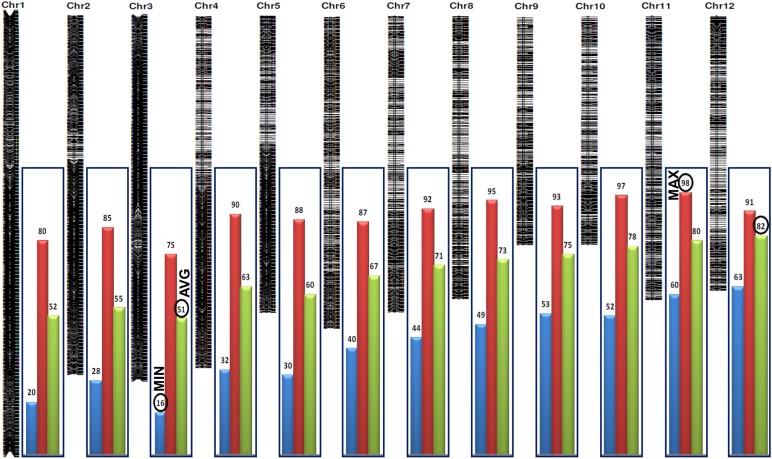
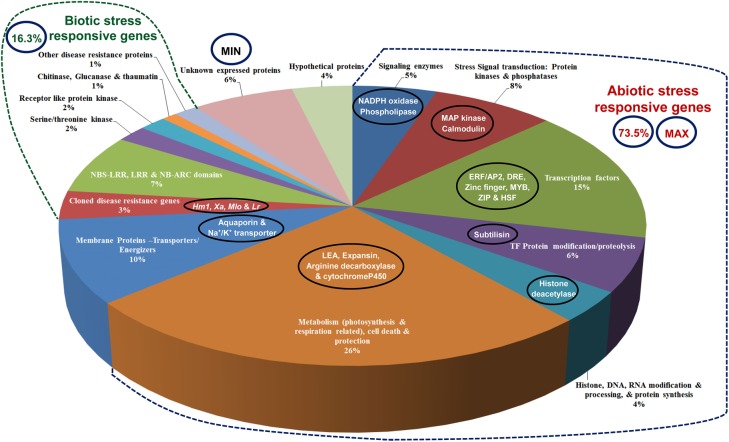
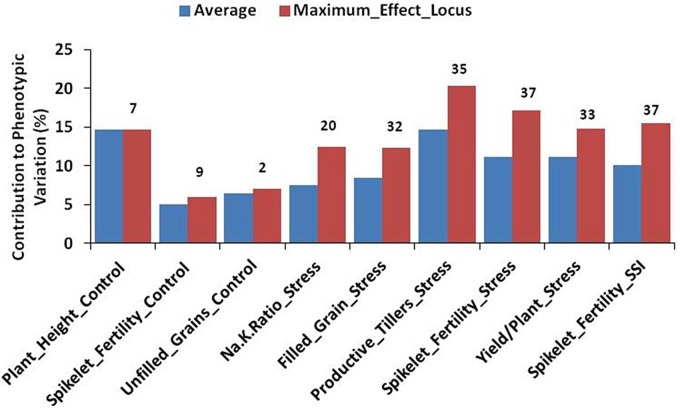
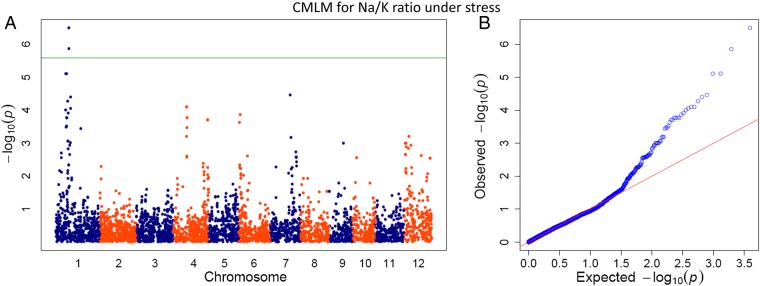
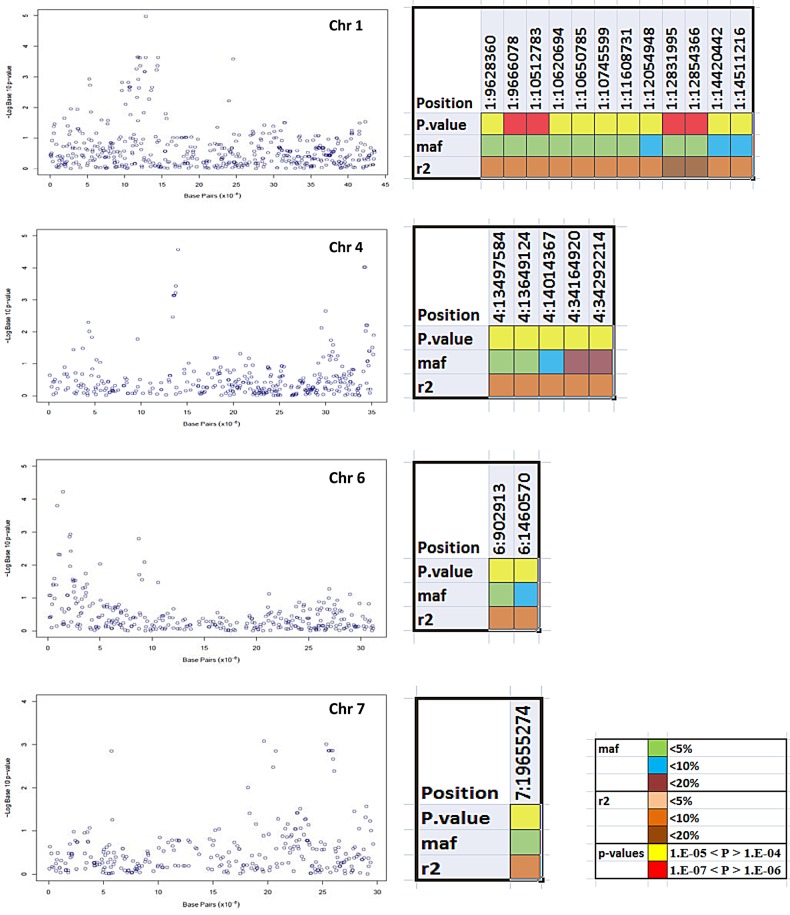
Salinity tolerance in rice is highly desirable to sustain production in areas rendered saline due to various reasons. It is a complex quantitative trait having different components, which can be dissected effectively by genome-wide association study (GWAS). Here, we implemented GWAS to identify loci controlling salinity tolerance in rice. A custom-designed array based on 6,000 single nucleotide polymorphisms (SNPs) in as many stress-responsive genes, distributed at an average physical interval of <100 kb on 12 rice chromosomes, was used to genotype 220 rice accessions using Infinium high-throughput assay. Genetic association was analysed with 12 different traits recorded on these accessions under field conditions at reproductive stage. We identified 20 SNPs (loci) significantly associated with Na(+)/K(+) ratio, and 44 SNPs with other traits observed under stress condition. The loci identified for various salinity indices through GWAS explained 5-18% of the phenotypic variance. The region harbouring Saltol, a major quantitative trait loci (QTLs) on chromosome 1 in rice, which is known to control salinity tolerance at seedling stage, was detected as a major association with Na(+)/K(+) ratio measured at reproductive stage in our study. In addition to Saltol, we also found GWAS peaks representing new QTLs on chromosomes 4, 6 and 7. The current association mapping panel contained mostly indica accessions that can serve as source of novel salt tolerance genes and alleles. The gene-based SNP array used in this study was found cost-effective and efficient in unveiling genomic regions/candidate genes regulating salinity stress tolerance in rice.
Overview
The claims and statistics of this paper haven’t been checked yet.
Free: it reads the open-access text and checks the first 5 claims that cite a source we can check. Create a free account to check every claim.
Integrity signals
Registry
Cites
Statistics
Figures
Verification
Claims the paper makes
The claims and statistics of this paper haven’t been checked yet.
Free: it reads the open-access text and checks the first 5 claims that cite a source we can check. Create a free account to check every claim.
Claims other papers make about this one
Each is checked against this paper’s own text: does it say what the citing paper says it does?
The source backs part of the claim, not all of it — or backs it for a different population, condition or comparison.
In the citing paper
“A novel QTL present on chromosome number 1 was reported and was called “Saltol” which is associated with salt tolerance at seedling stage [153].”
From Impact of Climate Change on Crops Adaptation and Strategies to Tackle Its Outcome: A Review (2019) · cites this paper as [153]
Experimental — accuracy not yet measured
Self-check
Percentages, sums and reported differences re-computed from the paper’s own numbers.
The self-check needs the paper’s full text.
Citations
Cites
Controlling the False Discovery Rate: A Practical and Powerful Approach to Multiple Testing
Benjamini, Y., & Hochberg, Y. (1995) · Journal of the Royal Statistical Society Series B: Statistical Methodology · doi:10.1111/j.2517-6161.1995.tb02031.x · Cited by 109,482
PLINK: a tool set for whole-genome association and population-based linkage analyses.
Purcell, S., Neale, B., Todd-Brown, K., Thomas, L., Ferreira, M. A. R., Bender, D., Maller, J., Sklar, P., de Bakker, P. I. W., Daly, M. J., et al. (2007) · The American Journal of Human Genetics · doi:10.1086/519795 · Cited by 34,089 · cited 2×
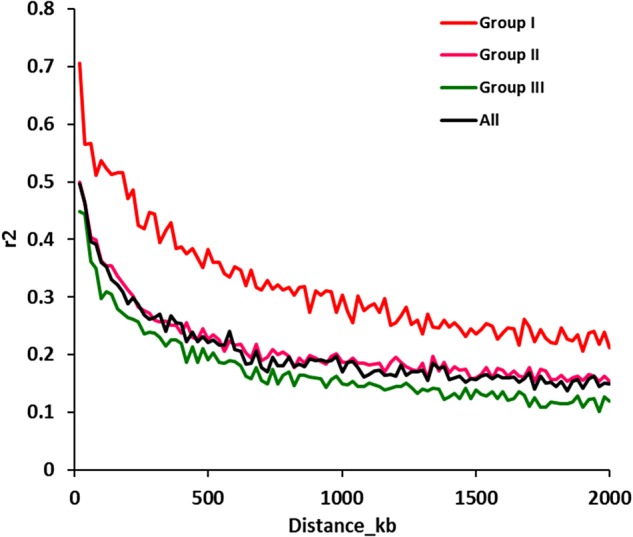
“For all pairs of SNPs, r2 was calculated using the --r2 --ld-window-kb 2,000 --ld-window 99999 --ld-window-r2 0 command in PLINK.45 The command was used to calculate LD association among SNP pairs to a distance of 2,000 kb.”
MethodInference of Population Structure Using Multilocus Genotype Data
Pritchard, J. K., Stephens, M., & Donnelly, P. (2000) · Genetics · doi:10.1093/genetics/155.2.945 · Cited by 33,908
genalex 6: genetic analysis in Excel. Population genetic software for teaching and research
PEAKALL, R., & SMOUSE, P. E. (2006) · Molecular Ecology Notes · doi:10.1111/j.1471-8286.2005.01155.x · Cited by 16,589
Pahlich, E., & Gerlitz, C. (1980) · Phytochemistry · doi:10.1016/0031-9422(80)85004-7 · Cited by 10,599
Principal components analysis corrects for stratification in genome-wide association studies
Price, A. L., Patterson, N. J., Plenge, R. M., Weinblatt, M. E., Shadick, N. A., & Reich, D. (2006) · Nature Genetics · doi:10.1038/ng1847 · Cited by 10,248
TASSEL: software for association mapping of complex traits in diverse samples
Bradbury, P. J., Zhang, Z., Kroon, D. E., Casstevens, T. M., Ramdoss, Y., & Buckler, E. S. (2007) · Bioinformatics · doi:10.1093/bioinformatics/btm308 · Cited by 7,759
The Structure of Haplotype Blocks in the Human Genome
Gabriel, S. B., Schaffner, S. F., Nguyen, H., Moore, J. M., Roy, J., Blumenstiel, B., Higgins, J., DeFelice, M., Lochner, A., Faggart, M., et al. (2002) · Science · doi:10.1126/science.1069424 · Cited by 5,863
Yu, J., Pressoir, G., Briggs, W. H., Vroh Bi, I., Yamasaki, M., Doebley, J. F., McMullen, M. D., Gaut, B. S., Nielsen, D. M., Holland, J. B., et al. (2006) · Nature Genetics · doi:10.1038/ng1702 · Cited by 4,133
Cold, salinity and drought stresses: An overview
Mahajan, S., & Tuteja, N. (2005) · Archives of Biochemistry and Biophysics · doi:10.1016/j.abb.2005.10.018 · Cited by 2,925
Research works printed but not linked: 11
- Blumwald E. Grover A. 2006, Salt tolerance, In: Plant biotechnology: current and future uses of genetically modified crops. John Wiley and Sons Ltd, UK, pp. 206– 24.
- 2000, Current Science, 78, 162
- 2010, PNAS, 107, 21611, 10.1073/pnas.1010179107 · DOI · Paper page
- To, 2006, Nature genetics, 38, 904, 10.1038/ng1847 · DOI · Paper page
- 2003, Annual review of plant biology, 54, 357, 10.1146/annurev.arplant.54.031902.134907 · DOI · Paper page
- 2011, Nature genetics, 44, 32, 10.1038/ng.1018 · DOI · Paper page
- 2009, PNAS, 106, 12273, 10.1073/pnas.0900992106 · DOI · Paper page
- Doyle J.J. Doyle J.L. 1987, A rapid DNA isolation procedure for small quantities of fresh leaf tissue, Phytochem. Bull., 19, 11– 15.
- 2012, PNAS, 109, 8872, 10.1073/pnas.1120813109 · DOI · Paper page
- 2013, Journal of genetics, 92, 433, 10.1007/s12041-013-0285-4 · DOI
- 2013, Journal of Experimental Botany, 64, 3099, 10.1093/jxb/ert182 · DOI
Cited by
Items 101–200 of 337
QTLs in salt rice variety CSR10 reveals salinity tolerance at reproductive stage
Pundir, P., Devi, A., Krishnamurthy, S. L., Sharma, P. C., & Vinaykumar, N. M. (2021) · Acta Physiologiae Plantarum · doi:10.1007/s11738-020-03183-0 · Cited by 41
Self-citationMetabolomics for Crop Improvement Against Salinity Stress
D’Amelia, L. I., Dell’Aversana, E., Woodrow, P., Ciarmiello, L. F., & Carillo, P. (2018) · Springer eBooks · doi:10.1007/978-3-319-90318-7_11 · Cited by 43
Li, H., Liu, S., Ge, C., Zhang, X., Zhang, S., Chen, J., Shen, Q., Ju, F., Yang, Y.-F., Yang, L., et al. (2019) · International Journal of Molecular Sciences · doi:10.3390/ijms20163888 · Cited by 42
“GWASs have been successfully applied in many plant species such as Arabidopsis [19], rice [20], maize [21], and wheat [22].”
BackgroundRice GWAS reveals key genomic regions essential for salinity tolerance at reproductive stage
Warraich, A. S., Krishnamurthy, S. L., Sooch, B. S., Vinaykumar, N. M., Dushyanthkumar, B. M., Bose, J., & Sharma, P. C. (2020) · Acta Physiologiae Plantarum · doi:10.1007/s11738-020-03123-y · Cited by 42
Self-citationAssociation Analysis in Rice: From Application to Utilization
Zhang, P., Zhong, K., Shahid, M. Q., & Tong, H. (2016) · Frontiers in Plant Science · doi:10.3389/fpls.2016.01202 · Cited by 46
Sandhu, M., Sureshkumar, V., Prakash, C., Dixit, R., Solanke, A. U., Sharma, T. R., Mohapatra, T., & V., A. M. S. (2017) · BMC Bioinformatics · doi:10.1186/s12859-017-1846-y · Cited by 43
“Though SNPs are the most abundant and routinely used markers in vogue with low cost per data point [6], for investigating a well-defined genomic region in a cost-effective manner in a mapping population, the co-dominant and PCR-based microsatellites markers (also known as simple sequence repeats;…”
BackgroundSelf-citationQTL controlling fiber quality traits under salt stress in upland cotton (Gossypium hirsutum L.)
Guo, A., Su, Y., Huang, Y., Wang, Y., Nie, H., Zhao, N., & Hua, J. (2021) · Theoretical and Applied Genetics · doi:10.1007/s00122-020-03721-x · Cited by 42
“2018, 2019), rice (Kumar et al. 2015), barley (Mano and Takeda 1997), tomato (Foolad and Chen 1999), and soybean (Lee et al.”
BackgroundYang, X., Song, B., Cui, J., Wang, L., Wang, S., Luo, L., Gao, L., Mo, B., Yu, Y., & Liu, L. (2021) · BMC Genomics · doi:10.1186/s12864-021-07922-6 · Cited by 41
“For example, the expression of OsRS1 (LOC_Os01g13210), which has previously been shown to be associated with salt tolerance [47], was translationally up-regulated in SR86, whereas no significant changes in its expression were detected in NB under salt stress (Additional file 5: Table S4).”
BackgroundBajaj, D., Das, S., Upadhyaya, H. D., Ranjan, R., Badoni, S., Kumar, V., Tripathi, S., Gowda, C. L. L., Sharma, S., Singh, S., et al. (2015) · Frontiers in Plant Science · doi:10.3389/fpls.2015.00979 · Cited by 39
“0 (Kujur et al., 2013, 2014; Kumar et al., 2015).”
BackgroundSelf-citationAssociation mapping in rice: basic concepts and perspectives for molecular breeding
Verdeprado, H., Kretzschmar, T., Begum, H., Raghavan, C., Joyce, P., Lakshmanan, P., Cobb, J. N., & Collard, B. C. Y. (2018) · Plant Production Science · doi:10.1080/1343943x.2018.1483205 · Cited by 42
Thakro, V., Malik, N., Basu, U., Srivastava, R., Narnoliya, L., Daware, A., Varshney, N., Mohanty, J. K., Bajaj, D., Dwivedi, V., et al. (2022) · PLANT PHYSIOLOGY · doi:10.1093/plphys/kiac550 · Cited by 36
“…and trait phenotyping as well as molecular diversity and genetic relatedness information obtained among 222 ILs were analyzed by a compressed mixed linear model (P + K, K, and Q + K) (Zhang et al., 2010) interface of GAPIT (Lipka et al., 2012) following Kujur et al. (2015a) and Kumar et al. (2015).”
Self-citationDwivedi, N., Maji, S., Waseem, M., Thakur, P., Kumar, V., Parida, S. K., & Thakur, J. K. (2019) · Biochimica et Biophysica Acta (BBA) - Gene Regulatory Mechanisms · doi:10.1016/j.bbagrm.2019.194432 · Cited by 38
Self-citationPrakash, C., Mithra, S., Singh, P. K., Mohapatra, T., & Singh, N. K. (2016) · BMC Genomics · doi:10.1186/s12864-016-3131-2 · Cited by 44
“Rice, besides being a staple food crop, is also a model crop for genomics, particularly in monocots, owing to its relatively smaller genome size and the availability of high quality genome sequences [29] and a wealth of genomic resources [30–32].”
BackgroundSelf-citationRao, E. S., Kadirvel, P., Symonds, R. C., Geethanjali, S., Thontadarya, R. N., & Ebert, A. W. (2015) · PLoS ONE · doi:10.1371/journal.pone.0132535 · Cited by 35
“Association mapping is performed in two ways: genome wide association study (GWAS), which surveys genetic variation in the whole genome to find signals of association for target traits [23] and candidate gene based association study (CGAS), which relates to linking phenotypic variation with the polymorphic sites in ca…”
MethodHaplotyping of Rice Genotypes Using Simple Sequence Repeat Markers Associated with Salt Tolerance
Chowdhury, A. D., Haritha, G., Sunitha, T., Krishnamurthy, S. L., Balakrishnan, D., Padmavathi, G., Ram, T., & Sarla, N. (2016) · Rice Science · doi:10.1016/j.rsci.2016.05.003 · Cited by 34
Self-citationLe, T. D., Gathignol, F., Vu, H. T., Nguyen, K., Tran, L. H., Vu, H. T. T., Dinh, T. X., Lazennec, F., Pham, X. H., Véry, A., et al. (2021) · Plants · doi:10.3390/plants10061088 · Cited by 45
Bomle, D. V., Kiran, A., Kumar, J. K., Nagaraj, L. S., Pradeep, C. K., Ansari, M. A., Alghamdi, S. A., Kabrah, A. M., Assaggaf, H. M., Dablool, A. S., et al. (2021) · International Journal of Molecular Sciences · doi:10.3390/ijms222111461 · Cited by 39
Lu, Q., Niu, X., Zhang, M., Wang, C., Xu, Q. J., Feng, Y., Yang, Y., Shan, W., Yuan, X., Yu, H., et al. (2018) · Frontiers in Plant Science · doi:10.3389/fpls.2017.02213 · Cited by 35
“, 2015), environmental stress resistance (Kumar et al., 2015; Lv et al., 2015), grain quality (Huang Y.”
BackgroundPopulation genetic structure and association mapping for iron toxicity tolerance in rice
Pawar, S., Pandit, E., Mohanty, I. C., Saha, D., & Pradhan, S. K. (2021) · PLoS ONE · doi:10.1371/journal.pone.0246232 · Cited by 33
Gene Mapping, Cloning and Association Analysis for Salt Tolerance in Rice
Fan, X., Jiang, H., Meng, L., & Chen, J. G. (2021) · International Journal of Molecular Sciences · doi:10.3390/ijms222111674 · Cited by 33
“Reproductive growth stage 220 SNP (6K) 64 SNKR, PH, TN, spikelet fertility, unfilled or filled grains, yield [86]”
BackgroundShahzad, B., Shabala, L., Zhou, M., Venkataraman, G., Solis, C. A., Page, D., Chen, Z., & Shabala, S. N. (2022) · International Journal of Molecular Sciences · doi:10.3390/ijms23179900 · Cited by 32
“Accordingly, AHA1 and AHA7 are both involved in the transport of H+, while AHA7 promotes root hair growth and nutrient uptake [54,55].”
BackgroundMalik, N., Dwivedi, N., SINGH, A. K., Parida, S. K., Agarwal, P., Thakur, J. K., & Tyagi, A. K. (2016) · Scientific Reports · doi:10.1038/srep23253 · Cited by 32
Self-citationKozlov, K. N., Singh, A., Berger, J. D., von Wettberg, E., Kahraman, A., Aydoğan, A., Cook, D. R., Nuzhdin, S. V., & Samsonova, M. G. (2019) · BMC Plant Biology · doi:10.1186/s12870-019-1685-2 · Cited by 32
Self-citationQuan, X., Liu, J., Zhang, N., Xie, C., Li, H., Xia, X., He, W., & Qin, Y. (2021) · Frontiers in Genetics · doi:10.3389/fgene.2021.663941 · Cited by 32
Role of methylotrophic bacteria in managing abiotic stresses for enhancing agricultural production
Gamit, H. A., & Amaresan, N. (2022) · Pedosphere · doi:10.1016/j.pedsph.2022.06.028 · Cited by 38
Rice molecular markers and genetic mapping: Current status and prospects
Shabir, G., Aslam, K., Khan, A. R., Shahid, M., Manzoor, H., Noreen, S., Khan, M. A., Baber, M., Sabar, M., Shah, S. M., et al. (2017) · Journal of Integrative Agriculture · doi:10.1016/s2095-3119(16)61591-5 · Cited by 31
Rohila, J. S., Edwards, J. D., Gioi, T. D., Jackson, A. K., & McClung, A. M. (2019) · Plants · doi:10.3390/plants8110472 · Cited by 34
“[75] that examined salt stress using a 6K SNP chip and 220 rice accessions.”
MethodVolante, A., Tondelli, A., Desiderio, F., Abbruscato, P., Menin, B., Biselli, C., Casella, L., Singh, N., McCouch, S. R., Tharreau, D., et al. (2020) · Rice · doi:10.1186/s12284-020-00431-2 · Cited by 36
“2007), similar or even higher LD values in rice populations were previously highlighted (Kumar et al. 2015; Xu et al. 2011).”
Self-citationWassan, G. M., Khanzada, H., Zhou, Q., Mason, A. S., Keerio, A. A., Khanzada, S., Solangi, A. M., Faheem, M., Fu, D., & He, H. (2021) · Molecular Genetics and Genomics · doi:10.1007/s00438-020-01749-8 · Cited by 43
Sabouri, H., Kazerani, B., Fallahi, H. A., Dehghan, M. A., Alegh, S. M., Dadras, A. R., Katouzi, M., & Mastinu, A. (2022) · Physiological and Molecular Plant Pathology · doi:10.1016/j.pmpp.2022.101808 · Cited by 29
Identification of candidate genes for dissecting complex branch number trait in chickpea
Bajaj, D., Upadhyaya, H. D., Das, S., Kumar, V., Gowda, C. L. L., Sharma, S., Tyagi, A. K., & Parida, S. K. (2016) · Plant Science · doi:10.1016/j.plantsci.2016.01.004 · Cited by 34
“The quantile-quantile plot of GAPIT was employed to compare individually the relative distribution of observed and expected -log10(P)-value for each SNP marker-trait association.”
MethodSelf-citationBiochemical and molecular changes induced by salinity stress in Oryza sativa L.
Khan, M. S., & Hemalatha, S. (2016) · Acta Physiologiae Plantarum · doi:10.1007/s11738-016-2185-8 · Cited by 31
“Salinity also elicited the antioxidant enzymes (CAT, SOD, and POX) response and gene expression.”
BackgroundHwang, S., Lee, S. C., Lee, J., Lee, J. W., Kim, J., Choi, S. Y., Kim, J., Choi, H., & Jang, C. S. (2020) · Journal of Plant Biology · doi:10.1007/s12374-020-09266-2 · Cited by 27
Shameer, K., Naika, M. B. N., Shafi, K. M., & Sowdhamini, R. (2018) · Progress in Biophysics and Molecular Biology · doi:10.1016/j.pbiomolbio.2018.12.002 · Cited by 29
Panahabadi, R., Ahmadikhah, A., McKee, L. S., Ingvarsson, P. K., & Farrokhi, N. (2021) · Frontiers in Plant Science · doi:10.3389/fpls.2021.665745 · Cited by 27
“, 2018), resistance to abiotic stresses (Famoso et al., 2011; Kumar et al., 2015; Swamy et al., 2017), eating quality (Zhao et al.”
BackgroundAssociation mapping of salt tolerance traits at germination stage of rapeseed (Brassica napus L.)
Wan, H., Wei, Y., Qian, J., Gao, Y., Wen, J., Yi, B., Ma, C., Tu, J., Fu, T., & Shen, J. (2018) · Euphytica · doi:10.1007/s10681-018-2272-6 · Cited by 25
“It has been estimated that worldwide 20% of total cultivated and 33% of irrigated agricultural lands are afflicted by high salinity (Shrivastava and Kumar 2015).”
BackgroundPaul, S., & Roychoudhury, A. (2018) · Journal of Plant Growth Regulation · doi:10.1007/s00344-018-9869-9 · Cited by 25
Basu, U., Srivastava, R., Bajaj, D., Thakro, V., Daware, A., Malik, N., Upadhyaya, H. D., & Parida, S. K. (2018) · Scientific Reports · doi:10.1038/s41598-018-29926-1 · Cited by 30
Self-citationDevelopment of Salt-Tolerant Rice Varieties to Enhancing Productivity in Salt-Affected Environments
Krishnamurthy, S. L., Lokeshkumar, B. M., Rathor, S., Warraich, A. S., Yadav, S. K., Gautam, R. K., Singh, R. K., & Sharma, P. C. (2022) · International Laayoune Forum on Biosaline Agriculture · doi:10.3390/environsciproc2022016030 · Cited by 24
Self-citationIntrogression the SalTol QTL into the Elite Rice Variety of Russia by Marker-Assisted Selection
Usatov, A. V., Alabushev, A. V., Kostylev, P. I., Azarin, K., Makarenko, M., & Усатова, О. А. (2015) · American Journal of Agricultural and Biological Sciences · doi:10.3844/ajabssp.2015.165.169 · Cited by 24
“Application of MAS provides clear understanding of the targeted gene inheritance from parental lines (Kumar et al., 2015).”
BackgroundInfluentialMazumder, A., Rohilla, M., Bisht, D. S., Krishnamurthy, S. L., Barman, M., Sarma, R. N., Sharma, T. R., & Mondal, T. K. (2020) · Euphytica · doi:10.1007/s10681-020-02602-0 · Cited by 32
Self-citationLópez‐Cristoffanini, C., Bundó, M., Serrat, X., Segundo, B. S., López‐Carbonell, M., & Nogués, S. (2020) · The Crop Journal · doi:10.1016/j.cj.2020.10.009 · Cited by 27
Human Pituitary Gonadotrophins.
Gilder, S. S. B. (1965) · PubMed · Cited by 23
Genome‐wide association study identifies QTLs conferring salt tolerance in rice
An, H., Liu, K., Wang, B., Tian, Y., Ge, Y., Zhang, Y., Tang, W., Chen, G., Yu, J., Wu, W., et al. (2019) · Plant Breeding · doi:10.1111/pbr.12750 · Cited by 23
Jiang, H., Okoye, C. O., Chen, X., Zhang, F., & Jiang, J. (2024) · The Science of The Total Environment · doi:10.1016/j.scitotenv.2024.173775 · Cited by 22
Biochemical and molecular characterisation of salt-induced poor grain filling in a rice cultivar
Panda, B. B., Badoghar, A. K., Sekhar, S., Kariali, E., Mohapatra, P. K., & Shaw, B. P. (2015) · Functional Plant Biology · doi:10.1071/fp15229 · Cited by 22
Root-Expressed Rice PAP3b Enhances Secreted APase Activity and Helps Utilize Organic Phosphate
Bhadouria, J., Mehra, P., Verma, L., Pazhamala, L. T., Rumi, R., Panchal, P., Sinha, A. K., & Giri, J. (2023) · Plant and Cell Physiology · doi:10.1093/pcp/pcad013 · Cited by 21
Kumar, A., Daware, A., Kumar, A., Kumar, V., Krishnan, S. G., Mondal, S., Patra, B. C., SINGH, A. K., Tyagi, A. K., Parida, S. K., et al. (2020) · The Plant Journal · doi:10.1111/tpj.14845 · Cited by 22
Self-citationIbrahim, S., Li, K., Ahmad, N., Kuang, L., Sadau, S. B., Tian, Z., Huang, L., Wang, X., Dun, X., & Wang, H. (2021) · Plants · doi:10.3390/plants10122569 · Cited by 28
Ricachenevsky, F. K., & Sperotto, R. A. (2016) · Frontiers in Plant Science · doi:10.3389/fpls.2016.00974 · Cited by 21
“Genome-wide association study (GWAS), which has been successfully used to map complex traits in rice (Kumar et al., 2015), has great potential for identifying the underlying genes causing natural variation in nutrient accumulation and metal tolerance (Norton et al., 2014; Huang and Salt, 2016;…”
BackgroundUnlocking Allelic Diversity for Sustainable Development of Salinity Stress Tolerance in Rice
Raghuvanshi, R., Srivastava, A. K., Verulkar, S. B., & Suprasanna, P. (2021) · Current Genomics · doi:10.2174/1389202922666211005121412 · Cited by 21
“Thus, a substantial progress has been made in GWAS for the discovery of a number of QTL/gene in rice [90-94], which can be further characterized using functional genomics approach.”
BackgroundRashid, M. A. R., Zhao, Y., Azeem, F., Zhao, Y., Ahmed, H. G. M., Atif, R. M., Pan, Y., Zhu, X., Liang, Y., Zhang, H., et al. (2022) · Frontiers in Genetics · doi:10.3389/fgene.2022.960007 · Cited by 40
Zampieri, E., Volante, A., Marè, C., Orasen, G., Desiderio, F., Biselli, C., Canella, M., Carmagnola, L., Milazzo, J., Adreit, H., et al. (2023) · Plants · doi:10.3390/plants12040757 · Cited by 21
SSR-based association mapping of salt tolerance in cotton (Gossypium hirsutum L.)
Zhao, Y. L., Wang, H. M., Shao, B. X., Chen, W., Guo, Z. J., Gong, H. Y., Sang, X., Wang, J., & Ye, W. W. (2016) · Genetics and Molecular Research · doi:10.4238/gmr.15027370 · Cited by 20
Phenotypic response of farmer‐selected CWR‐derived rice lines to salt stress in the Mekong Delta
Tin, H. Q., Loi, N. H., Labarosa, S. J., McNally, K. L., McCouch, S. R., & Kilian, B. (2020) · Crop Science · doi:10.1002/csc2.20354 · Cited by 22
QTLs and Genes for Salt Stress Tolerance: A Journey from Seed to Seed Continued
Tiwari, K., Tiwari, S., Kumar, N., Sinha, S., Krishnamurthy, S. L., Singh, R., Kalia, S., Singh, N. K., & Rai, V. (2024) · Plants · doi:10.3390/plants13081099 · Cited by 27
“Previously, salt tolerance in rice cultivars was improved using markers such as AFLP, SSR, and RFLP to identify QTLs associated with sodium and potassium absorption [113].”
Self-citationLuo, X., Xue, Z., Ma, C., Hu, K., Zeng, Z., Dou, S., Tu, J., Shen, J., Yi, B., & Fu, T. (2017) · Scientific Reports · doi:10.1038/srep41561 · Cited by 24
Shilpha, J., Pulipati, S., Ramasamy, K., Jaganathan, D., Venkatesan, S. D., Vijay, G., Kumari, K., Raju, K., Neelakantan, H. G., & Venkataraman, G. (2019) · Gene · doi:10.1016/j.gene.2019.143976 · Cited by 21
Genetic Dissection of Component Traits for Salinity Tolerance at Reproductive Stage in Rice
Chattopadhyay, K., Mohanty, S. K., Vijayan, J., Marndi, B. C., Sarkar, A., Molla, K. A., Chakraborty, K., Ray, S., & Sarkar, R. K. (2020) · Plant Molecular Biology Reporter · doi:10.1007/s11105-020-01257-4 · Cited by 24
Chen, C., Travis, A. J., Hossain, M., Islam, M. R., Price, A. H., & Norton, G. J. (2021) · Theoretical and Applied Genetics · doi:10.1007/s00122-021-03828-9 · Cited by 20
Wang, Z., Cheng, D., Fan, C., Zhang, C., Zhang, C., & Liu, Z. (2021) · Frontiers in Genetics · doi:10.3389/fgene.2021.659500 · Cited by 20
Krishnamurthy, S. L., Sharma, P. C., Dewan, D., Lokeshkumar, B. M., Rathor, S., Warraich, A. S., Vinaykumar, N. M., Leung, H., & Singh, R. (2022) · Physiology and Molecular Biology of Plants · doi:10.1007/s12298-022-01174-8 · Cited by 18
Self-citationIdentifying Transcription Factor Genes Associated with Yield Traits in Chickpea
Shimray, P. W., Bajaj, D., Srivastava, R., Daware, A., Upadhyaya, H. D., Kumar, R., Bharadwaj, C., Tyagi, A. K., & Parida, S. K. (2017) · Plant Molecular Biology Reporter · doi:10.1007/s11105-017-1044-0 · Cited by 15
“…association analysis, the CMLM (compressed mixed linear model) (P + K, K and Q + K) along with P3D [population parameters previously determined (Zhang et al. 2010; Kang et al. 2010)] interfaces of GAPIT were employed following Thudi et al. (2014); Kujur et al. (2015b) and Kumar et al. (2015).”
MethodSelf-citationWu, L., Chang, Y., Wang, L., Wang, S., & Wu, J. (2021) · Agronomy Journal · doi:10.1002/agj2.20683 · Cited by 16
Genome-wide association study of rust traits in orchardgrass using SLAF-seq technology
Zeng, B., Yan, H., Liu, X., Zang, W., Zhang, A., Zhou, S., Huang, L., & Liu, J. (2017) · Hereditas · doi:10.1186/s41065-017-0027-3 · Cited by 16
An eco-evo-devo genetic network model of stress response
Feng, L., Dong, T., Jiang, P., Yang, Z., Dong, A., Xie, S., Griffin, C. H., & Wu, R. (2022) · Horticulture Research · doi:10.1093/hr/uhac135 · Cited by 15
“Stimulated by nextgeneration sequencing and genotyping techniques, highdensity genetic mapping and genome-wide association studies (GWAS) have emerged as powerful reverse genetic approaches for systematically identifying and mapping quantitative trait loci (QTLs) that affect stress resistance and adaptation [12, 18, 3…”
Breeding Efforts for Crop Productivity in Abiotic Stress Environment
Choudhary, J. R., Get, S., Tripathi, A., Kaldate, R. C., Rana, M., Mehta, S., Ahlawat, J., Bansal, M., Zaid, A., & Wani, S. H. (2022) · Springer eBooks · doi:10.1007/978-981-16-6361-1_5 · Cited by 16
Chen, G., Hu, K., Zhao, J., Guo, F., Shan, W., Jiang, Q., Zhang, J., Guo, Z., Feng, Z., Chen, Z., et al. (2022) · Frontiers in Plant Science · doi:10.3389/fpls.2022.822618 · Cited by 15
Metabolic-GWAS provides insights into genetic architecture of seed metabolome in buckwheat
Zargar, S. M., Manzoor, M., Bhat, B. A., Wani, A. B., Sofi, P. A., Sudan, J., Ebinezer, L. B., Dall’Acqua, S., Peron, G., & Masi, A. (2023) · BMC Plant Biology · doi:10.1186/s12870-023-04381-x · Cited by 15
“Genome-wide association studies (GWAS) are frequently used to identify new genes and QTLs by locating significant allelic differences in candidate genes underpinning quantitative and complicated traits, such as those linked to growth, development, stress tolerance, and nutritional quality [13].”
BackgroundLi, J., Chen, X., Tian, Y., Chen, G., Chi, W., Dai, Z., Li, J., Wang, C.-Y., Cheng, X., Liu, Y., et al. (2025) · The Plant Journal · doi:10.1111/tpj.70056 · Cited by 14
Phan, H., & Schläppi, M. (2021) · Genes · doi:10.3390/genes12111700 · Cited by 16
Hussain, S., Zhang, R., Liu, S., Li, R., Zhou, Y., Chen, Y., Hou, H., & Dai, Q. (2022) · Bioengineering · doi:10.3390/bioengineering9090410 · Cited by 19
“stress by adjusting the balance of Na+ ions in roots and shoots [7,8].”
BackgroundKhan, M. S. K., Saeed, M., & Iqbal, J. (2015) · Revista Brasileira de Botânica · doi:10.1007/s40415-015-0160-z · Cited by 16
“Abiotic stress alone accounts for about half of total yield losses amongst which soil/water salinity is one of the most detrimental factors affecting rice production worldwide (Ren et al. 2010; Bimpong et al. 2014; Kumar et al. 2015).”
BackgroundInfluentialRodrigues, T. D. S., Travassos‐Lins, J., Cattem, M. V., Jardim, V. C., Buckeridge, M. S., Grossi‐de‐Sá, M. F., Reinert, F., & Alves‐Ferreira, M. (2019) · Biotechnology Research and Innovation · doi:10.1016/j.biori.2020.03.001 · Cited by 14
Liang, S., Wu, L., Ren, G., Zhao, X., Zhou, M., McNeil, D. L., & Ye, G. (2016) · Field Crops Research · doi:10.1016/j.fcr.2016.03.008 · Cited by 13
Molecular Breeding for Improving Salinity Tolerance in Rice: Recent Progress and Future Prospects
Chapagain, S., Singh, L., Garcia, R., Pruthi, R., Concepcion, J., Coronejo, S., & Subudhi, P. K. (2021) · Wiley eBooks · doi:10.1002/9781119633174.ch2 · Cited by 13
Almira-Casellas, M., Pérez‐Martín, L., Busoms, S., Boesten, R., Llugany, M., Aarts, M. G. M., & Poschenrieder, C. (2022) · The Plant Journal · doi:10.1111/tpj.16042 · Cited by 12
“GWA mapping of salinity tolerance in cultivars of interest like rice (Kumar et al., 2015; Nayyeripasand et al., 2021; War-raich et al., 2020), barley (Fan et al., 2016; Hazzouri et al., 2018; Mwando et al., 2020), soybean (Do et al., 2019; Jin et al., 2021; Zeng et al., 2017; Zhang et al., 2019),…”
Ahamed, M. S., Ali, M. S., Ahmed, S., Sadia, S. I., Islam, M. R., Rahaman, M. A., & Alam, M. A. (2024) · International Research Journal of Pure and Applied Chemistry · doi:10.9734/irjpac/2024/v25i1844 · Cited by 18
Xu, S., Zheng, J., Du, H., Du, X., Li, C., Duan, Y., Cai, Y., Wang, J., Liu, H., Yang, L., et al. (2024) · Frontiers in Plant Science · doi:10.3389/fpls.2024.1462856 · Cited by 12
Salinity tolerance mechanism in the aquatic nitrogen fixing pteridophyte Azolla: a review
Yadav, R. K., Chatrath, A., Tripathi, K., Gerard, M., Ahmad, A., Mishra, V., & Abraham, G. (2020) · Symbiosis · doi:10.1007/s13199-020-00736-2 · Cited by 16
“Accumulation of salts in the root zone leads to their excessive uptake and accumulation in plants leading to inhibition in growth and development (Shrivastava and Kumar 2015).”
BackgroundManohara, K. K., Morajkar, S., Shanbhag, Y., Phadte, P., & Singh, N. K. (2021) · Plant Genetic Resources · doi:10.1017/s1479262121000320 · Cited by 14
Self-citationNatural variation in SbTEF1 contributes to salt tolerance in sorghum seedlings
Liu, C., Tian, L., Yu, W., Wang, Y., Yao, Z., Liu, Y., Yang, L., Liu, C., Shi, X., Liu, T., et al. (2024) · Journal of Integrative Agriculture · doi:10.1016/j.jia.2024.03.030 · Cited by 16
Laki, E. S., Rabiei, B., Marashi, H., Jokarfard, V., & Börner, A. (2024) · Scientific Reports · doi:10.1038/s41598-024-56587-0 · Cited by 15
Han, J.-H., Shin, N.-H., Moon, J.-H., Yi, C.-H., Yoo, S., & Chin, J. H. (2020) · Plant Breeding and Biotechnology · doi:10.9787/pbb.2020.8.1.58 · Cited by 11
“In this study, firstly targeting the readily known function, the genes/QTLs reported previously for salinity tolerance were solely selected (Kumar et al. 2015; De Leon et al. 2017; Batayeva et al. 2018; Frouin et al. 2018; Naveed et al. 2018; Li et al. 2019).”
BackgroundSMART Plant Breeding from Pre-genomic to Post-genomic Era for Developing Climate-Resilient Cereals
Adhikari, S., Joshi, A., Chandra, A. K., Bharati, A., Sarkar, S., Dinkar, V., Kumar, A., & Singh, A. K. (2023) · Springer eBooks · doi:10.1007/978-981-19-8218-7_2 · Cited by 15
Self-citationMultiomics approaches to explore drought tolerance in cotton
Sharif, I., Aleem, S., Junaid, J. A., Ali, Z., Aleem, M., Shahzad, R., Farooq, J., Khan, M. I., Arshad, W., & Ellahi, F. (2024) · Journal of Cotton Research · doi:10.1186/s42397-024-00193-y · Cited by 20
“Genome-wide association study (GWAS) is an effective method, which can associate phenotypes with genotypes in natural populations and reveal vast natural variations and candidate genes (Edae et al., 2014; Kumar et al., 2015; Demirjian et al., 2023).”
BackgroundChakraborty, A., Junaid, A., Parida, S. K., & Bhatia, S. (2022) · Journal of Experimental Botany · doi:10.1093/jxb/erac452 · Cited by 11
Self-citationDynamic Response of Key Germination Traits to NaCl Stress in Sugar Beet Seeds
Romano, A., Stevanato, P., Sorgonà, A., Cacco, G., & Abenavoli, M. R. (2018) · Sugar Tech · doi:10.1007/s12355-018-0660-9 · Cited by 10
Assessing Rice Salinity Tolerance: From Phenomics to Association Mapping
Al‐Tamimi, N., Oakey, H., Tester, M. A., & Negrão, S. (2021) · Methods in molecular biology · doi:10.1007/978-1-0716-1068-8_23 · Cited by 10
Abiotic Stress Tolerance in Rice: Insight in Climate Change Scenario
Kumar, M., Sandhya, S., Kumar, P., Singh, A. G., & Jukanti, A. K. (2021) · IntechOpen eBooks · doi:10.5772/intechopen.98909 · Cited by 11
Self-citationPruthi, R., Chapagain, S., Coronejo, S., Singh, L., & Subudhi, P. K. (2022) · Food and Energy Security · doi:10.1002/fes3.433 · Cited by 11
Zaffar, A., Paliwal, R., Abberton, M. T., Akhtar, S., Mengnoo, R. A., Sheikh, A. N., Sofi, P. A., Bhat, M. A., & Mir, R. R. (2024) · Plant Stress · doi:10.1016/j.stress.2024.100440 · Cited by 9
QTL mapping for crop improvement against abiotic stresses in cereals.
Ahmad, H. M., Mahmood-ur-Rahman, Azeem, F., Tahir, N. A.-R., & Iqbal, M. S. (2018) · The Journal of Animal and Plant Sciences · Cited by 21
Use of QTLs in Developing Abiotic Stress Tolerance in Rice
Prakash, C., Sevanthi, A. M., & Shanmugavadivel, P. S. (2018) · Elsevier eBooks · doi:10.1016/b978-0-12-814332-2.00043-5 · Cited by 10
Volante, A., Barabaschi, D., Marino, R., & Brandolini, A. (2021) · G3 Genes Genomes Genetics · doi:10.1093/g3journal/jkab281 · Cited by 9
Crop Landraces: Present Threats and Opportunities for Conservation
Mir, R. A., Sharma, A., & Mahajan, R. (2020) · Springer eBooks · doi:10.1007/978-981-15-0156-2_13 · Cited by 8
Vineeth, T. V., Vibhute, S. D., Ravikiran, K. T., Prasad, I., Chinchmalatpure, A. R., & Sharma, P. C. (2023) · Elsevier eBooks · doi:10.1016/b978-0-323-89871-3.00002-1 · Cited by 7
Thakkar, S., Banerjee, A., Goel, S., Roy, S., & Bansal, K. C. (2021) · Elsevier eBooks · doi:10.1016/b978-0-323-85665-2.00016-9 · Cited by 10
Role of Wild Relatives for Development of Climate-Resilient Varieties
Sharma, M., Punya, & Gupta, B. B. (2020) · Springer eBooks · doi:10.1007/978-981-15-0156-2_11 · Cited by 13
Selection for salinity tolerance in an international rice collection at vegetative stage
Nayyeripasand, L., Garoosi, G. A., & Ahmadikhah, A. (2019) · Australian Journal of Crop Science · doi:10.21475/ajcs.19.13.06.p1327 · Cited by 8
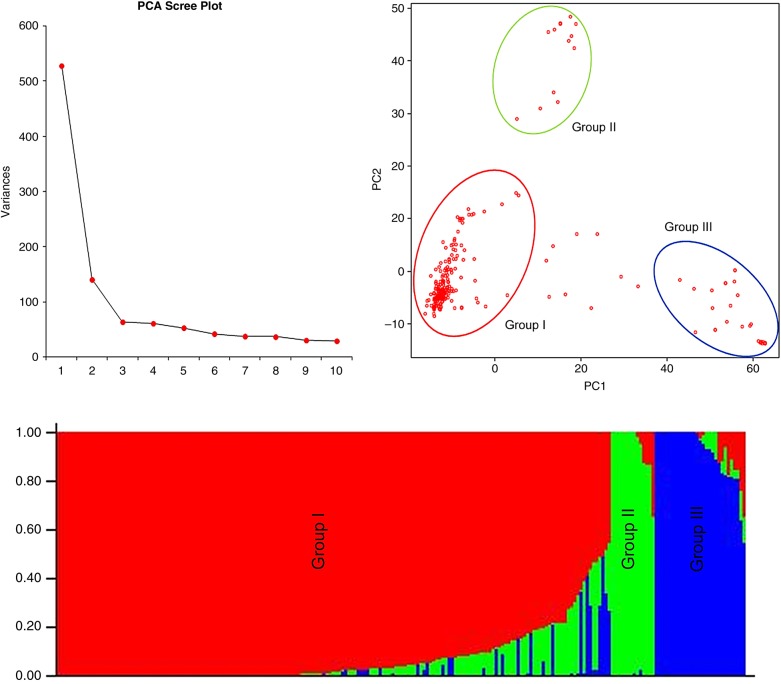
“In a study by Kumar et al. (2015), 52% and 14% of the total variation among 220 rice genotypes were distinguished using PCA.”
BackgroundMethod
Metadata
- Authors
- Kumar, V., Singh, A., Mithra, S. V. A., Krishnamurthy, S. L., Parida, S. K., Jain, S., Tiwari, K. K., Kumar, P., Rao, A. R., Sharma, S. K., Khurana, J. P., Singh, N. K., & Mohapatra, T.
- Affiliations
- National Research Centre on Plant Biotechnology (IN)
- Central Soil Salinity Research Institute (IN)
- Indian Agricultural Statistics Research Institute (IN)
- University of Delhi (IN)
- Corresponding author
- Mohapatra, T.
- ORCID
- Venue
- DNA Research
- Publisher
- Oxford University Press (OUP)
- Published
- 2015-01-27
- Volume
- 22
- Issue
- 2
- Pages
- 133-145
- ISSN
- 1340-2838 (ISSN-L)
- 1756-1663
- PMC
- PMC4401324
- OpenAlex
- W2153322520
- Cited by
- 328
- References
- 81
- Citations by year
- 2026: 21 · 2025: 9 · 2024: 24 · 2023: 17 · 2022: 46 · 2021: 51 · 2020: 33 · 2019: 33 · 2018: 26 · 2017: 30 · 2016: 25 · 2015: 12
- FWCI
- 21.31
- Type
- journal article
- Language
- en
- Open access
- gold
- doi.org
- Licence
- cc-by-nc
- Locations
- DNA Research (publishedVersion, cc-by-nc)
- Europe PMC (PubMed Central) (publishedVersion, cc-by-nc)
- PubMed Central (publishedVersion, cc-by-nc)
- PubMed (publishedVersion)
- Funders
- Indian Council of Agricultural Research
- Topics
- Life Sciences › Biochemistry, Genetics and Molecular Biology › Genetics › Genetic Mapping and Diversity in Plants and Animals
- Life Sciences › Agricultural and Biological Sciences › Plant Science › Plant Stress Responses and Tolerance
- Life Sciences › Agricultural and Biological Sciences › Plant Science › Rice Cultivation and Yield Improvement
- Keywords
- salt tolerance, rice, genome-wide association study, single nucleotide polymorphisms, quantitative trait loci, Na+/K+ ratio, salt stress, stress response genes, candidate genes
- MeSH terms
- Oryza, Multifactorial Inheritance, Polymorphism, Single Nucleotide, Chromosomes, Plant, Quantitative Trait Loci, Salt Tolerance, Genome-Wide Association Study
About these checks
Registry, retraction, Cites and statistics results are computed, not judged, with one exception: a printed reference that no index lists is read once by a model before it counts as a citation error. Claims are extracted by a model and kept only when their quote appears verbatim in the text; each cited source is then checked, with a model’s help, for whether it says what the claim relies on. Those verdicts can be wrong — read the claim’s quote and the cited source before relying on one.
Statistics and arithmetic are recomputed, not judged.
Confidence bands are shown only for fields calibrated on our annotated test set. None is calibrated yet, so no band is shown.
What counts as a claim ›How we measure confidence ›How we check this ›
Are you an author, or do you see a problem with this page? Request a review
Data sources
Bibliographic data: Semantic Scholar, OpenAlex, Crossref.
Contains information from the Semantic Scholar Academic Graph Datasets, made available under the ODC Attribution License (ODC-BY 1.0).
Semantic Scholar’s data is described in: Kinney, R., et al. (2023). The Semantic Scholar Open Data Platform. arXiv:2301.10140.
