

Genome-wide association mapping of salinity tolerance in rice (Oryza sativa)
Open accessThe DOI matches its Crossref record; 81 of the 81 references it cites were found in a registry or an index.
Abstract
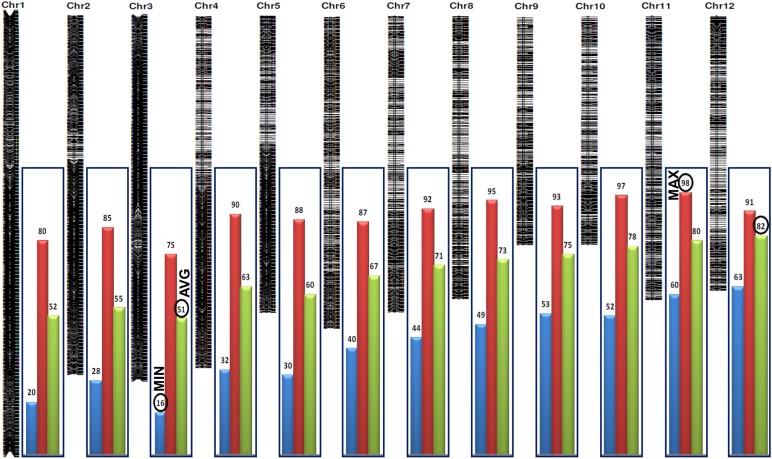
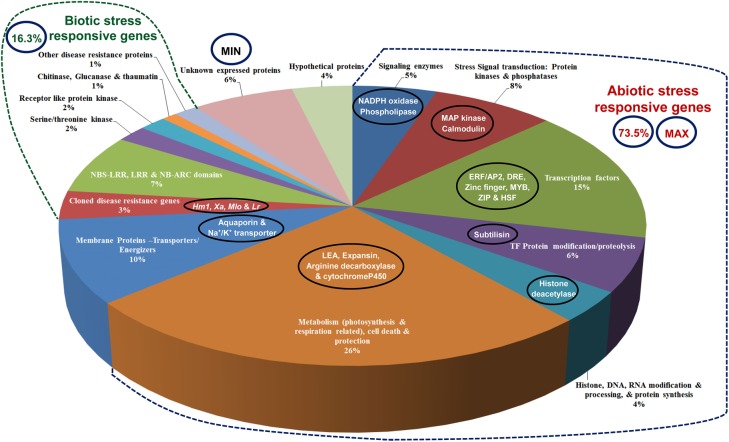
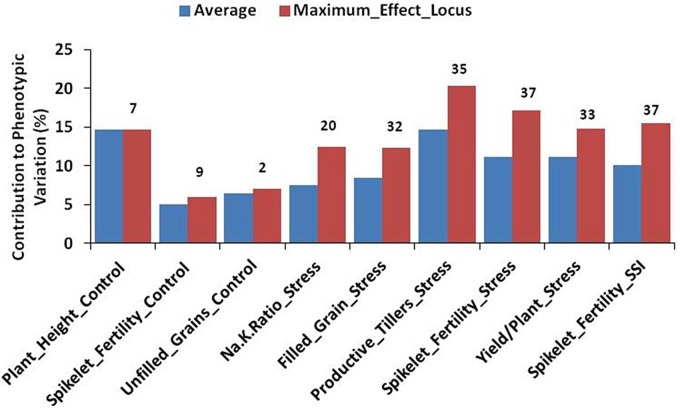
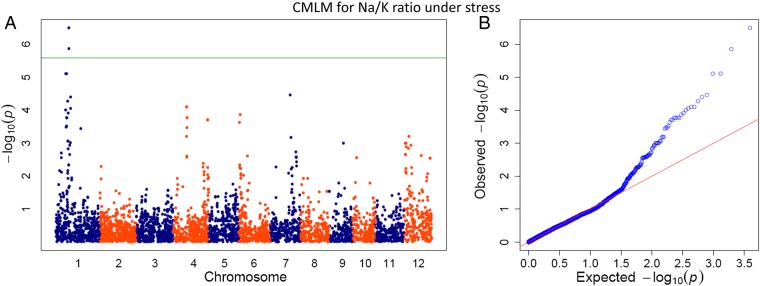
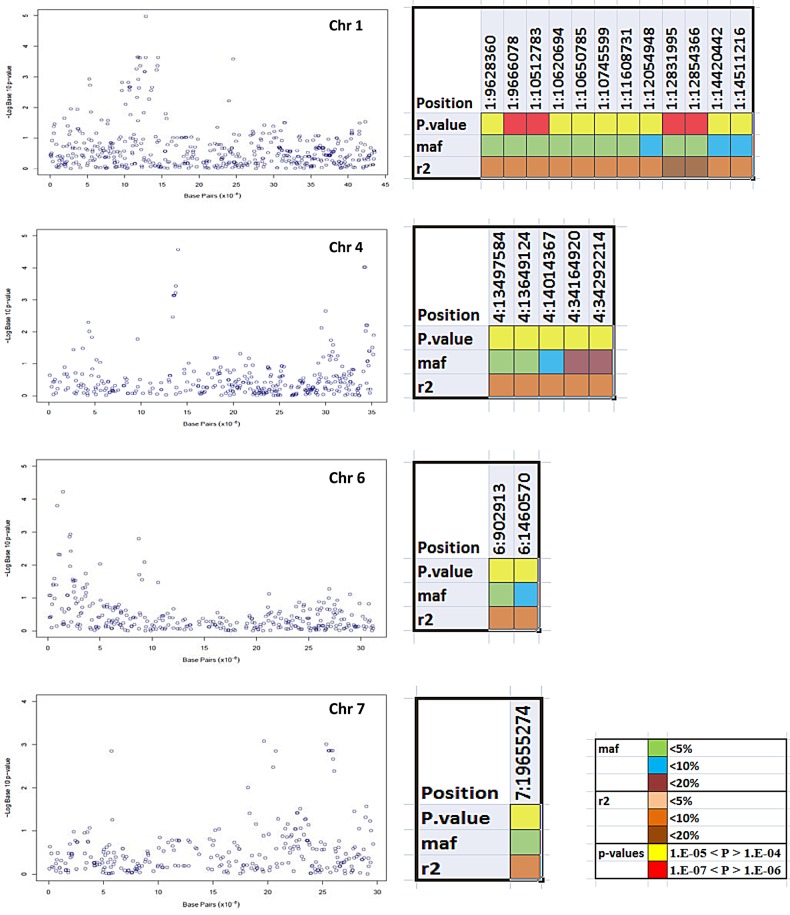
Salinity tolerance in rice is highly desirable to sustain production in areas rendered saline due to various reasons. It is a complex quantitative trait having different components, which can be dissected effectively by genome-wide association study (GWAS). Here, we implemented GWAS to identify loci controlling salinity tolerance in rice. A custom-designed array based on 6,000 single nucleotide polymorphisms (SNPs) in as many stress-responsive genes, distributed at an average physical interval of <100 kb on 12 rice chromosomes, was used to genotype 220 rice accessions using Infinium high-throughput assay. Genetic association was analysed with 12 different traits recorded on these accessions under field conditions at reproductive stage. We identified 20 SNPs (loci) significantly associated with Na(+)/K(+) ratio, and 44 SNPs with other traits observed under stress condition. The loci identified for various salinity indices through GWAS explained 5-18% of the phenotypic variance. The region harbouring Saltol, a major quantitative trait loci (QTLs) on chromosome 1 in rice, which is known to control salinity tolerance at seedling stage, was detected as a major association with Na(+)/K(+) ratio measured at reproductive stage in our study. In addition to Saltol, we also found GWAS peaks representing new QTLs on chromosomes 4, 6 and 7. The current association mapping panel contained mostly indica accessions that can serve as source of novel salt tolerance genes and alleles. The gene-based SNP array used in this study was found cost-effective and efficient in unveiling genomic regions/candidate genes regulating salinity stress tolerance in rice.
Overview
The claims and statistics of this paper haven’t been checked yet.
Free: it reads the open-access text and checks the first 5 claims that cite a source we can check. Create a free account to check every claim.
Integrity signals
Registry
Cites
Statistics
Figures
Verification
Claims the paper makes
The claims and statistics of this paper haven’t been checked yet.
Free: it reads the open-access text and checks the first 5 claims that cite a source we can check. Create a free account to check every claim.
Claims other papers make about this one
Each is checked against this paper’s own text: does it say what the citing paper says it does?
The source backs part of the claim, not all of it — or backs it for a different population, condition or comparison.
In the citing paper
“A novel QTL present on chromosome number 1 was reported and was called “Saltol” which is associated with salt tolerance at seedling stage [153].”
From Impact of Climate Change on Crops Adaptation and Strategies to Tackle Its Outcome: A Review (2019) · cites this paper as [153]
Experimental — accuracy not yet measured
Self-check
Percentages, sums and reported differences re-computed from the paper’s own numbers.
The self-check needs the paper’s full text.
Citations
Cites
Controlling the False Discovery Rate: A Practical and Powerful Approach to Multiple Testing
Benjamini, Y., & Hochberg, Y. (1995) · Journal of the Royal Statistical Society Series B: Statistical Methodology · doi:10.1111/j.2517-6161.1995.tb02031.x · Cited by 109,482
PLINK: a tool set for whole-genome association and population-based linkage analyses.
Purcell, S., Neale, B., Todd-Brown, K., Thomas, L., Ferreira, M. A. R., Bender, D., Maller, J., Sklar, P., de Bakker, P. I. W., Daly, M. J., et al. (2007) · The American Journal of Human Genetics · doi:10.1086/519795 · Cited by 34,089 · cited 2×
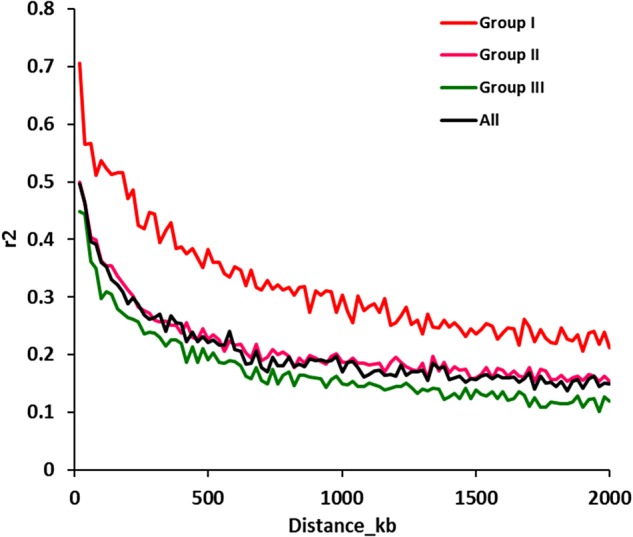
“For all pairs of SNPs, r2 was calculated using the --r2 --ld-window-kb 2,000 --ld-window 99999 --ld-window-r2 0 command in PLINK.45 The command was used to calculate LD association among SNP pairs to a distance of 2,000 kb.”
MethodInference of Population Structure Using Multilocus Genotype Data
Pritchard, J. K., Stephens, M., & Donnelly, P. (2000) · Genetics · doi:10.1093/genetics/155.2.945 · Cited by 33,908
genalex 6: genetic analysis in Excel. Population genetic software for teaching and research
PEAKALL, R., & SMOUSE, P. E. (2006) · Molecular Ecology Notes · doi:10.1111/j.1471-8286.2005.01155.x · Cited by 16,589
Pahlich, E., & Gerlitz, C. (1980) · Phytochemistry · doi:10.1016/0031-9422(80)85004-7 · Cited by 10,599
Principal components analysis corrects for stratification in genome-wide association studies
Price, A. L., Patterson, N. J., Plenge, R. M., Weinblatt, M. E., Shadick, N. A., & Reich, D. (2006) · Nature Genetics · doi:10.1038/ng1847 · Cited by 10,248
TASSEL: software for association mapping of complex traits in diverse samples
Bradbury, P. J., Zhang, Z., Kroon, D. E., Casstevens, T. M., Ramdoss, Y., & Buckler, E. S. (2007) · Bioinformatics · doi:10.1093/bioinformatics/btm308 · Cited by 7,759
The Structure of Haplotype Blocks in the Human Genome
Gabriel, S. B., Schaffner, S. F., Nguyen, H., Moore, J. M., Roy, J., Blumenstiel, B., Higgins, J., DeFelice, M., Lochner, A., Faggart, M., et al. (2002) · Science · doi:10.1126/science.1069424 · Cited by 5,863
Yu, J., Pressoir, G., Briggs, W. H., Vroh Bi, I., Yamasaki, M., Doebley, J. F., McMullen, M. D., Gaut, B. S., Nielsen, D. M., Holland, J. B., et al. (2006) · Nature Genetics · doi:10.1038/ng1702 · Cited by 4,133
Cold, salinity and drought stresses: An overview
Mahajan, S., & Tuteja, N. (2005) · Archives of Biochemistry and Biophysics · doi:10.1016/j.abb.2005.10.018 · Cited by 2,925
Research works printed but not linked: 11
- Blumwald E. Grover A. 2006, Salt tolerance, In: Plant biotechnology: current and future uses of genetically modified crops. John Wiley and Sons Ltd, UK, pp. 206– 24.
- 2000, Current Science, 78, 162
- 2010, PNAS, 107, 21611, 10.1073/pnas.1010179107 · DOI · Paper page
- To, 2006, Nature genetics, 38, 904, 10.1038/ng1847 · DOI · Paper page
- 2003, Annual review of plant biology, 54, 357, 10.1146/annurev.arplant.54.031902.134907 · DOI · Paper page
- 2011, Nature genetics, 44, 32, 10.1038/ng.1018 · DOI · Paper page
- 2009, PNAS, 106, 12273, 10.1073/pnas.0900992106 · DOI · Paper page
- Doyle J.J. Doyle J.L. 1987, A rapid DNA isolation procedure for small quantities of fresh leaf tissue, Phytochem. Bull., 19, 11– 15.
- 2012, PNAS, 109, 8872, 10.1073/pnas.1120813109 · DOI · Paper page
- 2013, Journal of genetics, 92, 433, 10.1007/s12041-013-0285-4 · DOI
- 2013, Journal of Experimental Botany, 64, 3099, 10.1093/jxb/ert182 · DOI
Cited by
Items 201–300 of 337
Noor, A. U. Z., Jewel, G. M. N. A., Haque, T., Elias, S. M., Biswas, S., Rahman, M. S., & Seraj, Z. I. (2019) · Acta Physiologiae Plantarum · doi:10.1007/s11738-019-2963-1 · Cited by 8
Genome-Wide Association Study for Detecting Salt-Tolerance Loci and Candidate Genes in Rice
Lar, S. M., Seo, J., Jang, S., Zhang, H., Lee, A., Cao, F.-Y., Lee, J.-H., Kim, N.-E., Lee, Y., Park, Y., et al. (2021) · Agriculture · doi:10.3390/agriculture11111174 · Cited by 7
“Genome-wide association study (GWAS) has great potential for identifying valuable natural variations in trait-associated loci, as well as allelic variations in candidate genes underlying quantitative and complex traits, including those related to growth, development, stress tolerance, and nutritional quality [19].”
BackgroundGenomic Strategies for Improving Abiotic Stress Tolerance in Crop Plants
Taunk, J., Rani, A., Singh, R., Yadav, N. R., & Yadav, R. C. (2019) · Sustainable development and biodiversity · doi:10.1007/978-3-319-91956-0_9 · Cited by 10
Genome-wide association study of salt tolerance at the seed germination stage in lettuce
Das, M. K., Park, S., Adhikari, N. D., & Mou, B. (2024) · PLoS ONE · doi:10.1371/journal.pone.0308818 · Cited by 6
Abiotic Stress Tolerance in Rice (Oryza sativa L.): A Genomics Perspective of Salinity Tolerance
Saeed, M. (2018) · InTech eBooks · doi:10.5772/intechopen.73571 · Cited by 6
“In these studies, rice mapping populations used consisted of European Rice Core collection (ERCC) containing 180 japonica accessions [53], 96 rice germplasm accessions including Nona Bokra [55], 220 rice accessions [56], 341 japonica rice accessions [57], 94 rice genotypes [58], and 24 indica rice genotypes [13].”
BackgroundInfluentialAzameti, M. K., Vishalakshi, B., Umakanth, B., Marathi, B., Prasad, M. S., & Madhav, M. S. (2020) · Genetic Resources and Crop Evolution · doi:10.1007/s10722-020-00976-7 · Cited by 6
Singh, A., & Behera, C. (2022) · Springer eBooks · doi:10.1007/978-981-16-6005-4_7 · Cited by 6
Self-citationGonzalez, J. P., Frandsen, K. E. H., & Kesten, C. (2023) · Cytoskeleton · doi:10.1002/cm.21773 · Cited by 6
“It is thus likely that Os DREPP1/RS1 is a MAP, which would be in accordance with its reported function in salt and high temperature stress (Kumar et al., 2015; Mu et al., 2017; Salekdeh et al., 2002; Yu et al., 2018), processes highly dependent on MT regulation.”
BackgroundVenske, E., Stafen, C. F., de Oliveira, V. F., da Maia, L. C., Júnior, A. M. D. M., McNally, K. L., de Oliveira, A. C., & Pegoraro, C. (2018) · Journal of Applied Genetics · doi:10.1007/s13353-018-0475-0 · Cited by 6
Genome-wide association study of low nitrogen tolerance traits at the seedling stage of rapeseed
Zeng, C., Wan, H., Wu, X., Dai, X., CHEN, J. D., Ji, Q., & QIAN, F. (2021) · Biologia Plantarum · doi:10.32615/bp.2020.144 · Cited by 6
Simulation Model for Time to Flowering with Climatic and Genetic Inputs for Wild Chickpea
Ageev, A., Aydoğan, A., von Wettberg, E., Nuzhdin, S. V., Samsonova, M. G., & Kozlov, K. N. (2021) · Agronomy · doi:10.3390/agronomy11071389 · Cited by 6
“Therefore, chickpea breeding has focused on developing varieties differing in their growth duration to be able to adapt to different latitudes and sowing regimes [4,8,11,12].”
BackgroundRashid, M. A. R., Atif, R. M., Zhao, Y., Azeem, F., Ahmed, H. G. M., Pan, Y., Li, D., Zhao, Y., Zhang, Z., Zhang, H., et al. (2022) · PeerJ · doi:10.7717/peerj.12674 · Cited by 6
Breeding and Omics Approaches to Understand Abiotic Stress Response in Rice
Syed, M. A., Ahmed, M. M. E., Debsharma, S. K., Jahan, N., Afrin, W., Biswas, A., Afrin, S. S., Akter, N., & Akter, M. B. (2022) · Springer eBooks · doi:10.1007/978-981-19-0140-9_14 · Cited by 9
Alkahtani, J. (2022) · Biosciences Biotechnology Research Asia · doi:10.13005/bbra/2988 · Cited by 6
Systematic analysis of RNA-seq-based gene co-expression across multiple plantsPreprint
Yu, H., Jiao, B., & Liang, C. (2017) · bioRxiv (Cold Spring Harbor Laboratory) · doi:10.1101/139923 · Cited by 7
Understanding anaerobic germination in direct-seeded rice: a genomic mapping approach
Verma, V. K., & Sandhu, N. (2024) · BMC Plant Biology · doi:10.1186/s12870-024-05901-z · Cited by 5
“Association mapping has been utilized in rice to identify new genetic regions linked to various complex traits, such as anaerobic germination [13, 16, 17, 24], grain yield [25–27], grain quality [28, 29], blast resistance [30], and responses to environmental stress [31, 32].”
Sun, X., Kang, X., Wang, J., He, X., Liu, W., Xu, D., Dai, X., Ma, W., & Zeng, J. (2025) · International Journal of Molecular Sciences · doi:10.3390/ijms26178659 · Cited by 5
“GWAS and QTL mapping have become pivotal strategies for deciphering the genetic mechanisms of salt tolerance in crops, particularly in the genetic regulation of root morphology traits (e.g., root length, fresh weight, and dry weight) [26,27].”
Regulatory networks and molecular mechanisms underlying salt stress tolerance in rice
Fang, W., Raza, A., Zhu, Q., Wang, Q., Ren, Q., Liu, M., Wang, S., & Hassan, M. A. (2026) · Frontiers in Plant Science · doi:10.3389/fpls.2026.1757448 · Cited by 6
“Using a custom SNP array representing approximately 6,000 stress-related genes, association mapping in 220 rice accessions identi fi ed multiple loci signi fi cantly associated with Na + /K + ratio, ion accumulation, and yield-related traits under saline fi eld conditions (Kumar et al., 2015).”
Bridging scales: integrated multi-omics and deep phenotyping for climate resilience in crop plants
Anand, S., Reddy, S. B., Shajini, N. M., Jose, E., Shirsat, M. S., Visakh, R. L., Jha, U. C., Sah, R. P., & Beena, R. (2026) · Frontiers in Plant Science · doi:10.3389/fpls.2026.1777294 · Cited by 11
“Forty-four signi fi cant SNPs linked to yield related traits and Na + /K + homeostasis were identi fi ed in a GWAS of 220 different indica rice accessions evaluated for fi eld salinity stress during the reproductive stage (Kumar et al., 2015).”
Sao, N., Hanh, D. D., Nakashima, M., Kumamoto, K., Thủy, N. T. T., Kobata, T., Saitoh, K., & Hirai, Y. (2021) · Agriculture · doi:10.3390/agriculture11080777 · Cited by 5
An Outlook on GWAS with a Special Focus on Solanaceous Vegetable Crops – A Review
Harish, A., Ramesh Kumar, A., Manivannan, S., & Senthil Kumar, S. (2023) · International Journal of Plant & Soil Science · doi:10.9734/ijpss/2023/v35i203800 · Cited by 5
Using Genomics to Adapt Crops to Climate Change
Yuan, Y., Scheben, A., Batley, J., & Edwards, D. (2019) · Springer eBooks · doi:10.1007/978-3-319-77878-5_5 · Cited by 7
Diversity of Sodium Transporter HKT1;5 in Genus Oryza
Pulipati, S., Somasundaram, S., Rana, N., Kumaresan, K., Shafi, K. M., Civáň, P., Sellamuthu, G., Jaganathan, D., Ramaravi, P. V., Punitha, S., et al. (2022) · Rice Science · doi:10.1016/j.rsci.2021.12.003 · Cited by 5
Khan, M. S. K., Saeed, M., & Iqbal, J. (2016) · Molecular Breeding · doi:10.1007/s11032-016-0605-5 · Cited by 5
“…crop plants (Van Eeuwijk et al. 2004; Mackay and Powell 2007; Zhao et al. 2007; Abdurakhmonov et al. 2008, 2009; Atwell et al. 2010; Cockram et al. 2010; Riedelsheimer et al. 2012; Long et al. 2013; Saeed et al. 2014; Kumar et al. 2015; Spindel et al. 2015; Zheng et al. 2015; McCouch et al. 2016).”
BackgroundOmics-Based Strategies for Improving Salt Tolerance in Maize (Zea mays L.)
Uddin, M. S., Billah, M., Hossain, N., Bagum, S. A., & Islam, T. (2018) · Springer eBooks · doi:10.1007/978-981-10-7479-0_9 · Cited by 5
Sharma, A., Basu, U., Malik, N., Daware, A., Thakro, V., Narnoliya, L., Bajaj, D., Tripathi, S., Hegde, V. S., Upadhyaya, H. D., et al. (2019) · Functional & Integrative Genomics · doi:10.1007/s10142-019-00691-2 · Cited by 6
Self-citationAdvances of Next-Generation Sequencing (NGS) Technologies to Enhance the Biofortifications in Crops
Singh, N., Bhatt, V. D., Rana, N., & Shivaraj, S. M. (2020) · Springer eBooks · doi:10.1007/978-981-15-2874-3_17 · Cited by 5
Self-citationBoron Facilitates Rice Growth, Development, and Related Attributes Under Saline Soil Conditions
Uddin, M. R., Nuruzzaman, M., Briste, P. S., Islam, M. M., Bhuiyan, A. K., Joy, M. I. H., Ahmed, S., & Khatun, A. (2021) · Acta Agrobotanica · doi:10.5586/aa.743 · Cited by 5
Shahzad, R., Jamil, S., Ahmad, S., Nisar, A., Kanwal, S., Atif, R. M., Iqbal, M. Z., Ali, Z., Ghazy, A. I., & Khan, A. A. (2021) · Elsevier eBooks · doi:10.1016/b978-0-323-90943-3.00011-0 · Cited by 7
Tâm, N. T., Dwiyanti, M. S., Sakaguchi, S., Koide, Y., Le, D. V., Watanabe, T., & Kishima, Y. (2022) · Rice · doi:10.1186/s12284-022-00613-0 · Cited by 5
“Limiting the uptake of these essential ions negatively affects plant growth (Kumar et al. 2015).”
Engineering abiotic stress tolerance in cereal crops: current advances and future directions
Ali, B., Rehman, A., Latef, A. A. H. A., Imran, M., Javed, M. A., Wise, N., & Imin, N. (2026) · Cereal Research Communications · doi:10.1007/s42976-026-00804-1 · Cited by 9
“(Kumar et al. 2015) Temperature Spikelet sterility (SPKST) genes were identified in genomic regions of 14 loci.”
Introductory Chapter: Making Plant Life Easier and Productive under Salinity – Updates and Prospects
Anjum, N. A., Masood, A., Thangavel, P., & Khan, N. A. (2023) · IntechOpen eBooks · doi:10.5772/intechopen.113407 · Cited by 4
Enhancing Maize ( Zea mays L.) Crop through Advanced Techniques: A Comprehensive Approach
Singh, V. K., Pundir, S., Chaturvedi, D., Kaur, A., Pandey, A., Mandal, S., Kumar, R., Singh, R., Bhati, H. P., Dhanda, P. S., et al. (2024) · Agricultural sciences. · doi:10.5772/intechopen.114029 · Cited by 18
Zhu, P., Liu, G., Chen, Z., Kong, D., Luo, L., & Yu, X. (2025) · BMC Plant Biology · doi:10.1186/s12870-025-06207-4 · Cited by 5
Sustainable Solutions: Nurturing Plant Growth in a Changing Climate
Ijaz, S., Iqbal, J., Abbasi, B. A., Ullah, Z., Yaseen, T., Ansari, L., Ali, H., Sahito, Z. A., Sampath, S., Kanwal, S., et al. (2024) · Springer eBooks · doi:10.1007/978-3-031-69417-2_20 · Cited by 4
Yadav, R. K., Ramteke, P. W., Tripathi, K., Varghese, E., & Abraham, G. (2022) · Journal of Plant Growth Regulation · doi:10.1007/s00344-022-10594-5 · Cited by 4
“It has been estimated that almost 12 million hectares land in Asia and approximately more than 50% area in India is affected by salinity (Kumar et al. 2015).”
BackgroundPruthi, R., Puram, V. R. R., Ontoy, J. C., & Subudhi, P. K. (2022) · Genetica · doi:10.1007/s10709-022-00160-y · Cited by 4
“1 s, and SNP markers associated with panicle number (Mohammadi et al.”
BackgroundInfluentialGenome-Wide Association Mapping and Genomic Selection Approaches for Stress Resilience in Rice
Anilkumar, C., Lokeshkumar, B. M., Sunitha, N. C., Basavaraj, P. S., & Hanjagi, P. S. (2022) · Springer eBooks · doi:10.1007/978-981-19-1445-4_2 · Cited by 8
Genetic Improvement of Rice for Inland Saline and Alkaline Areas of North-Western India
Krishnamurthy, S. L., Rathor, S., Lokeshkumar, B. M., Warraich, A. S., Vinaykumar, N. M., Sharma, P. C., Gautam, R. K., & Singh, R. K. (2024) · Springer eBooks · doi:10.1007/978-981-99-3830-8_5 · Cited by 4
Self-citationForecasting the Timing of Floral Initiation in Wild Chickpeas under Climate Change
Ageev, A., Wettberg, E. J. B.-V., Nuzhdin, S. V., Samsonova, M. G., & Kozlov, K. N. (2021) · BIOPHYSICS · doi:10.1134/s0006350921010152 · Cited by 4
Genomics-Assisted Breeding of Climate-Smart Inbred and Hybrid Rice Varieties
Ali, J., Mahender, A., Prahalada, G. D., Sevilla, M. A. L., Galang, A. L. A., Asis, E. J. D., Paz, M. D., Marfori-Nazarea, C. M., Nicolas, K. L., & Vinarao, R. (2020) · Springer eBooks · doi:10.1007/978-3-319-93381-8_1 · Cited by 8
Genetic studies towards elucidation of drought tolerance of potato
Tessema, B. B. (2017) · doi:10.18174/413763 · Cited by 4
Genetic structure of Photosystem II functionality in rice unraveled by GWAS analysisPreprint
Vilas, J. M., Burgos, E., Puig, M. L., Colazo, J., Livore, A., RUIZ, O. A., Carrari, F. O., Rodríguez, A. A., & Maiale, S. J. (2020) · bioRxiv (Cold Spring Harbor Laboratory) · doi:10.1101/2020.09.28.317479 · Cited by 5
“…et al., 2016; Hu et al., 2016; Han et al., 2016), diverse biotic and abiotic stress (Li et al., 2017; Shakiba et al., 2017; Kang et al., 2016; Kumar et al., 2015; Lafarge et al., 2017; Shi et al., 2017; Kadam et al., 2018; Pantalião et al., 2016; Ma et al., 2016) and diverse physiological…”
BackgroundUma, P. A. R., Rathinasamy, P. D., Thanakkan, R., Dhashnamurthi, V., & Senthilkumar, M. (2025) · Folia Microbiologica · doi:10.1007/s12223-025-01350-9 · Cited by 3
“All the critical growth stages of plants are highly susceptible to salt stress (Kumar et al. 2015; Sorty et al. 2016).”
Mouhamad, R. S., Jaafar, Z. M., El Kaaby, E. A. J., Iqbal, M., & Nazir, A. (2018) · Rice Research Open Access · doi:10.4172/2375-4338.1000189 · Cited by 3
“Salinity is a determinant factor during fertilization [5], maturity [6,7] and flowering [8].”
BackgroundDNApod: DNA polymorphism annotation database from next-generation sequence read archives
Mochizuki, T., Tanizawa, Y., Fujisawa, T., Ohta, T., Nikoh, N., Shimizu, T., Toyoda, A., Fujiyama, A., Kurata, N., Nagasaki, H., et al. (2017) · PLoS ONE · doi:10.1371/journal.pone.0172269 · Cited by 3
CRISPR/Cas Technology: A Climate Saviour or a Genetic Pandora’s Box?
Agarwal, A., Saxena, S., & Arora, S. (2024) · Springer eBooks · doi:10.1007/978-981-99-8529-6_26 · Cited by 8
Use of Genomics to Improve Stress Tolerance
Mahajan, R., Kapoor, N., & Bajaj, B. K. (2022) · Springer eBooks · doi:10.1007/978-981-16-6974-3_11 · Cited by 3
Ahmed, S. M., Alsamman, A. M., Mubarak, M. H., Badawy, M. A., Kord, M. A., Momtaz, O. A., & Hamwieh, A. (2019) · bioRxiv (Cold Spring Harbor Laboratory) · doi:10.1101/519744 · Cited by 3
Rathor, S., Krishnamurthy, S. L., Arya, S. K., Lokeshkumar, B. M., Sharma, P. C., Ellur, R. K., Krishnamurthy, S. L., Sharma, P., Rathore, A., & Meghashree, J. R. (2026) · Agricultural Research · doi:10.1007/s40003-026-00973-9 · Cited by 2
“(Zeng and Shannon 2000; Kumar et al. 2015).”
Self-citationBhowmick, R., Tiwari, S., Krishnamurthy, S. L., Yadav, N., Rai, V., Lokeshkumar, B. M., Sharma, P., & Singh, N. K. (2026) · Euphytica · doi:10.1007/s10681-026-03735-4 · Cited by 3
“Additional QTL for salt-tolerance have been mapped on rice chromosomes 3, 4, 6, 8 and 10 in different studies employing genome wide association studies (GWAS) or biparental mapping (Flowers et al. 2000; Koyama et al. 2001; Lee et al. 2006; Kumar et al. 2015; Liang et al. 2015).”
Self-citationKumar, A., Sathishkumar, R., Kant, C., Mohapatra, A., Sharma, D., Kulshreshtha, N., Mehla, S., Pandey, R., Mir, R. R., Jacob, S. R., et al. (2026) · Scientific Reports · doi:10.1038/s41598-026-54504-1 · Cited by 2
Self-citationKumari, R., Kumar, P., Sharma, V. K., & Kumar, H. (2020) · Genetika · doi:10.2298/gensr2003215k · Cited by 4
“However, breeding for salt tolerant rice varieties using genetic diversity available in rice genetic resources has been a difficult task, owing to problems in accurate phenotyping at different stages of growth under varying salinity levels, strong genotype and environment interaction and complex inheritance of salt to…”
BackgroundSelf-citationIntroductory Chapter: Recent Advances in Rice Biotechnology for Abiotic Stress Tolerance
Ijaz, M., Shahzadi, R., Issayeva, A. U., Bukhari, S. A., & Rahman, M. U. (2021) · IntechOpen eBooks · doi:10.5772/intechopen.94036 · Cited by 3
“QTLs of salt stress responsive genes have been identified by the SNP in the rice crop [69].”
BackgroundZhai, L., Li, D., Ren, N., Zhu, S., Wang, D., Shen, C., Chen, K., & Xu, J. (2023) · Agronomy · doi:10.3390/agronomy13112711 · Cited by 2
Trait Based Association Mapping in Plants
Jain, P., Dutta, B., & Sevanthi, A. M. (2024) · Springer protocols handbooks/Springer protocols · doi:10.1007/978-981-99-6913-5_6 · Cited by 3
Rice Tolerance to Multiple Abiotic Stress: Genomics and Genetic Engineering
Bhar, A. (2020) · Springer eBooks · doi:10.1007/978-981-15-4120-9_25 · Cited by 2
Status and Prospectives of Genome-Wide Association Studies in Plants
Dash, G. K., Sabarinathan, S., Donde, R., Gouda, G., Gupta, M. K., Behera, L., & Swain, P. (2021) · Springer eBooks · doi:10.1007/978-981-16-3993-7_19 · Cited by 4
Molecular Markers and Their Role in Producing Salt-Tolerant Crop Plants
Datir, S. S. (2018) · Springer eBooks · doi:10.1007/978-3-319-75671-4_15 · Cited by 2
Effects of Environmental Stresses on Grain Filling of Rice Panicle
Mohapatra, P. K., & Sahu, B. B. (2021) · Springer eBooks · doi:10.1007/978-3-030-67897-5_12 · Cited by 2
Sakhare, A. S., Kota, S., Rathod, S., Parmar, B., & Chinnusamy, V. (2022) · Wiley eBooks · doi:10.1002/9781119745686.ch5 · Cited by 3
Enhancing Maize Crop through Advanced Techniques: A Comprehensive ApproachPreprint
Singh, V. K., Pundir, S., Chaturvedi, D., Kaur, A., Pandey, A., Mandal, S., Kumar, R., Bhati, H. P., Singh, R., Kole, C., et al. (2023) · Preprints.org · doi:10.20944/preprints202309.2115.v1 · Cited by 2
Sock, M., Diouf, D., Amoah, N. K. A., Bok-Lee, S., Manneh, B., & Bimpong, I. K. (2024) · Genetic Resources and Crop Evolution · doi:10.1007/s10722-024-02108-x · Cited by 1
“Of the 57,974 markers at the baseline, only 4684 informative SNPs and 234 lines from the Sahel 328/NERICA-L-9 population were considered for further analysis following filtering and quality con-trol.”
InfluentialEra, F. M., Raihan, M. S., Jahan, N., Pandey, S., Alalawy, A. I., Al-Duais, M. A., Alharbi, B. M., Alqurashi, M., Erden, Z., Toprak, Ç. C., et al. (2025) · Cellular and Molecular Biology · doi:10.14715/cmb/2024.70.12.3 · Cited by 1
F2 bulk segregant analysis reveals salt-tolerant QTLs related to the ubiquitination process
Habila, S., Khunpolwattana, N., Buabooch, T., Henry, I. M., Comai, L., Pongpanich, M., Plaimas, K., Suriya-arunroj, D., Siangliw, M., Kasettranun, W., et al. (2025) · Scientific Reports · doi:10.1038/s41598-025-22480-7 · Cited by 2
“Previous studies have indicated that QTLs linked to stress responses often coincide with those controlling key agronomic traits, possibly due to shared genetic pathways 49,50 .”
Crop gene regulatory networks for precision breeding in saline environments
Kan, Y., Dong, H., Ren, Y., & Qi, X. (2026) · Plant Physiology and Biochemistry · doi:10.1016/j.plaphy.2026.111166 · Cited by 1
Tariq, R., Arif, M., Khatibi, S. M. H., Zhang, H., & Ali, J. (2026) · Cogent Food & Agriculture · doi:10.1080/23311932.2026.2683167 · Cited by 1
Bardhan, S. R., Rao, A. R., Meher, P. K., Marwaha, S., & Wahi, S. D. (2015) · The Indian Journal of Agricultural Sciences · doi:10.56093/ijas.v85i12.54301 · Cited by 2
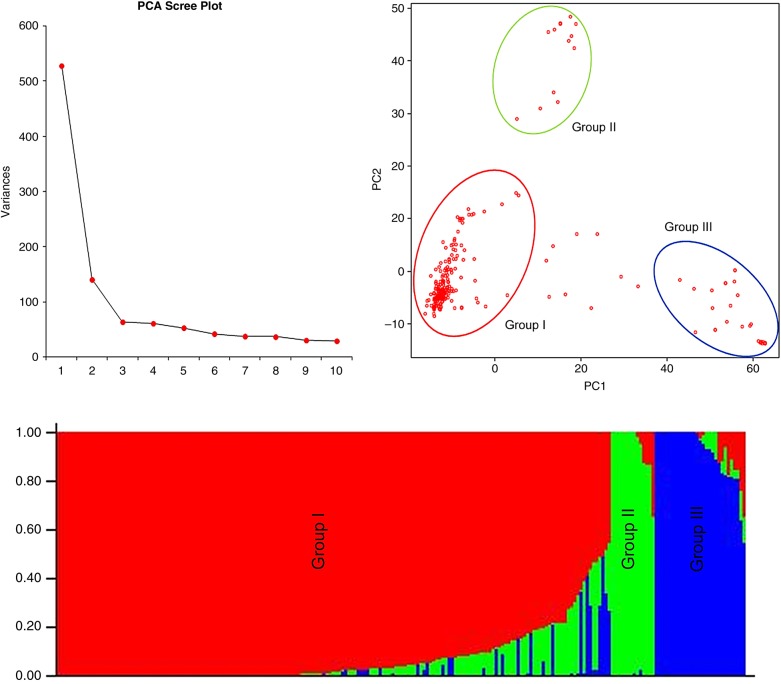
“Cluster analysis, sampling intensities and allocation strategy Kumar et al. (2015) reported the formation of three major groups in the data set considered in the present study.”
BackgroundSelf-citationAalami, A., Alizadeh, M. R., Shirzadian-Khorramabad, R., Ebadi, A. A., & Azizi, H. (2016) · DOAJ (DOAJ: Directory of Open Access Journals) · doi:10.22058/jpmb.2016.19781 · Cited by 1
“Also Kumar et al. (2015) evaluated 220 rice accessions using 6,000 SNPs through association analysis to identify loci related to salinity tolerance in rice.”
MethodThe Genome-Wide Association Study
Li, H., Tsuchimoto, S., Harada, K., & Fukui, K. (2017) · Compendium of plant genomes · doi:10.1007/978-3-319-49653-5_10 · Cited by 1
Pervasive System Biology for Active Compound Valorization in Jatropha
Carels, N., Magalhães, M., Lima, C. R., Bahadur, B., & de Menezes, M. A. (2019) · Springer eBooks · doi:10.1007/978-981-13-3104-6_12 · Cited by 1
DIFFERENTIAL ANTIOXIDANT RESPONSE ON DROUGHT BY ZONES OF THE GROWTH OF MAIZE LEAVES
Sukiasyan, A. R. (2019) · chemistry of plant raw material · doi:10.14258/jcprm.2019024458 · Cited by 2
Salinity induced impact on morphological traits of rice at reproductive stage
Chaudhary, K., Krishnamurthy, S. L., Singh, N., & Sharma, P. C. (2021) · ORYZA- An International Journal on Rice · doi:10.35709/ory.2021.58.2.5 · Cited by 1
Self-citationConcepts and applications of bioinformatics for sustainable agriculture
Şahin, E. Ç., Aydın, Y., Gilles, T., Uncuoğlu, A. A., & Lucas, S. J. (2022) · Elsevier eBooks · doi:10.1016/b978-0-323-89778-5.00012-x · Cited by 2
Tam, B. P., Tu, P. T. B., & Pha, N. T. (2023) · Asian Journal of Plant Sciences · doi:10.3923/ajps.2023.618.627 · Cited by 1
Omics-based strategies for improving salt tolerance in rice
Nazir, F., Khan, L., Umar, S., & Khan, M. I. R. (2024) · Elsevier eBooks · doi:10.1016/b978-0-443-21625-1.00005-1 · Cited by 1
Identification of patterns related to linkage groups or disequilibrium by factor analysis
de Oliveira, C. F., Teixeira, G., Temóteo, A. D. S., Nascimento, M., & Cruz, C. D. (2021) · Ciência Rural · doi:10.1590/0103-8478cr20190984 · Cited by 2
Genome Wide Association and Forward Genetic Studies to Identify Genes Involved in Salt Tolerance
Patishtan-Pérez, J. (2016) · White Rose eTheses Online (University of Leeds, The University of Sheffield, University of York) · Cited by 2
Kumar, A., Daware, A., Kumar, A., Kumar, V., Krishnan, S. G., Mondal, S., Patra, B. C., SINGH, A. K., Tyagi, A. K., Parida, S. K., et al. (2019) · bioRxiv (Cold Spring Harbor Laboratory) · doi:10.1101/725242 · Cited by 1
“Further, the GWAS was performed by integration of SNP genotyping (34486 SNPs) and the grain-length phenotyping data for 1150 rice accessions using the methods described previously (Lipka et al., 2012; Kumar et al., 2015).”
MethodSelf-citationSevanthi, A. M., Sinha, S. K., Sureshkumar, V., Manju, R., Saini, M. R., Kumari, S., Kaushik, M., Prakash, C., Venkatesh, K., Singh, G. P., et al. (2020) · Research Square · doi:10.21203/rs.3.rs-122408/v1 · Cited by 1
Self-citationMolecular Genetics of Salinity Tolerance in Rice (Oryza sativa L.)
Leon, T. B. D. (2016) · doi:10.31390/gradschool_dissertations.4426 · Cited by 1
Genetic Dissection and QTL Pyramiding to Enhance Salinity Tolerance in Rice (Oryza sativa L.)
Chapagain, S. (2022) · Louisiana State University · doi:10.31390/gradschool_dissertations.5904 · Cited by 1
Biotechnological Strategies to Generate Climate‐Smart Crops
Maurya, J., Singh, R. K., & Prasad, M. (2023) · Wiley eBooks · doi:10.1002/9781119858553.ch17 · Cited by 1
Effect of drought on the antioxidant activity of corn from various soil and climatic regions
Sukiasyan, A. R. (2018) · RUDN Journal of Ecology and Life Safety · doi:10.22363/2313-2310-2018-26-3-315-325
Brini, F., Yacoubi, I., & Saibi, W. (2020) · Springer eBooks · doi:10.1007/978-981-15-5337-0_18 · Cited by 1
Gupta, A., & Shaw, B. P. (2021) · Journal of scientific research · doi:10.37398/jsr.2021.650110
Entila, F. D., Pacleb, M., Ella, E. S., & Ismail, A. M. (2021) · bioRxiv (Cold Spring Harbor Laboratory) · doi:10.1101/2021.05.09.443312
“Genome-wide association study (GWAS) has been progressively used to dissect the genetic architecture 128 of complex traits in rice such as agronomic attributes, root and leaf morphology, metabolite profile, 129 flowering time, tolerance to ozone, aluminum and salinity tolerance, and blast resistance (Huang et al. 130…”
BackgroundMethodTâm, N. T., Dwiyanti, M. S., Sakaguchi, S., Koide, Y., Dung, L. V., Watanabe, T., & Kishima, Y. (2021) · Research Square · doi:10.21203/rs.3.rs-1129525/v1
Genome-wide association mapping of agronomic and quality traits in foxtail milletPreprint
Lou, Y., Chen, Y., Chao, Y., Han, F., Sun, M., Pan, H., Wang, H., Liu, Z., & Zhuge, Y. (2022) · Research Square · doi:10.21203/rs.3.rs-1421666/v1
Singh, A. K., & Singh, A. K. (2022) · Springer eBooks · doi:10.1007/978-3-030-93258-9_8
Self-citationKaniz, F., Md., R., Islam, M. M., Begum, S. N., Azam, M. G., Hossain, M. A., & Hassan, L. (2022) · Acta Biologica Szegediensis · doi:10.14232/abs.2021.2.145-162 · Cited by 1
Studies on proximate composition and antioxidant activity of some specialty rice cultivars of Odisha
Bal, R., & Kandali, R. (2022) · Indian Journal of Agricultural Biochemistry · doi:10.5958/0974-4479.2022.00014.4
DNA Markers: An Essential Tool for Cis-genic Improvement of Rice
Jayatilake, D. V., & Kariyawasam, T. (2022) · Concepts and strategies in plant sciences · doi:10.1007/978-3-031-06628-3_10
Análise de fatores para redução de dimensionalidade em estudos de predição genômica
de Oliveira, C. F. (2022) · doi:10.47328/ufvbbt.2023.026
Metadata
- Authors
- Kumar, V., Singh, A., Mithra, S. V. A., Krishnamurthy, S. L., Parida, S. K., Jain, S., Tiwari, K. K., Kumar, P., Rao, A. R., Sharma, S. K., Khurana, J. P., Singh, N. K., & Mohapatra, T.
- Affiliations
- National Research Centre on Plant Biotechnology (IN)
- Central Soil Salinity Research Institute (IN)
- Indian Agricultural Statistics Research Institute (IN)
- University of Delhi (IN)
- Corresponding author
- Mohapatra, T.
- ORCID
- Venue
- DNA Research
- Publisher
- Oxford University Press (OUP)
- Published
- 2015-01-27
- Volume
- 22
- Issue
- 2
- Pages
- 133-145
- ISSN
- 1340-2838 (ISSN-L)
- 1756-1663
- PMC
- PMC4401324
- OpenAlex
- W2153322520
- Cited by
- 328
- References
- 81
- Citations by year
- 2026: 21 · 2025: 9 · 2024: 24 · 2023: 17 · 2022: 46 · 2021: 51 · 2020: 33 · 2019: 33 · 2018: 26 · 2017: 30 · 2016: 25 · 2015: 12
- FWCI
- 21.31
- Type
- journal article
- Language
- en
- Open access
- gold
- doi.org
- Licence
- cc-by-nc
- Locations
- DNA Research (publishedVersion, cc-by-nc)
- Europe PMC (PubMed Central) (publishedVersion, cc-by-nc)
- PubMed Central (publishedVersion, cc-by-nc)
- PubMed (publishedVersion)
- Funders
- Indian Council of Agricultural Research
- Topics
- Life Sciences › Biochemistry, Genetics and Molecular Biology › Genetics › Genetic Mapping and Diversity in Plants and Animals
- Life Sciences › Agricultural and Biological Sciences › Plant Science › Plant Stress Responses and Tolerance
- Life Sciences › Agricultural and Biological Sciences › Plant Science › Rice Cultivation and Yield Improvement
- Keywords
- salt tolerance, rice, genome-wide association study, single nucleotide polymorphisms, quantitative trait loci, Na+/K+ ratio, salt stress, stress response genes, candidate genes
- MeSH terms
- Oryza, Multifactorial Inheritance, Polymorphism, Single Nucleotide, Chromosomes, Plant, Quantitative Trait Loci, Salt Tolerance, Genome-Wide Association Study
About these checks
Registry, retraction, Cites and statistics results are computed, not judged, with one exception: a printed reference that no index lists is read once by a model before it counts as a citation error. Claims are extracted by a model and kept only when their quote appears verbatim in the text; each cited source is then checked, with a model’s help, for whether it says what the claim relies on. Those verdicts can be wrong — read the claim’s quote and the cited source before relying on one.
Statistics and arithmetic are recomputed, not judged.
Confidence bands are shown only for fields calibrated on our annotated test set. None is calibrated yet, so no band is shown.
What counts as a claim ›How we measure confidence ›How we check this ›
Are you an author, or do you see a problem with this page? Request a review
Data sources
Bibliographic data: Semantic Scholar, OpenAlex, Crossref.
Contains information from the Semantic Scholar Academic Graph Datasets, made available under the ODC Attribution License (ODC-BY 1.0).
Semantic Scholar’s data is described in: Kinney, R., et al. (2023). The Semantic Scholar Open Data Platform. arXiv:2301.10140.
