

Genome-wide association mapping of salinity tolerance in rice (Oryza sativa)
Open accessThe DOI matches its Crossref record; 81 of the 81 references it cites were found in a registry or an index.
Abstract
Salinity tolerance in rice is highly desirable to sustain production in areas rendered saline due to various reasons. It is a complex quantitative trait having different components, which can be dissected effectively by genome-wide association study (GWAS). Here, we implemented GWAS to identify loci controlling salinity tolerance in rice. A custom-designed array based on 6,000 single nucleotide polymorphisms (SNPs) in as many stress-responsive genes, distributed at an average physical interval of <100 kb on 12 rice chromosomes, was used to genotype 220 rice accessions using Infinium high-throughput assay. Genetic association was analysed with 12 different traits recorded on these accessions under field conditions at reproductive stage. We identified 20 SNPs (loci) significantly associated with Na(+)/K(+) ratio, and 44 SNPs with other traits observed under stress condition. The loci identified for various salinity indices through GWAS explained 5-18% of the phenotypic variance. The region harbouring Saltol, a major quantitative trait loci (QTLs) on chromosome 1 in rice, which is known to control salinity tolerance at seedling stage, was detected as a major association with Na(+)/K(+) ratio measured at reproductive stage in our study. In addition to Saltol, we also found GWAS peaks representing new QTLs on chromosomes 4, 6 and 7. The current association mapping panel contained mostly indica accessions that can serve as source of novel salt tolerance genes and alleles. The gene-based SNP array used in this study was found cost-effective and efficient in unveiling genomic regions/candidate genes regulating salinity stress tolerance in rice.
Overview
The claims and statistics of this paper haven’t been checked yet.
Free: it reads the open-access text and checks the first 5 claims that cite a source we can check. Create a free account to check every claim.
Integrity signals
Registry
Cites
Statistics
Figures
Verification
Claims the paper makes
The claims and statistics of this paper haven’t been checked yet.
Free: it reads the open-access text and checks the first 5 claims that cite a source we can check. Create a free account to check every claim.
Claims other papers make about this one
Each is checked against this paper’s own text: does it say what the citing paper says it does?
The source backs part of the claim, not all of it — or backs it for a different population, condition or comparison.
In the citing paper
“A novel QTL present on chromosome number 1 was reported and was called “Saltol” which is associated with salt tolerance at seedling stage [153].”
From Impact of Climate Change on Crops Adaptation and Strategies to Tackle Its Outcome: A Review (2019) · cites this paper as [153]
Experimental — accuracy not yet measured
Self-check
Percentages, sums and reported differences re-computed from the paper’s own numbers.
The self-check needs the paper’s full text.
Citations
Cites
Controlling the False Discovery Rate: A Practical and Powerful Approach to Multiple Testing
Benjamini, Y., & Hochberg, Y. (1995) · Journal of the Royal Statistical Society Series B: Statistical Methodology · doi:10.1111/j.2517-6161.1995.tb02031.x · Cited by 109,482
PLINK: a tool set for whole-genome association and population-based linkage analyses.
Purcell, S., Neale, B., Todd-Brown, K., Thomas, L., Ferreira, M. A. R., Bender, D., Maller, J., Sklar, P., de Bakker, P. I. W., Daly, M. J., et al. (2007) · The American Journal of Human Genetics · doi:10.1086/519795 · Cited by 34,089 · cited 2×
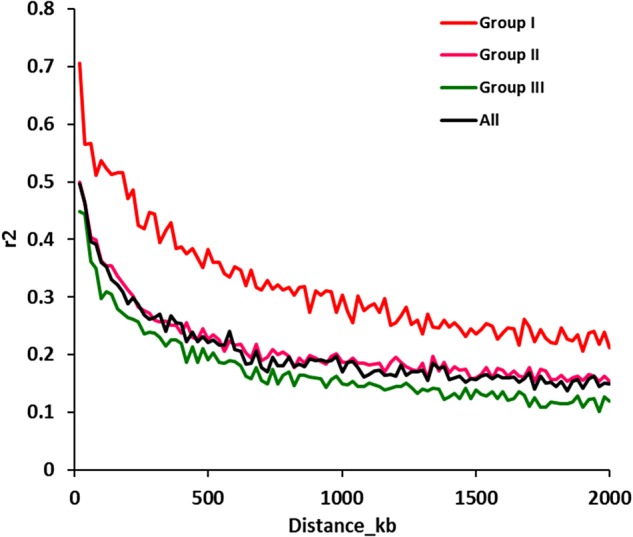
“For all pairs of SNPs, r2 was calculated using the --r2 --ld-window-kb 2,000 --ld-window 99999 --ld-window-r2 0 command in PLINK.45 The command was used to calculate LD association among SNP pairs to a distance of 2,000 kb.”
MethodInference of Population Structure Using Multilocus Genotype Data
Pritchard, J. K., Stephens, M., & Donnelly, P. (2000) · Genetics · doi:10.1093/genetics/155.2.945 · Cited by 33,908
genalex 6: genetic analysis in Excel. Population genetic software for teaching and research
PEAKALL, R., & SMOUSE, P. E. (2006) · Molecular Ecology Notes · doi:10.1111/j.1471-8286.2005.01155.x · Cited by 16,589
Pahlich, E., & Gerlitz, C. (1980) · Phytochemistry · doi:10.1016/0031-9422(80)85004-7 · Cited by 10,599
Principal components analysis corrects for stratification in genome-wide association studies
Price, A. L., Patterson, N. J., Plenge, R. M., Weinblatt, M. E., Shadick, N. A., & Reich, D. (2006) · Nature Genetics · doi:10.1038/ng1847 · Cited by 10,248
TASSEL: software for association mapping of complex traits in diverse samples
Bradbury, P. J., Zhang, Z., Kroon, D. E., Casstevens, T. M., Ramdoss, Y., & Buckler, E. S. (2007) · Bioinformatics · doi:10.1093/bioinformatics/btm308 · Cited by 7,759
The Structure of Haplotype Blocks in the Human Genome
Gabriel, S. B., Schaffner, S. F., Nguyen, H., Moore, J. M., Roy, J., Blumenstiel, B., Higgins, J., DeFelice, M., Lochner, A., Faggart, M., et al. (2002) · Science · doi:10.1126/science.1069424 · Cited by 5,863
Yu, J., Pressoir, G., Briggs, W. H., Vroh Bi, I., Yamasaki, M., Doebley, J. F., McMullen, M. D., Gaut, B. S., Nielsen, D. M., Holland, J. B., et al. (2006) · Nature Genetics · doi:10.1038/ng1702 · Cited by 4,133
Cold, salinity and drought stresses: An overview
Mahajan, S., & Tuteja, N. (2005) · Archives of Biochemistry and Biophysics · doi:10.1016/j.abb.2005.10.018 · Cited by 2,925
Drought resistance in spring wheat cultivars. I. Grain yield responses
Fischer, R., & Maurer, R. (1978) · Australian Journal of Agricultural Research · doi:10.1071/ar9780897 · Cited by 2,295
GAPIT: genome association and prediction integrated tool
Lipka, A. E., Tian, F., Wang, Q., Peiffer, J., Li, M., Bradbury, P. J., Gore, M. A., Buckler, E. S., & Zhang, Z. (2012) · Bioinformatics · doi:10.1093/bioinformatics/bts444 · Cited by 2,257
Genome-wide association studies of 14 agronomic traits in rice landraces
Huang, X., Wei, X., Sang, T., Zhao, Q., Feng, Q., Zhao, Y., Li, C., Zhu, C., Lu, T., Zhang, Z., et al. (2010) · Nature Genetics · doi:10.1038/ng.695 · Cited by 2,148
Scheet, P., & Stephens, M. (2006) · The American Journal of Human Genetics · doi:10.1086/502802 · Cited by 1,941 · cited 1×
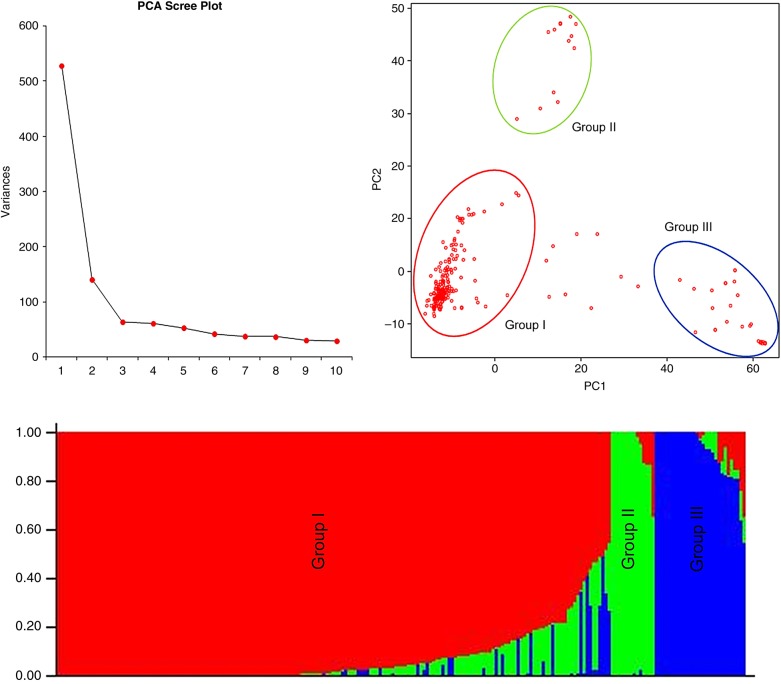
“For these high-quality SNPs, missing genotypes were imputed using fastPHASE.(46) Within each subpopulation, we calculated r(2) for all pairs of SNPs.”
MethodEfficient Control of Population Structure in Model Organism Association Mapping
Kang, H. M., Zaitlen, N. A., Wade, C. M., Kirby, A., Heckerman, D., Daly, M. J., & Eskin, E. (2008) · Genetics · doi:10.1534/genetics.107.080101 · Cited by 1,835 · cited 1×
“Its wider range (5–20%) for most of the traits under stress as well as without stress at reproductive stage entails genome-wide significance and high statistical power of current panel of 220 rice accessions.(44) Previous GWA studies on Arabidopsis confirmed that for some of the traits, meaningful results can be obtai…”
BackgroundGenome-wide association study of 107 phenotypes in Arabidopsis thaliana inbred lines
Atwell, S., Huang, Y. S., Vilhjálmsson, B. J., Willems, G., Horton, M., Li, Y., Meng, D., Platt, A., Tarone, A. M., Hu, T. T., et al. (2010) · Nature · doi:10.1038/nature08800 · Cited by 1,780
Structure of Linkage Disequilibrium in Plants
Flint-Garcia, S. A., Thornsberry, J. M., & Buckler, E. S. (2003) · Annual Review of Plant Biology · doi:10.1146/annurev.arplant.54.031902.134907 · Cited by 1,712
Dubouzet, J. G., Sakuma, Y., Ito, Y., Kasuga, M., Dubouzet, E. G., Miura, S., Seki, M., Shinozaki, K., & Yamaguchi‐Shinozaki, K. (2003) · The Plant Journal · doi:10.1046/j.1365-313x.2003.01661.x · Cited by 1,661 · cited 1×
“Out of these proteins, OsDREB1C (LOC_Os6g03670) is known and characterized for salinity stress tolerance in Arabidopsis(65) and in rice.(66) This region also carried the QTL for Na ion concentration proposed by Koyama et al.”
BackgroundA rice quantitative trait locus for salt tolerance encodes a sodium transporter
Ren, Z.-H., Gao, J.-P., Li, L.-G., Cai, X.-L., Huang, W., Chao, D.-Y., Zhu, M.-Z., Wang, Z.-Y., Luan, S., & Lin, H.-X. (2005) · Nature Genetics · doi:10.1038/ng1643 · Cited by 1,499 · cited 2×
“The Na/K ratio is an important ion balancing parameter for salt tolerance in rice, and our GWA mapping results identified this important region as a dense GWAS peak covering the Saltol region, which helps control K homeostasis under salinity.(62) Previous studies claimed that Saltol controls salinity only at seedling…”
BackgroundZhao, K., Tung, C.-W., Eizenga, G. C., Wright, M. H., Ali, M. L., Price, A. H., Norton, G. J., Islam, M. R., Reynolds, A., Mezey, J., et al. (2011) · Nature Communications · doi:10.1038/ncomms1467 · Cited by 1,408 · cited 5×
“An alternate and complementary approach is GWAS that takes advantage of historical recombination events, which have accumulated over thousands of generations in historical populations and thus enable high-resolution mapping for identification of possible target genomic regions for complex quantitative traits in rice.(…”
BackgroundInfluentialTranscriptional Regulatory Networks in Response to Abiotic Stresses in Arabidopsis and Grasses
Nakashima, K., Ito, Y., & Yamaguchi-Shinozaki, K. (2009) · Plant Physiology · doi:10.1104/pp.108.129791 · Cited by 1,250
Cold Spring Harbor Symposia on Quantitative Biology.
Berg, H. (1989) · Journal of Electroanalytical Chemistry and Interfacial Electrochemistry · doi:10.1016/0022-0728(89)87283-3 · Cited by 1,144
Dwarf8 polymorphisms associate with variation in flowering time
Thornsberry, J. M., Goodman, M. M., Doebley, J., Kresovich, S., Nielsen, D., & Buckler, E. S. (2001) · Nature Genetics · doi:10.1038/90135 · Cited by 1,101
Huang, X., Zhao, Y., Wei, X., Li, C., Wang, A., Zhao, Q., Li, W., Guo, Y., Deng, L., Zhu, C., et al. (2012) · Nature Genetics · doi:10.1038/ng.1018 · Cited by 1,028
Collection, Mapping, and Annotation of Over 28,000 cDNA Clones from japonica Rice
Kikuchi, S., Satoh, K., Nagata, T., Kawagashira, N., Doi, K., Kishimoto, N., Yazaki, J., Ishikawa, M., Yamada, H., Ooka, H., et al. (2003) · Science · doi:10.1126/science.1081288 · Cited by 869
An Arabidopsis Example of Association Mapping in Structured Samples
Zhao, K., Aranzana, M. J., Kim, S., Lister, C., Shindo, C., Tang, C., Toomajian, C., Zheng, H., Dean, C., Marjoram, P., et al. (2007) · PLoS Genetics · doi:10.1371/journal.pgen.0030004 · Cited by 737
Characterization of transcription factor gene SNAC2 conferring cold and salt tolerance in rice
Hu, H., You, J., Fang, Y., Zhu, X., Qi, Z., & Xiong, L. (2008) · Plant Molecular Biology · doi:10.1007/s11103-008-9309-5 · Cited by 652 · cited 1×
“A significant SNP on chromosome 1 (40514883) for filled grain under stress was found near two functionally characterized genes namely OsNAC6/SNAC2 for drought, salt and cold tolerance in rice during seedling development.(72,73) Another SNP on chromosome 1 (7304902) showed significant signals near a salt stress related…”
BackgroundGenomewide SNP variation reveals relationships among landraces and modern varieties of rice
McNally, K. L., Childs, K. L., Bohnert, R., Davidson, R. M., Zhao, K., Ulat, V. J., Zeller, G., Clark, R. M., Hoen, D. R., Bureau, T. E., et al. (2009) · Proceedings of the National Academy of Sciences · doi:10.1073/pnas.0900992106 · Cited by 652 · cited 1×
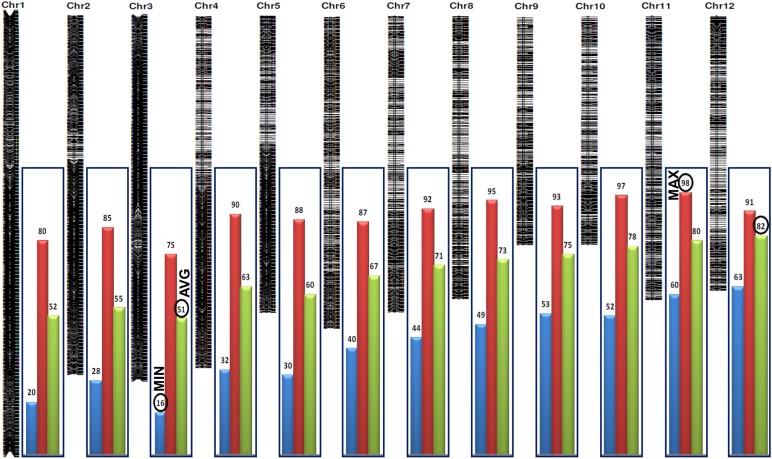
“One SNP from each of the selected gene was identified from these co-aligned sequences and from previously reported genome-wide Perlegen re-sequencing information among 20 rice varieties.(40) The identified 15,384 genic SNPs were further mapped physically (bp) on 12 rice chromosomes (Pseudomolecule 6.”
BackgroundHighly Parallel SNP Genotyping
FAN, J.-B., OLIPHANT, A., SHEN, R., KERMANI, B. G., GARCIA, F., GUNDERSON, K. L., HANSEN, M., STEEMERS, F., BUTLER, S. L., DELOUKAS, P., et al. (2003) · Cold Spring Harbor Symposia on Quantitative Biology · doi:10.1101/sqb.2003.68.69 · Cited by 635 · cited 1×
“Data quality was rapidly confirmed with internal controls and other QC functions such as GenTrain andGenCall scores.(42) After calling the data automatically, the SNPs were re-scored and checked for their presence in a canonical cluster to get a GenTrain score >0.”
MethodLutts, S., Kinet, J. M., & Bouharmont, J. (1995) · Journal of Experimental Botany · doi:10.1093/jxb/46.12.1843 · Cited by 634
Genome-wide association studies in plants: the missing heritability is in the field
Brachi, B., Morris, G. P., & Borevitz, J. O. (2011) · Genome Biology · doi:10.1186/gb-2011-12-10-232 · Cited by 575
QTLs for Na+ and K+ uptake of the shoots and roots controlling rice salt tolerance
Lin, H. X., Zhu, M. Z., Yano, M., Gao, J. P., Liang, Z. W., Su, W. A., Hu, X. H., Ren, Z. H., & Chao, D. Y. (2004) · Theoretical and Applied Genetics · doi:10.1007/s00122-003-1421-y · Cited by 526 · cited 5×
“Lin et al.15 mapped QTLs for root and shoot Na+/K+ concentration and transport on five rice chromosomes.”
BackgroundInfluentialSalinity Effects on Seedling Growth and Yield Components of Rice
Zeng, L., & Shannon, M. C. (2000) · Crop Science · doi:10.2135/cropsci2000.404996x · Cited by 489 · cited 1×
“stage under salinity stress.(5,8,9) Millions of hectares in the humid regions of South and Southeast Asia are technically suited for rice production but are left uncultivated or are grown with very low yields because of salinity and problem soils.”
BackgroundFukuda, A., Nakamura, A., Tagiri, A., Tanaka, H., Miyao, A., Hirochika, H., & Tanaka, Y. (2004) · Plant and Cell Physiology · doi:10.1093/pcp/pch014 · Cited by 476 · cited 1×
“Rice, commonly known to be salt sensitive,(1) is greatly affected by soil salinity.(2) Salinity affects rice growth in varying degree at all stages starting from germination through maturation.”
BackgroundAranzana, M. J., Kim, S., Zhao, K., Bakker, E., Horton, M., Jakob, K., Lister, C., Molitor, J., Shindo, C., Tang, C., et al. (2005) · PLoS Genetics · doi:10.1371/journal.pgen.0010060 · Cited by 452
Principles for the post-GWAS functional characterization of cancer risk loci
Freedman, M. L., Monteiro, A. N. A., Gayther, S. A., Coetzee, G. A., Risch, A., Plass, C., Casey, G., De Biasi, M., Carlson, C., Duggan, D., et al. (2011) · Nature Genetics · doi:10.1038/ng.840 · Cited by 438
Genome-wide association studies for agronomical traits in a world wide spring barley collection
Pasam, R. K., Sharma, R., Malosetti, M., van Eeuwijk, F. A., Haseneyer, G., Kilian, B., & Graner, A. (2012) · BMC Plant Biology · doi:10.1186/1471-2229-12-16 · Cited by 402
Epistasis for Three Grain Yield Components in Rice (Oryxa sativa L.)
Li, Z., Pinson, S. R. M., Park, W. D., Paterson, A. H., & Stansel, J. W. (1997) · Genetics · doi:10.1093/genetics/145.2.453 · Cited by 401
Famoso, A. N., Zhao, K., Clark, R. T., Tung, C.-W., Wright, M. H., Bustamante, C., Kochian, L. V., & McCouch, S. R. (2011) · PLoS Genetics · doi:10.1371/journal.pgen.1002221 · Cited by 385
Yamaguchi-Shinozaki, K., & Shinozaki, K. (1994) · The Plant Cell · doi:10.2307/3869643 · Cited by 381
Genome-wide association mapping of leaf metabolic profiles for dissecting complex traits in maize
Riedelsheimer, C., Lisec, J., Czedik-Eysenberg, A., Sulpice, R., Flis, A., Grieder, C., Altmann, T., Stitt, M., Willmitzer, L., & Melchinger, A. E. (2012) · Proceedings of the National Academy of Sciences · doi:10.1073/pnas.1120813109 · Cited by 374
Quantitative Trait Loci for Component Physiological Traits Determining Salt Tolerance in Rice
Koyama, M. L., Levesley, A., Koebner, R. M. D., Flowers, T. J., & Yeo, A. R. (2001) · Plant Physiology · doi:10.1104/pp.125.1.406 · Cited by 357 · cited 6×
“This LD block is situated near a QTL region for Na+ concentration and Na+/K+ ratio, found by Koyama et al.13 However, this region has not yet been fine mapped.”
BackgroundInfluentialThe Extent of Linkage Disequilibrium in Rice (Oryza sativa L.)
Mather, K. A., Caicedo, A. L., Polato, N. R., Olsen, K. M., McCouch, S., & Purugganan, M. D. (2007) · Genetics · doi:10.1534/genetics.107.079616 · Cited by 354 · cited 1×
“However, an earlier study conducted to evaluate the extent of LD within different subgroups of rice suggested that a modest number of SNPs across the genome may be sufficient for undertaking genome-wide LD mapping studies in rice.(80)”
BackgroundBonilla, P. S., Dvořák, J., Mackill, D. J., Deal, K. R., & Gb, G. (2002) · Cited by 348
VARIABILITY IN THE RESISTANCE OF SODIUM CHLORIDE SALINITY WITHIN RICE (ORYZA SATIVA L.) VARIETIES
FLOWERS, T. J., & YEO, A. R. (1981) · New Phytologist · doi:10.1111/j.1469-8137.1981.tb01731.x · Cited by 330
Duggal, P., Gillanders, E. M., Holmes, T. N., & Bailey-Wilson, J. E. (2008) · BMC Genomics · doi:10.1186/1471-2164-9-516 · Cited by 327
A High-Density SNP Genotyping Array for Rice Biology and Molecular Breeding
Chen, H., Xie, W., He, H., Yu, H., Chen, W., Li, J., Yu, R., Yao, Y., Zhang, W., He, Y., et al. (2014) · Molecular Plant · doi:10.1093/mp/sst135 · Cited by 326 · cited 2×
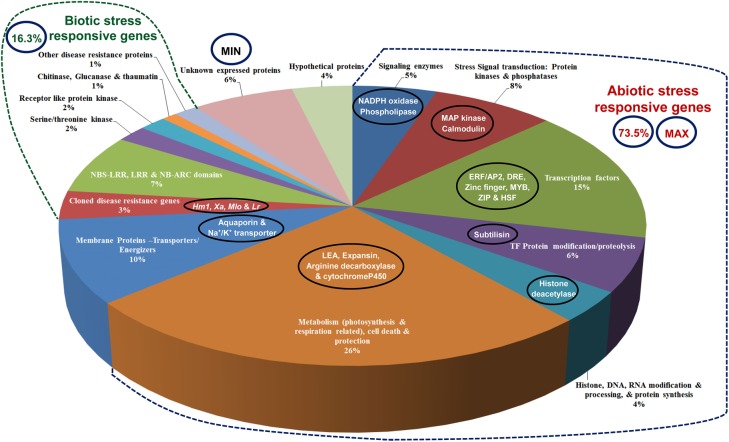
“genic regions have greater potential to affect gene function and are usually more informative.(59) Also, the enrichment of array with plenty of such genic SNPs is worthwhile in genome-wide studies focussed to map genes for biotic/abiotic stress tolerance.”
BackgroundMethodQTL clusters reflect character associations in wild and cultivated rice
Cai, H., & Morishima, H. (2002) · Theoretical and Applied Genetics · doi:10.1007/s00122-001-0819-7 · Cited by 301 · cited 2×
“Two QTLs for salt tolerance and potassium concentration were mapped just prior to this region, respectively, by Lin et al.20 and Cai and Morishima.64 Investigation of available GEO data set (GSM159265) of the entire locus from this region identified four genes, i.e. LOC_Os04g57760, 57800, 57810 and 57850 with 7.50-, 2…”
BackgroundInfluentialClaes, B., Dekeyser, R., Villarroel, R., Van den Bulcke, M., Bauw, G., Van Montagu, M., & Caplan, A. (1990) · The Plant Cell · doi:10.1105/tpc.2.1.19 · Cited by 293 · cited 1×
“Only, Saltol QTL region(14) has been inspected widely, and three genes (SKC1, SalT and pectinesterase) are annotated and functionally characterized in this region.(62,63) The Na/K ratio is an important ion balancing parameter for salt tolerance in rice, and our GWA mapping results identified this important region as a…”
BackgroundCockram, J., White, J., Zuluaga, D. L., Smith, D., Comadran, J., Macaulay, M., Luo, Z., Kearsey, M. J., Werner, P., Harrap, D., et al. (2010) · Proceedings of the National Academy of Sciences · doi:10.1073/pnas.1010179107 · Cited by 287
Zhao, K., Wright, M., Kimball, J., Eizenga, G., McClung, A., Kovach, M., Tyagi, W., Ali, M. L., Tung, C.-W., Reynolds, A., et al. (2010) · PLoS ONE · doi:10.1371/journal.pone.0010780 · Cited by 280
Chan, E. K. F., Rowe, H. C., Corwin, J. A., Joseph, B., & Kliebenstein, D. J. (2011) · PLoS Biology · doi:10.1371/journal.pbio.1001125 · Cited by 274
Evaluation of salt tolerance in rice genotypes by multiple agronomic parameters
Zeng, L., Shannon, M. C., & Grieve, C. M. (2002) · Euphytica · doi:10.1023/a:1020262932277 · Cited by 235
Pandit, A., Rai, V., Bal, S., Sinha, S., Kumar, V., Chauhan, M., Gautam, R. K., Singh, R., Sharma, P. C., Singh, A. K., et al. (2010) · Molecular Genetics and Genomics · doi:10.1007/s00438-010-0551-6 · Cited by 187 · cited 4×
“Similarly, Pandit et al.(17) detected QTL (qSSISFH8.”
BackgroundInfluentialSelf-citationWalia, H., Wilson, C., Zeng, L., Ismail, A. M., Condamine, P., & Close, T. J. (2007) · Plant Molecular Biology · doi:10.1007/s11103-006-9112-0 · Cited by 183
Assessment of Salt Tolerance in Rice Cultivars in Response to Salinity Problems in California
Shannon, M. C., Rhoades, J. D., Draper, J. H., Scardaci, S. C., & Spyres, M. D. (1998) · Crop Science · doi:10.2135/cropsci1998.0011183x003800020021x · Cited by 182
Stanton-Geddes, J., Paape, T., Epstein, B., Briskine, R., Yoder, J., Mudge, J., Bharti, A. K., Farmer, A. D., Zhou, P., Denny, R., et al. (2013) · PLoS ONE · doi:10.1371/journal.pone.0065688 · Cited by 181
GARCIA, A., RIZZO, C. A., UD‐DIN, J., BARTOS, S. L., SENADHIRA, D., FLOWERS, T. J., & YEO, A. R. (1997) · Plant, Cell & Environment · doi:10.1046/j.1365-3040.1997.d01-146.x · Cited by 170
Prasad, S. R., Bagali, P. G., Hittalmani, S., & Shashidhar, H. E. (2000) · Cited by 160
Reproductive stage tolerance to salinity and alkalinity stresses in rice genotypes
Rao, P. S., Mishra, B., Gupta, S. R., & Rathore, A. (2008) · Plant Breeding · doi:10.1111/j.1439-0523.2007.01455.x · Cited by 141 · cited 1×
“stage under salinity stress.(5,8,9) Millions of hectares in the humid regions of South and Southeast Asia are technically suited for rice production but are left uncultivated or are grown with very low yields because of salinity and problem soils.”
BackgroundNew allelic variants found in key rice salt‐tolerance genes: an association study
Negrão, S., Cecília Almadanim, M., Pires, I. S., Abreu, I. A., Maroco, J., Courtois, B., Gregorio, G. B., McNally, K. L., & Margarida Oliveira, M. (2013) · Plant Biotechnology Journal · doi:10.1111/pbi.12010 · Cited by 126
Huda, K. M. K., Banu, M. S. A., Tuteja, R., & Tuteja, N. (2013) · Journal of Experimental Botany · doi:10.1093/jxb/ert182 · Cited by 115
Moradi, F., Ismail, A. M., Egdane, J. A., & Gregorio, G. B. (2003) · Cited by 114
Wang, Z., Chen, Z., Cheng, J., Lai, Y., Wang, J., Bao, Y., Huang, J., & Zhang, H. (2012) · PLoS ONE · doi:10.1371/journal.pone.0051202 · Cited by 105 · cited 2×
“An SNP on chromosome 9 (6030743) showed significant signal within the range of qSNC9/qSKC9 QTL for shoot Na+ and K+ concentration discovered by Wang et al.71 All the SNPs that showed significant association on chromosome 10 (5864939–14809695) were found between the markers aligned with a QTL discovered by Islam et al.…”
BackgroundRFLP tagging of a salt tolerance gene in rice
Zhang, G., Guo, Y. L., Chen, S., & Chen, S.-Y. (1995) · Plant Science · doi:10.1016/0168-9452(95)04219-k · Cited by 103
Association and Linkage Analysis of Aluminum Tolerance Genes in Maize
Krill, A. M., Kirst, M., Kochian, L. V., Buckler, E. S., & Hoekenga, O. A. (2010) · PLoS ONE · doi:10.1371/journal.pone.0009958 · Cited by 103
Mohammadi, R., Mendioro, M. S., Diaz, G. Q., Gregorio, G. B., & Singh, R. K. (2013) · Journal of Genetics · doi:10.1007/s12041-013-0285-4 · Cited by 95 · cited 2×
“This region was not mapped with earlier known QTLs for salinity-related parameters such as Na content or for Na/K ratio; however, a cluster of QTLs for yield-related components under salt stress was identified in this region by Mohammadi et al.(67)”
BackgroundInfluentialCheng, L., Wang, Y., Meng, L., Hu, X., Cui, Y., Sun, Y., Zhu, L., Ali, J., Xu, J., & Li, Z. (2012) · Genome · doi:10.1139/g11-075 · Cited by 92
Ammar, M. H., Pandit, A., Singh, R. K., Sameena, S. S., Chauhan, M. S., SINGH, A. K., Sharma, P. C., Gaikwad, K., Sharma, T. R., Mohapatra, T., et al. (2009) · Journal of Plant Biochemistry and Biotechnology · doi:10.1007/bf03263312 · Cited by 86 · cited 2×
“Ammar et al.(16) reported 25 QTLs for salt ion concentrations (Na, K and Cl measured in the leaf tissues at the reproductive stage) on rice chromosomes 1, 2, 3 and 8.”
BackgroundSelf-citationQTL mapping for salinity tolerance at seedling stage in rice
Islam, M. R., Salam, M. A., Hassan, L., Collard, B. C. Y., & Gregorio, B. (2011) · Emirates Journal of Food and Agriculture · doi:10.9755/ejfa.v23i2.6348 · Cited by 78
Jinping, Z., Sun, Y., Yun, W., Yang, J., Li, F., Zhou, Y., Zhu, L., Jessica, R., Mohammadhosein, F., Xu, J., et al. (2008) · Science in China Series C Life Sciences · doi:10.1007/s11427-008-0081-1 · Cited by 77
Parida, S. K., Mukerji, M., SINGH, A. K., Singh, N. K., & Mohapatra, T. (2012) · BMC Genomics · doi:10.1186/1471-2164-13-426 · Cited by 73
Self-citationMapping Salinity Tolerance during Arabidopsis thaliana Germination and Seedling Growth
DeRose-Wilson, L., & Gaut, B. S. (2011) · PLoS ONE · doi:10.1371/journal.pone.0022832 · Cited by 70
Identification of salt-tolerance QTL in rice (Oryza sativa L.)
Gong, J., He, P., Qian, Q., Shen, L., Zhu, L., & Chen, S. (1999) · Chinese Science Bulletin · doi:10.1007/bf03182889 · Cited by 61
Ahmadi, J., & Fotokian, M. H. (2011) · Iranian Journal of Biotechnology · Cited by 40
Genetics and Molecular Breeding for Salt-Tolerance in Rice
Hu, S., Tao, H., Qian, Q., & Guo, L. (2012) · Rice Genomics and Genetics · doi:10.5376/rgg.2012.03.0007 · Cited by 38
Identification of QTL for salt tolerance in rice via molecular markers
Hong-Xuan, L., Yanagihara, S., Jieyun, Z., Senboku, T., Kangle, Z., & Yashima, S. (1998) · Zhongguo shuidao kexue · Cited by 33
Association Mapping of Hagberg Falling Number in Hard White Spring Wheat
Zhang, J., Chen, J., Bowman, B. C., O'Brien, K., Marshall, J. M., & Bonman, J. M. (2014) · Crop Science · doi:10.2135/cropsci2013.08.0551 · Cited by 23 · cited 1×
“rent set of data, the phenotypic variance explained individually by SNPs for different traits with or without salinity stress was in complete concordance with earlier studies on plants such as rice(37) and spring wheat.(79) Its wider range (5–20%) for most of the traits under stress as well as without stress at reprod…”
ResultEvanno, L., Nay, B., & Bodo, B. (2005) · Synthetic Communications · doi:10.1081/scc-200058011 · Cited by 16
DREB genes in Rice, Oryza sativa L. :
Dubouzet, J. G., Sakuma, Y., Dubouzet, E. G., Shinozaki, K., & Shinozaki, K. (2001) · Plant and Cell Physiology · Cited by 4
Research works printed but not linked: 11
- Blumwald E. Grover A. 2006, Salt tolerance, In: Plant biotechnology: current and future uses of genetically modified crops. John Wiley and Sons Ltd, UK, pp. 206– 24.
- 2000, Current Science, 78, 162
- 2010, PNAS, 107, 21611, 10.1073/pnas.1010179107 · DOI · Paper page
- To, 2006, Nature genetics, 38, 904, 10.1038/ng1847 · DOI · Paper page
- 2003, Annual review of plant biology, 54, 357, 10.1146/annurev.arplant.54.031902.134907 · DOI · Paper page
- 2011, Nature genetics, 44, 32, 10.1038/ng.1018 · DOI · Paper page
- 2009, PNAS, 106, 12273, 10.1073/pnas.0900992106 · DOI · Paper page
- Doyle J.J. Doyle J.L. 1987, A rapid DNA isolation procedure for small quantities of fresh leaf tissue, Phytochem. Bull., 19, 11– 15.
- 2012, PNAS, 109, 8872, 10.1073/pnas.1120813109 · DOI · Paper page
- 2013, Journal of genetics, 92, 433, 10.1007/s12041-013-0285-4 · DOI
- 2013, Journal of Experimental Botany, 64, 3099, 10.1093/jxb/ert182 · DOI
Cited by
Impact of Climate Change on Crops Adaptation and Strategies to Tackle Its Outcome: A Review
Raza, A., Razzaq, A., Mehmood, S. S., Zou, X., Zhang, X., Lv, Y., & Xu, J. (2019) · Plants · doi:10.3390/plants8020034 · Cited by 1,762
“Kumar et al. (2015) reported various genes regulating the salinity tolerance in rice by using infinium high-throughput SNPs arrays.”
BackgroundAtta, K., Mondal, S., Gorai, S., Singh, A. P., Kumari, A., Ghosh, T., Roy, A., Hembram, S., Gaikwad, D. J., Mondal, S., et al. (2023) · Frontiers in Plant Science · doi:10.3389/fpls.2023.1241736 · Cited by 523
Landrace Germplasm for Improving Yield and Abiotic Stress Adaptation
Dwivedi, S. L., Ceccarelli, S., Blair, M. W., Upadhyaya, H. D., Are, A. K., & Ortiz, R. (2016) · Trends in Plant Science · doi:10.1016/j.tplants.2015.10.012 · Cited by 422
“The SNPs associated with Na/K ratio were in complete linkage disequilibrium [81].”
BackgroundPlant abiotic stress challenges from the changing environment
Pereira, A. (2016) · Frontiers in Plant Science · doi:10.3389/fpls.2016.01123 · Cited by 338
Smart Engineering of Genetic Resources for Enhanced Salinity Tolerance in Crop Plants
Arzani, A., & Ashraf, M. (2016) · Critical Reviews in Plant Sciences · doi:10.1080/07352689.2016.1245056 · Cited by 286
“In rice, Kumar et al. (2015) implemented the GWA approach and detected 20 SNPs significantly linked with NaC/KC ratio.”
Method
Metadata
- Authors
- Kumar, V., Singh, A., Mithra, S. V. A., Krishnamurthy, S. L., Parida, S. K., Jain, S., Tiwari, K. K., Kumar, P., Rao, A. R., Sharma, S. K., Khurana, J. P., Singh, N. K., & Mohapatra, T.
- Affiliations
- National Research Centre on Plant Biotechnology (IN)
- Central Soil Salinity Research Institute (IN)
- Indian Agricultural Statistics Research Institute (IN)
- University of Delhi (IN)
- Corresponding author
- Mohapatra, T.
- ORCID
- Venue
- DNA Research
- Publisher
- Oxford University Press (OUP)
- Published
- 2015-01-27
- Volume
- 22
- Issue
- 2
- Pages
- 133-145
- ISSN
- 1340-2838 (ISSN-L)
- 1756-1663
- PMC
- PMC4401324
- OpenAlex
- W2153322520
- Cited by
- 328
- References
- 81
- Citations by year
- 2026: 21 · 2025: 9 · 2024: 24 · 2023: 17 · 2022: 46 · 2021: 51 · 2020: 33 · 2019: 33 · 2018: 26 · 2017: 30 · 2016: 25 · 2015: 12
- FWCI
- 21.31
- Type
- journal article
- Language
- en
- Open access
- gold
- doi.org
- Licence
- cc-by-nc
- Locations
- DNA Research (publishedVersion, cc-by-nc)
- Europe PMC (PubMed Central) (publishedVersion, cc-by-nc)
- PubMed Central (publishedVersion, cc-by-nc)
- PubMed (publishedVersion)
- Funders
- Indian Council of Agricultural Research
- Topics
- Life Sciences › Biochemistry, Genetics and Molecular Biology › Genetics › Genetic Mapping and Diversity in Plants and Animals
- Life Sciences › Agricultural and Biological Sciences › Plant Science › Plant Stress Responses and Tolerance
- Life Sciences › Agricultural and Biological Sciences › Plant Science › Rice Cultivation and Yield Improvement
- Keywords
- salt tolerance, rice, genome-wide association study, single nucleotide polymorphisms, quantitative trait loci, Na+/K+ ratio, salt stress, stress response genes, candidate genes
- MeSH terms
- Oryza, Multifactorial Inheritance, Polymorphism, Single Nucleotide, Chromosomes, Plant, Quantitative Trait Loci, Salt Tolerance, Genome-Wide Association Study
About these checks
Registry, retraction, Cites and statistics results are computed, not judged, with one exception: a printed reference that no index lists is read once by a model before it counts as a citation error. Claims are extracted by a model and kept only when their quote appears verbatim in the text; each cited source is then checked, with a model’s help, for whether it says what the claim relies on. Those verdicts can be wrong — read the claim’s quote and the cited source before relying on one.
Statistics and arithmetic are recomputed, not judged.
Confidence bands are shown only for fields calibrated on our annotated test set. None is calibrated yet, so no band is shown.
What counts as a claim ›How we measure confidence ›How we check this ›
Are you an author, or do you see a problem with this page? Request a review
Data sources
Bibliographic data: Semantic Scholar, OpenAlex, Crossref.
Contains information from the Semantic Scholar Academic Graph Datasets, made available under the ODC Attribution License (ODC-BY 1.0).
Semantic Scholar’s data is described in: Kinney, R., et al. (2023). The Semantic Scholar Open Data Platform. arXiv:2301.10140.
