

Use of an implantable loop recorder to increase the diagnostic yield in unexplained syncope: results from the PICTURE registry
Open accessThe DOI matches its Crossref record; 26 of the 26 references it cites were found in a registry or an index; 7 of the 21 sources its claims cite were checked for support.
Abstract
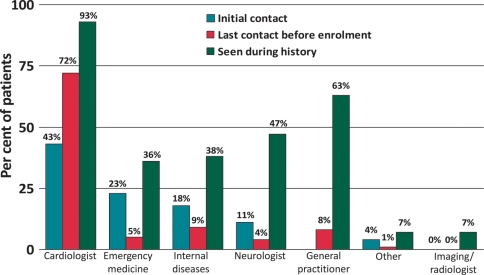
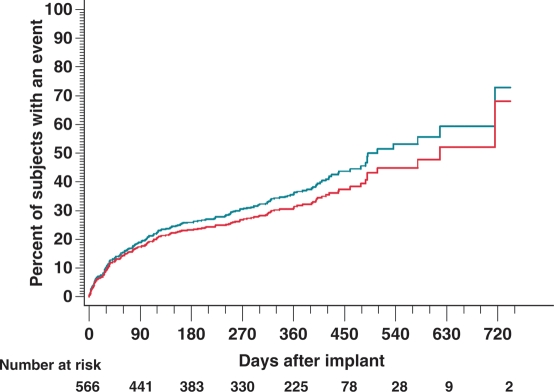
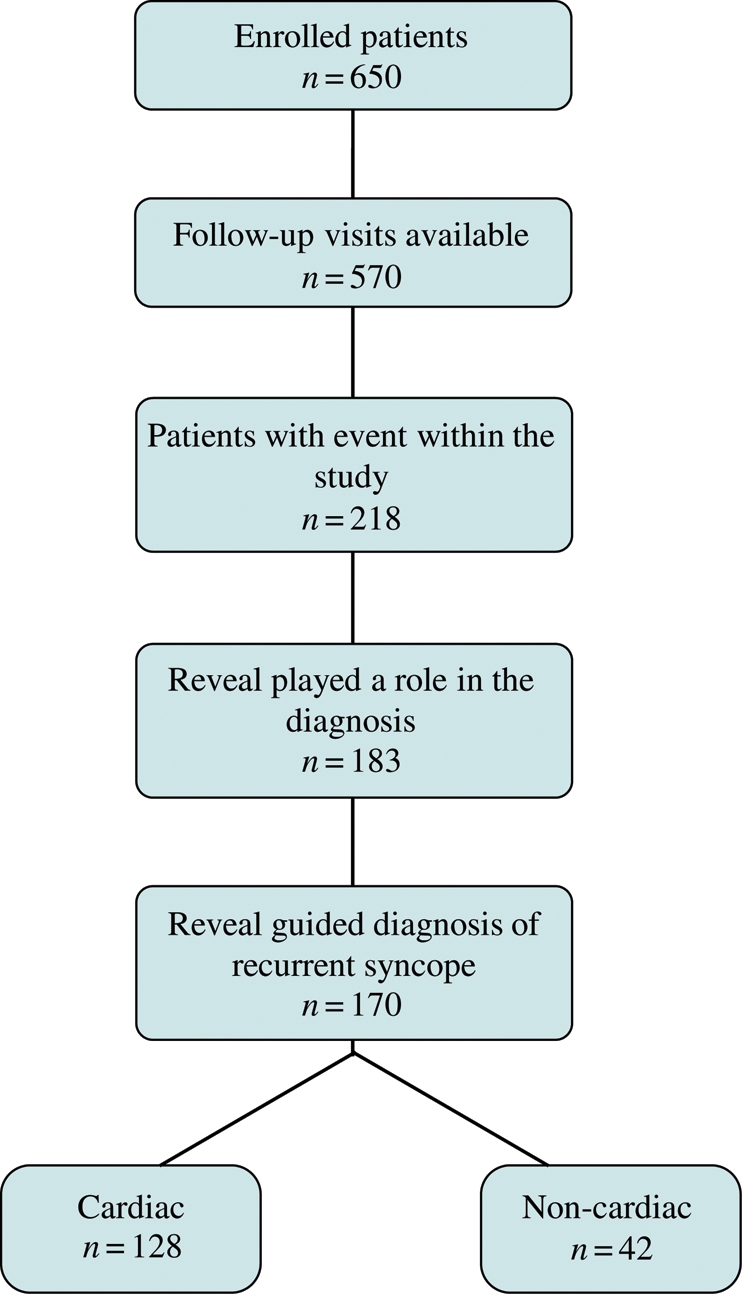
AIMS: To collect information on the use of the Reveal implantable loop recorder (ILR) in the patient care pathway and to investigate its effectiveness in the diagnosis of unexplained recurrent syncope in everyday clinical practice. METHODS AND RESULTS: Prospective, multicentre, observational study conducted in 2006-2009 in 10 European countries and Israel. Eligible patients had recurrent unexplained syncope or pre-syncope. Subjects received a Reveal Plus, DX or XT. Follow up was until the first recurrence of a syncopal event leading to a diagnosis or for ≥1 year. In the course of the study, patients were evaluated by an average of three different specialists for management of their syncope and underwent a median of 13 tests (range 9-20). Significant physical trauma had been experienced in association with a syncopal episode by 36% of patients. Average follow-up time after ILR implant was 10±6 months. Follow-up visit data were available for 570 subjects. The percentages of patients with recurrence of syncope were 19, 26, and 36% after 3, 6, and 12 months, respectively. Of 218 events within the study, ILR-guided diagnosis was obtained in 170 cases (78%), of which 128 (75%) were cardiac. CONCLUSION: A large number of diagnostic tests were undertaken in patients with unexplained syncope without providing conclusive data. In contrast, the ILR revealed or contributed to establishing the mechanism of syncope in the vast majority of patients. The findings support the recommendation in current guidelines that an ILR should be implanted early rather than late in the evaluation of unexplained syncope.
Overview
CoChat Summary
TL;DR
PICTURE was a prospective, multicentre observational registry of 570 analyzed patients with recurrent unexplained syncope or pre-syncope who received an implantable loop recorder (ILR) and were followed for about 10 months on average. The ILR revealed or contributed to the diagnosis in 78% of recorded events, supporting earlier ILR use in the syncope work-up.
Key findings
- Of 650 enrolled subjects, 570 had follow-up data and were included in the analyzed population; average follow-up after ILR implant was 10 ± 6 months.
- Patients saw an average of 3 different specialists and underwent a median of 13 tests per patient before ILR implantation; the median number of tests was 13 (IQ range 9–20).
- During follow-up, 218 patients (38%) had recurrent syncope; recurrence occurred in 19%, 26%, and 36% by 3, 6, and 12 months, respectively.
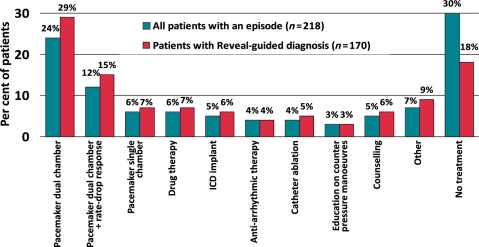
- Of 218 events, an ILR-guided diagnosis was obtained in 170 cases (78%); of these, 128 (75%) were cardiac. Reveal-guided diagnosis led to pacemaker implantation in 86 patients, 51% of diagnosed cases.
Methods
- Prospective, multicentre, observational post-marketing registry conducted from November 2006 to October 2009 in 11 countries; 71 sites enrolled patients.
- Eligible patients had recurrent unexplained syncope or pre-syncope; all enrolled subjects received a Reveal Plus, DX, or XT ILR and were followed until first diagnostic recurrence or at least 1 year.
- Analysis was descriptive, with Kaplan–Meier time-to-event curves; diagnostic yield was defined as a Reveal-guided diagnosis in which the ILR played a major role in determining the cause of syncope.
Limitations
- The paper states that PICTURE was an observational registry, so results should be interpreted accordingly.
- The paper states that 12% of implanted patients did not have follow-up visit data.
- The text makes evident that follow-up was variable and some analyses excluded patients with missing implant or follow-up dates; this may affect completeness of time-to-event estimates.
Model-written summary. Check it against the paper before relying on it.
Integrity signals
Registry
Cites
Statistics
Figures
Verification
Claims the paper makes
5 Valid · 2 Not valid · 6 Not checked · 76 Own results and interpretations
The sources with a verdict support this claim; the rest weren’t checked yet, have no full text we could read, or their verdicts aren’t rated yet.
In the paper
“The population in PICTURE was slightly younger and healthier than those in other syncope studies such as EaSyAS,12 EGSYS 2,13 and ISSUE 2.14”
§ Use of an implantable loop recorder to increase the diagnostic yield in unexplained syncope: results from the PICTURE registry > Discussion
What the sources say
- Supportedcites [12] Farwell DJ Freemantle N Sulke AN Use of implantable loop recorders in the diagnosis and management of syncope Eur Heart J 2004 25 1257 63 15246645 source
Citation 13 identifies EGSYS 2 as one of the studies used for comparison, rather than supplying the entire comparison with PICTURE. The Appendix (p. 7) identifies this paper as the EGSYS-2 study, and its patient-characteristics table (p. 3) describes the population. (LLM, conf=0.92)
- Not checked yetcites [13] Brignole M Menozzi C Bartoletti A Giada F Lagi A Ungar A A new management of syncope: prospective systematic guideline-based evaluation of patients referred urgently to general hospitals Eur Heart J 2006 27 76 82 16272210 source
Checked before — its earlier verdict is held back until a new check runs.
- Not checked — no full text of the sourcecites [14] Brignole M Sutton R Menozzi C Garcia-Civera R Moya A Wieling W International Study on Syncope of Uncertain Etiology 2 (ISSUE 2) Group Early application of an implantable loop recorder allows effective specific therapy in patients with recurrent suspected neurally mediated syncope Eur Heart J 2006 27 1085 92 16569653 source
plain- Asserted: passes — The authors put it forward as true.
- Checkable: passes — It can be checked against evidence.
- Load-bearing: unclear — It is unclear whether the paper’s conclusions depend on it.
- Based: passes — The paper gives a reason why it holds.
- Supported
The cited sources that could be checked couldn’t confirm or dispute this claim.
In the paper
“In comparison with these and other reports,15 the incidence of severe trauma was high in PICTURE, particularly considering that the first syncope occurred only a few years before the implant.”
§ Use of an implantable loop recorder to increase the diagnostic yield in unexplained syncope: results from the PICTURE registry > Discussion
What the sources say
- Could not verifycites [15] Bartoletti A Fabiani P Bagnoli L Cappelletti C Cappellini M Nappini G Physical injuries caused by a transient loss of consciousness: main clinical characteristics of patients and diagnostic contribution of carotid sinus massage Eur Heart J 2008 29 618 24 18086659 sourceExperimental — accuracy not yet measured
The citing sentence uses this source (reference 15) as one of the 'other reports' supplying a comparator incidence of severe trauma in syncope patients. Our full-text copy of Farwell & Sulke (Heart 2004;90:52) reports diagnostic yields, investigation rates, costs, one-year mortality (18-33% for cardiac syncope) and quality of life, but contains no incidence of severe trauma or injury in its 421/660 patient cohorts; the word 'trauma' appears only in the Methods 'Phase 2' definition of neurological syncope ('focal neurological signs such as epilepsy, cerebrovascular accident, trauma, and neoplasia'). Searches for 'severe trauma', 'injury', 'fracture', 'complication rate' and 'trauma' returned no outcome data, so the comparative trauma figure the claim attributes to this paper cannot be checked against our copy (neither supported nor contradicted). (LLM, conf=0.70)
plain- Asserted: passes — The authors put it forward as true.
- Checkable: passes — It can be checked against evidence.
- Load-bearing: unclear — It is unclear whether the paper’s conclusions depend on it.
- Based: passes — The paper gives a reason why it holds.
- Could not verify
A result the paper reports from its own data — it cites no other source for it, so there is none to check. The quote shows it is in the paper.
In the paper
“Reveal-guided diagnosis led to pacemaker implants in 86 patients, 51% of diagnosed cases.”
§ Use of an implantable loop recorder to increase the diagnostic yield in unexplained syncope: results from the PICTURE registry > Results > Specific treatment based on diagnosis made by ILR
plainstates a causen = 86- Asserted: passes — The authors put it forward as true.
- Checkable: passes — It can be checked against evidence.
- Load-bearing: unclear — It is unclear whether the paper’s conclusions depend on it.
- Based: passes — The paper gives a reason why it holds.
A result the paper reports from its own data — it cites no other source for it, so there is none to check. The quote shows it is in the paper.
In the paper
“Of 218 events within the study, ILR-guided diagnosis was obtained in 170 cases (78%), of which 128 (75%) were cardiac.”
- Also stated in: § Specific treatment based on diagnosis made by ILR · plain
“Of the 170 Reveal-guided diagnoses, 75%, or 128 cases, were cardiac.”
§ Use of an implantable loop recorder to increase the diagnostic yield in unexplained syncope: results from the PICTURE registry > Abstract > Methods and results
plainn = 170- Asserted: passes — The authors put it forward as true.
- Checkable: passes — It can be checked against evidence.
- Load-bearing: passes — The paper’s conclusions depend on it.
- Based: passes — The paper gives a reason why it holds.
- Also stated in: § Specific treatment based on diagnosis made by ILR · plain
A result the paper reports from its own data — it cites no other source for it, so there is none to check. The quote shows it is in the paper.
In the paper
“There were no ICD implants or catheter ablations in these patients.”
§ Use of an implantable loop recorder to increase the diagnostic yield in unexplained syncope: results from the PICTURE registry > Results > Specific treatment based on diagnosis made by ILR
plainn = 48- Asserted: passes — The authors put it forward as true.
- Checkable: passes — It can be checked against evidence.
- Load-bearing: unclear — It is unclear whether the paper’s conclusions depend on it.
- Based: passes — The paper gives a reason why it holds.
19 more claims
Create a free account to see all 89 claims and to verify the 5 references still open.
- Probably not a substantial claim. 52
- It may state two separate claims as one. 30
Claims other papers make about this one
Each is checked against this paper’s own text: does it say what the citing paper says it does?
The source backs part of the claim, not all of it — or backs it for a different population, condition or comparison.
In the citing paper
“Hence, the ILR provided a high diagnostic yield in terms of cardiac arrhythmias in patients with syncope, not restricted to arrhythmias directly related to syncope [12,13,14,15,17,19,35,36] but including other diagnoses with therapeutic implications such as atrial fibrillation.”
From Diagnostic Yield and Clinical Implications of Implantable Loop Recorders in Patients with Syncope in Germany: A National Database Analysis (2024) · cites this paper as [13]
Experimental — accuracy not yet measuredThe source backs part of the claim, not all of it — or backs it for a different population, condition or comparison.
In the citing paper
“with a shorter time to diagnosis, more frequent treatment initiation, and a positive impact on survival compared to a conventional diagnostic workup [13,17,19].”
From Diagnostic Yield and Clinical Implications of Implantable Loop Recorders in Patients with Syncope in Germany: A National Database Analysis (2024) · cites this paper as [13]
Experimental — accuracy not yet measuredThe source backs part of the claim, not all of it — or backs it for a different population, condition or comparison.
In the citing paper
“Similar findings were subsequently observed with ILR use expanded in an early phase of evaluation in patients with recurrent syncope of uncertain origin, in the absence of highrisk criteria and structural heart disease, 176,180-183 and in suspected reflex syncope. 184-186 In particular, an asystolic pause was present during syncope in about 50% of these patients.”
From 2018 ESC Guidelines for the diagnosis and management of syncope (2018) · cites this paper as [182]
Experimental — accuracy not yet measuredThe cited source says what the claim attributes to it.
In the citing paper
“Next to noninvasive monitoring strategies, implantable loop recorders (ILR) are used to confirm the etiology of syncope [2,12,13,14,15,16,17,18]”
From Diagnostic Yield and Clinical Implications of Implantable Loop Recorders in Patients with Syncope in Germany: A National Database Analysis (2024) · cites this paper as [13]
The cited source says what the claim attributes to it.
In the citing paper
“its clinical usefulness to confirm the diagnosis in patients with syncope of unknown cause has been well established [2], [3], [4], [5], [6].”
From Ambulatory electrocardiogram monitoring devices for evaluating transient loss of consciousness or other related symptoms (2017) · cites this paper as [2]
Citations
Cites
Ethical principles for medical research involving human subjects
(2003) · Manual for Research Ethics Committees · doi:10.1017/cbo9780511550089.027 · Cited by 2,585
Gandevia, B., & Tovell, A. (1964) · PubMed · Cited by 2,069
Developed in collaboration with, European Heart Rhythm Association (EHRA), Heart Failure Association (HFA), and Heart Rhythm Society (HRS), societies, E. B. T. F., European Society of Emergency Medicine (EuSEM), European Federation of Internal Medicine (EFIM), European Union Geriatric Medicine Society (EUGMS), American Geriatrics Society (AGS), European Neurological Society (ENS), et al. (2009) · European Heart Journal · doi:10.1093/eurheartj/ehp298 · Cited by 2,040
Incidence and Prognosis of Syncope
Soteriades, E. S., Evans, J. C., Larson, M. G., Chen, M. H., Chen, L., Benjamin, E. J., & Levy, D. (2002) · New England Journal of Medicine · doi:10.1056/nejmoa012407 · Cited by 1,364 · cited 1×
“Syncope is common in the general population(1,2) and is perceived as an important clinical problem with adverse outcomes from associated physical trauma, negative impact on quality of life, and an increased cardiovascular risk in many patients.(2) –5 The first European Society of Cardiology (ESC) guidelines for diagno…”
BackgroundGuidelines on management (diagnosis and treatment) of syncope
Brignole, M. (2001) · European Heart Journal · doi:10.1053/euhj.2001.2739 · Cited by 951
Guidelines on Management (diagnosis and treatment) of syncope ? update 2004
(2004) · Europace · doi:10.1016/j.eupc.2004.08.008 · Cited by 652
Guidelines on management (diagnosis and treatment) of syncope-update 2004. Executive Summary.
Brignole, M., Alboni, P., Benditt, D. G., Bergfeldt, L., Blanc, J., Thomsen, P. E. B., van Dijk, J. G., Fitzpatrick, A. P., Hohnloser, S. H., Janoušek, J., et al. (2004) · European Heart Journal · doi:10.1016/j.ehj.2004.09.004 · Cited by 615
Misdiagnosis of epilepsy: many seizure-like attacks have a cardiovascular cause
Zaidi, A., Clough, P., Cooper, P., Scheepers, B., & Fitzpatrick, A. P. (2000) · Journal of the American College of Cardiology · doi:10.1016/s0735-1097(00)00700-2 · Cited by 422
Brignole, M., Sutton, R., Menozzi, C., Garcia-Civera, R., Moya, A., Wieling, W., Andresen, D., Benditt, D. G., & Vardas, P. (2006) · European Heart Journal · doi:10.1093/eurheartj/ehi842 · Cited by 376
Indications for the use of diagnostic implantable and external ECG loop recorders
Task Force members, Brignole, M., Vardas, P., Hoffman, E., Huikuri, H., Moya, A., Ricci, R., Sulke, N., Wieling, W., EHRA Scientific Documents Committee, et al. (2009) · Europace · doi:10.1093/europace/eup097 · Cited by 362
Research works printed but not linked: 1
- Task Force on Syncope, European Society of Cardiol, 2001, European Heart Journal, 22, 1256, 10.1053/euhj.2001.2739 · DOI · Paper page
Cited by
Items 101–200 of 247
Jøns, C., & Thomsen, P. E. B. (2011) · Current Treatment Options in Cardiovascular Medicine · doi:10.1007/s11936-011-0163-4 · Cited by 9
The Cost-Effective Evaluation of Syncope
Angus, S. V. (2016) · Medical Clinics of North America · doi:10.1016/j.mcna.2016.04.010 · Cited by 11
Loop recorders for syncope evaluation: what is the evidence?
Cheung, C. C., & Krahn, A. D. (2016) · Expert Review of Medical Devices · doi:10.1080/17434440.2016.1243463 · Cited by 8
“or XT) were implanted in 570 patients with recurrent unexplained syncope or pre-syncope and an average follow-up of 10 months [36].”
BackgroundMethodValue of Ambulatory Electrocardiographic Monitoring in Syncope
Giada, F., & Bartoletti, A. (2015) · Cardiology Clinics · doi:10.1016/j.ccl.2015.04.004 · Cited by 11
Remote Monitoring of Cardiac Implantable Electronic Devices: What is the Evidence?
Reinhardt, A., & Ventura, R. (2023) · Current Heart Failure Reports · doi:10.1007/s11897-023-00586-1 · Cited by 15
Self-citationClinical History in the Diagnosis of the Cardiac Syncope–The Predictive Scoring System
Mitro, P., Kirsch, P. T., Valočík, G., & Murín, P. (2011) · Pacing and Clinical Electrophysiology · doi:10.1111/j.1540-8159.2011.03167.x · Cited by 9
Self-citationThe implantable loop recorder and its mammographic appearance: A case based approach
Steinberger, S., & Margolies, L. R. (2017) · Clinical Imaging · doi:10.1016/j.clinimag.2017.01.006 · Cited by 8
“The largest study of ILR's, the PICTURE registry, was a prospective, multicenter, observational study which included 570 patients with recurrent unexplained presyncope or syncope and found that the ILR directly contributed to a diagnosis in 78% of patients [11].”
BackgroundMitro, P., Šimurda, M., & Müller, E. (2017) · Wiener klinische Wochenschrift · doi:10.1007/s00508-017-1197-8 · Cited by 6
“In 81 patients bradycardia requiring pacemaker insertion was present (14% of all patient with follow-up, 47% of all diagnoses) [9].”
BackgroundResultSelf-citationImplantable Cardiac Monitors: Evolution Through Disruption
Sandesara, C. M., Gopinathannair, R., & Olshansky, B. (2017) · Journal of Innovations in Cardiac Rhythm Management · doi:10.19102/icrm.2017.080903 · Cited by 8
Syncope: Approaches to Diagnosis and Management
Palaniswamy, C., Aronow, W. S., Agrawal, N., Balasubramaniyam, N., & Lakshmanadoss, U. (2012) · American Journal of Therapeutics · doi:10.1097/mjt.0b013e318256ed0f · Cited by 12
“The device has been shown to be quite valuable in the diagnosis of syncope of unknown origin.(18) Utility of signal-averaged ECG, microvolt T-wave alternans, and heart rate variability have been studied but are not routinely used in evaluation of patients with syncope.”
MethodTrends in Subcutaneous Cardiac Monitoring Technology
Kohno, R., Nantsupawat, T., & Benditt, D. G. (2018) · Journal of Innovations in Cardiac Rhythm Management · doi:10.19102/icrm.2018.090703 · Cited by 8
Do Implantable Loop Recorders Impact the Survival of Patients with Recurrent Unexplained Syncope?
Perings, C., Wolff, C., Wilk, A., Witthohn, A., Voss, R., & Rybak, K. (2021) · Journal of Comparative Effectiveness Research · doi:10.2217/cer-2020-0242 · Cited by 7
Ikeda, T., Ashihara, T., Iwasaki, Y., Ono, M., Kagiyama, N., Kimura, T., KUSANO, K. F., Kohno, R., Saku, K., Sasano, T., et al. (2025) · Circulation Journal · doi:10.1253/circj.cj-24-0960 · Cited by 12
Economic value of insertable cardiac monitors in unexplained syncope in the United States
Sutton, B. S., Bermingham, S. L., Diamantopoulos, A., Rosemas, S. C., Tsintzos, S. I., Xia, Y., & Reynolds, M. R. (2021) · Open Heart · doi:10.1136/openhrt-2020-001263 · Cited by 7
Implantable Loop Recorders—Syncope, Cryptogenic Stroke, Atrial Fibrillation
Mittal, S. (2021) · Cardiac Electrophysiology Clinics · doi:10.1016/j.ccep.2021.04.006 · Cited by 7
Clinical Utility of Implantable Loop Recorders
Houmsse, M., Ishola, A., & Daoud, E. G. (2014) · Postgraduate Medicine · doi:10.3810/pgm.2014.03.2738 · Cited by 7
A single center experience on the clinical utility evaluation of an insertable cardiac monitor
Li, Y., Nantsupawat, T., Olson, M. D., Tholakanahalli, V. N., Adabağ, S., Zhong, W., Benditt, D. G., & Li, J. (2018) · Journal of Electrocardiology · doi:10.1016/j.jelectrocard.2018.05.002 · Cited by 11
Lortz, J., Varnavas, V., Weißenberger, W., Erbel, R. M., & Reinsch, N. (2016) · Pacing and Clinical Electrophysiology · doi:10.1111/pace.12977 · Cited by 7
Zangiabadian, M., Soltani, K., Gholinejad, Y., Yahya, R., Bastami, S., Akbarzadeh, M. A., Ardestani, M. S., & Aletaha, A. (2024) · Clinical Cardiology · doi:10.1002/clc.24221 · Cited by 7
“27,30,31 Recent studies have shown that pacemaker implantation may be beneficial for individuals with unexplained syncope who have an underlying arrhythmic etiology, alleviating syncope related symptoms such as bradyarrhythmia.”
BackgroundImplantable Loop Recorders for Cardiac Dysrhythmia Monitoring
Akella, K., Murtaza, G., Rocca, D. G. D., Kodwani, N., Gopinathannair, R., Natale, A., & Lakkireddy, D. (2020) · Future Cardiology · doi:10.2217/fca-2020-0035 · Cited by 7
Rogers, J., Higuera, L., Rosemas, S. C., Cheng, Y., & Ziegler, P. (2022) · PLoS ONE · doi:10.1371/journal.pone.0270398 · Cited by 6
“Patients with unexplained syncope often incur repeated evaluations for syncope; in one study in the UK, unexplained syncope patients had seen three different specialists and underwent a median of 13 diagnostic tests for diagnostic evaluation prior to the placement of an ICM [8], with only 12% of patients receiving tes…”
BackgroundTonegawa‐Kuji, R., Inoue, Y. Y., Nakai, M., Kanaoka, K., Sumita, Y., Miyazaki, Y., Wakamiya, A., Shimamoto, K., Ueda, N., Nakajima, K., et al. (2022) · CJC Open · doi:10.1016/j.cjco.2022.12.007 · Cited by 7
Recommendations of the Brazilian Society of Cardiac Arrhythmias for Holter Monitoring Services
Filho, A. L., Cintra, F. D., Lorga, A. M., Grupi, C., Pinho, C., Moreira, D. A. R., Filho, D. C. S., de Brito, F. S., Kruse, J. C. L., & Neto, J. S. (2013) · Arquivos Brasileiros de Cardiologia · doi:10.5935/abc.20130164 · Cited by 10
Use of Implantable Loop Recorders to Unravel the Cause of Unexplained Syncope
Puri, A., & Srivastava, R. K. (2013) · Indian Pacing and Electrophysiology Journal · doi:10.1016/s0972-6292(16)30606-4 · Cited by 7
Is head injury characteristic of arrhythmic syncope?
Furukawa, T., Hachiya, H., Isobe, M., & Hirao, K. (2013) · Journal of Arrhythmia · doi:10.1016/j.joa.2012.12.001 · Cited by 6
“Recent studies have shown ILR to be an effective tool for the diagnosis of unexplained syncope [1,15–18].”
MethodSyncope in Patients with Organic Heart Disease
Olshansky, B., & Sullivan, R. M. (2015) · Cardiology Clinics · doi:10.1016/j.ccl.2015.04.013 · Cited by 6
Petrovičová, A., Kurča, E., Brozman, M., Hasilla, J., Vahala, P., Blaško, P., Andrášová, A., Hatala, R., Urban, Ľ., & Sivák, Š. (2015) · BMC Cardiovascular Disorders · doi:10.1186/s12872-015-0160-8 · Cited by 10
“ICM devices for long-term ECG monitoring have been used primarily for differential diagnosis of syncope [24].”
Martow, E., & Sandhu, R. K. (2019) · Medical Clinics of North America · doi:10.1016/j.mcna.2019.05.002 · Cited by 6
Angaran, P., Klein, G. J., Yee, R. K., Skanes, A. C., Gula, L. J., Leong‐Sit, P., & Krahn, A. D. (2011) · Neurologic Clinics · doi:10.1016/j.ncl.2011.07.005 · Cited by 7
Usefulness of an Implantable Loop Recorder in Patients with Syncope of an Unknown Cause
Kang, G. H., Oh, J. H., Chun, W. J., Park, Y. H., Song, B. G., Kim, J. S., On, Y. K., Park, S., & Huh, J. (2013) · Yonsei Medical Journal · doi:10.3349/ymj.2013.54.3.590 · Cited by 8
“Number of syncope and presyncope 5 (3-16)”
Reed, M. J., Grubb, N. R., Lang, C., Goodacre, S. W., O’Brien, R., Weir, C. J., Thokala, P., Freeman, N., Blackstock, C., Dinsmore, L., et al. (2023) · BMJ Open · doi:10.1136/bmjopen-2022-069530 · Cited by 6
Performance of implantable loop recorders. Role of R vector and detection algorithms
Kremer, M., Nägele, H., Groene, E. F., Stierle, D., Rosenkranz, M., Krause, K., & Nägele, M. P. (2021) · Journal of Electrocardiology · doi:10.1016/j.jelectrocard.2021.08.009 · Cited by 5
Syncope update 2013: diagnosis and treatment
Kułakowski, P. (2013) · Kardiologia Polska · doi:10.5603/kp.2013.0031 · Cited by 7
“The most recent data on the everyday clinical usage of ILR comes from the prospective PICTURE registry [26].”
BackgroundMartínez‐Paz, E., Barge‐Caballero, E., Álvarez‐Roy, L., et al. (2017) · European Journal of Heart Failure · doi:10.1002/ejhf.1102 · Cited by 5
Subcutaneouscardiac Rhythm Monitors: A Comprehensive Review
Lakkireddy, D. (2021) · Journal of Atrial Fibrillation · doi:10.4022/jafib.2387 · Cited by 5
Frazier‐Mills, C. G., Johnson, L. C., Xia, Y., Rosemas, S. C., Franco, N. C., & Pokorney, S. D. (2022) · Diagnostics · doi:10.3390/diagnostics12081977 · Cited by 6
“Our results are comparable to a different claims database analysis from the UK National Health Service, which showed that, among patients with two or more hospitalizations due to syncope within 2 consecutive years (mean age: 73 years), 25% were hospitalized for syncope within the next few months and 9% were hospitaliz…”
ResultCardiac pacing and devices: history, technologies and current innovations
Eftekhari, H., Hayat, S. A., Dhangal, T., & Osman, F. (2017) · British Journal of Cardiac Nursing · doi:10.12968/bjca.2017.12.6.280 · Cited by 5
Are Cardiac Biomarkers the Key to Solving the Syncope Mystery?
Sandhu, R. K., & Sheldon, R. S. (2019) · Circulation · doi:10.1161/circulationaha.119.040204 · Cited by 5
Mueller-Leisse, J., Hillmann, H. A. K., Iserloh, L., Fruehauf, B., & Duncker, D. (2024) · Journal of Clinical Medicine · doi:10.3390/jcm13061564 · Cited by 4
“Establishment of diagnoses lead to therapeutic consequences in many cases, including not only the implantation of a pacemaker or defibrillator, but also other treatments such as the beginning of anticoagulation therapy in a relevant number of patients.”
BackgroundMethodSyncope and Ventricular Tachycardia: Revisiting the Evidence Base
Bellicini, M. G., Reed, M. J., Arabia, G., & Curnis, A. (2025) · Pacing and Clinical Electrophysiology · doi:10.1111/pace.70110 · Cited by 4
Biomarkers in wearables, ingestible, and implantable sensors for health monitoring
Ghosh, G., & Sharma, R. (2025) · Progress in molecular biology and translational science · doi:10.1016/bs.pmbts.2025.05.015 · Cited by 5
Kreimer, F., Aweimer, A., Backhaus, J. F., Pflaumbaum, A., Mügge, A., & Gotzmann, M. (2022) · Pacing and Clinical Electrophysiology · doi:10.1111/pace.14509 · Cited by 5
“Left bundle branch block, n (%) 8 (10) 10 (3) .”
BackgroundDuvillier, L., Demolder, A., Renterghem, S. V., Mey, C. D., West, F., & Pooter, J. D. (2024) · Journal of Cardiovascular Electrophysiology · doi:10.1111/jce.16420 · Cited by 5
“34 In 3% of patients with a relevant arrhythmia, a conservative approach was selected by the treating physician, which differs from the prospective ILR registry PICTURE in 2011, 15 where just over 60% of events led to the implantation of a pacemaker or an ICD.”
Wolff, C., & Petkar, S. (2020) · Journal of Comparative Effectiveness Research · doi:10.2217/cer-2020-0059 · Cited by 5
Falsing, M. M., Brainin, P., Andersen, D. M., Larroudé, C. E., Lindhardt, T. B., Modin, D., Ravnkilde, K., Karsum, E. H., Gislason, G., & Biering‐Sørensen, T. (2021) · International journal of cardiac imaging · doi:10.1007/s10554-021-02295-z · Cited by 5
“The PICTURE study found that a majority of patients with recurrent syncope received a differential diagnosis using an ILR and in roughly 25% of these patients the etiology was demonstrated to be of non-cardiac origin [4].”
BackgroundDiagnosis of epilepsy using an implantable loop recorder in a child with long‐QT syndrome type 3
Takahashi, K., Miyake, A., Otsuka, Y., Ohfu, M., & Ganaha, H. (2013) · Pediatrics International · doi:10.1111/j.1442-200x.2012.03686.x · Cited by 6
A Novel Lossless ECG Compression Algorithm for Active Implants
Wang, J., Li, J., Jin, H., & Chen, X. (2021) · Annual International Conference of the IEEE Engineering in Medicine and Biology Society (EMBC) · doi:10.1109/embc46164.2021.9630251 · Cited by 4
“[5] showed that 78% of the 218 events in 570 patients achieved ICM guided diagnosis within an average follow-up period of 10 months.”
BackgroundElectrocardiographic Monitoring Strategies (Holter, Implantable Loop Recorder, in Between)
Nazzari, H., Halperin, L. F., & Krahn, A. D. (2017) · Elsevier eBooks · doi:10.1016/b978-0-12-809657-4.99770-9 · Cited by 4
William, J., Nanayakkara, S., Chieng, D., Sugumar, H., Ling, L., Patel, H. C., Mariani, J. A., Prabhu, S., Kistler, P. M., & Voskoboinik, A. (2024) · Heart Rhythm · doi:10.1016/j.hrthm.2024.03.038 · Cited by 5
Hanninen, M., Klein, G. J., & Manlucu, J. (2014) · Cardiac Electrophysiology Clinics · doi:10.1016/j.ccep.2014.02.010 · Cited by 4
Experiencia clínica con el uso del monitor cardiaco implantable
Vanegas, D. I., Jiménez, N. J., Rincón, C. A., Hernández, M. A., & Valderrama-Barbosa, Z. (2016) · Revista Colombiana de Cardiología · doi:10.1016/j.rccar.2016.08.004 · Cited by 4
Choi, Y. Y., Choi, J., Kim, Y. G., Min, K., Roh, S., Shim, J., Choi, J. S., & Kim, Y. (2022) · International Journal of Arrhythmia · doi:10.1186/s42444-022-00068-w · Cited by 4
“This was found within a shorter period of time when compared with the time taken to detect arrhythmias in other studies (20% detection in six months and 30% in one year) [10].”
ResultSwale, M., Paul, V., Delacroix, S., Young, G. D., McSpadden, L. C., Ryu, K., Fiore, D. D., Santos, M., Tan, I., Conradie, A., et al. (2022) · BMC Cardiovascular Disorders · doi:10.1186/s12872-022-02752-0 · Cited by 4
“Despite the contradicting outcome from PICTURE sub-study, a recent study comparing RWAs between genders at longer followup of ~204 days depicted lower RWAs for female participants, thus supporting the significant differences observed between the genders in this study [28].”
ResultInfluentialVeltmann, C., Bosch, R., Boer, J., Endres, M., Frankenstein, L., Gröschel, K., Hansen, C., & Straube, F. (2023) · Die Kardiologie · doi:10.1007/s12181-023-00634-z · Cited by 3
Kaufman, D., & Ben‐Yoav, H. (2024) · Current Opinion in Electrochemistry · doi:10.1016/j.coelec.2024.101442 · Cited by 4
Mamchur, S. E., Александрович, Х. Е., Chichkova, T. Y., Романова, М. П., Владимировна, Е. В., & Polikutina, O. M. (2019) · Annals of Noninvasive Electrocardiology · doi:10.1111/anec.12675 · Cited by 3
Autonomes Nervensystem und Reflexsynkope
BOSCH, R. F. (2021) · Herzschrittmachertherapie + Elektrophysiologie · doi:10.1007/s00399-021-00775-2 · Cited by 4
Kajdič, N., Mežnar, A. Z., Šinkovec, M., & Žižek, D. (2020) · Minerva Cardiology and Angiology · doi:10.23736/s0026-4725.20.05247-0 · Cited by 3
Ray, J. C., Kusumoto, F. M., & Goldschlager, N. (2014) · Journal of Intensive Care Medicine · doi:10.1177/0885066614552988 · Cited by 3
Bradycardia risk stratification with implantable loop recorder after unexplained syncope
Ciancio, G. D., Sadoul, N., Hammache, N., Pace, N., Echivard, M., Freysz, L., Blangy, H., Sellal, J., & Olivier, A. (2024) · Archives of cardiovascular diseases · doi:10.1016/j.acvd.2023.12.007 · Cited by 3
Ikeda, T., Ashihara, T., Iwasaki, Y., Ono, M., Kagiyama, N., Kimura, T., KUSANO, K. F., Kohno, R., Saku, K., Sasano, T., et al. (2025) · Journal of Arrhythmia · doi:10.1002/joa3.70059 · Cited by 3
Richards, M., Kupfer, M. E., Herrmann, K. L., Mahajan, D., Perschbacher, D., Rajan, A., Ravikumar, V., & Burke, M. C. (2025) · Pacing and Clinical Electrophysiology · doi:10.1111/pace.70043 · Cited by 4
“Likewise, the role of ICM in elucidating arrhythmic causes of syncope has been well documented [16].”
Living with an Insertable Cardiac Monitor: Influences on Self-Care Management
Ventura, A. F., Horne, C. E., Crane, P. B., & Sears, S. F. (2020) · Western Journal of Nursing Research · doi:10.1177/0193945920942254 · Cited by 2
“The ICM is a device that can assist clinicians with diagnosing cardiac arrhythmias (Edvardsson et al., 2011; Hong & Sulke, 2013; Ruwald & Zareba, 2013).”
BackgroundVidya, P. L., Ananthakrishnan, R., Mukherjee, R., Sharma, P., Joshi, S., & Mohanty, S. (2021) · Medical Journal Armed Forces India · doi:10.1016/j.mjafi.2020.12.016 · Cited by 2
Novedades en electrofisiología cardiaca y arritmias
Palmero, M. J. G., Alonso‐Martín, C., Font, E. R., & Viñolas, X. (2012) · Revista Española de Cardiología · doi:10.1016/j.recesp.2011.10.034 · Cited by 2
Gwag, H. B., Ko, N. G., & Jin, M. (2024) · The Korean Journal of Internal Medicine · doi:10.3904/kjim.2023.479 · Cited by 2
Evaluación económica del Holter implantable para el diagnóstico de síncope en España
Baena, I. G., García, F. J., Abad, R. N., Sánchez, B. M., & Barrios, J. M. R. (2011) · PharmacoEconomics Spanish Research Articles · doi:10.1007/bf03320886 · Cited by 2
Syncope in Patients with Organic Heart Disease
Olshansky, B., & Sullivan, R. M. (2013) · Cardiac Electrophysiology Clinics · doi:10.1016/j.ccep.2013.08.006 · Cited by 3
Implantable loop recorder is an effective diagnostic tool for unexplained syncope.
Bovin, A., Malczynski, J., & Dalsgaard, D. (2012) · PubMed · Cited by 3
Differences in the yield of the implantable loop recorder between secondary and tertiary centers
Lacunza, J., Moya‐Mitjans, À., Martínez-Alday, J. D., Barón‐Esquivias, G., Ruiz‐Granell, R., Rivas‐Gándara, N., González‐Enríquez, S., Leal-del-Ojo, J., García-Heil, N., & García-Alberola, A. (2015) · Cardiology Journal · doi:10.5603/cj.a2014.0088 · Cited by 2
Implantable Cardiac Rhythm and Hemodynamic Monitors
Daly, M. G., Melton, I., & Crozier, I. (2016) · Elsevier eBooks · doi:10.1016/b978-0-323-37804-8.00025-0 · Cited by 4
Malaise, lipothymie et syncope
Cambournac-Buan, A., Dadone, B. C., & Trinh-Duc, A. (2014) · Time to knit · doi:10.1016/s1241-8234(22)47282-8 · Cited by 3
Notagildi ígræddra taktnema við mat á óútskýrðu yfirliði og hjartsláttaróþægindum
Kristjánsdóttir, I., Reimarsdóttir, G., Arnar, D. O., & Arnar, D. O. (2012) · Læknablaðið · doi:10.17992/lbl.2012.09.451 · Cited by 2
García, R. M., Piñera, P., Jacob, J., del Castillo, J. M. G., Montero‐Pérez, F. J., Alquézar‐Arbé, A., García‐Lamberechts, E. J., Aguiló, S., Alonso, C. F., Putze, G. B., et al. (2024) · Emergencias · doi:10.55633/s3me/045.2024 · Cited by 4
Ventura, A. F., Horne, C. E., Crane, P. B., Mendes, M. A., & Sears, S. F. (2019) · Heart & Lung · doi:10.1016/j.hrtlng.2019.07.004 · Cited by 1
Ikeda, T., Ashihara, T., Iwasaki, Y., Ono, M., Kagiyama, N., Kimura, T., KUSANO, K. F., Kohno, R., Saku, K., Sasano, T., et al. (2024) · Japanese Journal of Electrocardiology · doi:10.5105/jse.44.275 · Cited by 1
Happ, S., Raj, S. R., Chew, D. S., & Sheldon, R. S. (2026) · Annals of Noninvasive Electrocardiology · doi:10.1111/anec.70155 · Cited by 1
Differenzialdiagnostische Klärung durch implantierten „Loop“-Rekorder
Steinhoff, B. J., Bilic, S., Staack, A. M., & von Hodenberg, E. (2011) · Clinical Epileptology · doi:10.1007/s10309-011-0195-5 · Cited by 1
Subclinical Tonic-Clonic Epileptic Seizure Detected by an Implantable Loop Recorder
Kohno, R., Abe, H., Akamatsu, N., Tamura, M., Takeuchi, M., Otsuji, Y., & Benditt, D. G. (2013) · International Heart Journal · doi:10.1536/ihj.54.289 · Cited by 1
Troponin, D-dimer and … Copeptin?
Gall, N. P. (2013) · International Journal of Clinical Practice · doi:10.1111/ijcp.12163 · Cited by 1
The Value of Tilt Testing and Autonomic Nervous System Assessment
Sutton, R. (2013) · Cardiac Electrophysiology Clinics · doi:10.1016/j.ccep.2013.08.003 · Cited by 1
Value of Ambulatory Electrocardiographic Monitoring in Syncope
Giada, F., & Bartoletti, A. (2013) · Cardiac Electrophysiology Clinics · doi:10.1016/j.ccep.2013.08.009 · Cited by 1
Tratamiento del síncope neuralmente mediado con marcapasos: utilidad del sensor de asa cerrada
de la Ossa, M., Duque, M., & Duque, L. (2015) · Revista Colombiana de Cardiología · doi:10.1016/j.rccar.2014.10.006 · Cited by 1
Update on syncope in the older person – a clinical review
Mappilakkandy, R. K., & Edwards, I. (2012) · Reviews in Clinical Gerontology · doi:10.1017/s0959259812000202 · Cited by 1
Management of syncope: from evidence to clinical practice
Attardo, T. M., Ambrosino, I., Magnani, E., Artom, N., Battino, N., Cervo, D., Chiuch, M., Frualdo, M., Gino, M., Pasin, F., et al. (2016) · Italian Journal of Medicine · doi:10.4081/itjm.2016.732 · Cited by 1
Predictors of future arrhythmic events in patients with unexplained syncope
Prochnau, D., Lambert, T., Sigusch, H. H., Surber, R., & Schulze, P. C. (2017) · Acta cardiologica. Supplementum · doi:10.1080/00015385.2017.1306389 · Cited by 1
“In five patients, an implantable cardioverterdefibrillator (ICD) was implanted because of documented ventricular tachycardia (n¼ 4) or reduced LVEF 35% (n¼ 1).”
BackgroundResultOBSOLETE: Electrocardiographic Monitoring Strategies (Holter, Implantable Loop Recorder, in Between)
Krahn, A. D. (2017) · Elsevier eBooks · doi:10.1016/b978-0-12-801238-3.99770-8 · Cited by 1
Takahashi, T., Aoki, K., Sato, E., Yamashina, Y., Ishida, A., & Yagi, T. (2023) · HeartRhythm Case Reports · doi:10.1016/j.hrcr.2023.09.001 · Cited by 1
“5 On the contrary, ICMs have a limited storage capacity and old data may be overwritten, which will result in the loss of important incidences.”
BackgroundLong-term Monitoring to Detect Risk of Sudden Cardiac Death in Inherited Arrhythmia Patients
Domain, G., Steinberg, C., Davies, B., Strubé, C., Roberts, J. D., Simpson, C., & Krahn, A. D. (2024) · CJC Open · doi:10.1016/j.cjco.2024.05.007 · Cited by 1
Lima, M. R., Almeida, A. R. D., Matos, D. N., Cavaco, D., & Adragão, P. (2024) · HeartRhythm Case Reports · doi:10.1016/j.hrcr.2024.09.008 · Cited by 2
Krahn, A. D., Yee, R., Skanes, A. C., & Klein, G. J. (2017) · Elsevier eBooks · doi:10.1016/b978-0-323-44733-1.00066-3 · Cited by 1
Breitenstein, A. (2018) · Cardiovascular Medicine · doi:10.4414/cvm.2018.00549 · Cited by 1
Falsing, M. M., Brainin, P., Andersen, D. M., Larroudé, C. E., Lindhardt, T. B., Modin, D., Ravnkilde, K., Karsum, E. H., Gislason, G., & Biering‐Sørensen, T. (2021) · International journal of cardiac imaging · doi:10.1007/s10554-021-02328-7 · Cited by 1
Xie, R., Hong, S., Gao, G., Zhong, J., Geng, L., Gao, S., Xu, Y., Meiling, D., Li, J., Li, Y., et al. (2021) · Research Square · doi:10.21203/rs.3.rs-1056296/v1 · Cited by 1
“In addition, implantable loop recorders (ILR) can also be used to detect the cause of recurrent syncope, but its application is limited due to cost and surgical problems [6-7].”
BackgroundImplantable Loop Recorder and Syncope-Rhythm Correlation
Maniotis, C. D., Manolis, A. G., Dimitriou, P., Kouvelas, K., & Kyriakides, Z. S. (2014) · Hospital chronicles/Hospital Chronicles
Somlói, M., Toldy-Schedel, E., Nényei, Z., Böszörményi, R., & Tomcsányi, J. (2015) · Orvosi Hetilap · doi:10.1556/oh.2015.30124
Clinical Usefulness of Implantable Loop Recorder
Park, S. (2015) · Arrhythmia · doi:10.18501/arrhythmia.2015.025
Cambournac-Buan, A., Dadone, B. C., & Trinh-Duc, A. (2015) · EMC - Urgenze · doi:10.1016/s1286-9341(15)70472-2
The Implantable Loop Recorder in a Case of Recurrent Unexplained Syncope
Lau, C. W. Z., Redgrave, L., & Kayan, K. (2012) · Journal of the American Geriatrics Society · doi:10.1111/j.1532-5415.2011.03797.x
“In a recent large multicenter observational study, an ILR-guided diagnosis was achieved in 78% of participants.(4) Two randomized controlled studies on ILRs have been performed that produced a maximum 55% diagnostic yield,(5) but there remains a paucity of literature involving older adults.”
BackgroundImproving the detection of ventricular tachycardia: a smarter implantable loop recorder
van Hemel, N. M. (2013) · EP Europace · doi:10.1093/europace/eut067
Metadata
- Authors
- Edvardsson, N., Frykman, V., van Mechelen, R., Mitro, P., Mohii-Oskarsson, A., Pasquie, J.-L., Ramanna, H., Schwertfeger, F., Ventura, R., Voulgaraki, D., Garutti, C., Stolt, P., Linker, N. J., on behalf of the PICTURE Study Investigators, Ait Said, M., Amman, P., Aronsson, T., Bauer, A., Benzer, W., Bernat, V., Bocker, D., Brandes, A., Breuls, P., Buffler, S., Ebert, H., Ebrahimi, A., Eschen, O., Fahraeus, T., Falck, G., Fehske, W., Frank, R., Frykman, V., Gadler, F., Gehling, G., Geist, M., Gunther, J., Gutmann, M., Hartog, H., Hartog, H., Jensen, S., Kainz, W., Kautzner, J., Kiowski, W., Kjellman, B., Klomps, H., Krappinger, H., Lercher, P., Lindstrom, J., Lukat, M., Machacova, Z., Magnusson, C., Maru, F., Melichercik, J., Militianu, A., Minarik Nemocnice, T., Mitro, P., Mohii-Oskarsson, A., Molgaard, H., Nimeth, C., Nordt, T., Novak, M., Nyman, K., Pasquie, J. L., Plomp, J., Podczeck-Schweighofer, A., Ramanna, H., Rigollaud, J. M., Rorsman, C., Rotzer, A., Salo, T., Samnieh, N., Schwertfeger, F., Strupp, G., Sunthorn, H., Trinks, S., van Gelder, I. C., van Mechelen, R., Ventura, R., Vester, E., Viskin, S., Visman, P., Vlasinova, J., Westbom, I., Winkler, W. B., & Woltmann, J.
- Affiliations
- Sahlgrenska University Hospital (SE)
- Medtronic (Netherlands) (NL)
- James Cook University Hospital (GB)
- Medisch Centrum Haaglanden (NL)
- Karolinska Institutet (SE)
- Hôpital Arnaud de Villeneuve (FR)
- Sint Franciscus Gasthuis (NL)
- Klinikum Links der Weser (DE)
- Corresponding author
- Edvardsson, N.
- ORCID
- Venue
- Europace
- Publisher
- Oxford University Press (OUP)
- Published
- 2010-11-19
- Volume
- 13
- Issue
- 2
- Pages
- 262-269
- ISSN
- 1099-5129 (ISSN-L)
- 1532-2092
- PMC
- PMC3024039
- OpenAlex
- W2113101314
- Cited by
- 250
- References
- 26
- Citations by year
- 2026: 11 · 2025: 9 · 2024: 15 · 2023: 14 · 2022: 10 · 2021: 19 · 2020: 15 · 2019: 12 · 2018: 16 · 2017: 26 · 2016: 16 · 2015: 15 · 2014: 16 · 2013: 28 · 2012: 15
- FWCI
- 18.89
- Type
- journal article
- Language
- en
- Open access
- bronze
- doi.org
- Locations
- EP Europace (publishedVersion)
- PubMed Central (publishedVersion, cc-by-nc)
- PubMed (publishedVersion)
- University of Southern Denmark Research Portal (University of Southern Denmark) (submittedVersion)
- Topics
- Health Sciences › Medicine › Cardiology and Cardiovascular Medicine › Cardiovascular Syncope and Autonomic Disorders
- Health Sciences › Medicine › Cardiology and Cardiovascular Medicine › Cardiac electrophysiology and arrhythmias
- Health Sciences › Medicine › Cardiology and Cardiovascular Medicine › Heart Rate Variability and Autonomic Control
- Keywords
- implantable loop recorder, unexplained syncope, recurrent syncope, presyncope, diagnostic yield, cardiac syncope, syncope recurrence, early implantation, diagnostic workup
- MeSH terms
- Adult, Aged, Arrhythmias, Cardiac, Diagnostic Tests, Routine, Electrodes, Implanted, Europe, Female, Follow-Up Studies, Humans, Israel, Male, Middle Aged, Monitoring, Physiologic, Prospective Studies, Recurrence, Registries, Retrospective Studies, Syncope, Electrocardiography, Ambulatory, Practice Guidelines as Topic
About these checks
Registry, retraction, Cites and statistics results are computed, not judged, with one exception: a printed reference that no index lists is read once by a model before it counts as a citation error. Claims are extracted by a model and kept only when their quote appears verbatim in the text; each cited source is then checked, with a model’s help, for whether it says what the claim relies on. Those verdicts can be wrong — read the claim’s quote and the cited source before relying on one.
The claim verdicts this report counts are experimental: their accuracy is not yet measured.
A language model drew the claims from the paper on 2026-10-10, under version 3 of the claim definition (model deepseek-v4.1-flash, prompt extract-v3).
A second model labelled each claim on 2026-10-10 (model jev-1.13-20260917, definition revision gold-guideline-v0.2).
Cited sources are checked with a language model’s help (gpt-6-sol and qwen3.8-omni-flash).
Statistics and arithmetic are recomputed, not judged.
Confidence bands are shown only for fields calibrated on our annotated test set. None is calibrated yet, so no band is shown.
What counts as a claim ›How we measure confidence ›How we check this ›
Are you an author, or do you see a problem with this page? Request a review
Data sources
Bibliographic data: Semantic Scholar, OpenAlex, Crossref.
Contains information from the Semantic Scholar Academic Graph Datasets, made available under the ODC Attribution License (ODC-BY 1.0).
Semantic Scholar’s data is described in: Kinney, R., et al. (2023). The Semantic Scholar Open Data Platform. arXiv:2301.10140.
