

The DOI matches its Crossref record; 66 of the 66 references it cites were found in a registry or an index.
C9ORF72, implicated in amytrophic lateral sclerosis and frontotemporal dementia, regulates endosomal trafficking
Open accessAbstract
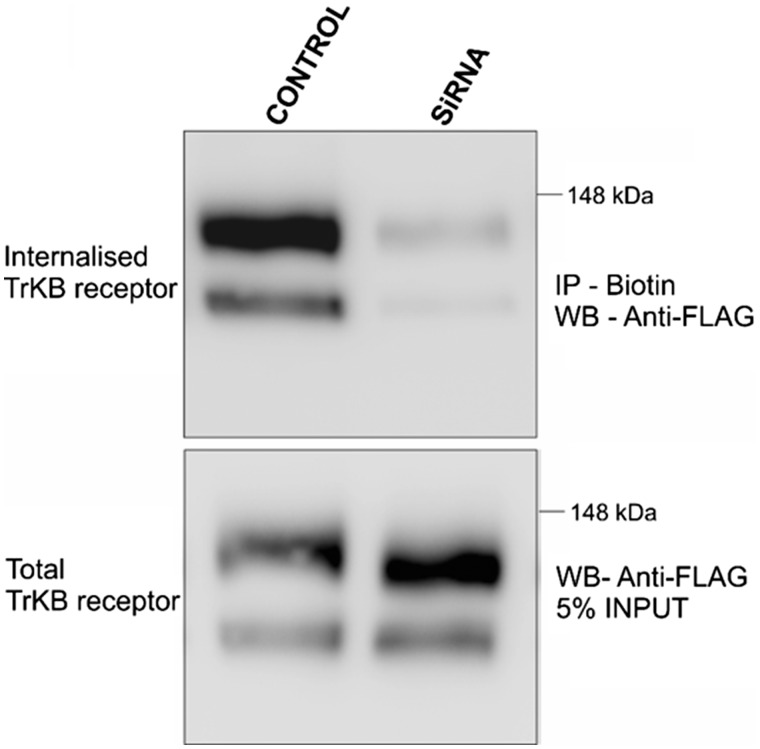
Intronic expansion of a hexanucleotide GGGGCC repeat in the chromosome 9 open reading frame 72 (C9ORF72) gene is the major cause of familial amyotrophic lateral sclerosis (ALS) and frontotemporal dementia. However, the cellular function of the C9ORF72 protein remains unknown. Here, we demonstrate that C9ORF72 regulates endosomal trafficking. C9ORF72 colocalized with Rab proteins implicated in autophagy and endocytic transport: Rab1, Rab5, Rab7 and Rab11 in neuronal cell lines, primary cortical neurons and human spinal cord motor neurons, consistent with previous predictions that C9ORF72 bears Rab guanine exchange factor activity. Consistent with this notion, C9ORF72 was present in the extracellular space and as cytoplasmic vesicles. Depletion of C9ORF72 using siRNA inhibited transport of Shiga toxin from the plasma membrane to Golgi apparatus, internalization of TrkB receptor and altered the ratio of autophagosome marker light chain 3 (LC3) II:LC3I, indicating that C9ORF72 regulates endocytosis and autophagy. C9ORF72 also colocalized with ubiquilin-2 and LC3-positive vesicles, and co-migrated with lysosome-stained vesicles in neuronal cell lines, providing further evidence that C9ORF72 regulates autophagy. Investigation of proteins interacting with C9ORF72 using mass spectrometry identified other proteins implicated in ALS; ubiquilin-2 and heterogeneous nuclear ribonucleoproteins, hnRNPA2/B1 and hnRNPA1, and actin. Treatment of cells overexpressing C9ORF72 with proteasome inhibitors induced the formation of stress granules positive for hnRNPA1 and hnRNPA2/B1. Immunohistochemistry of C9ORF72 ALS patient motor neurons revealed increased colocalization between C9ORF72 and Rab7 and Rab11 compared with controls, suggesting possible dysregulation of trafficking in patients bearing the C9ORF72 repeat expansion. Hence, this study identifies a role for C9ORF72 in Rab-mediated cellular trafficking.
Overview
The claims and statistics of this paper haven’t been checked yet.
Run the check — free, no account needed. It reads the open-access text and checks the sources it cites.
Integrity signals
Registry
Cites
Statistics
Figures
Verification
Claims the paper makes
The claims and statistics of this paper haven’t been checked yet.
Run the check — free, no account needed. It reads the open-access text and checks the sources it cites.
Claims other papers make about this one
Each is checked against this paper’s own text: does it say what the citing paper says it does?
The source backs part of the claim, not all of it — or backs it for a different population, condition or comparison.
In the citing paper
“Interestingly, the impaired endocytic signaling has been observed during C9ORF72 mutated conditions in C9ORF72 ALS/FTD patients as well as the SH-SY5Y cell line model, suggesting that the expression of C9ORF72 modulates endocytosis [172,173].”
From Insights of Endocytosis Signaling in Health and Disease (2023) · cites this paper as [172]
Experimental — accuracy not yet measuredIn the citing paper
“The C9orf72 protein belongs to the DENN (differentially expressed in normal and neoplastic cells) family [143,144] and binds the GTPases RAB7 and RAB11, which are involved in endosome maturation and recycling [145].”
From Autophagy and ALS: mechanistic insights and therapeutic implications (2022) · cites this paper as [145]
Self-check
Percentages, sums and reported differences re-computed from the paper’s own numbers.
The self-check needs the paper’s full text.
Citations
Cites
DeJesus-Hernandez, M., Mackenzie, I. R., Boeve, B. F., Boxer, A. L., Baker, M., Rutherford, N. J., Nicholson, A. M., Finch, N. A., Flynn, H., Adamson, J., et al. (2011) · Neuron · doi:10.1016/j.neuron.2011.09.011 · Cited by 4,936
A Hexanucleotide Repeat Expansion in C9ORF72 Is the Cause of Chromosome 9p21-Linked ALS-FTD
Renton, A. E., Majounie, E., Waite, A., Simón-Sánchez, J., Rollinson, S., Gibbs, J. R., Schymick, J. C., Laaksovirta, H., van Swieten, J. C., Myllykangas, L., et al. (2011) · Neuron · doi:10.1016/j.neuron.2011.09.010 · Cited by 4,409
Measurement of co‐localization of objects in dual‐colour confocal images
Manders, E. M. M., Verbeek, F. J., & Aten, J. A. (1993) · Journal of Microscopy · doi:10.1111/j.1365-2818.1993.tb03313.x · Cited by 2,132
Mutations in prion-like domains in hnRNPA2B1 and hnRNPA1 cause multisystem proteinopathy and ALS
Kim, H. J., Kim, N. C., Wang, Y., Scarborough, E. A., Moore, J., Diaz, Z., MacLea, K. S., Freibaum, B. D., Li, S., Molliex, A., et al. (2013) · Nature · doi:10.1038/nature11922 · Cited by 1,478
The C9orf72 GGGGCC Repeat Is Translated into Aggregating Dipeptide-Repeat Proteins in FTLD/ALS
Mori, K., Weng, S., Arzberger, T., May, S., Rentzsch, K., Kremmer, E., Schmid, B., Kretzschmar, H. A., Cruts, M., Broeckhoven, C. V., et al. (2013) · Science · doi:10.1126/science.1232927 · Cited by 1,248 · cited 2×
“Similarly, it remains unclear how C9ORF72 repeat expansions trigger ALS pathology, although haploinsufficiency due to impaired transcription/splicing, leading to reduced C9ORF72 protein expression (up to 50%) (8), RNA dysfunction, and unconventional translation of the repeat to generate insoluble polypeptides, are pos…”
BackgroundRegulation of Small GTPases by GEFs, GAPs, and GDIs
Cherfils, J., & Zeghouf, M. (2013) · Physiological Reviews · doi:10.1152/physrev.00003.2012 · Cited by 1,245 · cited 11×
“C9ORF72 colocalized strongly with Rabs implicated in autophagy and endosomal transport: Rab1, Rab7, Rab5 and Rab11 (Fig.”
BackgroundInfluentialMajounie, E., Renton, A. E., Mok, K., Dopper, E. G., Waite, A., Rollinson, S., Chiò, A., Restagno, G., Nicolaou, N., Simon-Sanchez, J., et al. (2012) · The Lancet Neurology · doi:10.1016/s1474-4422(12)70043-1 · Cited by 1,210
Feature-based prediction of non-classical and leaderless protein secretion
Bendtsen, J. D., Jensen, L. J., Blom, N., von HEIJNE, G., & Brunak, S. (2004) · Protein Engineering Design and Selection · doi:10.1093/protein/gzh037 · Cited by 1,179 · cited 1×
“1F), presumably via nonclassical means because bioinformatics analysis predicted that a signal leader peptide was not present in C9ORF72 (Secretome P) (27).”
BackgroundMutations in UBQLN2 cause dominant X-linked juvenile and adult-onset ALS and ALS/dementia
Deng, H.-X., Chen, W., Hong, S.-T., Boycott, K. M., Gorrie, G. H., Siddique, N., Yang, Y., Fecto, F., Shi, Y., Zhai, H., et al. (2011) · Nature · doi:10.1038/nature10353 · Cited by 1,174 · cited 2×
“Defects in protein degradation are increasingly implicated in ALS pathogenesis (19) and mutations in ubiquilin-2 (20), which regulates autophagy and the UPS by binding/transport of protein cargo (21), also cause ALS/FTD.”
BackgroundRab7: A Key to Lysosome Biogenesis
Bucci, C., Thomsen, P., Nicoziani, P., McCarthy, J., & van Deurs, B. (2000) · Molecular Biology of the Cell · doi:10.1091/mbc.11.2.467 · Cited by 1,111
Research works printed but not linked: 1
- Arancibia-Carcamo, 2006, Chapter 6. Frontiers in Neuroscience
Cited by
Sorted by citations
Items 201–300 of 481
Riolo, G., Ricci, C., Angelis, N. D., Marzocchi, C., Guerrera, G., Borsellino, G., Giannini, F., & Battistini, S. (2022) · Brain Sciences · doi:10.3390/brainsci12050617 · Cited by 40
“In neurons with decreased C9orf72 expression, endocytosis of TrkB receptors is reduced, and this could affect signaling cascades regulating neuronal survival [55].”
BackgroundA toxic gain-of-function mechanism in C9orf72 ALS impairs the autophagy-lysosome pathway in neurons
Beckers, J., Tharkeshwar, A. K., Fumagalli, L., Contardo, M., Schoor, E. V., Fazal, R., Thal, D. R., Chandran, S., Mancuso, R., Bosch, L. V. D., et al. (2023) · Acta Neuropathologica Communications · doi:10.1186/s40478-023-01648-0 · Cited by 44
Stress granule and P-body clearance: Seeking coherence in acts of disappearance
Buchan, J. R. (2024) · Seminars in Cell and Developmental Biology · doi:10.1016/j.semcdb.2024.01.002 · Cited by 40
Tang, Z., Xing, C., Araszkiewicz, A. M., Yang, K., Huai, W., Jeltema, D., Dobbs, N., Zhang, Y., Sun, L. O., & Yan, N. (2025) · Molecular Cell · doi:10.1016/j.molcel.2025.03.008 · Cited by 40
C9ORF72 expression and cellular localization over mouse development
Atkinson, R. A. K., Fernández-Martos, C. M., Atkin, J. D., Vickers, J. C., & King, A. E. (2015) · Acta Neuropathologica Communications · doi:10.1186/s40478-015-0238-7 · Cited by 45
Self-citationALS-related misfolded protein management in motor neurons and muscle cells
Galbiati, M., Crippa, V., Rusmini, P., Cristofani, R., Cicardi, M. E., Giorgetti, E., Onesto, E., Messi, E., & Poletti, A. (2014) · Neurochemistry International · doi:10.1016/j.neuint.2014.10.007 · Cited by 42
“C9ORF72 protein has been recently found co-localized with Rab proteins implicated in autophagy and endocytic transport: Rab7 and Rab11 in human spinal cord motor neurons of ALS patients (Farg et al., 2014).”
Jiang, J., & Ravits, J. (2019) · Neurotherapeutics · doi:10.1007/s13311-019-00797-2 · Cited by 44
Fomin, V., Richard, P., Hoque, M., Li, C., Gu, Z., Fissore-O'Leary, M., Tian, B., Prives, C. L., & Manley, J. L. (2018) · Molecular and Cellular Biology · doi:10.1128/mcb.00155-18 · Cited by 44
“6B), we detected the long form (C9L) predominantly in the cytoplasm, with much lower levels in the nucleoplasmic fraction, which is largely consistent with previous findings (17, 71).”
BackgroundResultUsing induced pluripotent stem cell neuronal models to study neurodegenerative diseases
Zhang, X., Hu, D., Shang, Y., & Qi, X. (2019) · Biochimica et Biophysica Acta (BBA) - Molecular Basis of Disease · doi:10.1016/j.bbadis.2019.03.004 · Cited by 36
“Several other studies further showed that in the motor neurons derived from patient iPSCs, C9ORF72 protein was found to colocalize with Rab proteins and to be involved in endosomal trafficking and autophagy [128], and played an important role in the induction of autophagy [129–131].”
BackgroundGami‐Patel, P., Murray, C. E., Schottlaender, L., Bettencourt, C., Pablo‐Fernández, E. D., Mudanohwo, E. E., Mizielinska, S., Polke, J. M., Holton, J. L., Isaacs, A. M., et al. (2015) · Acta Neuropathologica · doi:10.1007/s00401-015-1473-5 · Cited by 38
Dardis, A., Zampieri, S., Canterini, S., Newell, K. L., Stuani, C., Murrell, J. R., Ghetti, B. F., Fiorenza, M. T., Bembi, B., & Buratti, E. (2016) · Acta Neuropathologica Communications · doi:10.1186/s40478-016-0325-4 · Cited by 40
Role of BMP receptor traffic in synaptic growth defects in an ALS model
Deshpande, M., Feiger, Z., Shilton, A. K., Luo, C. C., Silverman, E., & Rodal, A. A. (2016) · Molecular Biology of the Cell · doi:10.1091/mbc.e16-07-0519 · Cited by 37
“Third, spinal cord neurons from C9ORF72 or sporadic ALS patients display an aberrant accumulation of early and recycling endosome markers (Farg et al., 2014; Sanhueza et al., 2015), suggesting that endosomal dysfunction is a common denominator in ALS.”
BackgroundResultG‐quadruplex regulation of neural gene expression
Cave, J. W., & Willis, D. E. (2021) · FEBS Journal · doi:10.1111/febs.15900 · Cited by 37
Complex Coacervate-Based Materials for Biomedicine: Recent Advancements and Future Prospects
Roy, P. S. (2024) · Industrial & Engineering Chemistry Research · doi:10.1021/acs.iecr.3c03830 · Cited by 36
Loureiro, J. R., Oliveira, C. L., & Silveira, I. (2015) · Neurobiology of Aging · doi:10.1016/j.neurobiolaging.2015.12.007 · Cited by 38
C9orf72’s Interaction with Rab GTPases—Modulation of Membrane Traffic and Autophagy
Tang, B. L. (2016) · Frontiers in Cellular Neuroscience · doi:10.3389/fncel.2016.00228 · Cited by 38
“It could be found in both cytoplasmic and nuclear compartments (Farg et al., 2014; Sellier et al., 2016), and is also secreted extracellularly, with the latter likely occurring via some form of unconventional exocytosis (Chua et al., 2012; Malhotra, 2013; Ponpuak et al., 2015).”
BackgroundInfluentialLynch, E. M., Semrad, T., Belsito, V. S., FitzGibbons, C., Reilly, M. L., Hayakawa, K., & Suzuki, M. (2019) · Disease Models & Mechanisms · doi:10.1242/dmm.039552 · Cited by 37
“…membrane vesicle trafficking (Levine et al., 2013; Zhang et al., 2012), and several papers support a role of the C9orf72 protein in vesicle trafficking and lysosomal function (Amick et al., 2016; Farg et al., 2014; Sellier et al., 2016; Webster et al., 2016a,b; Yang et al., 2016; Shi et al., 2018).”
Jagaraj, C. J., Parakh, S., & Atkin, J. D. (2021) · Frontiers in Cellular Neuroscience · doi:10.3389/fncel.2020.581950 · Cited by 38
Self-citationPresynaptic Autophagy and the Connection With Neurotransmission
Decet, M., & Verstreken, P. (2021) · Frontiers in Cell and Developmental Biology · doi:10.3389/fcell.2021.790721 · Cited by 34
Laferrière, F., & Polymenidou, M. (2015) · Swiss Medical Weekly · doi:10.4414/smw.2015.14054 · Cited by 43
Autophagy Dysfunction in ALS: from Transport to Protein Degradation
Cozzi, M., & Ferrari, V. (2022) · Journal of Molecular Neuroscience · doi:10.1007/s12031-022-02029-3 · Cited by 38
An interaction between synapsin and C9orf72 regulates excitatory synapses and is impaired in ALS/FTD
Bauer, C. S., Cohen, R. N., Sironi, F. M., Livesey, M. R., Gillingwater, T. H., Highley, J. R., Fillingham, D. J., Coldicott, I., Smith, E. F., Gibson, Y., et al. (2022) · Acta Neuropathologica · doi:10.1007/s00401-022-02470-z · Cited by 37
“We and others have identified C9orf72 as a regulator of membrane trafficking in the autophagy pathway through interactions with Rab GTPases, the ULK1 autophagy initiation complex, and lysosomes [2, 3, 20, 34, 64, 74, 80, 81].”
BackgroundDu, Y., Wen, Y. F., Guo, X., Hao, J., Wang, W., He, A., Fan, Q., Li, P., Liu, L., Liang, X., et al. (2017) · Cellular and Molecular Neurobiology · doi:10.1007/s10571-017-0512-2 · Cited by 34
Nucleolar stress in C9orf72 and sporadic ALS spinal motor neurons precedes TDP-43 mislocalization
Arogundade, O. A., Nguyen, S., Leung, R., Wainio, D., Gómez-Rodríguez, M. J., & Ravits, J. (2021) · Acta Neuropathologica Communications · doi:10.1186/s40478-021-01125-6 · Cited by 35
Potential benefits of medium chain fatty acids in aging and neurodegenerative disease
Dunn, E., Zhang, B., Sahota, V. K., & Augustin, H. (2023) · Frontiers in Aging Neuroscience · doi:10.3389/fnagi.2023.1230467 · Cited by 38
Retinal Damage in Amyotrophic Lateral Sclerosis: Underlying Mechanisms
Soldatov, V. O., Kukharsky, M. S., Белых, А. Е., Sobolev, A., & Deykin, A. V. (2021) · Eye and Brain · doi:10.2147/eb.s299423 · Cited by 35
Herman, M., Randall, G. W., Spiegel, J. L., Maldonado, D. J., & Simoes, S. (2024) · Philosophical Transactions of the Royal Society B Biological Sciences · doi:10.1098/rstb.2022.0387 · Cited by 32
“Additionally, C9orf72 mutations affect Rab protein activity, causing disruption of the endo-lysosomal system which leads to accumulation of protein aggregates like TDP-43 and Tau [95].”
BackgroundMolecular hallmarks of ageing in amyotrophic lateral sclerosis
Jagaraj, C. J., Shadfar, S., Kashani, S. A., Saravanabavan, S., Farzana, F., & Atkin, J. D. (2024) · Cellular and Molecular Life Sciences · doi:10.1007/s00018-024-05164-9 · Cited by 39
Self-citationModifiers of solid RNP granules control normal RNP dynamics and mRNA activity in early development
Hubstenberger, A., Cameron, C., Noble, S. L., Keenan, S., & Evans, T. C. (2015) · The Journal of Cell Biology · doi:10.1083/jcb.201504044 · Cited by 35
“Functions of c9orf72 may include membrane vesicle trafficking (Farg et al., 2014).”
BackgroundSato, K., Otomo, A., Ueda, M. T., Hiratsuka, Y., Suzuki-Utsunomiya, K., Sugiyama, J., Murakoshi, S., Mitsui, S., Ono, S., Nakagawa, S., et al. (2018) · Journal of Biological Chemistry · doi:10.1074/jbc.ra118.003849 · Cited by 34
Divergence, Convergence, and Therapeutic Implications: A Cell Biology Perspective of C9ORF72-ALS/FTD
Tang, X., Toro, A., Sahana, T. G., Gao, J., Chalk, J. L., Oskarsson, B., & Zhang, K. (2020) · Molecular Neurodegeneration · doi:10.1186/s13024-020-00383-7 · Cited by 34
Autophagy and lysosomal pathways in nervous system disorders
Bingol, B. (2018) · Molecular and Cellular Neuroscience · doi:10.1016/j.mcn.2018.04.009 · Cited by 32
Lan, Y., Sullivan, P. M., & Hu, F. (2019) · Autophagy · doi:10.1080/15548627.2019.1569914 · Cited by 34
“Recently, SMCR8 and C9orf72 have been shown to function as a GEF for RAB5, RAB7, RAB11, RAB8A and RAB39B [7, 10, 15, 16], and might also function as the effector for RAB1 [27].”
BackgroundCdc48/VCP and Endocytosis Regulate TDP-43 and FUS Toxicity and Turnover
Liu, G., Byrd, A. T., Pei, F., Buchanan, A., Basha, E., Warner, A., & Buchan, J. R. (2019) · Molecular and Cellular Biology · doi:10.1128/mcb.00256-19 · Cited by 31
“In addition, depletion of C9ORF72 inhibits endocytosis rates in neuroblastoma cells (79), accelerates the degeneration of induced motor neurons (iMNs) derived from ALS patients, and correlates with endocytic trafficking defects (80).”
BackgroundStructural basis for the ARF GAP activity and specificity of the C9orf72 complex
Su, M.-Y., Fromm, S. A., Remis, J. P., Toso, D. B., & Hurley, J. H. (2021) · Nature Communications · doi:10.1038/s41467-021-24081-0 · Cited by 29
Diab, R., Pilotto, F., & Saxena, S. (2023) · Frontiers in Cellular Neuroscience · doi:10.3389/fncel.2023.1086895 · Cited by 35
Casterton, R., Hunt, R. J., & Fanto, M. (2020) · Journal of Molecular Biology · doi:10.1016/j.jmb.2020.02.018 · Cited by 34
C9orf72 hexanucleotide repeat expansions impair microglial response in ALS
Masrori, P., Bijnens, B., Fumagalli, L., Davie, K., Poovathingal, S. K., Meese, T., Storm, A., Hersmus, N., Fazal, R., van den Biggelaar, D., et al. (2025) · Nature Neuroscience · doi:10.1038/s41593-025-02075-1 · Cited by 36
“Several studies reported widespread alterations in microglia (and other myeloid cells) after conditional 71–74 or complete C9orf72 deletion 9,75,76 , including transcriptional alterations, exacerbated production of inflammatory cytokines and lysosomal dysfunction 7,56,77–79 .”
Glial Cell Dysfunction in C9orf72-Related Amyotrophic Lateral Sclerosis and Frontotemporal Dementia
Ghasemi, M., Keyhanian, K., & Douthwright, C. L. (2021) · Cells · doi:10.3390/cells10020249 · Cited by 35
Altered Phase Separation and Cellular Impact in C9orf72-Linked ALS/FTD
Solomon, D. A., Smikle, R., Reid, M. J., & Mizielinska, S. (2021) · Frontiers in Cellular Neuroscience · doi:10.3389/fncel.2021.664151 · Cited by 33
The Role of Nucleocytoplasmic Transport Defects in Amyotrophic Lateral Sclerosis
Vanneste, J., & Bosch, L. V. D. (2021) · International Journal of Molecular Sciences · doi:10.3390/ijms222212175 · Cited by 32
Emerging Trends in the Field of Inflammation and Proteinopathy in ALS/FTD Spectrum Disorder
Marchi, F. D., Franjkic, T., Schito, P., Russo, T., Nimac, J., Chami, A. A., Mele, A., Vidatic, L., Križ, J., Julien, J., et al. (2023) · Biomedicines · doi:10.3390/biomedicines11061599 · Cited by 30
Biological Spectrum of Amyotrophic Lateral Sclerosis PrionsPreprint
Polymenidou, M., & Cleveland, D. W. (2017) · Cold Spring Harbor Perspectives in Medicine · doi:10.1101/cshperspect.a024133 · Cited by 29
Herrmann, D., & Parlato, R. (2018) · Cell and Tissue Research · doi:10.1007/s00441-018-2806-1 · Cited by 29
“…function of the C9orf72 protein, however, is unclear, although it has homologies to the DENN (differentially expressed in normal and neoplastic cells)-domain family of Rab guanosin exchange factors (Rab-GEFs) and might relate to endosomal trafficking (Farg et al. 2014; Levine et al. 2013).”
BackgroundLeskelä, S., Huber, N., Rostalski, H., Natunen, T., Remes, A. M., Takalo, M., Hiltunen, M. O., & Haapasalo, A. (2019) · Cells · doi:10.3390/cells8101233 · Cited by 32
“The C9orf72 proteins mainly reside in the cytosol and they may also be secreted [15].”
BackgroundMethodInfluentialNew In Vitro Models to Study Amyotrophic Lateral Sclerosis
Myszczynska, M. A., & Ferraiuolo, L. (2016) · Brain Pathology · doi:10.1111/bpa.12353 · Cited by 31
Modelling frontotemporal dementia using patient-derived induced pluripotent stem cells
Lines, G., Casey, J. M., Preza, E., & Wray, S. (2020) · Molecular and Cellular Neuroscience · doi:10.1016/j.mcn.2020.103553 · Cited by 30
Neuroinflammatory Pathways in the ALS-FTD Continuum: A Focus on Genetic Variants
Marchi, F. D., Tondo, G., Corrado, L., Menegon, F., Aprile, D., Anselmi, M., D’Alfonso, S., Comi, C., & Mazzini, L. (2023) · Genes · doi:10.3390/genes14081658 · Cited by 31
Pathogenic Genome Signatures That Damage Motor Neurons in Amyotrophic Lateral Sclerosis
Yousefian-Jazi, A., Seol, Y., Kim, J., Ryu, H. L., Lee, J.-H., & Ryu, H. (2020) · Cells · doi:10.3390/cells9122687 · Cited by 29
“Then, a strong reduction of C9orf72 expression caused an inhibition of Shiga toxin transportation from the plasma membrane to the Golgi apparatus and altered expression of the autophagosome marker LC3 ratio [152,153].”
BackgroundUnravelling Genetic Factors Underlying Corticobasal Syndrome: A Systematic Review
Arienti, F., Lazzeri, G., Vizziello, M., Monfrini, E., Bresolin, N., Saetti, M. C., Picillo, M., Franco, G., & Fonzo, A. D. (2021) · Cells · doi:10.3390/cells10010171 · Cited by 29
“C9ORF72-like proteins are thought to regulate endosomal trafficking [58], nucleocytoplasmic transport [59], and RNA processing [60].”
BackgroundMarco, G. D., Lomartire, A., Manera, U., Canosa, A., Grassano, M., Casale, F., Fuda, G., Salamone, P., RINAUDO, M. T., Colombatto, S., et al. (2022) · Scientific Reports · doi:10.1038/s41598-021-04267-8 · Cited by 27
McGoldrick, P., Lau, A., You, Z., Durcan, T. M., & Robertson, J. (2023) · Cell Reports · doi:10.1016/j.celrep.2023.112134 · Cited by 29
Intercellular transmission of pathogenic proteins in ALS: Exploring the pathogenic wave
Arnold, F. J., Nguyen, A., Bedlack, R., Bennett, C. L., & Spada, A. R. L. (2023) · Neurobiology of Disease · doi:10.1016/j.nbd.2023.106218 · Cited by 29
Synaptopathy: presynaptic convergence in frontotemporal dementia and amyotrophic lateral sclerosis
Clayton, E. L., Huggon, L., Cousin, M. A., & Mizielinska, S. (2024) · Brain · doi:10.1093/brain/awae074 · Cited by 26
C9ORF72 suppresses JAK-STAT mediated inflammation
Pang, W., & Hu, F. (2023) · iScience · doi:10.1016/j.isci.2023.106579 · Cited by 26
Castelli, L. M., Huang, W.-P., Lin, Y.-H., Chang, K., & Hautbergue, G. M. (2021) · Biochemical Society Transactions · doi:10.1042/bst20200690 · Cited by 27
C9orf72-related disorders: expanding the clinical and genetic spectrum of neurodegenerative diseases
de Souza, P. V. S., Pinto, W. B. V. D. R., & Oliveira, A. S. B. (2015) · Arquivos de Neuro-Psiquiatria · doi:10.1590/0004-282x20140229 · Cited by 26
A network of RNA and protein interactions in Fronto Temporal Dementia
Fontana, F., Siva, K., & Denti, M. A. (2015) · Frontiers in Molecular Neuroscience · doi:10.3389/fnmol.2015.00009 · Cited by 30
Two-hybrid-based systems: Powerful tools for investigation of membrane traffic machineries
Stasi, M., Luca, M. D., & Bucci, C. (2014) · Journal of Biotechnology · doi:10.1016/j.jbiotec.2014.12.007 · Cited by 25
Ho, P., Hsieh, T., & Tsai, K. (2024) · Ageing Research Reviews · doi:10.1016/j.arr.2024.102441 · Cited by 28
“It has been observed to interact with several Rab GTPases, including Rab1, Rab2, Rab5, Rab7, and Rab11 (Farg et al., 2014; Zhang et al., 2023).”
BackgroundRNA dependent suppression of C9orf72 ALS/FTD associated neurodegeneration by Matrin-3
Ramesh, N., Daley, E. L., Gleixner, A. M., Mann, J. R., Kour, S., Mawrie, D., Anderson, E. N., Kofler, J., Donnelly, C. J., Kiskinis, E., et al. (2020) · Acta Neuropathologica Communications · doi:10.1186/s40478-020-01060-y · Cited by 25
“Extensive investigation into the mechanisms underlying C9-ALS has identified three potentially pathogenic mechanisms resulting from the G4C2 hexanucleotide repeat expansion (G4C2-HRE) [6–8]—(1) Loss-of-function of endogenous C9orf72 protein that could, in turn, affect endosomal trafficking and autophagy pathways [9, 1…”
BackgroundWang, S., Lv, T., Chen, Q., Yang, Y., Xu, L., Zhang, X., Wang, E., Hu, X., & Liu, Y. (2022) · Bioengineered · doi:10.1080/21655979.2022.2045839 · Cited by 25
Perrone, B., & Conforti, F. L. (2020) · Expert Review of Molecular Diagnostics · doi:10.1080/14737159.2020.1779060 · Cited by 25
The RNA exosome complex degrades expanded hexanucleotide repeat RNA in C9orf72 FTLD/ALS
Kawabe, Y., Mori, K., Yamashita, T., Gotoh, S., & Ikeda, M. (2020) · The EMBO Journal · doi:10.15252/embj.2019102700 · Cited by 25
“C9orf72 protein coded in the exons of C9orf72 has been functionally linked to vesicular trafficking and autophagy (Farg et al , 2014; Sellier et al , 2016; Webster et al , 2016; Yang et al , 2016; Aoki et al , 2017).”
Mol, M. O., Miedema, S. S. M., Swieten, J. C. V., van Rooij, J., & Dopper, E. G. P. (2021) · International Journal of Molecular Sciences · doi:10.3390/ijms221910298 · Cited by 23
Stem cells for amyotrophic lateral sclerosis modeling and therapy: Myth or fact?
Coatti, G. C., Beccari, M. S., Olávio, T. R., Mitne‐Neto, M., Okamoto, O. K., & Zatz, M. (2015) · Cytometry Part A · doi:10.1002/cyto.a.22630 · Cited by 23
Pathogenic Single Nucleotide Polymorphisms on Autophagy-Related Genes
Tamargo‐Gómez, I., Fernández, Á. F., & Mariño, G. (2020) · International Journal of Molecular Sciences · doi:10.3390/ijms21218196 · Cited by 24
“For example, SNPs in CHMP2B are linked to neuroblastoma [296], frontotemporal dementia [297,298] or ALS [299] and those in CHMP4B have been associated with cataracts [300], dysphagia [301] or diabetes mellitus [302].”
BackgroundInfluentialLorenzini, I., Alsop, E. B., Levy, J., Gittings, L. M., Lall, D., Rabichow, B. E., Moore, S. R., Pevey, R. S., Bustos, L. M., Burciu, C., et al. (2023) · Frontiers in Cellular Neuroscience · doi:10.3389/fncel.2023.1179796 · Cited by 34
“The loss of function of C9orf72 protein has been implicated in alterations of endosomal–lysosomal pathways, hence could contribute to the phagocytic differences we observed among individual C9orf72 patient lines (Farg et al., 2014; Amick et al., 2016, 2020; O’Rourke et al., 2016; Sullivan et al., 2016; Shi et al., 201…”
BackgroundAblation of C9orf72 together with excitotoxicity induces ALS in rats
Dong, W., Ma, Y., Guan, F., Zhang, X., Chen, W., Zhang, L., & Zhang, L. (2020) · FEBS Journal · doi:10.1111/febs.15501 · Cited by 25
Critical issues in ALS case-control studies: the case of the Euro-MOTOR study
D’Ovidio, F., Rooney, J. P. K., Visser, A. E., Vermeulen, R. C. H., Veldink, J. H., van den Berg, L. H., Hardiman, O. M., Logroscino, G., Chiò, A., Beghi, E., et al. (2017) · Amyotrophic Lateral Sclerosis and Frontotemporal Degeneration · doi:10.1080/21678421.2017.1285939 · Cited by 22
Concomitant gain and loss of function pathomechanisms in C9ORF72 amyotrophic lateral sclerosis
Pal, A., Kretner, B., Abo-Rady, M., Glaβ, H., Dash, B. P., Naumann, M., Japtok, J., Kreiter, N., Dhingra, A., Heutink, P., et al. (2021) · Life Science Alliance · doi:10.26508/lsa.202000764 · Cited by 24
C9orf72/ALFA-1 controls TFEB/HLH-30-dependent metabolism through dynamic regulation of Rag GTPases
Ji, Y. J., Ugolino, J., Zhang, T., Lu, J., Kim, D., & Wang, J. (2020) · PLoS Genetics · doi:10.1371/journal.pgen.1008738 · Cited by 22
Goodier, J. L., Soares, A. O., Pereira, G., Devine, L. R., Sánchez, L., Cole, R. N., & Garcia-Perez, J. L. (2020) · Acta Neuropathologica Communications · doi:10.1186/s40478-020-00982-x · Cited by 21
Ou, K., Jia, Q., Li, D., Li, S., Li, X., & Yin, P. (2025) · Translational Neurodegeneration · doi:10.1186/s40035-025-00466-9 · Cited by 23
The molecular pathogenesis of repeat expansion diseases
Fujino, Y., & Nagai, Y. (2021) · Biochemical Society Transactions · doi:10.1042/bst20200143 · Cited by 20
Wang, S., Ichinomiya, T., Savchenko, P., Wang, D., Sawada, A., Li, X., Duong, T., Li, W., Bonds, J. A., Kim, E. J., et al. (2022) · Theranostics · doi:10.7150/thno.72614 · Cited by 21
C9ORF72 hexanucleotide repeat expansion: From ALS and FTD to a broader pathogenic role?
Sellier, C., Corcia, P., Vourc’h, P., & Dupuis, L. (2024) · Revue Neurologique · doi:10.1016/j.neurol.2024.03.008 · Cited by 24
Goodman, L. D., & Bonini, N. M. (2019) · Progress in Neurobiology · doi:10.1016/j.pneurobio.2019.101697 · Cited by 20
“C9orf72 encodes a differentially expressed in neoplastic versus normal cells (DENN) protein which plays a role in endosomal and autophagy pathways (Chitiprolu et al., 2018; Farg et al., 2014; Frick et al. 2018; Ho et al., 2019; Levine et al., 2013; Sellier et al., 2016; Shi et al., 2018; Webster et al., 2016; Zhang et…”
BackgroundHe, F., Flores, B. N., Krans, A., Frazer, M. A., Natla, S., Niraula, S., Adefioye, O., Barmada, S. J., & Todd, P. K. (2020) · Acta Neuropathologica Communications · doi:10.1186/s40478-020-01002-8 · Cited by 18
Douglas, A. G. L. (2018) · Non-coding RNA Research · doi:10.1016/j.ncrna.2018.09.001 · Cited by 20
A context-based ABC model for literature-based discovery
Kim, Y. H., & Song, M. (2019) · PLoS ONE · doi:10.1371/journal.pone.0215313 · Cited by 19
Mao, Y., Kuo, S.-W., Chen, L., Heckman, C. J., & Jiang, M. C. (2017) · PLoS ONE · doi:10.1371/journal.pone.0172246 · Cited by 19
A perspective on stem cell modeling of amyotrophic lateral sclerosis
de Boer, A. S., & Eggan, K. C. (2015) · Cell Cycle · doi:10.1080/15384101.2015.1093712 · Cited by 19
Wang, X., Hao, L., Saur, T., Joyal, K. G., Zhao, Y. Y., Zhai, D., Li, J., Pribadi, M., Coppola, G., Cohen, B. M., et al. (2016) · Frontiers in Molecular Neuroscience · doi:10.3389/fnmol.2016.00113 · Cited by 20
“C9ORF72 has been demonstrated to participate functionally in endosomal trafficking, and it co-localizes with Rab proteins (Farg et al., 2014).”
BackgroundExtracellular vesicles in TDP-43 proteinopathies: pathogenesis and biomarker potential
Dellar, E. R., Nikel, L., Fowler, S. L., Vahsen, B. F., Dafinca, R., Feneberg, E., Talbot, K., Turner, M. R., & Thompson, A. G. (2025) · Molecular Neurodegeneration · doi:10.1186/s13024-025-00859-4 · Cited by 17
C9orf72; abnormal RNA expression is the key
Heutink, P., Jansen, I. E., & Lynes, E. M. (2014) · Experimental Neurology · doi:10.1016/j.expneurol.2014.05.020 · Cited by 17
FTLD Patient–Derived Fibroblasts Show Defective Mitochondrial Function and Accumulation of p62
Leskelä, S., Hoffmann, D. B., Rostalski, H., Huber, N., Wittrahm, R., Hartikainen, P. H., Korhonen, V. E., Leinonen, V., Hiltunen, M. O., Solje, E., et al. (2021) · Molecular Neurobiology · doi:10.1007/s12035-021-02475-x · Cited by 16
Goldstein, O., Gana‐Weisz, M., Nefussy, B., Vainer, B., Nayshool, O., Bar‐Shira, A., Traynor, B. J., Drory, V. E., & Orr‐Urtreger, A. (2017) · Neurobiology of Aging · doi:10.1016/j.neurobiolaging.2017.12.015 · Cited by 17
Exploring the alternative: Fish, flies and worms as preclinical models for ALS
Braems, E., Tziortzouda, P., & Bosch, L. V. D. (2021) · Neuroscience Letters · doi:10.1016/j.neulet.2021.136041 · Cited by 20
Towards Understanding Neurodegenerative Diseases: Insights from Caenorhabditis elegans
Wu, Y., Chen, Y., Yu, X., Zhang, M., & Li, Z. (2023) · International Journal of Molecular Sciences · doi:10.3390/ijms25010443 · Cited by 18
“C9ORF72 proteins play a role in the regulation of intracellular endolysosome trafficking in the autophagy-lysosome pathway [43].”
BackgroundRab11-mediated recycling endosome role in nervous system development and neurodegenerative diseases
Zhang, J., Su, G., Wu, Q., Liu, J., Tian, Y., Liu, X., Zhou, J., Gao, J., Chen, W., Chen, D., et al. (2020) · International Journal of Neuroscience · doi:10.1080/00207454.2020.1761354 · Cited by 18
“The main pathological feature of ALS is the progressive loss of motor neurons [65, 66].”
BackgroundC9orf72-Related Amyotrophic Lateral Sclerosis and Frontotemporal Dementia
Cruts, M., Engelborghs, S., van der Zee, J., & Broeckhoven, C. V. (2015) · VUBIR (Vrije Universiteit Brussel) · Cited by 16
Ganesan, S., Nik, S. H. M., Newman, M., & Lardelli, M. T. (2014) · Experimental Cell Research · doi:10.1016/j.yexcr.2014.07.014 · Cited by 16
Metabolomics: A Tool to Understand the Impact of Genetic Mutations in Amyotrophic Lateral Sclerosis
Lanznaster, D., Veyrat‐Durebex, C., Vourc’h, P., Andres, C. R., Blasco, H., & Corcia, P. (2020) · Genes · doi:10.3390/genes11050537 · Cited by 17
Staats, K. A., Seah, C., Sahimi, A., Wang, Y., Koutsodendris, N., Lin, S., Kim, D., Chang, W.-H., Gray, K. A., Shi, Y., et al. (2019) · doi:10.1101/685800 · Cited by 16
“Reduced C9ORF72 levels alter endosomal trafficking [3, 4], autophagy [5, 6], and lysosomes in vitro [3, 7-9], and increase glutamate receptors on neurons [3].”
BackgroundBeckers, J., & Damme, P. V. (2025) · Autophagy Reports · doi:10.1080/27694127.2025.2474796 · Cited by 19
A monocarboxylate transporter rescues frontotemporal dementia and Alzheimer’s disease models
Xu, D., Vincent, A. J., González‐Gutiérrez, A., Aleyakpo, B., Anoar, S., Giblin, A., Atilano, M. L., Adams, M. L., Shen, D., Thoeng, A., et al. (2023) · PLoS Genetics · doi:10.1371/journal.pgen.1010893 · Cited by 15
“C9orf72 protein has been shown to regulate endosomal trafficking and autophagy [44, 45] and a reduction in basal levels of autophagy has been observed in patient derived cell lines, due to C9orf72 haploinsufficiency [46] and this facilitates the accumulation of”
Fu, R., Chen, H., & Hong, S. (2023) · Antioxidants · doi:10.3390/antiox12101896 · Cited by 15
Modeling the C9ORF72 repeat expansion mutation using human induced pluripotent stem cells
Selvaraj, B. T., Livesey, M. R., & Chandran, S. (2017) · Brain Pathology · doi:10.1111/bpa.12520 · Cited by 14
Park, J. H., Chung, C. G., Seo, J., Lee, B., Lee, Y., Kweon, J. H., & Lee, S. B. (2020) · PubMed Central · doi:10.14348/molcells.2020.0130 · Cited by 15
Metadata
- Authors
- Farg, M. A., Sundaramoorthy, V., Sultana, J. M., Yang, S., Atkinson, R. A. K., Levina, V., Halloran, M. A., Gleeson, P. A., Blair, I. P., Soo, K. Y., King, A. E., & Atkin, J. D.
- Affiliations
- Macquarie University (AU)
- University of Tasmania (AU)
- La Trobe University (AU)
- The University of Melbourne (AU)
- Corresponding author
- Atkin, Julie D.
- ORCID
- Venue
- Human Molecular Genetics
- Publisher
- Oxford University Press (OUP)
- Published
- 2014-02-18
- Volume
- 23
- Issue
- 13
- Pages
- 3579-3595
- ISSN
- 0964-6906 (ISSN-L)
- 1460-2083
- PMC
- PMC5886132
- OpenAlex
- W2102327538
- Cited by
- 478
- References
- 66
- Citations by year
- 2026: 8 · 2025: 22 · 2024: 25 · 2023: 35 · 2022: 24 · 2021: 58 · 2020: 52 · 2019: 39 · 2018: 39 · 2017: 50 · 2016: 57 · 2015: 50 · 2014: 19
- FWCI
- 38.23
- Type
- journal article
- Language
- en
- Open access
- hybrid
- doi.org
- Licence
- cc-by-nc
- Locations
- Human Molecular Genetics (publishedVersion, cc-by-nc)
- Europe PMC (PubMed Central) (publishedVersion, cc-by-nc)
- PubMed Central (publishedVersion, cc-by-nc)
- PubMed (publishedVersion)
- Minerva Access (University of Melbourne) (submittedVersion, cc-by-nc)
- eCite Digital Repository (University of Tasmania) (submittedVersion, cc-by-nc)
- Own your potential (DEAKIN) (submittedVersion)
- Figshare (submittedVersion, cc-by-nc)
- Funders
- Motor Neurone Disease Research Institute of Australia
- La Trobe University
- University of Wollongong
- Medical Research Council
- National Health and Medical Research Council (1004670, 1030513, 1006141)
- Topics
- Health Sciences › Medicine › Clinical Neurology › Amyotrophic Lateral Sclerosis Research
- Life Sciences › Biochemistry, Genetics and Molecular Biology › Cell Biology › Cellular transport and secretion
- Life Sciences › Biochemistry, Genetics and Molecular Biology › Cell Biology › Autophagy in Disease and Therapy
- Keywords
- C9orf72, amyotrophic lateral sclerosis, frontotemporal dementia, hexanucleotide repeat expansion, endosomal trafficking, Rab GTPases, autophagy, endocytosis, UBQLN2, hnRNP A1, HNRNPA2B1, stress granules, motor neurons, lysosomes, LC3, proteasome
- MeSH terms
- Autophagy-Related Proteins, C9orf72 Protein, rab7 GTP-Binding Proteins, rab11 GTP-Binding Proteins, Amyotrophic Lateral Sclerosis, Animals, Biological Transport, Humans, Proteins, Endosomes, Mass Spectrometry, rab GTP-Binding Proteins, Adaptor Proteins, Vesicular Transport, Heterogeneous-Nuclear Ribonucleoprotein Group A-B, Adaptor Proteins, Signal Transducing, Mice, Frontotemporal Dementia
About these checks
Registry, retraction, Cites and statistics results are computed, not judged, with one exception: a printed reference that no index lists is read once by a model before it counts as a citation error. Claims are extracted by a model and kept only when their quote appears verbatim in the text; each cited source is then checked, with a model’s help, for whether it says what the claim relies on. Those verdicts can be wrong — read the claim’s quote and the cited source before relying on one.
Statistics and arithmetic are recomputed, not judged.
Confidence bands are shown only for fields calibrated on our annotated test set. None is calibrated yet, so no band is shown.
What counts as a claim ›How we measure confidence ›How we check this ›
Are you an author, or do you see a problem with this page? Request a review
