

The DOI matches its Crossref record; 66 of the 66 references it cites were found in a registry or an index.
C9ORF72, implicated in amytrophic lateral sclerosis and frontotemporal dementia, regulates endosomal trafficking
Open accessAbstract
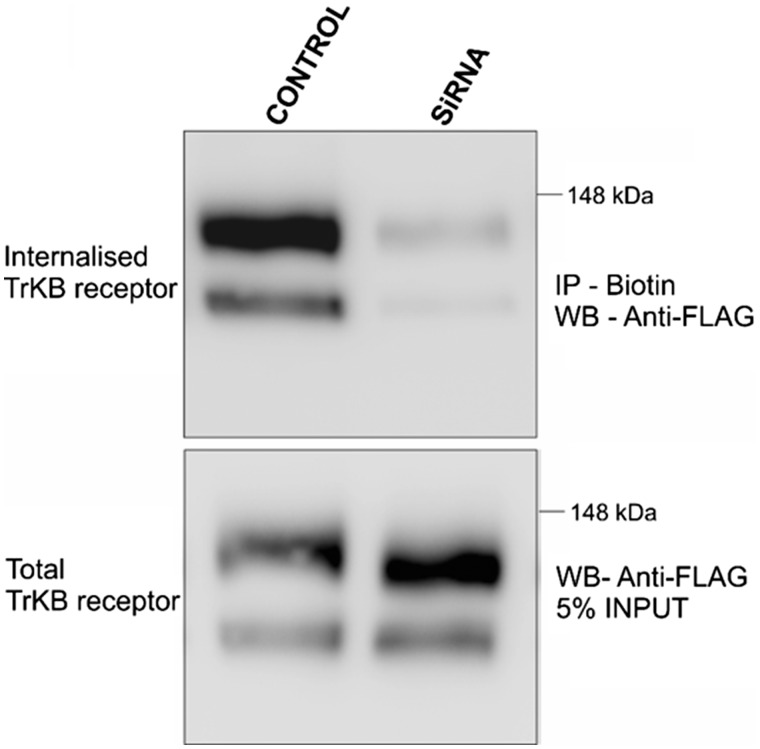
Intronic expansion of a hexanucleotide GGGGCC repeat in the chromosome 9 open reading frame 72 (C9ORF72) gene is the major cause of familial amyotrophic lateral sclerosis (ALS) and frontotemporal dementia. However, the cellular function of the C9ORF72 protein remains unknown. Here, we demonstrate that C9ORF72 regulates endosomal trafficking. C9ORF72 colocalized with Rab proteins implicated in autophagy and endocytic transport: Rab1, Rab5, Rab7 and Rab11 in neuronal cell lines, primary cortical neurons and human spinal cord motor neurons, consistent with previous predictions that C9ORF72 bears Rab guanine exchange factor activity. Consistent with this notion, C9ORF72 was present in the extracellular space and as cytoplasmic vesicles. Depletion of C9ORF72 using siRNA inhibited transport of Shiga toxin from the plasma membrane to Golgi apparatus, internalization of TrkB receptor and altered the ratio of autophagosome marker light chain 3 (LC3) II:LC3I, indicating that C9ORF72 regulates endocytosis and autophagy. C9ORF72 also colocalized with ubiquilin-2 and LC3-positive vesicles, and co-migrated with lysosome-stained vesicles in neuronal cell lines, providing further evidence that C9ORF72 regulates autophagy. Investigation of proteins interacting with C9ORF72 using mass spectrometry identified other proteins implicated in ALS; ubiquilin-2 and heterogeneous nuclear ribonucleoproteins, hnRNPA2/B1 and hnRNPA1, and actin. Treatment of cells overexpressing C9ORF72 with proteasome inhibitors induced the formation of stress granules positive for hnRNPA1 and hnRNPA2/B1. Immunohistochemistry of C9ORF72 ALS patient motor neurons revealed increased colocalization between C9ORF72 and Rab7 and Rab11 compared with controls, suggesting possible dysregulation of trafficking in patients bearing the C9ORF72 repeat expansion. Hence, this study identifies a role for C9ORF72 in Rab-mediated cellular trafficking.
Overview
The claims and statistics of this paper haven’t been checked yet.
Run the check — free, no account needed. It reads the open-access text and checks the sources it cites.
Integrity signals
Registry
Cites
Statistics
Figures
Verification
Claims the paper makes
The claims and statistics of this paper haven’t been checked yet.
Run the check — free, no account needed. It reads the open-access text and checks the sources it cites.
Claims other papers make about this one
Each is checked against this paper’s own text: does it say what the citing paper says it does?
The source backs part of the claim, not all of it — or backs it for a different population, condition or comparison.
In the citing paper
“Interestingly, the impaired endocytic signaling has been observed during C9ORF72 mutated conditions in C9ORF72 ALS/FTD patients as well as the SH-SY5Y cell line model, suggesting that the expression of C9ORF72 modulates endocytosis [172,173].”
From Insights of Endocytosis Signaling in Health and Disease (2023) · cites this paper as [172]
Experimental — accuracy not yet measuredIn the citing paper
“The C9orf72 protein belongs to the DENN (differentially expressed in normal and neoplastic cells) family [143,144] and binds the GTPases RAB7 and RAB11, which are involved in endosome maturation and recycling [145].”
From Autophagy and ALS: mechanistic insights and therapeutic implications (2022) · cites this paper as [145]
Self-check
Percentages, sums and reported differences re-computed from the paper’s own numbers.
The self-check needs the paper’s full text.
Citations
Cites
DeJesus-Hernandez, M., Mackenzie, I. R., Boeve, B. F., Boxer, A. L., Baker, M., Rutherford, N. J., Nicholson, A. M., Finch, N. A., Flynn, H., Adamson, J., et al. (2011) · Neuron · doi:10.1016/j.neuron.2011.09.011 · Cited by 4,936
A Hexanucleotide Repeat Expansion in C9ORF72 Is the Cause of Chromosome 9p21-Linked ALS-FTD
Renton, A. E., Majounie, E., Waite, A., Simón-Sánchez, J., Rollinson, S., Gibbs, J. R., Schymick, J. C., Laaksovirta, H., van Swieten, J. C., Myllykangas, L., et al. (2011) · Neuron · doi:10.1016/j.neuron.2011.09.010 · Cited by 4,409
Measurement of co‐localization of objects in dual‐colour confocal images
Manders, E. M. M., Verbeek, F. J., & Aten, J. A. (1993) · Journal of Microscopy · doi:10.1111/j.1365-2818.1993.tb03313.x · Cited by 2,132
Mutations in prion-like domains in hnRNPA2B1 and hnRNPA1 cause multisystem proteinopathy and ALS
Kim, H. J., Kim, N. C., Wang, Y., Scarborough, E. A., Moore, J., Diaz, Z., MacLea, K. S., Freibaum, B. D., Li, S., Molliex, A., et al. (2013) · Nature · doi:10.1038/nature11922 · Cited by 1,478
The C9orf72 GGGGCC Repeat Is Translated into Aggregating Dipeptide-Repeat Proteins in FTLD/ALS
Mori, K., Weng, S., Arzberger, T., May, S., Rentzsch, K., Kremmer, E., Schmid, B., Kretzschmar, H. A., Cruts, M., Broeckhoven, C. V., et al. (2013) · Science · doi:10.1126/science.1232927 · Cited by 1,248 · cited 2×
“Similarly, it remains unclear how C9ORF72 repeat expansions trigger ALS pathology, although haploinsufficiency due to impaired transcription/splicing, leading to reduced C9ORF72 protein expression (up to 50%) (8), RNA dysfunction, and unconventional translation of the repeat to generate insoluble polypeptides, are pos…”
BackgroundRegulation of Small GTPases by GEFs, GAPs, and GDIs
Cherfils, J., & Zeghouf, M. (2013) · Physiological Reviews · doi:10.1152/physrev.00003.2012 · Cited by 1,245 · cited 11×
“C9ORF72 colocalized strongly with Rabs implicated in autophagy and endosomal transport: Rab1, Rab7, Rab5 and Rab11 (Fig.”
BackgroundInfluentialMajounie, E., Renton, A. E., Mok, K., Dopper, E. G., Waite, A., Rollinson, S., Chiò, A., Restagno, G., Nicolaou, N., Simon-Sanchez, J., et al. (2012) · The Lancet Neurology · doi:10.1016/s1474-4422(12)70043-1 · Cited by 1,210
Feature-based prediction of non-classical and leaderless protein secretion
Bendtsen, J. D., Jensen, L. J., Blom, N., von HEIJNE, G., & Brunak, S. (2004) · Protein Engineering Design and Selection · doi:10.1093/protein/gzh037 · Cited by 1,179 · cited 1×
“1F), presumably via nonclassical means because bioinformatics analysis predicted that a signal leader peptide was not present in C9ORF72 (Secretome P) (27).”
BackgroundMutations in UBQLN2 cause dominant X-linked juvenile and adult-onset ALS and ALS/dementia
Deng, H.-X., Chen, W., Hong, S.-T., Boycott, K. M., Gorrie, G. H., Siddique, N., Yang, Y., Fecto, F., Shi, Y., Zhai, H., et al. (2011) · Nature · doi:10.1038/nature10353 · Cited by 1,174 · cited 2×
“Defects in protein degradation are increasingly implicated in ALS pathogenesis (19) and mutations in ubiquilin-2 (20), which regulates autophagy and the UPS by binding/transport of protein cargo (21), also cause ALS/FTD.”
BackgroundRab7: A Key to Lysosome Biogenesis
Bucci, C., Thomsen, P., Nicoziani, P., McCarthy, J., & van Deurs, B. (2000) · Molecular Biology of the Cell · doi:10.1091/mbc.11.2.467 · Cited by 1,111
Research works printed but not linked: 1
- Arancibia-Carcamo, 2006, Chapter 6. Frontiers in Neuroscience
Cited by
Sorted by citations
Guidelines for the use and interpretation of assays for monitoring autophagy (3rd edition).
Klionsky, D. J., Abdelmohsen, K., Abe, A., Abedin, M. J., Abeliovich, H., Acevedo Arozena, A., Adachi, H., Adams, C. M., Adams, P. D., Adeli, K., et al. (2016) · Autophagy · doi:10.1080/15548627.2015.1100356 · Cited by 5,894
Self-citationGuidelines for the use and interpretation of assays for monitoring autophagy (4th edition) 1
Klionsky, D. J., Abdel-Aziz, A. K., Abdelfatah, S., Abdellatif, M., Abdoli, A., Abel, S., Abeliovich, H., Abildgaard, M. H., Abudu, Y. P., Acevedo-Arozena, A., et al. (2021) · Autophagy · doi:10.1080/15548627.2020.1797280 · Cited by 2,897
Self-citationAutophagy and Neurodegeneration: Pathogenic Mechanisms and Therapeutic Opportunities
Menzies, F. M., Fleming, A., Caricasole, A., Bento, C. F., Andrews, S. P., Ashkenazi, A., Füllgrabe, J., Jackson, A., Jimenez Sanchez, M., Karabiyik, C., et al. (2017) · Neuron · doi:10.1016/j.neuron.2017.01.022 · Cited by 1,134
“A role has been suggested for C9ORF72 in endocytic vesicle trafficking and autophagy (Farg et al., 2014).”
Bang, J., Spina, S., & Miller, B. L. (2015) · The Lancet · doi:10.1016/s0140-6736(15)00461-4 · Cited by 1,144
Compromised autophagy and neurodegenerative diseases
Menzies, F. M., Fleming, A., & Rubinsztein, D. C. (2015) · Nature Reviews Neuroscience · doi:10.1038/nrn3961 · Cited by 851
Lysosomes as a therapeutic target
Bonam, S. R., Wang, F., & Muller, S. (2019) · Nature Reviews Drug Discovery · doi:10.1038/s41573-019-0036-1 · Cited by 776
“In contrast, other data suggest a reduction of autophagy activity 136, 137 .”
ResultC9orf72-mediated ALS and FTD: multiple pathways to disease
Balendra, R., & Isaacs, A. M. (2018) · Nature Reviews Neurology · doi:10.1038/s41582-018-0047-2 · Cited by 715
ALS Genetics, Mechanisms, and Therapeutics: Where Are We Now?
Mejzini, R., Flynn, L. L., Pitout, I. L., Fletcher, S., Wilton, S. D., & Akkari, P. A. (2019) · Frontiers in Neuroscience · doi:10.3389/fnins.2019.01310 · Cited by 799
Haploinsufficiency leads to neurodegeneration in C9ORF72 ALS/FTD human induced motor neurons
Shi, Y., Lin, S., Staats, K. A., Li, Y., Chang, W.-H., Hung, S.-T., Hendricks, E., Linares, G. R., Wang, Y., Son, E. Y., et al. (2018) · Nature Medicine · doi:10.1038/nm.4490 · Cited by 566
Jiang, J., Zhu, Q., Gendron, T. F., Saberi, S., McAlonis-Downes, M., Seelman, A., Stauffer, J. E., Jafar-nejad, P., Drenner, K., Schulte, D., et al. (2016) · Neuron · doi:10.1016/j.neuron.2016.04.006 · Cited by 536
“The function of the 54 kD C9ORF72 protein has not been established, but its sequence homology to the DENN protein family predicts a possible role in regulating membrane trafficking (Farg et al., 2014; Levine et al., 2013; Zhang et al., 2012).”
C9orf72 is required for proper macrophage and microglial function in mice
O’Rourke, J. G., Bogdanik, L., Yáñez, A., Lall, D., Wolf, A. J., Muhammad, A. K. M. G., Ho, R., Carmona, S., Vit, J. P., Zarrow, J., et al. (2016) · Science · doi:10.1126/science.aaf1064 · Cited by 550
The different autophagy degradation pathways and neurodegeneration
Fleming, A., Bourdenx, M., Fujimaki, M., Karabiyik, C., Krause, G. J., Lopez, A., Martín‐Segura, A., Puri, C., Scrivo, A., Skidmore, J., et al. (2022) · Neuron · doi:10.1016/j.neuron.2022.01.017 · Cited by 499
Sellier, C., Campanari, M., Julie Corbier, C., Gaucherot, A., Kolb‐Cheynel, I., Oulad‐Abdelghani, M., Ruffenach, F., Page, A., Ciura, S., Kabashi, E., et al. (2016) · The EMBO Journal · doi:10.15252/embj.201593350 · Cited by 414
“However, our results indicating that C9ORF72 in complex with SMCR8 interacts with RAB8a and RAB39b are different from a previous report where C9ORF72 was found to interact with RAB1, RAB5, RAB7, and RAB11 (Farg et al , 2014).”
InfluentialThe C9orf72 protein interacts with Rab1a and the ULK1 complex to regulate initiation of autophagy
Webster, C. P., Smith, E. F., Bauer, C. S., Moller, A., Hautbergue, G. M., Ferraiuolo, L., Myszczynska, M. A., Higginbottom, A., Walsh, M. J., Whitworth, A. J., et al. (2016) · The EMBO Journal · doi:10.15252/embj.201694401 · Cited by 404
“Our data are in contrast to a previous report indicating an increase in LC3-II in C9orf72 siRNA-treated SH-SY5Y cells which suggests a possible late autophagy defect (Farg et al , 2014).”
Antisense Oligonucleotide Therapies for Neurodegenerative Diseases
Bennett, C. F., Krainer, A. R., & Cleveland, D. W. (2019) · Annual Review of Neuroscience · doi:10.1146/annurev-neuro-070918-050501 · Cited by 353
Autophagy and neurodegeneration
Frake, R. A., Ricketts, T., Menzies, F. M., & Rubinsztein, D. C. (2015) · Journal of Clinical Investigation · doi:10.1172/jci73944 · Cited by 332
Inflammation in ALS/FTD pathogenesis
McCauley, M. E., & Baloh, R. H. (2019) · Acta Neuropathologica · doi:10.1007/s00401-018-1933-9 · Cited by 341
“Studies thus far examining the molecular and cellular biology of C9orf72 indicate that it regulates endosomal trafficking, including autophagy [42, 135, 144] and lysosomal function [6, 112].”
BackgroundSullivan, P. M., Zhou, X., Robins, A. M., Paushter, D. H., Kim, D., Smolka, M. B., & Hu, F. (2016) · Acta Neuropathologica Communications · doi:10.1186/s40478-016-0324-5 · Cited by 295
Alexander, A. G., Marfil, V., & Li, C. (2014) · Frontiers in Genetics · doi:10.3389/fgene.2014.00279 · Cited by 310
C9orf72 BAC Transgenic Mice Display Typical Pathologic Features of ALS/FTD
O’Rourke, J. G., Bogdanik, L., Muhammad, A. K. M. G., Gendron, T. F., Kim, K. J., Austin, A., Cady, J., Liu, E. Y., Zarrow, J., Grant, S., et al. (2015) · Neuron · doi:10.1016/j.neuron.2015.10.027 · Cited by 298
Endoplasmic reticulum stress and inflammation in the central nervous system
Sprenkle, N. T., Sims, S. G., Sánchez, C. L., & Meares, G. P. (2017) · Molecular Neurodegeneration · doi:10.1186/s13024-017-0183-y · Cited by 305
Loss-of-function mutations in the C9ORF72 mouse ortholog cause fatal autoimmune disease
Burberry, A., Suzuki, N., Wang, J.-Y., Moccia, R., Mordes, D. A., Stewart, M. H., Suzuki-Uematsu, S., Ghosh, S., Singh, A., Merkle, F. T., et al. (2016) · Science Translational Medicine · doi:10.1126/scitranslmed.aaf6038 · Cited by 269
C 9orf72 ablation in mice does not cause motor neuron degeneration or motor deficits
Koppers, M., Blokhuis, A. M., Westeneng, H., Terpstra, M. L., Zundel, C. A. C., de Sá, R. V., Schellevis, R. D., Waite, A. J., Blake, D. J., Veldink, J. H., et al. (2015) · Annals of Neurology · doi:10.1002/ana.24453 · Cited by 301
Atanasio, A., Decman, V., White, D., Ramos, M., Ikiz, B., Lee, H.-C., Siao, C.-J., Brydges, S., LaRosa, E., Bai, Y., et al. (2016) · Scientific Reports · doi:10.1038/srep23204 · Cited by 263
Peters, O. M., Cabrera, G. T., Tran, H., Gendron, T. F., McKeon, J. E., Metterville, J., Weiss, A., Wightman, N., Salameh, J. S., Kim, J., et al. (2015) · Neuron · doi:10.1016/j.neuron.2015.11.018 · Cited by 278
on behalf of the BELNEU CONSORTIUM, Gijselinck, I., Van Mossevelde, S., van der Zee, J., Sieben, A., Engelborghs, S., De Bleecker, J., Ivanoiu, A., Deryck, O., Edbauer, D., et al. (2016) · Molecular Psychiatry · doi:10.1038/mp.2015.159 · Cited by 242
Root, J. T., Merino, P., Nuckols, A., Johnson, M. A., & Kukar, T. L. (2021) · Neurobiology of Disease · doi:10.1016/j.nbd.2021.105360 · Cited by 240
A C9ORF72/SMCR8-containing complex regulates ULK1 and plays a dual role in autophagy
Yang, M., Liang, C., Swaminathan, K., Herrlinger, S., Lai, F., Shiekhattar, R., & Chen, J.-F. (2016) · Science Advances · doi:10.1126/sciadv.1601167 · Cited by 238
Rab GTPases and Membrane Trafficking in Neurodegeneration
Kiral, F. R., Kohrs, F. E., Jin, E. J., & Hiesinger, P. R. (2018) · Current Biology · doi:10.1016/j.cub.2018.02.010 · Cited by 249
“In support of these studies, upregulation of Rab4, Rab5, Rab7 and Rab27 transcripts and protein levels were reported in post mortem cholinergic basal forebrain Curr Biol.”
BackgroundInfluentialTao, Z., Wang, H., Qin, X., Li, K., Li, K., Jiang, X., Xu, G., Wang, G., & Ying, Z. (2015) · Human Molecular Genetics · doi:10.1093/hmg/ddv005 · Cited by 247
C9orf72 expansions in frontotemporal dementia and amyotrophic lateral sclerosis
Rohrer, J. D., Isaacs, A. M., Mizielinska, S., Mead, S., Lashley, T., Wray, S., Sidle, K. C. L., Fratta, P., Orrell, R. W., Hardy, J., et al. (2015) · The Lancet Neurology · doi:10.1016/s1474-4422(14)70233-9 · Cited by 252
Gao, F., Almeida, S., & Lopez‐Gonzalez, R. (2017) · The EMBO Journal · doi:10.15252/embj.201797568 · Cited by 229
“Indeed, C9ORF72 may regulate endocytosis and autophagy (Farg et al , 2014), and a flurry of recent studies showed that C9ORF72 physically binds to SMCR8 (Smith – Magenis syndrome chromosomal region candidate gene eight) (Amick et al , 2016; Sellier et al , 2016; Sullivan et al , 2016; Ugolino et al…”
Motor Neuron Susceptibility in ALS/FTD
Ragagnin, A., Shadfar, S., Vidal, M., Jamali, M. S., & Atkin, J. D. (2019) · Frontiers in Neuroscience · doi:10.3389/fnins.2019.00532 · Cited by 232
Self-citationProsaposin facilitates sortilin-independent lysosomal trafficking of progranulin
Zhou, X., Sun, L., de Oliveira, F. M. B., Qi, X., Brown, W. J., Smolka, M. B., Sun, Y., & Hu, F. (2015) · The Journal of Cell Biology · doi:10.1083/jcb.201502029 · Cited by 204
The expanding biology of the C9orf72 nucleotide repeat expansion in neurodegenerative disease
Haeusler, A. R., Donnelly, C. J., & Rothstein, J. D. (2016) · Nature reviews. Neuroscience · doi:10.1038/nrn.2016.38 · Cited by 205
Autophagy and ALS: mechanistic insights and therapeutic implications
Chua, J. P., De Calbiac, H., Kabashi, E., & Barmada, S. J. (2022) · Autophagy · doi:10.1080/15548627.2021.1926656 · Cited by 189
“expressed in normal and neoplastic cells) family [143,144] and binds the GTPases RAB7 and RAB11, which are involved in endosome maturation and recycling [145].”
BackgroundLoss of C9orf72 Enhances Autophagic Activity via Deregulated mTOR and TFEB Signaling
Ugolino, J., Ji, Y. J., Conchina, K., Chu, J., Nirujogi, R. S., Pandey, A., Brady, N. R., Hamacher-Brady, A., & Wang, J. (2016) · PLOS Genetics · doi:10.1371/journal.pgen.1006443 · Cited by 185
ALS: A bucket of genes, environment, metabolism and unknown ingredients
Zufiría, M., Gil-Bea, F. J., Fernández‐Torrón, R., Poza, J. J., Muñoz-Blanco, J. L., Rojas‐García, R., Riancho, J., & de Munaín, A. L. (2016) · Progress in Neurobiology · doi:10.1016/j.pneurobio.2016.05.004 · Cited by 203
“…transcript is not known, some evidence pointed out that C9orf72 plays a role in endosomal trafficking, and therefor its depletion resulted in impaired endocytosis and autophagy-mediated trafficking, which suggested C9orf72 downregulation as a putative pathogenic mechanism (Farg et al., 2014).”
C9orf72 binds SMCR8, localizes to lysosomes, and regulates mTORC1 signaling
Amick, J., Roczniak-Ferguson, A., & Ferguson, S. M. (2016) · Molecular Biology of the Cell · doi:10.1091/mbc.e16-01-0003 · Cited by 201
Frontotemporal dementia: latest evidence and clinical implications
Young, J. J., Lavakumar, M., Tampi, D. J., Balachandran, S., & Tampi, R. R. (2017) · Therapeutic Advances in Psychopharmacology · doi:10.1177/2045125317739818 · Cited by 199
Frontotemporal lobar degeneration
Grossman, M., Seeley, W. W., Boxer, A. L., Hillis, A. E., Knopman, D. S., Ljubenov, P. A., Miller, B., Piguet, O., Rademakers, R., Whitwell, J. L., et al. (2023) · Nature Reviews Disease Primers · doi:10.1038/s41572-023-00447-0 · Cited by 178
A complex of C9ORF72 and p62 uses arginine methylation to eliminate stress granules by autophagy
Chitiprolu, M., Jagow, C., Tremblay, V., Bondy‐Chorney, E., Paris, G., Savard, A., Palidwor, G., Barry, F. A., Zinman, L. H., Keith, J. L., et al. (2018) · Nature Communications · doi:10.1038/s41467-018-05273-7 · Cited by 184
Microglia and C9orf72 in neuroinflammation and ALS and frontotemporal dementia
Lall, D., & Baloh, R. H. (2017) · Journal of Clinical Investigation · doi:10.1172/jci90607 · Cited by 175
“org Volume 127 Number 9 September 2017 some formation to be dysregulated (139), suggesting that C9orf72 plays a critical role in autophagy and endosomal-lysosomal pathways.”
BackgroundTargeting autophagy, oxidative stress, and ER stress for neurodegenerative disease treatment
Esmaeili, Y., Yarjanli, Z., Paknia, F., Bidram, E., Łoś, M., Eshraghi, M., Klionsky, D. J., Ghavami, S., & Zarrabi, A. (2022) · Journal of Controlled Release · doi:10.1016/j.jconrel.2022.03.001 · Cited by 184
Rastogi, S., Sharma, V., Bharti, P. S., Rani, K., Modi, G. P., Nikolajeff, F. K., & Kumar, S. (2021) · International Journal of Molecular Sciences · doi:10.3390/ijms22010440 · Cited by 175
C9ORF72: What It Is, What It Does, and Why It Matters
Smeyers, J., Banchi, E.-G., & Latouche, M. (2021) · Frontiers in Cellular Neuroscience · doi:10.3389/fncel.2021.661447 · Cited by 196
Remondelli, P., & Renna, M. (2017) · Frontiers in Molecular Neuroscience · doi:10.3389/fnmol.2017.00187 · Cited by 174
Laflamme, C., McKeever, P. M., Kumar, R., Schwartz, J., Kolahdouzan, M., Chen, C. X., You, Z., Benaliouad, F., Gileadi, O., McBride, H. M., et al. (2019) · eLife · doi:10.7554/elife.48363 · Cited by 155
Dissection of genetic factors associated with amyotrophic lateral sclerosis
Leblond, C. S., Kaneb, H., Dion, P. A., & Rouleau, G. A. (2014) · Experimental Neurology · doi:10.1016/j.expneurol.2014.04.013 · Cited by 175
Umoh, M. E., Dammer, E. B., Dai, J., Duong, D. M., Lah, J. J., Levey, A. I., Gearing, M., Glass, J. D., & Seyfried, N. T. (2017) · EMBO Molecular Medicine · doi:10.15252/emmm.201708202 · Cited by 157
Disrupted neuronal trafficking in amyotrophic lateral sclerosis
Burk, K., & Pasterkamp, R. J. (2019) · Acta Neuropathologica · doi:10.1007/s00401-019-01964-7 · Cited by 162
“Furthermore, knockdown of C9ORF72 in SH-SY5Y cells causes impaired endocytosis of tropomyosin receptor kinase receptor B (TrkB) [47].”
BackgroundInfluentialAoki, Y., Manzano, R., Lee, Y., Dafinca, R., Aoki, M., Douglas, A. G. L., Varela, M. A., Sathyaprakash, C., Scaber, J., Barbagallo, P., et al. (2017) · Brain · doi:10.1093/brain/awx024 · Cited by 167
Below the surface: The inner lives of TLR4 and TLR9
Marongiu, L., Gornati, L., Artuso, I., Zanoni, I., & Granucci, F. (2019) · Journal of Leukocyte Biology · doi:10.1002/jlb.3mir1218-483rr · Cited by 160
Genetics of FTLD : overview and what else we can expect from genetic studies
Pottier, C., Ravenscroft, T. A., Sanchez‐Contreras, M., & Rademakers, R. (2016) · Journal of Neurochemistry · doi:10.1111/jnc.13622 · Cited by 148
Endocytic membrane trafficking and neurodegenerative disease
Schreij, A. M. A., Fon, E. A., & McPherson, P. S. (2015) · Cellular and Molecular Life Sciences · doi:10.1007/s00018-015-2105-x · Cited by 161
C9ORF72 interaction with cofilin modulates actin dynamics in motor neurons
Sivadasan, R., Hornburg, D., Drepper, C., Frank, N., Jablonka, S., Hansel, A., Lojewski, X., Sterneckert, J. L., Hermann, A., Shaw, P. J., et al. (2016) · Nature Neuroscience · doi:10.1038/nn.4407 · Cited by 155
Neuroinflammation as a Factor of Neurodegenerative Disease: Thalidomide Analogs as Treatments
Jung, Y. J., Tweedie, D., Scerba, M. T., & Greig, N. H. (2019) · Frontiers in Cell and Developmental Biology · doi:10.3389/fcell.2019.00313 · Cited by 156
Autophagy Dysregulation in ALS: When Protein Aggregates Get Out of Hand
Ramesh, N., & Pandey, U. B. (2017) · Frontiers in Molecular Neuroscience · doi:10.3389/fnmol.2017.00263 · Cited by 161
Molecular and Cellular Mechanisms Affected in ALS
Gall, L. L., Anakor, E., Connolly, O., Vijayakumar, U. G., Duddy, W. J., & Duguez, S. (2020) · Journal of Personalized Medicine · doi:10.3390/jpm10030101 · Cited by 150
C9orf72 deficiency promotes microglial-mediated synaptic loss in aging and amyloid accumulation
Lall, D., Lorenzini, I., Mota, T. A., Bell, S., Mahan, T. E., Ulrich, J. D., Davtyan, H., Rexach, J. E., Muhammad, A. K. M. G., Shelest, O., et al. (2021) · Neuron · doi:10.1016/j.neuron.2021.05.020 · Cited by 147
Macroautophagy in CNS health and disease
Griffey, C. J., & Yamamoto, A. (2022) · Nature reviews. Neuroscience · doi:10.1038/s41583-022-00588-3 · Cited by 145
Blokhuis, A. M., Koppers, M., Groen, E. J. N., van den Heuvel, D. M. A., Modigliani, S. D., Anink, J. J., Fumoto, K., van Diggelen, F., Snelting, A., Sodaar, P., et al. (2016) · Acta Neuropathologica · doi:10.1007/s00401-016-1575-8 · Cited by 140
Madill, M., McDonagh, K., Ma, J., Vajda, A., McLoughlin, P., O’Brien, T., Hardiman, O., & Shen, S. (2017) · Molecular Brain · doi:10.1186/s13041-017-0300-4 · Cited by 134
Intercellular Spread of Protein Aggregates in Neurodegenerative Disease
Davis, A. A., Leyns, C. E. G., & Holtzman, D. M. (2018) · Annual Review of Cell and Developmental Biology · doi:10.1146/annurev-cellbio-100617-062636 · Cited by 131
Xiao, S., MacNair, L., McGoldrick, P., McKeever, P. M., McLean, J. R., Zhang, M., Keith, J. L., Zinman, L. H., Rogaeva, E. A., & Robertson, J. (2015) · Annals of Neurology · doi:10.1002/ana.24469 · Cited by 154
Long Non-Coding RNA (lncRNA) Roles in Cell Biology, Neurodevelopment and Neurological Disorders
Aliperti, V., Skonieczna, J., & Cerase, A. (2021) · Non-Coding RNA · doi:10.3390/ncrna7020036 · Cited by 137
Hypermethylation of repeat expanded C9orf72 is a clinical and molecular disease modifier
Russ, J., Liu, E. Y., Wu, K., Neal, D., Suh, E. R., Irwin, D. J., McMillan, C. T., Harms, M. B., Cairns, N. J., Wood, E. M., et al. (2014) · Acta Neuropathologica · doi:10.1007/s00401-014-1365-0 · Cited by 127
Ratti, A., Gumina, V., Lenzi, P., Bossolasco, P., Fulceri, F., Volpe, C., Bardelli, D., Pregnolato, F., Maraschi, A., Fornai, F., et al. (2020) · Neurobiology of Disease · doi:10.1016/j.nbd.2020.105051 · Cited by 128
“These data are consistent with a different cell response to stress shown by mC9ORF72 fibroblasts in view of the fact that C9ORF72 protein is a regulator of endosomal and vesicular trafficking and is directly involved in regulating autophagy (Farg et al., 2014).”
Lattante, S., Ciura, S., Rouleau, G. A., & Kabashi, E. (2015) · Trends in Genetics · doi:10.1016/j.tig.2015.03.005 · Cited by 137
Pensalfini, A., Kim, S., Subbanna, S., Bleiwas, C., Goulbourne, C. N., Stavrides, P. H., Jiang, Y., Lee, J., Darji, S., Pawlik, M., et al. (2020) · Cell Reports · doi:10.1016/j.celrep.2020.108420 · Cited by 134
Autophagy in Age-Associated Neurodegeneration
Metaxakis, A., Ploumi, C., & Tavernarakis, N. (2018) · Cells · doi:10.3390/cells7050037 · Cited by 125
Beckers, J., Tharkeshwar, A. K., & Damme, P. V. (2021) · Autophagy · doi:10.1080/15548627.2021.1872189 · Cited by 132
Frontotemporal Dementia, Where Do We Stand? A Narrative Review
Antonioni, A., Raho, E. M., Lopriore, P., Pace, A. P., Latino, R. R., Assogna, M., Mancuso, M., Gragnaniello, D., Granieri, E., Pugliatti, M., et al. (2023) · International Journal of Molecular Sciences · doi:10.3390/ijms241411732 · Cited by 133
“C9orf72 colocalises with several proteins implicated in autophagy and endosomal transport, playing pivotal roles in endosomal trafficking [102].”
BackgroundNordin, A., Akimoto, C., Wuolikainen, A., Alstermark, H., Jonsson, P., Birve, A., Marklund, S. L., Graffmo, K. S., Forsberg, K., Brännström, T., et al. (2015) · Human Molecular Genetics · doi:10.1093/hmg/ddv064 · Cited by 120
Autophagosome dynamics in neurodegeneration at a glance
Wong, Y. C., & Holzbaur, E. L. F. (2015) · Journal of Cell Science · doi:10.1242/jcs.161216 · Cited by 117
Soo, K. Y., Halloran, M. A., Sundaramoorthy, V., Parakh, S., Toth, R. P., Southam, K. A., McLean, C., Lock, P., King, A. E., Farg, M. A., et al. (2015) · Acta Neuropathologica · doi:10.1007/s00401-015-1468-2 · Cited by 125
Self-citationRAB2 regulates the formation of autophagosome and autolysosome in mammalian cells
Ding, X., Jiang, X. M., Tian, R. L., Zhao, P., Lin, L., Wang, X., Chen, S., Zhu, Y., Mei, M., Bao, S., et al. (2019) · Autophagy · doi:10.1080/15548627.2019.1596478 · Cited by 121
STING trafficking as a new dimension of immune signaling
Jeltema, D., Abbott, K., & Yan, N. (2023) · The Journal of Experimental Medicine · doi:10.1084/jem.20220990 · Cited by 116
Jiang, S., & Bhaskar, K. (2020) · Frontiers in Molecular Neuroscience · doi:10.3389/fnmol.2020.586731 · Cited by 119
Amyotrophic lateral sclerosis: Current perspectives from basic research to the clinic
Mancuso, R., & Navarro, X. (2015) · Progress in Neurobiology · doi:10.1016/j.pneurobio.2015.07.004 · Cited by 125
Protein folding alterations in amyotrophic lateral sclerosis
Parakh, S., & Atkin, J. D. (2016) · Brain Research · doi:10.1016/j.brainres.2016.04.010 · Cited by 115
Self-citationCytoplasmic poly-GA aggregates impair nuclear import of TDP-43 in C9orf72 ALS/FTLD
Khosravi, B., Hartmann, H., May, S., Möhl, C., Ederle, H., Michaelsen, M., Schludi, M. H., Dormann, D., & Edbauer, D. (2016) · Human Molecular Genetics · doi:10.1093/hmg/ddw432 · Cited by 113
Autophagy as a common pathway in amyotrophic lateral sclerosis
Nguyen, D. K. H., Thombre, R., & Wang, J. (2018) · Neuroscience Letters · doi:10.1016/j.neulet.2018.04.006 · Cited by 118
Stress granules at the intersection of autophagy and ALS
Monahan, Z. T., Shewmaker, F. P., & Pandey, U. B. (2016) · Brain Research · doi:10.1016/j.brainres.2016.05.022 · Cited by 110
Immunotherapies for Neurodegenerative Diseases
Mortada, I., Farah, R., Nabha, S. M., Ojcius, D. M., Fares, Y., Almawi, W. Y., & Sadier, N. S. (2021) · Frontiers in Neurology · doi:10.3389/fneur.2021.654739 · Cited by 112
“C9orf72 is a protein coding gene involved in endosomal trafficking (201).”
BackgroundThe genetics of amyotrophic lateral sclerosis: current insights
Kirby, J., Sultan, A. A., Waller, R., & Heath, P. R. (2016) · Degenerative Neurological and Neuromuscular Disease · doi:10.2147/dnnd.s84956 · Cited by 119
Iron and Neurodegeneration: Is Ferritinophagy the Link?
Biasiotto, G., Lorenzo, D. D., Archetti, S., & Zanella, I. (2015) · Molecular Neurobiology · doi:10.1007/s12035-015-9473-y · Cited by 104
Disease Mechanisms ofC9ORF72Repeat ExpansionsPreprint
Gendron, T. F., & Petrucelli, L. (2017) · Cold Spring Harbor Perspectives in Medicine · doi:10.1101/cshperspect.a024224 · Cited by 106
Maharjan, N., Künzli, C., Buthey, K., & Saxena, S. (2016) · Molecular Neurobiology · doi:10.1007/s12035-016-9850-1 · Cited by 99
Endocytosis regulates TDP-43 toxicity and turnover
Liu, G., Coyne, A. N., Pei, F., Vaughan, S., Chaung, M., Zarnescu, D. C., & Buchan, J. R. (2017) · Nature Communications · doi:10.1038/s41467-017-02017-x · Cited by 97
Gene Therapy for ALS—A Perspective
Cappella, M., Ciotti, C., Cohen-Tannoudji, M., & Biferi, M. G. (2019) · International Journal of Molecular Sciences · doi:10.3390/ijms20184388 · Cited by 101
“The protein encoded by the C9orf72 gene might have a role in cellular trafficking due to co-localization with Rab proteins [47,48], regulating endocytosis, and autophagy due to its action as guanine nucleotide exchange factor [49].”
BackgroundRab GTPases: Switching to Human Diseases
Guadagno, N. A., & Progida, C. (2019) · Cells · doi:10.3390/cells8080909 · Cited by 97
“C9orf72 also interacts with Rab7a and Rab11, even though the function of these interactions is unknown [134].”
BackgroundAutophagy and Its Impact on Neurodegenerative Diseases: New Roles for TDP-43 and C9orf72
Budini, M., Buratti, E., Morselli, E., & Criollo, A. (2017) · Frontiers in Molecular Neuroscience · doi:10.3389/fnmol.2017.00170 · Cited by 101
Autophagy, Cellular Aging and Age-related Human Diseases
Cheon, S. Y., Kim, H. J., Rubinsztein, D. C., & Lee, J. E. (2019) · Experimental Neurobiology · doi:10.5607/en.2019.28.6.643 · Cited by 95
“Deletion of C9ORF72 causes dysfunctional autophagy and endocytosis [161].”
BackgroundAutophagy receptor defects and ALS-FTLD
Majcher, V., Goode, A., James, V. H., & Layfield, R. (2015) · Molecular and Cellular Neuroscience · doi:10.1016/j.mcn.2015.01.002 · Cited by 101
RNA binding proteins and the pathological cascade in ALS/FTD neurodegeneration
Ito, D., Hatano, M., & Suzuki, N. (2017) · Science Translational Medicine · doi:10.1126/scitranslmed.aah5436 · Cited by 88
Cellular and physiological functions of C9ORF72 and implications for ALS/FTD
Pang, W., & Hu, F. (2020) · Journal of Neurochemistry · doi:10.1111/jnc.15255 · Cited by 95
Lee, Y., Baskaran, P., Gómez-Deza, J., Chen, H.-J., Nishimura, A. L., Smith, B. N., Troakes, C., Adachi, Y., Stepto, A., Petrucelli, L., et al. (2017) · Human Molecular Genetics · doi:10.1093/hmg/ddx350 · Cited by 90
Anđjus, P. R., Kosanović, M., Milicevic, K. D., Gautam, M., Vainio, S. J., Jagečić, D., Kozlova, E. N., Pivoriūnas, A., Chachques, J. C., Sakaj, M., et al. (2020) · International Journal of Molecular Sciences · doi:10.3390/ijms21186859 · Cited by 92
A C9orf72 ALS/FTD Ortholog Acts in Endolysosomal Degradation and Lysosomal Homeostasis
Corrionero, A., & Horvitz, H. R. (2018) · Current Biology · doi:10.1016/j.cub.2018.03.063 · Cited by 91
Metadata
- Authors
- Farg, M. A., Sundaramoorthy, V., Sultana, J. M., Yang, S., Atkinson, R. A. K., Levina, V., Halloran, M. A., Gleeson, P. A., Blair, I. P., Soo, K. Y., King, A. E., & Atkin, J. D.
- Affiliations
- Macquarie University (AU)
- University of Tasmania (AU)
- La Trobe University (AU)
- The University of Melbourne (AU)
- Corresponding author
- Atkin, Julie D.
- ORCID
- Venue
- Human Molecular Genetics
- Publisher
- Oxford University Press (OUP)
- Published
- 2014-02-18
- Volume
- 23
- Issue
- 13
- Pages
- 3579-3595
- ISSN
- 0964-6906 (ISSN-L)
- 1460-2083
- PMC
- PMC5886132
- OpenAlex
- W2102327538
- Cited by
- 478
- References
- 66
- Citations by year
- 2026: 8 · 2025: 22 · 2024: 25 · 2023: 35 · 2022: 24 · 2021: 58 · 2020: 52 · 2019: 39 · 2018: 39 · 2017: 50 · 2016: 57 · 2015: 50 · 2014: 19
- FWCI
- 38.23
- Type
- journal article
- Language
- en
- Open access
- hybrid
- doi.org
- Licence
- cc-by-nc
- Locations
- Human Molecular Genetics (publishedVersion, cc-by-nc)
- Europe PMC (PubMed Central) (publishedVersion, cc-by-nc)
- PubMed Central (publishedVersion, cc-by-nc)
- PubMed (publishedVersion)
- Minerva Access (University of Melbourne) (submittedVersion, cc-by-nc)
- eCite Digital Repository (University of Tasmania) (submittedVersion, cc-by-nc)
- Own your potential (DEAKIN) (submittedVersion)
- Figshare (submittedVersion, cc-by-nc)
- Funders
- Motor Neurone Disease Research Institute of Australia
- La Trobe University
- University of Wollongong
- Medical Research Council
- National Health and Medical Research Council (1004670, 1030513, 1006141)
- Topics
- Health Sciences › Medicine › Clinical Neurology › Amyotrophic Lateral Sclerosis Research
- Life Sciences › Biochemistry, Genetics and Molecular Biology › Cell Biology › Cellular transport and secretion
- Life Sciences › Biochemistry, Genetics and Molecular Biology › Cell Biology › Autophagy in Disease and Therapy
- Keywords
- C9orf72, amyotrophic lateral sclerosis, frontotemporal dementia, hexanucleotide repeat expansion, endosomal trafficking, Rab GTPases, autophagy, endocytosis, UBQLN2, hnRNP A1, HNRNPA2B1, stress granules, motor neurons, lysosomes, LC3, proteasome
- MeSH terms
- Autophagy-Related Proteins, C9orf72 Protein, rab7 GTP-Binding Proteins, rab11 GTP-Binding Proteins, Amyotrophic Lateral Sclerosis, Animals, Biological Transport, Humans, Proteins, Endosomes, Mass Spectrometry, rab GTP-Binding Proteins, Adaptor Proteins, Vesicular Transport, Heterogeneous-Nuclear Ribonucleoprotein Group A-B, Adaptor Proteins, Signal Transducing, Mice, Frontotemporal Dementia
About these checks
Registry, retraction, Cites and statistics results are computed, not judged, with one exception: a printed reference that no index lists is read once by a model before it counts as a citation error. Claims are extracted by a model and kept only when their quote appears verbatim in the text; each cited source is then checked, with a model’s help, for whether it says what the claim relies on. Those verdicts can be wrong — read the claim’s quote and the cited source before relying on one.
Statistics and arithmetic are recomputed, not judged.
Confidence bands are shown only for fields calibrated on our annotated test set. None is calibrated yet, so no band is shown.
What counts as a claim ›How we measure confidence ›How we check this ›
Are you an author, or do you see a problem with this page? Request a review
