

ESHRE guideline: endometriosis
Open accessThe DOI matches its Crossref record; 231 of the 250 references it cites were found in a registry or an index; 42 of the 130 sources its claims cite were checked for support.
Abstract
European Society of Human Reproduction and Embryology (ESHRE) clinical guideline on diagnosis and management of endometriosis. Focuses on recommendations for surgical and medical management of pain and infertility. Provides guidance on when to perform surgery for deep infiltrating endometriosis.
Overview
CoChat Summary
TL;DR
This 2022 ESHRE guideline provides 109 recommendations on the diagnosis and management of endometriosis, covering pain, infertility, recurrence, adolescents, menopause, extrapelvic and asymptomatic disease, prevention, and cancer. It updates prior ESHRE guidelines, with five topics where significant changes in clinical practice are expected.
Key findings
- The guideline contains 109 recommendations: 79 supported by research data and 30 good practice points (GPPs), plus 30 research recommendations.
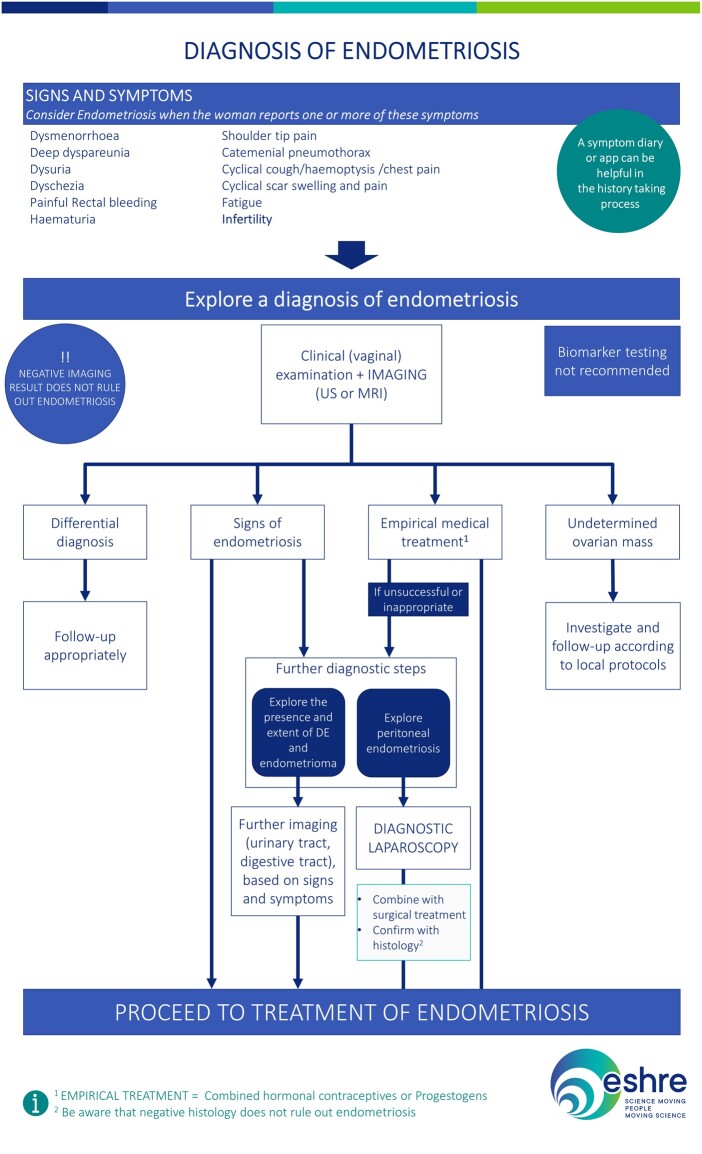
- The diagnostic process challenges laparoscopy and histology as gold standard tests; it recommends imaging (ultrasound or MRI) in the diagnostic work-up, advises against biomarkers for diagnosis, and reserves laparoscopy for patients with negative imaging or unsuccessful/inappropriate empirical treatment.
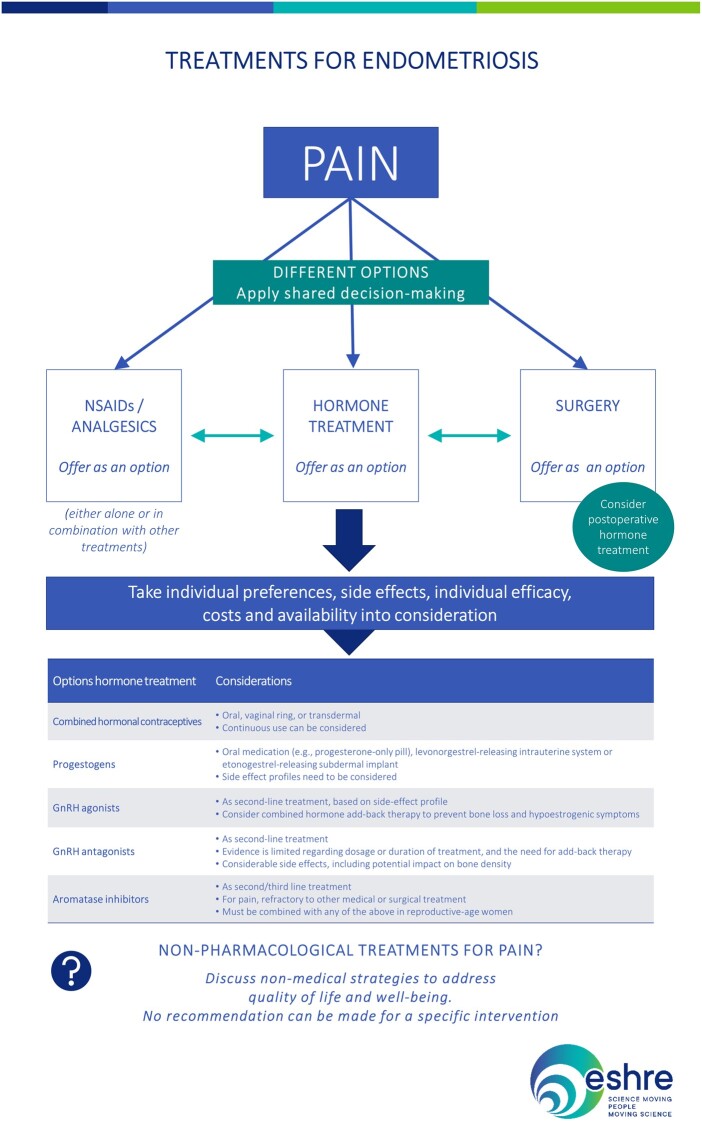
- Treatment options for endometriosis-associated pain include analgesics/NSAIDs, hormonal treatments (combined hormonal contraceptives, progestogens, GnRH agonists or antagonists, aromatase inhibitors), and surgery; five topics with significant changes include the diagnostic process, GnRH antagonists as second-line, postoperative medical treatment for pain, no extended GnRH agonist before ART, and use of the endometriosis fertility index (EFI).
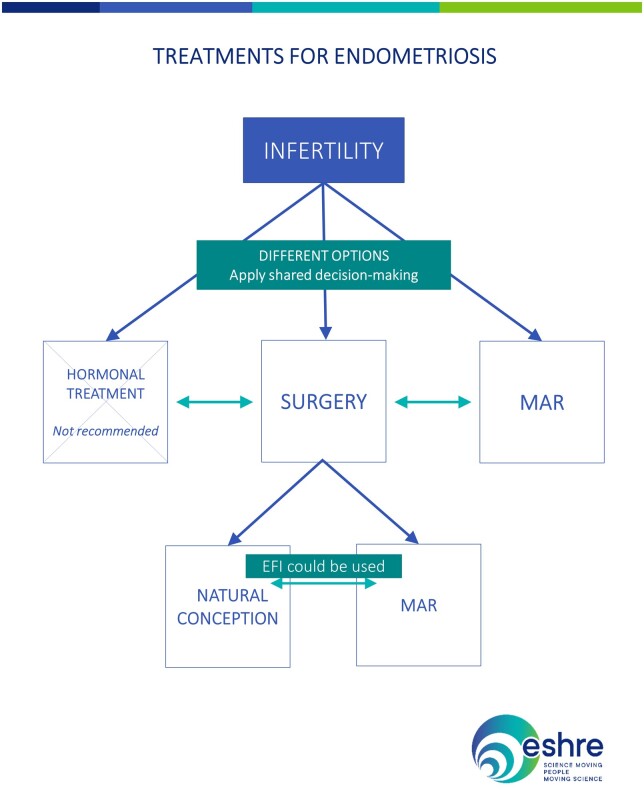
- For endometriosis-associated infertility, surgery and/or medically assisted reproduction are feasible; ovarian suppression, pentoxifylline/anti-inflammatory drugs/letrozole outside ovulation induction, and routine surgery before ART for rASRM stage I/II or endometrioma are not recommended.
Methods
- The guideline was developed according to ESHRE’s structured methodology; 42 key questions were formulated (7 narrative, 35 PICO), with PubMed/MEDLINE and Cochrane searches from inception to 1 December 2020, limited to English-language studies.
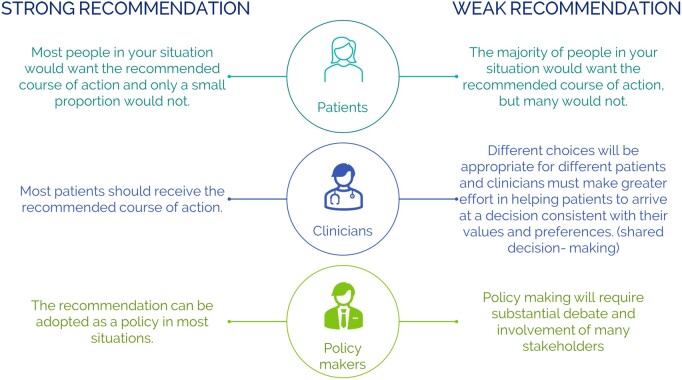
- Evidence was assessed and summarized in evidence tables; recommendations were drafted by specialist subgroups, discussed in core guideline development group meetings until consensus, labelled strong or weak, and graded High, Moderate, Low, or Very low; GPPs were added where relevant.
- A stakeholder review ran from 24 June to 15 August 2021; 56.5% of the 253 comments resulted in an adaptation or correction. The guideline will be considered for update 4 years after publication, with an intermediate assessment at 2 years.
Limitations
- Stated: the guideline describes different management options but, based on existing evidence, no firm recommendations could be formulated on the most appropriate treatments; for specific clinical issues such as asymptomatic endometriosis or extrapelvic endometriosis, evidence is too scarce to make evidence-based recommendations.
- Stated: there is an urgent need for more research on the most appropriate diagnostic and treatment options and on the natural course of the disease.
- Evident from the text: many recommendations are weak or based on low/very low-quality evidence or GPPs; no prognostic markers exist to select patients who would benefit from surgery; no specific non-medical intervention can be recommended; and heterogeneity prevented conclusions on surgical techniques for deep endometriosis-associated pain.
Model-written summary. Check it against the paper before relying on it.
Integrity signals
Registry
Cites
Statistics
Figures
Verification
Claims the paper makes
30 Valid · 5 Not valid · 26 Not checked · 25 Own results and interpretations
At least one cited source doesn’t support this claim or points to a different paper, and none confirmed it — see the verdicts below.
In the paper
“Clinicians may consider operative laparoscopy for the treatment of endometrioma-associated infertility as it may increase their chance of natural pregnancy, although no data from comparative studies exist (Dan and Limin, 2013; Alborzi et al., 2019; Candiani et al., 2020).”
§ ESHRE guideline: endometriosis† > Results > Treatment of endometriosis-associated infertility
What the sources say
- Not checked — no full text of the sourcecites Dan and Limin, 2013 matched to “Laparoscopic ovarian cystectomy versus fenestration/coagulation or laser vaporization for the treatment of endometriomas: a meta-analysis of randomized controlled trials” (2013) source
- Disputedcites Alborzi et al., 2019 matched to “The success of various endometrioma treatments in infertility: a systematic review and meta-analysis of prospective studies” (2019) sourceExperimental — accuracy not yet measured
The Results describe a prospective randomized trial comparing two laparoscopic treatments for endometriomas and reporting pregnancy rates after treatment without medication. That contradicts the categorical claim that no comparative-study data exist for operative laparoscopy and natural pregnancy. The trial compares two operations, however, not surgery against no surgery. (LLM, conf=0.83)
Checked by a reasoning model — may be wrong.
- Not checked — no full text of the sourcecites Candiani et al., 2020 matched to “Recurrence Rate after “One-Step” CO2 Fiber Laser Vaporization versus Cystectomy for Ovarian Endometrioma: A 3-Year Follow-up Study” (2020) source
hedged- Asserted: passes — The authors put it forward as true.
- Checkable: passes — It can be checked against evidence.
- Load-bearing: passes — The paper’s conclusions depend on it.
- Based: passes — The paper gives a reason why it holds.
The cited sources support only part of this claim — read each source’s verdict below.
In the paper
“Both GnRH antagonist and agonist protocols can be offered based on patients’ and physicians’ preferences as no difference in pregnancy or live birth rate has been demonstrated (Pabuccu et al., 2007; Rodriguez-Purata et al., 2013; Bastu et al., 2014; Kolanska et al., 2017; Drakopoulos et al., 2018).”
§ ESHRE guideline: endometriosis† > Results > Treatment of endometriosis-associated infertility
What the sources say
- Not checked — no full text of the sourcecites Pabuccu et al., 2007 matched to “GnRH agonist and antagonist protocols for stage I-II endometriosis and endometrioma in in vitro fertilization/intracytoplasmic sperm injection cycles” (2007) source
- Not checked — no full text of the sourcecites Rodriguez-Purata et al., 2013 matched to “Endometriosis and IVF: are agonists really better? Analysis of 1180 cycles with the propensity score matching” (2013) source
- Partly supportedcites Bastu et al., 2014 matched to “Comparison of ovulation induction protocols after endometrioma resection” (2014) sourceExperimental — accuracy not yet measured
The Results (Table 2; page not provided) show no significant difference in pregnancy or ongoing-pregnancy rates between protocols among IVF patients who had undergone endometrioma resection. The Conclusions (page not provided) call for further studies evaluating live birth rates, so this paper does not establish that live birth rates are similar. Its study population is also narrower than women with endometriosis generally. (LLM, conf=0.91)
boosted- Asserted: passes — The authors put it forward as true.
- Checkable: passes — It can be checked against evidence.
- Load-bearing: passes — The paper’s conclusions depend on it.
- Based: passes — The paper gives a reason why it holds.
The cited sources support only part of this claim — read each source’s verdict below.
In the paper
“Women with endometriosis can be reassured regarding the safety of ART since the recurrence rates are not increased compared to those women not undergoing ART (Benaglia et al., 2008; Somigliana et al., 2019).”
§ ESHRE guideline: endometriosis† > Results > Treatment of endometriosis-associated infertility
What the sources say
- Could not verifycites Benaglia et al., 2008 matched to “Endometrioma and oocyte retrieval-induced pelvic abscess: a clinical concern or an exceptional complication?” (2008) sourceExperimental — accuracy not yet measured
The Abstract (page unavailable) says the study estimated pelvic-abscess frequency after oocyte retrieval in women with endometriomas. Searches for endometriosis recurrence after IVF and a comparison with women not undergoing IVF found no passage addressing either point. (LLM, conf=0.76)
- Partly supportedcites Somigliana et al., 2019 matched to “Ovarian stimulation and endometriosis progression or recurrence: a systematic review” (2019) sourceExperimental — accuracy not yet measured
The Discussion (page unavailable) describes moderately supported, reassuring evidence that IVF has a limited impact on endometriosis recurrence. But the claim extends that reassurance to ART generally: the review's discussion of IUI (page unavailable) identifies a possible increased recurrence risk, and the Discussion says the evidence is incomplete. (LLM, conf=0.88)
plain- Asserted: passes — The authors put it forward as true.
- Checkable: passes — It can be checked against evidence.
- Load-bearing: passes — The paper’s conclusions depend on it.
- Based: passes — The paper gives a reason why it holds.
- Could not verify
The cited sources support only part of this claim — read each source’s verdict below.
In the paper
“The extended administration of GnRH agonist prior to ART treatment to improve live birth rate in infertile women with endometriosis is not recommended, as the benefit is uncertain (Georgiou et al., 2019; Cao et al., 2020; Kaponis et al., 2020).”
§ ESHRE guideline: endometriosis† > Results > Treatment of endometriosis-associated infertility
What the sources say
- Not checked — no full text of the sourcecites Georgiou et al., 2019 matched to “Long-term GnRH agonist therapy before in vitro fertilisation (IVF) for improving fertility outcomes in women with endometriosis” (2019) source
- Partly supportedcites Cao et al., 2020 matched to “The effectiveness of different down-regulating protocols on in vitro fertilization-embryo transfer in endometriosis: a meta-analysis” (2020) sourceExperimental — accuracy not yet measured
The Discussion reports that a Cochrane review found uncertain effects of long-term GnRH agonist therapy on pregnancy outcomes in infertile patients with endometriosis. Cao et al. do not establish uncertainty specifically for live birth rate or recommend against extended treatment; their own analysis reports improved clinical pregnancy rates in some groups. (LLM, conf=0.82)
- Not checked — no full text of the sourcecites Kaponis et al., 2020 matched to “Ultralong administration of gonadotropin-releasing hormone agonists before in vitro fertilization improves fertilization rate but not clinical pregnancy rate in women with mild endometriosis: a prospective, randomized, controlled trial” (2020) source
plain- Asserted: passes — The authors put it forward as true.
- Checkable: passes — It can be checked against evidence.
- Load-bearing: passes — The paper’s conclusions depend on it.
- Based: passes — The paper gives a reason why it holds.
The cited sources support only part of this claim — read each source’s verdict below.
In the paper
“Presacral neurectomy (PSN) is beneficial for treatment of endometriosis-associated midline pain as an adjunct to conventional laparoscopic surgery, but it should be stressed that PSN requires a high degree of skill and is associated with an increased risk of adverse effects such as intraoperative bleeding, and postoperative constipation, urinary urgency and painless first stage of labour (Miller e”
§ ESHRE guideline: endometriosis† > Results > Treatment of endometriosis-associated pain
What the sources say
- Partly supportedcites Miller et al., 2020 matched to “Clinical utility of presacral neurectomy as an adjunct to conservative endometriosis surgery: systematic review and meta-analysis of controlled studies” (2020) sourceExperimental — accuracy not yet measured
The Discussion reports that adjunctive presacral neurectomy reduced treatment failure for endometriosis-related midline pain. However, the Conclusion limits the finding to well-selected patients and says it *may* provide greater relief; the Results include both laparoscopic and open surgery, rather than establishing the benefit specifically for conventional laparoscopic surgery. (LLM, conf=0.84)
plainstates a cause- Asserted: passes — The authors put it forward as true.
- Checkable: passes — It can be checked against evidence.
- Load-bearing: passes — The paper’s conclusions depend on it.
- Based: passes — The paper gives a reason why it holds.
- Partly supported
54 more claims · 22 with their cited sources checked
Create a free account to see all 86 claims and every source verdict.
- Probably not a substantial claim. 26
- It may state two separate claims as one. 3
Claims other papers make about this one
Each is checked against this paper’s own text: does it say what the citing paper says it does?
The source backs part of the claim, not all of it — or backs it for a different population, condition or comparison.
In the citing paper
“although the major associations have difficulty siding sharply in favour of one treatment over another”
From IVF/ICSI or surgery as first approach for the treatment of infertility associated with ovarian and deep infiltrating endometriosis? A systematic review and meta-analysis. (2026) · cites this paper as Becker et al., 2022
Experimental — accuracy not yet measuredThe source backs part of the claim, not all of it — or backs it for a different population, condition or comparison.
In the citing paper
“it appears that, for some of them, patients with ovarian endometriomas (OMA) should not be referred for surgery, except in cases of pelvic pain”
From IVF/ICSI or surgery as first approach for the treatment of infertility associated with ovarian and deep infiltrating endometriosis? A systematic review and meta-analysis. (2026) · cites this paper as Becker et al., 2022
Experimental — accuracy not yet measuredThe source backs part of the claim, not all of it — or backs it for a different population, condition or comparison.
In the citing paper
“Therefore, optimal HRT in young women who have undergone pelvic clearance for endometriosis remains uncertain.”
From HRT in Women Undergoing Pelvic Clearance for Endometriosis—A Case Report and a National Survey (2023) · cites this paper as [10]
Experimental — accuracy not yet measuredThe source backs part of the claim, not all of it — or backs it for a different population, condition or comparison.
In the citing paper
“This has led the British Menopause Society (BMS) and European Society of Human Reproduction and Embryology (ESHRE) to recommend continuous C-HRT and avoidance of EO-HRT in this group of women at least until age of natural menopause [9,10].”
From HRT in Women Undergoing Pelvic Clearance for Endometriosis—A Case Report and a National Survey (2023) · cites this paper as [10]
Experimental — accuracy not yet measuredThe source backs part of the claim, not all of it — or backs it for a different population, condition or comparison.
In the citing paper
“Danazol is no longer recommended as a first-line therapy due to its bothersome side effect profile, such as acne, edema, vaginal spotting, weight gain, muscle cramps, deepening of voice, and increase in facial hair [ 79 ].”
From Thoracic Endometriosis Syndrome: A Comprehensive Review and Multidisciplinary Approach to Management (2024) · cites this paper as [79]
Experimental — accuracy not yet measured
3 more claims about this paper
Create a free account to see every claim other papers make about this one.
Citations
Cites
Zondervan, K. T., Becker, C. M., & Missmer, S. A. (2020) · New England Journal of Medicine · doi:10.1056/nejmra1810764 · Cited by 2,249
Self-citationESHRE guideline: management of women with endometriosis
Dunselman, G. A. J., Vermeulen, N., Becker, C., Calhaz-Jorge, C., D'Hooghe, T., De Bie, B., Heikinheimo, O., Horne, A. W., Kiesel, L., Nap, A., et al. (2014) · Human Reproduction · doi:10.1093/humrep/det457 · Cited by 2,211 · cited 2×
“The current guideline and recommendations are an update of the ESHRE endometriosis guidelines published in 2013 and 2005 (Kennedy et al. , 2005; Dunselman et al. , 2014).”
Self-citationEskenazi, B., & Warner, M. L. (1997) · Obstetrics and Gynecology Clinics of North America · doi:10.1016/s0889-8545(05)70302-8 · Cited by 1,617
ESHRE guideline for the diagnosis and treatment of endometriosis
Kennedy, S., Bergqvist, A., Chapron, C., D’Hooghe, T., Dunselman, G., Greb, R., Hummelshoj, L., Prentice, A., & Saridogan, E. (2005) · Human Reproduction · doi:10.1093/humrep/dei135 · Cited by 1,584
Pearce, C. L., Templeman, C., Rossing, M. A., Lee, A., Near, A. M., Webb, P. M., Nagle, C. M., Doherty, J. A., Cushing-Haugen, K. L., Wicklund, K. G., et al. (2012) · The Lancet Oncology · doi:10.1016/s1470-2045(11)70404-1 · Cited by 939 · cited 1×
“Routine US monitoring of asymptomatic endometriosis can be considered (Maouris, 1991; Alca´zar et al. , 2005; Pearce et al. , 2012; Serati et al. , 2013).”
High prevalence of endometriosis in infertile women with normal ovulation and normospermic partners
Meuleman, C., Vandenabeele, B., Fieuws, S., Spiessens, C., Timmerman, D., & D'Hooghe, T. (2009) · Fertility and Sterility · doi:10.1016/j.fertnstert.2008.04.056 · Cited by 606
Cervical cancer and use of hormonal contraceptives: a systematic review
Smith, J. S., Green, J., de Gonzalez, A. B., Appleby, P., Peto, J., Plummer, M., Franceschi, S., & Beral, V. (2003) · The Lancet · doi:10.1016/s0140-6736(03)12949-2 · Cited by 544
Imaging modalities for the non-invasive diagnosis of endometriosis
Nisenblat, V., Bossuyt, P. M., Farquhar, C., Johnson, N., & Hull, M. L. (2016) · Cochrane Database of Systematic Reviews · doi:10.1002/14651858.cd009591.pub2 · Cited by 538 · cited 2×
“…in endometrial tissue, blood, menstrual or uterine fluids to diagnose endometriosis (Mol et al. , 1998; May et al. , 2010; May et al. , 2011; Liu et al. , 2015; Cosar et al. , 2016; Gupta et al. , 2016; Hirsch et al. , 2016; Nisenblat et al. , 2016a; Vanhie et al. , 2019; Moustafa et al. , 2020).”
Sutton, C. J. G., Ewen, S. P., Whitelaw, N., & Haines, P. (1994) · Fertility and Sterility · doi:10.1016/s0015-0282(16)56990-8 · Cited by 525
Wentzensen, N., Poole, E. M., Trabert, B., White, E., Arslan, A. A., Patel, A. V., Setiawan, V. W., Visvanathan, K., Weiderpass, E., Adami, H.-O., et al. (2016) · Journal of Clinical Oncology · doi:10.1200/jco.2016.66.8178 · Cited by 514 · cited 1×
“…about the risk of malignancy associated with the use of hormonal contraceptives (Smith et al. , 2003; Zucchetto et al. , 2009; Gierisch et al. , 2013; Havrilesky et al. , 2013; Braganza et al. , 2014; Berlanda et al. , 2016; Wentzensen et al. , 2016; Butt et al. , 2018; Michels et al. , 2018).”
Cited by
Items 401–500 of 1,654
The 10 “Cardinal Sins” in the Clinical Diagnosis and Treatment of Endometriosis: A Bayesian Approach
Koninckx, P. R., Ussia, A., Gordts, S., Keckstein, J., Sarıdoğan, E., Malzoni, M., Stepanian, A. A., Setúbal, A., Adamyan, L. V., & Wattiez, A. (2023) · Journal of Clinical Medicine · doi:10.3390/jcm12134547 · Cited by 12
Self-citationTuominen, A., Saavalainen, L., Niinimäki, M. J., Gissler, M., But, A., Härkki, P., & Heikinheimo, O. (2023) · Human Reproduction · doi:10.1093/humrep/dead120 · Cited by 20
“According to recent ESHRE guidelines, endometriosis diagnosis can also be based solely on clinical findings, without surgical verification or medical imaging (Becker et al. , 2022).”
Self-citationNon-invasive blood tests for earlier diagnosis and treatment of endometriosis
Oskouei, B. S., Asadi, Z., & Jahanban‐Esfahlan, R. (2025) · Journal of Reproductive Immunology · doi:10.1016/j.jri.2025.104521 · Cited by 11
Oocyte cryopreservation for patients with endometriosis: where are we now? A systematic review
Nicolì, P., Viganò, P., Saccone, G., Naro, E. D., Vimercati, A., Cicinelli, E., & Vitagliano, A. (2025) · Reproductive BioMedicine Online · doi:10.1016/j.rbmo.2025.104839 · Cited by 10
Kanti, F. S., Allard, V., & Maheux‐Lacroix, S. (2024) · BMC Women s Health · doi:10.1186/s12905-024-02919-1 · Cited by 16
Peven, K., Wickham, A. P., Wilks, O., Kaplan, Y. C., Marhol, A., Ahmed, S., Bamford, R., Cunningham, A. C., Prentice, C., Meczner, A., et al. (2023) · JMIR mHealth and uHealth · doi:10.2196/46718 · Cited by 9
“…the accuracy (agreement between clinician and symptom checker) of 3 symptom checkers for endometriosis, uterine fibroids, and PCOS developed using current medical guidelines (Monash, European Society of Human Reproduction and Embryology, and American Academy of Family Physicians) [24,59,60].”
MethodLegendri, S., Carbonnel, M., Féki, A., Moawad, G., Aubry, G., Vallée, A., & Ayoubi, J.-M. (2022) · Journal of Clinical Medicine · doi:10.3390/jcm11206132 · Cited by 12
Zhang, Y., Wang, H., Butler, D., To, M., Avery, J., Hull, M. L., & Carneiro, G. (2023) · IEEE International Symposium on Biomedical Imaging (ISBI) · doi:10.1109/isbi53787.2023.10230667 · Cited by 29
“Laparoscopy used to be the diagnostic gold standard [6], but with the improvement in the quality and availability of imaging modalities for endometriosis diagnosis, there has been evidence suggesting that accurate endometriosis diagnosis can be achieved with the analysis of TVUS sequences and MRI volumes [7, 8].”
MethodDel Forno, S., Orsini, B., Verrelli, L., Caroli, M., Aru, A. C., Lenzi, J., Raimondo, D., Arena, A., Borghese, G., Paradisi, R., et al. (2023) · Archives of Gynecology and Obstetrics · doi:10.1007/s00404-023-07125-2 · Cited by 8
Self-citationA gluten-free diet for endometriosis patients lacks evidence to recommend it
van Haaps, A. P., Brouns, F. J. P. H., Schreurs, A. M. F., Keszthelyi, D., Maas, J. W. M., & Mijatovic, V. (2024) · AJOG Global Reports · doi:10.1016/j.xagr.2024.100369 · Cited by 13
Self-citationQing, X., He, L., Ma, Y., Zhang, Y., & Zheng, W. (2024) · BMC Pregnancy and Childbirth · doi:10.1186/s12884-024-06430-1 · Cited by 13
Freger, S., & Leonardi, M. (2025) · Gynecologic and Obstetric Investigation · doi:10.1159/000543075 · Cited by 10
“Additionally, the exploration of biomarkers for the diagnosis of endometriosis is an area of growing interest, although it remains in its nascent stages [17].”
Brady, P. C., Yousif, A., Sasamoto, N., Vitonis, A. F., Fendler, W. M., Stawiski, K., Hornstein, M. D., Terry, K. L., Elias, K. M., Missmer, S. A., et al. (2024) · Frontiers in Reproductive Health · doi:10.3389/frph.2024.1360417 · Cited by 10
Holistic approaches to living well with endometriosis
Desai, J., Strong, S., & Ball, E. (2024) · F1000Research · doi:10.12688/f1000research.142586.2 · Cited by 14
“ESHRE guidelines 52 acknowledge that acupuncture may be a beneficial tool, however the studies that were available at that time were limited and not free from bias.”
Self-citation“You go back to zero”: Embodied precarity, endo time and employment
Williams, V. J., Brewis, J., Priola, V., & Sang, K. (2025) · Organization · doi:10.1177/13505084251322848 · Cited by 13
“…and debilitating symptoms this causes - including chronic pelvic pain, heavy bleeding, extreme fatigue, bladder and bowel problems, depression, and anxiety amongst others (Becker et al., 2022; Lemaire, 2004) - restrict the ability to work the regular pattern of a traditional working calendar.”
Pain Management in Endometriosis
Sarbazi, F., Akbari, E., & Nouri, B. (2022) · Interventional Pain Medicine and Neuromodulation · doi:10.5812/ipmn-128043 · Cited by 8
Julio, T., Fenerich, B. A., Halpern, G., Carrera‐Bastos, P., Schor, E., & Kopelman, A. (2024) · Journal of Gynecology Obstetrics and Human Reproduction · doi:10.1016/j.jogoh.2024.102830 · Cited by 9
Zhang, H., Fang, Y., Luo, D., & Li, Y. (2025) · Journal of Inflammation Research · doi:10.2147/jir.s497643 · Cited by 10
Pecorella, G., Morciano, A., Sparić, R., Hudelist, G., Sarıdoğan, E., Stojković, M., & Tinelli, A. (2026) · Journal of Clinical Medicine · doi:10.3390/jcm15010380 · Cited by 12
“…has been proposed as a minimally invasive alternative for selected patients; however, ESHRE 2022 clearly states that this approach https://doi.org/10.3390/jcm15010380 is not routinely recommended due to limited evidence and potential risks of chemical peritonitis and cyst recurrence [20].”
InfluentialSelf-citationModern non-invasive diagnosis of endometriosis
Kudryavtseva, E. V., Геец, А. В., Mangileva, Y. A., Chizhova, A. V., & Patsyuk, O. V. (2023) · Ural Medical Journal · doi:10.52420/2071-5943-2023-22-4-140-147 · Cited by 11
European Union underinvestment in endometriosis research
Viganò, P., Casalechi, M., & Dolmans, M. (2023) · Journal of Endometriosis and Uterine Disorders · doi:10.1016/j.jeud.2023.100058 · Cited by 10
Dick, A., Matok, I., Gutman‐Ido, E., Lessans, N., & Dior, U. P. (2025) · European Journal of Obstetrics & Gynecology and Reproductive Biology · doi:10.1016/j.ejogrb.2025.114093 · Cited by 14
Wojtyła, C., Kupcewicz, B., Tołwiński, I., Samborowska, E., Radkiewicz, M., Jaźwiec, R., Sakowicz, A., Rubel, T., Goszczynska, A., Winogradska, B., et al. (2025) · Scientific Reports · doi:10.1038/s41598-025-22598-8 · Cited by 13
Cardio‐Metabolic Risk Profile of Women With Endometriosis: A Population‐Based Study
Naz, M. S. G., Noroozzadeh, M., Ardebili, S. N., Mousavi, M. A., Azizi, F., & Tehrani, F. R. (2024) · Endocrinology Diabetes & Metabolism · doi:10.1002/edm2.70008 · Cited by 17
“There is no recommendation about management of metabolic disorders among women with endometriosis in The European Society of Human Reproduction and Embryology (ESHRE) [15].”
BackgroundRavegnini, G., Coadǎ, C. A., Mantovani, G., Leo, A. D., de Biase, D., Costantino, A., Gorini, F., Dondi, G., Costanzo, S. D., Mezzapesa, F., et al. (2025) · Translational Oncology · doi:10.1016/j.tranon.2025.102367 · Cited by 12
“Ovaries are usually removed when there is an atypical appearance, an enlarged size, or notable changes on transvaginal ultrasound over time [9].”
Investigation of the Therapeutic Effect of Salbutamol on Endometriosis in a Mouse Model
Yu, Q., Chen, L., Wang, J., Xu, X., Li, T., Guo, X., Yin, M., Mao, X., Zhu, L., Zou, G., et al. (2023) · Reproductive Sciences · doi:10.1007/s43032-023-01371-0 · Cited by 9
“Additionally, patients were unable to conceive during treatment with hormonal drugs [5, 7].”
InfluentialKhalifa, M. B., Menoud, P. A., Piquemal, D., Hazout, J. Y., Mahjoub, S., Zarquaoui, M., Louanjli, N., Cabry, R., & Hazout, A. (2025) · Biomolecules · doi:10.3390/biom15010069 · Cited by 14
Zhang, J., Dai, L., Jiang, C., Zhao, Y., Ma, X., Cui, Y., & Liu, J. (2025) · Journal of Biomedical Research · doi:10.7555/jbr.39.20250205 · Cited by 10
Csákvári, T., Pónusz-Kovács, D., Kajos, L., Elmer, D., Pónusz, R., Kovács, B., Várnagy, Á., Kovács, K. A., Bódis, J., & Boncz, I. (2023) · Healthcare · doi:10.3390/healthcare11101448 · Cited by 17
“The European Society of Human Reproduction and Embryology (ESHRE) renewed its guidelines in 2022, and it is necessary that their application and incorporation into the Hungarian health care system be promoted [46].”
BackgroundMoassefi, M., Faghani, S., Çolak, C., Sheedy, S. P., Andrieu, P. C., Wang, S. S., McPhedran, R. L., Flicek, K. T., Suman, G., Takahashi, H., et al. (2025) · Abdominal Radiology · doi:10.1007/s00261-025-04942-8 · Cited by 13
“Laparoscopy, complemented by histological verification of ectopic endometrial-like tissue, remains the definitive diagnostic criterion for endo-metriosis, however, international recommendations now include pre-operative imaging [12–15].”
Etrusco, A., Chiantera, V., Serra, P., Stabile, G., Margioula-Siarkou, C., Della Corte, L., Giampaolino, P., Török, P., Baldini, G. M., Ghezzi, F., et al. (2024) · Best Practice & Research Clinical Obstetrics & Gynaecology · doi:10.1016/j.bpobgyn.2024.102524 · Cited by 8
Self-citationHow to Improve Non-Invasive Diagnosis of Endometriosis with Advanced Statistical Methods
Szubert, M., Rycerz, A., & Wilczyński, J. R. (2023) · Medicina · doi:10.3390/medicina59030499 · Cited by 9
“Although there are studies that do not confirm the role of CA125 in endometriosis [46], one had to remember that the CA125 level that could determine the risk is far below the upper range for other diseases [36].”
BackgroundThe usefulness of transvaginal ultrasonography in the diagnosis of pelvic venous disorders
Szkodziak, F., Woźniak, S., Kudla, M. J., et al. (2025) · Scientific Reports · doi:10.1038/s41598-025-10311-8 · Cited by 8
Matot, R., Blickstein, O., Leibner, G., Bar-Peled, U., Borovich, A., Geron, Y., Gilboa, Y., Krissi, H., & Perlman, S. (2025) · Journal of Ultrasound in Medicine · doi:10.1002/jum.16667 · Cited by 9
Endometriosis During Adolescence: A Narrative Review
Mathias, C. R., Condous, G. S., & Espada, M. (2025) · Journal of Clinical Medicine · doi:10.3390/jcm14217755 · Cited by 15
Cofini, V., Muselli, M., Lolli, C., Fabiani, L., & Necozione, S. (2022) · International Journal of Environmental Research and Public Health · doi:10.3390/ijerph20010625 · Cited by 12
Hanly, C., Leonardi, M., Eathorne, A., & Armour, M. (2023) · Acta Obstetricia Et Gynecologica Scandinavica · doi:10.1111/aogs.14488 · Cited by 38
The treatment of endometriosis-associated infertility
Spencer, S., Lazaridis, A., Grammatis, A. L., & Hirsch, M. (2022) · Current Opinion in Obstetrics & Gynecology · doi:10.1097/gco.0000000000000806 · Cited by 13
“This approachmay complement the ESHRE recommendation to use EFI after endometriosis surgery to counsel the likelihood of reproductive outcomes with ART [2].”
BackgroundMethodResultInfluentialTyson, K., Campbell, N., Mooney, S. S., & Holdsworth‐Carson, S. J. (2024) · Journal of Endometriosis and Uterine Disorders · doi:10.1016/j.jeud.2024.100086 · Cited by 14
Cao, S., Li, X., Zheng, X., Zhang, J., Ji, Z., & Liu, Y. (2025) · Scientific Reports · doi:10.1038/s41598-025-96093-5 · Cited by 10
Plasma and Peritoneal Fluid Annexin A2 Levels in Patients with Endometriosis
Zygarowicz, M., Kacperczyk-Bartnik, J. P., Sierdziński, J., Wojtyła, C., Pierzyński, P., Mańka, G., Kiecka, M., Spaczyński, R., Piekarski, P., Banaszewska, B., et al. (2023) · Journal of Inflammation Research · doi:10.2147/jir.s421389 · Cited by 10
Endometriosis-associated ovarian cancer: a different clinical entity
Maggiore, U. L. R., Bogani, G., Paolini, B., Martinelli, F., Chiarello, G., Bascio, L. S., Chiappa, V., Ferrero, S., Ditto, A., & Raspagliesi, F. (2024) · International Journal of Gynecological Cancer · doi:10.1136/ijgc-2023-005139 · Cited by 11
Self-citationBruneel, Y., Ghysel, C., Holsbeke, C. V., & Trappen, P. O. V. (2023) · Journal of Surgical Case Reports · doi:10.1093/jscr/rjad604 · Cited by 10
“It is often associatedwithseveresymptomsincludingpain,suchasdyspare-unia and dyschezia, and infertility [1, 2].”
BackgroundInfluentialWang, W., Zeng, W., & Yang, S. (2024) · Frontiers in Digital Health · doi:10.3389/fdgth.2024.1463419 · Cited by 12
“This condition is characterized by the presence of endometrial-like epithelium and/or stroma outside the uterine lining and muscular layer, often accompanied by associated in fl ammatory processes (5, 6).”
BackgroundBreton, Z., Stern, É., Pinault, M., Lhuillery, D., Petit, É., Panel, P., & Alexaline, M. M. (2025) · JMIR Formative Research · doi:10.2196/58262 · Cited by 14
Characterization of the vaginal microbiota in Italian women with endometriosis: preliminary study
Sessa, R., Filardo, S., Viscardi, M. F., Brandolino, G., Muzii, L., Pietro, M. D., & Porpora, M. G. (2024) · Archives of Gynecology and Obstetrics · doi:10.1007/s00404-024-07631-x · Cited by 11
Microvesicles released from ectopic endometrial foci as a potential biomarker of endometriosis
Kajdos, M., Szymański, J., Jerczyńska, H., Stetkiewicz, T., & Wilczyński, J. R. (2023) · Ginekologia Polska · doi:10.5603/gp.a2022.0096 · Cited by 10
Gedefaw, G. A., Wu, L., Alemu, B. K., Wang, C. C., & Zhang, T. (2024) · F&S Reviews · doi:10.1016/j.xfnr.2024.100072 · Cited by 8
Zou, L., Meng, L., Xu, Y. H., Wang, K., & Zhang, J. (2023) · Frontiers in Pharmacology · doi:10.3389/fphar.2023.1259467 · Cited by 10
Piacenti, I., Tius, V., Viscardi, M. F., Biasioli, A., Arcieri, M., Restaino, S., Muzii, L., Vizzielli, G., & Porpora, M. G. (2025) · Acta Obstetricia Et Gynecologica Scandinavica · doi:10.1111/aogs.15145 · Cited by 12
Pelvic Congestion Syndrome: The Gynecological Perspective
Krambeck, C., Tesch, K., Watrowski, R., Maass, N., & Alkatout, İ. (2026) · Journal of Clinical Medicine · doi:10.3390/jcm15041655 · Cited by 10
“…standing, CVI, hemorrhoids [46,78] Ultrasound findings Endometriomas (ground-glass cysts), ovarian adhesions, adenomyosis, sliding sign, DIE [77,79] Dilated/tortuous pelvic veins (>7 mm) [49], venous reflux in Doppler [20] Abbreviations: PCS = Pelvic Congestion Syndrome; DIE = Deep…”
InfluentialGünday, Ö. K., & Yılmazer, M. (2023) · Journal of the Turkish-German Gynecological Association · doi:10.4274/jtgga.galenos.2023.2022-11-4 · Cited by 7
“However, both surgery for endometriosis with deep infiltration into the pelvic organs and visual diagnosis during laparoscopy require significant surgical experience (3).”
Backgroundel Hadad, S., Schwartz, A. K., Gassner, C., Haeberlin, F., von Orelli, S., Imesch, P., & Leeners, B. (2024) · Frontiers in Psychology · doi:10.3389/fpsyg.2024.1382067 · Cited by 9
“Despite the availability and clear guideline to define treatment strategies that help alleviate symptoms (Becker et al., 2022), as well as more and more refined surgical strategies to reduce post-operative pain development (Buzzaccarini et al., 2022) complete relief is often only partially…”
BackgroundBerndt, S., Ribeiro, L. P., Rowlands, I. J., Doust, J. A., & Mishra, G. D. (2024) · Fertility and Sterility · doi:10.1016/j.fertnstert.2024.10.048 · Cited by 9
Ng, C. H. M., Michelmore, A. G., Mishra, G. D., Montgomery, G. W., Rogers, P. A. W., & Abbott, J. A. (2023) · Reproduction and Fertility · doi:10.1530/raf-23-0014 · Cited by 9
Should we adopt a prognosis-based approach to unexplained infertility?
Shingshetty, L., Maheshwari, A., McLernon, D. J., & Bhattacharya, S. (2022) · Human Reproduction Open · doi:10.1093/hropen/hoac046 · Cited by 9
“…treatment in couples with unexplained infertility, population-based prognostic models, which can estimate chances of natural pregnancy in a general population, could be used to generate a fertility score, not unlike the recently developed Endometriosis Fertility Index (Becker et al., 2022).”
MethodSasamoto, N., Ngo, L. H., Vitonis, A. F., Dillon, S. T., Prasad, P., Laufer, M. R., As‐Sanie, S., Schrepf, A., Missmer, S. A., Libermann, T. A., et al. (2024) · American Journal of Obstetrics and Gynecology · doi:10.1016/j.ajog.2024.03.005 · Cited by 8
Paik, H., & Jee, B. C. (2024) · Reproductive Sciences · doi:10.1007/s43032-024-01512-z · Cited by 18
“CO 2 laser has recently been suggested as a method of ablation for treating endometrioma in the revised endometriosis guideline of the European Society of Human Reproduction and Embryology (ESHRE) [32].”
The connection between endometriosis and secondary dysmenorrhea
Begum, I. A. (2025) · Journal of Reproductive Immunology · doi:10.1016/j.jri.2025.104425 · Cited by 12
Liu, L., Liu, L., Yue, C., Du, S., Liu, J., & Yu, Z. (2025) · Molecular Medicine · doi:10.1186/s10020-025-01218-1 · Cited by 11
“…absent (0), weak (Edgley et al. 2023; Horne and Missmer 2022; Nnoaham et al. 2011), moderate (Saunders and Horne 2021; Pirtea et al. 2023; Murphy et al. 2022; Bonavina and Taylor 2022; Becker et al. 2022) or strong (Singh et al. 2020; Koga et al. 2015; Marquardt et al. 2023; Konrad et al. 2020).”
Franco, P. N., Annibali, S., Viganò, S., Cazzella, C., Marra, C., Smedile, A., Bonaffini, P. A., Marra, P., García, M. M. O., Reinhold, C., et al. (2022) · Diagnostics · doi:10.3390/diagnostics12071545 · Cited by 8
Lin, C., Wu, Q., Luo, Z., Du, J., Hong, S., & Chae, H. (2025) · Nutrients · doi:10.3390/nu17040670 · Cited by 7
“This approach is intended to facilitate early diagnosis, prompt intervention, and ultimately slow the disease’s progression, thereby improving the quality of life of patients [7].”
Liu, X., Ding, J., Li, Y., Hua, K., & Zhang, X. (2022) · International Journal of Women s Health · doi:10.2147/ijwh.s384339 · Cited by 7
Melgaard, A., Vestergaard, C. H., Kesmodel, U. S., Risør, B. W., Forman, A., Zondervan, K. T., Nath, M., Ayansina, D., Saunders, P. T. K., Horne, A. W., et al. (2024) · Human Reproduction · doi:10.1093/humrep/deae273 · Cited by 8
Self-citationDeep Learning Improves Accuracy of Laparoscopic Imaging Classification for Endometriosis Diagnosis
Chrysa, N., Lamprini, C., Maria-Konstantina, C., & Koutsojannis, C. M. (2024) · Journal of Clinical and Medical Surgery · doi:10.52768/2833-5465/1137 · Cited by 12
“In 2022, ESHRE no longer considered laparos - copy as the “gold standard” and recommends its use if initial imaging results are negative and/or patients are not suitable/ unresponsive to empirical treatment [15].”
Lee, J., Kang, J., & Lee, H. J. (2022) · International Journal of Women s Health · doi:10.2147/ijwh.s373135 · Cited by 7
“Among surgical treatment option, performing cystectomy is recommended instead of cyst drainage and coagulation, as cystectomy reduces recurrence of endometrioma, and endometriosis associated pain.(2,3) Although ovarian cystectomy is regarded as the treatment of choice for ovarian endometrioma, there are concerns that…”
BackgroundPausch, A. M., Filleböck, V., Benli, M., Witzel, I., & Hötker, A. M. (2024) · Abdominal Radiology · doi:10.1007/s00261-024-04359-9 · Cited by 10
Radilla, L. A., Yang, Q., Lovell, D. Y., et al. (2025) · Scientific Reports · doi:10.1038/s41598-025-05082-1 · Cited by 7
“Identifying the pelvic ureter is a crucial step in endometriosis excision surgery, as endometriosis can be located anywhere in the pelvis, increasing the risk of ureteral injuries during excision 3 .”
Weng, S.-S., Wang, Y.-L., Chuang, F.-C., & Sun, F. (2023) · Taiwanese Journal of Obstetrics and Gynecology · doi:10.1016/j.tjog.2023.02.004 · Cited by 7
D’Alterio, M. N., Nappi, L., Vitale, S. G., Agus, M., Fanni, D., Malzoni, M., Falcone, F., Sorrentino, F., D’Agate, M. G., Scibilia, G., et al. (2024) · Journal of Minimally Invasive Gynecology · doi:10.1016/j.jmig.2024.10.021 · Cited by 8
Zhang, X., & Zhang, X. (2025) · Journal of Robotic Surgery · doi:10.1007/s11701-025-02374-6 · Cited by 11
Liu, J., Fang, Y., Xiong, W., Liu, H., Li, J., Wang, X., Wang, H., Zhang, L., & Liu, Y. (2025) · The FASEB Journal · doi:10.1096/fj.202500614r · Cited by 7
Perioperative hormone treatment of endometriosis
Farkas, W., Lazaridis, A., Odejinmi, F., & Hirsch, M. (2023) · Current Opinion in Obstetrics & Gynecology · doi:10.1097/gco.0000000000000902 · Cited by 8
Treatment after endometrioma recurrence: a narrative review
Kalaitzopoulos, D. R., Zografou, M. T., Nirgianakis, K., Daniilidis, A., Krentel, H., Eberhard, M., & Samartzis, N. (2023) · Minerva Obstetrics and Gynecology · doi:10.23736/s2724-606x.23.05249-1 · Cited by 7
Self-citationYang, J.-D., Wen, Y., Li, D., Hou, X., Peng, B., & Wang, Z. (2023) · Reproductive Biology and Endocrinology · doi:10.1186/s12958-023-01132-3 · Cited by 13
Demographic Correlates of Endometriosis Diagnosis Among United States Women Aged 15-50
GiglioAyers, P., Ezike, O., Foley, C. E., & Brown, B. P. (2024) · Journal of Minimally Invasive Gynecology · doi:10.1016/j.jmig.2024.04.020 · Cited by 9
Zhu, Y., Gao, L., Zhang, J., Li, M., Zhou, J., & Zhou, J. (2024) · Cellular Signalling · doi:10.1016/j.cellsig.2024.111523 · Cited by 7
de Koning, R., Blikkendaal, M. D., Lopes, S. M. C. D. S., van der Meeren, L. E., Cheng, H., Jansen, F. W., & Lashley, E. E. L. O. (2024) · Journal of Assisted Reproduction and Genetics · doi:10.1007/s10815-024-03058-0 · Cited by 8
“However, the stripping technique is often the preferred choice of treatment due to the higher reported (spontane-ous) pregnancy rates and the lower chance of recurrence compared to other surgical techniques, such as laser vapori-sation [29, 30].”
BackgroundSelf-citationGynaecological pathologies leading to emergency department admissions: A cross-sectional study
Xholli, A., Londero, A. P., Mattos, L. C., Vujosevic, S., & Cagnacci, A. (2023) · European Journal of Obstetrics & Gynecology and Reproductive Biology · doi:10.1016/j.ejogrb.2023.01.006 · Cited by 7
From Inflammation to Malignancy: The Link Between Endometriosis and Gynecological Cancers
Kłodnicka, K., Michalska, A., Januszewski, J., Forma, A., Teresiński, G., Flieger, J., Bogucki, J., Maciejewski, M., Syty, K., & Baj, J. (2025) · International Journal of Molecular Sciences · doi:10.3390/ijms262411816 · Cited by 14
Oocyte donation outcomes in endometriosis patients with multiple IVF failures
Maignien, C., Hachem, R. E., Bourdon, M., Marcellin, L., Chalas, C., Patrat, C., González-Foruria, I., Chapron, C., & Santulli, P. (2023) · Reproductive BioMedicine Online · doi:10.1016/j.rbmo.2023.05.008 · Cited by 8
Zheng, W., Zhou, H., Fu, Z., Feng, L., Wen, D., Liang, X., & Cao, L. (2024) · Journal of Pharmaceutical and Biomedical Analysis · doi:10.1016/j.jpba.2024.115970 · Cited by 9
Orlov, S., Sladkevicius, P., & Jokubkiene, L. (2024) · Acta Obstetricia Et Gynecologica Scandinavica · doi:10.1111/aogs.14865 · Cited by 11
Diagnostic et gestion thérapeutique de l’endométriose
Allaire, C., Bedaiwy, M. A., & Yong, P. J. (2023) · Canadian Medical Association Journal · doi:10.1503/cmaj.220637-f · Cited by 21
High Risk of Chronic Endometritis in Isthmocele—A Systematic Review and Meta-Analysis
Vidal, À., Pape, J., Vinayahalingam, V., Gulz, M., Karrer, T., & von Wolff, M. (2025) · Journal of Clinical Medicine · doi:10.3390/jcm14113628 · Cited by 13
“Endometriosis is defined as a pathological condition characterised by the presence of endometrial tissue in locations other than those typically associated with its normal loca-J tion [39].”
Clinical significance of serum Th1/Th2 cytokines in patients with endometriosis
Xia, T., Zeng, K., Qingmei, P., Wu, X., & Lei, X. (2022) · Women & Health · doi:10.1080/03630242.2022.2144986 · Cited by 9
Transgenic mice applications in the study of endometriosis pathogenesis
Zhao, Y., Wang, Y., Gu, P., Tuo, L., Wang, L., & Jiang, S. (2024) · Frontiers in Cell and Developmental Biology · doi:10.3389/fcell.2024.1376414 · Cited by 7
Nutrition Interventions in the Treatment of Endometriosis: A Scoping Review
Araugo, S. C. D., Varney, J. E., McGuinness, A. J., Naude, C., Evans, S., Mikocka‐Walus, A. A., & Staudacher, H. M. (2024) · Journal of Human Nutrition and Dietetics · doi:10.1111/jhn.13411 · Cited by 15
Imaging of Endometriotic Lesions Using cRGD-MN Probe in a Mouse Model of Endometriosis
Talebloo, N., Ochoa-Bernal, M. A., Kenyon, E., Mallett, C. L., Mondal, S. K., Fazleabas, A. T., & Moore, A. V. (2024) · Nanomaterials · doi:10.3390/nano14030319 · Cited by 7
“In the absence of a planned surgical intervention to remove lesions, it is now recommended to consider other non-invasive diagnostic methods and conduct a thorough physical examination along with an evaluation of the patient’s medical history [8,9].”
Zheng, X., Zhao, D., Liu, Y., Jin, Y., Liu, T., Li, H., & Liu, D. (2023) · Biomedicine & Pharmacotherapy · doi:10.1016/j.biopha.2023.115739 · Cited by 7
A Multi-Modal Pelvic MRI Dataset for Deep Learning-Based Pelvic Organ Segmentation in Endometriosis
Liang, X., Radilla, L. A., Khalaj, K., Dawoodally, H., Mokashi, C., Guan, X., Roberts, K. E., Sheth, S. A., Tammisetti, V. S., & Giancardo, L. (2025) · Scientific Data · doi:10.1038/s41597-025-05623-3 · Cited by 14
“Ultrasound and Magnetic Resonance Imaging (MRI) have been recommended as the primary non-invasive diagnostic methods for endometriosis 5 .”
Benlioğlu, C., Telek, S. B., & Ata, B. (2025) · Gynecologic and Obstetric Investigation · doi:10.1159/000543213 · Cited by 9
“Without conclusive evidence of bene fi t, routine diagnostic laparoscopy to diagnose and treat early-stage endometriosis prior to ART is not recommended [16].”
Self-citationInvestigating racial disparities in drug prescriptions for patients with endometriosis
Kashyap, A., Aziz, M., Sun, T., Gorman, S. L., Opoku‐Anane, J., & Elhadad, N. (2025) · npj Women s Health · doi:10.1038/s44294-025-00053-3 · Cited by 10
“Current medical interventions for endometriosis depend on patient prognosis and include analgesics, combined hormonal contraceptives, progestogens, gonadotropin-releasing hormone (GnRH) agonists, GnRH antagonists, aromatase inhibitors, and surgical treatments 5 .”
InfluentialNonsurgical management of adenomyosis: an overview of current evidence
Lazaridis, A., Grammatis, A. L., Spencer, S., & Hirsch, M. (2022) · Current Opinion in Obstetrics & Gynecology · doi:10.1097/gco.0000000000000810 · Cited by 8
Canis, M. J., & Guo, S. (2023) · Human Reproduction · doi:10.1093/humrep/dead061 · Cited by 9
Steinmann, M., Anthon, C., Schwartz, A. K., Mackens, S., Blockeel, C., Kalaitzopoulos, D. R., & Vidal, À. (2025) · Reproductive BioMedicine Online · doi:10.1016/j.rbmo.2025.105075 · Cited by 9
Breaking Down Barriers: Improving Access to Quality Endometriosis Care
Rey, N. N., López-Isanoa, J. D., M, A. M. Q., P, L. F. S., & Villegas‐Echeverri, J. D. (2025) · Seminars in Reproductive Medicine · doi:10.1055/s-0045-1811188 · Cited by 7
Thoracic endometriosis syndrome: imaging findings and the value of a dedicated MRI protocol
Li, X., White, D. B., Kruger, L. F., Alwatari, Y. A., Blackmon, S. H., Burnett, T. L., Khan, Z., Chamié, L. P., Feldman, M., & VanBuren, W. M. (2025) · Abdominal Radiology · doi:10.1007/s00261-025-04835-w · Cited by 8
Breton, Z., Gouesbet, S., Amazouz, H., Schoefs, H., Tran, V.-T., Falissard, B., Corruble, E., & Kvaskoff, M. (2025) · Journal of Psychosomatic Research · doi:10.1016/j.jpsychores.2025.112329 · Cited by 8
Self-citation
Metadata
- Authors
- Becker, C. M., Bokor, A., Heikinheimo, O., Horne, A., Jansen, F., Kiesel, L., King, K., Kvaskoff, M., Nap, A., Petersen, K., Saridogan, E., Tomassetti, C., van Hanegem, N., Vulliemoz, N., Vermeulen, N., ESHRE Endometriosis Guideline Group, Altmäe, S., Ata, B., Ball, E., Barra, F., Bastu, E., Bianco-Anil, A., Knudsen, U. B., Brubel, R., Cambitzi, J., Cantineau, A., Cheong, Y., Daniilidis, A., De Bie, B., Exacoustos, C., Ferrero, S., Gelbaya, T., Goetz-Collinet, J., Hudelist, G., Hussain, M., Indrielle-Kelly, T., Khazali, S., Kumar, S. L., Leone Roberti Maggiore, U., Maas, J. W. M., McLaughlin, H., Metello, J., Mijatovic, V., Miremadi, Y., Muteshi, C., Nisolle, M., Oral, E., Pados, G., Parades, D., Pluchino, N., Supramaniam, P. R., Schick, M., Seeber, B., Seracchioli, R., Laganà, A. S., Stavroulis, A., Tebache, L., Uncu, G., Van den Broeck, U., van Peperstraten, A., Vereczkey, A., Wolthuis, A., Bahat, P. Y., & Yazbeck, C.
- Affiliations
- University of Oxford (GB)
- Semmelweis University (HU)
- University of Helsinki (FI)
- MRC Centre for Reproductive Health (GB)
- EndoHome—Endometriosis Association Belgium , Belgium
- University Hospital Münster (DE)
- Individual Endometriosis Advocate , Ireland
- Inserm (FR)
- Radboud University Nijmegen (NL)
- University College London Hospitals NHS Foundation Trust (GB)
- Department of Obstetrics and Gynaecology, University College London Hospital , London, UK
- Universitair Ziekenhuis Leuven (BE)
- Department of Reproductive Medicine and Gynecology, University Medical Center Utrecht , Utrecht, The Netherlands
- Department of Woman Mother Child, Fertility Medicine and Gynaecological Endocrinology, Lausanne University Hospital , Lausanne, Switzerland
- European Society of Human Reproduction and Embryology (BE)
- Aarhus University (DK)
- Centre Hospitalier Universitaire Vaudois (CH)
- Bursa Uludağ Üni̇versi̇tesi̇ (TR)
- Corresponding author
- Becker, Christian M
- ORCID
- Becker, Christian M
- Bokor, Attila
- Heikinheimo, Oskari
- Horne, Andrew
- Kiesel, Ludwig
- King, Kathleen
- Kvaskoff, Marina
- Nap, Annemiek
- Tomassetti, Carla
- Vermeulen, Nathalie
- Altmäe, Signe
- Ball, Elizabeth
- Barra, Fabio
- Knudsen, Ulla Breth
- Cantineau, Astrid
- Cheong, Ying
- Daniilidis, Angelos
- Hudelist, Gernot
- Indrielle-Kelly, Tereza
- Khazali, Shaheen
- Maas, Jacques W M
- Metello, José
- Mijatovic, Velja
- Muteshi, Charles
- Nisolle, Michelle
- Oral, Engin
- Pados, George
- Pluchino, Nicola
- Supramaniam, Prasanna Raj
- Schick, Maren
- Seeber, Beata
- Seracchioli, Renato
- Laganà, Antonio Simone
- Uncu, Gürkan
- Wolthuis, Albert
- Bahat, Pınar Yalçın
- Yazbeck, Chadi
- Venue
- Human Reproduction Open
- Publisher
- Oxford University Press (OUP)
- Published
- 2022-01-01
- Volume
- 2022
- Issue
- 2
- Pages
- hoac009-hoac009
- ISSN
- 2399-3529 (ISSN-L)
- PMC
- PMC8951218
- OpenAlex
- W4214754424
- Semantic Scholar
- 9b3b56ba47277eeae136f9c369e90b91f4b39fc2
- Cited by
- 1,712
- References
- 250
- Citations by year
- 2026: 482 · 2025: 452 · 2024: 401 · 2023: 278 · 2022: 97
- FWCI
- 258.47
- Type
- journal article
- Language
- en
- Open access
- gold
- doi.org
- Licence
- Locations
- Human Reproduction Open (publishedVersion, cc-by-nc)
- PubMed Central (publishedVersion, cc-by-nc)
- PubMed (publishedVersion)
- Cineca Institutional Research Information System (Tor Vergata University) (publishedVersion, other-oa)
- Research Publications (Maastricht University) (publishedVersion, cc-by-nc)
- Pure Amsterdam UMC (publishedVersion, cc-by)
- SERVAL (Université de Lausanne) (publishedVersion, cc-by-nc)
- Repository of the Academy's Library (Library of the Hungarian Academy of Sciences) (acceptedVersion)
- ePrints Soton (University of Southampton) (acceptedVersion)
- IRIS (submittedVersion, cc-by-nc)
- Lirias (submittedVersion, cc-by)
- Archivio istituzionale della ricerca (Alma Mater Studiorum Università di Bologna) (submittedVersion, cc-by-nc)
- Työväentutkimus Vuosikirja (submittedVersion)
- ORBi (University of Liège) (submittedVersion, other-oa)
- Edinburgh Research Explorer (University of Edinburgh) (submittedVersion, cc-by-nc)
- Radboud Repository (Radboud University) (submittedVersion)
- Radboud Repository (Radboud University) (submittedVersion, other-oa)
- Funders
- ESHRE
- Topics
- Health Sciences › Medicine › Reproductive Medicine › Endometriosis Research and Treatment
- Health Sciences › Medicine › Obstetrics and Gynecology › Gynecological conditions and treatments
- Health Sciences › Medicine › Obstetrics and Gynecology › Ectopic Pregnancy Diagnosis and Management
- Keywords
- endometriosis, endometriosis diagnosis, endometriosis-associated pain, endometriosis-associated infertility, asymptomatic endometriosis, extrapelvic endometriosis, endometriosis prevention, medical treatment
About these checks
Registry, retraction, Cites and statistics results are computed, not judged, with one exception: a printed reference that no index lists is read once by a model before it counts as a citation error. Claims are extracted by a model and kept only when their quote appears verbatim in the text; each cited source is then checked, with a model’s help, for whether it says what the claim relies on. Those verdicts can be wrong — read the claim’s quote and the cited source before relying on one.
The claim verdicts this report counts are experimental: their accuracy is not yet measured.
A language model drew the claims from the paper on 2026-10-12, under version 3 of the claim definition (model deepseek-v4.1-flash, prompt extract-v3).
A second model labelled each claim on 2026-10-12 (model jev-1.13-20260917, definition revision gold-guideline-v0.2).
Cited sources are checked with a language model’s help (gpt-6-sol).
Statistics and arithmetic are recomputed, not judged.
Confidence bands are shown only for fields calibrated on our annotated test set. None is calibrated yet, so no band is shown.
What counts as a claim ›How we measure confidence ›How we check this ›
Are you an author, or do you see a problem with this page? Request a review
Data sources
Bibliographic data: Semantic Scholar, OpenAlex, Crossref.
Contains information from the Semantic Scholar Academic Graph Datasets, made available under the ODC Attribution License (ODC-BY 1.0).
Semantic Scholar’s data is described in: Kinney, R., et al. (2023). The Semantic Scholar Open Data Platform. arXiv:2301.10140.
